Retail News CRM

Tag: Food

  • Rice exports grow by over 23%

    Rice exports grow by over 23%

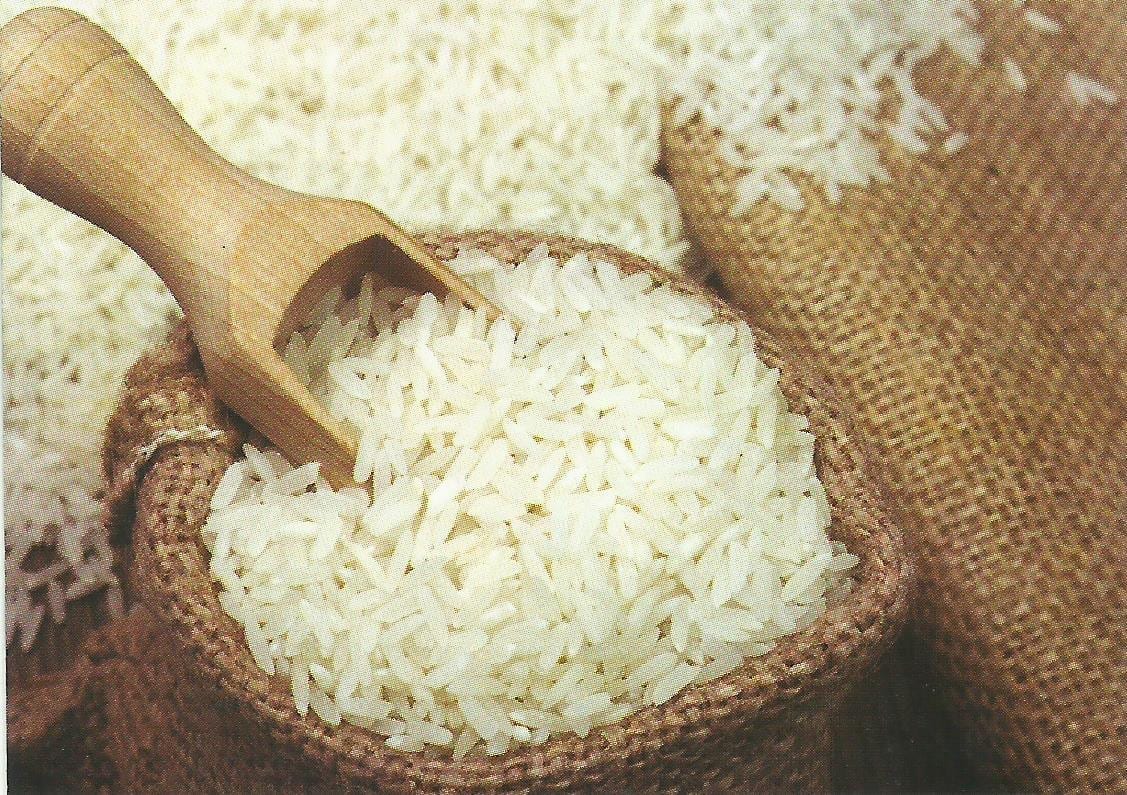
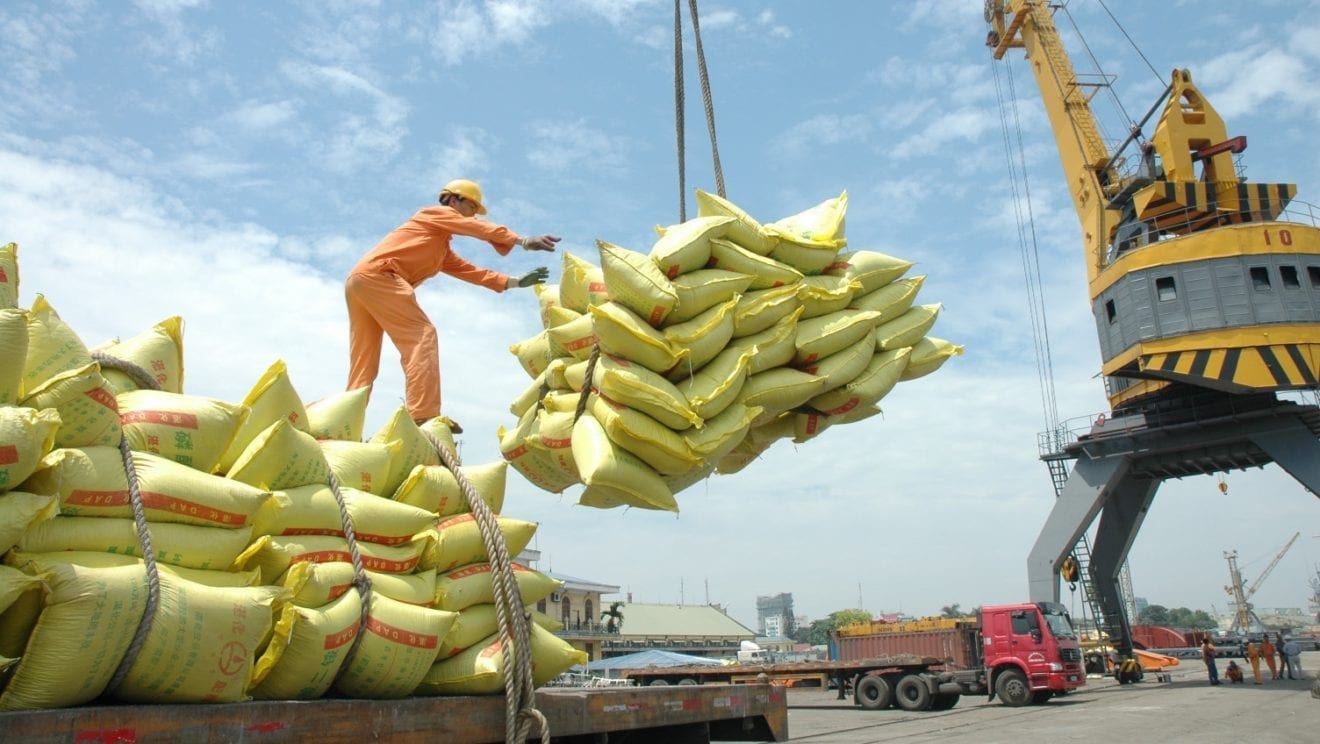
    Vietnam’s rice exports from Jan. 1-15 reached 268,700 tons worth nearly US$165.7 million, up 38.7% in volume and 23.28% in value year-on-year, according to the Vietnam Food Association.

    However, export prices for 5% broken rice fell to $413 per ton, with 25% broken rice at $387 per ton.

    Despite the positive start, the VFA predicts a challenging year for rice exports, citing global competition and India’s return to the export market. The projected annual export volume for 2025 is 7.5 million tons, down from the record 9.04 million tons in 2024.

    In the domestic market, farmers in the Mekong Delta are facing slower demand and lower prices for rice. Key varieties like IR 50404 and OM 5451 are trading at VND5,500–5,700 (US$0.22-0.23) and VND5,800–6,000 per kilogram, respectively. The decline is attributed to ample global supply, particularly from competitors such as India and Thailand.

    Retail rice prices in An Giang are at VND15,000-22,000 per kg, depending on the variety. Meanwhile, by-products like rice bran and broken rice fetch between VND5,600–7,300 per kg.

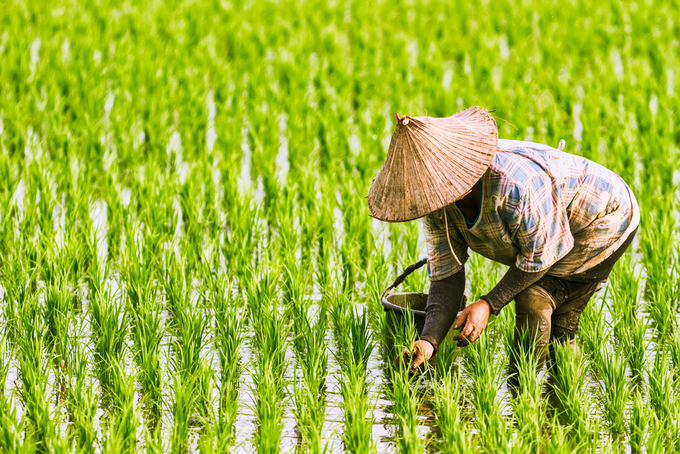
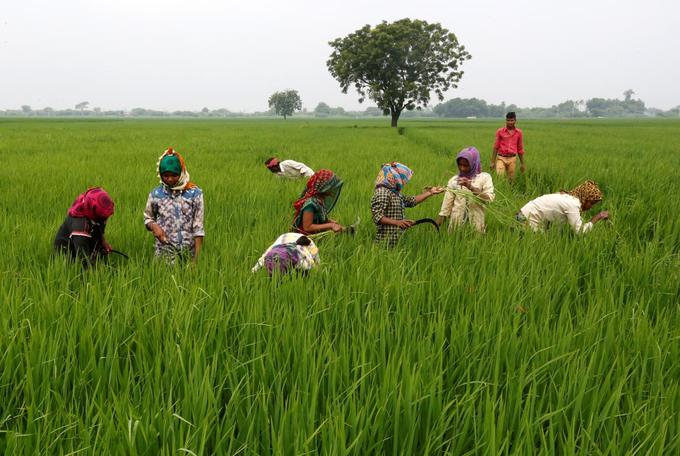
    As of January 20, Mekong Delta provinces have sown over 1.46 million hectares of the winter-spring crop, with 85,000 hectares already harvested.

    However, erratic weather, including alternating rain and sunshine, has heightened risks of diseases such as leaf blight and pests like gall midges, particularly in provinces such as Dong Thap and Kien Giang.

    The agriculture sector advises farmers to closely monitor their fields and take preventive measures to minimize potential losses early in the season.

  • Rice export prices drop to 4-year low

    Rice export prices drop to 4-year low

    Vietnam’s 5% broken rice price has fallen to US$434 per ton, the lowest in four years, posing challenges for businesses and farmers.

    The price of the country’s 5% broken rice is now lower than that of its major competitors such as Thailand ($479), India ($440), and Pakistan ($448) per ton, according to the Vietnam Food Association.

    Hoang, a rice farmer in Can Tho City, expressed concerns about the winter-spring rice crop, which will be harvested after Lunar New Year (Tet) that peaks on Jan 29.

    He worries that continued price declines could result in losses for his family due to high input costs.

    “The sharp fall in rice prices has made traders hesitant to sign new contracts with farmers,” Hoang said.

    “Last year, at this time, traders were placing high deposits continuously, but now, no one is asking to buy rice. Many traders have already started their Tet holiday early.”

    A leader of a rice exporting enterprise in An Giang revealed that his company is focusing on fulfilling previously signed contracts. New contracts for the first and second quarters of 2025 have been delayed.

    “Rice prices are fluctuating continuously, and enterprises are wary of potential losses if they buy rice at high prices,” he explained. “We are closely monitoring the market and actual demand to make reasonable purchasing decisions.”

    The sharp decline in Vietnam’s rice export prices is attributed to several factors, including major rice-importing countries adopting policies to reduce imports, avoid high-priced purchases, and, in some cases, even announcing plans to halt rice imports in 2025.

    A representative of the food association, said the Philippines and Indonesia, two of Vietnam’s key rice buyers, increased their imports in 2024 to secure short-term inventories for food security. As a result, they are currently not rushing to buy Vietnam’s rice and are waiting for prices to drop further.

    India’s recent decision to resume rice exports, coupled with its abundant supply and competitive pricing, has also significantly impacted the global market, including Vietnam.

    Reports revealed that the Philippines is negotiating a contract to import more rice from India.

    Private buyers in the Philippines often purchase Vietnamese rice with limited quantities because of financial balance, capital turnover or bank debt repayment, further cooling down the market.

    In the coming time, as the 2024–2025 winter-spring crop reaches its peak harvest, rice prices are expected to face further downward pressure.

    According to the U.S. Department of Agriculture, global rice supply is expected to increase significantly this year, with production projected to hit a record high of over 530 million tons, up 3.1 million tons from the previous forecast.

    The rise in supply is largely attributed to India lifting its ban on non-Basmati white rice exports and expecting to export 21–22 million tons of rice in 2025, an increase of 5 million tons compared to 2024.

    In addition to India, other countries such as Egypt, Guyana, Japan, and Venezuela are also contributing to the increased production. However, the Philippines stands out as an exception, with its output forecast to decline.

    To maintain and expand market share, rice-exporting countries will need to adopt flexible market access strategies, focus on improving product quality, and explore new markets.
  • Japanese restaurant chain Pepper Lunch to launch in Mongolia

    Japanese restaurant chain Pepper Lunch to launch in Mongolia

    Japanese restaurant chain Pepper Lunch plans to open its first store in Mongolia next year, as part of its global expansion strategy.

    The brand has signed a franchise deal with local distributor Bluemon Group, making Mongolia its 17th country.

    “We signed a master franchise agreement with our Mongolian franchise partner yesterday,” Yuto Tago, global CEO of Pepper Lunch wrote on his LinkedIn account.

    “I cannot wait to see the first restaurant opening next year!”

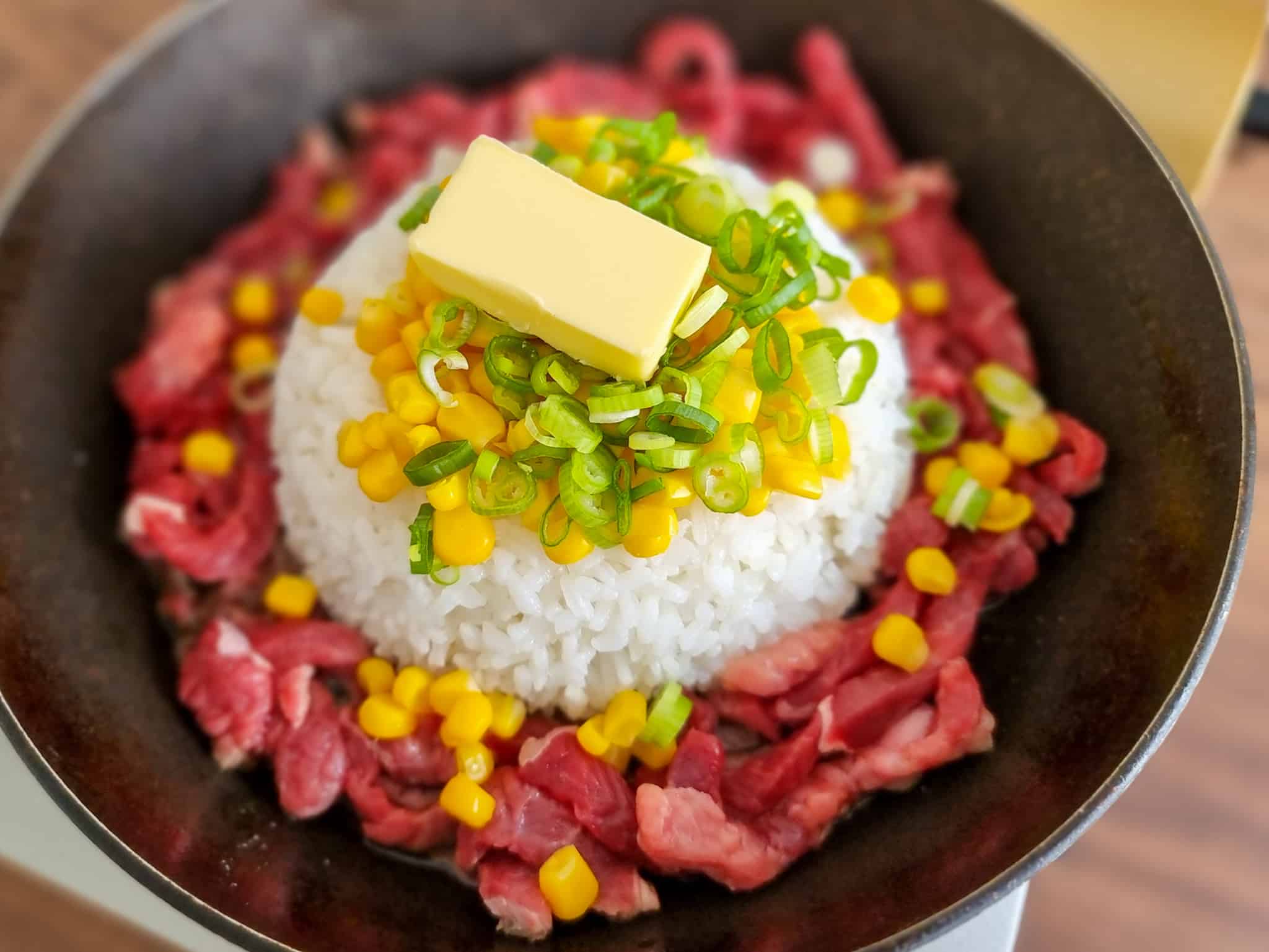
    Pepper Lunch is a DIY casual eating concept with more than 400 locations around Japan, Asia, and Australia. Founded by a trained chef, Kunio Ichinose, the restaurant focuses on premium steaks, pasta, and cheese curry rice.

    Pepper Food Service sold the Pepper Lunch franchise to J-Star Investment Fund for US$79 million in 2020.

  • Shrimp exports expected to hit $4B in 2024

    Shrimp exports expected to hit $4B in 2024

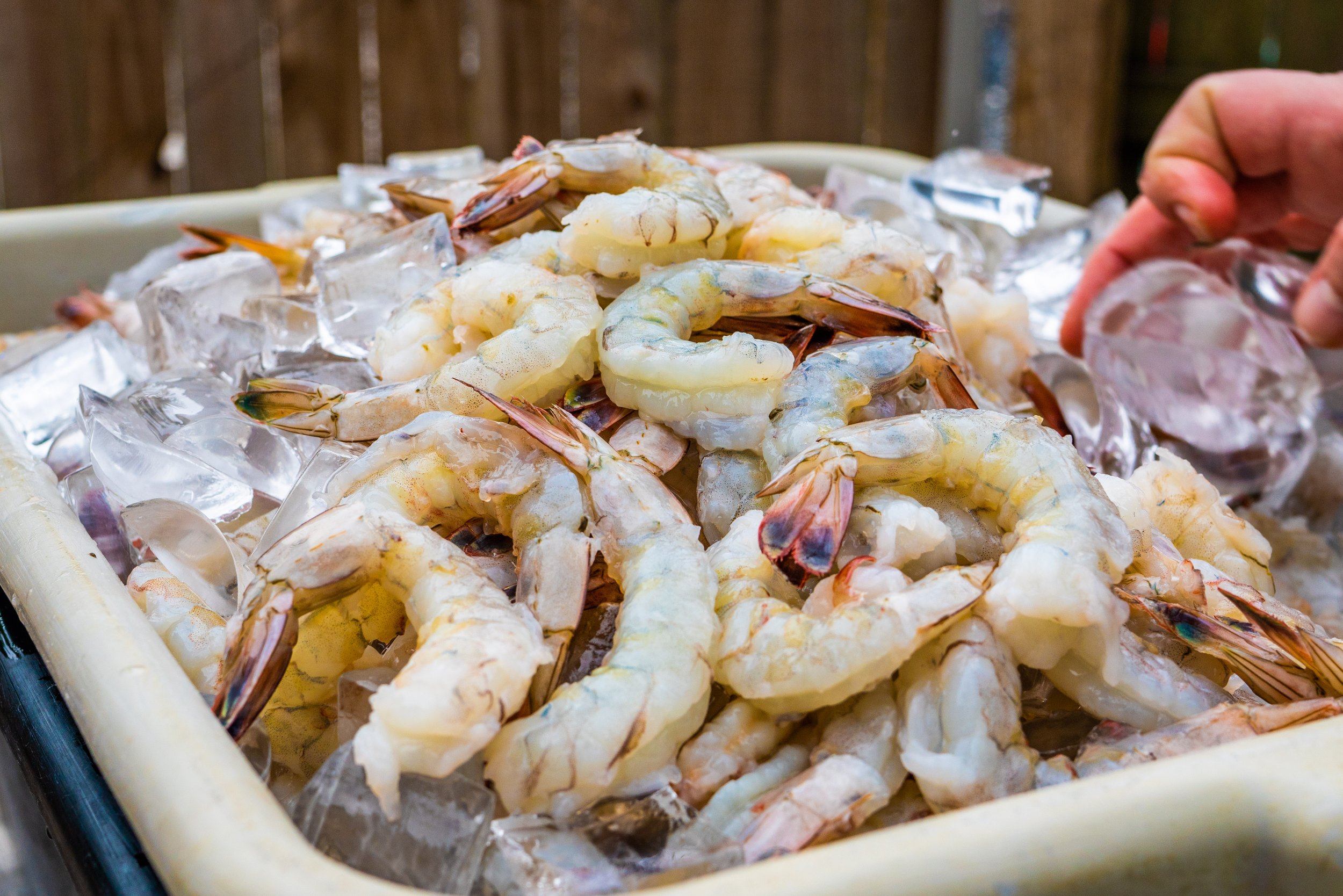
    With double-digit growth in key markets, Vietnam’s shrimp exports are projected to rake in $4 billion in 2024, according to insiders.

    While this figure is lower than the record of $4.3 billion achieved in 2022, it marks a strong recovery compared to 2023, when shrimp exports totalled only $3.4 billion. This recovery highlights the resilience of the shrimp industry as it continues to regain momentum.Vietnam’s shrimp exports showed impressive growth in the first 11 months of 2024, reaching nearly $3.6 billion, a 22% increase compared to the same period last year.

    According to the Vietnam Association of Seafood Exporters and Producers (VASEP), the shrimp sector is performing well in several key markets. Exports to both US and European Union have shown consistent growth, while China’s recent policies to stimulate domestic consumption could further drive demand for Vietnamese shrimp.

    Along with an uptrend in shrimp export prices, the processed shrimp sector is growing rapidly, marking a shift towards higher value-added products.

    However, experts held that the Vietnamese shrimp industry faces significant challenges that need to be addressed to ensure sustainable growth.

    Tran Dinh Luan, Director of the Fisheries Department under the Ministry of Agriculture and Rural Development, stressed that, to compete on the international market, Vietnam must improve shrimp quality and reduce production costs. Key issues include enhancing the quality of shrimplets, managing breeding cycles, controlling diseases, lowering production costs, and accurately forecasting the consumption patterns of importing markets. Addressing these challenges is vital to improving the shrimp value chain and boosting farmers’ incomes.

    Meanwhile, diseases on shrimps are considered a threat to the production and quality of shrimp products, he said.

    Phan Thanh Lam at the Research Institute for Aquaculture No. 2 noted that upgrading the shrimp industry’s value chain is a significant challenge, noting the industry’s poor linkages between production and consumption, and small scale of the majority of shrimp producers.

    Tran Ngoc Hai at the Can Tho University highlighted the importance of adopting high-tech, environmentally friendly shrimp farming practices that are resilient to climate change. The industry must also focus on meeting international standards and linking production across the value chain to better serve market demands.

    Despite environmental, disease, and production challenges, Luan highlighted that Vietnamese shrimp businesses have introduced many innovative solutions, such as applying new technologies and improving infrastructure. These efforts are helping to reduce emissions, extend the value

  • KFC Indonesia shutters 47 outlets, lays off thousands of employees

    KFC Indonesia shutters 47 outlets, lays off thousands of employees

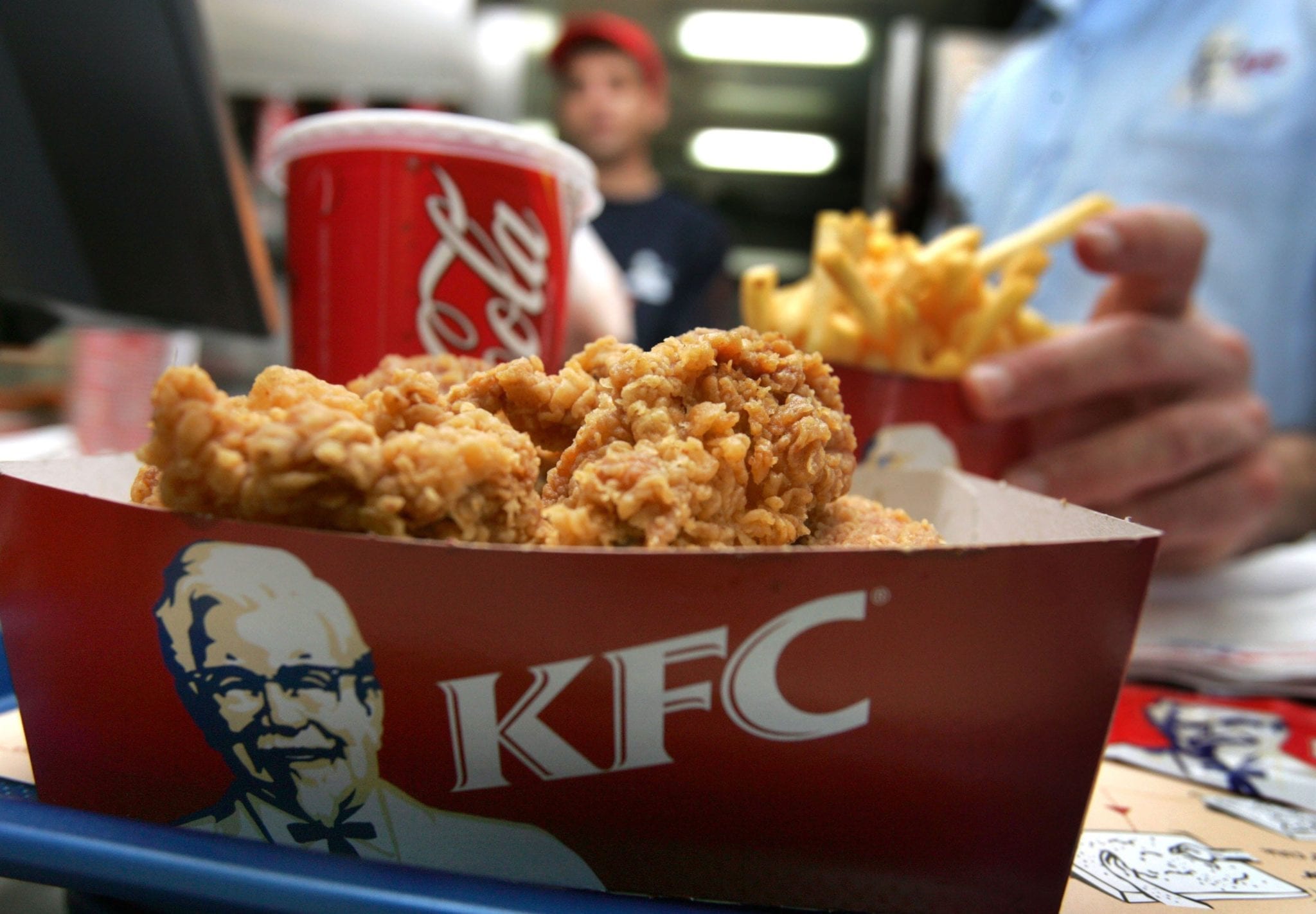
    KFC Indonesia reported a net loss of IDR557.08 billion (over US$36 million) as of the third quarter of this year, resulting in the company’s closure of 47 outlets and sack of 2,274 employees.

    In its financial report, KFC Indonesia’s owner, Gelael and Salim Group under PT Fast Food Indonesia Tbk (FAST), disclosed that in the first nine months of this year, the company reduced its operational store count to 715 from the 2023 figure of 762. Its workforce has also significantly decreased, now standing at over 13,700 employees compared to nearly 16,000 previously.

    The most substantial factor in FAST’s revenue decline was a sharp drop in food and beverage sales, totaling 3.57 trillion IDR as of the third quarter, an annual decrease of 22.4%.

    FAST’s leaders attributed these downturns to the prolonged negative impacts of the COVID-19 pandemic. Recovery has yet to help the company reach its expected sale targets, while market conditions have further deteriorated.

  • Vietnam fetches $227M from crab exports

    Vietnam fetches $227M from crab exports

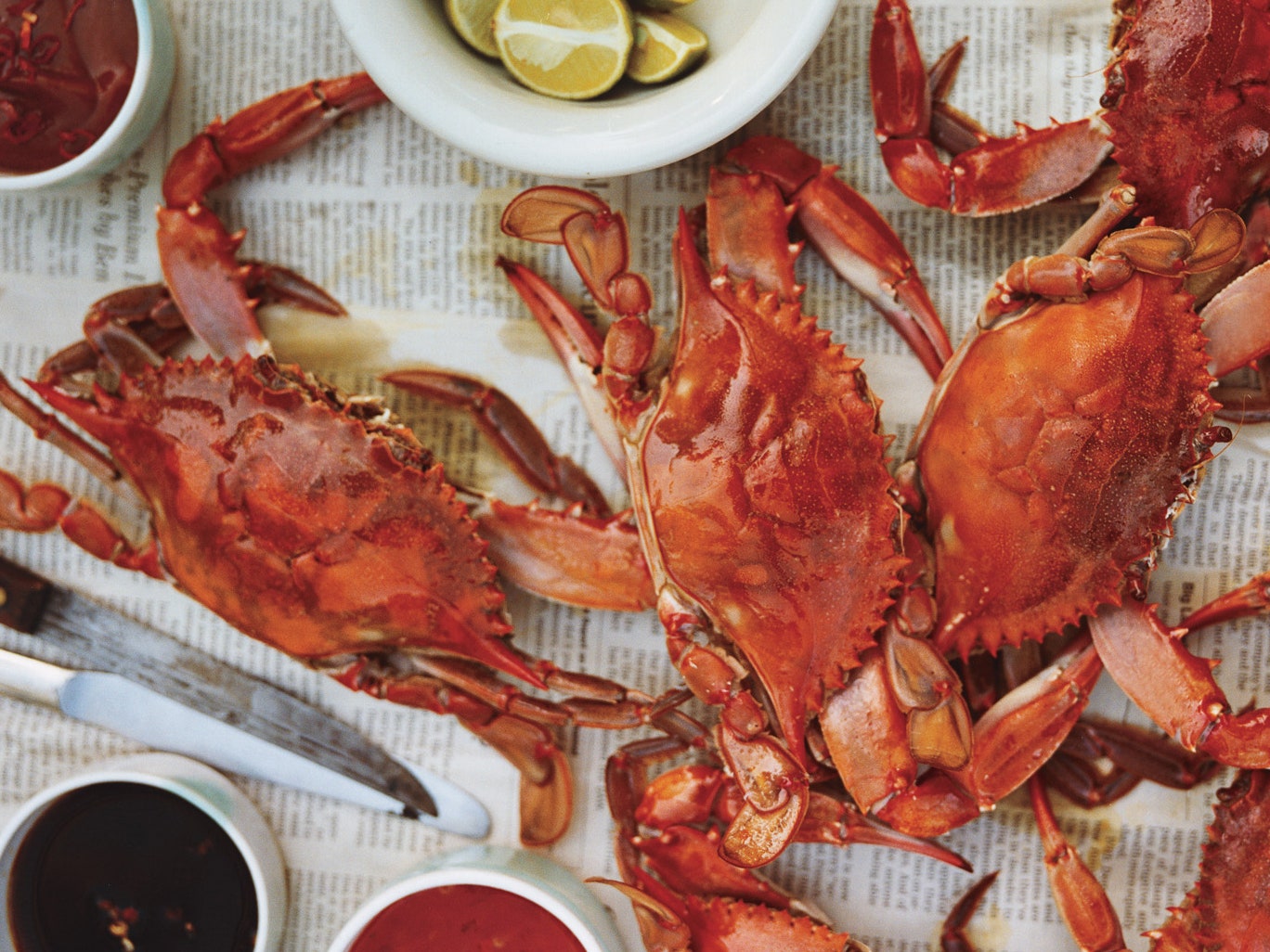
    Crab exports in the first nine months surged 66% year-on-year to $227 million, the strongest growth recorded among major fishery products.

    The rise in sales came as major markets, especially China, pumped up demand for Vietnamese crabs, the Vietnam Association of Seafood Exporters and Producers (VASEP) said in a report.

    Japan was also a major market as Vietnamese high-quality crabs are priced competitively there.

    Crab exports are expected to hit $300 million for the whole year.

    Fishery exports in total rose 8.5% to $7.16 billion in the first nine months. Shrimps led the gain with a 10.5% growth.

    VASEP forecasts that Vietnam’s seafood exports in 2024 can grow 7% to $9.5 billion, with shrimp, pangasius, tuna, squid and octopus making up the bulk of delivery.

  • Rice exports top $3.8B in 8 months

    Rice exports top $3.8B in 8 months

    Vietnam exported 6.16 million tons of rice worth nearly US$3.85 billion in the first eight months of this year, the Ministry of Agriculture and Rural Development (MARD) has said.

    This marked a 5.9% increase in volume and a 21.7% growth in value from the same period last year.

    According to the MARD, along with the increase in output, the average rice export price in the period also rose about 14.8%, reaching $625 per ton.

    In the domestic market, prices of many types of rice in the Mekong Delta region remained stable last week compared to the previous week.

    Specifically, prices in the Mekong Delta province of An Giang remained unchanged for popular varieties such as Dai Thom (fragrant rice) 8, OM 5451 and OM 18.

    Regular rice retails at VND15,000-16,000 (US$0.6-0.64) per kilogram, while long-grain fragrant rice is sold at about VND20,000-21,000.

  • Japan’s biggest sushi chain Sushiro launches first Beijing store

    Japan’s biggest sushi chain Sushiro launches first Beijing store

    Japan’s biggest sushi restaurant chain Sushiro opened its first store in China’s Beijing Wednesday as part of its expansion in the world’s most populated country.

    Its new store, located in the Xidan Joy City shopping mall, has four private rooms, each allowing up to 10 customers, who can order from a touch screen and pick up their food from a conveyor belt, according to Nikkei Asia.

    This is Sushiro’s 45th location in China. It launched the first store in Guangzhou in 2021 and has expanded to several cities since.

    Sushiro, headquartered in Osaka, has over 500 restaurants in Japan. It was founded 30 years ago and is now present in many Asian countries including South Korea, Thailand and Singapore.

    Its competitor Hama Shushi has also been expanding in China and opened the first Beijing store earlier this year.

    China has prohibited the import of seafood from Japan due to the discharge of treated radioactive wastewater. In China, conveyor belt sushi restaurants primarily offer locally sourced seafood.

  • Philippines spends $1.2B on Vietnamese rice in H1

    Philippines spends $1.2B on Vietnamese rice in H1

    Rice was the Vietnamese product with the highest export value to Philippines in the first six months of 2024, with a turnover of $1.2 billion, up 41% over the same period last year.

    According to data from the Vietnam Trade Office in the Philippines, Vietnamese rice has been leading the market in the Philippines, Vietnam’s largest rice export partner, for many years.

    In June, the Philippines reduced rice import tax from 35% to 15% until 2028, and is expected to increase import volume from 4 million to 4.5 million tons. This is deemed a great opportunity for Vietnamese rice in the second half of the year.

    However, although rice export opportunities are expanding, many businesses are still cautious due to high input prices and the impact of storms that could reduce rice supply at the end of the year.

    The Vietnam Trade Office in the Philippines recommends that businesses need to balance costs to offer competitive prices and maintain market share. At the same time, the Ministry of Industry and Trade, the Embassy and the Vietnam Trade Office will also support businesses in trade promotion activities, advertising and improving product quality to increase export value, it said.

    Last year, Vietnam exported more than 3 million tons of rice to the Philippines, down 3% compared to 2022. However, thanks to the increase in prices, export turnover reached $1.75 billion, up 17.6% compared to the previous year.

  • Export permit hurdles for Malaysia’s fresh durian shipment to China

    Export permit hurdles for Malaysia’s fresh durian shipment to China

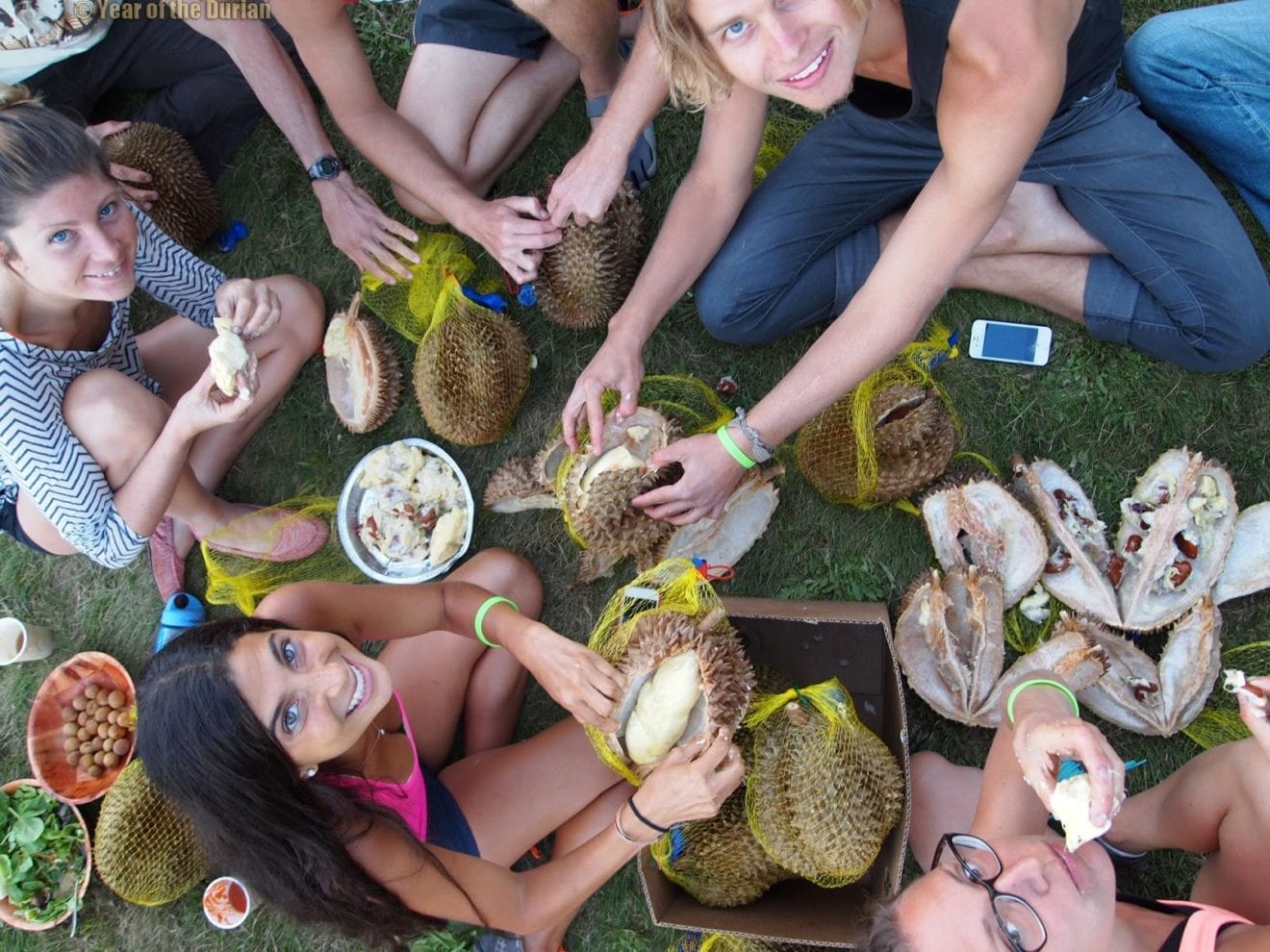
    Malaysia is preparing to deliver its first shipment of fresh durians to China, but obtaining approved permits might be difficult for exporters and farmers.

    Malaysia was granted permission to export fresh durians to China under a phytosanitary protocol signed on June 19 during Chinese Premier Li Qiang’s visit to the country.

    However, while the protocol gave the country the green light to export fresh durians, the actual export date was not confirmed, according to Malaysia’s national news agency. Earlier this month, Malaysia’s Agriculture Department director general, Nor Sam Alwi, noted the country is preparing to deliver the first 1,000 tons of fresh premium durians to China, but the export agreement has yet to be finalized.

    “We expect (it exported in) October but everything depends on the speed and approval from the General Administration of Customs of the People’s Republic of China (GACC)

    While Malaysian farmers are eager to capitalize on the durian market, they must wait until September for their applications for approved permits to be reviewed by China’s customs.

    But getting a permit is not just about waiting, as farmers and exporters must also meet the strict requirements set by China.

    “China requires a certain quantity and quality before accepting the fruits,” Food Security and Cooperative Development Committee chairman Fahmi Zainol said. “There needs to be enough quantity of the same ‘brand’ (type) of the fruit, but Penang farmers who have a mixed variety of durian species face difficulties in fulfilling this (requirement).”

    Durian farmer Tan Chee Keat, who has been exporting fresh durians to China for eight years under a special approval, added that they must also adhere to GACC’s many protocols and fulfill hazard analysis and critical control point procedures for food safety management.

    “It is not easy and not many farms here can do so.”

    Malaysian durian expert Lim Chin Khee said that the country’s current production of fresh durians is sufficient to export to China, but maintaining the fruit’s quality, especially during transport, might be a challenge.

    “Ensuring the freshness of durians during transport requires robust cold chain logistics infrastructure, which may necessitate significant investment and coordination,” he noted.

    Abdul Rashid Bahri, director general of Malaysia’s Federal Agricultural Marketing Authority, said that approximately 70 packing centers across the nation are currently under review by the Agriculture and Food Security Ministry.

    Additionally, over 200 durian farms that meet national agricultural standards are seeking to undergo the auditing process to become eligible for export, he added.

    Before the signing of the protocol, Malaysia had been selling durians as pulp, paste, and frozen whole fruit to China.

    Last year, it exported RM1.19 billion (US$252.2 million) worth of durian to China, making the country its key market.

  • Wedderspoon sale to anchor New Zealand food business

    Wedderspoon sale to anchor New Zealand food business

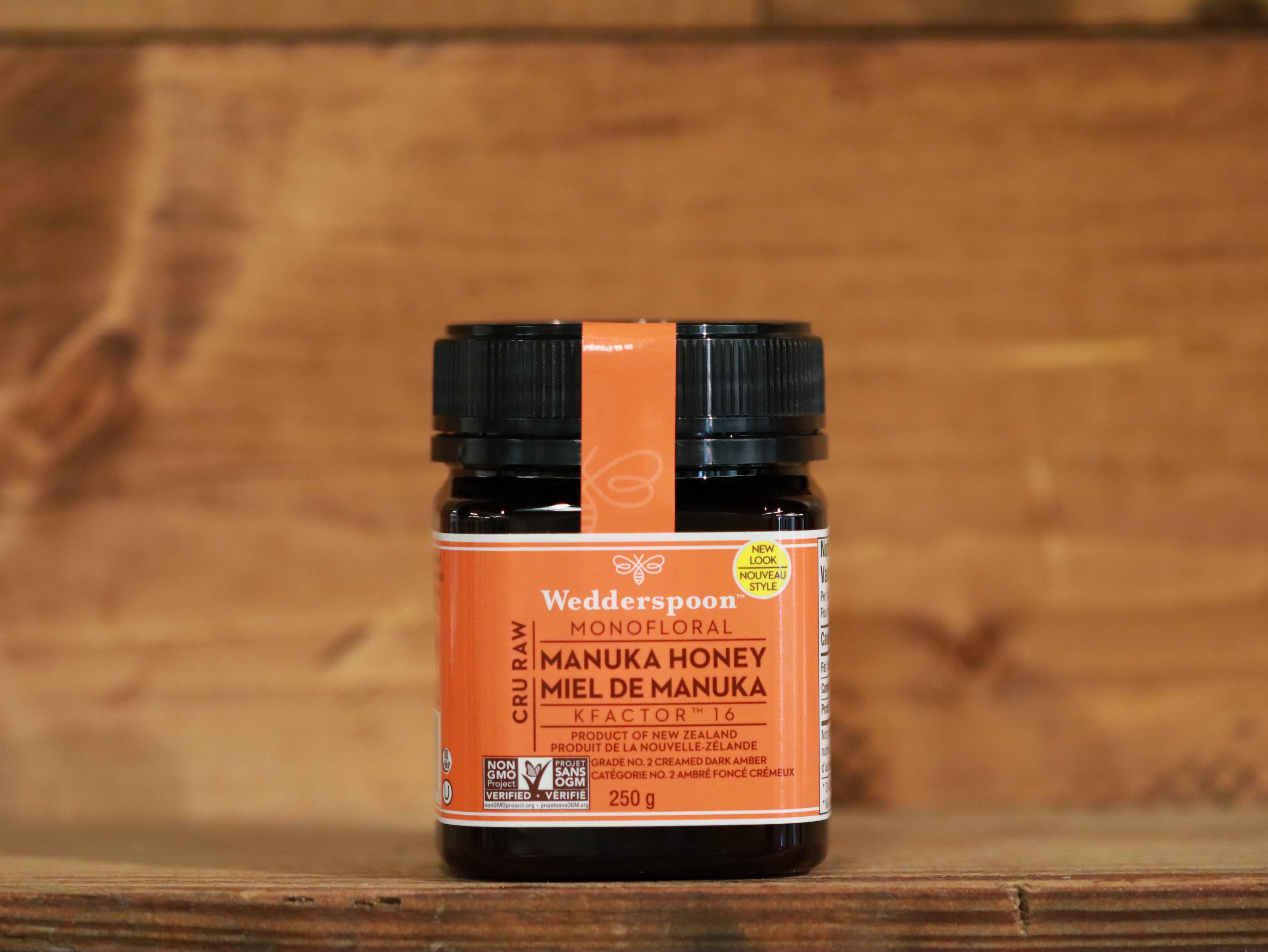
    Investment firm Masthead, has acquired New Zealand Manuka honey brand Wedderspoon Organic, and plans to consolidate its brand portfolio into a new company, Florenz, with Mike Tod to take the helm as its CEO.

    Florenz also owns New Zealand-based vitamins and supplements exporter Xtend-Life Group, ingredients manufacturer Dry Food New Zealand, and blackcurrant-based sports performance supplement exporter, 2Before Performance Nutrition. It also holds a cornerstone shareholding in the New Zealand herbal remedies company Harker Herbals Products.

    “Through Florenz, we have started assembling and growing a complementary series of businesses,” said Tod.

    “We believe in the ability of Kiwis to compete and win on the global stage and have installed an outstanding team at Florenz with deep global experience,” said Tod.

    Established in 2006, Wedderspoon Organic is one of the largest distributors of New Zealand-sourced Manuka Honey products in North America. Its range includes honey lozenges, drops, apple cider vinegar, and throat sprays.

    The move aims to expand the company’s presence in North America, leveraging Wedderspoon’s existing distribution network in over 23,000 retail stores, including major outlets such as Walmart, Costco, and Whole Foods.

    “We are privileged to become the new custodians of the Wedderspoon brand and to support the growth of the New Zealand Manuka honey industry by building more global awareness of this incredible natural product,” concluded Tod.

  • Philippines lowers rice import tax to 15%

    Philippines lowers rice import tax to 15%

    The Philippines, one of the world’s largest rice buyers, has announced a reduction in rice import taxes from 35% to 15%, effective from early this August through 2028.

    This can be seen as the latest action by the Philippine government to tackle inflation, especially increasing rice prices in the market so far this year.

    In the first quarter of 2024, the Philippines’ economy was relatively stable, except for the price increase of some essential consumer goods, particularly rice, which saw an increase of about 24.4%. The rice prices account for approximately 9% of the Consumer Price Index (CPI) of the Southeast Asian country.

    According to the Vietnam Trade Office in the Philippines, Vietnam’s largest buyer to date, accounting for over 80% of the total rice imported into the Philippine market.

    As of May 23, Vietnam exported 1.44 million tons of rice to the Philippines, accounting for 72.9% of the country’s total grain imports. The Philippines’ reduction of the rice import tax is said to increase opportunities for Vietnamese rice in the market.

    Latest data from the Department of Agriculture’s Bureau of Plant Industry, the Philippines’ total rice imports rose by 20.3% to 1.97 million tons in the reviewed period. The country’s total rice imports are estimated to reach about 4 million tonnes in 2024.

  • Food exports beginning to recover

    Food exports beginning to recover

    Food exporters are seeing a recovery in orders though admittedly they have yet to climb back to the levels of past years.

    “We have gotten orders worth tens of millions of dollars so far this year,” Le Thi Giau, chairwoman of instant noodle exporter Binh Tay Food, said at a trade promotion forum earlier this month in HCMC.

    Minh Phu Seafood reported a 30% increase year-on-year in processed seafood exports in the first quarter, having received more orders from the U.S. and EU after a two-year slump in demand.

    It hopes to boost revenues by 50% this year.

    Ly Kim Chi, chairwoman of the HCMC Food and Foodstuff Association, said exports of food products have increased by over 30% this year.

    Businesses have received enough orders to maintain steady production though volumes remain lower than in previous years, and need to expand to new markets and get more customers, she said.

    According to the Vietnam Association of Seafood Exporters and Producers, Vietnam’s seafood exports were worth nearly US$2 billion in the first quarter, up 8% year over Year.

    The figure is set to grow in the coming months as businesses get more orders, the association said.

    Chi said though exports have improved, firms are not making much profits due to high costs.

    “We have to keep prices steady to achieve sales, but both local and imported inputs have become more expensive, eating away at profits.”

    Vietnam’s export competitiveness has taken a hit due to high transportation costs caused by geopolitical conflicts, she added.

    Maritime research consultancy Drewry’s World Container Index, which provides a weekly assessment of container freight rates on 11 major trade routes, was at $2,795 per 40-foot container last week, up 64% year-on-year.

    In the long term food exporters would also face challenges in complying with increasingly strict sustainability regulations in large markets like Europe, experts said.

    The regulations require businesses to meet standards regarding energy and water consumption, greenhouse gas emissions and other environmental and social indicators.

    Nguyen Thi Thanh Phuong, environmental services manager at food testing laboratory Eurofins Sac Ky Hai Dang, said meeting these requirements helps businesses access foreign capital and expand into new markets.

  • Opportunity for Vietnam as Indonesia to import 1.6M tons more rice

    Opportunity for Vietnam as Indonesia to import 1.6M tons more rice

    Indonesia plans to increase rice imports by 1.6 million tons this year, giving Vietnamese exporters a big opportunity, the Vietnam Trade Office in that country said.

    The import licenses for the additional quota would be issued soon by its Ministry of Trade once legal procedures are completed, it said.
    It will increase the country’s rice imports to 3.6 million tons this year.

    Vietnamese exporters could capitalize on this opportunity, but would have to compete on price with many other countries, according to the head of a government agency in Dong Thap Province, one of the largest rice producers in the Mekong Delta.

    According to the official, Vietnam has advantages in terms of delivery times and quality, but its prices are high.

    “If businesses offer competitive prices, the chances of winning bids will be better.”

    The trade office advised businesses to push exports in the early months of the year since Indonesia’s main rice harvest has been delayed by two to three months due to a water shortage caused by the El Nino phenomenon.

    Indonesia imported 441,930 tons of rice in January, an 82% increase year-on-year, including 32,340 tons from Vietnam.

    Thailand accounted for 129,780 tons.

    Last month seven Vietnamese companies won a bid to export 300,000 tons of rice to Indonesia.

    Last year Indonesia was the second largest importer of Vietnamese rice, buying over 1.1 million tons or nearly nine times the volume it had imported in 2022.

  • Chilean cherries 10% costlier than last year on lower imports

    Chilean cherries 10% costlier than last year on lower imports

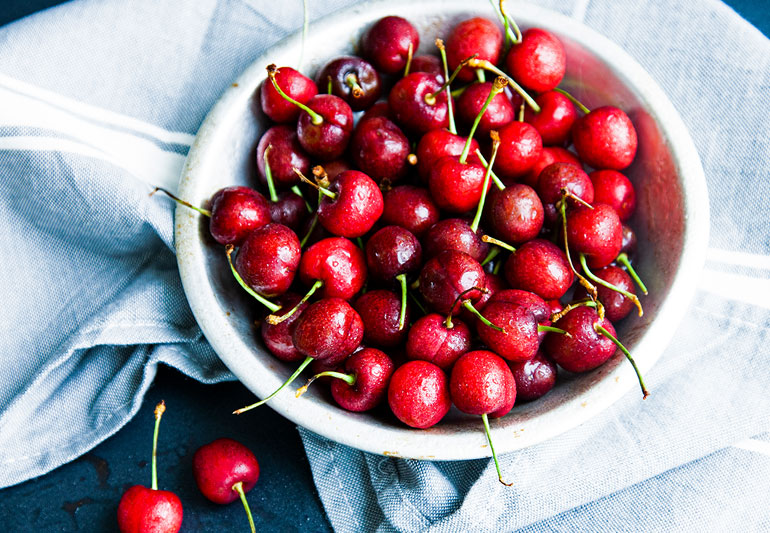
    The prices of Chilean cherries are 10% higher this year at VND600,000 (US$24.4) due to lower import volumes.

    Size 3JD cherries, which have a diameter of 30-32mm, are sold at VND599,000 per kilogram and VND580,000 if bought in bulk, at a fruit store on Phan Xich Long Street, Phu Nhuan District.

    2JD cherries measuring 28-30mm cost VND569,000 and smaller ones sell at around VND250,000-300,000.

    In Hanoi too, large cherries are being sold at VND600,000.

    Smaller cherries cost less because they are of lower quality and prone to bruising.

    The prices are 5-10% higher than at the same time last year.

    The store manager on Phan Xich Long Street said: “This year’s supply is lower than previous years. Coupled with increased shipping costs, the prices are up 10%.”

    Last year Chile exported 800-1,000 tons of cherries to Vietnam, up 16% from the 688 tons in 2022, according to the Chilean Fruit Exporters Association.

    As a result their prices dropped to as low as VND200,000-300,000 last year.