Retail News CRM

Tag: Food

  • Grab Holdings Surpasses Wall Street Expectations With Multi-service Superapp Strategy Amid Global Economic Uncertainties

    Grab Holdings Surpasses Wall Street Expectations With Multi-service Superapp Strategy Amid Global Economic Uncertainties

    Grab Holdings, a Singapore-based tech company, surpassed Wall Street’s revenue expectations in Q2, with a surge in consumption across its ride-hailing and food delivery services, seemingly unaffected by global economic uncertainties.

    Superapp Drive Pays Off

    The company’s robust growth can be attributed to its strategic efforts to transform its platform into a multi-functional, superapp. This expansive integration of various digital services, including ride-hailing, food, and grocery delivery, continues to entice a growing number of users, who are increasingly investing in the offered subscription plans.

    Despite the unease in global economic stability induced by ongoing US trade negotiations, resulting in worries over tariffs and heightened costs, particularly in Southeast Asia, the Singaporean economy remains robust. In Q2, it witnessed a growth rate of 4.3%, successfully averting a technical recession.

    According to Peter Oey, Grab’s CFO, the company’s growth strategy focuses on affordability, which not only encourages growth but also serves as a protective shield against global macroeconomic factors. In a bid to attract price-conscious consumers, the company has been simultaneously working on expanding its driver base to keep up with the rising user demand.

    Financial Performance

    Grab reported an impressive revenue of US$819 million for Q2, surpassing analyst predictions of $811.3 million. The company attributed a significant portion of this success to its robust performance in Indonesia. Previously identified as a market with potential for deeper penetration, the company is now striving to capitalize on the country’s vast population and expand its market share.

    According to Oey, Indonesia has proved to be a profitable market for the company, prompting increased investment efforts in the region.

    Market Consolidation

    The online service market in Southeast Asia is witnessing a phase of consolidation, with larger entities acquiring smaller firms to diversify their service offerings. Though rumors of Grab’s potential acquisition of smaller Indonesian competitor GoTo were circulating earlier this year, Oey confirmed that no such discussions are underway.

    The company’s Q2 financials indicate a remarkable turnaround, with a profit of $20 million, in stark contrast to a $68 million loss in the same period the previous year.

    Questions & Answers

    How has Grab Holdings managed to exceed Wall Street’s revenue expectations in Q2?
    Grab Holdings has successfully surpassed revenue projections by transforming its platform into a superapp, integrating various digital services and appealing to a growing number of users.

    How is the company responding to global economic uncertainties?
    Grab Holdings is focusing on affordability as a protective shield against global macroeconomic factors. It is also endeavoring to keep up with increasing user demand by expanding its driver base.

    What is Grab Holdings’ strategy for the Indonesian market?
    Considering the robust performance and profitability in Indonesia, Grab Holdings is aiming to capitalize on the country’s vast population and increase its market share by investing more in the region.
  • Charlie’s Fine Food Expands Reach: Choc Chip Cookie Dough Hits Aldi Australia Shelves

    Charlie’s Fine Food Expands Reach: Choc Chip Cookie Dough Hits Aldi Australia Shelves

    The renowned Melbourne-based bakery, Charlie’s Fine Food, has recently made a significant splash with its products appearing on Aldi Australia’s shelves for the first time in over 20 years of operation.

    Expanding Product Reach

    The ready-to-bake Choc Chip Cookie Dough, which is the first product to be launched by the bakery in partnership with the supermarket chain, is now available in Aldi’s chilled dessert section across the nation. Priced at $6.49, the cookie dough is the result of 12 dedicated months of development. This launch is a significant achievement for the family-owned bakery.

    Jacky Magid, the director of sales and marketing, expressed her excitement about this fresh partnership with Aldi. “This is the first time we have collaborated with Aldi and the experience has been exceptional. We anticipate that this will be the first of many Charlie’s products we develop for Aldi’s shoppers to enjoy,” said Magid.

    Foundational History

    Charlie’s Fine Food was established in 2004 by Magid and her husband, Ken Mahlab. Over the years, the bakery has expanded its reach, with its products now being sold in major retailers such as Woolworths, Coles, Walmart, and Bunnings.

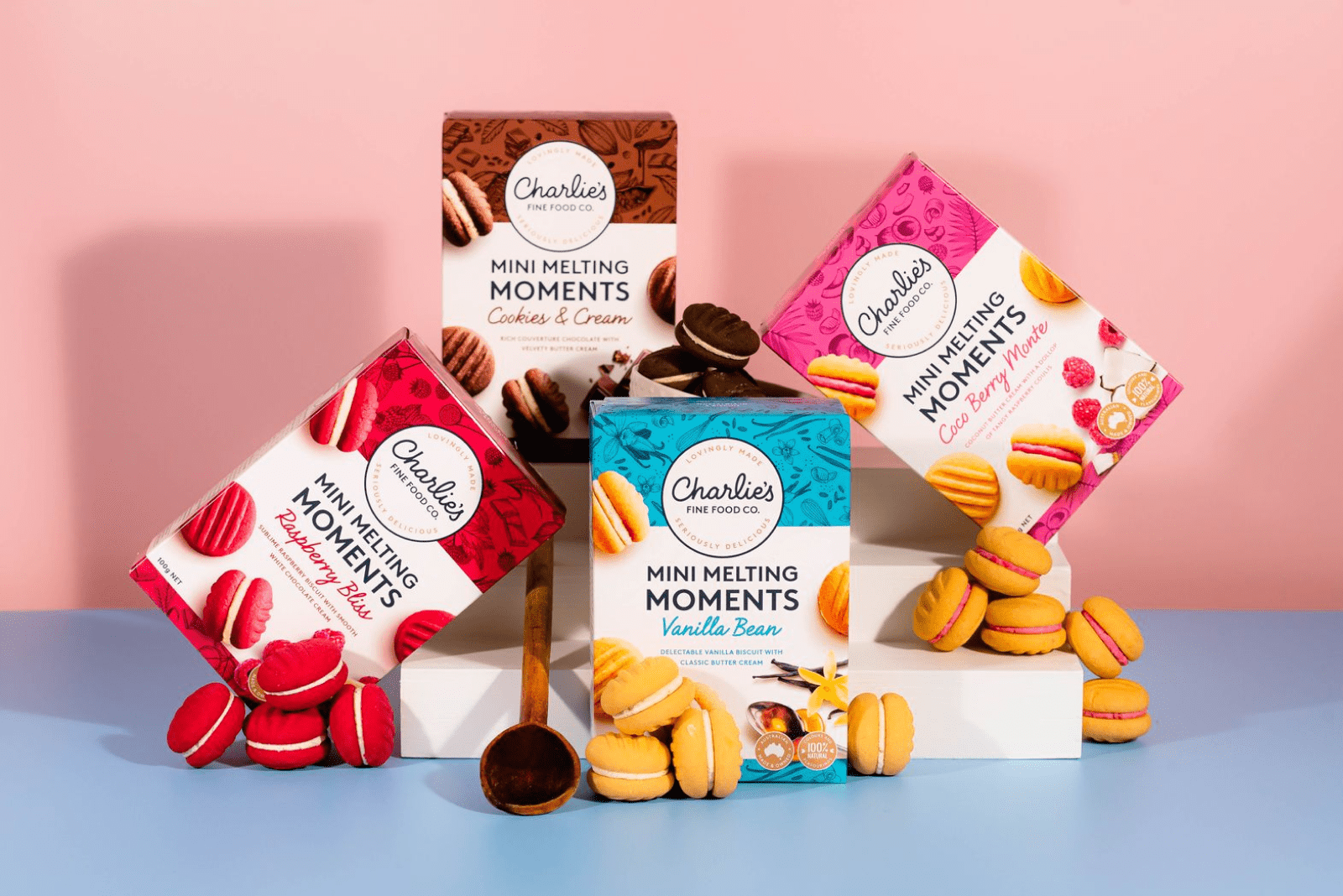
    In 2022, the bakery’s reputation grew even further with the popular launch of its Mini Melting Moments range in Woolworths Metro stores across the country.

    Questions & Answers

    What is the first product Charlie’s Fine Food has launched in Aldi?
    The first product from Charlie’s Fine Food to be launched in Aldi is their ready-to-bake Choc Chip Cookie Dough.

    Who are the founders of Charlie’s Fine Food?
    Charlie’s Fine Food was founded by Jacky Magid and her husband, Ken Mahlab.

    What is the significant product launch by Charlie’s Fine Food in 2022?
    Charlie’s Fine Food launched its Mini Melting Moments range in Woolworths Metro stores across the country in 2022.

  • Lee Kent Takes Reigns As Pepsico New Zealand’s GM Of Foods, Aiming To Amplify Brand’s Impact

    Lee Kent Takes Reigns As Pepsico New Zealand’s GM Of Foods, Aiming To Amplify Brand’s Impact

    PepsiCo New Zealand has announced the appointment of Lee Kent to the position of General Manager (GM) of Foods, effective from the 1st of August. He is set to succeed Michelle Cassettari in this role.

    Lee Kent’s New Role

    In his new position as GM of Foods, Kent will oversee operations, strategy, and management of the Bluebird brand, which is part of PepsiCo’s portfolio in New Zealand. Additionally, he will spearhead a cross-functional team with a primary focus on expanding the presence of PepsiCo within the country.

    Alexia Horley, the Chief Executive Officer (CEO) of PepsiCo Australia and New Zealand Foods, spoke highly of Kent’s abilities. She emphasized his bold strategic approach and his proficiency in establishing, managing, and executing business relationships. Horley believes that these skills will be a crucial differentiator in building effective leadership.

    Lee Kent’s Background

    Kent’s move to PepsiCo New Zealand comes after a notable tenure of more than 11 years at PepsiCo UK. In the UK, he held a number of senior commercial roles spanning organized trade, traditional trade, e-commerce, and value retail.

    In his most recent role, Kent served as the Senior Sales Director for PepsiCo’s Tesco business. He was an integral member of the UK sales leadership team. Additionally, Kent was responsible for leading cross-functional collaboration across marketing, supply, and finance sectors as the commercial lead for UK snacks.

    Questions & Answers

    Who is the new General Manager of Foods at PepsiCo New Zealand?
    Lee Kent has been appointed as the new General Manager of Foods at PepsiCo New Zealand, succeeding Michelle Cassettari.

    What will Kent’s responsibilities include in his new role?
    Kent will oversee operations, strategy, and management of the Bluebird brand, and lead a team aimed at expanding PepsiCo’s presence in New Zealand.

    What was Kent’s role at PepsiCo UK?
    Lee Kent served as the Senior Sales Director for PepsiCo’s Tesco business in the UK and was responsible for cross-functional collaboration across marketing, supply, and finance.

  • Hanwha Group Mulls Sale Of Fg Korea, Operator Of Five Guys Franchise In South Korea

    Hanwha Group Mulls Sale Of Fg Korea, Operator Of Five Guys Franchise In South Korea

    The South Korea-based conglomerate, Hanwha Group, is reported to be contemplating the sale of FG Korea, the operator of the American burger franchise Five Guys in South Korea.

    FG Korea and Hanwha Group

    FG Korea functions as a fully-owned subsidiary of Hanwha Galleria, which is the retail division of Hanwha Group. The company recently disseminated documents to private equity firms via a local accounting firm, Samil PwC. This action is seen as an indicator of a possible sale. It is anticipated that if a sale does occur, it would likely result in the complete transfer of ownership of the company.

    FG Korea’s Expansion

    FG Korea was instrumental in introducing Five Guys to the South Korean market in 2023, with the inaugural restaurant opening in the Gangnam district of Seoul. Since then, the chain has grown to include seven branches, with plans for an eighth location to open later this month in Yongsan, central Seoul.

    In the previous year, FG Korea had entered into an agreement with Five Guys International to spearhead the brand’s expansion into Japan, with an ambitious goal of establishing more than 20 outlets within the span of seven years.

    FG Korea’s Financial Performance

    In the past fiscal year, FG Korea reported significant sales of 46.5 billion won (approximately US$33.4 million) and a net income of 2 billion won.

    This potential sale is understood to be part of Hanwha Galleria’s attempts to optimize its portfolio and reduce expenses.

    Questions & Answers

    What is the relationship between FG Korea and Hanwha Group?
    FG Korea is a wholly-owned subsidiary of Hanwha Galleria, which is the retail branch of Hanwha Group.

    What has been FG Korea’s role in the expansion of Five Guys?
    FG Korea brought Five Guys to South Korea in 2023 and has since helped the brand grow to seven locations. Furthermore, they have also signed a memorandum of understanding with Five Guys International to lead the brand’s expansion into Japan.

    What is the financial performance of FG Korea in the past fiscal year?
    FG Korea reported 46.5 billion won (approximately US$33.4 million) in sales and a net income of 2 billion won in the last fiscal year.

  • Hive & Wellness Australia Initiates Strategic Review Amid Global Interest

    Hive & Wellness Australia Initiates Strategic Review Amid Global Interest

    Hive & Wellness Australia Begins Business Review

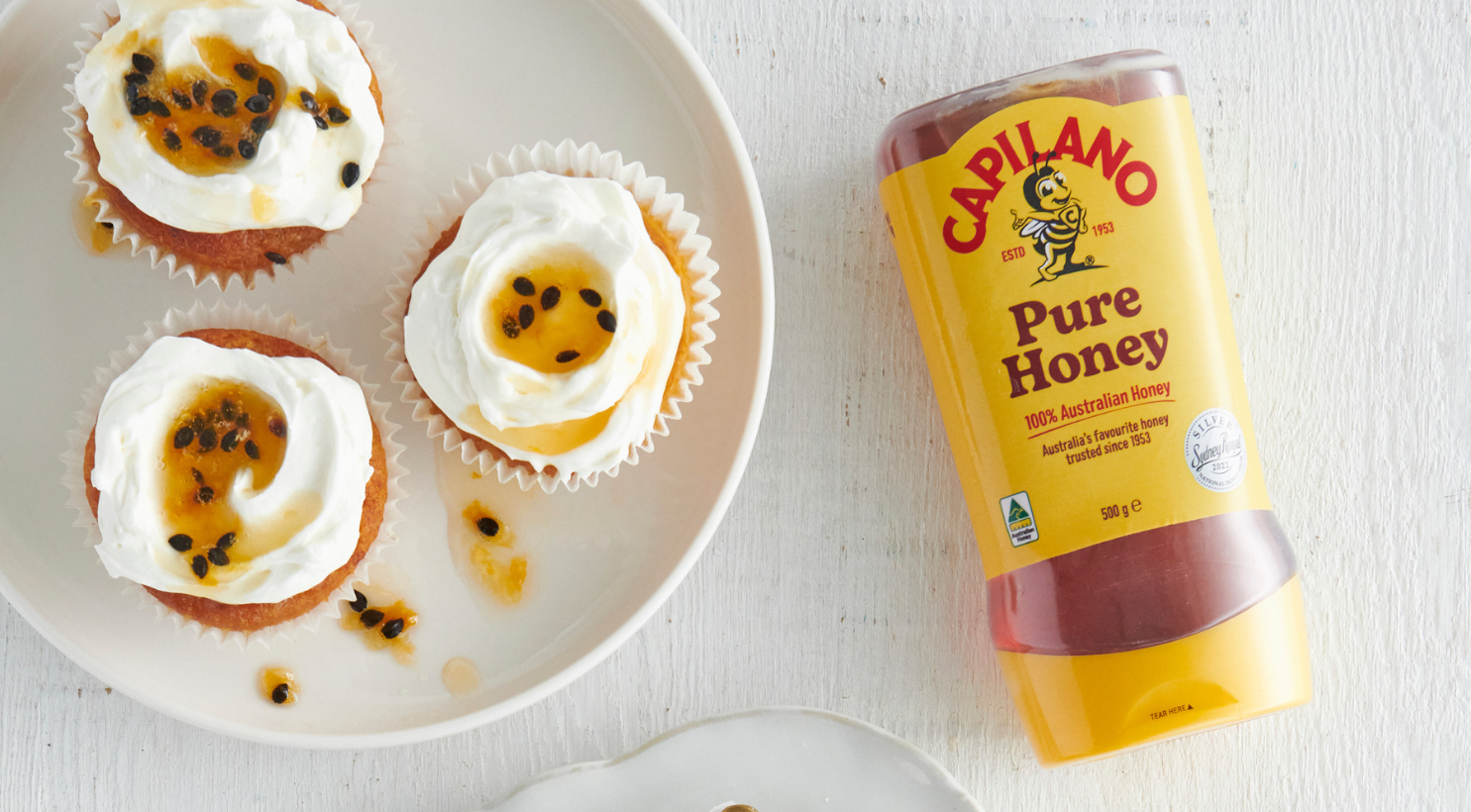
    Hive & Wellness Australia, the firm behind the Capilano Honey brand, has initiated a comprehensive evaluation of its operations. The company has engaged the services of Rothschild & Co to assist in this strategic review.

    This decision has been prompted by unsolicited interest shown in the company’s operations. Hive & Wellness Australia is considering a range of potential avenues, including courting interest from global food corporations and financial backers.

    Capilano Honey Goes Private

    In 2018, Capilano Honey transitioned to private ownership as part of a joint venture consisting of Wattle Hill Capital, ROC Partners, and Australian Capital Equity. This led to the formation of Hive & Wellness Australia.

    Subsequent to the acquisition, the consortium has collaborated with CEO Ryan d’Almeida to extend Hive & Wellness’s reach on a global scale. The brand’s products are now available in over 35 countries, with its international presence spanning markets such as China, Japan, and the United States.

    Business Performance and Portfolio

    Hive & Wellness Australia is a major player in the honey industry, sourcing over 15,000 tonnes of honey every year. The company posted impressive gross sales figures, approximately $150 million, for the 2025 fiscal year.

    Besides Capilano, Hive & Wellness Australia also owns other notable brands including Barnes Naturals and Wescobee, further diversifying its portfolio and strengthening its market positioning.

    Questions & Answers

    What prompted Hive & Wellness Australia to initiate a business review?
    The company decided to undertake a strategic review following unsolicited expressions of interest in its business operations.

    Which firms were involved in taking Capilano Honey private in 2018?
    Wattle Hill Capital, ROC Partners, and Australian Capital Equity formed a consortium to transition Capilano Honey to private ownership, resulting in the formation of Hive & Wellness Australia.

    What brands does Hive & Wellness Australia own apart from Capilano Honey?
    The company’s portfolio includes a number of brands such as Barnes Naturals and Wescobee, in addition to Capilano Honey.

  • Coconut Prices Soar to $7 a Dozen: What This Means for Retail and Consumers

    Coconut Prices Soar to $7 a Dozen: What This Means for Retail and Consumers

    Coconut prices have soared six-fold since 2022, reaching VND190,000 (US$7.26) per dozen, driven by soaring global demand.

    Soaring Demand Meets Shrinking Supply

    According to the Vietnam Coconut Association, the appetite for coconut-derived products—including food, cosmetics, and biofuels—is expanding rapidly. Yet, this booming demand stands in stark contrast to the declining coconut output in Vietnam, a situation exacerbated by climate change, persistent droughts, pests, and outdated farming practices.

    Farming Challenges Highlighted

    Investments in proper crop care remain woefully low; only about 20% of coconut farmers engage in necessary fertilization and pest control, leading to unsatisfactory and erratic yields. Most farmers opt for a more laissez-faire approach, allowing their trees to grow naturally, which contributes to the ongoing supply crunch.

    Global Markets Pivot to Vietnamese Coconuts

    The U.S. officially welcomed fresh coconut imports from Vietnam in 2023, adding to existing exports to China and a surge in purchases from various Middle Eastern nations. These international openings have tightened domestic supply and propelled prices upward, according to Cao Ba Dang Khoa, General Secretary of the Vietnam Coconut Association.

    While the rise in prices signals a potential boost to farmers’ incomes, it presents difficult challenges for processing companies, which find it hard to increase their prices in an intensely competitive global market. Notably, prices are also climbing in neighboring coconut-producing nations such as Thailand, Malaysia, the Philippines, and Indonesia.

    A Thriving Industry in the Face of Challenges

    Vietnam boasts over 200,000 hectares dedicated to coconut cultivation, yielding approximately two million tons annually. The processing sector has witnessed impressive growth, expanding from just eight facilities in 2015 to 45 by 2024. Prominent firms like Betrimex, Luong Quoi, and Beinco are adopting modern technologies to adapt to this evolving market landscape.

    As the coconut industry lumbers forward, it seems we may be witnessing the rise of the “water of life” from the tropics—because who could resist those benefits?

    Questions & Answers

    What is driving the rising price of coconuts in Vietnam?
    The surge in coconut prices is largely attributed to increasing global demand for coconut-based products, combined with a decline in domestic supply due to factors like climate change and inadequate farming practices.

    How has the processing sector adapted to these market conditions?
    The number of coconut processing facilities has escalated from eight in 2015 to 45 in 2024, with companies investing in modern technologies to enhance efficiency and meet growing demand.

    What challenges do farmers face in coconut cultivation?
    Many farmers struggle with consistent yields due to outdated farming techniques, with only a minority investing in essential crop maintenance practices such as fertilization and pest control.

  • Alibaba Unites Food Delivery and Travel Divisions to Propel ‘Instant Retail’ Initiative Forward

    Alibaba Unites Food Delivery and Travel Divisions to Propel ‘Instant Retail’ Initiative Forward

    In a significant shift within its operational strategy, Alibaba Group has announced plans to merge its food delivery service Ele.me and online travel platform Fliggy into its China e-commerce business segment. This development, revealed by CEO Eddie Wu in an internal letter to employees on Monday, reflects a rollback of the company’s previously ambitious restructuring initiatives, signaling a keen focus on enhancing the efficiency of order fulfillment.

    A Strategic Upgrade in Focus

    “This marks a strategic upgrade as we transition from an e-commerce platform to a broader consumer platform,” Wu articulated, as reported by Nikkei Asia. This pivot is aligned with the e-commerce giant’s commitment to streamline operations and adapt to rapidly changing market dynamics. The integration of Ele.me and Fliggy into the core e-commerce unit is expected to foster a more cohesive approach to consumer services, tapping into the growing demand for integrated shopping experiences among Chinese consumers.

    Wu’s announcement comes as Alibaba navigates a competitive landscape marked by shifting consumer behaviors and economic uncertainties. The decision to streamline operations comes not just as an internal strategy, but as a necessary move to remain agile in a sector that demands quick adaptations and seamless customer service.

    The Bigger Picture of Consumer Demand

    As the company looks to redefine its role in the marketplace, the consolidation of these platforms underscores Alibaba’s recognition of the evolving consumer landscape. In recent years, the appetite for quick delivery and comprehensive service options has surged, making it essential for the e-commerce behemoth to integrate more responsive solutions into its repertoire.

    In a retail universe where customer expectations are as high as a skyscraper and competition often feels like a sprint, Alibaba is positioning itself to not just keep pace, but to set the tempo.

    Questions & Answers

    What prompted Alibaba to merge Ele.me and Fliggy?
    The decision stems from a strategic shift aimed at enhancing efficiency and better responding to the changing dynamics of consumer demand in the e-commerce market.

    How does this merger align with Alibaba’s broader goals?
    This merger reflects Alibaba’s transition from a traditional e-commerce platform to a more comprehensive consumer service provider, reinforcing its commitment to seamless customer experiences.

    What impact could this merger have on consumers?
    Consumers can expect a more integrated service offering from Alibaba, with improved order fulfillment and a potentially wider range of services available at their fingertips.

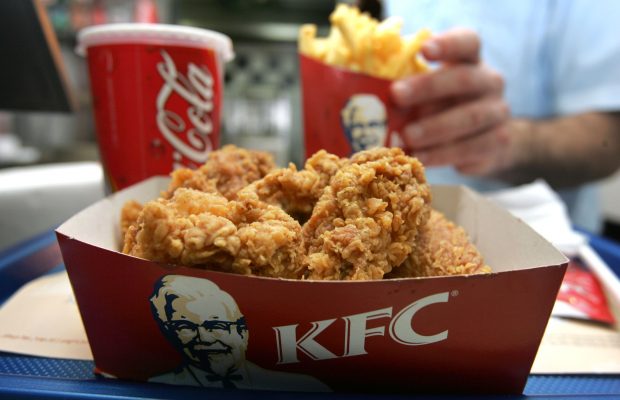
  • KFC drives strong annual growth for Collins Foods

    KFC drives strong annual growth for Collins Foods

    The Australian expansion of KFC and Taco Bell drove a 20.3 per cent increase in net profit to $39.1 million for Collins Foods Limited in fiscal 2019.

    The food retailer, which reported its full-year earnings on Tuesday, said revenue was up 16.9 per cent on last year, at $901.2 million, thanks to KFC’s strong growth in all states, with 3.7 per cent same-store sales growth.

    “Over the past 12 months we have consolidated our position as the largest KFC operator in Australia, with initiatives around digital and delivery expected to drive further growth,” Collins Foods’ managing director and chief executive Graham Maxwell said.

    “Our focus on operational initiatives across our brands has underpinned another record result, with revenue now over $900 million and underlying EBITDA of $113.7 million.”

    According to Maxwell, KFC’s result in Australia was driven by increasing transactions and efficiencies, which led to an EBITDA increase of 20.9 per cent to $120 million.

    Additionally, the business has grown its delivery capacity through meal-delivery apps Deliveroo and Menulog, with 64 restaurants nationwide now supporting the services.

    Seven new restaurants were built and opened during the financial year, while two were closed.

    Collins Foods’ Taco Bell rollout in Australia continues to gain traction, Maxwell said, with the brand trading in line with expectations.

    “We have now successfully opened four Taco Bell restaurants in Queensland, and continue to work on developing the pipeline for sites, with 10 restaurants planned for opening before the end of the year, including the planned entry into Victoria in early 2020,” said Maxwell.

    Continuing the scaling down of its Sizzler business in Australia, Collins Foods shuttered a total of two restaurants in FY19, bringing the total number of locations to 12.

    Sizzler same-store sales grew 4.4 per cent in FY19, compared to the 0.5 per cent decline the chain faced in FY18.

    What’s next?

    Looking toward FY20, Maxwell noted the group would continue to focus on executing its operational, delivery and digital initiatives to drive value for customers and shareholders alike.

    “In our KFC Australia business, we are focused on further expanding the delivery network, rolling out and testing digital initiatives such as digital board implementation for drive-thrus, and further strengthening operational systems,” Maxwell said.

    Additionally, the group plans to increase the amount of new KFCs being built, from approximately nine in the year, to approximately ten, as well as the ongoing store refurbishment initiatives.

    “Our rollout of the Taco Bell brand in Australia will gain pace during FY20, with further restaurants to be opened in Queensland and the entry into Victoria in early 2020,” Maxwell said.

    “We intend to complete 10 new restaurant builds by the end of the year, and we remain focused on operational performance to ensure business model returns are delivered.”

  • Hecho En Mexico Debuts Ready-to-heat Packs At Coles Supermarkets Nationwide

    Hecho En Mexico Debuts Ready-to-heat Packs At Coles Supermarkets Nationwide

    The Melbourne-based Mexican fast-food chain, Hecho En Mexico, has made moves to broaden its horizons into the retail market by introducing two of its most popular dishes in ready-to-heat packs.

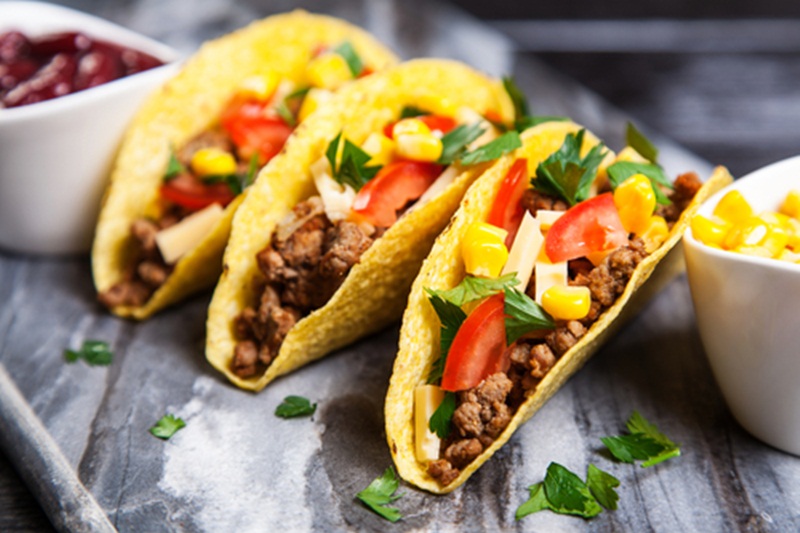
    The launch, resulting from a collaboration with cooked-protein provider Country Cooked, includes two of the chain’s fan favorites: Hecho En Mexico Chicken Fajitas and Hecho En Mexico Pulled Pork Tacos. The chicken fajitas consist of a 12-hour marinated chicken fajita mix, while the pulled pork tacos feature seasoned Mexican pulled pork.

    The convenient packs are inclusive of six flour tortillas and tomatillo salsa. Customers need only add shredded cheese and lime to have a well-rounded meal ready in under 20 minutes.

    Since making its first appearance in Fitzroy, Melbourne back in 2013, Hecho En Mexico has experienced rapid growth, resulting in the opening of over 20 restaurants across Australia.

    Loui Marcocci, the co-founder of Country Cooked, expressed his optimism about this new venture. According to him, this partnership illustrates the increasing opportunities for fast-service restaurants to venture into the retail sector.

    Marcocci highlighted that Hecho En Mexico had already been utilizing Country Cooked’s products in its restaurants. He expressed how this move is mutually beneficial, extending the brand’s reach to retail consumers and offering fans of the restaurant the convenience of purchasing their favorite dishes at their local Coles supermarket.

    The new Hecho En Mexico range is currently accessible at Coles supermarkets nationwide.

    Questions & Answers

    What is Hecho En Mexico’s new venture?
    Hecho En Mexico, in collaboration with Country Cooked, is launching two of its popular dishes in ready-to-heat packs for retail.

    What dishes are included in the ready-to-heat range?
    The range includes the Hecho En Mexico Chicken Fajitas, a 12-hour marinated chicken fajita mix, and Hecho En Mexico Pulled Pork Tacos, made with seasoned Mexican pulled pork.

    Where are the ready-to-heat packs available for purchase?
    The ready-to-heat packs are available at Coles supermarkets nationwide.

  • Tahini Neri debuts Moroccan Matbucha dip at Coles

    Tahini Neri debuts Moroccan Matbucha dip at Coles

    Tahini Neri, a leading dip brand from Australia, has broadened its product portfolio by introducing Moroccan Matbucha, a product inspired by Mediterranean cuisine.

    Introduction of Moroccan Matbucha

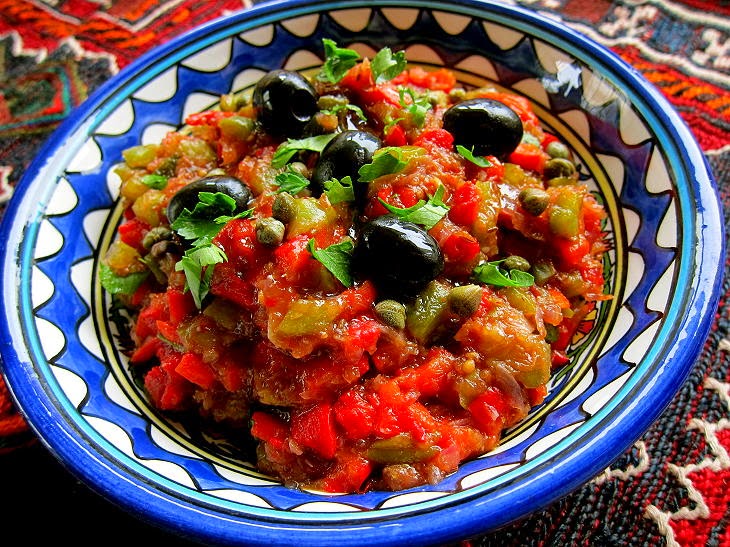
    Matbucha, as described by Tahini Neri, is a rich, slow-cooked tomato dip that boasts versatility. It can serve as a base for shakshuka, be mixed into pasta, or simply be relished as a snack on its own. The company elaborates that the Matbucha dip is a healthy, wholesome snack that is made from real ingredients, satisfying consumers’ cravings for authentic Mediterranean-inspired flavors.

    Focus on Quality and Innovation

    Tahini Neri emphasizes its dedication to superior quality, taste, and novelty. Through this ethos, the company aims to enhance the snack experience for all types of consumers, food enthusiasts and health-focused individuals alike.

    Availability and Reach

    The new Moroccan Matbucha dip can now be found in Coles stores all over the country, retailing at an RRP of $6. With an expansive reach, Tahini Neri, established in 2018 by the Melbourne-based duo Neriyah and Rikki, is available in over 1000 stores throughout Australia, as well as in Hong Kong and Singapore.

    Questions & Answers

    What is the new product launched by Tahini Neri?
    The new product is a Moroccan Matbucha, a tomato-based dip influenced by Mediterranean cuisine.

    What are some ways to enjoy Moroccan Matbucha?
    Moroccan Matbucha can be used as a base for shakshuka, mixed into pasta, or simply enjoyed as a standalone snack.

    Where can consumers purchase the new product?
    The product is available at Coles stores nationwide and at over 1000 stores throughout Australia, Hong Kong, and Singapore.

  • Vietnam speeds up efforts to overcome durian export challenges amid China’s stricter quality controls.

    Vietnam speeds up efforts to overcome durian export challenges amid China’s stricter quality controls.

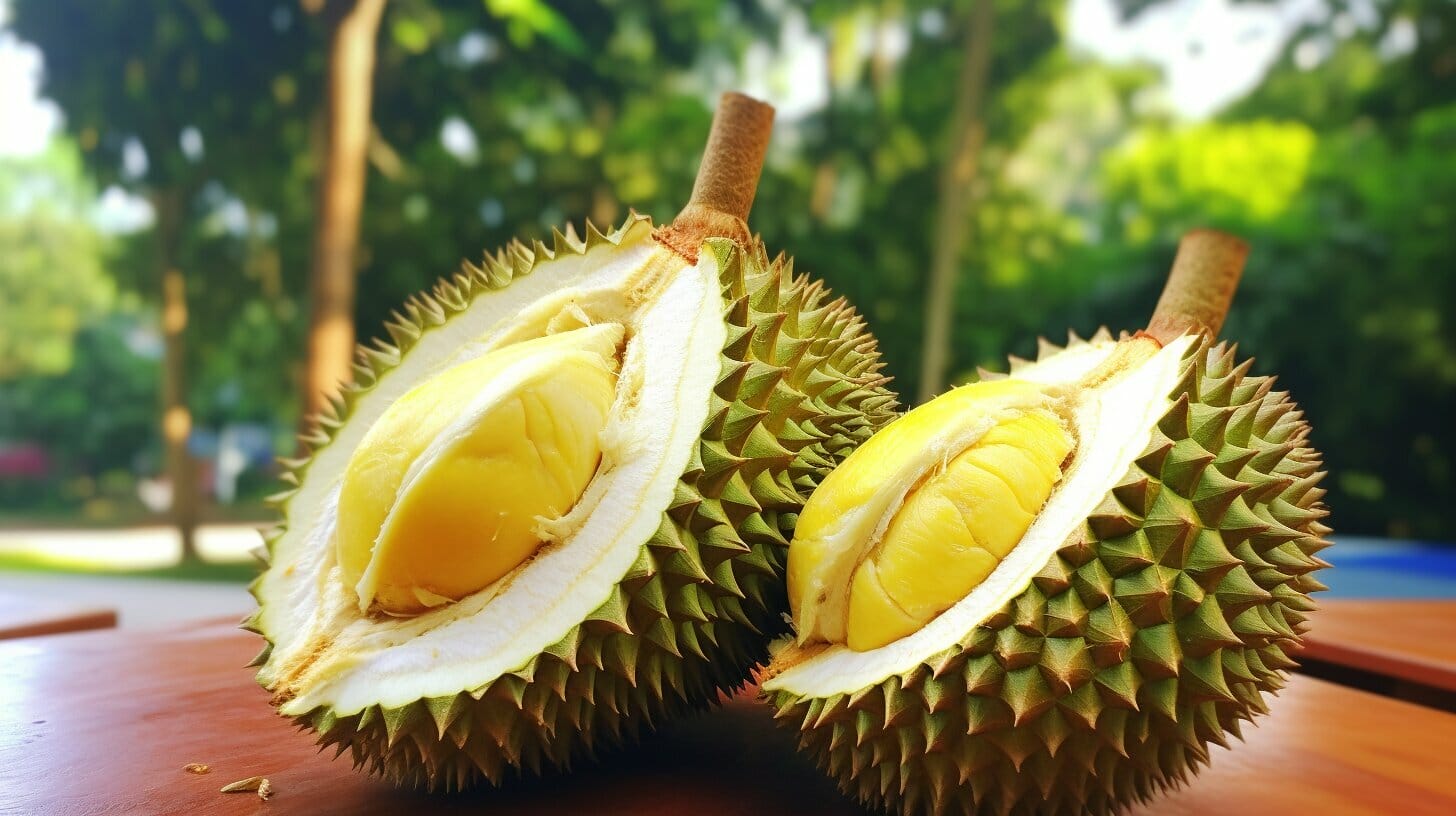
    Vietnam’s durian exporters are currently facing a tough dilemma as they navigate the aftermath of a tremendous growth spurt. With China tightening its quality control measures and facing stiff competition from Thailand, the Philippines, and local Chinese production, the landscape is shifting dramatically. Now, preserving market share and ensuring sustainable growth have become critical imperatives for the industry.

    In a staggering indication of this trend, Vietnam’s durian exports plunged to a mere $130 million in the first four months of 2025, marking a 74% drop compared to the same period last year. China, being the world’s largest durian market, has significantly reduced its imports, creating a ripple effect throughout the industry.

    Nguyen Van Thanh, a trader hailing from the Mekong Delta—an area known for its substantial durian output—noted that this year’s fruits have largely failed to meet China’s stringent inspection criteria. The situation has fueled calls for better compliance and management within the sector.

    General Secretary of the Vietnam Fruit and Vegetable Association, Dang Phuc Nguyen, emphasized the need for establishing new testing labs to satisfy Chinese safety standards, following a successful model observed in Thailand. These facilities would enable local farmers to conduct necessary tests and obtain vital certifications. He stressed that certified orchards would gain priority among traders and businesses, with products undergoing further testing at labs accredited by China.

    To enhance the reputation of Vietnamese produce, Nguyen urged for penalties against fraudulent practices, stating, “Effective control at source will facilitate smoother negotiations with and customs clearance in China.”

    Explaining the complications further, Henry Bui, General Director of the China-approved Hoan Vu Inspection Center, revealed that cadmium found in durians often originates from fertilizers. However, he warned that sample testing isn’t a panacea for contamination; proper oversight of illegal fertilizers is crucial. If soils are significantly compromised, remediation efforts are essential.

    Meanwhile, authorities from the Department of Crop Production and Plant Protection are not sitting idle. They have joined forces with local governments to research and implement solutions. Short-term measures include soil remediation techniques to lower cadmium absorption, using lime to adjust soil pH, and introducing cadmium-absorbing crops as temporary biological solutions. Farmers are also being encouraged to cultivate high-biomass, short-cycle crops, restoring soil health and limiting cultivation during critical periods.

    Long-term strategies focus on the careful application of fertilizers, combined with improved education to ensure farmers utilize the right types and amounts, thereby reducing the buildup of harmful substances. Nguyen Dang Nghia, the former director of the Soils and Fertilizers Institute, is already testing cycle-specific remedial treatments for contaminated soils across different localities in the Mekong Delta.

    Bui also flagged potential hazards from auramine O, an industrial dye used to enhance fruit appearance. While it may not affect the flesh of the fruit, it can contaminate entire storage facilities if not managed correctly. Should it be detected, thorough disinfecting—or in extreme cases, even complete rebuilding of packing spaces—would be necessary.

    “If businesses and testing centers collaborate effectively with farmers, the durian industry can maneuver through these formidable challenges,” Bui posited with hope.

    Looking ahead, Ha Phuc Mich, chairman of the Vietnam Organic Agriculture Association, believes there’s much to learn from Thailand’s systematic approach—encompassing everything from planting zones to soil testing and legal frameworks. “It’s a lesson Vietnam must embrace immediately—not just for durians, but for other vital crops as well. We must address the root causes rather than rely on temporary fixes,” he advised.

    Questions & Answers

    What challenges are Vietnamese durian exporters facing?
    They are dealing with stringent quality checks from China and fierce competition from Thailand and local Chinese production, leading to a steep decline in exports.

    Why did Vietnam’s durian exports drop so significantly?
    In the first four months of 2025, durian exports fell by 74% to $130 million as China, the largest durian market globally, reduced its imports.

    What measures are being taken to improve the situation?
    Authorities are focused on developing new testing labs and implementing soil remediation strategies, while farmers are encouraged to use proper fertilizers and grow specific crops that help restore soil health.

  • Dodo Pizza, the fastest-growing chain, closes its outlets in Ho Chi Minh City.

    Dodo Pizza, the fastest-growing chain, closes its outlets in Ho Chi Minh City.

    In a surprising twist within the competitive pizza landscape of Vietnam, Dodo Pizza, once hailed as the fastest-growing pizza chain globally, has announced the closure of all four of its outlets in Ho Chi Minh City. The final day of operations is set for May 26, marking the end of a four-year venture in the city.

    In a Facebook update, the company attributed its decision to “various factors and a new strategic direction.” Following the closures, Dodo Pizza will maintain only one location, situated in Binh Phuoc Province, approximately 120 kilometers away from the bustling city.

    Dodo Pizza achieved remarkable recognition in 2021 when U.S.-based food market research firm Technomic praised it as the “fastest-growing pizza chain in the world.” When it first entered the Vietnamese market, the chain identified the region as brimming with potential, particularly due to its expanding middle class. Today, Dodo Pizza operates over 1,300 outlets across 24 countries and reported a revenue increase of 19% last year, reaching a substantial US$1.2 billion.

    In its quest for growth, the company is actively exploring strategic partnerships, targeting national franchisees and multi-unit operators in markets such as the Middle East, Africa, Asia, and South America. However, the Vietnamese food and beverage scene, especially the pizza segment, remains fiercely competitive, with numerous domestic and international brands vying for customer attention. Major players include local favorite Pizza 4P’s, highly recognized American franchises like Pizza Hut and Domino’s Pizza, and Thailand’s The Pizza Company, alongside a host of European and Australian brands.

    The Vietnamese pizza market, valued at $780 million in 2024, is on a growth trajectory, projected to reach $1.1 billion by 2033, according to IMARC Group. As consumer demand for quick and convenient dining rises amid increasingly hectic lifestyles, pizzas are not only a staple in dedicated restaurants but are also making their way onto the menus of an expanding array of hotels and eateries.

    In a landscape where everyone is fighting for the pizza crown, Dodo Pizza’s retreat raises intriguing questions about the resilience of brands in hotly contested markets.

    Questions & Answers

    **What led Dodo Pizza to close its HCMC outlets?**
    The company cited “various factors and a new strategic direction” for the closures.

    How many Dodo Pizza locations will remain open in Vietnam?
    After the closures, Dodo Pizza will have just one remaining location in Binh Phuoc Province.

    What is the current state of the pizza market in Vietnam?
    The Vietnamese pizza market is highly competitive and is projected to grow from $780 million in 2024 to $1.1 billion by 2033, driven by rising demand for convenient dining options.

  • Marou Honored with Dual Awards in France for Outstanding Achievement

    Marou Honored with Dual Awards in France for Outstanding Achievement

    The Prix Épicures de l’Épicerie Fine, a prestigious annual event spotlighting artisanal food, took place on April 28 at Pavillon Gabriel in Paris, hosted by Le Monde de l’Épicerie Fine. The 2025 edition attracted a vibrant gathering of over 140 producers and more than 800 attendees, including industry professionals, journalists, and culinary aficionados from across Europe.

    Marou’s Ca Phe Sua Chocolate Bar clinched the title of “Best Chocolate in the World 2025” in the Food category (Trophées Alimentaires). This delightful creation blends the rich flavors of Vietnamese coffee and condensed milk, incorporating organic Robusta coffee, fresh milk, and dark chocolate crafted from local cacao. Not only does this accolade celebrate the bar’s exceptional taste, but it also acknowledges Marou’s commitment to showcasing local ingredients while adhering to international quality standards.

    This isn’t Marou’s first time basking in the limelight. The brand has previously garnered gold, silver, and bronze medals from the London Academy of Chocolate and the International Chocolate Awards, all celebrating its remarkable flavors and quality. In 2016, the brand was lauded by culinary luminaries like Michelin three-star chef Michel Roux and patissier Pierre Hermé.

    But the awards didn’t stop with the chocolate bar. Marou also earned the “Coups de cœur du jury” (Jury’s Favorite Packaging) for its 55% Dark Chocolate Bar with Roasted Buckwheat. Could it be that packaging has taken the spotlight?

    The judges evaluated the packaging based on creativity, brand consistency, material quality, environmental responsibility, and functionality. Marou distinguished itself by utilizing recycled cacao husks, showcasing its commitment to sustainability and creatively illustrating the cacao journey—from bean to bar.

    Moreover, Marou’s packaging underscores the origins of its ingredients, honoring Vietnamese agricultural traditions, cacao heritage, and the vital roles played by local farmers and fermentation artisans. The brand has previously snagged four international packaging design awards, including three from the Pentawards and another from The Dieline Awards, notable for its striking designs inspired by Dong Ho folk paintings.

    The dual accolades at the 2025 Prix Épicures de l’Épicerie Fine bolster Marou’s reputation in the premium chocolate arena. The brand credits its achievements to three principles: direct sourcing, artisan craftsmanship, and intentional design. Collaborating closely with local farmers and fermentation specialists, Marou ensures high-quality cacao while championing sustainable agriculture, treating each bean as a reflection of its unique origin.

    The emphasis on design transcends mere functionality; Marou’s packaging narrates the rich tapestry of Vietnamese culture and cacao traditions through its visual identity and material choices.

    “These awards reflect our creativity, artistry, and dedication to Vietnamese culture in every product,” said a Marou representative. “With a sustainable vision and exceptional quality, we continue leading the way, sharing Vietnamese chocolate with the world and leaving a lasting imprint on the global stage.”

    Questions & Answers

    What is the significance of the Prix Épicures de l’Épicerie Fine?
    It’s a prestigious award recognizing the best in artisanal and premium food, bringing together producers, professionals, and culinary enthusiasts.

    What makes Marou’s Ca Phe Sua Chocolate Bar special?
    It combines the flavors of Vietnamese coffee with condensed milk, featuring organic ingredients and a commitment to local sourcing.

    How does Marou prioritize sustainability in its packaging?
    Marou uses recycled cacao husks for its packaging, promoting environmental responsibility while telling the story of cacao production and its local heritage.

  • Coconut Prices Surge in Asia Amid Climate Impact on Supply

    Coconut Prices Surge in Asia Amid Climate Impact on Supply

    on
    Vina T&T, a major player in the fruit export sector, is making headlines as it offers a staggering VND 220,000 (approximately US$8.47) for a dozen coconuts—the highest recorded price to date. With prices more than doubling year-on-year, this surge reflects broader trends impacting the coconut market worldwide, influenced by supply disruptions and rising consumer demand.

    Coconut Prices on the Rise

    Industry experts indicate that coconut prices are increasing at an alarming rate, paralleling the volatility seen in gold prices. Nguyen Dinh Tung, CEO of Vina T&T, highlighted the challenges in supply, revealing that the company currently exports seven containers of coconuts weekly, which only meets two-thirds of its international buyers’ needs.

    Global Trends Impacting Supply

    The surge in coconut prices is not confined to Vietnam. Countries like Sri Lanka, the Philippines, and Thailand—significant exporters of the nut—are experiencing a similar escalation in prices, with increases ranging from 50% to 100% year-on-year. For instance, coconuts now retail for $2.90 per kilogram in Thailand and up to $4.28 in the Philippines.

    Supply chain disruptions due to extreme weather events are primarily responsible for this instability. El Niño is causing heatwaves and droughts, while La Niña brings excessive rainfall and storms, adversely affecting coconut yields. Additionally, pest outbreaks have further complicated production, as demand from key markets—particularly China and the United States—continues to push prices upward.

    Vietnam’s Growing Coconut Export Market

    Despite the challenges, Vietnamese coconuts are carving out a strong niche in global markets thanks to their competitive pricing and exceptional quality. The Ministry of Agriculture and Environment reports robust growth in fresh coconut exports from Vietnam in the first four months of this year, particularly to the U.S. and China.

    As the world’s fifth-largest coconut exporter, Vietnam boasts 200,000 hectares of orchards, producing approximately two million tons annually. Last year alone, the value of coconut exports and related products reached nearly $1.1 billion, with coconuts accounting for $390 million. Following the U.S. opening its market to Vietnamese coconuts in August 2023, exports skyrocketed eleven-fold within less than a year.

    The formal export protocol signed with China in August 2024 has also dramatically increased shipments, positioning Vietnam as a key supplier in a market that consumes an estimated four billion coconuts annually.

    Future Outlook

    According to Dang Phuc Nguyen, General Secretary of the Vietnam Fruit and Vegetable Association, Vietnamese coconuts are gaining popularity, especially in summer among consumers in the U.S. and China. He predicts that fresh coconut exports could reach an unprecedented $500 million by the end of this year, highlighting the brand’s potential for expansion and establishing itself as a significant player in the international market.

    The recent trends in the coconut market, marked by soaring prices and growing demand, signal a shifting landscape for both producers and consumers. As demand continues to rise, the potential for Vietnam’s coconut industry to grow and expand is substantial, making this a crucial moment in retail news.

    Questions & Answers:

    1. Why are coconut prices rising so dramatically? Coconut prices are climbing due to supply chain disruptions caused by extreme weather conditions such as droughts and excessive rainfall, alongside increased global consumer demand.

    2. How is Vina T&T responding to the rising prices? Vina T&T has increased its farm gate price to a record VND 220,000 for a dozen coconuts, but it still struggles to meet the high demand from international buyers.

    3. What does the future hold for Vietnam’s coconut exports? With strong growth anticipated, Vietnamese coconut exports are projected to reach $500 million this year, bolstered by access to key markets like the U.S. and China.

  • Aldi ranked Australia’s top supermarket for fifth consecutive year

    Aldi ranked Australia’s top supermarket for fifth consecutive year

    For the fifth time in a row, Aldi has been named Supermarket of the Year 2024 in Roy Morgan’s Customer Satisfaction Awards.

    The supermarket has won this title eight times. The ratings are calculated from an annual survey of 60,000 Australians and cover 40 industry categories.

    “With the rising cost of living, we know many Aussie families are feeling the pinch,” said Simon Padovani-Ginies, group director of Aldi Australia. “That’s why we’re more focused than ever on keeping grocery prices low and making every dollar count. Our entire business model is based on saving people money while making sure only the best products make it onto our shelves.”

    “As well as delivering a dependably high level of customer satisfaction to millions of Australians Aldi is also recognised by Roy Morgan as one of Australia’s top five most trusted brands – a position Aldi has held consistently over the last five years despite the challenges faced by the sector in an era of high inflation and rising interest rates,” said Roy Morgan CEO Michele Levine.

    She said Aldi had a perfect record of winning all 12 monthly customer satisfaction awards during 2024 with an average customer satisfaction rating of “an exceptional” 88.8 percent.