Retail News CRM

Tag: Food

  • Singapore Struggles With Slow Growth in Booming Southeast Asian Food Delivery Market

    Singapore Struggles With Slow Growth in Booming Southeast Asian Food Delivery Market

    A recent study reveals that Singapore experienced the second-lowest growth in its food delivery market in the previous year amongst significant Southeast Asian nations. The gross merchandise value (GMV) for food delivery in Singapore escalated by 13% in 2025, reaching US$2.9 billion. This rate of growth trailed behind the mean growth rate of 18% observed across six Southeast Asian markets.

    Regional Growth Variances

    Singapore’s expansion only superseded that of the Philippines, which marked a 12% increase – reportedly, this sluggish growth was due to recurring interruptions triggered by tropical cyclones.

    In contrast, Thailand’s food delivery market noted the highest growth, with the GMV surging by 22%. The report suggests that this expansion was facilitated by various factors such as affordable initiatives launched by platforms, intensifying competition, and the government’s “half-half” subsidy scheme which underwrites a portion of consumers’ food expenditures.

    Other countries like Indonesia, Malaysia, and Vietnam also witnessed substantial growth, each marking a rise of roughly 18% to 19%. Indonesia, being the region’s most densely populated market, registered the most significant absolute increase, contributing approximately $1 billion.

    Factors Influencing Singapore’s Slower Growth

    Addressing Singapore’s slower growth, Momentum Works CEO Li Jianggan highlighted that consumer behavior and market conditions significantly differ between countries. He referenced variations in city architectures, spending capacities, and the supply dynamics of delivery personnel and eateries.

    He pointed out that food delivery can be quite costly in Singapore, particularly considering the availability of numerous affordable offline alternatives. Nonetheless, Singapore’s double-digit growth signifies a steady demand. However, keeping up this rate could put increasing strain on platforms to enhance their efficiency, especially as customers explore other options like dining out or self-collection.

    Furthermore, Li noted that Singapore has a unique structural challenge – a limited pool of delivery riders – compared to larger and more densely populated neighboring countries. Adopting technology can help address this, but the key to raising the bar would be platforms’ relentless focus on establishing density and operational efficiency.

    Market Leaders

    At the platform level, Grab fortified its position as the predominant food delivery player in Southeast Asia, raising its regional market share from 53.8% in 2024 to around 55% in 2025. In absolute terms, Grab generated approximately $12.5 billion in food delivery value across the region last year.

    ShopeeFood overtook Foodpanda to become the region’s second-largest platform, with estimated transactions totaling $3.3 billion. Meanwhile, Foodpanda’s value dipped to roughly $2.6 billion. Gojek and Thailand-based Lineman reported comparable values of about $2 billion each, indicating Lineman’s impressive performance in its local market.

    The report underscored that compared to other emerging markets, Southeast Asia had a high order volume. The study estimated that collectively, platforms in the region handled between 8.5 million and 9.5 million food delivery orders per day on average in 2025. This volume is nearly twice that of India’s estimated daily orders of 4-5 million, despite India having approximately double the population of Southeast Asia.

    The study concluded that the penetration of food delivery is less determined by population size, and more by urban density, eating-out substitution, and platform-led affordability mechanics.

    Questions & Answers

    What was the growth rate of Singapore’s food delivery market in 2025?
    The food delivery market in Singapore grew at a rate of 13% in 2025.

    Which was the fastest-growing market in Southeast Asia’s food delivery industry?
    Thailand was the fastest-growing market in Southeast Asia’s food delivery industry, with a 22% increase in gross merchandise value.

    Which platform consolidated its lead as Southeast Asia’s dominant food delivery player?
    Grab consolidated its lead as Southeast Asia’s dominant food delivery player, increasing its regional market share to about 55% in 2025.

  • Alibaba’s Qwen AI App Unleashes Food Ordering and Travel Booking Features: A Quantum Leap in Consumer-Facing AI Services

    Alibaba’s Qwen AI App Unleashes Food Ordering and Travel Booking Features: A Quantum Leap in Consumer-Facing AI Services

    Alibaba Group recently unveiled significant enhancements to its Qwen artificial intelligence (AI) app. The updated capabilities allow users to carry out tasks such as ordering food delivery and making travel reservations directly through the AI chat interface, eliminating the need to alternate between different applications.

    Strategic Shift to Consumer-Facing AI

    These new features, currently undergoing public testing in China, represent a strategic shift by Alibaba towards consumer-facing AI. The company has traditionally focused on providing enterprise AI services through its cloud business, but is now emerging as a strong contender in the consumer AI space against domestic competitors like ByteDance and Tencent.

    Wu Jia, Vice President of Alibaba Group, commented on the recent developments. “The innovations we are introducing today reflect our transition from AI models that comprehend to systems that perform actions, closely tied to real-world services.”

    Rise in AI Agents Popularity

    AI agents are seeing a surge in global popularity as more businesses recognize their potential in facilitating real-world tasks. This trend is evident in recent industry movements, such as Meta Platforms acquiring start-up Manus to enhance its AI systems capable of handling multi-step tasks, and OpenAI launching its ‘Operator’ agent that can make restaurant reservations and fill out forms for users.

    Integration of Core Alibaba Ecosystem Services

    The Qwen app’s upgrade integrates key services from the Alibaba ecosystem into a unified AI interface. These services include the e-commerce platform Taobao, instant commerce, the payment system Alipay, travel service Fliggy, and the mapping platform Amap.

    For example, the integration of Alipay with the Qwen app allows users to authorize and complete transactions without exiting the chat. According to Alibaba, the AI payment feature currently supports instant commerce orders and will extend to more services in the future.

    Task Assistant Feature

    In addition to the integrations, Alibaba introduced a ‘Task Assistant’ feature in an invite-only beta version. This assistant can make actual phone calls to restaurants, process up to 100 documents simultaneously, and plan multi-stop travel itineraries.

    Since its public beta release on November 17, the Qwen app has attracted over 100 million monthly active users in just two months. The app’s growth, powered by Alibaba’s Qwen3 foundation model, is indicative of the intensifying competition in China’s AI sector as companies race to convert advanced language models into practical consumer applications.

    Questions & Answers

    What new features does the upgraded Qwen AI app offer?
    The enhanced Qwen AI app allows users to perform tasks such as ordering food and making travel bookings directly within the AI chat interface.

    What does the upgrade mean for Alibaba’s strategic direction?
    The upgrade signifies Alibaba’s strategic shift towards consumer-facing AI, marking its transition from AI models that comprehend to systems that perform actions.

    What services does the ‘Task Assistant’ feature provide?
    The ‘Task Assistant’ feature can make real phone calls to restaurants, process up to 100 documents at once, and plan multi-stop travel itineraries.

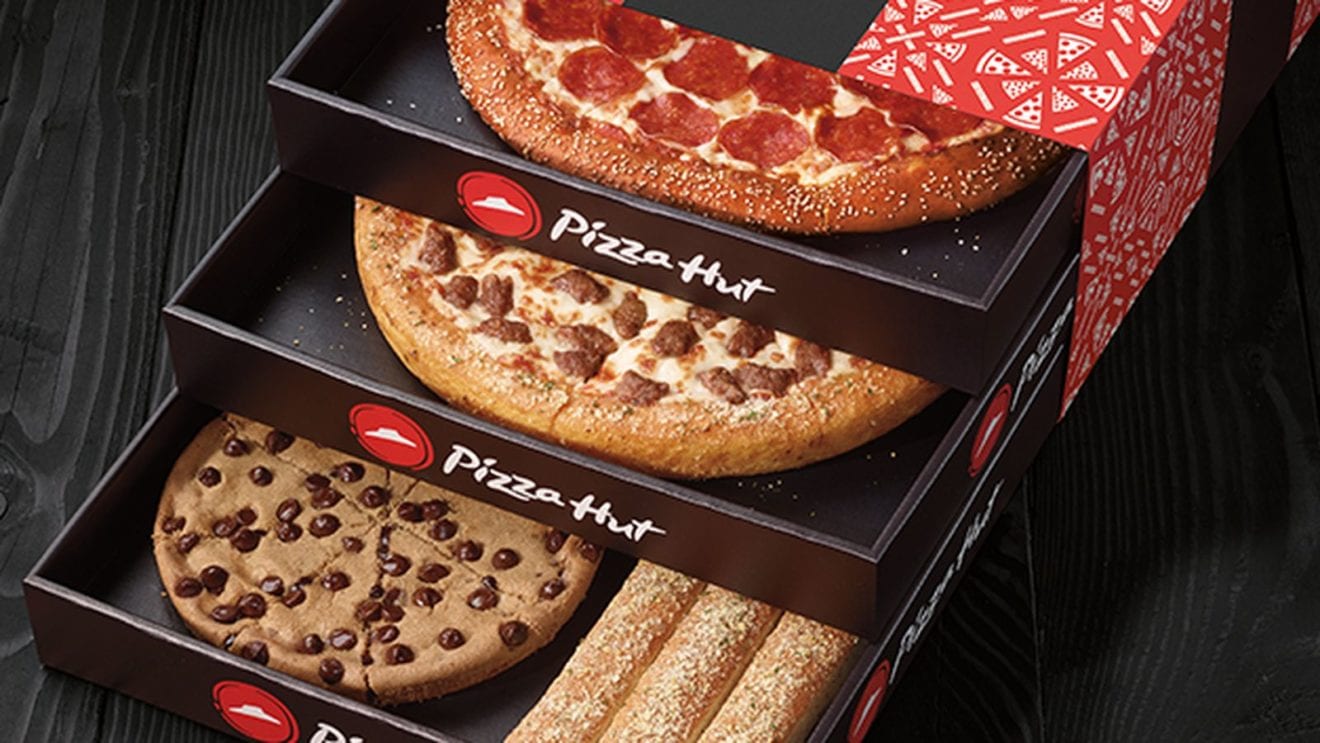
  • Indian Fast Food Titans Merge: KFC and Pizza Hut Unite under $933M Deal

    Indian Fast Food Titans Merge: KFC and Pizza Hut Unite under $933M Deal

    In a significant move within India’s quick-service restaurant (QSR) industry, Devyani International and Sapphire Foods India, two of the nation’s largest franchise operators for KFC and Pizza Hut, have agreed to join forces. The merger, approved by parent company Yum! Brands, is a $933 million deal that consolidates the operations of the two QSR chains under a singular operator in India.

    Details of the Deal

    The merger process is expected to be completed within 12 to 15 months, subject to regulatory and shareholder approval. Stock exchange filings reveal that Devyani will acquire exclusive franchise rights for the entire Indian market as part of the agreement. Moreover, Devyani will assume control of 19 KFC outlets in Hyderabad, currently directly managed by Yum! India.

    In recent times, Yum! Brands’ Indian operations have been divided between Devyani and Sapphire Foods. While Devyani, a part of Ravi Jaipuria’s RJ Corp, runs several outlets, Sapphire Foods, backed by Samara Capital, operates its own distinct territories.

    Objective of the Merger

    The primary aim of this consolidation is to generate efficiencies driven by scale in the face of increasing costs, escalating competition, and fluctuating consumer demand.

    Ravi Jaipuria, non-executive chairman of Devyani International, expressed confidence that the merger would “allow us to realize meaningful economies of scale, leverage a unified technology platform, and strengthen our supply-chain capabilities.” He added that these advantages would “unlock sustained value creation and long-term growth for our shareholders, customers, employees, and partners.”

    About the Companies

    Devyani International, one of India’s largest QSR operators, manages over 2,000 outlets across India and international markets. It operates several other renowned global food and beverage brands, including Costa Coffee, Tea Live, New York Fries, and Sanook Kitchen.

    On the other hand, Sapphire Foods India, which was established in 2015, operates more than 1,000 KFC, Pizza Hut, and Taco Bell restaurants across India and Sri Lanka in dine-in, takeaway, and delivery formats.

    Questions & Answers

    What is the value of the merger deal between Devyani International and Sapphire Foods India?
    The merger deal is valued at $933 million.

    What is the expected timeline for the completion of the merger?
    The merger is expected to be completed within 12 to 15 months, pending regulatory and shareholder approvals.

    What is the primary goal of the merger?
    The merger aims to achieve efficiencies driven by scale amid rising costs, intensifying competition, and uneven consumer demand.

  • Surplus Food App ‘Too Good To Go’ Soars in Popularity Following Aotearoa Launch

    Surplus Food App ‘Too Good To Go’ Soars in Popularity Following Aotearoa Launch

    Too Good To Go, the surplus food marketplace, is already making strides after launching in Aotearoa, New Zealand, in November of the previous year. The company, which has its headquarters in Denmark, offers a unique platform that enables consumers to purchase excess food from local cafes, bakeries, and retailers through its discounted ‘Surprise Bags’.

    Growth and Expansion in Aotearoa

    Since its inception, Too Good To Go’s partner network in Aotearoa has grown, now encompassing 115 local businesses and boasting over 25,000 registered users in Auckland alone.

    Joost Rietveld, Too Good To Go New Zealand’s country director, shared the company’s excitement about the reception in Auckland. He attributed this success to New Zealanders’ deep cultural connection to both food and sustainability.

    Rietveld also shed light on the company’s business model, which is geared towards providing customers with affordable food options while also enabling hospitality and retail partners to profit from their surplus stock. This approach reduces food wastage, creating what Rietveld describes as a ‘win-win-win’ business model.

    Collaboration with Food Businesses and Chains

    The Too Good To Go application is now collaborating with a variety of independent food businesses and national chains. These include Daily Bread, Crave Cafe, Beau Deli, Rollers Bakery, Bakers Delight, Muffin Break, and Roll’d.

    Rietveld expressed that the early influence of the platform is already incalculable. The company’s rapid traction indicates a real need in the market, which benefits consumers, local hospitality businesses, and the environment.

    Moreover, more than 60 businesses have already partnered with the platform. Discussions are ongoing to welcome more partners in Auckland and other regions as the company plans its nationwide expansion within the year.

    Questions & Answers

    What is Too Good To Go’s business model?
    Too Good To Go’s business model is designed to provide customers with access to discounted food while enabling hospitality and retail partners to generate revenue from their surplus stock. This approach minimises food wastage, creating a win-win-win situation for customers, businesses, and the environment.

    Who are some of Too Good To Go’s partners in New Zealand?
    Too Good To Go is currently working with a mix of independent food businesses and national chains in New Zealand, including Daily Bread, Crave Cafe, Beau Deli, Rollers Bakery, Bakers Delight, Muffin Break, and Roll’d.

    What are the future plans for Too Good To Go in New Zealand?
    Following its successful launch in Auckland, Too Good To Go plans to expand its partner network nationwide within the year. Discussions are underway to bring in additional partners in Auckland and other regions across the country.

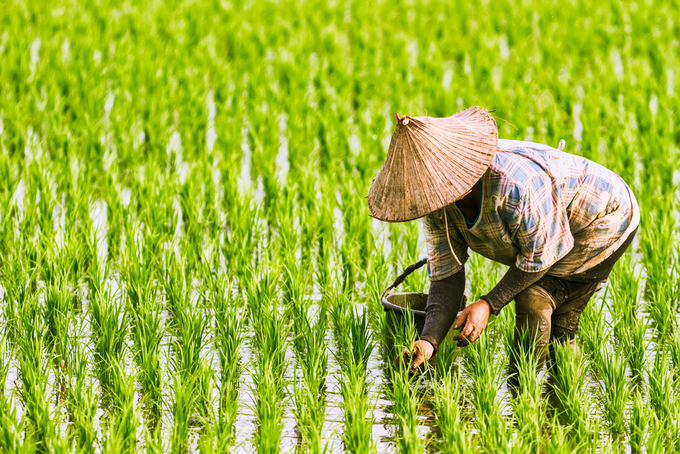
  • Indonesia Asserts Rice Self-Sufficiency, Ceases Imports in Boost for National Food Security

    Indonesia Asserts Rice Self-Sufficiency, Ceases Imports in Boost for National Food Security

    Indonesia has announced that it will not be importing rice for any purpose in the coming year, due to ample domestic production capabilities. This announcement was made at a recently held ministerial summit in Jakarta. High-level officials from various government bodies including the Coordinating Ministry for Food Security, the Ministry of Trade, and the Central Statistics Agency were in attendance.

    Domestic Demand to be Met by Local Production

    Tatang Yuliono, who is the Deputy for Trade and Distribution Coordination at the Coordinating Ministry for Food Security, has affirmed that local production will be capable of satisfying all domestic demand. This encompasses both household consumption and industrial processing requirements.

    In line with this, the government has dismissed a proposal made by the Ministry of Industry to import nearly 381,000 tonnes of rice in 2026 for industrial purposes. Authorities believe the domestic supply will suffice. This policy of no imports will be enforced across the nation, inclusive of free trade zones like Sabang in Aceh.

    Yuliono further stated that related ministries will be continually reassessing food import policies in the future through commodity balance meetings.

    Strong Agricultural Performance in 2025

    The Indonesian government’s confidence in their domestic production capabilities stems from their successful agricultural performance in 2025. This was the year in which the country ceased imports of both rice and corn. By mid-2025, the nation’s rice reserves had reached an all-time high of about 4 million tonnes. This significantly stabilized the market and provided support to disaster-stricken regions.

    Official data reveals that rice production in 2025 is anticipated to hit 34.77 million tonnes, marking an increase of 13.54% on a year-on-year basis. This surge is attributed to favorable weather conditions and supportive policies for farmers implemented under President Prabowo Subianto’s administration. Corn production is also set to reach approximately 4 million tonnes by the end of the year, ensuring an adequate supply for both domestic consumption and the poultry sector.

    Questions & Answers

    Why has Indonesia decided not to import rice next year?
    The Indonesian government believes it has sufficient domestic production capabilities to satisfy all local demand for rice, eliminating the need for imports.

    How has the government responded to the Ministry of Industry’s proposal to import rice for industrial use?
    The government has dismissed this proposal, stating that the domestic supply of rice will be adequate for industrial use.

    What factors have contributed to the projected increase in rice production in 2025?
    The expected rise in rice production is attributed to favorable weather conditions and farmer support policies under President Prabowo Subianto’s administration.

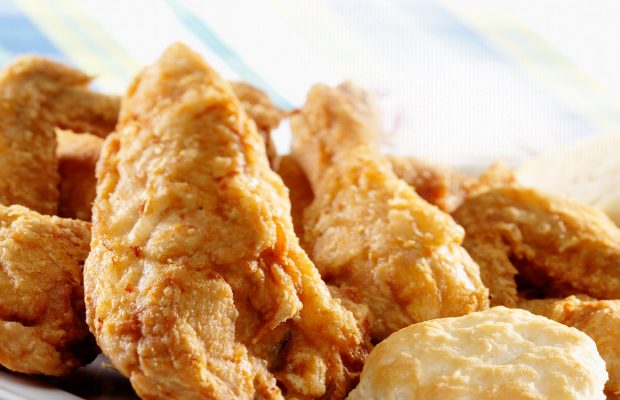
  • Chick-fil-A Marks Singapore Debut with Exclusive Menu and Community Experience at Bugis+

    Chick-fil-A Marks Singapore Debut with Exclusive Menu and Community Experience at Bugis+

    Fast-food giant Chick-fil-A has made its debut in Singapore with the inauguration of its first locally managed outlet in Bugis+. The restaurant is prominently located at 201 Victoria Street and is managed by Singaporean, Chyn Koh. Koh brings a wealth of experience from the local food and beverage industry.

    Menu Offering

    The new outlet’s menu replicates the central choices from Chick-fil-A’s U.S. offerings. Signature dishes like the Chick-fil-A Chicken Sandwich and Waffle Potato Fries are available, with an added local twist. The Singapore outlet has debuted a Spicy Chilli Sauce, exclusive to the Singaporean market, reflecting the local taste preference.

    A Community Space

    While internationally Chick-fil-A is renowned for its service culture, the Singapore branch seems more determined to position itself as a social hub. The restaurant features a Community Table, a common aspect of Chick-fil-A’s global outlets but with a local adaptation. The table was created in partnership with local artist Cheok Keng Lye.

    Hugh Park, the Head of Asia Pacific Operations at Chick-fil-A (Asia), shared, “Our Community Table serves as more than just a place to dine – it’s designed to bring people together. We hope it inspires guests to slow down, share a meal, and connect meaningfully with one another.”

    Interior Design

    The restaurant’s interior design also reflects a blend of local and brand-specific visuals. A full-length mural depicts local icons such as the Merlion, the Singapore Flyer, and smooth-coated otters, intermingled with Chick-fil-A motifs like waffle fries, dipping sauces, and milkshakes.

    International Expansion

    The Singapore launch aligns with Chick-fil-A’s international expansion strategy. Earlier this year, the company revealed plans for establishing permanent outlets in Singapore and the UK.

    Questions & Answers

    Who is managing the new Chick-fil-A outlet in Singapore?
    The outlet is managed by Chyn Koh, who has considerable experience in the local food and beverage scene.

    What are some unique features of the Singapore Chick-fil-A outlet?
    The restaurant offers a Singapore-exclusive Spicy Chilli Sauce. It also features a Community Table, designed in collaboration with local artist Cheok Keng Lye, and a full-length mural depicting local and brand-specific motifs.

    What is Chick-fil-A’s international strategy?
    Earlier this year, Chick-fil-A disclosed plans for international expansion, which includes establishing permanent restaurants in both Singapore and the UK.

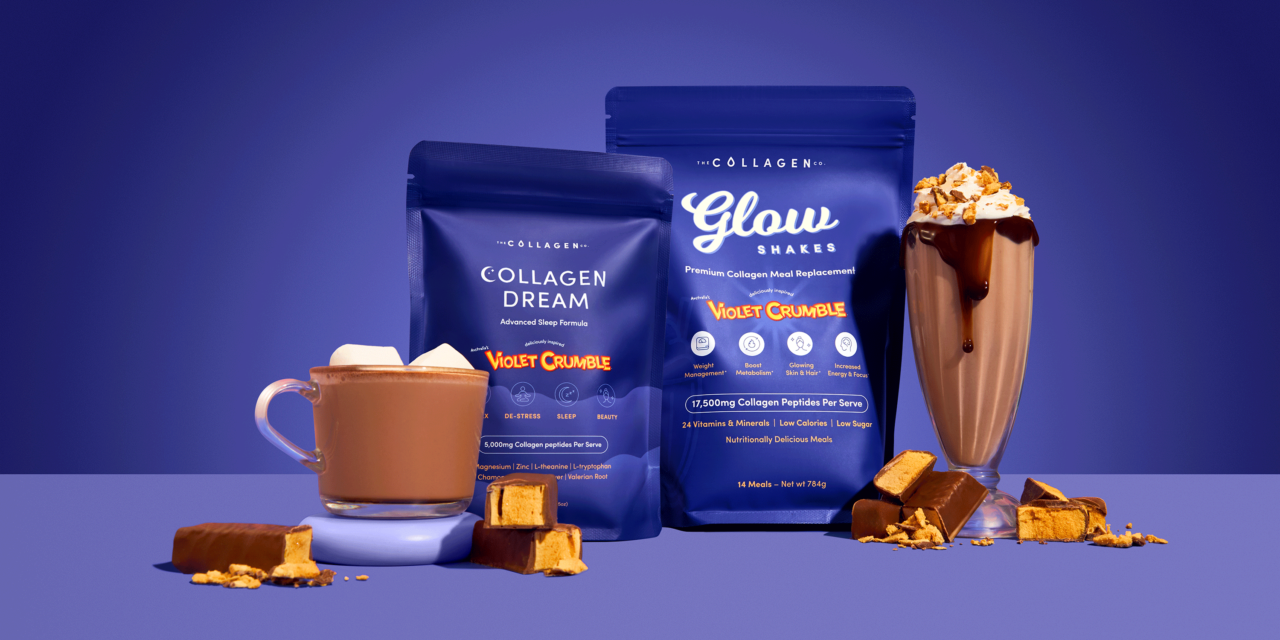
  • Savor Summer with Menz Violet Crumble & Kruger’s New Choc Honeycomb Dessert Toppings Now in Stores!

    Savor Summer with Menz Violet Crumble & Kruger’s New Choc Honeycomb Dessert Toppings Now in Stores!

    Australian candy manufacturer Menz Violet Crumble has joined forces with Kruger Asia-Pacific to create dessert toppings capturing the unique chocolate-and-honeycomb taste of their famed candy bar.

    This collaboration has resulted in the creation of two innovative products: the Violet Crumble Choc Honeycomb Flavoured Hard Set Ice Cream Coating and the Violet Crumble Choc Honeycomb Flavoured Topping. The former is designed to add a flavourful crunch to ice cream, while the latter can be drizzled over sundaes, waffles, and a variety of other desserts.

    Bringing Joy to Desserts

    Menz’s national licensing and marketing manager, Polly Love, expressed her excitement about the collaboration. She said, “Working with Kruger Asia-Pacific and Asembl allows our fans to enhance their desserts with the distinctive chocolate honeycomb flavour that they adore. Our aim was to encapsulate the joy that Violet Crumble brings and transform it into the ultimate summer treat. We believe we’ve achieved that with this collaboration.”

    Availability and Pricing

    Both the Violet Crumble Choc Honeycomb Flavoured Hard Set Ice Cream Coating and the Violet Crumble Choc Honeycomb Flavoured Topping are available for purchase at Coles and IGA stores. The Hard Set Coating is priced at $6.50, and the dessert topping is available for $5.50.

    In other news, Asembl has been instrumental in assisting Kellanova and Macro Mike in reinventing breakfast cereals as protein powders in October.

    Questions & Answers

    What products has the collaboration between Menz Violet Crumble and Kruger Asia-Pacific resulted in?
    The collaboration has led to the creation of the Violet Crumble Choc Honeycomb Flavoured Hard Set Ice Cream Coating and the Violet Crumble Choc Honeycomb Flavoured Topping.

    What is the purpose of these new products?
    These products are dessert toppings designed to bring the distinct chocolate-and-honeycomb taste of the Violet Crumble candy bar to a variety of desserts like ice cream, sundaes, and waffles.

    Where can these products be purchased and at what price?
    Both the Violet Crumble Choc Honeycomb Flavoured Hard Set Ice Cream Coating and the Violet Crumble Choc Honeycomb Flavoured Topping are available at Coles and IGA stores. The Hard Set Coating is priced at $6.50, and the topping is available for $5.50.

  • Wingstop Takes Flight: Iconic Fast Food Chain Breaks into Thailand Market in Global Expansion Blitz

    Wingstop Takes Flight: Iconic Fast Food Chain Breaks into Thailand Market in Global Expansion Blitz

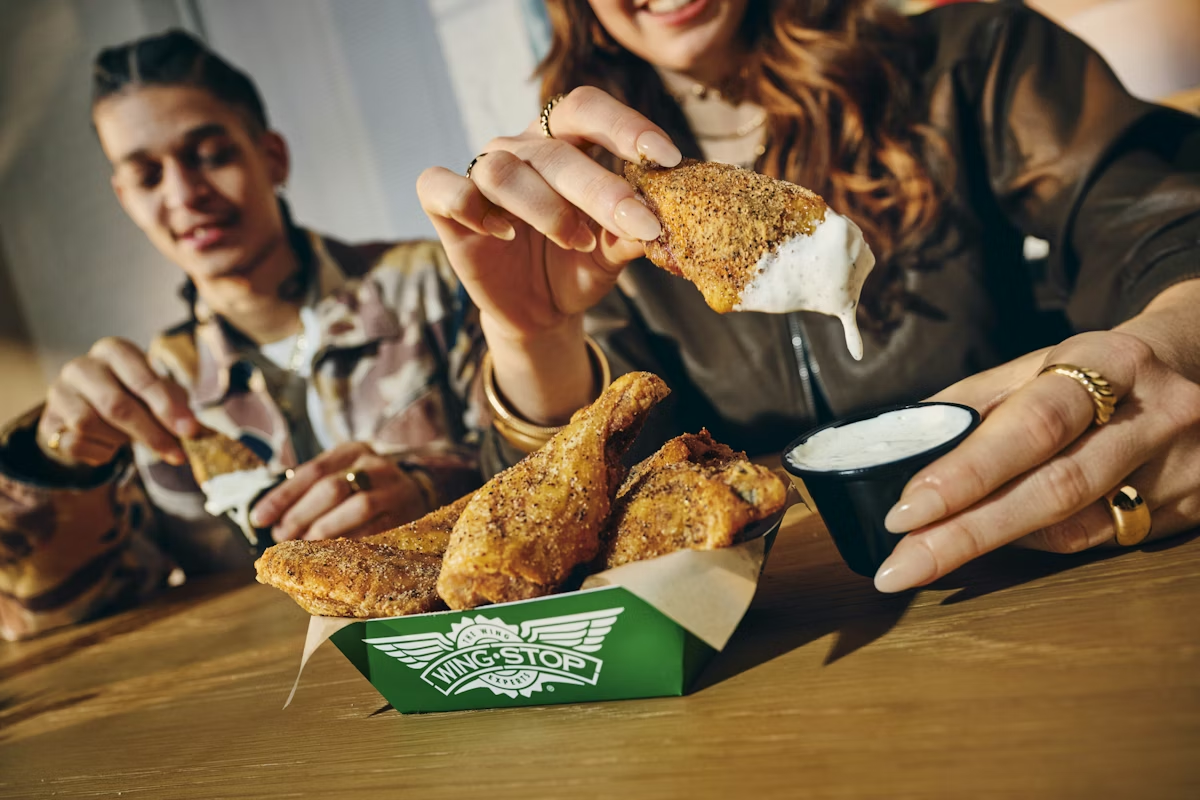
    Fast-food chain Wingstop is rapidly broadening its international reach by expanding into three new markets: Thailand, Italy, and Ireland. This move comes as part of the company’s ambitious plan for global expansion.

    Wingstop has recently celebrated a significant milestone in its growth trajectory by inaugurating its 3000th restaurant. Over the past two years, the company has shown robust expansion, adding close to 800 locations across the globe.

    This recent growth phase has seen Wingstop making its debut in six new markets, including Australia, Bahrain, Kuwait, Puerto Rico, Saudi Arabia, and the Netherlands.

    Michael Skipworth, the current President and CEO of Wingstop, expressed his confidence in the company’s continued growth. He highlighted that with a record pipeline of restaurant commitments sold, there seemed to be no slowing down for the Wingstop brand.

    Wingstop was founded in 1994 and has since become popular for its buffalo wings and sandwiches. The company has its operational footprint in 47 US states and 15 countries worldwide. Through franchising or direct operations, Wingstop has more than 10,000 restaurants in total.

    Questions & Answers

    What is Wingstop?
    Wingstop is a popular fast-food chain, established in 1994. It is known for its buffalo wings and sandwiches.

    Where does Wingstop operate?
    Wingstop operates in 47 US states and 15 countries globally. It has more than 10,000 restaurants which operate either through franchising or direct operations.

    What are the new markets Wingstop is expanding into?
    Wingstop is expanding its operations into three new markets: Thailand, Italy, and Ireland.

  • New Zealand Grapples with Skyrocketing Cheese Prices Amid Rising Food Inflation

    New Zealand Grapples with Skyrocketing Cheese Prices Amid Rising Food Inflation

    Over the past year, food prices in New Zealand have witnessed a substantial rise of 4.7%, an increase from the 4.1% rise recorded in September, as reported by Stats NZ.

    Significant Rise in Grocery Prices

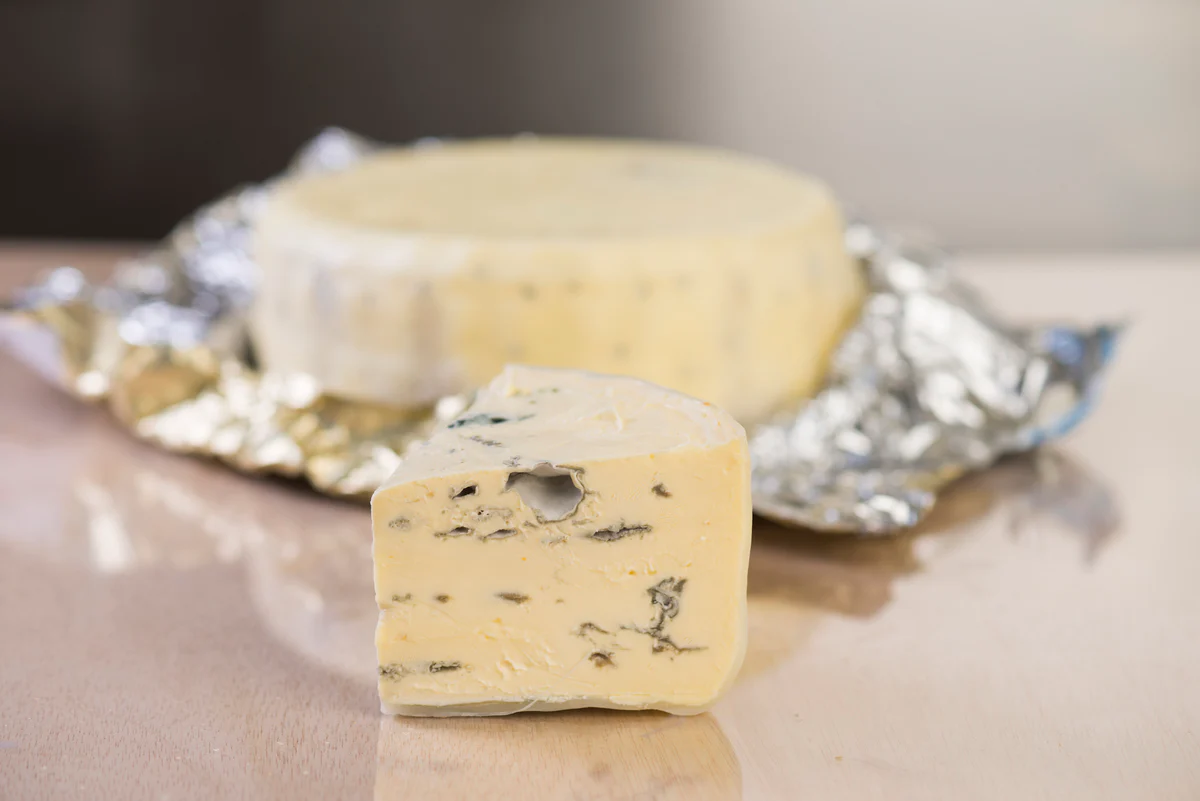
    The hike in food prices has been particularly noticeable in grocery items. A significant 25.5% increase was observed in the price of instant coffee, with an average price of NZ$7.88 (A$6.85) per 100 grams. The price of a 1kg block of cheese also reflected a 30.1% surge, costing $12.71 ($11.05).

    The highest rise was seen in the cost of grocery foods, with an annual increase of 4.9%. This was closely followed by the cost of meats, poultry, and fish, which rose by 7.6%.

    Heightened Dairy and Poultry Prices

    Stats NZ, the national statistical agency, provided additional data on the prices of dairy and poultry products. The average price of a two-litre bottle of milk rose by 13.5% over the year, reaching a price of $4.78 ($4.16).

    Similarly, the cost of a dozen fresh eggs also saw a significant annual increase of 18.5%, with the average price being $9.88 ($8.60).

    Questions & Answers

    What was the overall increase in food prices in New Zealand over the past year?
    Over the past year, there was an overall increase of 4.7% in food prices in New Zealand.

    Which food categories witnessed the highest price increases?
    Grocery food costs saw the highest increase at 4.9%, followed by meats, poultry, and fish prices, which increased by 7.6%.

    What was the price increase for dairy and poultry products?
    The average price of a two-litre bottle of milk increased by 13.5%, while the cost of a dozen fresh eggs saw an 18.5% increase annually.

  • Woolworths Sees 2.7% Surge in Sales: Riding the Wave of E-commerce and Food Sector Growth

    Woolworths Sees 2.7% Surge in Sales: Riding the Wave of E-commerce and Food Sector Growth

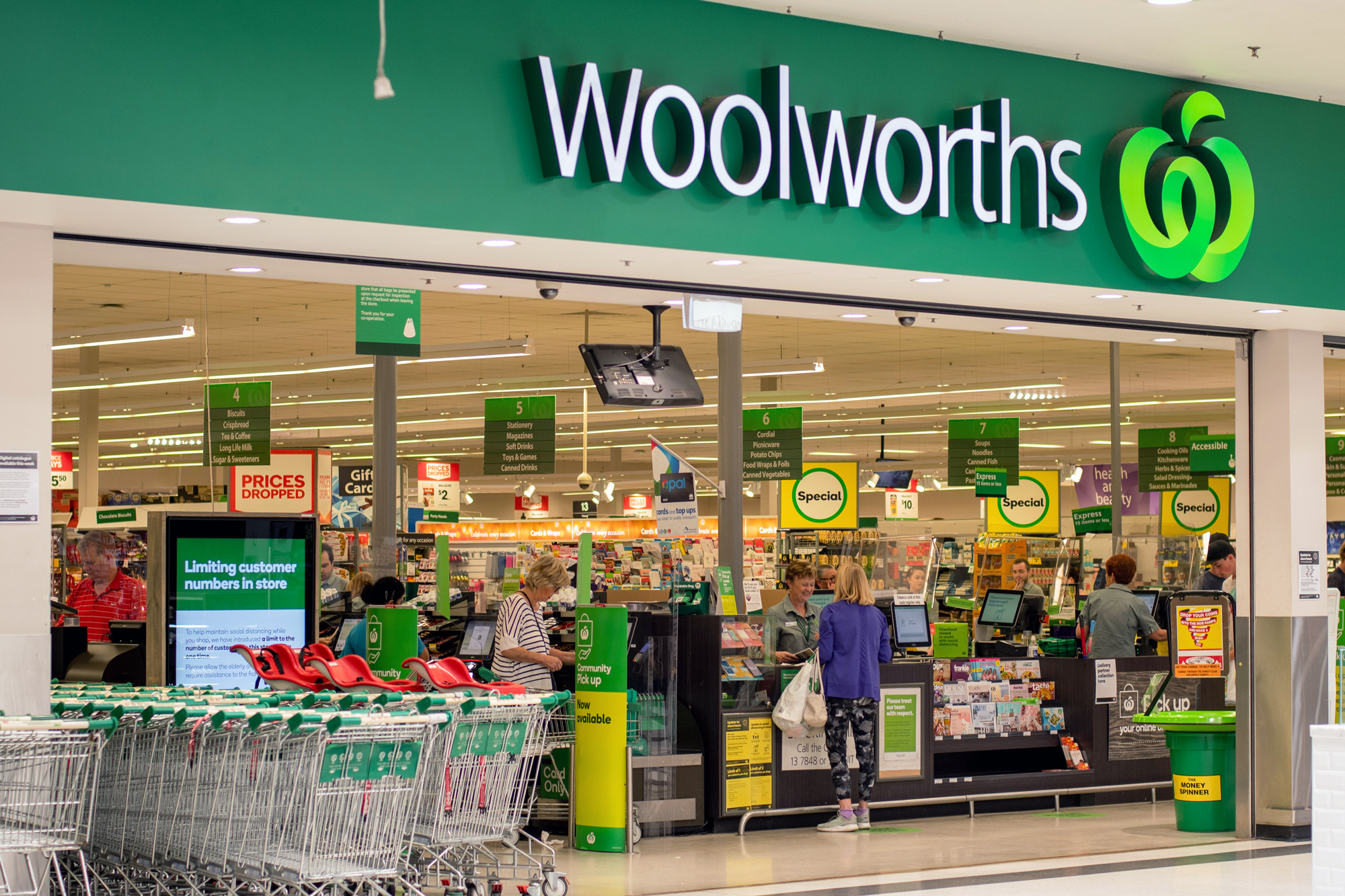
    Woolworths, a major retail group, has announced a rise of 2.7 percent in its total sales for the first quarter of the current fiscal year. The increase, which pushed the company’s revenue to $18.5 billion, is mainly due to a surge in food sales and the expansion of its on-demand services.

    Growth Powered by E-Commerce and Food Sales

    The company’s e-commerce sales experienced significant growth, rising by 13.2 percent to reach $2.7 billion. Australian food sales also saw an increase of 2.1 percent, amounting to $13.8 billion. This was largely fueled by an increase in the sales of chilled food, meat, and fruits. However, long-life sales experienced slower growth.

    Long-life sales saw a boost from drinks, snacking, and health and wellness products, while sales of baby, pet, and home essentials proved to be a challenge. Additionally, tobacco sales saw a considerable drop, declining by 51.5 percent compared to the same period the previous year.

    Increase in On-Demand Services

    Woolworths’ WooliesX sales in Australia increased by 12.9 percent, amounting to $2.2 billion, primarily driven by same-day and on-demand services. Among all of Woolworth’s e-commerce offerings, Milkrun, a grocery-delivery service, demonstrated the most growth. It is now supported by 628 stores, with 113 new stores added during the quarter.

    New Zealand Sales Performance

    In New Zealand, food sales reached $1.98 billion, marking a 2.5 percent year-on-year increase. This was primarily driven by the growth of e-commerce and sales of fruits and vegetables, meat, chilled, and frozen categories. E-commerce sales in the country grew by 15.8 percent, fueled by consumer demand for convenience and the company’s Same Day services. Milkrun also expanded its reach, extending to 87 stores across the nation.

    Other Notable Performances

    W Living, a division of Woolworths, saw a sales increase of 3.3 percent to $1.35 billion, largely due to the strong performance by Petstock. Petstock’s sales surged by 15.8 percent to $238 million, following the expansion of six stores and the inclusion of wholesale revenue from distributors Big Dog and TimePet.

    Big W saw a moderate increase in sales of 1 percent to $1.13 billion. However, the decline in items due to the cycling of winter clothing and clearance activity was evident. The brand’s e-commerce gross transaction value rocketed by 46.3 percent to $213 million, largely due to a 148 percent growth at Big W Market.

    Futures Outlook

    Woolworths’ group CEO Amanda Bardwell expressed cautious optimism for the key trading quarter ahead. She mentioned robust plans for the festive season, including a refreshed seasonal range. Bardwell concluded by stating that while it might take time for the full benefits of the company’s strategic actions to be realized, they remain confident these steps will lead to meaningful improvements for both their customers and shareholders.

    Questions & Answers

    What led to the growth of Woolworths’ sales in the first quarter?
    The growth was primarily driven by an increase in food sales and the expansion of on-demand services.

    How did Woolworths’ e-commerce perform in the first quarter?
    E-commerce sales rose by 13.2 percent to reach $2.7 billion, demonstrating strong performance.

    What is the company’s outlook for the future?
    Woolworths remains cautiously optimistic about the key trading quarter and has strong plans in place for the festive season, including a refreshed seasonal range.

  • Singapore: The Springboard For Chinese F&b Brands Eyeing Global Expansion Amid Domestic Challenges

    Singapore: The Springboard For Chinese F&b Brands Eyeing Global Expansion Amid Domestic Challenges

    In the last year, an unprecedented influx of Chinese restaurants and cafes has made their mark in Singapore. These establishments view the island as an ideal launchpad for their global expansion plans, largely spurred by lackluster consumer demand, fierce price competition, and extremely tight profit margins in their domestic market.

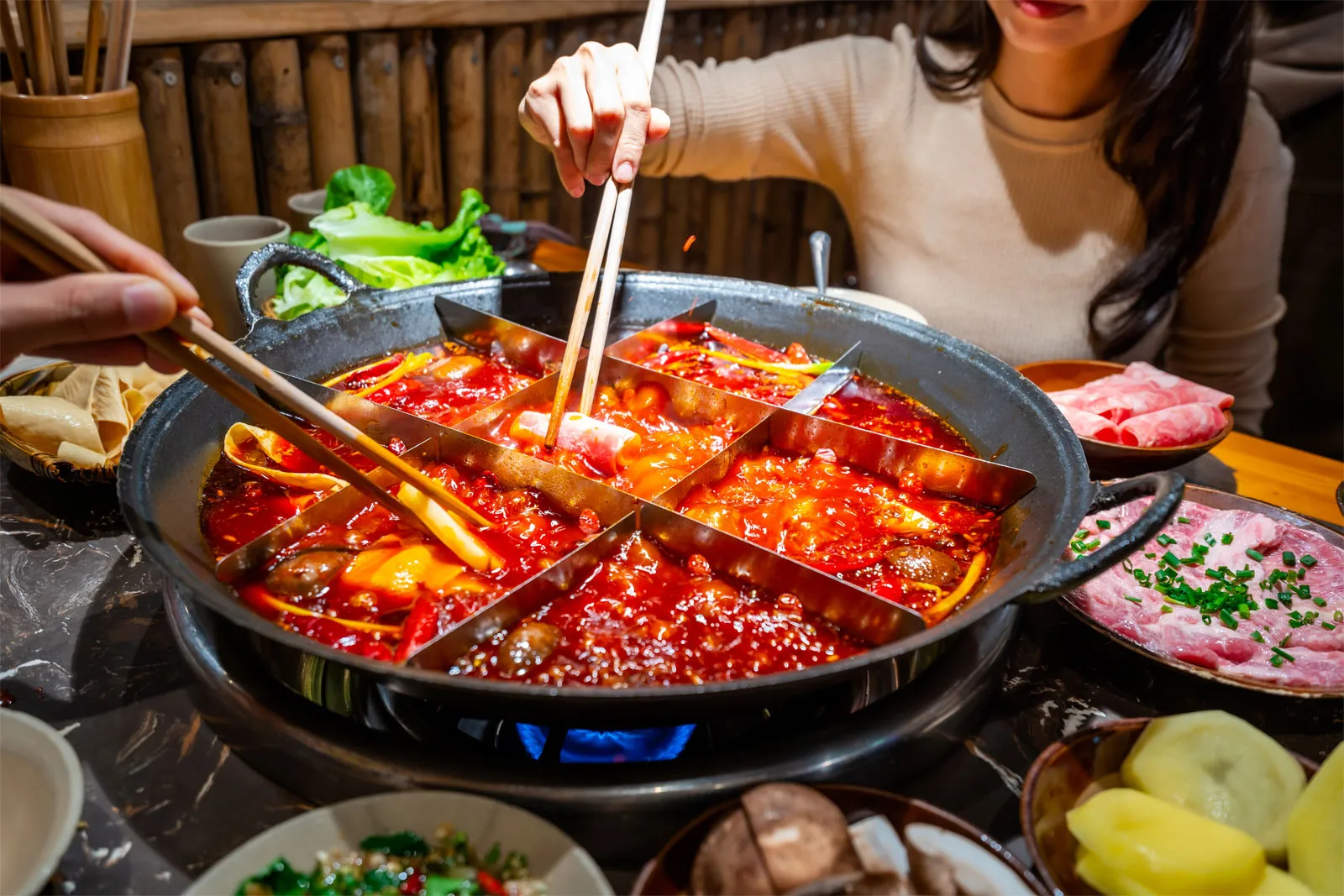
    Popular Chinese companies like Luckin Coffee and Mixue, a major bubble tea player, have joined a wave of hotpot and mala restaurants setting up shop overseas following the pandemic. They aim to leverage the international allure of the city-state, a trend that industry experts and executives predict will only gain momentum.

    Challenges in the Domestic Market

    According to Josie Zhou, the overseas general manager of Hunan cuisine restaurant Nong Geng Ji, the challenging business environment in China has prompted many brands to consider international expansion. Nong Geng Ji chose Singapore as the first stop in its global growth strategy.

    Persistent price wars have compelled Chinese food and beverage companies to seek new growth models abroad, says Joanna Jia, Singapore manager of bubble tea chain ChaPanda. The chain opened two franchisee tearooms in the city in July and is planning for more.

    Stagnant demand, exacerbated by a prolonged property market slump and US tariffs on Chinese goods, has hampered growth in China since the end of the Covid-19 lockdown nearly three years ago. This has intensified price wars across various sectors, leading to increasing deflationary pressure.

    Singapore: A Stepping Stone for Global Expansion

    Culturally similar Singapore has often served as a gateway for Chinese companies aiming to expand globally. As of August, about 85 Chinese food and beverage brands were operating approximately 405 outlets in Singapore, a considerable increase from the 32 brands that had 184 outlets in June of the previous year, according to data from consultancy firm Momentum Works.

    This rapid growth unfolds as local operators, including low-cost hawker stalls and Michelin-star restaurants, grapple with rising costs and lower consumer spending. However, Chinese brands remain optimistic about their prospects in Singapore, confident in their lean business models and supply chain management practices that allowed them to weather the storm in their home market.

    For example, tearoom chain Chagee can prepare a customized iced milk tea in just eight seconds using machines developed in-house, according to Jonathan Ng, Chagee’s director of government and public affairs for the Asia-Pacific region. This kind of agility has helped companies like Luckin and Mixue withstand the growth of Western competitors such as Starbucks in China.

    Backlash from Local Businesses

    These ready-made models have not been well received by all, however. Singapore Tenants United for Fairness, which represents 700 local business owners, stated in June that domestic companies struggle to compete with these larger Chinese entrants.

    “They are not even in the same stadium,” said the cooperative, implying the vast disparity between the resources of local SMEs and those of their Chinese counterparts.

    Gateway Singapore

    Singapore is often seen as a bridge between Eastern and Western cultures and is viewed as an attractive platform for expansion, especially given its 6.1 million predominantly Chinese population. Furthermore, Singapore’s reputation as a wealthy, fashionable location can significantly enhance a brand’s image.

    “If we can build up our brand in Singapore, the brand awareness can go to Malaysia and Vietnam, even Indonesia,” said ChaPanda’s Jia.

    Some smaller Chinese firms are often backed by deep-pocketed investors, giving them a competitive edge when it comes to securing prime locations. However, an influx of investment from large Chinese conglomerates has resulted in increased rents, especially in high-traffic areas, according to Ethan Hsu, head of retail for real estate firm Knight Frank.

    Questions & Answers

    Why are Chinese restaurants and cafes expanding to Singapore?
    A challenging business environment in China, characterized by fierce price competition and weak consumer demand, has prompted these businesses to explore new growth opportunities abroad. Singapore, with its cultural similarities to China and globally-oriented market, presents an attractive option for expansion.

    How are Chinese companies faring in the competitive Singaporean market?
    Despite the challenges faced by local operators, Chinese brands are optimistic about their prospects in Singapore. Their lean business models and robust supply chain management practices, which have been tested in their home market, provide them with a competitive edge.

    Is there any backlash against the influx of Chinese companies in Singapore?
    Yes, there has been some backlash, particularly from local businesses. Singapore Tenants United for Fairness, representing 700 business owners, has voiced concerns about the ability of local companies to compete effectively against their larger Chinese counterparts.

  • Walmart To Eliminate Synthetic Dyes From Food Brands By 2027 Amid Health Initiative

    Walmart To Eliminate Synthetic Dyes From Food Brands By 2027 Amid Health Initiative

    In a move towards healthier food options, Walmart announced on Wednesday its plans to eliminate synthetic dyes from all its private-label food products in the United States. Products under its Great Value and bettergoods brands will be free of these dyes by January 2027, with this change aligning with efforts from other major corporations.

    Industry Trends Towards Healthier Options

    In response to the Trump administration’s “Make America Healthy Again” initiative, several renowned packaged food producers, including PepsiCo, Campbell’s, and Conagra Brands, have already declared similar intentions. According to Health Secretary Robert F Kennedy Jr., the move is aimed at curbing the adverse effects of ultra-processed food and chemical additives, which have been linked to various health issues such as childhood obesity, diabetes, cancer, mental health disorders, allergies, and neurodevelopmental conditions like autism.

    More Than Just Dyes

    Walmart, recognized as the world’s largest retailer in terms of sales, also intends to ban over 30 other ingredients. These include preservatives, artificial sweeteners, and fat substitutes from its private-label product range.

    “Our consumers have clearly expressed a preference for products made from simpler, more recognizable ingredients, and we are taking their feedback seriously,” said John Furner, President of Walmart US.

    The corporation manages six in-house food brands that enjoy considerable popularity among cost-conscious American consumers. Walmart reported that currently, 90% of its private-brand foods are already free from synthetic dyes.

    A Natural Substitution

    The company plans to replace artificial coloring with natural alternatives such as beetroot, turmeric, black carrots, spinach, and hibiscus. Despite the challenges in substituting blues and greens, Walmart remains committed to this health-conscious transition, a company representative explained.

    Specific changes include replacing yellow #6 and red #40 dyes in their “Great Value” brand gelatin products with Beta Carotene to achieve an orange color. For a cherry hue, the previously used red #40 and blue #1 dyes will be substituted with a blend of carrot, radish, hibiscus, blueberry, and spirulina.

    Impact on the Market

    Brian Ronholm, Director of Food Policy at the non-profit Consumer Reports, believes that as the leading grocer in the US, Walmart’s decision will significantly influence the market and enhance the safety of the food purchased by many Americans.

    The move extends beyond Walmart, as the Walmart-owned warehouse club chain Sam’s Club announced in June. They committed to remove artificial colors and aspartame from its Member’s Mark brand by the end of this year.

    Questions & Answers

    What is Walmart’s timeline for removing synthetic dyes from its private-label foods?
    Walmart plans to remove synthetic dyes from all its private-label foods in the US by January 2027.

    Why is Walmart removing synthetic dyes and other ingredients from its food products?
    The move is in response to consumer demand for products made with simpler, more familiar ingredients. It also aligns with a wider industry trend towards healthier food options, in line with the “Make America Healthy Again” initiative.

    What natural alternatives is Walmart using to replace synthetic dyes?
    Walmart plans to replace synthetic dyes with natural alternatives like beetroot, turmeric, black carrots, spinach, hibiscus, carrot, radish, blueberry, and spirulina. For example, Beta Carotene will replace yellow #6 and red #40 dyes in their gelatin products.

  • Exquisite Vietnamese Desserts Delight Guests at Exclusive UK Royal Navy Reception

    Exquisite Vietnamese Desserts Delight Guests at Exclusive UK Royal Navy Reception

    During the recent reception for the UK Royal Navy ship HMS Richmond in Ho Chi Minh City, a delightful culinary showcase turned heads as international guests were introduced to the refreshing flavors of Vinamilk’s ice cream, yogurt, and kombucha tea. The event, held on September 22, marked a celebratory moment for Vietnam and the United Kingdom as they commemorated 15 years of a strategic partnership focused on diplomatic, security, and defense cooperation.

    Heralding a Milestone for Vietnam-UK Relations

    The HMS Richmond, a multi-mission frigate, docked at Nha Rong Wharf as part of the U.K.-Vietnam Summer Festival 2025. Organized by the British Consulate General in Ho Chi Minh City, the festival welcomed the frigate while underscoring the importance of the anniversary in strengthening bilateral ties. Dignitaries from various embassies, local government officials, and leaders from British companies in Vietnam gathered to honor this pivotal relationship.

    A Taste of Vietnam’s Best

    As the sun set over the city, Vinamilk’s products took center stage, showcasing the rich tapestry of Vietnamese culinary heritage. Guests were particularly drawn to the gelato offerings, inspired by Italy’s classic treat. With their silky texture and bold flavors, Vinamilk’s gelato drew rave reviews; one visitor, Sam Wood, the Asia Pacific Director for Exports, noted, “This is the first time I’ve tasted Vinamilk gelato. It’s absolutely delicious and refreshing, especially on a night like this.”

    From Creamy Yogurt to Sparkling Kombucha

    Lieutenant Oliver Thomas from HMS Richmond expressed his admiration for Vinamilk’s Green Farm drinking yogurt, describing it as “very tasty, fresh, smooth, and creamy.” With a proprietary fermentation process incorporating six live European probiotics, the yogurt not only tantalized taste buds but also offered health benefits, marking it as a standout choice.

    The lively reception highlighted the “HAYDAY” kombucha, a handcrafted beverage fermented over six months from organic green tea leaves. Its fragrant aroma and tangy flavor established it as a refreshing favorite among health-conscious guests, creating engaging moments for connection among attendees.

    Mocktails that Spark Joy

    Even Vinamilk’s mocktails stole the show, with their vibrant tropical fruit juices artfully blended to highlight their natural flavors. Each sip left a beautiful impression, reminding visitors just how much flavor and creativity can flourish in the Vietnamese beverage scene.

    Connecting Through Flavor

    The event not only showcased the delights of Vinamilk, but served as a reminder of the increasingly vibrant cultural exchanges between Vietnam and the U.K. With tastes that celebrate culinary artistry, the reception seemed to assure that international connections are as essential as they are delicious. Who knew that yogurt could play matchmaker among nations?

    Questions & Answers

    What was the significance of the HMS Richmond’s visit to Ho Chi Minh City?
    The visit marked the 15th anniversary of the strategic partnership between Vietnam and the U.K., emphasizing diplomatic ties and cooperation in security and defense.

    What unique products did Vinamilk showcase at the event?
    Vinamilk showcased its gelato, Green Farm drinking yogurt, and “HAYDAY” kombucha, impressing guests with their quality and flavor.

    How did the guests respond to Vinamilk’s offerings?
    Guests were pleasantly surprised by the rich textures and flavors of the products, with many highlighting the refreshing nature of the gelato and the health benefits of the yogurt and kombucha.

  • Survey Reveals Japan’s Gen Z Shifting Drinking Culture with Dramatically Low Alcohol Consumption Rates

    Survey Reveals Japan’s Gen Z Shifting Drinking Culture with Dramatically Low Alcohol Consumption Rates

    In a striking revelation about Japan’s changing cultural landscape, a recent survey by Tokyo-based marketing firm Mery Co. reveals that 44% of Japanese in their twenties abstain from alcohol entirely, while an additional 16% drink less than once a month. When asked about their infrequent drinking habits, 33.7% cited “no particular reason” as their response. This seemingly laid-back attitude toward alcohol is followed by reasons such as “poor tolerance for alcohol,” “can have fun without drinking,” and “do not like the taste.”

    As the country grapples with shifting norms, a significant portion of young adults, approximately 60%, view alcohol negatively in terms of fostering workplace camaraderie or enhancing communication. This perspective coincides with troubling reports from major brewers indicating that beer consumption dropped by 9% year-on-year in August, marking the fifth consecutive month of decline. Traditionally, one might expect beer sales to peak during Japan’s sweltering summers, where refreshing brews are a staple.

    Analysts attribute this downturn to a confluence of pandemic-era lifestyle transformations, rising living costs, and evolving perceptions regarding social interactions, particularly among younger generations. “I think the pandemic fundamentally altered Japan’s drinking culture, not just for the youth but for older demographics as well,” remarked Sumie Kawakami, a social sciences lecturer at Yamanashi Gakuin University, in her insights shared with the South China Morning Post.

    The pandemic’s restrictions disrupted habitual social drinking, and many simply lost the inclination to engage in post-work drinking rituals with colleagues. For youth, university often serves as a backdrop for drinking parties, which also ceased during the pandemic. Kawakami noted, “Those individuals have graduated and entered the workforce without developing a taste for drinking.”

    Financial pressures are undoubtedly influencing these trends, but Kawakami posits that a deeper issue lies in the growing disconnect between generations in the workplace. “Many people today are focused on simply getting through their workday and pursuing their own interests afterward—be it spending time at home, socializing with friends, or indulging in hobbies. This desire for a better work-life balance may appear unusual to older generations, yet it’s a sentiment increasingly embraced by them as well.”

    Questions & Answers

    What is the current drinking culture among young Japanese adults?
    The drinking culture among young Japanese adults has shifted significantly, with 44% abstaining from alcohol and many not drinking often, influenced by changing social norms and habits developed during the pandemic.

    How has the pandemic affected social drinking habits in Japan?
    The pandemic disrupted regular social drinking patterns, leading many to lose the habit of after-work drinking and university parties, which has contributed to lower alcohol consumption rates among younger generations.

    What factors are contributing to the decline in beer sales in Japan?
    The decline in beer sales can be attributed to pandemic-induced lifestyle changes, rising living costs, and a growing generational shift in how individuals perceive alcohol’s role in socializing and workplace interactions.

  • Chipotle Set to Spice Up Asia with New Outlets in South Korea and Singapore!

    Chipotle Set to Spice Up Asia with New Outlets in South Korea and Singapore!

    Chipotle Mexican Grill is set to make its Asian debut in 2026, launching new locations in South Korea and Singapore as the fast-casual chain seeks to broaden its international reach amid changing consumer habits in the United States.

    The California-based chain announced it will partner with South Korea’s SPC Group to develop these new restaurants. This strategic move marks the brand’s first venture into the bustling Asian market, driven by a desire to tap into shifting dining preferences that lean towards convenience and diversity.

    “The rapidly changing dining landscape presents an incredible growth opportunity for Chipotle in Asia,” said CEO Scott Boatwright. His enthusiasm is echoed by the shifting preferences of diners who now crave more variety and convenience in their meals.

    In a series of bold moves, Chipotle also aims to open restaurants in Mexico for the first time, having recently made a splash in the Middle East through a deal with Alshaya Group targeting locations in Dubai and Kuwait.

    However, it hasn’t all been smooth sailing. The company adjusted its annual sales growth target following disappointing quarterly results driven by a decline in restaurant visits amid economic uncertainty. The impact of U.S. trade tariffs has also escalated supply-chain costs, demanding a nimble approach as the company navigates these challenges.

    Chipotle’s current international footprint includes owned and operated restaurants in Canada, the U.K., France, and Germany. With over 3,800 locations in total, the company plans to open between 315 and 345 new outlets this year alone, expressing ambitions of reaching 7,000 locations across the U.S. and Canada in the long run.

    Questions & Answers

    What markets is Chipotle entering next year?
    Chipotle plans to open its first Asian restaurants in South Korea and Singapore, marking its expansion into the Asian market.

    Who is Chipotle partnering with in South Korea?
    The company is collaborating with SPC Group, a South Korean food company, to launch these new locations.

    What challenges has Chipotle faced recently?
    Chipotle has struggled with fewer customer visits in an uncertain economy and rising supply-chain costs due to U.S. trade tariffs, which led to a lowered sales growth target.