Retail News CRM

Tag: Food

  • Chipotle Set to Spice Up Asia with New Outlets in South Korea and Singapore!

    Chipotle Set to Spice Up Asia with New Outlets in South Korea and Singapore!

    Chipotle Mexican Grill is set to make its Asian debut in 2026, launching new locations in South Korea and Singapore as the fast-casual chain seeks to broaden its international reach amid changing consumer habits in the United States.

    The California-based chain announced it will partner with South Korea’s SPC Group to develop these new restaurants. This strategic move marks the brand’s first venture into the bustling Asian market, driven by a desire to tap into shifting dining preferences that lean towards convenience and diversity.

    “The rapidly changing dining landscape presents an incredible growth opportunity for Chipotle in Asia,” said CEO Scott Boatwright. His enthusiasm is echoed by the shifting preferences of diners who now crave more variety and convenience in their meals.

    In a series of bold moves, Chipotle also aims to open restaurants in Mexico for the first time, having recently made a splash in the Middle East through a deal with Alshaya Group targeting locations in Dubai and Kuwait.

    However, it hasn’t all been smooth sailing. The company adjusted its annual sales growth target following disappointing quarterly results driven by a decline in restaurant visits amid economic uncertainty. The impact of U.S. trade tariffs has also escalated supply-chain costs, demanding a nimble approach as the company navigates these challenges.

    Chipotle’s current international footprint includes owned and operated restaurants in Canada, the U.K., France, and Germany. With over 3,800 locations in total, the company plans to open between 315 and 345 new outlets this year alone, expressing ambitions of reaching 7,000 locations across the U.S. and Canada in the long run.

    Questions & Answers

    What markets is Chipotle entering next year?
    Chipotle plans to open its first Asian restaurants in South Korea and Singapore, marking its expansion into the Asian market.

    Who is Chipotle partnering with in South Korea?
    The company is collaborating with SPC Group, a South Korean food company, to launch these new locations.

    What challenges has Chipotle faced recently?
    Chipotle has struggled with fewer customer visits in an uncertain economy and rising supply-chain costs due to U.S. trade tariffs, which led to a lowered sales growth target.
  • Small Chinese Noodle Shop Sparks Debate with Eye-Popping $300 Bowl Price Tag

    Small Chinese Noodle Shop Sparks Debate with Eye-Popping $300 Bowl Price Tag

    In an unexpected culinary twist, a small eatery in Hangzhou is causing quite a stir with its lavish noodle dish priced at an eye-popping $300. This dish isn’t just a meal; it’s a spectacle that seems to rival the likes of Michelin-starred restaurants. Customers are eagerly taking to social media to share their experiences, with nearly a dozen of these extravagant bowls reportedly sold since their debut.

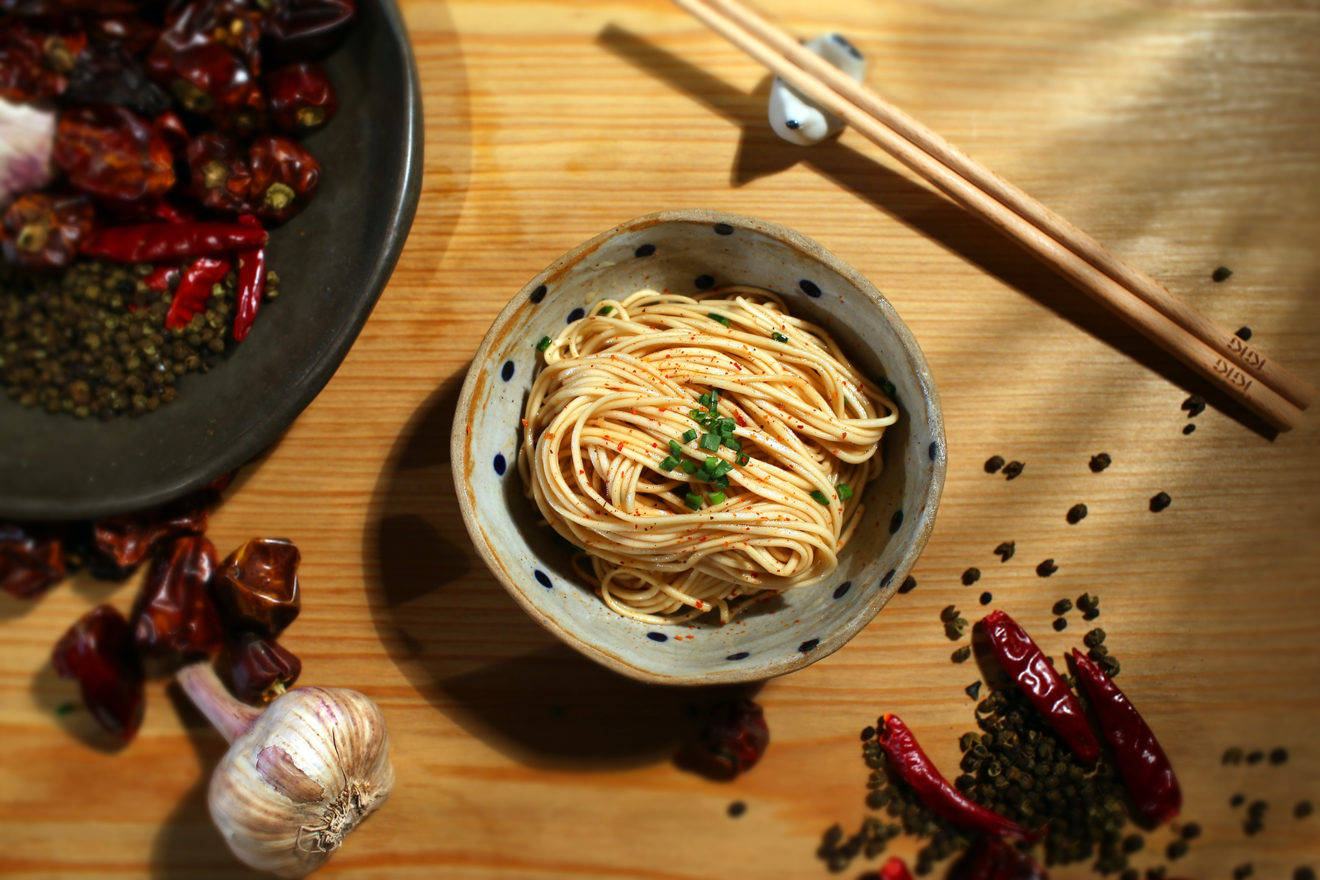
    What makes this luxurious bowl of noodles so special? Packed with a blend of premium ingredients, it features a generous assortment: 120g of onion, 130g of egg or 10g of fresh caviar, 270g of swamp eel, 400g of red prawn, and 210g of small abalone. For those wanting to indulge a bit more, guests can add 20g of tomatoes for an additional 20 yuan, just to keep it fresh.

    The eatery’s owner, known only by his surname Wu, defends the extravagant prices, arguing that they reflect a level of culinary skill that leaves typical noodle dishes in the dust. He assures patrons that his creations are neither oily nor limp, tapping into the fresh seafood sourced from a nearby market. With each bowl taking about 15 minutes to prepare, it’s clear there’s artistry at work.

    While Wu has captured the interest of curious diners, it’s the social media buzz created by food influencers that has really fueled this phenomenon. Some customers have even taken their bowls of luxury on the road, with one avid fan transporting the pricey dish back to Shanghai via high-speed rail. However, the public is divided; some express doubt regarding the dish’s worth. Observers have quipped that “the noodles will become mushy after traveling,” and others have likened it to dining experiences at luxury hotels. One witty commenter even speculated that the price must have been mistakenly listed in Japanese yen.

    Wu’s culinary journey is just as intriguing. Once a sales professional, he made a sharp career pivot to open his eatery in 2021. After parting ways with his initial chef, he took charge of the kitchen, showcasing his newfound passion for gastronomy. Interestingly, this isn’t the first time the establishment has turned heads; earlier in the year, the most expensive dish on the menu retailed for 558 yuan ($78), and just last year, diners could find a top dish costing as little as 68 yuan ($9.50).

    Legal expert He Shengting from Guangdong Guoding Law Firm weighed in on the controversy, stating that the restaurant is in the clear legally, as pricing and ingredients are transparently disclosed. He noted that any issues would only arise if the diner misrepresented its offerings, which is not the case here.

    Questions & Answers

    What unique ingredients contribute to the $300 noodle dish?
    The dish boasts a mix of luxurious ingredients, including swamp eel, red prawn, small abalone, and even fresh caviar, making it a feast for both the eyes and palate.

    How has social media influenced the popularity of this eatery?
    Food influencers sharing their experiences and reactions have significantly heightened the restaurant’s visibility, drawing both curious diners and skeptics alike.

    What sparked the dramatic price increase for the noodle dish from last year?
    The eatery’s owner, Wu, attributes the price increases to his culinary expertise and the high-quality, fresh ingredients sourced locally, as well as a broader strategy to position the restaurant in the upscale dining market.

  • Chipotle Announces Expansion Into Asian Market Starting With South Korea And Singapore

    Chipotle Announces Expansion Into Asian Market Starting With South Korea And Singapore

    Chipotle, a popular American fast-casual restaurant chain, has announced plans to penetrate the Asian market in the coming year. The expansion will begin in South Korea and Singapore, through a strategic collaboration with SPC Group.

    Chipotle’s Asian Debut

    The rapidly growing interest in international food and exceptional culinary experiences among Koreans and Singaporeans makes these two markets the perfect launching pad for Chipotle’s Asian journey. This perspective was shared by Heesoo Hur, the Executive Vice President and Owner of SPC Group, who underscored the familiarity and appreciation for the brand in these countries.

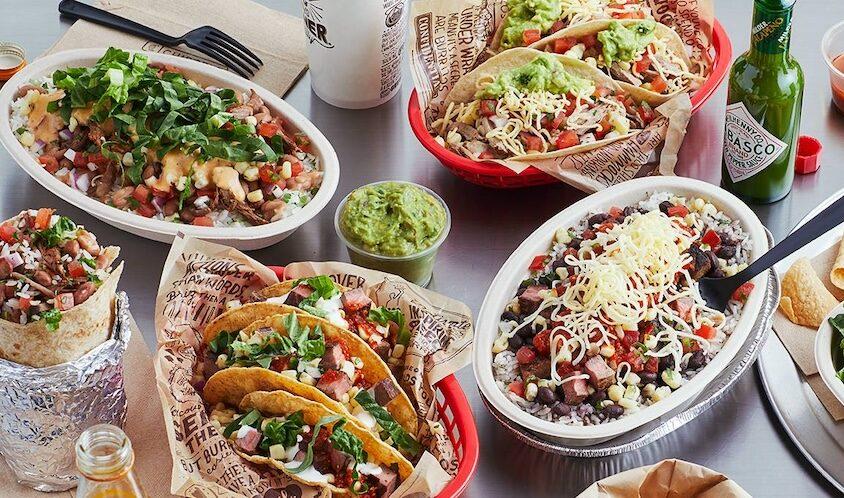
    Chipotle’s reputation for offering personalized meals using fresh ingredients, with an assortment of burritos, bowls, tacos, and salads, resonates well with the evolving food preferences in these markets. Customers can craft their meals from an array of fillings served from an assembly line, making each meal a unique dining experience.

    A Promising Growth Opportunity

    According to Chipotle’s CEO, Scott Boatwright, the move to expand into Asia represents an enormous growth potential for the brand. With the increasing demand for real, fast-prepared food coupled with significant brand recognition among consumers, he anticipates strong adoption rates from the onset.

    This expansion to Asia trails Chipotle’s series of international openings. In 2023, the company started its Middle Eastern operations by signing an agreement with Alshaya Group, resulting in six Chipotle restaurants across Kuwait and the UAE. Furthermore, Chipotle has already announced plans to establish its first eatery in Mexico next year through a deal with Alsea.

    Currently, Chipotle operates over 3,800 restaurants across the globe, with plans to inaugurate up to 345 additional locations this year. The company also aims to reach a long-term target of 7,000 restaurants in the US and Canada.

    Questions & Answers

    Why has Chipotle chosen South Korea and Singapore as its entry points in Asia?
    These markets were selected due to their familiarity with the brand and their evolving interest in international culinary experiences.

    What makes Chipotle’s dining experience unique?
    Chipotle offers customers the opportunity to customize their meals with fresh ingredients, creating a personalized dining experience.

    What are Chipotle’s future expansion plans?
    In addition to its Asian debut, Chipotle aims to open up to 345 new restaurants this year, with a long-term target of 7,000 locations in the US and Canada.

  • South Korean Yogurt Giant, Yoajung, Makes Debut In Singapore Amidst Competitive Market

    South Korean Yogurt Giant, Yoajung, Makes Debut In Singapore Amidst Competitive Market

    South Korean yogurt chain, Yoajung, has officially launched its first store in Singapore, located on the bustling Orchard Road’s Scape.

    Yoajung, established in 2021, has seen rapid expansion in its short existence. The brand currently boasts over 650 branches in its home country of South Korea and has extended its international footprint to countries including Japan, China, Hong Kong, and Australia.

    This bold move into the Singaporean market was made possible through a partnership with Hong Kong’s Modu Consulting. Modu Consulting owns the master franchise rights for Yoajung in various regions, including Hong Kong, Macau, and now Singapore.

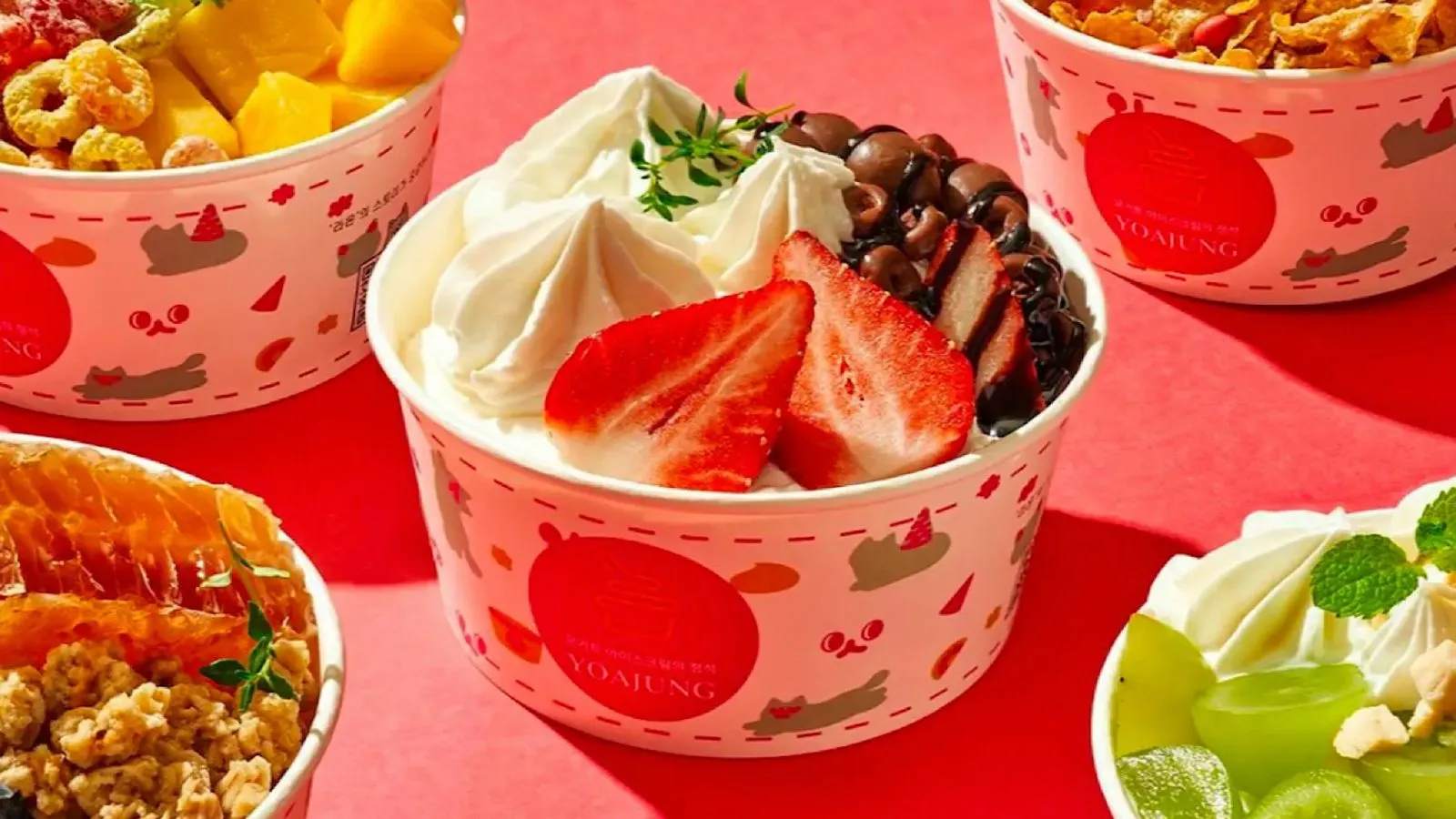
    The newly opened outlet on Orchard Road offers a customizable menu, with a focus on frozen yogurt and acai bowls. Customers have the opportunity to personalize their bowls with an extensive range of toppings and premium upgrades.

    Yoajung’s entry into Singapore is hot on the heels of another international yogurt brand, Yo-Chi. The Australian-based chain made its own foray into the Singapore market last month, opening a 60-seat outlet at Orchard Central.

    Questions & Answers

    When was Yoajung established, and how many outlets does it currently have?
    Yoajung was established in 2021 and currently operates over 650 outlets in South Korea, in addition to its branches in Japan, China, Hong Kong, and Australia.

    Who holds the master franchise rights for Yoajung in Singapore?
    Modu Consulting, a Hong Kong-based company, holds the master franchise rights for Yoajung in Singapore.

    What is unique about the menu at Yoajung’s Orchard Road outlet in Singapore?
    The Orchard Road outlet offers a customizable menu focusing on frozen yogurt and acai bowls with a broad variety of toppings and premium add-ons.

  • A2 Milk Company Seals $282m Acquisition, Plans Rebranding And Expansion In China

    A2 Milk Company Seals $282m Acquisition, Plans Rebranding And Expansion In China

    New Zealand-based The A2 Milk Company has successfully finalized a $282 million acquisition of Yashili New Zealand’s Pokeno nutritional manufacturing facility. The deal was made with China’s Mengniu Dairy Group.

    Full Ownership and Future Plans

    With this acquisition, The A2 Milk Company now wholly owns the integrated plant. The facility was previously responsible for producing two China label infant milk formula products. Now under new ownership, the company plans to rebrand these products under the A2 Milk brand. This revamp is predicted to be completed within a year and a half, pending necessary regulatory approval.

    Financial Implications and Shareholder Value

    Pip Greenwood, the chairperson of The A2 Milk Company, shared that this purchase ensures greater certainty regarding the company’s capital needs. In addition to this, the acquisition will pave the way towards delivering increased value to the company’s shareholders. It is intended that this will be facilitated through a proposed special dividend of $300 million.

    Potential Expansion and Role in China

    Further benefits of owning the Pokeno facility include the potential for a third registration slot. Recognized as a significant producer of A2 Milk’s English label products, the facility is expected to play an essential role in the company’s expansion plans within the Chinese market.

    David Bortolussi, managing director and CEO, praised the Pokeno facility for its globally respected reputation. He highlighted its consistent production of high-quality infant milk formula, including their English label products, A2 Gentle Gold and A2 Genesis.

    Questions & Answers

    What is the scope of the acquisition of The A2 Milk Company?
    The A2 Milk Company has acquired full ownership of Yashili New Zealand’s Pokeno nutritional manufacturing facility in a $282 million deal with China’s Mengniu Dairy Group.

    What are the future plans for the products of the Pokeno facility?
    The company plans to rebrand the two China label infant milk formula products produced at the Pokeno facility under the A2 Milk brand, subject to regulatory approval.

    How will the acquisition contribute to shareholders’ value?
    The acquisition is expected to provide more certainty regarding the company’s capital needs. It will also potentially return value to shareholders through a planned special dividend of $300 million.

  • Chinese Sweet Potatoes with Durian Flavor Fascinate Vietnamese Shoppers, Despite Higher Price Tag

    Chinese Sweet Potatoes with Durian Flavor Fascinate Vietnamese Shoppers, Despite Higher Price Tag

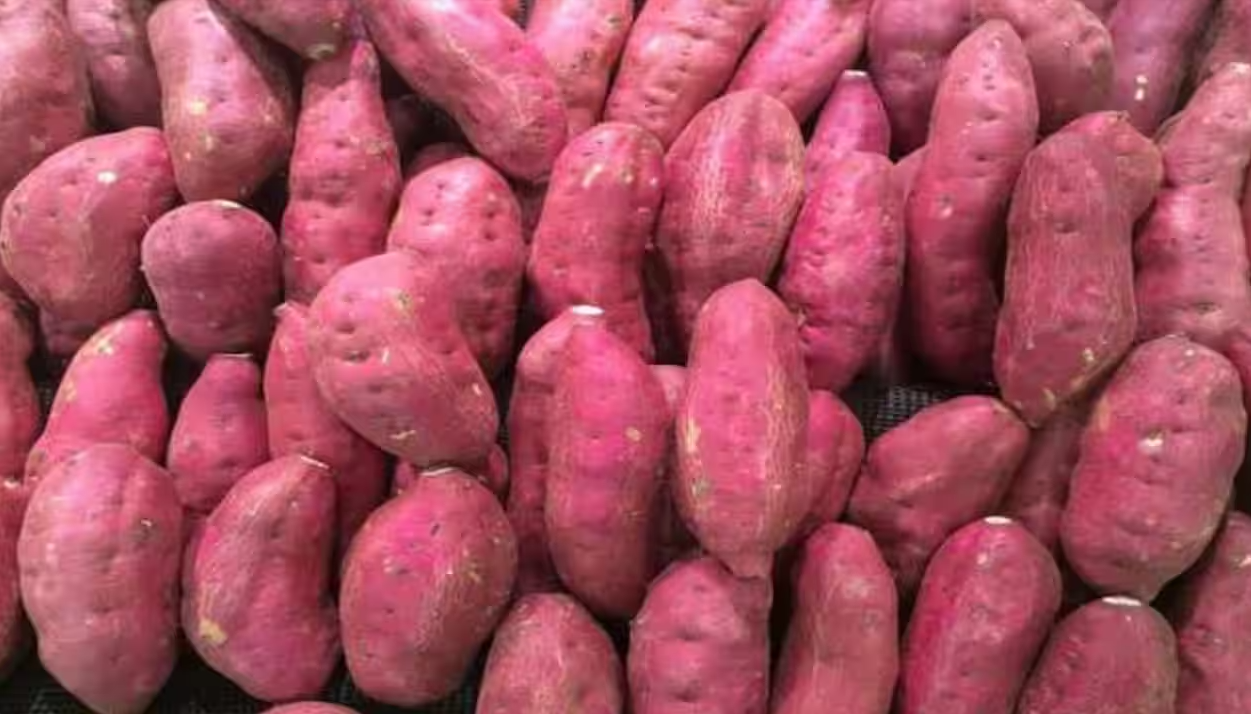
    In a curious culinary twist taking Vietnam by storm, “durian sweet potatoes” have captured the attention of food lovers across social media platforms since July. Vendors tout these unique spuds for their creamy texture and sweet flavor reminiscent of the notoriously pungent durian.

    Hong Anh, a food store owner in Ho Chi Minh City’s District 12, recalls her initial skepticism when suppliers first introduced her to the product, especially given its steep price point. However, after sampling the sweet potatoes herself, she discovered their chewy, delectable nature that “melts” in the mouth, prompting her to add them to her offerings.

    “In just half a month, I sold about 300 kilograms,” she noted, highlighting the appeal of the potatoes’ eye-catching appearance and uniform size. Customers are also drawn to them due to their intriguing name, creating a buzz in the market.

    Currently, Anh retails these sweet potatoes at VND96,000 (US$3.64) per kilogram—double the price of top domestic varieties and three times that of standard sweet potatoes. While these tubers are a staple in Vietnam, cultivated extensively in regions like the Central Highlands and Mekong Delta, they broke the bank when it comes to consumers checking their wallets.

    Last year, sweet potato exports brought in nearly VND900 billion, with farm-gate prices hovering between VND14,000 and VND16,000 per kilogram and retail prices ranging from VND25,000 to VND50,000. The growing demand for the Chinese variety has seen distributors like To Khuyen from Lao Cai Province, near the China border, importing thousands of boxes within just a month. Initially priced over VND100,000 per kilogram due to low supply, she has now lowered prices by 15%. “Since early July, these sweet potatoes have been flying off the shelves. Wholesalers snap them up as soon as the trucks arrive,” she shared.

    Beyond their enticing flavor, the potatoes boast thick, easy-to-peel skin and come packaged in chic cardboard boxes—making them a hit for consumers looking for both taste and aesthetics. Despite this, they remain somewhat of a niche offering. Representatives from the Thu Duc and Hoc Mon wholesale markets in Ho Chi Minh City remarked they haven’t introduced these varieties yet, focusing solely on local options.

    As excitement builds around these sweet potatoes, some market sellers urge caution regarding new products with unclear origins. According to the Guangdong Provincial Information Portal in China, these sweet potatoes belong to a variety called Xinxiang, or mini sweet potatoes, which have been cultivated since 2007 in southern provinces like Zhejiang and Guangdong, with farmers receiving between CNY13-16 ($1.82-2.24) per kilogram.

    Questions & Answers

    How are “durian sweet potatoes” different from regular sweet potatoes?
    These sweet potatoes are known for their chewy texture and sweet flavor, resembling that of durian, which sets them apart from traditional varieties.

    Why are these sweet potatoes priced significantly higher than local varieties?
    Their pricing reflects a combination of factors, including their imported nature, unique culinary qualities, and increasing demand among consumers curious about novel products.

    What challenges do consumers face with these new sweet potatoes?
    Some market sellers express concerns about the origins of these imported sweet potatoes, prompting consumers to be cautious when trying new and unfamiliar products.

  • Tim Hortons China Sees Q2 Recovery, Cites New Strategy And Franchise Growth As Key Drivers

    Tim Hortons China Sees Q2 Recovery, Cites New Strategy And Franchise Growth As Key Drivers

    TH International Limited, the company responsible for operating Tim Hortons coffee shops in China, has reported a slight recovery in the second quarter. This recovery has helped to counterbalance the economic strain resulting from store closures and decreased revenue from company-operated outlets.

    Financial Performance

    The system sales experienced a 1.4 percent increase since last year, reaching a total of $57.2 million. Despite this growth, total revenues decreased by 4.9 percent, amounting to $48.7 million. However, the company recorded a positive adjusted EBITDA of $300,000 and a reduced adjusted net loss of 16.2 percent, which amounts to $5.5 million.

    The company’s CEO, Yongchen Lu, stated the company’s “Coffee + Freshly Prepared Food” strategy as the driving force behind the improved results. New product offerings led to an increase in food revenue by 8.6 percent from last year. Consequently, the contribution of food revenue to system sales rose to a record 35.2 percent.

    Albert Li, the CFO, pointed out the efficiency enhancements in the company’s operations. The costs of food, packaging, and labor dropped as a percentage of store revenues. He attributed the improved financial performance to the refinement of store unit economics and operational efficiencies at both store and corporate levels.

    Growth and Challenges

    During the quarter, the company introduced 40 made-to-order stores while discontinuing 49 non-made-to-order outlets, mainly smaller Tim Hortons Express units. Despite this, the contribution from company-operated stores dropped to $3.8 million, a decrease from the previous year. This decrease can be attributed to store consolidation and declining same-store sales.

    Franchising proved to be a successful venture. Revenues from franchised stores increased by 50.7 percent, reaching $9.4 million. The franchise network expanded from 333 to 449 locations. In addition, other revenues, including sub-franchise and retail businesses, more than doubled compared to last year.

    Despite a net loss of $10.6 million, the management remains optimistic. They believe the operational enhancements and an improved food mix put the company in a position for steady growth.

    Questions & Answers

    What was the company’s strategy that drove its stronger results?
    The company employed a “Coffee + Freshly Prepared Food” strategy that particularly improved results through new product offerings.

    How did the company improve its financial performance?
    The company refined store unit economics and enhanced operational efficiencies at both the store and corporate levels.

    What changes occurred in the company’s franchising operations?
    There was a revenue increase of 50.7 percent from franchised stores. The franchise network also expanded to 449 locations from 333 in the previous year.

  • Meituan’s Profit Plummets Amid Intense Competition In China’s ‘instant Retail’ Sector

    Meituan’s Profit Plummets Amid Intense Competition In China’s ‘instant Retail’ Sector

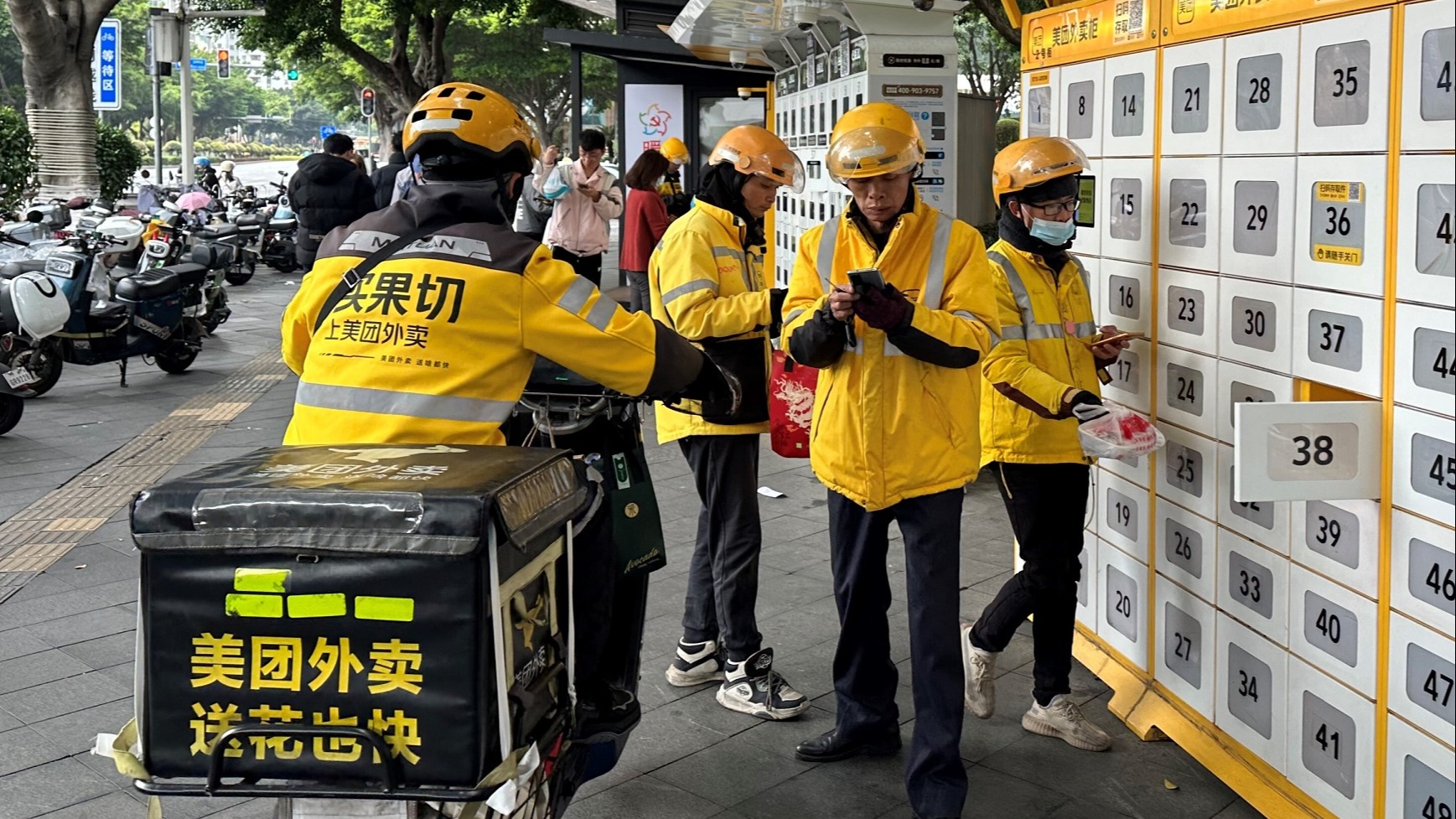
    Meituan, China’s top food delivery company, has reported an 89 per cent decrease in its net profit during the second quarter. The company attributes this major drop to escalating competition in the ‘instant retail’ sector, which specializes in delivering goods within an hour.

    Meituan boasts almost 70 per cent of China’s delivery market. However, the company has expressed concerns that maintaining this dominance will prove costly. The fierce competition is putting the company’s profit margins under significant pressure, at least in the short term. This has led to a fall in the company’s shares, which have declined by over 20 per cent this year.

    The Battle for Market Dominance

    According to analysts, the food delivery sector in China is now in the middle of a full-blown delivery war in which Meituan cannot afford to be defeated. They expect the intensity of the subsidy to gradually decrease after the third quarter. The focus will then shift towards unit economic discipline in the coming year.

    In addition to delivering food, Meituan offers services ranging from bike-sharing to ticket-booking and map services. The company’s CEO, Wang Xing, acknowledges the intense competition, emphasizing that the company will continue to prioritize doing the right things such as ensuring quality selection, competitive pricing, superior service, and prompt delivery.

    New Competitors and Regulatory Challenges

    This year, online retailer JD made its move against Meituan’s attempt to expand beyond meals by aggressively entering the food delivery business, which is Meituan’s core operation. Alibaba, which operates Ele.me, the second-largest food delivery app, also increased its investment in instant retail. Both JD and Alibaba have promised billions of yuan in subsidies to increase sales.

    Future challenges may arise from regulatory adjustments. Chinese authorities are planning to implement new rules for pricing following complaints from merchants and customers about misleading or unfair pricing on major internet platforms. Meituan, alongside Alibaba and JD, released statements last month committing to end price wars. However, Wang Xing has stated that they will stand their ground and defend their market position as the competition becomes even more intense.

    Despite the heightened competition in China, Meituan is broadening its horizons with overseas expansion. The company has boosted the global presence of its Keeta app in Hong Kong, Qatar, and Saudi Arabia. They have also made a significant investment of US$1 billion in Brazil.

    Questions & Answers

    What factors contributed to Meituan’s drop in net profit during the second quarter?
    The 89 per cent drop in Meituan’s net profit was primarily due to increased competition in China’s ‘instant retail’ sector.

    How is Meituan responding to the increasing competition in the market?
    Meituan’s strategy focuses on doing the right things such as ensuring quality selection, competitive pricing, superior service, and prompt delivery. They have also committed to ending price wars.

    What plans does Meituan have for international expansion?
    Meituan has expanded its Keeta app to markets in Hong Kong, Qatar, and Saudi Arabia. The company has also invested US$1 billion in Brazil.

  • Starbucks Korea Eliminates Printers and Desktops as Café Workspaces Gain Popularity Among Customers

    Starbucks Korea Eliminates Printers and Desktops as Café Workspaces Gain Popularity Among Customers

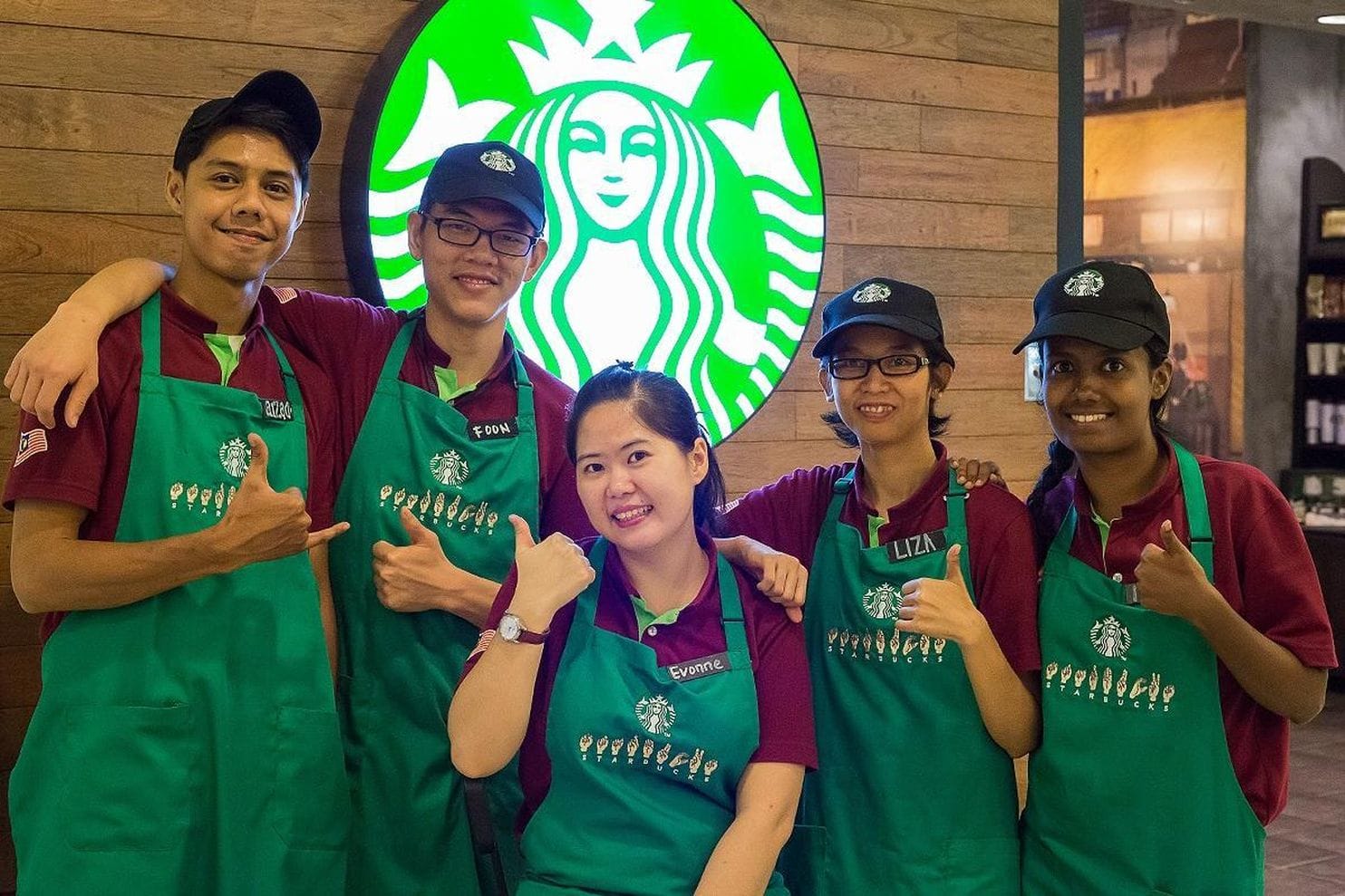
    In a strategic move to enhance customer satisfaction, Starbucks has implemented a new policy across all its locations in South Korea, urging patrons to leave behind bulky devices when they step away from their tables. Announced Thursday, every store has displayed notices banning large equipment, including power strips and extensive cubicle-style dividers.

    These signs serve a dual purpose: they remind customers to take their belongings if they plan to leave for an extended period and encourage the efficient use of shared tables. A representative from Starbucks elucidated that this policy aims to maintain a comfortable environment for all guests. “While laptops and smaller personal devices are welcome, customers are asked to refrain from bringing desktop computers, printers, or other bulky items that may limit seating and impact the shared space,” the spokesperson explained to Business Insider. Importantly, these guidelines do not impose time restrictions on those who choose to dine in.

    Starbucks boasts over 2,000 outlets in South Korea, making it the company’s third-largest market after the United States and China. This recent policy aligns with a rapidly burgeoning trend in the country known as “cagongjok,” which describes individuals who occupy coffee shops for long hours to work or study.

    While the majority of these patrons use laptops, the trend has also seen some customers bringing in considerably larger equipment such as monitors and printers, as well as—wait for it—partition panels. A social media post illustrating a customer in South Korea with a three-sided partition and a computer exemplifies this phenomenon, showcasing just how far some have taken the concept of a “mobile office.”

    The rise of this trend is rooted in South Korea’s changing labor landscape and the widespread shift toward remote work. Post-pandemic, many employees adjusted to working from home, and as they gradually returned to their offices, skyrocketing rents and limited redevelopment opportunities in Seoul restricted available commercial space. In a city where businesses fiercely compete for every square foot, cafés have flourished as makeshift workspaces.

    Jo Elfving-Hwang, an associate professor of Korean society and culture at Australia’s Curtin University, noted that businesses have adapted by turning to co-working spaces or allowing employees to work remotely. “People just started working from home more, and [businesses] discovered that they didn’t necessarily need a space in the same way,” she shared with Fortune.

    However, not everyone is pleased with the emergence of “cagongjok.” Some café owners voice frustration, labeling these long-term patrons as “electricity thieves” who commandeer tables for hours while purchasing just a single beverage, thereby limiting availability for other guests. As such, it seems only natural for cafés to strive to reclaim their identity as spaces for leisure and relaxation rather than simply functioning as remote work hubs, according to Elfving-Hwang.

    Questions & Answers

    What prompted Starbucks to implement this new policy in South Korea?
    The new policy was introduced to enhance customer experience by preventing the overcrowding of space caused by bulky devices like desktop computers and printers.

    What does the term “cagongjok” refer to in the context of South Korea’s café culture?
    “Cagongjok” describes individuals who occupy coffee shops for extended periods to work or study, often occupying tables for hours with minimal purchases.

    How is the rise of remote work influencing café dynamics in South Korea?
    As more employees work from home and the demand for physical office space decreases, many have turned to cafés as alternative workspaces, leading to a shift in how these establishments are utilized.

  • My Food Bag Group Sees Profit Surge, Launches Innovative Non-subscription Platform Amid Continued Growth

    My Food Bag Group Sees Profit Surge, Launches Innovative Non-subscription Platform Amid Continued Growth

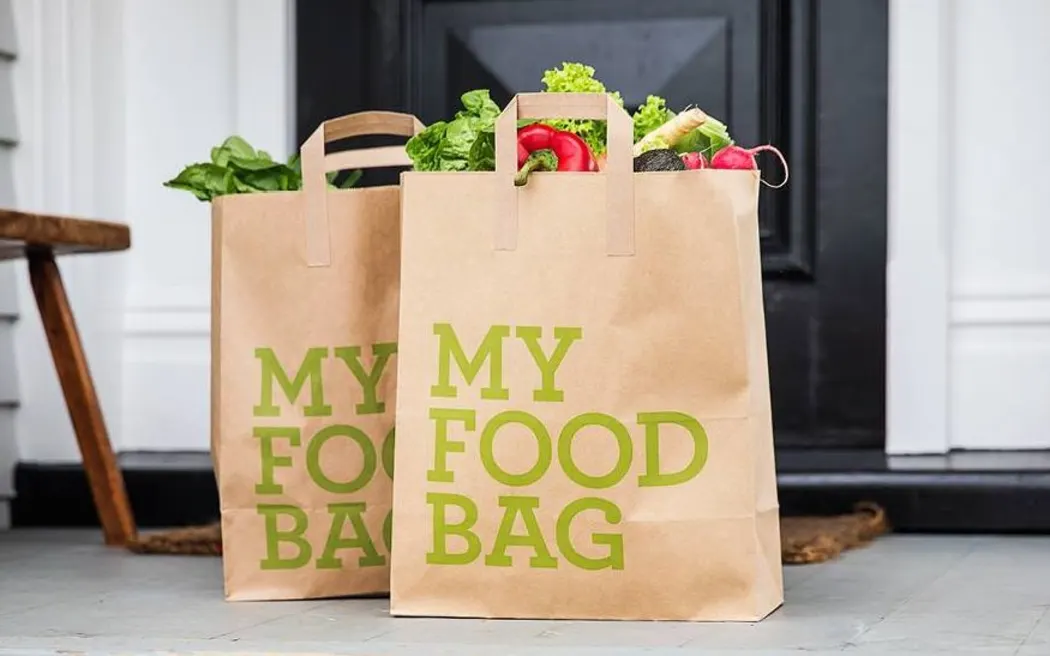
    My Food Bag Group, a prominent meal kit company, has experienced a favorable upward trend in growth during the second half of the fiscal year 2025 (FY25). This positive trajectory is reflected in the company’s increased profitability and the successful launch of its innovative non-subscription sales platform.

    For the financial year ending on March 31, the company reported a steady revenue of $162.1 million, mirroring the previous year’s figures. The second half of the financial year, however, saw a 5% growth in revenue compared to FY24, and an uptick of 1.9% from the first half of FY25.

    The company’s annual net profit surged by 5%, totaling $6.3 million. The Earnings Before Interest, Taxes, Depreciation, and Amortization (EBITDA) also experienced a slight increase, reaching $16.1 million. Concurrently, the margins improved and the net debt plunged from $11.8 million to $6.9 million.

    Strategic Developments and Partnerships

    The company’s CEO, Mark Winter, expressed his optimism about the company’s efforts translating into sustained business performance and renewed growth.

    A primary strategic progression was the launch of My Food Bag Shop in November, an online platform offering one-time meals and gift boxes catering to non-subscribers.

    The company also enhanced its primary brands, namely My Food Bag, Fresh Start, and Bargain Box, by relaunching its Gluten-Free range and incorporating new specialized options. These new offerings include Low Carb, High Protein, and a Diabetes Plan, which was designed through a collaboration with Diabetes New Zealand.

    FY25 marked digital advancements, such as a revamped website and application to augment user experience. The company joined forces with the NZ Olympic Team and Auckland FC to enhance brand engagement.

    According to Winter, the enhanced user experience on the web and app facilitates an easier navigation for customers to find suitable meals. The partnerships with the NZ Olympic Team and Auckland FC have strengthened the company’s local foothold and boosted its relevance among New Zealanders.

    Future Focus

    The company reported a positive start to the early FY26 trading. Its focus remains on personalization, expanding its Bargain Box offering, and broadening the Shop platform to cater to cost-conscious and flexible consumers.

    Questions & Answers

    What was a significant strategic move by My Food Bag Group in FY25?
    In FY25, My Food Bag Group launched My Food Bag Shop, an online platform that provides one-time meals and gift boxes to non-subscribers.

    How did My Food Bag Group enhance its brand offerings?
    The company reintroduced its Gluten-Free range and added new specialized options including Low Carb, High Protein, and a Diabetes Plan, which was developed in collaboration with Diabetes New Zealand.

    What are the company’s plans for FY26?
    The company plans to focus on personalization, expand its Bargain Box offering, and broaden the Shop platform to meet the demands of cost-conscious and flexible consumers.

  • Australian Food Industry Shows Resilience With Robust Growth Amid Global Challenges

    Australian Food Industry Shows Resilience With Robust Growth Amid Global Challenges

    The food and grocery manufacturing industry in Australia has demonstrated robust growth, further solidifying its significance as the country’s biggest manufacturing sector and a crucial provider of regional employment opportunities.

    The Australian Food and Grocery Council’s (AFGC) State of the Industry 2023-24 report reveals that the sector’s turnover has experienced a 5.3 per cent growth, equating to a total of $173 billion.

    Employment and Exports

    Employment in the industry has also seen an increase of 4.4 per cent, resulting in almost 300,000 people now being employed in the sector, with over a third of these individuals located in regional Australia.

    Exports within the industry recorded a 5.2 per cent growth, while imports declined by 3.3 per cent. Interestingly, the US has surpassed China as the leading export market for Australia.

    Colm Maguire, CEO of AFGC, expressed his optimism for the sector’s future, emphasizing its “enormous potential”. He highlighted the need for policy and strategic backing as key for continued growth.

    Maguire added, “With the proper policy framework and strategic support, the food and grocery manufacturing sector can further enhance Australia’s economy – fostering regional employment, reinforcing Australia’s standing as a strong manufacturing nation, and securing our food and grocery supply amidst an increasingly complicated global landscape.”

    Challenges and Future Perspectives

    Despite the encouraging figures, the report also drew attention to certain challenges faced by the sector. These include an 11 per cent decline in capital investment, which currently stands at $3.8 billion, and ongoing cost pressures.

    As the Albanese Government progresses with its “Future Made in Australia” agenda, the AFGC argues that the food and grocery manufacturing industry is in a strong position to take the lead. This is reflected in their proposed seven productivity pillars, which concentrate on reducing bureaucracy, building resilient supply chains, and ensuring access to affordable, reliable energy.

    Questions & Answers

    What growth has the Australian food and grocery manufacturing industry seen recently?
    The industry has seen a 5.3 per cent increase in turnover, equating to $173 billion. Employment in the sector has risen by 4.4 per cent, with nearly 300,000 people now employed.

    Who is now Australia’s top export market?
    The US has now overtaken China as Australia’s top export market.

    What challenges does the Australian food and grocery manufacturing industry face?
    The industry faces challenges such as an 11 per cent decrease in capital investment and ongoing cost pressures.

  • Haidilao to Close Its Beloved Singapore Outlet After 13 Years of Hotpot Delight

    Haidilao to Close Its Beloved Singapore Outlet After 13 Years of Hotpot Delight

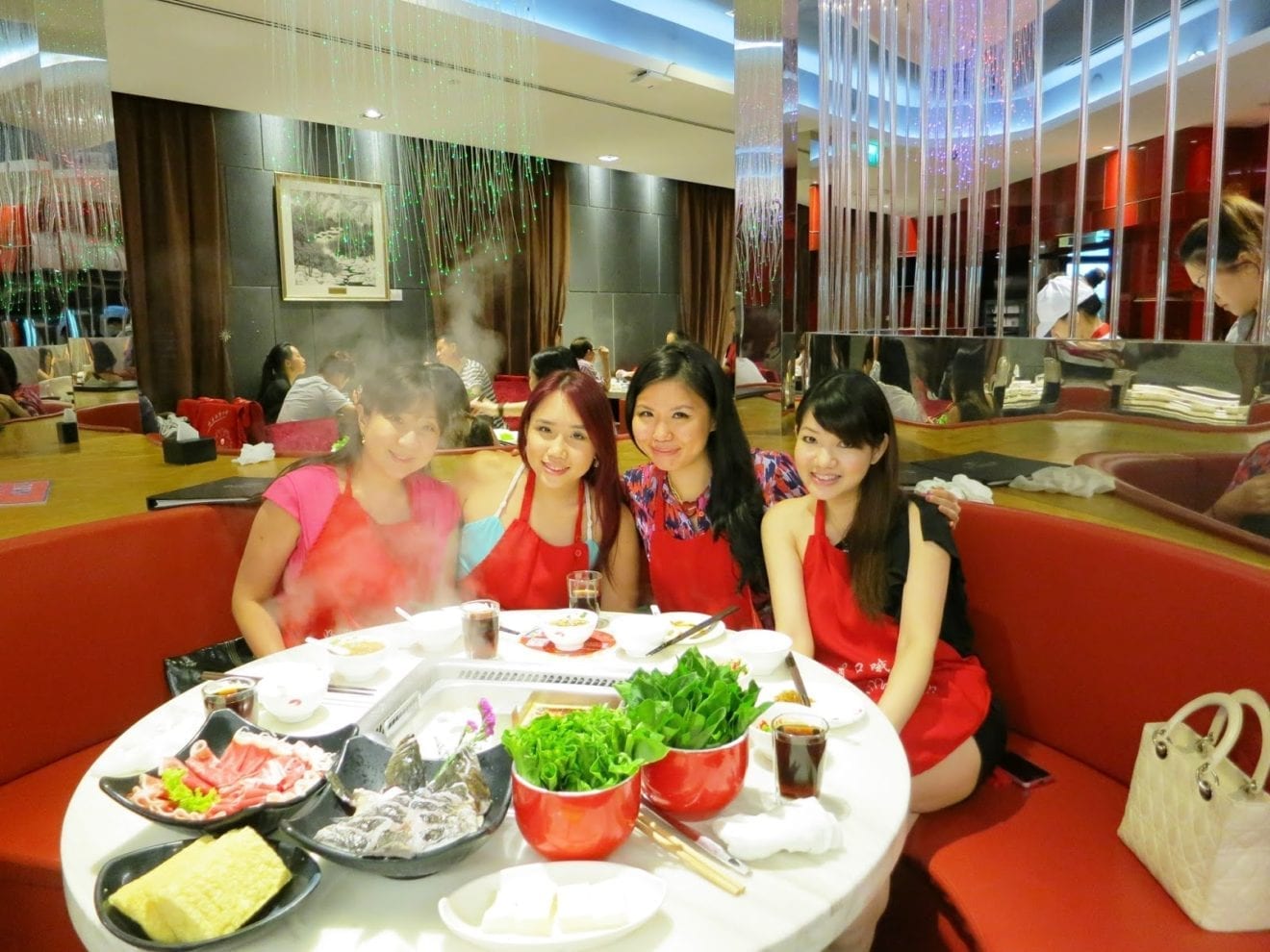
    The widely loved Chinese hotpot chain Haidilao will bid farewell to its flagship Singapore outlet in Clarke Quay on August 31 as its lease comes to an end. In a notice sent to patrons via text message, the closure marks a significant chapter for the restaurant, which first opened in 2012 as Haidilao’s inaugural venture beyond Chinese borders.

    “This was our very first outlet in Singapore and served as an introduction to Chinese hotpot for many local diners,” remarked a Haidilao Singapore spokesperson, adding that the location has been a treasure trove of memories for both staff and guests.

    The decision comes on the heels of Haidilao closing three other suburban restaurants across Singapore’s Bedok, Pasir Ris, and Punggol, part of a broader strategic reassessment following a phase of rapid expansion.

    Key considerations influencing this closure, according to a spokesperson, include rising labor costs, the suitability of outlet locations, and increasing rental expenses, all of which reflect the industry’s challenges.

    Representatives from CQ @ Clarke Quay, a vibrant hub favoured by locals and tourists alike, expressed gratitude for the longstanding partnership with Haidilao, which has adorned the area for 13 years. “Given Haidilao’s strong presence across the island, we have mutually agreed to refresh the #1 Store unit with a new tenant at the conclusion of its lease,” they stated.

    In a generous farewell gesture, Haidilao will distribute dining vouchers valued at over SGD800,000 (approximately US$625,000) to members eligible for the program. These vouchers can be utilized without a minimum spend at any of their locations throughout Singapore.

    Despite the impending closure of its flagship store, Haidilao’s footprint remains substantial, boasting over 16 restaurants in Singapore and more than 110 establishments globally, including in the U.S., Canada, and Australia.

    Questions & Answers

    What prompted Haidilao to close its Clarke Quay location?
    The closure is primarily due to the expiration of the lease, alongside mounting labor costs, rental expenses, and the need to reassess outlet locations.

    Will Haidilao continue to operate in Singapore after this closure?
    Yes, Haidilao still has over 16 outlets throughout Singapore, ensuring that fans of the hotpot chain can continue to enjoy their favourite dishes in other locations.

    What benefits are being offered to customers following the closure announcement?
    Haidilao is providing dining vouchers worth more than SGD800,000 (around US$625,000) to eligible members, which can be used without a minimum spend at any of their Singapore outlets.

  • Inaba Breaks Into Australian Market With Innovative Cat Treat Range

    Inaba Breaks Into Australian Market With Innovative Cat Treat Range

    Inaba, a renowned Japanese pet food brand, has made its debut in the Australian market with the introduction of its Churu cat treat range.

    The Innovative Inaba Churu Treats

    Inaba Churu treats stand out due to their fresh chicken and seafood ingredients, absence of preservatives, and high moisture content. Their unique texture can be either soft or chewy, and they are also low in calories.

    According to Adam Heelis, Inaba Australia’s Country Manager, the cat treat industry has been lacking in novelty for a long time. The introduction of these innovative products is expected to stimulate the growth of the cat treat sector.

    Product Availability

    The Churu treat range, which includes Puree, Bites, Stew, and Sprinkles flavours, will be made available nationwide in Woolworths and Coles supermarkets from September. Customers will also be able to purchase these treats online.

    The Inaba Brand Legacy

    Inaba was established in 1989 and has its roots in the family tradition of Yoshizo Inaba, who was a seafood harvester. The brand has been selling its cat food lineup in the United States since 2016. In 2020, it introduced sustainable tuna for cats.

    Questions & Answers

    What makes Inaba Churu treats unique?
    The Churu treats are created with fresh chicken and seafood, have no preservatives, and are high in moisture. They can be either soft or chewy and are low in calories.

    Where can customers purchase Inaba Churu cat treats in Australia?
    The Churu cat treat range will be available at Woolworths and Coles supermarkets nationwide. They will also be available for online purchase.

    When did Inaba start selling its cat food lineup in the United States?
    The Inaba cat food lineup has been available in the United States since 2016.

  • Mcdonald’s To Boost Ai Investment By 2027, Eyes India As Data Governance Hub

    Mcdonald’s To Boost Ai Investment By 2027, Eyes India As Data Governance Hub

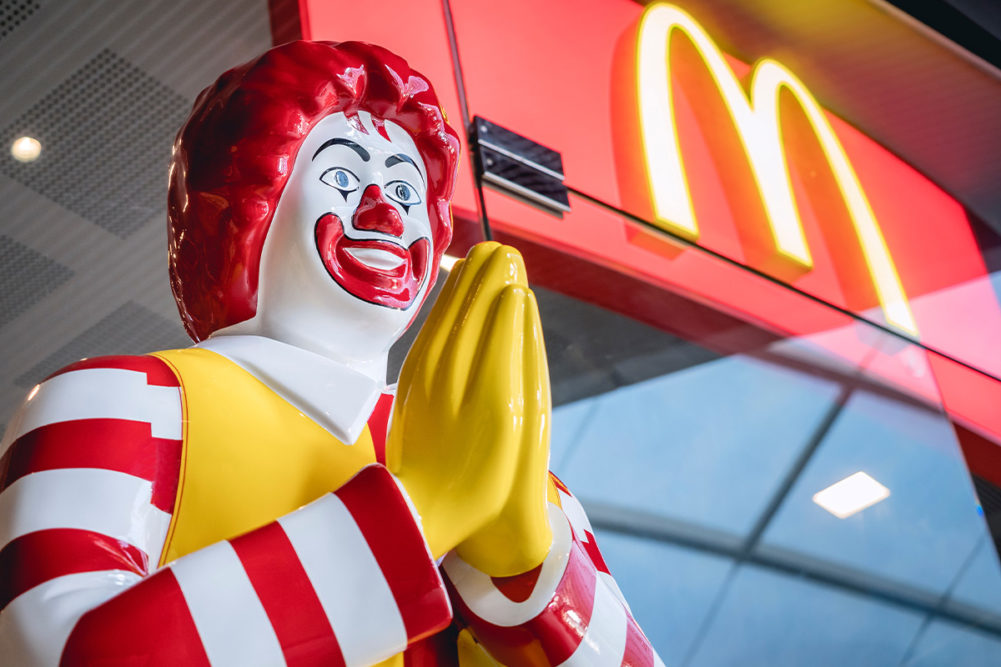
    McDonald’s, the renowned fast-food chain, has announced its intention to significantly increase its investment in artificial intelligence (AI) by 2027, foreseeing India as a principal center for data governance, engineering, and platform architecture. The news was delivered by Deshant Kaila, McDonald’s Head of Global Business Services Operations, last Friday.

    India as a Key Player

    McDonald’s, which made its foray into India in 1996, has a wide network of restaurants across the nation. The company recently opened a global office in the southern city of Hyderabad, which they plan to expand into their largest international office outside of the United States.

    While the company is still in the early phases of this AI-focused initiative, the exact amount of intended investment remains undisclosed. However, Kaila has given some insights into how McDonald’s is utilizing AI technologies to enhance its operations and services.

    Artificial Intelligence in Operations

    At present, McDonald’s is leveraging AI to corroborate orders at 400 of its restaurants, mitigating errors before orders reach customers. The company has set ambitious plans to extend this AI-driven order verification system to 40,000 of its locations worldwide by 2027, as revealed by Durga Prakash, Head of Technology (Global Offices).

    Moreover, AI tools are being employed by McDonald’s to project sales, determine pricing, and evaluate product performance. The fast-food chain is also developing a personalized app that customers can use globally. As per Kaila, the strategic push in India will be primarily focused on building its AI team, with more investment directed towards technology and tools rather than personnel.

    Expansion of Global Offices

    McDonald’s is also considering establishing another global office in Poland, similar to the ones in India and Mexico. Earlier this year, it was reported that the company would inaugurate a global capability center in Hyderabad, India, which is expected to employ about 2000 individuals.

    India’s global capability centers, formerly cost-effective outsourcing hubs for global businesses, have evolved and now provide support to their parent organizations across diverse areas, including operations, finance, research, and development.

    Questions & Answers

    What is McDonald’s strategy for AI investment by 2027?

    McDonald’s plans to significantly increase its investment in artificial intelligence (AI) by 2027. The company aims to utilize AI to improve operations, predict sales, set pricing, and evaluate product performance.

    How does McDonald’s plan to utilize AI in its operations?

    The fast-food chain is currently using AI to verify orders at certain locations to prevent errors before handing them over to customers. It is also using AI tools for sales forecasting, pricing decisions, and product performance assessments.

    Why is India a focus in McDonald’s AI strategy?

    India is a key focus in McDonald’s AI strategy due to its potential as a hub for data governance, engineering, and platform architecture. In addition, the company has recently opened a global office in Hyderabad, India, with plans to make it the largest outside the U.S.

  • Swiggy’s Losses Double Amid Marketing Surge And Delivery Challenges

    Swiggy’s Losses Double Amid Marketing Surge And Delivery Challenges

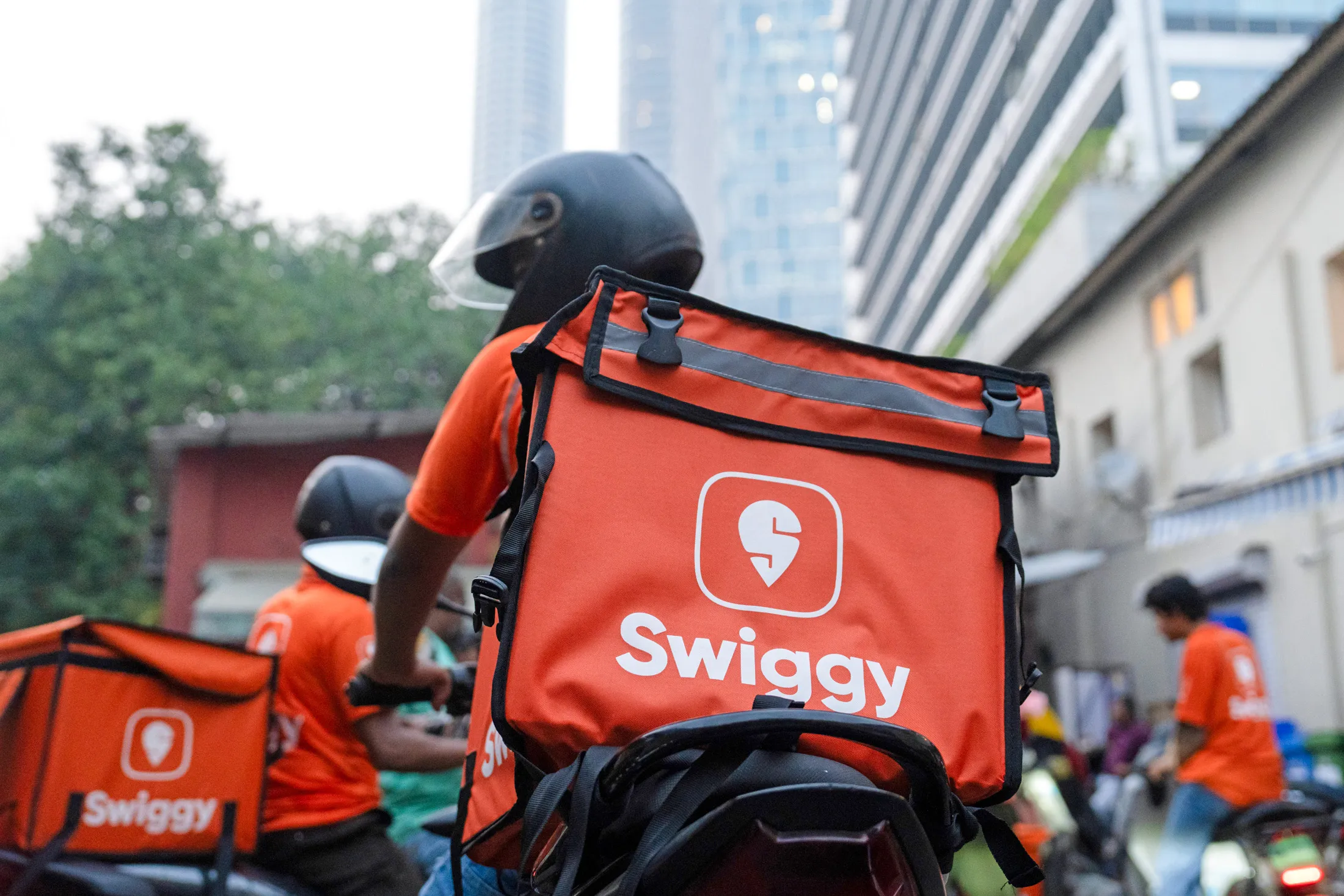
    Swiggy, one of India’s leading online food delivery platforms, has reported a near-doubling of its quarterly loss compared to the same period last year. This increase in losses is attributed to a significant rise in marketing expenditures aimed at securing a larger customer base in an intensely competitive market.

    Growth Strategies and Challenges

    In its decade-long presence in the market, Swiggy has maintained its position among the top contenders in the food delivery industry through continuous investments in marketing, platform enhancements, and customer loyalty programs. The company is also directing funds into its rapid retail division, Instamart, as part of efforts to expand its network of stores, fortify logistics, and provide enticing discounts.

    However, the company’s operations have been affected by issues relating to a shortage of delivery partners, a situation exacerbated by unanticipated monsoon rains in India. Concurrently, the need for sustained, high levels of marketing investments has been necessitated by persistent competition.

    The competition is not just limited to the food delivery sector. The rapid retail sector in India is becoming increasingly crowded, with competitors such as the Tata-backed BigBasket and Amazon vying for market share. Furthermore, Swiggy faces additional competition in the food delivery space from the ride-hailing platform, Rapido, where Swiggy holds a 12 per cent stake.

    Financial Performance

    Despite these challenges, Swiggy’s total revenue for the quarter ending June 30 increased by 54 per cent, amounting to 49.61 billion rupees (US$566.2 million). However, consolidated expenses also saw a significant jump, up by around 60 per cent to 62.44 billion rupees, with sales promotions more than doubling. Consequently, the company’s consolidated net loss for the quarter rose to 11.97 billion rupees, a significant increase from the 6.11 billion rupees loss reported in the same period last year.

    Expansion and Order Value

    Despite these financial setbacks, Swiggy continued to expand its geographical reach, adding three new cities to its network to stand at a total of 127. The company also added 41 stores and increased the size of existing ones. The gross order value from its food delivery segment climbed by approximately 19 per cent to 80.86 billion rupees in the June quarter. Meanwhile, Instamart’s gross order value saw a massive surge of nearly 108 per cent, reaching 56.55 billion rupees.

    Questions & Answers

    What factors contributed to Swiggy’s increased quarterly losses?
    Increased marketing spend to attract customers in a fiercely competitive market, along with the expansion of its quick-commerce arm, Instamart, significantly contributed to Swiggy’s increased losses.

    What challenges did the company face recently?
    Swiggy experienced a shortage of delivery partners due to earlier than anticipated monsoons in India. Additionally, the company faced stiff competition, necessitating high marketing investments.

    Did Swiggy see any growth despite these challenges?
    Yes, Swiggy reported a 54 per cent surge in total revenue for the quarter ending June 30. The company also expanded its services to three new cities, added 41 stores, and saw a substantial rise in gross order value from both its food delivery segment and Instamart.