Retail News CRM

Tag: Food

  • Rice exports reach record high

    Rice exports reach record high

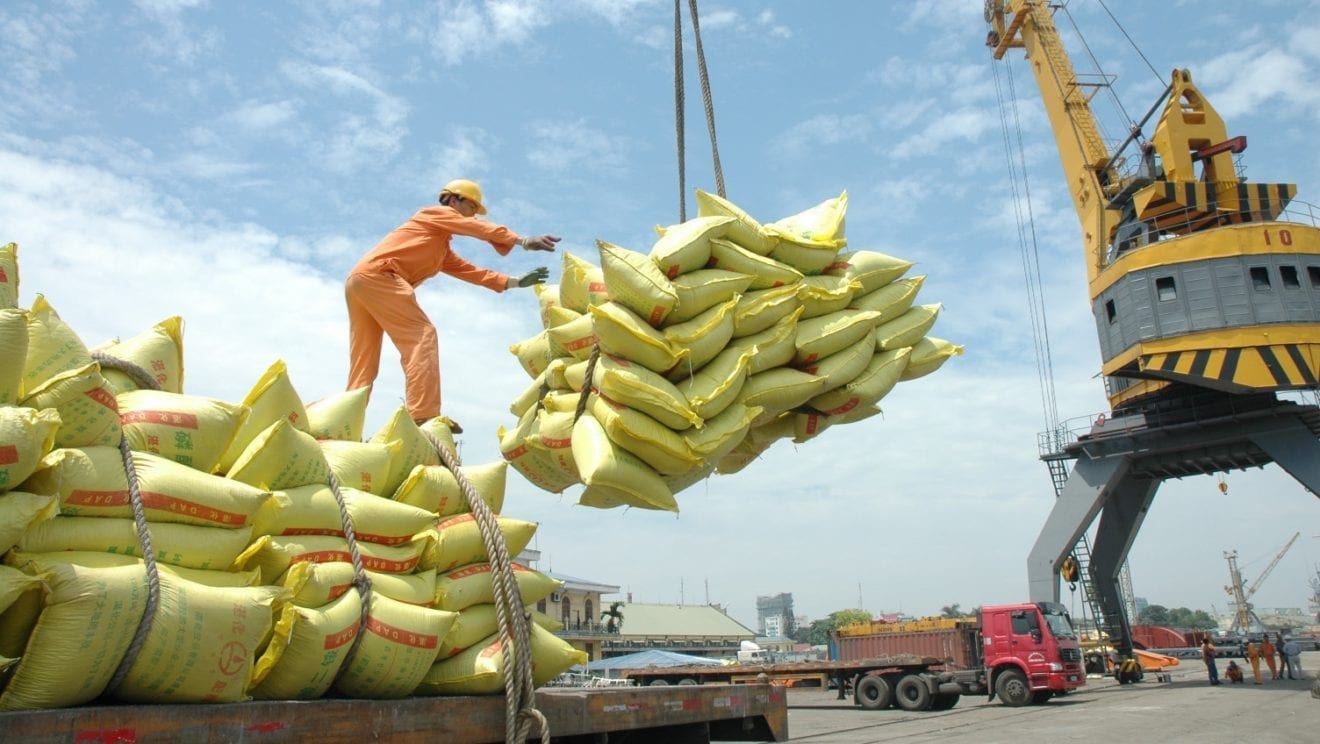
    Vietnam’s rice exports soared to 8.13 million tons, valued at US$4.7 billion in 2023, setting a new national record, as per the General Department of Customs.

    This marked a 14.4% increase in volume and a 35.3% rise in value from the previous year, despite challenges from the El Nino weather pattern.

    The export surge is partly attributed to India’s export ban on non-basmati white rice, which has affected global rice trade.

    India, a major player in the global rice market, contributes 40% to the worldwide rice trade. Its largest buyers include Iran, Saudi Arabia, and China.

    In 2023, several countries increased their rice imports from Vietnam as the global supply dwindled. A rice export business director from Dong Thap Province said some countries that typically imported little rice from Vietnam began placing substantial orders.

    The ongoing Indian export ban has left many countries seeking reliable rice sources, creating an optimistic outlook for Vietnam’s rice exports in 2024.

    In 2023, the Philippines was the largest importer of Vietnamese rice, purchasing 3.1 million tons, followed by Indonesia, China, and Ghana. Vietnam now is the world’s fifth-largest rice producer and third-largest exporter.

  • Vietnam cooperate on rice exports with Thailand and Philippines

    Vietnam cooperate on rice exports with Thailand and Philippines

    Vietnam has agreed with Thailand as well as the Philippines to strengthen rice export cooperation to ensure regional and global food security.

    The consensus was reached when Vietnamese Prime Minister Pham Minh Chinh met with Thai counterpart Srettha Thavisin and Filipino President Ferdinand Romualdez Marcos on the sidelines of the ASEAN-Japan Commemorative Summit on Sunday in Tokyo.

    The Vietnamese and Thai prime ministers agreed to lift the two-way trade between the two countries to US$25 billion soon, through creating more favorable conditions for importing and exporting goods, including rice.

    Thailand is currently Vietnam’s largest trading partner in ASEAN, with import-export turnovers reaching $21.5 billion last year. Meanwhile, it is the 9th largest foreign investor in Vietnam.

    Vietnam and Thailand will also implement the “Three Connections” Initiative which focuses on new areas such as digital transformation, green transformation, and the circular economy.

    The Vietnamese prime minister and the Filipino President agreed to step up rice export cooperation to ensure regional and global food security when both countries export rice to many nations, and the Philippines imports Vietnamese rice.

    Among Vietnamese rice importers, the Philippines currently imports the most. In the first nine months of this year, the Philippines imported 2.4 million tons of rice worth $1.5 billion from Vietnam.

    Data from the Ministry of Agriculture and Rural Development shows in the first 11 months, Vietnam earned $4.4 billion from exporting 7.75 million tons of rice to many countries around the world.

    The average price of Vietnamese rice was $568 per ton, surging 17% over the same period last year, sometimes reaching nearly $650 per ton.

  • Rice exports expected to hit $5B this year

    Rice exports expected to hit $5B this year

    In 2023, the rice farming area nationwide is 7.1 million ha with productivity estimated at 6.08 tonnes of unmilled rice per ha and total output at 43.1 million tonnes, up about 420,000 tonnes from last year.

    Some 7.75 million tonnes of milled rice was exported during the first 11 months of this year to bring home an estimated $4.41 billion in revenue, rising 16.2% and 36.3% year on year, respectively. Export prices averaged $568 per tonne, up 17.3%, according to the Department of Quality, Processing and Market Development under the Ministry of Agriculture and Rural Development (MARD).

    The export volume has been kept at around 6 million tonnes and increased over years, with annual value continually topping $3 billion, statistics show.

    At a workshop held in the Mekong Delta province of Hau Giang on Dec. 13, MARD Deputy Minister Tran Thanh Nam said the rice sector plays a crucial role in the agriculture of Vietnam and many other countries in the region and the world.

    Domestic and international rice markets will remain vibrant in the time ahead due to big import demand from China, Indonesia, the Philippines, the Middle East, and Africa, he forecast.

  • Rice export prices soar to new record

    Rice export prices soar to new record

    Vietnam rice export prices have reached a new peak of US$663 per ton, the highest price in the world right now, amid rising global demand.

    On Monday prices rose 2% in a single day to $663. Rice from Vietnam’s competitor Thailand has also risen 8% in the last four weeks to $625 while Pakistan’s prices have risen 9% to $600.

    Traders say that rising global demand and declining supply in Vietnam are the reasons for the price hike.

    Dinh Ngoc Tam, deputy CEO of rice exporter Co May, said that India, which used to account for 40% of the global rice market, has not shown any sign of lifting its non-basmati white rice export ban since July.

    Concerns of trade restrictions and the impact of El Nino weather have prompted countries to increase their purchase to pump up reserves, which has sent export prices skyward.

    Up to 90% of Vietnam’s rice varieties are high quality and the country has enough for both domestic needs and exports. It can ship up to 8 million tons globally this year, according to Deputy of Ministry of Agriculture and Rural Development Phung Duc Tien.

    In the first 11 months, Vietnam exported 7.75 million tons worth a total of $4.4 billion, up 36% in value. Many buyers from the Philippines, Indonesia and China are competing to buy the rice.

  • Vietnam told to boost halal food exports

    Vietnam told to boost halal food exports

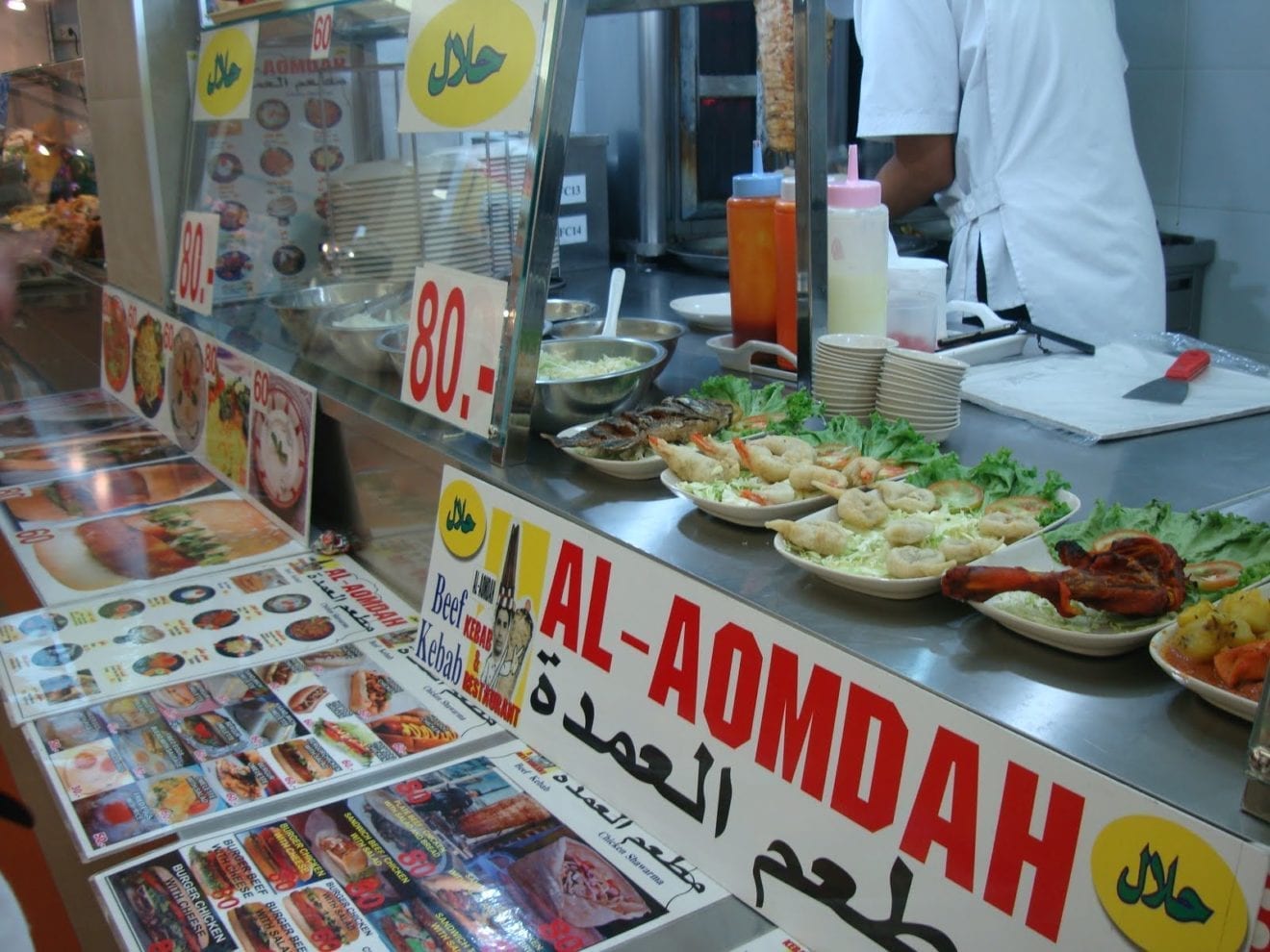
    Countries with large Muslim populations have called on Vietnam to produce and export halal products amid increasing demand for them.

    “The halal food industry is a billion-dollar opportunity for which we can cooperate and develop,” Agustaviano Sofjan, Indonesia’s consul general in Ho Chi Minh City, said at a forum titled “Cooperation and Development of Halal industry in ASEAN” held in the city on Monday.

    With the largest Muslim population in the world, Indonesia has a halal market of US$180 billion, and it is expected to skyrocket to $281 billion by 2025.

    Malaysia also has big demand for halal products.

    Rosmizah Binti Mat Jusoh, commercial consul at the Malaysian consulate general in the city, said Vietnam is still new to the halal industry and needs to create an ecosystem for it, and Malaysia could help it through the certification process step by step.

    Singapore also has big demand for halal items though Muslims only make up 14% of its population.

    Jason Yeo, vice president of the Singapore Chamber of Commerce in Vietnam, said his country receives millions of tourists every year from the Middle East and Central Asia. “This makes halal certification extremely important for companies operating in Singapore and our partners across the region and the world.”

    The Singapore halal market is expected to grow by 8-10% in the next few years, he said.

    At the forum, Cao Thi Phi Van, deputy director of the Ho Chi Minh City Investment and Trade Promotion Center, said countries such as Indonesia, Malaysia and Saudi Arabia have expressed a desire to collaborate with Vietnam in investing and developing the halal industry.

    The global halal economy is worth US$7 trillion and expected to reach $10 trillion before 2028.
    The Southeast Asian market alone is worth $230 billion, but Vietnam’s exports of halal products remain minuscule.

    Vietnam is among the world’s top 20 exporters, but is nowhere in the list of halal food suppliers.

    According to statistics from the General Department of Vietnam Customs, the country’s total trade with Muslim countries in the ASEAN region stood at $26.37 billion in the first nine months of this year.

    Van said Vietnam has the potential to do well in the regional and global halal markets because of its agricultural and fishery strengths, close proximity to major halal markets and many free trade agreements.

    But it only exports around 20 products to halal markets, and 40% of its cities and provinces do not produce halal-certified items for export.

    Ly Kim Chi, chairwoman of the Food and Foodstuff Association of Ho Chi Minh City, said on average 50 businesses get their products, mainly seafood, beverages and confectionery, halal-certified every year.

    Tee Ramlan, director of the Vietnam Halal Center, said there are around 70 economies to which Vietnam can export halal products. “Thailand and Taiwan already export many halal products, so why doesn’t Vietnam?”

    He said the first step is to develop highly skilled human resources for the halal industry.

    Van proposed increasing links between HCMC and its neighboring provinces to raise awareness of halal products and form a closed supply chain for them extending to exports.

    Recently the Ministries of Science and Technology and Industry and Trade developed four national standards for halal.

    In February, the Government had unveiled a scheme for strengthening international cooperation to develop Vietnam’s halal industry for until 2030.

  • Vietnamese fruit faces tougher competition in China

    Vietnamese fruit faces tougher competition in China

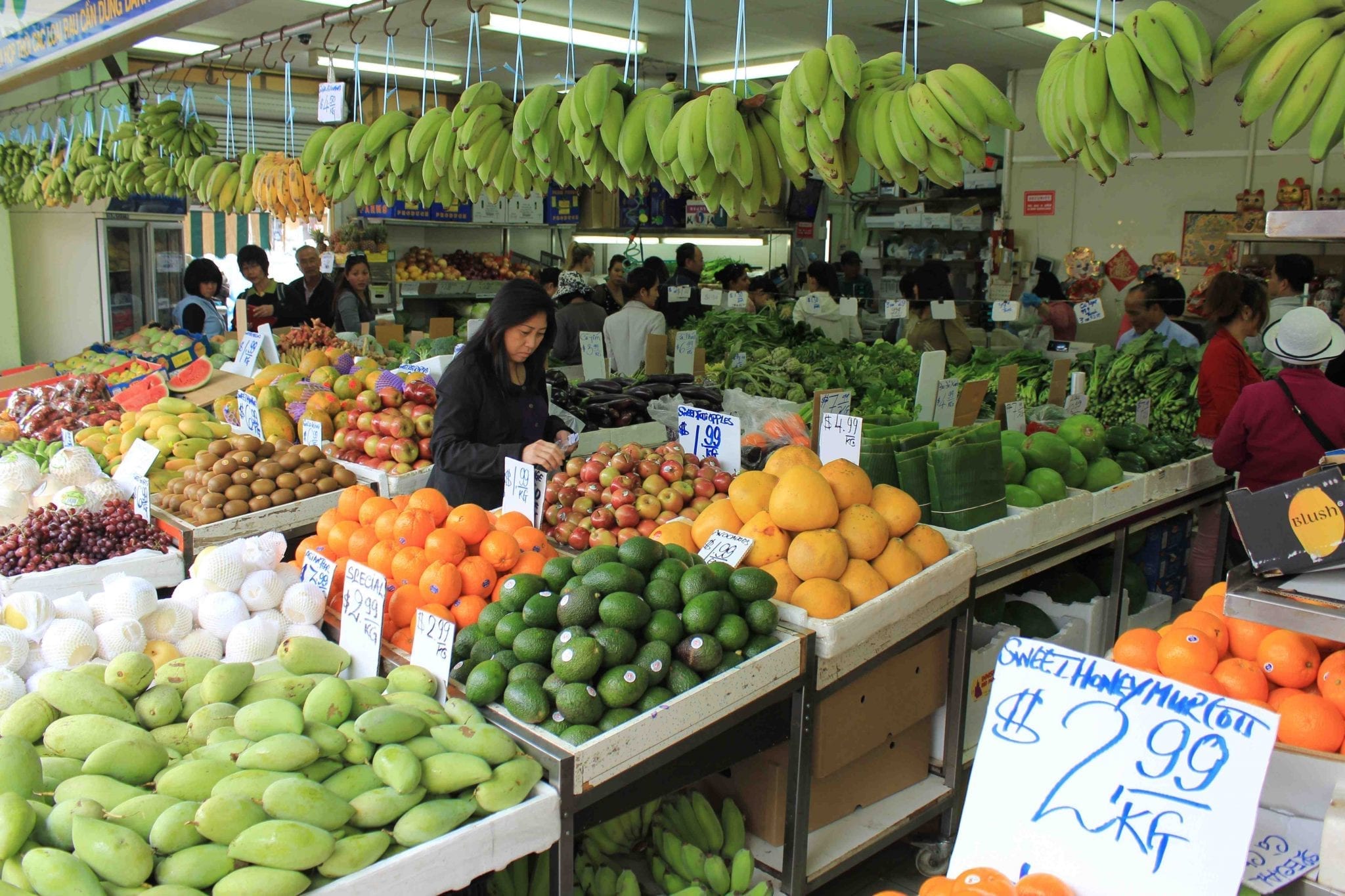
    Vietnam exported less fruit to China as the northern neighbor increased dragon fruit cultivation and allowed official import of passion fruit from Laos and longan from Cambodia.

    Data from Vietnam Customs showed dragon fruit exports to China totaled US$442 million, posting a year-on-year decrease of 4.4%. Specifically, red-fleshed dragon fruit exports fell by 38%.

    Currently, China’s dragon fruit output exceeds Vietnam’s, and its selling price is lower than that of the Vietnamese fruit.

    Passion fruit exports from Vietnam to China dropped 36.5% to $29.5 million.

    Vietnamese fresh passion fruit used to have the leading market share. Recently China has reduced import of the Vietnamese passion fruit because it has grown the fruit, and allowed Laos to export the fruit to the market on official quota since 2022.

    The Chinese agricultural product export news site Produce Report cited data from China Customs showing the country annually supplies 600,000 tons of passion fruit to the market.

    With longan, Vietnam’s annual output of over half a million tons is oversupplied and continuously sold at cheap prices as China has new suppliers from Cambodia.

    Cambodia has exported longan to China on official quota since late 2022. Data from the Cambodian Ministry of Agriculture showed their fresh longan exports to China in the first eight months of the year surpassed 8,100 tons, including 3,250 tons in August alone.

    Vietnam is the 7th largest coconut-producing country in the world, but it has not been allowed to export the fruit to China on official quota.

    Cambodia, a country outside the top 10 with only 17,000 hectares of coconut, and an output of 248,000 tons in 2022, has exported fresh coconuts to China on official quota since September.

    Vietnam’s avocado, mango, and jackfruit are also at risk of competing with other countries for the Chinese market.

    Recently, Venezuela, the 15th biggest avocado producer in the world, was allowed to export the fruit to China on official quota. Meanwhile, Vietnam still has to export avocado to China on unofficial quota at low output values via under the table border trade.

    Malaysia has recently been approved jackfruit exports on official quota to China, just like Thailand and Vietnam.

    The director of a fruit export business in the Mekong Delta province of Long An predicted that the market share and selling prices of Vietnamese dragon fruit, passion fruit, and longan in China will continue to decrease sharply.

    Dang Phuc Nguyen, general secretary of the Vietnam Fruit and Vegetable Association, said Vietnam should re-plan dragon fruit and passion fruit growing areas to control quality and output of the two fruits.

    The country should facilitate negotiations with China to have avocado exported on official quota, and export the fruit to other markets such as Japan, South Korea, and the U.S., he said.

  • Capilano introduces Hot Chilli Honey for bold flavour seekers

    Capilano introduces Hot Chilli Honey for bold flavour seekers

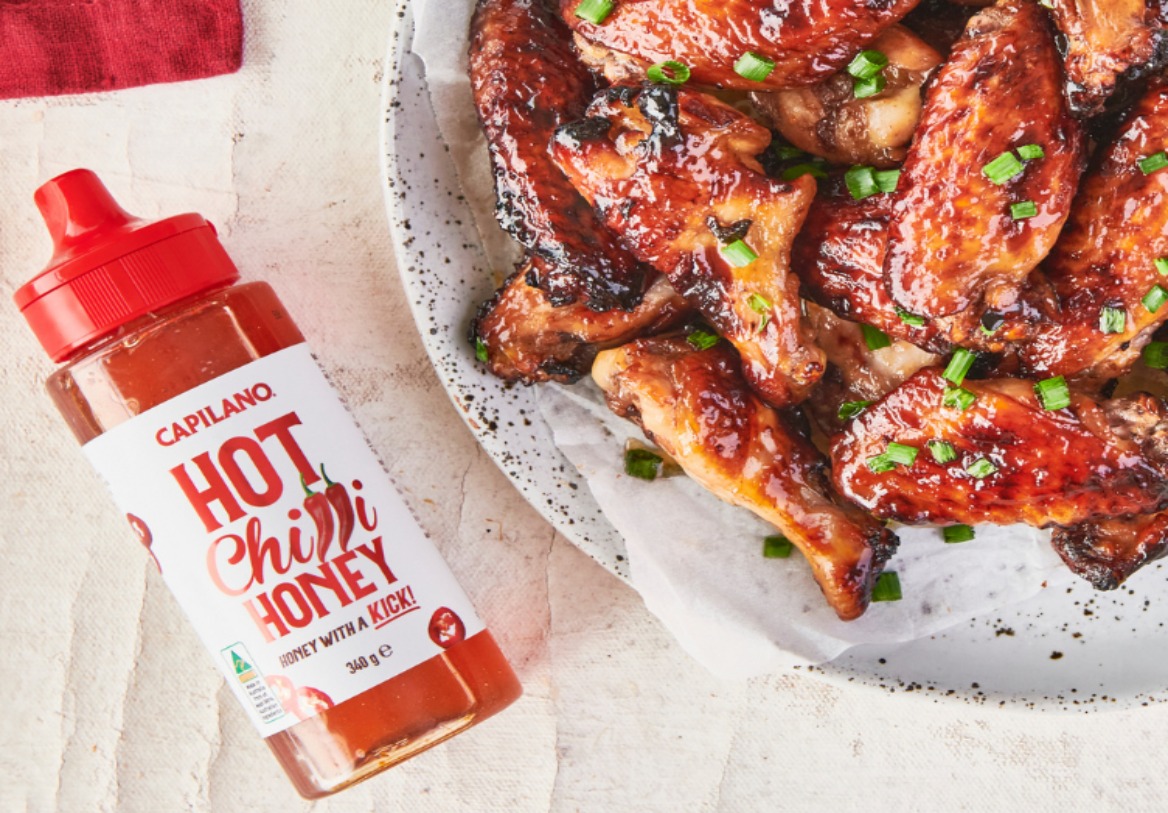
    Honey maker Capilano has launched a Hot Chilli variant for consumers looking for that “spicy kick” in their food.

    Recommended for drizzling over pizza, wings, ribs, burgers, or toast, the company said the new Hot Chilli is set to redefine honey’s role in home cooking and give food an extra “wow” factor.

    Capilano Hot Chilli Honey combines 100 percent pure Aussie honey from its network of more than 800 beekeepers with savoury, spicy flecks of habanero chilli to create a savoury-style honey for use as condiment.

    In addition, the spicy honey is made with no preservatives or other nasties.

    Fiona Tavian, GM for innovation, Capilano, said studies show that an average Australian household consumes chilli every ten days, and suggest that five million adults enjoy hot sauce once a week.

    “We know Australians are always looking for ways to add excitement to their meals and prioritize natural ingredients,” said Tavian.

    “What a great way to support Aussie beekeepers by tapping into this huge appetite for Chilli products! “

    Capilano’s Hot Chilli Honey is available in a 340g squeeze pack for an RRP of $7.50 at Woolworths and will be stocked in Coles beginning October 2.

  • Food tech company Enough raises 40 million euros

    Food tech company Enough raises 40 million euros

    Food technology company Enough, which has partnerships with Unilever and Marks & Spencer, has raised $43.5 million, attracting investment despite signs of a slowdown in the alternative meat and protein sector.

    Enough, which ferments fungi to produce protein for plant-based chicken, mince and dairy products, said the funding round was led by venture capital firm World Fund and CPT Capital, which was an early investor in Beyond Meat and has a stake in Upside Foods.

    Other participants in the fund-raising for Britain- and Netherlands-based Enough included existing investors such as AXA IM Alts and the Olympic Investments company of the Onassis shipping family.

    “Enough has made great strides in the past few years to launch our new factory in the Netherlands and scale up to work with customers across the UK and Europe,” said CEO Jim Laird, a former chief executive of plant-based meat producer Quorn.

    “With this new funding, we will accelerate that growth,” he added.

    Companies involved in producing alternative-sources of meat and protein say they are helping in the battle to protect the climate, since meat from a laboratory has less impact on the environment than traditional farming.

    Nevertheless, there are signs that consumers’ demand for plant-based meat may be waning, with Beyond Meat cutting its annual revenue forecast earlier this month.

  • Rice traders desperate, make advance payment two months before harvest

    Rice traders desperate, make advance payment two months before harvest

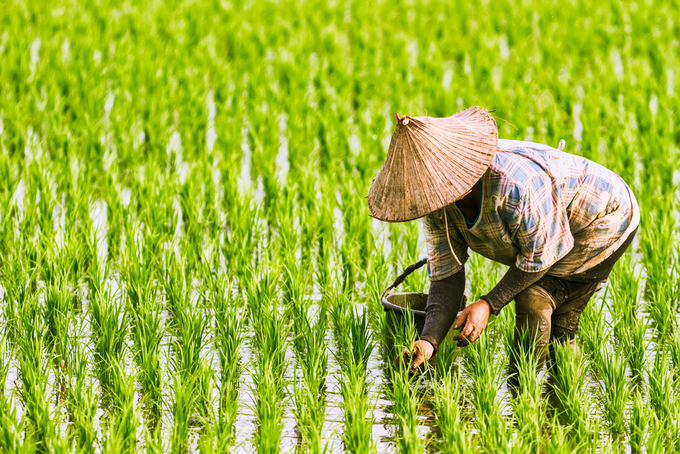
    The rice harvest in the Mekong Delta is still more than a month away, but traders are already asking to buy and even putting down deposits.

    The paddy has barely bloomed in the still green fields in Hon Dat District in Kien Giang Province, but traders have been making a beeline to them.

    On Aug. 8, three of them arrived at the 10-ha field belonging to Nguyen Van Pho and asked to buy his paddy at VND8,300 (US$0.35) per kilogram.

    But he refused since he expects a price of VND8,500 or more. “This year, traders are willing to buy paddy when it is still green,” he said. “They are willing to pay a deposit of VND5 million per hectare of paddy. This is the first time I have seen such a situation.”

    Phan Van Dong, who has worked as an intermediary between farmers and traders for more than 10 years in the province’s Giong Rieng District, said he has never seen rice prices as high as now.

    They have gone up to VND8,300 per kilogram from VND7,500 just a week ago, he said. “There are dozens of intermediaries like me and only a few hundred hectares of paddy. We are competing with each other to buy.”

    The Vietnam Food Association said foreign importers are actively seeking to buy Vietnamese rice, and willing to pay $10-20 more per ton compared to period before India imposed the ban in late July.

    India accounts for more than 40% of world rice exports, and non-basmati white and broken rice accounted for around 10 million tons of a total of 22 million tons of Indian rice exports last year, according to the U.S. Department of Agriculture. With the ban taking effect, global insiders have raised concerns about food price rises.

    In Can Tho City and Hau Giang Province too, traders are making advance payments to buy paddy though harvest is a month or two away.

    For the past 10 days, Nguyen Thanh Tam of Can Tho’s Thoi Lai district, who is growing high-quality rice on five hectares, has been pestered by traders to sell his grain at prices that have increased from VND6,200 per kilogram to VND7,500.

    The director of a rice export company in Can Tho said his company has deposited money to buy paddy grown on 30,000 hectares and expected to be harvested in the next five or six weeks.

    “To ensure we get sufficient amounts of paddy for processing for export, we have had to increase our purchase prices to VND7,500-7,800 per kilogram for normal rice and to VND8,300-8,500 for fragrant rice.”

    But he said this would mean big losses for the company since prices were lower when it had signed the export contract with a foreign partner.

    Ngoc Quang Phat Company in Can Tho said it needs 20,000 tons of rice for export, but it is difficult to buy that quantity now.

    It had signed deals with farmers to buy 50,000 tons of paddy at VND6,500 per kilogram (VND6.5 million per ton) in advance, but many are now asking it to hike the price.

    Global supply is scarce, pushing Vietnam’s export prices to record levels.

    Economist Tran Huu Hiep said the scramble occurring now is because most rice exporters cannot buy their own lands and farm the grain.

    Deputy Minister of Agriculture and Rural Development Tran Thanh Nam said the links between rice companies and cooperatives remain weak.

    The former buy 50% of their rice through traders, he said.

    He said there are 180 rice exporters in Vietnam, but only half have tied up with cooperatives to secure supply. “Businesses should step up cooperation with rice cooperatives.”

    On Aug. 6, Prime Minister Pham Minh Chinh instructed the Ministry of Agriculture and Rural Development and other ministries and local authorities to ensure this year’s target of 43 million tons of paddy, equivalent to 20 million tons of rice, is achieved.

    By early August more than 24 million tons had been harvested in the country. According to the ministry, if there are no abnormal changes in the weather, the output will be adequate to meet both domestic and export demand.

    Vietnam, which is the world’s third largest rice exporter after India and Thailand, estimates exports to be 7-7.5 million tons.

  • Musang King durian moon cake prices up 10%

    Musang King durian moon cake prices up 10%

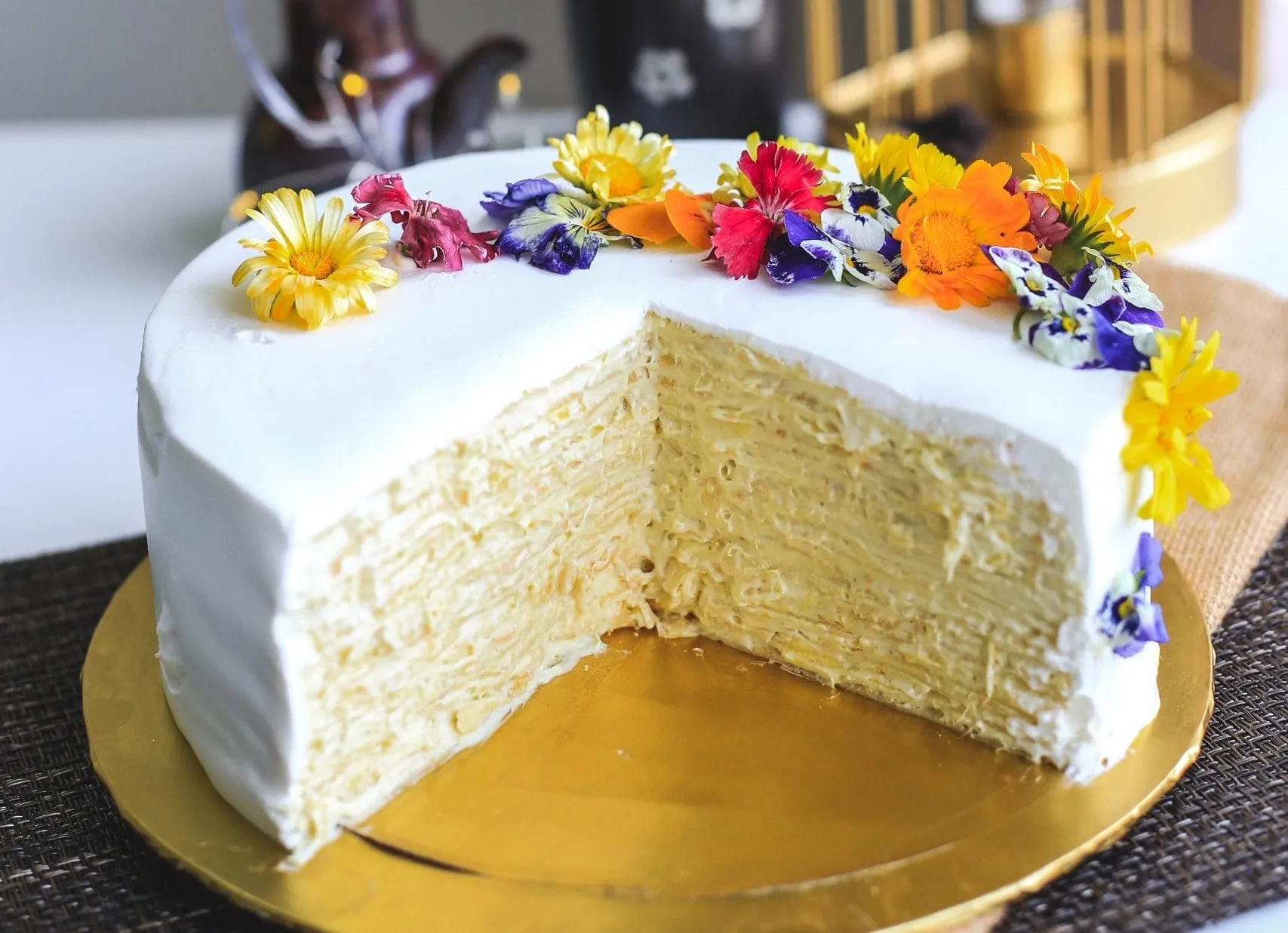
    Musang King durian moon cake prices, made with the popular durian variety originally from Malaysia, have increased by 2-10% year-on-year in Vietnam.

    Their cost ranges between VND900,000 ($37.90) to VND1.7 million per box. Last year, the most expensive product sold for around VND1.5 million.

    Hoang Anh, a moon cake vendor in Ho Chi Minh City’s District 3, sold out 500 boxes of Musang King and Black Thorn moon cakes in two weeks last year.

    She has doubled her imports this year.

    “We have to order five months in advance as the manufacturer needs to prepare durian beforehand.”

    A major distributor in HCMC plans to sell nearly 30,000 cakes this year, triple the amount last year.

    The cakes are mostly imported from Malaysia. Other markets that also sell them are Singapore and Hong Kong.

    Industry insiders say prices have gone up due to rising ingredient costs.

    Moon cake is a popular type of desert in Asian countries. It is often enjoyed during the Mid-Autumn Festival in the middle of Lunar August, which falls on Sep 29 this year.

  • Vietnam food association official says no immediate plan to curb rice exports

    Vietnam food association official says no immediate plan to curb rice exports

    Vietnam has no immediate plans to restrict rice exports, a senior official of the country’s food association said on Monday, after India’s export curbs sparked worries about global supplies of the staple.

    “At the moment, Vietnamese companies are exporting rice normally,” said Nguyen Ngoc Nam, chairman of the Vietnam Food Association, which represents the country’s rice processors and exporters and works closely with the government.

    India, which accounts for 40% of world rice exports, ordered a halt to its largest export category more than a week ago to calm domestic prices, which have climbed to multi-year highs in recent weeks as erratic weather threatened production.

    Nam said prices of Vietnamese rice had soared since India’s move on July 20, adding that the harvest of the summer-autumn crop was ongoing in Vietnam, which is the world’s third largest rice exporter after India and Thailand.

    Vietnam’s 5% broken rice prices rose to $550-$575 per metric ton on Monday, traders said, their highest since 2011, from a range of $515-$525 before India’s move.

    A day after India’s export curb announcement, Vietnam’s Ministry of Industry and Trade called on the association to ensure sufficient domestic rice supplies and food security, and asked traders to balance between exports and domestic sales to stabilize domestic prices.

    Rice shipments from Vietnam in the first seven months of this year were estimated to have risen about 18.7% from a year earlier to 4.84 million tonnes, according to the government’s preliminary data. Revenue from rice exports in the period was seen up 29.6% at $2.58 billion.

    On Friday, the United Arab Emirates announced it would ban rice exports and re-exports for four months, including rice of Indian origin.

    Philippine President Ferdinand Marcos Jr. said on Saturday the country must boost its rice stocks and that he may seek a supply deal with India, worried about the potential impact of El Nino dry weather on the local harvest and about other suppliers.

    The Philippines is Vietnam’s largest rice buyer.

  • AirAsia Partners with Green Rebel for Meatless Menu Options

    AirAsia Partners with Green Rebel for Meatless Menu Options

    Indonesia’s premier plant-based protein brand, Green Rebel, has teamed up with Malaysian budget airline, AirAsia, to provide meatless alternatives of traditional Southeast Asian delicacies for the inflight menus on regional routes.

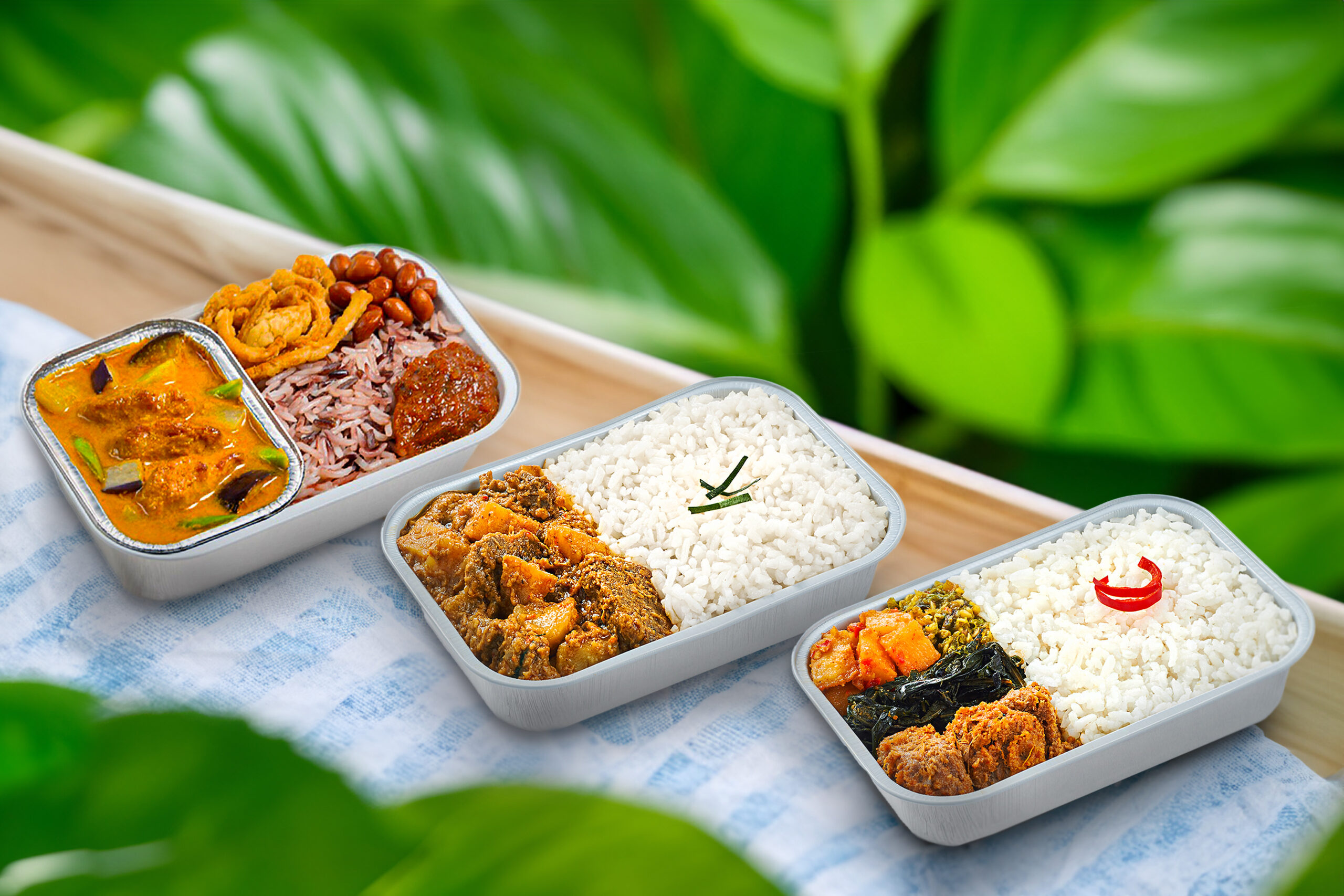
    Beginning today, Green Rebel’s vegan Pak Nasser’s Plant-Based Nasi Lemak will be available on AirAsia’s Malaysia routes, while passengers on Philippines routes will be able to taste vegetarian Sisig. Two other plant-based dishes — Nasi Rendang with assorted vegetables and Rendang with Coconut Rice — will appear on the menus on select AirAsia’s Indonesia flights starting later this week.

    Santan, AirAsia’s food service subsidiary, has replaced traditional meat ingredients with Green Rebel‘s plant-based proteins for these recipes. The substitution includes products like Beefless Rendang, Chick’n Chunks, and Plant Mince. Classic dishes like Nasi Lemak have been elevated using basmati and wild purple rice, served with Green Rebel Chick’n Chunks, eggplant curry, French beans, and potatoes. Guilt-Free Sisig, a popular Filipino dish, uses Green Rebel’s Plant Mince, seasoned with calamansi, onions, and chili peppers.

    “Green Rebel is the first plant-based alt meat brand to partner with AirAsia in Malaysia, the Philippines and Indonesia,” Green Rebel co-founder and CEO Helga Angelina Tjahjadi, said in a statement.

    Tjahjadi says Green Rebel and AirAsia have aligned values, “in particular a commitment to sustainability and flavour localisation.”

    Green Rebel says its food technology ensures the plant-based protein not only imitates the mouthfeel of meat but also absorbs deep flavours and marination, making it perfect for Asian culinary methods like braising, stewing, steaming, hotpot, grilling, and even deep frying. Made from 100 percent natural plant-based ingredients, all Green Rebel products are free from MSG, preservatives, and refined sugar. The protein base includes non-GMO soy and shiitake mushrooms, and is flavoured using Asian spices and herbs for an authentic taste experience.

    Green Rebel has a strong commitment to sustainable, affordable, and tasty plant-based meat alternatives. The company conducts independent Life Cycle Assessments on its products and has found its plant-based beef and chicken alternatives have significantly less global warming potential compared to their traditional counterparts.

    “We discovered that our meatless beef has 91 percent less global warming potential than local beef, and similarly our meatless chicken has 84 percent less global warming potential than local chicken,” Tjahjadi said.

    “We are looking at savings on carbon emissions by 90 percent, water use by 72 percent, land use by 90 percent, and overall energy use by 81 percent to produce plant-based meat in comparison to animal-based meats.”

    The new partnership supports AirAsia’s environmental commitments, which align with the Paris Agreement’s 1.5-degree Celsius policy. AirAsia has been working on measures to reduce its carbon footprint, including reducing 221 tonnes of CO₂ emissions per aircraft per year through an optimization solution implemented in 2022.

    “We’re excited at the possibilities as mindfulness about healthy and sustainable eating grows in this part of the world,” said Tjahjadi.


  • Rice export prices reach 10-year high

    Rice export prices reach 10-year high

    The global decline of the rice supply and the impact of El Nino climate pattern have led to a sharp increase in the price of rice for export.

    Latest data from General Department of Vietnam Customs shows that in the first half of the year, rice exports reached more than 4.2 million tons and are valued at $2.26 billion, up over 21% in volume and 32% in value over the same period last year.

    The export price of rice in June reached an average of $650 per ton, up 9.4% compared to May and 20.8% higher than the same period last year.

    In the first six months of 2023, the export price of rice is estimated at $539 per ton, up more than 10% over the same period in 2022 and the highest of the past 10 years.

    According to the Ministry of Agriculture and Rural Development, the reason for the sharp increase is the decrease in supply. The emergence of El Nino has also forced many countries to increase rice purchases to stock up.

    The Philippines’ Department of Agriculture forecasts that El Nino will return and severely affect their domestic food production. Indonesia predicts that it may cause widespread drought in the country, so the July-August harvest for agricultural products may drop significantly.

    In the first five months of the year, rice exports to the main markets – Philippines and China, both grew strongly at double digits. In addition, rice exports to new markets such as Indonesia, Chile, Turkey, and Senegal recorded a surge from 1,100-16,000% over the same period last year.

    The Indian government is banning the export of all rice that is not Basmati (a popular rice in South Asia), as prices have been on the rise and they want to control inflation.

    Retail rice prices in New Delhi have increased by 15% this year, while the domestic average price has increased by 8%, according to India’s Ministry of Consumer Affairs, Food and Public Distribution.

    Vietnam Food Association and enterprises believe that if this ban is implemented, global rice prices will increase. In the near future, Vietnamese rice will not only benefit in price but also be favorable for exports.

    An enterprise based in Can Tho in Vietnam’s Mekong Delta said that export orders were abundant and the price of fragrant rice was increasing the most. This enterprise does not even have enough supply to meet the orders. It is forecast that the rice export market in the second half of the year will reach a peak value.

    To ensure domestic and export demand, the agriculture ministry has directed key rice production areas, especially the Mekong Delta, to actively cultivate and prioritize short-duration rice varieties as well as high-quality and fragrant rice varieties suitable for market demand.

    Vietnamese rice has been exported to 156 countries and territories, including many high-end rice markets.

  • Milkybar teams up with Milo for a crispy white chocolate

    Milkybar teams up with Milo for a crispy white chocolate

    First there was Dolly Parton and Kenny Loggins. Next came David Bowie and Mick Jagger. Now, at long last, we have Milo and Milkybar. Ok so some collabs are more memorable than others but the joining of two beloved Australian icons has got to be one of the best so far.

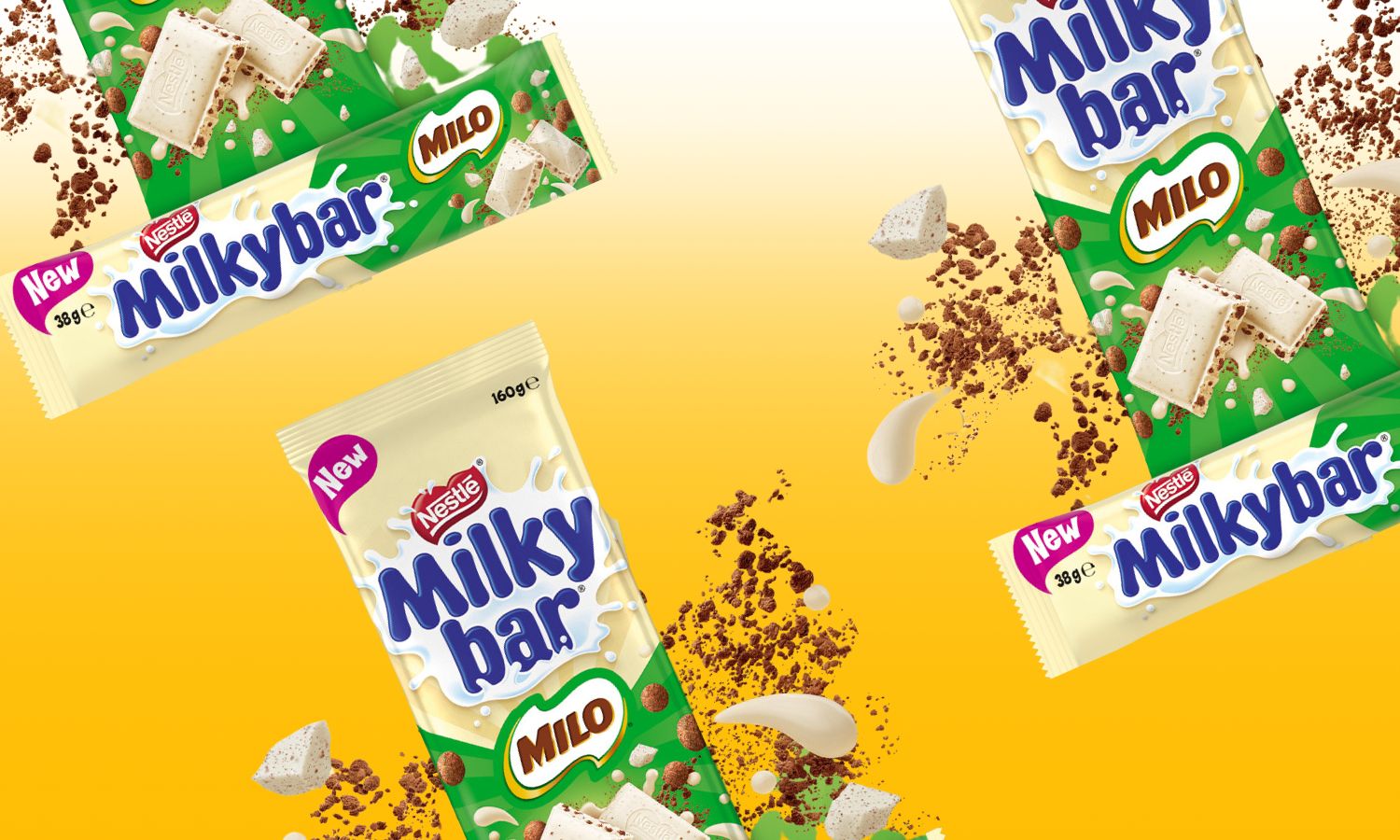
    Milo and Milkybar is the latest mash-up of sweet treats, with the creamy smoothness of milk chocolate plus crunch from Milo chunks. It’s giving frantic spoonfuls of extra Milo powder in your milk before your mum comes back into the kitchen. But now we’re adults and can do what we please.

    Nestle head of marketing, Melanie Chen said of the hottest power couple we’ve seen in years, “When news of Milkybar Milo was leaked, the anticipation from the Australians in-the-know has been extremely positive. We can’t wait to see the reactions when they actually experience it!”

  • Minor International acquires Sizzler brand

    Minor International acquires Sizzler brand

    Minor International Plc (Mint), an operator in the hospitality, restaurant and lifestyle sector, on Tuesday announced it would acquire a 100% stake in Singco Trading Pte, the intellectual property holder of the restaurant brand Sizzler, except in the US, Guatemala and Puerto Rico.

    The acquisition is valued at 546 million baht (S$21 million).

    Dillip Rajakarier, group chief executive of Minor, said the strategic move marks a milestone in Minor’s ambitious growth plans worldwide and reinforces its position as an industry frontrunner.

    According to Mr Rajakarier, the company expects to close the deal by the third quarter of this year.

    With the acquisition planned through MFG International Holding (Singapore) Pte, a subsidiary of Minor, the parent will gain control over Sizzler’s portfolio of franchises, including 64 restaurants in Thailand and another 10 in Japan. After the acquisition, Singco Trading Pte will be a subsidiary of Minor.

    “The acquisition comes at an opportune time for Minor as we continue to build on our track record of success and strengthen our position in the global marketplace,” Mr Rajakarier said.

    Minor has been operating Sizzler outlets for decades, but the acquisition is part of Mint’s three-year strategy called “Back to Growth”, as the pandemic is over and the company is moving head-on towards continued expansion, said Mr Rajakarier.

    “This acquisition sends a clear signal to the global market that Minor Food, like our hotel business Minor Hotels, is back on a trajectory of remarkable growth and we’re constantly seizing opportunities on the international scale through expansion of our own well-recognised brands in various countries either through partnership or acquisition,” he said.

    “We have a proven track record of successfully expanding our own brands in various countries, including some of the most difficult countries to dominate like China and Singapore. By gaining the ability to shape Sizzler’s development, we can replicate our proven past achievements and unlock the full potential of the brand.”

    With Minor’s deep industry knowledge, operational expertise and international partnership, Mr Rajakarier said the company looks set to introduce Sizzler to new audiences in other fast-growing markets around the world, such as Asean and the Middle East.

    He said the acquisition is earnings accretive and is made possible by Minor’s robust financial standing and healthy balance sheet. With Sizzler’s annual royalty income of S$3.5-4 million and full profit contribution without royalty payments from its Thailand operations, the investment offers an attractive double-digit percentage return, demonstrating Minor’s commitment to delivering accretive value to its stakeholders, said Mr Rajakarier.

    “We hope to be able to leverage our presence in the regions we have already strongly made a mark in, especially in Southeast Asia, as there has been interest from potential partners and existing franchisees of ours in those countries,” he said.

    The firm can now explore new markets to capture new customers in other regions. Apart from owning and operating the restaurants, expansion can also occur through joint ventures or franchising, said Mr Rajakarier.

    Following the acquisition, there will not be any drastic changes in operations because Thailand has always led the brand in terms of innovation and marketing, he said. The team in Thailand fully understands Sizzler’s value proposition that has proven it can differentiate the brand from competitors, said Mr Rajakarier.

    “We are constantly revitalising our brand to stay most relevant and up to date to promptly respond to market change, and with this comes customisation in each market to meet the needs of different groups of customers,” he said.