Tag: Food

  • Korean food delivery app Yogiyo fined for market dominance

    Korean food delivery app Yogiyo fined for market dominance

    South Korea’s antitrust regulator has fined food-delivery app Yogiyo US$382,000 for exploiting its dominant position in the local market.

    The Fair Trade Commission (FTC) also ordered Yogiyo to take corrective measures, saying the company unilaterally introduced a scheme to prevent its contracted restaurants from selling their foods at lower prices through other apps between 2013 and 2016.

    During the three-year period, Yogiyo returned as much as $4 to customers if an order from its app was more expensive than that from other apps.

    Yogiyo terminated the contracts for 43 restaurants which refused to follow the scheme, the FTC said, ruling that Yogiyo undermined fair competition by banning restaurant owners from voluntarily setting prices.

    The food-delivery app Yogiyo, owned by Germany’s Delivery Hero, is South Korea’s second-largest.

    Delivery Hero’s Korean unit expressed regrets over the FTC’s ruling, saying that the commission scheme was abolished after the regulator began a probe into the company.

    Late last year, the German firm struck a deal to acquire an 87 percent stake in Woowa Brothers, which operates the nation’s largest food-delivery app Baedal Minjok, or Baemin, from existing investors, including Goldman Sachs and Singaporean fund GIC.

    In April, Baemin came under fire for changing its commission scheme, with critics saying it would place a heavier burden on restaurants hit hard by the coronavirus pandemic.

    At that time, Baemin began to charge restaurant owners and franchisees a 5.8 percent commission for every online order. Previously, the fixed monthly commission was $72.

    The change sparked a strong backlash from restaurant owners and franchisees, prompting Baemin to retract the new scheme.

    The combined users of Yogiyo and Baemin account for some 98 percent of all users of food delivery-related apps in South Korea, triggering concerns that the megadeal could hamper competition in the fast-growing market.

    South Korea’s food-delivery app market reached $8.2 billion in 2018.

  • Taiwan’s Hung Rui Chen sandwich chain opening in Hong Kong

    Taiwan’s Hung Rui Chen sandwich chain opening in Hong Kong

    Local and tourist favorite sandwich maker Hung Rui Chen will be opening a flagship store in Hong Kong this August.

    Hung Rui Chen is a 73-year-old brand, known for its signature sandwiches and recognized as a national local delicacy for its soft bread and unique spread.

    After an incident of suspected food poisoning from counterfeit operators in Hong Kong and Taiwan, the real Hung Rui Chen company issued a statement on Facebook to clarify that its own brand will open its first official store in Hong Kong.

    The location has yet to be confirmed.

    Back in 2015, Hung Rui Chen sandwiches imported from Taiwan and sold in grocery stores and on the Groupon platform led to 46 Hongkongers contracting food poisoning. The brand was subsequently banned by the Centre for Food Safety.

  • Organic food trends during Covid virus outbreak

    Organic food trends during Covid virus outbreak

    Australia has the world’s largest organic-certified area of land, so it comes as no surprise that 70 percent of Australians buy some form of organic food, contributing to the nation’s organic industry worth A$2.6 billion (US$1.67 billion).

    Half of Australians claim this motivation is based on personal health, being free from pesticides and OGM. The organic trend touches numerous categories from fresh fruit and vegetables as well as meat/poultry all the way to snacking and wine.

    Organic accounts for just over 5 percent of total packaged food and beverages in the grocery channel. Even though there is a lot of discussion around organic, it only accounts for a small portion of the market despite being widely spread.  The substantial price differential in most categories might be to blame.

    Even though 75 percent of the IRI shopper panellists state that they purchase locally grown over imported goods and over half are trying to purchase environmentally friendly products. Only 21 percent are actually willing to pay more for organic food.

    As we find ourselves currently in a period of heightened price sensitivity due to many Australians’ temporary unemployment as a result of Covid-19, it is interesting to turn towards trends, such as organic, that fulfill a need beyond the basics.

    Covid-19 heightened our focus on meeting our basic Maslow’s needs. Even though many shoppers claim to buy organic foods for health reasons, we also know that buying organic can be a status-seeking behavior and hence comply with individualistic needs. Due to the current financial uncertainty, many consumers report a stronger focus on finding the best deal at a time when over one-third of households report experiencing grocery affordability challenges and only 36 percent of households report maintaining regular spending.

    The poultry category has a substantial price differential with organic costing twice as much as non-organic. Knowing that only two in 10 shoppers are willing to spend more money for organic could explain the downward trend of organic poultry in the past year. Organic picked up some positive growth momentum since Covid-19 but is far behind overall poultry. This recent shift could be driven by out of stocks in the fresh poultry department as we know that 43 percent of shoppers experienced out of stocks for fresh meat since the beginning of March.

    Organic pasta sauces have been in decline prior to Covid-19 but have seen double-digit growth since. The price differential is only 30 cents per liter, which is more manageable than poultry, and despite the price gap has widened since February vs the prior MAT (from 20 cents per unit to 40), organic might have picked up some of the sales due to the widespread out of stocks in the category. Will shoppers continue buying organic sauces post Covid-19 as increased flavor, one of the claims of organic, might have won them over long-term?

    Covid-19 impacted retail liquor sales positively due to the temporary closure of pubs and restaurants. Despite only a few organic wine brands available, these have seen a slight increase in sales, however, the major growth came from the remaining category as an additional $4 on average per bottle doesn’t seem to be in line with the increased financial strain some Australians or possible the organic health credentials may not translate into a taste for Australian wine drinkers. It also highlights that organic is a choice that is made when a higher disposable income is available.

    Even though everyday routines have been impacted for more than 95 percent of Australian households, as the home has become the epicenter of life, and the catalyst for heightened self-care, organic food does not seem to fall into the consideration set for increased self-care. However, could there be an opportunity for the organic products purchased out of necessity to become included in the ongoing purchase repertoire?

  • Second Starbucks community outlet opens doors in South Korea

    Second Starbucks community outlet opens doors in South Korea

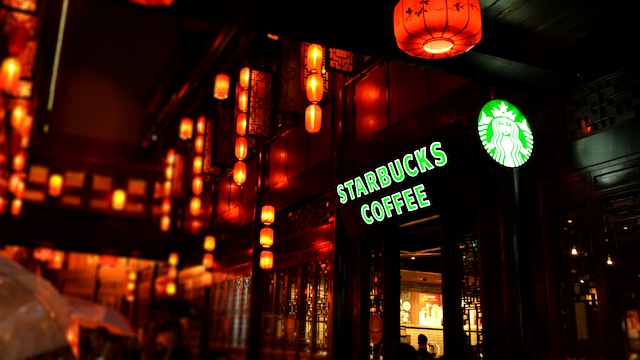
    A second Starbucks community store has opened in South Korea.

    The new venue, located in Seongsudong, Seoul, is described by the company as a “hub for young people and prospective startups to share information about networking and starting their own businesses”.

    The store is located near a sizable startup and social-venture community and a major metro station.

    Starbucks will host a series of startup workshops for young people at the store via its new Starbucks Youth Startup Entrepreneurship Programme, which is funded by a portion of sales from the store, coordinating with other stores across the market to offer the program to youth in other parts of the country.

    The community space within the store features movable walls and furniture as well as regular cafe seating.

  • Instagram launches online food-ordering apps

    Instagram launches online food-ordering apps

    Social media platform Instagram has launched new food-ordering tools to assist small-to-medium businesses facing difficulties during the coronavirus pandemic.

    Foodservice operators can now share food order stickers in Instagram Stories and as a button on their profiles.

    Consumers clicking on the Stories sticker or profile button will be taken to the business’ food-delivery platform to complete their purchase. They can also reshare the stickers with their own followers on Instagram Stories.

    “We heard really clearly that restaurants want help staying open,” said Instagram COO Justin Osofsky. “As you’re looking at what’s happening just naturally on Instagram, a lot of people are trying to promote gift cards and the ability to support them, and a lot are using Instagram to highlight their delivery services. This is taking something that’s already happening and making it a lot easier.”

    The Instagram features were rolled out in the North American market a fortnight ago and are now being rolled out globally in multiple languages, including in Hong Kong and other Asian markets.

  • Google launches restaurants menu-sharing app in Singapore

    Google launches restaurants menu-sharing app in Singapore

    Google in Singapore has launched a new menu discovery feature on its Google Pay app to make it easier for consumers to interact with local eateries and order food for delivery.

    Using the app, Singaporeans can browse menus, choose what they want, and contact the retailer director to order and pay. Depending on the vendor, customers can choose to pick up or have food delivered. A link in the app allows sharing with friends.

    More than 100 small food businesses such as coffee shops, hawker stalls, and restaurants have joined 150 large chains already on the platform, including Burger King, Canadian Pizza, Cedele, Da Paolo Group, The Daily Cut and Tuk Tuk Cha.

    “Quick food pick-ups and door-to-door deliveries are now a necessity, as Singaporeans stay home during this critical period,” explained Patrick Teo, director of engineering for payments and engineering site lead at Google in Singapore.

    “Like others in Singapore, we were sharing food menus among family and friends. So we thought, what if we could scale this and make this easier for consumers and restaurants? We rallied our employees to come together quickly and discussed ways in which we could offer a solution.”

    Early partners in the menu discovery feature include Kok Sen, O Banh Mi, Outram Park Ya Hua Rou Gu Cha, Blue Ginger, O.Bba BBQ Jjajang, and Nude Seafood.

    “We hope to make the process of discovering local eateries simple and easy, and support even the smallest businesses – like hawkers – and minimize disruptions to their business,” said Teo.

    “We have rushed to get this out and will continue to improve the experience and hope that the easy access to a variety of food options will help Singaporeans enjoy their meals safely at home and support small businesses during these tough times.”

    Samuel Phan Chee Chiat, the owner of Vietnamese eatery O Banh Mi, located at Tiong Bahru Plaza, says having an online presence during the lockdown period is critical as he turns to online delivery and takeaways to keep the business going.

    “O Banh Mi hopes to leverage this platform to reach out to both new and existing patrons, offer a more seamless mobile experience and ultimately contribute to our bottom line. It is with help from government agencies, landlords, and major players like Google that we are able to continue serving our signature Vietnamese dishes during this trying time, and in turn, protect the jobs of our valuable staff.”

    “Our world’s been turned upside down” added Hong Junchen, a partner in Nude Seafood, which has two restaurants in the city. “But it’s also an opportunity to transform.

    “We made early plans before the circuit breaker to introduce our delivery service, and that has helped to widen our customer pool beyond the office crowd and into the neighborhoods. We’re no longer limited by our physical location and can serve good seafood islandwide. With this new feature on Google Pay, we hope to tap on the app’s existing user base to create relevant exposure and visibility for our business, as well as to continue establishing a personal relationship with our customers during this trying period.”

  • Record numbers show Taiwan food-service sales decline

    Record numbers show Taiwan food-service sales decline

    Taiwan foodservice sales have slumped by 21 percent year on year due to the coronavirus pandemic.

    Ministry of Economic Affairs data revealed total F&B sales of NT$51.9 billion (US$1.73 billion) this year across the territory, the steepest decline since reporting on sales figures began in January 2000.

    A parallel survey of Taiwanese restaurant sales saw a 23-per-cent drop in sales early this month. Figures revealed a downward trend in Taiwan foodservice sales before the government introduced social-distancing measures, with venues serving Chinese cuisine the most strongly affected.

    Ministry deputy head of statistics Wang Shu-chuan said that full-month figures for April could see a similar drop of around NT$16 billion ($532.5 million).

    General retail sales for the first financial quarter this year dropped 0.6 percent from last year to NT$924.5 billion ($30.8 billion), with revenues for March hitting NT$290.6 billion ($9.7 billion), down 3.4 percent. At the same time, e-commerce operators saw sales rise 19.1 percent year on year to NT$81.1 billion ($2.7 billion) during the first quarter.

  • Food, gaming and business app downloads soar during crisis

    Food, gaming and business app downloads soar during crisis

    App downloads have soared during the coronavirus crisis, with the business, food & beverage and gaming categories showing the highest growth.

    SaaS company Adjust has published in its App Trends 2020 report, in which it compares app downloads data from the first quarter of this year with the same period in 2019.

    Adjust says business app sessions have undergone a huge rise (an increase of 105 percent over last year), with app downloads surging 70 percent. Revenue events have risen 75 percent, as users select premium app versions to assist the transition to work from home.

    With many restaurants forced to offer takeout-only meals, F&B apps also saw a major increase in sessions (up 73 percent on this time last year). Installs of these apps have gone up by 21 percent.

    But the fastest-growing category for app downloads was Gaming, with a 132-per-cent increase during the last week of March alone. There was a 47-per-cent year-on-year increase in gaming sessions and a 75 percent increase in installs in the first quarter of this year compared to last year.

    “Beyond these increases in installs and sessions, the report shows little evidence to suggest that there’s been a fundamental shift in user behavior post-install,” said Adjust co-founder and CTO Paul H. Muller.

    “Users are still taking the same actions in-app, such as averaging a little above two sessions a day, to churning at predictable points in the customer journey.”

  • McDonald’s, The Cheesecake Factory find the perfect recipe for staying relevant during crisis

    McDonald’s, The Cheesecake Factory find the perfect recipe for staying relevant during crisis

    With customers subjected to stay-at-home orders or lockdowns around the world, major brands are facing unprecedented challenges staying relevant and connected – especially fast-food retailers and theme parks.

    At the same time, the lockdowns have spurred an unprecedented demand for baking ingredients as consumers try their hand at creating food and snacks at home – either to kill time or save money.

    At least four international corporate giants have linked these two features of the Covid-19 pandemic into feel-good marketing initiatives that help consumers, subtly reinforce brand ‘feel-good factors’ and drive traffic to their social media accounts. McDonald’s, Disney, The Cheesecake Factory and hotel chain DoubleTree have each shared recipes for foods they serve to customers so they can make them at home.

    Fast-food giant McDonald’s in the UK, which closed all of its restaurants last month, released a recipe for its Sausage and Egg McMuffin for fans to recreate in their own kitchens. This was in response to viral tweets from internet users who had tried to make their own McMuffin breakfast sandwiches while unable to visit restaurants.

    The chain produced a recipe card (below) revealing the five ingredients and full cooking instructions in order to promote its brand while outlets are closed – and included a step-by-step guide on how to prepare its crispy hash browns.

    In the US, hotel chain DoubleTree has released the recipe for the popular chocolate chip cookies presented to travelers fresh from the oven upon arrival at the firm’s properties. More than 30 million of the cookies are baked and shared with customers each year, and the cookie carries the distinction of being the first food baked in orbit at the International Space Station.

    “We know this is an anxious time for everyone,” said DoubleTree by Hilton senior VP and global head Shawn McAteer. “A warm chocolate chip cookie can’t solve everything, but it can bring a moment of comfort and happiness … we look forward to welcoming all our guests with a warm DoubleTree cookie when travel resumes.”

    Disney Parks – the theme park division of the giant Disney entertainment empire – has similarly released a recipe inspired by the churro snacks available at all its parks worldwide, most of which are closed during the pandemic.

    “These past few weeks, we’ve seen many of you sharing Disney recipes and creating your very own magical moments right at home,” wrote Alex Dunlap, food & beverage communications coordinator at Disney Parks in a blog post for fans. “This has inspired us to share one of my favorite recipes so you can continue creating #DisneyMagicMoments.”

    The company also shared on a blog how to make the grilled three-cheese sandwich offered at Woody’s Lunch Box at Toy Story Land in Disney World, on the occasion of National Grilled Cheese Day.

    Restaurants and bakeries are joining the trend as well. US casual-dining chain The Cheesecake Factory has published recipes online for many of its dishes, including its lemon-ricotta pancakes, Tuscan chicken, (pictured above), almond-crusted salmon salad, California guacamole salad, and chicken Bellagio.

    Other chains to post recipes online include Pret-A-Manger in the UK and US bakery Panera Bread.

    Meanwhile, The Hustle is reporting how one US bakery supplying restaurants pivoted into creating home-baking kits for consumers, in order to keep its factory operating and staff employed.

    Aaron Caddel was forced to close his San Francisco and Los Angeles bakeries Mr. Holmes Bakehouse after all 60 of his wholesale customers canceled their orders within 72 hours, equivalent to about $3 million of business.

    “I had single mothers on staff begging me to keep their jobs,” he told The Hustle. “So I just had to turn to solution mode: How can I create an insurance policy against this economy?”

    His solution was to create an all-inclusive kit including yeast, flour and detailed instructions to help consumers bake their own Mr. Holmes loaves. He had no e-commerce experience, but he did have 121,000 followers on his Instagram account.

    “Caddel is one of many small business owners recalibrating to serve a rapidly growing class of housebound bakers,” wrote Zachary Crockett, senior writer at The Hustle. You can read his full feature here.

    The demand for information about baking at home has surged since lockdown orders were put in place. One overseas columnist described flour as “the new toilet paper” in terms of consumer demand, with stocks running low in supermarkets as demand outstripped usual supply volumes.

    This chart below shows the rate of Google searches for bread-making instructions since stay-at-home orders were put in place in parts of the US last month.

    It seems some global brands have found the perfect recipe to delight consumers they would otherwise have had little opportunity to connect with during the coronavirus pandemic…
  • FamilyMart Thailand launches vending concept store FamilyMart Corner

    FamilyMart Thailand launches vending concept store FamilyMart Corner

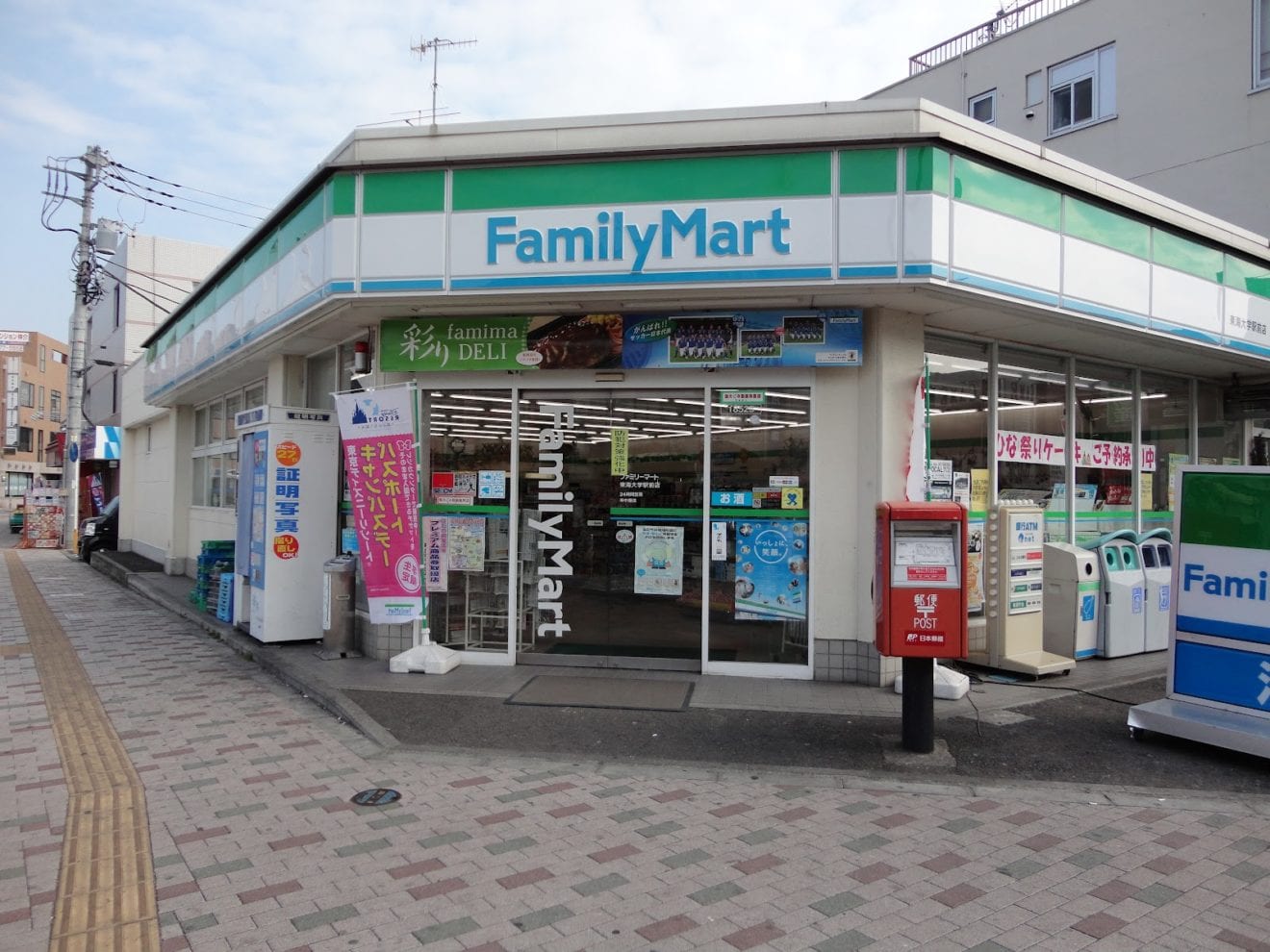
    FamilyMart Thailand has opened its first ‘FamilyMart Corner’ stores where beverages, snacks and convenience foods are sold from automatic vending machines.

    Central Food Retail, which operates FamilyMart Thailand and the Tops supermarket chain, created the FamilyMart Corner, the first concept of its type in the nation, to provide increased convenience to consumers on the go.

    “Convenience stores must always adapt,” says Stephane Coum, CEO of Central Food Retail Group. “In every crisis lies endless opportunities. The Covid-19 outbreak has prompted us to adapt ourselves and changed the way we work.”

    Coum says the container-style convenience stores can be built quickly and take up limited space, enabling them to be opened rapidly in areas where consumers in lockdown need to access food and beverages quickly and close to their homes.

    “We focus on locations in front of shopping malls, condominiums, universities, communities, and factories,” says Coum. “The design of the containers is attractive, with graffiti and street art to attract people and invite them to come buy our products.”

    The first FamilyMart Corners opened at Robinson Lifestyle Srisaman and Saraburi on April 10 and the next is scheduled for Robinson Bangrak on April 22.

    The Family Mart Corners are open daily from 7am to 9pm, and after Thailand’s Covid-19 curfew is canceled, the opening hours will be extended. Entry will be restricted to five customers at any one time to meet social-distancing requirements.

    Meanwhile, in a second initiative, FamilyMart and Tops Daily have introduced automatic vending machines under the concept of “Hungry? Get it Now”. The machines offer food and beverages for consumers for people in a rush and who want to maintain a safe social distancing.

    With convenience stores unable to trade 24-seven as usual in Thailand, the paired vending machines – one selling snacks and chilled food, the other cold beverages – will also serve people exempted from the curfew.

    The product mix sold in the machines will be adjusted to each location based on sales data from FamilyMart or Tops convenience stores, so as to best serve the local population. The machines will only accept cash payments initially, with other payment methods in planning.

    The first Hungry? Get it Now machines have opened outside FamilyMart stores at Muang Thong Popular 3, Rangsit University, Pracharatbamphen 11, Soi Ramintra 34, Bang Bon 5-Soi 8 and Tops Daily Thammasat University Rangsit Campus.

  • Dean & Deluca US heading towards bankruptcy

    Dean & Deluca US heading towards bankruptcy

    Thailand’s Pace Corporation has finally filed for the bankruptcy of its Dean & Deluca US business after all of its North American stores were shuttered last year.

    According to documents submitted with the filing, Dean & Deluca US has liabilities as high as US$500 million, and assets of just $50 million. But the company, which has declared it has only one employee now, says it has a plan to reconfigure the business and reopen stores under a new business model.

    In Asia, Dean & Deluca is opening cafe-centered retail spaces in urban locations including in Thailand, Japan and the Philippines, along with airport stores in partnership with Lagardere Travel Retail. When that partnership was struck in late 2018, the two companies planned 150 stores over five years. Cafes have subsequently opened in Hong Kong International Airport.  Airport stores in Bangkok trade significantly higher than those in city locations, Pace said at the time.

    However the new style Dean & Deluca retail model in Asia is vastly different from the US model, focused on coffee, smoothies, pizzas and light meals. It may be the model the company hopes to take to the US.

    The original Dean & Deluca US store opened in Soho in 1977, earning the nickname “museum of fine food”. It claimed to be the first retailer in the US to sell radicchio, balsamic vinegar and sun-dried tomatoes. But over time its exclusivity waned – as one food writer observed: “You can buy extra virgin olive oil on Amazon now”.

    The company’s website shows it has two stores operating in Hawaii, which may be franchised and unrelated to the parent company.

    Pace bought the company for US$140 million in 2014, including a network that at one point reached more than 30 stores in the US. By May 2018, however, the US network was down to just nine stores and by last July there were only four.

    The Chapter 11 bankruptcy petition filed in the New York court this week was signed by Pace Corporation CEO Sorapoj Techakraisri. Among liabilities listed in the filing were Pace, owed $250 million, a $45 million loan from Siam Commercial Bank, a $2 million US tax debt and $230,000 owed to Thailand’s finance ministry.

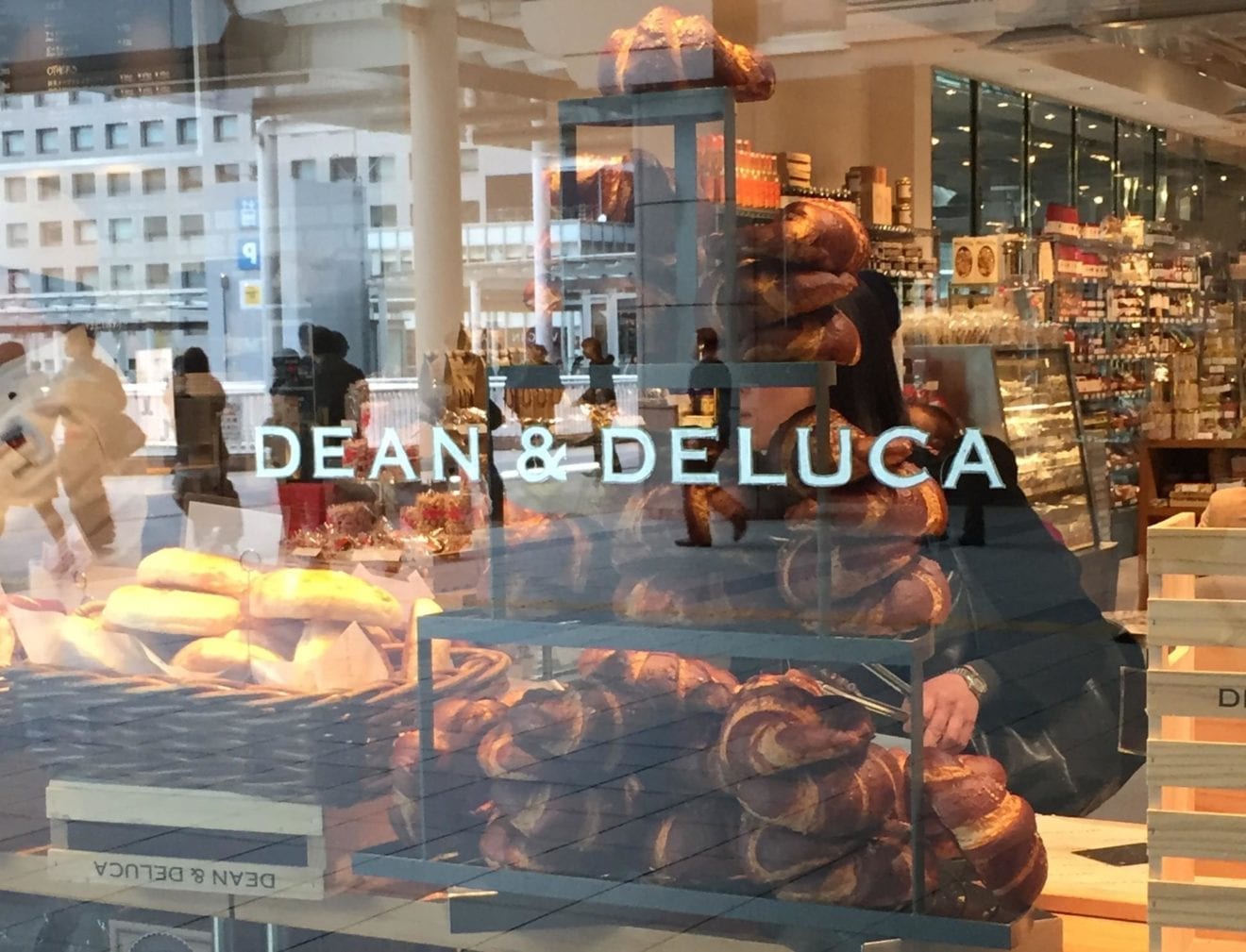
    Last month, Dean & Deluca opened a new store in Japan with a local franchise partner, (pictured above), and another in Bangkok.

  • Gordon Ramsay closing three Hong Kong city restaurants

    Gordon Ramsay closing three Hong Kong city restaurants

    British celebrity chef and restaurateur Gordon Ramsay have quit Hong Kong, following the footsteps of compatriot Jamie Oliver last month.

    Three of his restaurants – Bread Street Kitchen & Bar, London House and Maze Grill – will shut today, April 1. These eateries are currently operated by his Hong Kong partner, Dining Concepts.

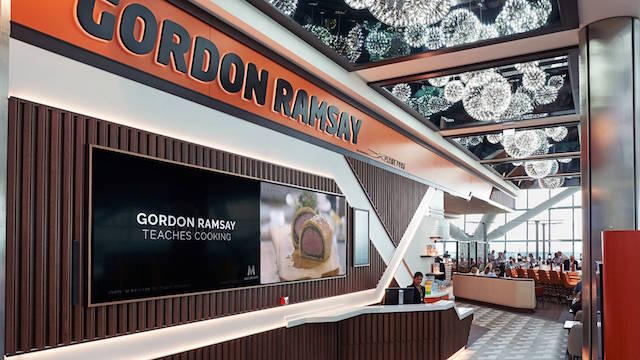
    However, an official statement about the closures did not refer to the status of his Hong Kong International Airport branch Gordon Ramsay Plane Food To Go, which opened last year in partnership with SSP Group.

    In the UK, Gordon Ramsay will close 16 of his outlets, but these are described as temporary closures relating to government lockdowns and have caused the suspension of more than 500 jobs.

    Hong Kong has introduced regulations requiring restaurants to place tables 1.5 meters apart and set a limit of four diners per table, with stringent enforcement. This week, Chinese restaurant operator Tao Heung shuttered 48 of its venues as a result of the new health-and-safety measures.

    In other news, American luxury jeweler Tiffany & Co has closed its 4000sqft store at 1881 Heritage in Tsim Sha Tsui permanently. With retail sales affected by last year’s social unrest and the advent of the pandemic this year, the company decided not to release its lease at the premium shopping destination. The retailer still has 11 stores remaining in the city.

  • Uber is concentrating on food-delivery, nudges its drivers to do the same

    Uber is concentrating on food-delivery, nudges its drivers to do the same

    Recently, ride-hailing drivers have been losing income as more people stay at home and less people travel due to the public health crisis. Uber has recently started concentrating more of its services on food delivery as demand for this is growing.

    Drivers in the US are encouraged to take on food delivery, even if they hadn’t participated in Uber Eats before. Last week, drivers were sent notifications with instructions on how to access the Delivery view on the app because of an increased demand for food-delivery services.

    In particular, Uber is witnessing a growing number of requests for food delivery in Seattle and San Francisco. According to Uber Eats’ vice president, Pierre-Dimitri, the coronavirus outbreak is starting to affect routines and the changes benefit the food delivery business, so drivers are encouraged to focus on it.

    In addition to that, Uber has been trying to mitigate the effect of the coronavirus on drivers and recently, Uber’s CEO, Dara Khosrowshahi, asked Uber’s drivers and delivery workers to be included in the coronavirus stimulus package, that would make people eligible to receive insurance and up to $1,200 direct deposit from the US government.

  • Aori Ramen chain collapses, hit by coronavirus, scandal

    Aori Ramen chain collapses, hit by coronavirus, scandal

    Japanese ramen chain Aori Ramen has declared bankruptcy after suffering from coronavirus and the boycott on Japanese goods in South Korea.

    All Aori Ramen branches will be shut down, including those in Malaysia and China.

    According to Koreaboo, Aori F&B filed for bankruptcy with the Seoul Bankruptcy court with its debts exceeding the value of its assets.

    Aori F&B said after its founder Seungri was involved with the Burning Sun scandal, the company experienced major losses with sales plunging by more than 50 percent. Aori F&B then cut ties with the South Korean singer, hoping the restaurant would gain its customers back.

    The company also stated in a statement that the South Korean consumer boycott of Japanese goods also affected its business. With the subsequent coronavirus outbreak decimating restaurant patronage it is no longer able to pay its debts.

    The Seoul Bankruptcy Court’s decision has yet been made as the court wants to investigate further the Aori F&B’s ability to pay its debts.

  • Hong Kong malls join Deliveroo programme to rescue plunging F&B sales

    Hong Kong malls join Deliveroo programme to rescue plunging F&B sales

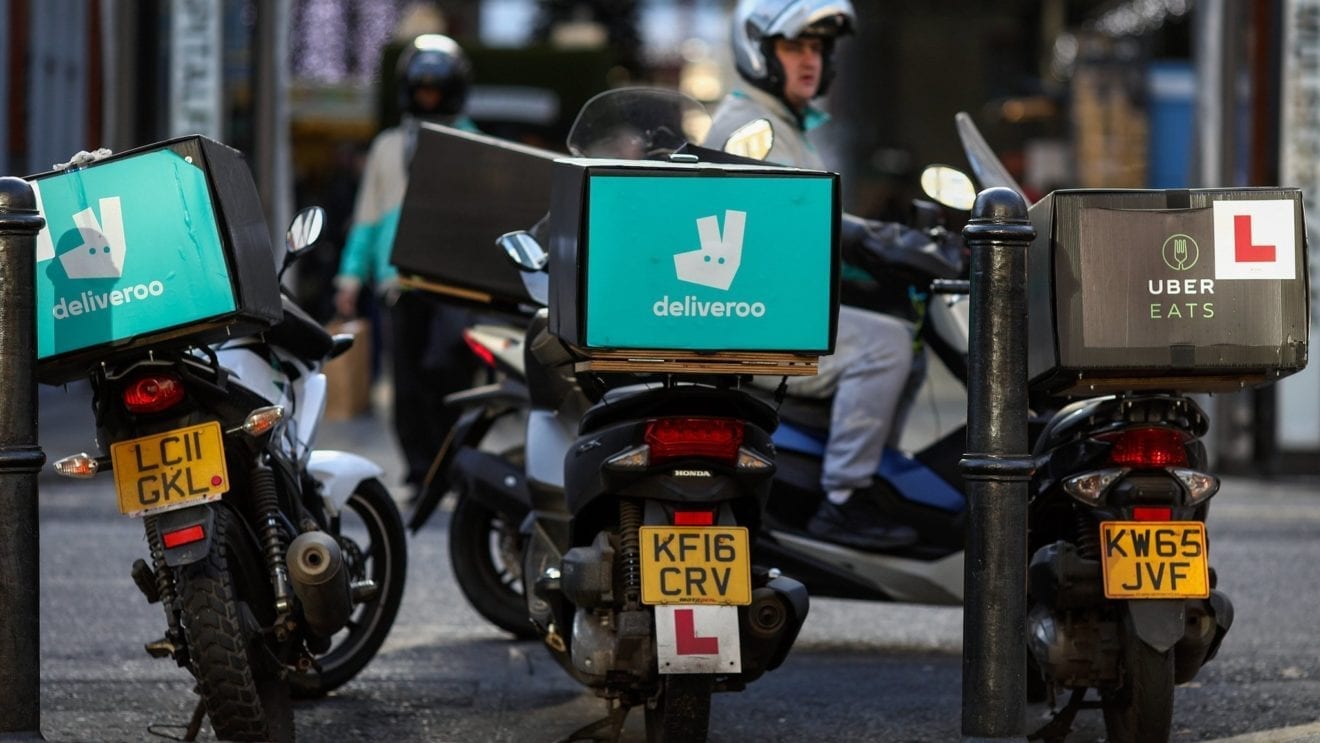
    Twenty Hong Kong shopping malls have joined a program launched by Deliveroo to help food & beverage tenants survive the coronavirus by expanding their delivery business.

    Deliveroo expects the mall partnership program to generate at least HK$20 million (US$2.6 million) in incremental online sales for the restaurants, “a critical avenue of additional income” for retail food & beverage tenants hit by decimated footfalls as consumers avoid crowded places such as malls.

    Deliveroo estimates about 300 restaurants will benefit from the program which has benefited from a $1.5 million investment by the company and partner malls.

    The program will include a fast-tracked onboarding for mall tenants and cross-marketing opportunities for malls to work with Deliveroo.

    The 20 shopping malls which have already signed on to partner with Deliveroo, include K11 Musea and K11 Art Mall from New World Development; Lee Gardens, Lee Theatre and Hysan Place From Hysan Development; East Point City, New Town Plaza, Popwalk, APM, World Trade Centre, Tai Po Mega Mall, Yuen Long Plaza and New Jade Shopping Plaza from Sun Hung Kai Properties; Tseung Kwan O Plaza and Nan Fung Place from Nan Fung Group; MegaBox from Kerry Properties; and Amoy Plaza, Kornhill Plaza, Fashion Walk and Grand Plaza from Hang Lung Properties.

    Discussions are ongoing with other malls across Hong Kong to join the program.

    Deliveroo says research of its 6500 restaurant partners has shown that online delivery channels which used to comprise 15 to 25 percent of turnover before the advent of the coronavirus crisis, now accounts for 50 percent total sales and for some, even more.

    Besides the fast-track onboarding, Deliveroo has developed a voucher program enabling malls and tenants to create coupon offers at a reduced rate, encouraging higher spend from existing customers and drawing in new customers to place food-delivery orders with restaurants located inside partner malls.

    Deliveroo and participating malls will develop locally relevant offers to drive demand and turnover for restaurant tenants’ delivery and pick-up services. User codes are being created for tenants of offices or apartments located above the malls and district-specific push notifications will be sent via social media and digital channels.

    Deliveroo says it has already signed on about 150 new restaurant partners due to the incentives provided by the mall partners, representing more than 25 per cent of all new sign-ons since the onset of the coronavirus crisis.

    In the case of one New Territories partner mall, restaurant tenants have seen sales increase by 1500 over the last fortnight.

    “The 30 restaurant outlets in the property are projected to earn at least HK$15,000 to $20,000 more in sales than they achieved in February delivery sales,” Deliveroo said in a statement.

    Brian Lo, GM of Deliveroo Hong Kong, said he is encouraged to see the positive momentum in engagement in the programme from leading developers and mall operators in Hong Kong.