Tag: Food

  • BreadTalk buys out Thai partner

    BreadTalk buys out Thai partner

    Minor Group has sold its half share in BreadTalk Thailand to the bakery’s Singapore-listed owner.

    BreadTalk paid US$5.15 million for the stake, which Minor Group is expected to use to expand its other food and beverage brands in the kingdom, including The Coffee Club.

    The BreadTalk Thailand joint venture, called BTM Thailand, was set up in 2014.

    Minor Group’s other brands in Southeast Asia include ThaiExpress, Xin Wang Hong Kong Cafe, Swensens and the Pizza Restaurant Company.

  • Japanese eatery Botejyu opens in Manila

    Japanese eatery Botejyu opens in Manila

    Japanese eatery Botejyu, a restaurant chain specialising in okosoba and okonomiyaki dishes, has opened a flagship at One Bonifacio High Street in Taguig City.

    The new branch is the largest of 12 Botejyu locations in the Philippines, with more outlets expected to open later this year. All branches feature an open kitchen and a private meeting room at the back of the venue.

    The brand is the second concept imported by Viva International Food & Restaurants.

    “Most Japanese restaurants only specialise in one item like ramen, or just tempura,” said Viva International senior VP Vicente Raphael “VR” del Rosario IV. “But for Botejyu, though we specialise in okosoba and okonomiyaki, the main selling point is that technically, we carry the best of each place in Japan.”

    Botejyu is a legacy brand in Japan, credited as the first to use mayonnaise as a dressing on okonomiyaki pancakes, as well as inventing the okosoba by wrapping traditional stir-fried noodles in the okonomiyaki batter.

  • Popeyes Philippines to launch with seven new locations

    Popeyes Philippines to launch with seven new locations

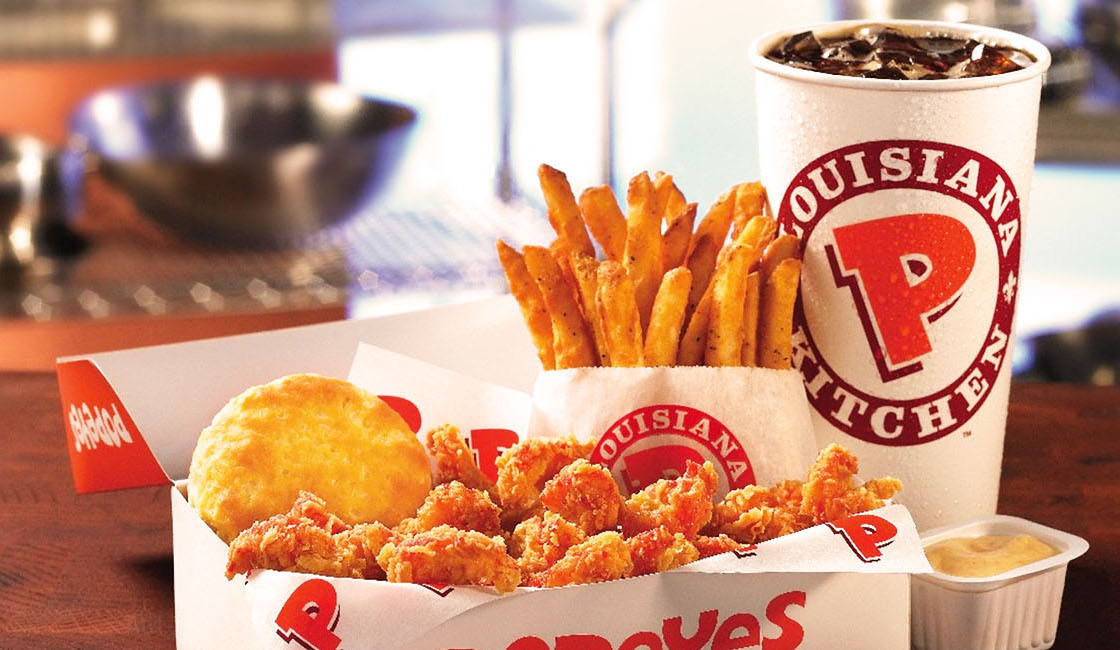
    Popeyes Philippines has revealed the location of its first seven stores.

    Kuya J’s Restaurant Group confirmed it was bringing the popular New Orleans brand to the Philippines in August, prompting widespread interest from landlords.

    The brand – best known for its fried chicken menu – has confirmed seven locations where they will be opening: Arcovia in Pasig, Eastwood and Vertis North in Quezon City, Alabang Town Center in Muntinlupa, SM San Lazaro and SM Manila in Manila, and Kroma Tower in Makati.

    “The Philippines is a large and growing market and we are looking forward to servicing the high-quality food that Popeyes offers to the country’s more than 100 million people,” said Kuya J chairman Lowell L. Yu.

    The Popeyes brand has operated since 1972, serving “authentic New Orleans-style fast food”.

  • KFC poised to expand after strong full year sales

    KFC poised to expand after strong full year sales

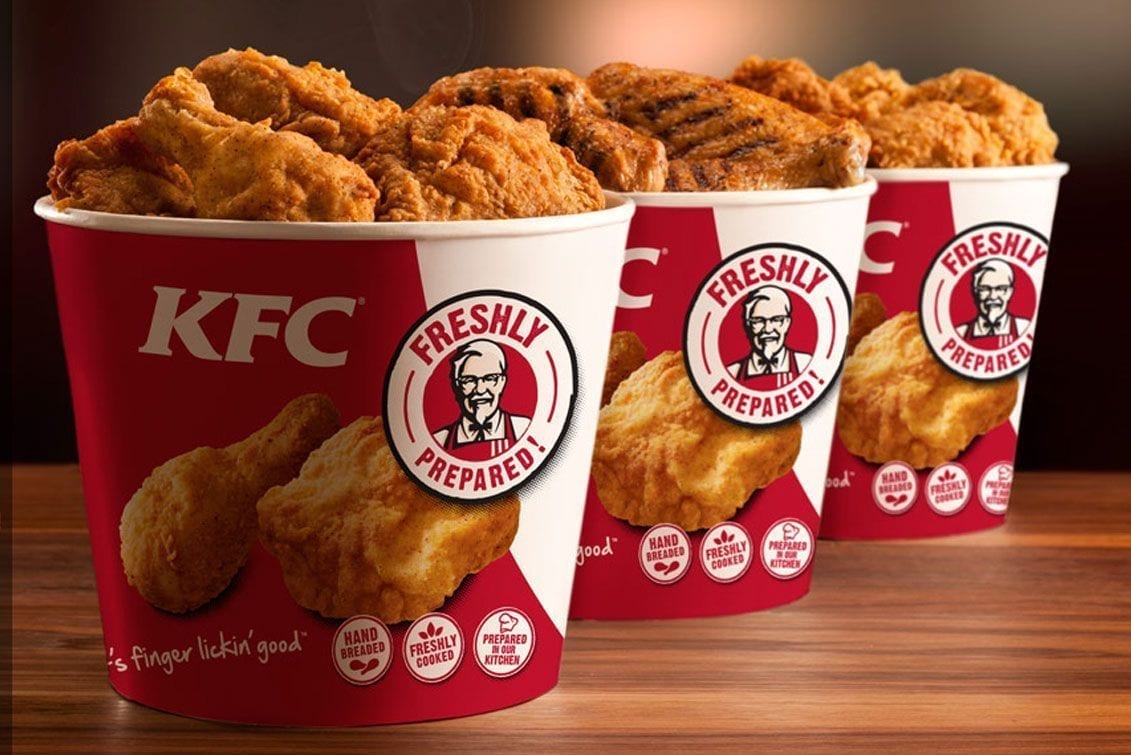
    Restaurant Brands is planning to expand the number of KFC restaurants it operates across Australia and New Zealand off the back of strong sales over the 12 months to February 2019, which contributed to the group’s overall 7.2 per cent increase in full-year sales of $764.6 million (NZ$794 million).

    In Australia, KFC’s sales grew 27.8 per cent to $178.3 million, thanks to new store acquisitions in the period. Same-store-sales grew 4.7 per cent.

    Starbucks saw a 4 per cent increase in sales to $15.4 million, and was sold to Tahua Capital on 23 October 2018.

    Carl’s Jr., however, saw an 8.8 per cent decline in total sales to $30.7 million. Same-store-sales also fell 3.3 per cent over the year.

    The group’s performance in New Zealand was more varied.

    KFC’s New Zealand operations improved 5.3 per cent over the period to $324 million (NZ$336.5 million), and 4.3 per cent on a same-store basis, while Pizza Hut faltered – seeing a 14 per cent decrease in sales over the year to $34 million (NZ$35.4 million), down 6.1 per cent on a same-store basis.

    The group is currently in the midst of a partial takeover, with investor Finaccess Capital having proposed to acquire up to 75 per cent of the group’s shares for a premium of NZ$9.45 ($8.68) cash per share.

    Restaurant Brands shares currently sit at $7.33 on the ASX, and $NZ8.62 on the NZX. Currently, Finaccess has secured 33.71 per cent, or just over 42 million, shares.

    The board of Restaurant Brands “unanimously” recommends shareholders accept the partial takeover offer, which closes on 12 March 2019, based on the absence of a superior proposal.

  • Little Caesars Pizza Philippines ready to launch

    Little Caesars Pizza Philippines ready to launch

    Little Caesars Pizza Philippines will launch with its first restaurant next month. The move continues the expansion of the brand’s international footprint with new restaurants in Southeast Asia. The first restaurant to open under the new franchise relationship with local operator Palmtree PH Foods Corp will be located at the Metrosquare Building in Manila.

    Senior VP of International for Little Caesars Pizza Paula Vissing said he believes the Philippines is a perfect fit for the company’s international expansion due to its strong affinity for both pizza and value.

    Palmtree owner James Kodrowski, who manages a group of companies that operate in the region, said: “Little Caesars Pizza is exactly what this market needs … We believe that the Hot-N-Ready concept will have undeniable market appeal, as well as our commitment to excellent guest service, and superior value. It is our ambition to make Little Caesars the new favorite pizza of the Philippines.”

    Little Caesars is the third largest pizza chain in the world, currently operating in 23 countries and territories. It will also open its first location in Singapore in January.

  • Vietnamese pork banned in several countries

    Vietnamese pork banned in several countries

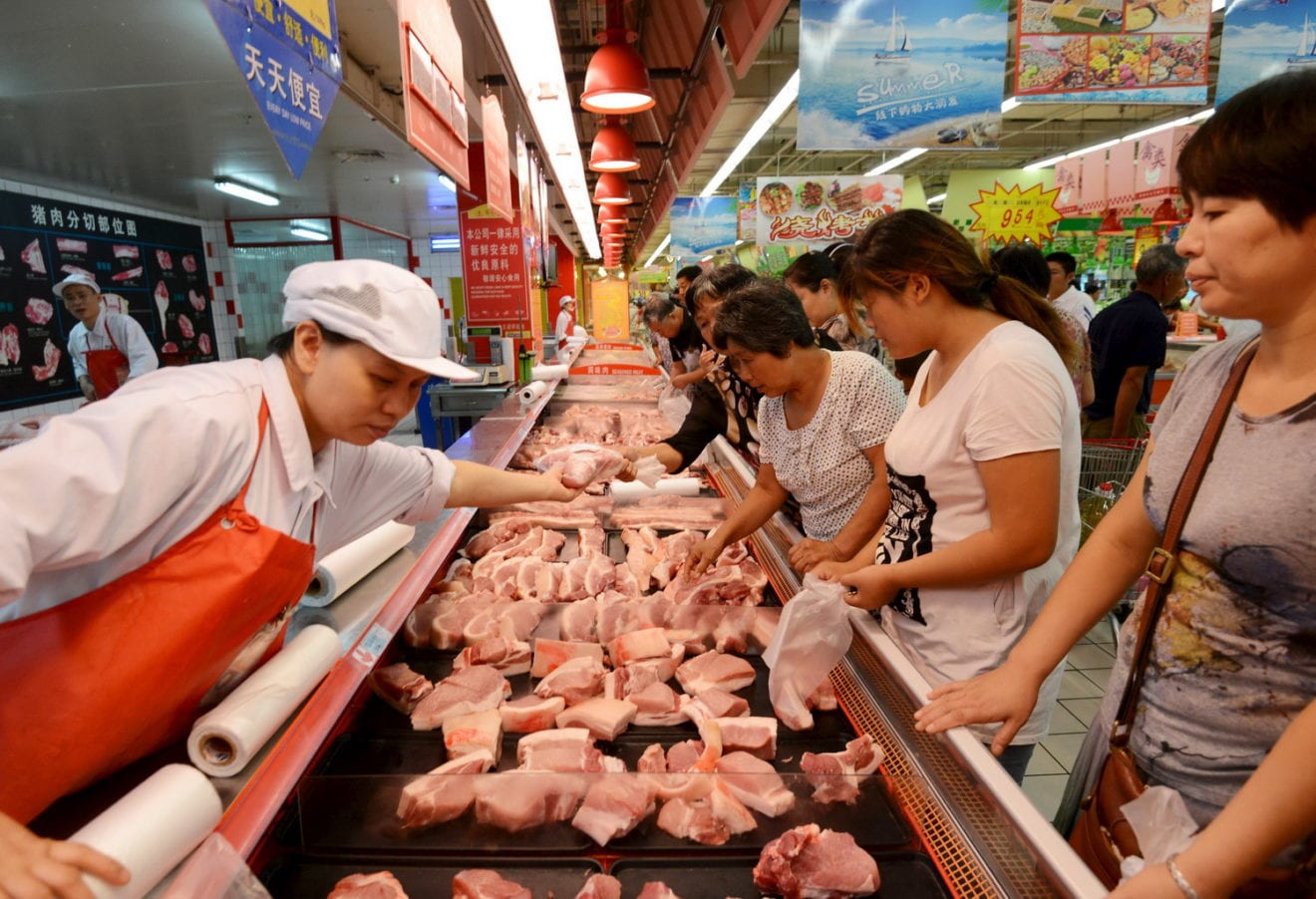
    Some countries and terriories are banning pork imports from Vietnam following the recent outbreaks of African swine fever in the country. Violators of the ban face fines and even imprisonment. Taiwan has announced that Vietnamese people coming in with pork products would be fined about $6,500, according to Vietnam’s Ministry of Foreign Affairs.

    The fine will go up to $33,000 if a passenger is caught for a second time and denied entry if they do not pay the fine in full.

    A Vietnamese woman was fined $6,500 for bringing a pork snack into Taichung airport in central Taiwan on February 27.

    Vietnam Airlines has been warning passengers against carrying pork items into Japan and Australia.

    Passengers carrying raw or processed foods to Japan from Vietnam must have a certificate of safety, failing which they face three years’ imprisonment or a fine of JPY1 million ($8,900).

    In Australia, passengers must declare all foods made from plant or animal ingredients or face a fine of AUD420,000 ($298,032).

    Dubai, the U.K. and the U.S. also prohibit pork products from Vietnam.

    Following China and Mongolia, Vietnam has become the third Asian country hit by the incurable African swine fever, which has been detected in the cities of Hanoi and Hai Phong, and four provinces of Thai Binh, Hung Yen, Ha Nam, Thanh Hoa and Hai Duong.

    The flu is a viral disease that infects all pig species through bodily fluids such as blood and mucus. It causes hemorrhagic fever with a 100 percent mortality rate.

    Humans are not affected by the disease.

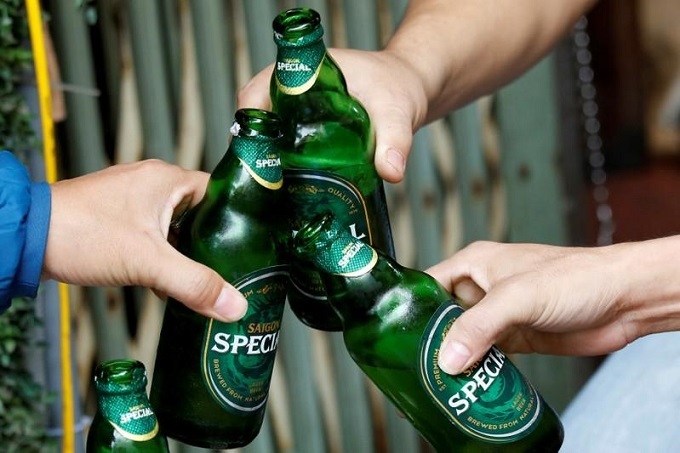
  • Vietnamese beer sales now drive revenues for Sabeco’s new Thai owner

    Vietnamese beer sales now drive revenues for Sabeco’s new Thai owner

    Vietnamese brewery Sabeco has contributed 46 percent of the revenues of Thai parent ThaiBev in the first quarter of 2018-19. For the quarter ended December 31, 2018, it reported sales of VND13 trillion ($560.58 million) as ThaiBev announced net profits of VND5.54 trillion ($238.83 million) on total revenues of VND54.28 trillion ($2.34 billion), 35 percent and 60 percent up year-on-year.

    Beer products became its revenue driver for the first time with sales of VND24.84 trillion ($1.07 billion). Though spirits sales saw strong growth, their share of revenues dropped from 54 percent to 43 percent.

    In terms of sales by market, the group reported 52 billion baht ($1.66 billion) in Thailand, down to 71 percent from 96 percent last year. The other significant amount was Vietnam’s VND13 trillion or 23.9 percent.

    ThaiBev said while consumption in Southeast Asia is generally slowing, Sabeco has sustained impressive growth.

    Two months ago the Thai group became the majority shareholder in the Vietnamese brewer with a 53.59 percent stake following a debt-to-equity swap.

    It believes the acquisition of Sabeco would help its expansion in Vietnam, which has a youthful population, extensive distribution network and the strongest beer market growth in the region.

    Sabeco, formally known as Saigon Beer Alcohol Beverage Corp, reported a 5 percent rise in revenues last year to more than VND36 trillion ($1.56 billion).

    It has a 42.8 percent share of the Vietnamese beer market, according to the Ho Chi Minh City Securities Corporation.

    According to the Vietnam Beverage Association (VBA), the Vietnamese beer market is worth $3.4 billion.

    Securities company FPT Securities predicts the market will grow by 5-6 percent a year.

  • Malaysia’s Kedai Ayamas Eatery plans 100 more stores

    Malaysia’s Kedai Ayamas Eatery plans 100 more stores

    Kedai Ayamas eatery operator Kara Holdings is looking to establish 100 outlets within four years through its new franchising program, predominantly within peninsular Malaysia. The move into franchising should elevate the company’s finances by 10 per cent this year to about RM40 million (US$9.85 million). Nine franchises have opened so far, with 20 more targeted within the year.

    “As Johor Corp’s wholly owned subsidiary, we complement the KFC business in terms of maximising the use and distribution of poultry products at the farm,” said Kara’s executive director Abd Rahman Md Dawi. “The poultry-relating business has always been a high-demand market for the food and beverage sector in Malaysia.

    “Last year, we registered a revenue of RM35 million [$8.6 million]”, he added. “With the additional franchise business, hopefully, it will amplify our revenue this year, coupled with Kara’s technological adoption of food delivery services such as Foodpanda and Grab-Food.”

    According to Dawi, the company is open to franchisee acquisition of Kara’s 40 corporate outlets. Six of the nine new franchises were acquired from the firm.
    “There are certain criteria that will be considered for us to sell our own shops, but we encourage the newcomers to open a new shop,” he said.

    Kara’s franchising program costs between RM100,000 and RM400,000 ($24,600–98,450), and includes management and operational training sessions.

  • 7-Eleven Taiwan to sell freshly-baked Domino’s Pizza

    7-Eleven Taiwan to sell freshly-baked Domino’s Pizza

    Taiwan 7-Eleven operator President Chain Store Corp is trialling a dual-branded store with Domino’s Pizza in Taipei’s Xinyi District. In doing so, the Taiwanese retail company has created the first convenience store in the country to offer fresh-cooked pizza with groceries and if successful, it will pave the way for a roll-out in selected stores.

    With Taiwan’s convenience-store market penetration the second highest in the world, sitting between South Korea and Japan, operators are seeking ways to achieve growth by means other than opening new stores.

    The trial store will allow customers to watch the pizza-making process. Pizzas will be priced from US$2.90 to $6.80, depending on serving size.

    President Chain Store is targeting busy working people in what is one of the capital city’s more upmarket neighbourhoods. The company hopes pizza will boost sales of complementary items such as beverages and other meal items.

    President Chain Store’s rival Taiwan familyMart has already partnered with companies to offer financial, catering and laundry services and health foods in its stores.

  • Wayne’s Coffee debuts in China

    Wayne’s Coffee debuts in China

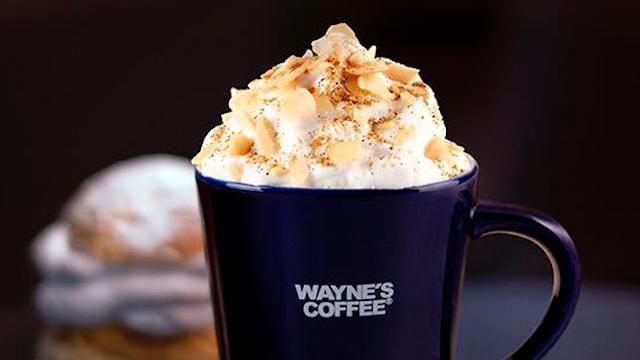
    Swedish cafe chain Wayne’s Coffee has opened its first outlet in China. The new store on Shanghai’s Nanjing Xi Lu serves coffee, sandwiches and Swedish pastries to consumers. The move represents a courageous first step in a market dominated by international and local competitors. China is Wayne’s second market in Asia after the brand launched in Vietnam in June last year. It currently operates seven locations in Ho Chi Minh City.

    While the brand has been criticised for lacking a distinctive look and presumed by some observers to be a local Starbucks clone, the brand has in fact been running in Sweden since 1994, where it was the first venue in the country to serve cafe latte. It was also the first to serve the latte in Saudi Arabia when it opened there in 2010.

    Wayne’s more aggressive expansion phase was recognised when the brand won “Franchise chain of the year 2017” in Stockholm. It currently operates more than 140 locations internationally.

  • Singapore’s VeganBurg plans US expansion with franchising

    Singapore’s VeganBurg plans US expansion with franchising

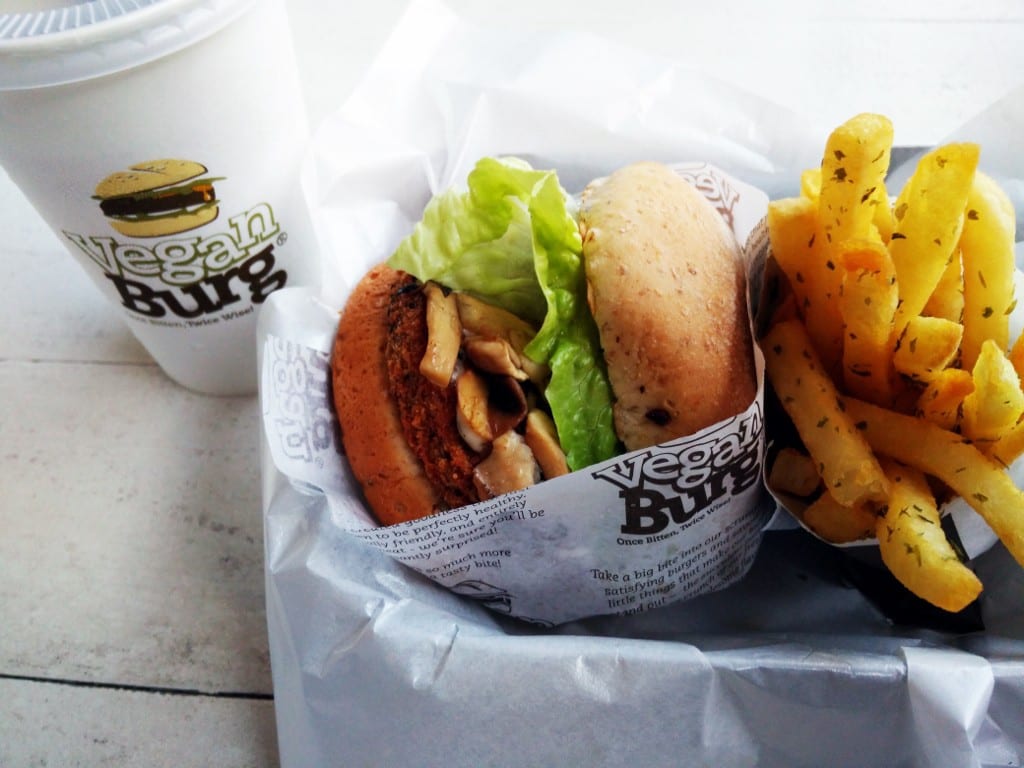
    Singapore-based burger chain VeganBurg is seeking new franchisees to expand its business in California. The company will hold a franchising conference in Las Vegas next month, expected to be attended by many Californian companies and individuals evaluating franchise concepts. “VeganBurg has developed a passionate following from customers in Singapore and internationally and we have spent the last few years refining operations and investing in what has made VeganBurg a winner — our juicy burgers, fantastic staff, and world-class customer service,” said Alex Tan, VeganBurg CEO and founder.

    “We are interested in meeting enthusiastic and dedicated people who are passionate about the environment and impeccable people support,” he added.

    VeganBurg’s franchisees can be assured of support from pre-opening and training. An operations team will help new partners establish supplies of proprietary ingredients and products, assist with site selection and interior design, initial training and ongoing training support, product research and development, branding and marketing assets, systems, tools and processes.

    Founded in 2010, VeganBurg has been redefining food pop culture and comfort food in Asia and North America with its 100-per-cent plant-based menu.

  • Zen Corporation Thailand completes IPO

    Zen Corporation Thailand completes IPO

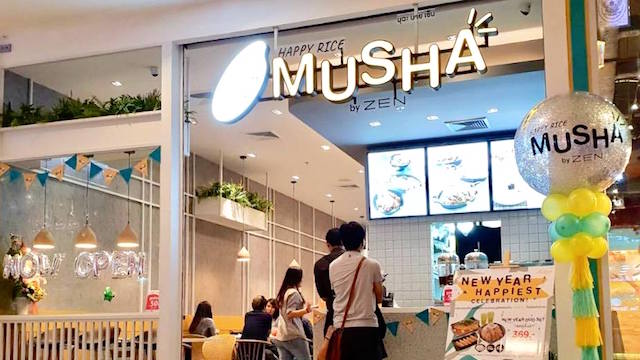
    Thai restaurant operator Zen Corporation secured THB975 million (US$31.35 million) via an IPO issued last Wednesday. The firm sold all 75 million shares on offer, representing 25 per cent of its registered capital, at THB13 each. Its stock price grew 17.69 per cent over the course of its trading debut, as strong demand pushed the value per share up to THB15.30 on the first day.

    Zen Corporation is known for its various restaurant chains, including its eponymous brand as well as Musha by Zen, Sushi Cyu Carnival Yakiniku, AKA, On the Table Tokyo Cafe, Tetsu and de Tummour.

    The firm also operates food delivery, catering, restaurant management and consultancy services, as well as food retail operations.

  • Taiwan’s extravagant buffet restaurant “Harbour” now open at Iconsiam

    Taiwan’s extravagant buffet restaurant “Harbour” now open at Iconsiam

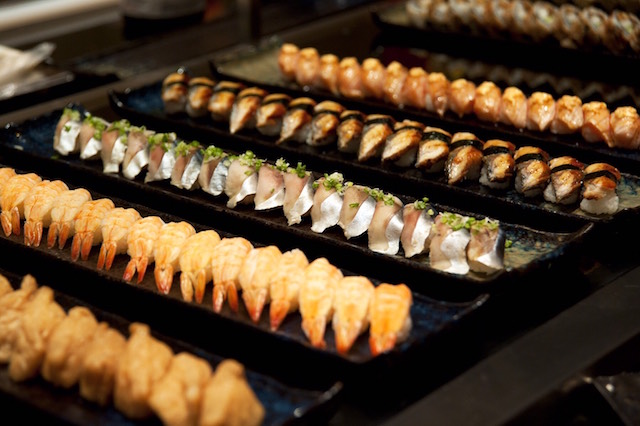
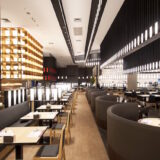
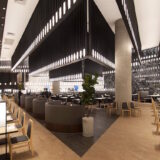
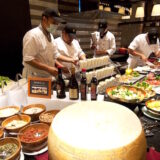
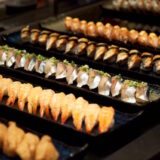
    Taiwan’s extravagant Harbour buffet restaurant has opened its first Thai restaurant at IconSiam. Charoen Pokphand Foods PLC (CPF) and Taiwan’s HiLai Group have jointly brought the famous international buffet restaurant to Thailand. The franchise has routinely seen diners in China and Taiwan waiting a month for a table. The 2000sqm IconSiam outlet is its 10th restaurant worldwide, pending Harbour’s unveiling in major global cities as part of CPF’s strategy to become “Kitchen of the World”.

    “Harbour has enjoyed overwhelming success in Taiwan and China”, said CPF’s COO-food business and co-president Sukhawat Dansermsuk. “We believe that we will be warmly welcomed by Thai consumers thanks to the restaurant’s strengths coupled with Thais’ eating-out lifestyle. And that’ll be the beginning of CPF’s success in the restaurant business.”


    According to Sukhawat, the restaurant was established as a joint venture with HiLai Group with THB130 million (US$4.16 million) in registered capital.

    CP HiLai Harbour CEO Liu Tzu-Ming said the venue is targeting THB240 million ($7.68 million) in first-year revenue and plans to introduce new restaurants at major Thai cities.

    The international buffet restaurant can accommodate 450 diners per round, or about 1000 diners per day.

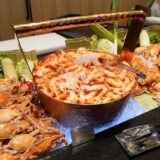
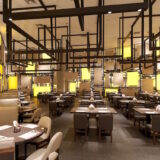
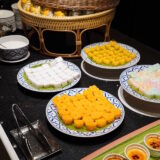
    View the gallery below for more picture of the restaurant :

  • Godiva sells Asia business to South Korea’s MBK for $1bn

    Godiva sells Asia business to South Korea’s MBK for $1bn

    Belgian chocolatier Godiva has sold select assets to MBK Partners as part of a global strategy to grow the business fivefold. Under the terms of the transaction, MBK will purchase the retail and distribution operations in four of Godiva’s more than 100 markets: Japan, South Korea, Australia and the future rights to develop New Zealand. The transaction, anticipated to close mid year, includes consumer packaged goods (CPG), digital commerce, travel retail (for Japan and South Korea) and more than 300 retail stores, as well as the Godiva production facility in Brussels that supplies product to these markets. All remaining 100-plus markets will continue to be owned and operated by Godiva.

    While the terms of the deal were not disclosed and completion is conditional on the necessary approvals, once settled Godiva Chocolatier will retain exclusive brand ownership in all global markets, granting a perpetual license to MBK Partners. Godiva will continue to source its products from the Belgian facility together with the production facility it owns in the US, and its affiliate facilities in Istanbul, Turkey.

    “Since 2008, we have been very pleased with the performance of Godiva, having nearly doubled its revenue and the number of stores operating globally, and we continue to see tremendous upside for this brand moving forward,” said Murat Ulker, chairman of Godiva’s owner Yildiz Holding.

    “Realising the potential ahead, together with Godiva leadership, we conducted a strategic review to explore new ways for generating the necessary cash flow to fuel the robust growth. This transaction is an ideal solution that provides the momentum to fuel expansion in other high potential areas of our portfolio.”

    “We believe this deal is a win-win for everyone,” added Godiva CEO Annie Young-Scrivner. “It gives us the financial flexibility we need to execute our fivefold growth strategy by accelerating efforts in new and existing markets and supporting the plan of opening of more than 2000 cafes globally, while preserving our Belgian legacy, quality, and craftsmanship that have helped to make our brand iconic.”

    Among Godiva’s various markets, Japan, South Korea, Australia and New Zealand collectively have some of the strongest brand equity and include more than 300 retail stores, making these regions the most compelling areas for monetisation. In Japan, Godiva has almost 90 per cent aided brand awareness and is the number one retail brand in the country, with the highest premium time spent in stores, according to 2017 research by the Nikkei Marketing Journal.

    At the same time, Yildiz sees significant unrealised opportunity for the brand that, when coupled with the infusion of capital, infrastructure and capabilities from MBK Partners, is expected to deliver a strong return on investment.
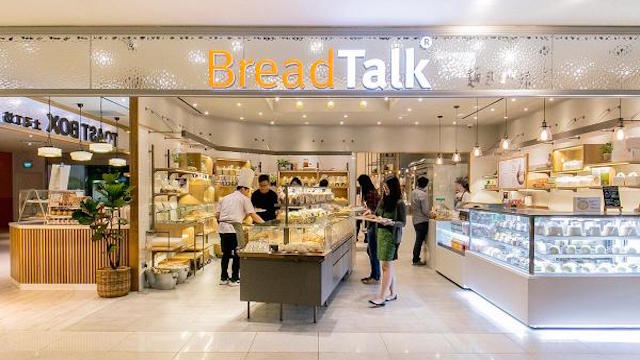
  • BreadTalk buys out joint venture partner in Thailand

    BreadTalk buys out joint venture partner in Thailand

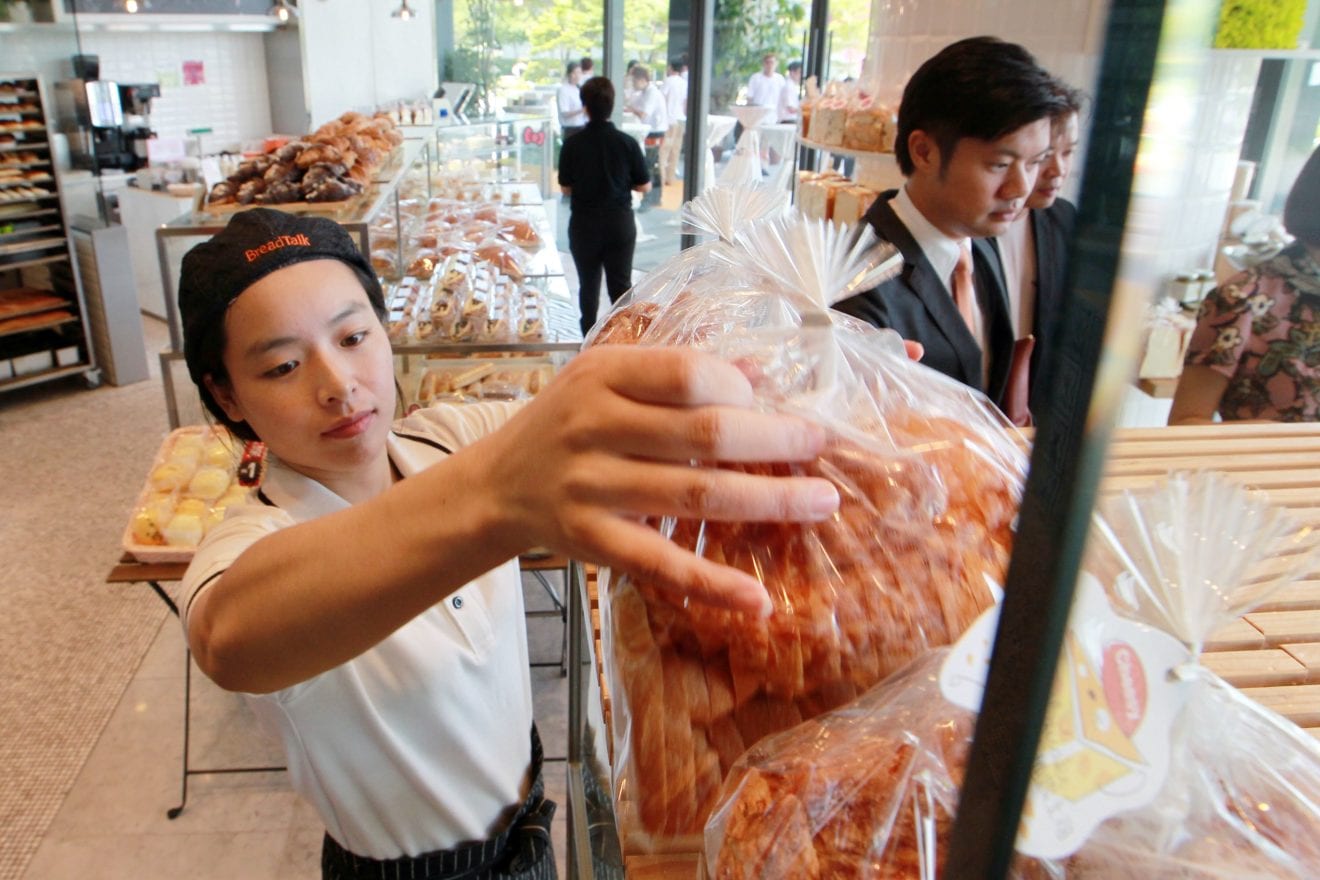
    Minor Group has sold its half share in BreadTalk Thailand to the bakery’s Singapore-listed owner. According to the Straits Times, BreadTalk paid US$5.15 million for the stake, which Minor Group is expected to use to expand its other food and beverage brands in the kingdom, including The Coffee Club.   The BreadTalk Thailand joint venture, called BTM Thailand, was set up in 2014.

    Minor Group’s other brands in Southeast Asia include ThaiExpress, Xin Wang Hong Kong Cafe, Swensens and the Pizza Restaurant Company.