Tag: Food

  • Burger King cancelled IPO plan

    Burger King cancelled IPO plan

    TFI TAB Food Investments, the exclusive operator of Burger King in the Turkish and Chinese markets, has withdrawn its expected US$220 million IPO in the US. Citing market volatility, TFI TAB withdrew the filing nine months after postponing the Burger King IPO following instabilities in Wall Street trading. The filing had already been scaled back from an initial ask of $400 million, offering 22 million shares for between $9–11. Plans were to use raised funds to pay off debts and for general business purposes.

    The Istanbul-based firm is the world’s largest Burger King franchise, operating 1822 locations – of which 766 are within China.

    According to the firm, “moving into China was bold. We entered this huge and vastly different market later than our competitors. We and our partners invested significant upfront capital as we signed on as the exclusive master franchisee and developer for Burger King in China.”

    In a  statement on the withdrawal the company said it would continue to evaluate the timing for a  Burger king IPO “as market conditions develop”.

  • SEA gives struggle to Dairy Farm International

    SEA gives struggle to Dairy Farm International

    “Significant challenges” across the Southeast Asian supermarket business are continuing to test Hong Kong-listed multi-format retailer Dairy Farm International. In a management statement discussing the company’s third-quarter performance – which did not include any figures – Dairy Farm said its businesses produced “mixed results” with a strong performance in health and beauty and good results from home furnishings and restaurants divisions. However, the performance of the Hong Kong supermarkets business has softened.

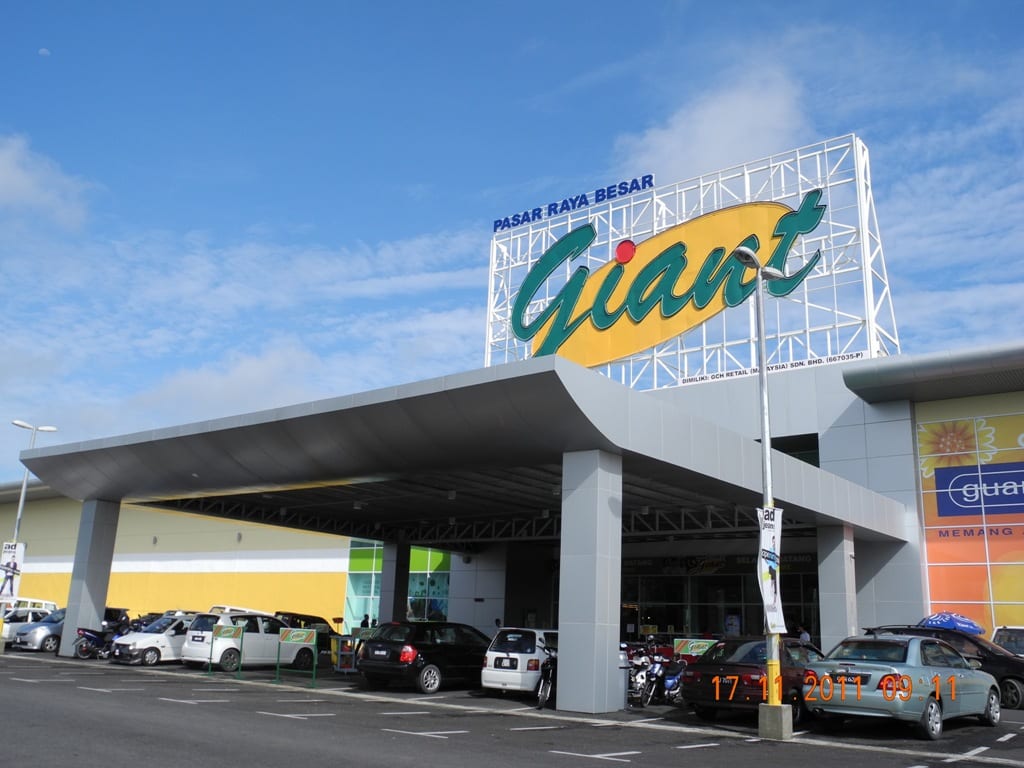
    The company said the Southeast Asian grocery store business – Cold Storage and Giant stores in Singapore and Malaysia – is expected to continue for the remainder of the year with the group’s full year results expected to be impacted by increasing costs from ongoing investment in technology, supply chain infrastructure, stores and people in order to improve the long-term performance of the business. Sales and profits fell in its supermarkets in both countries. Falling sales in Indonesia were mitigated by management action which resulted in reduced losses there.

    In North Asia, sales from the food businesses were slightly ahead of the same period last year, but profits were lower as a result of weakening margins and continued cost pressures, particularly from increased rents.

    However, the health and beauty businesses in Hong Kong and Macau (Guardian stores) delivered “strong sales and profit growth”.

    The Philippines food business showed good sales growth, benefitting from the opening of several new stores, but profit was slightly behind the prior year due to increased operating costs. There was continuing good sales and profit improvement in the group’s health and beauty businesses, notably in Malaysia and Indonesia.

    Ikea’s sales and profits were ahead of last year in Taiwan and Indonesia. In Hong Kong, sales were higher, supported by the new store which opened last year; however profits were lower as a result of higher operating costs.

    In Hong Kong, Maxim’s delivered another record-breaking mooncake sales performance during Mid-Autumn Festival, which was earlier than last year, and helped drive sales and profit higher during the period. Supermarket Yonghui reported strong sales growth in the quarter but profit was lower than the prior year due to investment in new formats and the additional costs of the new employee incentive scheme.

    Approval was received from the Philippines Competition Commission in August for the combination of Dairy Farm’s Food business in the Philippines with Robinsons Retail Holdings, with completion expected to take place within weeks.

    In early October Dairy Farm agreed to acquire the remaining 51 per cent interest in Rose Pharmacy in the Philippines, which is now subject to regulatory approvals.

    Dairy Farm, together with its associates and joint ventures, operate more than 7400 outlets, including supermarkets, hypermarkets, convenience stores, health and beauty stores, home furnishings stores and restaurants – employing more than 200,000 people. Total sales last year exceeded US$21 billion.

  • Korea’s snack prices increase as costs rise

    Korea’s snack prices increase as costs rise

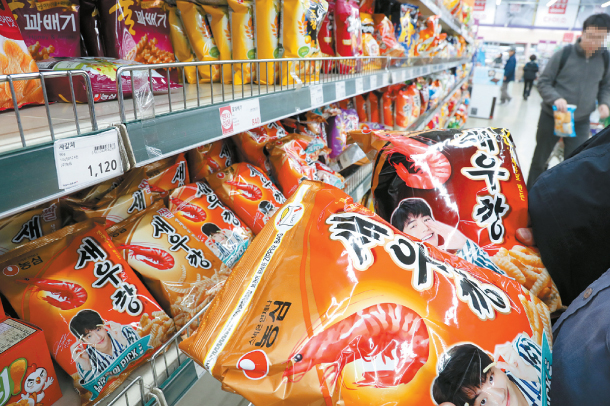
    Nineteen Nongshim snacks, including its famous Shrimp Crackers, will cost more beginning tomorrow, the company announced on Tuesday. “We have decided to raise prices in the face of accumulated pressure from rising production, labor and management costs,” said a Nongshim spokesperson. “We have tried to minimize the scope of the price rise in consideration of our consumers.”

    According to the company, Nongshim will raise the prices of 19 out of its 23 snacks by an average of 6.7 percent beginning from Nov. 15.

    A 90-gram (3.17 ounces) bag of Shrimp Crackers, one of the company’s iconic products, will now cost around 100 won ($0.08) more than the current 1,200 won. The prices of other favorites, such as Onion Rings, Honey Twist Snacks and Tako Chips, will rise by 6.1 percent, while the price of Pretzels will jump by 7.4 percent.

    Tomorrow’s hike will mark the first time in over two years that Nongshim has increased snack prices. It upped the price of 15 of its snacks by an average of 7.9 percent in July 2016. In Feb. 2014, it increased the price of Shrimp Crackers by 10 percent.

    Earlier this year, competitors Crown-Haitai Confectionery and Lotte Confectionery began charging more for some of their snacks, both citing rising production costs.

  • Chinese grocery market set for solid growth, says IGD

    Chinese grocery market set for solid growth, says IGD

    A report released by the international grocery research organisation IGD has forecast growth of 32.6 per cent in the Chinese grocery market by 2022, preserving its status as the largest grocery market in Asia. Grocery retail sales in China are set to rise to CNY 11.4 trillion (US$1.637 billion), more than India, Japan and Indonesia combined.

    The market is expected to see a CAGR of 5.8 per cent over the next five years, on par with Thailand but slower than markets such as India, Vietnam and Bangladesh, where the economy is growing faster.

    Globally, China will remain the second largest grocery market in the world by 2022, behind the US in terms of value.

    Shirley Zhu, programme director for IGD’s Asia-Pacific research, said China continues to be an exciting market to watch with its significant size and rapid growth. “Retailers with nationwide networks such as Sun Art, Yonghui, Walmart, CRV and Carrefour will reap rewards from ongoing expansion, partnerships with e-commerce players, improved efficiency and investment in small formats.

    “Similarly, e-commerce giants such as Alibaba and JD.com will see significant growth from both online and offline channels and become the second and third largest grocery retailers in China, respectively. Regional players such as NGS, Wumart and Bailian will continue on their journey of transformation and consolidation and focus on profitability.”

    Market share for hypermarkets and supermarkets will remain steady, close to 40 per cent of the market up until 2022. However, the supermarket channel will overtake hypermarkets as the largest sales channel with a market share of 20.7 per cent, says IGD.

    “Convenience will be the fastest-growing physical store channel”, said Zhu. “This will be driven by Alibaba and JD transforming traditional mom-and-pop stores, retailers opening smaller format stores and both local and overseas players expanding their networks through partnerships. Online and offline integration will drive online growth. As the fastest growing channel, we forecast online to contribute up to 11.1 per cent of sales in 2022.”

    Less than half of the grocery sales in China currently go through traditional trade. As the market continues to mature, traditional trade will keep losing share to modern trade, which currently accounts for about 57 per cent of total grocery retail sales and is predicted to grow to 66 per cent by 2022.

  • Hard Rock Cafe to be reintroduced in Philippines

    Hard Rock Cafe to be reintroduced in Philippines

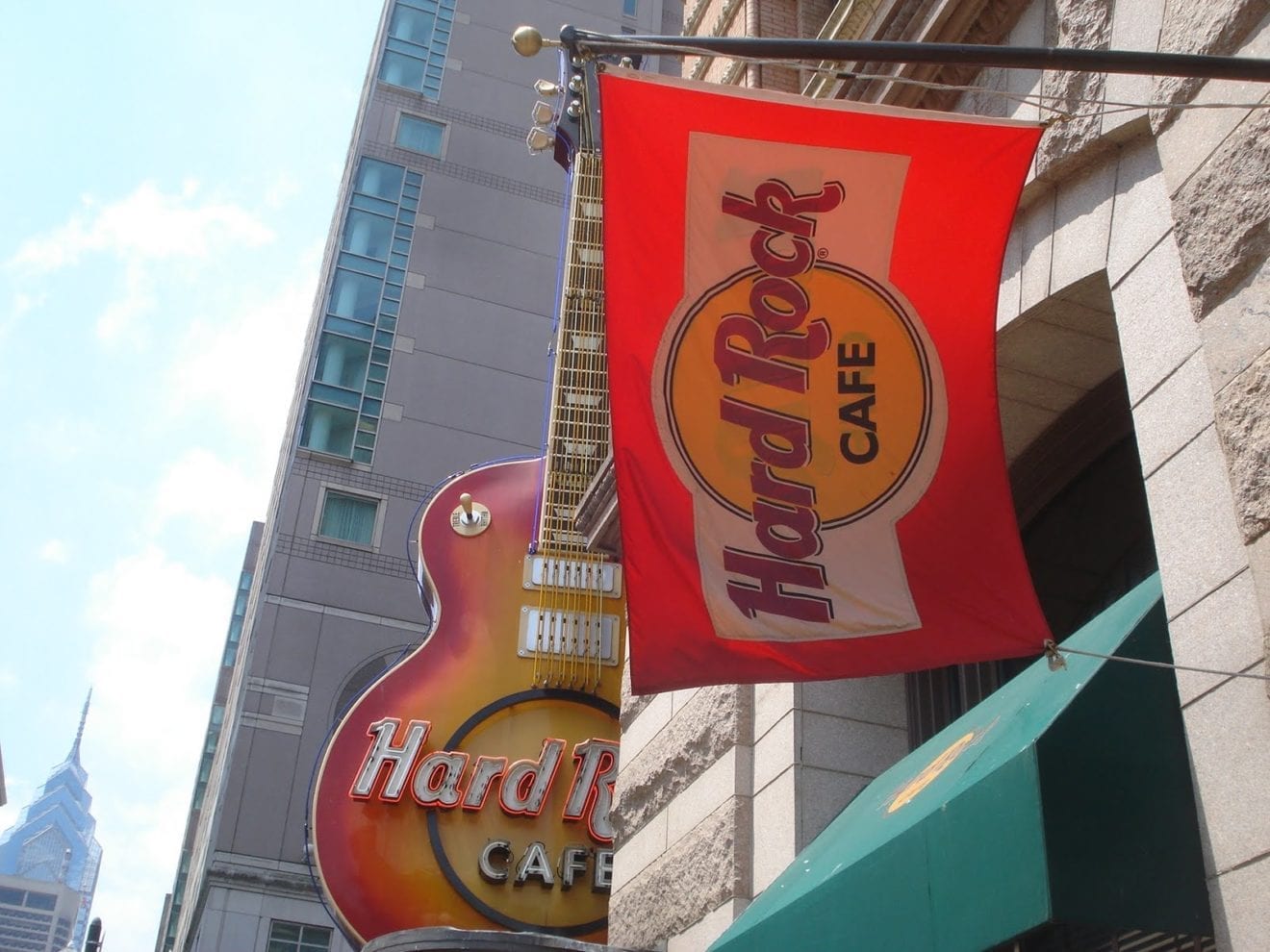
    Bistro Group has acquired the exclusive franchise for Hard Rock Cafe in the Philippines, planning to reintroduce the brand in the region after a year’s absence. The Hard Rock group has high hopes for the partnership given the new local partner’s proven performance in the “Western-driven market.”

    Area franchise development VP Steve Yang said: “The Bistro Group is a strong industry player and with its robust portfolio of brands as well as its track record for more than 20 years, we are confident that they will be a strong partner to help us take Hard Rock Cafe in the Philippines to the next level.”

    The new Hard Rock Cafe will open next month in a 653sqm space at the Conrad S Maison mall in Pasay City, with four to five branches potentially in the works for Cebu and Bonifacio Global City.

    “Putting Hard Rock inside a mall is in response to the current lifestyle trend and is one of the best locations we’ve seen in our operations,” Yang said.

    Hard Rock’s VP for franchise operations and development Anibal Fernandez said the company wants to expand its presence in high-growth markets frequented by locals and tourists.

    “Last year alone we launched cafes in Spain, Austria, South Africa, Andorra, Bolivia, India, Cambodia, Myanmar, Argentina and Nicaragua. In 2018 we are developing in Africa, Middle East, Europe, North and South America, South Asia and China, among others.”

  • Wagyumafia launches in Hong Kong

    Wagyumafia launches in Hong Kong

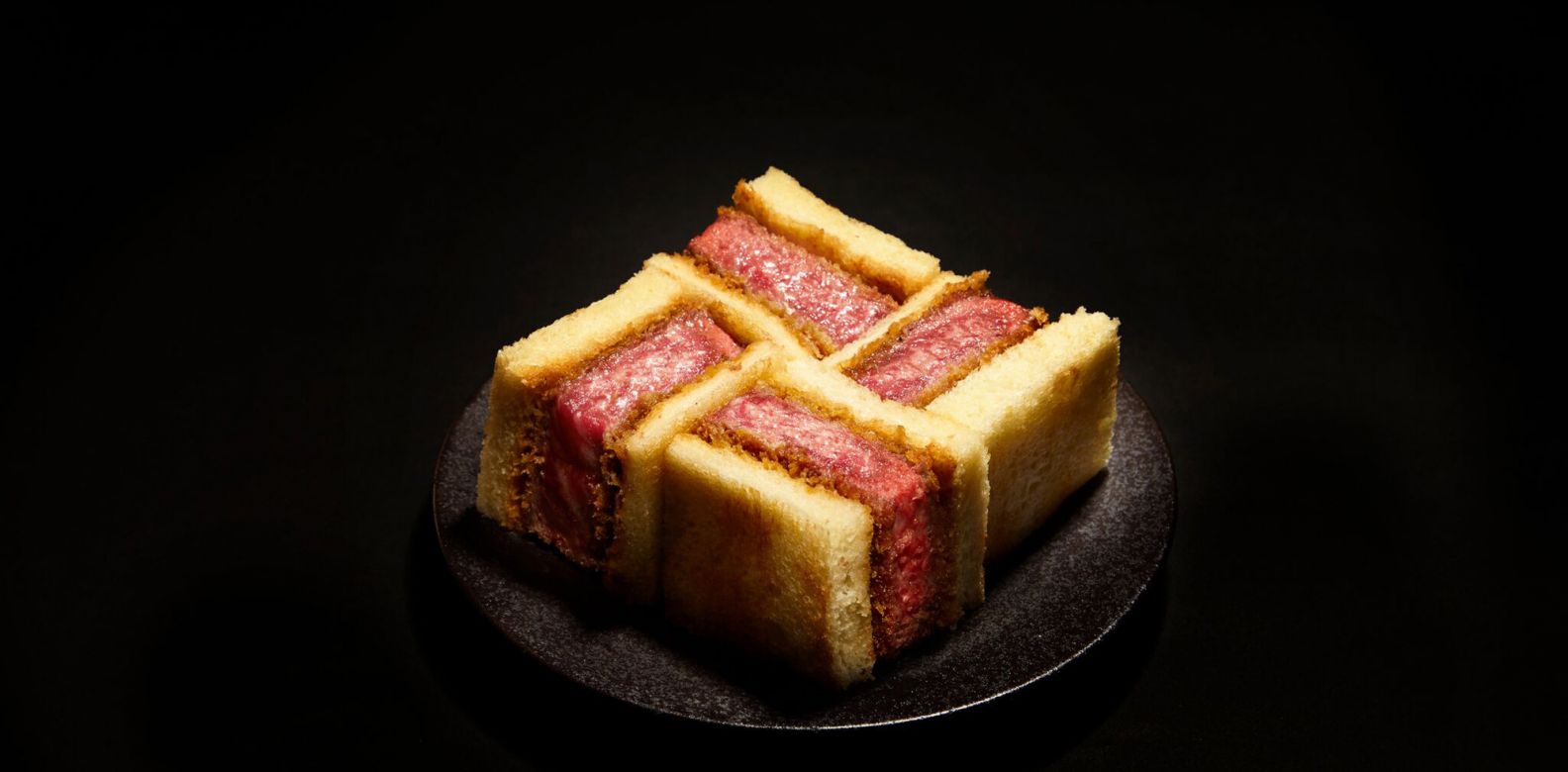
    Japanese restaurant chain Wagyumafia is set to open in Hong Kong’s Wan Chai. It will be the franchise’s first international location since launching two years ago. Wagyumafia is known for its premium beef and members-only business model. The brand has gone through an extended promotion under co-founder Hisato Hamada, who has hosted pop-up events for the franchise in top international locations – including Paris, London, Singapore and New York.

    The new Hong Kong location will be open for 18 members at a time, serving an omakase menu focused on choice Wagyu and Kobe beef yakiniku and shabu-shabu dishes.

    Hamada said “Wagyumafia seeks to buy only the top 1 per cent of Kobe beef. To ensure our premium quality standards are met, we source our products from the top 20 best farmers in Japan.”

    Reservations will be opened to non-members sometime after the first month of trading.

  • China’s Luckin Coffee worth $2 billion after just less than a year

    China’s Luckin Coffee worth $2 billion after just less than a year

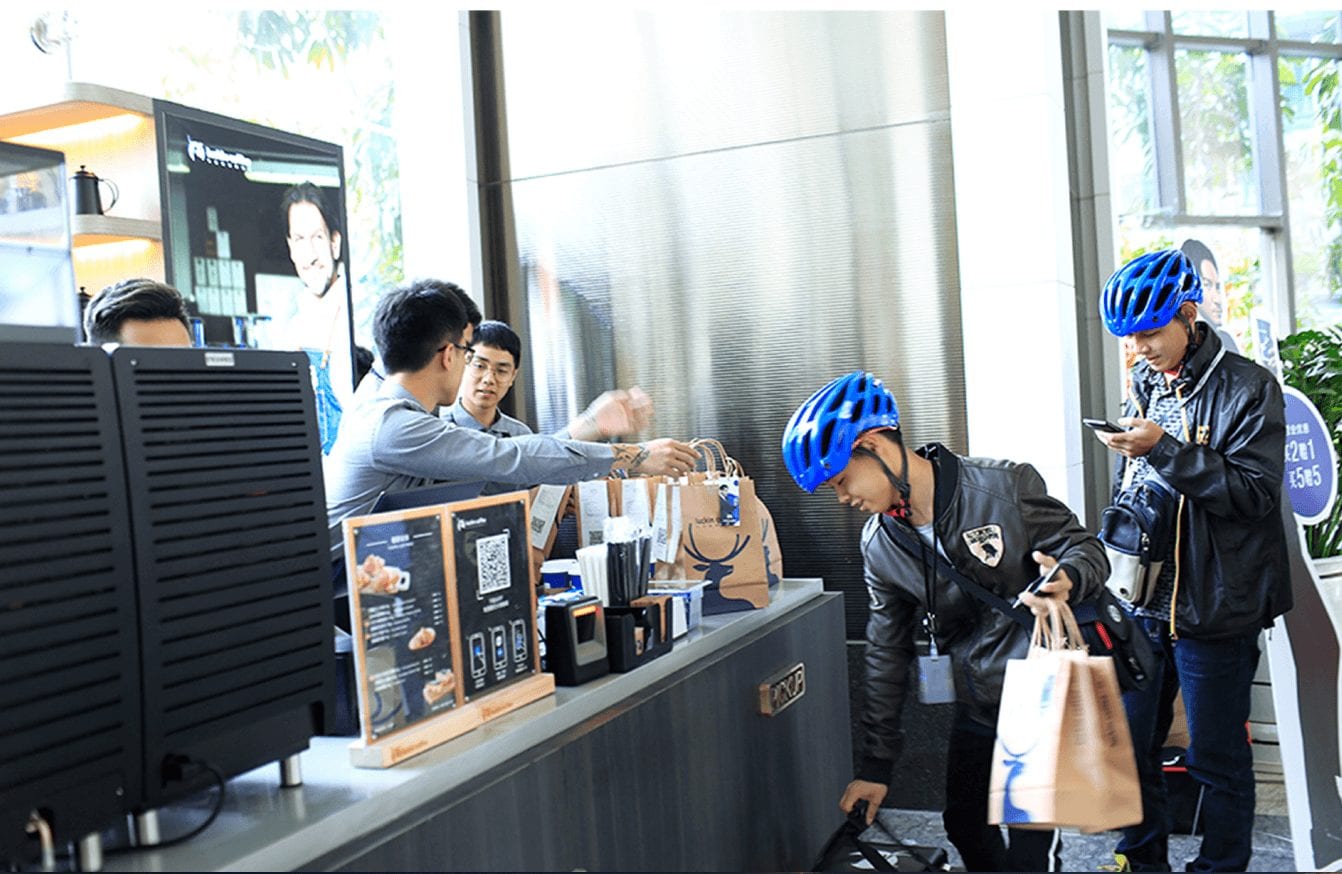
    Fast-growing Chinese coffee chain Luckin Coffee is seeking a new round of funding which would value it at US$1.5–2 billion. Launched only this year, the company has already opened more than 1400 outlets in 21 mainland locations, its rapid growth based on its inexpensive delivery service concept and online ordering system. Luckin’s aggressive competitive strategy involves an IT-focused approach whereby all customers must purchase coffee via an app, with which they can then monitor brewing progress via livestream.

    Its expansion has been backed by multiple investors, including Singapore’s GIC. It is currently seeking up to US$300 million in additional funding to continue its momentum.

    Starbuck currently operates 3400 stores in China, which is its second-largest market worldwide. It intends to increase that number to 6000 stores within three years. The brand recently partnered with Alibaba to establish a coffee delivery service, foreshadowing Luckin’s own recently-signed partnership with Alibaba rival Tencent.

    Some reports have suggested that Luckin may be in discussion with investment banks to launch an IPO overseas, most likely in either New York or Hong Kong.

  • Blue Bottle Coffee makes debut in South Korea

    Blue Bottle Coffee makes debut in South Korea

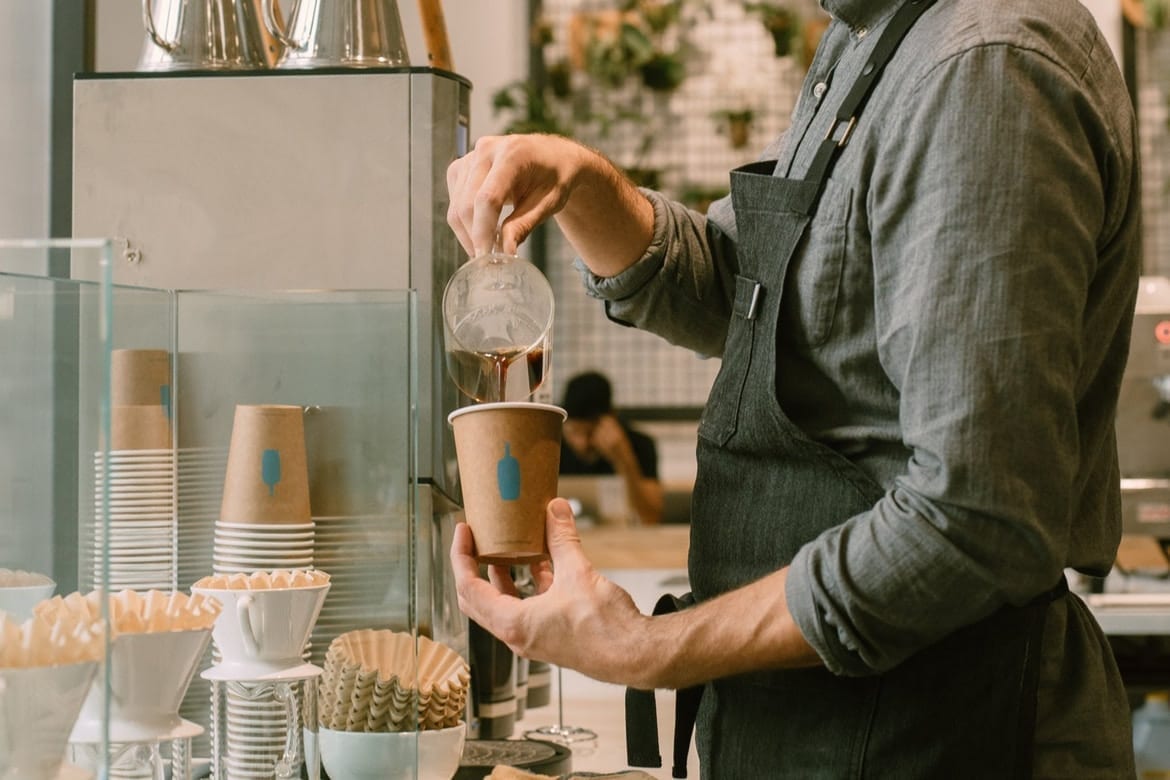
    Blue Bottle Coffee Co an upscale US coffee chain operator, says it will open its first South Korean shop in Seoul in the second quarter of next year as the company moves to expand its presence in the Asian market. It said the new cafe and a roastery will open in Seoul’s eastern Seongsu neighbourhood, a trendy hangout spot where young artists and designers have renovated existing buildings into art spaces, fine restaurants and cafes.

    The move will mark Blue Bottle’s second international launch since it opened its shop in Tokyo in 2015. Blue Bottle said it will directly enter the South Korean market as Blue Bottle Coffee Korea Ltd.

    “We feel very close to our South Korean guests, having known them for years in our cafes in the US and Japan and on social media,” said Bryan Meehan, CEO of Blue Bottle Coffee. “Now, Blue Bottle Coffee will no longer be just a tourist destination for them but a part of the fabric of Seoul.”

    Founded in 2002, the Oakland-based roaster now has 56 cafes in the US and 10 in Japan. Swiss food giant Nestle bought a 68 per cent stake in the company last year.

    According to government data, the size of South Korea’s coffee market stood at 11.7 trillion won (US$10.8 billion) in 2017, up more than threefold from a decade earlier.

  • Indonesia Will Not Cut Export Levy on Palm Oil: Minister

    Indonesia Will Not Cut Export Levy on Palm Oil: Minister

    Indonesia has decided not to make any changes to export levies on palm oil, Coordinating Economic Affairs Minister Darmin Nasution said on Thursday. “Even though we have had discussions on the issue, we prefer not to change the policy on this area. There is no change,” Darmin said at a press briefing in Kuala Lumpur.

    “In the long term, I cannot confirm, but in the short term there is no change,” he said.

    Darmin said at an industry conference in Bali last week that Indonesia was considering a move to reduce the levy.

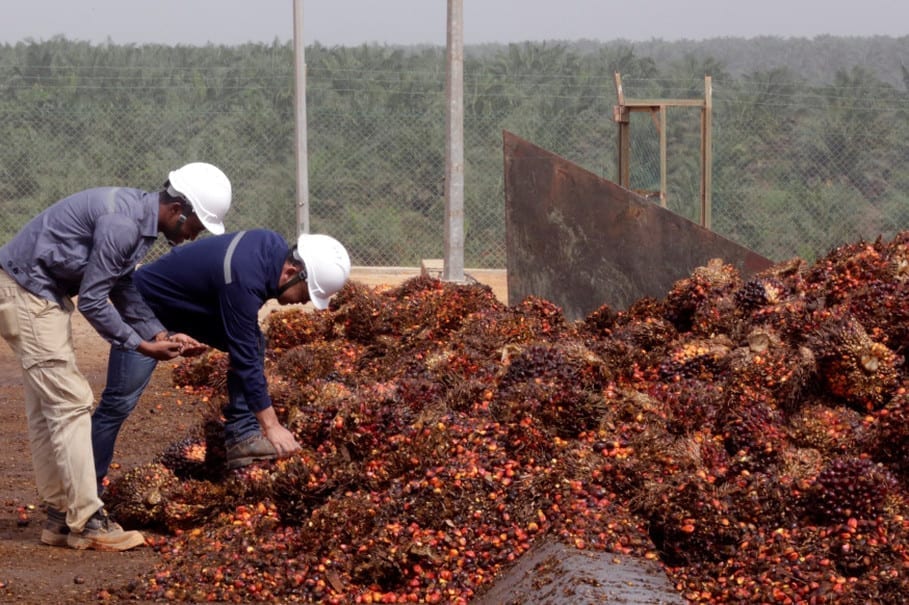
    Indonesia, the world’s top producer and exporter of the edible oil, currently slaps a levy of $50 per metric ton on crude palm oil, and a range of $20-$40 for refined palm products.

    The Indonesian Palm Oil Association (Gapki) said last month that it had proposed cutting the palm oil export levy by $20 per ton until prices of the vegetable oil reach $700 per ton.

    The government’s reference price for crude palm oil has stayed below $750 per ton for over a year.

    Speaking in Kuala Lumpur, Darmin said Indonesia decided against the cut in export levy as such a move would result in lower prices that would benefit consuming countries, not exporters.

    The minister has in the past said Indonesia was considering reducing the levy to boost exports, which would then reduce stockpiles, but he said on Thursday that this would be achieved by boosting the use of biodiesel.

    “Our policy is to increase the utilization of biodiesel, so of course, it takes time but I believe the result will be there in six months,” Darmin said.

  • Auntie Anne’s to make debut in Myanmar

    Auntie Anne’s to make debut in Myanmar

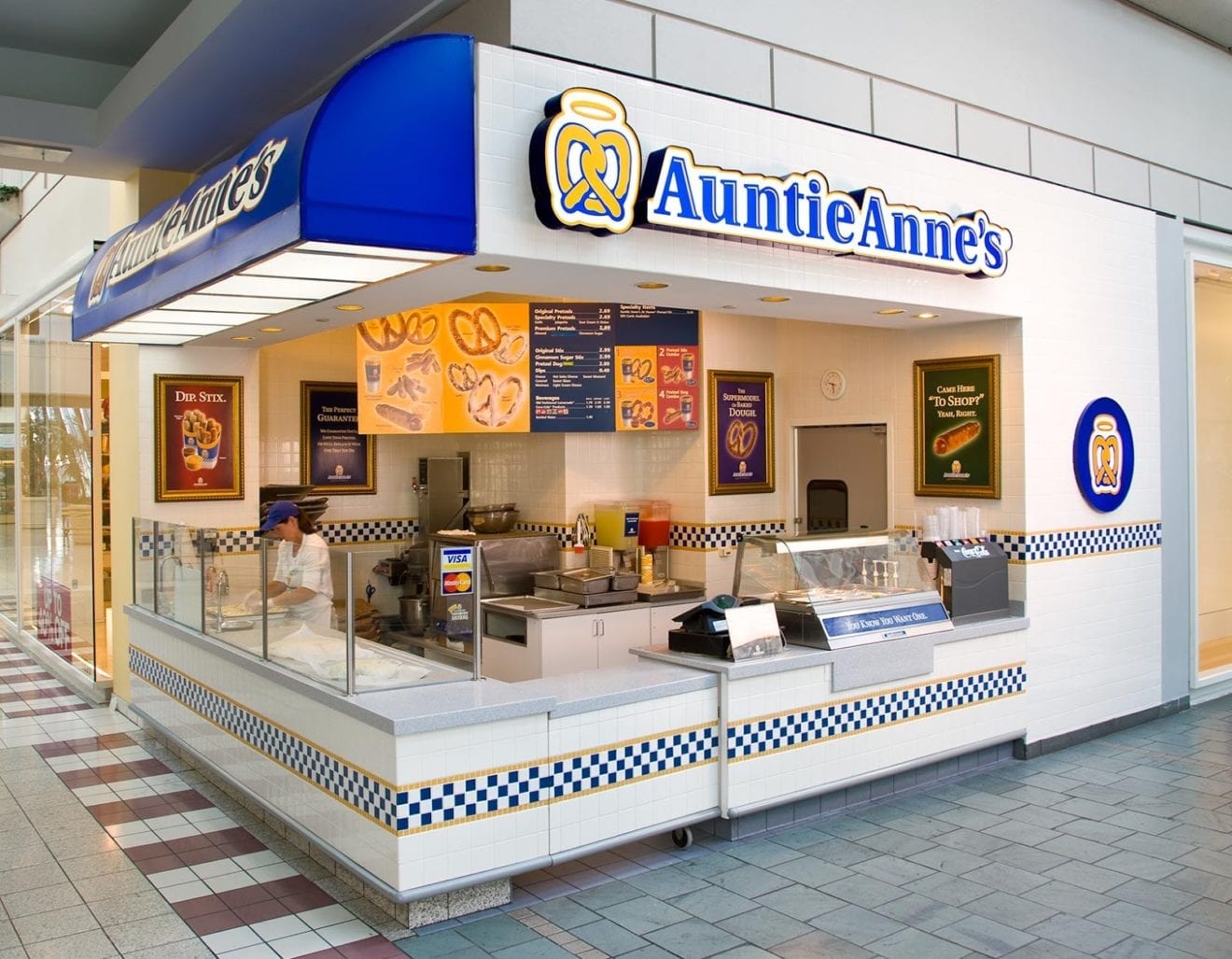
    Yoma Strategic and the parent company of pretzel franchise Auntie Anne’s – Focus Brands – are to bring the popular hand-rolled soft pretzel store to Myanmar. Myanmar’s first Auntie Anne’s outlet is scheduled to open in Yangon in the coming months with a more ambitious expansion planned over the next five years.

    Auntie Anne’s recently celebrated 30 years of operations and currently has more than 1800 outlets in 30 countries, including more than 600 locations outside of the US. The brand has established a strong presence in Asia.

    Yoma Strategic CEO Mr. Melvyn Pun said the company was seeing considerable growth in the market for freshly baked goods.

    “While many street vendors do offer traditional Myanmar alternatives, the addition of an iconic international brand will only enrich the local foodscape. It is also a big opportunity for a global brand to come in and offer consumers an exciting new twist on the current offerings in this sector.”

    Yoma F&B’s franchise portfolio also includes KFC and Little Sheep Hotpot. Yoma F&B is targeting the shifting consumption patterns and the rising discretionary disposable income of Myanmar’s expanding middle class, a group forecasted to reach 10 million by 2023.

  • DFS Group Launches “GIVE JOY” Holiday Gifting Campaign For 2018

    DFS Group Launches “GIVE JOY” Holiday Gifting Campaign For 2018

    DFS Group, the world’s leading luxury travel retailer, is launching its 2018 seasonal gifting campaign, “Give Joy”, to celebrate the spirit of the festive season and the gift of giving. From November 15, 2018 to January 1, 2019, customers will be able to add unique touches to exclusive products available at DFS’ first ever ‘Personalization Gift Shop’ concept. Boasting an assortment of specially curated luxury gifts, alongside an array of dedicated brand pop-ups, branded personalization stations and personalization services, the concept is designed to delight DFS’ discerning traveling customers and enhance their festive shopping experience in 13 T Galleria and airport locations worldwide.

    DFS is also launching the latest edition of its annual and much-anticipated “Give Joy” Holiday Gift Guide, offering customers a curated selection of personalized products. This year, the Holiday Gift Guide features DFS’ own employees as gifting experts, sharing their advice with customers on how to bring the festive season alive through the joy of giving. Showcasing an extensive selection of 143 incredible gifts from 108 world-famous brands across all of DFS’ luxury categories – from Fashion and Accessories and Beauty and Fragrance to Watches and Jewelry, Spirits, Wine and Food – shoppers will be spoiled for choice to treat their loves ones and themselves to something special.

    A stellar line-up of brands will also feature in DFS’ exclusive pop-ups during the “Give Joy” campaign:

    • Dior will host a special ‘Charms Bar’ offering customers the chance to create their own couture-inspired lucky charms accessory with a choice of four colors of ribbon and eight iconic Dior gold lucky charms.
    • Moët Hennessy will offer customers the opportunity to use elevated technology to write a tailored message in golden ink on champagne bottles on the spot.
    • Jo Malone London will offer a photograph transfer service on a beautiful Jo Malone classic gift box. Customers can choose from a personal favorite or an iconic city photograph, making it the perfect personalized gift for this holiday season.

    The exquisitely decorated Personalization Gift Shop will feature a life-size gift box, bringing an exclusive and enticing experience to DFS customers with personalization and the gift of giving. Holiday ribbons available in gold, silver and red and made especially for DFS allow customers to personalize their gifts with special greeting messages in six languages; superb leather goods can be made unique with on-the-spot monogramming; and t-shirts and tote bags can be adorned with limited-edition emoji iron-on patches so that customers can mix and match to create one-of-a-kind designs.

    “We’re excited to bring a sense of fun and individuality to our customers this festive season with our exclusive pop-up gift shops, offering a wonderful array of products from some of the best brands in the world,” said Ariel Gentzbourger, DFS Group Executive Vice President Merchandising. “We hope to enhance the pleasure of giving by offering our customers many ways to delight their friends and family, making the shopping experience a joy in itself.”

    Full serviced DFS’ Personalization Gift Shops will be available in the following locations:

    T Galleria by DFS, Hawaii, T Galleria by DFS, Okinawa, T Galleria by DFS, Guam, T Galleria by DFS, Saipan, T Galleria by DFS, Singapore, T Galleria by DFS, Angkor, T Galleria by DFS, Sydney, T Galleria by DFS, Bali,T Galleria by DFS, Hong Kong, Canton Road, and T Galleria by DFS, Macau, City of Dreams.

  • Vietnam, Thailand skip Philippines’ 203,000 T rice tender

    Vietnam, Thailand skip Philippines’ 203,000 T rice tender

    Rice exporters Thailand and Vietnam did not submit offers at a Philippines 203,000-tonne import tender, citing stricter terms. The tender by one of the world’s top rice importers was held to meet unfilled orders after a tender on Oct. 18 for 250,000 tons of rice by Manila’s state-owned National Food Authority (NFA) secured only 47,000 tons due to high offer prices.

    Thailand and Vietnam were the only government suppliers accredited for Tuesday’s re-tender. NFA officials said both submitted letters saying they would not participate due to the stricter terms set out by the Philippines food authority.

    NFA spokesman Rex Estoperez said import terms had been made more stringent to address concerns that arose from previous rice purchases, including health and safety issues, which would raise the cost for suppliers.

    “I can’t say if there will be another bidding,” Mercedes Yacapin, head of the tender panel, told reporters, adding the decision will be left to the NFA Council, which is made up of the country’s economic managers.

    President Rodrigo Duterte last month scrapped a 20-year-old government cap on rice imports to help curtail soaring prices of the Philippine diet staple by increasing supply.

    The Philippines is on a rice buying spree this year, with import approvals by the NFA hitting 2.4 million tonnes, just below the record 2.45 million tons bought in 2010 when rising global food prices stoked shortage fears.

    The NFA is set to hold another import tender for 500,000 tons of rice on Nov. 20.

  • Swiggy India expands services in 16 new cities

    Swiggy India expands services in 16 new cities

    Food ordering and delivery platform Swiggy Thursday said it has expanded its presence in the country by launching services in sixteen new cities across India. The new cities include Thrissur, Tirupur, Warangal, Aurangabad, Agra, Mangalore, Manipal, Jalandhar, Trichy, Udaipur, Amritsar, Varanasi, Bhubaneshwar, Vellore, Thiruvananthapuram and Kota, Swiggy said in a statement.

    These cities join the 28 cities across India where Swiggy already has presence, it added.

    Commenting on the development, Vivek Sunder, COO, Swiggy said, “One of the reasons for the expansion across the country is because of the strong consumer demand that we have witnessed through thousands of Swiggy app downloads in cities where we were not even present.”

    In just four years, Swiggy has become a household name among Indian consumers by providing them the best food delivery experience in the country, he added. The growing consumer demand in tier 2 and tier 3 cities for quality food, convenience, and easy accessibility are one of the key reasons for the company to enter newer cities. Swiggy said.

    Founded in 2014, Swiggy currently has over 40,000 restaurant partners spread across 44 cities in the country.

  • Vietnam urges China to import more agriculture produce

    Vietnam urges China to import more agriculture produce

    China should import more Vietnamese products, especially agriculture produce, so as to balance bilateral trade, PM Nguyen Xuan Phuc said Sunday. “As Vietnam is seeing a great trade deficit with China, you [Chinese businesses] should import more products from Vietnam, starting with agricultural products, to balance bilateral trade,” the prime minister said at a meeting with Chinese businesses in Shanghai before the November 5-10 China International Import Expo (CIIE).

    “This is in line with the policy of China’s top leaders, who have repeatedly told us that they are keen to move towards a trade balance between China and Vietnam,” he noted.

    China is currently the largest market for agricultural products in Vietnam with the export turnover of agriculture, forestry and fishery products this year estimated at over $35 billion, up nearly 9 percent over the same period last year, Phuc said.

    However, most Vietnamese produce are mostly consumed in China’s southern Yunnan Province and the Guangxi region bordering Vietnam, not in the rest of the country, he said.

    As the second largest agricultural produce exporter in ASEAN with over 20 agriculture products that have an annual export value of over $1 billion worth, Vietnam offers many products favored by Chinese consumers, the PM said.

    Many Vietnamese agriculture produce are among the world’s best, like rice, pepper, cashew, pangasius fish and shrimp, he noted, adding that its fruits, like dragonfruit, mango, longan and watermelon, have passed import standards set by Australia, the EU, Japan, South Korea and the U.S.

    These products have great potential to boost bilateral trade cooperation, the PM stressed.

    Representatives of Chinese corporations at the meeting said they value the investment potential in Vietnam and are interested in bringing Vietnamese agriculture produce to China and and the world.

    Pu Jian, executive director of the CITIC International Asset Management company, said that he could bring Vietnamese products more deeply into the Chinese market as his company specializes in importing rice, fruits and other produce.

    His corporation also owns 60 percent of McDonald shares with over 3,500 stores in China, and this could be a potential channel to consume Vietnamese produce, he added.

    Johnson Choi, executive director of China’s conglomerate Sunwah Group and general director of Sunwah Vietnam, said that his company would like to distribute Vietnamese coffee in the Chinese market and invest in Vietnam’s “green” agriculture.

    In a meeting with Chinese President Xi Jinping the same day on the sidelines of the CIIE, China’s major event seeking more import opportunities, PM Phuc stressed that Vietnam always attaches great importance to the development of friendly, stable and healthy relations with China.

    China should adopt policies and practical measures to reduce the current large trade deficit with Vietnam, he added.

    Xi said that his country doesn’t want to pursue a trade surplus with Vietnam, and will increase imports from Vietnam towards more balanced and sustainable bilateral trade.

    Vietnam-China trade reached $93.69 billion last year, up 30.2 percent from 2016. Vietnam earned $35.46 billion from exports to China, up 61.5 percent, while spending $58.22 billion on imports from the country, up 16.4 percent.

    In the first nine months this year, bilateral trade between the two countries reached $76.06 billion, up 18.7 percent over the same period last year.

    China continues to be Vietnam’s largest trading partner and the one with which it has the largest trade deficit. It is also Vietnam’s second largest export market after the U.S, according to Vietnam Customs.

  • Indonesia’s Legendary Tea Producer Declared Bankrupt

    Indonesia’s Legendary Tea Producer Declared Bankrupt

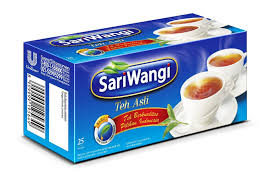
    When Indonesians enjoy a cup of hot black tea,  they are often reminded of one particular brand that seems to have been around forever: Sariwangi. The brand, established by Johan Alexander Supit in 1962 and introduced by the Sariwangi Agricultural Estate Agency in 1973, has been a household favorite for decades.

    The company based in Gunung Putri, a subdistrict of Bogor, West Java, started as tea trader, but soon diversified its business to become a tea producer. Its products were initially in sold in loose-leaf style under a different brand before the introduction of teabags, which changed the way Indonesians drink their tea.

    During the 1980s, the company also started exporting its products to other countries in the region and even as far afield as Eastern Europe, Australia and the Middle East.

    In 1989, the local unit of multinational consumer goods giant Unilever saw a business opportunity and acquired the brand, changing the styling of the name to SariWangi, and introducing several variants, including jasmine tea, green tea and circular teabags.

    The company was still expanding and selling up to 8 million tons of tea per year before it faced an unexpected downturn in 2015. This resulted in Sariwangi and its affiliate, Maskapai Perkebunan Indorub Sumber Wadung (Indorub), reportedly accumulating more than Rp 1 trillion ($66 million) in debt, owed to several lenders.

    In the same year, Bank ICBC Indonesia, HSBC Indonesia, Bank Panin Indonesia, Bank Rabobank Internasional and Commonwealth Bank took legal action against Sariwangi to recover the outstanding debt.

    This prompted Sariwangi to file a petition for a debt postponement in September 2015. In March the next year, the company filed for bankruptcy in the Central Jakarta District Court, but the court did not reach a verdict at the time.

    In August 2016, Bank ICBC Indonesia filed another lawsuit against Sariwangi and Indorub, claiming that the company and its affiliate did not have any intention to repay the Rp 322.7 billion they owed the lender.

    On Oct. 16, the court declared Sariwangi insolvent.

    Unilever Indonesia corporate secretary Sancoyo Antarikso said on Thursday last week that the consumer goods company was in no way affiliated with either Sariwangi or Indorub.

    Unilever said it once partnered with the original company to supply it with tea, but that the partnership had ended long ago.