Tag: Food

  • Korean sandwich chain Isaac setting up Business in Singapore

    Korean sandwich chain Isaac setting up Business in Singapore

    Korean sandwich chain Isaac will open its first store in Singapore next month.

    Over the last 15 years, Isaac has built a network of more than 700 stores across South Korea and expanded into Taiwan, Macau and – most recently – Malaysia, where it has a store across the causeway in Johor Bahru. Now it is heading further afield, with a takeaway store planned for Plaza Singapura’s basement 2.

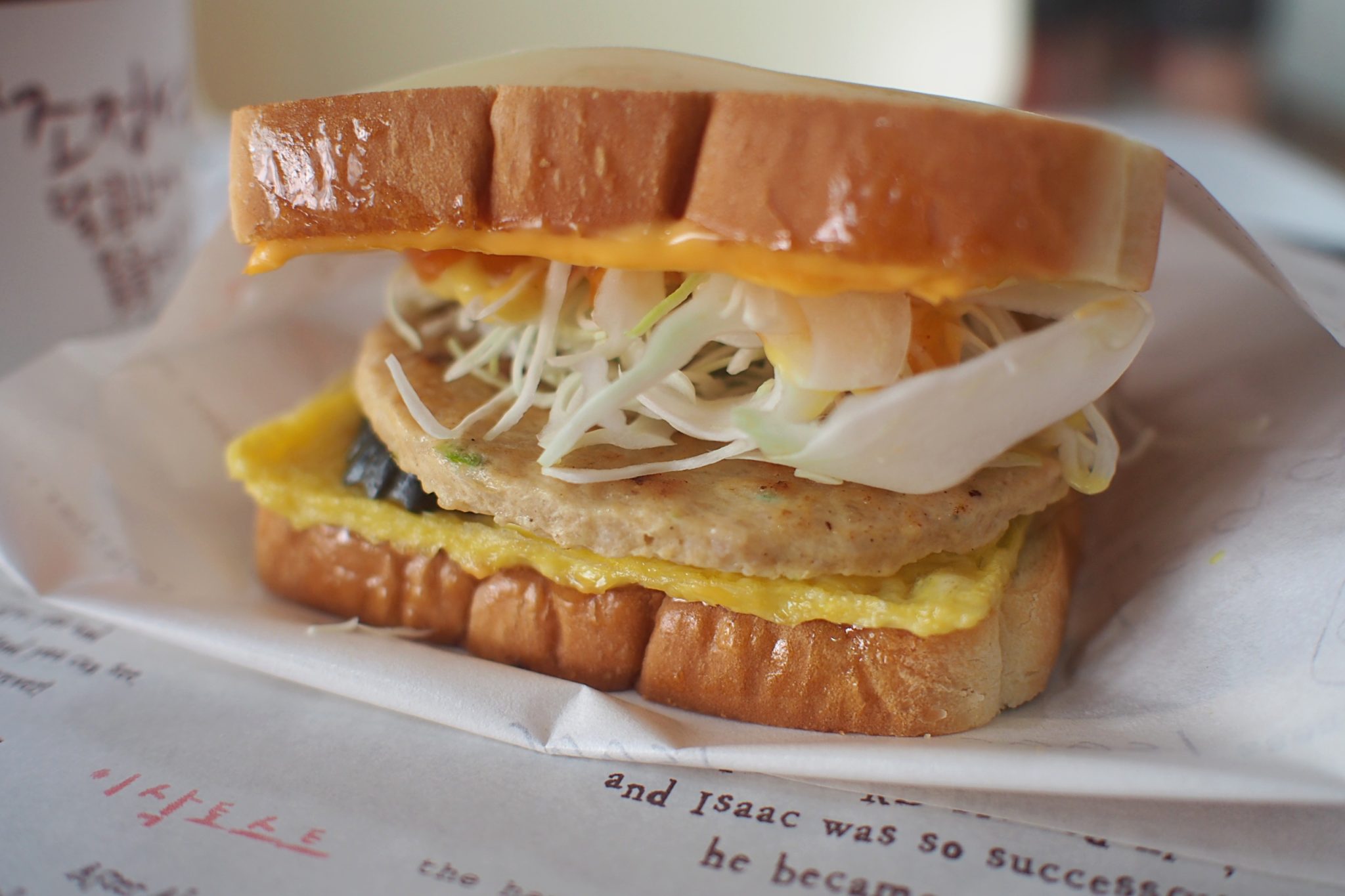
    Isaac serves toasts with variations including the popular Korean dish bulgogi, steak ham, chicken, double cheese potato, shrimp and ham and cheese, with prices starting at S$2.85. It also serves juices and coffees.

  • Domino’s long time CIO left the Company

    Domino’s long time CIO left the Company

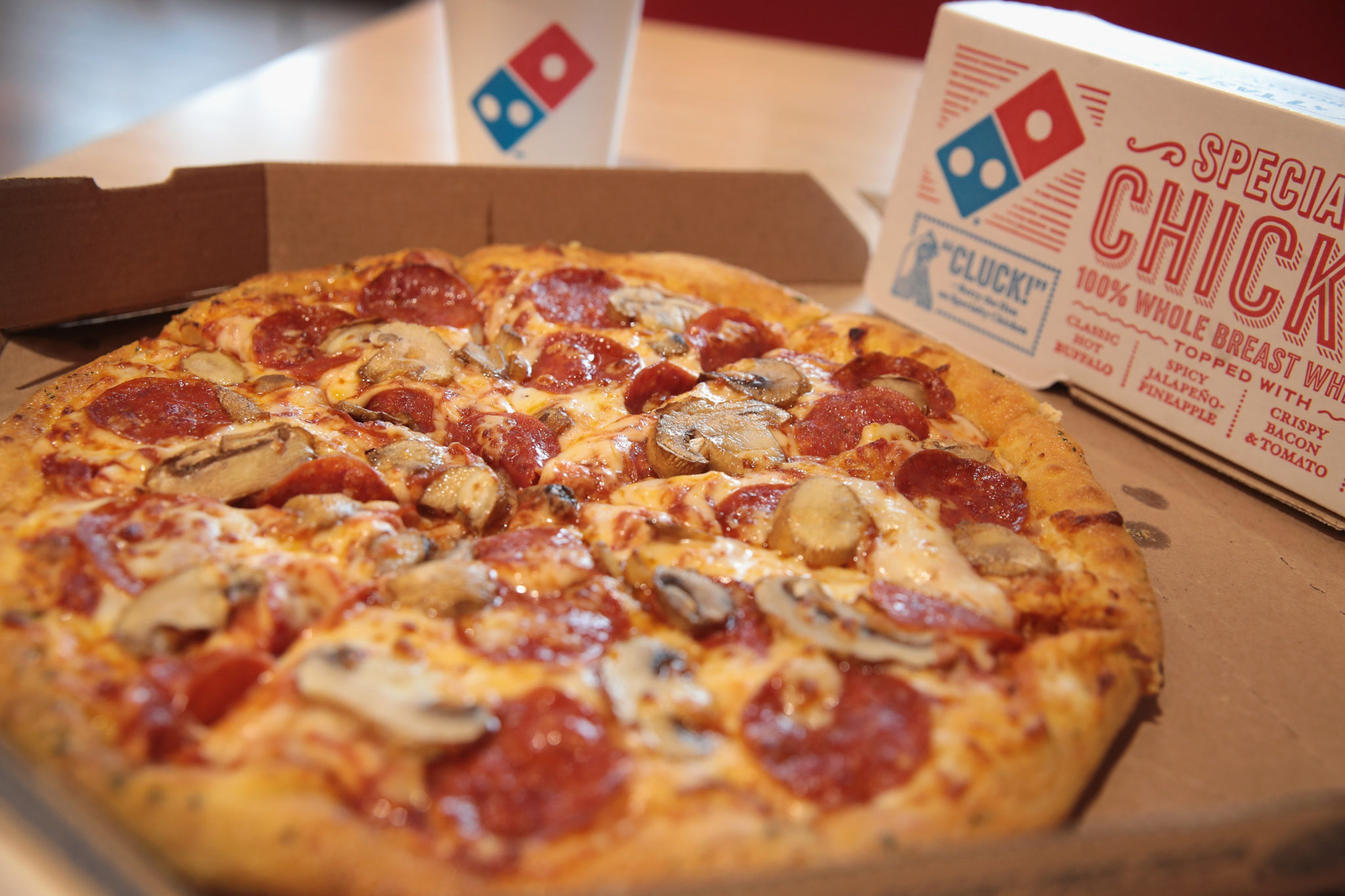
    Domino’s Pizza’s CIO Wayne McMahon has left the business after more than seven years, moving on to become chief digital and technology officer at Hungry Jacks owner Competitive Foods Australia.

    Don Meij, Domino’s CEO, said McMahon had been instrumental in laying the foundations for some of the company’s biggest platforms.

    “Under Wayne’s leadership, Domino’s has grown from strength to strength delivering some of the world’s best information technology solutions,” said Meij.

    “We have been a true disruptor in this space and the focus on technology over the past seven years, under Wayne’s leadership, has been critical in achieving this.”

    McMahon will be replaced by Terry Powell, who previously led the technology division for Suncorp’s insurance business.

    “In the role of Domino’s Group CIO, [Powell] will work with the Company’s Group Chief Digital and Technology Officer, Michael Gillespie as well as the the global teams to ensure appropriate technologies are employed across the Company’s global network to bring efficiencies and new ways to engage the company’s customers,” reads a statement by Dominos.

    In this role at Suncorp, Powell had a strong track record of delivering complex IT programs including simplifying core systems and insurance applications, successful transition to cloud computing, significantly reducing critical incidents, and as Executive General Manager Security improving the company’s security resilience.

  • Why workers may be worse off after action against Foodora

    Why workers may be worse off after action against Foodora

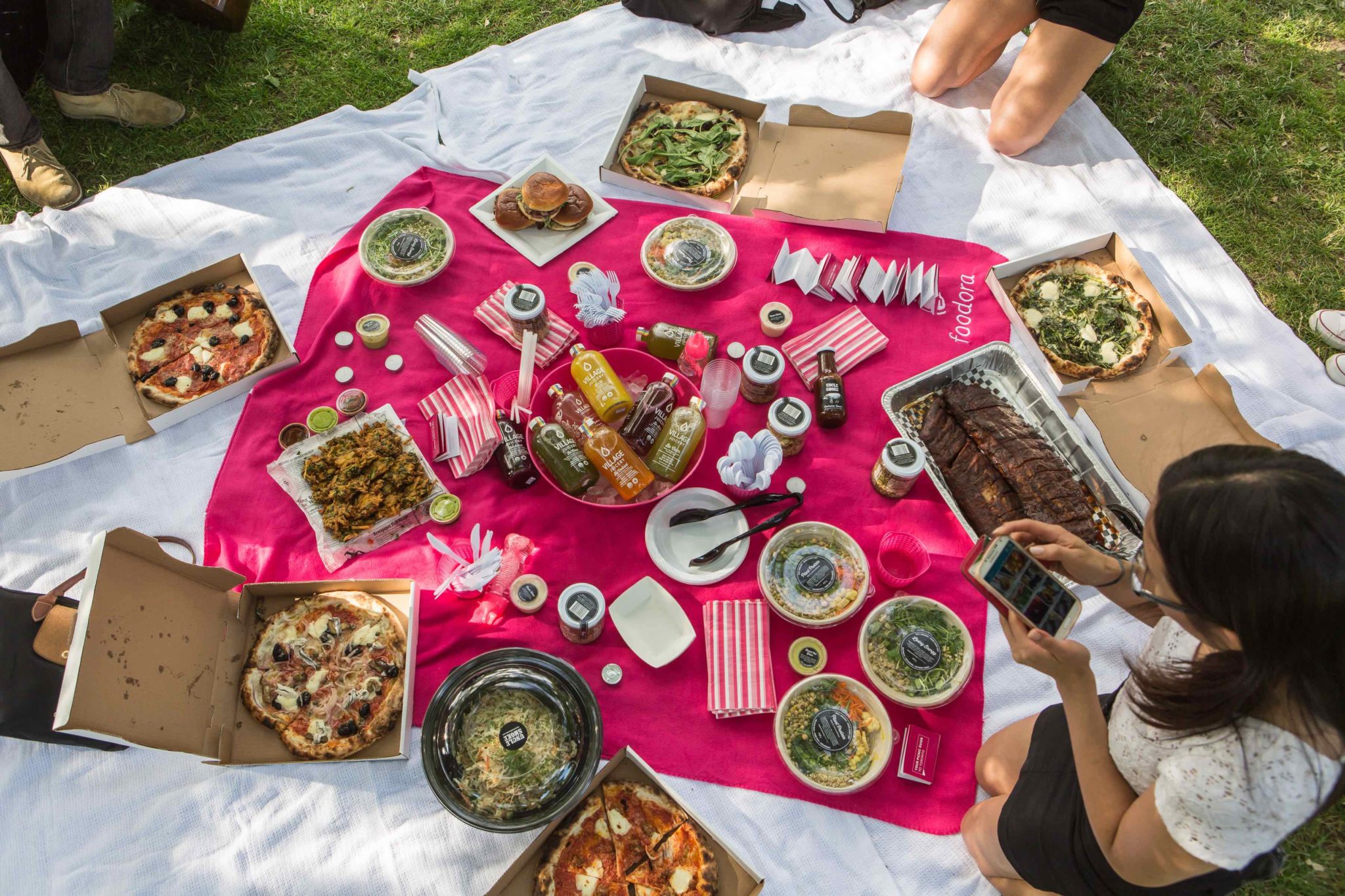
    The way “gig workers” are paid and protected might be about to change, as a result of legal proceedings brought by the Fair Work Ombudsman. The Ombudsman alleges that food-delivery platform Foodora underpaid three workers by A$1620.74, plus superannuation, in a four-week period.

    The Ombudsman argues that while Foodora engaged these workers as independent contractors, they were in reality employees. If the action succeeds, it could be positive for the underpaid workers, but it could also drive down working conditions.

    The food-delivery platforms have stated they would be willing to give their workers more benefits, such as training. But not at the cost of workers being classified as employees. If the Ombudsman’s case succeeds, it could cause gig platforms to offer fewer protections in order to ensure workers are classified as contractors.

    This could not only disrupt the food-delivery sector, but have a broader impact on the gig economy, restaurants, customers and workers.

    Employees or contractors?

    The difference between an employer and a contractor is significant. They fall under different laws, receive different protections and have different obligations.

    If a contractor performs poor work they are legally liable for that. But an employer is responsible for the poor work of an employee.

    In many cases this distinction is clear-cut. However, in the gig economy these workers operate in a grey area, one the Fair Work Ombudsman seeks to test.

    Whether workers can be classified as employees or contractors depends on a variety of factors, including the nature of the work. If workers are deemed employees then they receive a greater number of protections, including minimum wage rates.

    In the Australian platform-based economy (including ride sharing and food delivery), the Fair Work Commission has determined workers are independent contractors in two recent cases.

    In one case, Commissioner Nick Wilson stated that “[the driver] did not bring anything especially entrepreneurial to the arrangement” but also that “it is evident that the weight of those indicators leads to the finding that [the driver] was not engaged as an employee, but instead as an independent contractor”.

    The Fair Work Ombudsman’s decision to intervene in the food-delivery sector might be a response to poor working conditions for gig workers. But the decision to go after Foodora specifically could dissuade rather than encourage other platforms to improve working conditions.

    As shown in the table below, the three major food-delivery platforms have varying approaches to engaging workers. For instance, Foodora, in the period under investigation, would engage workers for set periods of time, rather than per delivery. Deliveroo and Foodora also provided uniforms for workers, while UberEATS did not.

    The fact that the case was brought against Foodora suggests that the company has the most direct relationship with workers, and thus its workers are most likely to be classified as employees.

    Our research shows, however, that these work practices are evolving all the time.

    In submissions to the ongoing Senate Select Committee on the Future of Work and Workers, both Deliveroo and UberEATS claimed they would like to provide additional benefits to workers but doing so in the existing regulatory environment might compromise their business models.

    For instance, Deliveroo argued that it “… wishes to be able to provide additional benefits to [workers] without the risk of those benefits changing the relationship from one of self-employed riders to riders employed by Deliveroo”.

    UberEATS similarly argued that “current employment classifications create significant disincentives: they can mean that offering training to these [workers] can compromise the self-employed status of the individual. We believe that companies should be incentivised, not penalised, for helping independent workers”.

    This is why the Fair Work Ombudsman’s decision to target Foodora may be counterproductive. It sends the signal that the better you treat your workers, the more likely they are to be classified as employees, the more expensive your labour costs will be and the more inflexible your operation will become.

    The Foodora case is interesting as it applies existing employment rules to “gigified” work. Currently, some gig workers earn significantly less than the minimum wage. They also miss out on other protections of employment.

    However, unlike high-profile franchising cases such as the underpayment of 7/11 workers, their current classification as contractors means this practice is within the law.

    If the Fair Work Ombudsman is successful and these workers are reclassified as employees, it might provide a disincentive for other platforms to protect workers. The law itself might need to change.

    With this in mind, we all need to pay attention to the recommendations of the Senate Select Committee on the Future of Work, due on June 21.
  • Deadline for entries to Asia Food Innovation Awards extended

    Deadline for entries to Asia Food Innovation Awards extended

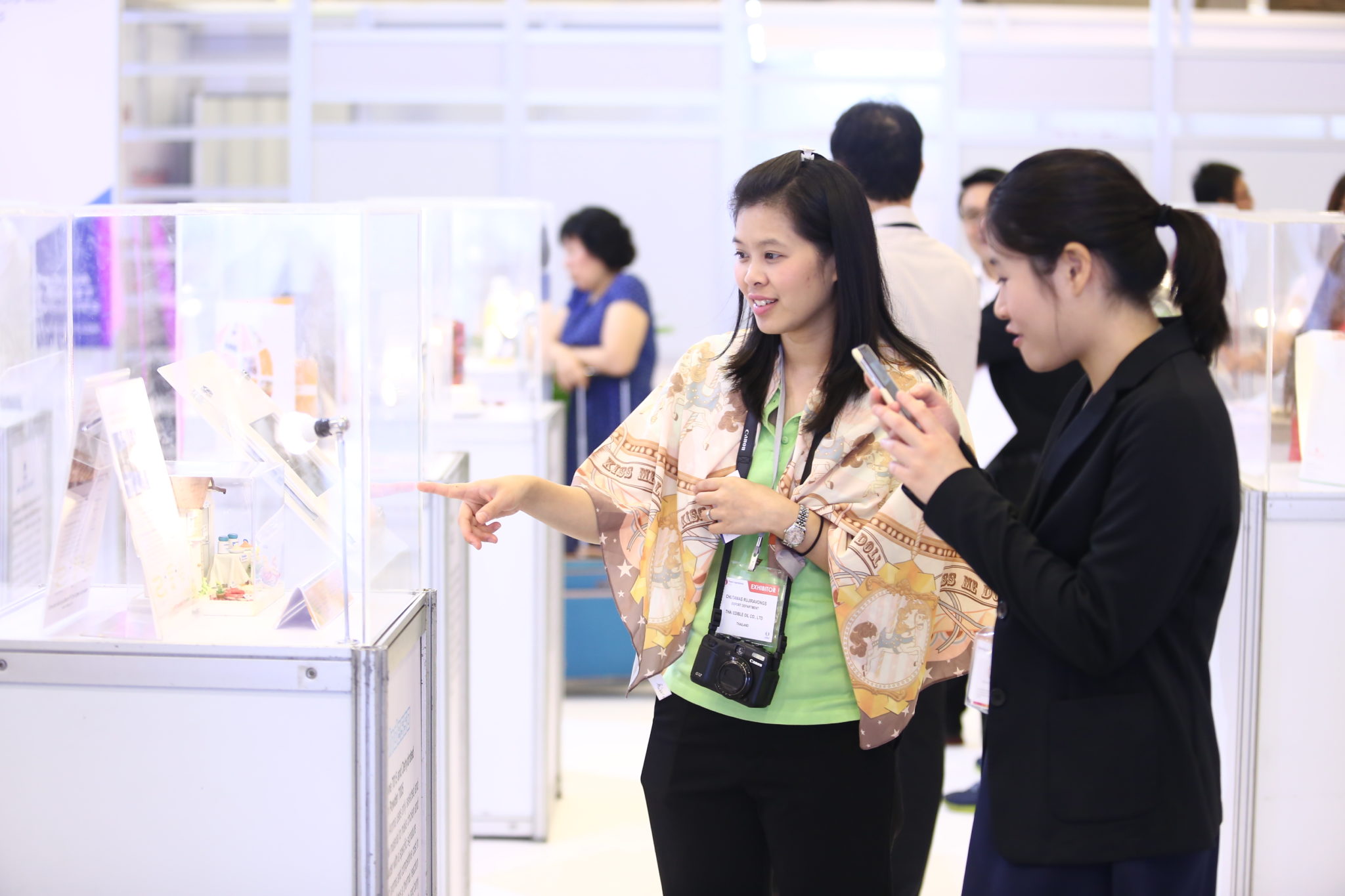
    The deadline for entries to the Asia Food Innovation Awards, to be held this July in Singapore, has been extended to 13 June. The inaugural edition of this awards scheme, which builds on the reputation of the World Food Innovation Awards, will give brands a platform for their success in Asia. It is organised by FoodBev Media in conjunction with event organisers Montgomery, and will be presented at RPB Asia and Speciality & Fine Food Asia on 18 July.

    Previously the deadline had been 7 June, but the extra week will give all interested parties the chance to finish their submissions.

    The full list of judges – which includes the managing director of Montgomery Asia, experts from the world of food accelerators, and an experienced brand design specialist – was announced at the end of May.

    The inaugural Asia Food Innovation Awards are designed to recognise and reward excellence across all aspects of the global food and beverage industry – from manufacturing to ingredients, packaging to finished products.

    They will offer a unique opportunity to showcase your latest innovations at these co-located events in Singapore – ideal for brands looking to increase their exposure in Asia, looking to launch in Asia for the first time, or simply seeking to promote their products in front of an international audience.

    In addition to the prestige of winning an Asia Food Innovation Award, winners and finalists will be receiving a comprehensive PR and media package to celebrate and highlight their success. This will include dedicated coverage on FoodBev.com and FoodBev’s social media channels, as well as a comprehensive communications kit and interview opportunities for winning entrants.

    As a company, FoodBev Media has been organising industry-leading awards schemes for more than a decade. Our most established schemes, the World Dairy Innovation Awards and World Beverage Innovation Awards, are held every year at major events such as the Global Dairy Congress and BrauBeviale or Drinktec, regularly receiving more than 200 entries.

    FoodBev Media group editor Alex Clere said: “We are very exicted to launch the Asia Food Innovation Awards and celebrate the food industry’s innovation achievements in Singapore for the first time. This is an excellent opportunity for brands to showcase their latest developments in front of our panel of judges and an audience of trade professionals at the presentation ceremony itself.

    “The Asia Food Innovation Awards will extend our partnership with Fresh Montgomery – with whom we organise the World Food Innovation Awards – and brings together their established and highly regarded events with FoodBev’s track record in rewarding innovation.

    “The benefits of entering are obvious, and we look forward to celebrating your innovation achievements this July.”

  • Asia Pacific Pet Food Market is Expected to Grow Massively

    Asia Pacific Pet Food Market is Expected to Grow Massively

    Pet food is animal or plant material that is used for consumption by pets. These products are sold through a variety of distribution channels. However, these products are primarily made available in supermarkets and pet stores. The global pet food market offers specific food, which can be categorized as dog food, bird food, fish food, and cat food among others. A major proportion of the meat that is made available as pet food is not of human grade. These materials are generally byproducts of the human food processing industry.

    Increasing purchasing power, rapid urbanization, and changing lifestyle are some major factors fueling the demand for pet food in the Asia Pacific region. Apart from this, increasing preference of the population for a nuclear family has also fueled the adoption of pets in Asia Pacific. Moreover, rising awareness about pet health has further augmented the demand. Due to both these factors, the demand for nutritious pet food as compared to ordinary pet food has increased considerably in the last few years. In addition, a number of regulatory issues, rising cases of pet allergies in humans, and growing obesity among pets are some of the major factors boosting the demand for pet food in Asia Pacific.

    Dog Food Segment Remains Dominant

    The Asia Pacific pet food market in terms of pet type is segmented into dog food, cat food, and others. The others segment includes bird food and fish food. The dog food segment holds the most prominent chunk of the market share and is expected to swell to 61.1% by 2020. The dog food segment was nearing a valuation of US$6.0 bn by the end of 2015.

    Currently, there are several kinds of dog feed available in the market, which include dry, wet or canned, nutritious, and treats. Increasing awareness about pet health is one of the major factors fueling the demand for dog food in the Asia Pacific. Moreover, changing lifestyle and rapid urbanization is also expected to boost the demand during the forecast period. Additionally, the percentage of dogs as pets has increased considerably in the region in recent past. In India, the dog population had increased to about 58.1% by 2013 and similar trend has been observed in markets of Australia, China, and South Korea.

    India Emerging as Most Lucrative Market

    Japan is one the major markets for pet food in Asia Pacific, and is expected remain the dominant market during the forecast period, reaching a market share of 36.5% by the end of 2020. This dominance in demand from Japan is attributed to apartment-culture, which is the most common type of domicile in Japan. Because of this, Japanese consumers tend to prefer smaller pets. Australia is second most prominent market for pet food in Asia Pacific, which is due to considerable increase in pet ownership in the country in recent years. A large number of households are switching to pets for security and recreational purposes. However, the demand for pet food is also expected to increase at a fastest rate in the countries of India and China.

    The pet food market in Asia Pacific is dominated by a few major brands that operate globally, such as Mars Inc., Nestle S.A., Colgate-Palmolive Co., Procter & Gamble Co., Del Monte Foods Co., Agrolimen S.A., and Unicharm Corporation. However, stiff country-wide competition is prevalent from smaller players. For example, Purina Friskies in Japan, Whiskas in Australia, Pedigree in India, and Royal Canin in South Korea.

  • Campbell Soup CEO Gets Fired

    Campbell Soup CEO Gets Fired

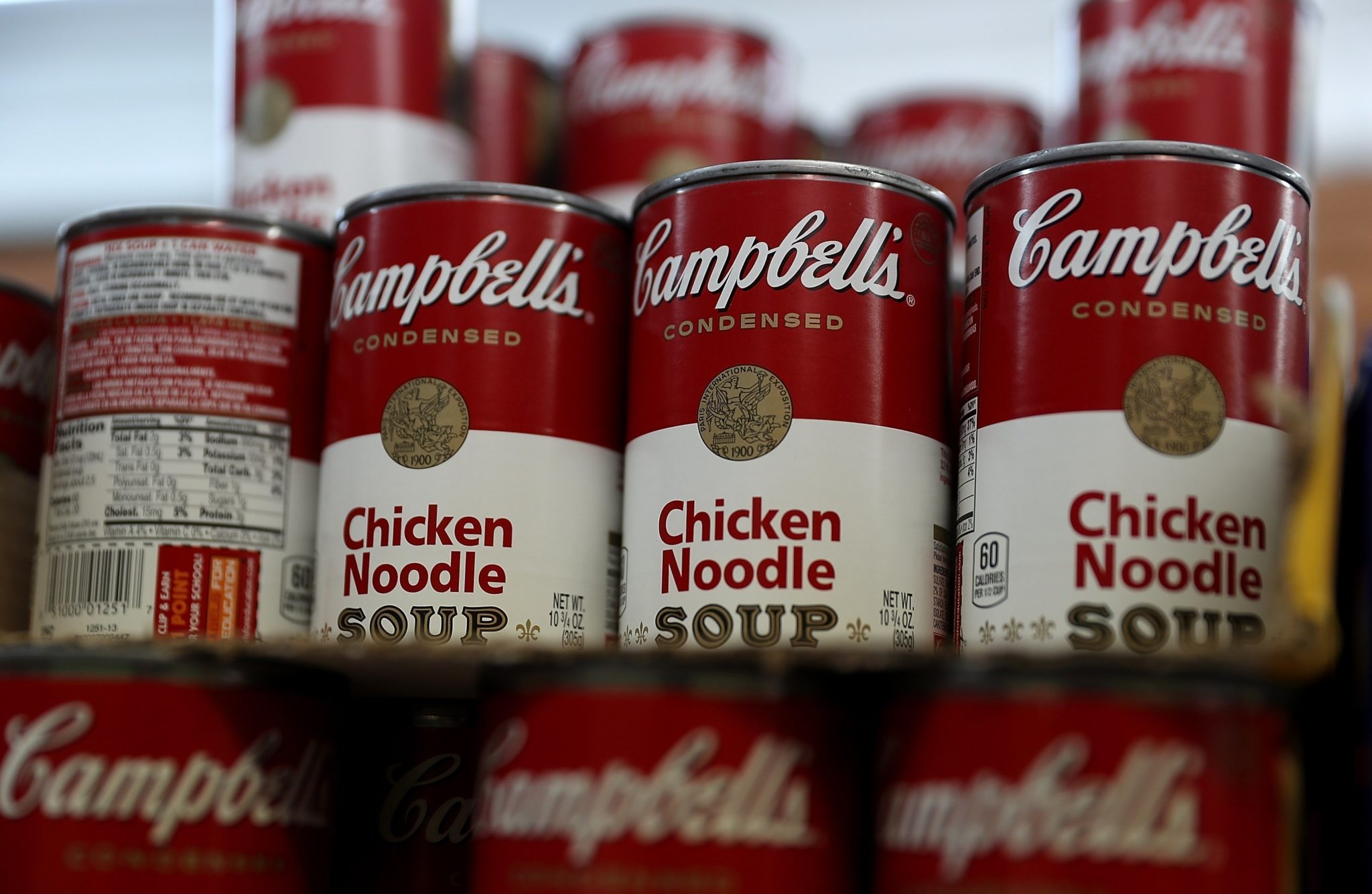
    Denise Morrison, Campbell Soup CEO since 2011, has retired, effective immediately, following four straight years of sales declines. Board member Keith McLoughlin will serve as interim CEO.

    Campbell Soup continues to face particularly strong competitive pressure from premium niche brands and brands with a naturally healthy positioning, according to Raphael Moreau, senior analyst at Euromonitor. “Private label also remains a major threat, especially in soup in the US,” he says, “and may also be used as a negotiating tool by retailers to obtain more favorable conditions.”

    Morrison faced an uphill struggle to heat up tepid soup sales as consumers shun processed and canned foods. Moreau says the acquisitions made under Morrison have made strong contributions toward reducing the group’s reliance on shelf-stable soup. “The acquisition of Snyder’s-Lance marked the most important step toward diversifying the business into snacks,” he explains, “although its successful integration brings challenges, with few opportunities for brand synergies.”

    Expanding its offerings of “clean label” foods, as it did by buying up organic brands such as Pacific Foods (acquired in 2017), also bring the company potential for growth, but maybe not enough. “Although the Campbell Fresh division accounts for a sizeable share of the group’s sales, its contribution to the group’s overall growth remains too modest to turn around the group’s performance,” states Moreau. “Containing the erosion of soup sales also needs to be addressed.”

    Within soup, Moreau suggests there is potential to continue a shift toward premium products—particularly focusing on organic soup and fresh soup in the US and growth opportunities in emerging markets, notably Latin America. Sweet biscuits in Asia might also help reverse the sales dive.

    Having been with Campbell for 15 years, Morrison outlasted the “15 minutes of fame” prophesized by Andy Warhol, whose pop-art Campbell’s Soup Cans provided priceless publicity for the iconic brand. Maybe Campbell should call on the art world to make its packaged foods popular again.

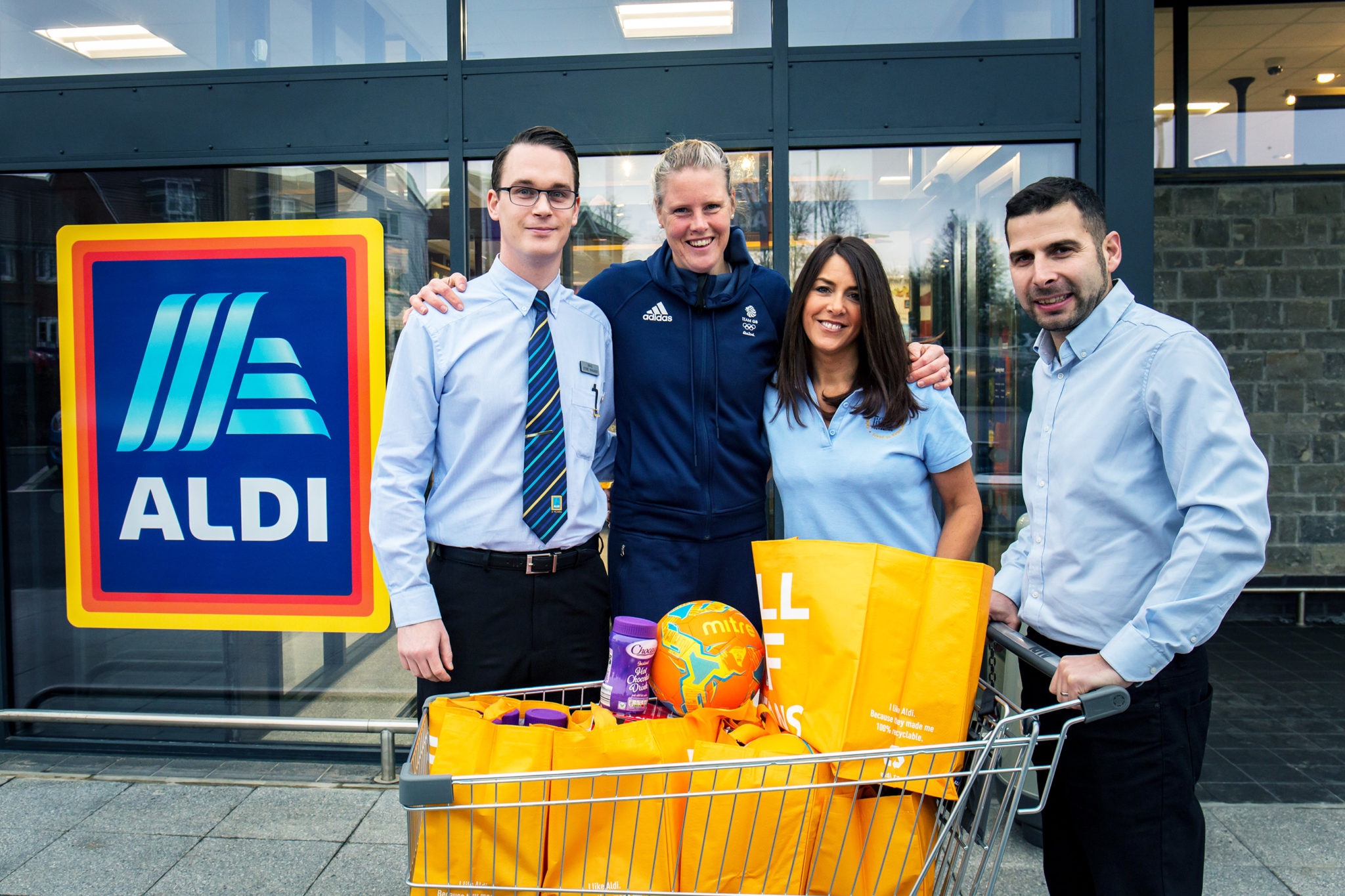
  • Aldi, Costco bring prices down of groceries

    Aldi, Costco bring prices down of groceries

    International grocery giants Aldi and Costco are driving down fruit and veg prices in Western Australia at a faster rate than anywhere else in the country, according to new research.

    Analysis conducted by Bankwest has found that Perth shoppers spent 6.9 per cent less on fruit and veg in the year to September 2017 than the previous year, signalling a step up in competitive intensity among Australia’s major supermarkets as discounters increase their investment in the state.

    Overall food and non-alcoholic beverage prices declined by one per cent in the twelve-month period, 0.3 per cent higher than the nationwide average decline of 0.7 per cent.

    Over the last three years prices have declined by 1.4 per cent in Perth, with average grocery basket price declining by 5.1 per cent from $177.7 to $168.6 in the year to June 2016.

    Richard Bator, Bankwest’s general manager of business banking in WA, said that discounters are rapidly growing their market share out west.

    “The supermarkets industry is now one of the most fiercely competitive industries in the nation due to the rapid growth of international retailers competing for a share of the $100 billion industry.”

    German entrant Aldi began its expansion into Western Australia in 2016 and has been investing heavily in the market, while American giant Costco unveiled plans for two Perth locations by the end  of 2019 in March.

    In the year to June 2016 the average price of a grocery basket in Western Australia declined by 5.1 per cent  from $177.7 to $168.6 – prices have declined 1.4 per cent over the last three years.

    Smaller retailers have been adversely impacted by the increase in competition, particularly as Coles and Woolworths move to improve their fresh offers to shore up their own operations.

    Bankwest found that the number of grocery retailers employing less than 20 staff fell by 10.6 per cent in the year to June 2016.

    The story is more positive for the overall market, Bankwest said, which is projected to grow by 9.3 per cent in the five years to June 2022.

  • GrabFood deliveries kicks off in Vietnam

    GrabFood deliveries kicks off in Vietnam

    Grab Vietnam is the first ride-hailing service in Southeast Asia to expand to GrabFood deliveries.

    Starting today in Ho Chi Minh City, the service enables consumers to order food from nearby restaurants that have signed up to the new app. Merchant partners have an online storefront, and there is no minimum order requirement. The app also features promotions and recommendations.

    The roll-out follows in such cities as Hanoi, Danang, Ha Long and Nha Trang.

    “Food delivery is a natural extension of our transport offerings,” says Grab Vietnam country head Jerry Lim. “Each day, millions of people in Southeast Asia rely on ride-hailing services, while food-delivery services save them time.”

    Meanwhile, in Indonesia and Singapore, the company will also add UberEats, which runs until end of this month, to its business.

    GrabFood was launched in Jakarta in 2016, with Bangkok having a beta test last year. It is also currently in beta phase within the Singapore CBD.

  • Truly Viet restaurant opening in Melbourne

    Truly Viet restaurant opening in Melbourne

    Vietnamese restaurant chain Truly Viet has arrived in Australia under a franchise model.

    The chain, owned by Vietnamese RedSun and operated by a joint venture between RedSun and an Australian partner, has opened its first outlet in Melbourne.

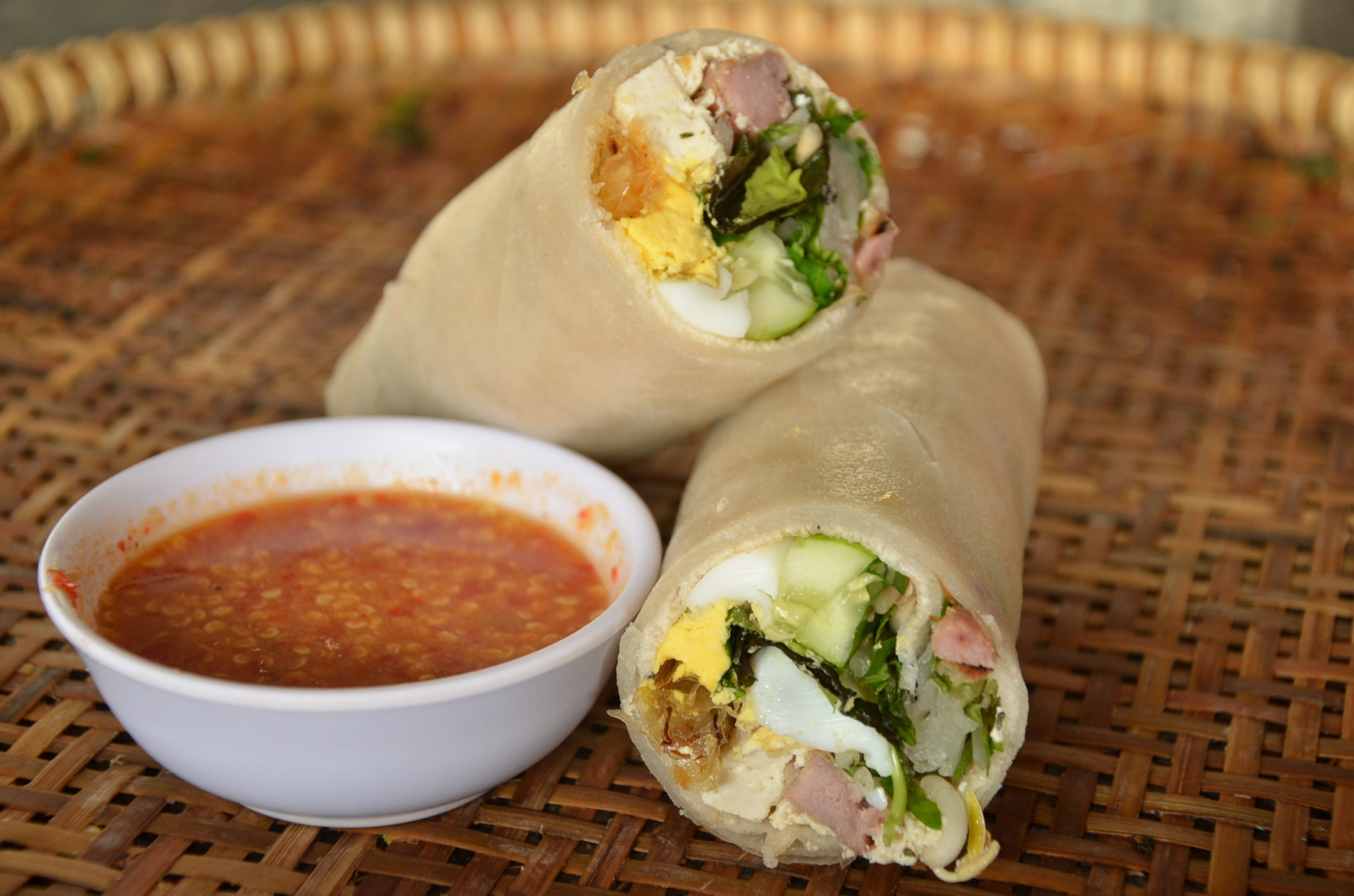
    The menu features four popular traditional Vietnamese dishes – fresh spring roll, Pho, Banh Mi (Vietnamese sandwiches), and vermicelli with grilled pork and fresh herbs – which have been tweaked to suit local palates.

    RedSun deputy director Le Vu Minh reveals the chain plans to open 450 outlets internationally by 2021.

    Apart from Truly Viet, RedSun has already negotiated with partners in Laos to franchise King BBQ restaurants there.

    Founded in 2008, RedSun now operates several restaurant brands: King BBQ, King BBQ Buffet, Thai Express, Seoul Garden, Khao Lao, Hotpot Story, Sushi Kei and Capricciosa. It has 140 restaurants throughout Vietnam.

    Before RedSun, Wrap & Roll’s parent company Red Wok successfully franchised four Wrap & Roll restaurants in Singapore, and two in China.

    It plans to open six more restaurants in Shanghai in the next two years.

  • Japan Foods profits still depend on Ramen

    Japan Foods profits still depend on Ramen

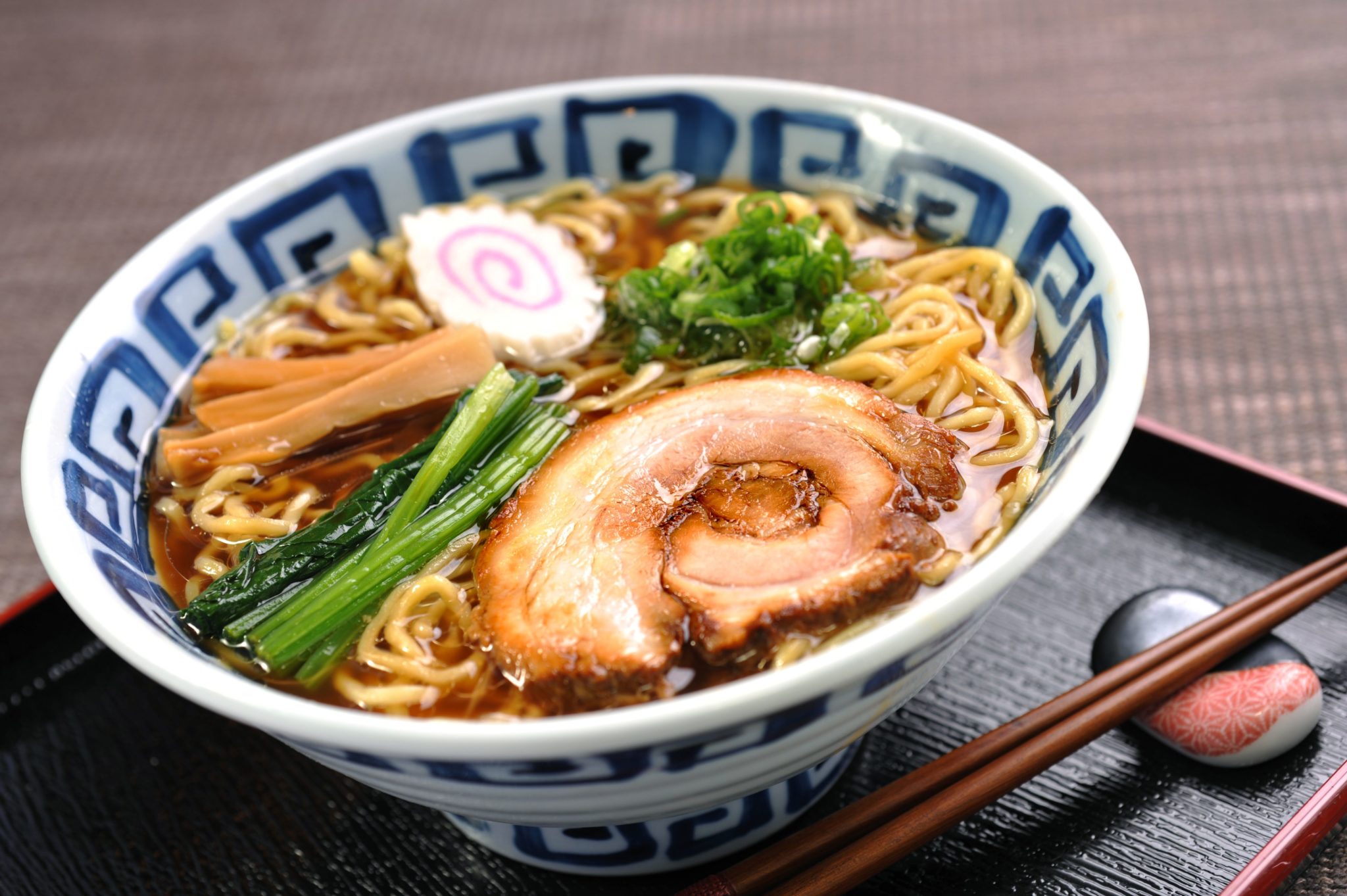
    Japan Foods Holding’s fourth-quarter net profit rose 67.8 per cent to S$938,000 (US$699,000) amid better sales from its Menya Musashi ramen restaurants and new brands.

    For the full year to the end of March, net profit grew 24 per cent to $5.8 million while revenue increased 6.5 per cent to $16.2 million for the final quarter. That increase was partly attributable to improved returns from the Menya Musashi brand as Japan Foods converted two restaurants under other brands to Menya Musashi outlets, and opened a new restaurant at the Northpoint City mall in Singapore. One Menya Musashi restaurant was, however, converted to an Ajisen Ramen outlet in Bedok Mall in March 2017.

    Japan Foods also recorded $1.6 million of extra revenue for the fourth quarter from new restaurants under the Curry is Drink and Shitamachi Tendon Akimitsu brands. However, restaurants under the Boteyju, Dutch Baby Cafe, Fruit Paradise, Hanamidori Kazokutei and New ManLee Bak Kut Teh brands saw revenue fall by $0.9 million during the period with closures and lower same-store sales.

    Japan Foods says it is “cautiously optimistic” despite challenging conditions expected in the next 12 months. The group will continue to seek to expand in Southeast Asia and Japan through JVs, acquisitions and sub-franchising.

  • Donut King beats Muffin Break With Best Customer Satisfaction

    Donut King beats Muffin Break With Best Customer Satisfaction

    Donut King has unseated Muffin Break as the number one chain for coffee and doughnut customer satisfaction in Australia, according to a Roy Morgan survey.

    Donut King has broken through for its first monthly customer satisfaction victory for Roy Morgan’s Customer Satisfaction Annual Award for coffee/doughnut stores since July 2015 with a rating of 87 per cent in March 2018.

    Muffin Break, the customer satisfaction annual award winner for the past two years, was third on 83. 5 per cent, experiencing its biggest fall since March 2017 at 6.6 per cent.

    Michel’s Patisserie is at second place with 83.8 per cent, up from 5.9 per cent from a year ago and was the only leading coffee/doughnut store to improve customer satisfaction over the past year.

    Gloria Jeans takes fourth spot with a customer satisfaction rating of 79.9 per cent.

    Michele Levine, CEO, Roy Morgan, says despite media questioning of Retail Food Group’s franchisee model in recent months, the performance of Donut King, Michel’s Patisserie and Gloria Jean’s underlines a strong commitment to customer satisfaction.

    “The business model of franchisor Retail Food Group has been under scrutiny in recent months and the company recently announced the closure of up to 200 under-performing outlets around Australia and spread across several brands,” Levine said.

    “However, today’s latest customer satisfaction ratings show leading RFG outlets Donut King, Michel’s Patisserie and Gloria Jean’s clearly satisfying their customers.

    “All three are rated in Australia’s top four coffee/doughnut stores early in 2018 and represent clear value satisfying often hard to please consumers in a competitive retail market.”

    Roy Morgan’s customer satisfaction awards tracks customer satisfaction, engagement, loyalty, advocacy and NPS across a wide range of industries and brands.

  • Baby food company Bubs Australia wins big Chinese contract

    Baby food company Bubs Australia wins big Chinese contract

    Baby food manufacturer Bubs Australia will soon see its products in up to 80,000 outlets across China, under an agreement with the country’s largest distributor of infant nutrition products.

    Bubs announced today that it had signed a distribution deal with QianJiaWanPu Co, to supply up to 80,000 Mother & Baby stores in China with organic baby food pouches, cereals and snacks.

    The company said an initial order to the value of $1.1 million would be supplied between June and December.

    QianJiaWanPu founder Zhou Dongming said the addition of Bubs products was an important extension to its international product portfolio.

    “In time, we look forward to deepening our association with Bubs once its goat milk infant formula products are approved for import,” Mr Zhou said.

    “Premium organic baby food and goat milk based formulas are two segments of the category experiencing rapid growth in China, and I’m confident my retail customers and Chinese mothers will find Bubs’ Australian brand story and premium quality attributes a winning combination.

    “No other infant formula brand in the world uses Australian goat milk, so this point of differentiation will be highly sought-after.”

    Bubs Australia managing director Kristy Carr said the deal was an important step in the execution of the company’s China strategy.

    “The importance of the partnership cannot be underestimated, given that Mother & Baby stores account for over half of all infant formula products sold in China, and is the prime source for new parents and parents-to-be seeking advice about babies’ development and infant nutrition products,” Mrs Carr said.

    “This is why physical representation in the sector is critical to our long-term success in the market, notwithstanding the importance of cross-border e-commerce and daigou shoppers as our existing primary routes to market.”

    Bubs’ stock gained 1.5 cents on the ASX following the announcement, to close trade at 81 cents.

    The deal is the latest in a series of recent tie-ups between Australian infant formula manufacturers and Chinese groups in 2018.

    Earlier in April Wattle Health Australia inked a deal with China’s International Supplies and Distribution Company, to distribute its products across more than 2,000 retail stores.

    That was followed up by Golden Koala milk, infant formula and milk powders being approved to be sold on JD.com’s JD.hk cross-border platform.

  • Food2U scores a long term investment

    Food2U scores a long term investment

    Myanmar food-delivery platform Food2U has raised a six-digit investment from Premium Distribution, which handles retail, food services and non-food products.

    It imports and distributes products from such food brands as Cadbury, Ferrero, Fontana and Nestle, as well as items from Lock & Lock and Luminarc.

    The valuation of the startup, founded in early 2015, is said to be more than US$2 million. The company is led by founder/MD Kyaw Myo Thet, whose background is software engineering. In May last year, Food2U raised a six-digit amount from three individual investors including iMyanmarHouse.com founder Nay Min Thu.

    Food2U, which handled about 5000 deliveries a month last year, has expanded its services beyond Yangon to Mandalay and Taunggyi. It has also forged a partnership with Pizza Hut in Myanmar, a JV involving Pizza Hut Myanmar, City Mart Holding and Jardine Restaurant Group.

  • Subway Singapore applying for halal certificate

    Subway Singapore applying for halal certificate

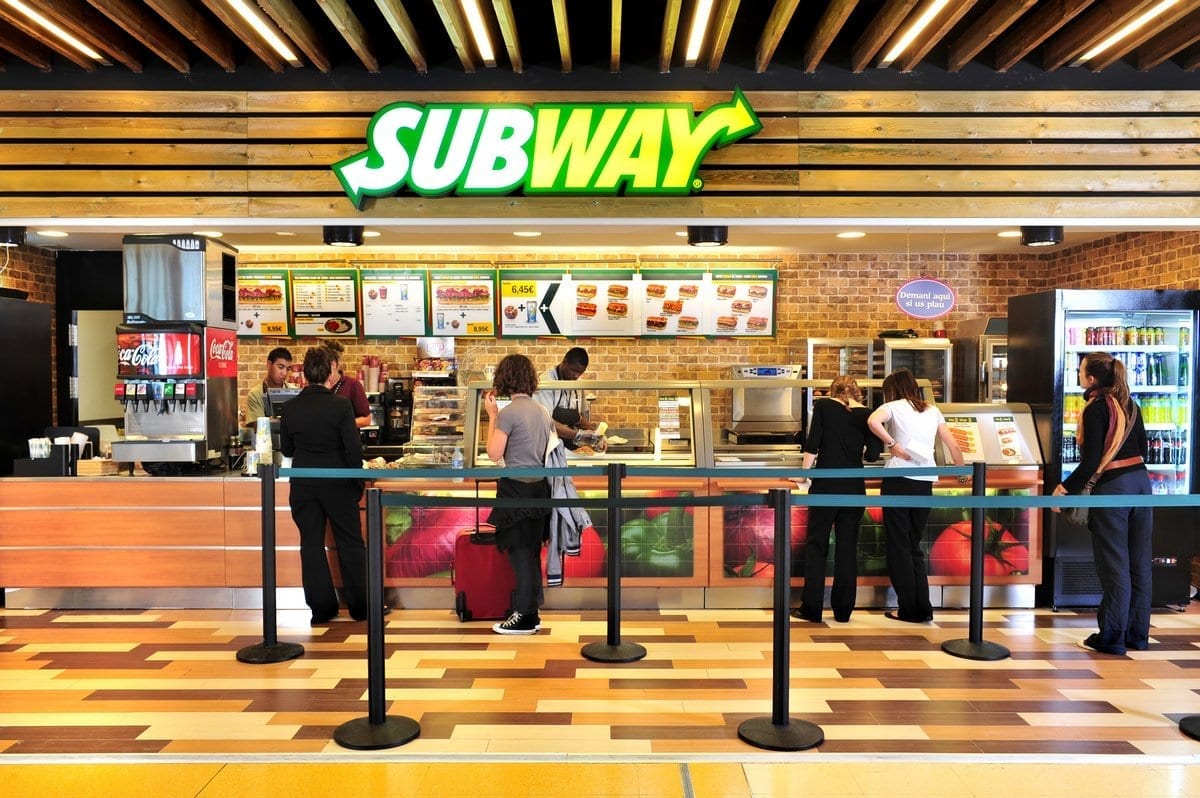
    Popular fastfood chain Subway is in the midst of applying for a halal certificate for its outlets across Singapore, the restaurant said on Wednesday (March 21).

    Subway Singapore said in a Facebook post that it has “initiated a halal certification process” and that all its restaurants will service only non-pork protein from Wednesday onwards.

    Earlier this year, on Jan 31, the Islamic Religious Council of Singapore confirmed in a tweet that the fastfood chain had “shown interest” in applying for halal certification.

    “We’ve had a few rounds of discussion with them to help them prepare themselves,” one tweet said.

    However, it added that it had yet to receive formal applications for the certification.

    In response, Subway Singapore released a statement listing 60 outlets that have stopped selling pork.

     Among the ingredients replaced were regular bacon, with chicken bacon.
  • Singapore first overseas restaurant for Unagiya Ichinoji

    Singapore first overseas restaurant for Unagiya Ichinoji

    Japanese restaurant chain Miyagawa Honten has opened its first overseas outlet with Unagiya Ichinoji at Singapore’s Robertson Quay.

    Its Japanese head chef trained for three months in a Miyagawa Honten outlet to master the skills needed for creating unagi. The chain first steams the unagi before grilling it. All cuts are marinated with sansho (the Japanese equivalent of Sichuan peppercorn) and kuro shichimi (a traditional blend of seven black spices) before being basted with tare sauce while being charcoal grilled.

    The signature Hitsumabushi is offered in three sizes, and options are unagi over rice with nori, wasabi, green onion or dashi. Side dishes include unagi chawanmushi, unagi bone cracker, unagi sushi roll, unagi omelette, unagi salad and unagi simmered boiled liver.

    The 34-seater restaurant does not accept reservations.

    Miyagawa Honten launched 125 years ago in the Tsukiji district of Tokyo.