Tag: Food

  • Australia’s Retail Food Group to target China

    Australia’s Retail Food Group to target China

    Australian-headquartered food and beverage retailer Retail Food Group says it will focus on greater China for its next phase of growth.

    RFG is Australia’s largest multi-brand retail food franchise owner, developer and manager, with a network of more than 2500 outlets across 12 brands and 81 territories. RFG CEO international, Mike Gilbert, says the company plans to introduce a selection of its coffee-based retail food brands to Chinese consumers.

    “We’re excited to replicate our successful Australian operations in the Chinese market and accelerate the growth of brands like Gloria Jean’s Coffees, Donut King, Crust Gourmet Pizza Bar, Brumby’s Bakery, Michel’s Patisserie, Pizza Capers Gourmet Kitchen, Cafe2U and It’s A Grind in the region,” he said.

    The company also owns the BB’s Cafe, Esquires, The Coffee Guy franchise systems and the premium Di Bella Coffee Co brand.

    Gilbert says RFG’s international expansion model is based on recruiting master franchise partners who purchase a license to develop a certain brand system in a defined territory, and provides the company and local partners with the opportunity to forge sustainable alliances.

    A key strategy driving the group’s global growth is its hub network, which provides a platform for fast-tracking coffee and brand system expansion in international markets, whilst also more efficiently servicing the company’s existing markets.

    RFG is developing a Middle East hub next year which it believes will help it expand quickly through the MENA region, whilst enabling the group to more efficiently service and grow brands  in the Gulf.

    “We currently have hubs in Australia, New Zealand and the US, and plans for the Middle East underway, and will be looking to replicate them in Asia and Europe,” said Gilbert.

  • Profits soar for Macau restaurants

    Profits soar for Macau restaurants

    Macau restaurants nearly doubled their profits last year, according to a Statistics and Census Service (DSEC) survey, while Chinese outlets saw a rise of more than 200 per cent in gross surplus.

    Gross surplus grew by 96 per cent year on year for restaurants and similar establishments to MOP258 million (US$32 million), the survey shows.

    Excluded from the study were restaurants and food outlets run by hotels and gaming establishments, as well as street-hawker stalls.

    There was a 6.5 per cent increase in the total amount of receipts collected to MOP10.6 billion, with expenses climbing 5.2 per cent year on year to MOP10.4 billion.

    The sector’s expenses included a 2.1 rise in purchase of goods, representing 36.8 per cent of the total, at MOP3.8 billion. Employee salaries increased 9.8 per cent to reach MOP3.7 billion.

    On the other hand, rents eased by 0.5 per cent but were still the major cost of running restaurants at MOP1.1 billion. Electricity costs and materials were the second- and third-largest expenses for F&B establishments, both increasing. Electricity costs were up 7.1 per cent to MOP362 million while materials cost 0.6 per cent more to reach MOP236 million.

    The survey also shows the sector contributed 13 per cent more to the local economy (gross value added) with a total of MOP4 billion. This is despite there being 20 fewer dining outlets than the previous year – the first decline since 2012 – taking the total to 2189.

    However, the number of people working in the industry rose by 101 to reach 32,260 at the end of last year.
    About 2265 cooked-food stalls in municipal markets were registered last year, with 32,398 workers. Macau had 598 Chinese restaurants, bringing in 42.3 per cent of total receipts last year.

    In all, Chinese restaurants registered 9.2 per cent more in receipts last year than in the previous 12 months, reaching MOP4.5 billion, with gross surplus rocketing 218 per cent to MOP105 million.

  • SaladStop! heading for Korea

    SaladStop! heading for Korea

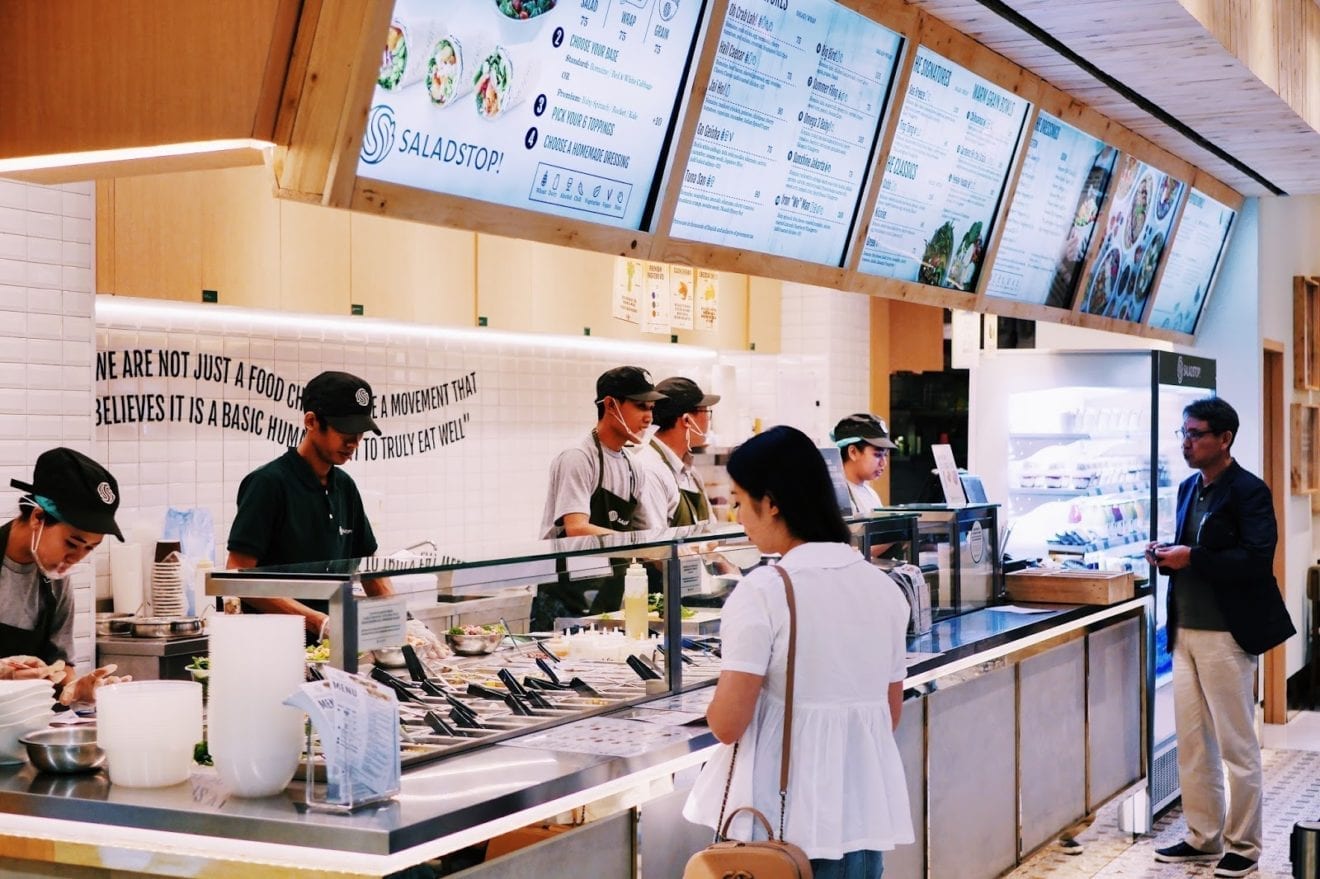
    Established eight years ago, Singapore food brand SaladStop! is about to launch into Korea.

    It opens in Seoul next month, about the same time as its first non-Asia location, in Barcelona. The brand has 19 outlets across Singapore, 12 in the Philippines, three in Jakarta and four in Tokyo.

    Co-founded by Adrien Desbaillets and his father Daniel, SaladStop! Is still a family affair. At 36, Adrienne is president while Daniel, 67, is director and chairman. Daniel’s sister Katherine handles marketing while her Paris-born husband Frantz Braha is business development manager, spearheading overseas franchising.

    The Desbaillets are Swiss citizens who put down roots in Singapore 22 years ago. Daniel was previously a hotel executive. When Adrien returned to Singapore after working in China for a hotel investment company, he planned a chain of nutrition-conscious quick-service restaurants.

    However, the says affordable, wholesome and nutritious were three options rarely found together in one meal, and he guessed that expats like himself were “craving a good salad”.

    Father and son opened their first store in Marina Square, working with corporate chef Tony Tan.

    All overseas locations have more or less the same core combos, but franchise holders modify them to suit local preferences.

    In Singapore, the next stage of growth is a mobile app.

  • Hokkaido Ramen Santouka opens Quezon branch

    Hokkaido Ramen Santouka opens Quezon branch

    Hokkaido Ramen Santouka, which arrived in the Philippines in 2013, has opened its 11th branch, in Up Town Center in Quezon City.

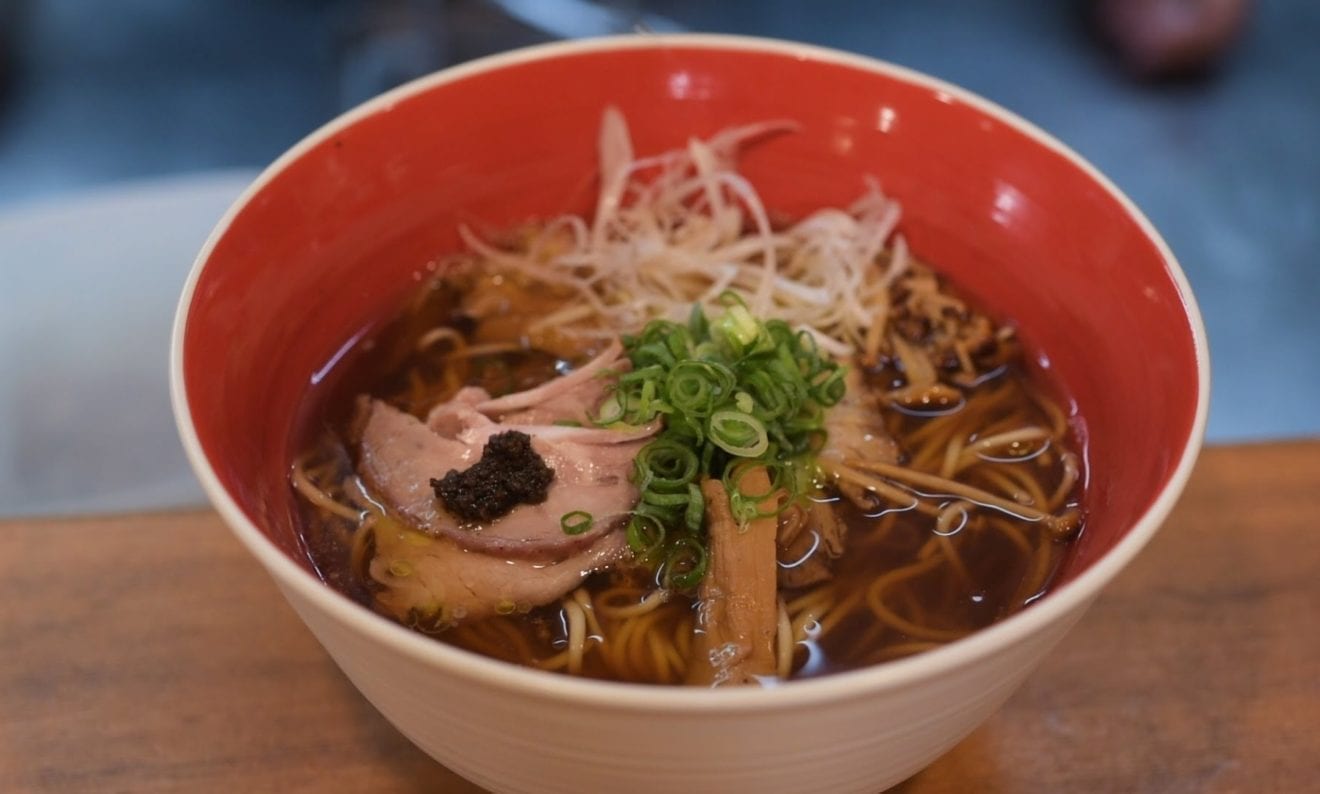
    Launching in Japan in 1986, the brand is known for its meticulous preparation of its tonkotsu broth, a tradition if follows in the Philippines. Hokkaido Ramen Santouka Manila president Annaliza Lim says all its branches have a full kitchen that takes up about 40 per cent of the store’s space.

    “We make all our broths in house at every branch to ensure freshness. A Japanese chef goes to our different branches to check the tonkotsu broth to make sure the quality is at par,” says Lim.

    All ingredients are imported from Japan, with the soup being cooked for 20 hours daily.

  • UberEATS finds big potential in South Korea food delivery market

    UberEATS finds big potential in South Korea food delivery market

    UberEATS, a food delivery service app run by ride-sharing pioneer Uber Technologies Inc., finds big growth potential in South Korea’s food delivery market due to its advanced wireless networks and growing orders on mobile phones, a senior company executive said.

    The U.S.-based business launched its UberEATS service in Seoul in August 2017,. The service is already available in 112 cities across 28 countries, where it has 60,000 restaurant partners.

    “Seoul is a perfect place for UberEATS. We find South Korea’s fastest internet speed really helpful for our business here. We are looking to expand our business in a few more regions in Seoul at least within this year,” Jaycee Lam, general manager of UberEATS North Asia, said.

    The executive did not elaborate on the names of the additional regions in Seoul. UberEATS service is now available in Itaewon and Gangnam, two downtown districts in the capital city.

    As for other possible cities, he only said there are growing requests from local customers to launch the UberEATS service in cities such as Busan, a southern port city, and the scenic Jeju Island.

    In the past four weeks, more than 200 restaurants have signed up to UberEATS, with more expected to jump on board. Partners deliver food using their own bicycles, scooters or cars and receive a fee from Uber.

    The majority of the food is delivered within 35 minutes to customers and free of charge for the time being as part of a promotion. But the company plans to receive a flat 3,500 won (US$3.00) delivery fee per order from customers, the general manager said, without giving any a specific time frame.

    To differentiate itself from local rivals such as Baedal Minjok and Yogiyo, UberEATS will focus on selecting the best restaurants and providing its customers with an insightful analysis of their businesses and industry outlook in a win-win strategy, he said.

    The UberEATS service was first launched in Toronto, Canada, in 2015 to deliver restaurant meals on-demand to homes and offices.

    The app-based service works like its ride-sharing sister app Uber. When an UberEATS app user orders food from a restaurant on his mobile phone, the restaurant calls a nearby delivery partner and asks him to collect the food when ready and deliver it right to the door of the user.

    UberEATS’ launch here is part of Uber’s commitment to South Korea’s US$14 billion food delivery market, the general manager said, expecting UberEATS to make the pie a lot bigger.

    “Since we have launched our transportation (or ride-sharing) business in Korea, we always think about what is the best way for Uber to keep being involved in the market deeper and then contribute here. UberEATS is one of the options that we can run in the ‘promising and fast-growing’ market,” the executive said.

    Still, a lack of awareness of the UberEATS service is the one area that can be improved in South Korea, he said.

  • Food prices rise, butter hits record high

    Food prices rise, butter hits record high

    New Zealand food prices rose in August, with fruit and vegetables, meat, and groceries such as butter more expensive than a year earlier.

    Butter prices hit a record high of $5.39 per block, up 11 per cent in the month and 62 per cent from a year earlier.

    The food price index advanced 0.2 per cent on a seasonally adjusted basis in the month, and gained 2.3 per cent for the year to August, Statistics New Zealand said.

    Fruit and vegetables cost 5.5 per cent more than a year earlier, while meat, poultry and fish prices rose 0.6 per cent and grocery food prices increased 2.8 per cent.

    The annual butter price increase is the largest in percentage terms since 2010, Stats NZ said. Chocolate prices also rose 3.4 per cent in the month.

    “We have seen butter prices rising lately due to New Zealand’s export driven market,” consumers price index manager Matthew Haigh said.

    “Butter prices have experienced all-time highs in the global market, and this also drives the price here at home.”

    Food prices account for about 19 per cent of the consumers price index, which is the Reserve Bank’s mandated inflation target when setting interest rates.

    Vegetable prices increased 8.7 per cent on an annual basis, driven by higher prices for kumara, potatoes and cucumbers, and were up 5.4 per cent in the month. Fruit prices rose 0.3 per cent annually, but dropped 0.5 per cent in the month, as avocados and strawberries became cheaper in August.

    The price of chicken rose 3.3 per cent in the year to August 2017, but dropped 2.4 per cent in the month, while beef fell 2.6 per cent annually and was down 2.5 per cent on a monthly basis and pork dropped 8.6 per cent in the year.

  • 8 Foods That Will Keep Your Heart Strong

    8 Foods That Will Keep Your Heart Strong

    You can effectively keep your heart strong by including these eight foods to your daily diet

    Fish

    All you need is two servings of fish in a week. The omega-3 fatty acids, present in fish, effectively decrease the chance of heart problems. Salmon, sardines, and mackerel are some of the oily fish which keep heart diseases at bay. Apparently, people living in Singapore are more prone to have a heart disease, so for them, diet is crucial.

    Turmeric

    Turmeric consists of curcumin, which is an effective antioxidant, having anti-inflammatory properties. These properties work wonders in busting cholesterol. This antioxidant also improves the cardiovascular system, which helps to keep the heart active.

    Oatmeal

    Just switching your morning coffee and kaya toast for a bowl of porridge can bring a great difference in your health. Eating oats are the ideal way to the day, as it not only decreases bad cholesterol but also helps to prevent clogged arteries, reducing your risk of heart disease and helping you maintain a healthy heart. All of this happens without decreasing your healthy and safe cholesterol levels.

    Tomatoes

    People who love eating tomatoes need not worry about not having a healthy heart. Tomatoes majorly consist of an antioxidant called lycopene. According to research, individuals who eat it regularly decrease their risk of problems by 25%, in a decade.

    Beans

    Beans, which are also known as legumes, have amazing health benefits. They are a staple food item for people who work hard towards keeping their heart healthy. Some good examples of beans include Chinese long beans, soya beans, snow peas and snap peas. According to research, a diet full of plant-based foods helps a great deal in decreasing the chance of coronary artery disease, which is extremely dangerous as it causes heart attacks.

    Shiitake mushrooms

    It consists of more nutrients than any other mushroom. Shiitake mushrooms have eritadenine – a compound which works towards decreasing cholesterol level and is crucial for the well-being of the heart. These mushrooms are beneficial in dried as well as fresh form.

    Berries

    Berries like blueberries, strawberries, cranberries, blackberries, and raspberries are highly rich in antioxidants. They help a great deal in slowing down the ageing process of an individual. Other than that, they consist of anthocyanins, which are the chemicals present in plants, which avoid the blood pressure from lowering by preventing the arteries becoming clogged with plaque.

    Forbidden rice

    It is also known as purple rice, and it is considered a healthier option than white rice. As per the Singapore Health Promotion Board, forbidden rice has double the amount of iron and four times the amount of zinc that white rice. Anthocyanins are plant chemicals present in this rice that avoid the formation of plaque in the arteries. According to studies, these have high cholesterol than any other food supplement.

    The inspiration for this article has been taken from Health Plus Section, a source of credible health information by Mount Elizabeth Hospitals, Singapore.


  • IBM announces blockchain collaboration to address food safety worldwide

    IBM announces blockchain collaboration to address food safety worldwide

    A group of leading companies across the global food supply chain announced a major blockchain collaboration with IBM intended to further strengthen consumer confidence in the global food system. The consortium includes Dole, Driscoll’s, Golden State Foods, Kroger, McCormick and Company, McLane Company, Nestlé, Tyson Foods, Unilever and Walmart, who will work with IBM to identify new areas where the global supply chain can benefit from blockchain.

    Every year, one-in-ten people fall ill – and 400,000 die – due to contaminated food.* Many of the critical issues impacting food safety such as cross-contamination, the spread of food-borne illness, unnecessary waste and the economic burden of recalls are magnified by lack of access to information and traceability. It can take weeks to identify the precise point of contamination, causing further illness, lost revenue and wasted product. For example, it took more than two months to identify the farm source of contamination in a recent incidence of salmonella in papayas.**

    Blockchain is ideally suited to help address these challenges because it establishes a trusted environment for all transactions. In the case of the global food supply chain, all participants – growers, suppliers, processors, distributors, retailers, regulators and consumers – can gain permissioned access to known and trusted information regarding the origin and state of food for their transactions. This can enable food providers and other members of the ecosystem to use a blockchain network to trace contaminated product to its source in a short amount of time to ensure safe removal from store shelves and stem the spread of illnesses.

    Dole, Driscoll’s, Golden State Foods, Kroger, McCormick and Company, McLane Company, Nestlé, Tyson Foods, Unilever, Walmart and others are now coming together with IBM to further champion blockchain as an enabling technology for the food sector. Together they will help identify and prioritize new areas where blockchain can benefit food ecosystems and inform new IBM solutions. This work will draw on multiple IBM pilots and production networks in related areas that successfully demonstrate ways in which blockchain can positively impact global food traceability.

    “Unlike any technology before it, blockchain is transforming the way like-minded organizations come together and enabling a new level of trust based on a single view of the truth,” said Marie Wieck, general manager, IBM Blockchain. “Our work with organizations across the food ecosystem, as well as IBM’s new platform, will further unleash the vast potential of this exciting technology, making it faster for organizations of all sizes and in all industries to move from concept to production to improve the way business gets done.”

    New IBM blockchain platform
    Beyond food supply chain applications, blockchains are now being used to transform processes and streamline transactions for everything from flowers, real estate and trade finance, to education, insurance and medical services.

    To accelerate this adoption, IBM is introducing the first fully integrated, enterprise-grade production blockchain platform, as well as consulting services, that will allow more organizations to quickly activate their own business networks and access the vital capabilities needed to successfully develop, operate, govern and secure these networks. The IBM Blockchain Platform is available via the IBM Cloud.

    The platform builds off of the successful blockchain work IBM has delivered to more than 400 organizations, incorporating insights gained as IBM has built blockchain networks across industries including financial services, supply chain and logistics, retail, government and health care.

    Extensively tested and piloted, the platform addresses a wide range of enterprise pain points, including both business and technical requirements around security, performance, collaboration and privacy that no other blockchain platform delivers today. It includes innovation developed through open source collaboration in the Hyperledger community, including the newest Hyperledger Fabric v1.0 framework and Hyperledger Composer blockchain tool, both hosted by the Linux Foundation.

    The integrated platform allows multiple parties to jointly develop, govern, operate and secure blockchain networks to help enterprises accelerate blockchain adoption.

    Features of the IBM Blockchain Platform include:
    Develop – For developers, easy and flexible network tools designed to bring blockchain networks up to speed in minutes. The platform also includes the first commercial introduction of Hyperledger Composer a framework that helps developers focus on the business use case and more easily and quickly map it to the application code. Developers can create standard business language in JavaScript and the APIs help keep development work at the business level, rather than being highly technical, making it possible for most any programmer to be a blockchain developer. Additionally, a variety of IBM Developer Journeys for blockchain are available featuring free open source code, documentation, APIs, architecture diagrams and one-click deployment Git repositories to fast-track building.

    Govern – The platform offers all participating members a level of control, while preventing any one member from having exclusive control. A new class of democratic governance tools is designed to help improve productivity across the organizations using a voting process that collects signatures from members to govern member invitation distribution of smart contracts and creation of transactions channels. By quickly onboarding participants, assigning roles and managing access, organizations can begin transacting via the blockchain.

    Operate –The platform is underpinned by an architecture that operates more than 55% of today’s global transactional systems.*** It is the first offering available to allow updates to be made to the network while it is running without any downtime. Running in the IBM Cloud, it offers unique protection from insider credential abuse, protection from malware and hardware encryption key protection. IBM Blockchain Platform provides the highest-level commercially available tamper resistant FIPS140-2 level 4 protection for encryption keys.

    In addition to food safety, IBM is advancing other blockchain supply chain initiatives using the IBM Blockchain Platform for an automated billing and invoicing system. Initial work to use blockchain for invoicing is underway starting with Lenovo. This will provide an audit-ready solution with full traceability of billing and operational data, and help speed on-boarding time for new vendors and new contract requirements.

    To complement the new platform, IBM Global Business Services offers Blockchain Services, which brings deep industry expertise from its 1,600 blockchain consultants who have helped clients deploy and integrate active networks. These consultants can apply design thinking to help enterprises conceptualize and implement blockchain enabled business models to realize optimal value. For example, during recent blockchain projects with major shipping and retail organizations, IBM consultants have been able to improve food safety traceability by 99.9 percent and decrease trade document workflow by 97percent, potentially unlocking millions of dollars in cost savings and market capital.

    The IBM Blockchain Platform offers a range of pricing options, starting at $0.50 per hour, to support rapid adoption for networks of all sizes. To support blockchain ecosystems among different organizations, the cost of the network can be shared across all network members.


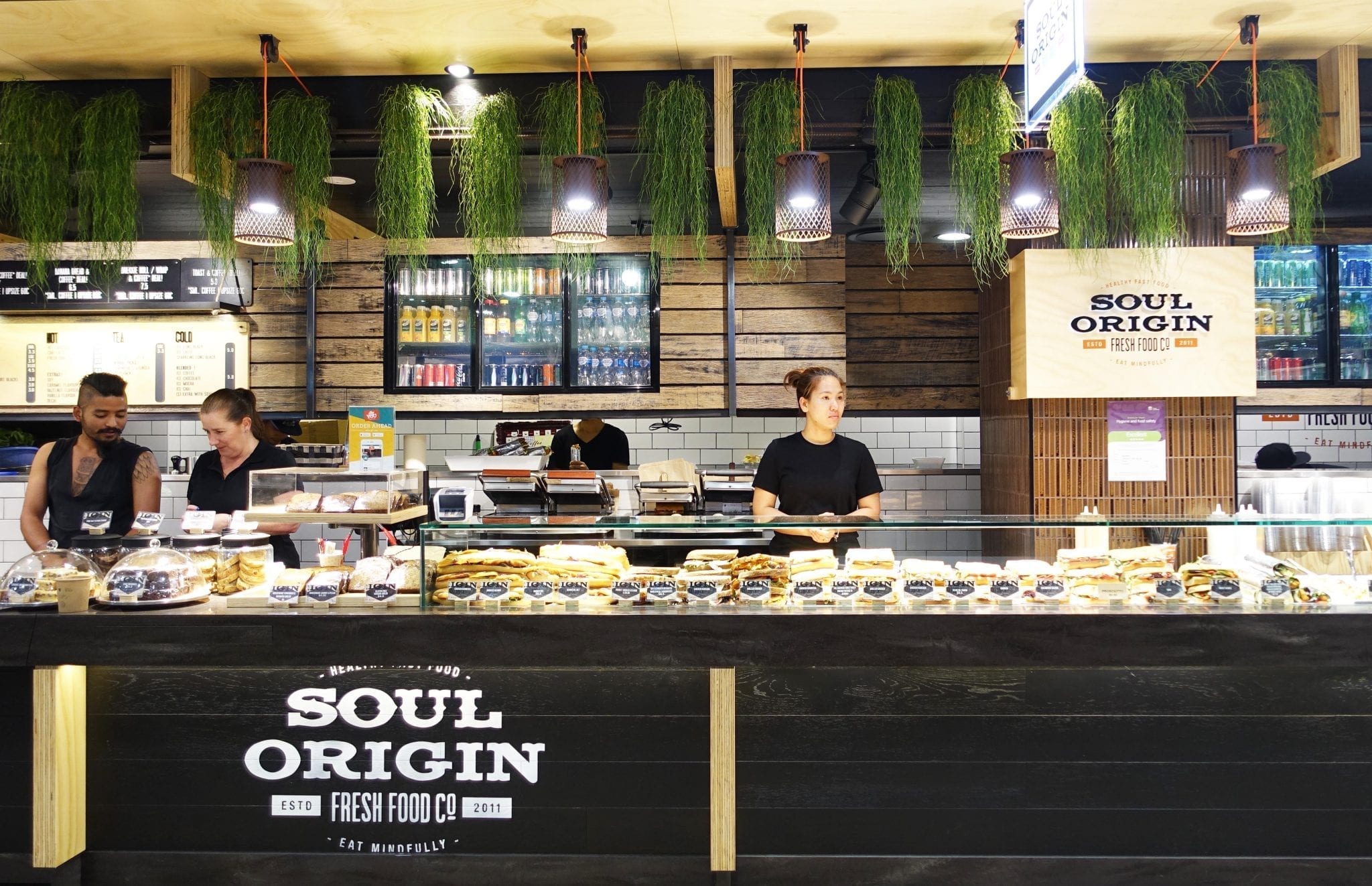
  • Soul Origin eager to hit “golden century” mark

    Soul Origin eager to hit “golden century” mark

    Health fast food brand and coffee chain, Soul Origin, has recorded 12 per cent same store sales growth and continued to achieved double digital growth in its coffee sales.

    The fastfood chain has also continued its expansion with the opening of its 75th store last week in Melbourne Central, Victoria.

    Chris Mavris, Soul Origin chief operating officer, said Soul Origin plans to reach 100 stores before the end of the 2018 financial year.

    “Soul Origin’s growth plans have stepped up a notch this financial year as we continue to expand in our existing markets of Queensland, News South Wales, Victoria and South Australia,” Mavris said.

    Mavris said they will also open their first store in Western Australia later this financial year.

    In the past 12 months, Soul Origin has opened 30 new stores, expanding from New South Wales into the Australian Capital Territory, Queensland, Victoria and South Australia.

    Mavris said the rapid growth was on the back of strong double digit same store sales growth across the network, highlighting high customer demand for Soul Origin’s offering.

    “In addition, we have strengthened our corporate support team, which has doubled in size in the past six months, to assist with our store expansion and continue to provide our high level of support to our franchisees and their stores,” he said. “We have boosted our capabilities in both store and coffee training, property, recruitment, marketing as well as our store opening teams. We have no plans of slowing down!”

    Mavris said he was eager to hit the golden ‘100 stores’ mark over the coming months.

    “We are building a solid foundation that will help expand the Soul Origin brand into more communities and new territories. It’s very rewarding to see the business continuing to go from strength to strength,” Mavris said.

  • Japanese airline partnering in Changi Airport food court

    Japanese airline partnering in Changi Airport food court

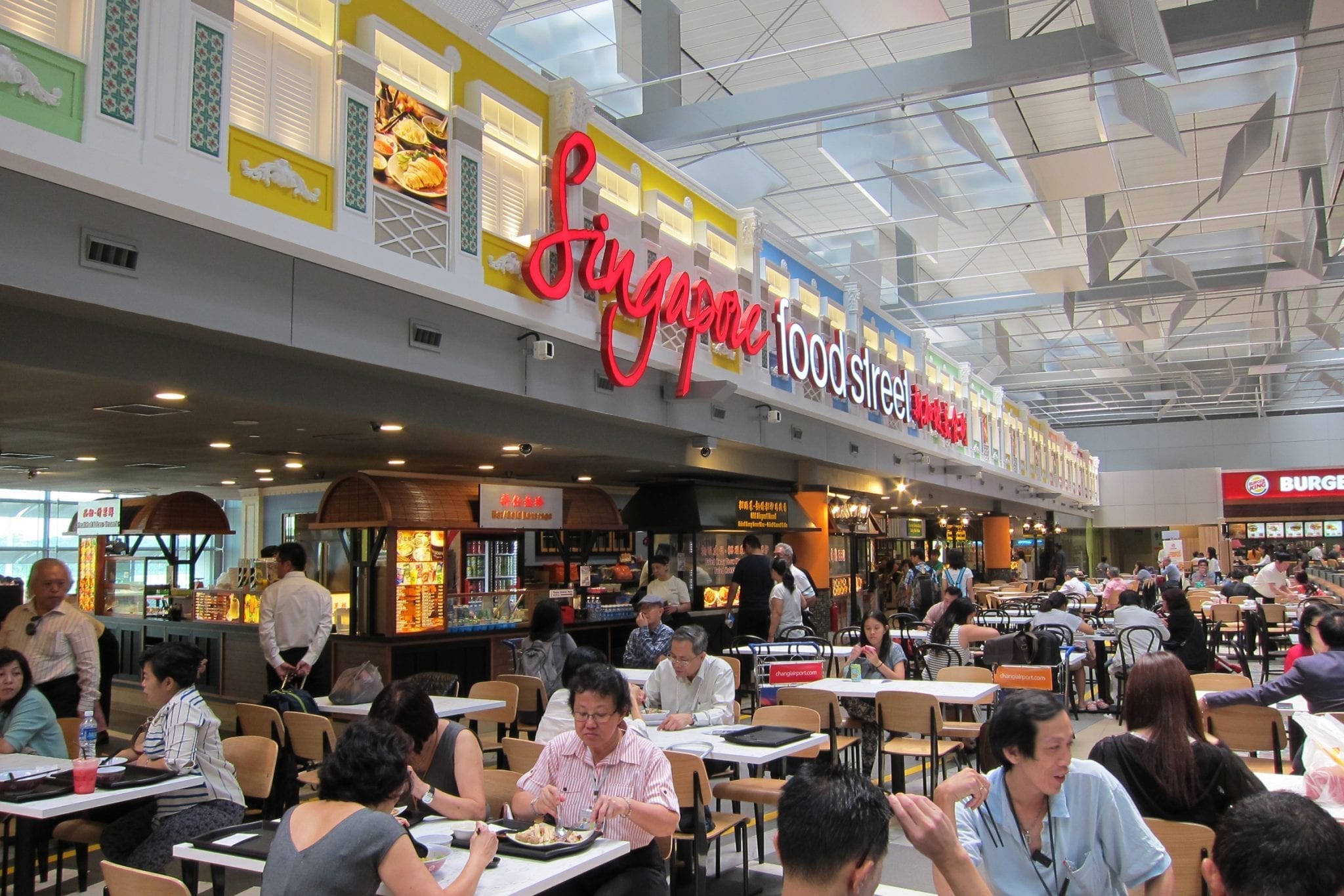
    A Japanese airline with a Singapore partner will open an all-Japanese food court at Changi Airport by the end of this year.

    Japan Gourmet Hall Sora is a joint venture between a subsidiary of All Nippon Airways (ANA) and specialty consultant Komars Group. It takes over the space formerly occupied by Seafood Paradise and Fish & Co in the public area on the third floor of Terminal 2.

    It is the first time the airport has awarded a lease for two amalgamated units, says Changi Airport Group (CAG).

    With a floor area of 721 sqm and an estimated seating capacity of 300 people, Japan Gourmet Hall Sora will be the largest restaurant space in Changi Airport. No official opening date has been set, but an ANA Trading spokesperson says the target is early November.

    ANA says there will be six Japanese restaurants in the food court, serving such fare as okonomiyaki pancakes as well as ramen, and tendon and seafood bowls. Customers will be able to order at multiple restaurants and pay for everything in one transaction.

    With its partners, ANA will be investing about ¥200 million (S$2.5 million/US$1.8 million) into Japan Gourmet Hall Sora. The lease will be for three years with an option to extend for another three. The venture will be run SG Retail, the ANA Trading/Komars JV.

    ANA Trading says it chose Changi Airport for the project because of its size, passenger count and its winning of the Skytrax World’s Best Airport title last year.

    “We are planning to expand the business to other Asian countries, based on the success of the project,” a spokesperson says.

  • Barista helps launch Need Coffee specialty outlet

    Barista helps launch Need Coffee specialty outlet

    Champion barista Daniel Concepcion Roque and his partners at Where Have You Bean have opened Need Coffee in Paranaque City in Metro Manila.

    Roque, who represented the Philippines in the World Aeropress Championship last year, says he did not originally intend to open a coffee shop.

    “My best friend’s father was planning to put up a coffee shop and just needed the expertise to do it,” says Roque. “From then on, we signed a contract and opened Need Coffee.”

    In its manifesto, Need Coffee says it is not out to “reinvent the wheel” but simply to give customers the middle ground of specialty coffee in a not overly commercialised package.

    “The chains get it. The average consumer does not walk into a shop expecting their lives to change over a cup of coffee. They simply need coffee,” the manifesto says.

    “Right now, specialty coffee is seen as unnecessary, overpriced and merely a trend. Need Coffee is here to differentiate itself from the stigma of bad-tasting commercial coffee, but also learn from commercial shops.”

    Roque says the company wants to train and grow with its baristas, later partnering with them in their own ventures.
    The shop serves espresso, Americano, latte, hot chocolate or even iced mocha and rose water cold-brew latte. Light snacks are also available.

  • HAWKR launches healthy ‘grab-and-go’ in heart of Quarray Bay

    HAWKR launches healthy ‘grab-and-go’ in heart of Quarray Bay

    Using the freshest ingredients and authentic flavours, HAWKR has reconceived Southeast Asian favourites for grab-and-go eating. Curries, soup noodle pots, Vietnamese and Thai baguettes and wraps, healthy breakfasts, bespoke HAWKR juices and tailored, house-blend coffees are on the menu at HAWKR’s new outlet in Quarry Bay.

    Inspired by the hawker food centres of Southeast Asia, serving a variety of regional dishes, HAWKR is newly opened on the ground floor of 36 Hoi Kwong Street, on the corner of Tong Chong Street and opposite the commercial complex of Taikoo Place.

    The contemporary grab-and-go takes on the region’s vibrant food culture from Singapore and Malaysia to Vietnam, Myanmar, Thailand and Indonesia, and brings an innovative and much needed takeaway concept to Hong Kong’s culinary scene.

    In partnership with the founder of Myanmar based lifestyle concept Pun+Projects and restaurateur, Ivan Pun, and consumer private equity professional Jake Astor, pop-up dining and private kitchen chef Mina Park’s nutritious, fresh take on Southeast Asian street food is appealing to time-pressed young professionals and office workers amid the commercial mini-metropolis of Taikoo Place.

    Each dish has been conceived by Mina using the freshest ingredients and HAWKR’s own recipes. No MSG, artificial flavours or preservatives are used in any of the menu items.

    The day-long menu starts with light breakfasts including healthy superfood sabja and chia seed puddings, with fresh fruit, yoghurts and pastries.

    HAWKR is also standing out from the ‘grab-and-go’ crowd by developing its own bespoke coffee blends using only the highest quality beans. Each blend, developed by their resident barista, has an Indonesian coffee base, as well as a mixture of other beans, including Ethiopian and Brazilian.

    HAWKR’s beans are roasted to order by local artisan roaster, Happy Bean Roastery.

    HAWKR avoids MSG and artificial flavouring, and strives to use only ingredients that “we would feel comfortable eating ourselves every day,” said Mina Park.

    “We have worked hard to create dishes that highlight the flavours of Southeast Asia and incorporate the gorgeous herbs and spices that I love.”

  • Gourmet Market to open at Bangkok subway station

    Gourmet Market to open at Bangkok subway station

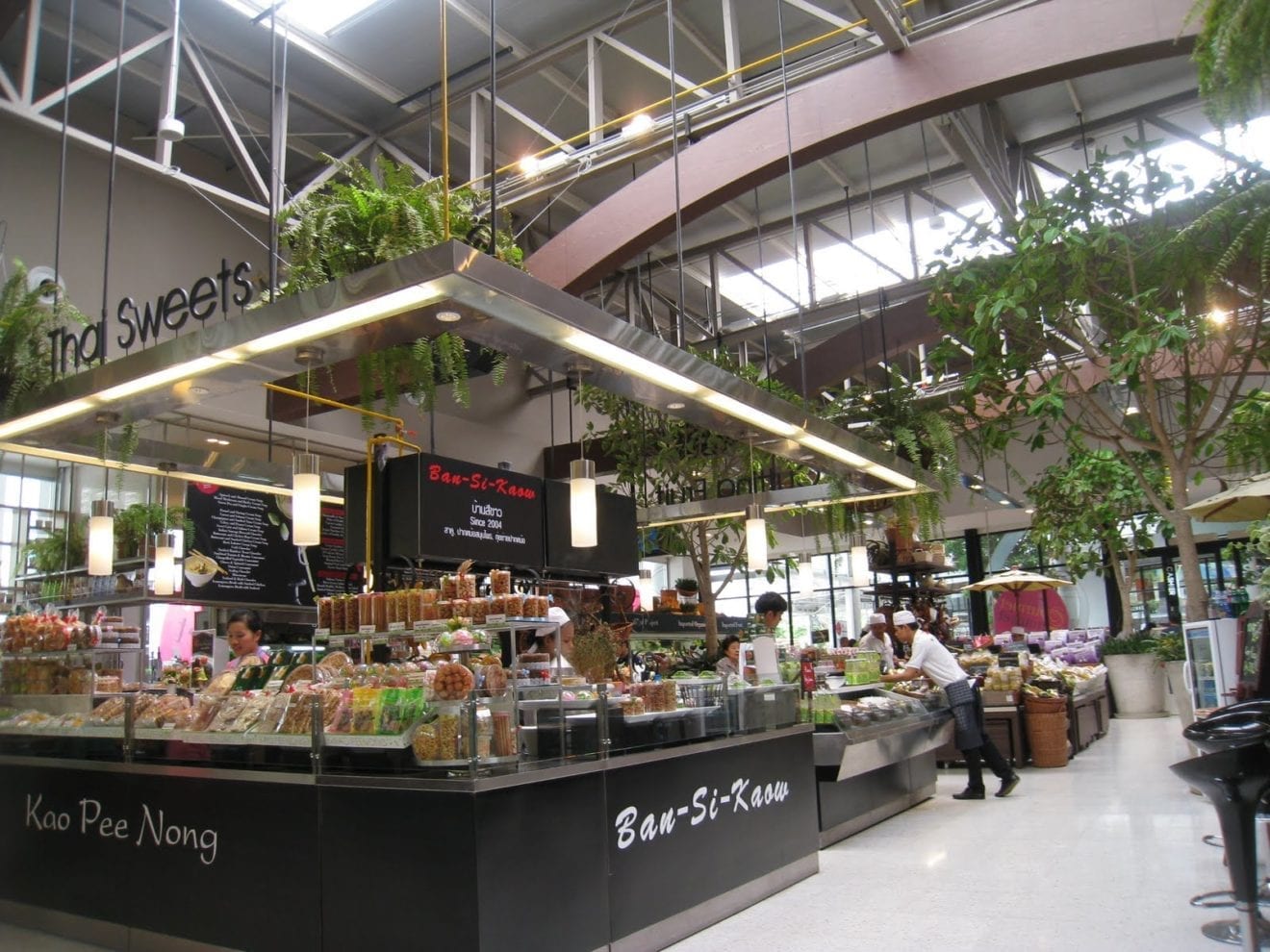
    Working with Bangkok Metro Network (BMN), The Mall Group will open a Gourmet Market at Lat Phrao subway station.

    The MRT serves more than 240,000 passengers each day, with the Lat Phrao station being a key transit point with a large parking lot.

    The outlet is the fourth outside the group’s shopping complexes as the retailer seeks to position stores that can capture more passing trade. It is in the park-and-ride area of the Ratchadaphisek Road station and is set to open in September.

    Group executive VP Chamnarn Maytaprechakul says the collaboration is part of the company’s transformation to provide its services through different channels.

    “The three Gourmet Market outlets that already sit outside our complexes have received a warm welcome from customers, and we predict they will thrive with double-digit sales growth, compared with the single-digit growth of our stores inside malls.”

    Its established Gourmet Market outlets can be found in Terminal 21 at the Asok intersection, in The Promenade shopping complex on Ram Intra Road, and in The Crystal SB Ratchapruek community mall.

    Other business opportunities being explored by The Mall Group include delivery service, online shopping and e-payment.

  • Feather & Bone launches flagship store

    Feather & Bone launches flagship store

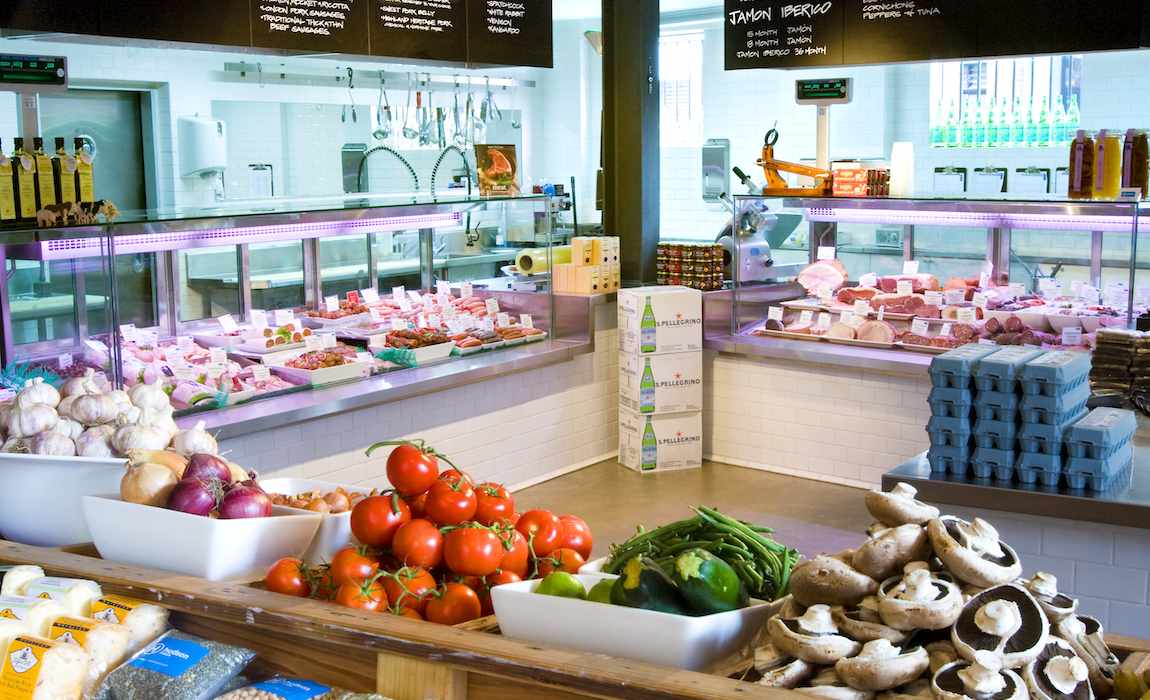
    Online grocery store Feather & Bone has opened a flagship store in Clearwater Bay, offering international specialty food products such as meat, alcohol, cheese, coffee and chocolate.

    This adds to Feather & Bone’s two other Hong Kong outlets, in Central and Happy Valley.

    “What we want to be is a friendly local grocer. You know, people will come in every week, and we know their name, we know what they like and we can recommend products based on what they’ve liked in the past,” says GM Mark Chan, who sources the group’s products.

    A feature of the flagship store is that customers can drink a cup of locally roasted Kim & Co coffee along with a danish or muffin as they shop, reports Honeycombers.

    There is also an eight-seat counter where wine is served along with a cheese board and charcuterie platter with preserves and pickles.

    The flagship’s butchery offers ethically sourced meat, such as Australian beef, free-range pork and lamb, poultry and charcuterie.

    “A lot of the products at Feather & Bone are sourced from Australia as a couple of the owners are actually from there,” says Chan, noting that company representatives even visit the farms to see how they work.

    With a background as a chef – he once worked for Gordon Ramsay – Chan was at London’s La Fromagerie before joining Feather & Bone.

    Products at Feather & Bone include Chapon Tablette Noir dark chocolate from Madagascar, Mr Organic Veg Amore Tofu Sauce and Rodolphe Le Meunier St Maure de Touraine goat’s cheese.

  • McDonald’s China sales boom ahead of spin-off

    McDonald’s China sales boom ahead of spin-off

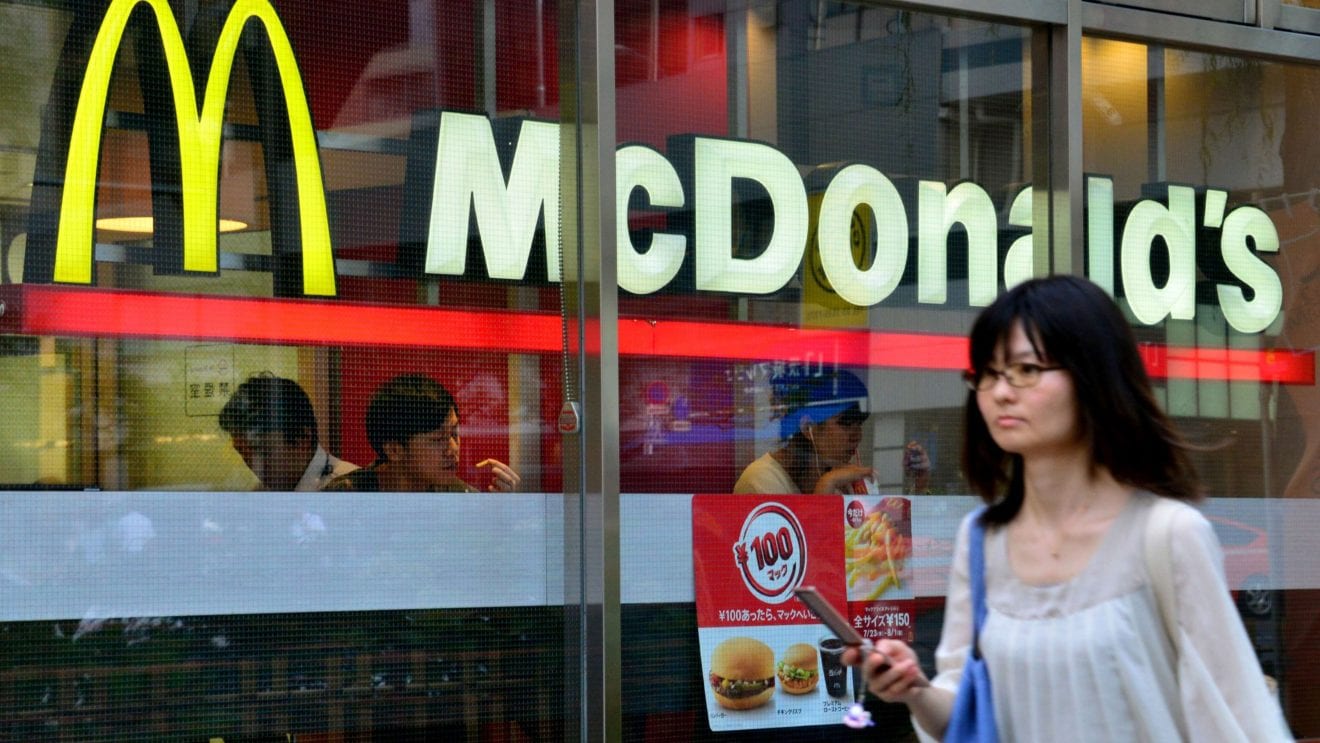
    McDonald’s China sales posted solid quarterly growth ahead of the division’s spin-off. Global same-store sales rose 6.6 per cent in the three months to June 30. In what the company terms its ‘High Growth segment’, second quarter comparable sales increased 7 per cent, led by a strong performance in China. The segment’s operating income rose 28 per cent, with about half of that resulting from lower depreciation expense due to the accounting treatment related to the pending sale of the China and Hong Kong businesses.

    McDonald’s CEO Steve Easterbrook was positive about the company’s performance.

    “We’re building a better McDonald’s and more customers are noticing. Our relentless commitment to running great restaurants and keeping the customer at the center of everything we do is generating broad-based strength and momentum across our entire business.  For the quarter, we delivered our strongest global comparable sales and guest count results in more than five years.  We’re now introducing our Velocity Growth Plan accelerators in more restaurants around the world, bringing meaningful benefits to more customers through digital, delivery and our Experience of the Future.”

    Second quarter highlights

    While sales were up, consolidated operating revenues slipped 3 per cent, or 2 per cent in constant currencies, due to the impact of the company’s strategic refranchising initiative.

    Systemwide sales increased 8 per cent in constant currencies, due to strong comparable sales performance and restaurant expansion.

    Consolidated operating income increased 24 per cent (26 per cent in constant currencies), which included a benefit from the prior year’s strategic charges of approximately $230 million.

    US operating income for the quarter increased 5 per cent, reflecting higher sales-driven franchised margin dollars and higher gains on sales of restaurants, among other factors.

    “Whilst we’re encouraged by our results from the first half of 2017, we’re not complacent.  Today, we’re acting like a leadership brand, taking on new challenges and opportunities and moving with a greater sense of purpose and urgency,” said Easterbrook.

    “We’re building on our momentum, leveraging our size and scale and executing with greater precision against our priorities to retain, regain and convert customers by giving them even more reasons to visit and enjoy McDonald’s.”