Tag: Food

  • Michelin Guide Street Food Festival for Macau

    Michelin Guide Street Food Festival for Macau

    Macau’s inaugural Michelin Guide Street Food Festival launches at the Studio City entertainment resort in October.

    Being organised by Michelin Guide Hong Kong and Robert Parker Wine Advocate, the four-day event features chefs from Michelin-starred restaurants and Bib Gourmand (a relatively new Michelin award for less formal restaurants) and Michelin-recommended eateries across Asia. Free, the festival runs from October 5 to 8 at Studio City’s Macau Gourmet Walk, which resembles the enclave’s historic streets.

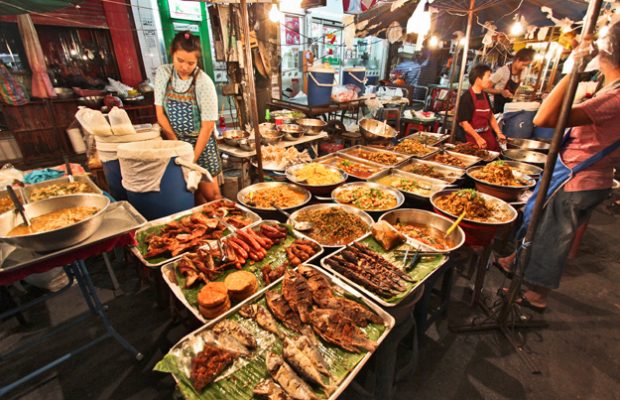
    Supported by Melco Resorts and Entertainment, the festival will feature decorated stalls showcasing some of Asia’s best street-food offerings including Singapore’s hawker stalls, Shanghainese dim sum, Japanese little eats and Macau’s Chinese classics.

    Signature dishes and special festival creations will be available starting from MOP40 (US$5) and using a coupon system.

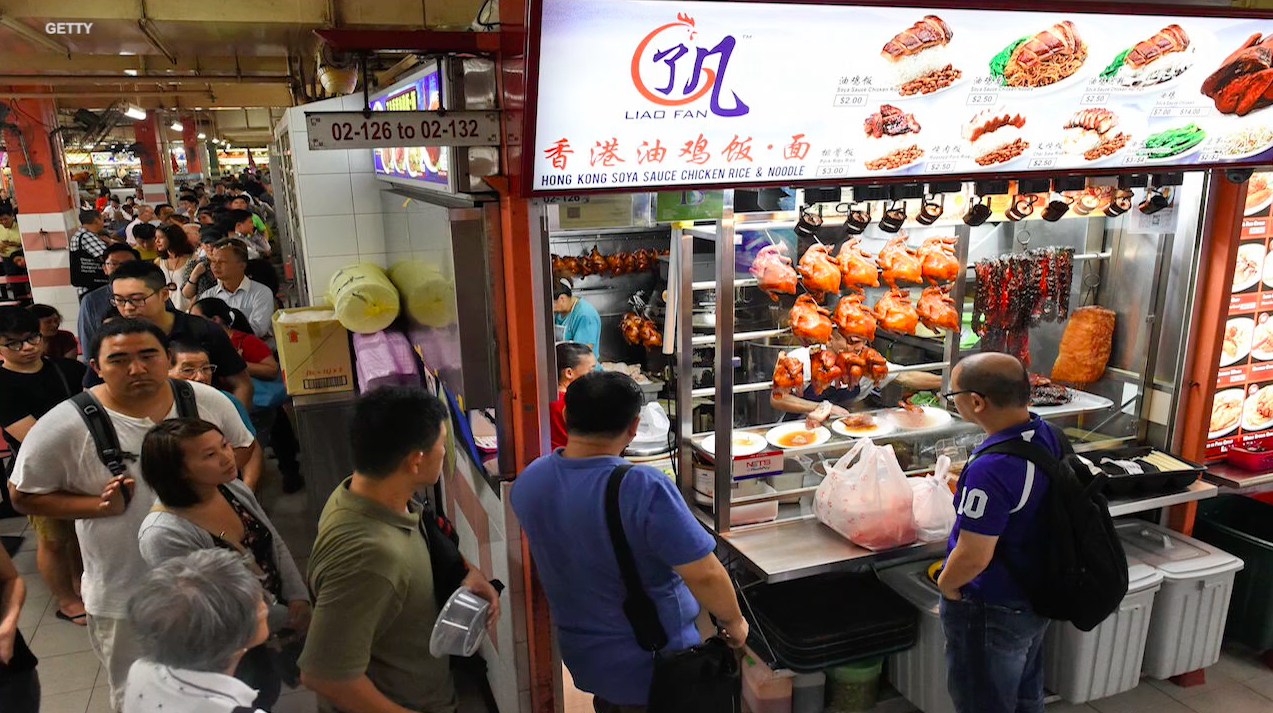
    Eateries from Japan and Singapore will offer their food in Macau for the first time, including the world’s first-ever street-food stall to have been awarded a Michelin Star, Hong Kong Soya Sauce Chicken Rice & Noodle from Singapore. Its chef Chan Hon Meng will be cooking alongside fellow Singaporean Wayne Liew from Keng Eng Kee, the street-food stall known for its fusion of Hainanese cuisine with Malaysian-style Zi Char homestyle food.

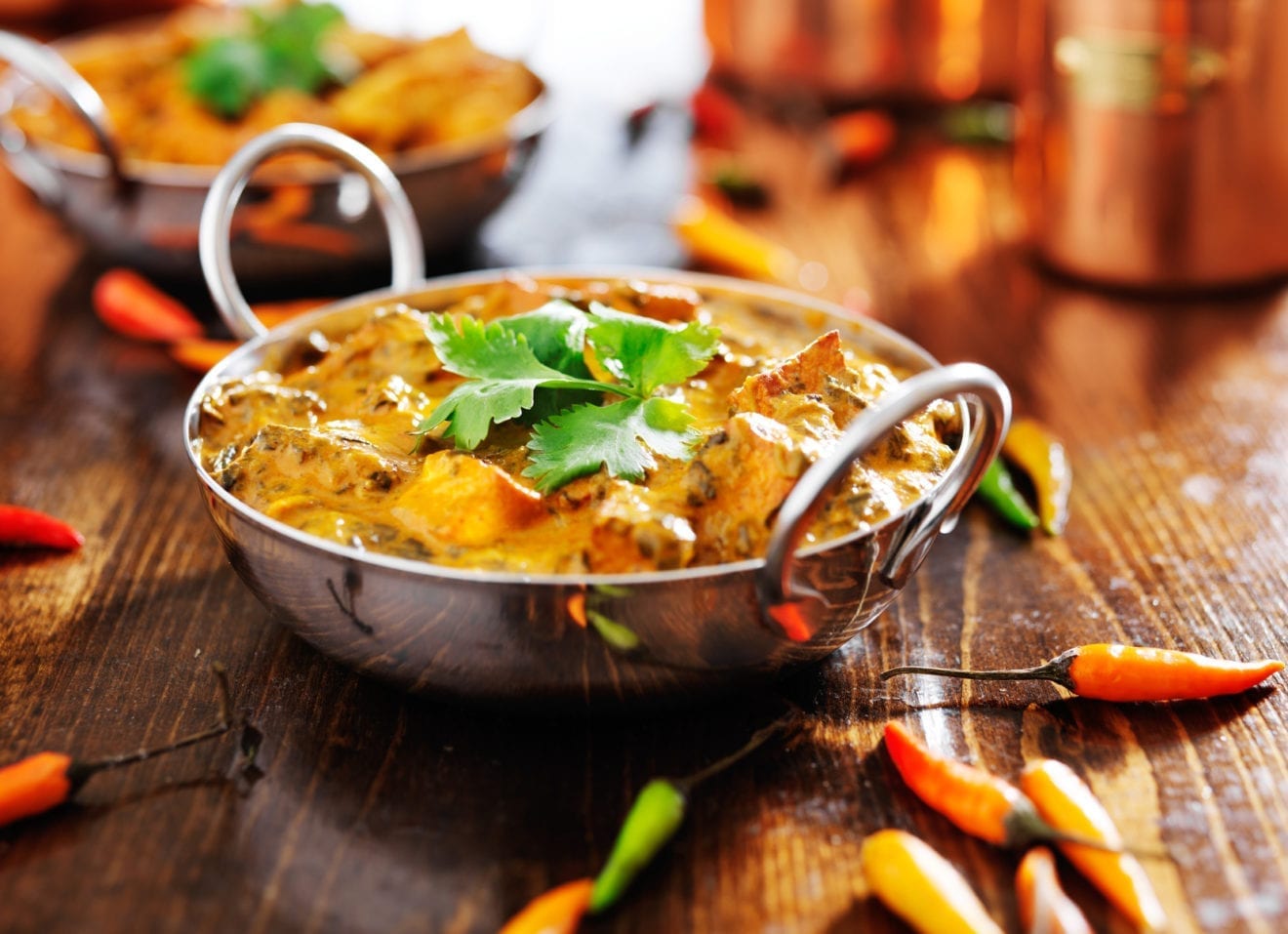
    Other chefs coming from Singapore include Manjunath Mural from the one-star Song of India, Han Liguang from Labyrinth, which has just been awarded one star in the new Michelin Guide Singapore 2017, and Malcolm Lee from one-star Candlenut, the world’s only Michelin-starred Peranakan restaurant.

    Coming from Japan is Yoshihiro Tanaka from Kougaryu Honten, who will be preparing his Bib Gourmand-awarded takoyaki in three different flavours.

    Three of Studio City’s signature restaurants, one-star Cantonese restaurant Pearl Dragon, Michelin-recommended Shanghainese restaurant Shanghai Magic and Michelin-recommended Bi Ying, which serves northern and southern Chinese flavours, will present delicacies made specially for the festival.
  • Japanese restaurants mushroom in Vietnam

    Japanese restaurants mushroom in Vietnam

    There are more than 1,000 restaurants serving Japanese cuisine in Vietnam, the majority of which are in HCM City. HCM City has about 660 restaurants serving Japanese cuisine, twice as many as there were three years ago, according to the Consulate General of Japan in HCM City.

    Outside of HCM City, there are about 110 Japanese restaurants across provinces and cities in southern Vietnam, such as Binh Duong, Dong Nai, Khanh Hoa, and Ba Ria – Vung Tau provinces.

    The Japan Consulate official said approximately half of the restaurants serving Japanese food in Vietnam are run by Japanese owners and the remaining are owned and run by Vietnamese franchisees and entrepreneurs.

    The increase in Japanese restaurants has also led to a growing number of Japanese food and ingredients sold.

    In 2016, Vietnam was the fifth-largest importer of Japan’s agricultural produce and food in the world.

    Japan exports about US$180 million worth of forestry and seafood to Vietnam every year.

    Japan is currently Vietnam’s second-largest foreign investor, having developed about 3,450 projects, with a total registered capital of over $46 billion.

    South Korea is the largest foreign investor with 6,130 projects, with a total registered capital of over $54.5 billion.

  • Honestbee Food launches meal deliveries

    Honestbee Food launches meal deliveries

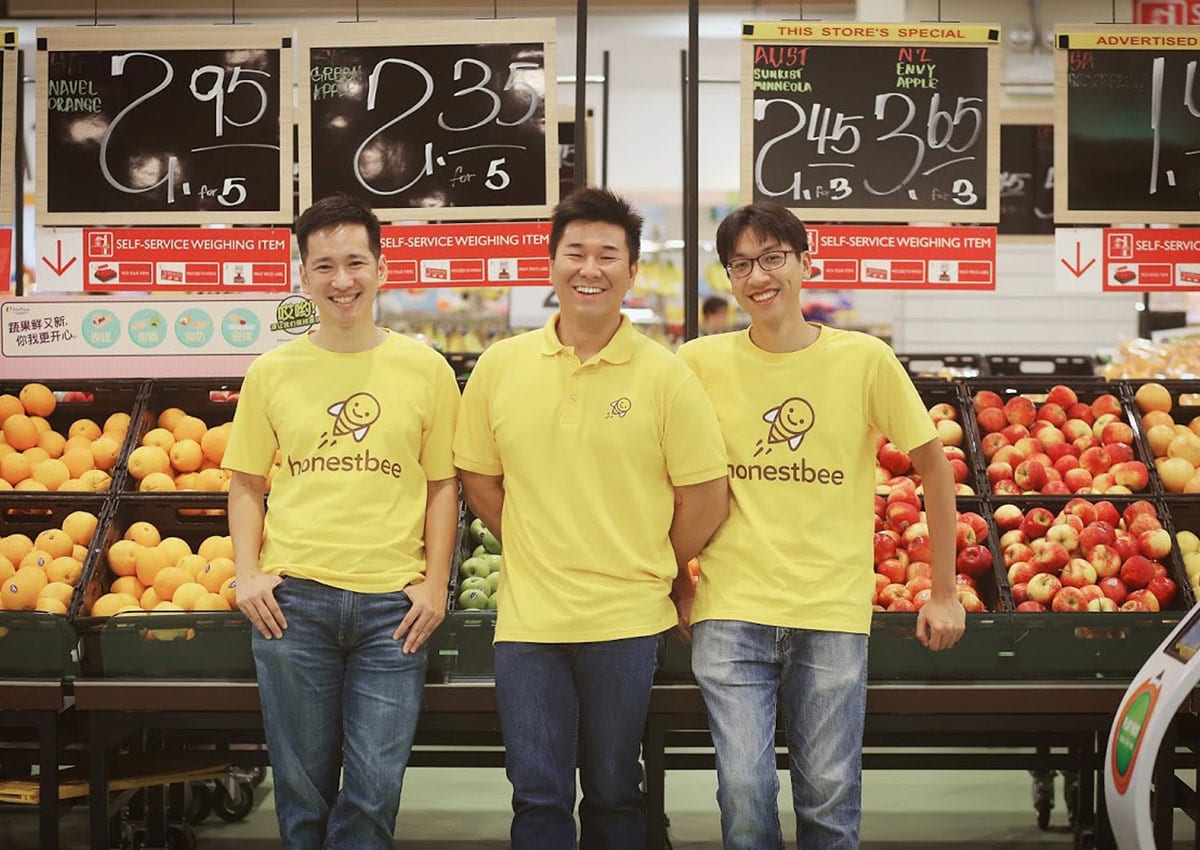
    Honestbee Food restaurant delivery service has been extended to Hong Kong.

    This follows the grocery and concierge service Honestbee partnering last month with eight major supermarkets, including UK retailer Tesco.

    To mark the launch of the meal-delivery service, Honestbee Food is offering special deals to Hong Kong customers, plus a free delivery promotion, until September 20.

  • The inaugural Asian Food Tech Expo opens in Shanghai 2018

    The inaugural Asian Food Tech Expo opens in Shanghai 2018

    The first Asia Food Tech will be held from May 16-18 May 2018, in Shanghai New International Expo Center. The exhibition is organized by the Messe München. It focuses on fresh food production, food  processing and packaging. Through the latest processing and manufacturing equipment & technology from meat, dairy products, fruits and vegetables, seafood, wine and other eight sectors, the show aims to push China’s food industry towards a better standard – “safety, seamless, intellectualised, modularised and flexibilized, tailor-made”.

    Asia Food Tech will be collocated with 3 other shows including “2018 Fresh Food Asia”, the 5th “Fresh Logistics Asia”. The event covers over 50,000 sqm exhibition area, with more than 800 exhibitorsand 35,000 professional visitors.  Be the first to lock down business opportunities!

  • AirAsia’s new inflight menu celebrates Asian flavors

    AirAsia’s new inflight menu celebrates Asian flavors

    In-flight meals are not usually the most exciting cuisine. During trips, travelers usually make do with cup noodles or overpriced hotdog sandwiches at the airport prior to their flights.

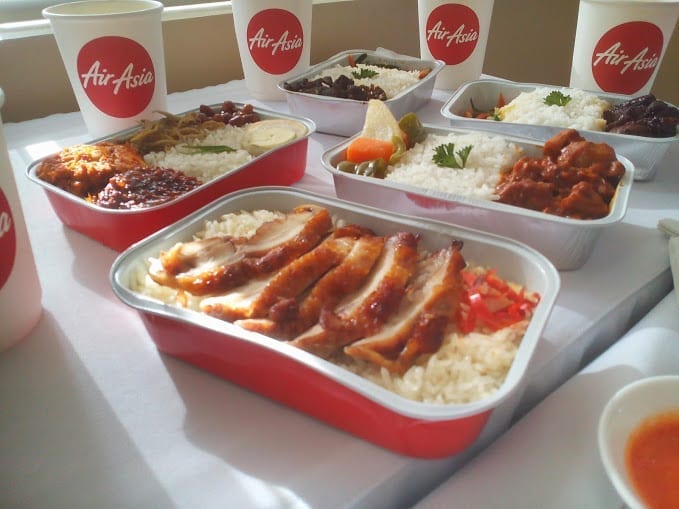
    Frequent travelers will be happy to have the option of enjoying appetizing and affordable meals on their way to a destination. Nasi lemak from Malaysia, green curry from Thailand, and beef bulgogi from Korea are just a few of the gourmet meals you can now enjoy onboard AirAsia, whether you’re traveling on international or domestic flights.

    AirAsia unveiled its Santan inflight menu and catalogue featuring the best of Southeast Asian flavours at a press event held in Bohol in partnership with Amorita Resort.

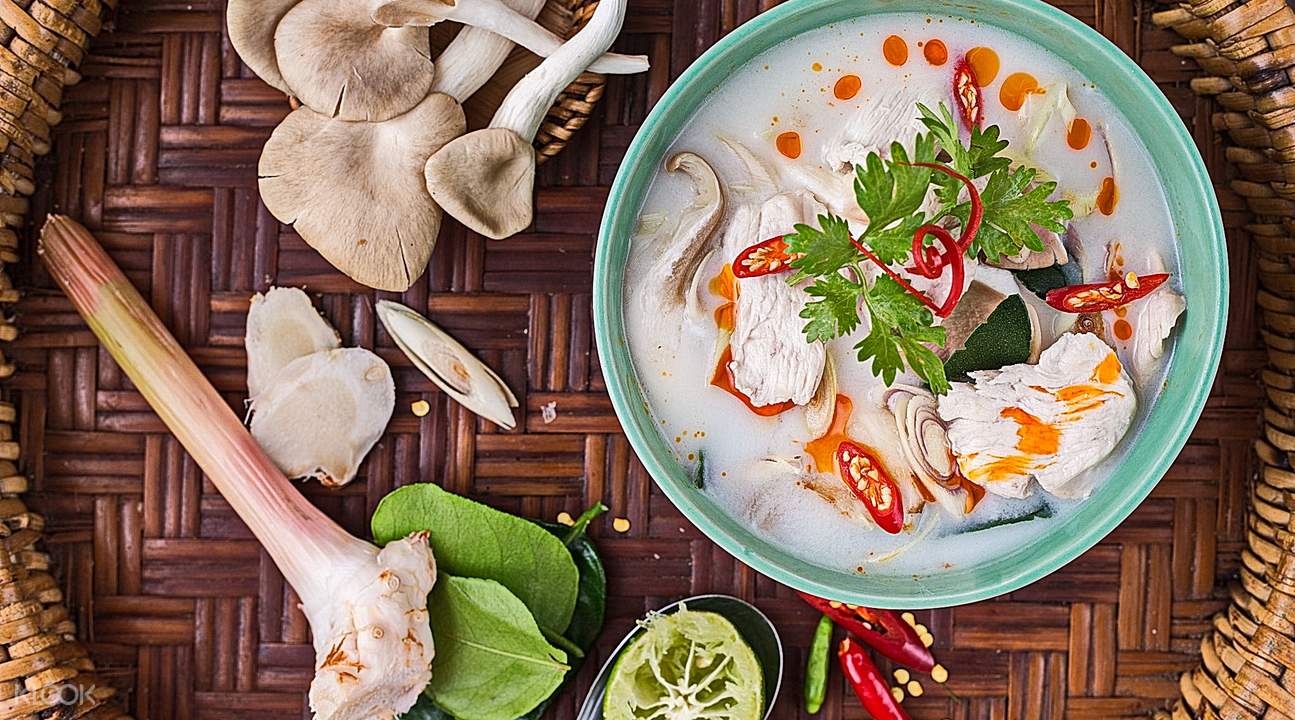
    Santan or coconut milk is a popular ingredient used in different Southeast Asian cuisine, and is featured in some of the inflight meals. The new inflight menu and catalogue features hot meals, savory snacks, healthy food selections, a variety of beverages, and special gift items and merchandise.

    Nasi lemak, a fragrant rice dish cooked in coconut milk and pandan leaf, served with traditional anchovies chili paste, cucumber, and various side dishes, is considered the national dish of Malaysia. AirAsia’s in-flight version manages to deliver big on flavor, with its savory coconut milk-infused rice and chicken in spicy sambal sauce.

    Chicken rice is popular in hawker stalls and restaurants in Singapore. The Hainanese roast chicken with seasoned rice served with a tasty secret chili, ginger and garlic sauce that’s sure to be a crowd-pleaser

    Thai green curry, an aromatic chicken curry infused with authentic spices from Thailand like kaffir lime leaves and Thai basil served with fragrant white rice, is also a hit with travelers.

    Are you a fan of Korean food? Try AirAsia’s spicy beef bulgogi, a stir-fried beef dish served with japchae or Korean glass noodles.

    For true blue Pinoys, there’s also our signature chicken adobo from the Philippines.

    Pasta lovers and kids will enjoy the Chicken Lasagne, a blend of classic creamy cheese and chicken with assorted vegetables. Dessert selections include red velvet cake, chocolate meringue and chocolate chip cookies.

    AirAsia, which has been voted the World’s Best Low Cost Carrier for nine straight years, aims to reinvent flight hospitality with its inflight meal options.

    “Gourmet experience onboard doesn’t have to be expensive and as an added value for our guests, we are keeping our pricing at affordable levels and at the same time maintaining the high quality and flavour of all our meals,” said AirAsia Philippines’ head of ancillary Karlo Sanchez.

    Hot meals are available onboard and via online pre-booking on all AirAsia flights across their network, extending as far as India, China, Australia and United States. A la carte hot meals cost P150 while combo meals with a choice of drinks and brownie are priced at P180 via online pre-booking.

    To enjoy greater savings, AirAsia encourages guests to pre-book their meals or to purchase their meals in advance online. Guests who pre-book will be assured of meal availability and will enjoy priority meal service onboard.

  • David Jones unveils $100m food strategy

    David Jones unveils $100m food strategy

    Department store chain, David Jones, has unveiled its $100m food strategy, aiming to build a retail food business that draws on design elements from the world’s top food sellers and gets younger generations back in-store.

    David Jones’ new gourmet food offering will kick off at Bondi Junction in Sydney’s east within seven weeks time and will showcase the retailer’s attempt to tap into the $100 billion food sector.

    Taking cues from Switzerland’s Globus, Eataly in New York, and La Grande Epicerie under Bon Marche in Paris, the revamped food offering will incorporate integrated dining developed with well-known chef and restaurateur Neil Perry, as well as cafes, butcher shops, bakeries and seafood counters plus prepared meals and packaged groceries.

    Westfield Bondi Junction will be followed by a food market in GPT Group’s Wollongong Central shopping centre, then Melbourne’s Bourke Street store in November.

    When Woolworths Holdings acquired Australia’s oldest department store retailer, food  “was never part of the rationale of the acquisition” according to Pieter de Wet, group food executive, David Jones. But the South African based retail group – which is now predominantly a food business with over 400 food stores generating over 60 per cent of its turnover today – quickly recognised a gap in the market.

    Pointing to a survey undertaken with a sample of its customers, de Wet said customers felt limited in their food options and gravitated towards big supermarket players only because they had no choice and it’s a case of “whichever one is closest on the way home.”

    “So there’s no emotional connection that exists with specialists, so their local barista, baker, that they have the connection they love their experience from.”

    De Wet said when asked about DJs food offering, its customers were unanimous. “They basically said that from a food point of view, we had fallen off the map completely”

    “If you speak to the 35 years old and under generation, there’s no reason for them to come to David Jones today because it’s not kept up with the times…they basically said to us if you’re going to do food, make sure it’s not just a small evolution, make sure it’s a massive step forward otherwise it’s not going to really interest us.”

    When asked by assembled media about Amazon’s $13.7b acquisition of WholeFoods in the US, John Dixon, David Jones CEO said it showed the US giant is changing its strategy after understanding the importance of stores. “They initially started selling books online…the acquisition of WholeFoods shows that they understand that its important in this day and age to have both an online and store operation.”

    “Certainly when you think about the opportunity and strength of David jones, we already have a great store network, nationwide coverage and we’ve got an online business which is going very nicely that we are about to re-platform in September.

    “We’ve brought over an expert from the UK to spearhead our online growth and what we know is when customers actually shop across what we call both channels, they are the most important and valuable customers to us. So I think we are very well placed because we have what we call a connected retail strategy.”

  • Vietnam to import more cashew

    Vietnam to import more cashew

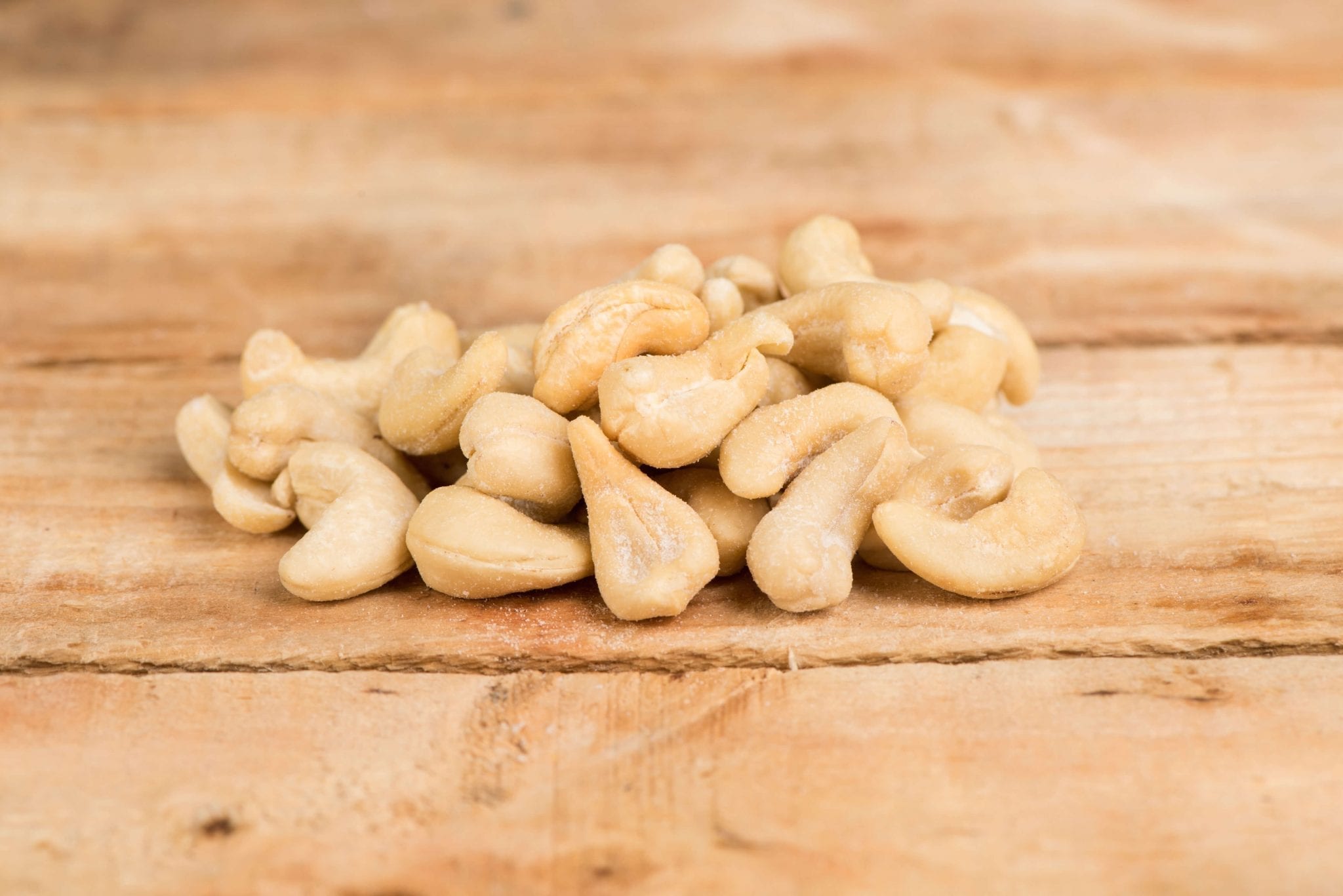
    Viet Nam, the world’s No 1 exporter of cashew products, expects to import an aditional 500,000 tonnes of nuts from now until October to meet its annual export target, according to the Vietnam Cashew Association (Vinacas).

    Without imports, the industry will not meet its export target of 360,000 tonnes because unseasonal rains have shrunk the 2016-17 crop, which in any case would have been insufficient to meet processing demand, the association said. Currently, nearly two-thirds of the nuts for Vietnam’s cashew industry are imported.

    According to the General Department of Vietnam Customs, 165,000 tonnes of cashew nuts worth about US$1.62 billion were exported in the first six months of 2017, up 2.3 per cent in volume and 27 per cent in value year-on-year.

    But Vinacas Chairman Nguyen Duc Thanh said the domestic cashew supply was not sufficient for processing needs in the first half, so the industry had to import 400,000 tonnes of high-quality raw cashew nuts from Africa.

    However, processors complained that while imported nuts were expensive, processed product prices remained unchanged, leading to lower profits, Thanh noted.

    Vietnam has been the world’s No1 cashew nut exporter for 11 straight years and is set to keep this position for the 12th year as it is forecast to ship abroad 360,000 tonnes of cashew nuts worth $3.3 billion in 2017. Since the six-month shipments were equivalent to just 45 per cent of this year’s target, the industry must work harder to realise this goal, according to Vinacas. The year’s final harvest in the fall is not expected to make up the shortfall.

    Due to the shortage, the price of raw nuts on the domestic market was expected to rise, even for low-quality raw material, especially in the period from October to December 2017. Therefore, many plants have scheduled to reduce their processing capacity and some small plants will have to close.

    Nguyen Quang Huyen, General Director of the Hoang Son 1 Co, Ltd, said the shortage of raw cashew is not new. Major enterprises made preparations from the start of the year to ensure normal production activities. Only small firms without adequate storage have to wait for imported materials.

    According to Vinacas Chairman Thanh, to ensure bigger crops, new high-yield cashew varieties tolerant to climate change and disease must be planted, and the planting schedule should be adjusted to cope with climate change.

  • Changi Airport Group seeks partners for latest food & beverage concessions

    Changi Airport Group seeks partners for latest food & beverage concessions

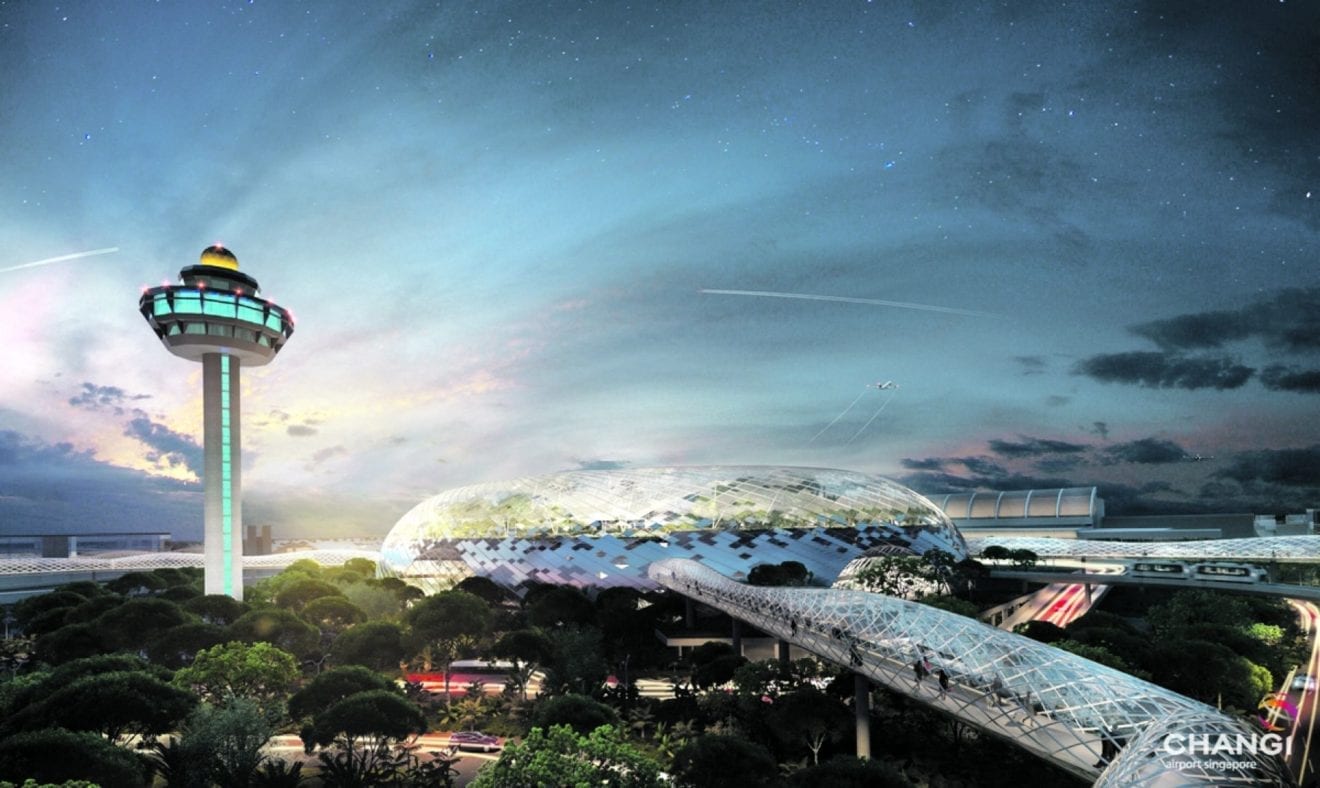
    Changi Airport Group (CAG) is seeking partners for four brand name restaurant concessions at Singapore Changi Airport Terminal 3 through a Direct Marketing Exercise. The units are located in the Departures Check-In Hall, Level 3 and are each around 190sq m in size.

    CAG said: “We are looking for brands with a proven track record over the years or innovative concepts that will enhance, add value and differentiate the dining experience for passengers in Terminal 3.”

    For each brand name proposed, interested companies may submit a proposal with separate rental bids for Concessions A to D respectively. If bidders intend to propose and operate more than one brand name, separate proposals must be submitted.

    The concession terms are three years each, with the option of a three-year extension at CAG’s discretion. Contracts for the four concessions begin in March, April, July and September 2018.

    Changi Airport Group won the prestigious FAB Award for Airport F&B Offer of the Year last week in Toronto; the award was accepted by General Manager, Advertising, Marketing and Promotions, Airside Concession Division Edwin Lim As reported, Changi Airport captured the award for Airport Food & Beverage Offer of the Year at last week’s FAB Awards, organised by The Moodie Davitt Report in Toronto. A special edition of The Foodie Report e-Zine will feature full details on the winners.

  • India to become the gateway to the food industry

    India to become the gateway to the food industry

    India is all set to become the global manufacturing hub of the food industry, and to establish its presence and showcase its capabilities, the World Food India 2017 is being held in New Delhi, from 3rd to 5th November 2017. World Food India will be the largest gathering of investors, manufacturers, producers, food processors, policy makers, and food corporations from the global food ecosystem. The three-day event is being organised by the Ministry of Food Processing Industries, Government of India.

    World Food India intends to establish global linkages and facilitate foreign investment in India’s food retail market that services the needs and rising aspirations of the country’s 1.3 billion consumers – a ready market. The food processing industry accounts for over 9% manufacturing GDP and has emerged as critical component of India’s economy.

    World Food India aims to provide opportunities for both investment and trade in the food processing sector for leading Indian and international companies. Encompassing the entire food spectrum from production to consumption, World Food India is looking at creating a better sourcing environment, thereby enabling higher returns for farmers, creating employment, and fostering entrepreneurship. The three day mega event ‘World Food India’ will provide a platform to showcase offerings and services along the food value chain which includes production, processing, packaging, technology, equipment, storage, logistics or retail.

    Global food corporations, MSMEs & everyone connected directly or indirectly to the food sector are showing tremendous interest in World Food India 2017. The cuisines of India are inherently diverse in nature as each state in India come with a unique palate & offering. The World Food India aims to bring all the different states of India, as well as the global powerhouses in the food industry, together – for the first time.

    World Food India will have exhibitions on the food processing industry, a Global CEO conclave, a country session, a state session, and conferences. One key attraction of the event will be the Food Street which will showcase food delicacies of the various states of India and as well as international cuisine. More details on World Food India 2017 can be found on this website.

  • Vietnamese street food favored over foreign fast food chains

    Vietnamese street food favored over foreign fast food chains

    Several Burger King shops in HCMC and Da Nang have closed, while Lotteria has also shut down ineffective shops. Other giants have not closed many of their shops, but they are cautious developing their chains.

    McDonald’s, when setting foot in Vietnam, stated it would open 100 shops within 10 years. However, after three years in Vietnam, the giant has opened only 15 shops.

    A representative of Lotteria admitted that competition in the fast food market is getting stiff with many foreign and domestic brands.

    Some brands have shut down shops because their menus were not suitable to Vietnamese tastes and the prices were not competitive.

    Nguyen Huy Thinh, managing director of McDonald’s, said it was normal for fast food brands to shut down unprofitable shops, while a representative from Burger King said the chain’s business has been going well with a two-digit growth rate.

    However, Hoang Tung, a branding expert, blames the failure of some fast food chains on the difference between the food and Vietnamese tastes.

    Burger King, for example, develops products based on burgers as the core product.

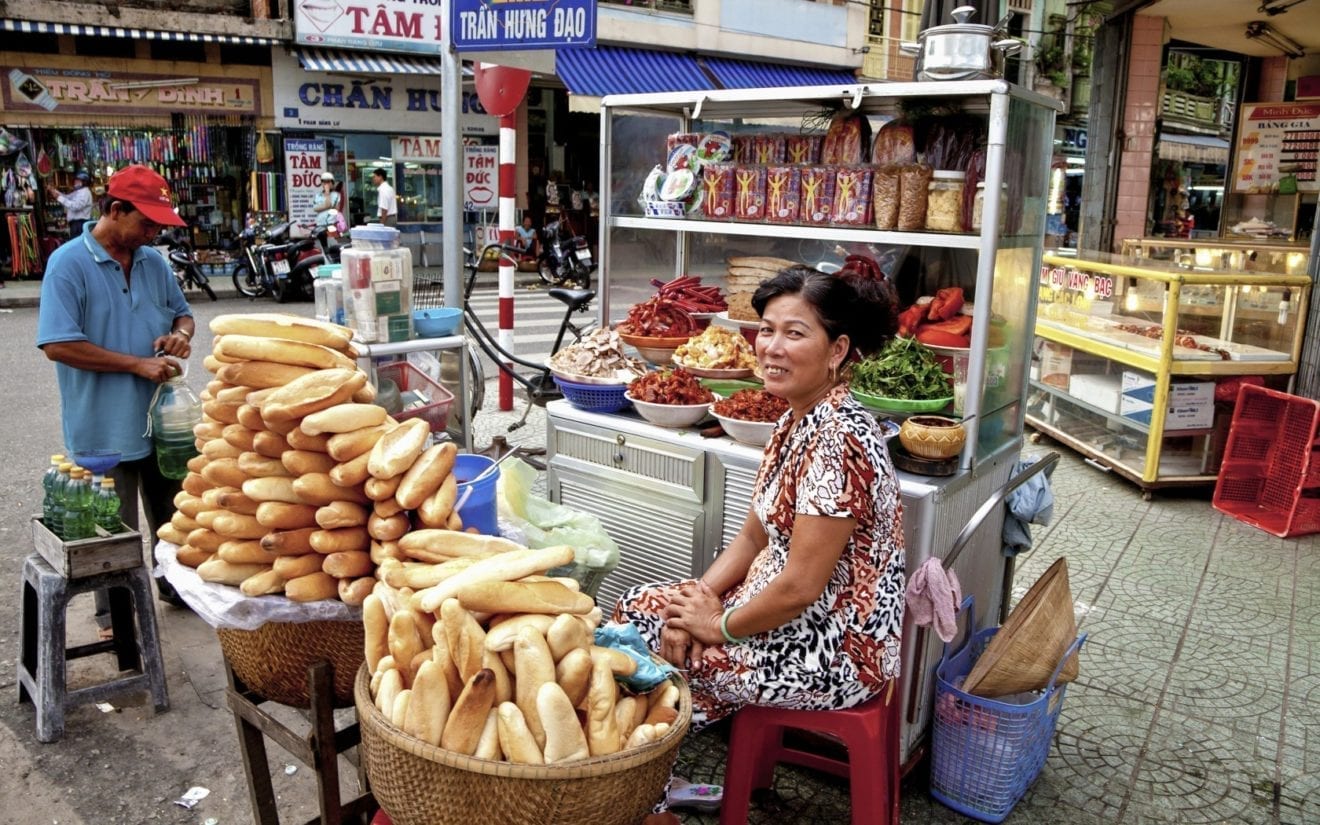
    “Vietnamese still prefer banh my (sandwich) and banh my is cheaper than a burger,” Tung said. “This is why the burger chain expansion has slowed down, while banh my chains have been booming.”

    Tran Anh Tuan, CEO of Pathfinder, a consultancy firm, also said that some fast food chains are not positioned well in the domestic market, and products don’t change regularly. And the price is too high compared to consumers’ income.

    “Fast food, in foreign countries, is generally for the masses. But in Vietnam, fast food chains target high-income earners,” he explained.

    Fast food… and rice

    While western-style fast food chains are not thriving, Vietnamese and Asian food brands are doing well.

    Anh from Pathfinder said that many Japanese and Korean food chains have appeared i which are closer to Vietnamese tastes.

    “Korean fried chicken chains have been developing rapidly because they have reasonable prices and fit Vietnamese tastes,” he said.

    In the past, only a few fast food chains sold Vietnam rice, but now it is a major dish on menus.

    MOIT has granted licenses to 148 foreign brands to enter the Vietnamese market in the last eight years.

    This includes 42 fast food, bakery, coffee, beverage and restaurant brands, accounting for 43.7 percent of the total.

  • Food delivery and out-of-home dining are thriving in China

    Food delivery and out-of-home dining are thriving in China

    China is one of the world’s largest e-commerce economies, but that doesn’t mean people are only opting to consume in the comfort of their homes.

    In fact, a study by consultancy Bain and Company and Kantar Worldpanel found that the growth rate of FMCG (fast-moving consumer goods) home consumption is only tepid compared to the strong growth of dining out.

    According to that 2017 China shopper report, released on Tuesday, dining out and food delivery are seeing robust growth with Chinese consumers, who have traditionally cooked at home.

    The results revealed that while the value of food purchased for in-home meal preparation grew by only 3 percent annually from 2013 to 2016, food delivery rose by 44 percent and dining out grew by 10 percent over the same period.

    “You can still have family lunches and dinners at home but there is so much variety of delicious food that is available at 30 minutes from where you live or where you work, why would you bother cooking at home?” said Bruno Lannes, partner in Bain’s Greater China Consumer Products Practice.

    The study analyzed responses from a panel of 40,000 households and 4,000 individuals in tier 1 and tier 2 cities.

    The report’s findings this year are a continuation of a “two-speed” trend identified last year, said Lannes.

    In the case of dining, it’s “high-speed dining out and delivery versus low-speed home cooking” and this divergence will present new opportunities and strategies for food businesses, the report added.

  • Government to realize self-sufficiency in garlic in 2019

    Government to realize self-sufficiency in garlic in 2019

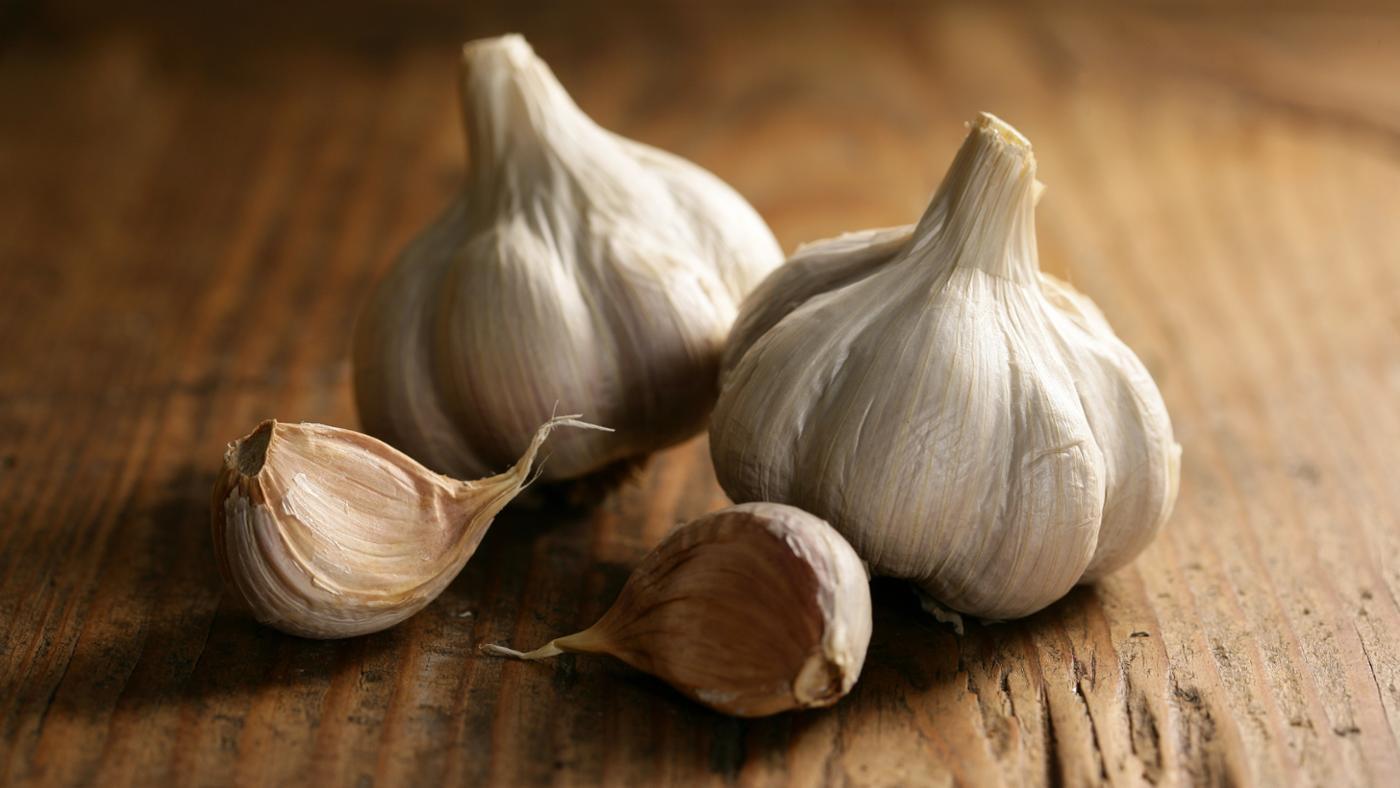
    The Agriculture Ministry has targeted to achieve self sufficiency in garlic in 2019, sooner than its previously set target of 2033, Agriculture Minister Amran Sulaiman stated here, Monday.

    Sulaiman noted after the delivery of the Supreme Audit Agency Report that the decision to advance the target was made following recent fluctuations in the prices of the commodity.

    “We are learning from the recent fluctuations in the prices of garlic. Earlier, we had planned to become self-sufficient in garlic in 2033. However, we would advance the target; god willing, it would be in 2019 or 2020. We are aiming to advance the target by 13 years,” he remarked.

    According to the minister, a total of 60 thousand hectares of land will be needed to realize the target.

    Currently, some 90 percent of the countries garlic demand is met through imports annually reaching some 500 thousand tons worth Rp20 trillion.

    “If we can have 60 thousand hectares of (garlic plantations), then we can save Rp20 trillion in foreign exchange while boosting the farmers income,” he added.

    Sulaiman noted that the ministry will maximize the existing land potential, including four million hectares of rain-fed land and 21 million hectares of former swamp areas.

    “We can cultivate (garlic) in these four million hectares of land, with three harvests a year. Farmers could earn Rp150 trillion-Rp200 trillion from this. Secondly, we have 21 million hectares of swap areas that we can use for farming along with building a sugar factory. If we can achieve this, then we can become the worlds largest food producers,” Sulaiman remarked.

    Data from the Central Bureau of Statistics showed that 22,630 tons of garlic was imported from China as of April, while 1,971 tons of the commodity was imported from India during the same period.

    Indonesia has recorded self-sufficiency in garlic production in the period between 1990 and 1998.

  • BI launches food price information center

    BI launches food price information center

    The central bank of Indonesia, Bank Indonesia (BI), has launched a Strategic Food Price Center website (PIHPS) application which will serve as a reference of pricing information to help those in charge of making policy on inflation management.

    BIs Governor Agus Martowardojo said, at the PIHPS launch here on Monday, that data collection was one of important factor in controlling price to manage inflation.

    “The success of inflation policy application requires not only information but also supporting data. We follow the presidents directive, stated on April 11, 2016, to develop food information system center,” Agus stated.

    He explained that at an early stage, PIHPS will focus on 10 food commodities that contribute more than 50 percent to inflation of the volatile foods category.

    Referring to PIHPSs website at www.hargapangan.id site, the 10 strategic food commodities are rice, beef, chicken, chicken egg, red chili, cayenne pepper, onion, garlic, cooking oil, and sugar.

    Controlling the prices of these 10 food commodities has become the foundation of BI and the government to control inflation of volatile foods.

    Data presented by PIHPS is compiled from 164 traditional markets from 34 provinces. The data collected from 9.00 to 11.00 Jakarta time will be validated by BI at 10.00 to 12.00 and then published at 13.00 Jakarta time.

    PIHPS can be accessed at www.hargapangan.id or by downloading PIHPS National at android and Apple iOS operating system for free.

    In future, the Central Bank will develop the application by extending data coverage that includes modern markets, wholesalers, and producers, Agus remarked.

    “In 2018, we will collect data at the producer level for the 10 commodities, and we will also develop the site, hoping that wider access to food information will gradually lower the price fluctuations,” Agus revealed.

    Through PIHPS, the Central Bank wants to keep the inflation at 3-5 percent this year by paying particular attention to volatile foods, considering that its pressure from administered prices will be high following the energy subsidy adjustment policy that is applied this year.

    BI and the government want to keep volatile foods inflation in the range of 4-5 percent year on year from this year.

    The government has listed an overall inflation assumption of 4 percent in the 2017 State Budget.

  • Vietnamese firm to ship first batch of chicken products to Japan in August

    Vietnamese firm to ship first batch of chicken products to Japan in August

    It has taken the company two years to meet Japan’s strict quality control processes. A Vietnamese firm has completed the necessary procedures to start shipping processed chicken products to Japan.

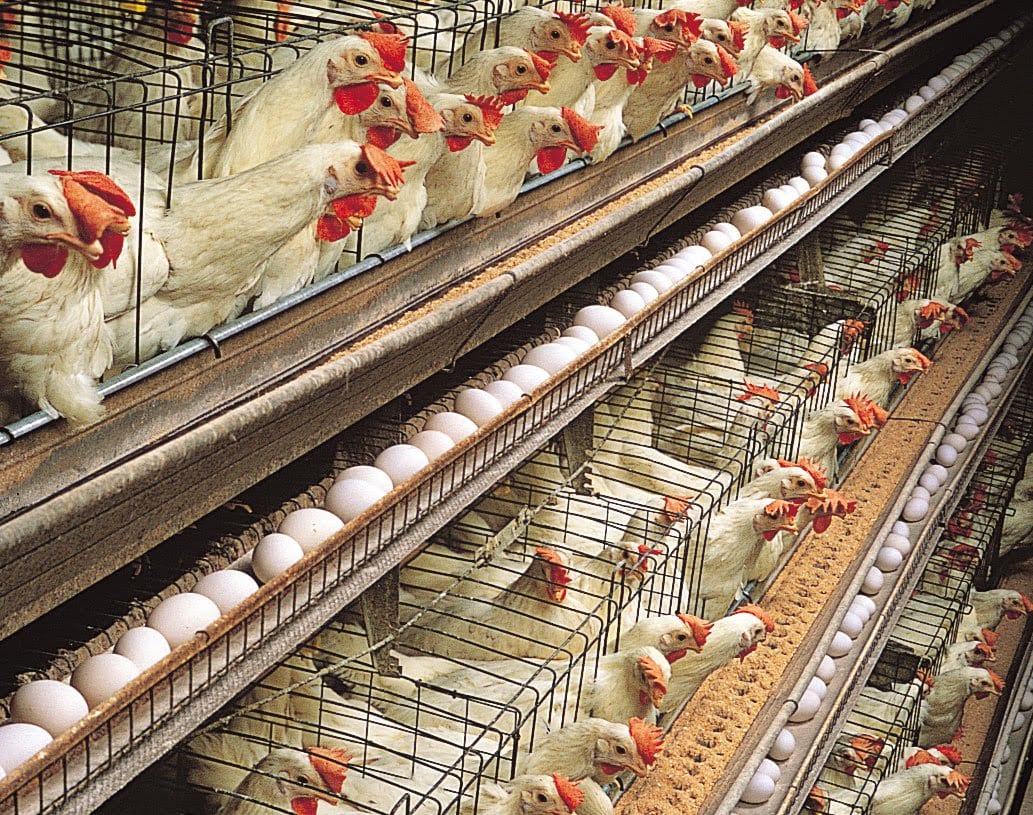
    Koyu&Unitek Co. Ltd is the first poultry firm in the country to gain access to the Japanese market, and plans to export around 300-400 tons in August this year.

    Nguyen Van Quyen, head of the company’s export division, told that the Japanese market is very demanding and has strict control processes, so it had taken nearly two years to complete the necessary procedures.

    The most difficult phase was building the company’s own management oversight program following criteria laid out by the World Organization for Animal Health and Japan.

    Japanese importers pay special attention to antibiotic residue in products, banned microorganisms and bird flu, among others, said Quyen.

    In additon to Japan, his company is also seeking export opportunities in Europe, Australia and Canada. Each market requires its own strategy to meet the respective criteria of each country, said the official.

    According to Pham Van Dong, director of the Ministry of Agriculture and Rural Development’s Department of Animal Health, Vietnamese chickens are usually consumed in the domestic market and are not bred for export.

    Only two local companies have registered to export processed chicken to Japan: Koyu&Unitek in July 2016 and CP Vietnam Co. Ltd in late May 2017.

    Since the beginning of this year, Vietnam has exported $13.7 billion worth of farm produce, forestry products and seafood to the world market, up 9.5 percent against the same period last year, according to the ministry.

  • Central Food launches new format in Thailand

    Central Food launches new format in Thailand

    The parent company of Tops Supermarket, Central Food Retail (CFR), will invest Thb1bn (US$29.37m) in a new format Tops Plaza, and 176 new Superkoom supermarkets.

    The leading Thai retailer told that the new format will be community shipping mall, with the first to open in Pichit this year, and another in Payao next year. CFR also plans to open 178 Superkoom supermarkets this year, bringing its total operations of the discount supermarket to 200.

    Phattaraporn Phenpraphat, CFR executive vice-president for marketing and public relations, told that the company had strong sales growth in the first quarter of the year, both from existing stores and from new Superkoom, Tops Daily and Tops Market store openings.

    “Our sales growth of 3.02 per cent in the first quarter exceeded the industry growth rate,” she said.