Tag: Food

  • Vietnam’s pepper farmers urged to keep calm and carry on

    Vietnam’s pepper farmers urged to keep calm and carry on

    Industry leaders have called on distraught and anxious pepper farmers to remain calm and refrain from selling their produce at low prices, saying the current price plunge is most likely a fleeting phenomenon.

    Do Ha Nam, Chairman of the Vietnam Pepper Association, said farmers should break their impulse to “mass sell” their produce immediately after harvest.

    “Vietnamese pepper exports now account for nearly 50% of global output, so we are actually in a position to control the market. Farmers should be calm and not sell at lower price, and the market will revert to its equilibrium,” Nam said.

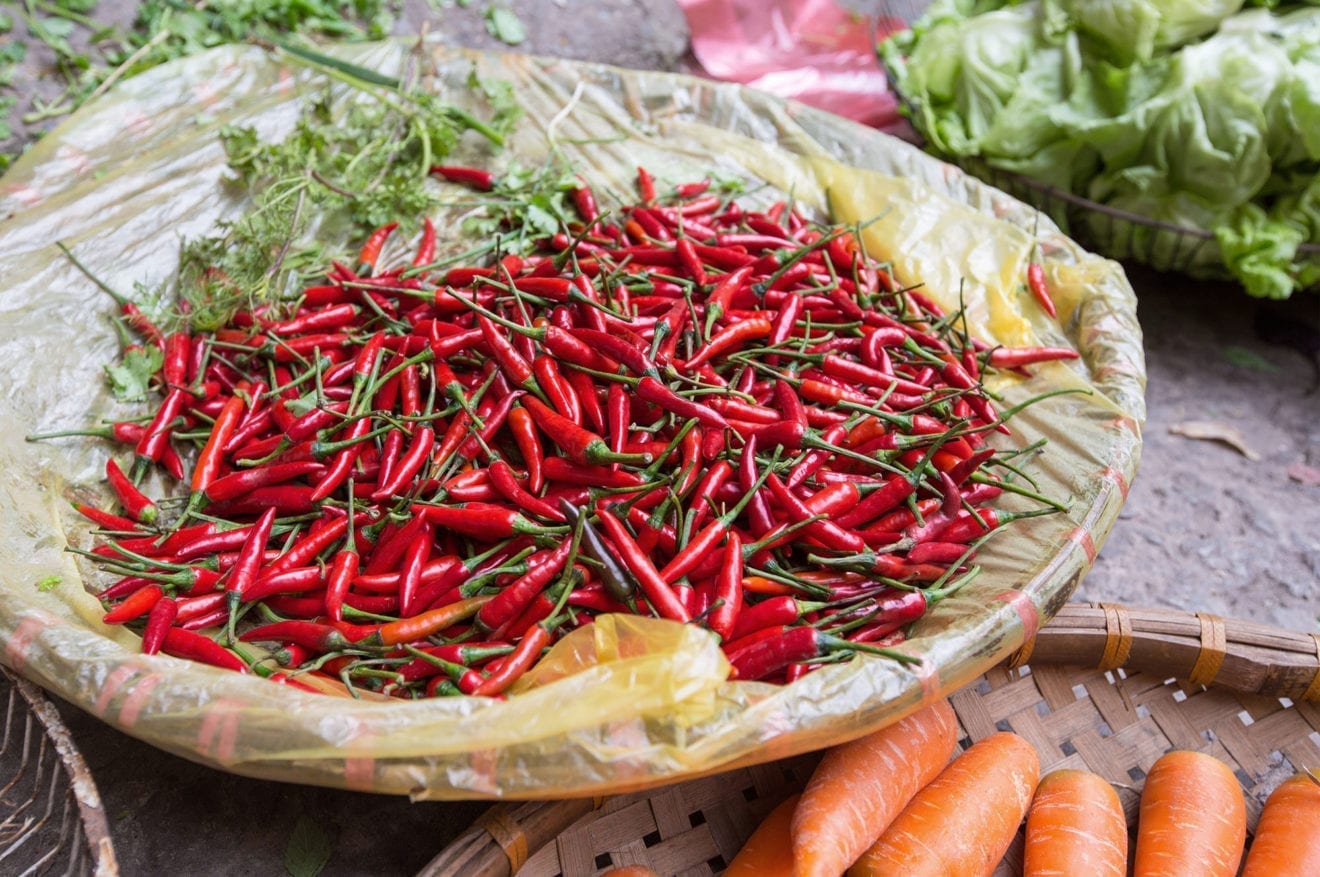
    In the Central Highlands, the price for whole peppercorns on the domestic market has dropped from VND180,000 (US$8.04) since last August to around VND80,000 (US$3.57) per kilogramme as of May 28 to reach the lowest point in seven years, and many pepper farmers are in dire straits, with some pushed to the point of having to sell their land to settle debts.

    Authorities, meanwhile, are struggling to manage what they say is the consequence of unplanned farming and poor quality crops, which is dragging the whole industry down.

    According to the Standing Committee of the Tay Nguyen Steering Board, farmers were “misled” by pepper price surges in recent years to plant the crop on a large scale, ignoring warnings from local authorities. Subsequently, gluts have led to the sharp decline in prices, the committee has said.

    Nguyen Thi Do, a pepper farmer in Dak Nong Province, said her family had taken a bank loan of VND4 billion (US$178,770) to plant pepper on a 10ha plot. At her initial calculation of VND200,000 (US$8.93) per kilogramme of whole pepper, profits were certain, but the drastic drop in prices could force her to sell her land to repay the bank.

    Pepper rush

    Originally, Central Highlands provinces like Dak Lak, Dak Nong and Gia Lai had planned to expand the farming area for pepper to a maximum of 6,000ha by 2020. But all these provinces have surpassed this limit by far. Dak Lak has nearly 28,000ha of pepper farms, Dak Nong, 25,000ha, and Gia Lai, over 15,000ha.

    The national total is about 150,000ha, set to produce about 300,000 tonnes of pepper in the next two to three years, so, going by supply and demand function alone, prices could drop as long as supply exceeds demand, said Hoang Phuoc Binh, Deputy Chairman of the Chu Se District Pepper Growers’ Association in Gia Lai Province.

    To compound matters, even with farming on such a large scale, many farmers have experienced crop failures due to poor preparation and misuse of chemical inputs.

    Huynh Van Lan of Gia Lai Province, along with his peers, is increasingly worried about drops in both production and prices as his crop nears harvesting. Of more than 2,000 vines on his farm, 250 have died while the rest are producing just half their normal yield.

    Bad habits

    Tay Nguyen authorities have recorded a common practice among local pepper farmers of planting a new crop directly on malnourished, acidic and depressed soil without taking any step to replenish the soil with nutrients. This is causing slow growth and increased vulnerability to diseases.

    To make matters worse, a number of farmers have been using seeds of dubious quality, affecting the rest of the harvest. The use of toxic pesticides and growth accelerators has further exacerbated the situation.

    As if all this weren’t enough, the irregular drizzling since February 2017 has continued to dampen the pepper vines’ roots, exposing them to pests and affecting production.

    Experts say that the combination of market glut and poor quality crop threatens sustainable development of the domestic pepper industry, most particularly its export potential.

    High non tariff barriers are another challenge for Vietnamese pepper, which has to contend with markets already familiar with exports from Indonesia, Malaysia and India, they say.

    Sustainable solutions                                

    To prevent “spontaneous” and inefficient farming, the Tay Nguyen Steering Board has asked provincial authorities to adjust and firmly implement their provincial pepper cultivation plans.

    They should also organise comprehensive training programmes for local farmers in order to synchronise production in the region, the board has said.

    It has noted that the need for sustainability stretches across all crops and agricultural products, requiring farmers to work closely with other stakeholders in the supply chain to obtain technical support and suitable farming inputs.

    In Chu Puh District, Gia Lai Province, a key pepper producing area, a farming model that saves water, uses organic fertilisers and pesticides is showing encouraging results.

    More importantly, farmers are being advised to plant exclusively on suitable soils with high drainage to allow maximum growth and minimum soil damage.

    So far, the district has implemented this model on more than 100ha, and aim to expand this to 500ha by 2020.

    The Steering Board also advised local governments to focus on brand building and vertical integration to promote exports.  Clean, ecologically sound cropping is the ideal long term solution to the problems faced by the domestic pepper industry, experts agree.

    The rosier side

    Do Huong Duong, vice chairman of the Phu Nhuan Service Joint Stock, notes that despite the ongoing problems in quality, output and prices, export turnover has continued to rise.

    According to the Ministry of Agricultural and Rural Development, Vietnam exported about 75,000 tonnes of pepper worth US$456 million in the first four months of 2017.

    Vietnamese pepper has been a stable import in the US, United Arab Emirates, Pakistan, Indian and German markets in the first three months. There are signs of improvement in other markets like Thailand, where import of Vietnamese pepper has registered a year-on-year increase of 49.6%.

    These numbers prove that Vietnamese pepper is able to meet quality criteria in the strictest markets in the world, Nam said. Farmers have to be encouraged and helped to focus on improving their produce while the Government keeps an eye on mass production and quality control, he said, adding that that this would ensure market stability as well as sustained profits from this key crop.

  • Incurring big losses, fast food giants open fewer shops

    Incurring big losses, fast food giants open fewer shops

    The heyday of fast food chains seems to be over in Vietnam. The number of fast food shops has been decreasing in an era when people are trying to ‘live slowly’.

    Ten years ago, Hanoians and Saigonese could easily find fried chicken shops along main streets. At that time, eating fried chicken at fast food shops was in fashion. More and more fast food shops opened, not only in large cities, but also in small cities and provinces.

    In 2012, Burger King, encouraged by the fast growing market of Vietnam, announced a plan to spend $40 million to develop a chain with shops located in advantageous positions in many cities and provinces throughout Vietnam.

    A representative of Burger King once stated that Vietnam was one of its key markets.

    Nguyen Bao Hoang, who brought McDonald’s to Vietnam, said he would open about 100 shops in Vietnam within one decade, and employ hundreds of workers. Lotteria and KFC are believed to be the brands with the highest number of fast food shops in Vietnam.

    Analysts once believed that the potential of the Vietnamese market was great with the Vietnamese income on a rapid rise. Fast food chains targeted the Vietnamese middle class with average household income of $500-1,000.

    MOIT has granted licenses to 148 foreign brands to enter the Vietnamese market in the last eight years.

    This includes 42 fast food, bakery, coffee, beverage and restaurant brands, accounting for 43.7 percent of the total.

    Some fast food shops have shut down quietly after the boom. The number of shops of each fast food chain is on the decrease.

    In mid-February 2016, a Burger King shop at No 1B-1B1 on Cong Hoa street in HCMC announced its closure. One month before, another shop at the Dien Bien Phu – Cao Thang crossroads in district 3 also shut down.

    In 2015, two Burger King shops at No 26-28 Pham Hong Thai street in HCMC and 125 Lo Duc street in Hanoi stopped operation. In mid-2014, a shop closed in Da Nang.

    McDonald’s, a well known brand from the US, has set up several shops in HCMC but still hasn’t opened a restaurant in Hanoi.

    A branding expert commented that food chains can develop only if their products fit locals’ taste.

    This explains why fast food chain development has slowed down, while banh my (Vietnamese sandwich) chains have been prospering.

  • Creme Maison announces strategic partnership and expansion plans

    Creme Maison announces strategic partnership and expansion plans

    Singapore-based bakery Creme Maison announces partnership between two young Gen-Y entrepreneurs, Ms Angeline Ng and Ms Serene Tan. Founded in 2014 by Ms Angeline Ng, Creme Maison has gained a cult following for its signature floral cupcake bouquet, which is crafted entirely out of buttercream. Constantly pushing the boundaries with bold, innovative flavours such as bestsellers Matcha Salted Egg, Raspberry Lychee Rose and Earl Grey Lavendar, the brand places a strong emphasis on using only fresh premium ingredients.

    The synergistic partnership between the two came about when Serene embarked on a blind cake tasting spree to find the best tasting cakes in Singapore. What began as a casual meeting evolved into a partnership with plans to expand and introduce the brand to the Taiwanese market. Coupled with her experience from franchising popular dessert chain Dazzling Café, Serene saw immense potential in the Taiwanese market for a bakery with a unique concept such as Creme Maison’s, and believes that it will be well received in Taiwan.

    Bringing to the table her experience with supply chain management and process implementation, Serene will be responsible for the business side of the partnership and will be establishing a strong local headquarters and developing processes to increase productivity.

    Locally, plans are currently underway for Creme Maison’s central kitchen, which will be ready in the third quarter of 2017. The central kitchen is expected to increase productivity to meet the growing demands locally.

    The brains behind Creme Maison’s creations and bold flavours, Angeline is responsible for spearheading the brand’s R&D efforts. Angeline hopes to excite consumers with new interesting flavours, as well as introduce options for the health-conscious, and consumers with allergies. “Cakes are for joyous occasions, and we want to be able to share the experience with everyone, whether you are gluten intolerant, or have any dietary restrictions, in exchange for big smiles and contented hearts,” said Angeline.

    With plans to expand regionally, Creme Maison not only has its sights set on Taiwan, but has plans to further expand its international presence in other parts of Asia within the next two years. Besides expanding the business through bespoke customised cake and wedding orders, the brand hopes to introduce new to market features such as unique and interactive user experience to consumers, as well as investing in a strong team for R&D and product innovation.

  • Healthy food delivery startup IndieDish announced as winner of TOP 100 Fight Club Thailand

    Healthy food delivery startup IndieDish announced as winner of TOP 100 Fight Club Thailand

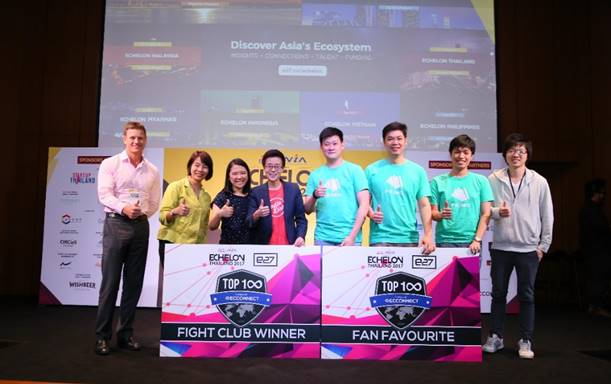
    IndieDish was announced winner of the TOP 100 Fight Club Thailand at Echelon Thailand 2017, an enriching two-day tech conference organised by e27, in collaboration with Startup Thailand and the National Innovation Agency.

    Echelon Thailand 2017 is a digital insight, connections, talent, and funding platform crafted to connect people across Thailand, the gateway to Asia’s thriving tech startup community.

    Thirteen Thai-based startups were shortlisted from over 100 entries to battle for the coveted prize, which includes two tickets to the Echelon Asia Summit in Singapore, access to a VIP dinner with invited investors and corporates and a free TOP 100 Exhibition booth at the event.

    Founded by two ex-Amazon employees, IndieDish not only delivers healthy food at a relatively cheap price of THB 89 per meal on average, it also makes the delivery process efficient in traffic-congested Bangkok.

    IndieDish optimises its logistics algorithm by using a pre-order system. Based on the pre-orders it receives, which can be made a week in advance, IndieDish will work out the most efficient route for its delivery drivers. IndieDish has delivered over 18,000 meals so far. It doesn’t offer on-demand/same day delivery services but it is working on providing this service in the future.

    The judges were impressed with how thoroughly the team had thought through the delivery process and were drawn to IndieDish’s mission to broaden healthier food choices in the country.

    Meanwhile, the fan favourite prize, based on a live audience poll, was awarded to Primo, an app that organises and consolidates promotions from a user’s credit cards and membership cards. The app then pushes personalised deals based on the user’s preference.  Based on the user’s spending limits, Primo then recommends which deals best fit their budget.

    Even though the remaining startups may not have won a prize, they will be considered for qualification into the TOP100 Finale at Echelon Asia Summit 2017 this June 28-29 in Singapore and the e27 platform will continue to support them by connecting them to various stakeholders and investors in the regional ecosystem all year around.

  • AirAsia to introduce ePos system for F&B orders on flights

    AirAsia to introduce ePos system for F&B orders on flights

    Budget carrier AirAsia will introduce an electronic point of sales (ePos) system in the next eight months to allow passengers to make food and beverage (F & B) orders and payments online during flights.

    AirAsia group chief executive officer Tan Sri Tony Fernandes said the ePos system could be accessed through the on board WiFi service, roKKi, and this was a part of the airlines digitalisation efforts at creating better, more innovative inflight offerings.

    “It is opposed to just pushing the food trolley, and will help us serve customers faster and efficiently with them making orders from their smart phones,” he told the media at the AirAsia Santan Food Festival in Sepang on Monday.

    Fernandes said since the roKKi Wi-Fi service was launched in 2014, about 6% of passengers on board had used it.

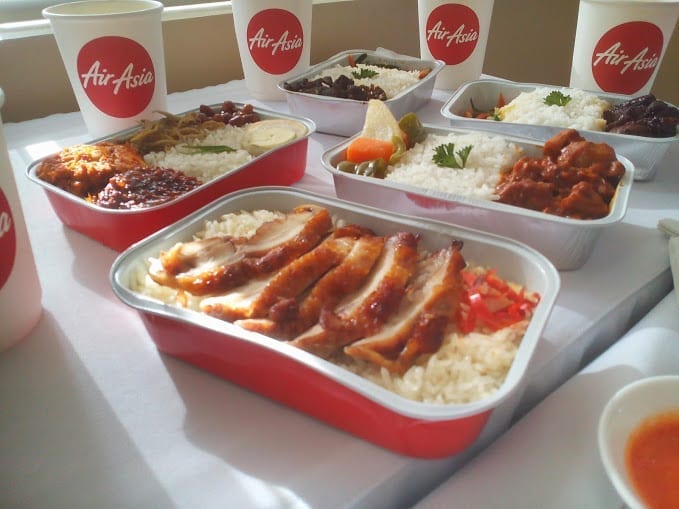
    On the Santan Food Festival, he said AirAsia had collaborated with about 50 Asean F & B enterprises in offering the meals from across the region.

    “What we are doing is bringing the wonderful flavour of Asean into Santan to create a unique food experience, with the vision of replicating the on-ground gourmet experience on board flights,” he added.

    He said the company was also exploring the use of green packaging and an inflight coffee trolley to enable freshly brewed coffee to be served on board flights.

  • Habeco targets 9 per cent increase in revenue

    Habeco targets 9 per cent increase in revenue

    Hà Nội Beer Alcohol and Beverage Joint Stock Corporation (Habeco) targets total revenue of over VNĐ8.8 trillion (US$390 million) in 2017, up 9.1 per cent year-on-year.

    The brewer plans to earn pre-tax profit of VNĐ1 trillion this year, up slightly from 2016, and dividends are projected at 20 per cent.

    The company’s revenue in 2016 grew by 8 per cent to reach VNĐ8.1 trillion. Pre-tax profit reached VNĐ997.3 billion, up 0.6 per cent year-on-year.

    With this result, the dividend rate was adjusted upwards to 18 per cent, equivalent to VNĐ417 billion. The company paid 10 per cent dividend in 2015.

    The Ministry of Industry and Trade (MOIT), Habeco’s biggest stakeholder with 81.79 per cent capital, is expected to collect VNĐ341 billion.

    At its 2017 annual general meeting of shareholders held last week, two members of the board of directors were dismissed, including Nguyễn Thị Nga representing the Ministry of Industry and Trade and Tayfun Uner, CEO of Carlsberg Việt Nam, which currently holds a 17.08 percent stake of Habeco.

    Đỗ Xuân Hạ was appointed to replace Nguyễn Thị Nga from May 11 until the Ministry of Industry and Trade has made a decision on personnel.

    Habeco only elected one new member to the board, namely Soren Ravn, Business Development Manager of the Carlsberg Group. With this change, Habeco temporarily has just four board members.

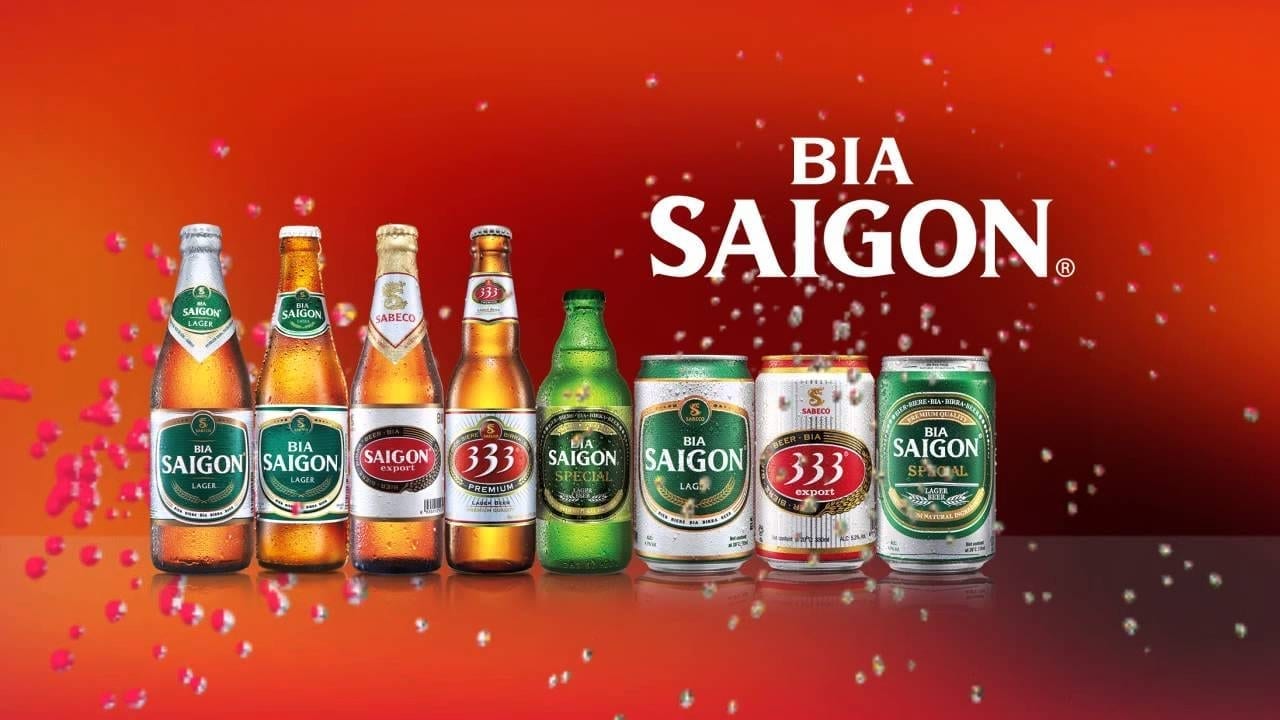
    Headquartered in Hà Nội, Habeco is the largest beer producer in the North and the third-largest beer company in Việt Nam, with popular brands such as Hà Nội Beer and Trúc Bạch Beer. It owns 17 subsidiaries and nine affiliated companies.

  • Cashing in on Korean cuisine

    Cashing in on Korean cuisine

    Some 15 years ago, Malaysians were introduced to a Korean drama series that quickly became a global sensation. This iconic series opened the doors of K-drama to the world, and Malaysia is no stranger to it!

    Our love for all things Korean – food, fashion, beauty, drama, music and so on – quickly escalated into an undescribable passion even til today.

    Malaysia and the rest of East Asia were so enthralled by the Korean culture that many have sought to travel to South Korea for holidays, just to have the glimpse of experiencing the true lifestyle there.

    As per Korea Tourism Organization’s (KTO) statistics, for the first three months of 2017, Malaysian visitors reached a high of 71,215 individuals which was a rise by 14.4 per cent from 62,236 during the same period last year.

    This was up by a stark contrast of 272.4 per cent from only 19,122 during the same period back in 2003.

    It is only natural that after visiting and immersing themselves in the culture of South Korea, enthusiasts cannot forget the charm and benefits of Korean goods and services which may or may not be found in retail outlets in Malaysia.

    This was one of the points discovered by Malaysian online shopping website 11street. Through its recent ‘Shop The World’ campaign, 11street revealed some astonishing behaviours exemplified by Malaysian shoppers.

    “Firstly, Malaysians loved products from Korea, Taiwan and the US,” the online marketplace said in a statement last week. “Consequently, these three countries were also the most popular countries with the highest number of purchases.”

    ‘Malaysians Love Korean Food’

    Another study from 11street affirmed Malaysians’ love specifically for Korean food.

    “The insight we obtained from the market confirmed what we have known for a while now, that Malaysians love Korean food. It revealed that Malaysians often search for Korean food items such as ramyun, chigae, chimek and samgyupsal.

    “On top of that, we noted that a commonly recurring word among these searches on 11street is ‘spicy’, which goes to exemplify Malaysians’ love for spicy food,” said Bruce Lim, Vice President of Merchandising for 11street previously.

    “In fact, ‘heat’ is a common ground between Malaysian and Korean foods, which is why we at 11street have ramped up our spicy Korean food offerings on our platform, to enable our shoppers to find what they love.

    “Through this partnership with K Market, we also took this effort up a notch by introducing products that are halal so that our Muslim shoppers continue to shop with us at ease.”

    According to 11street, the sale of Korean food items on its platform has doubled since its inception in April 2015, with the 26 to 35 age group contributing on average 40 per cent of total Korean food sale in 2016.

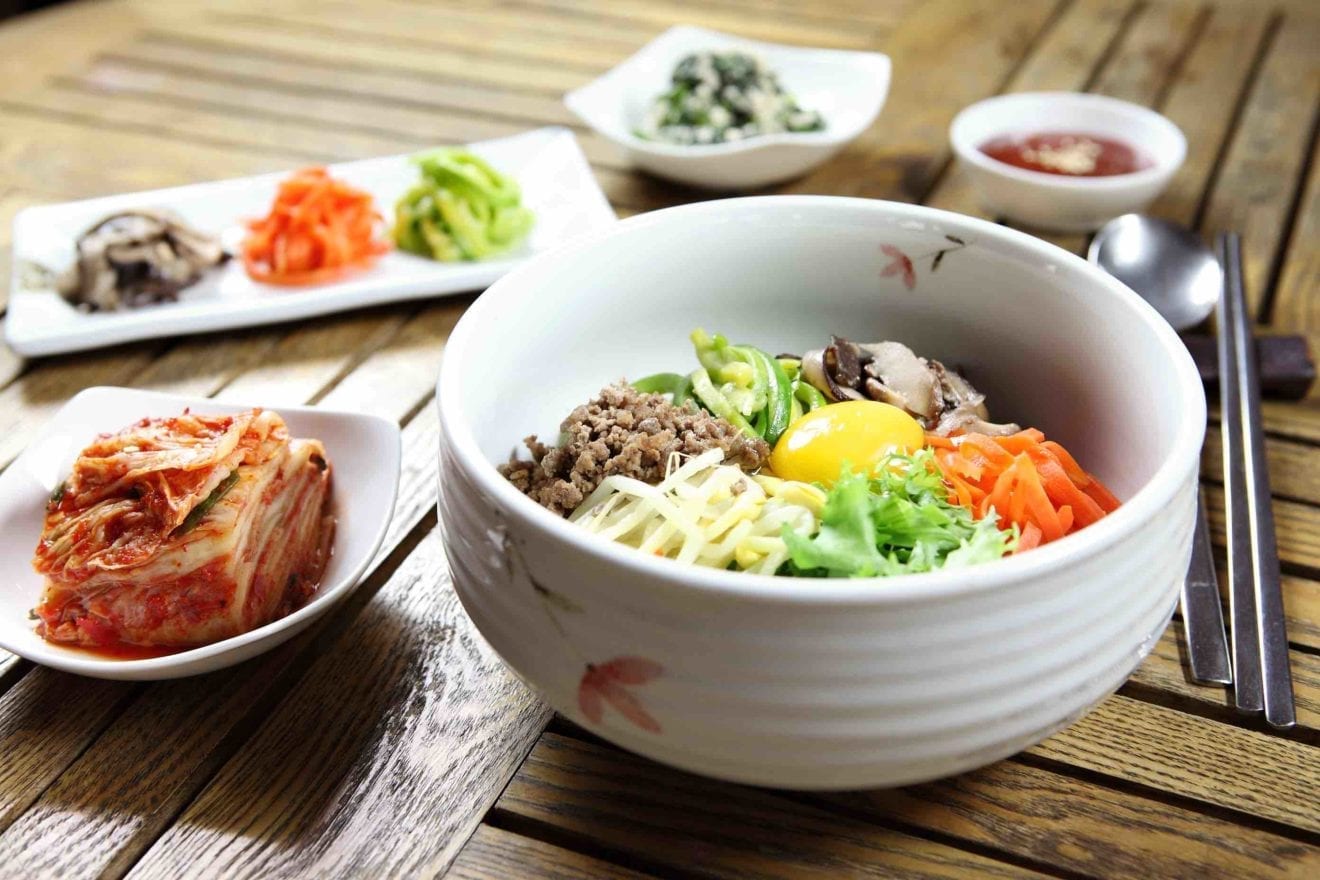
    Among the top five items often purchased from its platform are Pepero, a cookie stick dipped in chocolate; ramyun, also known as instant noodles; kimchi, a fermented Korean side dish made of vegetables; toppoki, a type of soft rice cake; and milkis, a popular carbonated beverage in South Korea.

    Other popular Korean food items that are highly sought after by 11street shoppers are banana milk, red pepper powder for kimchi making and healthy vinegar drink.

    With evidence pointing to the fact that the Korean culture trend is here to stay, BizHive Weekly takes a look at how the Korean cuisine industry fares locally in Kuching:

    Kuching Seoul Garden: An icon of Kuching’s Korean taste

    Ask “Where can we get Korean food in Kuching?” and many may first think of Kuching Seoul Garden (Seoul Garden) which has been operating for several years now.

    Proprietor Steven Lee knows a thing or two about bringing the influential Korean culture trend here to this city.

    Lee first ventured into the restaurant business here seven years ago with Seoul Garden at Central Park Commercial Centre, and initially started with just operating from the ground floor of a shoplot.

    Lee told BizHive Weekly the reason why he was so passionate to open a restaurant here – having had more than 10 years of experience in the restaurant business back in South Korea – was to expand Korea’s culture in other countries.

    “We try to bring a slice of Korean food and culture to Kuching by taking a family-oriented method to run the food and beverage business,” he said. This means taking the time to serve, assist and dine with customers akin to that of eating at home ith family.

    “The ground floor serves ala carte dishes, with an authentic menu list which kept growing and changing over the years to suit the evolving food trends.”

    Using very little monosodium glutamate (MSG) when preparing the dishes, Lee believed this to be one of the few reasons why Seoul Garden has a lot of regular Korean customers as they know that the food at his restaurant are authentic and healthier.

    Lee also affirmed that he sources his seasonings and sauces directly fom South Korea, lending to the authenticity of his dishes.

    “From when we started, these (seasonings and sauces) have gone up by some 40 per cent in prices, especially with the GST (goods and services tax),” he commented. “But we’ve never raised our food prices offered.”

    Authentically made

    In fact, Seoul Garden’s own kimchi stands out from its competitors as Lee adopts the traditional Korean style of making kimchi – which means a longer processing time for the salted and fermented vegetables.

    Additionally, instead of offering seven to eight side dishes for customers, Seoul Garden only serves five, including kimchi and fruits.

    This is because Lee observed that local customers are usually not able to finish the typical portion of seven to eight side dishes customary in Korean restaurants.

    At Seoul Garden, with the exception of kimchi which is a must at every meal, the side dishes will change daily so that regular customers will not feel bored eating the same thing everyday.

    Lee usually tries to change up or add new dishes on the Seoul Garden menu in the middle of the year, as that is the time when they are not too busy and can start becoming creative and designing new dishes according to the latest trend.

    Recently, Kuching Seoul Garden launched a few new dishes incorporating melted cheese which are eaten with the main dish such as stir fried squid or grilled chicken pieces.

    He explained that this is the new trend as he noticed that young people generally like to eat food with cheese. This trend is apparently very common in Singapore and Korea, he observed.

    Changing business model

    Two and a half years ago, Lee decided to branch out into the buffet business model with the addition of a second floor dedicated to meat barbeque (BBQ) steamboat buffet.

    With this buffet, Lee opined that it is a much more straightforward business model given that customers need only pay for a fixed price to have unlimited access to all types of meat, seafood, fruits, drinks and ice cream.

    For the restaurant’s side, staff will only need to prepare the ingredients as the customers themselves will do the cooking.

    “It is more fun,” he said, “as families, or even friends and couples can sit down to a meal together, cook and enjoy each other’s company. They can also adjust the seasonings to their liking.”

    While he does hope to expand and open more halal and non-halal meat BBQ steamboat buffets throughout Sarawak, Lee has reservations in opening more of his ala carte style restaurants in other cities.

    This is because of the extensive menu they have at the ala carte restaurant which will require too much time training and it will also be difficult to maintain the quality and taste of the foods.

    When asked on future potential growth, Lee said he is now looking for potential investors or joint venture partners to consider opening up a halal version of his buffet restaurant to cater to the Muslim market.

    Lee Korean Fried Chicken a new franchise venture

    Recently, Lee has further expanded into Kuching’s first Korean fried chicken restaurant business, a popular Korean cuisine and concept back home.

    Lee explained that in South Korea, if the fried chicken eateries are located in office areas, those usually attract office people who after clocking out from work, will go and have themselves some fried chicken and down that with beer.

    Over here in Kuching, Lee believes that his new restaurant, Lee Korean Fried Chicken (Lee KFC), will attract customers from all walks of life because of the sauces which he makes himself for the chicken dishes.

    He explained that these sauces are important for these dishes, adding that all are made with natural ingredients consisting of carrots, garlic, onions and South Korea-imported chilli powders and yellow and white starch syrup.

    This, he highlighted, is a better business decision than other restaurants which have fully relied on ready-made sauces imported from South Korea. This has resulted in  a lot of expired stock and wasted shipping costs due to their inabilities to estimate how the exact amount of supply required.

    “Compared to other international or local outlets which rely on two typical flavours of spicy or non-spicy, our wide variety of fried and grilled chicken dishes with their authentic sauces will draw in customers who want to try something new and different from other competitors,” he stated.

    Slow start expected

    Customer flow into the restaurant is currently still slow but Lee said that this is normal for brand new businesses. “Because when I first opened (my own fried chicken restaurant) in South Korea, it was the same,” he said.

    Even with a good location facing the main road at 3rd Mile, he expects a slow start as he knows that customers are still getting to know about what Lee KFC has to offer.

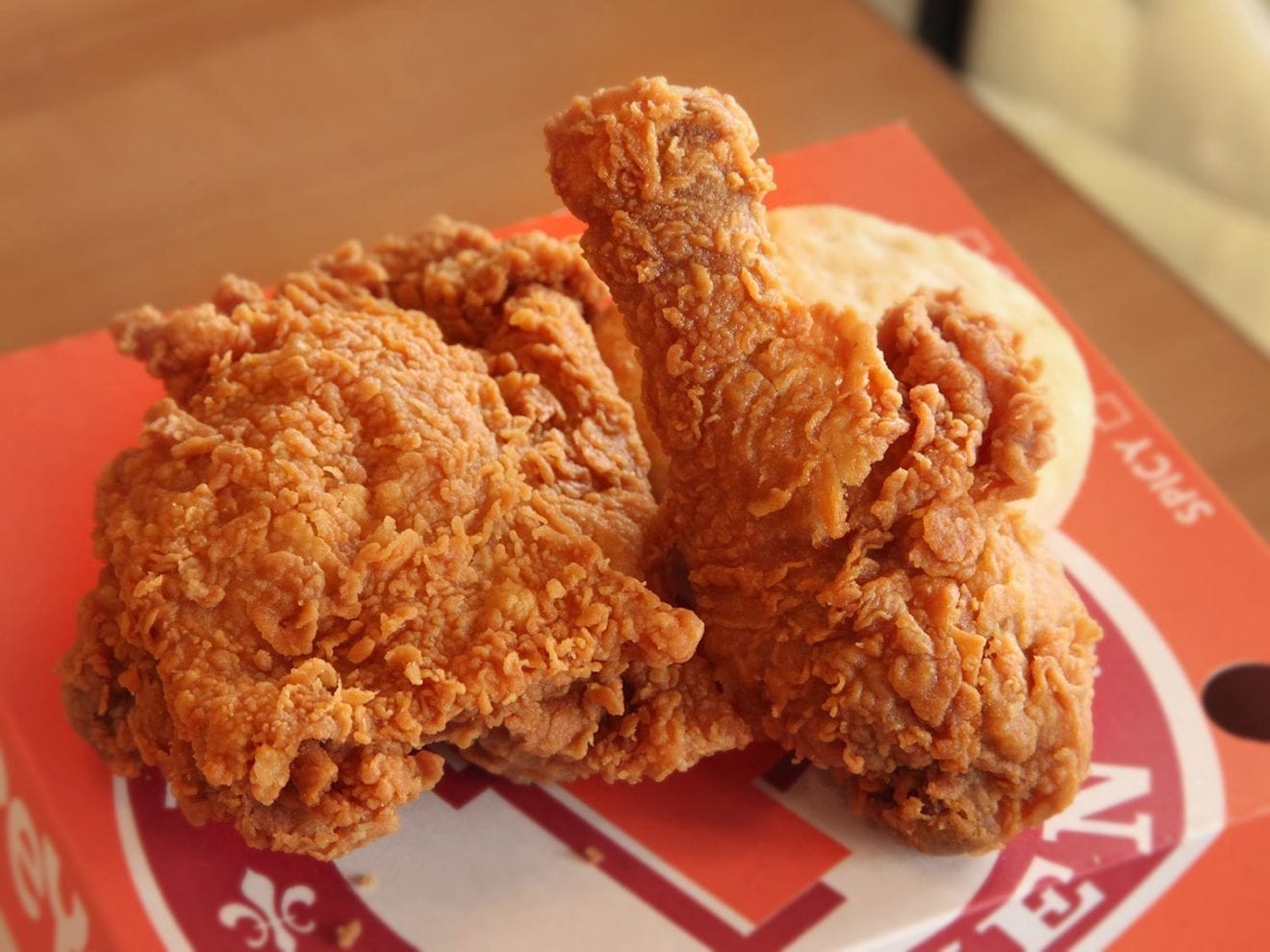
    To ensure that customers receive their dishes freshly cooked, Lee KFC’s procedures do not involve pre-deep frying the chicken. Instead, the restaurant will only fry the dishes upon receiving the orders, as is customary in every fried chicken restaurant in Korea.

    Additionally, Lee pointed out that Lee KFC had designed a slightly different menu from the typical fried chicken restaurant concept in South Korea. Aside from its main fried chicken dishes, Lee KFC also added popular Korean favourites such as kimchi jjigae, ramyeon, tteokbokki and many more on its menu.

    The idea is that for families or groups of people whogo to the restaurant to eat, they can order a variety of dishes and share them together.

    As with his Seoul Garden BBQ steamboat buffet concept, Lee is also open for discussion to those who are interested to invest, joint venture or do a franchise of Lee KFC in other aeas of Kuching or other cities in Sarawak. On the sauces, he explained that he can just make the sauces to supply to these other outlets when needed while the staff only need to come to the main outlet in Kuching to learn how to use the machines to cook or fry the chickens.

    That said, he only aims to allow the opening of a few outlets so as not to oversaturate the market and ensure the survival of each individual restaurant.

    In fact, if possible, Lee hopes that when opening new outlets in other areas, that the concepts will consist of Lee KFC on the ground floor while the buffet is on the first floor of the same building.

    Pullman Kuching: Jumping on the bandwagon

    Pullman Kuching is also taking steps to incorporate the Korean cuisine into their food and beverage (F&B) offerings while the K-culture is still trending on the local scenes.

    Pullman Kuching general manager Charles Choi who recently relocated here explained that because of his position, he has tried to do some market research on the F&B industry in Kuching.

    “Whenever I have time for dinner during the weekends, I try to visit as many restaurants as possible. I could see that at the moment, for Kuching, because of the small population and the fact that there are a lot of restaurants operating here, you need to open something special otherwise your restaurant (risks becoming) empty,” Choi observed.

    “You need to have a specialty and I could see that, at the moment, once you have Korean cuisine, Japanese cuisine or even Thai cuisine, it is working. I was thinking to myself, ‘Once you have something special, it already ticks one box on being popular.

    “So, what about if it is good in terms of quality and authenticity?’ That is how I decided to hire a Korean chef from Korea (for Pullman Kuching) so that we can compete with our other competitors in terms of quality and being authentic.”

    Driven by young demand

    Hiring a Korean chef is one of Choi’s efforts to boost up Pullman Kuching again and also to show that the hotel will be different from others in the hotel industry.

    On why Sarawakians and Malaysians in general are still drawn to Korean food, Choi explained that this is because the market is driven by young people.

    He opined that the Korean cuisine is still quite a new thing or trend in Kuching and overall Sarawak.

    While Korean-based Choi admitted that he is still new to the city, he could see that the whole city consumer market has been dominated by the older or senior generation.

    “And recently, I would assume that the young generation has started to become dominant in terms of culinary experience, eating out and visiting new places (to eat),” he observed.

    “That is why some of the trendy malls, restaurants, they are becoming popular. Because if you go to popular restaurants in Kuching, it is filled with young people, not the older crowd. I think that’s a sign that now, young people are starting to have financial power to purchase.”

    Choi also pointed out that as these financially capable young people are still attracted to the K-culture of pop music (K-pop), dramas and movies, that fever has thus carried over to the Korean restaurant industry.

    Eye on halal menu

    On how Pullman Kuching aims to differentiate the Korean cuisine it serves from competing restaurants out there, Choi affirmed that they will be completely halal.

    “Because in Kuching, surprisingly, we have almost 10 korean restaurants and I have been to most of them. Quality wise, they are ok. They are serving good food and they are good restaurants in terms of quality.

    “Problem is, they are not serving halal food. They are only focusing on one part of the market, non-halal,” he said.

    As Pullman Kuching serves all halal food, Choi is taking advantage of this and plans to cater to 100 per cent of the market here with the hotel’s very own halal, authentic and quality Korean food.

    “The hotel will be able to serve 100 per cent of the market and not just 50 per cent or small portion of the market,” he enthused.

    Overall, Choi hopes that the Korean food will continue being popular here but acknowledges that it is a trend and trends do change.

    “I hope it lasts for a long time because I’m Korean,” he said.

    “But, nothing lasts forever. I think we have to take advantage of this trend and I feel very lucky because I came to Kuching during this time when K-pop and K-culture is still popular.”

    Korean purchases online continue to trend, says 11street

    Another insight into the constantly growing Korean food trend in Malaysia was provided by none other than online marketplace 11street which has seen growth in Malaysians conducting Korean-food related searches on their platform.

    11street, which was established in Korea since 2008, is one of the top global e-commerce marketplace providers with 400,000 sellers serving over 30 million consumers worldwide.

    According to vice president of Merchandising Bruce Lim in an email interview with BizHive Weekly, 11street search trends saw an increase in Malaysians searching for Korean food, recipe and ways to prepare Korean food.

    “Apart from that, the search for Korean food on 11street saw an increase from the previous year, whereby we experienced significant boost of total Korean food sale in 2016,” Lim said.

    “This also comes at the back of our year-end survey, where 11street predicted consumers to likely explore new product categories for groceries and fresh produce when shopping online, a clear indication to the growing interest to purchase food products online, especially for Korean food items that are not easily available in Malaysia.”

    To date, the five most popular Korean items purchased from 11street’s platform includes Pepero, a cookie stick dipped in chocolate, Ramyun, also known as instant noodles, Banana milk, a banana flavoured Korean milk beverage, Toppoki, a type of soft rice cake and Ottogi Cheese Ramen, another famous Korean instant noodles.

    “Other popular Korean food items that are highly sought after and getting popular amongst Malaysians in 2017, are Milkis, a popular carbonated beverage in South Korea; red pepper powder for kimchi-making; and healthy vinegar drinks,” Lim revealed.

    Food with extra ‘kick’

    While 11street does not have specific data to indicate which states have the highest demand for Korean food items, Lim has however noted that the response the online marketplace gets in general are very encouraging as it sees an increased demand across the board for Korean food items.

    From K-dramas to pop music to cuisine, the interest for everything Korean especially food has continued to surge since the penetration of K-culture in Malaysia, according to a recent search trend finding by 11street.

    In fact, Lim observed that there are many similarities between the Korean and Malaysian cuisine as both feature spices in their food which gives the cuisine that extra ‘kick’.

    “’Heat’ is a common ground between Malaysian and Korean foods which is evident in the usage of chillies in both cuisine,” he said.

    Meanwhile, Lim believed that the Korean food or cuisine industry will continue to grow and become popular in Malaysia.

    Since its collaboration with KMarket, a subsidiary of KMT Trading Sdn Bhd and importer and distributor of Korean products in Malaysia, last year, 11street has seen a rise in demand for Korean food products on its platform.

    “Korean cuisine is poised to be one of the top cuisines in Malaysia, adding more flavour to the already tasty cuisine we have here, as it is no longer difficult to stumble upon different kinds of Korean restaurants or even Korean products in Malaysia,” the vice president remarked.

    Matthew Lee, Group Managing Director of KMT Trading Sdn Bhd commented: “Two years ago when we decided to open a Korean supermarket in Kuala Lumpur, we were motivated by the growing Korean community in the area.

    “Essentially, we wanted to bring a piece of home closer to them but we certainly did not foresee the steady stream of Malaysians frequenting our store.

    “We realised that in order for us to cater to more Korean food lovers out there, it is more effective that we partner a reputable online marketplace such as 11street.

    “To date, we are happy to continue supplying Malaysians with the Korean foods they love through 11street, as well as introduce new ones that are hot off the shelves from Korea.”

    On the growing demands of halal Korean food items, given the rising popularity of the cuisine and the local requirements, 11street also predicted that many would adhere to the Islamic dietary law as the majority in Malaysia are Muslims.

    “The demand for halal products are on a rise and we took this effort up a notch by introducing products that are halal so that our Muslim shoppers continue to shop with us at ease,” he said.
  • Hong Kong International issues latest F&B tender in Terminal 1

    Hong Kong International issues latest F&B tender in Terminal 1

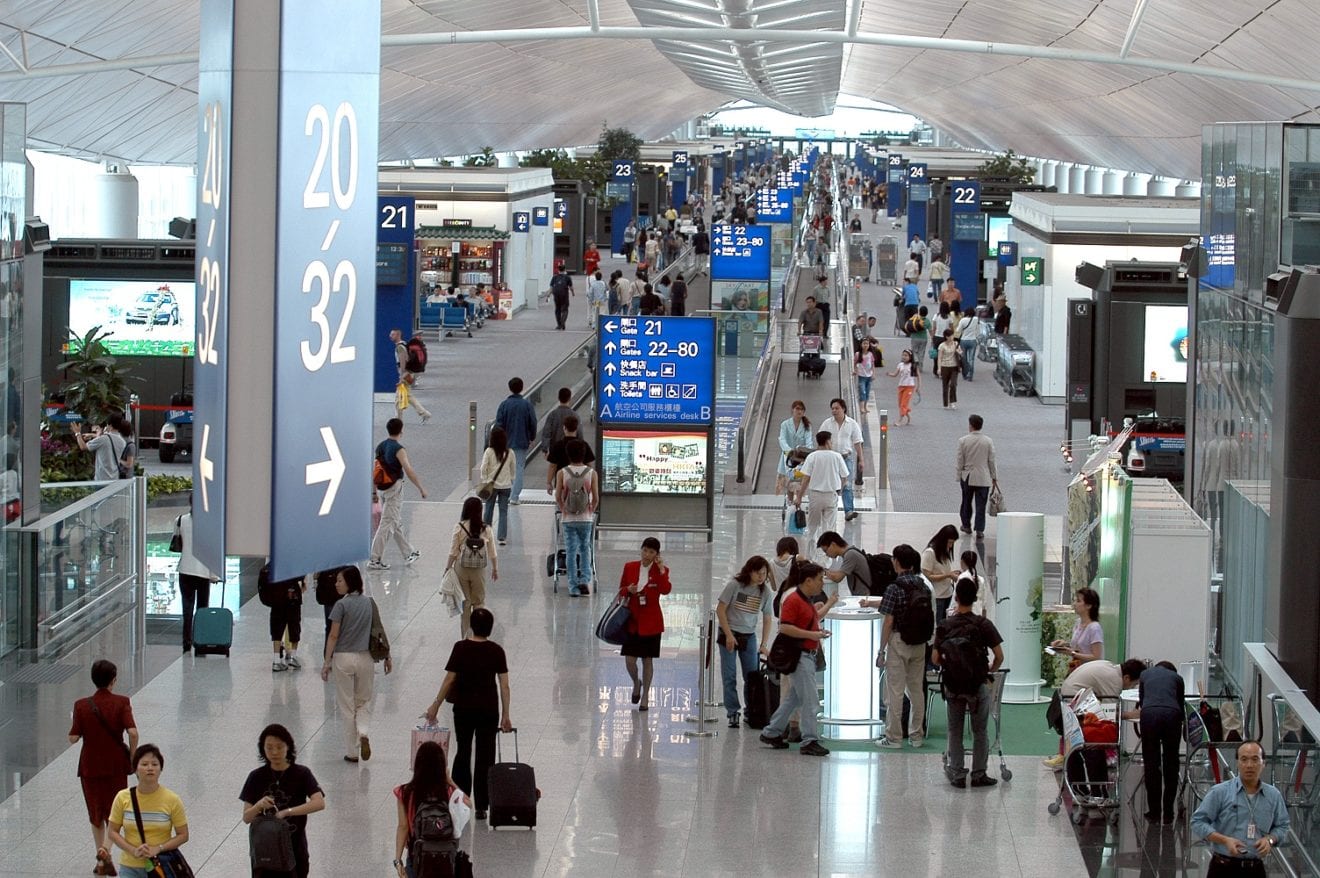
    Airport Authority Hong Kong has issued a tender for a bar and restaurant concession in Terminal 1 airside at Hong Kong International.

    The 258sq m outlet is located on Level 7 in the East Hall departures area.

    The airport company said the tender represents “a unique business opportunity for Bar & Restaurant operators in this prestigious aviation hub in Asia”.

    The closing date for offers is 6 July. The latest F&B tender represents “a unique business opportunity” says Airport Authority Hong Kong

    Other current bid opportunities at HKIA include, as reported, the airport’s confectionery retail licence, where the submission deadline for the eight-store contract is 4 July.

    Separately, Airport Authority Hong Kong has called for offers for a baby essentials & kidswear concession in the T1 West Hall. At stake is a 74sq m unit, with bids due by 8 June.

  • Illva Saronno brands in the spotlight in Singapore

    Illva Saronno brands in the spotlight in Singapore

    Italy’s Illva Saronno returns to this year’s TFWA Asia Pacific Exhibition & Conference with the aim of consolidating its brand presence and meeting new clients.

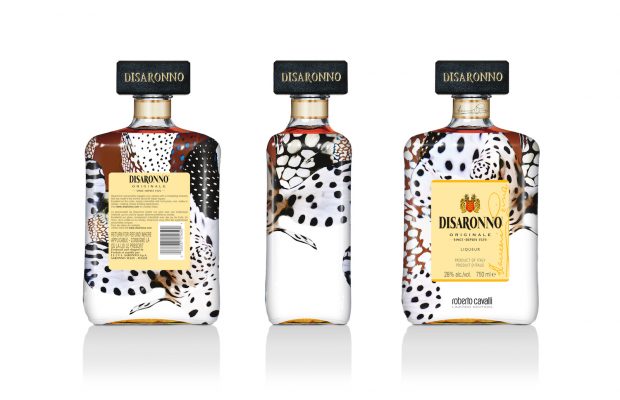
    The brand’s main focus will be on its trademark Disaronno, which is also available as a limited edition with the Disaronno wears Etro bottling.

    Each year, Disaronno forges a partnership with an Italian fashion designer to produce a bespoke bottle. This year’s upcoming collaboration remains under wraps for now, says the brand.

    Also on display will be new packaging for acclaimed coffee liqueur Tia Maria, which is backed by a cerebral marketing campaign fusing traditional marketing with neuroscience and psychology to test customers’ reactions to products and brands.

    Meanwhile, Italian aperitif Rabarbaro Zucca, which is made from an infusion of rhubarb rootstocks and a secret collection of rare herbs, will also be presented to buyers.b

    Zucca is prepared using the root of the true Chinese rhubarb, which grows in mountainous regions of the Gangsu province.

    DISARONNO RISERVA

    Furthermore, Disaronno Riserva – a blend of Disaronno Originale and blended Scotch whisky from the Highland and Speyside Islands – will be presented to buyers.

    The limited edition, which features an eye-catching bottle design, marries the fluid in oak barrels that contained Marsala wine reserves, with Illva Saronno believing the product is particularly well suited for buyers in Asia Pacific.

    Wines from Duca di Salaparuta and Florio will also be showcased, including Duca Enrico, made from Nero d’Avola grapes harvested in an area of south-western Sicily that benefits from a unique relationship between its micro-climate, vines and land.

    Domenico Toni, International Sales Director, Illva Saronno comments: “Asia Pacific is still a very new region for us, and we have been slowly introducing our brands over the past year.

    “We are planning on greatly building our business there, in both travel retail and domestic, over the next 5 years, so the TFWA Asia Pacific Exhibition & Conference is a vital resource for us to accomplish our goals.

    “We first exhibited at the show last year, and received plenty of interest from buyers. We have high hopes that this year will be even more successful for us.”

    Visitors to the TFWA Asia Pacific Exhibition & Conference can sample Disaronno’s famous Disaronno Sours cocktail at the TFWA Asia Pacific bar, situated on level 4 of the convention centre, from Monday to Wednesday at selected times.

  • Vietnam fish exporters aim to crack Europe

    Vietnam fish exporters aim to crack Europe

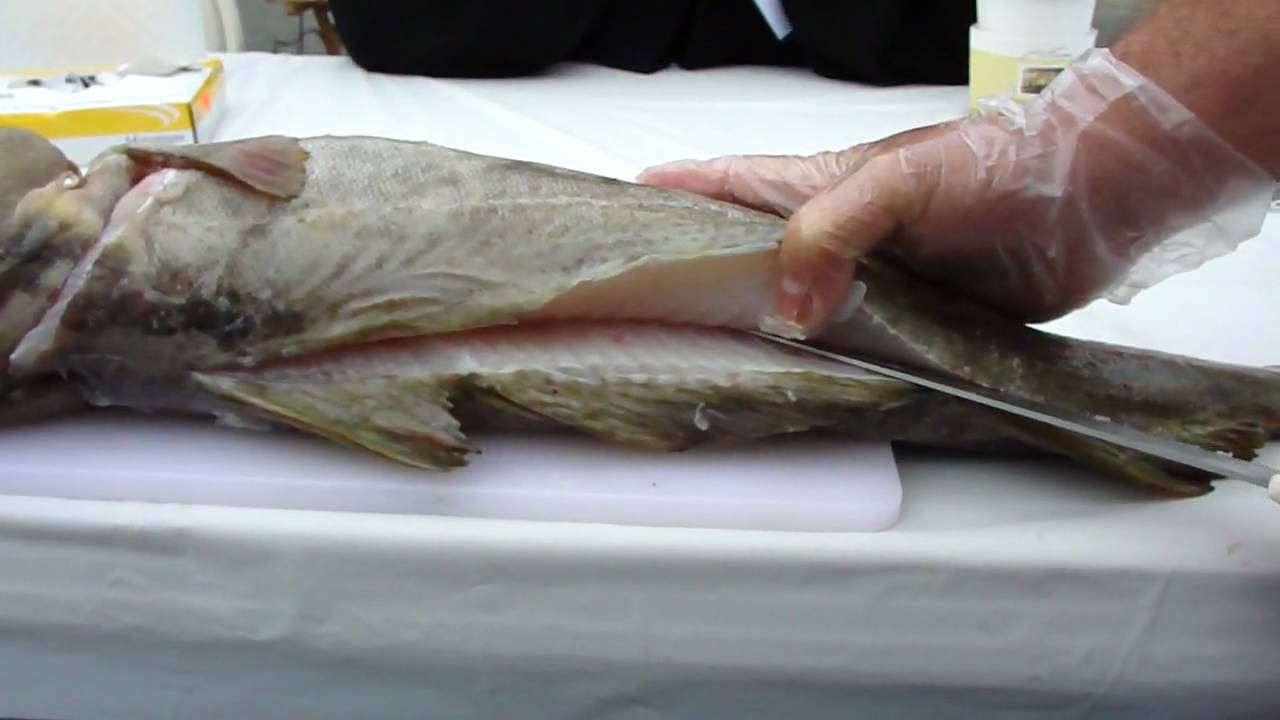
    The Vietnam Association of Seafood Exporters and Producers (VASEP) is showcasing Vietnamese seafood products at the Seafood Expo Global, which is being held in Brussels, Belgium, from Tuesday to Thursday. In a 264sq.m. booth, the association introduced Viet Nam’s seafood specialties, including tra fish (known as pangasius), shrimp, tuna and tilapia fish, as well as cattle fish, octopus and dried seafood products, all of which come from 25 Vietnamese seafood producers and exporters.

    The pavilion attracted foreign businesses, which shared experiences in trading aquatic and seafood products.

    In the context of a pangasius crisis in Spain and the Carrefour supermarket chain ceasing to sell Vietnamese pangasius, VASEP and the Ministry of Agriculture and Rural Development held a press conference at the exhibition to provide clear information about Viet Nam’s pangasius processing and exports to European partners.

    In his interview with Vietnam News Agency correspondents, VASEP general secretary Truong Dinh Hoe said the press conference aimed to create a correct information channel to deal with the communication crisis on pangasius, targeted at increasing exports of Vietnamese aquatic and seafood products to Europe.

    Alfons van Duijvenbode, a Dutch consultant, said European consumers have a bad impression of Vietnamese pangasius due to false information on social media.

    In recent years, the consumption of Vietnamese pangasius has fallen in the EU, meanwhile other fish have maintained or even increased sales volum, he said.

    He suggested the Vietnamese aquaculture industry interact more with consumers to provide them exact information about the products.

    Head of Vietnamese Trade Office in Belgium Nguyen Canh Cuong said that the office had worked with local partners such as Foreign Trade Association to provide information to Belgium businesses and consumers.

    Also at the event, Viet Nam held other trade promotion activities, including a dialogue for shrimp value chains and a programme for visitors to try Vietnamese seafood.

    Seafood Expo Global, the largest of its kind globally, drew the participation of over 1,600 exhibitors from 77 countries and territories this year.

    It is expected to attract more than 26,000 visitors and exporting and trading enterprises from 144 nations and territories.

  • Honestbee sweetens Thai operations budget

    Honestbee sweetens Thai operations budget

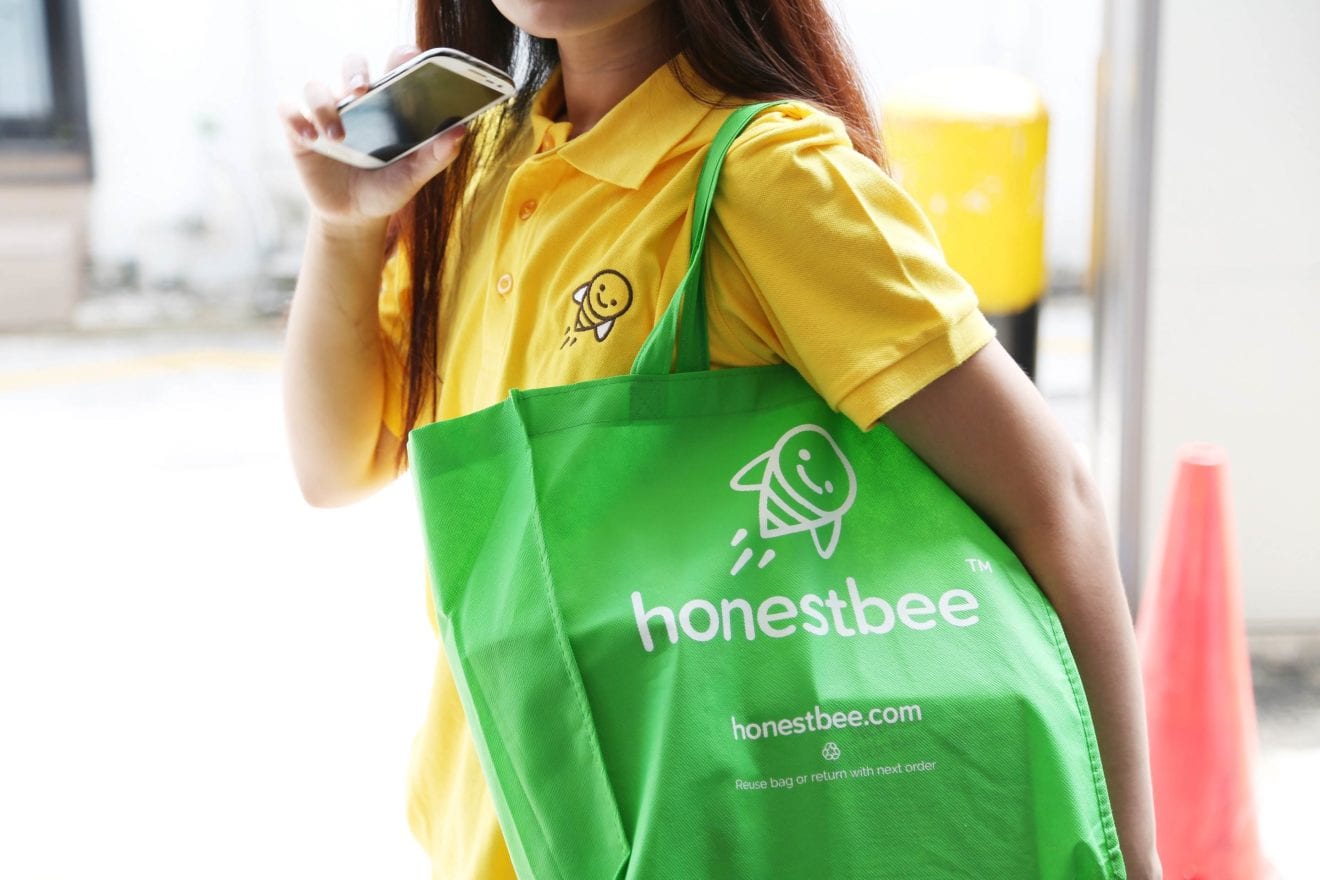
    Honestbee, a Singapore-based online grocery and concierge service provider, is boosting its presence in Thailand to capitalise on lucrative online shopping opportunities.

    “We are spending millions of US dollars in Thailand this year on increasing our local staff, upgrading our IT infrastructure, and adding marketing activities,” said Bounthay Khammanyvong, country manager of HonestBee Thailand.

    He said Thailand is the seventh market in Asia-Pacific for Honestbee since it began operations in 2015, following Singapore, Hong Kong, Japan, Taiwan, Indonesia, and Malaysia. The company is expanding into the Philippines soon, said Mr Bounthay.

    Just three months after it started operations in Bangkok this January, transactions at its Thai website ranked third among the seven countries where it has a presence.

    Honestbee provides online grocery concierge and delivery service through partnerships with leading supermarkets who have no online retail channel.

    Customers choose their products online and place their orders either via its local website — www.honestbee.co.th — or its mobile application through Google Play or the Apple Store. The company’s concierge shoppers then hand-pick their groceries for them.

    Honestbee earns a commission from its merchant partners. The company charges customers a flat rate of 30 baht with no minimum purchase requirements.

    The company has over 10,000 users in Thailand.

    Mr Bounthay said Honestbee’s service does not compete with offline retail stores, instead complementing their offerings to accommodate the shift towards online shopping.

    He said the company is focusing on improving the speed of its delivery service to reach customers’ homes in an hour.

    Its target customers are millennials, housewives, and multi-generational family households with high purchasing power.

  • GMR Hyderabad Airport Offers ‘Mumbai Central’ delivering the Authentic Street Food from Mumbai

    GMR Hyderabad Airport Offers ‘Mumbai Central’ delivering the Authentic Street Food from Mumbai

    GMR Hyderabad International Airport (GHIAL), which operates Hyderabad Airport today announced the opening of ‘Mumbai Central’ near EAT at Hyderabad food court at the domestic departures Security Hold Area (SHA) of the airport. With the opening of its outlet at Hyderabad Airport, ‘Mumbai Central’ takes a maiden venture into airport Food & Beverage segment.

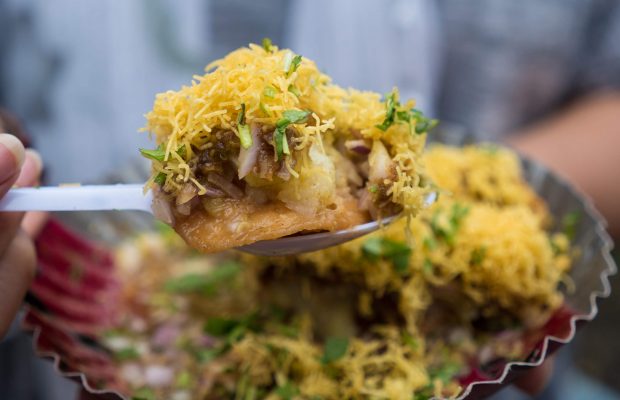
    Mumbai Central offers a live counter with a menu distinct from other outlets. It brings to the platter the popular west costal cuisine of India including some of the mouthwatering popular street food from the heart of Mumbai to the passengers flying from Hyderabad Airport. Now the travelers in love with the authentic and popular street food from Mumbai, could savour it when at Hyderabad Airport.

    Mumbai Central has been appealing to the travellers throughout the day, allowing them to relax, enjoy their meal and time at the airport. Mumbai Central brings the bustle of the Mumbai street food culture to Hyderabad Airport, offering high quality, authentic and famous Mumbai delicacies. Offering a quick serve world of cuisine, Mumbai Central is focused on directly triggering the customers appetite and to introduce the beauty of fast and fresh cooking; a lot of food is made and finished in the front of the customers.

    A wealth of fresh ingredients and spices adds spontaneous bursts of tasteful experience and stimulates the senses at every step of the way. Diners can order from the digital menus featuring daily specials, which are updated regularly to continuously delight the customers. Strongly promoting the traditional emphasis on healthy eating, balanced meals and fresh food, Mumbai Central uses the freshest of ingredients for recipes, flavors and spices, developed and preserved for many generations.

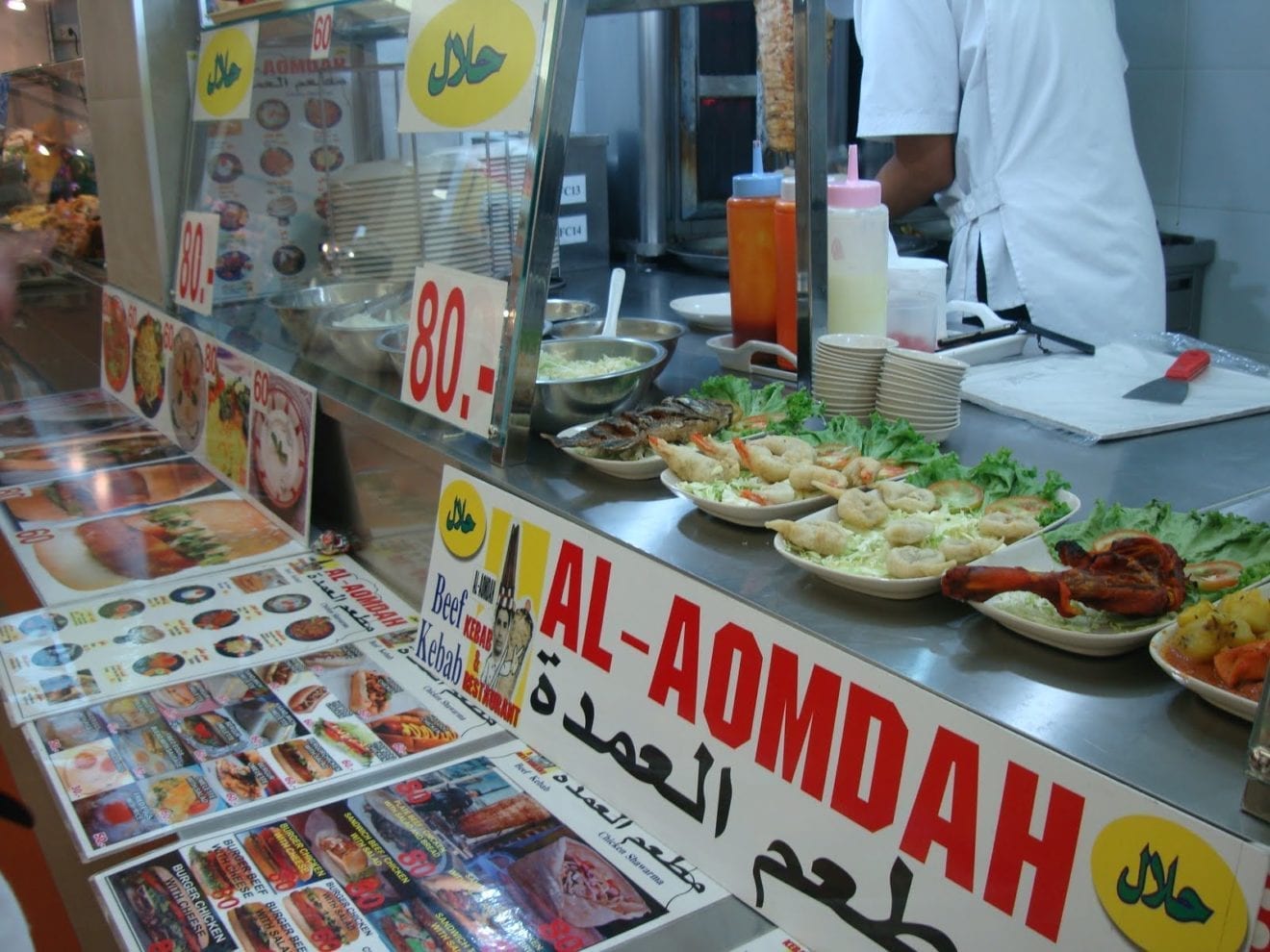
  • Malaysia puts high hopes on one halal certification with Indonesia

    Malaysia puts high hopes on one halal certification with Indonesia

    Malaysia is putting high hopes on the planned unified halal certification with Indonesia, the country with the world’s largest Muslim population, in a bid to strengthen halal trade relations between the two countries.

    At present, Indonesia only directly accepts Malaysian halal certificates for industrial goods, such as palm oil.

    However, Malaysian end-user products must undergo various tests to obtain another halal certificate from the Indonesian Ulema Council (MUI) and halal logo from the Food and Drug Monitoring Agency (BPOM) before being marketed in Indonesia.

    To address the issue, Malaysian and Indonesian authorities are reviewing their halal certifications to avoid inefficient imports and exports in the long run.

    “We have been collaborating very closely because we want to sell more products to Indonesia and, of course, we also welcome Indonesian products in Malaysia,” Malaysian International Trade and Industry Minister Mustapa Mohamed told reporters on the sidelines of the 2017 Malaysia International Halal Showcase (Mihas) in Kuala Lumpur on Wednesday.

    “Some challenges have not been resolved. Indonesian authorities recognize our halal certification, but there are some additional tests that our people have to go through.”

    The MUI’s Food and Drug Analysis Agency (LPPOM) deputy director, Muti Arintawati , said her side had planned to simplify halal certification for Malaysian end-user products imported into Indonesia.

    “We may not need to conduct an audit at the production location. Instead, we can just audit the documents of those products. Nonetheless, this plan has yet to be officially agreed to,” Muti told The Jakarta Post over the phone on Friday.

    In August last year, Malaysian Prime Minister Najib Razak said he was committed to boosting trade between the two neighboring countries to US$30 billion in the near future.

    Total trade between Malaysia and Indonesia has seen a declining trend to $14.31 billion in 2016 from $24 billion in 2013 amid the global economic crisis, as shown by data from Indonesia’s Trade Ministry.

    “Indonesia is huge, of course. It’s a very big market. […] The issue here is that there are some technical issues in regard to the acceptance of halal,” Abu Bakar Koyakutty, senior director of the market access and international partnership division at the Malaysia External Trade Development Corporation (Matrade), told The Jakarta Post on Tuesday.

    “There are different standards on halal. If we can resolve the issue, we see there’s a huge potential.”

    According to a 2016 study published by Salaam Gateway, a business intelligence platform that is a joint effort between the Dubai Islamic Economy Development Center and intelligence and research agency Thomson Reuters, one of problems facing halal regulatory standards globally is that there is no unified standard.

    For instance, it states there is a significant variance between the standards of the Department of Standards Malaysia (DSM) applied in Malaysia and the standards of the Emirates Authority for Standardization and Metrology (ESMA) applied in the United Arab Emirates.

    “The cost of gaining multiple certifications to satisfy the needs of different markets adds complexity and could prohibit entry, resulting in unmet demand for halal food among Muslim consumers,” said the report.

    The report also notes the slow and limited uptake of halal accreditation programs, the process in which a third neutral party validates the certification.

    Compounding that problem, halal accreditation bodies have yet to sign specific mutual recognition agreements for halal certification and there is no forum or framework to ensure peer review.

    Halal accreditors operate independently of each other at present and, often times, there is limited clarity on the jurisdiction of the accreditors.

    Meanwhile, the State of Global Islamic Economy Report 2016/2017 — by Thomson Reuters and research and advisory firm DinarStandard puts the size of Islamic economy at an estimated $3 trillion by 2021, rising from $1.9 trillion in 2015.

    In 2015, Muslims’ spending on food and beverages stood at $1.1 trillion and there was $415 billion estimated revenues from halal-certified food and beverage products.

  • Indonesia turns it back on Vietnamese rice as crops at home flourish

    Indonesia turns it back on Vietnamese rice as crops at home flourish

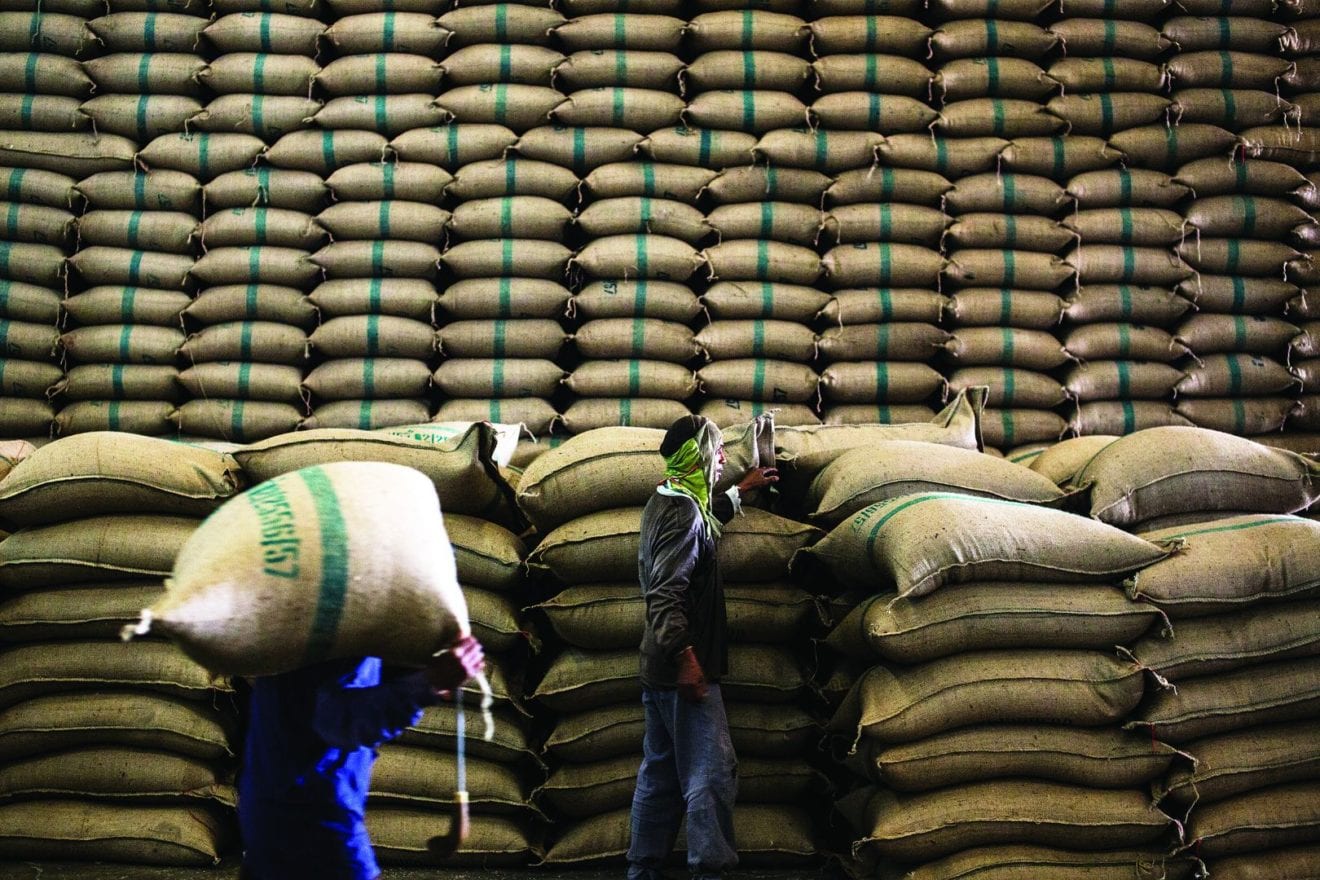
    Indonesia’s rice imports from all destinations in 2017 are forecast to halve to 500,000 tons, based on USDA reports. Indonesia, the world’s fourth most populous country and a major buyer of Vietnamese rice, has not returned to Vietnam for new purchases this year, while its overall 2017 rice imports are forecast to halve to around 500,000 tons thanks to better domestic production, according to industry reports.

    Indonesia was among Vietnam’s 10 biggest rice buyers in the 2010-2016 period, with imports peaking at nearly 1.9 million tons in 2011, based on data from Vietnam’s agriculture ministry.

    But its purchases have been falling and Vietnam received no orders during the first two months of 2017, ministry data shows. Vietnam is the world’s third-biggest rice exporter after India and Thailand.

    Indonesia is forecast to import 500,000 tons of rice this year, down 50 percent from 2016, as domestic milled rice output edges up 2.6 percent to 37.15 million tons “due to increased area harvested”, a U.S. Department of Agriculture attache said in a March 30 report.

    The report said increased cropping intensity and new land will help expand the harvested area this year to 12.24 million hectares (30.25 million acres), 1.2 percent above 2016 when Indonesia experienced a weak to moderate La Nina weather phenomenon.

    Given more use of high-yielding varieties, the report forecasts Indonesia’s output next year will rise further to 37.4 million tons, leaving the country’s rice imports unchanged.

    The forecasts pose a challenge to Vietnam’s rice exports in 2017, with shipments in the first quarter already dropping 24 percent from a year ago to 1.2 million tons, a two-year low, the government has said.

    Hanoi maintains forecasts of a modest rice export volume for 2017, anticipating 5 million tons to be shipped, due in part to expected higher demand from top buyer China. Last year, Vietnam’s rice exports fell to 4.8 million tons, the lowest since 2008.

    Malaysia, another key buyer of Vietnamese rice, is forecast to import 950,000 tons of the grain this year, unchanged from 2016, said a USDA report dated March 27. Last year, the country was Vietnam’s 5th biggest rice buyer, after China, Ghana, the Philippines and Indonesia.

    The average export price of Vietnam’s 5-percent broken rice eased 2 percent in the first quarter ending March from a year ago to $344 a ton, free-on-board basis, and that on Thailand’s 5-percent broken rice also eased the same pace in the same period to $372 a ton, the U.N. Food and Agriculture Organization said.

    Unseasonal rain in the past week has disrupted the harvest of the Mekong Delta’s winter-spring crop, and quotations edged up slightly even though buying demand remains thin, traders said. The 5 percent broken rice advanced to $355 a ton this week from $347-$350 last Thursday.

    Output of the crop, the biggest among the Delta’s three crops grown a year, is projected to drop 1.3 percent from last year to around 10 million tons of paddy, the agriculture ministry has said.

  • Convenience, food safety matters to Vietnamese consumers

    Convenience, food safety matters to Vietnamese consumers

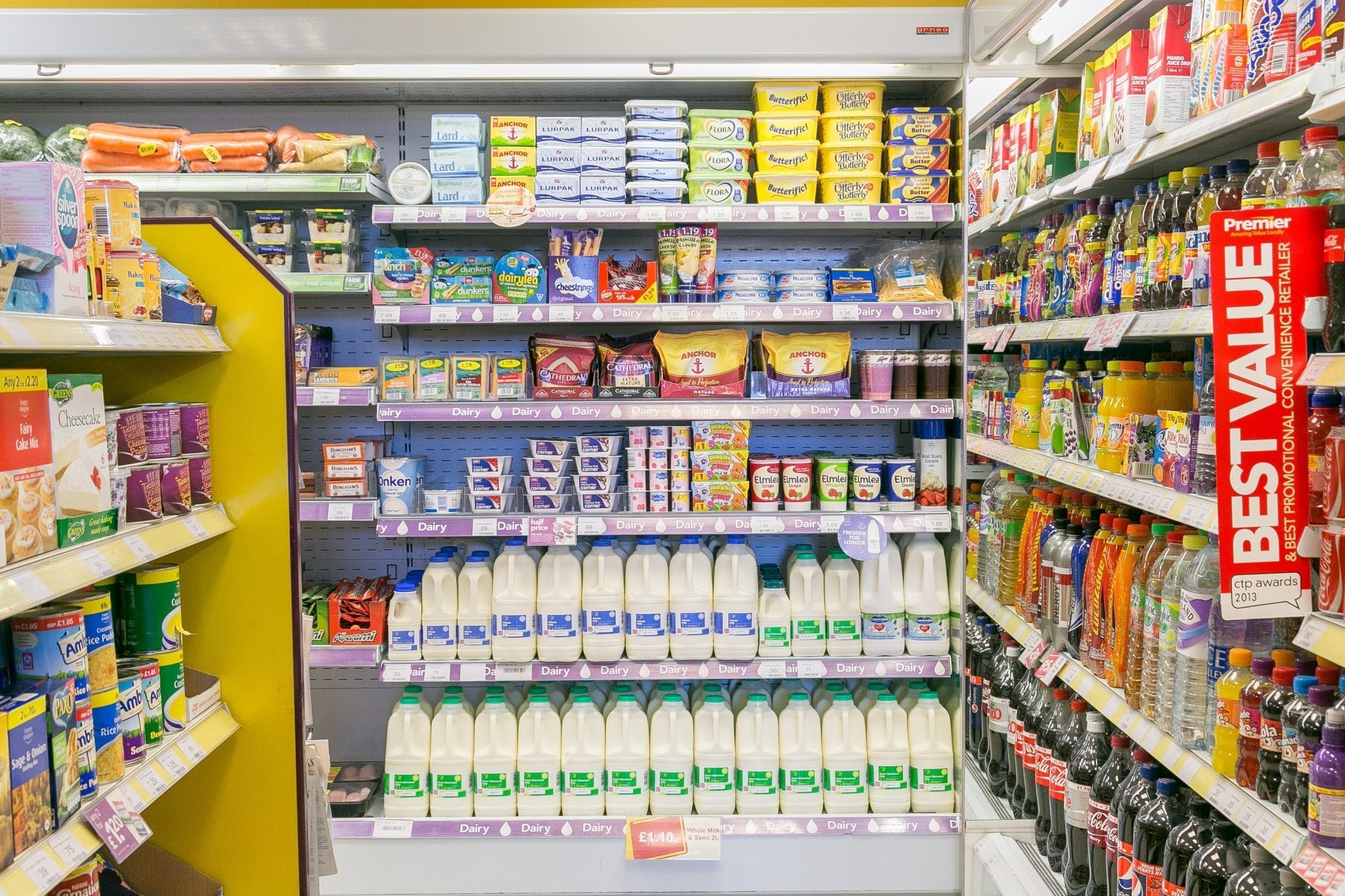
    The retail market in Vietnam is quickly shifting away from traditional live markets to more modernized trade, said Nick Miles, head of Asia-Pacific at IGD, with convenience stores showing the strongest growth prospects.

    There are several factors driving this including a positive economic outlook for the country, a significant increase in gross domestic product per capita and rapidly changing shopper habits.

    The segment has also experienced a shift in shopping behaviours as younger consumers with higher disposable incomes typically make smaller, but more frequent purchases rather than splashing out on a big weekly shop.

    Of note, Mr Miles said young consumers prefer to shop in an air-conditioned environment that has products well-organized on the store shelves and provides seating areas.

    With higher take home pay they are also looking for and willing to pay for higher-quality products than can be found in most traditional live markets.

    While free trade agreements such as the ASEAN Economic Community have given rise to a race for larger supermarkets throughout the country, many stores and individuals have opted to open smaller mini-supermarkets and convenience stores.

    It is also easier to get licences for stores under 500 square metres, said Mr Miles noting that this explains why retailers have been able to expand so speedily in the large metropolitan areas such as Hanoi.

    The study said it expects to see convenience stores in Vietnam to champion innovative new products and formats such as food to go, and begin working collaboratively to develop coordinated supply chains to ensure they are making the most of their growth prospects.

    Vietnam is undergoing an organized retail revolution, explained Luong Quang Thi, general director of domestic refrigerated transport specialist ABA Cooltrans.

    Convenience stores and mini-marts are popping up everywhere, Mr Thi noted, adding that as of last June there were 1,500 mini marts across the country mostly in the larger urban areas.

    Those numbers are expected to continue to mushroom over the next few years, which in turn is fuelling a heightened demand for chilled and frozen foods, setting the stage for the cold chain industry to soar.

    ABA Cooltrans hopes to put itself at the forefront of the Vietnam cold chain expansion, he added.

    The company’s 200 reefer trucks handled 54,000 metric tons in 2016, and a newly acquired 15,000 pallet-capacity cold storage facility in Hanoi saw throughput of 100,000 metric tons.

    Convenience and food safety matters to a typical young Vietnamese consumer nowadays, said Mr Thi, adding that freezing some foods for short or long term use, is essential to prevent foodborne illness.