Tag: Food

  • Fast food industry in Singapore braves slump

    Fast food industry in Singapore braves slump

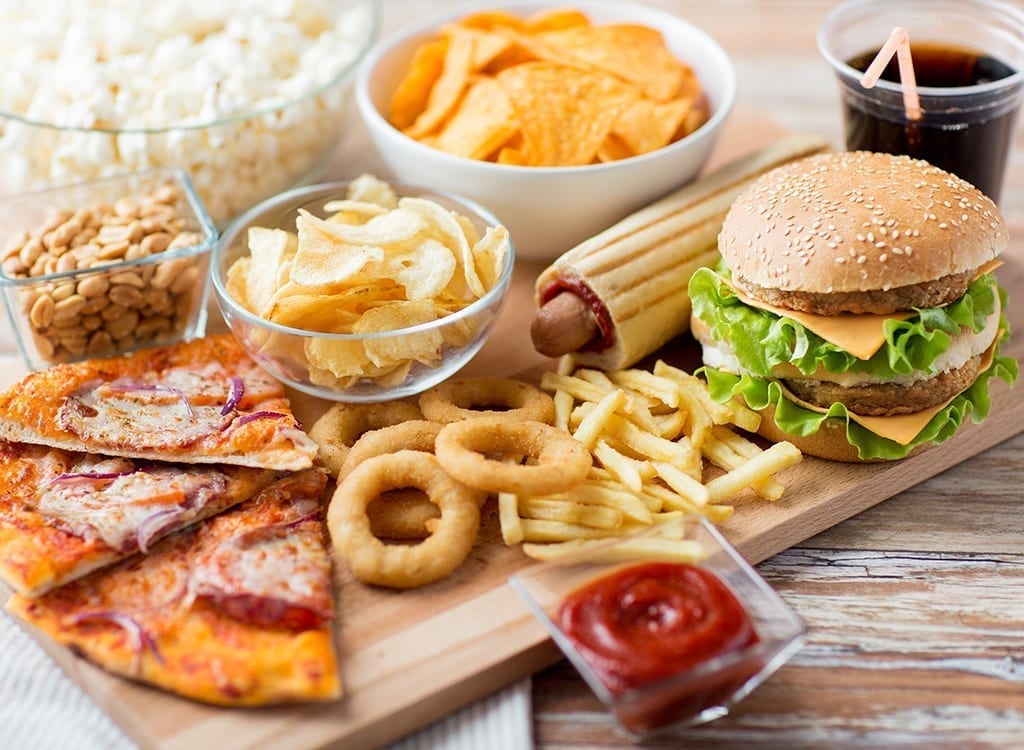
    The food and beverage industry is in a pickle with the slowing economy, but the fast-food industry appears to be staying ahead.

    The latest official figures show that sales at fast food outlets were better than those at restaurants this year until September, except for June.

    Fast food sales in September are estimated to have risen 2.6% over the same period last year.

    But sales at restaurants rose more modestly at 0.9%.

    Still, sales in both the restaurant and fast food categories have slowed down compared with five years ago. The fast-food industry grew just 1% last year, a significant drop from the 10% growth in 2011.

    High rental rates and a manpower crunch have contributed to the sector’s misery, as has a slowing economy. The fast food industry is doing better because of lower prices and promotions. The industry is also a lot more nimble in responding to food trends, said observers.

    “It has speed and convenience, and even the ambience is getting better at the outlets. They keep having new products, which people get on to social media and talk about,” said Singapore Polytechnic senior retail lecturer Sarah Lim.

    Fast food is also more attractive when times are bad, said Associate Professor Prem Shamdasani, from the National University of Singapore Business School.

    Texas Chicken, which opened two new outlets in Singapore in the second half of this year, said it has seen a 6% growth in same-store sales in the first nine months this year, compared with the same period last year.

    Popeyes, also a fried-chicken chain, reported the same amount of growth in sales.

    Besides the introduction of new products, the chains said sales are up because of higher productivity, which leads to lower costs, and more efficiency.

    International chains like McDonald’s and Popeyes as well as local chain BurgerUp have invested in technology such as self-ordering food kiosks that help streamline services and reduce the dependence on staff.

    “We offer burger customisation, so it is essential to have the ordering kiosk for diners to do it without hogging the order counter,” said Charlie Tan, BurgerUp’s director of strategic planning and marketing.

    He said this has led to 20% savings in manpower.

    Burger King is expected to adopt a similar system next year, said a spokesman. Texas Chicken is exploring the option.

    The use of such technology has translated into better sales.

    Dickson Low, chief operating officer of Revenue Valley Group, which runs the Popeyes chain in Singapore, said staff have noticed more customers ordering side dishes and getting bigger portions of food.

    He said this may be because the self-ordering kiosks allow them to view the images of all items on the menu.

    “For restaurants that use self-ordering kiosks, the orders for add-on and top-up items are higher by 15% (than at restaurants) without kiosks.”

    The firm has invested S$150,000 to S$200,000 (RM465,975 to RM621,632) on these kiosks for each of its five outlets.

    Prof Shamdasani said fast-food outlets find it more cost-efficient to invest because of the number of outlets they operate.

    On the other hand, restaurants outside the industry may operate fewer branches and struggle to afford the technology.

    Besides technology, the fast-food industry has also turned to the local palate to attract customers.

    McDonald’s, for example, introduced salted egg burgers in June this year. Texas Chicken introduced flavours such as sambal chicken, as well as herb and garlic chicken.

    “Singapore is the hotbed of innovation and creativity when it comes to flavour profiles. It is a trend leader,” said Amarpal S. Sandhu, Texas Chicken’s general manager for the Asia-Pacific region.
  • Now you can book a cook on Singapore Airlines

    Now you can book a cook on Singapore Airlines

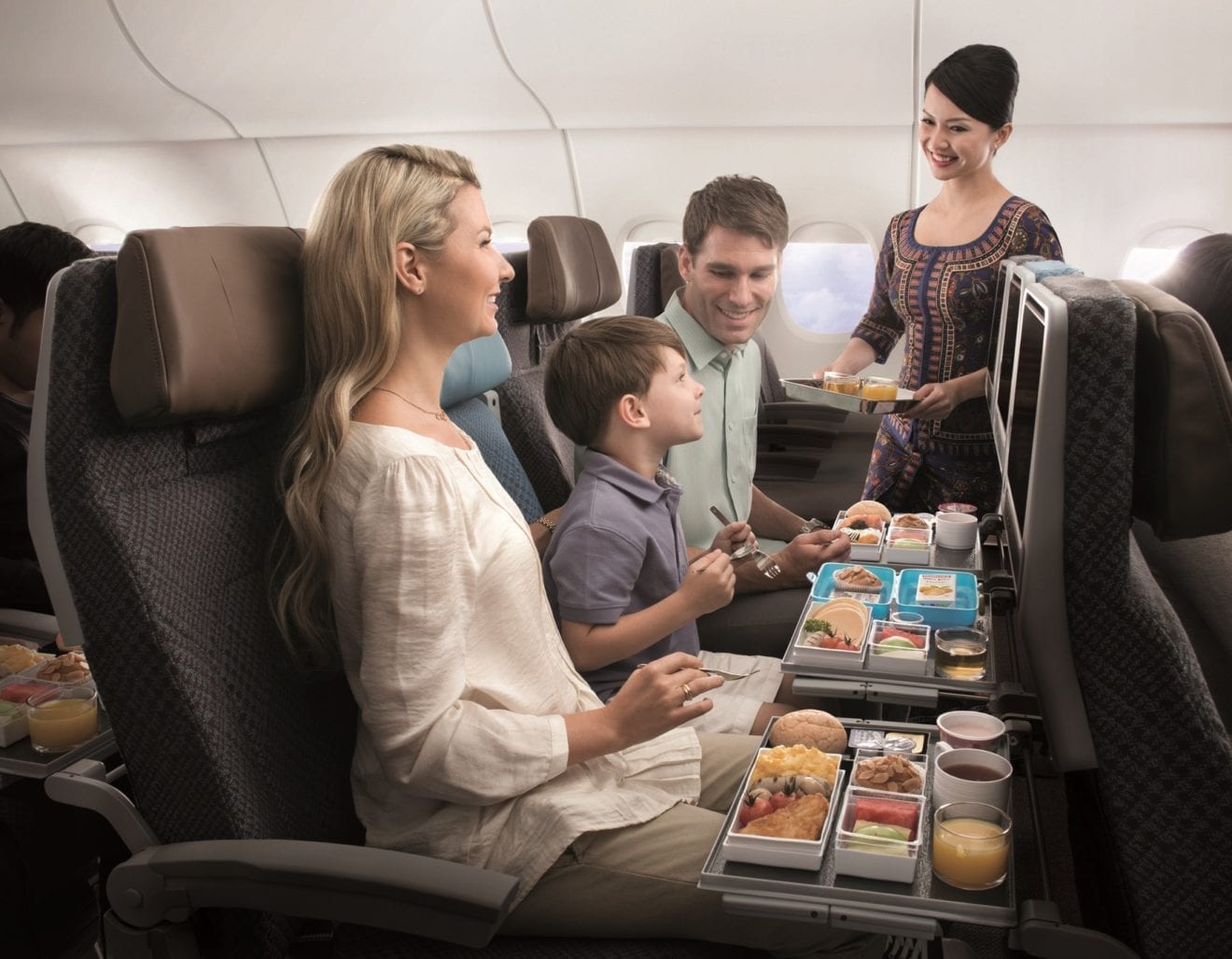
    It’s like dining a la carte 34,000 feet above sea level. That’s the “Book the Cook” experience that you get when you fly Singapore Airlines. It’s an exclusive advance inflight meal-ordering service that allows passengers in Suites, First Class, Business Class and Premium Economy Class to pre-select a gourmet dish of their choice before their flight.

    “It’s a departure from our regular meal service,” says Hermann Freidanck, food and beverage, inflight services manager. “You get to order your main course from a wide selection in a specially prepared menu up to 24 hours before your flight. Now you won’t have to settle for a dish that is not your choice.”

    At the exclusive meal presentation before local media recently at Singapore Airline’s new-concept Silver Kris Lounge in NAIA3, we got to experience firsthand what this was like. A couple of days before the event, we were sent a special menu to choose from, which included beef tenderloin steak, roasted rack of lamb, slow-cooked marinated duck leg with mushroom risotto, marinated free-range chicken, and baked herb-marinated salmon.

    The sit-down meal included an appetizer of marinated lobster with Mediterranean vegetable salad and balsamic dressing, as well as roasted pumpkin soup or snow fungus chicken soup with Chinese mushroom and quail egg. The salad was spinach and green frisée garnished with cherry tomatoes and olives with a choice of balsamic vinegar and extra-virgin olive oil or honey-mustard dressing, while dessert was a choice of  either chocolate and banana cake with vanilla ice cream and raspberry coulis or fresh mango tiramisu with verbena mango compote and biscotti by three-Michelin-starred chef Georges Blanc.

    As part of the Book the Cook service, passengers can choose from a menu of ICP dishes. “These are dishes created by Singapore Airline’s esteemed International Culinary Panel (ICP), which is a team of celebrated Michelin chefs who have restaurants or groups of restaurants in our main destinations in Europe, America and Asia,” Freidanck explains. “They work closely with our own chefs to develop unique dishes that we serve on board.” The panel includes Alfred Portale (United States), Carlo Cracco (Italy), Goerges Blanc (France), Matt Moran (Australia), Sanjeev Kapoor (India), Suzanne Goin (United States), Yoshihiro Murata (Japan), and Zhu Jun (China).

    “Our menus are planned four to five months ahead of time, on a four-month cycle. First Class and Business Class have four different main courses, while Premium Economy Class has a third choice in addition to the usual two choices,” Freidanck shares. “The way we do our menus is what we call ‘destination-specific.’ If you are going to Frankfurt, for example, you’ll have a German dish. In First Class and Business Class, you will always have  an ICP dish. Seasonal ingredients would also affect which dishes would be available.  The Japanese, as well as the Chinese dishes, go by the seasons. A bestseller is the Maine lobster, but not every country has it. It is difficult to get lamb, for instance, but because you can order in advance, you are guaranteed your main course.”

    “And then we have the Asian dishes. We look at the passenger profile, and if it’s predominantly Singaporean, for example, we try to put a Singaporean dish. We emphasize that we must represent the cuisine properly. It always has to be authentic. It must be traditional,” Freidanck adds. ‘There are also what we call the special meals which address certain conditions of the passenger, either due to religious beliefs, dietary or allergy restrictions. You can order them and we will serve you according to what you order. It’s not like other airlines where one menu fits all.”

    Singapore Airlines also launched a new “Deliciously Wholesome” program catering to the needs of an increasing number of health-conscious travelers.

    Preservation of freshness is an important consideration. Dishes are cooked with the reheating process in mind. “There is a fine line because we have to follow the hygiene regulations,” Freidanck explains. “Steak, for instance, has to be seared from the outside, so when it’s reheated on board, it’s just right. Sushi has to either be grilled or pickled or smoked. Nothing is raw. Oysters have to be cooked, following hygiene regulations.” Certain dishes can be a challenge. “Not impossible, but difficult,” Freidanck says. Dim sum, like pasta, does not reheat very well. The texture of risotto can be less appealing when overdone.

    The dishes are cooked in the kitchen, then kept in the chiller below 10 degrees so no bacteria can thrive, until it goes on board. The dishes are deconstructed and put into different containers. On board, it goes in the oven where the heat is calibrated to a certain temperature. “There is a training center in Singapore where the crew learn to do this. It’s very specific. There’s a lot of details which they have to go through,” Freidanck says. The crew gets a plating guide, which they must follow when they assemble the dishes.  First Class passengers get their meals served on real plates with fine cutlery.

    “Complementing Singapore Airline’s World Gourmet Cuisine is a selection of the finest wines from the very best vineyards, selected by some of the world’s most educated and sought-after palates. These wines are handpicked by world-renowned wine experts and blind-tasted under simulated cabin pressure, since our taste buds are affected by the cabin pressure,” notes Carol Ong, Singapore Airlines general manager for the Philippines, Guam and USTT. The Singapore Airlines Wine consultants include three Masters of Wine: Michael Hill-Smith, Jeannie Cho-Lee, and Oz Clarke.

    “So, you have just flown First Class, basically,” Freidanck says, addressing the intimate media group of happy diners at the end of the meal. The only thing missing was the altitude.

  • Zhouheiya fast food chain to list in Hong Kong

    Zhouheiya fast food chain to list in Hong Kong

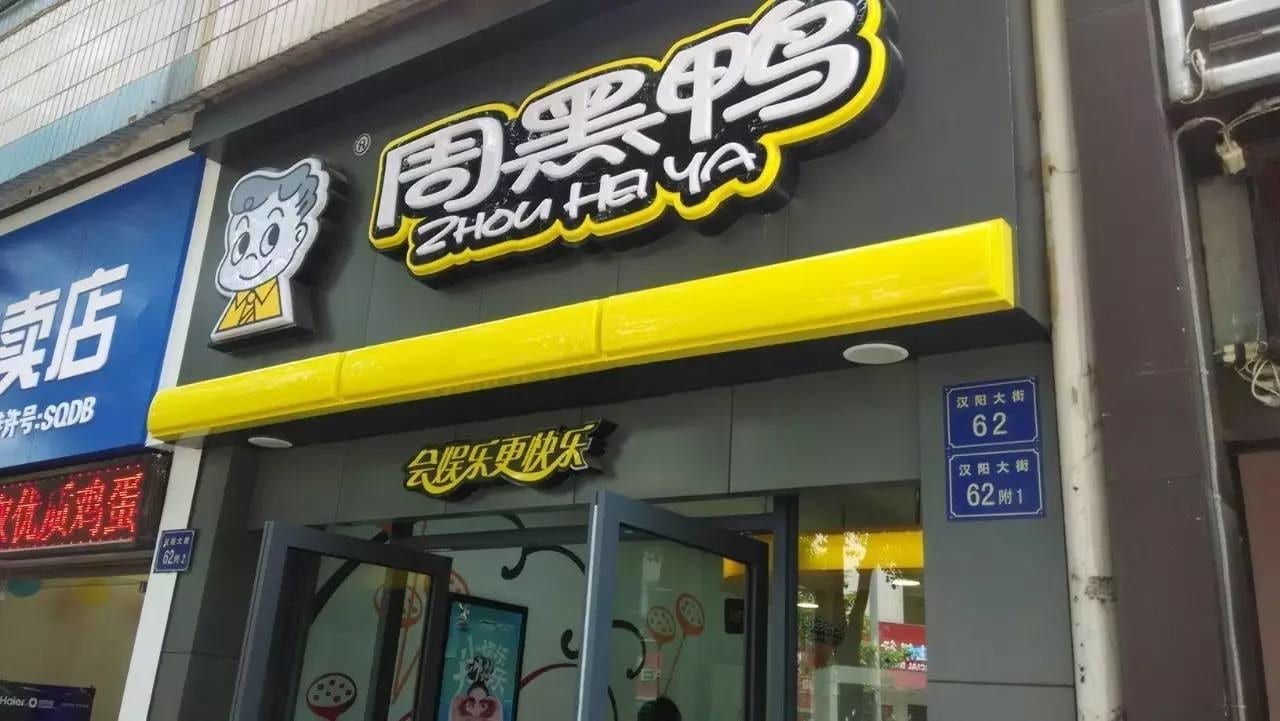
    The initial public offering of Zhouheiya, a Hubei province-based fast food chain known for its spicy-braised duck neck and other ready-to-eat snacks, opened for subscription in Hong Kong, looking to raise up to HK$3.3 billion ($425.7 million).

    The braised food producer and retailer, scheduled to make its trading debut on Nov 11, will sell 424 million shares at an indicative range between HK$5.8 and HK$7.8 apiece.

    Founded in 2002 in Wuhan, Hubei province, Zhouheiya beefed up its business footprint in 38 cities across 12 mainland provinces with 715 self-operated retail stores.

    Executive Director Hao Lixiao told a news conference in Hong Kong on Monday that the company is always looking to expand into the Hong Kong and Macao markets. However, he didn’t reveal a detailed timeline, adding that the firm still deals with the local licenses, not to mention that product research and the buildup of sales networks also takes time.

    Zhouheiya’s Hong Kong IPO highlighted an industrywide trend of mainland duck-food manufacturers floating public shares. Competitors like Jiangxi Huangshanghuang Group listed in Shenzhen back in 2012, while Hunan Juewei has been stuck for more than two years in the Chinese mainland’s clogged pipeline of IPOs.

    “Such a trend indicates that growth of mainland duck-food chains has somewhat run into a bottleneck which pushes them to raise capital via public listings as a growth booster,” said Zhu Danpeng, a researcher at the China Brand Research Institute.

    With rival Hunan Juewei being trapped in a big logjam of mainland IPO filings, Zhouheiya’s decision to join in a cluster of mainland food companies floating in Hong Kong appears to be a time-saving move.

    Choosing Hong Kong as a listing destination helps companies jump the long IPO queue in the Chinese mainland, but low valuation in the Asia’s financial hub remains a sure thing. In particular, Hong Kong investors still view food stocks listed there as generally expensive options, which may explain why some believe shares of Zhouheiya are priced a bit too high, said Hannah Li, a Hong Kong-based strategist with UOB Kay Hian.The IPO logjam that has long beset mainland catering companies accessing mainland capital markets was spotlighted when high- and mid-end restaurant chain Xiao Nan Guo Restaurants Holdings, and hotpot chain Xiabu Xiabu turned to Hong Kong to list in 2014.

  • SSP wins contract to operate eight F&B concessions at Phuket International Airport

    SSP wins contract to operate eight F&B concessions at Phuket International Airport

    SSP Group, a leading operator of food and beverage outlets in travel locations worldwide, has consolidated its position in the Thai market with a number of new contract wins.

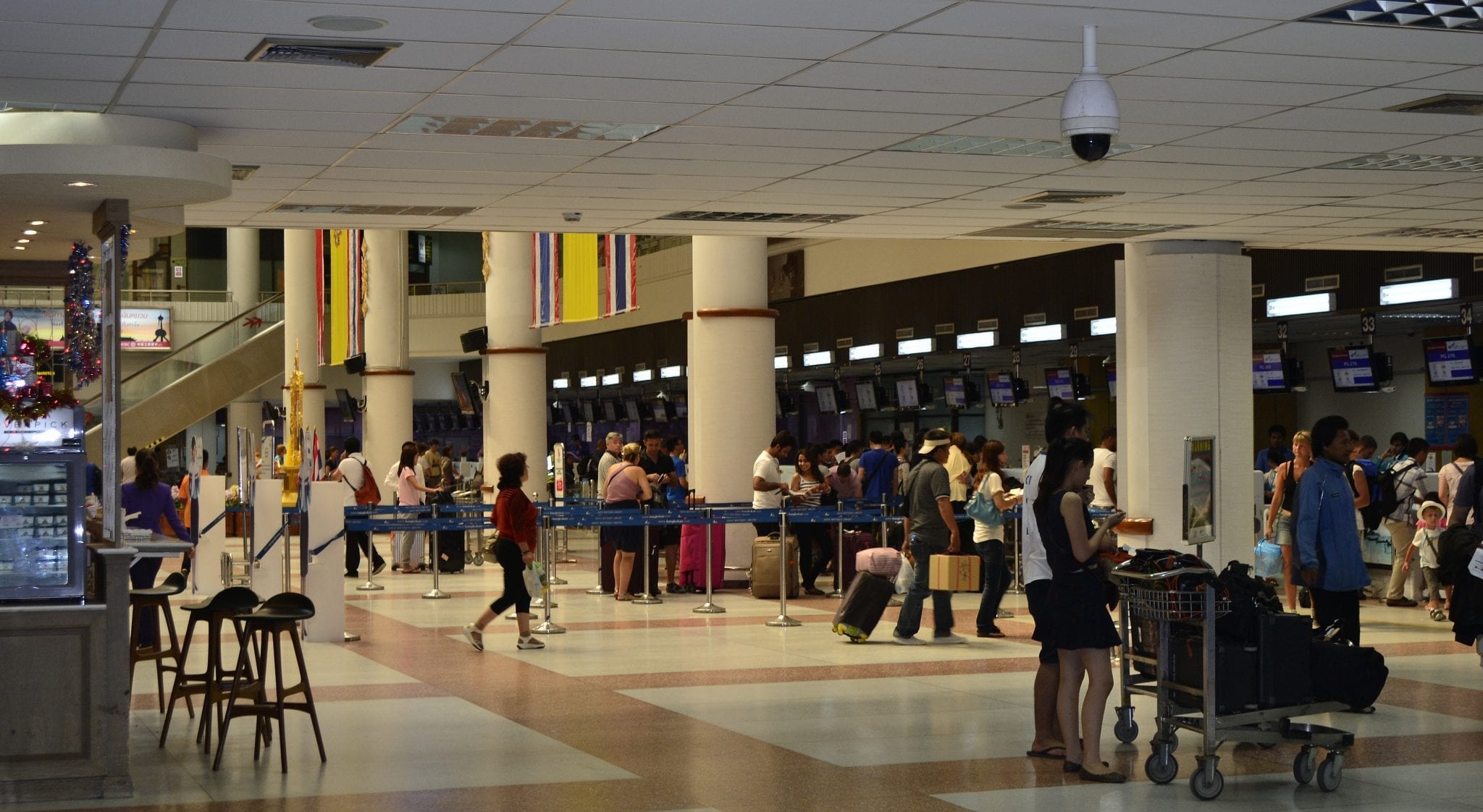
    At Phuket International Airport, SSP has been awarded a four-year contract to operate eight concepts in the new international Terminal 2. Valued at approximately 1.5 billion THB (£33 million*) the new deal will make SSP the leading concessionaire at the airport.

    Landside, SSP will run all food and beverage operations on the mezzanine floor. Its offer will include Burger King, Bill Bentleyn Pub, Ajisen Ramen, Thai Express, Airport Kopitiam, Dairy Queen and The Coffee Club. Airside, passengers will be able to choose from Burger King and Bill Bentley Pub.

    Commenting on the win, Chris Rayner, CEO SSP Asia Pacific said; “We have been running food and beverage concessions in Thai airports, where we are the clear market leader, since 1995 in cooperation with our Thai partner Minor Food Group. SSP Thailand’s strong track record in delivering great brands, great customer service and great sales all contributed to us being awarded the contracts in Phuket, and we are delighted to be building on our success in this strategically important region.”

    Separately, at Suvarnabhumi Airport, SSP has extended all its existing contracts by four years. It has also extended its contracts at Chiang Mai International Airport by two years until July 2018.

    Phuket brand line-up:

    Thai Express is the world’s largest chain of modern Thai restaurants. Serving traditional Thai cuisine in a relaxed and yet contemporary environment, today the brand can be found at over 30 locations from China and Malaysia to Vietnam and Singapore.

    Japanese brand Ajisen Ramen is the country’s leading ramen restaurant and can now be found across the Asian continent. It serves a range of Asian dishes in a format that is simple, tasty and healthy as well as convenient.

    Founded in 1954, the Burger King brand is the second largest fast food hamburger chain in the world. The original home of the Whopper, the Burger King system operates more than 14,000 locations in approximately 100 countries and U.S. territories.

    Bill Bentley Pub is a classic English pub, styled to create the warm welcome of the traditional local.

    Airport Kopitiam, is a bespoke SSP concept which draws inspiration from the ever popular café culture of Malaysia. Its menu features simple meals, including kaya toast and white coffees.

    Founded in the 1940s in Illinois, USA Dairy Queen is famous for its dessert treats and much more. Today it is hugely popular across Asia.

    The Coffee Club, which originated in Australia, is a growing coffee chain in Asia Pacific with over 400 stores across nine countries including Thailand.

  • Packaged food in Thailand – impulse and health to drive premium segments

    Packaged food in Thailand – impulse and health to drive premium segments

    After a period in the economic doldrums, Thailand looks set to be a potential opportunity for domestic and international food manufacturers marketing premium wares. Poorna Rodrigo surveys what is driving demand for premium products in south-east Asia’s second-largest economy.

    A string of political crises may have weakened consumer spending in recent years but Thailand’s economic growth accelerated in 2015 and the country’s GDP in the first half of 2016 was faster still, suggesting south-east Asia’s second-largest economy could again present a lucrative opportunity for premium packaged food markets.

    And there is optimism among industry watchers about demand for packaged premium brands despite the possibility the wave of bomb blasts this summer could affect tourism, which is a driver in the trend of premiumisation and some concerns over the levels of household debts in Thailand.

    The appetite for packaged premium brands remains strong and is expected to grow – and trends including impulse and health are expected to be key to the development of the more premium parts of the market.

    Overall, packaged food sales (retail and foodservice including premium) soared from US$8.06bn in 2011 to US$11.07bn in 2015, according to data from UK-based market researcher Euromonitor International, with sales projected to continue to grow through 2020, albeit at a slower pace.

    The rate of growth in the sales of more upmarket products is predicted to rise, according to Yongyut Ongwattanapat, a Bangkok-based senior manager at US market research company Nielsen. “Premium food grew at four per cent, while the non-premium category grew around six per cent in 2014. Premium food sales are expected to grow around six to seven per cent within the next two years,” Ongwattanapat says.

    Reflecting the growth in the size of Thailand’s middle-class, the increase in premium goods sales is shaping Thailand’s fast moving consumer goods industry, Ongwattanapat explains. One common theme persuading consumers to pay more for premium foods is the ability of brands to “convey functional benefits” Ongwattanapat says. For example, products claiming to have lower or less sugar, high in fibre and protein, organic, and 100% juice content are becoming more appealing to Thai consumers.

    A spokesperson from Euromonitor says the urban lifestyle of many modern Thai consumers is encouraging them to spend more, despite higher living costs and debts. For example, World Bank data says out of 67.9m people overall, nearly 10m live in the capital Bangkok. New product launches are well received, as “adventurous tastes drive consumer willingness to spend on new experiences,” the spokesperson says. “Impulse and indulgent packaged food products” have been instrumental in boosting retail value sales growth, the spokesperson adds.

    Fonterra, the New Zealand dairy giant, has a growing business in Thailand, with its foodservice-oriented business, Anchor Food Professionals, central to its strategy for growth in the category. Anchor Food Professionals supplies a range of dairy products to foodservice and convenience store outlets in Thailand. That part of Fonterra’s operations in Thailand “has seen double-digit growth in the past few years”, Paul Richards, managing director of Fonterra’s branded business in the country, says. Richards points to one category benefiting from growing demand for convenience. “There’s huge potential in the premium segment of the bakery category where more Thai consumers with higher incomes demand greater variety and western-influenced options,” Richards says.

    Looking at other factors industry watchers see as driving demand for premium food, data from UK-based market intelligence firm Mintel suggests wealthier consumers are becoming more interested in ethical food. According to Mintel’s 2016 Asia and Pacific (APAC) consumer lifestyle study, this year 31% of urban Thai consumers prefer products that carry an environmental certification from a credible government or non-profit organisation, Jane Barnett, the firm’s head of insights for South Asia-Pacific  says. This means having a “stamp of approval” from a known organisation works well with consumers, Barnett says, adding this cohort of consumers is willing to pay more.

    She continues: “Forty per cent of metro Thai consumers are willing to pay a premium for products that are safe to use, such as products that have no additives and 27% would pay a premium for products that are natural for example organic or uses pure, naturally-sourced ingredients.”

    A growing fondness for healthier food is also opening doors for foreign investors: 66% of metro Thai consumers hope to achieve eating a healthier diet in 2016, according to Mintel data. Barnett believes “more opportunities for imported health foods in the market will arise”.

    According to Dee Richmond, general manager of AgriSource Company Ltd, a food and agriculture firm based in Bangkok, there is increased interest in quality from Thai food manufacturers in US pulse-based food products such as peas, beans, chickpeas and lentils

    “We have not yet seen very many new products yet, but there are a record number of research and development trials with US pulses taking place in snacks, canned foods, and other value-added products,” she says. “We are also seeing increased availability of US pulse ingredients, including pulse starch, pulse flours, and pulse protein.” Dry pulses provide a hard-to-beat nutritional profile for food processors looking for healthy ingredients, being rich in protein, soluble and insoluble fibre, antioxidants, vitamins, minerals and low in fat and oil content, she adds.

    This premium health-based positioning is even extending to snacks. Bangkok-based snack maker Hanami Foods Company Ltd, a subsidiary of Friendship Company Ltd, sells the Snack Jack extruded green pea snack, while Modern Food Industries (India) Ltd, based in Thailand’s central Pathum Thani province, also produces green pea-based snacks.

    However, the growth in demand for more premium products has also seen some food companies misusing ‘premium’ labelling, forcing the Thai ministry of public health to implement additional controls, according to Siradapat Ratanakorn, a regulatory affairs consultant and food technologist at the Bangkok-based south-east Asian leading law firm Tilleke & Gibbins International.

    “If a food company wishes to claim ‘premium’ on a food label, it needs permission from the Food and Drug Agency, who decides these requests on a case-by-case basis,” Ratanakorn says. For organic products, certification from an official government agency body or approved by an authorised agency official is necessary, he adds.

    Thailand has lagged the growth of some of its neighbours in recent years but there have been signs the country’s economy is getting stronger. There are some concerns about whether Thailand’s high levels of tourism will be affected by the bomb blasts this summer, while household debts could dampen growth. But the continued growth in the country’s urban middle class looks set to drive incomes and, trends including impulse and health, could present opportunities at the more premium end of the market.

  • Indonesia en route to popularize tropical fruit

    Indonesia en route to popularize tropical fruit

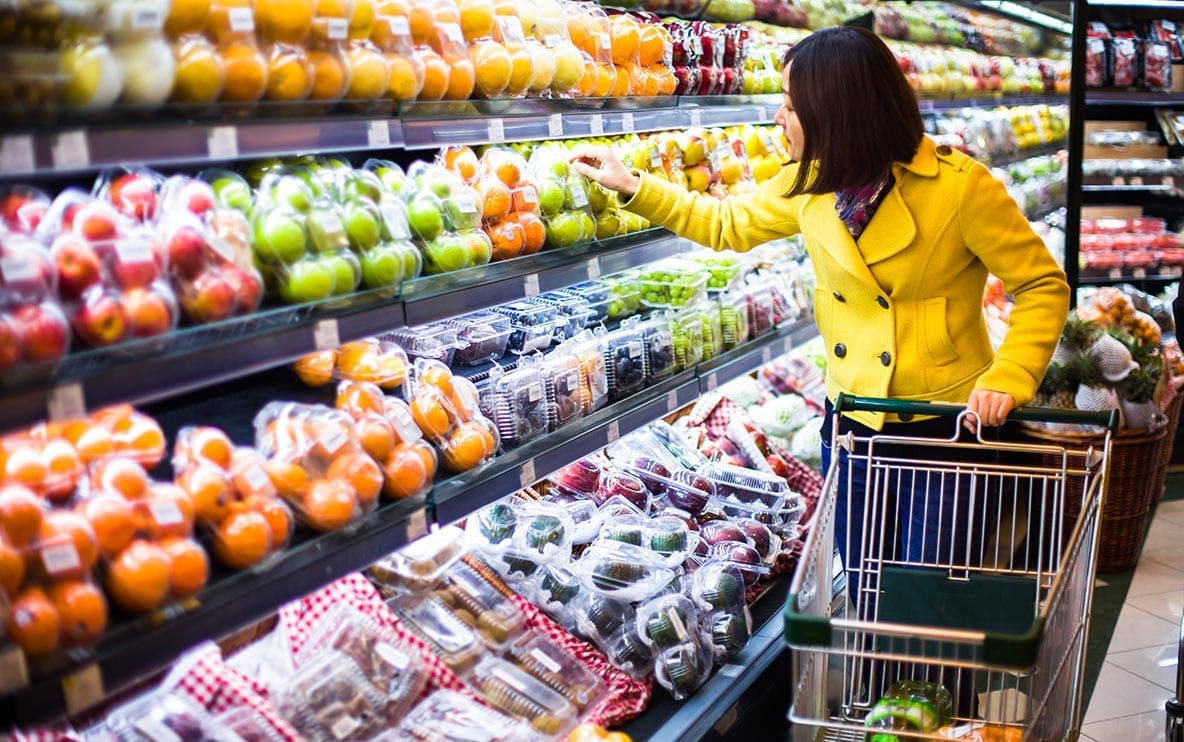
    Thousands of farmers under East Kalimantan farmers group Gapoktan find it unfortunate that people outside Indonesia are missing out on their home-grown fresh and juicy mini papayas, bananas and dragon fruits.

    So far, most of their fresh fruit products are only consumed by locals buying from nearby markets due to a lack of infrastructure, making it expensive to deliver fruit across the country, let alone export them.

    Indonesian fruit exporter EK Prima Ekspor Indonesia, a subsidiary of the United Arab Emirates’ retail giant LuLu Group International, knows firsthand how selling prices at the consumer level end up depending more on transportation costs than on production costs.

    “Transportation — from farmers to warehouses to airports and finally to the destination country — is very expensive. If our unique fruit doesn’t appeal to consumers, we could lose out to other countries, especially if they can produce similar fruit for cheaper prices,” said Irawan Santoso, head of the fruit and vegetable division of EK Prima.

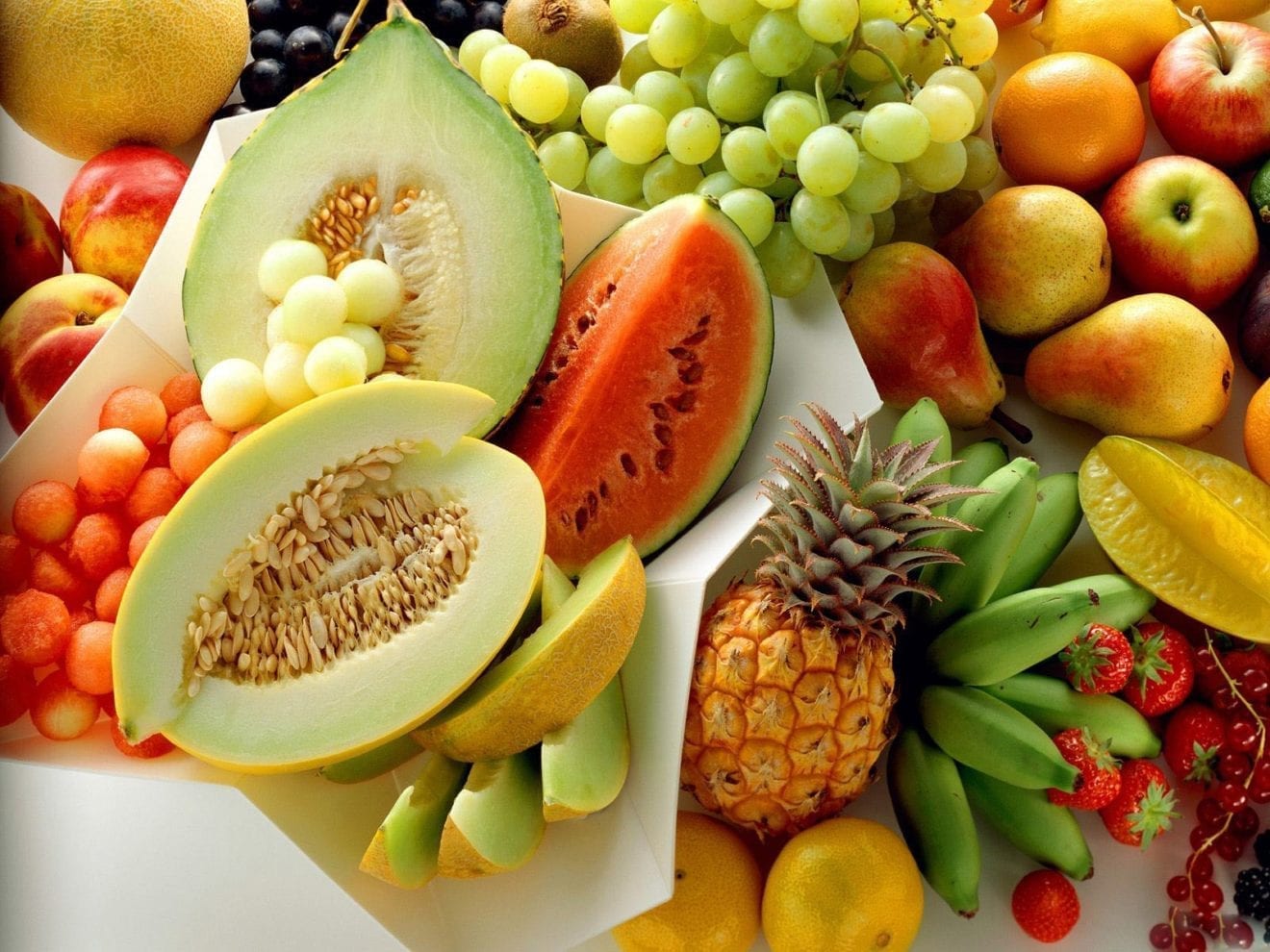
    Indonesia also has mangosteens, rambutans, snake fruits, jackfruits, soursops, breadfruits, guavas and starfruits that grow in the tropical country, but they are not frequently consumed globally or even domestically.

    The government aims to boost tropical fruit production by expanding land for fruit plantations while also improving infrastructure and transportation systems to decrease high distribution costs, as part of efforts to be the biggest tropical fruit producer in Southeast Asia by 2025 and in the world by 2045.

    President Joko “Jokowi” Widodo acknowledges that this is no easy task, especially with farmers’ preferences to use land for high-yielding commodities, such as palm oil, rather than fruit, which takes time to return on investment. Poor infrastructure has also driven up logistics costs for years.

    “If we can have 14 million hectares of oil palm plantations, we should also be able to have that much land for fruit,” Jokowi said during the opening ceremony of the four-day Fruit Indonesia Festival 2016 in the Jakarta Convention Center parking lot on Thursday. The President handed out various tropical fruits to children to remind people of the “love local fruit” movement.

    “If you see a lack of supporting infrastructure that could hamper distribution, please let us know,” he told the audience consisting of scientists, fruit planters as well as local and international trade delegates.

    To expand plantations, provincial administrations have been instructed to provide local farmers with 5 to 50 ha of land for fruit planting per business unit, as part of the bigger goal to provide 400,000 ha of land in Java, Kalimantan, Sulawesi and Sumatra.

    The program started with 100,000 ha in cooperation with state-owned companies. State plantation firms under PTPN also asked to start cultivating their under-utilized land for fruit production.

    “The state firms have been very enthusiastic to give sections of land for fruit plantations. They are used to producing palm oil, rubber, tea and other commodities but not fruit. So, a new management specializing in horticulture needs to be formed,” Bogor Agriculture Institute (IPB) rector Herry Suhardiyanto said.

    IPB is now studying a possibility to form another state company to develop horticulture based on the State-Owned Enterprises Ministry’s request.

    The business community is hopeful that the vision of becoming the world’s largest tropical fruit producer will be honored over time.

    “Let us not change the policy and vision every time we change presidents,” said Karen Tambayong, head of horticulture development with the Indonesian Chamber of Commerce and Industry.

  • Jamie Oliver to announce its opening for the first Jamie’s Italian restaurant in Thailand

    Jamie Oliver to announce its opening for the first Jamie’s Italian restaurant in Thailand

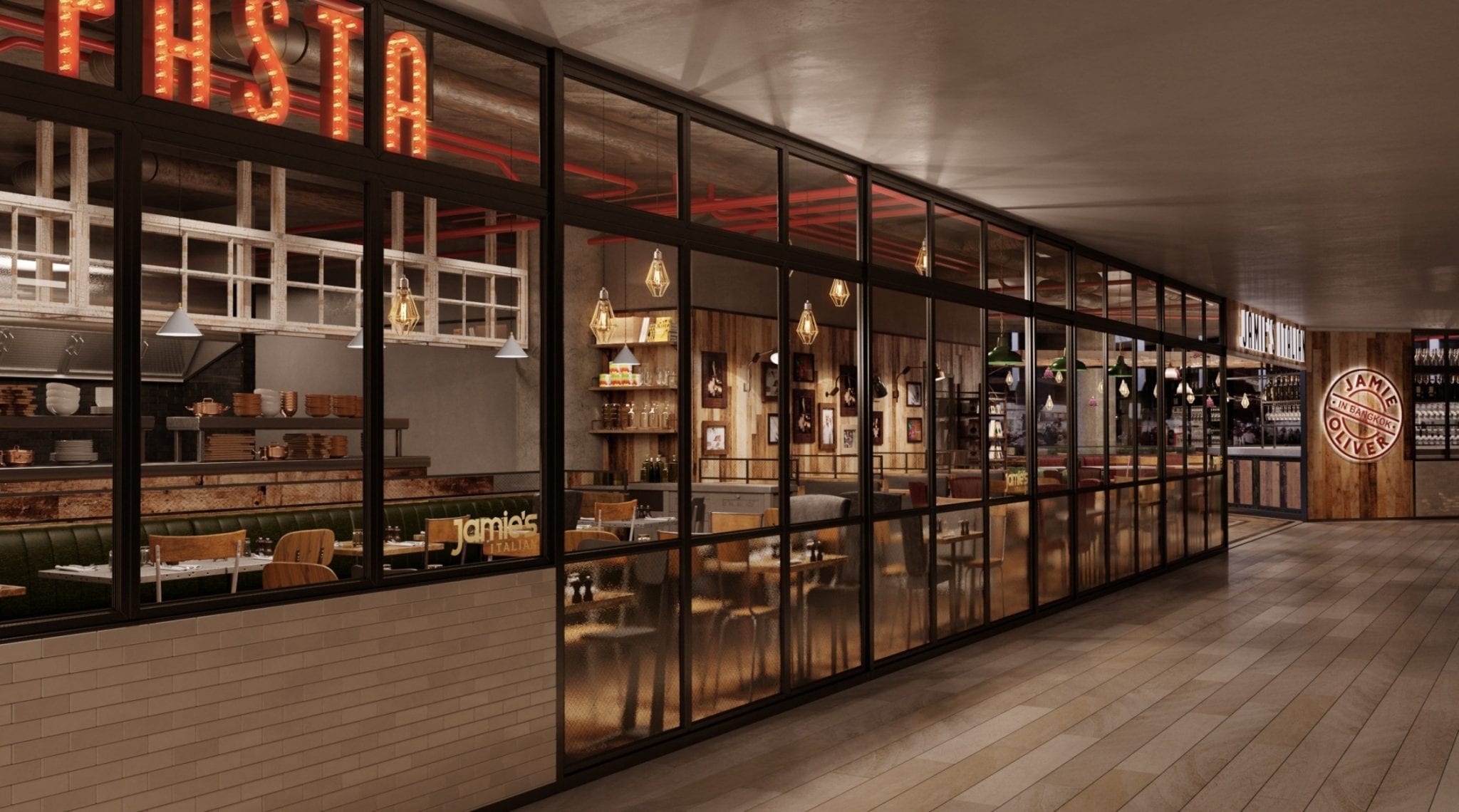
    Jamie’s Italian by Jamie Oliver is pleased to announce its opening head chef for the first Jamie’s Italian restaurant in Thailand, set to open in the fourth quarter of this year. Alex Barman, a dynamic and passionate chef with more than 11 years of culinary experience, will be leading the kitchen team as head chef of Jamie’s Italian Siam Discovery.

    Born in North Wales, UK, Alex started working in restaurants at a young age while still studying, beginning his culinary career as a kitchen assistant in a local hotel restaurant, and then progressing to be a sous chef in a local bistro, and head chef for Whitbread Group in Cardiff. In 2010 he joined the Jamie’s Italian family in Cardiff as a commis chef, moving swiftly through the ranks and taking his first head chef role for Jamie’s Italian in Cheltenham and Birmingham. He was also a member of the training support team for the opening of Jamie’s Italian Westfield, Stratford near the London 2012 Olympic Stadium. Alex moved to Singapore three and a half years ago to open the first Jamie’s Italian in Asia in VivoCity, where he started as the sous chef and was quickly promoted to head chef. In 2015, he moved to Bali as head chef for the new restaurant, Jamie’s Italian Kuta Beach.

    “Everything we serve is made with care,” Alex Barman, the head chef of Jamie’s Italian Siam Discovery said. “Good food is as the heart of everything we do. We are fully committed to supporting Jamie’s fight for better food worldwide, and his mission to make good food accessible for everyone.”

    As with all Jamie’s Italian outlets, the Siam Discovery restaurant will remain committed to sourcing only the best free­range, sustainable and ethically sourced ingredients. The restaurant will also work closely with Thai farmers to showcase local, responsibly grown produce.

    Alex said: “One of the most exciting parts of the job so far has been sourcing ingredients that fit in with Jamie Oliver’s food ethos. It’s not always easy, but it is always enjoyable as I have been able to meet some really amazing people. I am very passionate about sourcing and working with great local suppliers who are as passionate about great ingredients and the food ethos behind them, as I am. I’m really looking forward to seeing these ingredients feature throughout our menu.”

    “Since moving to Asia I’ve always wanted to work in Thailand and experience the culture, people and amazing local food on a regular basis, not just for a holiday, as you never really get to experience the real country and people on short breaks. It’s such a diverse and dynamic country with big differences from one province to another, making it very exciting to travel around and experience all the country has to offer. I love cities and actively seek to work and live in big, bustling, dynamic cities in which Bangkok has to be one of the best so far I’ve lived in.”

    Alex said: “Jamie’s Italian food is simple, rustic and inspired by dishes eaten all over Italy, delivered to the local market at affordable prices, which means it’s great for any occasion. I will also be creating some fantastic daily specials, maximising ingredients I can get at short notice from local markets and suppliers. I’m really looking forward to using some of the interesting products that are available here to create some brilliant dishes, with a new brigade of talented local chefs, and seeing our first guests enjoy our food.”

  • EU wants more access to Indonesian F&B market

    EU wants more access to Indonesian F&B market

    The EU demands Indonesia to ease trade barriers in the food and beverage (F&B) sector to give European producers more access to  Southeast Asia’s largest market, an official representing the world’s largest trading bloc has said.

    EU Commissioner of Agriculture and Rural Development Phil Hogan said many European producers had expressed their interest to enter the Indonesian market. However, both tariff and non-tariff measures, such as import quotas and local content requirements, held them back from doing so.

    “Many businesses are interested in Indonesia but they are waiting for improvement in market access,” Hogan said during the 6th EU-Indonesia Business Dialogue in Jakarta on Tuesday.

    He also mentioned the requirement to provide halal certificate as an obstacle for European F&B companies that wanted to explore opportunities in the world’s largest Muslim-majority country. Some European producers, Hogan said, had experiences in producing halal products, but some others did not.

    “We respect religion, but it [halal certification] prevent exports to Indonesia,” he said.

    He suggested that halal certification should be an option instead of being obligatory. Then producers that had not yet obtained certification could still export their products to Indonesia.

    Indonesia and the EU are currently in talks for the Comprehensive Economic Partnership Agreement (CEPA). The anticipated agreement, expected to be concluded by 2019, will remove various trade barriers between both parties.

  • China Leads the Global Market for Eggs and Eggs Products

    China Leads the Global Market for Eggs and Eggs Products

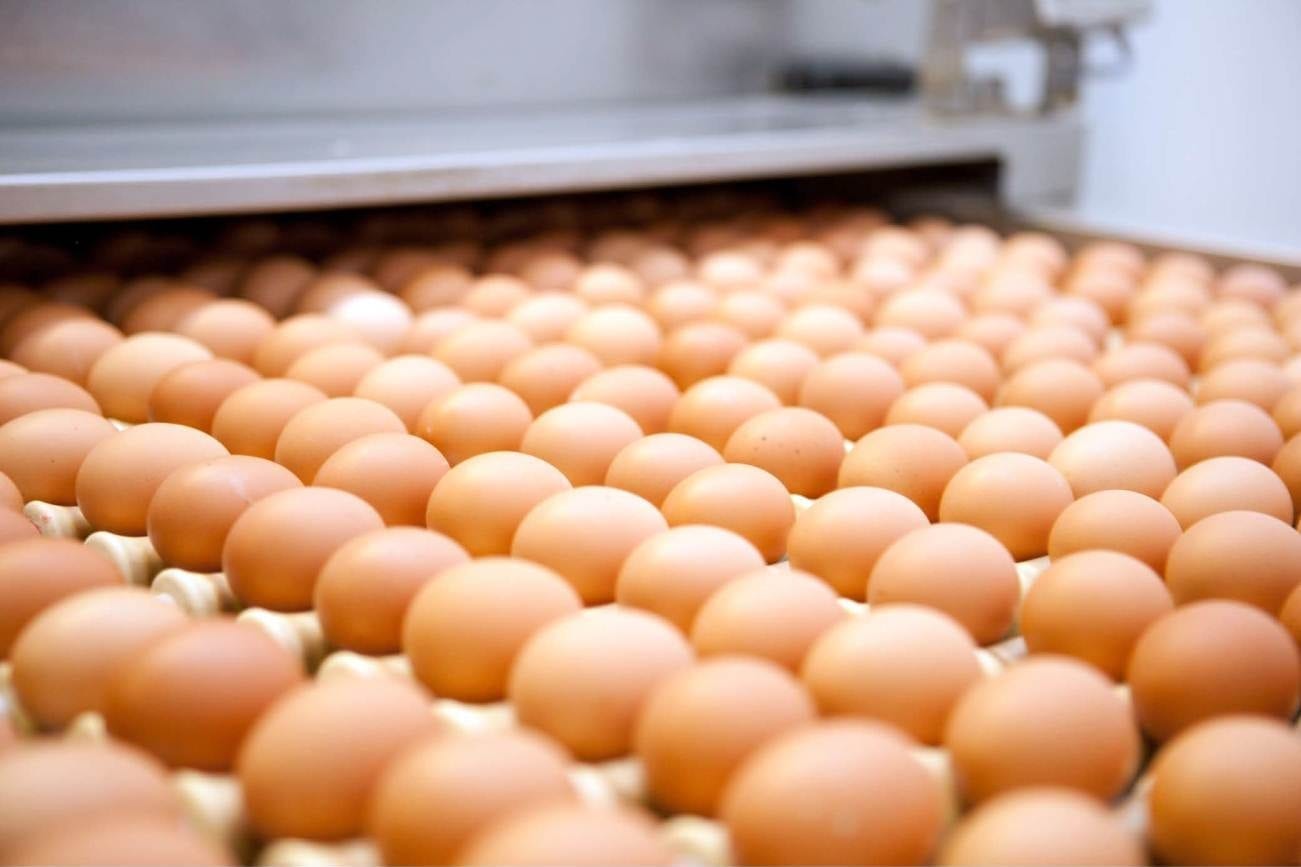
    Eggs, an integral part of the banal breakfast menu, are a rich source of protein. Easy and hassle free to make, their demand has seen a phenomenal spike in the past couple of years on account of a burgeoning world population and their rising disposable income. Even the avian flu, which resulted in culling of millions of livestock worldwide, couldn’t hamper the market growth. Today, a wide variety of eggs are found on supermarket shelves. Not just that, discerning palates of demanding consumers have also spawned another market – that of egg products. Made from different components and blends of eggs, they are edible products ready for consumption.

    Cage-free Eggs are All the Rage These Days
    Reports reveal that around 2 billion eggs are produced in the world in a year. The method of production is, however, set to change.  With growing awareness about the appalling living conditions of the captive egg-laying hens, particularly in developed countries, an outcry has ensued. This has led to a ban on conventional egg farming methods. Fast food giant McDonald, which is one of the biggest egg buyers in the world, pioneered efforts in this direction by announcing in 2015 that it would only use cage-free eggs in all of its US and Canadian restaurants. Other major fast food chains and a handful of multinational food companies followed suit too. This has generated an opportunity for egg producers in Asia and America to fulfill the demand-supply gap created on account of EU nations being unable to carry out the overhaul in logistics and processes involved swift enough.

    China the Largest Producer-cum-Consumer of Eggs and Egg Products
    China, which had pretty much been powering the global growth up until a while back, has been a leader in the global eggs and egg products market as well. Studies show that it produces around 36% of the 70% eggs produced together by Mexico, Japan, China, U.S., India, Indonesia, Brazil, Mexico, and France. China also consumes around 40% of the global eggs. This is because eggs form a vital part of the average Chinese meal. The eggs are also used as additives and ingredients, nationwide.

  • Foodland, plans to expand lots over the next five years

    Foodland, plans to expand lots over the next five years

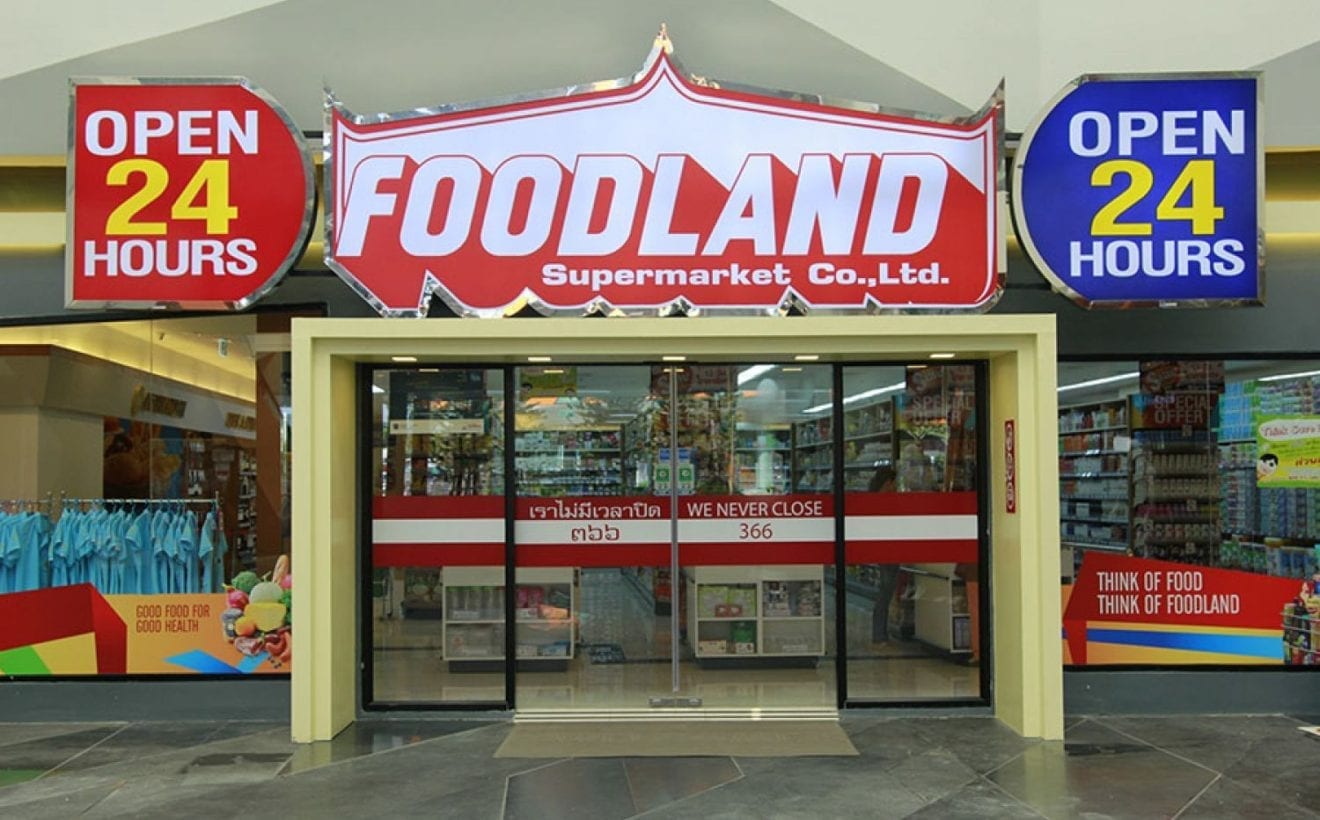
    Expats’ favorite supermarket, Foodland, plans to expand lots over the next five years. The chain has doubled its yearly investment budget to THB500 million to open four or five new grocery stores and add three new types of restaurants to their roster.

    Some of the new locations are already open. There is now a Foodland at The Street community mall on Bangkok’s Ratchadaphisek Road. Another Foodland opened yesterday at Rama 3’s The INT Intersect community. A third is opening soon at the Terminal 21 in Nakhon Ratchasima. The other locations have not yet been announced.

    Foodland’s new restaurants will include a Japanese ramen chain, a Hong Kong-style roasted-goose dining spot and a Singapore-style street food restaurant.

    Chief executive officer Somsak Teerapattanakul said, “As I am getting older, I want to speed our expansion as much as possible. Starting from next year, we plan to open four or five new Foodland stores for five consecutive years,” Somsak said.
    These expansion plans means that the company’s sales might reach THB10 billion in 2017, which would be 25 percent higher than the THB8 billion they should hit this year.

  • Pelindo to build seaport for food transportation

    Pelindo to build seaport for food transportation

    The Indonesia Port Corporation, PT Pelabuhan Indonesia (Pelindo) I, will build seaport infrastructure that supports food logistics transportation in order to reduce shipping costs and improve the quality of food products, Pelindo I Director Bambang Eka Cahyana said.

    “Right now we are paying attention to the food sector. In Belawan, North Sumatra, this year we are building a cold storage,” Bambang Eka said here on last Thursday.

    Cold storage, he added, can retain the quality of food products before they are exported overseas.

    The construction of cold storage in Belawan is a short-term plan for Pelindo I.

    Meanwhile, the medium-term plan of the company is to build a specialized cluster for food processing in Tanjung Balai port, North Sumatra.

    “During this time food processing has not received full attention. If we strengthen the cluster at the port, it will lower logistics costs,” he said.

    Bambang said for the long-term project, Pelindo I will build food processing infrastructure at all seaports throughout the country that are under its management.

  • Government issues permit to import 123,800 feedlot cows

    Government issues permit to import 123,800 feedlot cows

    Indonesias Trade Ministry has issued a license to import 123,800 feedlot cows in the third semester of this year after feedlot businesses committed to import 20 percent heifers of the total cattle imports.

    “For the third semester of 2016, the import agreement letter (SPI) has been issued for 32 importer companies to import 123,800 heads of cows,” Director General of Internal Trade of the Trade Ministry, Oke Nurwan, told a press conference here on Friday.

    The director general said the permits should have been issued in September but the government issued these in October only after feedlot importers made a commitment to import 20 percent heifers when they import cows. The government has made it obligatory upon importers to also include heifers while importing feedlot cattle.

    According to Oke, a license for importing cows is given to importers for shipment until the end of December 2016.A limited cabinet meeting held previously had agreed to allow import of 150 thousand heads of cattle in the third semester.

    Indonesia needed to import one million heads of cows this year to meet the domestic need for beef. The Ministry of Agriculture and the Ministry of Trade, therefore, require importers to include heifers while importing feedlot cattle.

    “We hope that some 20 percent of the 700 thousand imported feedlot cattle are heifers,” Agriculture Minister Amran Sulaiman had pointed out in Yogyakarta on October 6.

    To expedite cattle production, the Ministry of Agriculture and the Ministry of Trade have made it obligatory for importers to include mother cows in their feedlot cattle imports.

  • Ride-hailing app Grab brings GrabBike services to Bali

    Ride-hailing app Grab brings GrabBike services to Bali

    Watch out Gojek, competitor GrabBike has come to Bali. Ride-hailing app Grab has announced that it launched both GrabBike and GrabExpress services in Bali, as of Oct. 22. 

    Like Gojek, GrabBike allows you to order motorbike taxis, while GrabExpress is Grab’s courier service. Also in common with Gojek, the app’s drivers use black and green colors.

    Similar to Uber, the app has provided its GrabCar driver services in some time in Bali (they launched in 2015)—to the frustration of competing taxi and other drivers operating on the island. 

    As with GrabCar, the GrabBike and GrabExpress options will be most available in Badung and Denpasar. 

    Grab started in Malaysia but has quickly spread throughout the region, with notable success in Jakarta, its first Indonesian city. 

    “Bali is dominant in growth and tourism potential, so we saw an opportunity to improve the quality of daily trips in Denpasar and Badung. The launching of two-wheel services in Bali will complement GrabCar, which previously launched in 2015.

  • Indonesia`s  food and beverage companies show their product in Paris

    Indonesia`s food and beverage companies show their product in Paris

    Twenty of Indonesias food and beverage companies from around the country have displayed their products at Salon International de Lalimentation (SIAL) in Paris, France.

    The Industry Ministry of Indonesia has assisted these companies in displaying the diversity of Indonesia’s leading products, ranging from coffee, soft drinks, processed oil, health drinks, snacks, biscuits, instant noodles, processed fruit and processed fish, as well as organic foods, said Secretary of the Directorate General of Agro Industry of Industry Ministry, Enny Ratnaningtyas, in a press release received here on Tuesday.

    The Indonesian companies reflect the competitiveness of Agro products from Indonesia in international markets, as well as opening opportunities for broadening export markets.

    According to Enny, the SIAL Paris 2016 event will bring Indonesian food and beverage products to the European community, as well as the world, due to the attendance by businessmen and visitors from many foreign countries.

    “Moreover, the SIAL Paris 2016 exhibitors can interact with all potential buyers from Europe and Asia, as well as visitors from around the world who will be present at this exhibition,” said Enny.

    Enny also said the twenty companies will be located in the Indonesian pavilion, in Hall 4 booth 4M138 at the Paris-Nord Villepinte.

    The booth is located close to the Indonesian Trade Promotion Center of Lyon.

    Separately, Director General of the Ministry of Industry Panggah Ago Susanto noted that the nation’s food and beverage industry has been able to excel in both the domestic and global markets.

    This is reflected in its positive performance, such as in 2015, which accounted for 30.84 percent of the GDP of the non-oil processing industry and 5.61 percent of the national GDP.

    Meanwhile, the export value of Indonesian food and beverage products in 2015 amounted to 26.539 billion US dollars.

    “Special food and drink exports to France in 2015 reached 34.5 million US dollars, or 0.13 percent of the total exports of food and beverage products to the world,” said Panggah.

  • Brazil Challenges Indonesia`s Halal Certification Policy

    Brazil Challenges Indonesia`s Halal Certification Policy

    Brazil has filed a complaint against Indonesia to the World Trade Organization (WTO), challenging Indonesia’s halal certification requirements for imported meat.

    The trade dispute has been registered in Indonesia-Measures Concerning the Importation of Chicken Meat and Chicken Products No. DS:484. The second substantive meeting was held on October 11-12 at the headquarters of the WTO in Geneva, Switzerland.

    Ahmad Firdaus Sukmono, head of Trade Advocacy Bureau, the Trade Ministry, said that the policy is implemented as part of the government’s consumer protection efforts. “The dispute is focused on Indonesia’s rights to ensure compliance with food safety and halal requirements,” he said on Friday.

    Brazil has also lodged claims against Indonesia for its import restrictions, namely the positive list, usage requirements, transportation modes in import and suspension of sanitation requirement approval. Brazil claims that such policies have hampered Brazil’s export to Indonesia.

    Being the world’s largest chicken exporter, Brazil sees that the access to Indonesian market has been shut down in the past seven years. Because Indonesia only allows exported halal whole chickens which are slaughtered individually in henhouses. “We suspect that Brazil has yet to implement it,” Firdaus said.

    Firdaus said Indonesia has responded to Brazil’s claims. “Indonesia has been very transparent in import regulations and requirements.”

    Malaysia had also filed complaints about the difficulty in obtaining halal certification in Indonesia even though Malaysia has got its products halal certified by Jabatan Kemajuan Islam Malaysia, according to Malaysia’s International Trade and Industry Minister Dato’ Sri Mustapa Mohamed. However, Indonesia requires imported products to be halal certified by the Indonesian Ulema Council.