Tag: Food

  • HKTDC Food Expo, Tea Fair & Home Delights Expo Open

    HKTDC Food Expo, Tea Fair & Home Delights Expo Open

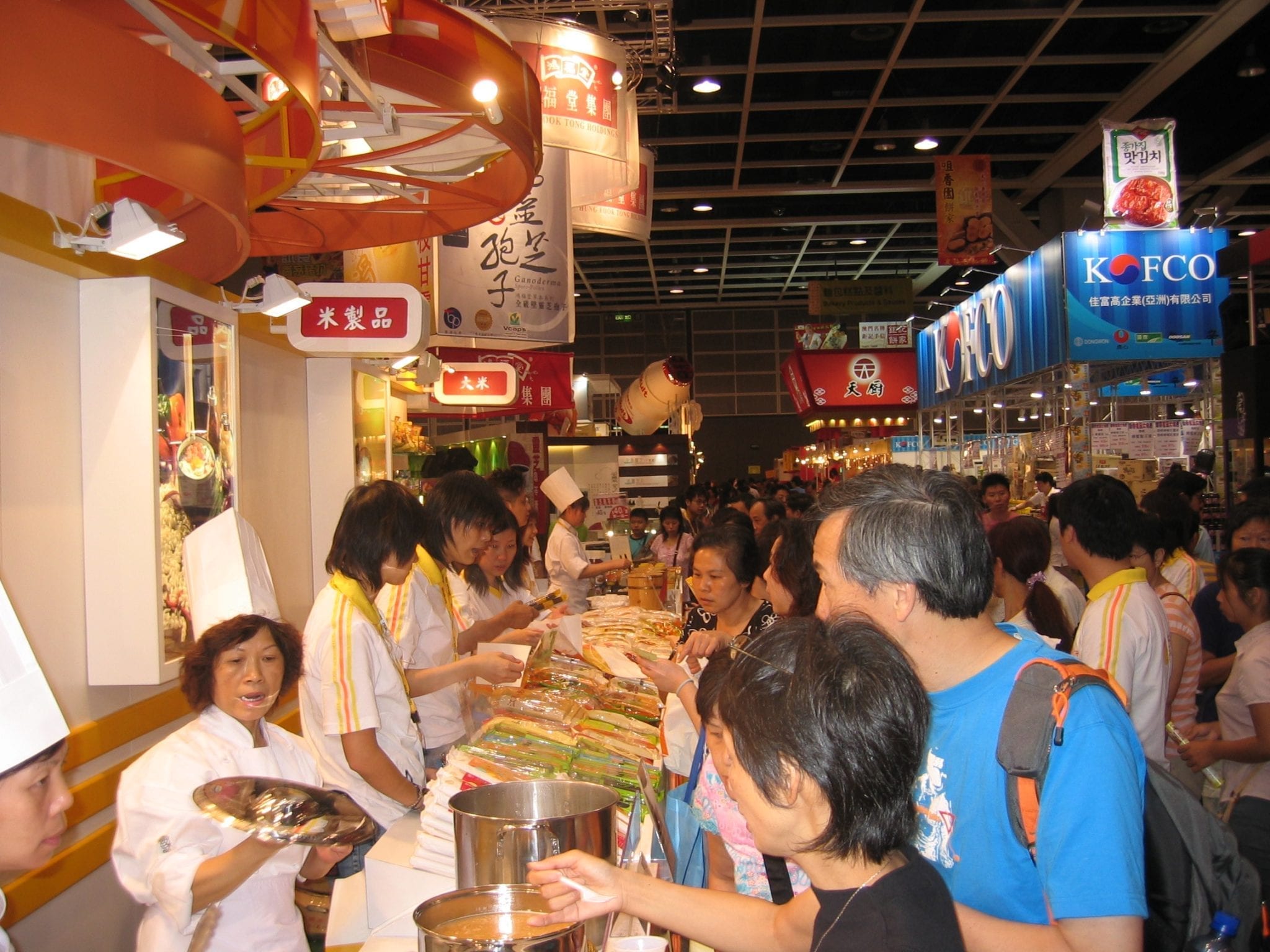
    Organised by the Hong Kong Trade Development Council (HKTDC), four concurrent fairs opened today at the Hong Kong Convention and Exhibition Centre (HKCEC); the 27th Food Expo, the eighth Hong Kong International Tea Fair, the third Home Delights Expo and the inaugural Beauty & Wellness Expo. Together, the fairs gather more than 1,800 exhibitors from around the world, bringing high-quality products and lifestyle solutions to consumers and trade buyers. The two-day International Conference of the Modernization of Chinese Medicine & Health Products (ICMCM), which is jointly organised with the Modernized Chinese Medicine International Association Ltd. (MCMIA), also opened today.

    “These concurrent events spotlight Hong Kong’s reputation as a business hub and lifestyle trendsetter in Asia. Together, they welcome a total of more than 1,800 exhibitors from around the world – each striving to help consumers enjoy a better and healthier lifestyle,” said Margaret Fong, Executive Director, HKTDC. “Now in its 27th year, the Food Expo presents a feast of business opportunities with a record of nearly 1,400 exhibitors from 26 countries and regions taking part. We expect to welcome some 20,000 trade buyers from around the world to the fair this year. Here, they can find trendy and quality products, gather the latest market intelligence and expand their business networks – all under one very large roof!”

    More than 100 buying missions from over 20 countries and regions will visit the Food Expo and Tea Fair this year, to source top-quality products and discover new business opportunities. A selection of local retailers and agents, including 759 Store, Sun Wah Japanese Food Ltd, Cafe Deco Group and DCH Logistics Co Ltd have set up buyers’ booths at the fairground for pre-arranged business matching meetings with exhibitors. This gives exhibitors the chance to connect with high-quality buyers and increase product exposure, while buyers are able to source products more efficiently.

    Foodies paradise spotlights international and green cuisine

    The Food Expo welcomes nearly 1,400 exhibitors and features delicacies from 26 countries and regions, including those of first-time participants from Croatia, Finland and Iceland. The Expo comprises three dedicated areas including Trade Hall, Gourmet Zone and Public Hall.

    Open to public ticket-holders until 14 August, the Gourmet Zone at Hall 3B spotlights flavours from around the globe. More than 70 exhibitors are presenting Asian and Western quality food products and specialty desserts. Responding to the increasing demand for healthy eating, this year the zone adopts a new “Green Palate” theme to place stronger focus on organic and green food.

    The Trade Hall is designed to serve up business opportunities for industry players. Among the thematic zones are the Halal Food Zone, which made a successful debut at the fair last year, and the new Chinese Medicine Zone held in association with the ICMCM. The Trade Hall is open to industry representatives on 11 and 12 August, before opening its doors to public ticket-holders as well on its last day (13 August).

    The Premium Food Zone is the highlight of the Public Hall at Hall 1A-E, featuring more than 30 famous food and beverage brands, including Kee Wah Bakery, On Kee Dry Seafood, Tai Pan, Maxim’s Caterers, Nissin and Tung Chun. Group pavilions from Canada, the Chinese mainland, Japan, Korea and the Philippines are also set up at the Public Hall to offer international culinary sensations.

    During the fair, a series of events including cooking demonstrations by celebrity chefs such as Michelin 3-star chef Alvin Leung, Esther Au who is known as the “Truffle Queen” and also the owner of Dolce Dolce Kitchen & Gourmet, Gabriel Choy who is Topgrade (Holding) Limited Executive Chef and Advisor, and Sze Chiu Kwan, Head Chef of Dong Lai Shun at The Royal Garden. Other events include sharing sessions by famous food critics, the launch of the 2016-2017 Wan Chai a La Carte food map, La Commanderie des Cordons Bleus de France and GHM Recommendation Restaurant Award Ceremony 2016, Q-Mark Selfie – Food Styling Competition with TV Stars, as well as seminars on “Hong Kong Green Purchasing – Food and Beverage Sector” and “Explore the Latest Trend in Food Sustainability”.

    Homemaking expo delights visitors

    Since its launch in 2014, the Home Delights Expo has enjoyed growing popularity. This year, the fair features 150 exhibitors showcasing innovative home appliances and kitchen utensils as well as kitchenware, tableware, household items and home security devices. The Avenue of Delights features about 40 exhibitors presenting a range of premium lifestyle brands such as CLP, Dyson, German Pool, Kenwood, Ladyship, OGAWA, OTO, Philips, STAUB, Towngas, WMF and ZWILLING J.A. Henckels.

    At Hall 3FG, visitors can bid for selected household appliances and products at crowd-pleasing Smart Bidding events. Other activities include lucky draws, product demonstrations, sharing health tips and cooking demonstrations by Cloudland Chinese Cuisine Executive Chef Paul Wong, Lai Sun F&B Management Group Executive Chef (Chinese Division) Albert Au, Media Chef Christy Lai of Zhu Fan Zai, and registered dietitian and author Gloria Tsang.

    Looking good & feeling great are key to quality lifestyle

    With demand for beauty and wellness-related products on the rise, the HKTDC has launched its brand new Beauty & Wellness Expo this year, gathering more than 60 exhibitors from across Asia including Hong Kong, Macau, Thailand, Malaysia and Taiwan. A wide range of cosmetics, skincare, hair care and massage products, nail polish and fitness equipment is on show during the fair.

    Standout displays include a skincare product line using Tibetan water collected from an altitude of 5,100 metres, a smart abs toning belt, a series of Taiwanese protective lotions with added hyaluronic acid that is new to the Hong Kong market and easy-to-use nail polish appliques from the US.

    During the fair, well-known beauty blogger Yoko Tsang and Chinese Medicine practitioner Roy Tsui are sharing tips on beauty trends and how to lead a healthy life. Other must-see events include make-up, hairstyle and nail-art demonstrations that are sure to wow fair visitors.

    Tea fair presents global business platform

    The Hong Kong International Tea Fair gathers more than 240 exhibitors from 10 countries and regions including the Chinese mainland, Hong Kong, India, Japan, Kenya, Korea, Singapore, Sri Lanka, Taiwan and the US to present high-quality tea and related products. The three-day fair is open exclusively to trade buyers on 11 and 12 August and also welcomes public ticket-holders on 13 August.

    An array of exquisite teas is being showcased during the fair, including one of the classics in pu’er tea “88 Yunnan Pu’er Cake”, pu’er tea powder made with tea leaves from aged arbor tea trees that are over 500 years old, as well as French dessert tea that combines organic tea and dried fruits. Japan External Trade Organization (JETRO) has returned this year with a group pavilion featuring 16 exhibitors including companies from green tea producing areas such as Kyushu and Kagoshima. The fair also presents a wide range of tea ware to promote tea culture.

    This year, the International Tea Competition continues to attract elite exhibiting brands, with a panel of professional judges reviewing the entries through blind tasting. Other special events include international tea tasting sessions, international cup warming, international tea arts performances and a seminar on marketing in the digital age.

    Public ticket-holders are welcome to visit on the last day of the fair (13 August), when experts will share tea therapy insights, explore tea appreciation techniques and analyse Pu’er tea and cheese pairing. Another spotlight event of the fair is the International KamCha Competition 2016 (Hong Kong-Style Milk Tea). The International Final will also be held on 13 August. Regional champions from Hong Kong, Guangzhou, Shanghai, Shenzhen, Melbourne and Toronto will compete for the title. The Final for Yuanyang will also be held on the same day.

    Traditional Chinese Medicine opportunities under the microscope

    The ICMCM takes place today and tomorrow with 18 prominent speakers from the United Kingdom, the Netherlands, Japan, Korea, Thailand, the Chinese mainland, Macau and Hong Kong, sharing their views on the opportunities arising from the Belt and Road Initiative, the quality of herbal products in Europe, the globalisation of Traditional Chinese Medicine, regulations and registration strategies for Chinese herbal health food, as well as the latest research and development findings. The ICMCM is an ideal platform for industry players to exchange ideas on the development of Chinese medicine.
  • Chicken rice restaurant Pow Sing suspended for link to gastroenteritis outbreak

    Chicken rice restaurant Pow Sing suspended for link to gastroenteritis outbreak

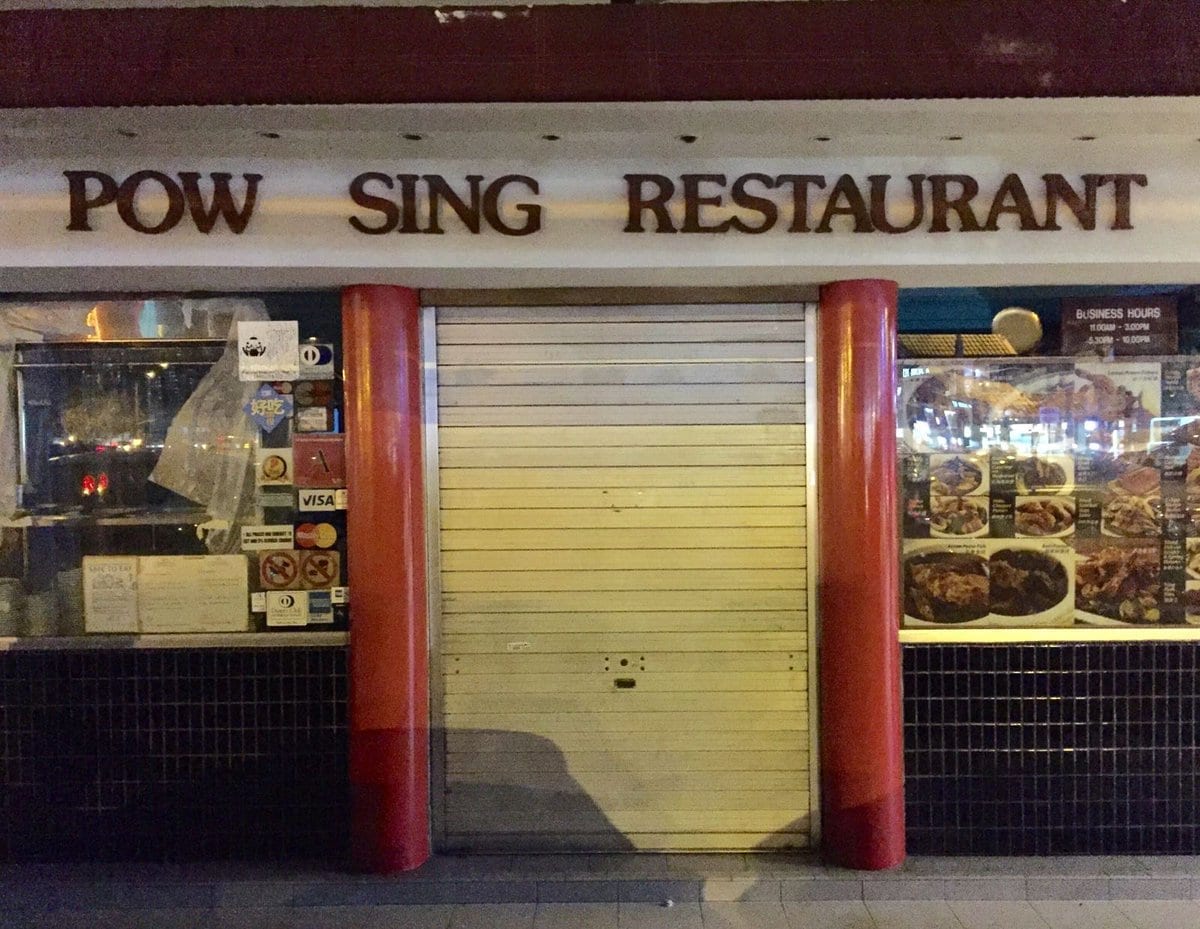
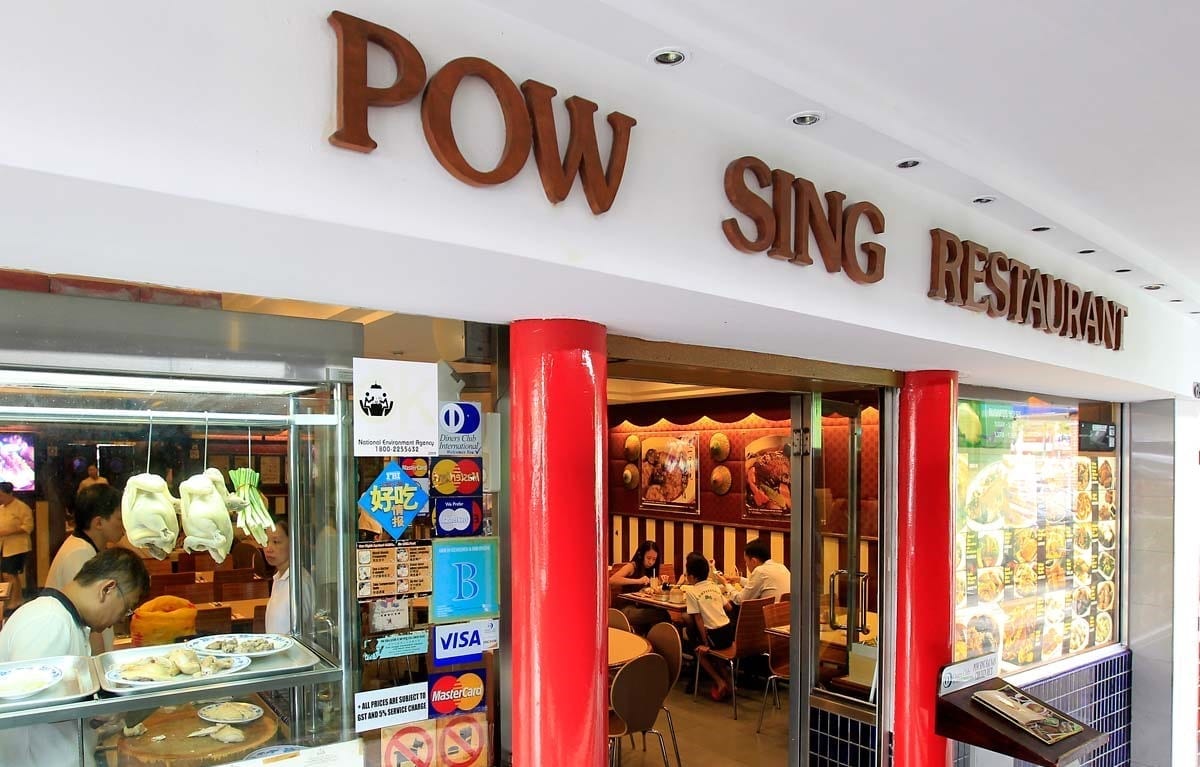
    Pow Sing Restaurant along Serangoon Garden Way, known for its chicken rice, has been suspended due to links to several cases of gastroenteritis between Jul 4 and 11, the Ministry of Health (MOH), National Environment Agency (NEA), and Agri-Food and Veterinary Authority of Singapore (AVA) said in a joint press release on Wednesday (Jul 13).

    As of Tuesday, 29 reported gastroenteritis cases have been verified and further investigations are ongoing, the authorities said.

    MOH, NEA and AVA were first notified of the cases on Jul 4 and had immediately conducted joint inspections of the restaurant’s premises the next day, they said.

    Several hygiene lapses, including a failure to maintain temperature records and allowing an unregistered food handler to prepare food, were observed, and the restaurant had been instructed to rectify them immediately, the agencies added.

    “There is reason to suspect that there might be a continuing source of infection in the premises,” the authorities stated, noting that they were alerted to another four cases on Jul 11, after checks were conducted.

    NEA suspended the 33-year-old restaurant starting Wednesday to protect consumers from public health risks, the agencies said. Pow Sing has also been instructed to dispose of all ready-to-eat and thawed food as well as perishable food items, conduct thorough cleaning and sanitising of its premises including equipment, utensils, work surfaces and toilets, and review and rectify the lapses in food preparation processes identified during the joint inspections.

    Meanwhile, AVA has collected food samples from the restaurant and is conducting laboratory tests on them, and MOH is screening stool samples from the affected cases and the restaurant’s food handlers. Only food handlers who are tested to be free of food poisoning pathogens and have re-attended and passed the Basic Food Hygiene Course will be allowed to resume work, the authorities said, adding that MOH and NEA will continue to monitor the situation closely.

    Based on the findings of the joint inspections, NEA will take necessary enforcement actions against the restaurant for hygiene infringements, the authorities said.

    “Food operators are also reminded to ensure that all food handlers are registered with the NEA and that they do not engage in any food preparation if they are sick. Food retail outlets are inspected regularly and strict enforcement action will be taken against any errant food retail outlets,” they added.

    Members of the public can report incidents related to food hygiene by calling the 24-hour NEA Contact Centre at 1800-CALL-NEA (1800-2255-632).

    RESTAURANT CLOSED FOR RENOVATIONS: OWNER

    When Channel NewsAsia visited Pow Sing on Wednesday at around 8.50pm, the restaurant was shuttered and had notices outside indicating it was “closed for renovations” starting Wednesday.

    “We will resume our business once the renovation finishes. If there are any further delays we will keep you up to date,” the restaurant said in the notice.

    One of the two founders of the Pow Sing group, Lee Chin Soo, said the renovations of the restaurant had nothing to do with the gastroenteritis incidents and that he only found about the suspension on Tuesday morning.

    “It has already been so long; we have never done any sort of renovation. I took this chance and I wanted to change the seats and change the look of the restaurant. I took the chance to clean out everything that looks dirty,” he said.

    Mr Steven Tan, the other founder of the brand, is said to be overseas.

    Mr Lee said he wished to find out why the hygiene lapses happened, as it was the first time such a thing had happened at the restaurant in its 30-plus years of operations.

    “NEA and MOH have not gotten back to us about the cause, and I really do not have much information but I would like to know more. I will take more steps in future to look at everything more closely,” he said.

    He added that he would not “run away” and would face his responsibilities.

    “The employees here have been with me for a very long time, I also stop by often … I have been serving chicken rice since I was young,” Mr Lee said.

    Meanwhile, a manager of Pow Sing Kitchen, also under the Pow Sing group, said it had a separate kitchen from Pow Sing Restaurant and was run by different management, even though they reported to the same bosses. Pow Sing Kitchen, which was still open on Wednesday night, is not affected by the closure, said the manager, who only wanted to be known as “Tommy”.

    CnP7awMVIAABKNI

  • Food Prices Spark Inflation in June

    Food Prices Spark Inflation in June

    The National Statistics Agency (BPS) head Suryamin said that inflation in June 2016 was 0.66 percent with increase in food prices as a factor. In addition, increase in air fares had contributed significantly to inflation. “An 8.27 percent increase in air fares had contributed to 0.08 percent of inflation,” he said yesterday, July 3, 2016.

    According to Suryamin, price hike occured in 38 out of 82 cities in the consumer price index (CPI) survey. Food commodity which contributed significantly to inflation was broiler chicken, which experienced price increase by 5.36 percent with 0.07 contribution to inflation. The increase occured in 74 out of 82 cities in the CPI. “Price increase occured due to price hike at the distributors,” he said.

    Suryamin said that food commodity with third highest contribution to inflation was fresh fish. Price of fish soared by 2.15 percent with 0.06 percent contribution to inflation. Other cause of inflation was broiler chicken eggs with 5.86 percent increase in price and contributed 0.04 percent to inflation. Other commodity was sugar which price had risen by 6 percent since early Ramadan. Its contribution to inflation was 0.04 percent. “Potato and carrot also contributed to inflation,” he said.

    Other commodities that contributed to inflation were rice, spinach, apple, electricity prices, gold and jewelries, and public transport fares, which contributed 0.02 percent each to inflation. Of 13 commodities that contributed to inflation, Suryamin said that only one had held back inflation. “The one that held back [inflation] was shallot,” he said.

    Director General of Horticulture, Agriculture Ministry, Spudnik Sujono has given his assurance that shallot and chili peppers supplies are safe until August.

  • Indonesia sells 35 containers of kerupuk at Thaifex 2016

    Indonesia sells 35 containers of kerupuk at Thaifex 2016

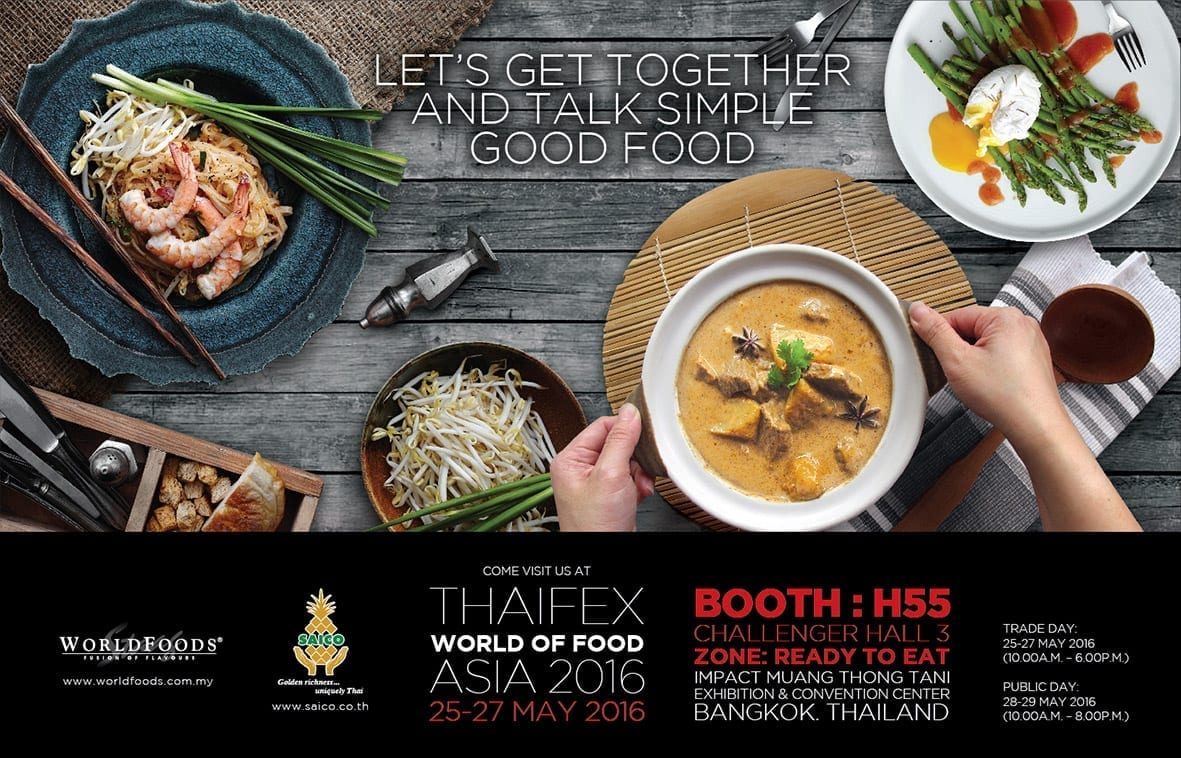
    Indonesia’s traditional kerupuk (crackers) have become the star among other food commodities displayed at the Indonesian booth during Asia Thaifex 2016 in Bangkok, which is known as Asia’s biggest food and beverage expo.

    The snacks registered total orders of 35 containers worth Rp 12.9 billion ( US$950,000 ) at the event held from May 25 to 29, said an Indonesian trade attaché member in Bangkok, Rita Tri Mutiawati. The Trade Ministry and Industry Ministry collaborated on sponsoring Indonesian companies joining the event.

    “Thanks to the sponsorship of the Central Java administration’s trade and industry service center, Indonesia Selamat Sejahtera booked orders from China for 15 containers of prawn crackers, and South Korea also ordered 20 containers of fish crackers,” she said.

    Aside from kerupuk, Rita further said Indonesian seafood products manufactured by Fresh On Time were able to gain international buyers from the US, Mexico, and the European Union ( EU ) while similar products by Medan Tropical sealed a distribution agent in Thailand and the EU.

    From the 41 Indonesian companies who joined Thaifex, 21 were sponsored by the Industry Ministry, 10 were sponsored by the trade attaché and four were sponsored by the Central Java administration. Only six companies joining the event were without government sponsorship.

    The companies showcased their products ranging from seafood, instant seasonings, confectionaries, hot sauces, coffees, herbal medicines, biscuits, snacks, wafers, green tea, to cashew nuts. Indonesia’s representatives competed with 964 other companies in the event.

    “Thaifex is the door to export food and beverages products to other countries. Indonesian food and beverage manufacturers should not miss this opportunity,” Rita said, adding that there were one-to-one business matchings being made between Indonesian firms with other countries’ firms.

  • YCH inks pact with Indonesian food distributor

    YCH inks pact with Indonesian food distributor

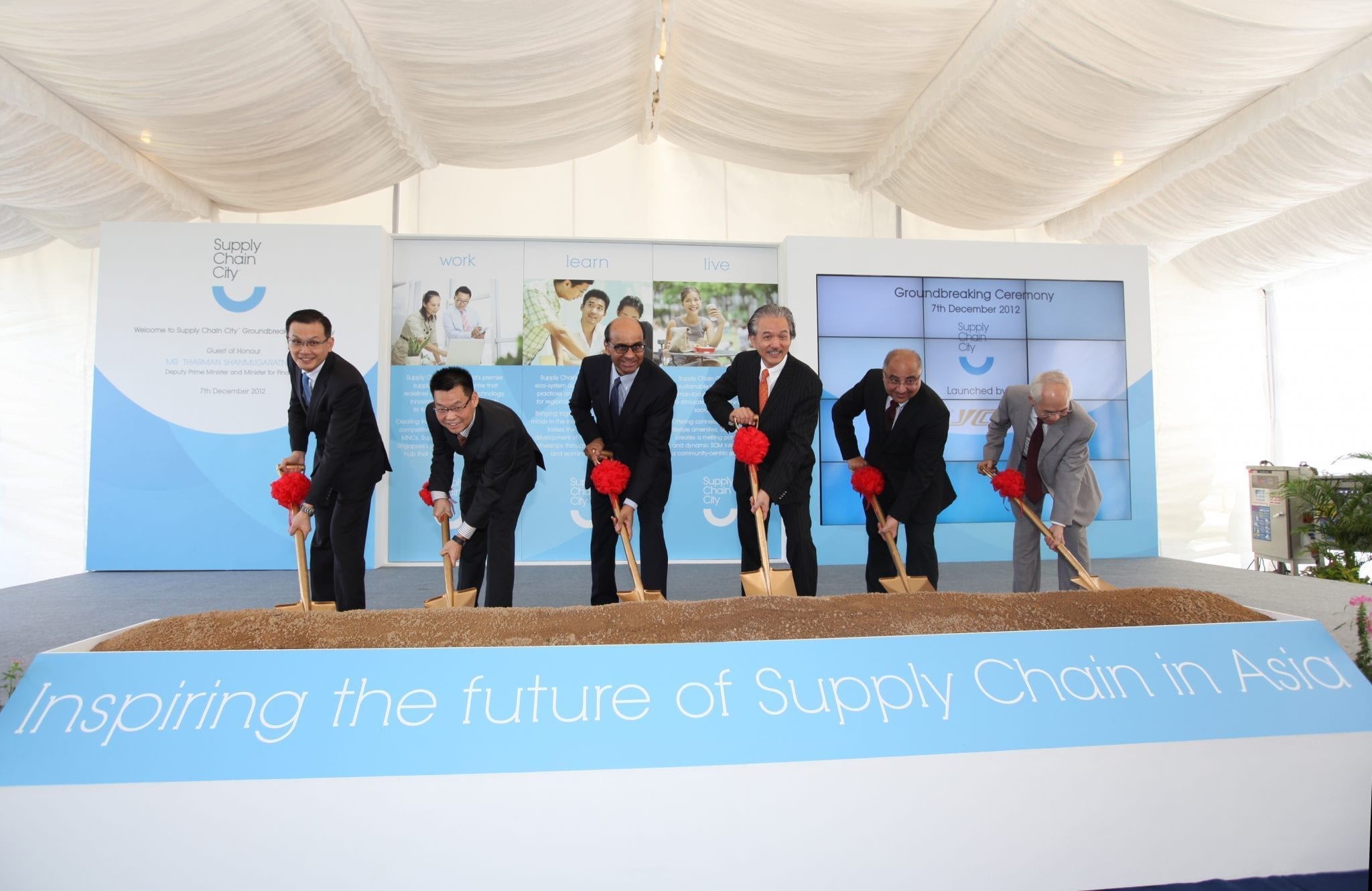
    Supply chain company YCH Group’s subsidiary YCH Indonesia has signed an agreement with a business unit of Sekar Group, one of Indonesia’s largest importers and distributors of food products.

    The memorandum of understanding (MOU) with Pangan Lestari was inked on the sidelines of a business mission co-organised by International Enterprise (IE) Singapore and the Singapore Business Federation.

    Announcing the pact in a statement yesterday, IE Singapore said it brought the two companies together last year, given Singapore- based YCH’s interest to expand further in Indonesia.

    Under the agreement, both companies will jointly develop integrated cold-chain supply management to facilitate retail, catering and distribution fulfilment.

    The MOU signing was witnessed by Ms Sim Ann, Singapore’s Senior Minister of State for Culture, Community and Youth, and Finance.

    Ms Sim, who also oversees issues related to small and medium-sized enterprises in the Committee on the Future Economy, is leading the business mission to Surabaya, Indonesia, which started on Wednesday and ends today.

    The mission comprises over 20 business representatives from 13 SMEs across business services, environment services, as well as the financial and manufacturing sectors.

    Ms Sim said in the statement: “Given the limited size of Singapore’s domestic market, many SME leaders are actively considering internationalisation as a means to bring their business to the next level.”

    She added that Indonesia’s young population and growing middle class present good opportunities for local SMEs.

    Indonesia is Singapore’s second- largest trading partner among Asean member states, with total trade at $59 billion last year. Singapore was Indonesia’s top foreign investor last year, with total realised investments amounting to $8 billion, IE Singapore noted.

    “Surabaya and East Java offer exciting growth opportunities, especially in sectors like trading, services and manufacturing,” said IE Singapore assistant chief executive Tan Soon Kim.

    Surabaya has a population of 3.2 million and its economic growth reached 6.7 per cent in 2014, exceeding East Java province’s growth of 5.9 per cent.

    Separately, IE Singapore also announced the signing of a “first-ever” MOU with business associations in Lombardy, Italy – Confindustria Lombardia and Assolombarda – to help SMEs access the region. The two groups have a combined reach of 17,000 Italian enterprises across diverse sectors, IE Singapore noted.

    The collaboration is aimed at helping local companies tap business opportunities in Lombardy via partnerships, as well as linking up enterprises in Lombardy with Singapore firms to jointly access the South- east Asian market.

    IE Singapore said the focus areas include design innovation, fashion and consumer products, technology development, urban solutions and hospitality real estate.

  • Indonesian Culinary Fair 2016 to be held in Japan

    Indonesian Culinary Fair 2016 to be held in Japan

    The Indonesian Culinary Fair 2016, dubbed “The Taste of Indonesia,” will be organized at the Shinagawa Prince Hotel, Tokyo, from May 16 to June 16.

    The organization of the culinary promotion event was in line with the governments policy to intensify culinary diplomacy, Tourism Minister Arief Yahya stated here, Friday.

    The promotion event has been organized to achieve three targets. The short-term target is to introduce Indonesias diverse flavors and tastes, as well as to promote the countrys culinary delicacies.

    The mid-term target is to encourage restaurants and hotels in Japan to offer Indonesian dishes as well as to attract more Japanese tourists to visit Indonesia.

    The long-term target is to send Indonesian chefs to work in restaurants and hotels in Japan and to introduce halal food cooking techniques as well as Indonesian dishes in Japans culinary schools.

    Japan ranks fifth in the list of major countries contributing tourists to Indonesia, according to Deputy Minister in charge of International Tourism Marketing Development of the Tourism Ministry I Gde Pitana.

    During the culinary fair, various Indonesian traditional arts, such as Sasando, will be performed.

    The Japanese government has promoted international cuisines, including halal food, to attract foreign tourists from Muslim majority countries, among others.

    Japan has set a target to attract 30 million foreign tourists by 2020. Six to eight million, or 20 percent of the 30 million tourists, are expected to be Muslims.

    “This is an opportunity for Indonesia to promote its various culinary delicacies and food products, including spices,” Pitana affirmed.

    Last month, the “Wonderful Indonesia” Restaurant was opened in Anhui Province, China, to offer typical culinary delicacies from the archipelago as part of the efforts to promote the countrys tourism and culture.

    Situated in the densely populated area of Hefei in Anhui Province, the Wonderful Indonesia Restaurant was inaugurated by Minister Yahya.

    “There is a growing trend of using culinary diplomacy to support tourism, and almost all television stations are also highlighting this aspect as one of their flagship programs,” Yahya remarked.

  • Indonesian government sets rice export target for 10 countries

    Indonesian government sets rice export target for 10 countries

    The Indonesian government has set itself the target of exporting 100 thousand tons of rice to 10 Asian and European countries as part of efforts to increase farm commodity exports this year, an official said.

    The Director General of Agricultural Infrastructure and Facilities of the Agriculture Ministry, Sumarjo Gatot Irianto, said that the 10 destinations to which Indonesian rice would be exported include Malaysia, Singapore and Brunei Darussalam.

    “We plan to export organic rice to Germany,” he said.

    Therefore, the government will make every effort to procure as much rice as possible this year to meet the demand for rice, he said.

    “We have not set any target for procuring rice. What is important is that we must be able to procure as much rice as possible so that we can export the surplus,” he said.

    Above all, the national logistics board (Bulog) must be able to control rice prices at the farmer level by procuring the staple food. This will enable the government-set purchase prices to kick in, he said.

    “If the price of unhusked rice at the farmer level falls, the government will be obliged to buy the rice soon to maintain the rice prices,” he said.

  • Grab to deliver for MatahariMall

    Grab to deliver for MatahariMall

    Taxi and ride app service Grab has formed a strategic partnership with one of the Indonesia’s largest conglomerates to provide logistic services for online shopping.

    It has signed up with Lippo Group’s MatahariMall, launched last year at a cost of $500 million
    – the largest eCommerce investment in Indonesia. A competitor to Sequoia-backed Tokopedia, MatahariMall is aiming for $1 billion in sales within its first few years.

    Formerly under the Singapore brand GrabTaxi, the company rebranded in January to reflect its extra services, including deliveries, beyond its original licensed taxi service.

    “Technology can be a key driver of economic growth, and we are both invested in opening the digital economy to all Indonesians,” says Grab co-founder/CEO Anthony Tan of its deal with Lippo.

    Backed by investors like Didi Kuaidi (China’s largest ride app), GGV Capital and SoftBank, Grab is reportedly valued at more than $1 billion. Its rivals include Uber and Indonesia-based Go-Jek, both of which are also entering the delivery/logistics space.

  • Indonesians urged to eat more fish

    Indonesians urged to eat more fish

    Living in a country, which is rich in fisheries resources, the Indonesian people have been urged to eat more fish to increase their protein intake and boost the growth of the nations younger generation.

    Maritime Affairs and Fisheries (KKP) Ministry said eating more fish will be useful in increasing the peoples protein intake and for overcoming the growth problem of Indonesian children. “In the past 10 years, one (in three) Indonesian children grew shorter due to (inadequate) food quality,” KKP Minister Susi Pudjiastuti said on Wednesday.

    She said with the efforts of her ministry to fight fish theft in Indonesian waters, the quantity of fish and fish protein for domestic consumption in the society could be increased.

    Therefore, she said, foreign consumers would not be the only party who would enjoy the countrys premium fish products through exports, but the local Indonesian population could also enjoy the benefits of these resources.

    “Ideally, we export fish after our consumption needs at home have been met,” the minister said, adding that the Indonesian people will meet their nutritional intake and become healthier if they obtain adequate protein.

    The Peoples Coalition for Fishery Justice (Kiara) expects the government to optimize production in the maritime and fishery sector for domestic consumption owing to the fact that the size of the population has increased rapidly over the past several decades. Indonesias population is now pegged at about 250 million.

    “Since the 1990s, the proportion of fishery production for consumption has been increasing. Some 71 percent of fish production in the 1980s was allocated for human consumption,” Kiara Secretary General, Abdul Halim said.

    He said during the period of 1976-2012, the world fish and fishery trade increased 8.3 percent in nominal terms and 4.1 percent in real terms per annum.

    Abdul therefore urged the KKP to remain focused on safeguarding the countrys fish resources amid reports that a number of countries are experiencing a decline in their fish catch.

    “Poaching will continue to be a challenge for the Indonesian people because many countries which have run short of fishery resources,” the Kiara Secretary General said.

    The KKP had earlier said that there has been an upward trend in the fish consumption of the Indonesian people. The increasing trend is believed to be the results of campaigns asking people to increase fish consumption in various parts of the country.

    The KKP in its written statement made available to Antara on March 24, said the countrys per capita fish consumption per annum was recorded at 42.11 kilogram (kg) in 2015, exceeding the target set at 40.90 kg per capita per annum.

    In 2014, fish production for domestic consumption was set at 13.07 million tons, up 10.01 percent from 2013.

    Although it is important to supply fish for domestic consumption, the country also needs to increase its fish exports.

    Toward this end, the KKP will gather the profiles and business plans of fisheries companies in the country to make it easier in the calculation of the countrys fisheries exports.

    “If we know the profiles and performance of fisheries industry, it will make it easier for us to calculate our export targets,” KKP Director General for the Promotions of Maritime and Fisheries Products, Nilanto Perbowo said on March 30.

    Nilanto also invited various partners of fisheries associations to provide data about their performance and business plans. This will be useful for setting the export target and for the issuance of fishery raw material import licenses, he said.

  • Japanese Food Firms have Growing Interest in Indonesia

    Japanese Food Firms have Growing Interest in Indonesia

    Japan, the third largest foreign investor country in Indonesia, is showing interest in expanding their businesses in the food sector after seeing progressive developments of the Japanese society in Indonesia.”I have received reports that several Japanese food companies are contemplating entering Indonesia after observing the spurt in the number of Japanese restaurants and grocery stores in the country. This means that they already have market segments to sell their products in Indonesia,” Franky Sibarani, the head of the Capital Investment Coordinating Board (BKPM), noted in a press statement in Jakarta Wednesday (March 9).

    There were 1,199 students enrolled in Japanese schools in Jakarta in 2014. The institution also recorded that at the national level, there were 16 thousand Japanese expatriates living in Indonesia of which 10 thousand were in Jakarta, according to data at the representative office of the Japan External Trade Organization (Jetro).”Data on Japanese expatriates in Jakarta is the main factor that has led to new investment interest in Indonesia,” he claimed.Companies from Japan were so far mostly doing business in the electronics, automotive, and components sectors, in addition to garment products, Saribua Siahaan, the BKPM representative for investment promotion (IIPC) stated in Tokyo.

    However, the target of food consumers in Indonesia is of course not only Japanese citizens but also local people as Indonesia has a population of about 250 million. Indonesian people also like Japanese food.Yet, most of the Indonesian population or about 85 to 90 percent, are Muslims who are restricted to only halal (edible based on the Islamic law) food.

    Therefore, a Japanese noodle firm in Hyogo Prefecture has expressed readiness to meet administrative requirements such as halal certification for its food products to be sold to Indonesian consumers.The Japanese company notified the representative office in Tokyo of the BKPM on its readiness to meet the halal certification for its noodle products. The food and beverage industry of Indonesia is regarded as a lucrative investment opportunity, according to the Japan International Cooperation Agency (JICA), as quoted by Indonesia Investment online media in June 2014.Therefore, a total of 20 Japanese food and beverage industries were interested in making foreign direct investments worth between US$400 million and US$1.0 billion.

    These twenty Japanese companies are not only interested in conducting business in Indonesia because of the countrys large population (approximately 250 million people) and rapidly expanding middle, but also because the supply of raw materials for the food production process is available in Indonesia. The companies are focused on Indonesias most populous island of Java because infrastructure is most developed here, thus resulting in relatively low logistics costs, JICAs research also indicated. Regarding the interest of the noodle company in Hyogo Perfecture, BKPM Head Franky Sibarani affirmed that the Hyogo Prefecture was included in the areas covered by the Indonesian Consulate General in Osaka. The prefecture often conducted promotional activities in cooperation with the Tokyo office of the BKPM.Franky lauded the interest shown by the Japanese noodle firm to invest in Indonesia.

    It was an interesting development as, so far, Japanese companies making investments in Indonesia were mostly doing business in the automotive and component industries, he remarked.”This indicates that the interest of Japanese companies to invest in Indonesia is increasingly varying,” the BKPM chief pointed out.The Japanese noodle firm’s intention to expand its business in Indonesia is an example of how Japan has begun to vary its investment in the country, according to BKPM representative Saribua Siahaan in Tokyo.”Other fields of business that have attracted Japanese investors include semiconductor production and electrical appliances. The IIPC is ready to help the Japanese investor who came from Hyogo Prefecture,” Saribua remarked.The Japanese investors have begun showing interest in investing in the food sector in Indonesia also after seeing the implementation of the ASEAN Economic Community (AEC).”The Japanese investors view this as an opportunity since over 40 percent of the ASEAN population resides in Indonesia,” Saribua noted.

    The BKPM has set a target to attract US$13 billion in investment commitments from Japan in 2016. The commitment target was expected to come from the number of principle licenses issued for Japan in Indonesia, Franky told a seminar on investing in Indonesias industrial sector.”Japanese investors have the character that needs the cooperation of all parties, both the central and regional governments. We hope the BKPM and the Indonesian Embassy in Tokyo would continue to increase cooperation to attract as many Japanese investors as possible,” Franky had said last December.Based on the BKPM data, the realization of Japanese investment in Indonesia in 2015 increased by six percent compared to that in 2014.The Japanese investment realization in 2015 stood at US$2.87 billion, with 2,030 projects absorbing 115,400 workers.The manufacturing sector, particularly the automotive, electronics, machinery, and chemical, in addition to the pharmacy sectors, constituted the main contributors to the Japanese investment in Indonesia.Japanese investment commitment in 2015 reached US$8.1 billion, up 95 percent from that in the previous year.

    Japan came third on the list of foreign countries having investment commitment in Indonesia.The countries topping the list of foreign investors above Japan were China, with US$22.2 billion, up 42 percent compared to the same period in the previous year, and Singapore, with investment increasing by 69 percent to US$16.3 billion.Following Japan was South Korea, which recorded an increased investment of 86 percent that reached US$4.8 billion.

  • Indonesia`s coffee output up 1% last year

    Indonesia`s coffee output up 1% last year

    Vice President M. Jusuf Kalla said Indonesias coffee production only rose one percent to 500 thousand tons last year.

    “Our coffee production has been stagnant. It only reached 500 thousand tons last year, just one percent increase,” he told a meeting convened to develop national coffee here on Saturday.

    Indonesia produces an average of 600 thousand to 700 thousand tons of coffee per year compared to Vietnam, whose coffee output reaches more than 2 million tons, he said.

    As a matter of fact, Vietnam once learned coffee farming from Indonesia, he said.

    He said Lampung province is the countrys largest robusta coffee producer with an annual production of 100 thousand tons per year.

    Also present at the meeting were Agriculture Minister Andi Amran Sulaiman, Lampung Governor M Ridho Ficardo, and a number of officials.

  • Mobile World crossing borders

    Mobile World crossing borders

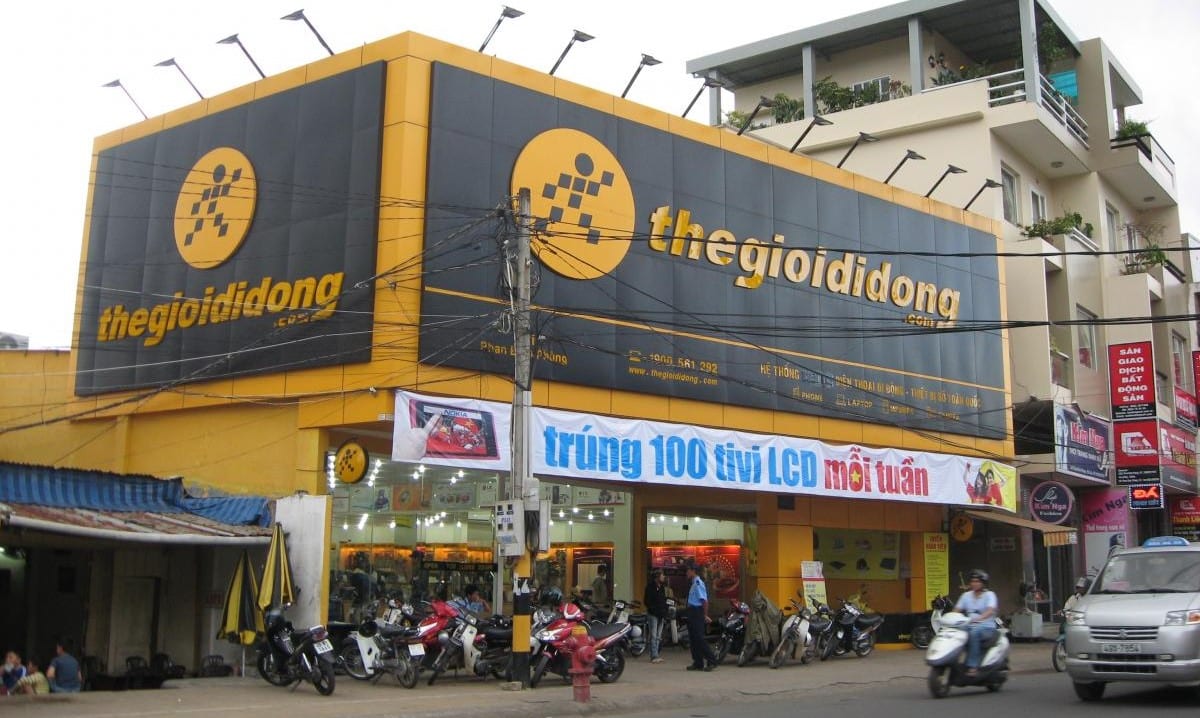
    As well as electronics and mobile phones, its usual products, Vietnamese chain Mobile World is planning to distribute groceries in its first stores in Cambodia, Laos and Myanmar.

    CEO Tran Kinh Doanh says the stores will open early next year.

    Meanwhile, he has revealed two goals – to become one of the biggest eCommerce firms in Vietnam, and to bring in revenue of about VND34,000 billion (US$1.51 billion) this year. This would provide an after-tax profit of VND1400 billion – up VND400 billion on the past financial year.

    With 70 stores and a distribution network covering 42 provinces and cities, Mobile World last year earned VND25,000 billion, giving an after-tax profit of VND1000 billion. Both revenue and profit grew by 60 to 70 per cent. Online sales contributed less than 10 per cent of total revenue.

    Mobile World opened more than 200 cellphone stores last year, taking its total to 550, and this year it plans to expand its network to all 63 provinces and cities in Vietnam to become the second-largest electronic and mobile phone retail chain in the nation.

    It decision to join the food market with 13 stores was announced late last year. The corporation has 17,000 employees, expecting to grow this to about 26,000 people.

  • Study reveals Asian dining spending trends

    Study reveals Asian dining spending trends

    One in three millennials in Asia are eating at fine dining restaurants at least once a month – more often than those aged over 30.

    The surprise finding is one of a list of revelations uncovered by a MasterCard survey of Asian dining trends away from home. It featured consumers in 17 Asia Pacific markets: Australia, Bangladesh, China, Hong Kong, India, Indonesia, Japan, Malaysia, Myanmar, New Zealand, Philippines, Singapore, South Korea, Sri Lanka, Taiwan, Thailand and Vietnam.

    The most frequent fine-diners in Asia Pacific are millennials (18-29 year olds) from China – on average they visit more expensive establishments two or three times a month. This is higher than the average for millennials across the region and higher than any other age group.

    When choosing where to eat, consumers in Asia Pacific still prefer to rely on word of mouth and recommendations from friends and family (50 per cent). This was applicable for all consumers, regardless of age group, with even millennials trusting word of mouth recommendations (52 per cent) more than online reviews (38 per cent).

    This is despite the fact that more than a third of millennials (36 per cent) post comments and reviews of their dining experiences online. This is especially true of Chinese (61 per cent) and Thai (52 per cent) millennials, where more than half of the young people polled regularly post reviews after a meal.

    Beyond millennials, people in Thailand (39 per cent) and China (30 per cent) are also the most likely to spend more on dining over the next six months with around one in three indicating they plan to eat at more expensive establishments.

    But while consumers may be enjoying fine dining, they are still cost conscious. Sixty-four per cent of consumers in Asia Pacific regularly check for discounts or dining deals from coupon websites, mobile applications or credit card promotions. Sixty-eight per cent of millennials regularly look out for deals before choosing a place to eat.

    Eric Schneider, regional head, Asia Pacific, with MasterCard Advisors, said Asia has always had a strong dining out culture and so it is not surprising that affluent millennials in the region are ‘foodies,’ with many sharing their dining experiences on social media and posting reviews online.

    “While the survey has shown that people are increasingly moving from the hawker centres and into restaurants, young people are still cost conscious, taking a practical and savvy approach by looking for discounts and deals. Young people also still rely on word of mouth recommendations, despite many posting online reviews of dining spots. As Asia’s economies continue to grow, and with technology and social media revolutionizing the dining experience, people will increasingly demand top quality experiences when dining out,” he said.

    Other findings from the survey included:

    • Overall, consumers in Asia Pacific are not looking to make any significant changes to their dining out plans with 61 per cent of all consumers indicating they will look to eat out at the same frequency in the next six months. Twenty per cent plan to eat out more and 19 per cent plan to eat out less in the next six months.
    • The most popular dining option for consumers in Asia Pacific are mid-range restaurants and cafes, followed by fast food outlets and then hawker centres and food courts.
    • Consumers in the Philippines (44 per cent) are looking to tighten their belts with close to one in two planning to eat at less expensive venues in the next six months. Forty-nine per cent also plan to eat out less regularly.
    • A significant proportion of older consumers are going online to check for dining discounts whether on coupon websites/applications or credit card promotions. More than one-third of consumers aged 55 years old and above (36 per cent) indicated they regularly do so before deciding on a dining option.
    • Consumers in China (58 per cent), Taiwan (44 per cent) and Thailand (44 per cent) are the most likely to book dining deals on coupon sites or coupon applications; while consumers in Bangladesh (1 per cent) and Indonesia (11 per cent) were least likely to do so.
    • Diners in Thailand (60 per cent) and China (57 per cent) are most likely to post comments or reviews on social networking sites like Facebook and Twitter with about one in two respondents in these markets reporting that they regularly post comments online following their dining experience.

    The results are based on interviews with 8698 individuals aged 18 to 64 years-old.

  • Does arrival of Michelin Guide reflect a more mature dining scene in Singapore?

    Does arrival of Michelin Guide reflect a more mature dining scene in Singapore?

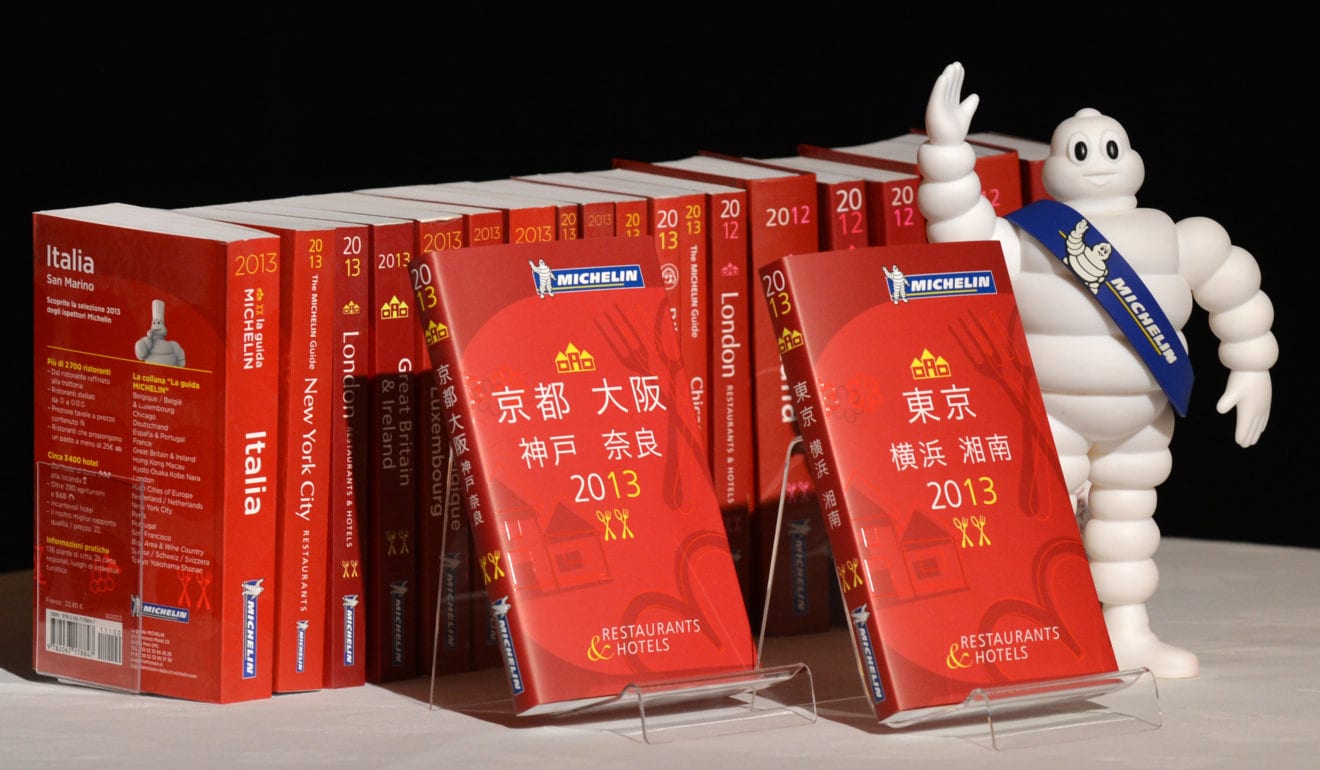
    The Singapore Michelin Guide will be launched next year. The confirmation of a Singapore Michelin Guide as early as next year topped what has been an exciting 2015 for a nation of food lovers.

    Local fare has never been more openly celebrated, both here and abroad (what with Anthony Bourdain’s plans to bring Asian street food to New York and the supposed new chicken rice war brewing in Shanghai); and local chefs and bartenders are continuing to rake in top honours on the global stage.

    So what’s cooking for next year? The warm reception to local start-ups this year could mean that we can see more permanent brick-and-mortar outlets emulating the likes of Bird Bird House of Thai Chicken, Park Bench Deli, Paper Crane and L’eclair Patisserie. More independent restaurants are expected to woo people in the heartlands next year — even if these will be of a smaller scale, thanks to the ongoing labour crunch, said Konstantino Blokbergen, director of Singapore-based hospitality and lifestyle consulting company Gastro-Sense.

    But the arrival of the world’s most recognised dining guide is on everyone’s lips, although, whether its presence marks a coming of age for the local dining scene is up for discussion.

    “To see… Michelin penetrate the Singapore market before any other country in South-east Asia is definitely a sign of achievement in recognition and proof of our local dining scene’s maturity,” said Blokbergen.

    It will further reinforce Singapore’s standing as the regional hub for culinary excellence, added Ranita Sundramoorthy, director, Attractions, Dining and Retail, Singapore Tourism Board, who said the guide’s arrival will “encourage continuous culinary innovation and excellence among Singapore players” as well as the growth of gastro-tourism.

    While Mod-Sin cuisine pioneer Willin Low said that the Singaporean diner is far from naive when it comes to the best places to dine, other players adopted a more cautious stance.

    Said Edina Hong-Stroobant, marketing director of Emmanuel Stroobant Group: “I think it’s a budding scene. The Michelin Guide will hopefully reinforce the fact that Rome was not built in a day. One of the reasons the Japanese have a higher number of Michelin restaurants is their culture — it is all about discipline and in-depth knowledge; I think Michelin will help us achieve this maturity … but not yet.”

    Les Amis Group’s Raymond Lim predicted only four restaurants earning a coveted three-star rating. “Maturity doesn’t happen overnight, it will take at least five to 10 years. Yes, Singapore is ready (for the guide) but a market doesn’t transform so much within a year,” he said, adding that the Michelin Guide is not an award but a guidebook to the best restaurants with the best value.

    And while we’ve grown more appreciative of the value our dining scene purveys, there is clearly quite a bit of growing up left to do, before, as Low put it, “the day consumers are willing to pay the same price for a hand made soon kueh as they would for a macaron or cupcake”.

  • Kushikatsu Daruma plans Asian expansion

    Kushikatsu Daruma plans Asian expansion

    An iconic Japanese restaurant chain Kushikatsu Daruma has opened its first outlet outside its home market – and announced plans to enter three more Asian countries.

    Kushikatsu Daruma opened its first restaurant in 1929 at the foot of Tsutenkaku, the famous landmark tower in Shin-Sekai, Osaka. Since then it has expanded to 13 restaurants in Japan and this month it opened its first overseas – in the Taipei of Zhongshan in Taiwan.

    The restaurant was opened by G7 International, the overseas investment arm of G-7 Holdingsfollowing a licence agreement struck last June with Daruma International, a subsidiary of Ichimonkai, parent of Kushikatsu Daruma.

    G7 has the rights to develop the brand overseas and says it is already in talks with Ichimonkai to open restaurants in Vietnam, Malaysia and Indonesia.

    Kushikatsu Daruma Zhongshan Chang’an Store, which opened on Tuesday, has a floor space of about 150 sqm and seats 60 people. It trades from 11.30am to 10pm daily.

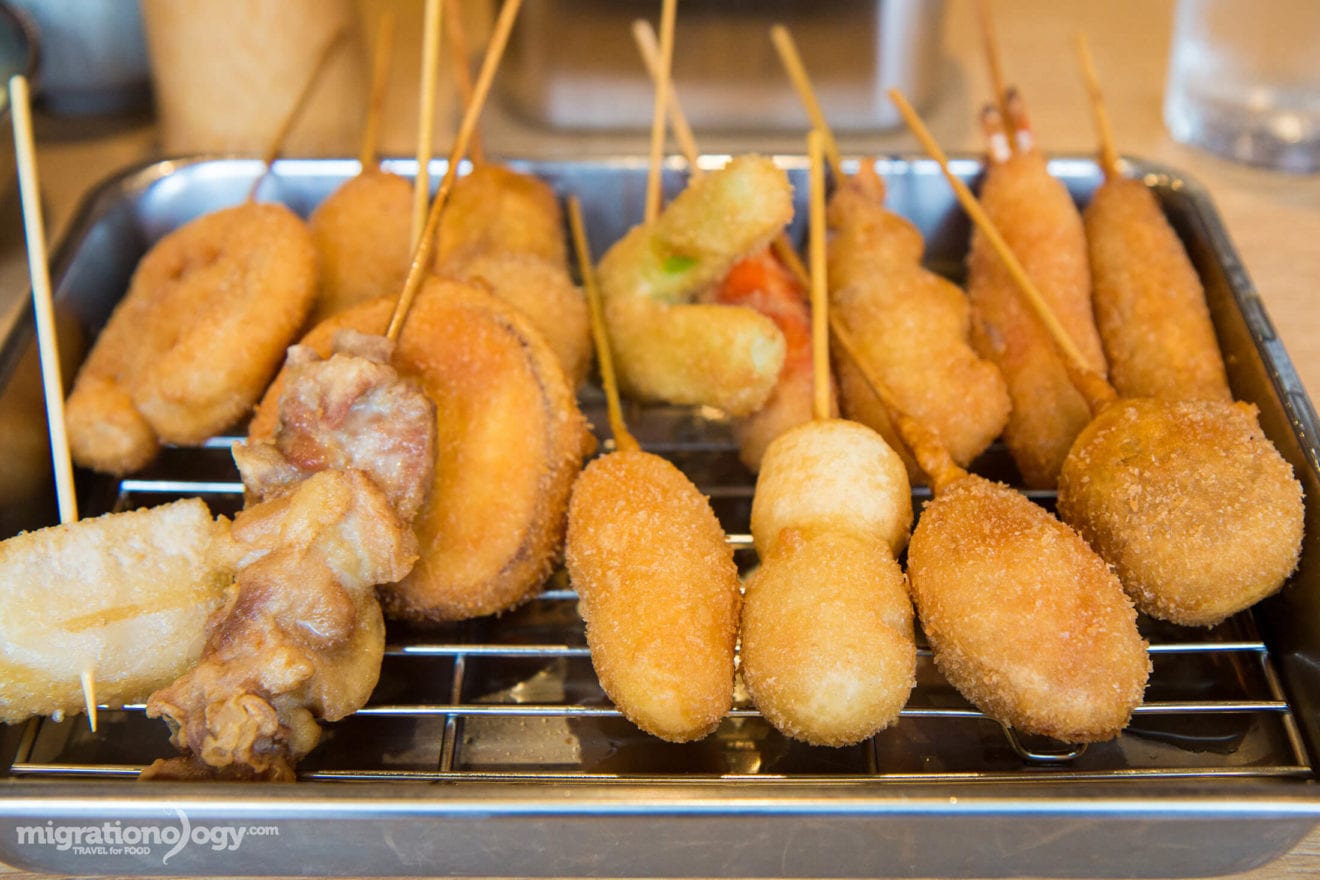
    Back in Japan, Kushikatsu Daruma has since become known in the Kansai area for good taste and affordable prices, with customers queuing at opening time every day. It specialises in cooking kushikatsu – skewered and grilled cutlets of meat, fish, vegetables and other ingredients.

    The G-7 Group is a mega franchisee operating Autobacs, Business Supermarket and other franchise stores with about 250 stores in Japan and seven stores abroad.

    “Taking advantage of the G7 Group’s accumulated management know-how and Kushikatsu Daruma priding itself on good taste in general… G7 International will proceed to open more restaurants in Southeast Asia,” the company said in a statement.