Tag: Food

  • Great Potential in Indonesia’s Modern Retail, Food & Beverage Sectors

    Great Potential in Indonesia’s Modern Retail, Food & Beverage Sectors

    In 2017 turnover in Indonesia’s processed food and beverage industry is expected to grow by 8 percent (y/y) to IDR 1,400 trillion (approx. USD $108 billion) from an expected IDR 1,300 trillion in 2016. Meanwhile, the nation’s modern retail industry is projected to expand in the range of 10 – 15 percent (y/y) to IDR 225 trillion (approx. USD $17.3 billion).

    Tutum Rahanta, Deputy Chairman of the Indonesian Retailers Association (abbrev. Aprindo), says the combination of accelerating macroeconomic growth and controlled inflation are the main supporters for growth of Indonesia’s modern retail sector. In 2016 Indonesia’s gross domestic product (GDP) is expected to expand by 5.1 percent (y/y) up from the realization of 4.79 percent (y/y) in 2015. Recently, the World Bank announced it sees the Indonesian economy growing further by 5.3 percent in 2017 and 5.5 percent in 2018.

    Aprindo Chairman Roy Nicholas Mandey added that after several years of economic slowdown, the retail sector of Indonesia has been recovering in 2016 on the back of low domestic energy prices (electricity, gas and fuel), the stronger rupiah exchange rate (versus the US dollar), rising government spending (on infrastructure development), low inflation (around 3 percent y/y), and accelerating economic growth. Due to these factors members of Aprindo have been eager to expand their businesses this year.

    Based on a Bank Indonesia (BI) survey, Indonesia’s retail sales grew 14.4 percent (y/y) in August 2016, supported by sales of non-food items, extending the promising trend recorded in the preceding month (retail sales growth at +15.7 percent y/y). However, this survey also signals that retailers expect retail sales to slow in November 2016 due to rising inflation (a seasonal phenomenon).

    Adhi Lukman, General Chairman of the Indonesian Food and Beverage Association (GAPMMI), agrees and expects the processed food and beverage Industry of Indonesia to rise by at least 8 percent (y/y) provided the government will not implement any policies that could undermine this growth (for example, the government once uttered the idea to implement a plastic excise tax). Besides the five above-mentioned factors, Lukman added that rebounding commodity prices also boost people’s purchasing power.

    Lukman is also optimistic that direct investment in Indonesia’s processed food and beverage industry will surpass IDR 50 trillion in 2016, up 16 percent from IDR 43 trillion in 2015. However, investors urge authorities to lower interest rates as that would make business expansion much more affordable. Lukman emphasized that Indonesian authorities need to be consistent and committed (for example through effective implementation of the economic policy packages) in order to support this industry and thus be able to compete with counterparts in Malaysia and Thailand.

    Indonesian Modern Retail Industry:

    2013 2014 2015 2016¹ 2017¹
    Turnover
    in IDR trillion
     148  168  181  200  225

    ¹ indicates forecast

    Indonesian Food & Beverage Industry:

    2015 2016¹ 2017¹
    Sales
    in IDR trillion
    1,209 1,300 1,404

    ¹ indicates forecast

  • Governement expects food self-sufficiency in 2018

    Governement expects food self-sufficiency in 2018

    Food self-sufficiency is expected to be realized in 2018, and there will be no imports in 2016, Vice President Jusuf Kalla asserted.

    “Food-sufficiency is expected to be realized within three years for which the efforts have started a year ago,” Kalla said here Friday.

    In order to reach the target several steps have been implemented, including improvement of irrigation methods, and seedling and fertilizer preparation, he added.

    Food security and resilience have been an issue for Indonesia for some time now. It was once a major rice exporter in Asia but is now relying quite heavily on rice imports to meet peoples staple food requirements.

    Food security is also an important social objective.

    Therefore, relying on food markets outside the country in order to meet the needs of Indonesias growing population is critical.

  • Halal zone to appear in Pulogadung Industrial Area

    Halal zone to appear in Pulogadung Industrial Area

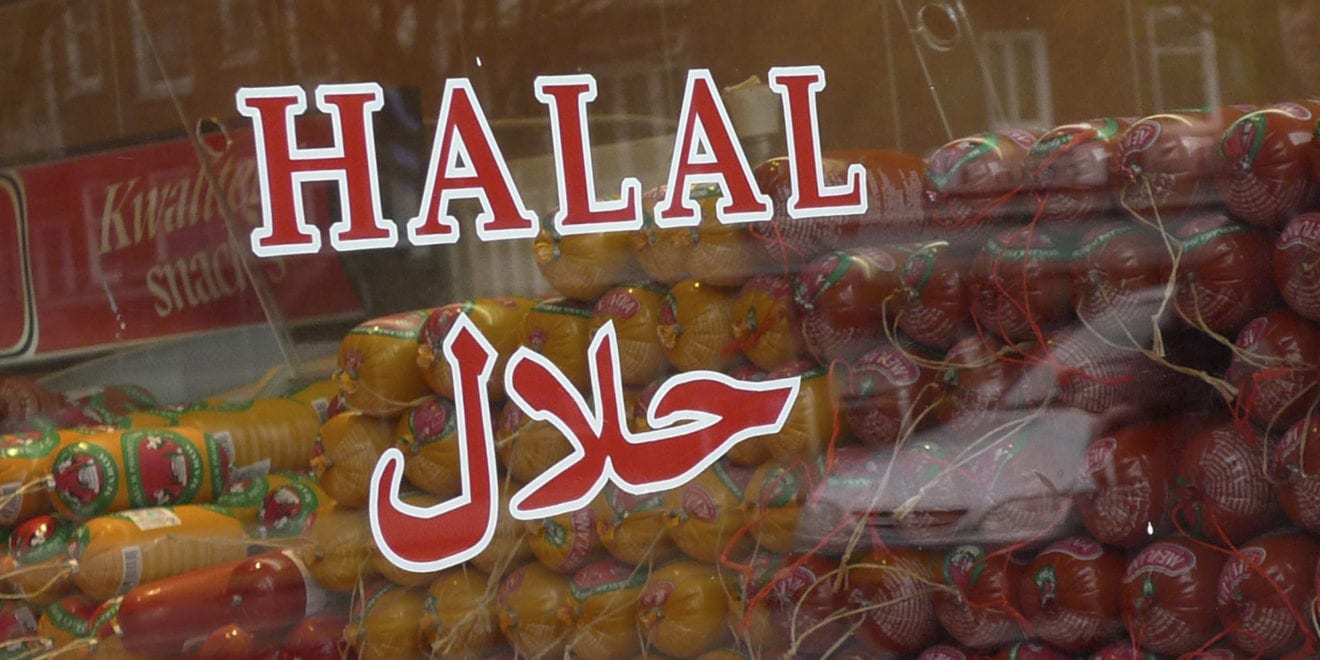
    Halal Zone will soon arrive in Pulogadung Industrial Area, East Jakarta, serving as a showcase for Indonesias halal industrial products, officials said.

    “Halal Zone will have facilities that support halal management and halal product distribution,” Financial and Supporting Director of PT Jakarta Industrial Estate Pulogadung (JIEP) Sitta Izza Rosdaniah stated here on Friday.

    The zone will feature Moslem Fashion Hub, MICE (Meetings, Incentives, Conferences, and Events), Halal Warehouse, Halal Laboratory, Shariah Finance Centre, National Creative Industry and Training Centre, Halal Lifestyle Showcases, National Logistics Centre, Halal Culinary Centre, and Organic Urban Farming.

    “We want establish a halal laboratory in the industrial area,” Sitta noted, adding that the facilitys management will prioritize small and medium enterprises to help them develop their businesses.

    According to her, these enterprises need support to meet halal standards for their products.

    “This is the meaning of a halal zone, where people can get assistance and the opportunity to consult with experts,” Sitta remarked.

    JIEP also provides special facilities for all business sectors in the industrial area.

    On August 2016, in Jakarta, JIEP signed a Memorandum of Agreement (MoA) with the Indonesian Port Corporation (IPC) on the Study of Development and Operation Cooperation in the Pulogadung Industrial Area.

    The agreement was for the preparation of a study of an Integrated Logistics Area for an International Halal Hub in the JIEP area.

    The MoA is aimed at establishing a partnership and synergy between JIEP and Pelindo to develop the International Halal Hub and Halal Port.

  • Indonesia to reach self sufficiency in salt supply

    Indonesia to reach self sufficiency in salt supply

    The government is optimistic the country would be self sufficient in salt supply in 2017, an official said here on Wednesday.

    Agung Kuswandono, the Deputy II in Coordination of Natural Resources and Service at the office of the Coordinating Minister for Maritime Affairs said self sufficiency in salt supply is expected to be reached in 2017.

    Agung said the Marine and Fisheries Ministry has taken various steps to improve the quality of the farmers salt to meet the standards for household consumption and industries.

    He said the country needs around 4.02 million tons of salt including 2.05 million tons of industrial salt and 1.97 million tons of consumption salt.

    The domestic production is around 3.8 million tons a year including 3.1 million tons of farmers salt and 700,000 tons produced by the state -owned salt company PT Garam.

    Based on data from the Indonesian Association of Salt Consuming Industries (AIPGI), in 2015 , the country needs 400,000 tons of salt to preserve fishes a year.

    The process of fish salting generally does not use iodine although iodine is important for human health, Agung said.

    Indonesia imports salt especially from Australia to cover the deficit in domestic supply

  • Pupuk Indonesia intensifies research to strengthen food security

    Pupuk Indonesia intensifies research to strengthen food security

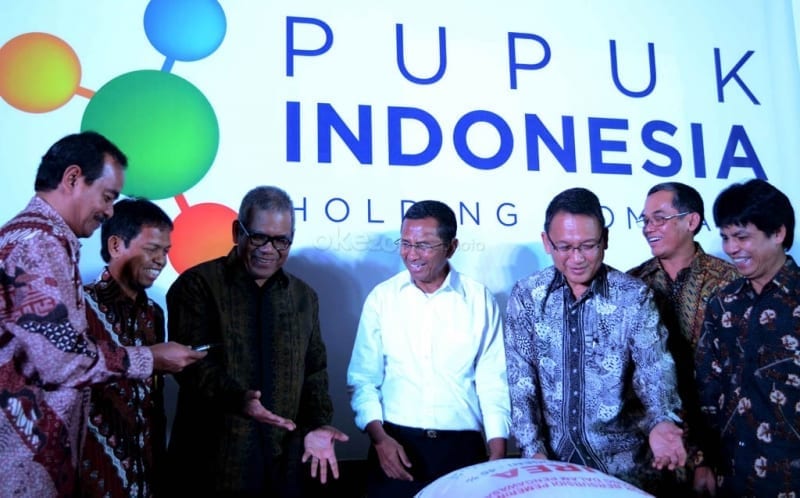
    State-owned fertilizer producer Pupuk Indonesia is intensifying agriculture research through its subsidiary, Pupuk Indonesia Pangan, in its effort to strengthen national food security.

    Pupuk Indonesia investment director Gusrizal said his office had contributed to food security through its research and development programs nationwide since 2013.

    “We have conducted research programs in Kapuas [Central Kalimantan], Ketapang [West Kalimantan] and Merauke [Papua],” Gusrizal said in a statement on Monday.

    He further said Pupuk Indonesia had prepared Rp 30 billion (US$2.3 million) to conduct research on upstream product development and fertilizing, land cultivation and for marketing programs conducted under the assistance of agriculture experts from various institutions this year.

    “The research has helped farmers increase their harvest yields for the last three years,” Gusrizal claimed.

    He further said the company would focus on researching downstream products, such as ammonia and urea fertilizers.

  • South Korea to explore halal food market in Indonesia

    South Korea to explore halal food market in Indonesia

    The South Korean Ministry of Agriculture, Food and Rural Affairs, through the Korea Agro-Fisheries and Food Trade Corporation, will explore the possibility of entering the halal food market in Indonesia.

    Lee Kyu Baek from the Korea Agro-Fisheries and Food Trade Corporation made the statement in Jakarta, Tuesday, during a press conference about the upcoming Korean Festival, scheduled to begin on Sep 30.

    As a part of the month-long festival, the Trade Corporation will hold a Korean food fair themed Safe and Healthy Lifestyle with Premium K-Food from 6 to 9 October.

    “This effort is being made to increase the demand for Korean foods, as well as heightening its recognition in Indonesia,” he said.

    Lee further explained that the halal food industry in Korea is still small, which is why the Korean government has launched a Moslem friendly policy to ensure the convenience of Moslem tourists who come to visit.

    It has been reported that some 740,000 Moslem tourists have visited South Korea, as of last year, and the Indonesia K-Food Fair 2016 event is seeking to further promote both Korean cuisine and tourism to the Indonesian public.

    The cuisine-based fair will be divided into two segments, one being an export conference, scheduled to be held at the Ritz-Carlton Hotel on Oct 6 and 7.

    “We will be holding a seminar in which representatives from Korea will explain halal policies, as well as the steps to obtain halal certification in detail,” he said.

    The business-to-business conference will see 20 Korean exhibitors and 40 Indonesian buyers participating, he remarked.

    In addition, a consumer experience event (B2C) will be held in Kota Kasablanka from October 8 to 9, where visitors can taste traditional Korean foods being promoted in separate halal, easy products and healthy food zones.

  • Napa cabbage prices skyrocketed last month

    Napa cabbage prices skyrocketed last month

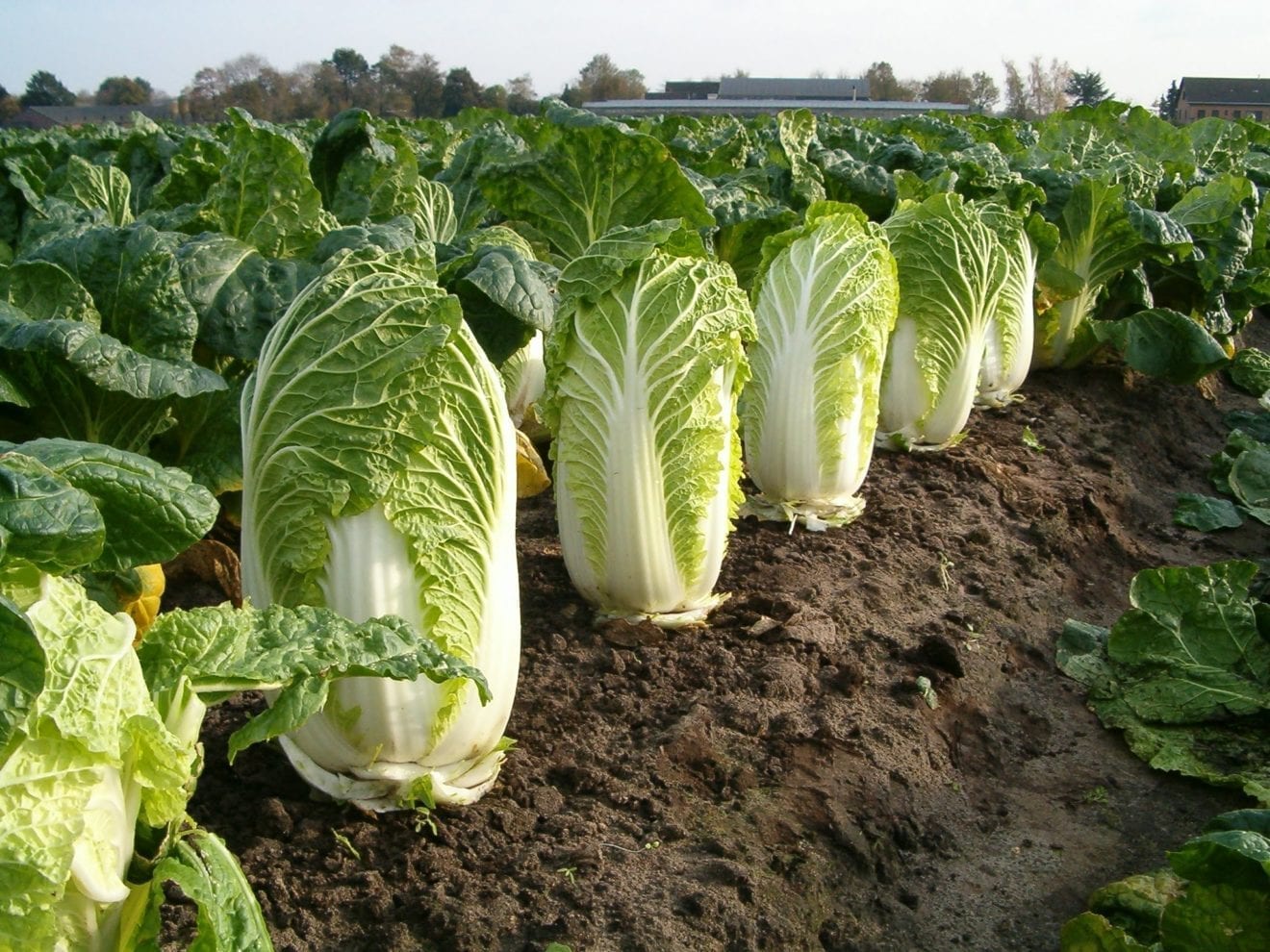
    The average price of napa cabbages at local retail stores rose significantly last month compared to the previous month as the supply likely dropped due to the abnormally hot weather that hit the country this summer.

    Prices of napa cabbage, a Korean staple and key vegetable for making kimchi, rose 63.7 percent month-on-month to a record 5,303 won ($4.73) a head, the Korea Consumer Agency (KCA) said Monday. The price of 1.5 kilograms (3.3 pounds) of white radishes rose 29.2 percent to 2,279 won and 1.5 kilograms of onions rose 5.3 percent to 3,217 won.

    “We don’t know the exact reason for the rise in some vegetable prices, but we believe that the supply in general dropped due to the high temperature and drought,” said KCA researcher Kim Eun-ji.

    Additionally, a recent report by the Bank of Korea attributed the long-term rise in cabbage prices to Chinese imports of kimchi.

    Samgyeopsal, or pork belly, one of the most popular meats among Koreans, was 11.2 percent cheaper at 2,005 won per 100 grams, while beef prices rose 3.8 percent to 8,601 won. The fall in pork prices is mainly due to the base effect from June, when prices rose 22.2 percent month on month, ahead of the summer vacation season in Korea.

    The KCA analyzed the price of 402 major products in 373 stores across the country, and the agency found that the price varied by types of stores.

    In fact, the average price of napa cabbage sold at corporate run retail stores was the highest at 6,965 won, and was lowest at large discount chains at 3,702 won.

    Onion prices had a 77.2 percent gap by store type, KCA said. The price of 1.5 kilograms of onions was 2,429 won at traditional markets and 4,303 won at department stores.

    Beef, napa cabbages, radishes and onions were some of the products that were cheaper at large discount stores and traditional markets in July.

    Meanwhile, the year-on-year growth rate for napa cabbage was 84.5 percent, the highest among major products sold in retail stores and traditional markets. It was followed by beef (25.5 percent) and radishes (15.6 percent). The price of pork, on the other hand, fell 14.2 percent year on year, and onion prices dropped 13.2 percent during the same period.

    “The price varies by the store types and the government will provide the retail prices online [www.price.go.kr] so that people can research the price and promotion events ahead of their shopping,” said Kim at the KCA.


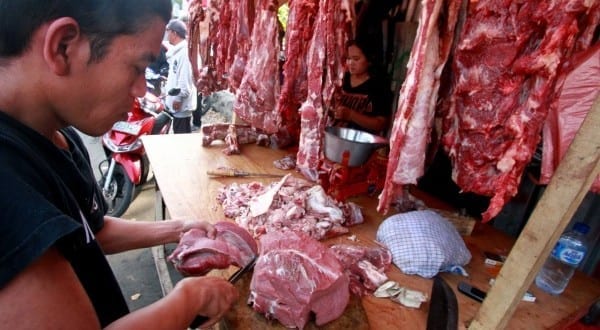
  • Indonesia to set retail beef prices

    Indonesia to set retail beef prices

    The Trade Ministry says it will set reference prices for a number of basic food items at the consumer level, including beef.

    Writing in today’s Agri Commodities Daily Alert, Comm Bank’s Tobin Gorey said the policy announced yesterday was effectively a government mandated price ceiling, aimed at maintaining domestic price stability.

    “The retail price range for fresh beef will reportedly be between 50,000‑105,000 rupiah (A$5‑A$10.60/kg),” Mr Gorey said.

    “Fresh beef is currently trading at around 114,000 rupiah (A$11.55/kg) in Jakarta wet markets.”

    The announcement follows earlier news that Indonesia will officially begin importing lower cost buffalo meat from India. The buffalo meat is being sourced from 10 meatworks located in foot and mouth disease (FMD)-free zones.

    Indonesia is Australia’s largest export market for cattle and fifth biggest market for boxed week. Last year Australia exported 618,323 live cattle worth A$548.8 million and 39,134 tonnes of boxed beef valued at A$244m.

  • Boeing 737 restaurant opens in China

    Boeing 737 restaurant opens in China

    A decommissioned Boeing 737 aircraft has found new life as an airline-themed restaurant in Wuhan, China.

    Parked in a German-style pedestrian mall and with a covered boarding ramp accessed by an escalator, the Boeing 737 restaurant has 20 tables, and guests can even try out a flight simulation system in the cabin.

    Boeing 737 restaurant Wuhan China 2

    Named Lily Airways, the restaurant is owned by tycoon Li Yang, who says he spent 35 million yuan (about US$5.2 million) to relocate and convert the retired plane.

    Boeing 737 restaurant Wuhan China 1

    While the wait staff wears flight attendant uniforms, diners need not worry about being served such plane fare as packaged nuts – the international chefs in the on-board kitchen offer Western-style fine dining.

    Li Yang says the airliner was bought from the bankrupt Batavia Airways of Indonesia, and took almost four months to transport after being split into several parts.


    Photo courtesy: CFP – Trending in China.

  • Lalamove Satisfies City’s Hunger for Food Delivery

    Lalamove Satisfies City’s Hunger for Food Delivery

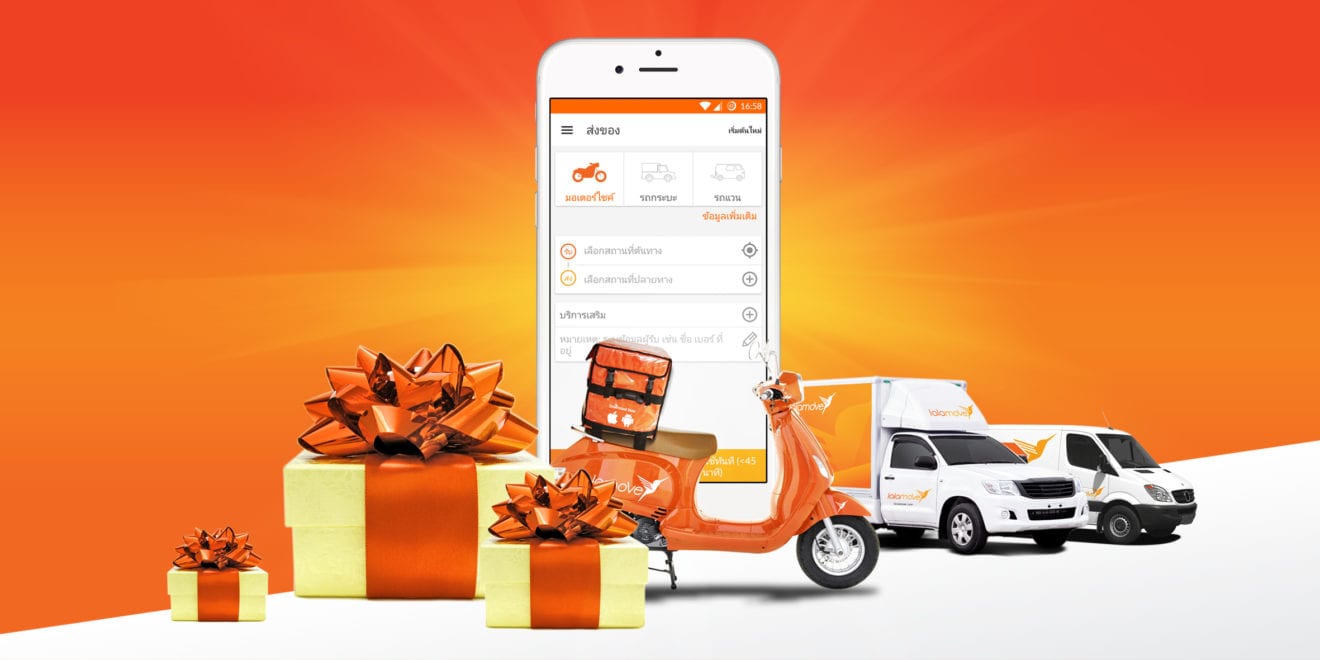
    Hong Kong based on-demand delivery app Lalamove is moving into restaurant and food delivery across Bangkok to feed the growing appetite for appetizing restaurant dishes and produce to be brought straight to customers’ doors.

    Restaurants and food producers invited to use Lalamove’s 24/7 dedicated courier service receive a stamp of approval with a ‘Lala Recommended’ graphic featured on Lalamove social media. Invitees are selected for their high quality cuisine, outstanding reputation and popularity amongst customers.

    Alongside this insignia, dishes and produce are promoted on Lalamove’s Facebook and Instagram pages, giving businesses a real boost and satisfying demand for reliable delivery for hungry customers too.

    In return, ‘Lala Recommended’ restaurants and food companies are promoting Lalamove services via their own social media too; reminding customers that Lalamove is the go-to app for all delivery needs in the city, from important documents via motorcycle courier to large items of furniture via pickup truck, and everything in between.

    The food delivery scheme which began recently already offers a wide array of  tempting ‘Lala Recommended’ cuisine, from high-class dinners to nourishing comfort foods and lunches for health-conscious workers across the city. This includes fresh seafood from Lobster Gangster and The Cooking Crab, Japanese dishes with Taka Sashimi Express, plus juices and wheatgrass shots with Own Your Own Fresh, plus much more.  

  • Indonesia to export chicken due to overproduction

    Indonesia to export chicken due to overproduction

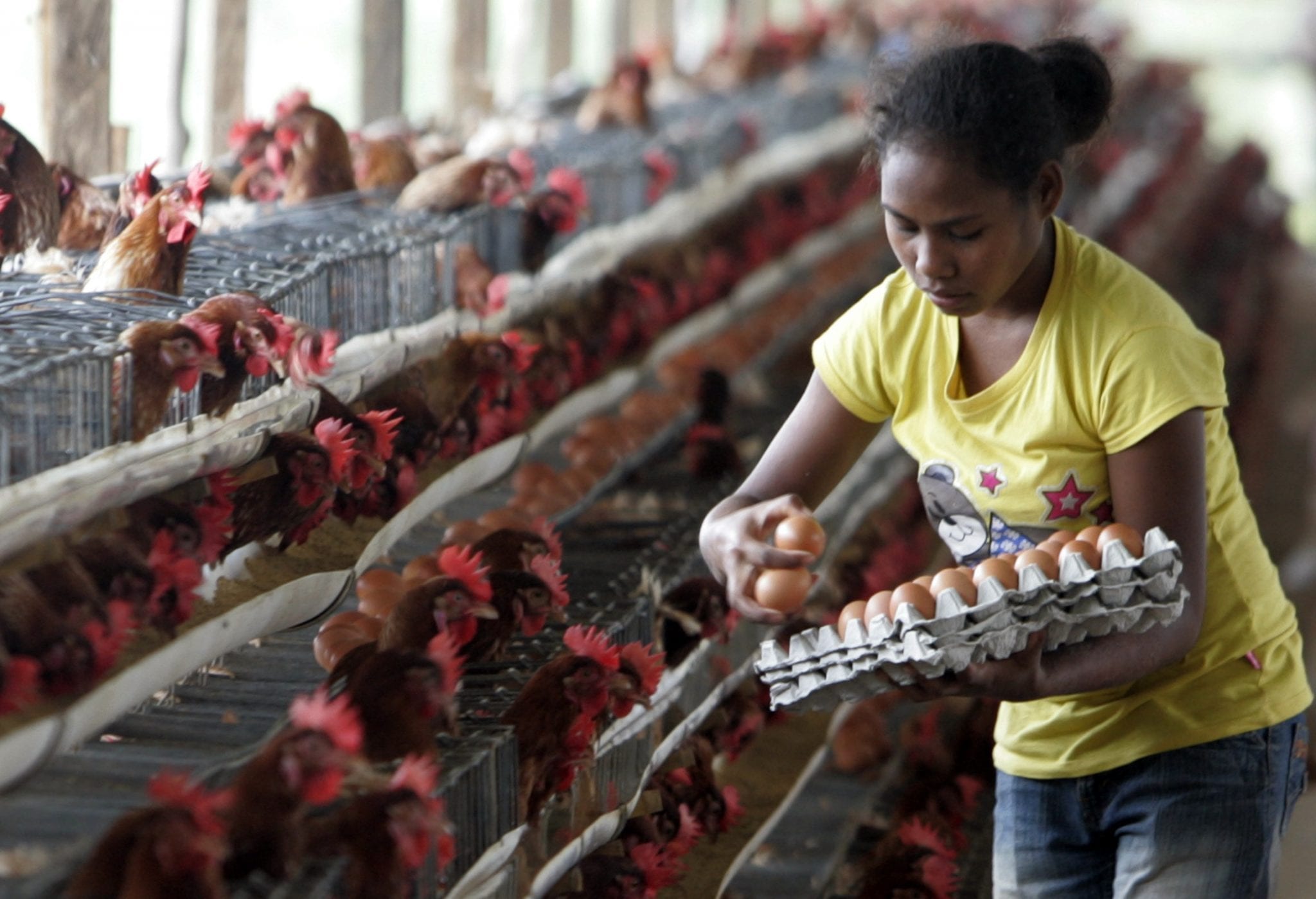
    Indonesia will soon export chicken as production has doubled, Agriculture Minister Amran Sulaiman said.

    “Right now, we are campaigning for self-reliance in protein which is found in abundance in our husbandry and fishery commodities,” he stated here on Saturday.

    Amran Sulaiman, along with Chief of the Business Competition Supervisory Commission (KPPU) Syarkawi Rauf and Deputy Chairman of the House Commission IV Viva Yoga, was in Makassar to address a workshop, titled, “Developing Husbandry Industry in Pursuit of Self Reliance in Animal Protein.”

    The minister underscored the importance of maintaining food stocks in support of the country self-reliance.

    The Agriculture Ministry has made various breakthroughs and innovations along with other parties to support the governments program to achieve self-reliance in food production, thus adding to national resilience, he added.

    He believed that Indonesia would achieve the goal of self-reliance in animal protein by the time the country celebrates the 100th anniversary of its independence.

    Livestock and marine products have already helped achieve self-reliance in animal protein, he reminded.

    “We have changed our policy so that we are no longer self-reliance in meat but are self-reliance in protein. In fact, we have exported chicken to Vietnam and Japan,” he noted.

  • Foodpanda is selling its Indonesia business and rethinking the rest of Southeast Asia

    Foodpanda is selling its Indonesia business and rethinking the rest of Southeast Asia

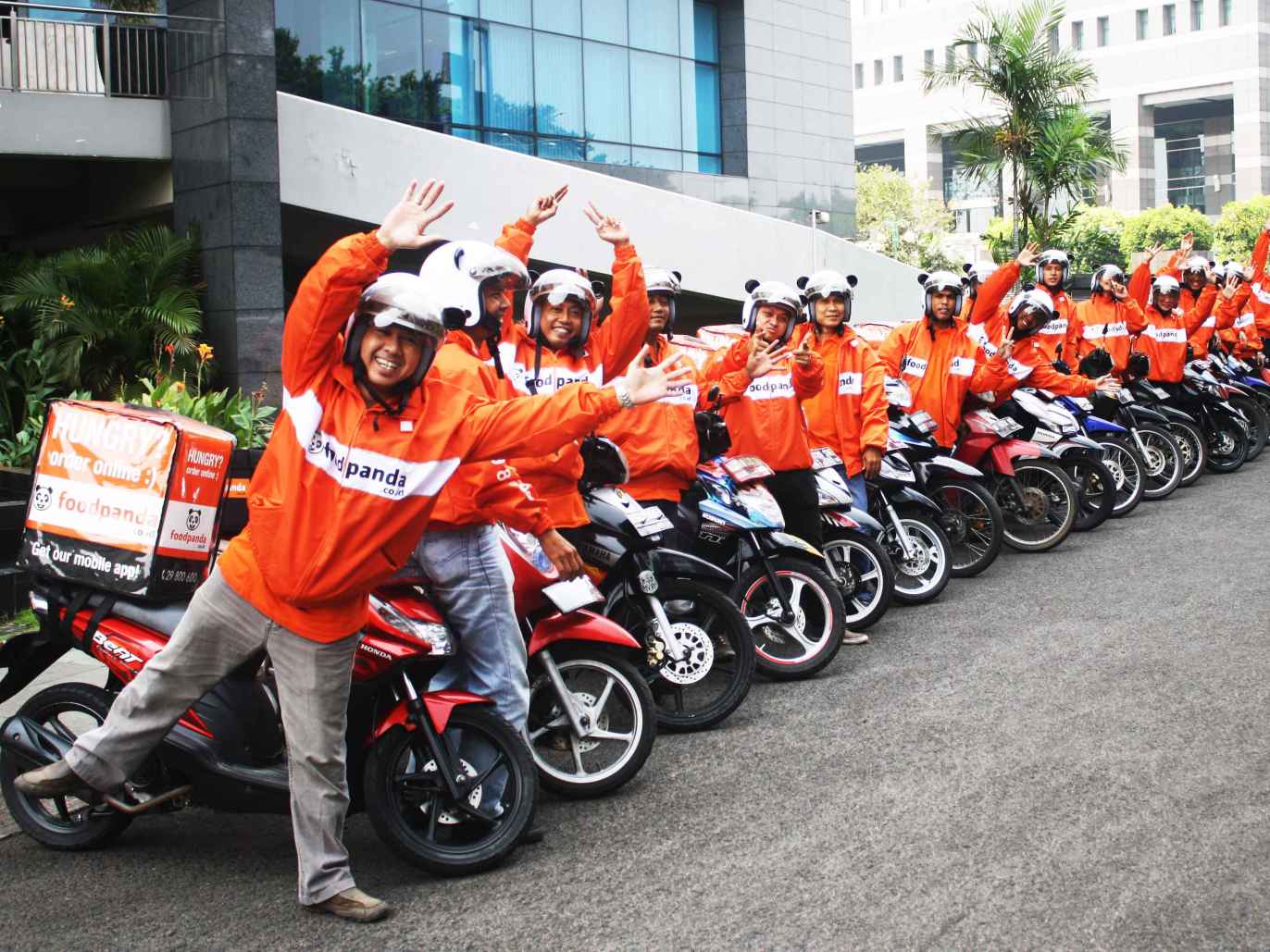
    Foodpanda, the food delivery startup backed by Rocket Internet, is selling its operations in Indonesia and evaluating its presence in the rest of Southeast Asia as part of a push towards profitability.

    Multiple sources close to the company told that its business in Indonesia, the world’s fourth-most populous country, is available to potential acquirers for less than $1 million — and an all-cash deal isn’t even a requirement. Foodpanda, which is active in 500 cities across five continents worldwide, has slashed the asking price for its Indonesia operations to basically zero after more than a year of unsuccessfully trying to offload it, one source added.

    The intention mirrors the sale of its business in Vietnam last year. The company reportedly tried to offload its India business earlier this year without success.

    Foodpanda provided the following statement which, if you strip out the grandiose terms, does hint at transactional activity up ahead:

    Foodpanda has grown very fast in Southeast Asia over the last couple of months and strengthened its market leading position in the region. Driven by our increased dominance in the region we have experienced interest from a variety of different parties to partner or to invest which we are evaluating now.

    Indonesia may be Southeast Asia’s largest economy but it has proven to be a challenge due to factors including competition and local market conditions. Go-Jek, a motorbike taxi-on demand company that this month raised $550 million, is the primary thorn in Foodpanda’s side. The company offers food delivery as one of its many services, and it is able to price that business competitively thanks to its massive fleet of 200,000 drivers and revenue from other services. Grab also offers services like food delivery, while Uber is tipped to follow suit.

    One source close to Foodpanda added that Jakarta’s challenging traffic congestion and a lack of infrastructure have added complexities.

    Reviewing regional presence

    Foodpanda is actively seeking to cash out of Indonesia, but that may not be its only exit from Southeast Asia.  We understand from a source that the company is reevaluating its entire business across the region, and it has already made tentative efforts to sell in some countries. The company expanded in Asia via a series of acquisitions, which, in many cases, ironically leaves it without obvious suitors.

    News of its reassessment of Southeast Asia comes just weeks after Foodpanda co-founder and CEO Ralf Wenzel claimed that the company is profitable in two of its markets — Europe and the Middle East — but not Asia.

    Wenzel told Reuters his company is “focused on improving market share” in Asia, which has included asset exchanges with competitors, in order to turn its finances positive there.

     “Over the next couple of months we will turn break-even and then profitable in the first Southeast Asian countries,” Wenzel added.

    While the Foodpanda CEO claimed profitability in Asia is “just a matter of scale,” our sources said that discarding under-performing units — which Wenzel did not mention — is a very key part of the plan.

    Challenging investment climate

    Foodpanda raised $210 million last year — including a $100 million injection from Goldman Sachs and a separate $110 million round — but the climate for investment is tougher now. One source close to Rocket Internet told us that the venture builder is not optimistic about landing capital for many of its older, more capital-intensive businesses, including Foodpanda.

    That’s evidenced by a recent round of capital for Global Fashion Group (GFG), a collection of Rocket Internet-backed fashion marketplaces worldwide. GFG raised $330 million but the capital came from a collection of trusted Rocket Internet entities and at a huge mark down. The group’s valuation plummeted from $3.4 billion at its last raise to $1.1 billion.

    Sources speaking at the time told us that GFG CEO Romain Voog met with more than 90 investors, but came home empty-handed.

    GFG had already preempted that challenge by discarding some of its unprofitable business units in Southeast Asia — does that sound familiar?! — which included the sale of Zalora Thailand and Lazada Vietnam for low prices and triggered high-level execs to leave. Rocket Internet isn’t alone to struggle in Southeast Asia, though. Groupon sold its Indonesia business to fitness membership startup KFit, a fairly unorthodox acquirer, after it had already exited other Asian markets.

    Now it looks like Foodpanda is following a similar approach. While Southeast Asia is often noted for its 600 million cumulative population and growth potential, today its nascent digital economy is challenging for many online retail companies.

    This year has marked a different approach for Rocket Internet in Asia. This summer, it finally offloaded Jabong, its fashion marketplace in India, to rival Myntra in a $70 million deal this summer, while Alibaba bought a majority stake in Amazon-like Lazada for $1 billion in April. Despite a seemingly decent outcome on the face of it, many Lazada investors were left disappointed, and the company itself ran out of money thanks to spiraling loses.

  • Google India delivers for food fans

    Google India delivers for food fans

    Working with local partners, Google India has made online ordering and restaurant bookings easy.

    When people use their phones to search Google for nearby restaurants, the search results offer an option to “place an order”.

    By tapping the option, users can choose a delivery service and be taken to its website to complete their order. Users can also make a one-click reservation if they prefer to visit the restaurant.

    Google has partnered with startups Swiggy and Zomato for food delivery, and Bytplus and Dineout for reservations. The services can be used on Google Search and the Google app for both Android and iOS devices.

    “These features are just rolling out and we’ll be adding more partners and evolving the look and feel over time,” Google says in an official blog.

    Earlier, Google Maps stitched in Ola and Uber services on its platform in India, showing fares and riding options from the app-based taxi aggregators.

  • Jamie’s Italian Opens First Restaurant in Thailand

    Jamie’s Italian Opens First Restaurant in Thailand

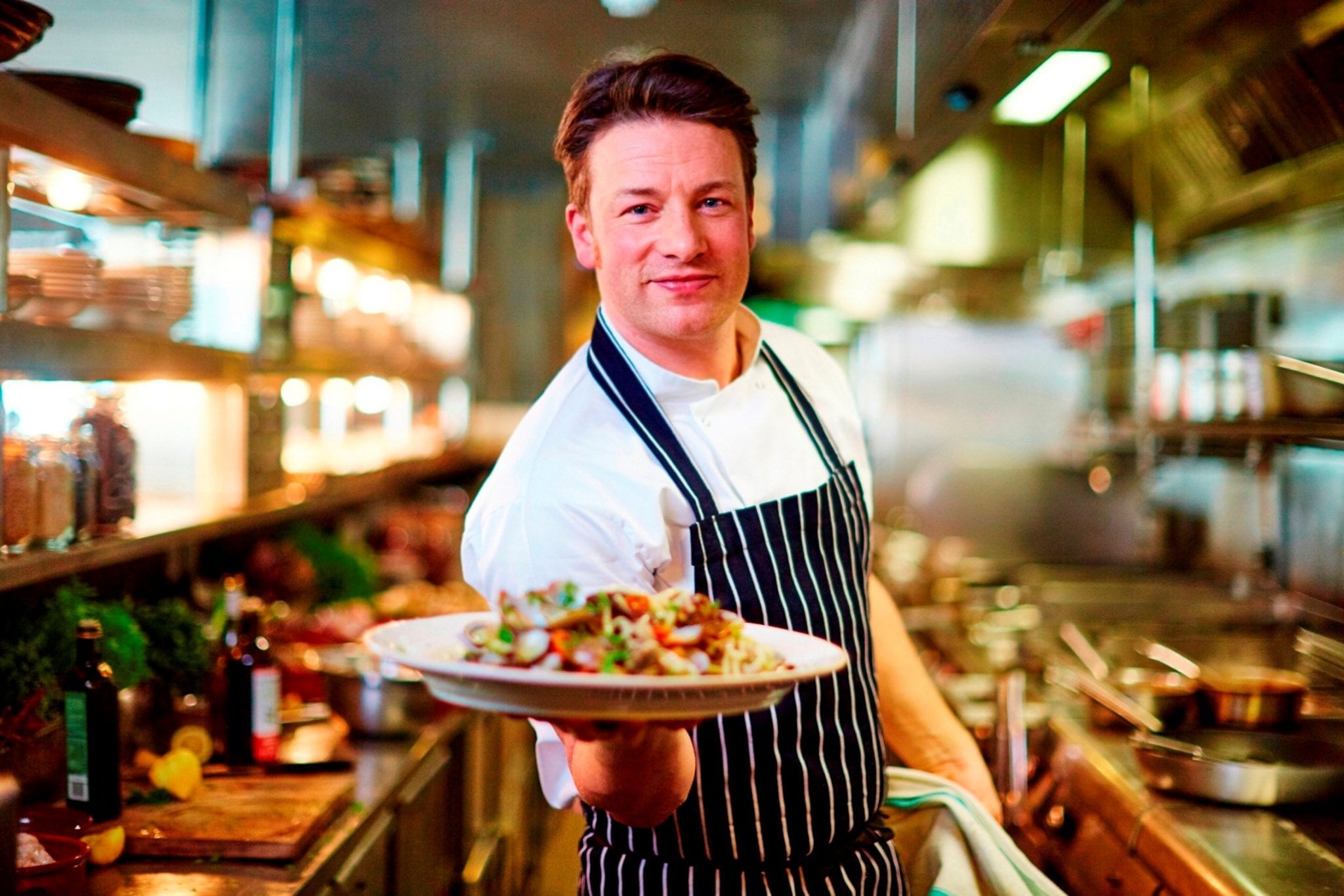
    Jamie’s Italian, a partnership between British celebrity chef Jamie Oliver and his mentor, Gennaro Contaldo, continues its expansion across southeast Asia with its first restaurant in Thailand, set to launch in Bangkok in the fourth quarter of this year.
    The family ­friendly Italian restaurant will open its doors at the newly­renovated Siam Discovery mall, situated in the heart of Bangkok’s shopping district and proudly brought to you by Hotel Properties Limited and Siam Piwat. Guests can expect Jamie’s Italian Siam Discovery to offer delicious, homely Italian cooking with a Jamie twist.

    Living up to the restaurant chain’s philosophy of serving amazing, affordable food in a casual setting, the latest Jamie’s Italian restaurant will embody a relaxed, buzzy vibe for a comfortable dining experience.

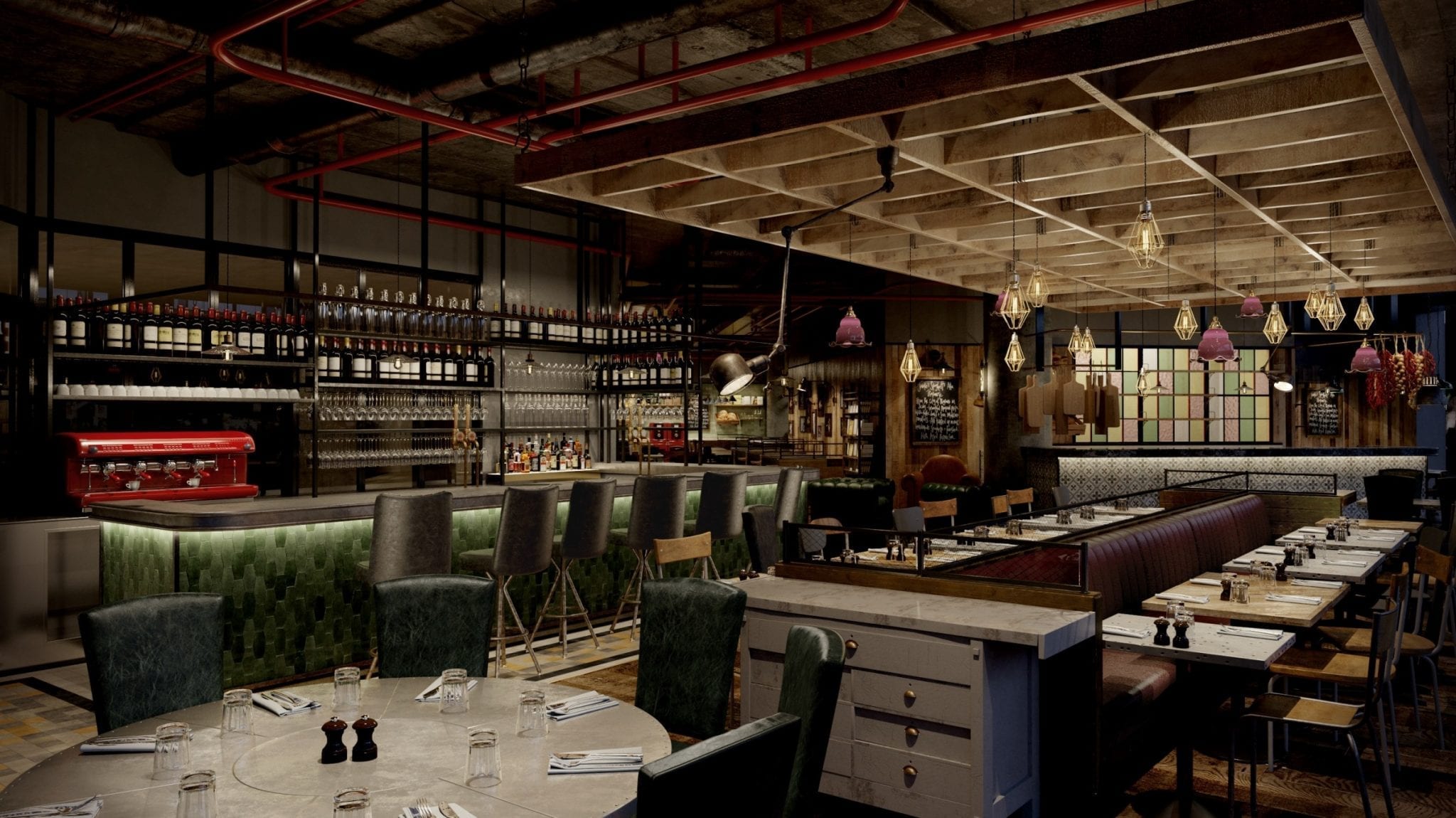
    10 Interior at Jamie's Italian restaurant

    The space will boast a tasteful mix of rustic, reclaimed timber refectory tables, industrial­chic zinc tables and vintage upholstered lounge chairs, with monochromatic and hand­painted floral tile flooring adding graphic impact to the restaurant interior. To add warmth, the dining area will be illuminated with brass spotlights, vintage enamel shades and a textured glass chandelier.

    Guests will be able to watch their antipasti planks being made before their eyes at the antipasti counter in the main dining room, or hang out for a pre and post meal tipple at the bar.

    Jamie’s Italian is all about fun, accessible dining. Menu highlights at Jamie’s Italian Siam Discovery will include the famous antipasti planks, perfect for sharing. Placed on large wooden boards supported by tins of tomatoes, the impressive platter allows guests to pick

    from a wide selection of fresh, cured and pickled antipasti, including Italian­style cured meats, buffalo mozzarella and aged pecorino cheese, chilli jam, pickled green chillies, Gaeta olives, caper berries and a crunchy salad of shaved root vegetables with chilli, lemon and mint.

    All pastas will be freshly made on­site daily. The old­school classic, Tagliatelle Bolognese, features handmade pasta, tossed in a rich ragu of beef, pork, herbs, Chianti and Parmesan and finished with crunchy, herby breadcrumbs. Our famous prawn linguine is a must try ­ juicy, garlicky prawns in a tasty fish broth with fennel, tomato and chili, topped with lemony rocket. Pizza dough will all be made by hand, and proved for hours before being hand­stretched to create an irresistibly crisp base. The simple but classic Margherita, dressed with a rich San Marzano tomato sauce, creamy bocconcini, shavings of British Cheddar and whole basil leaves, is the perfect choice for pizza purists, while the Funghi Misti is an earthy delight topped with porcini mushroom sauce, roasted herby mushrooms, mozzarella, chervil and tarragon.

    For meaty mains, guests will be able to opt for a Chicken Al Mattone, a traditional Tuscan dish that is made by grilling a marinated chicken under a brick. The weight of the brick ensures that the chicken is pushed further against the grates of the grill, producing a smoky, juicy and intensely­flavoured grilled chicken with an addictively crisp skin.

    As with all Jamie’s Italian outlets, the Siam Discovery restaurant will remain committed to sourcing only the best free­range, sustainable and ethically produced ingredients. The restaurant will also work closely with Thai farmers to showcase local, sustainable produce at its Bangkok branch.

    Jamie said: “I’m hugely excited to be taking Jamie’s Italian to Thailand. Bangkok is such a vibrant, buzzing city with a really fantastic food scene, I’ve no doubt that it will be a brilliant addition to
    the Jamie’s Italian family. We’ll be sourcing lots of beautiful, top­quality local produce, and cooking up some incredibly tasty food, and all at a reasonable price. I can’t wait for it to open”.

  • Rise of the machines: Vending machine culture comes to Singapore

    Rise of the machines: Vending machine culture comes to Singapore

    Bananas, live crabs, make-up and even guitar strings are just a few things that one can find in vending machines around the world.

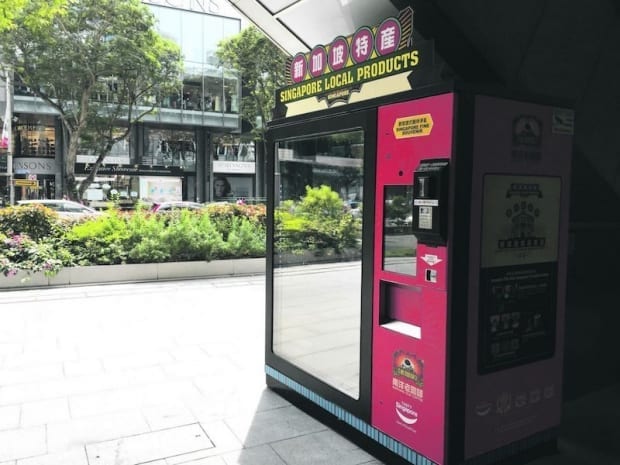
    While Singapore’s convenience culture is not quite there yet, the country is catching up. We now have the “first vending machine cafe”, launched yesterday at Blk 320C along Anchorvale Drive, which dishes out hot food such as Nasi Goreng Istimewa or Vegetarian Rice Noodle. There are even snacks such as cookies to go along with your meal, and there are tables and chairs where you can tuck into your vending machine meals in comfort.

    Meanwhile, independent bookstore BooksActually made the news when it started selling works from home-grown authors in vending machines in June. The machines have been a hit — three have been launched, and one machine located in the National Museum of Singapore has sold more than 100 books (as of July 11, 2016).

    Kenny Leck, BooksActually director and co-founder, said: “The book vending machines were done with marketing value and publicity in mind than sales. But we have been surprised by the sales generated by at least one of the machines, located at the National Museum of Singapore. It has done well enough for us to replenish stocks once every week.” Sales are a little slower at the machine at the Singapore Visitor Centre, but it still gets stocked every two weeks, he revealed.

    At 10 FairPrice outlets, consumers can find iCash machines, which accept cash on behalf of a cashier. The machine also dispenses change. The system was rolled out late last year, and is also available in 17 Cheers outlets. According to a FairPrice spokesman, you will see these machines in another 16 FairPrice and 13 more Cheers outlets by the end of this year.

    A vending machine that accepts your dirty laundry? Why, yes please. — TODAY pic

    A vending machine that accepts your dirty laundry? Why, yes please. — picLaundry services via the help of a machine are another automated service you will find at some FairPrice Finest outlets, such as at Marine Parade and UE Bizhub. There, you will see a dry-cleaning locker machine called My Laundry Box where you drop off your clothing and pick it up as soon as two working days later. You can even get curtains and stuffed toys cleaned.

    Vending culture

    Some say that Singapore is behind countries such as Japan, which for decades has been renowned for its vending machines (its first was reportedly a cigarette-dispensing machine, which debuted in 1888). Vending machines have certainly become a common sight, no matter where you are in the world. They spit out everything from the mundane (think headphones in many United States airports) to the unexpected such as condoms (Italy).

    Consumer experts say Singapore is moving that way. A Spring Singapore event was held last week for vending machine operators. There, exhibitors gathered to show new technology — such as machines with innovative robotic arms — and to be part of panel discussions.

    Head of SIM University’s School of Business, Allan Chia, explained that Singapore is lagging behind not because of our culture or technology. “The main issue is sales volume, which is linked to our small market size,” he said. SIM University has received research funding to study consumer usage on self-service technologies, particularly in the food and beverage sector.

    He notes that while unusual items have not taken off on a wide scale, there could be a market for more as the machines do fill a certain gap in the retail scene. A shop could be closed, for instance, but a vending machine could offer products at all hours — and without the need for a sales person.

    Ironically, some machines aid in human interaction. FairPrice’s iCash system was installed to optimise manpower, said its spokesman. But ultimately, the system has helped the stores’ checkout staff by allowing them to focus more wholly on the customer, rather than on handling cash.