Tag: Food

  • Vietnamese Prime Minister orders rice revolution to raise quality of production

    Vietnamese Prime Minister orders rice revolution to raise quality of production

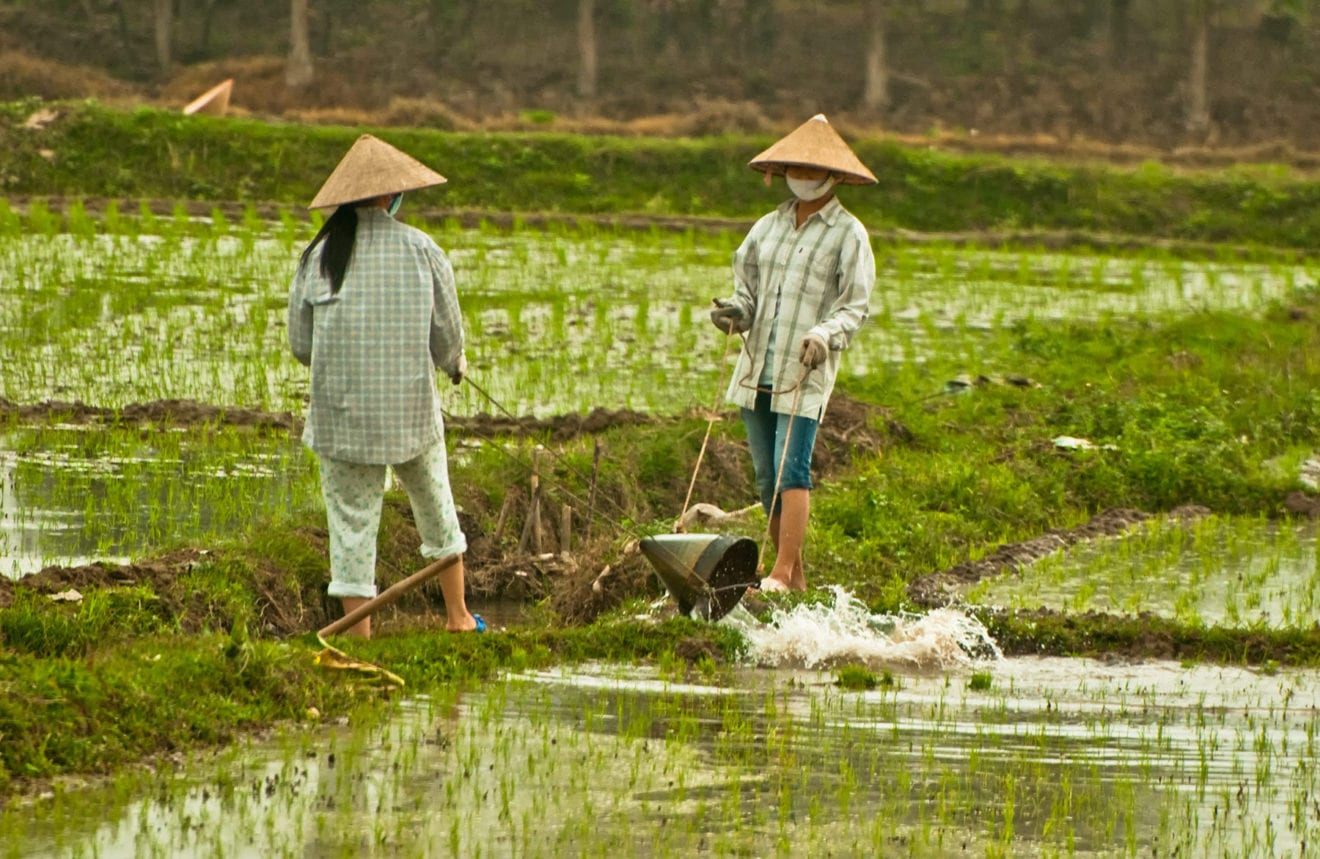
    Falling rice exports have prompted the government to rethink its strategy. Renovation at all levels of the government is needed to “create a revolution in quality and a new vision, accompanied by strategic planning in line with globalization, in order for Vietnamese rice to meet consumer demand in Asia and the rest of the world,” Prime Minister Nguyen Xuan Phuc was quoted on Wednesday as saying.

    Vietnam, the world’s third-largest rice exporter after India and Thailand, will launch a comprehensive campaign to overhaul production in order to raise yields, efficiency and export value, according to the government.

    The Southeast Asian nation went through its first rice revolution in the late 1980s. At that time, the country still had to import rice to meet domestic demand, but 1989 marked the first year of Vietnamese rice shipments, with a total of 1.4 million tons shipped overseas thanks to rapid reforms in agricultural production.

    Rice exports peaked at 8 million tons in 2012, but have since dropped due to better production in key markets such as the Philippines, Indonesia and Malaysia, as well as rising competition from India, Pakistan, China, Thailand, Myanmar and Cambodia.

    The Vietnam Food Association has targeted annual shipments of around 5 million tons this year, after sales fell to 4.8 million tons in 2016, the lowest since 2008.

    Despite continued investment, falling rice exports have prompted the government to rethink its strategy.

    Hanoi has classed rice as a strategic commodity to ensure food security for the country’s 93 million people, especially with typhoons, salination and floods posing a major threat.

    Phuc’s instruction came days after the government estimated Vietnam’s rice exports from January-March dropped 24 percent from a year ago to 1.2 million tons, a two-year low.

    Phuc has asked for rice fields to be merged or expanded in suitable areas, while the land damaged by salination should be switched to raising shrimp and other crops.

    He also called for updated agricultural technology to produce varieties with higher yields, while improving storage conditions and avoiding post-harvest losses.

    Modern irrigation systems and infrastructure projects to cope with climate change and rising sea levels are needed, Phuc said.

    Last month, the premier asked government officials to look into human and natural factors as Vietnam seeks to fight the problems threatening to sink the country’s Mekong Delta food basket, which supplies 90 percent of rice for export.

    The future of the delta, home to around 20 million people, is threatened by urbanization and dozens of dams, with more in the pipeline. Flooding and droughts that have led to salination, along with rising sea levels, should also be considered for the region’s development, a World Bank report said.

    The alluvial soil and sediment delivered to the coastal areas in the delta, where the Mekong River enters the East Sea (internationally known as the South China Sea), fell to 75 million tons in 2014 from 160 million tons in 1994, according to data from Vietnam’s National Mekong Committee.

    The WWF said that higher sea levels may inundate half of the delta by the end of the century.

  • Central bank to launch app for monitoring food prices

    Central bank to launch app for monitoring food prices

    Bank Indonesia (BI) plans to launch a mobile app through which the public and regional administrations can monitor harga pangan (the prices of staple foods) on a daily basis.

    The public would be able to use the app to avoid being deceived, while the regional administrations can use it to observe when prices go too high so they can tackle them faster.

    The public can already download the app or use it on the hargapangan.id website, but it has not been officially launched.

    The program managed by the Information Center for Strategic Food Prices (PIHPS) collects data from traditional markets in 82 cities in all 34 provinces in the country for 10 commodities: rice, shallots, garlic, red chili, birdseye chili, beef, chicken, eggs, sugar and vegetable oil.

    “The PIHPS has been running, but we’ll wait for the official launch,” Dody Budi Waluyo, the BI governor’s assistant for monetary and economic policy, said recently.

    “BI keeps improving the program. We’ll also collect prices not only from traditional markets, but also from modern markets; also maybe from big traders and touch on more commodities, as well as prices at the producers’ level. The point is we keep innovating with this,” he added.

    Previously, BI deputy governor Sugeng told the media that the central bank also plans to create a data system to track supplies of staple foods in the regions.

    All the aforementioned systems were developed so BI and the government could come up with better policies to achieve a 4 to 5 percent inflation rate.

  • Korea, Indonesia to boost cooperation in food sector

    Korea, Indonesia to boost cooperation in food sector

    Food experts from Korea and Indonesia will gather in Jakarta to discuss ways to boost cooperation in the food sector. The ASEAN-Korea Centre and Indonesia’s Ministry of Trade will organize the “Trade Facilitation Workshop for Indonesian Food Micro, Small and Medium Enterprises” in Jakarta and Makassar on April 4-6. The aim is to support companies to “enhance competitiveness and gain further access to the Korean market,” the organization said.

    Over 200 participants from local enterprises are expected to attend.

    “The food and beverage sector is the largest subsector of Indonesia’s manufacturing industry, accounting for around a quarter of total manufacturing value of the country,” ASEAN-Korea Centre Secretary General Kim Young-sun said.

    “Recognizing the importance of the food industry, the Indonesian government designated the industry as one of the 10 priority industry groups for accelerated development in the Master Plan of National Industry Development 2015-2035. I hope this workshop will contribute to the development of the Indonesian food industry, as well as facilitating business cooperation between Indonesia and Korea.”

    The organization said the workshop will be part of the “Indonesia-Korea Business Forum,” organized by the ASEAN-Korea Centre and the Korea International Trade Association. The forum will feature other programs such as “Indonesia-Korea Cooperation on E-Commerce” and “1:1 Biz Meetings.”

    Kim, Yang Mulia Ibu Arlinda, director general of the Ministry of Trade, and Korean food experts will introduce sourcing trends, branding and marketing strategies, logistics systems and up-to-date packaging design and technology to business representatives from the Indonesian food micro, small and medium enterprises, an organization spokesperson said.

    Starting this year, the ASEAN-Korea Centre has developed its capacity-building program, formerly the Product Development Workshop, into the Trade Facilitation Workshop that covers wider areas important for the acceleration of trade, such as utilization of the ASEAN-Korea free trade agreement.

    The ASEAN-Korea Centre is an intergovernmental organization established in 2009 with an aim to promote exchanges among Korea and the 10 ASEAN member states.

  • Umami Burger Japan launches in Tokyo

    Umami Burger Japan launches in Tokyo

    American-style dining has again crossed the Pacific, with the latest offering, Umami Burger Japan, having a distinct local slant.

    While conceived in the US, the fast-food chain takes its names from the Japanese concept of umami, one of the basic tastes as distinct from sweet, salty, bitter and sour.

    It follows such brands as Carl’s Jr, Shake Shack and Taco Bell to Japan, and on its opening day in Tokyo drew a queue of more than 100 people. It is just a few minutes’ walk from Omotesando Station.

    Umami Burger Japan - Aoyama Tokyo

    Rocket News 24 sent in writer PK to check out the store on opening day. Umami Burger dates back to 2009 has has been included in Time Magazine’s list of 17 “most influential” burgers. While he arrived an hour before the 11am opening time, already more than 50 people were lined up. By the time the doors opened, the queue had doubled in size.

    Umami Burger Japan - Aoyama Tokyo.1

    PK says he was finally seated around noon, and to gain a more rounded perspective, ordered two burgers – the namesake umami burger and the Japan-original teriyaki burger at ¥1380 (US$12.50) each, and a side order of truffle fries for ¥800.

    With its house ketchup, roasted tomatoes, shiitake mushrooms and crispy Parmesan cheese chip, plus a medium-rare beef patty, PK writes that the umami burger tickled his taste buds. “Each flavour complemented the others for an overall perfect combination.”

    The teriyaki burger came topped with red onions, perilla leaves, fried lotus root, cabbage and a wasabi aioli sauce.

  • Online retailers feed craving for fresh food on demand

    Online retailers feed craving for fresh food on demand

    Gmarket launched a service on Monday called Gtable that provides seasonal fresh food from farms around Korea. The online retailer will oversee the entire process, including selection of fruits and vegetables, washing and packing them, and delivery.

    For Gmarket, whose main business model is providing an online sales channel to individual merchants, the launch of an in-house service with such high degree of direct management is rare.

    “We noticed that more consumers were purchasing fresh food online,” said Park Young-geun, head of the fresh food team at Gmarket. “The service aim is not just delivery but to suggest a more healthy lifestyle to our users.”

    The service is starting with nine products including salads, oranges, nut mixes and vegetable sets, mainly priced between 10,000 won ($9) and 30,000 won.

    For the past decade, the dominant retail channel for fresh food has been brick-and-mortar discount chains. Buying groceries online, though, is becoming a more popular option, especially among young people living alone who don’t need to buy in bulk and childless couples who don’t consume as much as families with children. Both demographic groups are growing in Korea.

    As a result, many online retailers with fresh food services are packaging their groceries in small sets. Lotte.com’s Garak Store, for example, which delivers vegetables and fruit purchased from daily wholesale auctions at Garak Market, a traditional Korean marketplace in Garak-dong, southeastern Seoul, lets consumers buy in small quantities, even by the gram.

    The market for online groceries is a promising one. Last year, 1.73 million won worth of fruits, vegetables seafood and meat were bought online, according to Statistics Korea, a 20 percent increase from 2015.

    Among its peers, Auction was the first to spot an opportunity in selling fresh food online. In 2014, it launched the service Farmer Story, which directly connected producers and consumers. Farmer Story posted six-fold sales growth during last year’s second half compared to 2014.

    WeMakePrice was the next online retailer to enter the market, in October last year, with Sinseonsaeng, a portmanteau of “fresh” and “mister” in Korean. The company is targeting single-person households with its small packaged groceries and fast delivery. During the first nine weeks, the number of orders jumped almost fivefold and sales volume increased fourfold.

    Ticket Monster jumped on the bandwagon in January with Tmon Fresh. Apart from the small packaging that rival services offer, Tmon Fresh also gives customers the option of choosing when to receive deliveries. The company reported a 240 percent increase in grocery sales after Tmon Fresh’s launch.

    SK Planet, operator of online retail platform 11st, in December acquired the start-up Hello Nature, which runs a service that sends groceries to consumers within 24 hours.

    For a long time, fresh food has been considered an exception in an age when people can buy clothing, electronics and even daily necessities like diapers and toilet paper online. One concern is that something could go wrong with the produce during transportation. Another is prevailing convention that fresh food ought to be bought in person, where customers can thoroughly examine the produce themselves and ask vendors questions.

    This hesitance means credibility has become an essential differentiating factor for competing e-commerce grocers. On top of fast delivery, companies are making sure consumers know that their food teams are putting in extra effort to ensure product quality. WeMakePrice, for instance, touts its more than 2,000-square-meter (21,000-square-foot) refrigeration facility in Gwangju, Gyeonggi.

    “We believe online shopping platforms have a chance in the groceries market if they can prove that they can provide products of freshness and quality equal to the level of discount chains,” said Ha Song, head of the direct buying team at WeMakePrice.

  • New food truck dishes out noodles at Hong Kong Disneyland’s doorstep

    New food truck dishes out noodles at Hong Kong Disneyland’s doorstep

    Hong Kong’s latest food truck may have found its sweet spot on Disneyland’s doorstep after its first location was deemed too remote.

    Mein by Maureen, which offers lo mein (noodles in seafood sauce), has made its new home on Park Promenade, the only thoroughfare between the public transport drop-off points and the theme park’s entrance.

    Although existing rules prohibit visitors from bringing in outside food, the new food truck effectively competes with more expensive restaurants inside the park. It is a stone’s throw away from the MTR station and next to the luggage valet counter.

    Some food truck operators had complained that the original site, near the parking lot for coaches, was too remote, prompting the park to designate a new location last month.

    Mein by Maureen started taking orders from hungry customers at 10.40am on Tuesday, after a 40-minute delay.

    Operator Maureen Loh Mo-lin explained that her staff were still experimenting with the operation.

    Traffic heading into Sunny Bay on Lantau Island was also an unexpected hiccup.

    “Last week it was smooth and perfect … but this morning there was a big traffic jam crossing the harbour,” she said, referring to her commute from Wan Chai at about 7.30am.

    “Maybe people were heading back for work.”

    One of Loh’s first customers was Mika Shimizu, a Japanese expatriate and Disney fan who visits the park once a week.

    She and her friend forked out HK$48 each for a serving of lo mein. They both felt the price was reasonable.

    “It was tasty, and the portion was right. I think I would visit again,” she said.

  • Koreans consume more foreign beef over expensive local hanwoo

    Koreans consume more foreign beef over expensive local hanwoo

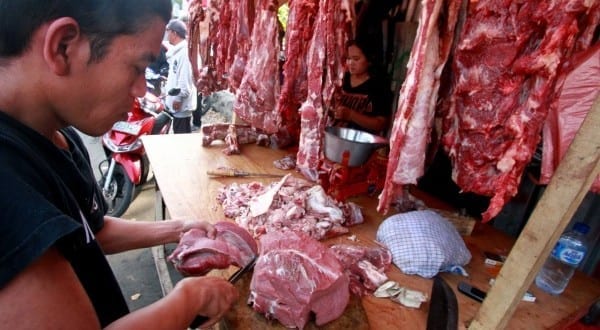
    South Koreans consumed more American and other foreign beef than expensive local beef last year, a move that has lowered the country’s self-sufficiency rate for beef to below 40 percent over 13 years, a state-run think tank said Thursday.

    Last year, South Koreans consumed 362,000 tons of foreign beef, accounting for 62.3 percent of the total beef consumption in the country, according to the Korea Rural Economic Institute.

    South Korea halted imports of U.S. beef in 2003 following the outbreak of a mad cow disease. Seoul lifted the ban in late 2008, which led to mass demonstrations among people in fear of their safety.Australian beef came to 178,000 tons, making up 49 percent of total beef imports. American and New Zealand beef stood at 42 percent and 6 percent, respectively.

    Still, the market share of American beef in South Korea has gradually been on the rise in recent years.

    In comparison, South Koreans consumed 219,000 tons of domestic beef, known as hanwoo last year, accounting for 37.7 percent of the total beef consumption in the country, according to the institute.

    It marked the first time that South Korea’s self-sufficiency rate for beef fell below 40 percent since 2003 when it stood at 36.3 percent.

    The decline came as South Korean consumers shunned expensive local beef.

    The wholesale prices of local beef once hit nearly 20,000 won ($17) per kilogram last year.

    Retail prices of the best quality local beef for bulgogi, a grilled marinated beef dish, came to 4,578 won per 100 grams last year, compared to 2,464 won for American beef for bulgogi, according to the institute.

    The prices of local beef have been on the rise since late 2015 as the number of cattle is continuing to fall.

    Domestic farms cut the number of cattle as the prices of local beef went down and the government helped some farms shut down to stem the decline of local beef following a free trade deal with the United States.

    South Korea’s anti-graft law — which took effect in September — is also adding to the woes of the local beef industry.

    Local beef was one of the favorite gifts during major holidays, but was overtaken by health products, according to major retailers.

    The law imposes tight limits on free meals and gifts that can be accepted by government officials, journalists and private school teachers to try to curb the deep-rooted tradition of excessive hospitality. The maximum value of a gift that a person subject to the law can receive has been set at 50,000 won.

  • Does your fish burger contain mercury-tainted shark meat?

    Does your fish burger contain mercury-tainted shark meat?

    A study of shark meat in Indonesia – the world’s largest shark fishery – has found dangerously high levels of mercury build-up in catches bound for overseas fish markets.

    Research conducted at the Seafood Inspection Laboratory in Bali found that mercury concentrations in processed, export-ready shark tissue exceeded twice the commonly accepted safe consumption limit.

    This is the first time that mercury levels have been tested in Indonesia-caught sharks bound for markets overseas, where importers and consumers are unaware that the fish that goes into fish burgers and fish and chips meals is shark.

    Bull shark meat tested on 26 January 2017 was found to contain 2.431 parts per million (PPM) of mercury. The consumption limit for predatory fish species in key Indonesian export markets such as Australia, Singapore and New Zealand, and also Indonesia, is 1.0 PPM.

    Bronze whaler meat – commonly sold as “flake” in Australia and cooked in batter for fish and chips dish- tested a week earlier was found to have a mercury concentration of 1.829 PPM.

    Bull shark meat sourced from the same location just a year ago was found to contain a significantly lower concentration – 1.368 PPM.

    Green School of Bali taking shark samples at Jimbaran fish market, Bali, Indonesia. Image: Bali Shark Rescue Center

    “Consumers are being deceived and are unaware of the type of fish being sold and ultimately ingested,” commented Paul Friese, founder of Bali Shark Rescue Center, whose non-government organisation partnered with sustainability college Green School of Bali to conduct the study.

    In Indonesia, most sharks are harvested for their valuable fins and liver first, and those parts sold to specialist buyers. The animal is then skinned, beheaded and the meat is filleted and moved back into the fish market unmarked.

    Shark fin can fetch up to IDR 2,500,000 (US$200) for a set, but locally sold shark meat sells for as little as IDR 25,000 (US$2) per kilo, and is used in street foods such as sate, fish cakes and meat balls. Overseas, shark meat is typically breaded and deep fried as fish burgers or used in the classic fish and chips dish.

    The sale of shark meat is also masked by transshipping, the process of transferring fish caught at sea from ship to ship, which makes the source harder to trace.

    Shark is particularly risky to eat because mercury bioaccumulates – the concentration of the heavy metal increases as it passes along the food chain, from plankton to shellfish, to small fish and onto larger predatory species.

    Mercury has entered marine ecosystems as a result of discharge from coal-fired power stations, residential heating systems, waste incinerators and mining, and also from volcanic activity.

    The main health risk from mercury consumption is damage to the nervous system. Unborn babies are particularly at risk from mercury pollution and, if exposed, may suffer impaired cognitive thinking, memory, attention, language, and fine motor and visual spatial skills in childhood.

    Meanwhile, shark populations in Indonesia have been under increasing pressure, as more than three million sharks are killed every year for their fins alone. Sharks are a tempting target for fishermen, particularly in remote island areas where the fins of the predators can bring lucrative returns.

  • McDonald’s Japan stake for sale

    McDonald’s Japan stake for sale

    McDonald’s has reportedly invited bids for a “significant stake”  in its McDonald’s Japan unit.

    The Wall Street Journal has quoted “people familiar with the matter” saying the company is looking for buyers for up to 33 per cent of the shares, from its nearly 50 per cent stake in the listed Japanese company.

    The report said initial bids were due to be lodged this week and that a number of private-equity firms are considering the opportunity.

    Last week McDonald’s released terms of its sale of 80 per cent of its China and Hong Kong business, giving 20-year rights to the brand to state-backed Citic Ltd and private equity company Carlyle Group.

    The beleaguered Japanese business last February reported its first increase in customer numbers in nearly three years after a tumultuous period in which sales plummeted and the store network was heavily rationalised.

    Internal company figures showed footfall at stores open for more than one year rose by more than 10 per cent Japan-wide. Better yet, same-store sales rose by as much as 30 per cent, according to a report by Reuters.

    McDonald’s Holdings Co (Japan) has projected a net profit of about 1 billion yen (US$8.47 million) for the year to December 2016 – which would mark its first time out of the red in three years since a food safety scandal relating to expired chicken hit the brand in 2014. In January 2015 sales plunged 38.6 per cent, customer ranks depleted by 28.5 per cent.

    In April 2015 the company unveiled a plan to cull its restaurant network and revamp remaining stores after a US$319 million loss.

    It also revised its menu, adding salads which has clearly drawn customers back to restaurants.

  • Rocket Internet sells Foodpanda business

    Rocket Internet sells Foodpanda business

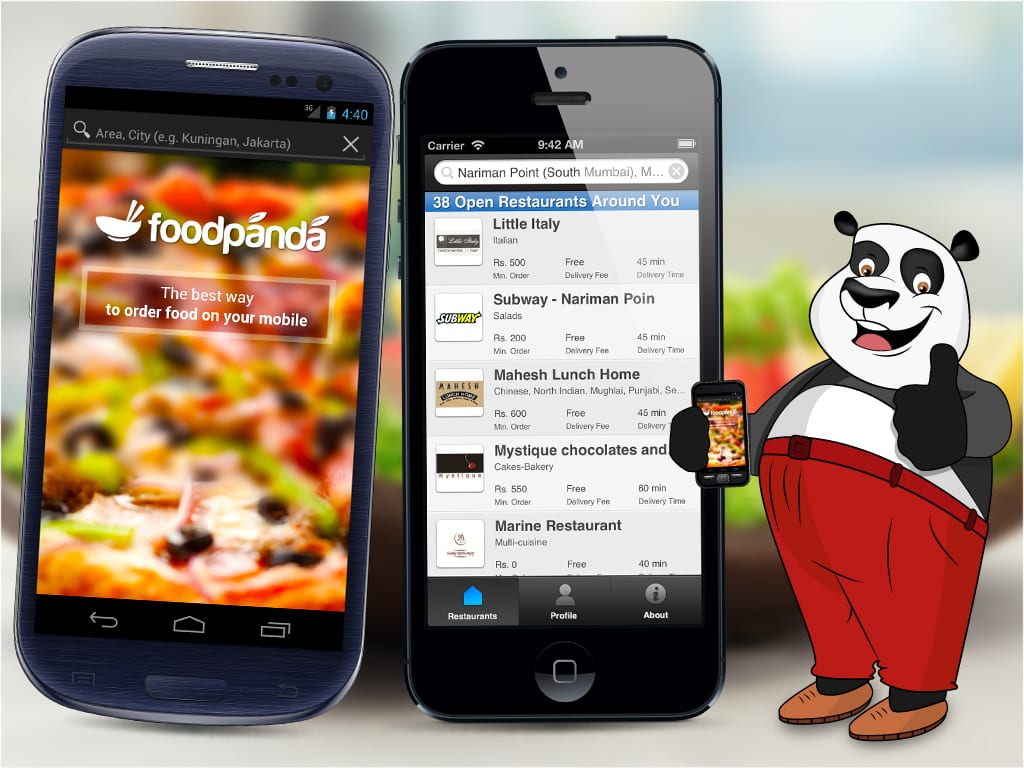
    Rocket Internet has sold its mobile and online food ordering portal foodpanda to rival Delivery Hero for an undisclosed sum.

    Berlin-based Delivery Hero was founded in 2011 by Niklas Östberg. The company said in its announcement that the purchase would increase its stake in the global online food ordering and delivery business. With the acquisition, the combined group will now be processing over 20 million orders per month across 47 countries.

    Delivery Hero will also be able consolidate its market leadership position in the Middle East and will be adding 20 new countries in Eastern Europe, MENA, and Asia to its platform. Before the acquisition, foodpanda operated in 22 countries with market leading positions in 17 of them, according to Rocket.

    In exchange for all its shares in foodpanda, Rocket Internet received newly issued shares in Delivery Hero, which effectively increases its stake in the company to 37.7% (on a fully diluted basis).

    “The combination of foodpanda and Delivery Hero, one of our most important companies, further consolidates key markets resulting in significantly improved market positions. Delivery Hero is also acquiring new markets with leading market positions further broadening its geographic footprint,” said Oliver Samwer, Rocket Internet’s CEO, in a media statement.

    The transaction is subject to customary closing conditions and is expected to close prior to December 31.

    “We look forward to working with the team to continue creating unparalleled take away experiences for our customers around the world,” Östberg said.

    In the first half of the year, Delivery Hero reported more than 83 million processed orders globally, which is up 45% compared to the same period the previous year. It said revenues during the first half of 2016 also grew by 53%.

  • Crown brings back Snyder’s of Hanover pretzels to Korea

    Crown brings back Snyder’s of Hanover pretzels to Korea

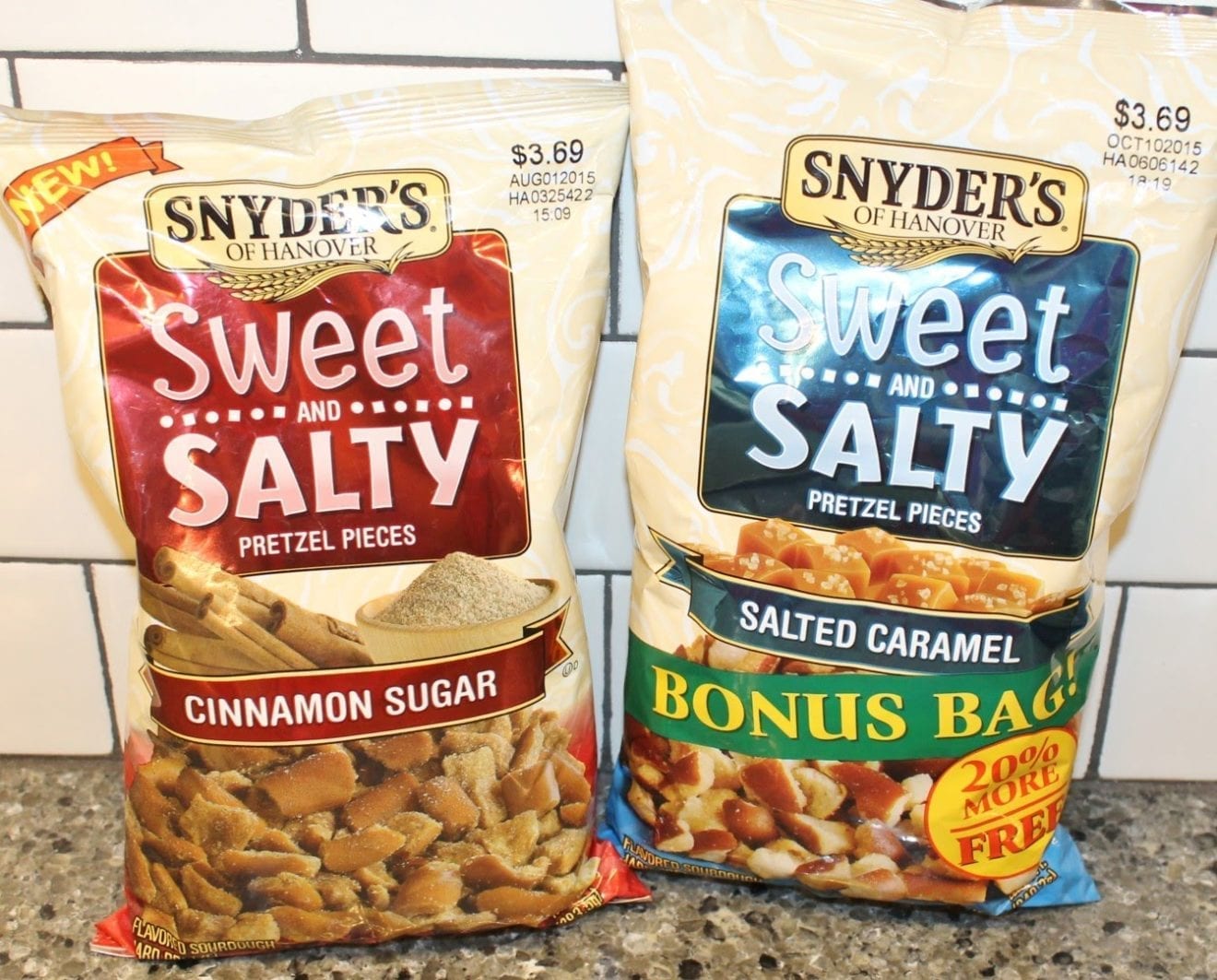
    America’s all-time favorite pretzel brand Snyder’s of Hanover will re-enter South Korean snack market via local snack maker Crown Confectionery Co., with the salty and buttery biscuit gaining popularity as a tidbit among beer and wine lovers in Korea.

    A pretzel is a type of snack made from sourdough most commonly shaped into a twisted knot and has a salty taste. It remains as an all-time favorite snack in the U.S. and Europe.

    Crown Confectionery on Tuesday said it inked an agreement with Snyder`s-Lance Inc., U.S-based snack maker that owns Snyder’s of Hanover brand along with many other snack labels, to form a strategic partnership. Under the agreement, the Korean snack maker will have exclusive rights on pretzel supplies to sell and distribute the Snyder’s of Hanover pretzels in Korea. The Korean snack maker also plans to gradually increase the volume of cross-selling products with Snyder`s-Lance.

    Snyder`s-Lance first entered Korean snack market with its pretzels in 2007 through a bakery company as its reseller but it was forced to exit the market last year after failing to penetrate into Korea’s bigger retail shops. The America’s number one pretzel brand suffered a disgrace in its first attempt due to the marketing strategy of positioning itself as an assortment of bakery products when it actually is a type of snack, industry experts said.

    The American snack maker posted $1.66 billion in net revenue for the full year 2015 and accounts for a 35 percent of pretzel market in the U.S.

    The demand for pretzels is rising sharply, especially among beer lovers, said an unnamed Crown Confectionery official. The estimated size of pretzel market in Korea is around 40 billion won a year, according to local snack makers.

    The pretzel assortments will hit the shelves in near future through Crown Confectionery’s sales network throughout the country, the official added.

  • Nissin joins up with Final Fantasy XV for awesome “Cup Noodle XV” promotion

    Nissin joins up with Final Fantasy XV for awesome “Cup Noodle XV” promotion

    Put together by the XV development team, this is being billed by its producers as the first-ever official mashup TV commercial in the history of Final Fantasy.

    It was just a few days ago that we heard news of a possible collaboration between Final Fantasy XV and Nissin, the maker of Cup Noodles. After the developers of XV, Square Enix, received a delivery of ramen to congratulate their hard-working team on the game’s release, they responded by promising to return the favour with a special collaborative commercial. We didn’t have to wait long to find out what type of ad they had in mind, because the “CUP NOODLE XV” PR team have now revealed all the details of the collaboration, with the arrival of the special commercial below.

    The first half of the clip, endorsed with the Square Enix logo, shows the current ad for the game, while the second half, which opens with the noodle maker’s name, Nissin Shokuhin, shows Cup Noodles “bringing chaos” to the ad, which features some of the game’s famous scenes. In this part of the video, characters like Ardyn and Luna are pictured holding the well-known instant snack.

    final-fantasy-nissin-4

    final-fantasy-nissin-2

    Regis can now be seen telling an oversized cup of noodles to stand tall.

    final-fantasy-nissin-5

    While Noctis is surrounded by forks with the noodles on his head.

    final-fantasy-nissin-1

    In a particularly dramatic moment, our heroes defend Cup Noodles against the flames.

    final-fantasy-nissin-6

    Could the mystery meat in Cup Noodles actually be made from Leviathan?

    final-fantasy-nissin-3

    To coincide with the release of the new commercial, Nissin will be offering a box of 15 different Cup Noodle varieties to 150 lucky customers who enter a competition on the newly created Cup Noodle XV website.

    final-fantasy-nissin-10

    While the noodles don’t appear with any special limited-edition packaging, unfortunately, the 15 “characters” to be won still look delicious.

    final-fantasy-nissin-11

    Nissin and Square Enix enjoy a close relationship both professionally and geographically, given that the two companies are located a short four-minute walk from each other in Tokyo’s Shinjuku neighbourhood. This new collaboration is actually said to have been created out of their “neighbourly friendship” for each other.

    What started as an in-game collaboration featuring Cup Noodles looks set to grow even stronger now, given this latest promotion. The campaign website even reveals that another 30-second “Special Edition” commercial will be arriving soon, so there’s still more to look forward to from these two iconic Japanese companies!

  • Japanese food products flood Vietnam market

    Japanese food products flood Vietnam market

    Takimoto Koji, chief representative of the Japan External Trade Organization (Jetro) in HCMC, said Vietnam is a market with rapid growth, where consumers easily accept new products.

    According to Jetro, Japanese food exports were bringing $7.5 billion a year, while the Japanese government strives for an annual 30 percent growth rate by 2019.

    In November 2016, Jetro, joining forces with Ministop, FamilyMart and Aeon, the retail chain with 200 shops, will begin selling food products in a program called Japan Fair.

    After Japan Fair runs in Vietnam, it will be organized in Singapore, slated for April 2017.

    The representative of Jetro said Vietnamese people think Japanese products are expensive. However, there are products that fit Vietnamese pockets, though the selling prices in Vietnam are estimated as twice as much the prices in Japan because of additional expenses.

    Jetro has also decided to introduce products in high demand and short supply which have never been sold in Vietnam.

    Of the 78 items to be displayed at Japan Fair, the lowest price will be VND10,000, for candy, and the highest VND359,000, for a package of cookies.

    According to Yamanouchi Hirohisa from Family Mart Vietnam, soft pies (VND53,000-60,000 per box) and ice cream have been selling well.

    Meanwhile, Akihiko Maeda from Ministop Vietnam, said at his retail chain, 30 percent of Japan Fair’s products have been selling well. Ice cream is the best seller despite the high price of VND33,000-47,000, which is three times higher than the average price in Vietnam.

    In HCMC, many shops specialize in distributing Japanese products, such as Daso, Hachi Hachi and Tokyo Mart. Tokyo Mart sells the rice imported from Japan at the price of VND140,000 per kilo, 10 times higher than the average price in Vietnam and 5 times higher than high quality Vietnamese rice.

    Nguyen Van Ngai from the HCMC Agriculture & Forestry University said that many types of food and farm produce can be made or grown in Vietnam, but Vietnamese consumers believe Japanese products are safer. Vietnamese consumers, with improved living standards, are willing to pay higher prices to get safe products.

    Zing News quoted analysts as reporting that Japanese products have for many years been preparing the infrastructure and learning the market thoroughly.

    Not all Japanese products will be brought to Vietnam immediately, but will penetrate the market gradually. Food, cosmetics and fashion products will come to Vietnam first through retail channels, especially convenience stores.

  • Some eateries charging more for meal deliveries

    Some eateries charging more for meal deliveries

    Ordering in for dinner? You could be paying more than you bargained for. Some restaurants are charging higher prices for menu items on delivery service platforms such as Deliveroo and Foodpanda, with increases varying from 20 cents to several dollars.

    A check of 50 restaurants found nine that had higher menu prices on these platforms compared to in-house menus.

    Among them are major chains Crystal Jade Kitchen, Crystal Jade La Mian Xiao Long Bao, Nando’s and NamNam Noodle Bar.

    Rochor Thai, NamNam Noodle Bar and Verve Pizza said the mark-ups were necessary to cover packaging and commissions paid to the delivery services, which are as high as 37 per cent per order.

    Rochor Thai, which is partnered with Deliveroo, Foodpanda and UberEats, charges an extra 20 cents for deliveries.

    NamNam’s four outlets on Deliveroo include mark-ups ranging from an average of $1.50 to $10.90 for one of its pho items.

    Verve Pizza, which has three outlets – in Clarke Quay, Bukit Merah and Marina Bay – switched from doing its own delivery to partnering with Deliveroo a month ago, said Ms Karen Coldman, director and owner of parent company Verve Holdings.

    While some of its thin-crust pizzas are costlier by up to $2 to cover extra costs, “entry-level pizzas” are kept low to attract new customers.

    “We are competitively priced, and one of the cheaper ones out there,” said Ms Coldman, 39.

    Crystal Jade and Nando’s declined to comment when queried on the price discrepancies.

    PS Cafe, which was one of the earliest to sign on with Deliveroo when it launched here last year, does not mark up prices for deliveries.

    Said the group’s director of operations, Mr Michael Di Palma: “Overheads are a lot less for deliveries compared with dine-in guests, and we’ve always done takeaway so that cost has been built in for a long time.”

    Its eight cafes and Chop Suey outlets fulfil about 1,000 orders a week through Deliveroo.

    Delivery service providers said that menu prices are not under their purview, and that the commissions they charge restaurants are necessary to cover costs.

    UberEats said restaurants retain the bulk of what they charge customers for their menu items.

    Said a spokesman for Deliveroo, which has over 2,000 restaurant partners in Singapore: “The overwhelming majority of our restaurant partners offer the same prices on Deliveroo as they do in their restaurants, and we strongly encourage them to do so.

    “In a few exceptional cases, some restaurants decide to marginally increase prices to make up for the customary service charge that is added to the bill for on-site consumption.”

    To avoid confusion for customers, Foodpanda said it is updating all prices on its platform to include GST and will absorb the GST for its deliveries.

    This will bring it in line with competitors Deliveroo and UberEats, which include GST charges in menu items and exclude the $3 delivery fee from GST.

    Singapore Polytechnic marketing and retail lecturer Amos Tan said that with the increasing popularity and accessibility of food delivery services, restaurants must be careful not to damage their brands with inconsistent pricing.

    “From a consumer’s point of view, whatever deal a restaurant has with a service provider is not relevant to me. If they are going to charge more, they’d better give me back in value, such as with vouchers.”

    While the issue does not appear to be widespread, “if it escalates, not only will brands suffer, but service providers may lose the trust of customers”, said Mr Tan.

    Art therapist Caitlyn Sarkar, who orders from Deliveroo and Foodpanda at least once a week, said she was surprised to learn of the price difference.

    “I don’t mind paying the delivery fee, but if restaurants want to pass on costs to customers, they should be upfront because consumers assume they’re paying the same price as in the restaurant,” said Ms Sarkar, 33.

    She said: “If it’s hidden, it’s kind of tricking customers.”

  • Asia’s premium restaurant festival returns to Hong Kong Central Harbourfront

    Asia’s premium restaurant festival returns to Hong Kong Central Harbourfront

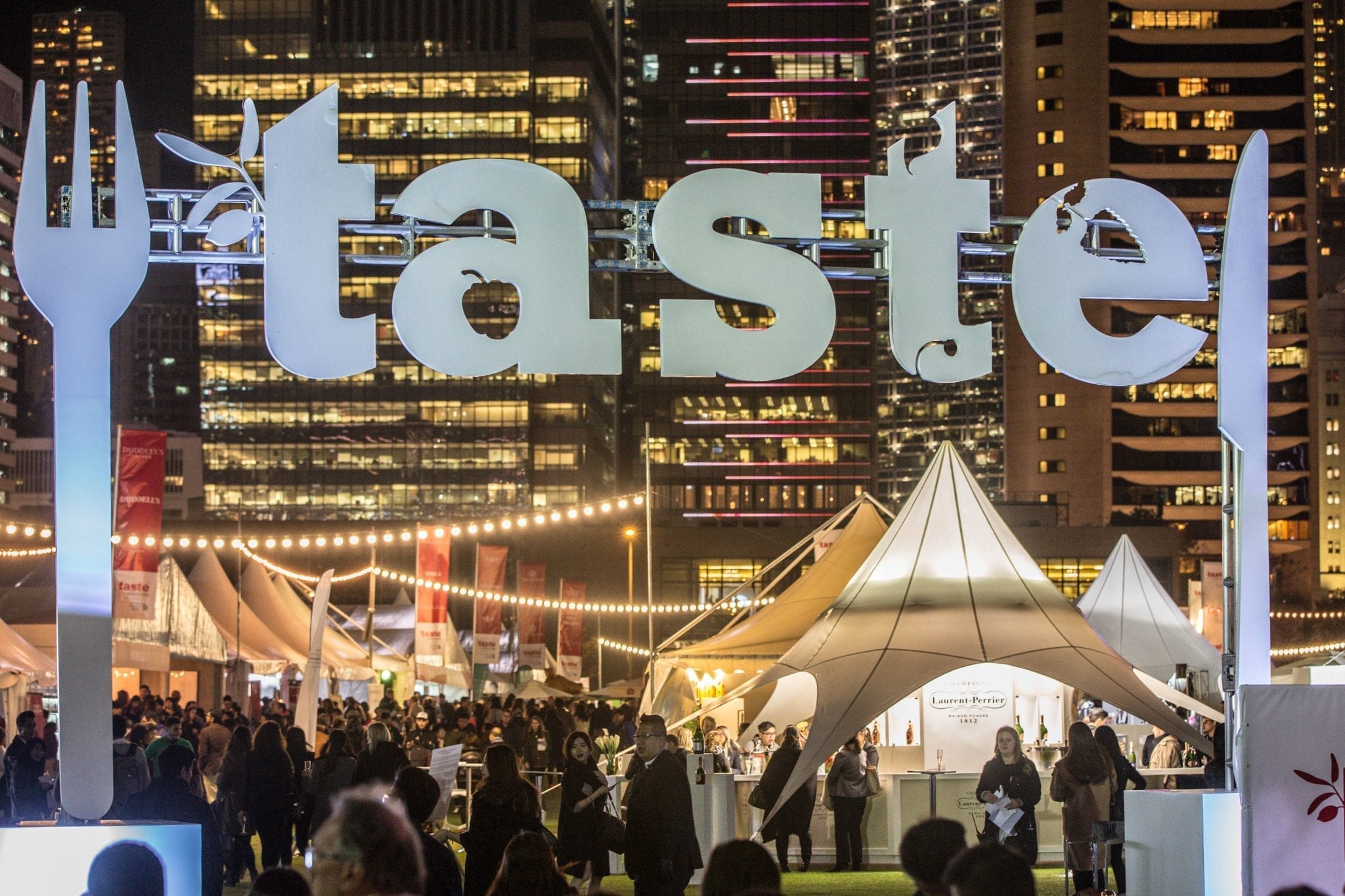
    This second edition of Taste of Hong Kong is set to be even bigger and better with more restaurants, dishes, artisan producers and culinary experiences to savor.

    “It was no question for us that Hong Kong should be the home of Taste Festival’s first Asian location – the city’s exceptional food culture and wealth of culinary talent is internationally recognized as some of the world’s best. The success of the inaugural event, which attracted around 15,000 visitors, solidified Hong Kong’s position and status as one of the world’s top food capitals, proving the city’s impressive appetite and knowledge for top tables and world class cuisine. Seeing Hong Kongers embrace the festival with such a high level of excitement, we decided to make the second edition 25% bigger. Taste of Hong Kong 2017 will be raising the bar once again, bringing some popular favourites and introducing the latest and greatest local and international culinary talent and trends with more premium dishes, exclusive offerings and culinary experiences for taste buds to discover,” says Simon Wilson, Head of IMG Culinary Asia.

    “Many of our Standard Chartered clients enjoyed the 2016 gastronomic festival and we recognise that gourmet food is the way to the hearts of our clients. This is why we want to continue to bring this experience to them and are proud to celebrate our 2nd year of collaboration with IMG,” said Samir Subberwal, Managing Director & Head, Retail Banking, Hong Kong.

    A not-to-be-missed highlight in the social calendar for all Hong Kongers, the world’s greatest restaurant festival will bring Hong Kong’s most celebrated restaurants together to serve a premium menu of more than 50 signature dishes on tasting plates and iconic one-off festival creations. Hong Kong has no shortage of food variety with a significant number of openings every year, building a community of fine hospitality in the industry. New additions to the Taste of Hong Kong 2017 menu include dishes from Kaum at Potato Head, Mercato, Okra, Rhoda and ZUMA. Culinary stars who have had a taste and are returning for more this year are Amber, Arcane, Café Gray Deluxe, CHINO, Duddell’s, Tin Lung Heen, Tosca and Yardbird.

    Discerning Hong Kongers will enjoy access to world class cuisine across the festival as well as the opportunity to shop at The Gourmet Market and the chance to learn a couple of tricks at the Taste Theatre from the region’s finest chefs over the weekend. Festival-goers can take a break and mingle with like-minded foodies while listening to a line-up of live entertainment in one of the many lounge areas at the festival.

    No party is complete without the best champagne. After more than 15 years of work, Laurent-Perrier will unveil the quintessence of its own style at Taste of Hong Kong 2017. This is the first time the La Cuvée will be seen in Asia, chilled and ready for oenophiles to enjoy with the finest Hong Kong cuisine.

    Etihad Airways, the official Airline partner of Taste Festivals will be running their “Taste the world” competition between restaurants at the event. They will send one Hong Kong chef to compete alongside 12 other world-class chef’s in the final of the ‘Taste the World’ competition at Taste of Abu Dhabi in 2017.

    Taste Festivals is celebrated in 22 destinations including Paris, London, Rome, Dubai, Sydney and Sau Paulo.