Tag: Food

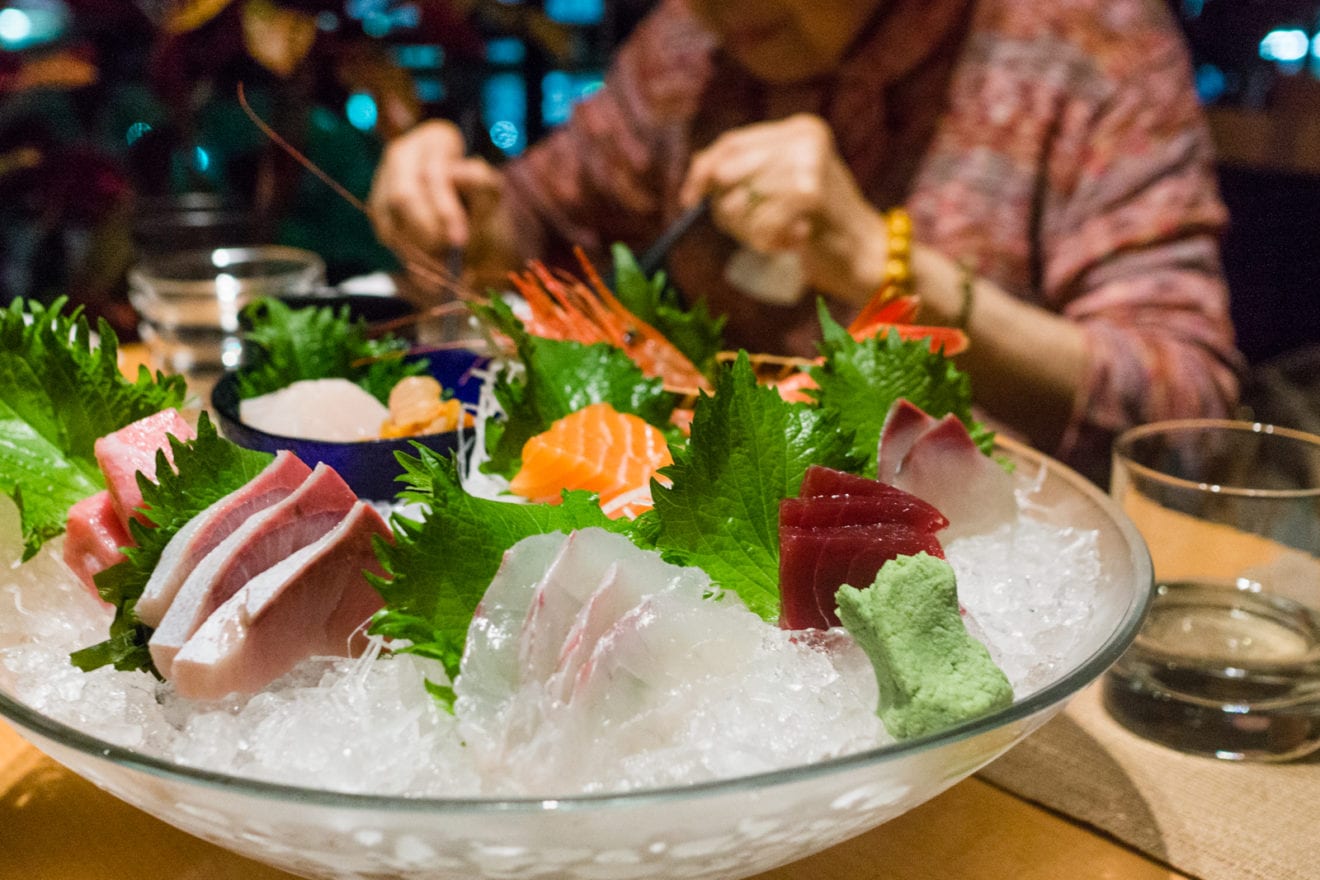
  • Japanese food traders target more exports to Thailand

    Japanese food traders target more exports to Thailand

    Last year, Japan’s exports of food and farm products reached 610.7 billion yen.

    Koichi Takano, director of the agriculture, forestry, fisheries and food division at the Japan External Trade Organisation (Jetro), said Thailand was a high-potential market because many Thais liked Japanese foods, while the country is a centre of Asean, which means many visitors come here.

    Thailand is Japan’s six-largest food importer, with imports last year worth 248 billion yen, up by 1.1 per cent from 2013. In the first half of this year, Japanese food imports by Thailand increased considerably, by 4.9 per cent year on year.

    Most Japanese food companies are small and medium-sized enterprises.

    Last week, Jetro Bangkok held a business-matching event between 40 Japanese food enterprises and more than 200 Thai businesses, including modern trade, retail and wholesale, hotels and restaurants. The event aimed to increase trade opportunities for Japanese producers of food and agricultural products in Thailand.

    Sachio Takiyama, director of Jetro Bangkok’s trade promotion department, said the organisation expected that each Japanese firm participating in this event would secure at least one trading contract or one business transaction with a Thai company.

    He said that with the rising popularity of Japanese restaurants here, Thailand would import more raw materials and food products from Japan.

    According to a Jetro survey in August, the number of Japanese restaurants in Thailand had grown by 11.5 per cent year-on-year to 2,364.

    Takiyama said Jetro Bangkok expected the number of Japanese restaurants in Thailand to increase by 10 per cent a year. Thus there is a strong opportunity for more exports of Japanese foods, rice and raw materials, as well as alcoholic beverages, to Thailand in the near future.

    Japanese products with high potential for export to Thai markets are premium-grade meat, alcoholic beverages, fish, and fruits and vegetables.

    Kouda Mayumi, a member of the technical staff of the beef promotion section of the Oita prefectural government, said the prefecture had started to export premium-grade beef to Thailand via Japanese importers last year, with a total volume of about 2 tonnes. She foresees strong demand in the Thai market.

    Shingo Yamashita, senior adviser to Azuma-Cho Fisheries, said demand for fresh fish in Thailand was expected to increase considerably as spending power rose along with the popularity of Japanese restaurants here.

    The company exports about 50 tonnes of buri fish, also known as yellowtail, to Thailand each year.

    Masanobu Miyazaki of JTF Trading, an importer of beef and fish from Japan to Thailand, said demand for Japanese food here had increased strongly over the past few years.

    Vegetables

    Takashi Kato, assistant manager of Bangkok Food System, an exporter of Thai vegetables to Japan and importer of Japanese food to the Thai market, said the company had exported Thai vegetables to Japan for more than 30 years.

    It foresees imports of Japanese foods to Thailand increasing, due not only to demand from Thais themselves but to the rising number of Japanese residents in this country.

    “Now, with higher demand for Japanese foods, we will import Japanese rice, vegetables and fruits to Thai markets to serve restaurants and supermarkets,” he said.

    Haruhiko Sunakawa of Okayama Fruits Company wants to export Muscat grapes to Thailand, along with other fruits such as peaches and strawberries.

    He is now looking for distributors or modern trade outlets to buy such products.

    Kyoko Yoshida, director of Shiyoshida-Syuzou, a producer and trader of shochu, a distilled beverage, said the company has started to introduce the product to the Thai market two years ago. So far, the company has exported it to some Japanese restaurants in Bangkok, and wants to seek |modern-trade partners as distributors.
  • McDonald’s India to double network

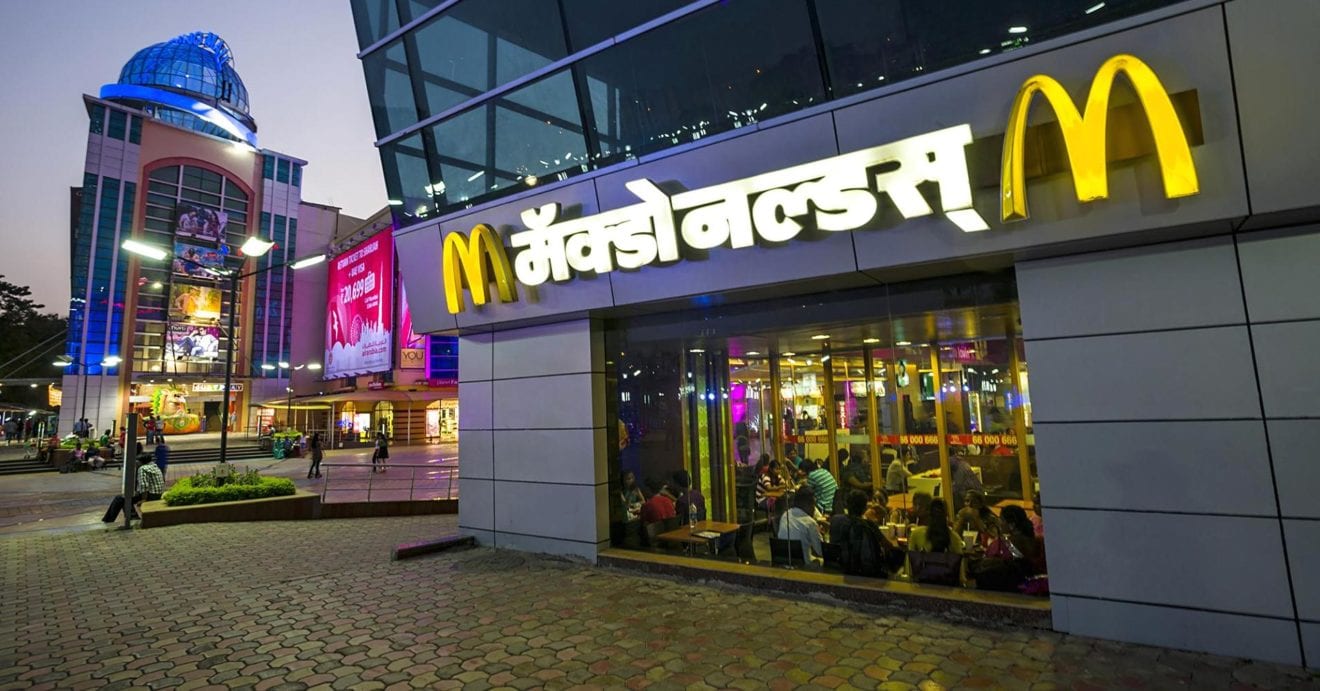
    McDonald’s India to double network

    McDonald’s India says it plans to open a new restaurant every week for the next five years.

    That’s 250 restaurants by the end of 2015, more than double its current network of 231.

    McDonald’s India master franchisee is Westlife Enterprise, whose vice chairman Amit Jatia says the growth focus will be on the western and southern parts of the country.

    McDonald’s launched in India 20 years ago, essentially the first of the crop of global fast food chains to establish a presence there. Now it faces growing competition from the likes of Burger King, Domino’s and Pizza Hut for a share of the growing fast food market.

    Jatia says McDonald’s will be expanding its coffee offer, opening the McCafe concept within its fast food restaurants as part of a move away from softdrinks.

    “We offer a range of smoothies, besides coffees and this encourages customers to opt for non-carbonated drinks,” he said in an interview with the India Times.

    The McCafe network will be expanded from the current 45 to about 140 within two years.

  • No sale threat to Tesco Thailand

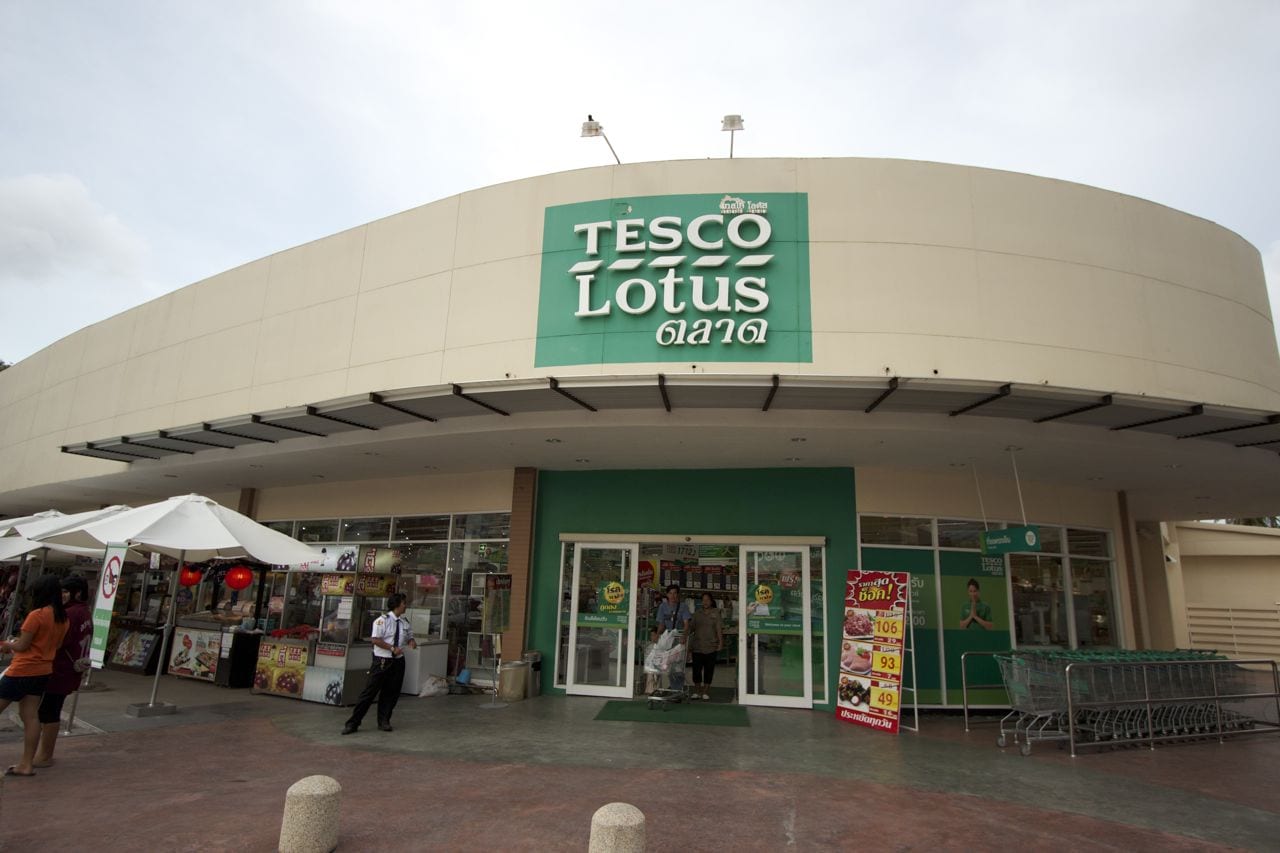
    No sale threat to Tesco Thailand

    There seems little prospect of the Tesco Thailand business – trading as tesco Lotus – being sold or scaled back in the wake of the British JV partner’s sale of its South Korean Homeplus business last week.

    Tesco PLC is under intense pressure to reduce debt and improve its trading profit, a goal which received a significant boost last week with the US$6 billion sale of the Homeplus business.

    Tesco Lotus operates some 1400 stores in Thailand, 1100 of them Express outlets, essentially oversized convenience stores, the balance hypermarkets.

    The company said in a statement that it has confidence in the Thai market’s growth prospects and planned to continue with expanding its store network.

    Early this year the company projected it would open 50 new Express format stores in 2015 and five new hypermarkets.

    Meanwhile, an “industry source” told the Bangkok Post newspaper following the Homeplus sale that it was unlikely Tesco would sell its stake in Tesco Lotus.

    “I don’t think the Thai operation will be sold, as it is healthy and profitable with a lot of market potential and expansion,” the source said.

  • Honestbee, NTUC FairPrice partner online

    Honestbee, NTUC FairPrice partner online

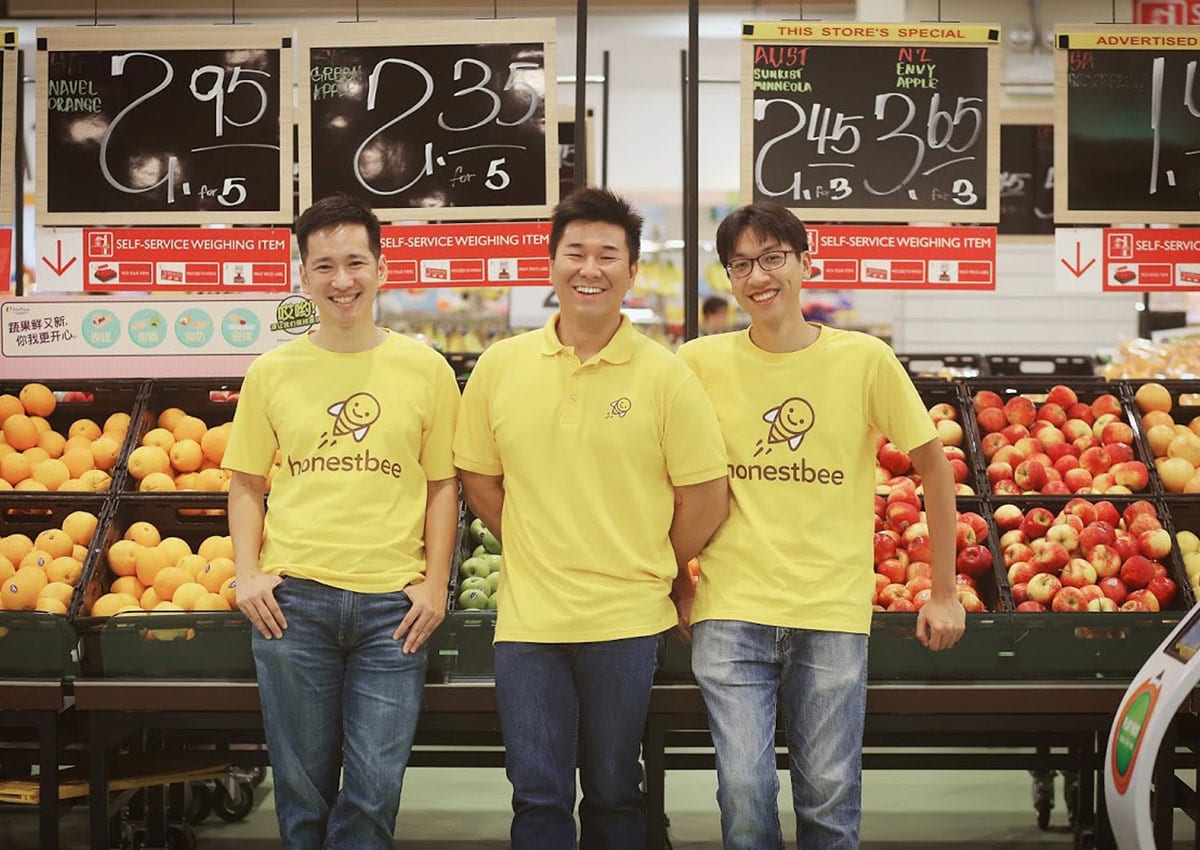
    Singapore-based Honestbee and NTUC FairPrice have partnered to enable customers to have FairPrice products delivered to them within the next hour.

    This enables customers to carry out their grocery shopping from their favorite stores – in the comfort of their homes – via the honestbee online portal and receive their delivery in the next hour.

    Honestbee started just eight months ago and is already planning imminent expansion into Hong Kong and Taiwan and with further Asian markets on the radar.

    It is the first ‘concierge grocery delivery service’ in Singapore.

    “Through this partnership, we look to enhance the overall retail experience for customers and elevate the online supermarket retail industry to even higher heights,” said Honestbee co-founder and CEO Joel Sng.

    “With honestbee, we are now able to provide an on demand level of convenience for NTUC FairPrice and all customers.”

    “Through this partnership, we look to enhance the overall retail experience for customers and elevate the online supermarket retail industry to even higher heights,” said Dominic Ng, deputy GM (FairPrice Online) NTUC FairPrice.

  • Food placed to defy retail downturn

    Food placed to defy retail downturn

    Rising income levels in some of Asia’s fastest growing economies are set to drive solid growth in food retailing according to a report by logistics company DHL.

    While retail sales in many categories in Hong Kong, China, Macau and other parts of Asia are suffering from decline, or at best static growth, food retailers are set for a boom according to independent research commissioned by DHL Hong Kong.

    Some 300 industry decision makers were surveyed in India, Indonesia, Thailand and Vietnam for the report, titled Hungry for Growth: Logistics Trends in Asia’s High-Growth Food Retail Markets.

    It found that one in four of the companies polled expected to grow sales by 10 per cent or more this year – and six in 10 predicted growth of at least six per cent.

    However, the report also found that up to 38 per cent of those surveyed were unaware of their total logistics costs, while 37 per cent lacked any KPIs or formal measurements for their supply chain performance, potentially impacting their ability to keep shelves stocked and orders filled as demand and competitive factors grow increasingly complex.

    “Rapid increases in purchasing power, coupled with surges in demand driven by population growth, will yield obvious expansionary benefits to food retailers,” said Dean Eichorn, VP retail for DHL Supply Chain Asia Pacific.

    “However, any food retailer’s success is ultimately dependent on the agility of their supply chains when faced with demand volatility, seasonal fluctuations, and other complex market factors. Asia’s food retail industry looks set to undergo significant growth in the next year, and only with greater understanding and control of their logistics operations will companies be able to take advantage of new opportunities.”

    The research found that food retailers are increasingly at risk from unpredictability on both demand and supply sides of their operations. In the four countries surveyed, late supplier deliveries were most commonly cited as food retailers’ top concern, while 36 per cent admitted that demand volatility had a major impact on their businesses.

    Issues around supply chain performance and costs varied around the region: fuel, labor, and imbalances between supply and demand ranked amongst retailers’ top cost issues.

    “Many of these concerns are amplified because a large number of food retailers don’t have visibility of their logistics operations, let alone the resources or subject expertise to improve and optimise them,” said Eichorn.

    “Food retailers need reliable, agile supply lines if they’re to focus on their core competencies and compete. This agility only comes from being able to manage the supply chain as an end-to-end process across transport, warehousing, and value-added services in a way that’s rapidly scalable without creating extra complexity.”

    The research also found that more than 60 per cent of food retailers have not outsourced any aspects of their supply chains, suggesting that retailers who actively adopt third-party logistics solutions stand to gain significant first-mover advantages over their competition. Of those surveyed, 44 per cent believe inventory optimisation technologies would be beneficial to their overall performance, while 38 per cent see advanced transport management services, like track and trace, as helping them improve reliability in meeting demand.

    “Asia’s food retailers recognise the need to innovate and change, but the technologies and process transformations required to do so aren’t their domain of expertise, and nor should they be,” said Eichorn.

    “The key to growth and expansion in Asia’s food retail industry, and those of other developing regions where we’re seeing similar trends, will be how effectively operators can take advantage of third-party expertise and managed solutions in everything from technology to end-to-end supply chain management.”

    The DHL report said food retailers in Asia’s emerging markets are headed for a period of significant disruption, driven largely by rapidly growing competition and consolidation both within and between national markets.

    “For the vast majority of those retailers, the strength and agility of their supply chains will make or break how they align customer service to the rising expectations of increasing middle-class consumers, respond to demand and cost fluctuations, and develop new ways to differentiate themselves against increasingly hungry competition,” the report concluded.

  • Shrinking 7-Eleven Singapore turns to meals

    Shrinking 7-Eleven Singapore turns to meals

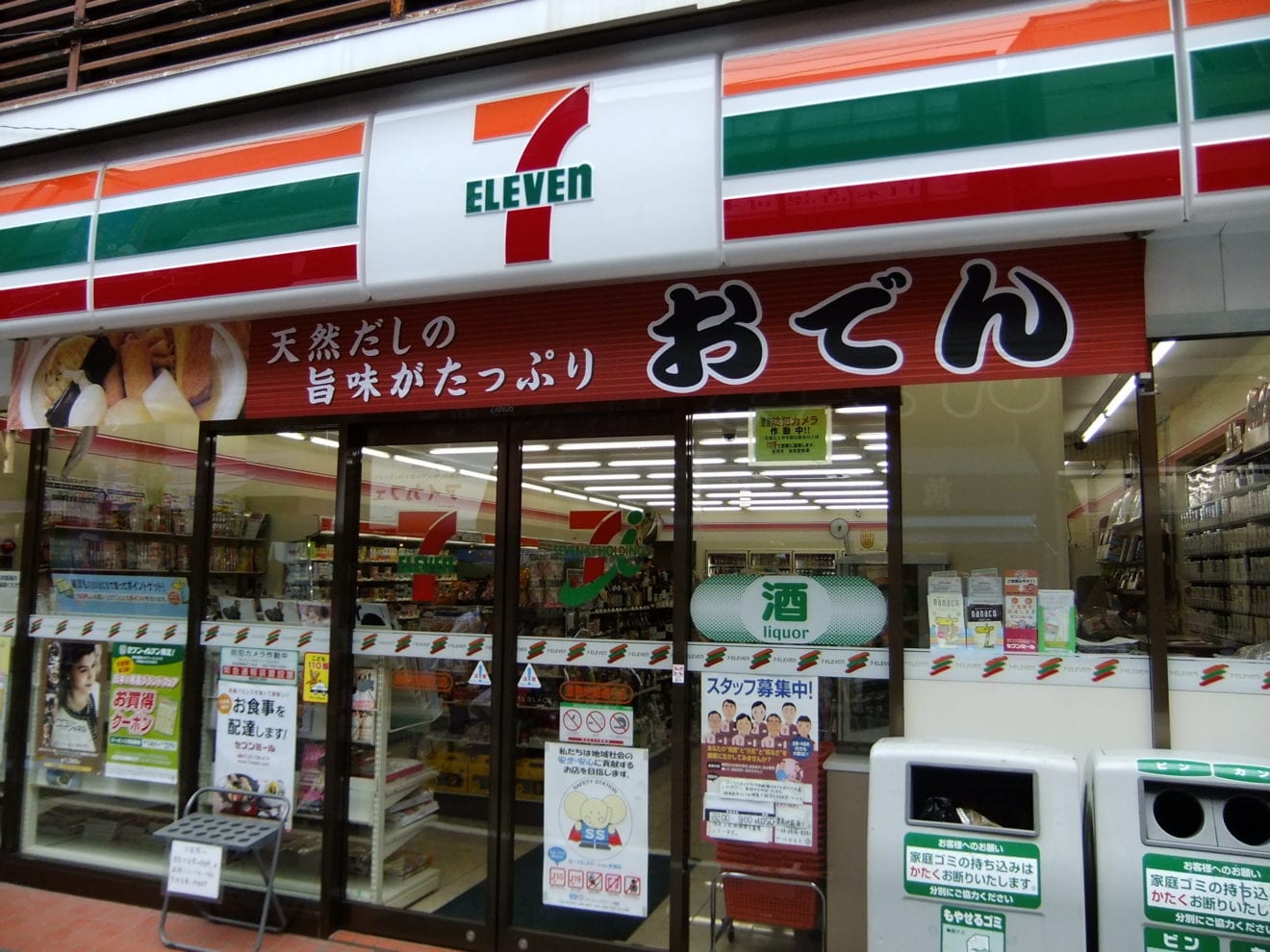
    7-Eleven Singapore is preparing to launch a range of ready to eat meals across its 500-strong store network, in what CEO David Goh says is the core pillar of its ‘change in direction’ business plan.

    The Singapore convenience store network, operated by Hong Kong-based Dairy Farm International, has trialled a chicken and rice meal in two stores as the first step in what will eventually be a full scale roll-out of ready to eat foods.

    About 100 stores will get the new range by the end of this month, the remainder by the end of November.

    The company hopes a fresh meals focus will lead a turnaround in the business, which closed about 60 stores over the last two years. Squeezed by the tight labour market and tough new liquor sales laws, the company is searching for new categories to drive growth and restore profitability for franchisees.

    “In the last few years, we have closed more stores than we (have) opened,” Goh said in an interview with Today.

    “This has now stabilised. Having consolidated and redeployed resources, we may be opening as many, if not more, stores than we closed over the next couple of years.”

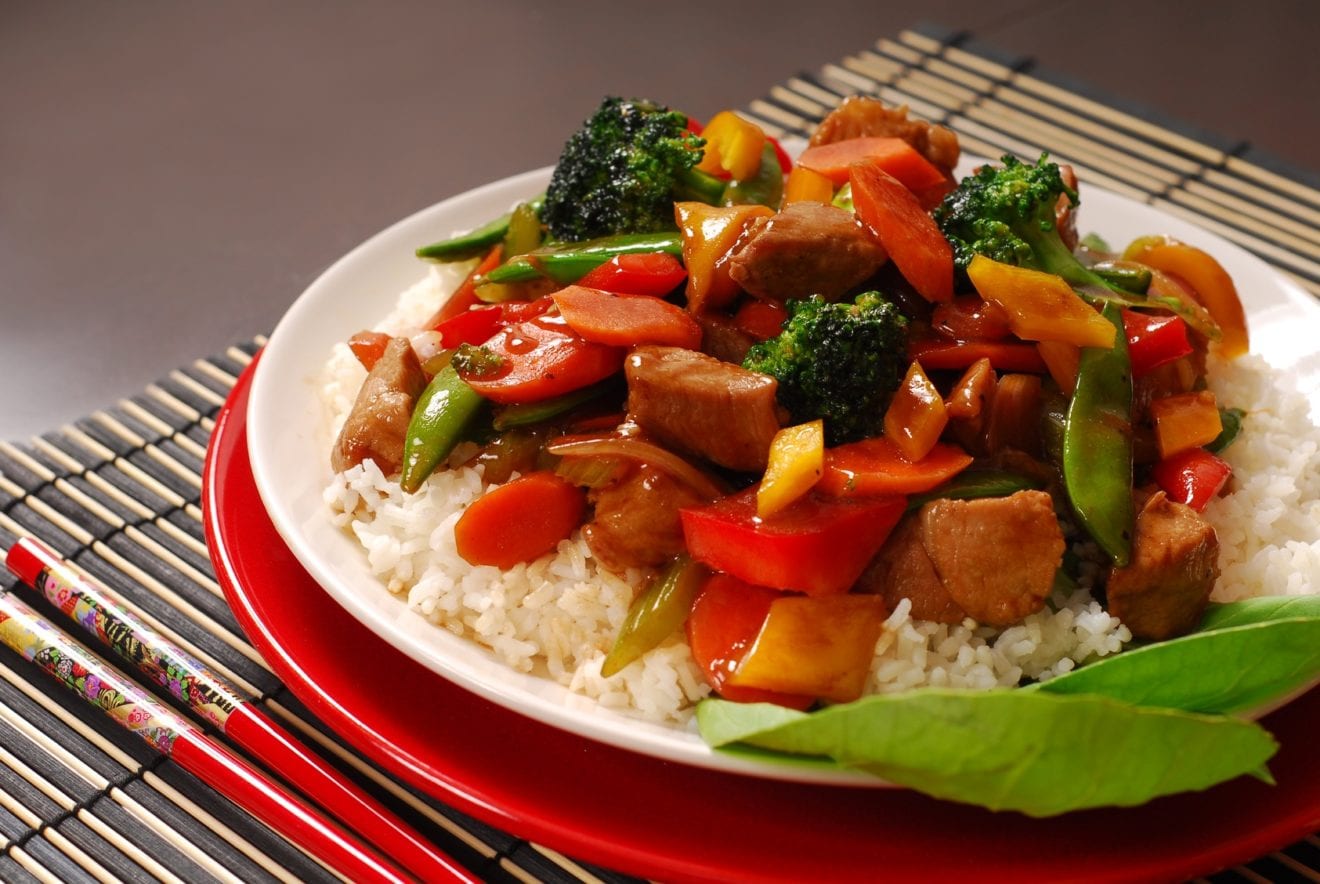
    Goh said the chicken rice meal was developed after staff searched for and taste tested the best chicken rice dishes in the city. The goal was to create a meal which looked and tasted better than meals available at coffeeshops and hawker centres.

    In Japan, ready to eat meals are a key category in 7-Eleven stores, which sell sushi, noodles and bento boxes to time-poor Japanese consumers.

  • OldTown Coffee suffers as Malaysians spend less

    OldTown Coffee suffers as Malaysians spend less

    Malaysian cafe chain OldTown Coffee has reported falling sales and profits as Malaysians continue to get used to life after the imposition of GST on April 1.

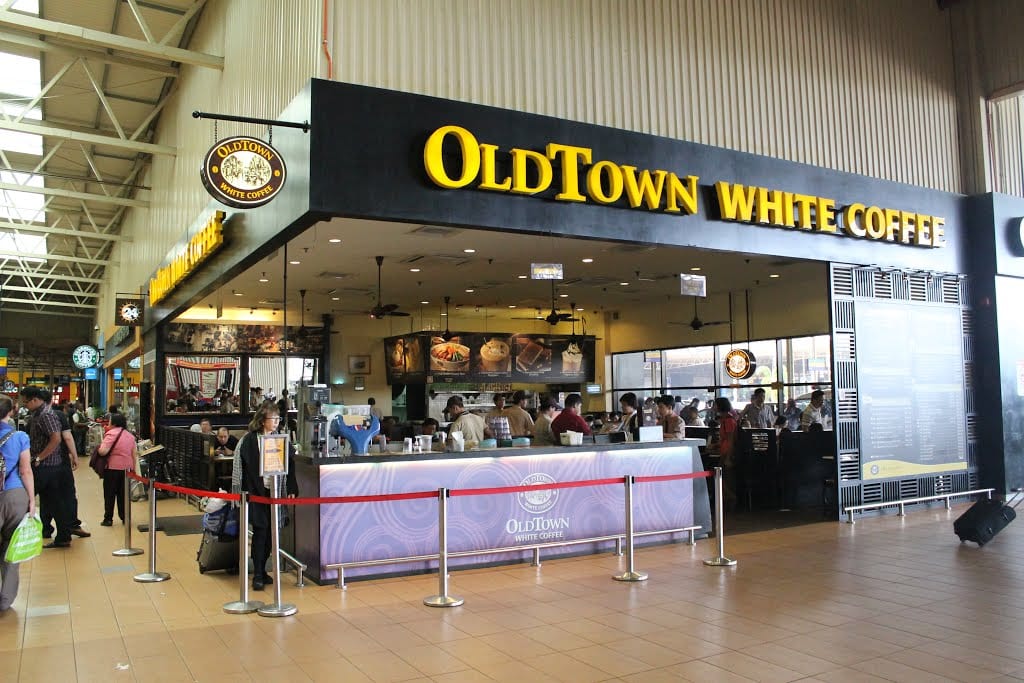
    The company, which operates 210 discount coffee shops and sells packaged coffee through FMCG channels, posted a profit of RM9.49 million ($US2.2 million)  in its first quarter, to June 30, 6.8 per cent less quarter on quarter and an unhealthy 18.9 per cent less year on year. Topline sales slumped 10.5 per cent quarter on quarter and 3.9 per cent year on year to RM94.06 million (US$22.3 million).

    OldTown concentrates on the local Malaysian market serving milky coffees and light snacks – it does not make espresso-style coffee drinks like Starbucks.

    The company says its declining fortunes were driven by a downturn in cafe sales, rather than packaged goods: Same store coffee shop profit fell 46.4 per cent year on year.

    The company plans to open 10 new outlets before the end of the current financial year, next March, representing an expansion of about five per cent.

    Sales of packaged foods – mainly instant coffee and coffee mixes – rose 29 per cent.

  • Singapore’s Impressive Food Security

    Singapore’s Impressive Food Security

    In many parts of the world, food security is emerging as a serious threat. Increasing population, land and water constraints, changes in dietary habits with increasing affluence, the impact on global food production of floods and droughts in major food producing areas, falling food exports, and a rising number of importing countries – all are contributing to these uncertainties. The problem is likely to be compounded in the future by climate change.

    In the years to come, food security in most countries will become more complex than ever. For Singapore, among the world’s most open economies and one that is highly dependent on international trade, the situation is likely to be even more complex. The city-state’s volume of external trade is about 3.5 times its annual gross domestic product. A decline in the economies of its major trading partners is therefore likely to have an impact on Singapore’s own economy, including its food security.

    Economist Intelligence Unit recently ranked Singapore as the second-most food secure country in the world, behind only the United States. The Unit’s Global Food Security Index is based on three factors, affordability, availability, and quality and safety. Singapore ranks 1st, 11th and 13th on these three criteria, respectively. That puts it ahead of major food-producing countries like Malaysia (34), Brazil (36) and Australia (9). This achievement is largely attributable to the Agri-Food and Veterinary Authority (AVA), and comes despite a heavy dependency on food imports. At present, Singapore imports almost 90 percent of its food, and less than 1 percent of its land area is used for agriculture.

    Through its Food Security Roadmap, AVA has diversified sources of food and optimization of local production. These policies, especially those that seek to diversify the source of food imports, are important as they help to spread the risks associated with Singapore’s high levels of food imports.

    The Sino-Singapore food zone established in Jilin Province, China, in 2010, is just one example of food diversification efforts. The Jilin food zone has been designed as a foot-and-mouth disease-free-zone so that it can be an important source of pork. Not without its challenges, it is meant to enhance the city-state’s food security. This will provide further resilience against food supply disruptions.

    AVA has also ensured increased local food production over time through the provision of the Food Fund. Investments in new farming techniques such as hydroponics have contributed to a 30 percent increase in local vegetable production over the past 10 years. By the end of 2014, some 40 percent of local farms had benefited from this Fund.

    Singapore’s net imports for food, beverages and alcohol (clustered in one group) are quite high, at approximately S$15.57 billion ($10.9 billion) in 2014. Some of Singapore’s most important trade partners, like the United States and Australia, place great importance on the city-state’s retail food market. The U.S. sees Singapore as diverse, dynamic, highly developed, extremely competitive, and very strict with its sanitary requirements. Customers in Singapore are considered to be open to a wide range of foreign concept foods, conscious of food safety and health, and aware of sustainable products. However, they are not necessarily willing to pay more for them.

    In 2013, the U.S. exported retail food products to Singapore worth approximately $575 million, making tiny Singapore its 13th largest market. Exports were led by dairy, prepared foods, fresh fruits, and pork products. For Australia, Singapore was its 9th largest market for food, beverage and agribusiness products in 2014, with exports of A$1.1 billion ($760 million) the same year, principally animal fats, dairy products, red meats, sugars and sugar confectionery and pork.

    Direct imports are not the only reason for Singapore’s international relevance. Its location and trading hub status makes it a vital market for exporters. For example, the percentage of imported food that is re-exported to other countries is approximately 20-25 percent.

    Resilience

    From a policy perspective, Singapore has managed to accomplish the difficult task of becoming a food secure country by boosting the resilience of its food supply. Policy alternatives such as diversification of sources, the Food Fund, and facilitating food imports are all important components of a well planned and coordinated strategy. Nonetheless, the next 50 years are likely to be more complex as alternative possibilities depend on external forces and are subject to global change over which the city-state will have no control.

    Globally, increasing resilience has been acknowledged as an effective strategy against fluctuations in supplies. This encompasses partnerships, financing, trade, technology, and research and development, all of which are already part of Singapore’s strategy.

    What else can the city-state do? One alternative is to reduce food waste. Another would be to continue investing in innovative food science and emerging technologies. High-tech, visitor-friendly urban agriculture on the East Coast, or even in very fashionable 50-plus story buildings designed by the nation’s most innovative architects could be very significant options.

    Highly sophisticated greenhouses that control their environments (temperature, carbon dioxide levels, air flow and nutrients) and situated on ships adapted for this purpose could be another alternative. Projects as visionary as the Marina Reservoir (with a catchment that is about one-sixth the size of Singapore’s total land area) or as innovative as Pulau Semakau (the world’s first offshore landfill) for highly intensive agriculture could represent additional possibilities.

    Agricultural investment or contract farming abroad – something that other countries, financial services, life insurance, and pension schemes have done – is a distinct possibility. Stable nations such as Australia, the United States, or Brazil may provide attractive business possibilities.

    Singapore continues to develop its food security strategies, seeking opportunities and addressing risks in an increasingly complex environment. One relevant lesson that other Asian countries could learn from the city-state is the understanding that food security does not mean food self-sufficiency, since no country can be self-sufficient in all food products. National food security depends on both domestic production and imports, and requires effective distribution, in addition to diversification, partnerships, and good long-term planning. These are the reasons why Singapore, which imports most of its food, has become the second-most food secure country in the world.


  • Johnny Rockets to focus on Southeast Asia

    Johnny Rockets to focus on Southeast Asia

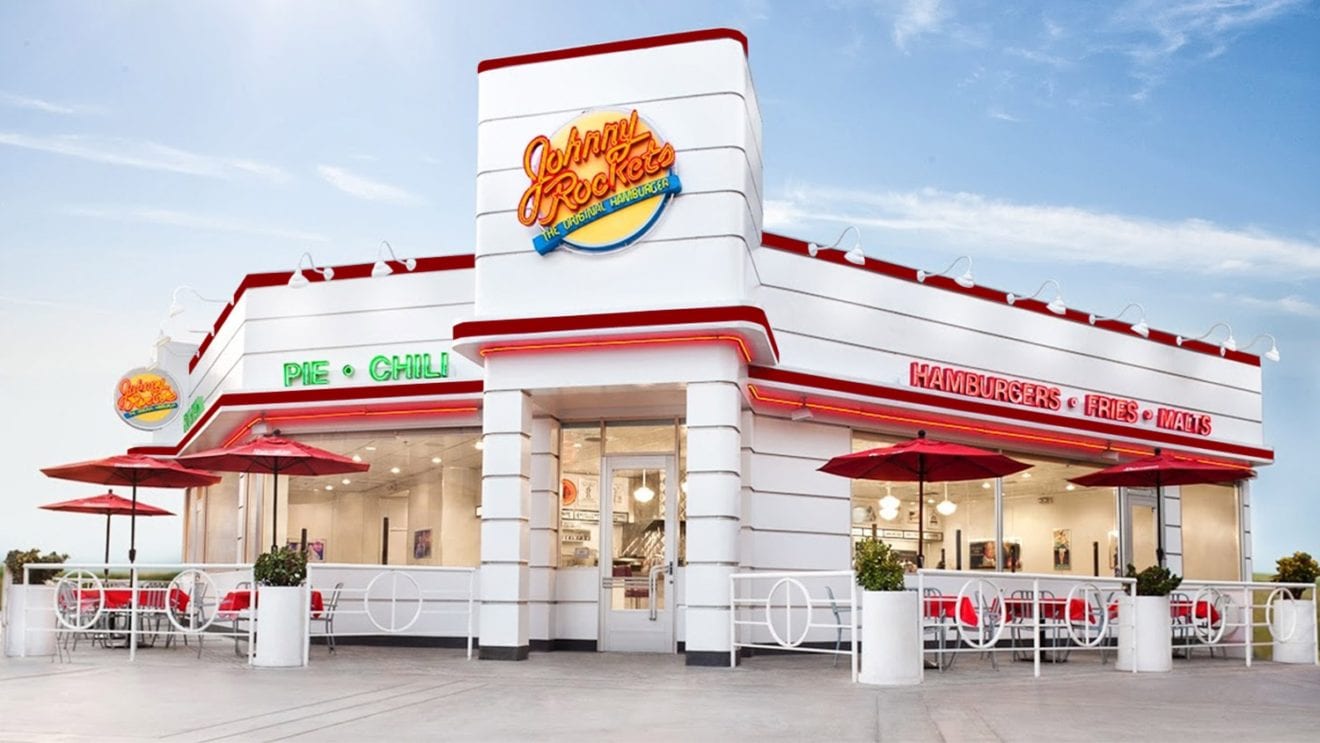
    US burger chain Johnny Rockets says Southeast Asia – particularly Vietnam and Thailand – will be the focus of its global expansion in the short term.

    Based on Johnny Rockets’ “all-ages appeal and current success in the region” the company is seeking area developers for expansion into both new markets.

    “The popularity of American culture and cuisine in Southeast Asian countries is the driving force behind our current success and growth in these markets,” said James Walker, president of operations and development with Johnny Rockets.

    “Due to Thailand’s and Vietnam’s customer base and proximity to other Southeast Asian countries where we operate, we see huge potential for the brand in those countries, and we are actively seeking franchise partners looking for development opportunities.”

    In addition to its Southeast Asia strategy, Johnny Rockets is also seek a partner in entering Hong Kong. Earlier this year, Johnny Rockets announced a 100-restaurant agreement in mainland China, the largest expansion in the company’s history.

    Walker says Southeast Asian consumers have “enthusiastically embraced” American restaurant franchises for years, and that has proven true for Johnny Rockets. The brand currently operates in Indonesia, the Philippines and Malaysia through 14 restaurants and has eight more in development.

    He says Johnny Rockets’ signature American menu, including cooked-to-order hamburgers, crispy fries, hand-spun shakes and sandwiches, coupled with its “Americana experience” appeals to Asians.

    “What we have found is that as the region’s middle class booms, that population segment is looking for and willing to spend more on premium burger concepts. They certainly find that with Johnny Rockets. They also discover and relish our experience and entertainment value.”

  • Jamie Oliver heads to India

    Jamie Oliver heads to India

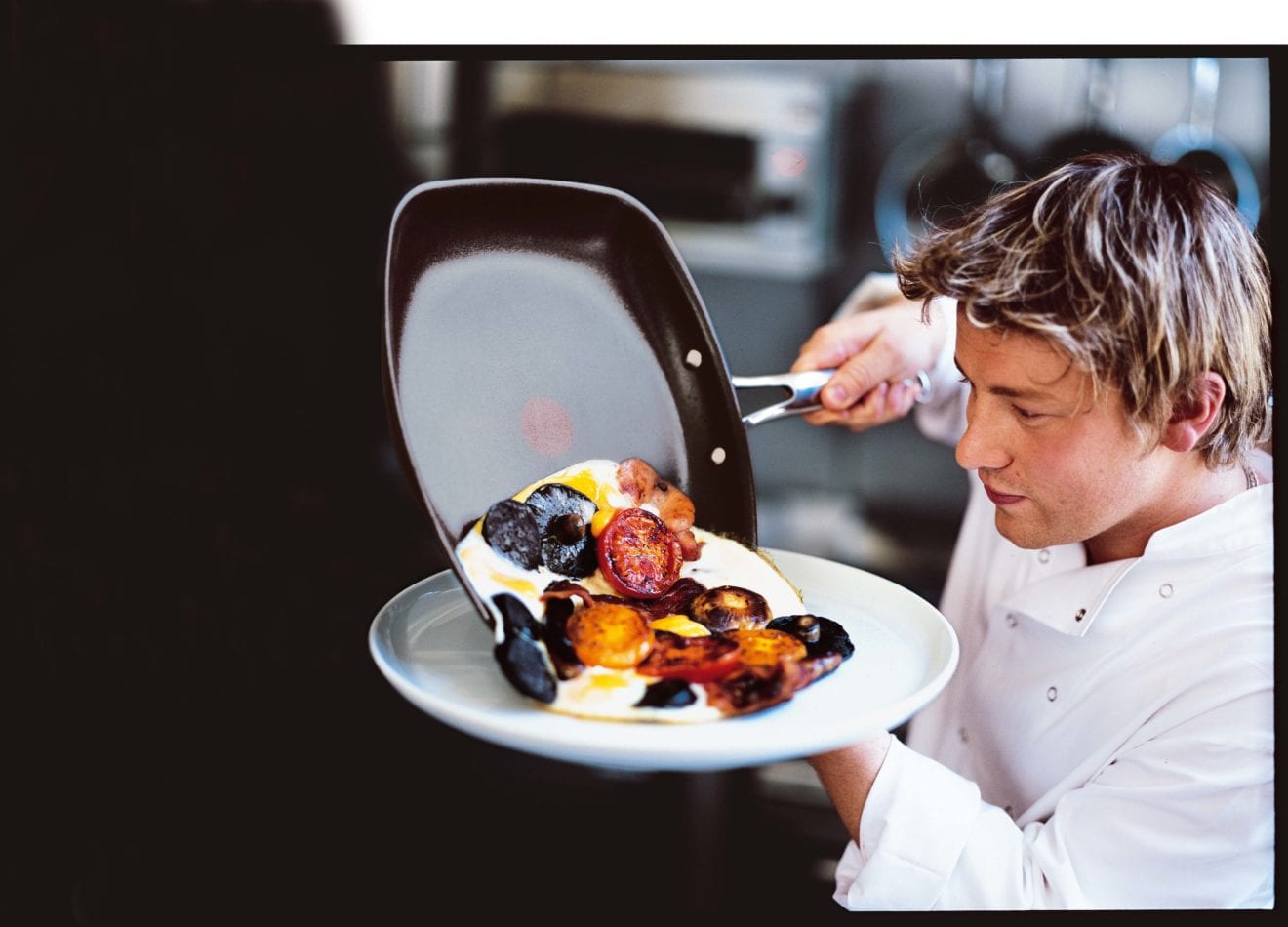
    UK celebrity chef Jamie Oliver is to open his first restaurant in India.

    Jamie’s Pizzeria, a 60 seat restaurant serving pizzas, salads, sides and desserts, will open in Delhi this autumn.

    “I can’t tell you how excited I am to be bringing Jamie’s Italian and Jamie’s Pizzeria to India. Delhi is a vibrant, colourful, buzzing city with an already incredible food scene, so to be opening two restaurants there is a huge honour,” Oliver said in a statement.

    The pizzeria will be the first of several planned for major Indian cities. Oliver already runs 30 restaurants globally, including in the UK, Dubai, Hong Kong, Russia, Australia, Singapore and Toronto.

    The Indian business is a joint venture between Delhi-based Carnation Hospitality, which operates Wendy’s and Barista franchises in India, and UK-based International Market Management.

    “We chose Delhi because we found a great launch site and feel that we can offer something new to the market, this is to say highly accessible, affordable restaurants serving great quality Italian food sourced with the greatest care,” said Jasper Reid, IMM’s founder, in an interview.

    “It’s a fun and easy-going place offering customers the highest quality but at amazing value. The plan is for customers to get a yummy pizza and a drink for around Rs 400 to Rs 450. We feel there may be a gap in the market for this quality and this price,” Reid said.

    He added that the partnership will launch the other Jamie Oliver brand, Jamie’s Italian, in India as well.

  • E-Land to launch Coffee Bean China

    E-Land to launch Coffee Bean China

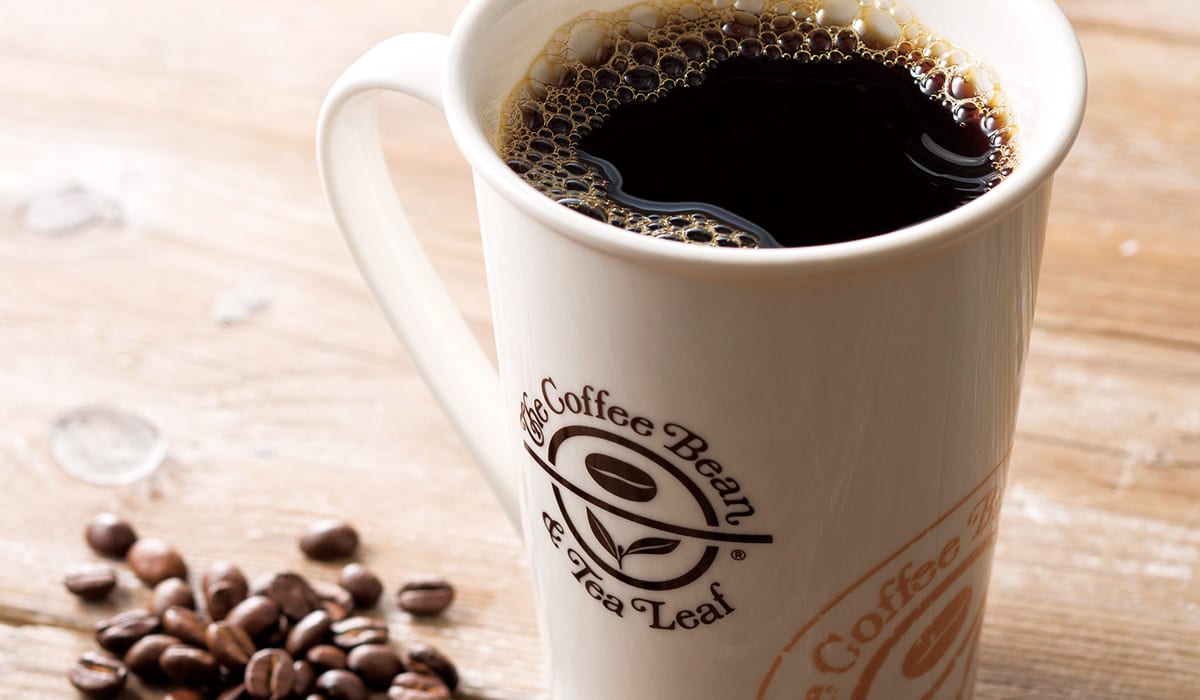
    South Korean retailer E-Land has sealed a deal to launch Coffee Bean China by the end of 2015.

    The California-headquartered cafe chain, also known by its full name Coffee Bean & Tea Leaf, says China will be its 28th international market. The China joint venture plans 700 cafes across the country.

    It has already achieved considerable success in Asia, especially in Malaysia, Vietnam, Singapore and Thailand.

    E-Land operates a vast network of 7000 fashion stores in China and about 20 restaurant brands.

    “Together with E-Land’s vast retail experience and success to ensure our continued growth in China, we’re proud to put our Southern California style of hand roasted coffee and whole leaf teas on the map in yet another country,” said Jeff Schroeder, senior VP of operations at The Coffee Bean & Tea Leaf, in a statement.

    Coffee Bean has more than 1000 cafes in 28 countries and earlier this year opened its first stores in Japan.

    While 700 cafes might seem like a large number in China, it would be dwarfed by rival Starbucks which already boasts 1700 cafes.

  • Starbucks tests smart smartphone case

    Starbucks tests smart smartphone case

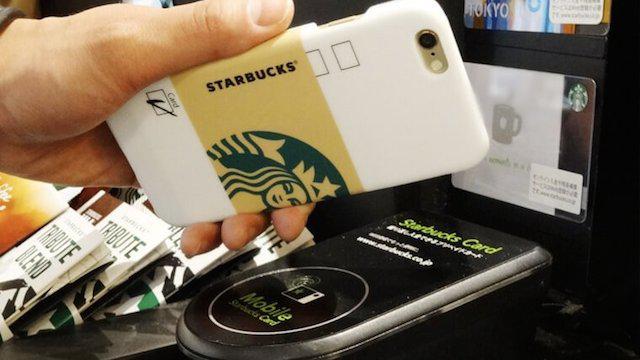
    Starbucks Japan is involved in a unique trial which allows customers to order and pay for their coffee with a swipe of their phone.

    The concept uses a branded smartphone case which is preloaded with the customer’s preferences.

    Trend monitoring website Springwise.com reports the Starbucks Touch phone case was developed in collaboration with Japanese clothing brand Uniform Experiment, and can currently be used in two Starbucks branches in Japan.

    The case – made for iPhone 6 – is designed to resemble a Starbucks coffee cup and features the brand’s iconic logo. It works like a prepaid Starbucks loyalty card, letting customers make cashless coffee purchases. It also enables users to save their preferred store and favorite beverage via a companion app. Upon arrival, customers simply launch the app and place their order, settling up by touching their phone case on the contactless payment device.

    The Starbucks Touch is available online for JPY 3000, or about US$25.

  • Coca Cola’s China rise

    Coca Cola’s China rise

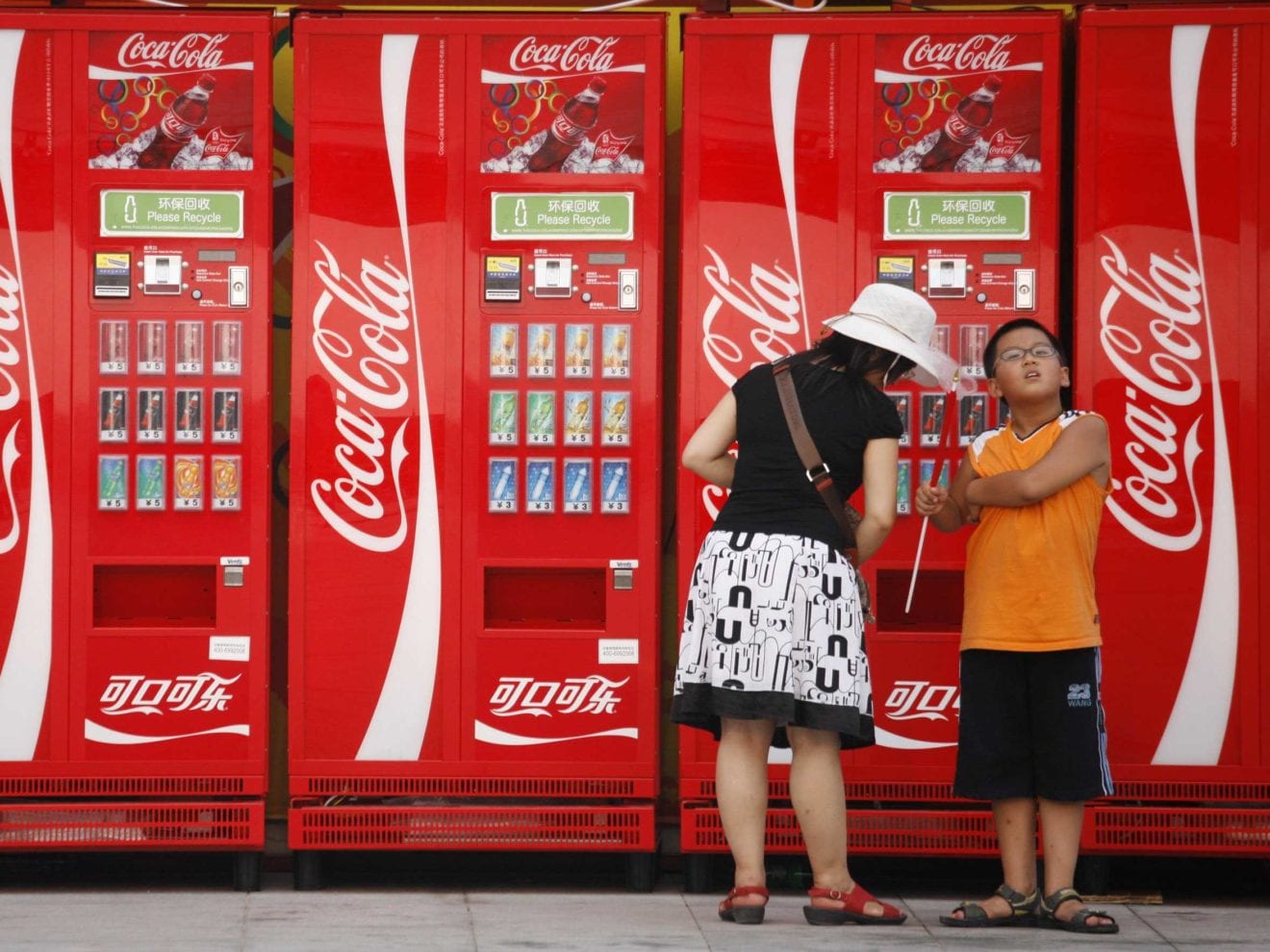
    Coca-Cola has been a symbol of Western commercialism since its founding in the late 19th century, with one of the world’s most highly recognizable logos.

    Forty years ago, it was unthinkable that Coca-Cola would ever be available in what is now one of the brand’s biggest markets: Communist China. The story of its entry into China is not only inspiring, but can also still provide valuable lessons to foreign brands trying to enter the world’s fastest-growing market today.

    Coca-Cola’s factories were nationalised in 1949 under order of Chairman Mao Zedong, who deemed the drink a ‘bourgeois concoction’. After Deng Xiaoping opened the Chinese economy in the late 1970s, the company was eager to return. Its rival, PepsiCo, had just won the bid for the Soviet Union, putting pressure on Coke not to lose the world’s other communist giant.

    It all started when Peter Lee, now known as the first President of Coca-Cola China, received a call from former Coca-Cola Chairman J. Paul Austin asking him to try to launch the brand in China. Lee got to work right away, telexing the China National Cereals, Oils and Foodstuffs Corporation (currently known as COFCO). After a six-month wait, he was finally sent a message saying he was “welcome to come to Beijing for negotiations”.

    Once in China, Lee managed to convince his Chinese counterparts to sign an agreement under the premise that since the country was finally open to tourists from all over the world, “we have a product we believe most tourists will love.” They signed the agreement on Dec. 13, 1978, though the deal was not publicized until after US President Jimmy Carter announced the mutual recognition of the US and China and the re-establishment of diplomatic ties between the two nations two days later on December 15, 1978.

    As the first foreign FMCG-company to enter the Chinese market, Coca-Cola faced various challenges. The company was limited to selling only to tourists with their first shipment in 1979, while under strict supervision of Chinese officials. Coca-Cola, however, wanted to reach Chinese consumers and was punished with a 12-month ban after holding an illegal street promotion in Beijing in 1980. After the restriction was eased, Coca-Cola built its first production facility on Chinese soil, which was wholly owned by COFCO. In 1988, the company had another breakthrough when it launched its first Shanghai cooperative joint venture. From then onwards, it could be said that Coca-Cola truly had entered China.

    After Coca-Cola’s entry to China, its subsidiary brands soon followed in its footsteps. The most successful brand was Minute Maid, which entered China in 2004 with the flavors orange and grapefruit. This decision was very deliberate: Although the Chinese didn’t know Minute Maid very well, it had a strong reputation in the global beverage industry. And by positioning Minute Maid as a “global brand”, it was easier to generate buying confidence among Chinese consumers.

    The Coca-Cola Company started a revolution in China, as well, by focusing not on the brand name Minute Maid in commercials, but on the flavor of the product itself: “Fruit Pulp Orange.” This decision to name the product benefit before the brand name turned out to be a great success: Minute Maid became the first billion-dollar brand to emerge in the Chinese market for Coca-Cola. The success of “Fruit Pulp Orange” also came at a cost—it sparked a huge number of copycats and counterfeits. The lesson learned was that the IP-holder Coca-Cola needed to keep an eye out for counterfeit products in order to protect its trademark.

    Coca-Cola is a model for “first-in-market advantage”. It was the first foreign brand to move into China, and is therefore ingrained in the collective Chinese memory and consumer market.

    This paved the way for other well-known brands: Coke’s main competitor, PepsiCo, entered China in 1981. PepsiCo’s current CEO, Indra Nooyi, remembers her first time in China for PepsiCo where she saw local Chinese eating Lay’s potato chips with chopsticks. Nooyi believes that corporations that want to be successful in China need to behave in a way that also benefits the country. PepsiCo signed a Memorandum of Understanding with the Chinese Ministry of Agriculture in 2011 to “promote sustainable agriculture projects and accelerate the development of the Chinese countryside”. In order to fulfill its promise, PepsiCo has opened eight sustainable demonstration farms in order to educate Chinese farmers how to grow sustainably. Also, they invested in partnerships with more than 10,000 rural Chinese households in the last 15 years.

    In 1995, Red Bull followed Coke’s lead by forming an alliance with the Thai-Chinese Reignwood group to enter China. Today, Red Bull has five manufacturing hubs in China: Beijing, Hubei, Jiangsu, Guangzhou and Hainan, with over 10,000 employees. Its share of the vitamin drink market is also increasing by 20 per cent every year. Just like Minute Maid, Red Bull was able to leverage its global brand to make a successful launch in China. This has also come with the same problem of counterfeit products, but Red Bull maintains it is taking the problem seriously by monitoring the Chinese market attentively and checking cans regularly to protect its trademark from any infringements.

    The five key lessons for building a beverage brand in China are:

    1. Get a ‘first-mover-advantage’ in your beverage category.
    2. Leverage your global brand equities.
    3. Form strategic partnerships that bring scale.
    4. Behave in a way that benefits ‘China’.
    5. Get local with production facilities on Chinese soil.

    Coca-Cola’s entry to China can serve as a model for all FMCG companies that want to enter China. Besides this, it reveals a country with a dynamic market that requires patience, expertise, and adaptability, but in exchange offers the opportunity to grow beyond a company’s imagination.

  • BreadTalk Singapore apologises for soy slipup

    BreadTalk Singapore apologises for soy slipup

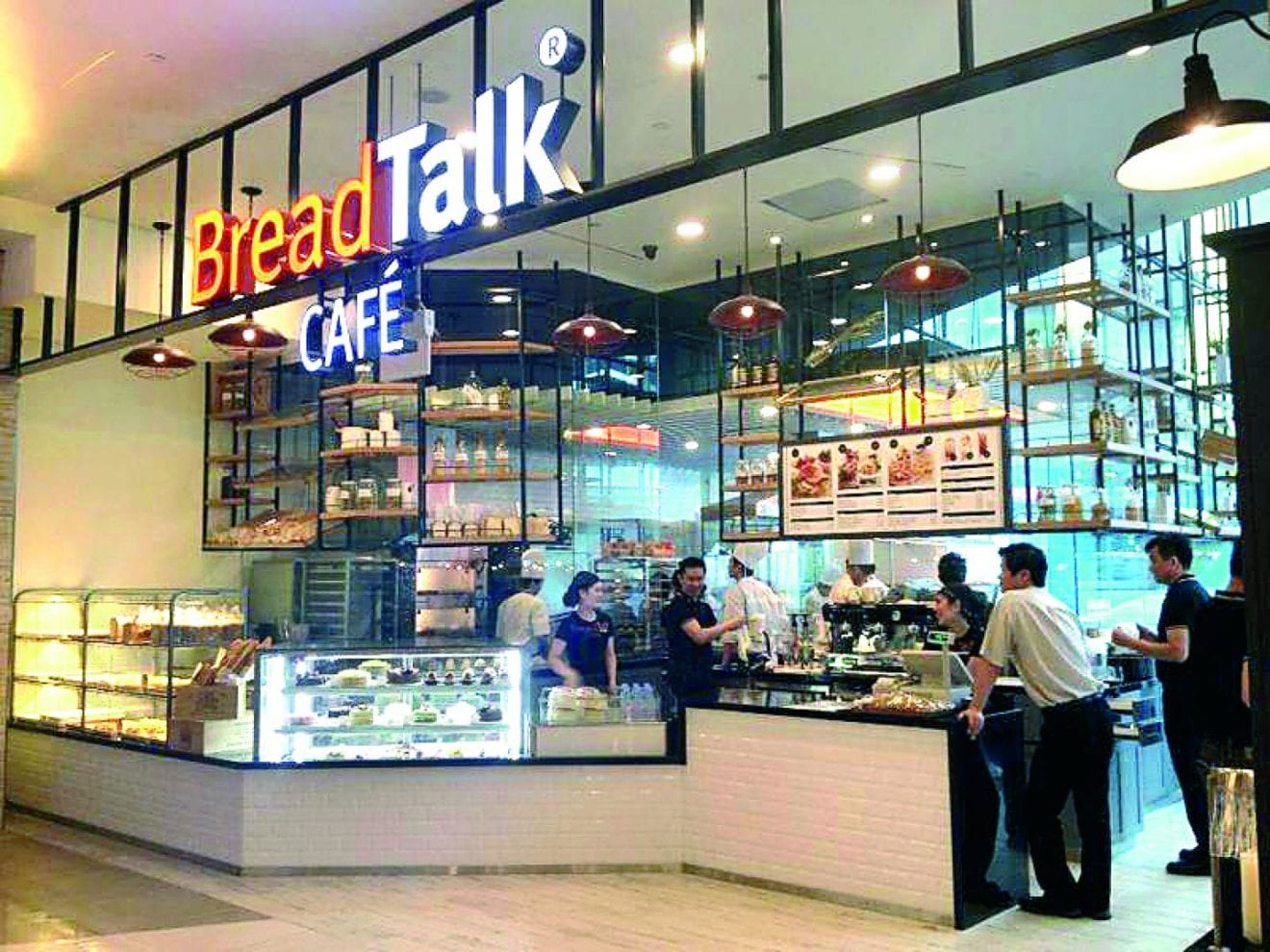
    Breadtalk Singapore has apologised to customers and withdrawn its soy milk for sale after a backlash on social media.

    The company has been labelling and promoting its bottled soy milk as “freshly prepared” – the claim was disproved by a photograph uploaded onto social media by a customer who was shocked to see a store employee hand filling plastic bottles from bulk containers of Yeo’s brand soya bean milk.

    The photo was posted on Sunday and has since gone viral forcing BreadTalk Singapore into damage control.

    The company has confirmed it buys the milk in one litre packs from Yeo’s before repackaging it in plain plastic bottles in-store. It claims an employee used plastic bottles labelled “freshly prepared” intended for fresh juice, not the soy milk.

    “We have heard our customers’ feedback about our bottled soya bean milk,” a BreadTalk spokeswoman said. “We would like to apologise for any misaligned presentation or wrong impressions created, and clarify that it is never our intention to mislead.”

    The chain says it will discontinue rebottling the milk and instead sell if from drink dispensers “to prevent misunderstanding”.

  • How to open a restaurant in China

    How to open a restaurant in China

    Many expats in China at one point or another have dreamed about opening up their own restaurant, café, or other sort of food and beverage operation.

    The largest food market in the world, China offers many exciting opportunities for foodies and savvy business people alike, but foreigners can be daunted by the often bureaucratic process of establishing a business in China. In this article, we provide a step-by-step guide to the process involved.

    Step 1: Finding the Right Location

    The first step of business is to find the location for the food and beverage operation. This can be particularly tricky, as the investor must lease the restaurant premises before starting the registration process for the food and beverage business. In order to avoid renting out a location that will be denied business registration, investors should take extra precautions to find a business location that can pass inspections. It is often possible to ask for consultations from the Environmental Protection Bureau, Hygiene Bureau, local department of the Ministry of Commerce and the Administration of Industry and Commerce (AIC) to verify certain requirements, like whether the location will be able to obtain a license for the disposal of waste water.

    It is often safer to find a location that is currently in use as a food and beverage operation. This will require the investor to pay a transfer fee to the current lessee. The fee will vary by location, but it is usually at least RMB 100,000. If investors instead choose a space that was not previously used as a food and beverage operation, they will need to remodel it to make sure it passes inspections. This option can be more risky, and costly too – redecoration companies tend to charge a service fee of around RMB 10,000 per sq. meter, on top of the costs of materials. Even if the investor acquires the necessary permits and certifications, if residents in the area find the food and beverage operation to be disruptive in the community, the business license can be revoked.

    Step 2: Licensing and Registration of the Food Business
    Company Name Registration

    Before applying for any licenses and permits, it is necessary to apply to register the business name at the local AIC. The AIC will issue a “Notice of Company Name Reservation” after they double check to make sure that the company name has not previously been used anywhere else in the province.

    Health and Food Hygiene Licenses

    After obtaining a company business license, investors then face the task of health and food safety inspections for their food and beverage operations. For businesses involved in the food and beverage industry in China, there are three main types of food and beverage licenses, and some businesses may require more than one license depending on the scope of their food and beverage business operation:

    • A Catering License (餐饮服务许可证)is required for catering service providers, both individuals and organizations, that are involved in the provision of group meals (food stalls and providers of semi-finished food products are not required to carry this license). If an entity provides catering services in different locations, it must apply for a license for each location
    • A Food Production License (食品生产许可证) is required in order to ensure that businesses comply with standards pertaining to manufacturing capabilities and environmental regulations. All staff involved in food service must undergo training approved by the China Food and Drug Administration (CFDA), and there should be a health management system in place in order to ensure the health and hygiene of personnel. The state-level General Administration of Quality Supervision, Inspection and Quarantine (AQSIQ) is responsible for the nationwide administration of the food production license.
    • A Food Distribution License (食品流通许可证)is required for businesses engaging in the sale of food items and is administrated by the AIC. Any entity, both individuals and organizations, that is involved in food distribution (including retail and the wholesale distribution of pre-packaged food and bulk food) is required to acquire a Food Distribution license. However, sometimes when an entity holding a food production license sells food products on the premises of production, it can get around the requirement to hold a food distribution license.
    Alcohol Permit Registration

    For food and beverage operations that will be serving alcohol, an alcohol permit is required. The permit will be issued after the business license, tax registration permit, and food licenses are acquired, but the intent to sell alcohol should be clearly stated within the application for the health and food hygiene license.

    Environmental Protections Approval

    Before any catering service can began operation, it must get approval from the local Environmental Protection Bureau. This will include an evaluation of the indoor and outdoor surroundings of the site in order to ensure that the location complies with standards listed in the Directory for the Management and Classification for Construction Items and Environmental Influence.

    Step 3: Establishing the WFOE or JV Entity

    The steps for establishing the business entity will ultimately depend on how the food business is being registered. In China, foreigners are not allowed to be the sole owners of the restaurant or food business, but they are able to open it as a limited-liability Wholly Foreign Owned Enterprise (WFOE) or through a Joint Venture (JV) with a Chinese citizen as a business partner. In addition, some foreign investors may choose to choose to let the Chinese partner(s) open the business to simplify the registration process, but investors should be aware that this will not allow them to have any legal rights.

    The business project will be approved by the Ministry of Commerce, which will issue an approval letter  and an approval certificate that can be taken to the AIC to register the company business license.

    Risks and Challenges

    Investors should also brace themselves to be ready to battle China’s often volatile real estate market in order to develop their business operation. While most restaurants in global cities like New York City and London operate on at least 10 year leases, leases for food and beverage operations in China are often five-year leases, some even just three years.

    In addition, restaurant owners in top tier cities like Shanghai pay a much larger percentage of their profits on business leasing than they would in other parts of the world. In a survey on restaurant leasing fees conducted by SmartShanghai, it was found that paying 15 per cent of restaurant earnings on rent is the norm, with most restaurant owners paying between 10 per cent and 20 per cent on leasing.

    In contrast, restaurant owners in some of the world’s most expensive cities, like New York City, pay around 10 per cent of their profits in rent. High rental costs can often be reasons why food and beverage businesses go out of business, especially in the beginning, when changes to business strategy sometimes have to be made.

    In addition, after signing the lease investors should be ready to spend at least two to three months in order to acquire all the required licenses and permits to open the food and beverage business. It is sometimes possible to negotiate with the landlord to have a rent-free period of one to two months after signing the lease, which will be helpful in case the investor encounters delays in obtaining all the appropriate licenses necessary to start operation.