Tag: Food

  • Take Flight at Sky on 57

    Take Flight at Sky on 57

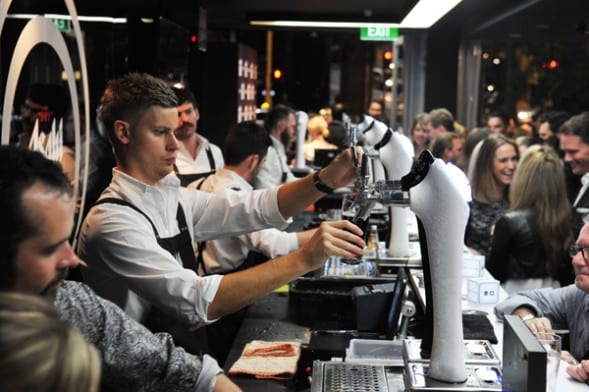
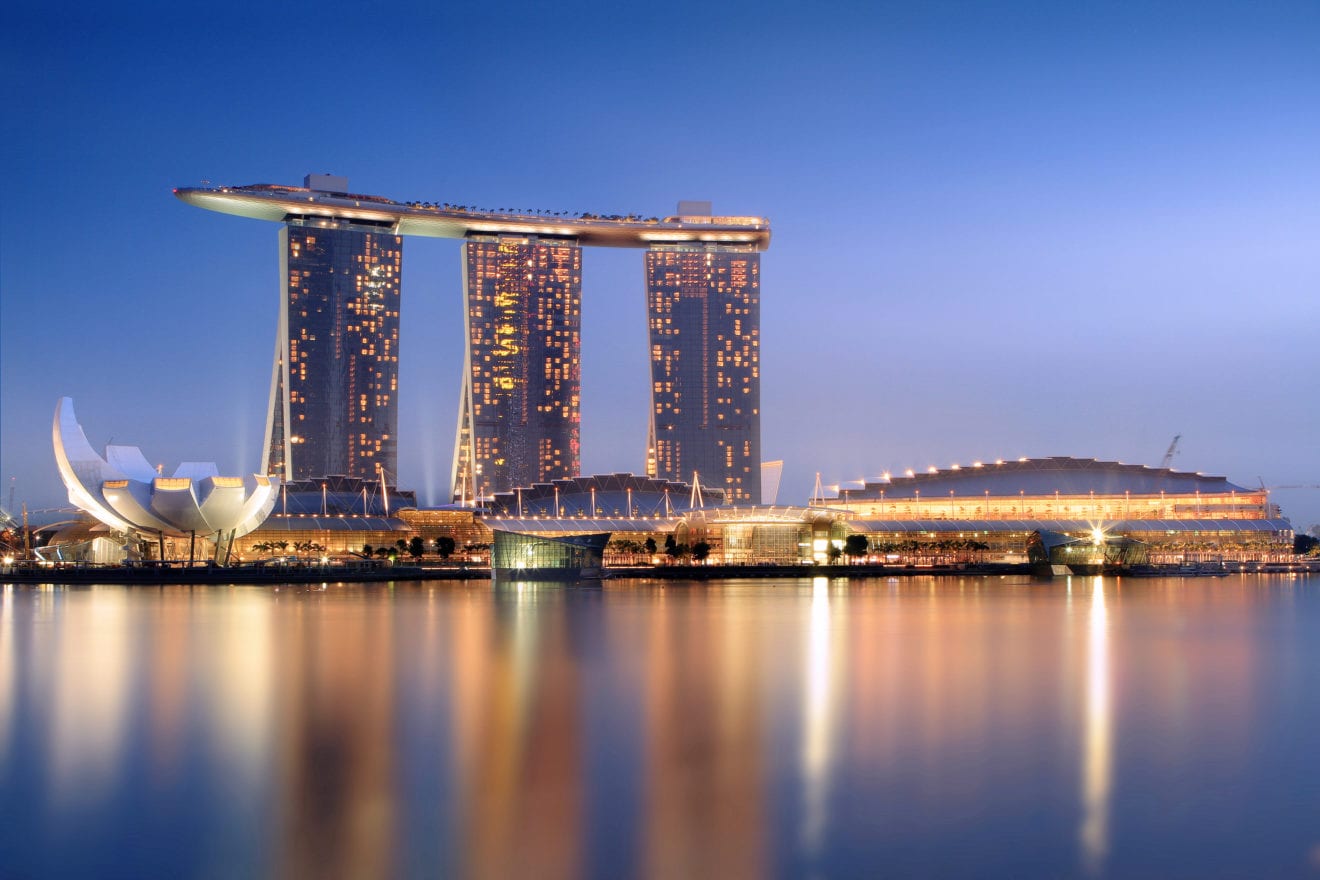
    A brand new entertainment venue has opened in Singapore: Flight at Sky on 57  a new lounge experience atop Marina Bay Sands.

    The integrated resort has transformed its outdoor terraces into a “contemporary lounge experience” called Flight, making the most of the million-dollar views at the Sands Skypark restaurant and the culinary artistry of Chef Justin Quek.

    Now the lounge also offers a unique bar program by award-winning mixologist Lucas Swallows.

    Sky on 57 is one of a collection of celebrity chef restaurants in the Marina Bay Sands complex, most of which are assembled in the Shoppes at Marina Bay Sands retail mall closer to the ground.

    The lounge describes the new venue as “sophisticated and playfully provocative”.

  • Agri-Food and Veterinary Authority allows importers to resume sale of India-made Maggi noodles …

    Agri-Food and Veterinary Authority allows importers to resume sale of India-made Maggi noodles …

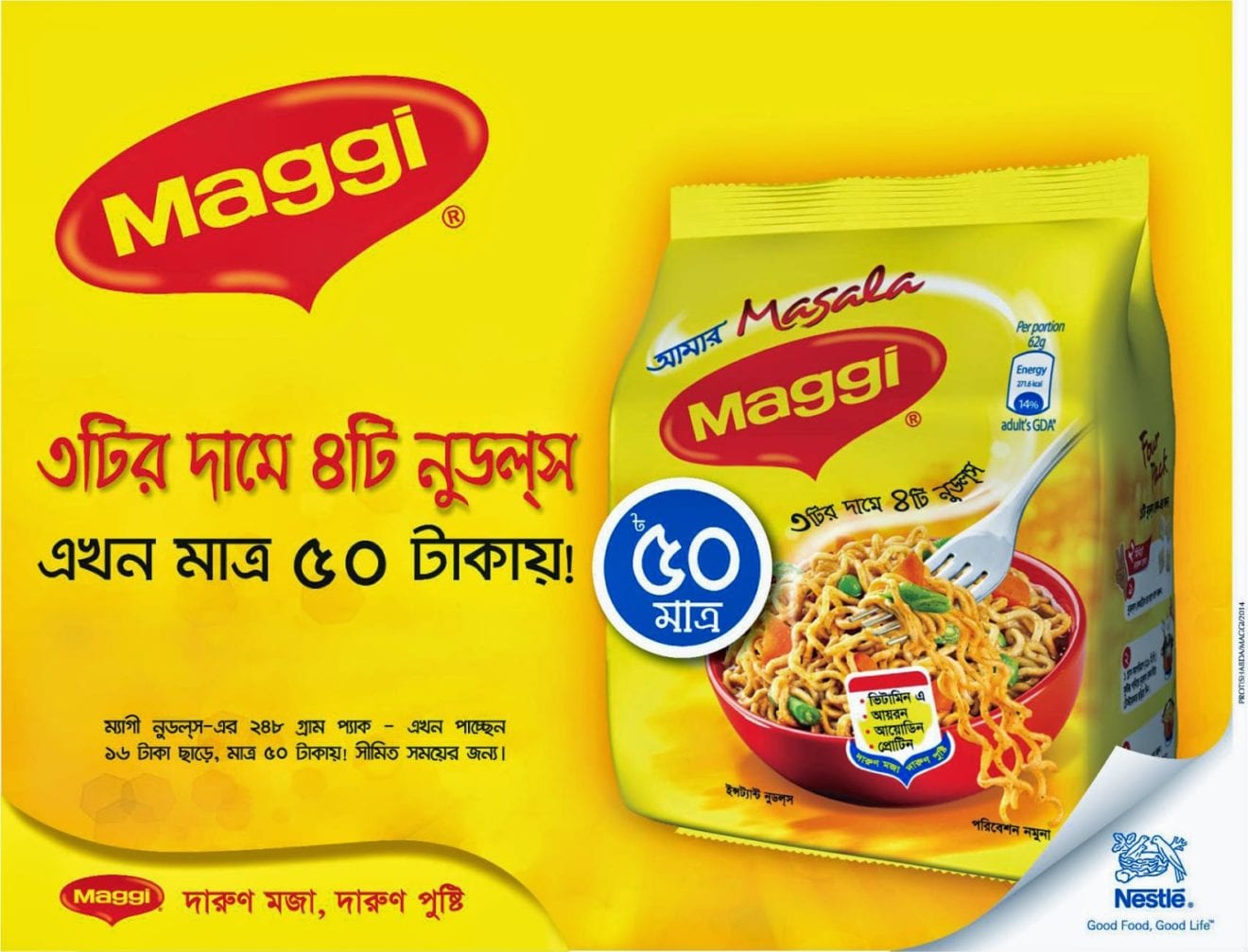
    NEW DELHI: Singapore’s food regulator declared Maggi noodles imported from India to be free from health risks, bringing some respite to Nestle. The manufacturer had been ordered to withdraw the locally made product from shelves in India because of excessive lead content and mislabeling.

    The Agri-Food and Veterinary Authority of Singapore (AVA) ordered the resumption of India-made Maggi in the citystate, which has among the most stringent rules on public hygiene. Nestle India surged on the news, ending 9.4% up on the National Stock Exchange, its biggest daily increase in five years. The share had plunged by more than 10% last week as the controversy ballooned, culminating in the nationwide withdrawal of Maggi noodles ordered by the Food Safety and Standards Authority of India.

    Singapore had asked retailers to stop selling the product last week, pending tests, after the furore in India over the product. The island-nation imports a wide variety of foods made in the country to cater to expats and locals that are sold through stores such as Mustafa Centre in the Little India area.

    Results from AVA’s laboratory tests showed that the India-made Maggi instant noodles met local food safety standards, according to a report in The Straits Times. The Maggi noodles exported to Singapore is identical to the product sold in India, said a company spokesperson. “They are manufactured at the same plants,” the person said.

    AVA also tested Maggi instant noodles produced in other countries and these too met food safety requirements, the report said. At press time, the UK’s Food Standards Agency (FSA) hadn’t reached any conclusion on India-made Maggi noodles. The FSA was checking whether the product contained excessive levels of MSG along with Nestle UK and the European Commission.

    Nestle UK only imports the masala flavour of the product from India, the FSA said on its website. It also said that the “batch of noodles originally tested by the authorities in India, which was found to contain lead, was not sold in the UK… Following the incident in India, we have taken the decision to test for levels of lead in a selection of Maggi noodles as a precaution.”

    A spokesperson from the Food Standards Agency said: “The FSA is now testing this (masala) flavour and other flavours as a precaution. As tests are currently ongoing, these results are not available at this time.

    We have requested the information on the test results and batches involved from the Indian authorities via European Commission channels.” The India and Singapore food regulators couldn’t immediately be reached for a response.

    Maggi noodles became an integral part of the Indian diet after being launched in the country in the early 1980s. Nestle’s troubles began when excessive levels of lead were found in samples tested by the Uttar Pradesh regulator. The day before FSSAI issued its order, Nestle decided to withdraw Maggi noodles from shelves in India.

    “We withdrew the product from shelves because consumers’ trust was shaken,” said Nestle global CEO Paul Bulcke in New Delhi last week. “We want Maggi noodles back on shelves as soon as possible.” The food regulator rejected Nestle’s queries regarding testing procedures in India. FSSAI said the tests had been carried out on the noodles and the seasoning or tastemaker together and separately.

    It also admonished the company for labeling the pack with the line ‘No added MSG’ (monosodium glutamate), saying this was unacceptable in markets such as the US. FSSAI has since ordered the testing of other noodle brands.

  • New leadership for Foodpanda Malaysia

    New leadership for Foodpanda Malaysia

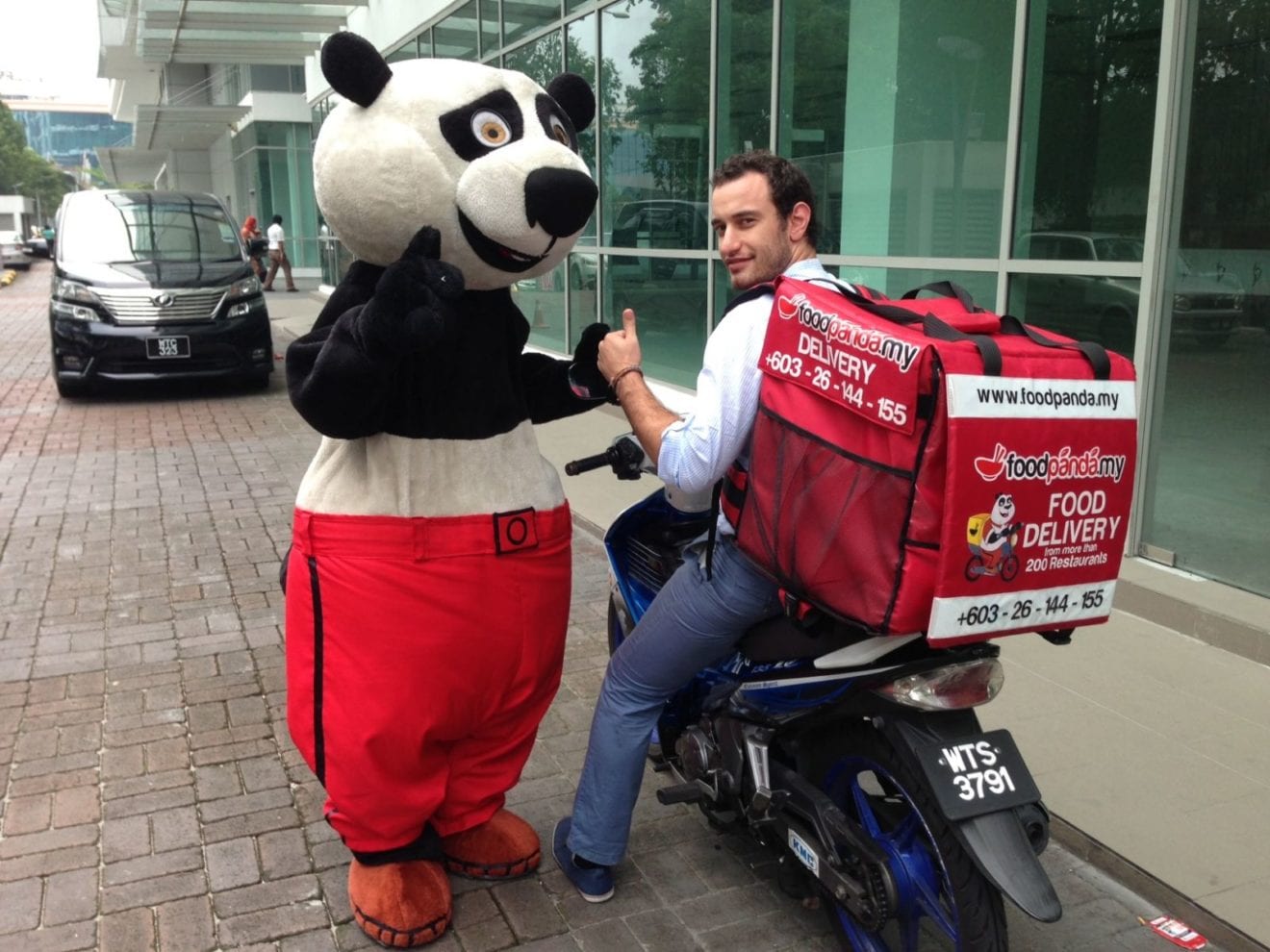
    Foodpanda, the global mobile food delivery marketplace has appointed new executives to lead the company’s Malaysian subsidiary.

    Joon Chan and Uffe Jordan have been appointed MDs of Foodpanda Malaysia.

    Chan is described as “a seasoned entrepreneur and executor” who after working in the venture capital industry, founded two regional startups and consulted for many across Southeast Asia for Foodpanda’s parent Rocket Internet.

    With Foodpanda having a virtual monopoly on home delivery food services in Malaysia, Chan says he is focused on improving the overall delivery experience of customers.

    “Our main goal is to be the best food delivery service in Malaysia and we will only strive to be the best”, he said.

    Uffe Jordan holds a Master of Science in Finance and Accounting from Copenhagen Business School. He worked more than five years for a Danish private equity firm before joining Foodpanda Malaysia.

    Uffe believes that there is still room for Foodpanda Malaysia to grow and says he will be expanding “the melting pot of restaurants” on Foodpanda, especially Malaysian favorites, with an emphasis of quality over quantity.

    Including the last funding round of US$100 million, Foodpanda globally has now raised over US$310 million since its launch in 2012. After acquiring key competitors in India, Mexico, Russia, Brazil, Eastern Europe and Southeast Asia, the company will use the recent investment to further expand its own delivery activities and improve overall customer experience across its 40 markets.

    Last-mile delivery has been part of Foodpanda’s operations since the beginning, and it says it will now accelerate its efforts to drive customer satisfaction, aiming to offer the most convenient way of ordering food – from the mobile app and online.

  • Buffalo Wild Wings critical about Asia

    Buffalo Wild Wings critical about Asia

    US informal eating chain Buffalo Wild Wings is within the means of securing grasp franchisees in at the very least six extra Asian nations as its first foray into the area pays off.

    In January BWW opened its first restaurant within the continent, in Manila, in partnership with Philippines grasp franchisee The Bistro Group. That restaurant, in Estancia Mall at Capitol Commons in Pasig Metropolis, proved so profitable inside its first few months two extra websites are beneath improvement already because the rollout plan is accelerated. These eating places will open in Glorietta and Uptown Mall.

    Buffalo Wild Wings CEO, Sally Smith informed Inside Retail Asia in an interview the corporate will probably be signing a grasp franchise settlement in Vietnam in a fortnight with the primary BWW outlet scheduled to open there someday subsequent yr.

    A separate franchise settlement has been concluded for a area in India with the primary restaurant there more likely to be buying and selling inside as little as six months.

    Smith was in Hong Kong this week for talks with suppliers and potential companions and advised Inside Retail Asia the corporate is already speaking with potential companions in Singapore, Malaysia, Thailand and Indonesia. She has additionally been taking a primary hand take a look at the Hong Kong eating scene with a view to contemplating enlargement there, too.

    However she gained’t be dashing into any of those markets.

    “One of many issues that’s necessary to us is discovering the fitting associate, so we’re going to take our time. We need to ensure that our associate understands our enterprise, that they perceive our model and that they share the identical values as we do.

    “Once we choose a companion, they go to us within the US, they practice within the US they usually go to a lot of shops in order that they see how we function – that’s all earlier than they turn out to be a associate.

    “We’re in search of nice franchise companions,” stated Smith. Not simply anybody with a cheque guide.

    Native challenges

    Smith says when getting into a brand new market, BWW understands the necessity to tailor its menu and pricing factors accordingly. Concentrating on locals relatively than expats or vacationers, Smith says the model is lifelike and trusts its franchise companion to work with it on each fronts.

    In Manila, probably the closest Asian market when it comes to dietary habits to North America, BWW has added rice to its menu and it’s contemplating a steak sandwich to satisfy native demand.

    “We definitely work to think about native flavours locals are in search of. However others nonetheless need that genuine Buffalo Wild Wings expertise,” Smith stated.

    In Vietnam, the place the ‘center class’ by definition is on an revenue as little as US$500 a month, BWW is about for an extended, affected person progress cycle.

    “I used to be in Vietnam final yr and I used to be very excited. The overall inhabitants is rising and there’s some nice information on the financial entrance. However we’ll take our time constructing out Vietnam and we’ll attempt to not overbuild.”

    Smith says the franchise companion there’s already evaluating actual property choices.

    A key think about BWW’s portability into new markets is that hen is an accepted a part of the weight-reduction plan in most elements of the world – and sport captures the eye too.

    A key element of the BWW idea is stay sport, with giant screens within the eating places encouraging dwell time. Within the US and the Philippines, American Soccer, basketball and ice hockey are staples on the sports activities menu; in Southeast Asia it is going to be English Premier League. Smith stated in the course of the Superbowl remaining early this yr the Manila restaurant opened early and queues shaped of locals eager to eat and benefit from the match.

    The corporate can also be testing know-how options that may allow clients in its eating places to take part in on-line social gaming, enjoying towards clients of different eating places in the identical nation.

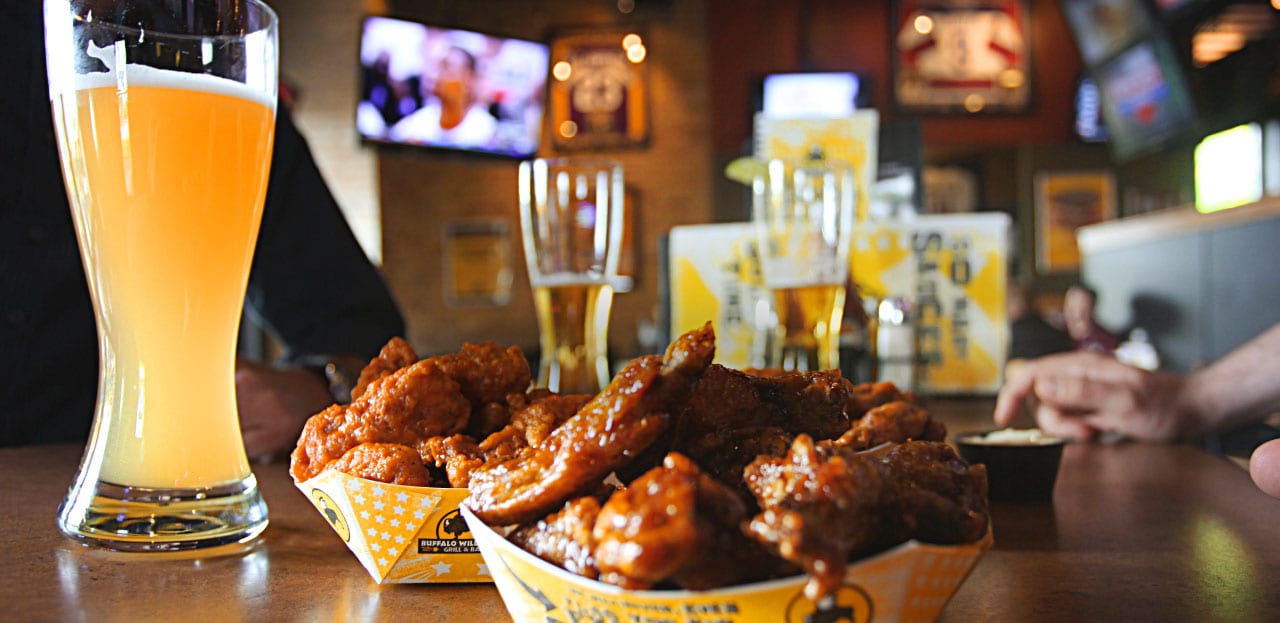
    Buffalo Wild Wings already boasts 1094 eating places serving 21 signature flavors of Buffalo, New York-style hen wings. Its foray into the Philippines was its first step outdoors the Americas.
  • Jardine wins Pizza Hut Myanmar rights

    Jardine wins Pizza Hut Myanmar rights

    Hong Kong’s Jardine Restaurant Group has gained the rights for Pizza Hut Myanmar and can open the primary restaurant there in November.

    Jardine opens greater than 600 Yum! Manufacturers franchises – Pizza Hut and KFC eating places in Hong Kong, Taiwan, Vietnam and southern China. It earlier misplaced the bid for KFC Myanmar to rival bidder Yoma Strategic Holdings.

    The primary Pizza Hut in Myanmar will open in a constructing adjoining to Metropolis Mart Market grocery store on Dhammazedi Rd.

    Yum! has been separating its Pizza Hut and KFC operations, and is reportedly shifting in the direction of choosing totally different companions for every of its franchises to realize a greater give attention to every of its manufacturers and keep their independence.

    KFC and Pizza Hut are the primary American quick meals manufacturers to enter Myanmar and comply with Korea’s Lotteria into the quick food-QSR market.

  • Might retail inflation at Three-month excessive of 5.01%

    Might retail inflation at Three-month excessive of 5.01%

    Shopper Worth Index-based inflation rose to a three-month excessive of 5.01 per cent in Might, even because the meals phase noticed a decline within the fee of worth rise, official knowledge confirmed on Friday.

    The inflation had stood at four.87 per cent in April 2015 and eight.33 per cent in Might 2014. Whereas it justifies the Reserve Financial institution of India (RBI)’s cautious stance in slicing the coverage fee earlier this week, RBI was extra nervous about meals inflation, which declined.

    Meals inflation was right down to four.80 per cent from 5.11 per cent in April 2015. Within the year-ago interval, it had stood at eight.89 per cent.

    Whereas the meals inflation was greater within the city areas at four.84 per cent towards four.74 per cent within the rural elements, the state of affairs was fairly reverse in case of mixed inflation. General inflation stood at 5.52 per cent in villages and four.41 per cent within the city areas.

    Whilst meals inflation was down, the costs of pulses rose on the elevated fee. Inflation in pulses elevated to 16.62 per cent in Might from 12.52 per cent. This was the one phase amongst meals gadgets that noticed double-digit inflation. Earlier this month, the Cupboard had determined to import pulses to tame costs.

    Sugar costs noticed a decline, although. In April, costs dropped 5.99 per cent, whereas in Might these turned cheaper by 7.Three per cent.

    The sugar sector has been battling a state of affairs of glut. Earlier this week, the Cupboard gave the sector a tender mortgage of Rs 6,000 crore to pay a part of its Rs 21,000-crore dues to farmers.

    Nevertheless, corporations weren’t glad as a result of it didn’t remedy the issue of over-supply and depressed costs.

    Elsewhere, home lease, an city phenomenon, inched down barely from four.65 per cent to four.64 per cent.

    Nevertheless, gasoline and lightweight noticed inflation rise to five.96 per cent

  • Malaysian PE buys Tremendous Peking Duck chain

    Malaysian PE buys Tremendous Peking Duck chain

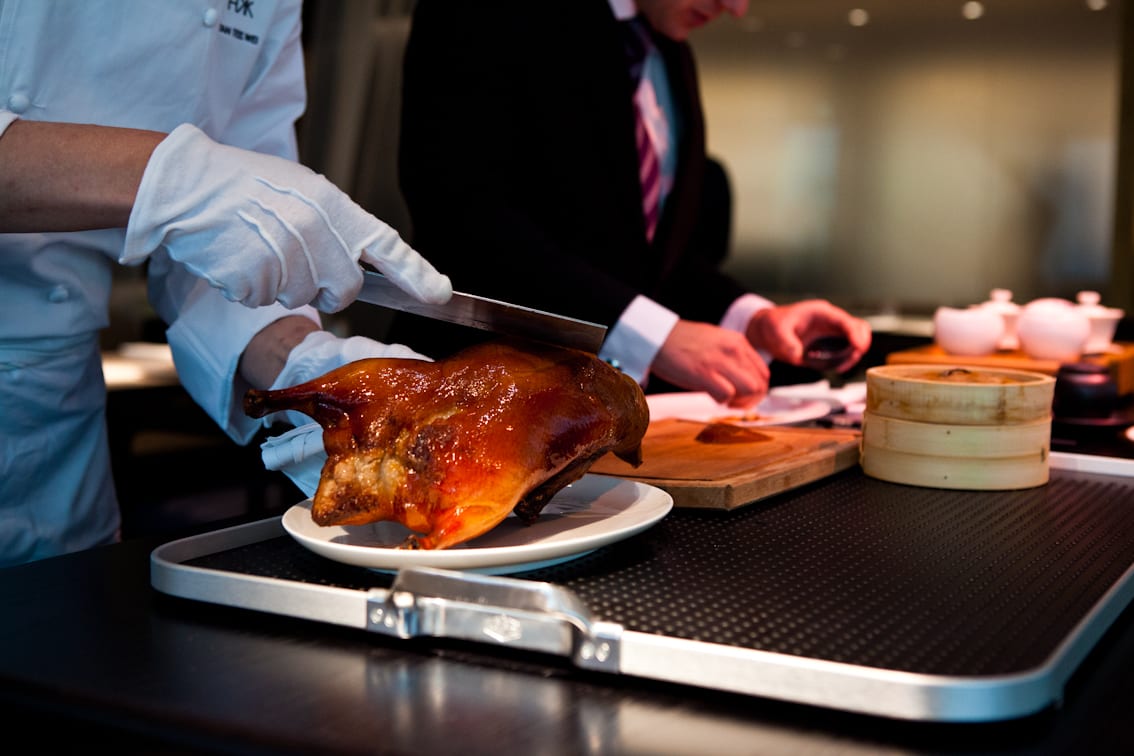
    Fashionable Singapore restaurant chain Tremendous Peking Duck seems to be set for accelerated worldwide enlargement.

    In response to Bloomberg, Malaysian personal fairness agency Navis Capital Companions has agreed to purchase the model’s Singapore proprietor, Imperial Treasure Restaurant Group.

    The corporate has paid between S$60 and $80 million for a majority stake within the enterprise and plans to speed up the model’s rollout in China.

    Imperial Treasure was based in 2004 by Alfred Leung who will retain his curiosity and proceed to be concerned with the enterprise. It now has 23 eating places specialising in Chinese language meals and owns a positive eating restaurant at Marina Bay Sands, overlooking the gaming flooring.

    Leung is also referred to as the founding father of Crystal Jade Culinary Ideas, bought to the LVMH Group final yr, netting round $100 million.

    In line with Bloomberg, the deal and phrases are confidential and neither celebration wished to remark additional on the transaction.

    Navis final week purchased Malaysian sweet and snackfood enterprise Cocoaland Holdings.

  • Amazon Fresh expands into China

    Amazon Fresh expands into China

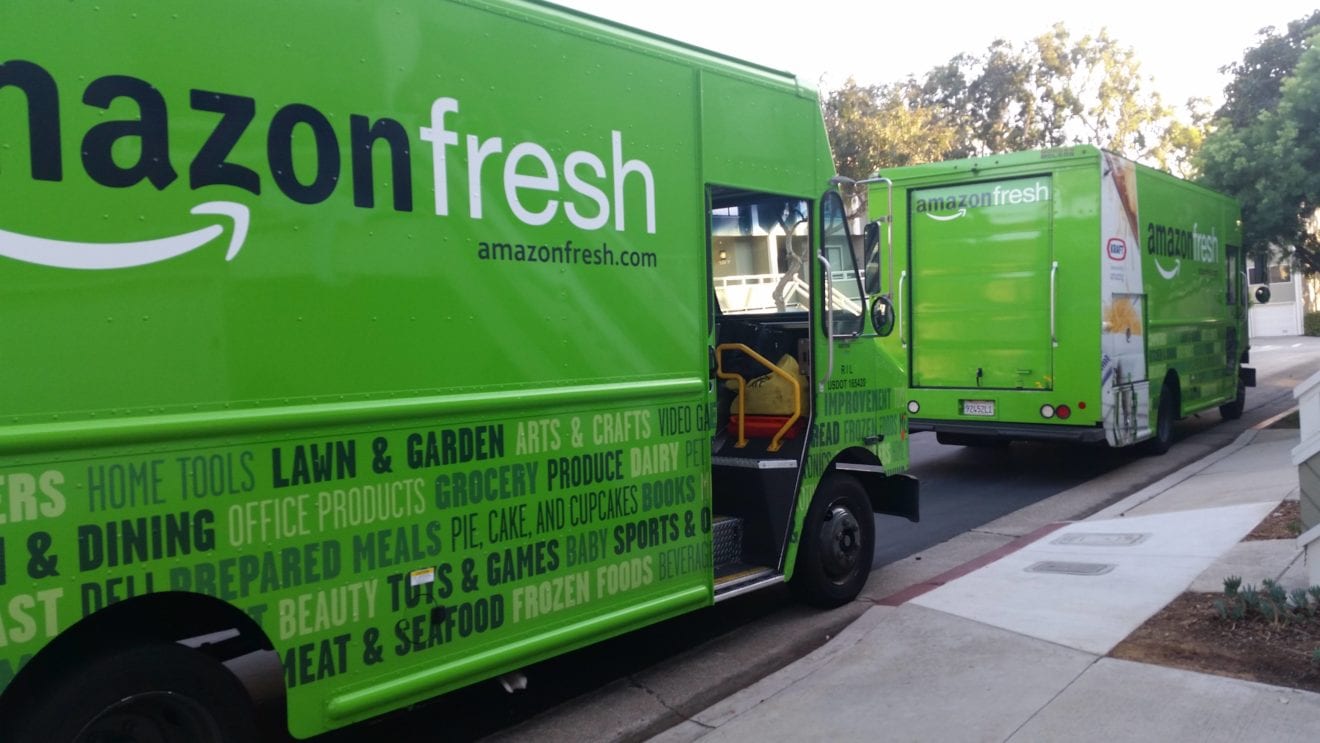
    Online retail giant Amazon has expanded its fresh food offer – Amazon Fresh – into China through partnerships with local distributors and suppliers.

    The new platform will offer fruit and vegetables for home delivery, alongside other groceries including meat, seafood and confectionary across a total of 600 fresh food SKUs, news outlet Tech in Asia and retail commentator IGD retail analysis have both reported.

    Unlike Amazon Fresh in the US, Amazon is not handling the logistics or using its own refrigerated vans for the fresh produce in China, Tech in Asia said, but instead will rely on suppliers to do this.

    Amazon’s larger e-commerce rivals in the country – such as Alibaba’s Tmall, JD, and Walmart’s Yihaodian – have been offering fresh produce for home delivery for some time.

  • China beef processor launches online store

    China beef processor launches online store

    Speaking during last week’s inaugural Beef Festival in Chongqing, China’s largest metropolis, Feng Jiyu, general manager of Hengdou Agriculture Co, which operates a beef processor of the same name, said the company had been establishing a nationwide network of warehouses which would allow it to deliver nationwide once the company’s website was set up.

    Hengdou, said Feng, had established a marketing headquarters in Beijing and branch offices in all the country’s key population belts, including northerly Shenyang but also the populous central province of Henan and the wealthy southern cities of Guangzhou and Shenzhen.

    The announcement about an own-name online retail operation came after Hengdou, in March, launched nine new packaged meat products, such as cooked liver, tripe and brisket, prepared in various Chinese styles and frozen for quick cooking. The firm already sells a range of frozen steaks and dried jerkies. These are retailed via key Chinese online sites such as Taobao.com, Tianmao.com and Jingdong.com. Hengdou sells 150g packaged frozen steaks online for RMB22 with five-steak packs selling for RMB178 on Jingdong.com, a food-focused online retailer.

    The firm gives consumers instructions on how to cook beef such as steaks in ‘Western’ ways: Chinese cooking tends to emphasise the use of stir-fried cubes of beef as well as clay-pot cooking of variety/offal cuts.

    According to Feng, Hengdou is keen to maximise online sales both of gift boxes and convenience snack products. But it is also looking to sell wines, olive oils and other high-margin imported food products which it currently markets in marketing material to educate customers on how to consume beef.

    “We will increase both our online and our offline presence,” Feng told journalists in Chongqing. Notably, the firm last month opened a brand-name store in Beijing’s fashionable Wangjing district. “It is vital to use offline stores to build brand recognition,” said Feng. His retail clients include Walmart, RT-Mart and Carrefour outlets in China.

    Traceability is a key marketing point for Feng, who said online customers would be drawn to the company’s ability to trace meat – all of which, Feng said, came from the company’s own 300,000 herd of Simmental and Chinese-native Luxi cattle, fed in feed-lots adjacent to company slaughtering facilities in northern and south-western China.

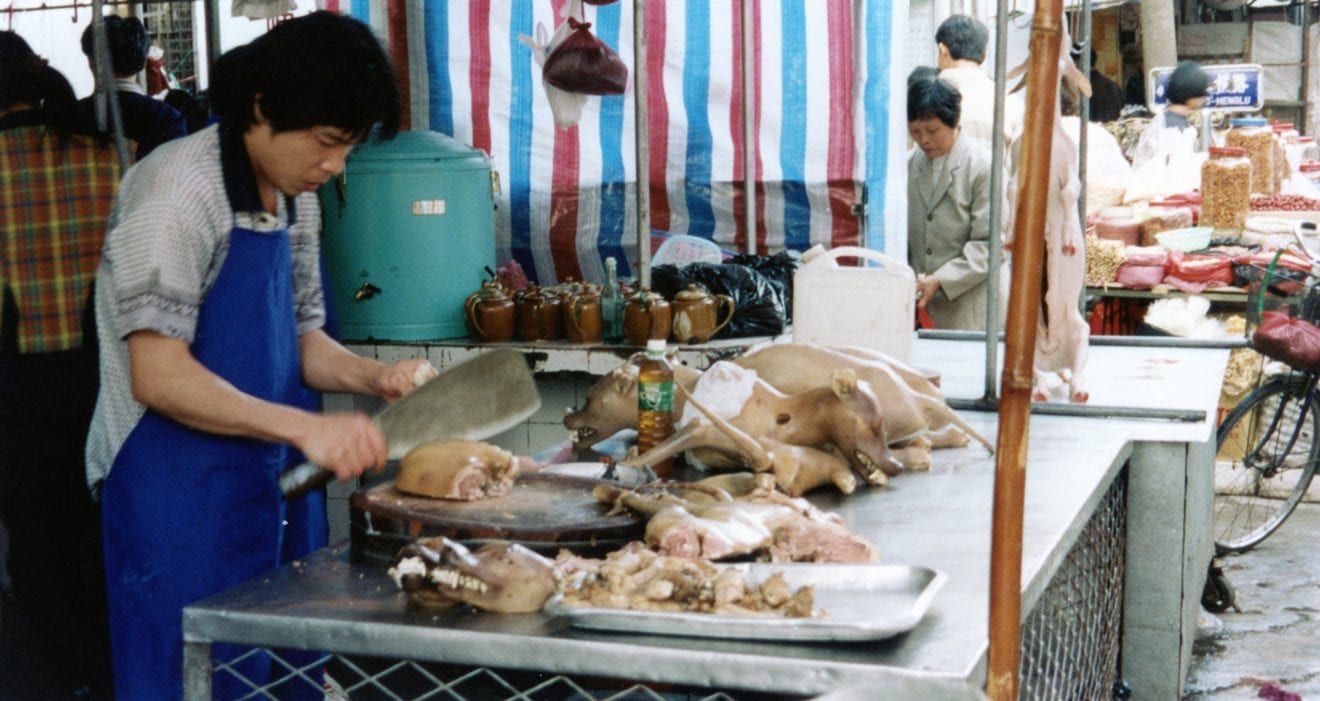
    Hengdou has seen online retail shake up China’s traditional retail market in the past few years, with consumers switching to frozen and convenience meals in a manner before unseen in China where wet markets – most without any refrigerated meat – and supermarkets have long dominated.

    Based in Sichuan, one of China’s fastest-growing regional economies, Hengdou stands to gain from rising beef consumption, according to Feng, who pointed to average per capita beef consumption of “5kg per capita in China compared to 45kg in developed countries”.

    Long-term, China has the potential to export branded beef products to Muslim and other countries, stated Liu Changde, head of the beef committee at the China Animal Husbandry Association (CAHA), a government body. CAHA and the Chongqing government teamed up with Hengdou to organise the Beef Festival, which saw demonstrations on how to cook beef as well as how to recognise “water-injected and fake beef” according to an invitation to the event sent to China-based journalists.

  • Japanese to launch Singapore Asahi Bar

    Japanese to launch Singapore Asahi Bar

    A Japanese entrepreneur is elevating money to open the primary Asahi Tremendous Dry Additional Chilly Bar in Singapore by the yr’s finish.

    Seiki Takahashi, who has beforehand opened and managed greater than 50 eating places globally, is looking for to boost US$10 million to broaden Japanese restaurant and bar ideas into new markets.

    Final December, Takahashi launched the GP Asia Pacific Hospitality & Way of life LP fund, which owns the franchise rights to the ASahi bar idea, the place the Japanese brewer’s beer is served at under zero temperatures.

    The Singapore Asahi Bar is predicted to seek out comparable favour with clients as namesake bars in Japan and South Korea, in line with studies.

    Analysis carried out by the Japan Tourism Company exhibits foreigners rank consuming Japanese meals because the most-liked exercise within the Asian nation – forward of even sightseeing. Takahashi is one among a rising group of entrepreneurs who needs to take genuine Japanese eating and consuming experiences into different nations.

    “Japanese manufacturers are appreciated in Asia. We need to convey these valued meals and drinks as contents of way of life to different nations.”

    His fund will prolong past the Asahi idea. He informed Bloomberg in an interview that he would would spend money on “no less than 5 offers in Singapore, the US and Hong Kong”. One is the Miyabi Steak & Seafood Home a Teppanyaki type restaurant idea he’ll open in Denver, Colorado.

  • Bulgogi Brothers Bangkok debuts

    Bulgogi Brothers Bangkok debuts

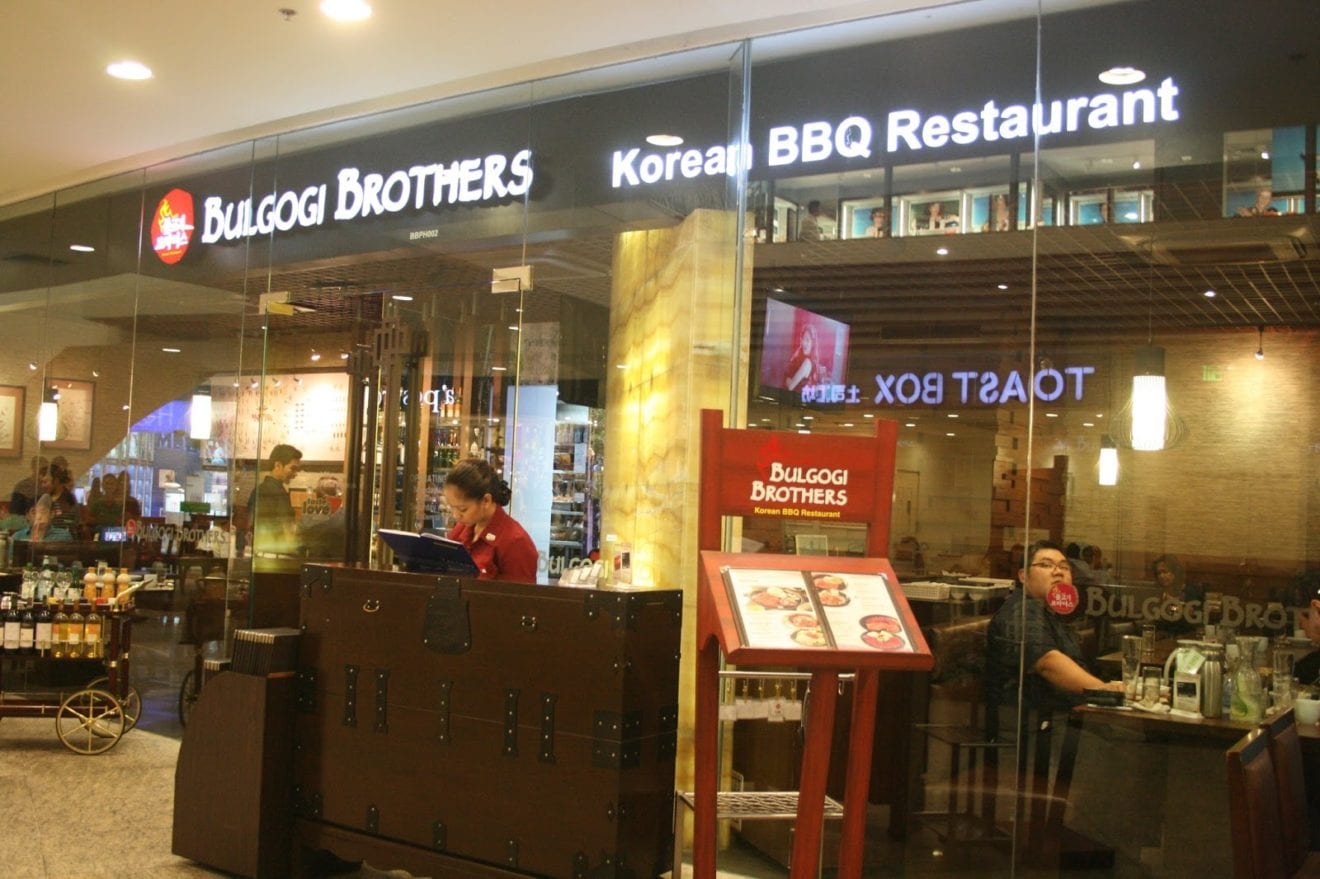
    South Korean QSR chain Bulgogi Brothers has added Thailand to its growing Southeast Asian footprint, with its first store opened in the EmQuartier mall in central Bangkok.

    The barbecue restaurant chain has 42 restaurants worldwide – including seven in the Philippines, five in China, three in Malaysia and others in Indonesia and Myanmar. The company will open its first outlet in Tokyo in October and in Taiwan’s capital, Taipei, in December. It also plans an Indian debut this year and is targeting 100 worldwide within five years.

    The Thai franchise rights are held by Ausanee Mahagitsiri Leonio, the daughter of Prayuth Mahagitsiri, described by Thai media as “the Nescafe coffee tycoon”. She also owns the Thai Krispy Kreme franchise.

    The chairman and CEO of Bulgogi Brothers’ parent company Et & Zeus is Intae Jung, who says his brand is making the most of the popularity of K-pop music, Korean TV series and fashion reputation.

    “Korean food has become a fad in Asia due to the popularity of South Korean pop music and TV series. Korean is the fourth most recognised cuisine by nationality among Thai consumers, following Japanese, Italian and Chinese,” he said in an interview with the Bangkok Post newspaper.

    “The Philippines, Thailand and Myanmar are the top three priority markets we want to focus on for our five-year business plan. In Thailand we want to see 10 more Bulgogi Brothers restaurants by 2020,” Jung said.

    Ausanee, president of King of Bulgogi Thailand, said she plans to spend 100 million baht (US$3 million) to open two Bulgogi Brothers Bangkok restaurants, including the EmQuartier one.

    “We expanded into the Korean restaurant business because the food tastes similar to Thai food. Many Thais travel to South Korea and enjoy watching Korean dramas, which inspires them to try some dishes,” she said.

  • BBQ Chicken Vietnam gets Foodpanda boost

    BBQ Chicken Vietnam gets Foodpanda boost

    Online food delivery service Foodpanda has given Korean QSR BBQ Chicken Vietnam a major marketing boost.

    While BBQ Chicken is “better known than KFC, Jollibee or Subway” in Vietnam’s capital city Hanoi, down south it still has some work to do on its brand awareness.

    So Foodpanda and BBQ Chicken have signed an exclusive delivery service partnership nationwide.

    Foodpanda had previously made deliveries on behalf of some individual stores.

    The Rocket Internet subsidiary, in which Goldman Sachs has just invested US$100 million, now has delivery partnerships in Vietnam with 20 franchised chains and some 800 restaurants Vietnam-wide, after only three years in the market.

    Foodpanda has services in six Vietnamese cities: Hanoi, Ho Chi Minh City, Da Nang, Can Tho, Nha Trang and Hai Phong

  • Horror quarter for McDonald’s Japan

    Horror quarter for McDonald’s Japan

    McDonald’s Japan had already warned investors it would be a nightmare year.

    Earlier this month it announced the closure of 131 stores, a menu revamp and refurbishment of 500 stores in a bid to stem a projected US$319 million loss.

    This week, McDonald’s Holdings Company (Japan) released its first quarter trading results: same-store sales plunged 32.3 per cent due largely to a 24.3 per cent drop in customers and total sales fell 39.9 billion yen (US$332 million) to 83 billion ($691 million).

    Sales were hampered by ongoing food safety issues relating to suppliers, and even a widely reported shortage of fries, which led to unprecedented rationing to customers.

    The result was an ordinary trading loss of 11.1 billion yen ($92.4 million) which after the first round of one-off restructuring costs grew to a total 14.5 billion ($121 million) loss for the three months to March 31.

    But the fast food company said same store sales are trending upwards – with expectation they will turn positive in the third quarter. Provisional figures for April show a drop of 21.5 per cent, nearly a third less than the first quarter.

    For now, the company says its focus is on executing the Business Revitalization plan in order to accelerate the business recovery, lay the foundations for future growth, and achieve mid- and long-term goals.

    “Going forward, regaining customer confidence will remain our number one priority. In addition, we aim to accelerate the pace of business recovery and lay the foundations for future growth through the flawless execution of our Four-pillar Business Revitalization Plan: “Customer Focused Initiatives”, “Accelerate Restaurant Revitalization”, “Localize Our Business Structure”, and “Improve Cost and Resource Efficiency”,” McDonald’s Japan said in its earnings statement.

    “Through these structural changes along with customer and community focused activities, we will strive to achieve our vision of becoming a Modern Burger Restaurant that Connects with Customers.”

  • Foodpanda seals $110m funding

    Foodpanda seals $110m funding

    One of the world’s best-known merchant bankers has taken a strategic stake in fast-growing food delivery service Foodpanda.

    Just 50 days after securing $110 million cash injection from its parent and other new investors, the Rocket Internet subsidiary says Goldman Sachs has invested another $110 million into the business and will take a seat on its advisory board.

    The funds are being used by Foodpanda to snap up rival delivery services in new and existing markets to help it gain critical mass and eliminate competition. Since its launch in 2012 the business has now raised more than $310 million.

    Its latest acquisitions have been in Malaysia and other Southeast Asian markets, along with Russia, Mexico and Eastern Europe.

    Foodpanda says it will use the Goldman Sachs funds to expand its own delivery activities and improve overall customer experience across its 40 markets.

    Foodpanda’s service standards are slipping in some established markets and customers often lack an alternative supplier due to Foodpanda’s ‘scorched earth’ acquisition strategy. Improving delivery times, the temperature control and delivery condition of food and improving customer response times is becoming a major challenge for the company in some markets.

    “Last-mile delivery has been part of Foodpanda’s operations since the beginning. It will now accelerate its efforts to drive customer satisfaction, aiming to offer the most convenient way of ordering food – from the mobile app and online,” the company said in a statement.

    Ralf Wenzel, co-founder and CEO of Foodpanda group, said Goldman Sachs has deep expertise in online marketplaces and will help the company build the leading mobile food delivery marketplace in Emerging Markets targeting over 3 billion consumers.

    “The Emerging Markets represent the largest opportunity in online food delivery and we are committed to create the most convenient way for ordering and delivering food.”

    Foodpanda now has partnerships with more than 45,000 restaurants across 40 countries, and claims market leadership in 32 of those markets.

  • Amazon launches organic gardening store

    Amazon launches organic gardening store