Tag: Food

  • Baan Ying heads Thai dining double

    Baan Ying heads Thai dining double

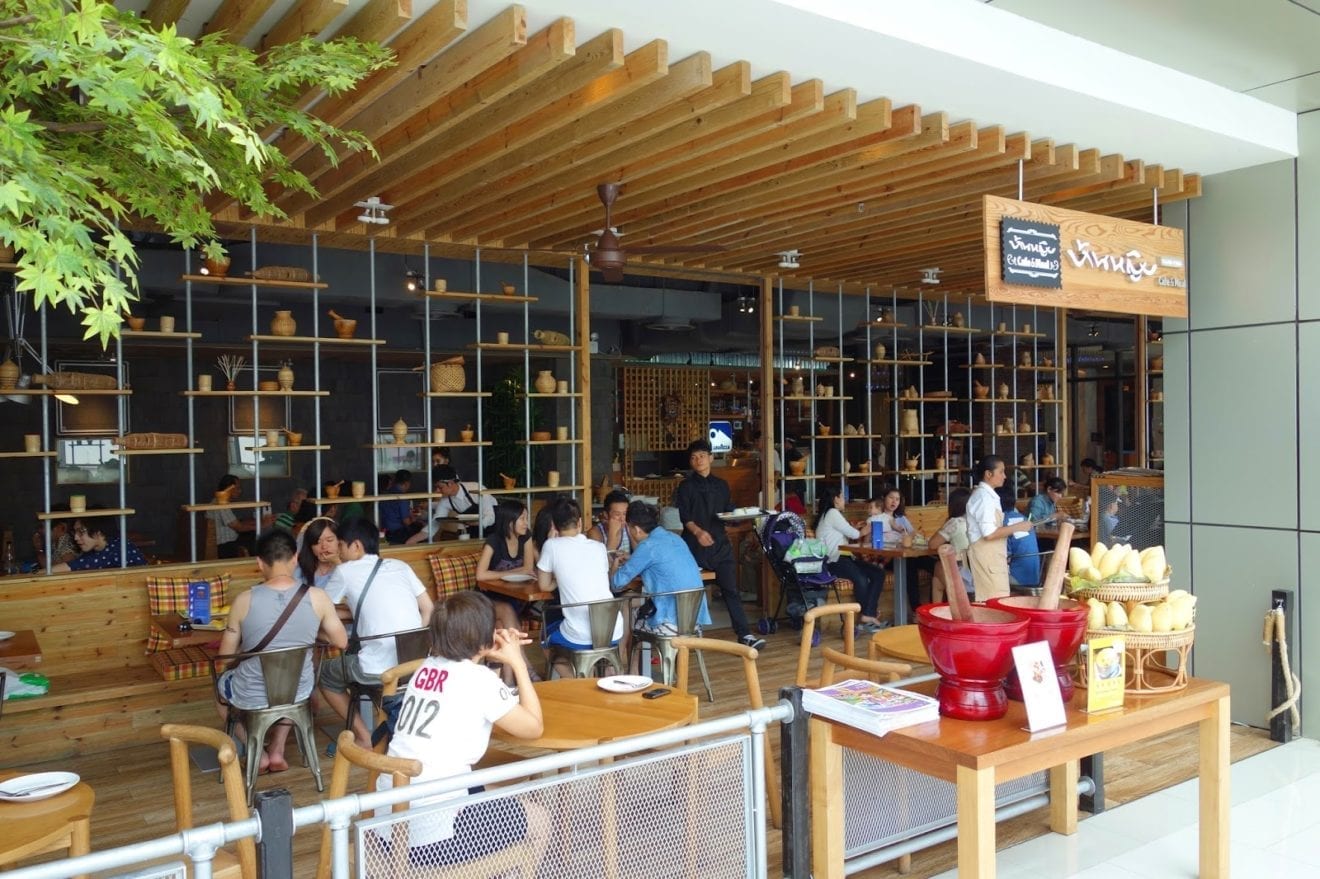
    Thai casual-dining restaurant Baan Ying and Dink Dink Thai Street Cafe, with the same owners, have opened at Royal Square Novena.

    Baan Ying has made a name for itself in Bangkok, where a family started the diner at Siam Square, encouraged by friends, 20 years ago. The original shop burned down after protests in the Thai capital in 2010.

    Now the group has a dozen restaurants, with Baan Ying outlets at Central World, Mega Bangna, Siam Centre, Siam Kitti, Silom Complex, Terminal 21 and The Promenade.

    For Singapore, the 126-seat Baan Ying has been opened in a bright space with tall ceilings, windows offering soft natural sunlight, light wooden furniture and greenery.

    Recommended items include the signature Baan Ying Omelette, Deep-Fried Sea Bass with Crispy Herbs, and Squid Stir Fry with Salted Egg.

    Downstairs on the first level of Royal Square Novena, Dink Dink Thai Street Cafe has a decor that echoes the streets of Thailand, with metallic tables and stools for the dine-in area. The menu offers noodles and toast dishes as well as drinks.

  • Ippin meets global demand for Japanese Sake with launch of vast online collection

    Ippin meets global demand for Japanese Sake with launch of vast online collection

    Cross-border e-commerce platform Ippin Japan Mall has launched one of the internet’s largest sake collections.

    Ippin, which specialises in direct sales internationally of quality items from Japan, has made available more than 1350 varieties of sake, with direct delivery within a week from supplier warehouses.

    Ippin Japan Mall is a part of the C-Connect Corporation, which also runs a printer ink retailing store. It is active in 16 countries.

  • Singapore firms eye Vietnam food industry

    Singapore firms eye Vietnam food industry

    Many Singaporean firms are interested in investing in food, agriculture, and dining services in Vietnam as they forecast that these sectors will thrive in the near future amidst broader ASEAN integration.

    The statement was made by Andy Yun, Secretary General of Singapore Manufacturing Federation, representing more than 3,000 members operating in automation, biology, construction, heavy industry and more, during the second Vietnam – Singapore business exchange held in the island state last week.

    Yun described Vietnam as a major market in the region with huge potential in agriculture and the food industry. Meanwhile, Singaporean enterprises are strong in technology, supply chains and logistics – a supplementary factor to the bilateral partnership.

    Nguyễn Văn Thân, Chairman of the Vietnam Association of Small and Medium-sized Enterprises, led a delegation of over 100 Vietnamese firms, many of them start-ups, to the event.

    He said many Singaporean enterprises actively connected with Vietnamese ones at the event, proving that bilateral cooperation potential is huge.

    Accounting for over 97 percent of the total, Vietnamese SMEs contribute nearly 40 per cent of the gross domestic product, 33 per cent of industrial production value, 30 per cent of export value and attract more than half of the workforce, he said.

    Singapore is now the sixth largest trade partner of Vietnam in the world and the second largest in ASEAN. Vietnam is also the 12th largest trade partner of Singapore. Two-way trade has grown 12-15 per cent annually over the past years.


  • Resurgent McDonald’s plans 200 openings in Japan’s burger battle

    Resurgent McDonald’s plans 200 openings in Japan’s burger battle

    Fast-food chains in Japan are launching the biggest expansion wave in decades and adopting strategies that would have been unthinkable in the early 2000s, when hamburgers were a prime symbol of deflation.

    McDonald’s Holdings (Japan), the biggest player, is emerging from a prolonged slump and on Tuesday announced it is planning the first net store increase in a decade this year. Burger King, the world’s second-largest hamburger chain, aims to triple its Japanese locations to 300 by 2022, spending 5 billion yen ($45.5 million) in the process.

    McDonald’s saw a 4.5-fold increase in group net profit for the fiscal year through December, logging a record 24 billion yen. It aims to open 150 to 200 new locations in the next three years. Factoring in closings, it expects a net increase of around 100.

    “Over the last several years, we were focusing on optimizing our existing store portfolio,” President Sarah Casanova told reporters. “Now, it’s time to look to opportunities to grow with new restaurants.”

    The number of McDonald’s locations in Japan peaked in 2002 and has been decreasing since. The chain now has 2,900 restaurants after a net decrease of about 1,000.

    Opening new restaurants might seem like an odd move in a country where the birthrate is falling and consumers are holding back on dining out. The hamburger business, however, is one of the few bright spots in an otherwise bleak restaurant industry.

    It helps that chains like Burger King and McDonald’s are globally recognized. Japan is welcoming record numbers of tourists — 28.6 million last year — giving the restaurants a steady stream of fresh customers looking for familiar flavors in an unfamiliar land.

    Burger King Japan, the U.S. chain’s local operation, will open most of its 200 new restaurants in large cities like Tokyo, Osaka and Nagoya. Target locations include shopping center food courts and suburban spots with room for drive-thrus. Open-kitchen interiors will allow customers to see their Whoppers being cooked.

    Burger King also intends to offer a home delivery service, countering McDonald’s Japan’s move to expand deliveries in partnership with Uber Eats last year.

    This is Burger King’s second crack at the Japanese market. The chain left the country in 2001, after a slump. It returned in 2007 with support from such companies as Lotte, but its store count remains far behind McDonald’s Japan’s 2,900.

  • Food inflation lower at 3.8% in January

    Headline inflation moderated to 2.7% in January, mainly due to lower transport inflation at 5.7% compared to 11.5% in December 2017, said Bank Negara Malaysia (BNM).

    “Although RON95 petrol averaged slightly higher at RM2.28 per litre in January 2018 (December 2017: RM2.27 per litre), the higher base of RON95 price in January 2017 (RM2.10 per litre) compared to December 2016 (RM1.90 per litre) resulted in lower inflation in the transport category,” the central bank said in a statement today.

    BNM said food inflation was also lower at 3.8% (December: 4.1%), reflecting lower inflation in the fish and seafood category.

    It said there was a higher current account surplus in the fourth quarter of 2017 (4Q 2017) as the current account surplus widened, reflecting a larger goods surplus and lower secondary income deficit.

    Going forward, BNM said the current account surplus was expected to continue registering a healthy surplus, supported mainly by the goods account.

    “Net financing growth continued to support economic activity as it increased to 7.2% in January 2018 (December 2017: 6.9%),” said BNM.

    It said the growth of net outstanding issuances of corporate bonds continued to increase, with a double-digit growth rate of 16.6% (December 2017: 15.4%).

    The central bank said the growth of outstanding loans of the banking system also increased slightly to 4.2% (December 2017: 4.1%).

    The growth of outstanding business loans increased to 2.0% in January 2018 (December 2017: 1.8%), driven mainly by wholesale and retail trade, restaurants and hotels, real estate, construction, and primary agriculture sectors, said BNM.

    “Banking system capitalisation remained strong as financial institutions are well-positioned to withstand macroeconomic and financial shocks, with excess capital buffers of RM140 billion as at January 2018,” said the central bank.

    More than 75% of total capital, comprised high-quality loss-absorbing capital in the form of Common Equity Tier 1 Capital (i.e. equity, retained earnings and reserves), it said.

    BNM said financial markets attracted non-resident inflows amid positive sentiments as in January, the domestic financial markets were supported by positive sentiments, driven by Malaysia’s strong economic outlook and higher global oil prices.

    “As a result, the Malaysian Government Securities (MGS) and equity markets attracted non-resident inflows amounting to RM4.2 billion and RM3.4 billion respectively.

    “Following the inflows, the ringgit appreciated by 4.3% against the US dollar and the FTSE Bursa Malaysia KLCI increased by 4.0% in January, while in the bond market, three-year, five-year and 10-year MGS yields increased by five basis points each, following the increase in the overnight policy rate (OPR) by 25 basis points.

    “The impact of the OPR increase on MGS yields was mitigated by non-resident inflows into the MGS market,” said BNM.

  • Quick Serve to expand Texas Chicken in Indonesia

    Quick Serve to expand Texas Chicken in Indonesia

    Quick Serve Indonesia, the new franchisee for US quick-service chicken chain Texas Chicken, has launched its first two stores.

    The first is in Surabaya, East Java, in the Tunjungan Plaza 3 (TP3), with a second a signature stand-alone restaurant in Kertajaya, East Java. The two-storey restaurant seats 175 guests.

    As well as items from Texas Chicken’s international menu, the two outlets offer chicken and rice dishes with international and Asian sauces.

    “The Surabaya location is in a culinary hub for our region, which gives the brand an opportunity to solidify its base in Indonesia,” says Quick Serve Indonesia MD Julius Evan Kritianto.

    Texas Chicken already has 60 outlets in Indonesia run by another franchise group, Cipta.

    Quick Serve says it plans to move quickly to expand the brand primarily in the Java and Bali regions.

  • Jollibee tries bicycle delivery service

    Jollibee tries bicycle delivery service

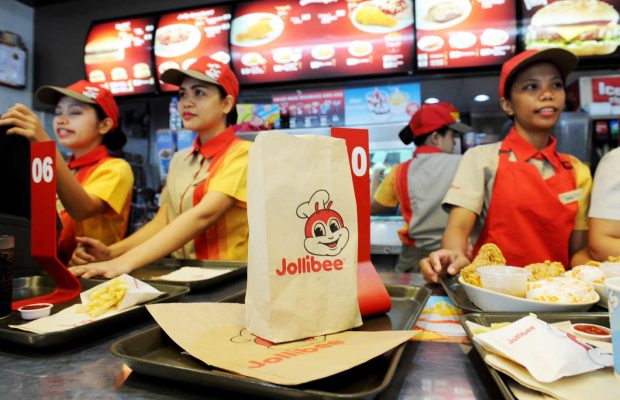
    Home-grown fast food chain Jollibee rolled out its fleet of eco-friendly delivery bicycles in key cities in the metro.

    Fat bikes were spotted bringing bestseller chickenjoy to consumers, in a bid to lessen pollution in central business districts (CBDs), a company official said Tuesday.

    The ‘Jollibee Bike Delivery Service,’ launched last November, serviced selected stores in Makati, Ortigas, BGC and Metro Cebu. It was also available in Laguna and Cavite, Arline Adeva, Jollibee’s AVP for Brand Communications and PR told ABS CBN News.

    “We are the first to launch the Jollibee Bike Delivery Service in the Philippines and so far, we are the only one exploring the service,” Adeva said.

    “The primary advantage of using bikes is really to lessen carbon emission especially in CBDs where it’s highly congested,” she added.

    There are 40 fat bikes traversing the streets to deliver orders in areas near selected branches. Adeva said the bikes were customized for stable travel and are equipped with waterproof and dust-proof thermal bags to ensure superior food quality.

    Riders’ safety will also be a priority, with road safety trainings and helmets provided for the delivery staff.

    “We also conduct trainings for our riders to ensure they understand speed limits, making use of the bike lanes, and also to use their blinkers at night time,” she added.

  • Jollibee poultry plant gives chicken farmers new income opportunity

    Jollibee poultry plant gives chicken farmers new income opportunity

    Cargill Joy Poultry Meat Production Inc. opened on Tuesday, giving chicken farmers in Batangas and nearby provinces new income opportunities, Jollibee Foods said Wednesday.

    A joint venture between Jollibee Foods and Minneapolis, USA-based Cargill , the largest poultry processing plant in the country has a yearly capacity of 45 million chickens.

    “The plant increases income opportunities for local poultry farmers in Batangas and nearby provinces as they will supply the chickens to be processed at the JFC facility,” according to Jollibee Foods.

    The poultry plant in Santo Tomas, Batangas will supply the demand of JFC bands with dressed and marinated chicken.

    “C-Joy is partnering with local poultry farmers in Batangas and nearby provinces to supply the new facility with chicken,” according to Cargill.

    “We are looking forward to producing the chickens that will be supplied to the C-Joy plant to meet the poultry meat requirements of Jollibee,” said Vic Lao, president of Highcrest Corp., a partner-grower of the C-Joy.

    Cargill and Jollibee Foods revealed the partnership in May last year, saying the processing plant will create an estimated 1,000 new full-time jobs in Batangas.

    They said the plant will be 70-percent owned by Cargill Philippines which will oversee the setting up, management, and operations, with Jollibee Foods owning 30 percent.

    JFC invested P244.9 million in the processing plant, and P15.2 million in Cargill Joy Poultry Realty Inc. from which C-Joy leased the land to build the facility.

    The poultry processing plant is industry positive, according to the United Broilers Raisers Association.

    “This is positive for the industry as this will promote competition among big market players like San Miguel and Bounty fresh,” UBRA president Bong Inciong told GMA News Online.

    “Maganda rin ‘yan kasi kaunti lang ‘yung big players. So, healthy for the industry na may competition sila. Also, ‘yung mga small farmers will be given opportunity to grow kasi meron silang bagong malaking client,” he added.

    Summit Securities Inc. president Harry Liu said the development will have an impact on the financial condition of Jollibee Foods.

    “I think it will help the bottom line. I am sure they are doing this investment for future requirement and steady supply for the business now and in the future,” he said in a separate text message.

    JFC closed the third quarter with a net profit of P1.62 billion, up 21.1 percent from a year earlier.

  • Shanghai is home for world’s largest Starbucks Reserve Roastery

    Shanghai is home for world’s largest Starbucks Reserve Roastery

    The world’s largest Starbucks Reserve Roastery opens in Shanghai tomorrow, a store the company also describes as its “most beautiful”.

    At 2700sqm (nearly 30,000sqft) the store is twice the size of the Seattle Starbucks Reserve Roastery flagship. It features three coffee experience bars, the largest 27m long. The coffee bar was handcrafted by premiere Chinese artisans and references the unique roasting curve of individual coffee beans.

    Starbucks Reserve Roastery - Shanghai 1

    China is Starbucks’ fastest-growing market with a new store opening every 15 hours. The US coffee chain has been in China for more than 18 years and now has more than 3000 stores across 136 cities. More than 600 of those  are in Shanghai.

    Starbucks Reserve Roastery - Shanghai 2

    Starbucks Reserve Roastery - Shanghai 11

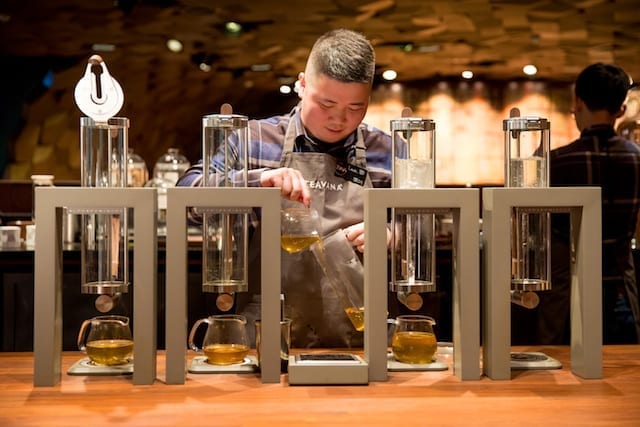
    The ambitious store expands Starbucks’ core offer, with more than 100 beverages on the menu, including Teavana tea infused with nitrogen and a new take on tea brewing with the Steampunk, which uses steam to extract unique flavors from each tea leaf.

    Starbucks Reserve Roastery - Shanghai 3

    Starbucks says the design is unique and will not be repeated elsewhere. Key design features include a ceiling consisting of 10,000 handmade wooden hexagon-shaped tiles inspired by the locking of an espresso shot on an espresso machine.

    Starbucks Reserve Roastery - Shanghai 4

    At the store’s entrance, mirroring the signature copper cask at the inaugural Starbucks Reserve Roastery in Seattle, customers will be greeted by the sight of a two-story, 40-ton copper cask adorned with more than 1000 traditional Chinese chops, or stamps, hand-engraved to narrate the story of Starbucks and its Reserve concept. The cask has a practical purpose, as well – connecting to the three coffee bars with pneumatic copper piping, replenishing all the roasted Starbucks Reserve coffee silos.

    Starbucks Reserve Roastery - Shanghai 8

    New bars and AR

    Besides the coffee experience bars, the new store features Asia’s first Princi bakery and cafe, with more than 30 Chinese bakers and chefs baking 80-plus menu items fresh onsite daily, based on artisanal recipes created by Italian baker Rocco Princi.

    Starbucks Reserve Roastery - Shanghai 9

    And it features China’s first Teavana Bar. Made entirely from 3D printed recycled material, the bar’s light jade colouring was inspired by ancient green clay teapots and the stains formed by brewing over time. Starbucks will continue China’s brewing tradition alongside tea curators as they practice mixology with the help of the Steampunk system’s nitrogen flavor extraction.

    Starbucks Reserve Roastery - Shanghai 10

    Designed by Starbucks, and powered by Alibaba, the Shanghai Roastery will become the first Starbucks location, and the first-of-its kind in China, to seamlessly integrate a real-time, in-store and online customer experience. Roastery customers are invited to immerse themselves in the first Starbucks augmented reality (AR) experience by simply pointing their phones at key features around the Roastery to bring to life information about the Starbucks bean-to-cup story. Guided through the space by a custom-designed AR “tour-guide,” customers can unlock virtual badges and a unique Roastery filter to commemorate their visit.

    “The affinity we have built with our partners (employees) and customers over the past 18 years in China is special and we knew we must bring the Reserve Roastery, our boldest, most premium store ever, to Shanghai, China’s bustling metropolitan hub and one of the world’s most dynamic retail destinations, as well as a gateway to customers from across Asia and the world,” said Howard Schultz, executive chairman of Starbucks Coffee Company. “We’ve created a space that both recognises and celebrates our 46-year history of coffee leadership and retail innovation with China’s rich, diverse culture.”

    Here’s a video from Starbucks showing some of the interior (no sound):

  • Hanoi finally gets its first McDonald’s

    Hanoi finally gets its first McDonald’s

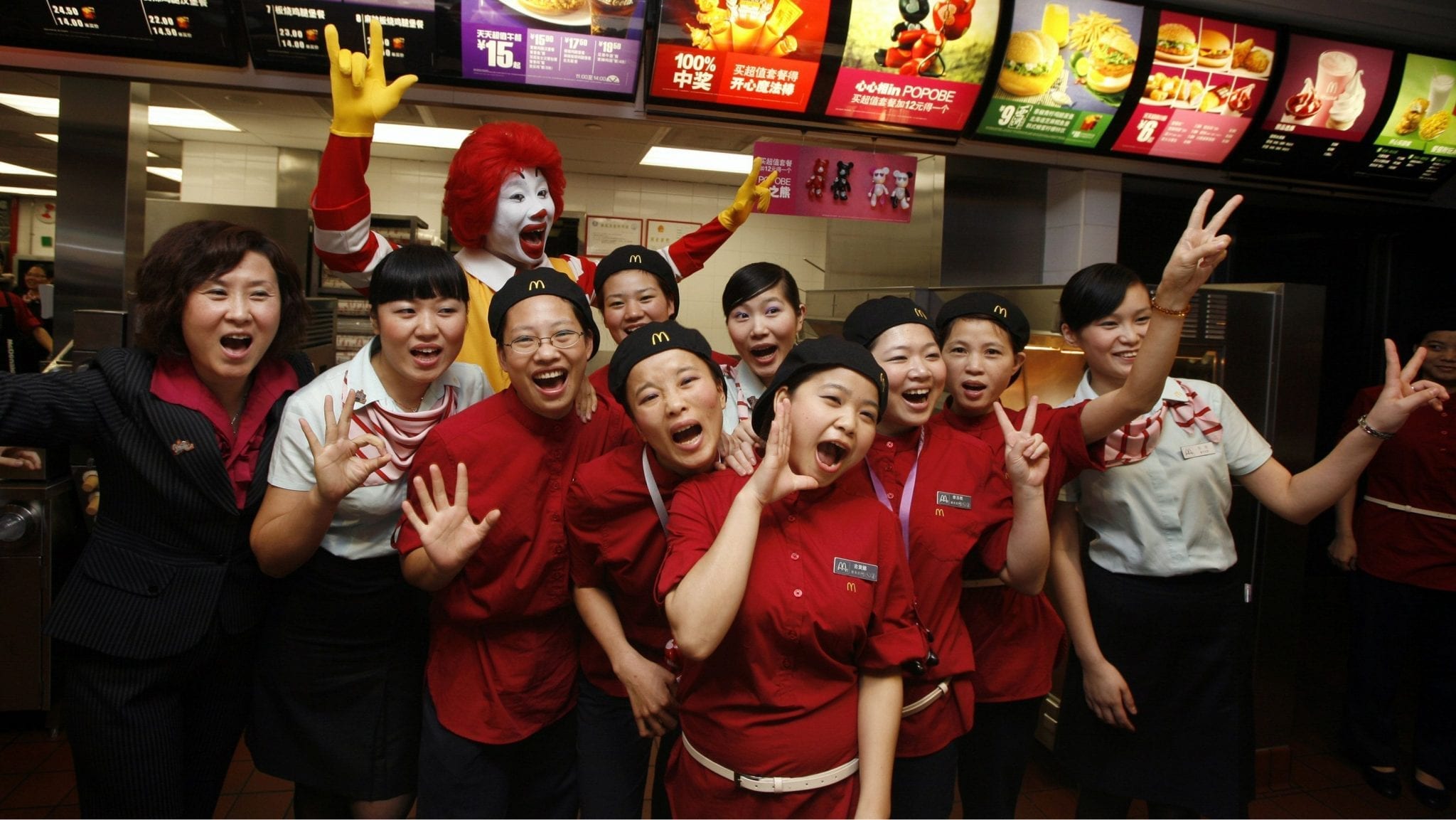
    Global burger behemoth McDonald’s opened its first branch on Saturday in the historic heart of communist Hanoi, a conservative city renowned for its traditional – and cheap – Vietnamese staples beloved by food-obsessed locals.

    Hungry customers lined up for Big Macs and Chicken McNuggets at the Vietnamese capital’s first McDonald’s outlet. It overlooks the tree-lined Hoan Kiem lake, which draws millions of tourists annually to see French-era colonial buildings and sample street-food favourites like pho noodle soup and banh mi sandwiches.

    The restaurant is the first outside of the southern commercial hub Ho Chi Minh City, where 16 branches have opened since McDonald’s first came to Vietnam in 2014 to much fanfare, especially among the rapidly-growing middle class and American-obsessed youth.

    The global fast food chain received a similarly warm welcome in Hanoi on Saturday, as hungry diners crammed into the two-storey eatery for a first taste of the Golden Arches.

    For 84-year-old Tran Dinh Luyen, who fought against the US in the Vietnam War, the restaurant was a sign of warming ties with a former enemy.

    “I am happy that McDonald’s has opened a restaurant in Hanoi. It’s a very famous American brand, so it shows how far US-Vietnam relations have come,” he told after mowing down on a Big Mac with his daughter and granddaughter.

    Some curious tourists stopped to see what all the fuss was about, perplexed that a brand ubiquitous in the West would draw so much attention.

    “It’s kind of random to see McDonald’s opening … it’s an interesting cultural experience to see how important it is that the store is opening here,” American Dan Moore told AFP, after his wife remarked she might not have expected to find one of the most salient symbols of capitalism in the communist country.

    The one-party state has seen dizzying economic growth in recent years as it has opened its doors to foreign investment, which has included an influx of western chains like Starbucks, KFC and Burger King.

    Growth in the fast food sector has been buoyed by rapidly rising incomes – annual per capita income has more than doubled in the past decade to about US$2,100 today – especially among under-30s, who make up half of Vietnam’s population of 93 million people.

    The fast food industry in Vietnam has seen double-digit growth annually for the past five years, and the country has the highest 2017 growth in Asia-Pacific for fast food chains, according to market research firm Euromonitor International.

    Though meals can cost as much as three times the local fare, customers are still showing strong appetite.

    “Young people like to hang out in fast food restaurants as they are seen as a cool and nice place … and these customers also like the taste of the food,” Euromonitor analyst Samuel Huynh told.

  • Hawkr opens a new branch in Pacific Place

    Hawkr opens a new branch in Pacific Place

    Following its launch in Quarry Bay three months ago, “grab-and-go” eatery Hawkr has expanded to Pacific Place

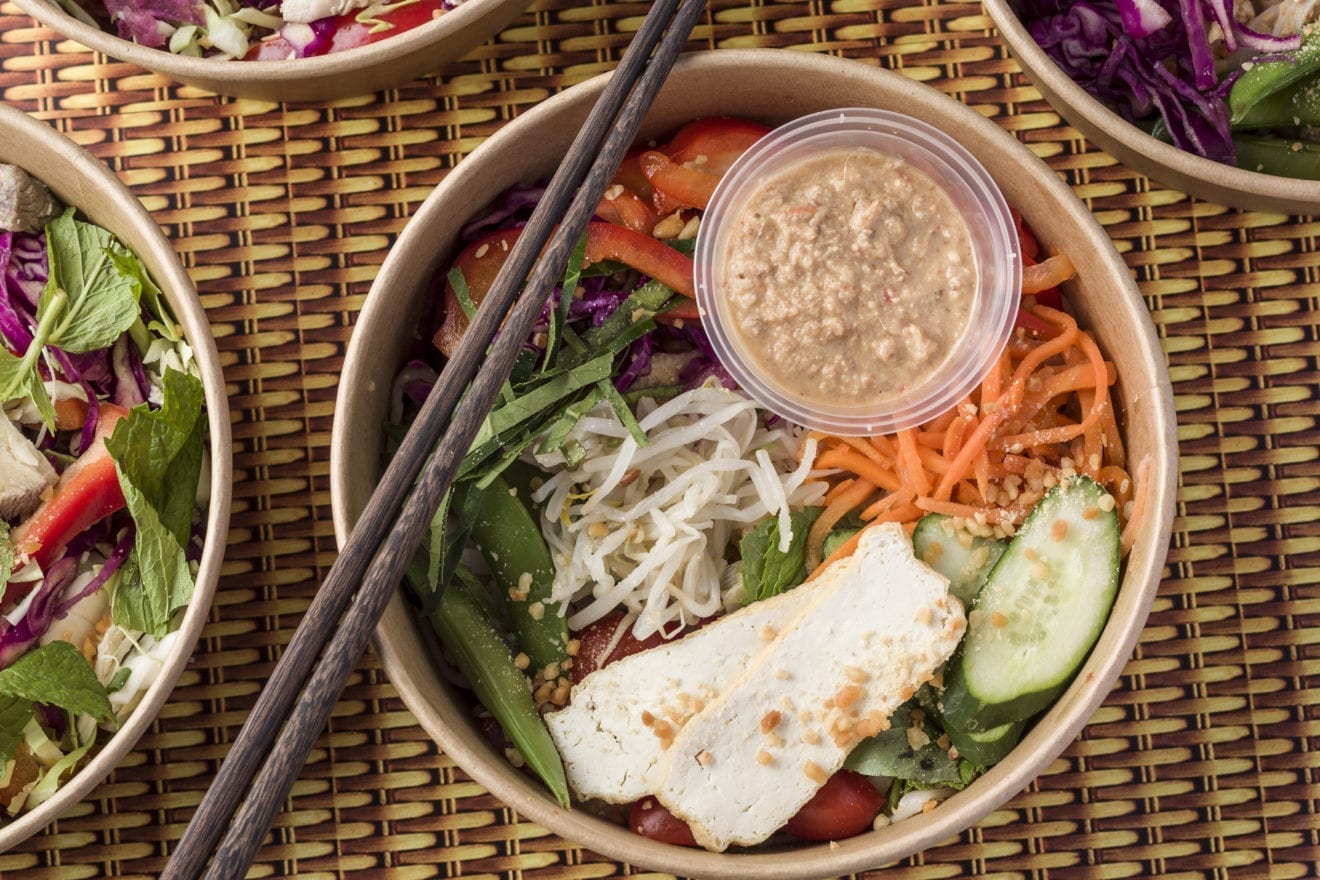
    Hawkr springs from a partnership between Myanmar-based lifestyle concept Pun+Projects founder and restaurateur Ivan Pun and private-equity professional Jake Astor. Pop-up dining chef Mina Park is in charge of the menu which offers original recipes and fresh ingredients without MSG, artificial flavours or preservatives. It was inspired by Southeast Asian fare from such food destinations as Indonesia, Malaysia, Myanmar, Singapore, Thailand and Vietnam.

    The second store has an expanded menu including Burmese tealeaf, Isaan beef and Song Que salmon salads, Mamak Mee noodles and roasted pork noodle with coriander pesto,plus tealeaf eggs. Hawkr’s bespoke coffee blend is again a feature, with a resident barista.

    Like the Quarry Bay flagship, Hawkr at Pacific Place continues a design theme of neon green signs against a rattan background, and colourful wall pattern inspired by the ikats of Burma and Thailand.

    Staff aprons are hand-dyed in indigo from the Isaan region of Thailand.

    All menu items are half price after 7pm every day, and the team also plans to work with local charities to ensure any leftover food goes to those in need. Catering menus are also available for corporate events, luncheons and parties.

  • Food helps, says Starbucks boss

    Food helps, says Starbucks boss

    Food and digital innovation are helping attract customers into stores, says Starbucks Corporation CEO/president Kevin Johnson.

    He was commenting on the coffee giant’s growth during its fourth quarter and fiscal year ending October 1.

    For the quarter, net revenues for the China/Asia Pacific segment grew 2 per cent to US$859.9 million. Excluding $56.9 million for an extra week last year’s fourth quarter, net revenues grew 10 per cent, primarily driven by incremental revenues from 1036 store openings over the past 12 months and a 2 per cent growth in comparable store sales. The increase was partially offset by unfavourable foreign currency translation.

    China comparative-store sales increased 8 per cent, driven by a 7 per cent increase in transactions.

    Overall four-quarter operating income grew 5 per cent to $201.7 million, while the operating margin expanded 60 points to 23.5 per cent, primarily driven by higher income from joint ventures, and partially offset by the lapping of the 53rd week in fourth quarter.

    Consolidated net revenues were steady for the quarter at $5.7 billion, excluding $412.4 million for the extra week. Consolidated net revenues grew 8 per cent.

    GAAP operating income of $1 billion declined 16.7 per cent while non-GAAP operating income grew 2.8 per cent to $1.1 billion. GAAP operating margin of 17.9 per cent declined 360 points while the non-GAAP decline was 20 per cent, down 90 points.

    The increased operating loss was primarily because of restructuring and impairment costs related to the company’s strategy to close Teavana tea retail stores and focus on the brand within Starbucks stores.

    Global comparable store sales increased 2 per cent, driven by a 2 per cent increase in average ticket and a 1 per cent increase in transactions; but up 3 per cent excluding the impact from Hurricanes Harvey and Irma. The impact from the hurricanes affected consolidated and US comparative store growth by 1 per cent as more than 1000 stores were temporarily closed.

    Revenue growth

    For the year, global comparable-store sales increased 3 per cent while consolidated net revenues grew 5 per cent to $22.4 billion. Excluding $412.4 million for the extra week in the fourth quarter last year, consolidated net revenues grew 7 per cent year-on-year.

    GAAP operating income of $4.1 billion declined 0.9 per cent compared while non-GAAP operating income grew 7.8 per cent to $4.4 billion.
    GAAP operating margin of 18.5 per cent declined 110 points, but was up 10 points to 19.7 per cent non-GAAP.

    Starbucks opened 603 stores globally, taking its total to 27,339 across 75 countries.

    Johnson says system improvements are enabling the company to drive increased throughput, particularly in its busiest stores at peak times.

    In September, the company announced it had entered into an agreement with long-time strategic partner Maxim’s Caterers in Asia to fully licence Starbucks business in Singapore, including transitioning the more than 130 company-run Starbucks stores. The partnership started in Hong Kong in 2000, and together they run more than 210 outlets across Cambodia, Hong Kong, Macau and Vietnam.

  • Lumine Singapore features fashion plus food

    Lumine Singapore features fashion plus food

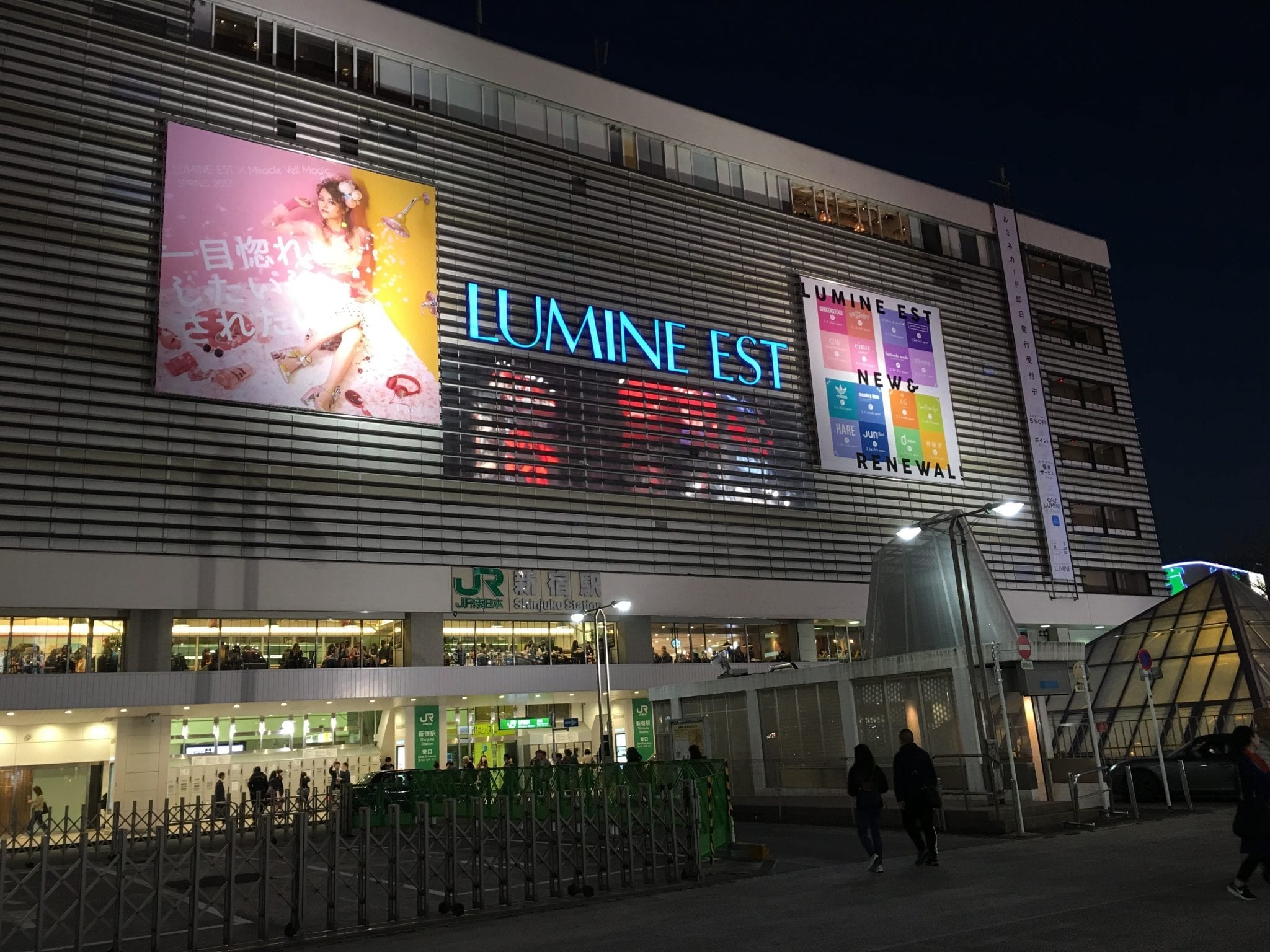
    Japanese fashion and food both feature in the new Lumine Singapore fashion mall in Clarke Quay Central.

    For its launch, in line with its philosophy “I am who I am”, the mall invited Japanese and Singapore personalities known for their individuality.

    “Singapore is an important milestone in our business plan because it is an important gateway to the Asian market and pivotal in positioning the brand on the world map,” says Lumine Singapore MD Naokazu Kozakai.

    With expertise in direct management and subleasing, plus access to more than 2200 tenants in its malls, Lumine intends its Singapore mall to be a platform for Japanese brands to jumpstart their entry in the city and other markets in the region.

    As tipped in July, the 10,000sqft (930sqm) specialty lifestyle store targets independent, sophisticated women, offering the same shopping experience as its 15 malls in Japan. Included is Lumine cafe, which will be run by Create Restaurants Asia.

    Lumine Singapore offers a collective of 20 fashion brands that are iconic in Japan including Fray ID, Ien, Lagunamoon, Lily Brown, Mila Owen, Moussy, Sly, Snidel, Spick & Span, Tomorrowland and Ungrid. There are also shoes and accessories from Drama HP France, Le Talon and RoomsShop, plus exclusive Zoff eyewear.

    A brand incubation program is part of Lumine’s business strategy. “We have created a space as a testbed for Japanese brands in the new store called Lumine Lab,” says Kozakai. “It aims to share and explore the diversity in Japanese fashion and craftsmanship.”

    Featuring first in the space are influencer-based Japanese brands including And Couture, Emoda, MercuryDuo, Murua and Rienda.

    Among women attending the official opening were musician/entrepreneur Aarika Lee, entrepreneur Savina Chai, food artist Suwa Ayako, model/DJ Una and musician Yuuki (YJY).

  • Bangkok moves up the food chain

    Bangkok moves up the food chain

    According to the Mastercard Global Destinations Index, Bangkok is the most visited city in the world with 21.47 million overnight visitors in 2016.

    There are several factors that make Thailand’s capital the world’s leading destination and one of them is food.

    Anyone familiar with Thailand is aware of Thais’ love of food and now the world is learning more about Thai cuisine. There are few cities in the world without a Thai restaurant. Today, Bangkok is delivering a wide range of authentic Thai food and is growing as a foodie destination.

    The Tourism Authority of Thailand has been using ‘Thai Food’ as their strategy to promote sustainable tourism. Social media platforms, such as YouTube and Facebook, are the most effective channels to reach travelers, especially independent travelers who rely on the internet to plan their trip. For example, the ‘Thai-Licious Journey’ series campaign on YouTube aims to promote Bangkok as a food capital of the world.

    In addition to the government’s effort to promote Thai cuisine, the private sector is also playing a role to raise awareness. The Minor Group—one of the largest hospitality and leisure companies in APAC—has expanded their Thai Express restaurant brand across six countries in Asia Pacific. Thailand’s Mudman Group has also established their Greyhound Café restaurant brand in Hong Kong and Beijing.

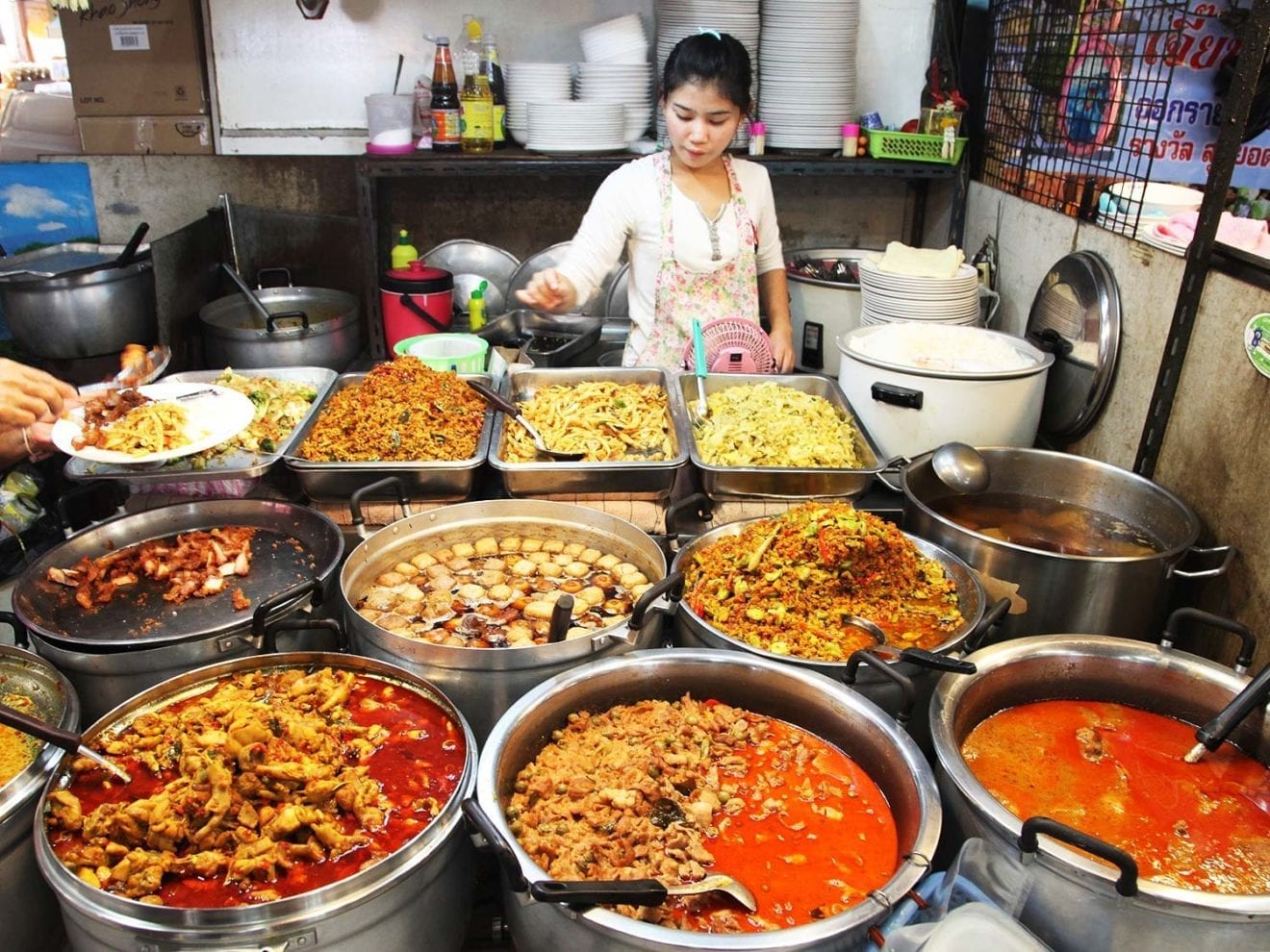
    In terms of variety, Bangkok offers a range of dining experiences from local street food to cutting-edge restaurants. Bangkok was ranked by CNN as the Best City in the World for Street Food in 2017. On the other end of the scale, the city is now home to two out of the fifty finest culinary establishments on the planet, according to the EATER website—Gaggan and Nahm. Bangkok’s bars are also world-famous; Sirocco Sky Bar featured in ‘The Hangover Part II’ movie.

    Retail landlords have been revising their retail mix by adding more F&B tenants, ranging from international restaurants to an indoor street food experience. For example, the Terminal 21 shopping center offers Thai local street food at affordable prices, as well as Tim Ho Wan, a one-star Michelin restaurant.

    Many of today’s travelers, especially millennials, have become more sophisticated and want authenticity and experience; Bangkok is increasingly catering to this market. Retail landlords who are using a placemaking strategy want restaurants that can give them a competitive edge to attract locals as well as international visitors.

    Traditionally, fast-food tenants have been the highest F&B rent payers but nowadays, landlords of many Bangkok shopping centers want to create a unique selling point, which means accepting lower rents to secure a wider range of restaurants.

    Bangkok is growing as a foodie destination and we can expect to see a wider and more sophisticated range of restaurants for Thai regional and international cuisines.

  • Foodpanda brand overhaul follows acquisition

    Foodpanda brand overhaul follows acquisition

    A Foodpanda brand overhaul has been launched following its acquisition by tech giant Delivery Hero last December.

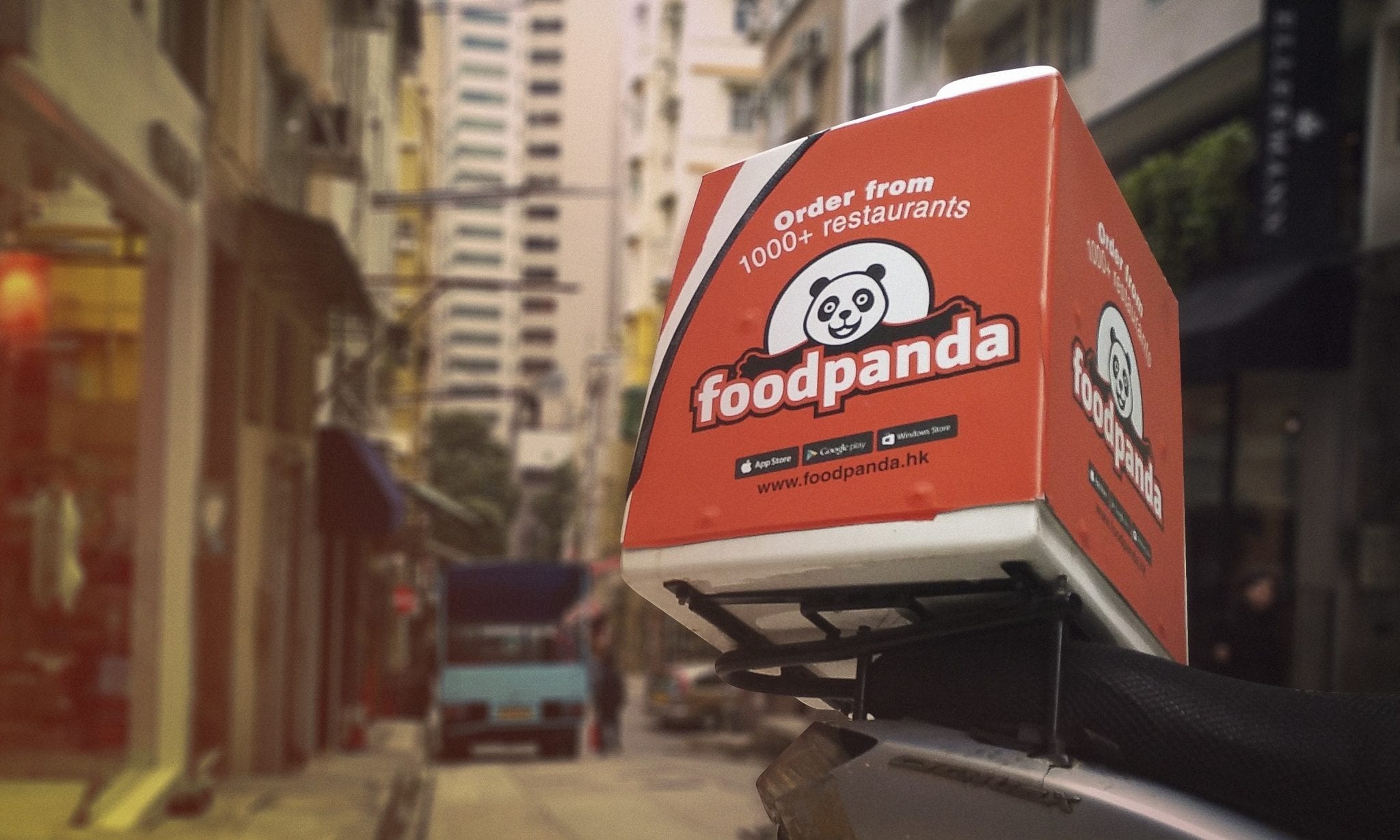
    While the iconic panda is still part of the food delivery company’s logo, it has been tweaked to have a round face, while the brand colour has been changed from orange to pink with a slimmer more contemporary font.

    According to the company, the new logo aims to be more memorable.

    “Pink will be a strong differentiator for Foodpanda to stand out in markets in which orange is used extensively throughout the city,” says head of marketing Laura Kantor. Also, pink is the signature colour of its sister company Foodora.

    The rebranding will roll out in 190 cities across 12 countries, including Hong Kong, Malaysia, Singapore, Taiwan, Thailand and the Philippines.

    Along with the change in brand identity, Foodpanda has introduced an upgraded app and front end that introduces live tracking for orders.

    While declining to reveal the cost of the rebrand, Kantor says it has been a “mammoth task” to convert all its brand assets. It had to work on its app, website and other digital platforms, before moving on to more than 1500 restaurant partners in Singapore alone to replace all its collateral.

    Foodpanda also had to change out uniforms and delivery bags for its 3000-strong rider fleet, and also changed everything from orange to pink, including the walls, at its Singapore headquarters.

    Meanwhile, the company is working with restaurants to create celebratory dishes that will be available exclusively on Foodpanda for two weeks.