Retail News CRM

Tag: Forwarding

  • Tigers continues global growth with new mega hub facility in Rotterdam

    Tigers continues global growth with new mega hub facility in Rotterdam

    Tigers is building a new mega-hub facility in Rotterdam, the Netherlands, as global customer demand and the e-commerce sector continue to grow.

    The multi-million-Euro mega-hub is currently under construction and is scheduled to be officially opened in April 2020, providing another flagship location for Tigers in Europe.

    “Rotterdam is the biggest port in Europe and a key gateway to the continent for the supply chain, which is why Tigers has been based there for the past 20 years,” said Shahar Ayash, Managing Director – UK and Europe, Tigers.

    “The mega hub will be an advanced omnichannel fulfillment center and Tigers’ biggest single operation in Europe, which is being built with longevity and sustainability in mind.

    “E-commerce has also been a huge factor in this development with 70 percent of orders processed in Rotterdam related to the e-commerce sector, which is set for even further future growth.”

    The new mega-hub will replace Tigers’ existing Rotterdam facility and will be more than 550,000 sqft, have 60,000 pallet positions, and 550,000 bin locations.

    The hub is also being built with solar panels on the roof to create a sustainable structure and will be equipped with Tigers’ Cloud-based SmartHub:Connect technology.

    “The new facility will be just 10km from the Port of Rotterdam with close proximity to major road and rail networks, making it strategically located for both first and final mile,” said Ryan Balic, Regional Director Sales, Europe, Tigers.

    “The mega hub will allow our customers to accommodate organic growth and benefit from state-of-the-art facilities, including enhanced security features, multiple storages and picking processes, dedicated B2C returns and VAS processing areas, and an increased number of conveyor scan-pack stations.”

    The Rotterdam mega-hub is part of an ongoing global expansion plan for Hong Kong-headquartered Tigers, and the facility is being constructed by a real estate developer, DHG.

  • Rakuten and Seiyu launch Japan’s first autonomous delivery robots

    Rakuten and Seiyu launch Japan’s first autonomous delivery robots

    Rakuten has partnered with Seiyu to launch Japan’s first autonomous delivery robots service with JD in Umikaze Park.

    Using the Rakuten Drone app, Umikaze Park visitors can place their orders from the Seiyu Livin Yokosuka Store and receive the products delivered by the Rakuten UGV (unmanned ground vehicle).

    “JD develops unmanned technologies to provide customers a superior experience, and we highly value the partnership with Rakuten,” said Qi Kong, head of autonomous driving at JD Logistics. “This is a demonstration of how we are opening up our solutions to customers beyond JD.”

    The autonomous delivery robots service will be available only from September 21 to October 27.

    Earlier this year, JD and Rakuten signed a partnership to develop unmanned delivery solutions, one of which was drone-delivery service on Sarushima Island in Tokyo Bay.

  • DHL Express to cut vans from roads as it develops Cubicyle

    DHL Express to cut vans from roads as it develops Cubicyle

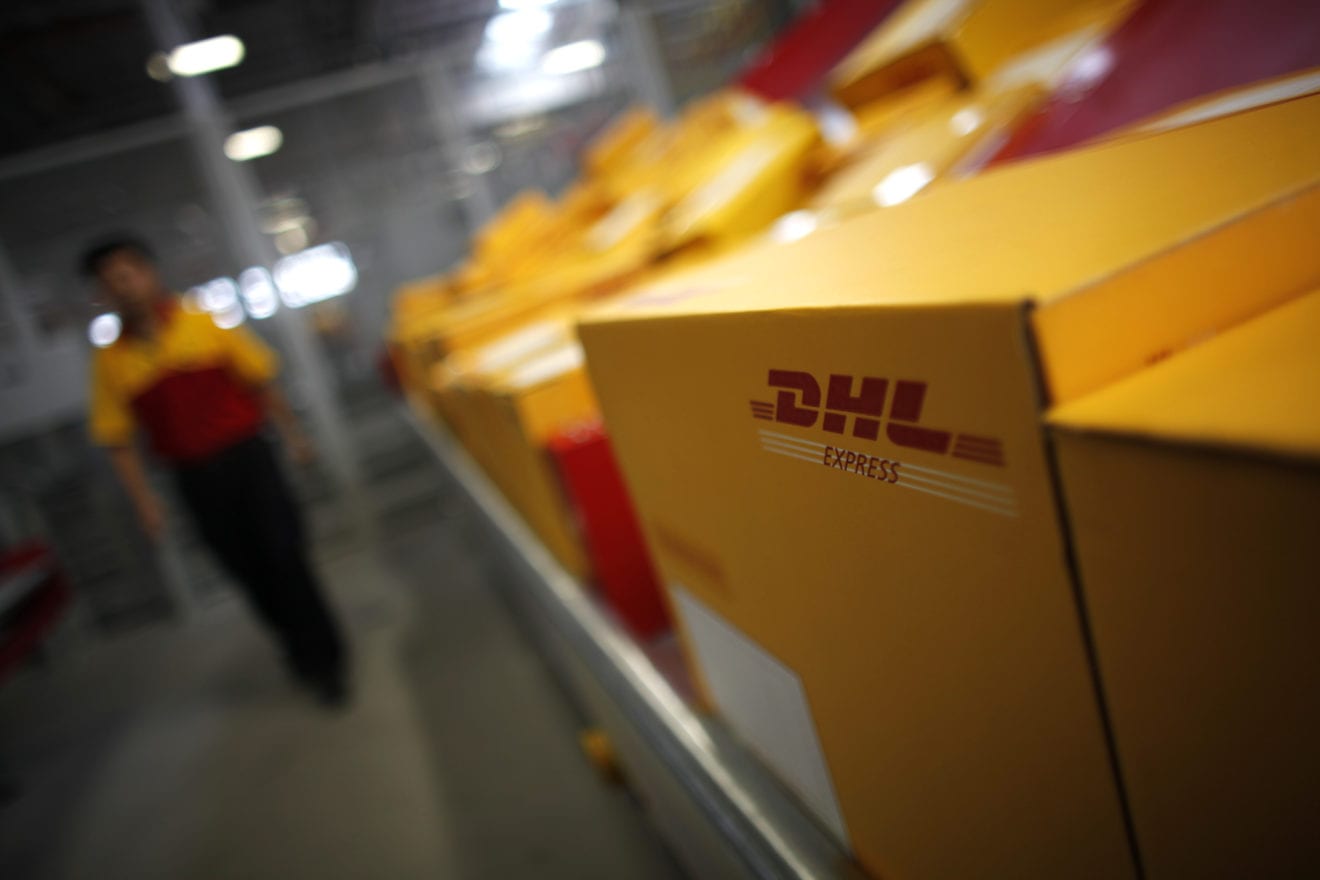
    DHL Express has finally bypassed a problem that held back the roll out of its Cubicycle system in the US. 

    Already operating in The Netherlands, the Cubicycle is quadcycle capable of carrying up to 125kg of shipments, with most cycle couriers using it covering 50km a day. 

    Chief executive of DHL Express Americas, Mike Parra, said it would be ideal for DHL’s operations in Manhattan. 

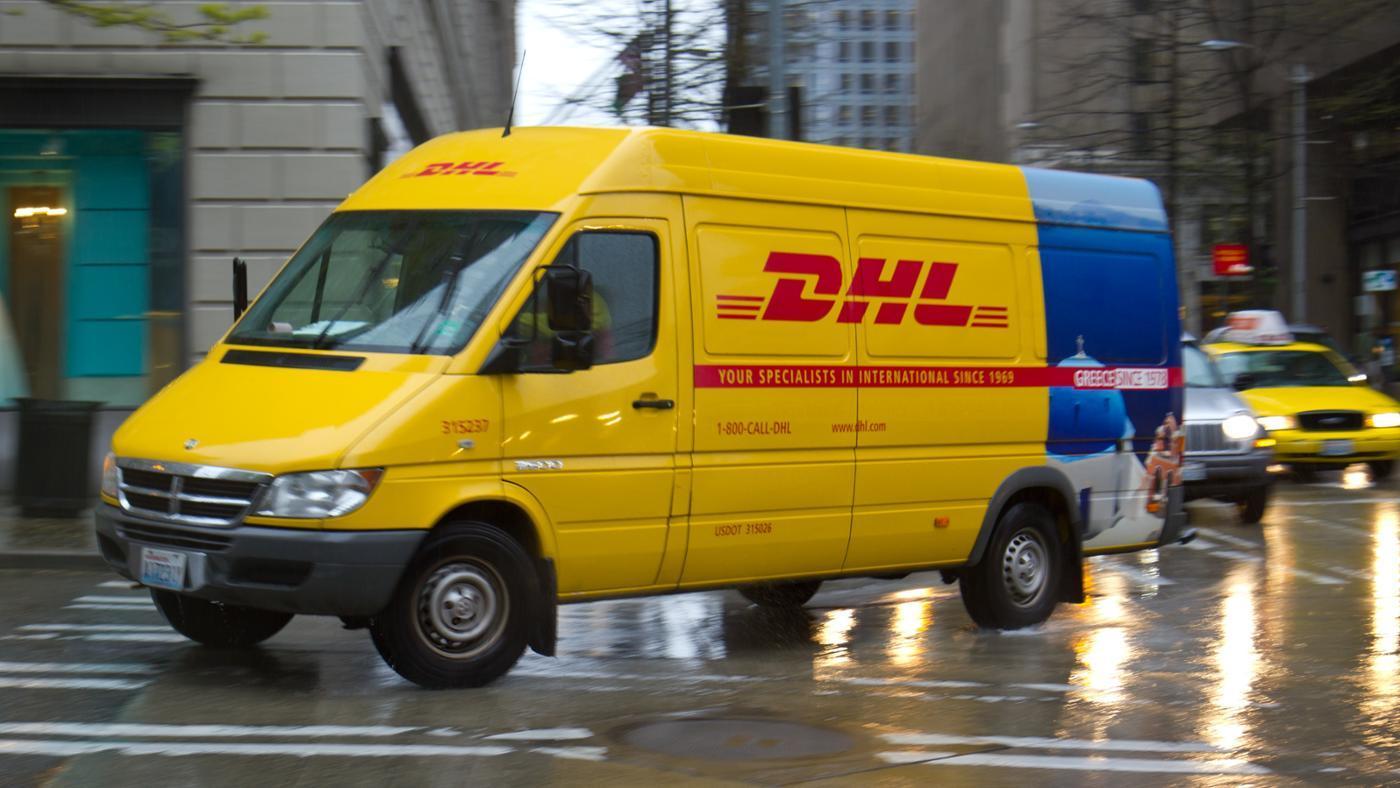
    However, a quirk of New York State law does not recognise the four-wheeled cycle as a bike, instead designating it as a car, preventing it from use in cycle lanes, and incurring car taxes.  

    Mr Parra said that DHL had finally found a solution and an altered version of the bike would be on NYC roads by the middle of next year. 

    Our development team has dropped one of the wheels to make it a three-wheeler, which NYC authorities would allow to operate in designated bike lanes,” Mr Parra said. 

    So next year we will be rolling it out not only in New York but also in San Francisco and South Florida, allowing us to cut emissions and remove further vans from the road. 

    In total, Mr Parra said he expected somewhere between five and seven vans to be pulled out of operation as a result of the new bikes hitting Manhattan roads. 

    It is not only the environment that has welcomed the Cubicyclethe bike is a big hit among couriers, as it offers better visibility and therefore better protection on busy roads.  

    While the Cubicycle is the most visual symbol of DHL’s green ambitions, the company has also added significant numbers of electric vehicles onto the world’s roads. 

    More than 11,000 trucks and vans are operating under alternative fuel sources – meaning electric, hybrid or propane engines – of which more than 10,000 are electric. 

    The bulk of these has come from its inhouse development, the Street Scooter, with more than 9,000 operating across Germany, Belgium, the Netherlands and Poland.  

    This month it was also announced that an MoU had been signed between Germany and China that would boost production to 100,000 Street Scooters per year through a joint venture.  

    Much like the Cubicycle, however, the company is struggling to land regulatory approval for the Street Scooter in the US, but Mr Parra said he was “keen” to get this sorted.  

  • DHL Supply Chain appoints industry veteran to lead automotive business in Thailand

    DHL Supply Chain appoints industry veteran to lead automotive business in Thailand

    DHL Supply Chain, the global market leader for contract logistics solutions, has appointed logistics veteran, Toshihiro Koyama to take on the role of Senior Director, Automotive for DHL Supply Chain Thailand, effective September 1st, 2019.

    In this role, Koyama will oversee and drive the growth and expansion of DHL Supply Chain’s automotive business in Thailand, with a particular focus on delivering highly-customized contract logistics solutions. With close to 30 years of experience in this field, he has also honed his expertise in several large markets including the United States, China and Philippines. His familiarity with the culture of Thailand is a result of spending the past 15 years building up an extensive network within the automotive industry, particularly with Japanese automakers who have built a dominant position and presence in the market.

    “It is important that we invest in the right resources and expertise to ensure that we can support our customers’ evolving logistics needs in the automotive industry. I am convinced that Koyama’s expertise and experience will be instrumental as we ramp up momentum in this growing sector. Our customers can continue to count on us to provide the most innovative solutions to meet their supply chain needs,” said Kevin Burrell, CEO DHL Supply Chain, Thailand Cluster (Thailand, Vietnam, Cambodia and Myanmar).

    In recent years, Thailand has emerged as one of the largest commercial vehicle manufacturers in the world, and the largest in Southeast Asia – contributing to about 12 per cent of the country’s economic growth and employing more than half a million people. With the impending completion of the Eastern Economic Corridor (EEC) by 2021, the government has committed to transform Thailand into a more integral hub for manufacturing, with a particular focus on incentivizing companies to develop a comprehensive and robust electric vehicle (EV) ecosystem.

    “DHL Supply Chain’s global network and local expertise will bode especially well at a time when the automotive sector has been identified as one of the key growth engines of the Thai economy.  I am honored to be given the reins to steer our capabilities toward greater customization as automakers look to further invest in their manufacturing and assembly hubs, and am eager to collaborate with our team and customers to bring our automotive business to the next level,” said Toshihiro Koyama, Senior Director, Automotive for DHL Supply Chain Thailand.

    An expert in logistics transportation, Koyama started out his career with a Japanese transportation service company, where he spent more than a decade working across different teams globally. Prior to joining DHL Supply Chain, Koyama was based in Thailand with another global logistics company, spearheading its automotive national and cross-border trucking services.

  • Kerry Logistics’ online tool gives UK customerseasy access to Authorised Economic Operator status

    Kerry Logistics’ online tool gives UK customerseasy access to Authorised Economic Operator status

    Kerry Logistics Network Limited (‘Kerry Logistics’; Stock Code 0636.HK) is supporting customers gain Authorised Economic Operator (AEO) status, which gives access to Customs benefits, including inland clearance of goods, rather than at the border, with an online tool.

    AEO accredited companies are subject to fewer physical inspections and document checks by Customs, and have priority status in times of heightened security, or in case of a strike, or any other disturbance, with benefits extending to tax and Value Added Tax (VAT) payments.

    “As and when tariffs for European Union (EU) trade are introduced, then having fast-tracked Inward and Outwards Processing Relief (IPR/OPR) authority will be important to avoid duty payments,” said Emma Rowlands, Strategic Sales Director, Kerry Logistics UK.

    “AEO is now advocated by the World Customs Organisation (WCO), EU, and the UK as the standard route for access to Customs benefits.

    “These benefits could be vital in whatever Customs arrangements develop out of Brexit.”

    The AEO “Trusted Trader” accreditation will be strongly beneficial for all EU businesses by 2022.

    AEO creates competitive advantage by enabling a company to answer tenders from international companies with an AEO specification and gives effective management of, and reduction in, the risk of theft, counterfeiting, contamination, or grey market shipments.

    “It represents the most meaningful solution, in that goods could be cleared at secure warehouses in NI and Ireland rather than at the border, ensuring a smooth transition,” said Rowlands.

    AEO accreditation involves a potentially lengthy application process depending on the complexity of the organization.

    Kerry Logistics customers can use an online tool to simplify the process so that the AEO questionnaire can be completed in a structured manner, with guidance notes, which are accessed through a series of “pop-ups” that appear with each question.

    Upon completion, customers instantly receive an Executive Summary with a Red, Amber, Green (RAG) rating, highlighting potential areas of non-compliance prior to submission.

    Following the summary customers also receive a detailed report highlighting the RAG rating for each answer and giving guidance on how to improve performance and increase the chances of being compliant.

    Once the risk areas have been mitigated, the C117 and C118 forms can be automatically populated at the press of a button and submitted in an electronic format to the United Kingdom’s HM Revenue & Customs (HMRC).

  • Kerry Logistics Records a 194% Surge in Profit

    Kerry Logistics Records a 194% Surge in Profit

    Kerry Logistics Network Limited (‘Kerry Logistics’ or together with its subsidiaries, the ‘Group’ today announced the Group’s interim results for the six months ended 30 June 2019.

    The Group’s Financial Highlights

    ·      Turnover increased by 13% to HK$19,810 million (2018 1H: HK$17,461 million)

    ·      Core operating profit increased by 9% to HK$1,330 million (2018 1H: HK$1,216 million)

    ·      Core net profit dropped slightly by 4% to HK$669 million (2018 1H: HK$700 million)

    ·      Profit attributable to the Shareholders, including the gain from disposal of two warehouses in Hong Kong of HK$1,958 million, increased by 194% to HK$2,790 million (2018 1H: HK$948 million)

    ·      Integrated Logistics (‘IL’) business recorded a segment profit of HK$1,162 million (2018 1H: HK$1,107 million) and International Freight Forwarding (‘IFF’) business recorded HK$288 million (2018 1H: HK$235 million), which represent an increase of 5% and 22%, respectively

    ·      Special dividend of 35 HK cents per Share was paid on Tuesday, 23 July 2019. Interim dividend of 9 HK cents per Share, to be payable on Friday, 27 September 2019

    William MA, Group Managing Director of Kerry Logistics, said, “Global economic growth has markedly slowed down in 2019 1H, with weakened trade and manufacturing. The ongoing international trade disputes and unresolved negotiations have created further adverse conditions and accelerated changes in the global supply chains. Rising political and social turmoil in Hong Kong added pressure to the already softening economy. In view of the slower world economy, the Group continued its efforts in strengthening its service capabilities, expanding its network coverage and building its business scale in order to give itself a competitive advantage in adapting to the changing global logistics landscape.”

    IL Profit Rose

    Buoyed by the positive performance of its Hong Kong business and continued expansion in Taiwan, coupled with the steady growth of its operation in Asia, the Group’s IL division recorded a moderate increase in segment profit, which accounted for 80% of the Group’s total segment profit in 2019 1H

    In Hong Kong, supported by new customer wins across various industries and business growth of some of the key accounts in the fashion and food and beverage industries, the segment profit of the logistics operations remained in an upward trend by rising 18% in 2019 1H.

    In Mainland China, benefitting from shifting the focus to multiple higher-growth verticals including pharmaceutical, imported food and beverage, and automotive parts to minimize impact from global trade volatility, the segment profit of the Group’s IL business turned around in 2019 1H.

    In Taiwan, driven by Kerry Pharma and the newly acquired Science Park Logistics, the IL profit grew by 11% in 2019 1H. Kerry Pharma, as the sole certified pharmaceutical logistics provider in Taiwan, has continued to expand in the niche market. The acquisition of Science Park Logistics in January 2019 strengthened the Group’s capability in serving high-tech customers.

    In Asia, the growth momentum of the Group’s business moderated in 2019 1H. While Kerry Express Thailand continued to expand its service coverage and business scale across Thailand, the profit growth was slower. The performance of the Thailand operation remained robust. Kerry Express Thailand’s daily delivery quantity has grown to more than 1 million parcels, and the number of service points has doubled (compared to 2018 Q4) to 10,000 locations. Segment profit in Asia increased by 7% during the period. The increment was only moderate as the Group is still financing the Kerry Express operations in Malaysia, Vietnam and Indonesia, which incurred an aggregated loss of approximately HK$40 million during the period.

    IFF Volume Swelled

    Riding on the increased trade from Mainland China to other Southeast Asian countries and within Asia, the IFF division achieved a 22% growth in segment profit, which contributed 20% to the Group’s total segment profit in 2019 1H.

    Facility Portfolio Enhanced

    In Mainland China, the logistics centre in Wuhan was completed in 2019 Q2. In Taiwan, the 154,000-sq-ft transit hub in Xinshi District commenced operation in 2019 Q2, and the 430,000-sq-ft logistics centre in Guanyin is expected to complete in 2019 Q4. In Thailand, construction of Phase three of the Kerry Bangna Logistics Centre began in 2018 Q4, and is expected to complete in 2020 Q1.

    Asset Monetised

    In June 2019, the disposal of the Group’s warehouses in Chai Wan and Shatin to a subsidiary of Kerry Properties Limited was completed. The total gain of the disposal was approximately HK$2 billion. The Group will continue to actively consider opportunities to unlock the value of its assets on the balance sheet, which will provide capital for strategic investments and ongoing expansion, and crystallise value for its shareholders.

    Softening Asia Growth

    Recent events in Hong Kong are creating unfavourable conditions for the Group’s business in 2019 2H. However, the Group believes that the stronger results elsewhere in Asia should be able to offset the weak performance in Hong Kong. In particular, Taiwan will remain one of the growth drivers in Asia in 2019 2H.

    Enriching Business Mix

    Following the extension of its business into new verticals such as coffee trading and distribution, and the expansion of its service in pharmaceutical and food-related cold chain to tap into emerging business segments, the Group will keep on diversifying its business capabilities in local markets to position itself for growth opportunities in various sectors.

    Seizing E-Commerce Growth

    E-commerce has increasingly gained prevalence as a mode of consumption. In view of the strong growth impetus in cross-border e-commerce, in particular the exports from Mainland China and the intra-Asia e-commerce trade, the Group will pursue further strategic setups that will optimally deploy its resources to seize the e-commerce growth potential in the region.

    Pursuing Asset-Lighter Model

    Taking into account the positive profit growth and expansion potential in the IFF division, the Group will continue to focus on expanding its less asset-heavy IFF business both organically and through mergers and acquisitions.

    William Ma concluded, “Global economic growth is expected to remain weak in 2020, as policy uncertainties and geopolitical tensions continue to cloud the trade environment. The current political and social disquiet in Hong Kong, which is the Group’s key market, is expected to adversely impact the Group’s performance in 2019 2H. Nevertheless, the Group is in a resilient position to withstand difficult market conditions, sustained by its expanding global network and diverse range of businesses. Taking into consideration the challenging market outlook, the Group will remain watchful and keep reinforcing its foundation through enhancing its service capabilities, expanding its network presence and enlarging its business scale.”

  • JD increases stake in Tiki Vietnam

    JD increases stake in Tiki Vietnam

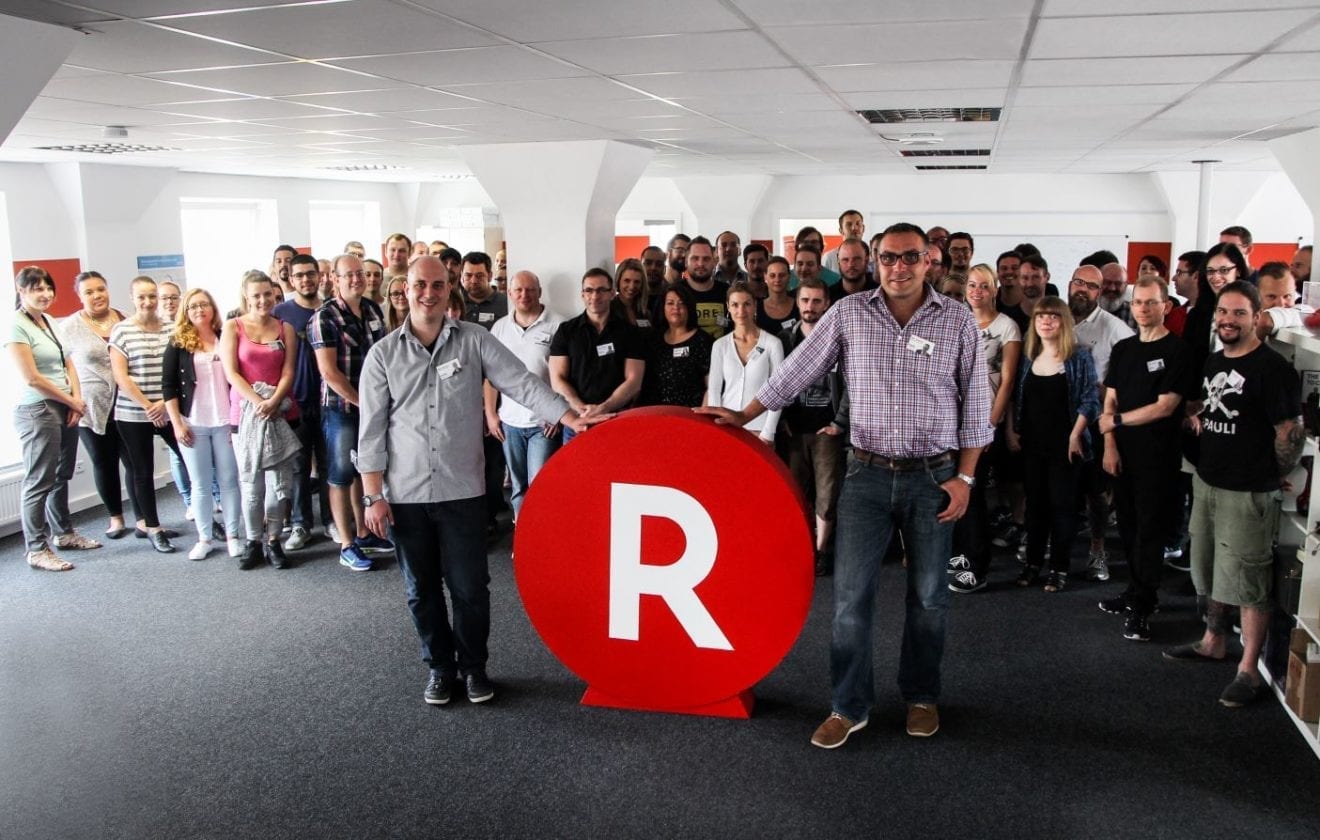
    Chinese online giant JD has become the largest shareholder in e-commerce platform Tiki Vietnam.

    JD has bought a 25.65-per-cent stake in the business, taking its shareholding past that of previous leading investor VNG Corporation, which holds 24.4-per-cent ownership in the platform. VNG has invested US$22.4 million in Tiki over the past two years.

    Tiki Vietnam has grown from an online bookstore to Vietnam’s second-largest e-commerce provider in terms of traffic, after rival Shopee.

    The firm is reportedly seeking a $100 million investment in its next funding round in order to boost its competitive edge.

  • DHL Global Forwarding supports Decathlon’s international supply chain

    DHL Global Forwarding supports Decathlon’s international supply chain

    DHL Global Forwarding, the leading international provider of air, sea and road freight services, partners Decathlon, the French sporting goods giant to provide comprehensive services for its international supply chain operation. At the DHL Fashion and Retail Conference held in Ho Chi Minh, both companies shared what it takes to successfully operate a multi-national supply chain, enabling Decathlon stores to stock over 22,400 items covering more than 85 different types of sports.

    Marc Meier, SVP, Global Head of International Supply Chain, DHL Global Forwarding said, “DHL Global Forwarding runs a dedicated DHL control tower which provides a single point of contact in Vietnam and Taiwan for Decathlon’s operations. Providing full visibility for Decathlon’s logistics teams, our control tower services oversee Decathlon’s air, sea and road shipments from factories in Vietnam and Taiwan to the world, including Brazil, Canada, China, Colombia, Europe, India, Malaysia, Morocco and Singapore.”

    Global businesses that source from multiple locations and ship to numerous destinations face a particularly complex supply chain that demands greater visibility and control to optimize operations and reduce costs. With more than 1,000 supply chain experts across 82 offices in 46 countries worldwide, DHL’s International Supply Chain services offer comprehensive solution design and project management backed by a global governance structure that guarantees consistency across operations.

    “Decathlon prioritizes the quality of our products and the entire customer experience to ensure we secure our positioning as the go-to retailer of affordable sports apparel, accessories, and equipment. While we ramp up on our offline and online presence for the convenience of our customers, we are working hard behind-the-scenes to make sure that our manufacturing and logistics processes can efficiently cater to the demand of our discerning customers,” said Thao Nguyen, Head of Procurement and Logistics, Decathlon Vietnam.

    In Vietnam, Decathlon launched two retail stores in Hanoi and Ho Chi Min City in 2019, spanning 4,300sqm and 2,600sqm respectively, and introduced 70 sports brands. The company collaborates with six business partners across Vietnam to keep prices and lead time competitive for the local market and to reduce carbon footprint. As a full-fledged logistics partner, DHL Global Forwarding also provides road freight solutions for the brand to transport goods from Vietnam to Cambodia.

    Vietnam’s attractiveness as a manufacturing hub for the world lies in its geostrategic location, youthful demographics, and abundance of affordable land and labor. Coupled with easy access to multiple markets via free trade agreements, the country’s textile and retail industry is primed for growth as Vietnamese spending power increases and more international brands seek to establish their presence here.

    “Today’s retailers require agile and innovative supply chains to cater to a new generation of customers who demand instant gratification and tap opportunities in emerging markets. With our extensive range of logistics services and expertise in the retail sector, DHL Global Forwarding is well-positioned to support the growth of businesses here,” said Archer Fu, VP, Head of Business Development, DHL Global Forwarding Asia Pacific

    50 Years DHL

    In 2019 DHL is celebrating 50 years since the company’s founding by three entrepreneurs in San Francisco in 1969. DHL began as a disruptor to the traditional delivery industry, circumventing bureaucracy with innovative new service to deliver documents by air overnight. Since then, DHL has grown into a globe-spanning family of DHL companies with about 380,000 employees in over 220 countries and territories that cover the entire spectrum of logistics and supply chain services. DHL’s customer-centricity and can-do culture have fueled five decades of innovation — from the DHL 1000, one of the first word processing computers in the world, to using the purpose-built StreetScooter, an environmentally friendly delivery vehicle powered by an electric drive and developed by Deutsche Post DHL Group. With the Mission 2050 commitment to reach zero group-wide emissions by 2050, DHL is continuing to be a trailblazer in the logistics industry.

  • DHL Express Malta to expand capabilities on next-day deliveries

    DHL Express Malta to expand capabilities on next-day deliveries

    DHL Express, the world’s leading international express services provider, has taken a strategic decision to focus the activities of its Malta operation solely on Time Definite International (express) deliveries, reinforcing its commitment to ensure its parcels and documents are delivered on time.

    “Our express business is growing, and we want to focus on the cross-border e-commerce opportunities,” Charles Schiavone, Country Manager of DHL Express, said. “We will dedicate our resources on Express Services and achieve growth through quality.”

    As the company gears up for the forthcoming seasonal peak, Schiavone is keen to ensure the amount of successfully delivered shipments grows even higher. This service promise is backed by a further strengthening of the On Demand Delivery infrastructure through strategically placed automated DHL Parcel Lockers that are highly popular with its clients and can be accessed 24/7.

    DHL Express Malta has plans for five new Parcel Lockers in localities around Malta, including Mellieha, Zabbar, Zebbug and Zejtun, taking the total to 13. Additionally, another three add-on units will increase capacity to existing lockers. This will ensure that customers have a broader range to choose their preferred hi-tech unit.

    “We have seen our shipments growing by 20 per cent in the first six months of this year and we expect a similar increase in inward e-commerce business towards the end of the year,” Schiavone said.

    DHL Express Malta also plans to double the size of its facility in Luqa by the end of next year.

  • Shopee Sellers in China to use DHL to Delivery across Thailand

    Shopee Sellers in China to use DHL to Delivery across Thailand

    DHL eCommerce, a division of logistics company, Deutsche Post DHL Group (DPDHL), has announced a partnership in China with Shopee, a leading e-commerce platform in Southeast Asia and Taiwan. The partnership enables sellers in China to access consumers nationwide in Thailand, with an expansion of the partnership to other Southeast Asian markets in the pipeline. According to Statista, the e-commerce gross merchandise revenue in Thailand will exceed US$5 billion by 2022, making it the second largest e-commerce market in Southeast Asia.

    “Direct selling to overseas consumers has never been easier and has become a key growth driver for many businesses, with e-commerce as an easy platform to enable international expansion. With logistics as a key enabler for cross-border retailing, we want to empower our customers to tap into this huge growth opportunity,” says Zhi Zheng, Managing Director, DHL eCommerce Greater China & North Asia.

    “Over the past few years, we have witnessed extremely strong growth of B2C parcels from China, mainly powered by e-commerce. We are pleased to partner Shopee to enable Chinese sellers to easily sell and deliver in Thailand, whether it’s doorstep delivery or for consumers to collect their orders from our growing network of easily accessible ServicePoints — which is set to reach over 1,000 in Thailand by end-2018.”

    With DHL eCommerce integrated on Shopee in China, sellers can easily sell and deliver on one single platform and keep track of all shipments directly on the app.

    “In recent years, we have witnessed the rapid development of Southeast Asia’s e-commerce market, and a growing number of Chinese brands and sellers are staking a claim in this e-commerce goldmine. However, the geographical complexity of this region has created some logistical challenges. As a leading e-commerce platform in Southeast Asia, Shopee has built its Shopee Logistics Servcies (SLS), a highly efficient logistics delivery network that links China with Southeast Asia. We are delighted to work with DHL, the world’s leading logistics service provider, to grow SLS from strength to strength. Our collaboration will make Shopee the e-commerce platform of choice for cross-border sellers in China who aspire to sell into Southeast Asia,” said Jianghong Liu, Head of Shopee Cross Border eCommerce.

    Currently, Shopee’s SLS is operational in seven markets in Southeast Asia and Taiwan. With shipping costs 20% to 30% lower than typical market rates and better transit times, SLS makes cross border logistics a breeze for Chinese sellers. The collaboration between Shopee and DHL eCommerce will further enhance the capabilities of SLS. DHL will provide Shopee sellers with door-to-door logistics services, ensuring products will reach consumers in Thailand safely and quickly.

  • DHL Global Forwarding puts Japan’s FIA races into top gear

    DHL Global Forwarding puts Japan’s FIA races into top gear

     DHL Global Forwarding, the leading international provider of air, sea and road freight services, will provide end-to-end multimodal freight support for the back-to-back Fédération Internationale de l’Automobile (FIA) World Endurance Championship (WEC) and the WTCR — FIA World Touring Car Cup (WTCR) Race in Japan. As the official logistics partner of the global championship races for the seventh year, DHL Global Forwarding will deliver racing cars, spares and equipment via air, ocean and land freight to the WEC’s Fuji International Speedway and WTCR’s Suzuka Circuit.

    To support the races, DHL Global Forwarding will manage all transportation, customs clearance, and ground handling for 36 racecars, spares, and ancillary equipment — including everything from specialized tires to high-performance engine blocks. Prior to the WEC race at Mount Fuji, DHL will ship the cargos via a combination of ocean and air freight from the United Kingdom and Germany to the Port of Tokyo, before delivering the cars and other equipment to the race circuits via road. In the lead-up to the WTCR’s race, a second set of vehicles will arrive via ocean freight direct from their previous race in Wuhan, China.

    “It is our honor to be partnering with the FIA once again for both the World Endurance Championship as well as the WTCR Race of Japan,” said Charles Kaufmann, President/Representative Director — Japan K.K, and CEO, North Asia South Pacific, DHL Global Forwarding. “As with all of the motorsports events we support around the world, our goal remains the same: deliver the race’s critical ingredients with speed and agility, while also ensuring the utmost safety and regulatory compliance of these precious cargos. Given the relatively tight scheduling between each championship’s events, we’ve also optimized our delivery patterns to ensure the cars move swiftly from their prior engagements to Japan before continuing on their global tours.”

    DHL Global Forwarding’s rapid shipments and expertise in automotive handling will play a major role in ensuring the cars move from circuit to circuit according to the FIA’s precise schedule. Immediately after each race, DHL’s teams will load all goods, transport them from circuit to port, and clear customs within 72 hours, before conveying the cars to their next outings in Shanghai (WEC) and Macau (WTCR).

    The FIA WEC, also known as 6 Hours of Fuji, will be held from 12-14 October 2018 at the foothills of Mount Fuji. The three-day event will see the likes of world-renowned racers like Fernando Alonso, Bruno Senna, Jenson Button and Oliver Webb race to the finish line during an endurance competition that lasts six hours, stretching over a 4.5-kilometer loop with 16 spectacular twists and turns.

    Meanwhile, the WTCR Race of Japan will be held over the weekend of 26-28 October 2018, consisting of three races totaling 42 laps and 168 kilometers. At the Suzuka Circuit, home to the Formula 1 Japanese Grand Prix since 1987, drivers will be tested on their skills thanks to a unique figure-of-eight layout and variety of corners.

  • New APAC Forwarding Index

    New APAC Forwarding Index

    Air and ocean volumes on Asia-Europe trade lanes eastbound and westbound are expected to surge in the coming months, according to the latest survey results for The New APAC Forwarding Index being developed by Mike King & Associates and Logistics Trends & Insights LLC.

    Higher air freight volumes are expected on key lanes to and from APAC, and the outlook for intra-Asia trade is also optimistic. The survey results, compiled by consultants Mike King and Cathy Roberson, are the first step towards the creation of a new Index for Asia forwarding markets which will be published in the coming months. The second survey is open to anyone with insight or business linked to key trade lanes to and from APAC used by forwarders and third parties.

    APAC Ocean Forwarding Markets
    Sixty per cent of survey respondents said ocean freight volumes to and from APAC in April were higher than March, while 54 per cent predicted they would handle higher volumes three months from now.

    “Demand has been higher than we’d anticipated from Europe to Asia, and there has also been some disruption to liner services following blank sailings around Chinese New Year and changes to alliances,” said one respondent. “We expect capacity to be tight well into Q2.”

    Seventy per cent of respondents expect APAC to Europe ocean freight volumes to increase three months from now, while 66.7 per cent forecast that volumes will rise from APAC to North America. However, optimism for the North America – APAC trade was hard to discern. Only 28.6% of respondents saw higher volumes on the lane in April compared to March, while only 43 per cent expect volumes to increase three months from now.

    “Despite uncertainty surrounding liner Alliances leading up to April 1 and the various bedding issues we have seen including terminal congestion in China and a lack of capacity in Europe, optimism is high for the APAC ocean freight market,” said Roberson. “The Europe to APAC trade lane had the highest percentage rate of month-to-month volume gains according to respondents to our first survey. The next most dynamic lanes were APAC to Europe and APAC to North America.

    “The North America to APAC liner trade reported the lowest percentage of respondents recording volume increases in April compared to March which could be the strength of the Greenback catching up with exporters. On most lanes the majority of respondents expect to see higher volumes over the next three months than at present, which bodes well for forwarders and lines.”

    APAC Air Markets
    Fifty-four per cent of survey respondents predicted APAC volumes across all lanes will be higher in three months than at present, with 37 per cent expecting them to remain the same and just 9 per cent lower. Fifty-two per cent of respondents reported that volumes in April compared to March were higher while only 11 per cent said they were lower. As with ocean trades, the most dynamic air cargo lanes in April compared to March were APAC to Europe (73 per cent experienced higher volumes month-on-month), Europe to APAC (55 per centhigher m-o-m) and APAC to North America (63 per cent higher m-o-m).

    “Concerns of a possible protectionist import tax on goods entering the US may be holding some shippers back in the North America region,” said Roberson. “Still, a respectable showing for North America as the economy remains healthy as the first half of the year progresses. Emerging markets volume appears strongest to APAC for air freight with more than half of respondents anticipating higher volumes on the lane three months from now. This is likely due to food imports from such locations as Africa, Chile, Argentina and elsewhere.”

  • Is Amazon moving into the ocean freight business?

    Is Amazon moving into the ocean freight business?

    Amazon has garnered a lot of attention recently for its moves to muscle into nearly all miles of delivery, and this development shows it’s apparently willing to log nautical miles as well.

    An ocean freight forwarder organizes shipments from suppliers to far-flung receivers, which Flexport calls a $350 billion market. An entry into the ocean freight forwarding market could be significant because it could allow Chinese factories a more direct path to American consumers, Flexport CEO Ryan Petersen noted.

    In fact, while Amazon could smooth logistics or make them cheaper for its Marketplace sellers, those sellers aren’t likely to take Amazon up on that. That’s because they’re unlikely to be willing to give Amazon, a rival retailer, the kind of information that an ocean freight company would be privy to, Petersen said. And it’s likely that any full-blown development of Amazon’s ocean freight forwarding capabilities is still months, if not years, away.

    Still, the move could be a boon to Chinese sellers interested in reaching the American market as well as Amazon’s other markets globally, especially considering the expectation that Amazon would keep costs down.

    “I don’t think people realize how threatening this is for their U.S.-based merchants, who are making money selling goods from Chinese factories,” Petersen told Retail Dive. “It makes sense for Amazon, for a company so focused on driving down costs. But considering that 40% of their business comes from their Marketplace, it would have to be a graceful transition and managed really well.”

    The registration means that Amazon China can provide freight forwarding services to Chinese companies looking to move products directly into Fulfillment by Amazon warehouses, or “even cross-docking the goods for direct injection into Amazon’s courier network,” according to Petersen.

    While some may think that Amazon has Alibaba in its sights with such a move, Petersen believes it may, if anything, be an answer to Wish, a mobile e-commerce platform that has built much of its fortunes so far on bringing Chinese sellers to customers in the U.S. and elsewhere.

    “We think we’re going to be the second or third trillion-dollar-a-year marketplace,” Wish CEO Peter Szulczewsk. “We think Alibaba will be first and then it’s either us or potentially Amazon depending on how quickly, or if, they win in India.”

    Taking on the ocean freight market “to create a streamlined, vertically-integrated system for Chinese factories to sell directly through Amazon would be a classic Bezos response to Wish’s threat,” Petersen said, predicting that “Amazon’s ocean freight offering could be a huge hit for Chinese merchants.