Tag: franchise

  • ThaiBev Mulls Over Sale of Thailands Premier KFC Franchise Amid Profit Drop

    ThaiBev Mulls Over Sale of Thailands Premier KFC Franchise Amid Profit Drop

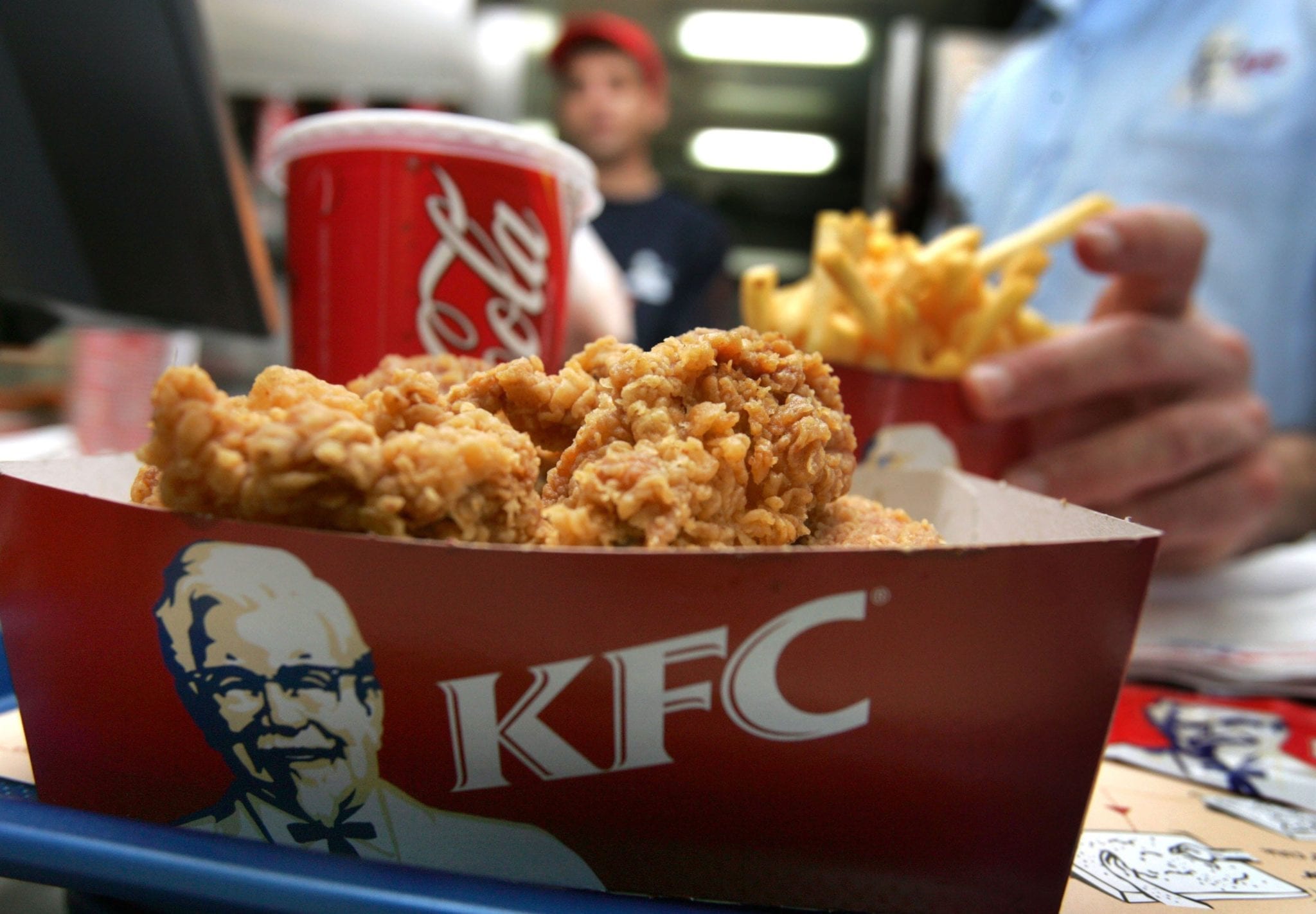
    ThaiBev, owned by Charoen Sirivadhanabhakdi, is reportedly contemplating the sale of its KFC franchise business in Thailand – the largest of its kind in the country. The fast-food chain’s operations are overseen by The QSR of Asia. This takeover was initiated when the subsidiary purchased 240 restaurants from Yum Restaurants International in 2017 for an estimated US$335 million.

    ThaiBev’s Expanding Portfolio and Challenging Profits

    Since the initial acquisition, the number of outlets has more than doubled to over 500 across Thailand, solidifying QSR’s position as the country’s largest franchise. However, this expansion has brought its own set of challenges for ThaiBev. The company, known for producing Chang, has experienced a 21.7% decrease in profits, according to its latest annual fiscal statements.

    The drop in profits is reportedly due to the expenses incurred from the continual expansion of the restaurant chain. Nonetheless, ThaiBev remains a significant player in the market, despite the challenges and costs associated with operating a booming fast-food business.

    The Future of ThaiBev’s KFC Franchise

    Currently, ThaiBev is working with the Bank of America Corp to gauge interest in potential transactions relating to the KFC franchise. However, it is important to note that there are no guaranteed sales at this point. The future of the KFC franchise under ThaiBev’s ownership remains uncertain.

    Questions & Answers

    Who currently owns the largest KFC franchise business in Thailand?
    ThaiBev, owned by Charoen Sirivadhanabhakdi, currently holds the largest KFC franchise business in Thailand.

    What has been the impact of the franchise expansion on ThaiBev’s profits?
    The expansion of the franchise has led to a 21.7% drop in ThaiBev’s profits, largely due to the costs associated with the ongoing growth of the restaurant chain.

    What is the future of ThaiBev’s KFC franchise?
    ThaiBev is contemplating the sale of its KFC franchise and is working with the Bank of America Corp to assess interest in potential transactions. However, no sale is guaranteed at this time.
  • Korean Coffee Giant, TheVenti, Brews up Philippine Expansion with Local Franchise Deal

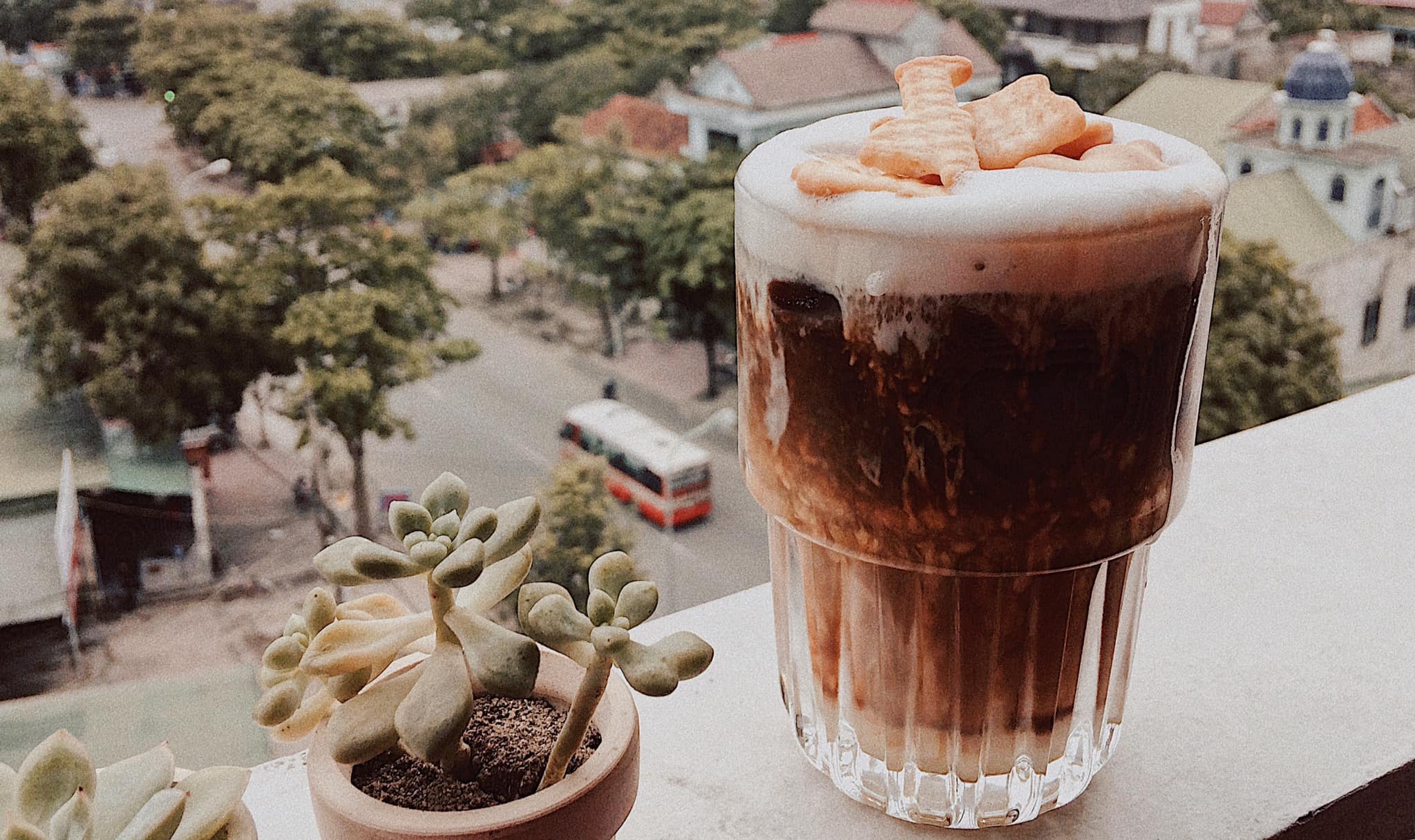
    Korean Coffee Giant, TheVenti, Brews up Philippine Expansion with Local Franchise Deal

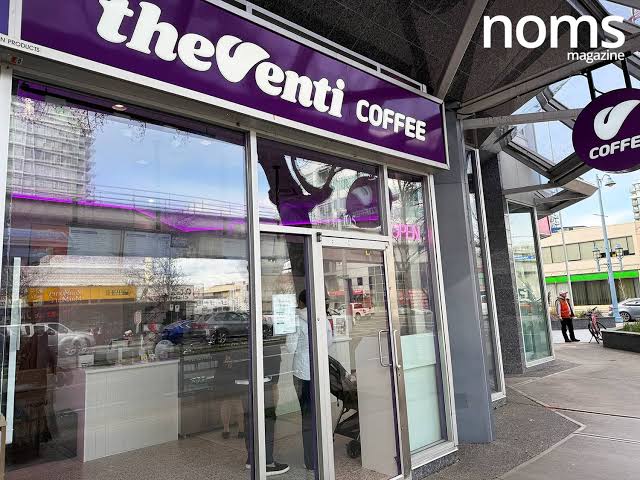
    TheVenti, a leading coffee chain from South Korea, has recently announced its introduction to the Philippine market in partnership with JJR Brothers, a local distributor of food and beverages.

    Known for its large 20-ounce servings, TheVenti was established in 2014 and has since become popular for its unique offerings such as espresso drinks, Korean grain lattes, and fruit teas. It currently operates over 1,600 stores in South Korea and has expanded its footprint to various international markets including Vietnam, Canada, and Jordan.

    Adapting to Local Preferences

    The coffee chain has shared plans to adjust its menu and store operations progressively in line with local consumer tastes and trade locations. This initiative aims to strengthen its foothold in the country and ensure the successful integration of its brand into the local market.

    TheVenti views its Philippine venture as a stepping stone towards further expansion in the Southeast Asian market. “We are thrilled to introduce TheVenti’s unique coffee and beverage experience to local consumers, with the goal of progressively augmenting our global brand’s competitive edge,” stated the company spokesperson.

    TheVenti is set to open its inaugural Philippine store in the third quarter of this year.

    Questions & Answers

    What is TheVenti known for?
    TheVenti is renowned for its sizeable 20-ounce servings and a unique menu that includes espresso drinks, Korean grain lattes, and fruit teas.

    What is TheVenti’s plan for the Philippines?
    TheVenti plans to adapt its menu and store operations gradually in line with local tastes and trading locations in the Philippines. It aims to build its presence by catering to local consumer preferences.

    When is TheVenti opening its first store in the Philippines?
    TheVenti plans to open its first store in the Philippines in the third quarter of this year.

  • Marks & Spencer Reaffirms Philippine Presence with New Franchise Deal with MAP

    Marks & Spencer Reaffirms Philippine Presence with New Franchise Deal with MAP

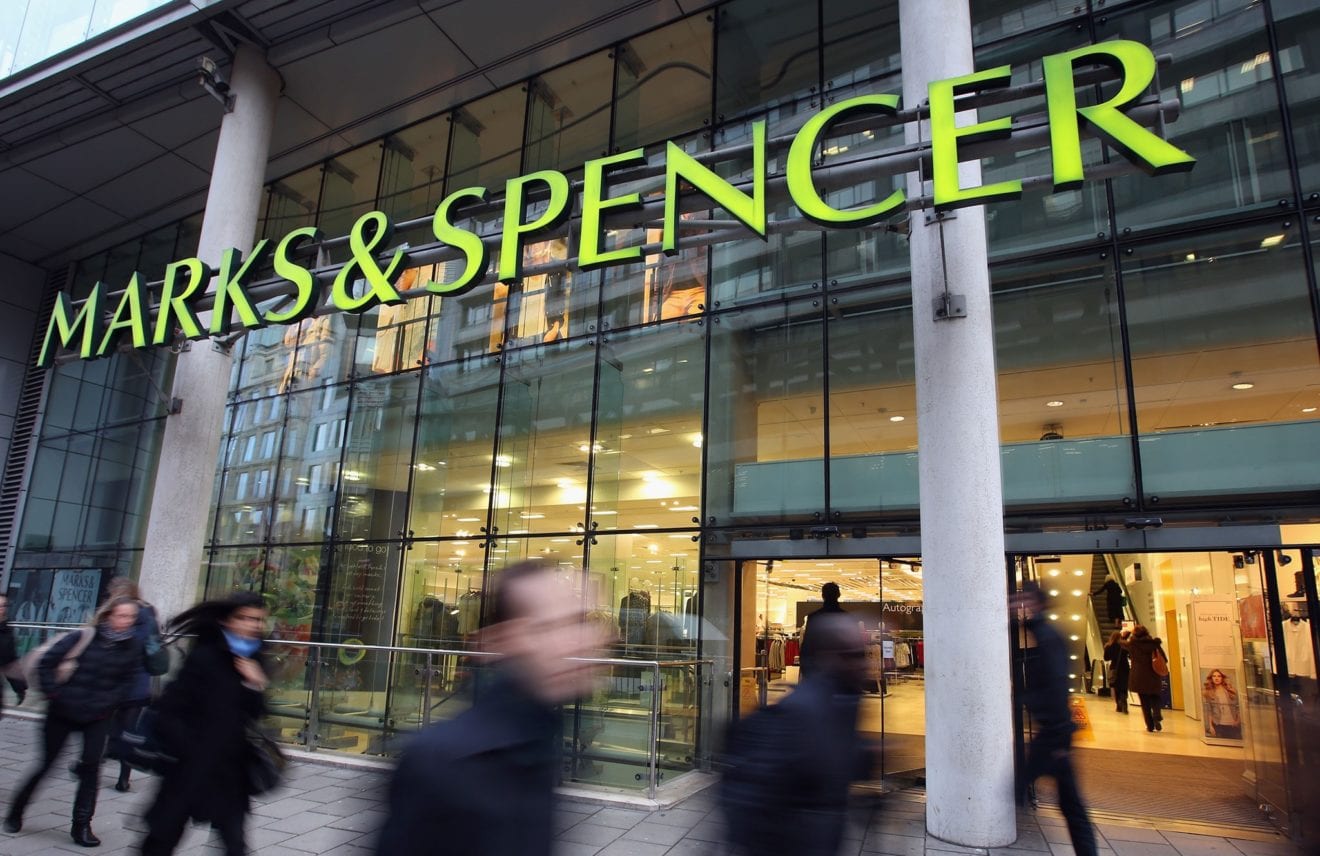
    Marks & Spencer (M&S), the iconic British retailer, has recently announced a continuation of its operations in the Philippines. This is possible due to a fresh franchise agreement with PT Mitra Adiperkasa Tbk (MAP), an Indonesian retail giant. MAP has had a successful history managing Marks & Spencer’s brand in both Indonesia and Vietnam.

    M&S Returns to the Philippine Market

    As part of the new agreement, various M&S product lines, including fashion, home, beauty, and food, are set to reappear on the Philippine market. The first of these stores plans to open its doors in Glorietta by the end of the year.

    Marks & Spencer has been a fixture in the Philippines since 1984, previously via its franchise partner, Rustan’s. However, a string of recent store closures had led consumers to speculate about the retailer’s potential departure from the local market.

    Mark Lemming, the Managing Director of Marks & Spencer International, reaffirmed the company’s commitment to expanding its footprint in the Philippines. He expressed optimism about MAP as the ideal collaborator to drive the company’s next growth phase in the region.

    Lemming highlighted the vital role MAP has played in propelling M&S’s growth in Indonesia, expressing confidence in the firm’s deep local knowledge as they gear up for increased expansion in Southeast Asia. He also acknowledged the strong demand for the M&S brand in the Philippines and voiced his excitement about re-launching their stores and online platforms later this year.

    MAP’s Role in M&S’s Expansion

    MAP’s relationship with Marks & Spencer isn’t new; the Indonesian retailer has been managing M&S’s franchise businesses in its homeland for over a quarter-century.

    Sameer Prasad, CEO of MAP Fashion, welcomed the expanded collaboration as a significant milestone in the firm’s regional growth plan. Prasad acknowledged the Philippines as a vibrant, rapidly expanding market, and deemed Manila as the ideal location to start this new chapter for M&S. He ended by expressing his eagerness to enhance M&S’s brand visibility in the local market and offer Filipino customers a superior retail experience.

    Questions & Answers

    What is the significance of the new franchise agreement between M&S and MAP?
    This agreement allows M&S to continue its operations in the Philippines using MAP’s local market expertise.

    What product lines will M&S reintroduce to the Philippine market?
    M&S plans to bring back its offerings in fashion, home, beauty, and food segments.

    What is the role of MAP in M&S’s operations?
    MAP will manage M&S’s brand, thanks to its deep regional knowledge and a successful history of managing M&S operations in Indonesia and Vietnam.

  • Jollibees Aggressive Franchise Expansion in Vietnam Bolsters Quick-Service Restaurant Market Dominance

    Jollibees Aggressive Franchise Expansion in Vietnam Bolsters Quick-Service Restaurant Market Dominance

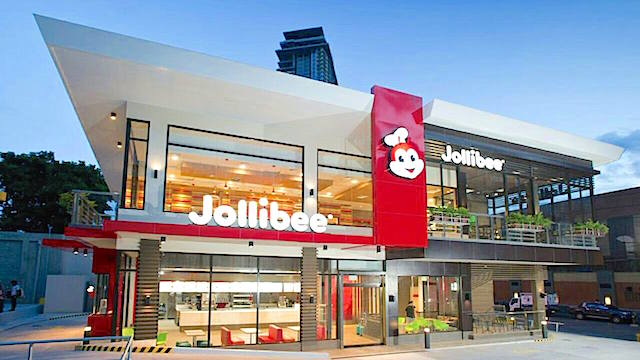
    Jollibee, a leading Philippine fast-food company, is stepping up its franchising efforts in Vietnam, aiming to expand its presence in one of Southeast Asia’s most fiercely contested quick-service restaurant (QSR) markets. The move follows the brand’s prestigious recognition as Vietnam’s foremost QSR brand by Euromonitor International.

    Franchising Expansion Strategy

    Jollibee launched its franchising model in Vietnam in 2015, effectively inviting capable local investors to manage Jollibee-branded outlets under a standardized operating system. Initial expansion was carried out cautiously as the brand worked to establish scale and maintain operational control. However, the company has now shifted gears to a more assertive growth phase, primarily targeting quicker network expansion.

    Franchising not only facilitates the company’s accelerated growth but also generates more employment opportunities, fortifies the domestic supply chain, and aids in the advancement of Vietnam’s food and beverage service industry, according to a representative from the company.

    This renewed drive towards franchising is spurred by Jollibee’s recent accolade as Vietnam’s top QSR brand in terms of turnover, as awarded by Euromonitor International.

    Growing Footprints Across Vietnam

    Since the establishment of its first store in Ho Chi Minh City in 2005, Jollibee Vietnam has grown to encompass more than 250 locations dispersed across over 50 provinces and cities. The company’s expansion has been fueled by a diverse strategy that includes outlets in shopping malls, street-front locations, and delivery-centric stores.

    Ernesto Tanmantiong, Global President and CEO of Jollibee Group, attributed the brand’s success to its understanding of local consumers and its adherence to fundamental business practices. He asserted that the company’s progress underscores the potency of merging a popular brand with a profound local understanding and consistent execution. It further strengthens their belief that sustainable growth in international markets stems from remaining relevant to consumers while establishing solid operational foundations.

    Questions & Answers

    When did Jollibee first introduce franchising in Vietnam?
    Jollibee introduced franchising in Vietnam in 2015.

    What factors have supported Jollibee’s expansion in Vietnam?
    Jollibee’s expansion has been supported by a multi-format strategy that includes outlets in shopping malls, street-front locations, and delivery-centric stores.

    What is the significance of franchising for Jollibee’s growth?
    Franchising not only facilitates Jollibee’s accelerated growth but also generates more employment opportunities, fortifies the domestic supply chain, and aids in the advancement of Vietnam’s food and beverage service industry.

  • Subway Accelerates Expansion in Taiwan with New Master Franchise Partnership with Yellowstone Investment

    Subway Accelerates Expansion in Taiwan with New Master Franchise Partnership with Yellowstone Investment

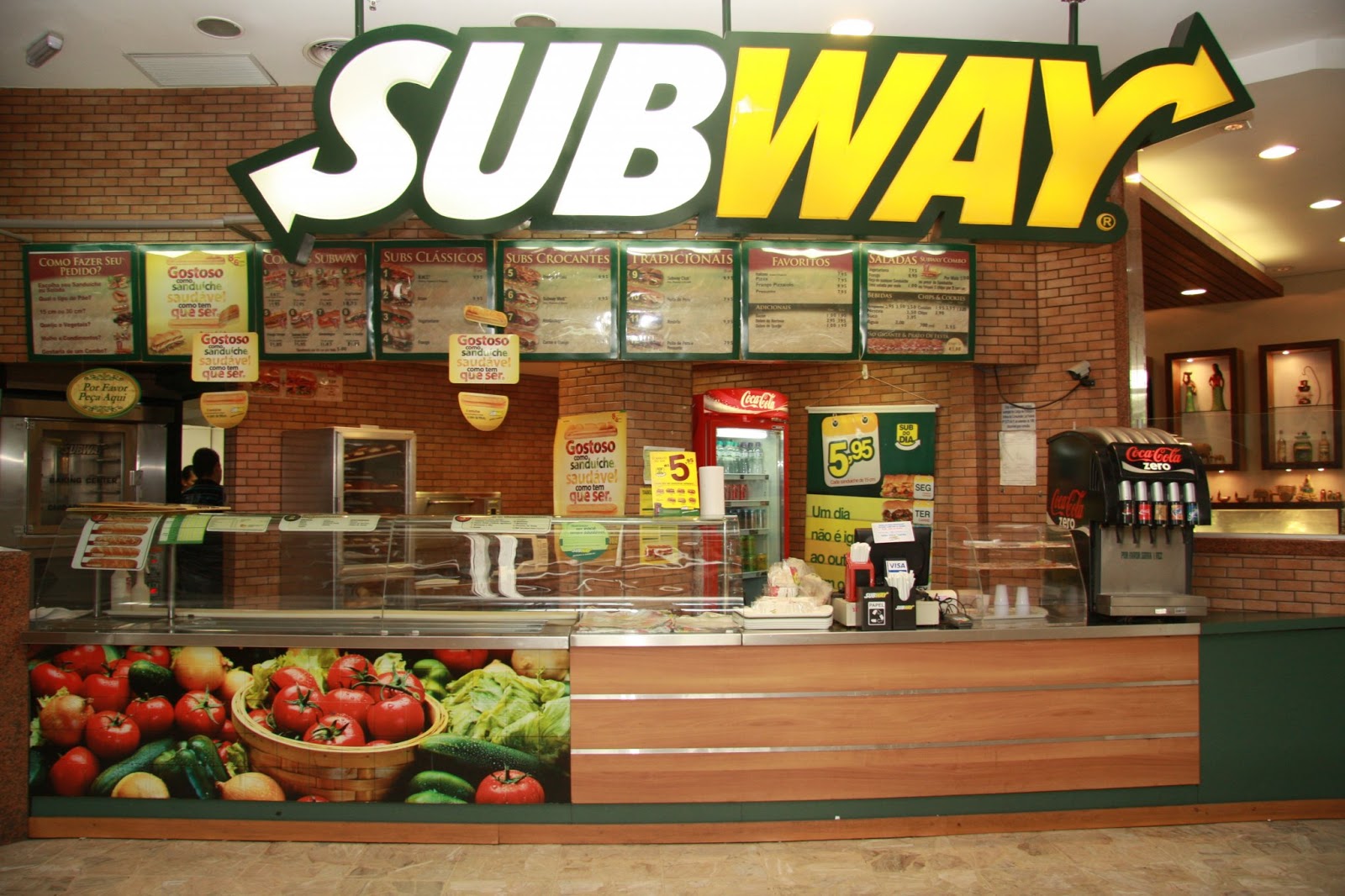
    Subway, an international quick-service food brand, has recently reached an agreement with Yellowstone Investment to be its primary franchise partner in Taiwan. Their strategic plan is to drive the growth of the brand across the island over the next ten years.

    Subway’s Expansion Plan

    According to their new partnership, Yellowstone Investment will supervise the growth and management of Subway’s restaurant chain in Taiwan. The company will be using its knowledge of the local market to bolster Subway’s expansion in both urban areas and the suburbs.

    The president of Subway Asia Pacific, Joseph Hsu, expressed his confidence in the partnership with Yellowstone, stating that their data-driven approach will ensure the brand’s further expansion and long-term success. Subway has already earned recognition and trust from the Taiwanese market, paving the way for future growth.

    Yellowstone’s Contributions

    Yellowstone Investment, under the leadership of President and CEO John Huang and Co-founder Chester Tang, brings to the table years of experience in real estate investment, large-scale business development, and multi-unit food operations.

    According to Huang, Taiwan’s growing demand for fresh, healthier dining options creates an excellent opportunity for Subway to build on its solid foundation. By integrating local insights and using a disciplined strategy for development, the company plans on thoughtfully expanding the Subway brand across Taiwan.

    Subway’s Strategy in Asia Pacific

    The master franchising agreement signifies Subway’s dedication to adopting a strategic and locally-informed approach to its expansion in the Asia Pacific region. This joint venture is a testament to Subway’s commitment to understanding and adapting to the unique needs of every market it enters.

    Questions & Answers

    What is the purpose of the partnership between Subway and Yellowstone Investment?
    The partnership aims to accelerate the growth of Subway’s brand across Taiwan over the next decade, with Yellowstone overseeing the management and development of Subway’s restaurant network in the region.

    What does Yellowstone Investment bring to the table?
    Yellowstone Investment, led by John Huang and Chester Tang, contributes years of experience in real estate investment, multi-unit food operations, and large-scale business development. Their local market expertise will be invaluable in expanding Subway in Taiwan.

    What is Subway’s strategy for expansion in the Asia Pacific region?
    Subway’s strategy for expansion in the Asia Pacific region is based on strategic, locally informed decisions. The company commits to understanding and adapting to the unique needs of each market, as demonstrated in their partnership with Yellowstone Investment in Taiwan.

  • Marks & Spencer Reinforces Commitment to Philippines: New Franchise Partner on the Horizon

    Marks & Spencer Reinforces Commitment to Philippines: New Franchise Partner on the Horizon

    British retailer Marks & Spencer (M&S) has reassured its commitment to the Philippine market, despite the termination of its long-standing franchise agreement with SSI Group. This comes in response to speculations that the retailer was planning to withdraw from the country after over three decades of operation.

    M&S’s New Strategy

    The retailer’s continued stay is a part of a redefined strategy to accommodate a new local franchise partner, aimed at broadening its regional growth. M&S is focused on enhancing its global reputation by delivering quality products and services to customers worldwide, including the Philippines.

    A spokesperson from M&S reaffirms the company’s commitment by stating, “Our objective is to build a trusted global brand by bringing the best of M&S to customers around the world. We remain committed to the Philippines and the growth opportunity in the region.”

    This change follows more than two decades of partnership with the SSI Group. M&S decided to switch to a new franchise partner to buttress its ambitious growth plans in the region and announced the contract with SSI would conclude in May. The company expressed its gratitude to SSI for their years of collaboration.

    Upcoming Plans

    While M&S has not revealed details regarding the new partner or future plans for stores, it has promised that further announcements will be made in due time.

    M&S has been operating in the Philippines since the late 1980s, initially under the Rustan’s Group of Companies, which SSI Group acquired last year.

    SSI disclosed in a February 25 Facebook post that it would cease operations of M&S stores in the country, with May 2 earmarked as the last day of trading.

    Dubai-based Al-Futtaim Group, which manages the M&S franchise in Hong Kong and Singapore, also distributes footwear brands such as Reebok, Rockport, and Umbro in the Philippines through a subsidiary.

    Questions & Answers

    Why is M&S ending its contract with SSI Group in the Philippines? M&S is ending its 20-year contract with SSI Group as part of its regional growth strategy, which includes transitioning to a new local franchise partner.

    Who will be the new franchise partner for M&S in the Philippines? M&S has not disclosed details about its new franchise partner but has assured that announcements will be made in due course.

    What is M&S’s future plan for its business in the Philippines? While M&S has not detailed its future plans, it has affirmed its commitment to the Philippine market as part of its broader regional growth strategy.

  • Franchise Industry Jolted: Korean Supreme Court Orders Pizza Hut to Refund Billions Amid Unlawful Fee Controversy

    Franchise Industry Jolted: Korean Supreme Court Orders Pizza Hut to Refund Billions Amid Unlawful Fee Controversy

    The franchise industry in South Korea is preparing for potentially significant legal and financial repercussions following a recent Supreme Court of Korea mandate. The court has ordered Pizza Hut Korea to reimburse billions of won in illicitly charged fees to franchise owners. This verdict could potentially initiate a chain reaction of similar lawsuits across various sectors, including food, retail, and service chains.

    Reimbursement of ‘Margin Franchise Fees’

    Earlier this week, the court upheld previous rulings necessitating Pizza Hut to refund 21.5 billion won (approximately US$16 million), termed as “margin franchise fees”. These fees were amassed from 94 franchisees between 2016 and 2022.

    The controversial charges surrounded markups included in the prices of ingredients and supplies sold by the franchisor. The fees were declared unlawful because they were not explicitly agreed upon in the franchise contracts. This was in addition to separate royalties and advertising fees charged by Pizza Hut.

    Potential Implications of the Ruling

    Legal experts and industry officials have speculated that this ruling could have far-reaching effects. Around 20 brands, spanning major fried chicken, burger, and coffee chains, are presently facing lawsuits from franchisees demanding reimbursement of similar margin-based expenses. As store owners re-examine older contracts inked before the disclosure rules were strengthened, more cases are anticipated.

    The court discovered that Pizza Hut had been charging a fixed royalty of 6% of gross revenue in addition to advertising fees of around 5%. Moreover, the company was also making undisclosed profits on compulsory supplies. The franchise agreements did not explicitly authorize these margins, leading the court to conclude that the company had been unjustly enriched.

    Pizza Hut began disclosing margin rates in its information statements starting in 2020. However, the courts ruled that disclosure alone did not equate to consent. In the absence of clear disclosure for several years, judges accepted estimated rates derived from subsequent data. This was due to Pizza Hut’s failure to fully comply with the orders to produce documents.

    Concerns and Criticism

    Franchise operators have cautioned against universally applying the Pizza Hut precedent. Some have argued that different brands do not charge royalties or have varying contractual structures. Hence, the specific circumstances of each case should be evaluated independently.

    Moreover, South Korea had revised its franchise law in 2024 to mandate explicit disclosure of margin-based fees in contracts. This could potentially protect more recent agreements from challenges.

    Nevertheless, industry groups are apprehensive about a potential influx of retrospective claims targeting older contracts. Historically, many franchisors have relied on supply margins rather than transparent royalties for their profits. According to a government survey from last year, over 60% of franchisors either solely depended on margin fees or combined them with royalties.

    Critics argue that the ruling has brought to light the longstanding lack of transparency in the sector. Hwang Yong-sik, a business professor at Sejong University, has advocated for a gradual transition towards clearer, royalty-based models, which are more prevalent in the United States.

    At present, the verdict has increased uncertainty within South Korea’s franchise industry. Companies are assessing potential liabilities, and franchisees are contemplating whether the Pizza Hut verdict could provide a blueprint for recovering past payments.

    Questions & Answers

    What was the ruling of the Supreme Court of Korea in the Pizza Hut Korea case?
    The court ordered Pizza Hut Korea to reimburse billions of won in improperly charged ‘margin franchise fees’ to 94 franchisees, collected between 2016 and 2022.

    What are the potential implications of this ruling?
    The verdict could lead to similar lawsuits across various sectors, including food, retail, and service chains. Around 20 brands are currently facing similar lawsuits. More cases are expected as store owners reassess older contracts.

    What changes have been suggested for the franchise industry in South Korea?
    Some critics, including business professor Hwang Yong-sik, have called for a gradual shift towards clearer, royalty-based models. This would increase transparency in the franchise sector and align it more closely with practices common in the United States.

  • “Yum China’s Expanding Empire: Over 17,500 Stores Fueled by Digital Sales and Franchise Strategy”

    “Yum China’s Expanding Empire: Over 17,500 Stores Fueled by Digital Sales and Franchise Strategy”

    Yum China, operating franchises such as KFC, Pizza Hut, and additional dining brands, has disclosed a stable growth in its third-quarter financial results, citing robust digital and delivery sales as primary contributing factors. These assets served to balance a tempered in-store sales trajectory in an increasingly cautious consumer market.

    In the financial quarter culminating on September 30, the company recorded an annual revenue increase of 4%, amounting to USD 3.2 billion. In addition, Yum China reported an 8% rise in operating profit, reaching USD 400 million, which expanded margins to 12.5%.

    Sales and Store Count

    The quarter saw system sales increase by 4%, bolstered by the opening of 536 new stores. Furthermore, same-store sales experienced a minor growth of 1%. Cumulatively, Yum China’s store count now totals 17,514, including 12,640 KFC outlets and 4,022 Pizza Hut locations.

    Digital Sales and Delivery

    Yum China’s growth was largely underpinned by digital sales, which accounted for an impressive 95% of total sales. Simultaneously, delivery sales experienced an upward surge of 32% year-on-year, contributing to 51% of the company’s total revenue.

    Joey Wat, CEO of Yum China, expressed satisfaction with the company’s steady performance within a dynamic market, attributing the positive growth to expanding store openings, encouraging same-store sales growth and margin expansion.

    Brand Performance

    KFC emerged as the primary growth driver for the company, noting a 5% rise in system sales and a 2% same-store growth. Throughout the quarter, KFC expanded by 402 new stores, with 41% operating as franchises. KFC’s operating profit increased by 6%, amounting to USD 384 million and improving margins to 16%.

    Meanwhile, Pizza Hut demonstrated moderate growth with a 4% rise in system sales and a 1% increase in same-store sales. An additional 158 new outlets lifted the operating profit by 7%, resulting in USD 57 million.

    Collective membership across both KFC and Pizza Hut escalated 13% year on year, reaching 575 million. This growth saw member sales contributing to 57% of total system sales.

    Wat also emphasized the swift expansion of both Kcoffee, now with over 1,800 outlets, and Kpro, a concept brand focusing on energy bowls and smoothies. The latter brand has expanded to over 100 locations in top-tier cities.

    Future Plans

    Looking forward, Yum China anticipates opening between 1,600 to 1,800 new stores within the current year, with a higher proportion of franchised locations. The company aims for 40-50% of new KFC stores and 20-30% of new Pizza Hut locations to operate as franchises. The company also intends to continually innovate their menu offerings to encourage customer loyalty and repeat visits.

    Questions & Answers

    What is the primary growth driver for Yum China?
    The primary growth driver for Yum China is its KFC brand, which experienced a 5% rise in system sales and 2% same-store growth.

    What contributed to the robust growth of Yum China’s digital and delivery sales?
    Yum China’s digital channels, franchise strategy, and flexible store formats contributed to the significant growth in its digital and delivery sales.

    What are Yum China’s future expansion plans?
    Yum China plans to open between 1,600 to 1,800 new stores in the coming year, largely focusing on franchised KFC and Pizza Hut locations. It also plans to continue innovating its menu offerings to encourage repeat customer visits.

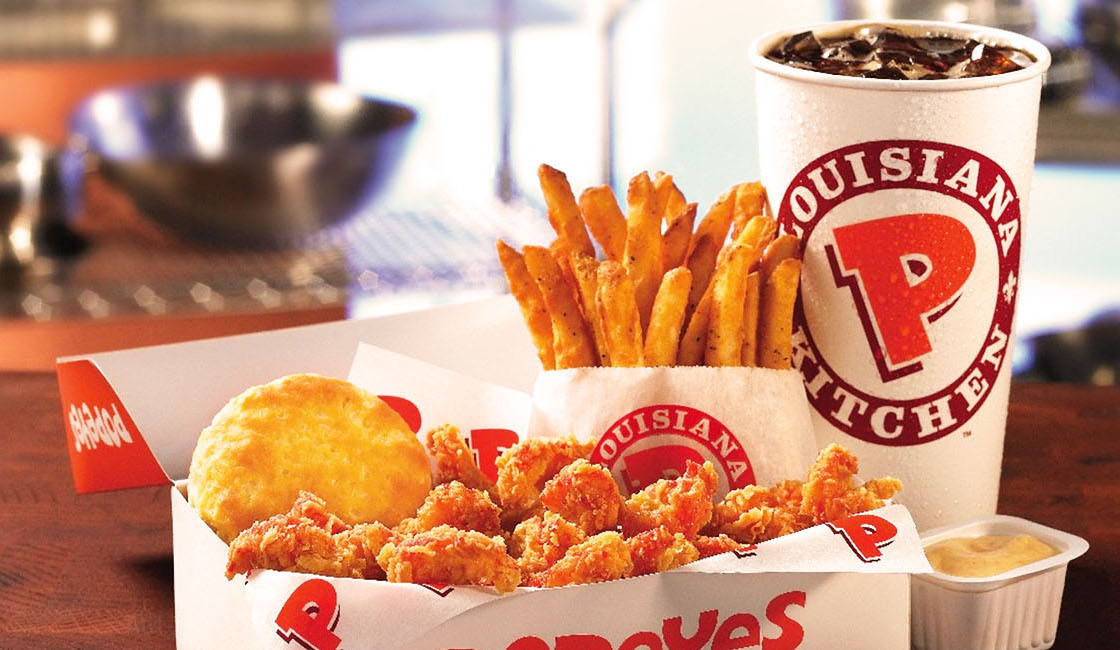
  • Popeyes Expands In The Philippines: New Franchising Program Launched Amid Record-breaking Performance

    Popeyes Expands In The Philippines: New Franchising Program Launched Amid Record-breaking Performance

    Popeyes, the renowned American fast food brand, has initiated its franchise program in the Philippines. This move comes in the wake of the country’s stellar performance, making it the leading global market for Popeyes in terms of transactions, as reported by the company’s parent organization, Restaurant Brands International (RBI).

    Franchising: The Logical Next Step

    Dustin Ngo, the Managing Director for Popeyes Philippines, expressed his views on the new franchising initiative. According to Ngo, franchising was the logical next phase in the company’s growth trajectory. He lauded it as a lucrative investment opportunity that aligns perfectly with Popeyes’ expansion plans over the next three years.

    Franchise investment for a 1000sqm drive-thru store varies between PHP$45 million and $50 million, equivalent to US$793,000 to $800,000. The investment package encompasses construction, equipment, training, and a 10-year franchise fee. The continued costs include an 8 per cent royalty and a 5 per cent advertisement fee, calculated based on sales.

    Comprehensive Support for Franchise Partners

    RBI, along with the local team, will offer comprehensive support to ensure a smooth and efficient setup and operation for the franchise partners. The objective is to make the operation of Popeyes franchises as hassle-free as possible.

    Dan Hayton, the Chief Operating Officer of Popeyes Philippines, further elucidated this point. He expressed the company’s desire for franchise partners to run their Popeyes franchise effortlessly, with the operation starting up as easily as turning a key.

    Questions & Answers

    What is the investment range for opening a Popeyes franchise in the Philippines?
    The investment for a 1000sqm drive-thru store ranges from PHP$45 million to $50 million (US$793,000 to $800,000), which includes costs for construction, equipment, training, and a 10-year franchise fee.

    What are the ongoing costs for a Popeyes franchise?
    The ongoing costs include an 8 per cent royalty and a 5 per cent advertisement fee, calculated based on sales.

    What kind of support does Popeyes provide to its franchise partners?
    Popeyes, in collaboration with RBI and the local team, provides comprehensive end-to-end support. The focus lies on ensuring a fast setup and operational efficiency for the franchise partners.

  • Subway plans to open 500 stores in Malaysia with new franchisee

    Subway plans to open 500 stores in Malaysia with new franchisee

    Subway has inked a new master franchise agreement with Pegacorn to open 500 new locations across Peninsular Malaysia over the next 10 years. This triples the number of Subway restaurants in the market and steadily increases the annual restaurant count.

    According to Subway, this partnership is the third of its kind for the brand in Southeast Asia, following recent master franchise agreements in Indonesia and Thailand, and will significantly increase the total future restaurant commitment in the region. Pegacorn has been a partner to Subway in Malaysia since 2019.

    There will be an increase of Subway non-traditional locations across Malaysia, such as airports, hospitals, petrol stations, and convenience stores. New and updated existing restaurants will feature Subway’s modern “Fresh Forward” design and enhance convenience for the consumer with drive-throughts and “Grab & Go” options.

    The agreement with Pegacorn is part of Subway’s multi-year transformation journey to build a better Subway and improve across all aspects of the brand as the business expands its presence globally. Subway plans to double its current network of restaurants in APAC from about 3,300 today to over 6,000 in the next five years.

    Subway CEO John Chidsey said the APAC and SEA markets continue to be a huge opportunity of growth for Subway and an essential part of its international growth strategy. “Pegacorn has proven to be a well-resourced, strategic and successful local operator that has the local insight and experience needed to expand Subway’s presence in Malaysia,” he added.

    Meanwhile, Pegacorn CEO, Kin Siong Kon, said: “We have seen increased demand from guests in Malaysia for Subway’s craveable sandwiches, wraps and salads and are committed to growing the business to make Subway even more accessible to communities across the country.”

    The team in Malaysia introduced a new mascot named Sabweh alongside its Ramadan campaign in March. Sabweh debuted on limited-edition Raya packets and was the brainchild of social media artist Ernest Ng, known for his “Don’t like that la bro” comic series.

    Hang Ee Laine, head of marketing, Subway, Southeast Asia, said previously that the partnership with Ng is a key milestone for the brand in its efforts to bring Subway closer to Malaysians. Meanwhile, its spokesperson also told A+M then that Ng had previously designed the Sabweh character for one of his comics and the character was very popular with Malaysians. Subway felt that the art piece deserved a bigger stage and engaged Ng to create a series of limited-edition Raya-themed versions of Sabweh.

    Across the border, Costa Coffee reentered Singapore through a partnership with Subway after a three-year hiatus. This adds on to Subway’s breakfast options and alignts with its campaign #Talkofthemorning, which aims to encourage Singaporeans to lean into their love of coffee and breakfast as a driver of meaningful connections with one another.

  • Subway Thailand plans 700 new stores

    Subway Thailand plans 700 new stores

    The sandwich chain is aggressively doubling its current network of restaurants in the region to over 6,000 in the next five years.

    Subway has signed a new master franchise agreement with the existing multi-unit franchisee About Passion Co. Ltd. to significantly expand its presence in Thailand.

    The new deal sees About Passion Co. Ltd. opening more than 700 new Subway locations across Thailand over the next decade, expanding on the brand’s current footprint of over 130 restaurants.

    Existing and future restaurants will adapt the sandwich chain’s “Fresh Forward” design, whilst also allowing franchisees the flexibility to incorporate elements of Thai culture into their restaurants.

    About Passion Co. Ltd.’s focus will be to ensure restaurants are in locations with “high accessibility and visibility, including drive-throughs and non-traditional restaurant models, such as kiosks and Grab & Go,” the announcement said.

    “We have seen a strong demand for Subway across Thailand and, with About Passion Co. Ltd.’s existing knowledge of our business model and success in implementing operational excellence across their current restaurant locations, we are confident they will be successful in strategically expanding our presence in the country,” Subway chief executive officer John Chidsey said.

    “We have seen enormous success in our Subway restaurants throughout Bangkok and are committed to continuing to build profitable and sustainable growth and inspiring brand love amongst Thai consumers,” added Thanakorn Thanawarith, founder and director of About Passion Co. Ltd. “As guests across Thailand increasingly seek better-for-you, convenient and affordable food options, we’re confident Subway will be a welcome and distinct alternative to the QSR brands traditionally offered in the region.”

    Last year, Subway signed similar deals to expand in Indonesia,India, Sri Lanka, and Bangladesh.

    In an interview with QSR Media, APAC president Eric Foo said he currently expects the sandwich giant to have about 6,600 restaurants in the next five years, effectively doubling their current network and has named China and Japan as markets with “significant, untapped opportunity.”

  • Low-cost café franchising booms despite Covid

    Low-cost café franchising booms despite Covid

    Despite the Covid-19 pandemic, more and more low-price cafés are franchising and doing well. At 9.00 every day a Napoli café franchisee on Dong Nai Road, District 10, HCMC is crowded. Its owner, Hoang, says: “We directly serve hundreds of customers a day. The number of customers making orders via apps is double that.”

    A café franchised by Milano on Pham Van Chieu Road, Go Vap District, also gets hundreds of customers daily, one of its employees says.

    Many other similar outlets are also making good profits despite the pandemic, mainly selling through apps and e-commerce websites.

    Nguyen Duc Hung, the founder of Napoli Coffee, said that after starting in 2010 his company has so far franchised 3,000 outlets which fetch hundreds of billions of dong annually.

    “We franchise an average of two to three coffee shops a month. Some of our partners want to open more shops though they already own five”.

    Now there are thousands of Milano franchisees across the country. Trung Nguyen E-Coffee franchised coffee shops are present in 54 cities and provinces.

    The franchisors do not seek royalties for their trademarks or other such fees, and most of their profits come instead from the construction and decoration of coffee shops or sales of packaged coffee and beverages they produce

    Napoli offers three franchising packages costing VND70-350 million for cafes of 50-100 square meters in size. The packages include a five-year warranty, decoration, furniture, lighting, uniforms, and the coffee-making process, and exclude the costs of sanitary equipment and salaries.

    Trung Nguyen E-Coffee offers franchising packages worth VND65-175 million.

    Le Anh Tu, a lecturer at Van Lang University in HCMC, said the low-price café franchising model thrives despite Covid because franchisors support franchisees a lot, and products are sold at reasonable prices like VND12,000-30,000 for a cup of coffee.

  • UOB Taps Digital Innovation to Grow Wealth Franchise

    UOB Taps Digital Innovation to Grow Wealth Franchise

    The bank aims to double its wealth fee income by 2026, which translates to a compound annual growth rate of over 15 percent over the next five years.

    UOB is hoping get more of its customers to kickstart their investment journey by expanding its digital wealth offerings and investing in digital innovation, particularly as customers in the region are increasingly affluent but still underserved.

    On Thursday, the bank launched «SimpleInvest» on its UOB Mighty app, which aims to help customers grow their wealth via Liquidity, Income or Growth solutions that places their funds in either UOB Asset Management’s United SGD Money Market Fund, or a basket of actively managed funds by renowned international asset managers such as Allianz, Fidelity International, J.P. Morgan Asset Management, Schroders and UBS Asset Management.

    The digital self-serve solution was developed to lower the barriers first-time investors encounter when starting their investment journey, Jacquelyn Tan, UOB’s group head of personal financial services, said at a media launch.

    According to the bank’s, many of its customers who are new to investing think it is difficult and require significant sums, or do not have the knowledge or confidence to do.

    The bank is also hoping that the personalization of wealth management for each customer, such as by providing them information and insights that are relevant to their needs and lifestyle choices, based on their banking patterns, will enable them to have the confidence they need to make wiser financial decisions.

    To reach its wealth management targets, UOB will be investing S$200 million ($148.74 million) in digital innovation over the next three years.

    It will also be progressively rolling out its suite of digital wealth solutions across the region, and targets one in four of its customers across the region to tap on its digital wealth solutions.

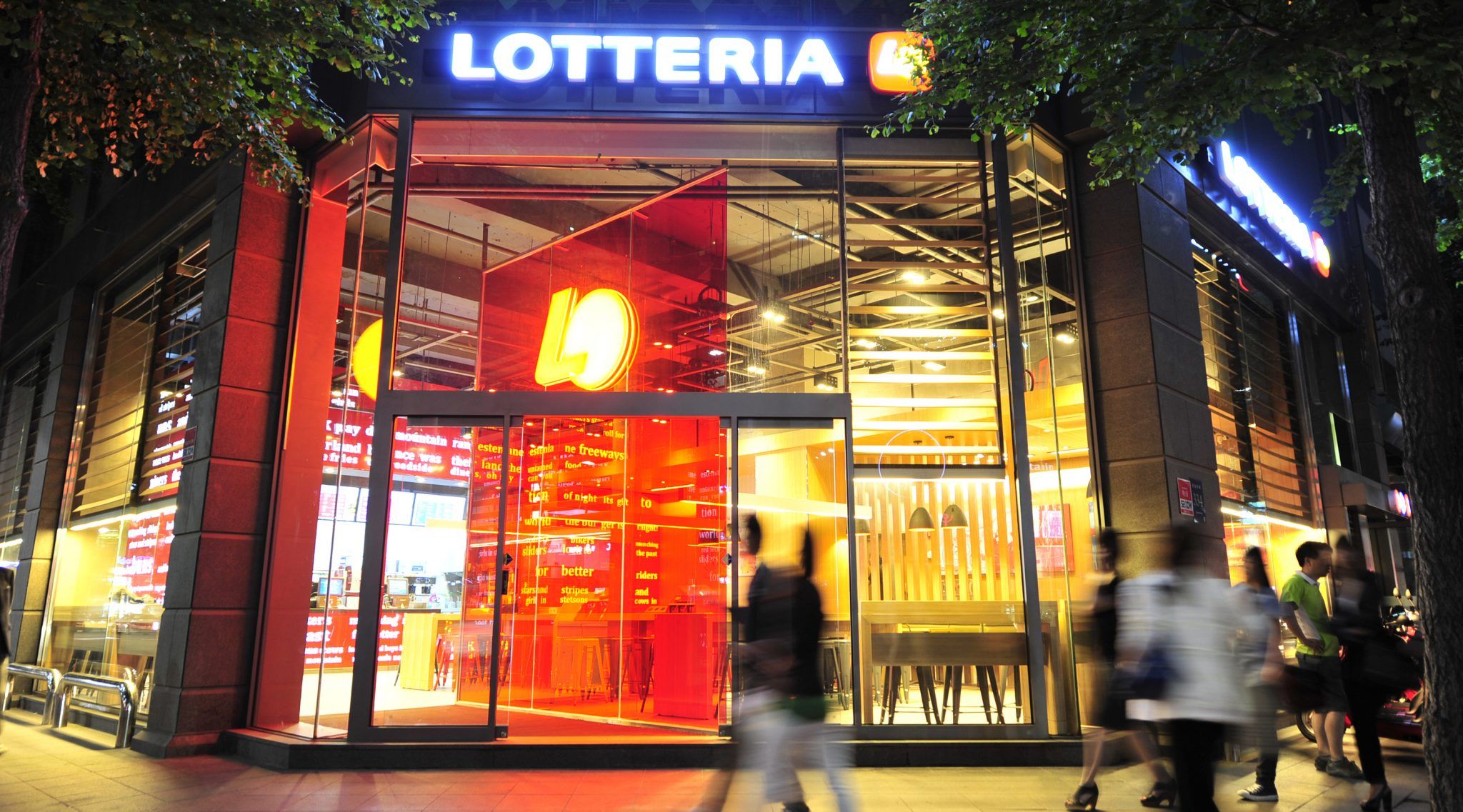
  • Lotte Vietnam denies reports it will close Lotteria fast-food chain

    Lotte Vietnam denies reports it will close Lotteria fast-food chain

    Lotteria Vietnam has said that it will continue its business expansion in Vietnam amid Korean media reports of its closedown over a net loss of nearly US$9 million.

    The company, which is operated by Lotte GRS under South Korea’s Lotte Group, dismissed a media report that it would cease operations in Vietnam, a spokesperson told Tuoi Tre (Youth) newspaper on Saturday.

    There is an inaccurate understanding of the Korean media report, the Lotteria Vietnam spokesperson added.

    Lotteria Vietnam is proceeding with its normal business while an expansion is underway.

    The firm is expected to invest in a new plant at Long Hau Industrial Park in Long An Province, just outside Ho Chi Minh City, and open ten Lotteria stores in 2021.

    “We are working with our parent company in South Korea to clarify its new strategy,” the spokesperson told Tuoi Tre.

    The spokesperson further explained that Lotteria Vietnam is still operating its franchise business and has reached almost 100 franchised restaurants.

    Entering the Vietnamese market in 1998, Lotteria Vietnam is running over 260 outlets and is among the top fast-food chains in the Southeast Asian country.

    The Korea Times reported on Sunday that Lotteria Vietnam is not closing down.

    “It is true that Lotte GRS is leaving the Indonesian market but we are continuing with our franchise and food retail businesses in Vietnam,” the newspaper quoted a Lotte GRS official as saying.

    The paper seemed to correct its report on Friday that had cited “a Lotte GRS official” as saying “Lotteria Vietnam and others have met the requirements for closure starting this year.”

    Friday’s article said that Lotte GRS was in the process of closing down “Lotte Group’s food material supplier in Vietnam, which was established in early 2020 to expand Lotte GRS’ business in neighboring Southeast Asian countries.”

    “Lotteria franchises in Vietnam have all stopped operations and its headquarters in Seoul is reviewing the possibility of closing down the business within this year,” The Korea Times reported.

    The report went on to elaborate that Lotteria Vietnam did not make any profit for Lotte GRS in 2020.

    “Lotteria Vietnam’s book value stood at 26.8 billion won [$24 million] as of early last year, but declined to 15.6 billion won [$14 million] after recognizing 11.2 billion [$10 million] won in valuation losses,” the article said.

    “Its net loss surpassed 10 billion won [$8.9 million] in one year.”

  • Papa John’s launches in Cambodia

    Papa John’s launches in Cambodia

    US pizza chain Papa John’s is launching in Cambodia with 15 restaurants scheduled to open during the next three years. The company opened its flagship store in Phnom Penh last month.

    “Papa John’s Cambodia team is truly passionate about pizza,” said Peter Xu, Papa John’s Cambodia franchisee.

    “With our ‘Better ingredients – Better pizza’ promise, we look forward to providing local pizza lovers with quality products and outstanding services.”

    Xu also owns a Papa John’s franchise in New York and other business ventures in Cambodia.

    Jack Swaysland, Papa John’s COO, international, said that following a record year of sales and growth, Papa John’s is well-positioned to accelerate international development, a key pillar for the brand’s long-term growth.

    Papa John’s has restaurants in 48 countries, with the latest new openings in France, Spain, Tunisia, Iraq, the Netherlands, Morocco, Kazakhstan, Kyrgyzstan, Poland, the Bahamas, Pakistan, and Portugal. The company is eyeing expansion in Brazil, Japan, and Southeast Asia.