Retail News CRM

Tag: franchise

  • Tokyu department store leaves Thailand

    Tokyu department store leaves Thailand

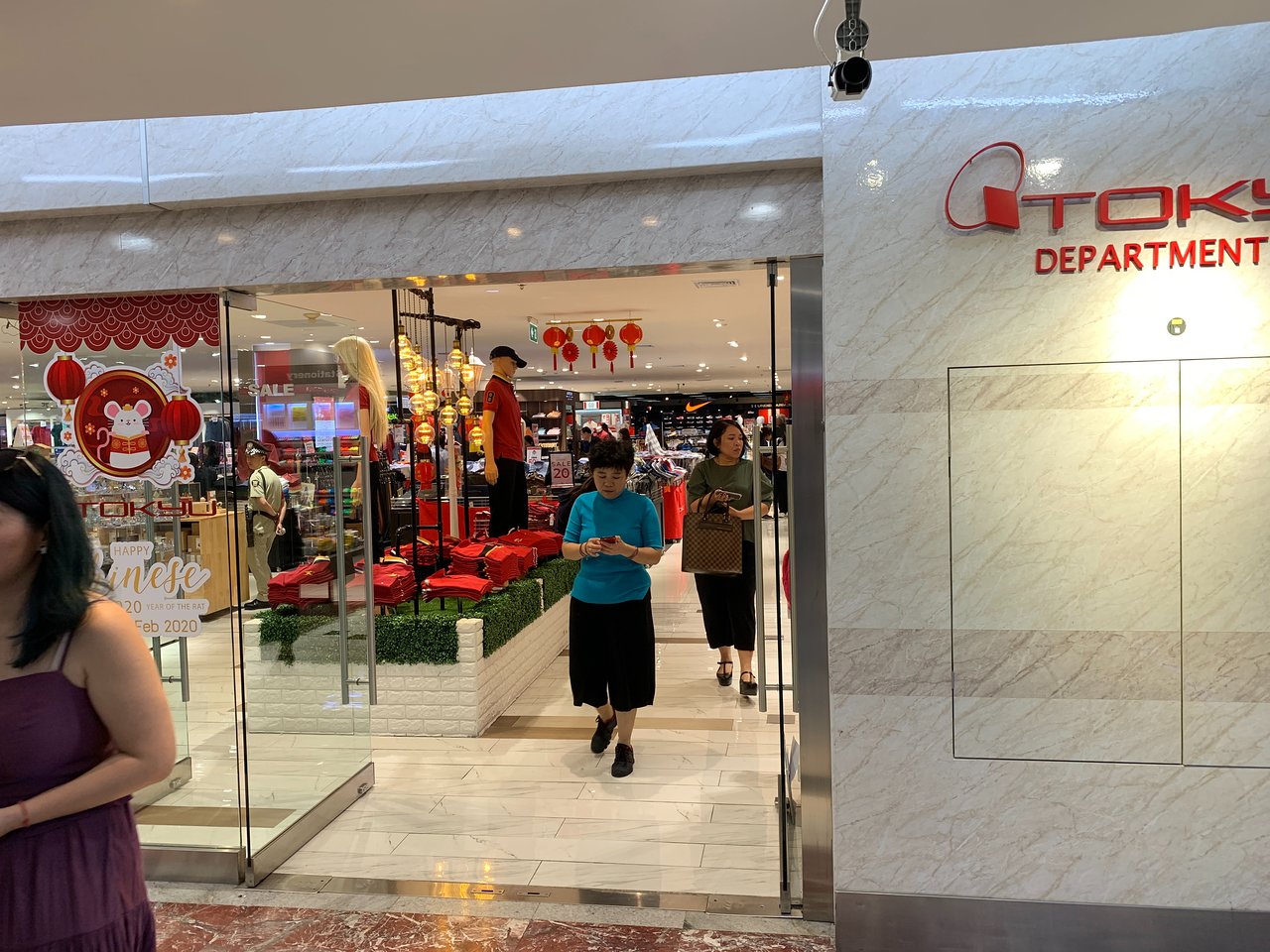
    Japanese department-store chain Tokyu is to exit Thailand, the third Japanese retailer to withdraw from the country this year.

    Tokyu aims to close its last store at Bangkok’s MBK shopping center next January, ending 35 years of trading in the city. The retailer closed its second, newer store at Paradise Park last year.

    The department store has been struggling in the shopping center competition due to the launch of a series of new developments in Bangkok. However, the tourism depression resulting from Covid-19 proved a fatal blow to the company, forcing it to retreat home.

    The closure came suddenly, with the management of MBK saying just two weeks ago that the store would undergo a renovation after the lease agreement was extended for another nine years.

    Tokyu’s withdrawal follows the departure of Japan’s upmarket department store Isetan in September. That company pulled out of Thailand after 28 years of trading there, saying it was unable to continue to compete with other retailers.

    With Tokyu leaving Thailand, Takashimaya will become the only Japanese department-store chain left in the country.

    Another Japanese retailer, FamilyMart effectively withdrew this year after selling its stake to local partner Central Retail, effectively becoming a franchisor.

  • Global franchise operators eye Thai growth

    Global franchise operators eye Thai growth

    Franchise brands from the US, France and China are eyeing opportunities in Thailand which has become a strong drawcard for offshore companies, according to consultants.

    Southeast Asian specialist VF Franchise Consulting is holding a franchise-business matching event in Bangkok next week, with local partner Gnosis which has drawn businesses keen to establish a presence in Thailand.

    Among the companies participating who are seeking local partners are retailers Ace Hardware, Delifrance and Little Caesars. Others include technology-focused language education company Qooco and Scholastic World of English.

    “Thailand continues to be of strong interest from our clients,” said Sean T Ngo, CEO of VF Franchise Consulting. “Whether it is food and beverage, education, retail, fashion or services, all of these sectors are attractive in the Thai market.”

    Ngo says the key to succeeding in Thailand’s ultra-competitive market is offering clear and sustainable value and differentiation.

    “We believe the brands that we are taking to Thailand fit that extremely well as they are all leaders in their respective franchise segments.”

    On February 25 in Bangkok, some of the franchisor executives from the brands will meet one-on-one with invited franchisees and investors.

    US-based Little Caesars Pizza is the world’s third-largest pizza franchise and now operates in 26 countries, including Singapore and the Philippines.

    Delifrance is the world’s largest French bakery and cafe chain and has more than 400 stores serving millions of customers in 15 countries across the globe.

    Ace Hardware is the largest home-improvement franchise in the world with more than 5300 stores worldwide, including more than 200 stores in the Philippines and nearly 200 stores in Indonesia.

  • Japanese franchise Kura Sushi to launch in China

    Japanese franchise Kura Sushi to launch in China

    Japanese restaurant franchise Kura Sushi is launching in its third overseas market, China.

    The brand has already enjoyed some success in the US and Taiwan, and is now set to open its first Chinese mainland location in Shanghai. Ten further locations are planned for the territory later this year.

    According to a Nikkei report, the firm’s current strategy is to “double its revenues outside Japan to ¥300 billion (about US$2.7 billion) in 2030 by increasing its total number of outlets worldwide to 1000”.

    The move coincides with Kura Sushi’s launch of its global flagship in Tokyo, where it expects to serve 2000 people per day, including around 600 tourists.

  • Gap franchising Athleta, Janie and Jack brands in Asia

    Gap franchising Athleta, Janie and Jack brands in Asia

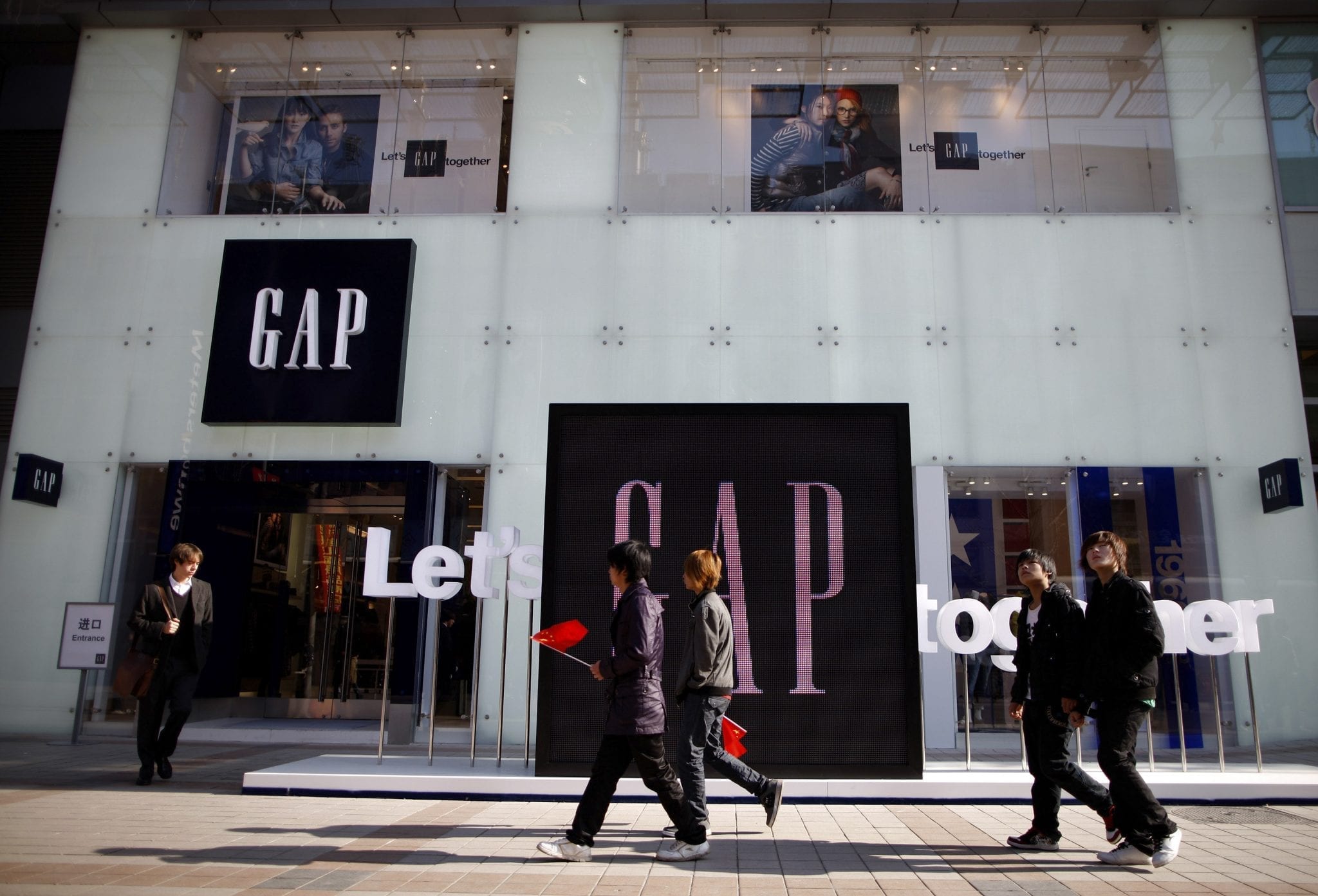
    Gap Inc is planning to roll out stores globally under its Janie and Jack and Athleta banners via a franchise model.

    The US-listed fashion giant already has about 500 franchised Gap, Banana Republic and Old Navy-branded stores operating in 40 markets around the world with local partners, including in Asia. Now it sees an opportunity to boost sales by franchising its fast-growing domestic labels.

    Athleta is a yoga-influenced sportswear brand which is competing with Canadian brand Lululemon. Janie and Jack is a childrenswear label it acquired from fellow US apparel company Gymboree which went into liquidation earlier this year.

    Gap has learned from past experience that the best business model to launch in new overseas markets is through a local partner.

    “We’ve come to realize there is local expertise that frankly, we don’t have,” Roy Hunt, the senior VP of Gap Inc’s global franchise and strategic alliances division, said in an interview. “But we go through a lot of different steps to make sure we have the right partners. … For the most part, we are very selective.”

    The company plans a multi-channel approach to overseas markets when it launches Janie and Jack and Athleta, with brick-and-mortar stores to be supported by websites, also operated by the franchise partners.

    “Given the premium, gift-worthy children’s looks of Janie and Jack and the versatile, sustainable women’s performance apparel of Athleta, we feel the two brands will resonate with customers in new and existing markets internationally,” Hunt said in a statement.

    He believes there is a “huge opportunity” for Gap in markets such as Asia, Europe, and Central America.

    “If you think about it, the primary benefit we have in doing this is that we are not investing our own capital … the partner is investing capital to build out the business,” he said.

  • Hattendo bakery to franchise stores in Hong Kong

    Hattendo bakery to franchise stores in Hong Kong

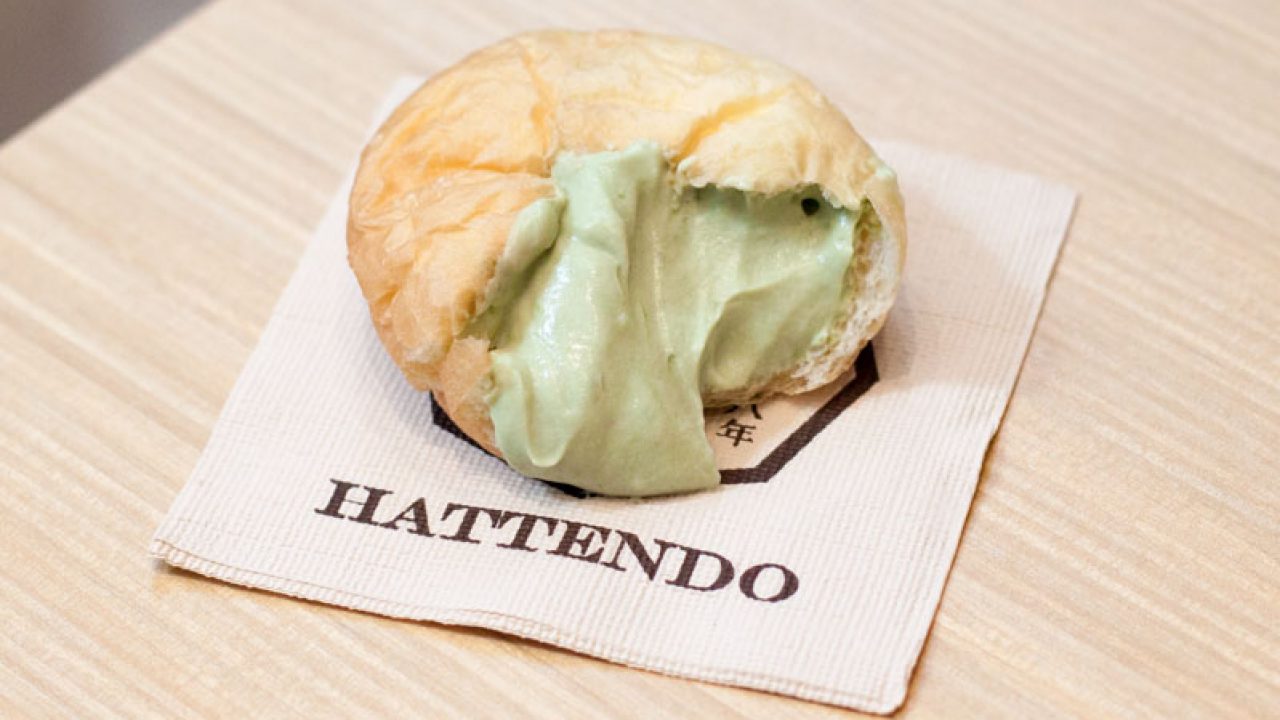
    Japanese baker Hattendo is planning to ramp up its store rollout in Asia, with particular focus on Greater China and Southeast Asia.

    The company – known for its cream-filled buns – already has stores in Hong Kong, Singapore, and Australia. Its next stop is Malaysia where it will launch next month after finding a local partner to produce its buns, selling through convenience stores.

    Hattendo is currently finalizing a joint venture with a Thai company to manufacture its products to supply stores locally. The plan there is to supply supermarkets and a network of its own-branded kiosk stores in shopping malls and other locations.

    In Hong Kong and Mainland China, Hattendo will expand its network by appointing franchisees, part of a plan to boost its network six-fold to 30 by the end of 2021.

    “In China’s Shenzhen and Hong Kong, there is strong interest from potential franchisees and we receive a lot of inquiries,” Daisuke Ishioka, the company’s representative director, told Nikkei.

    Last year, Hattendo’s group sales reached US$19.6 million. The company is planning to issue new shares by the end of this year to raise about $900,000 to fund the expansion.

    The company – known for its cream-filled buns – already has stores in Hong Kong, Singapore, and Australia. Its next stop is Malaysia where it will launch next month after finding a local partner to produce its buns, selling through convenience stores.

    Hattendo is currently finalizing a joint venture with a Thai company to manufacture its products to supply stores locally. The plan there is to supply supermarkets and a network of its own-branded kiosk stores in shopping malls and other locations.

    In Hong Kong and Mainland China, Hattendo will expand its network by appointing franchisees, part of a plan to boost its network six-fold to 30 by the end of 2021.

    “In China’s Shenzhen and Hong Kong, there is strong interest from potential franchisees and we receive a lot of inquiries,” Daisuke Ishioka, the company’s representative director, told Nikkei.

    Last year, Hattendo’s group sales reached US$19.6 million. The company is planning to issue new shares by the end of this year to raise about $900,000 to fund the expansion.

  • International economy seeks master franchisees in Indonesia

    International economy seeks master franchisees in Indonesia

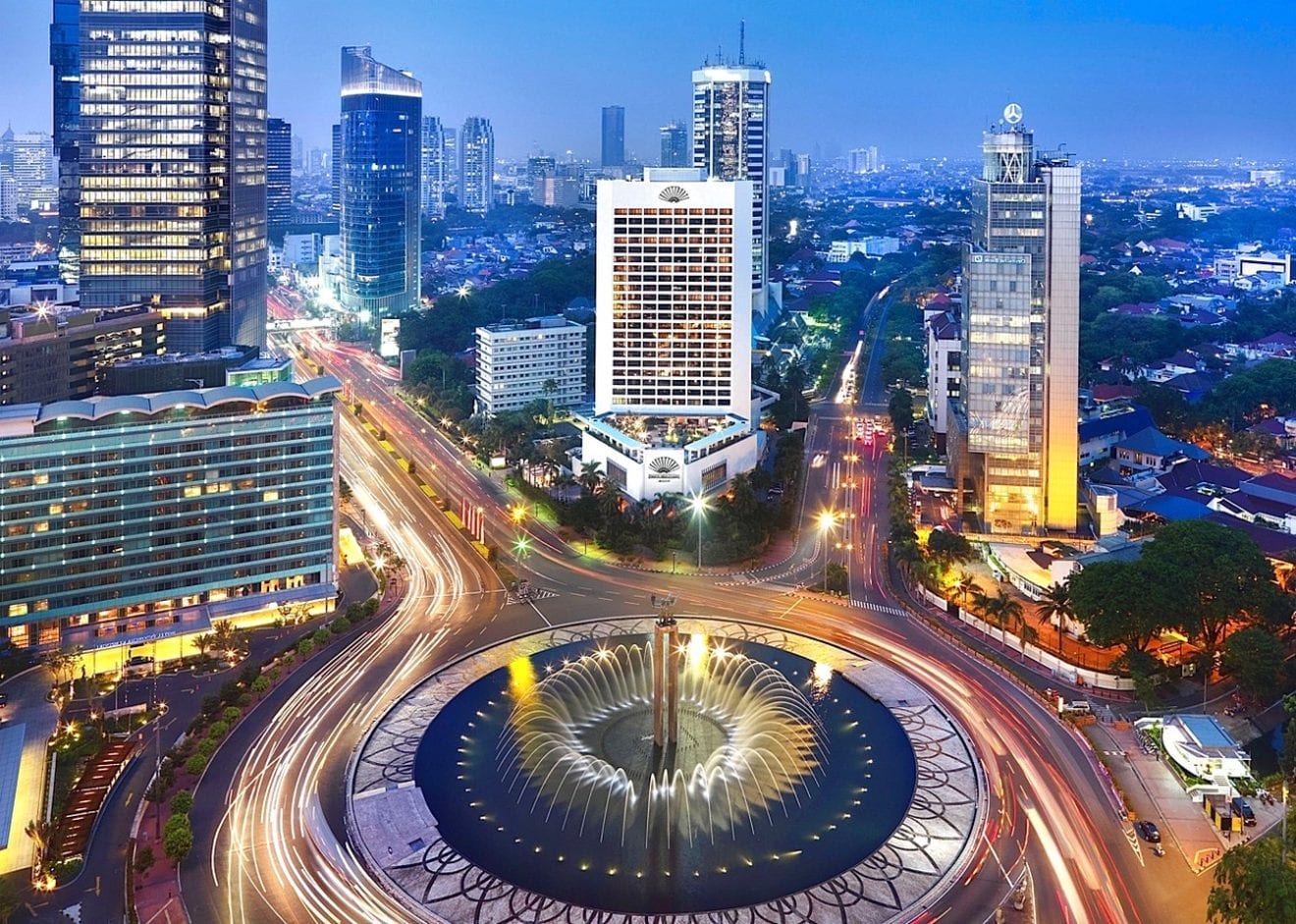
    Indonesia’s economy is projected to be three times the size of Australia’s by 2030 – and the GDP of the world’s most-populous Muslim population will rise from $3.2 trillion to $10.1 trillion by the same year*.

    Those figures are driving top international franchise businesses to seek master franchisees in Indonesia.

    The nation already has the largest market for foodservice in ASEAN, and with a fast-rising middle class and even faster growth in middle-class incomes, there continue to be significant changes in lifestyles.

    “The prospects for food franchises in Indonesia look very good as Indonesia continues to outpace many of its neighbors in ASEAN,” says Sean T Ngo, CEO of VF Franchise Consulting, who will be hosting a series of one-on-one meetings between international franchisors and local prospective partners on Friday (September 13).

    “A recent study by Nielsen showed that 11 percent of Indonesians eat out at least once a day, which is higher than the global average of 9 percent. Another lifestyle change supporting the growth of the food franchise sector is a growing trend among workers in big cities is to work long hours either due to obligation or to avoid traffic jams.

    “Thus, the practical solution for eating dinner is to eat out more often and closer to their workplaces. This fact is supported by the Nielsen study mentioned earlier with eating out occurrences being higher in Indonesia than the rest of the world.”

    Trends like these are fuelling growth in Indonesia Food Service Industry by 7.06 percent on a compounded annual growth rate basis, between last year and 2023.

    There are already more than 700 franchise businesses operating nearly 30,000 outlets across Indonesia. Most of these are in foodservice and located in Java, primarily Jakarta, West Java, and East Java provinces. Approximately 400 of the 700 are foreign franchisors, while the rest are local brands.

    Among the top international businesses to seek master franchisees in Indonesia that VF Consulting will introduce to prospective partners this week are:

    • Little Caesars, known for its Hot-N-Ready pizza and Crazy Bread, is the world’s largest carryout-only pizza chain with locations in eight Canadian provinces, all 50 US states along with 26 other countries and territories worldwide.
    • Mango Tree, one of the world’s best-known Thai culinary lifestyle brands, serving contemporary Thai cuisine.
    • Coca, a pioneer in the hotpot-restaurant sector, serving nutritional Thai and Chinese a-la-carte dishes, seafood and the signature hotpot with a variety of broths.
    • Mango Chili, a fun, vibrant social dining space where groups of friends and families can enjoy simple, easy yet original Thai street food.
    • The Belgian Waffle Co, which in just four years has grown to more than 210 outlets in 55 Indian cities and Nepal.
  • Costs hidden from potential franchisees business

    Costs hidden from potential franchisees business

    Would-be food franchisees are not being given the full picture before they buy into a business, with several franchisors withholding important details including the contact information of former franchisees.

    The ACCC has also found food franchisors were consistently failing to disclose key unavoidable ongoing costs, such as wages, rent or inventory, and were not detailing which essential goods must be bought from a specific supplier.

    The competition watchdog said it was deeply concerned with the findings in its disclosure practices report released on Tuesday, flagging potential court action against some franchisors it believes are in breach of consumer law.

    “Operators of a franchise business can face restrictions imposed by the franchisor, and this is often not realised early enough,” the ACCC said in its report.

    “Disclosure is intended to make this clearer … this information assists a prospective franchisee with their due diligence so they can thoroughly consider if franchising is suited to them, and if a particular franchise is a suitable investment.”

    The food franchising sector has been hammered by bad press in Australia in recent years following allegations of unfair business practices, including by well-known companies such as Retail Food Group, Domino’s Pizza, and Craveable Brands.

    Tuesday’s report follows compliance checks on 12 different franchisors from the food services sector, focused on disclosure of information considered important to someone thinking about buying a franchise

    Among the findings were that eight out of the 12 franchisors made it difficult to contact former franchisees.

    “Our message to someone thinking about buying a franchise is to walk away if you can’t easily contact former franchisees,” ACCC deputy chair Mick Keogh said.

    “You won’t get a realistic picture of the business without talking to them,” Keogh said.

    Seven of the 12 franchisors did not adequately disclose what essential goods were subject to supply restrictions, while most did not share rebate benefits directly with franchisees, and could set maximum retail prices.

    The report showed too many people do not get independent advice before buying a franchise.

    The ACCC said it would now engage directly with the 12 traders in relation to compliance.

    The watchdog receives about 400 reports about franchising each year, with inadequate disclosure by franchisors consistently one of the top two Franchising Code issues reported.

    From July to December 2018, the most common franchising reports were about the food services sector, which includes cafes and restaurants, and takeaway food industries.

  • Everstone to sell Burger King India franchise

    Everstone to sell Burger King India franchise

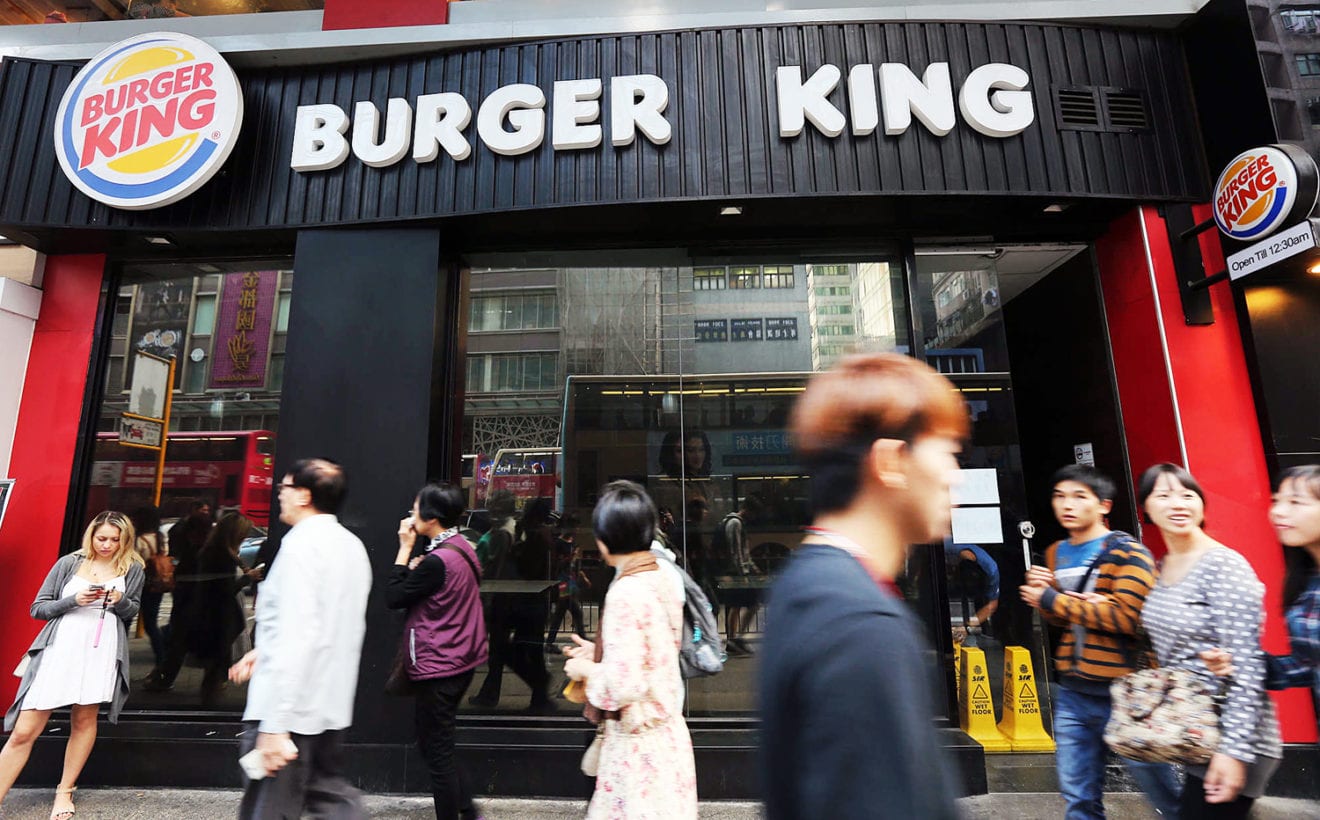
    Singapore-based private equity firm Everstone plans to sell its Burger King India franchise.

    The firm is reportedly in advanced discussions with Rahul Bhatia-controlled InterGlobe group to sell the franchise a deal worth US$204 million.

    The fast-food chain operates 140 outlets, spread across cities in north, west and south India. Last year, its sales reached $54 million.

    Everstone has managed Burger King India since 2013, along with Coffee Bean & Tea Leaf, Copper Chimney, Bombay Blue and Noodle Bar in India.

    The discussions between the two parties come at a time when Bhatia is in dispute with Rakesh Gangwal over their flagship airline IndiGo.

  • Vietnam franchise opportunities Booming

    Vietnam franchise opportunities Booming

    Fourteen international brands are seeking for Vietnam franchise partners.

    The brands will gather at VF Franchise Consulting headquarters in Ho Chi Minh City on July 9 to meet with prospective area or master franchisees for the market. The franchises are in the food-and-beverage sector, education, services, and come from the US, Taiwan, Thailand, Singapore, India and Japan.

    Of the 14 brands, 11 are in the retail space:

    * ACE International, a home-improvement franchise with more than 5200 stores in more than 60 countries.

    * Little Caesars Pizza, a takeaway pizza chain from the US.

    * Coldstone Creamery, a premium ice-cream chain from the US.

    * Mango Tree, a Thai casual-dining business from Thailand.

    * Mango Chili, a fast-casual Thai dining chain.

    * Cha Ji Tang, a Taiwanese fragrant hot-and-cold herbal/flower tea cafe.

    * Yang Xiang Ting, a Taiwanese dim sum conveyor-belt restaurant concept.

    * Fidele, an American-inspired seafood, and pizza chain.

    * Bing Girl, a Taiwanese sweet dessert cafe.

    * Machida Shoten, a Japanese ramen chain.

    * Mennya Kokoro, a popular Japanese dry-ramen chain.

    According to Vietnam’s Ministry of Industry and Trade, there are already more than 200 foreign brands registered in Vietnam, and the number of international brands seeking to enter Vietnam continues to grow by 15–20 percent annually.

    “With nearly 95 million citizens, Vietnam has one of the fastest growth rates when it comes to franchising and licensing,” says Sean T Ngo, founder, and CEO of VF Franchise Consulting.

    “Franchises that do well are in the food-and-beverage, education, retail, and services sectors. Goldman Sachs predicts Vietnam will be the 20th largest economy in the world by the year 2050.”

    The leading Thai company, Mango Tree, will be seeking its first franchisee for its Vietnam branch.

    “Mango Tree is one of the world’s most innovative and best-known Thai culinary lifestyle brands, serving contemporary Thai cuisine from authentic classics to modern updates to old favorites, complemented by creative mixology, expertly curated music, and buzzing locations,” said Trevor MacKenzie, Mango Tree’s MD. The company has already expanded into Hong Kong and Macau.

    Taiwanese bubble-milk tea chain Cha Ji Tang already has stores in Taiwan and Vietnam, and is in discussions over outlets in the Philippines, Korea, and Japan.

    “We are very excited about introducing our successful F&B franchises (Cha Ji Tang, Bingirl, Yan Xiang Ting, and Fidele) to Vietnam,” said Andy Hsu, owner of Reng Feng Brands, the parent company of Cha Ji Tang.

    “Taiwanese food and drinks are very popular in many countries, and we believe many Vietnamese will appreciate and enjoy authentic cuisine from Taiwan.”

    The minimum investment levels for the 14 franchise brands range from US$300,000 to $3 million.
  • Yogurtland Expanding with Indonesian Stores

    Yogurtland Expanding with Indonesian Stores

    American franchise Yogurtland has entered an agreement to expand throughout Indonesia via the formation of Yogurtland Indonesia Global Mandiri.

    The agreement involves the establishment of 10 outlets in the territory within three years, starting off with a location at Central Park Mall this October. Indonesia is home to more than 270 million people and has 173 shopping centres.

    “The Yogurtland family is excited to welcome Frans [Natalio], William [Siawira], and Erwin [Sujono],” said CEO and founder of Yogurtland Phillip Chang. “Their combined experience and track record of excellence will ensure guests in Indonesia will enjoy a wonderful Yogurtland experience.”

    “We are impressed with the value Yogurtland delivers and the company’s commitment to quality,” said new partner Erwin Sujono. “Our team is ready to develop the Yogurtland brand as the best yogurt company in Indonesia.”

    Yogurtland currently has more than 320 locations throughout the US, Australia and Asia.

  • Rebecca Feng buys LK Bennett

    Rebecca Feng buys LK Bennett

    UK-based affordable-luxury fashion-brand LK Bennett has been sold to its Chinese franchise partner Rebecca Feng.

    Rebecca Feng, who operates the label’s business in China under a franchise agreement, competed with several interested buyers following the fashion retailer’s entry into administration last month, including founder Linda Bennett.

    The purchase reportedly places stores in Britain and Ireland in some danger of closure, which could affect up to 500 staff. It will also involve a review of the firm’s operations in Europe and the US, which filed bankruptcy proceedings earlier this month. The firm has some 200 locations globally.

    The brand was founded by Bennett in 1990 with the vision of bringing “a bit of Bond Street luxury to the High Street”. Initially known for its signature ‘kitten heels’ favoured by celebrities, the label grew to become a destination for feminine footwear. Ready-to-wear collections were introduced in 1998 establishing LK Bennett as a fashion house offering complete wardrobe solutions for all occasions.

    All of the label’s collections are designed in house with a theme that combines signature detailing with strong colours, distinctive prints and a flattering fit.

  • Burberry Shanghai Closes Flagship Store

    Burberry Shanghai Closes Flagship Store

    he Burberry Shanghai flagship store has been shuttered as the British luxury-goods retailer looks to reduce costs.

    It is the fourth Burberry location within Mainland China to be shuttered within the last eight months as part of a global restructuring effort, representing a conspicuous and somewhat puzzling drawing back from a key luxury market.

    The closure of the 1000sqm flagship means that half of Shanghai’s Burberry outlets have now vanished, after the brand’s K11 mall store disappeared last August and its Westgate Mall and Hongqiao airport halted operations a month ago.

    The closures were prompted by poor demand for Burberry products in Asian markets, and are part of the firm’s global strategy to cut back on underperforming retail locations.

    Representatives of the brand have pushed back on speculation that the closures signal an all-out withdrawal from China.

    “China is a hugely important market for Burberry and we are fully committed to growing our business there. We are making some of our biggest investments in Shanghai where we recently refreshed our flagship store at Kerry Centre and we will open two new stores at IFC Mall and IAPM Mall in the coming months. This strengthens our presence in Shanghai, a key luxury shopping destination, and we are excited to welcome our customers to these new locations.” said a company spokesperson.

    “Burberry is not so much closing down as relocating to new stores,” said JLL’s head of retail for China Ellen Wei, noting that Burberry plans to open two more strategically located stores in Shanghai shortly.

    Burberry bought out its Chinese franchises in 2010 for £70 million (US$91.4 million at current rates) in response to the country’s burgeoning taste for luxury products.

    The Burberry Shanghai flagship was located in the L’Avenue shopping centre in Gubei.

  • Thailand franchise market ready for further growth

    Thailand franchise market ready for further growth

    Thailand franchise consultancy Gnosis Co expects a healthy market for franchises in the country.

    Gnosis MD Sethaphong Phadungpisuth said more than 50 chains from both local and international brands are exploring the market this year following measures to ease regulations on the part of the Business Development Department.

    “The Thailand franchise market will become more active this year. We expect the overall number of new franchise brands both from abroad and the domestic market that will open their franchise in Thailand this year to increase by 10 per cent to about 630 brands”, he said.

    According to Gnosis, some brands have chosen Thailand as a springboard to other Asean countries, in particular Myanmar and Laos.

    Among those diverse brands set to start operations in Thailand this year include Taco Bell, The Edge Learning Centre, and Singaporean hygiene and disinfection products firm Sureclean. Additionally the number of Taiwanese milk tea chains continues to increase in the territory.

    Franchise business in Thailand is estimated to be valued at THB250-300 billion (US$7.84 billion).

  • Hong Kong’s Hui Lau Shan launching in Philippines

    Hong Kong’s Hui Lau Shan launching in Philippines

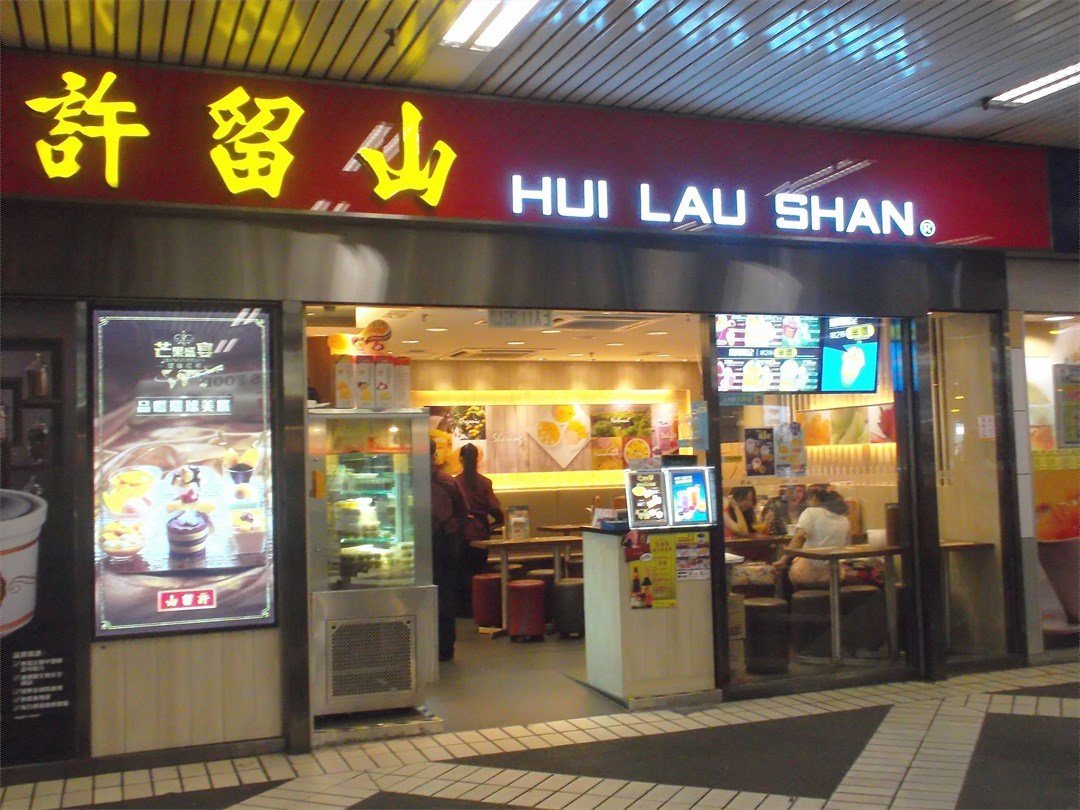
    Hong Kong dessert chain Hui Lau Shan will launch in the Philippines in February. The franchise, best known for its mango-based treats,will open at SM Megamall in Mandaluyong City with a range of desserts that are expected to draw on local fruits.

    Mango desserts have proven popular in the region recently, with prominent social media coverage of long queues for mango floats.

    Hui Lau Shan is a heritage brand originating from a herbal tea & tea trolley that traded in Hong Kong’s Yuen Long back in the 1960s.

  • Singapore’s VeganBurg plans US expansion with franchising

    Singapore’s VeganBurg plans US expansion with franchising

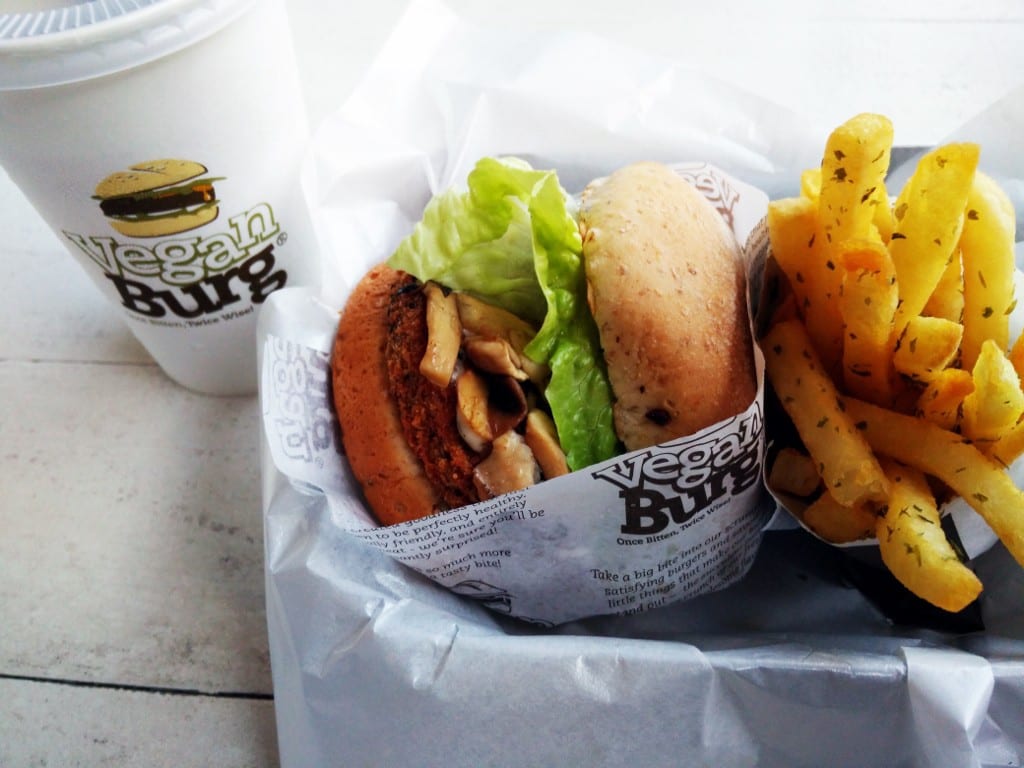
    Singapore-based burger chain VeganBurg is seeking new franchisees to expand its business in California. The company will hold a franchising conference in Las Vegas next month, expected to be attended by many Californian companies and individuals evaluating franchise concepts. “VeganBurg has developed a passionate following from customers in Singapore and internationally and we have spent the last few years refining operations and investing in what has made VeganBurg a winner — our juicy burgers, fantastic staff, and world-class customer service,” said Alex Tan, VeganBurg CEO and founder.

    “We are interested in meeting enthusiastic and dedicated people who are passionate about the environment and impeccable people support,” he added.

    VeganBurg’s franchisees can be assured of support from pre-opening and training. An operations team will help new partners establish supplies of proprietary ingredients and products, assist with site selection and interior design, initial training and ongoing training support, product research and development, branding and marketing assets, systems, tools and processes.

    Founded in 2010, VeganBurg has been redefining food pop culture and comfort food in Asia and North America with its 100-per-cent plant-based menu.