Retail News CRM

Tag: franchise

  • PepsiCo franchise rights to be acquired in South, West India

    PepsiCo franchise rights to be acquired in South, West India

    PepsiCo India’s bottling partner Varun Beverages Monday said its board has approved plans to acquire franchise rights of the beverages and snacks major in South and West regions. The board has approved the company’s intent to enter into a binding agreement with PepsiCo India Holdings to acquire franchise rights in the two regions for a national bottling, sales and distribution footprint in seven states and five UTs, Varun Beverages Ltd (VBL) said in a regulatory filing.

    According to a report, upon completion of these acquisitions, VBL will be a franchise of PepsiCo beverages business across 27 states and seven Union Territories (UTs), it added.

    “The proposed acquisitions are in line with the company’s strategy to expand into contiguous territories and will help to acquire greater scale, operational productivity and efficiency leading to higher revenues and profitable growth,” it said.

    VBL, however, did not disclose financial details of the proposed acquisitions.

    The company further said its board will meet on February 26 to consider raising of capital through Qualified Institutions Placement (QIP).

    Last year in January, VBL had entered into a pact with PepsiCo to sell and distribute the latter’s entire Tropicana range of juices along with Gatorade and Quaker Value-Added Dairy in North and East India.

    VBL already held manufacturing, sales and distribution rights for Tropicana Slice and Tropicana Frutz in the two regions.

    PepsiCo had then stated that North and East regions together accounted for 80 percent of the juice market in India and VBL’s contiguous reach would help it more than double the distribution reach in these states.

  • Jollibee to sue Chinese copycat

    Jollibee to sue Chinese copycat

    Jollibee Foods has confirmed it is taking legal action against a copycat restaurant in China. A recent Facebook post which went viral featuring the Chinese restaurant – named JoyRulBee – drew much attention among internet users in the Philippines, after a Filipino couple travelling in Guangxi spotted the the familiar mascot and documented the knockoff.

    Pictures and a video showed that both the exterior and interior of the restaurant were close copies of the Jollibee brand, while the menu was also markedly similar.

    Jollibee’s response to the post indicated the firm was already aware of the existence of the copycat restaurant and has initiated legal proceedings to protect its trademark.

  • Revealing Subway Hong Kong’s new strategy

    Revealing Subway Hong Kong’s new strategy

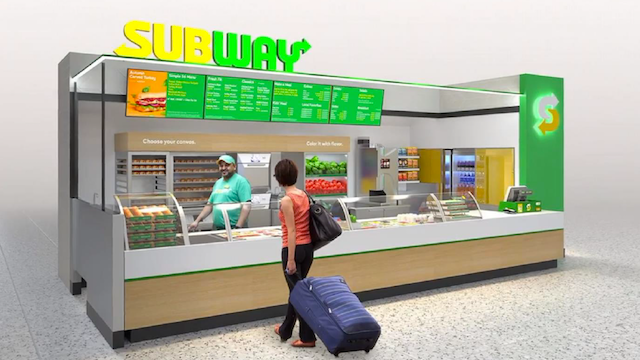
    Subway Hong Kong has chosen a university campus to launch the first of its new-generation store concepts in Greater China. The Fresh Forward restaurant decor marks a modernisation for the iconic made-to-order sandwich chain which with a new development office in Hong Kong and Macau is achieving same-store annual sales growth of more than 20 per cent. The new development office management team, comprising CEO Christel LeBrun, GM Jamie LeBrun and director Mark Rutherglen have more than 50 years of Subway experience between them.

    Subway Hong Kong’s new Fresh Forward restaurant opened on level 3 of City University’s Lau Ming Wai Building in late August. It takes up a 900sqft site and seats 30 guests, making it one of the largest Subways in Hong Kong and Macau. The larger footprint is representative of the new development office’s strategy to develop the brand on a larger scale, unlike the smaller kiosk-style locations opened in the past.

    During the grand opening the store served more than 1300 customers, fulfilling 200-plus orders an hour during peak lunch periods. “Last year, we focused a lot of energy on better service, fresher products and cleaner restaurants,” said Christel LeBrun. “The way in which our sandwich artists and managers handled the volume on opening day is a testament to how far the operations have come in 12 months.”

    Subway Hong Kong expects that by the end of this year half of its outlets across the two territories will be remodelled to the new concept which Jamie LeBrun describes as “Subway stepping into the 21st Century”.

    Features of the new look include digital and interactive menu boards that have a more product-focused design and are controlled centrally via a content-management system.

    New fresh-vegetable and bread displays show customers how the chain’s products are prepared fresh in store each day.

    Brightly coloured furniture and eye-catching graphics on the walls create a more welcoming and “fresh” environment for dine-in customers, who can enjoy the convenience of power points for laptops and USB charging ports to recharge smart devices.

    “Our customers want good food, better value and clean restaurants. And we’re giving them that,” said Jamie LeBrun.

    Michael Kyprianou, director of development with Subway Hong Kong and a part owner of the City University store, describes the new concept as “an absolute game changer”.

    Future Fresh Forward stores in the two cities will be set up to cater better to online ordering.

    “With the move towards services like Deliveroo and Foodpanda, we have redesigned the back of house so where we have a prep bench, you can lift it up and you’ll have a salad bar so you can assemble orders at the back of the store for delivery,” says Jamie LeBrun. “So when orders are coming in online during peak hours, someone will be out the back preparing orders and not interfering with the in-store trade.”

    Jamie LeBrun says some Hong Kong Subway stores can earn up to 25 per cent of their sales online. “That’s how big the online space is. When it’s raining, no one wants to go out and pick it up. People have got short lunchtimes too – no one wants to go stand in line.”

    Menu evolution

    A major part of Subway’s success last year was a revamped menu which Jamie LeBrun says will continue to evolve to reflect local tastes and feature ‘limited-time offers’.

    “Product innovation is the cornerstone of future success for our business.”

    An avocado promotion in stores last year with three popular combinations – Roast Chicken and Avocado, Bacon and Avocado and Turkey, Bacon and Avocado – achieved sales 200 per cent higher than forecast.

    This year, Subway Hong Kong promises a new product every six weeks, including limited time offers such as Black Pepper Beef, Shrimp and Avocado and Rotisserie Chicken sandwiches.

    “Currently in restaurants you will find a Japanese Curry Chicken that offers a great warm flavour for these colder months,” says Christel LeBrun.

    Late last year, the company expanded the core menu offer adding coffee to new restaurants through a partnership with Kolb, offering fair-trade coffee beans and fresh milk in hot or cold drinks made in store.

    This year, Subway Hong Kong plans another menu-centric initiative called ‘restore the core’ – the first part of this initiative will be an analysis of existing items and optimising the menu based on what is popular and what can be removed. The second part is then to improve on the products left on the menu.

    Also this year, Subway will be more engaged in the community by sponsoring major ‘active lifestyle and sporting’ events around the territory to boost its profile and make consumers aware of its new outlet design and menu.

    “We are looking at a few events that complement the Subway brand to partner with this year, we are eager to get back into the event space and engage more with our customers,” says Jamie leBrun.

    On World Sandwich Day the company plans to launch a promotion with proceeds donated to those in need via the St James Settlement in Hong Kong. “A number of restaurants were doing 130 sandwiches an hour, every hour for eight hours on the day last year,” says Christel LeBrun.

    Franchisee search

    The development office has several new outlets scheduled to open during the next six weeks, including a new Fresh Forward outlet on Hollywood Road, Central.

    New franchisees are being sought to to help expand its store network now the brand has revamped its decor and upgraded its menu.

    “We are looking for new franchisees that are team players to help grow the brand in the right way,” explains Christel LeBrun.

    “People that are looking to own their own business or be their own boss. Training is provided so it doesn’t matter what background they come from. We have doctors, lawyers, graduates, teachers, parents and everyone in between,” adds Jamie LeBrun.

    Four new franchisees joined last year with another 10 sought this year with the longer-term goal to have 100 outlets in the two territories within 10 years.

  • Unison Capital could bag US$442 million for Gong Cha deal

    Unison Capital could bag US$442 million for Gong Cha deal

    South Korean private equity firm Unison Capital is selling its Gong Cha bubble tea franchise in a deal likely to fetch up to US$442 million. The company purchased the brand four years ago for KRW34 billion ($30 million), before taking over its global headquarters in Taiwan in a KRW40 billion ($35.45 million) deal in 2017. The brand’s HQ operates stores in 16 countries.

    The offer has attracted interest from major South Korean F&B players, considering the brand’s stable cash flows and EBITDA margin of 24–25 per cent, compared with Starbucks’ 21 per cent.

    The brand runs 448 outlets within South Korea, and derives 70 per cent of its sales from directly managed stores within Korea and Japan. The firm plans to expand its global store count from 900 to 1700 by 2021, expanding into 10 more countries during the period – with concrete plans to establish stores in the UK, Mexico, Thailand, Indonesia and Cambodia.

    Sales are forecast at KRW180 billion ($159.54 million) this year, compared to KRW134 billion ($118.77 million) last year.

  • Thailand franchise market predicted to grow

    Thailand franchise market predicted to grow

    Thailand franchise consultancy Gnosis Co expects a healthy market for franchises in the country. Gnosis MD Sethaphong Phadungpisuth said more than 50 chains from both local and international brands are exploring the market this year following measures to ease regulations on the part of the Business Development Department.

    “The Thailand franchise market will become more active this year. We expect the overall number of new franchise brands both from abroad and the domestic market that will open their franchise in Thailand this year to increase by 10 per cent to about 630 brands”, he said.

    According to Gnosis, some brands have chosen Thailand as a springboard to other Asean countries, in particular Myanmar and Laos.

    Among those diverse brands set to start operations in Thailand this year include Taco Bell, The Edge Learning Centre, and Singaporean hygiene and disinfection products firm Sureclean. Additionally the number of Taiwanese milk tea chains continues to increase in the territory.

    Franchise business in Thailand is estimated to be valued at THB250-300 billion (US$7.84 billion).

  • Haidilao hot pot debuts in Vietnam

    Haidilao hot pot debuts in Vietnam

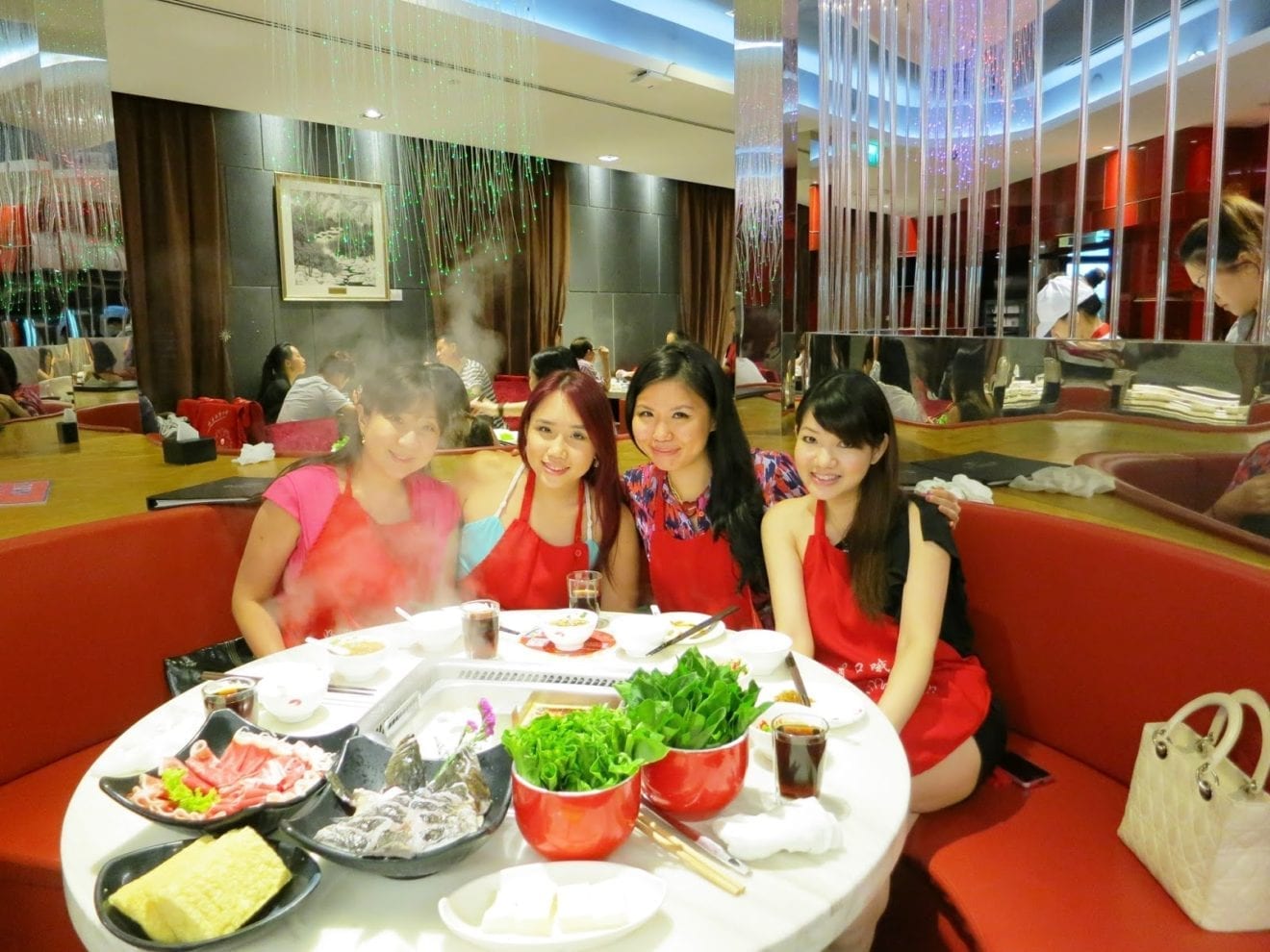
    Chinese hot-pot chain Haidilao is to open its first outlet in Vietnam. The outlet is located on the second floor of the 68-story Bitexco building in Ho Chi Minh City. Without revealing the opening date, the company has been recruiting office staff and restaurant crews for its Vietnam debut. Hai Di Lao Viet Nam Holdings Company was established in August, headquartered in Hanoi.

    Founded in 1994, Haidilao serves Sichuan-style hot pot integrating features from all over China. Until now, the chain has opened 29 restaurants overseas, including in Japan, Singapore, South Korea, and the US.

  • Little Caesars Pizza Philippines is opening soon

    Little Caesars Pizza Philippines is opening soon

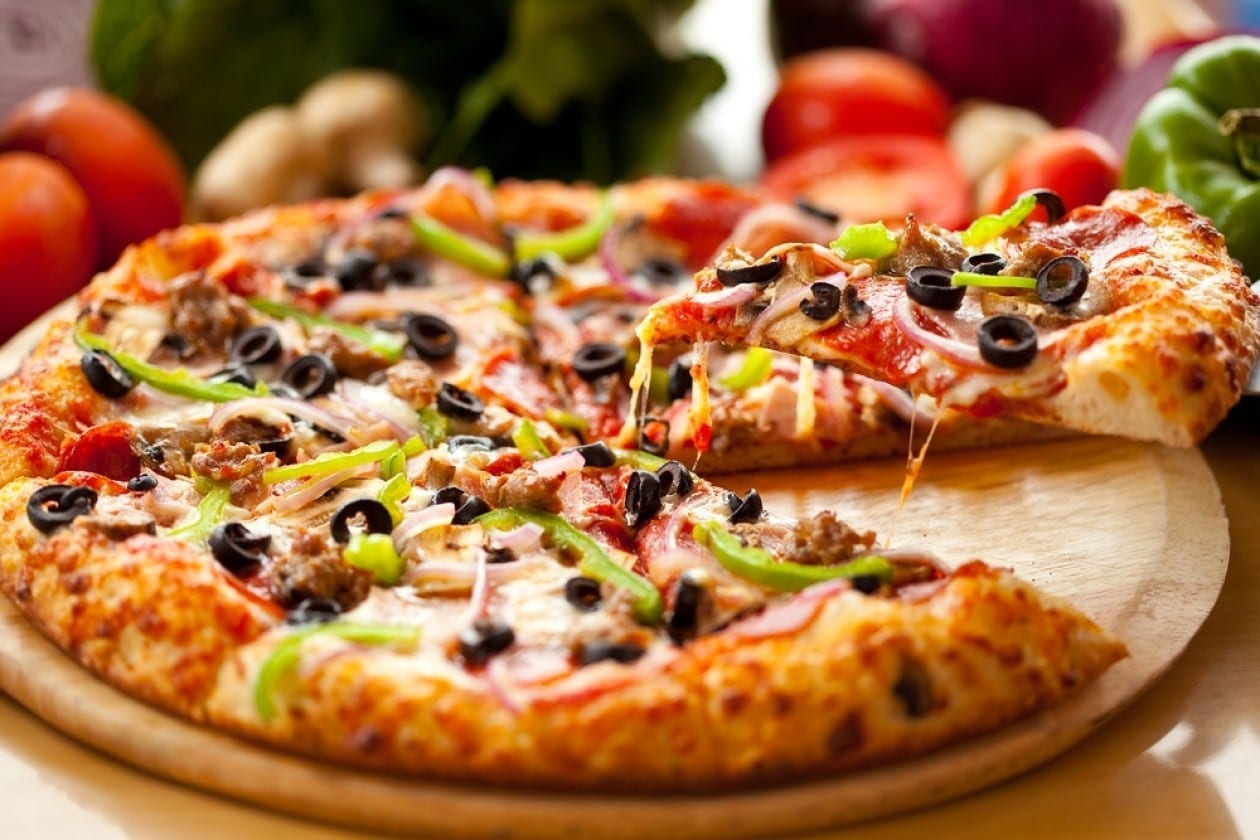
    Little Caesars Pizza Philippines will launch with its first restaurant next month. The move continues the expansion of the brand’s international footprint with new restaurants in Southeast Asia. The first restaurant to open under the new franchise relationship with local operator Palmtree PH Foods Corp will be located at the Metrosquare Building in Manila.

    Senior VP of International for Little Caesars Pizza Paula Vissing said he believes the Philippines is a perfect fit for the company’s international expansion due to its strong affinity for both pizza and value.

    Palmtree owner James Kodrowski, who manages a group of companies that operate in the region, said: “Little Caesars Pizza is exactly what this market needs … We believe that the Hot-N-Ready concept will have undeniable market appeal, as well as our commitment to excellent guest service, and superior value. It is our ambition to make Little Caesars the new favorite pizza of the Philippines.”

    Little Caesars is the third largest pizza chain in the world, currently operating in 23 countries and territories. It will also open its first location in Singapore in January.

  • Jollibee opens first Malaysian outlet in Kota Kinabalu

    Jollibee opens first Malaysian outlet in Kota Kinabalu

    Jollibee Malaysia has opened its first outlet – in the beachside city of Kota Kinabalu. CEO Ernesto Tanmantiong said opening in Malaysia marked a new chapter for the group. “We invite Malaysians to come and see for themselves why people line up for hours.”

    Jollibee Foods head of international business, Dennis Flores, said Jollibee is beloved throughout Asia, because it appeals to diverse tastes and cultures.

    “This has propelled us to become the fastest-growing Asian restaurant company, and we are thankful for the overwhelming support. It drives us to do better for our customers, and to continue to serve delicious food with our signature warm service.”

    The Jollibee Malaysia opening follows the brand’s recent expansion into London and Manhattan as its rapidly expands its global store network to surpass 4300.

    After making its debut in the capital of Sabah, Jollibee Malaysia plans further outlets in major cities across the country.

  • The Body Shop Malaysia franchisee plans IPO

    The Body Shop Malaysia franchisee plans IPO

    Rampai-Niaga, The Body Shop Malaysia franchisee, is planning an IPO that could raise RM200 million (US$48 million). The company is considering submitting a listing application to the local securities regulator shortly, targeting a presence on Bursa Malaysia by the second quarter of next year at the earliest, according to a source close to the firm. As yet, the company has refrained from commenting on the proposal.

    The company’s website says Rampai-Niaga is the sole franchisee for The Body Shop Malaysia. It opened the beauty products brand’s first outlet in the country in 1984.

  • Indonesia to host franchise event next month

    Indonesia to host franchise event next month

    Prospective franchisees and investors will have the opportunity to meet with international franchisors at a VF Franchise Consulting event in Jakarta from July 18–19.

    VF’s CEO Sean T Ngo said foreign brands are eying the Indonesia franchise market because of its size and potential.

    “Not only is food & beverage fast-growing, it is also a market that is very high potential for education and services franchises,” he said.

    The invitation-only event, co-hosted by local partner IFBM, includes personal meetings with senior franchise executives of seven participating brands, which include F&B franchises Little Caesars, Texas Roadhouse, Brotzeit and Pronto; Hong Kong-based educational businesses The Edge Learning Centre and First Code Academy; and hygiene/disinfection firm Sureclean.

    According to Ngo, there are already more than 1200 active Indonesia franchise companies operating, including both local and international groups. He noted that Indonesia continues to have one of the fastest-growing franchise industries in Southeast Asia.

  • Titan Industries Revealed Limited Franchise Opportunity

    Titan Industries Revealed Limited Franchise Opportunity

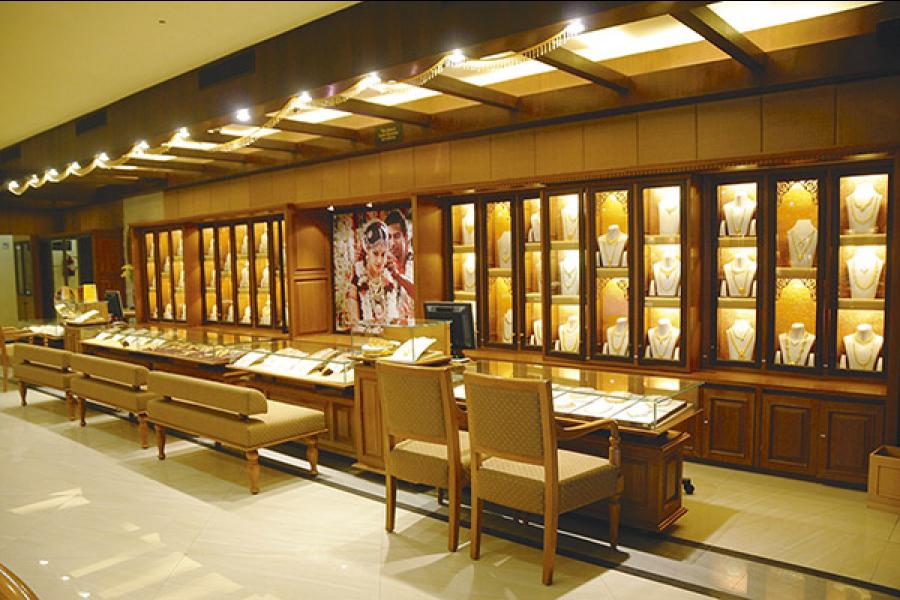
    After watches, India’s Titan is planning to take its jewellery retail business to international markets by end of its next financial year.

    Firstly, the Bengaluru-headquartered company is looking at franchising forays into the Asian market, says Titan Company MD Bhaskar Bhat.

    “The watches business has a minuscule presence in the international markets,” he says. “The big change will come when our jewellery becomes international.”

    Given that jewellery is a low-margin business unlike watches, the company will not make large investments to enter these geographies, but instead opt for a low-cost franchise model. “These stores will be launched on a partnership basis,” says Bhat.

    Jewellery accounts for around 75 per cent of Titan, which also sells watches, eyewear, fragrance and even sarees. It will be the company’s second bid to enter the global markets in the jewellery segment. By focusing on Asia, the company wants to test the model before taking it to other geographies.

  • Captain D’s Seafood Restaurant to have more stores by franchising

    Captain D’s Seafood Restaurant to have more stores by franchising

    World Franchise Associates has announced the signing of an agreement to exclusively represent Captain D’s Seafood Restaurant for development opportunities worldwide. World Franchise Associates assists franchisors to enter new international markets and expertly assists investors to acquire master franchises for the best franchised and most recognized business brands in the world.

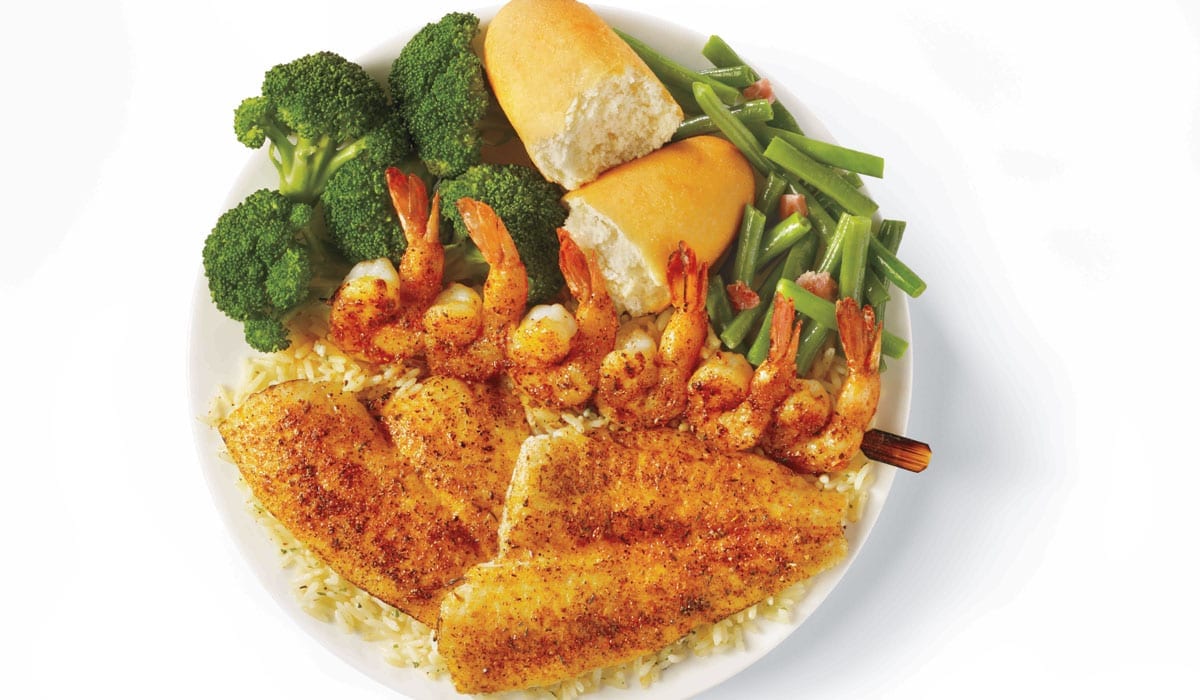
    Captain D’s is the industry-leading fast-casual seafood franchise in the United States with over 550 restaurants. The brand was ranked No. 1 seafood franchise in The QSR 50, the annual ranking by QSR Magazine. The brand also received noteworthy recognition in the franchise industry by setting brand AUV records in 2012, 2013, 2014, and 2015; and 2016 marked the 6th consecutive year of sales growth.

    The brand relaunched four years ago with an expanded menu to include healthy, grilled options and re-imaged decor to attract a new generation of diners seeking seafood as a fast-casual meal alternative. With meals offered at attractive price points – The changes spurred increased customer counts, higher average tickets and more customer frequency.

    Paul Cairnie Chief Executive Officer, World Franchise Associates said, “We are excited about helping to introduce Captain D’s, the number one QSR seafood franchise in the United States, to international audiences worldwide. While other QSR chains have struggled to maintain and grow AUV, Captain D’s is growing — and the growth is sustainable.  Seafood franchises today have an opportunity, as the QSR seafood space has few competitors, so Captain D’s has plenty of room to grow.”

  • Mumuso Thailand opens door to franchisee

    Mumuso Thailand opens door to franchisee

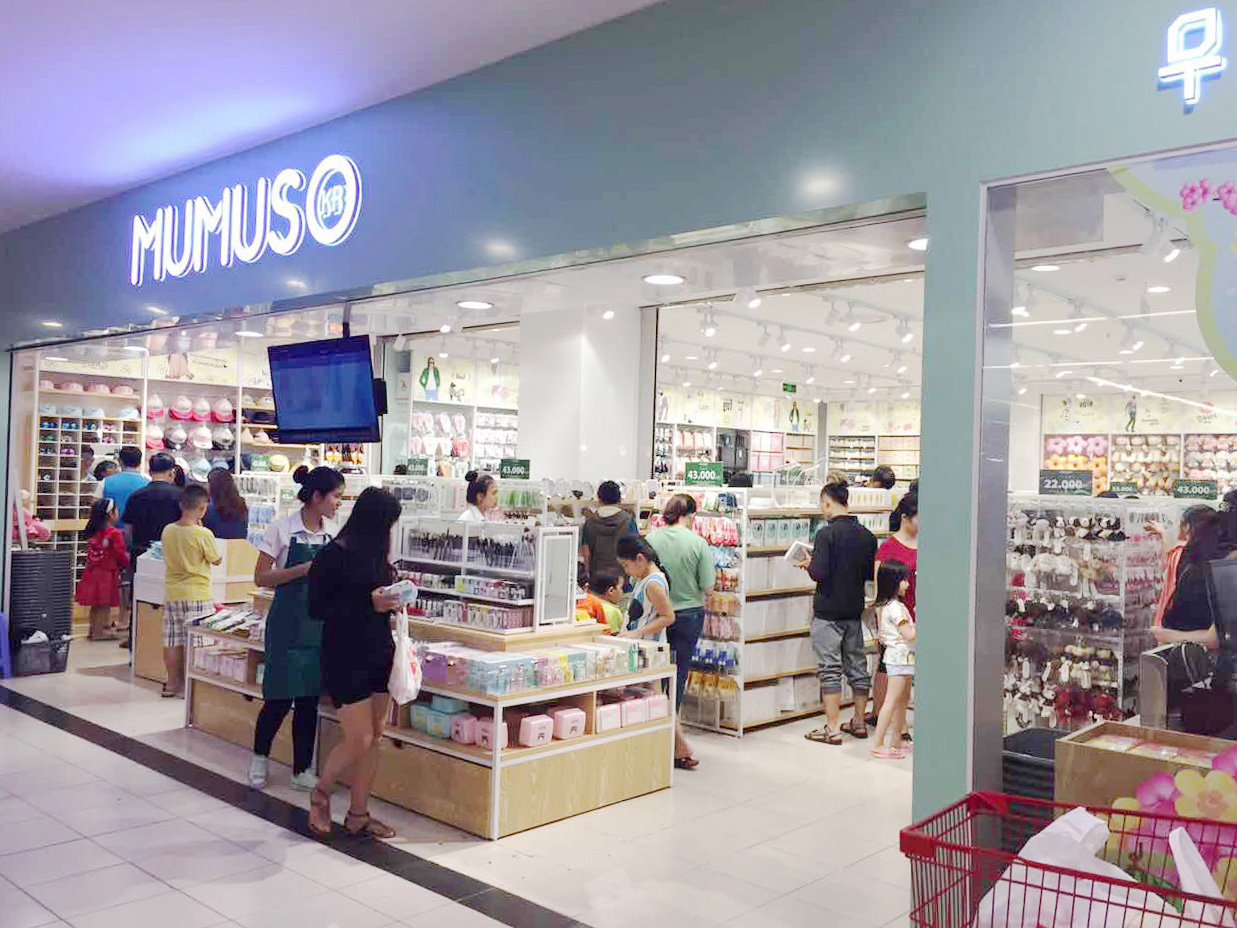
    International lifestyle retailer Mumuso Thailand plans to open up to 20 franchised stores by the end of next year, and up to 150 in the next five years.

    From Shanghai, the company promotes lifestyle products with a Korean flare. The brand moved into Thailand in August with a Mumuso lifestyle shop opening in The Mall Nakhon Ratchasima. It now has seven outlets, the latest being its first franchised outlet for Thailand.

    Mumuso (Thailand) strategic director Pakom Supawarapong says the company sees a growth opportunity in Thailand, including specialty stores.

    “It’s not all about e-commerce these days as the trend for specialty stores is something we all need to be aware of,” says Pakorn. “We expect our annual sales to reach THB2 billion [US$62.5 million] in the next five years. We target to achieve THB200 million in annual sales this year.”

    Mumuso (Thailand) president Amnuay Supawarapong says the brand has more than 600 branches in 150 cities. In Thailand, it has stores in Ayutthaya, Bang Saen in Chon Buri, Phitsanulok, Samut Sakhon, Siam Square One, Supanburi and The Mall Nakhon Ratchasima. The Phitsanulok shop, which opened this month, is the company’s first franchised outlet in Thailand.

    About 3000 different items of merchandise at Mumuso lifestyle shops cover children’s products, apparel, kitchen items, bags, stationery, skincare and cosmetic goods. Pakorn says the company has set aside THB150 million for this year, focusing on promotional activities at its stores.

  • Domino’s Franchising model’s uncertain

    Domino’s Franchising model’s uncertain

    The franchising model has been around a long time in Australia, but a raft of inquiries and negativity surrounding the sector is fuelling uncertainty over its viability moving into the future. The franchising sector has been on the receiving end of a lot of negative political and media attention over the past two years.

    The industry response has largely been to pop in earplugs and cover its eyes with blindfolds and just wait till all the problems go away.

    The Franchising Council of Australia continues to roll out media releases of self-congratulations for the industry, announcing award winners for franchising excellence and forums to showcase investment opportunities.

    The Council has protested the timing, intent and conclusions of inquiries into the sector claiming it is in robust health, despite the falls from grace of some of the most celebrated franchise systems.

    A little bit like the alcoholic who can’t rehabilitate without first acknowledging they have a problem, the franchise sector is certain to be plagued with serious problems well into the future, unless it recognises the limitations of the franchising business model.

    Franchising has been around for a long time and does undoubtedly have its success stories but it is uncertain that retail franchising systems can survive in their current form.

    At the very least, retail franchising systems are likely to become much less lucrative for franchisors who are unlikely in future to be able to obtain the level of franchise levies, marketing fees and even product supply charges that they have received in the past.

    Franchisors are also facing the prospect of higher operating costs associated with a tightening of regulations and legislative provisions to ensure the appropriate governance and accountability of their systems and enhance operational support for their franchisees.

    The franchise business model arguably works for service businesses, which in many cases have low ingoing costs and often provide a customer referral facility, which provides a clear and direct value for the fees.

    Retail franchises are an entirely different matter as they involve high entry costs for the franchise rights, store fit out costs, rent and occupancy charges for tenancies, inventory carrying costs and hefty wages bills resulting from extended hours trading in most locations.

    Franchisees have much longer hours to spend managing a retail business than investors in other types of franchises and, at the end of the day, many are effectively working for nothing after coughing up their various dues to franchisors.

    Pressure across all sectors

    The scandals and increased level of disputation involving retail franchise systems should not be surprising, given that the entire retail industry is under pressure with major local chains closing stores and others failing financially and international retailers such as The Gap and Esprit abandoning the Australian market.

    The seasonality and vagaries of fashion has meant there have been few apparel franchise systems.

    General merchandise chains like Beacon Lighting and The Good Guys bought back their franchises while the struggling Godfreys cleaning appliance chain has waxed and waned on its franchising program.

    Yum Restaurants Australia, which built its business around a pure franchise model has also been buying back KFC franchises, a move that led to a dispute with another franchise company, Jack Cowin’s Competitive foods, which triggered a parliamentary inquiry that led to the adoption of ‘good faith’ clauses in franchising legislation.

    Faced with a debilitating level of disputes with franchisees and the reputational brand damage of breaches of employment laws and underpayment of wages, Caltex, the fuel giant has also decided to exit franchising and to buyout its current franchisees.

    Among other casualties, the Angus & Robertson chain was one of many retail franchise chains to collapse, along with other systems such as the Allied Brands portfolio, Eagle Boys Pizza, Pie Face, Kleins and Kleenmaid.

    Most of the successful retail franchises in Australia have been food chains but food franchise systems are starting to struggle as evidenced by the problems at Domino’s Pizza, Pizza Hut, Retail Food Group and Craveable Brands.

    The wages scandals at 7-Eleven and Domino’s Pizza have forced both companies to change their profit sharing ratios to ensure their franchises are viable, after franchisees pleaded that their shortcuts on employee wages and entitlements had been their only hope of economic survival.

    Most food franchise systems in Australia are declining in numbers of outlets and have been for several years.

    The brands that are still growing are generally those that are expanding into overseas markets, usually under master license agreements, and advantaged by lower operating costs, especially in labour costs.

    While both the Queensland-based franchise systems, Domino’s Pizza and Retail Food Group, are facing challenges in the domestic market, including franchisee disputes, both are continuing to enjoy relative success with their overseas businesses.

    Interestingly, Domino’s Pizza and Retail Food Group are both listed on the Australian Stock Exchange with the pizza chain regarded as one of the best performers in terms of growth and shareholder investment returns.

    Craveable Brands, the owner of the Red Rooster, Oporto and Chicken Treat brands attempted to float on the Australian Stock Exchange last year in a transaction that would have valued the business at up to $400 million.

    Institutional investors had little appetite for the deal pitched by Archer Capital for the Sydney-based fast food company that was formerly known as Quick Service Restaurants.

    The float idea was abandoned in July 2017 and there has been no trade buyer interest in an acquisition of Craveable Brands because of doubts about the franchise systems and scepticism about bullish prospectus forecasts.

    Archer Capital had planned to expand overseas in New Zealand, China, the United States and the United Kingdom but the global push has not reached expectations and the store numbers for both the Red Rooster and Chicken Treat chains have fallen in the past six years.

    Those doubts that have been given further credence by a submission from a group of Craveable Brands franchisees to the current Senate Inquiry into the Franchising Code of Conduct.

    ‘Crisis point’

    Michael Sherlock, the former Brumby’s Bakeries CEO, argues the franchising sector is at a crisis point because of a lack of leadership by the Franchising Council of Australia which he claims has been “taken over” by lawyers and consultants.

    Sherlock believes the Franchise Council of Australia has failed to properly address issues in the industry and that its board should be overhauled with only current franchisors and franchisees as directors.

    The board currently does not include any franchisees.

    Sherlock argues directors on the board should have a minimum of five years trading experience with a proven ethical performance and a minimum of 30 franchise outlets.

    Under Sherlock’s proposal, current chairman and former Federal Minister for Small Business, Bruce Billson would be forced to step down along with former chairman and legal advisor, Stephen Giles.

    Sherlock sold Brumby’s to Retail Food Group in 2007 when the chain had 321 outlets.

    The chain currently has around 240 stores and its decline and the relationship between the franchisor and franchisees was one of the reasons the Australian Senate established an inquiry into the effectiveness of the Franchising Code of Conduct.

    Sherlock has been surprised at the Franchising Council of Australia’s denial of any problems in the franchising sector despite the scandals and disputes of the past two years.

    He argues franchisors should be more transparent with fees and charges, including supplier rebates and the application of marketing levies.

    Sherlock also believes franchise deeds should be registered in a similar manner to commercial leases.

    Submissions to the Joint Committee on Corporations and Financial Services inquiry into the Franchising Code of Conduct closed last week and a report to the Federal Parliament is expected in June.

  • Philippines franchise business matching event planned next month

    Philippines franchise business matching event planned next month

    The latest Philippines franchise business matching event is scheduled for Manila in May.

    Organised by VF Franchise Consulting on May 14 at the Philippines Chamber of Commerce and Industry, the event will showcase leading international franchise brands from the US, Hong Kong, Singapore, Taiwan and Japan.

    Executives from Little Caesars, Presotea, First Code Academy, The Edge Learning Centre Sureclean, Mennya Kokoro, and Pronto, will attend to meet with potential franchisees and investors.

    “These franchise brands represent a broad spectrum of segments, including food and beverage, education, and services,” said VF Franchise Consulting CEO Sean T Ngo.

    “The Philippines has nearly 95 million people and one of the fastest growing GDP per capita in Asia. US News recently ranked the Philippines as the number one country for investment based on a survey of more than 6000 business decision makers. The franchising sector in Philippines is also the largest in ASEAN, with more than 2000 franchise systems, and is expected to grow by 10-15 per cent each year for the next five years,” said Ngo.

    Franchise sales in the Philippines contribute about 25 per cent of all retail sales and added more than 1.5 million jobs to the Philippines economy.

    “We have had fantastic meetings last year in Manila, and look forward to even better meetings this year given the broader spectrum of franchises in food and beverage, education and services.”

    F&B franchises

    Bill Schreiber, VP of international development with Little Caesars says pizza is widely accepted in the Philippines.

    “When you look at the number of restaurants that exist in the market, it shows how much the people of the Philippines love pizza. After doing research on the market, Little Caesar’s strongly believes that our pizza has a place in the market and we know from other countries that we do business in, that our hot and ready product offers all of our customers great convenience, quality and value.

    “When customers realise that they can get a high quality pizza in their hands in one minute or less, they realise how convenient that is. We are proud to be able to bring our great tasting pizza to the Philippines.”

    According to Jackson Kah, Presotea’s international franchise manager, Filipinos have the same sweet-tooth habits like other Asian country and bubble milk tea is definitely a preference.

    “With Presotea entering the Filipino market, we will be able to fulfill the craving for bubble milk tea with healthier, brew-to-order, teas for the more sophisticated tea drinkers.”

    This year’s business matching will also include franchises from Japan: Mennya Kokoro and Pronto. Mennya Kokoro is known for its no-soup, dry-ramen noodle dishes that are hugely popular in Japan and has recently been franchised in Indonesia and Thailand. Pronto, also hailing from Japan, is an Italian-themed cafe and bar concept with a diverse menu of fusion Italian and Japanese dishes. There are currently more than 300 Pronto units in Japan and it has recently been franchised to Shanghai, China.

    Education opportunities

    The Philippine franchise business matching event will also include brands outside food.  Asian consumers are continuing to invest in education for children between the ages of four and 18.

    Michelle Sun, CEO and founder of First Code Academy, says that since her company launched in 2013, it has grown to be the leading K-12 coding education brand in Asia with a presence in six different cities in the region.

    “We continue to see great potential for coding education regionally. The Philippines has a rapidly growing technology sector, driven by government initiatives, and has one of the highest penetration rates of social media regionally. There is a lot of opportunity to fill the gap in Stem education for its future generation.”

    Duc Luu, CEO of The Edge, adds: “The Edge sees the rising trend in education industry in the Philippines, especially in the market of test preparation. Over the last 10 years, we have proven to students and parents that we provide the best experience in Asia to help students enroll in the best universities in the US and the UK.”

    Another company to participate is Sureclean. Its CEO and founder Alvin Tan says the World Bank projects the Philippines to remain the fastest-growing economy in Asean – which means the need for good quality hygiene in various premises such as schools, hospitals, offices and residences will also grow.

    “With a tried-and-proven business system with evergreen demand, training and marketing support, Sureclean’s franchise program is an ideal opportunity to tap into this fast growing economy.”