Retail News CRM

Tag: franchise

  • Oporto to sets footprint in Singapore

    Oporto to sets footprint in Singapore

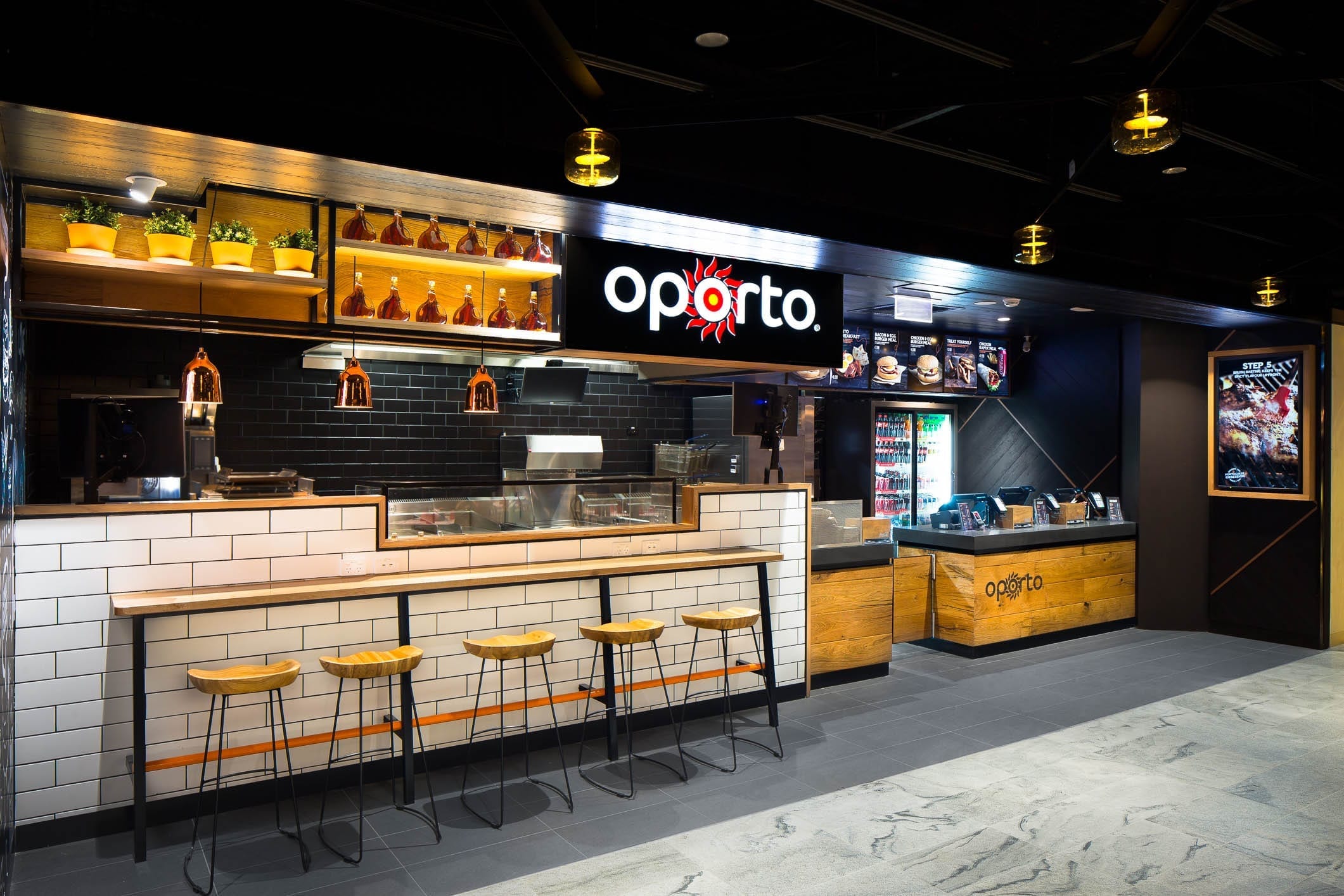
    Chicken franchise Oporto has partnered with Aura Group to fuel its Asian expansion plans.

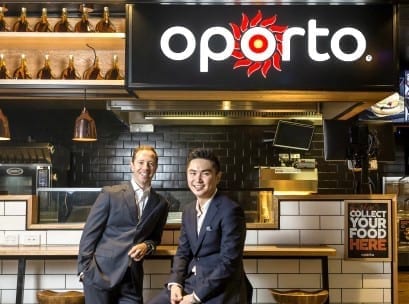
    After signalling the company’s intention to move into Singapore late last year, Oporto CEO Craig Tozer said he’s confident the brand is well-positioned for international growth beyond New Zealand, backed by record sales growth and continued domestic expansion.

    “Taking our brand internationally has always been a key focus,” he said.

    “Having found the right master franchise and supply partners, we are excited to announce that Oporto will be expanding into Asia, with the first restaurant to open in Singapore mid-April 2018.”

    Oporto wants to have 10 restaurants open across Singapore over the next five years, with plans to open three stores this year.

    The inaugural restaurant is located at shopping and dining precinct Holland Village in central Singapore.

    Later in 2018, Oporto also plans to expand its beverage category to introduce alcohol, in auditioning to relaunching its loyalty app and in-store experience program.

  • CRC Sports launches Liverpool footie franchise in Thailand

    CRC Sports launches Liverpool footie franchise in Thailand

    Thai fans no longer need to travel to England to buy Liverpool Football Club merchandise, with the club’s first official shop for Thailand, CRC Sports, launching in Pattaya.

    On the second floor of Central Festival shopping mall, the shop is being run by former Pattaya City Council member Rattanachai Suthidechanai, who has invested THB3 million (US$90,000) in the venture.

    He says expects to sell between THB800,000 and THB1 million worth of merchandise a month as the latest English Premier League season starts this weekend.

  • Thailand’s Susco awarded franchise for Saha Lawson outlets

    Thailand’s Susco awarded franchise for Saha Lawson outlets

    Saha Lawson, which runs Lawson 108 convenience stores in Thailand, has awarded franchise rights to oil group Susco to open outlets at its new petrol stations.

    Under the agreement, part of Japanese company’s bid to grow Lawson 108 outlets to 500 units by 2020, Susco will initially open two stores at new petrol stations in Bangkok and Rayong this year.

    Saha Lawson senior GM Hideki Takechi says the number of Lawson stores at Susco outlets is targeted to reach 20 branches next year.

    Lawson had 84 stores nationwide last year, about 80 per cent of them in Bangkok and the balance in other provinces including Ayutthaya, Chon Buri, Nakhon Ratchasima, Prachin Buri and Rayong. The company plans to increase its outlets to 100 by year-end and open at least 400 branches in the following three years.

    Of these, the company will open half of them with the rest going to franchisees.

    Takechi says Susco is among 20 companies and individual investors that have shown interest in obtaining a licence from Lawson.

    “We are ready to start our franchise with Susco as a pilot project, and we expect that will help springboard the expansion of Lawson convenience stores upcountry.”

    He says that Japan, with an estimated population of 127 million, has 55,000 convenience stores while Thailand, with nearly 69 million people, has 15,000, “leaving ample room for growth”.

    Sales of some Japanese items at Lawson, including Odeng processed seafood-meatballs, have increased 10-fold in Saha Lawson Thailand’s first year, and Takechi says Lawson will be promoting exclusive food items to differentiate its stores. It aims to boost Japanese food items to 30 per cent of its sales mix, up from 20 per cent last year.

    Lawson expanded its convenience-store business to Thailand in August 2013 by setting up Saha Lawson as a JV with Thai consumer products conglomerate Saha Group.

    Lawson also has stores in China, Indonesia, the Philippines and the US.

  • Joe & The Juice owner buys back franchise rights

    Joe & The Juice owner buys back franchise rights

    Danish urban juice bar and coffee concept Joe & The Juice has bought back the brand’s franchise rights for Singapore and Hong Kong from Singapore’s Norbreeze Group.

    Norbreeze was running the brand’s network in both cities. Branches had opened in shopping centres such as Hong Kong’s Times Square and at Hong Kong International Airport.

    Founded in Copenhagen by CEO Kaspar Basse in 2002, Joe & The Juice uses natural and organic ingredients for its freshly prepared juices, shakes, coffees and sandwiches. The company has 198 stores internationally, with a growing presence in Asia.

    “Norbreeze has had great success in opening Joe & The Juice bars in Singapore and Hong Kong, and we have been able to use our experience and expertise from our core business to establish a strong network of juice bars,” says Norbreeze group CEO Anders Peter Juel Sauerberg.

    “At the same time we have experienced very strong growth in projects and orders from our core business, within watches and jewellery. So as not to dilute our engagement, we have chosen to focus on our core business and have Joe & The Juice continue the expansion in the region.”

    Basse says Asia holds a significant opportunity for Joe & The Juice. “Norbreeze Group has helped establish a strong platform for growth in Singapore and Hong Kong from where we can continue the brand’s expansion.”

    Norbreeze Group represents Pandora, Cath Kidson, Timberland, Cocomi, Bering, Daniel Wellington and Monica Vinader in Asian markets.

  • Franchise brands increase by 9%

    Franchise brands increase by 9%

    The number of franchise brands and companies has increased by roughly 9 percent compared to last year, with over 5,000 franchise brands owned by 4,000 franchise companies now operating in Korea.

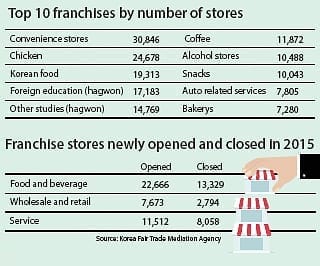
    But while an average of 115 new franchise stores have opened up every day since 2015, 66 per day have also been forced to close, indicating how fierce the competition is.

    These figures were announced by the Korea Fair Trade Mediation Agency on Wednesday. The agency’s primary goal was to provide a better understanding of the status quo in Korea’s franchise market, especially as the intense competition is increasingly becoming a major social and economic concern.

    Although the agency has previously released individual information on different franchise industries, this is the first time that an overall assessment has been made.

    Last year there were 5,273 franchise brands, with 429 new brands introduced in just one year – an 8.9 percent increase. The majority of the newly created brands, 76.2 percent, were food and beverage franchises.

    Service franchises, which includes education related businesses such as cram schools, preschools and children’s indoor playgrounds as well as sports, PC repair shops, lodging, laundry, drugstores and moving companies accounted for 17.9 percent, or 944 brands. Wholesale and retail franchises, which include convenience stores, clothing brands, cosmetics and health related franchises accounted for 5.9 percent, or 312.

    Within food and beverage franchises, Korean food businesses accounted for 1,261 brands, followed by fried chicken with 392. Coffee shops came in fifth with 325 brands. The number of franchise companies grew to 4,268, a 9.2 percent increase.

    As of 2015, the total number of franchise stores in the country amounted to 218,997 shops, which is a 5.2 percent increase year-on-year. By number of stores, convenience stores topped the list with 30,846 shops followed by chicken restaurants with 24,678.

    Convenience stores also turned out to be the first choice for many self-starters, as they don’t require any specific skills to run. In 2015 alone, 5,755 convenient stores opened, followed by 4,552 Korean restaurants and 3,988 chicken restaurants.

    On average franchise stores lasted for four years and eight months. Food franchises generally closed quicker than wholesale and retail franchises or service franchises. Wholesale and retail franchises stayed in business for six years and three months on average, while service franchises lasted five years and 10 months, and restaurant franchises lasted four years and three months.

    The study by the fair trade mediation agency came at a time when franchise businesses have been under heavy government scrutiny over the unfair business practices that have led to the arrest of Jung Woo-hyun, founder and chairman of Mr. Pizza.

    With more baby boomers retiring and young people struggling to find jobs, franchise businesses have become a major alternative for those seeking a new livelihood. However, because of the intense competition with similar stores popping up in the same neighborhoods, many have struggled to have ends meet, and in some cases, franchisees have ended up losing their life savings after investing in an unsuccessful business.

    “The competition in the chicken, snack and fast food market is fierce while the unfair business practices by franchise headquarters might have had some influence,” said Chang Choon-jae, the vice head of the mediation agency.

    The franchise industry has become such a concern that Fair Trade Commission Chairman Kim Sang-jo announced that he would prioritize the protection of small neighborhood businesses and uphold fair competition – including implementing penalties against unfair business practices by franchise headquarters – as his top priority.

    The study also showed that the oldest franchise brand is Lims Chicken. The chicken franchise started its business in July 1977 at the Shinsegae Department Store. Lotteria came in second with 36 years, another chicken franchise Pelicana came in third with 35 years and the bakery franchise Shilla Myunggua lasted 33 years.

    The franchise company that had the largest number of brands under its belt was Theborn Korea, which was founded by Korea’s celebrity chef Paik Jong-won. The franchise company owns 20 brands including coffee shops, Korean beef, bibimbap and udong franchises.

    Nolboo, a franchise that specializes in Korean cuisine including its signature dish budae jjigae, a stew made with instant noodles and other items including sausage and ham as well as dumplings, took second place after Theborn Korea with 13 brands.

    The franchise company that took the third spot by number of brands, however, wasn’t in the restaurant business. Soft Play Korea took the No.3 spot with 13 brands. The company specializes in indoor preschools and children’s playgrounds.

  • Disney’s created in Japan franchise reaches US$2 billion revenue worldwide

    Disney’s created in Japan franchise reaches US$2 billion revenue worldwide

    “We couldn’t be more proud of Tsum Tsum’s Japanese-origins and its international appeal,” said Paul Candland, President, Walt Disney Asia. “Tsum Tsum connects with fans across multiple platforms and experiences and is proving to be a successful channel to introduce new intellectual property.”

    – According to LINE the game has been played over 165.4 billion times worldwide since its debut, with nearly 61.8 trillion Tsums cleared in the course of the gameplay.
    – With Tsum’s measuring an average of 7mm across (the size when played on a 4.7-inch smartphone), then 61.8 trillion Tsums would form a line 432 million kilometers long the distance from Earth to Mars and back.
    – The Tsum that players spent the most skill tickets to level up is Cinderella, followed by Beast (from “Beauty and the Beast”) and Maleficent Dragon (from “Sleeping Beauty”).

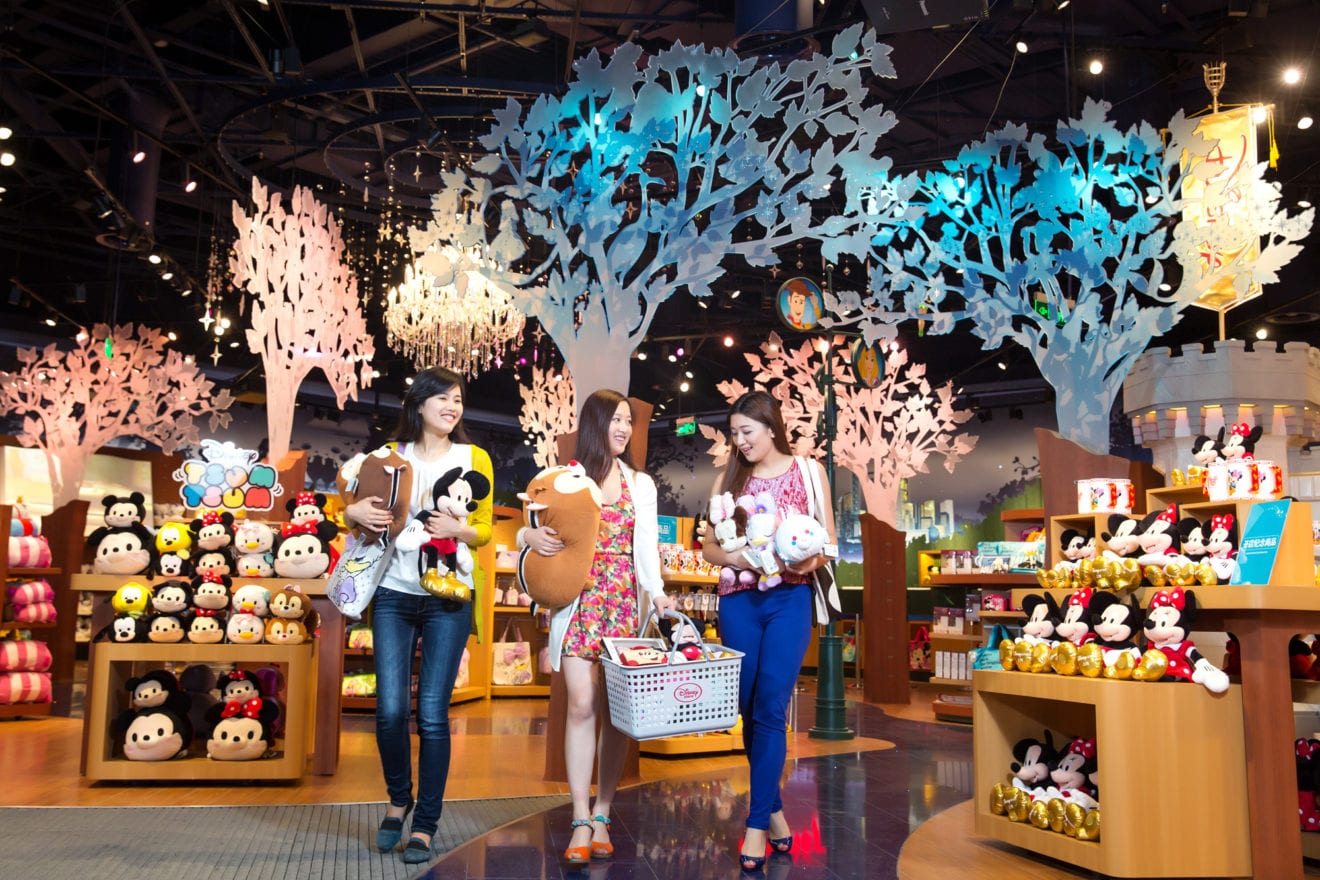
    From its humble beginnings as a popular plush toy from the Disney Store Japan, Tsum Tsum’s expanded franchise experience now spans every Disney consumer touch point including fashion, lifestyle and consumer electronics attracting a wide consumer base from boys and girls, as well as young adults. The stackable toys also have their own show with animated episodes available online and on Disney Channel as well as Tsum Tsum Tuesdays, which is now a popular subscription service in the U.S. From classic Disney characters such as Mickey Mouse and Princess to Buzz Lightyear and Darth Vader, Tsum Tsum encompasses the appeal and affinity of Disney’s key brands – Disney, Disney•Pixar, Marvel, and Star Wars.

  • The Challenges For Global Retail Franchises in Indonesia

    The Challenges For Global Retail Franchises in Indonesia

    Research company Spire in 2016 found Indonesia is viewed as the region’s largest franchise industry, with experts predicting at least 60 percent of franchise business operated in Indonesia last year with the majority of foreign franchises.

    Amir Karamoy, Chairman of the National Committee for Franchising and Licenses at the Indonesian Chamber of Commerce and Industry, said regional headquarters based in Indonesia should be encouraged as it benefits the country through taxes and human resource development. But at this stage, Indonesia’s complicated regulations regarding retail businesses and franchises limit foreign involvement, particularly for foreign businesses hoping to base a regional headquarters in the country.

    These regulations, as well as strong competition, can spell trouble for even the biggest global brands. The recent announcement that US convenience store giant 7-Eleven will close its doors in Indonesia has prompted speculation on further reforms.

    Modern Sevel Indonesia (MSI), the local arm of 7-Eleven Indonesia, opened its first store in Bulungan, South Jakarta, in 2009.

    “The business model that 7-Eleven implemented made underlying products such as snacks, beverages and cigarettes popular. This had made several other mini markets struggle to compete,” University of Indonesia academic and businessman Rhenald Kasali said.

    The chain introduced the hang-out concept to Indonesia, which saw young people gather to spend time together and snack, which in turn disrupt traditional models where customers would purchase food and then leave.

    Kasali speculated the Indonesian government does not support the business concept, which could have been a factor in MSI closing all stores by the end of June.

    He said government regulations typically ‘take sides’ in support of older retailers.

    “Sixty percent of 7-Eleven’s income came from youngsters who hang out at the store. 7-Eleven suffered because of bureaucracy and regulators that don’t understand the business model,” Kasali added.

    7-Eleven faced tough questioning from the Ministry of Trade when it first launched about the concept and whether the outlets were convenience stores or restaurants. A government regulation which prohibited the sale of alcohol at convenience stores is also believed to be a factor in the shutdown.

    The convenience store brand is not the first international giant to struggling to do business in Indonesia. Last year Swedish furniture retailer IKEA struggled to keep its franchise in Indonesia due to copyright problems with a firm called IKEA Surabaya.

    The Surabaya-based IKEA had registered the name in 2013, while the Swedish firm had registered in 2013. But Indonesian regulators defended the Surabaya business, saying the Swedish IKEA had been commercially inactive. As a result, Swedish IKEA paid a royalty to the Surabaya IKEA.

    Similarly, French fashion brand Pierre Cardin sued Jakarta businessman Alexander Satyo Wibowo who had been using the name for his brand in Indonesia. Like the IKEA case, the courts sided with the local business and ruled Pierre Cardin had lost the rights to the name due to inactivity.

    Although Pierre Cardin is a famous brand globally, the company registered its name in Indonesia in 2009 while Wibowo registered his brand in 1977. As a result, France’s Pierre Cardin no longer open outlets in Indonesia under that name.

  • Subway Vietnam frantically looks for franchise partners

    Subway Vietnam frantically looks for franchise partners

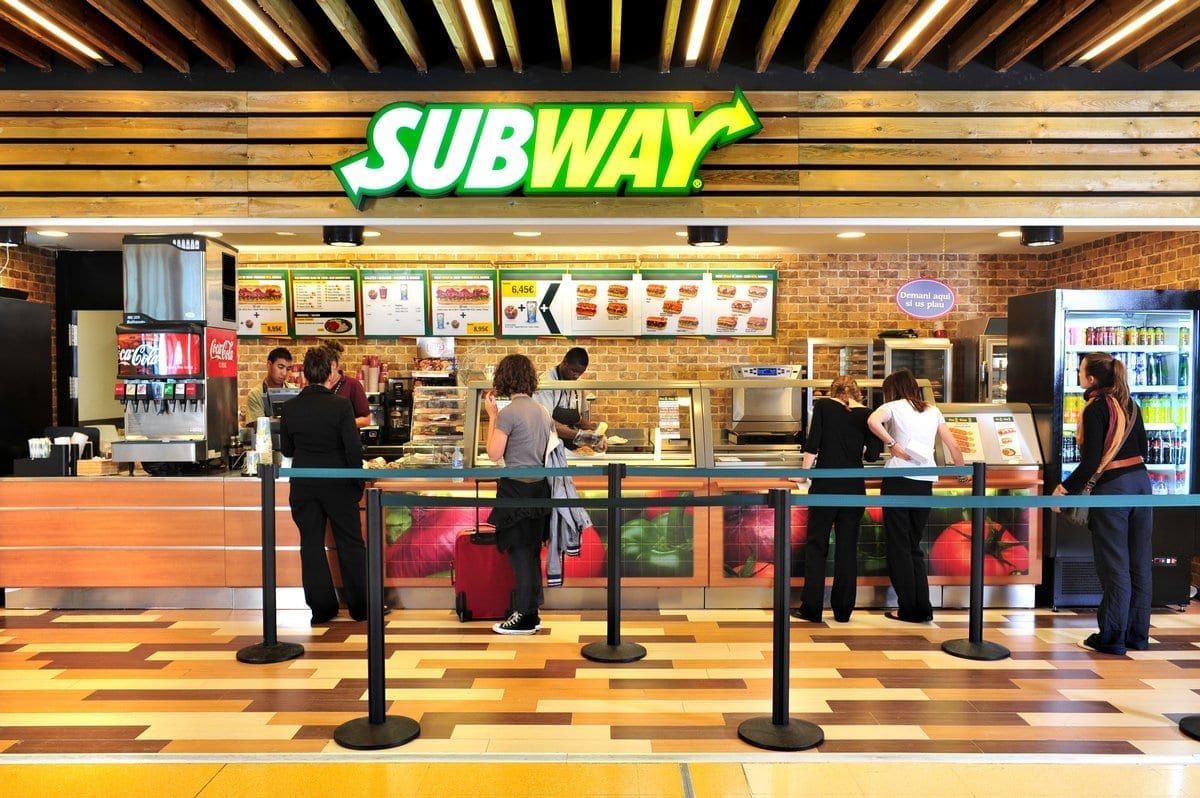
    Six years after entering Vietnam, Subway, the world’s biggest fast food brand, is increasingly looking for franchising partners to reach the ambition of opening 50 restaurants in this market.

    On February 15, Subway held a franchising partner recruitment meeting for investors in Ho Chi Minh City. At present, Subway is considered the world’s biggest franchising network. The company is ambitious to become the number one fast food brand in every market—and Vietnam is not an exception.

    Underwhelming pace

    Following other brands like KFC, Lotteria, and Jolibee, sandwich and salad restaurant chain Subway officially opened its first restaurant in Vietnam in February 2011, almost a year later than anticipated. Subway has cooperated with PepsiCo to start its first restaurant on the “Street of foreigners” Pham Ngu Lao Street, District 1 of Ho Chi Minh City. According to the arrangement, Subway is responsible for the sandwiches and PepsiCo provides the soft drinks.

    Upon arrival to Vietnam, Subway has set a goal of 50 franchise restaurants by 2015. However, at present, there are only six of them in HCMC.

    “Like other fast food brands, Subway entered into Vietnam late. Initially, we had to adjust our strategies to fit the culture as well as market trends. It takes time for us to adapt to the differences in the Vietnamese market to get the desired foothold here,” Mark Mason McGrath, general director of Subway Vietnam, explained.

    In 1985, 20 years since its establishment, Subway had 590 restaurants. Ten years later, there were 11,420 restaurants in the US and now there are 45,000 restaurants in over 100 countries. In Southeast Asia, Subway has opened 200 restaurants in Singapore, 100 in Thailand, and 40 in the Philippines. However, Subway has not reached its expected goals in Vietnam.

    Known as a healthy food provider over the world, Subway can enter into market segments untouched by other giants like McDonald’s and Burger King. However, the company has not been able to forge this into a comparative advantage in Vietnam.

    Seeking individual investors

    Entering a new market is an inevitable course to Subway. The company has been very successful in the US, but the market became saturated. Moreover, the international market holds real potential, placing expansion on top of Subway’s agenda.

    However, the first challenge that Subway had to face was building its brand and exploring its target customers’ desires. In the west, Subway’s products brought about a shift in fast food eating habits and reduced obesity, which was welcomed in western countries. However, the situation in the Asia-Pacific region is different.

    Relatively low obesity rates and a lack of health concerns associated with common foodstuff create a largely different playing field in the Asia-Pacific.. At the same time, KFC and McDonald’s have been present for longer and have been shaping consumption habits in the area. This is a reason why, despite the substantial market potential, the growth rate of Subway in Asia is still low.

    To overcome theobstacles, Subway is starting over to become the world’s biggest fast food franchise. The company will focus on enhancing customer experience. In Vietnam, Subway is looking for franchisees. In 2017, Subway is planning to expand outside HCMC through cooperation with other franchising brands. Nha Trang will be the next destination, and Subway is considering other potential cities and provinces.

    Nonetheless, the brand has a careful approach to expanding its network. “We do not want to cooperate with too big brands like other giants did when entering and expanding in Vietnam. The best way for us to expand our network is to cooperate with the individual investors in the long-term,” said McGrath and added that Subway brings a chance for fruitful investment and doing business for those who wish to be owners.

    Comparative advantages galore

    Compared to other competitors in the fast food industry, where investors have to pay dollar millions to become franchise partners, such as McDonald’s ($1-2 million) and KFC ($1.3-2.5 million), investors in Subway have to pay only a portion. The initial investment in a Subway restaurant in Vietnam ranges from $124,000 to 300,000, dependant on the location and the size of the restaurant.

    Of the amount, the franchising fee for the first Subway restaurant in Vietnam is about $10,000. From the second restaurant on, the fee is only $5,000. The total cost to launch and maintain a franchise restaurant like this is low and is considered an advantage and a big investment opportunity. However, according to Mcgrath, it is not the cost of investment, but investors’ low awareness of Subway’s value that hampers cooperation.

    Of all fast food brands, Subway has the comparative advantage of being able to fit in many different areas all over the world other than only traditional locations. Subway appears in universities, airports, hospitals, convenience stores, cinemas, hotels, zoos, casinos, museums, parks, stadiums, and near churches.

    Subway’s restaurant model fits in anywhere, even in narrow spaces, while its competitors cannot. This ensures Subway’s coverage all over the world, which significantly increases its number of restaurant. Besides, Subway also actively cooperates with small fast food brands in supermarkets. Two parties will share a space, staff, management, but still maintain their separate brand identity with different uniforms for wait staff, decorations, menu, and other specified colouring principles.

    Subway always offers its franchisees preferential conditions. Its linkage to local financial institutions to support franchisees is one of the reasons for investors to open Subway restaurants. “With all these comparative advantages over competitors, we expect investors to realise with time the opportunities we have to offer,” McGrath expects.

  • Vietnam franchise rules under pressure to change

    Vietnam franchise rules under pressure to change

    At the end of the 1990s, franchise was still a strange concept to most people in Việt Nam. There were no opportunities to enjoy or even see the products and services of the world’s well-known brands in Việt Nam.

    KFC, McDonald, Starbucks and Lotteria were not familiar names for Vietnamese youth. However, this has changed.

    Now, you can start a beautiful morning with friends at a Starbucks or enjoy lunch with family at a KFC or Lotteria outlet. You could also purchase the latest Nike or Adidas products as well as those of other world famous brands at stores in Việt Nam.

    This change has been the result of a very effective business model – franchise.  After 40 years of  Đổi mới (Renewal) and more than 19 years since its entry into the World Trade Organization (WTO), Việt Nam has emerged as one of the most attractive countries for investors and franchisors, with a population of over 90 million, 65 per cent of whom are under 35 years old, and a very dynamic consumer class with a strong preference for foreign brands.

    Despite the global economic slowdown, thanks to its advantageous location, population size, and consumer habits, Việt Nam is now an ideal destination for many investors as well as franchisors.

    According to the Vietnamese Ministry of Industry and Trade (MoIT), around 160 franchises have entered Việt Nam so far. This is just the franchises that are required to register with MoIT before officially commencing their operation pursuant to the 2005 Commercial Law.

    The dominant business sectors for franchises are food services, retail, education, and entertainment. Food and beverage franchises account for 30 per cent of the registered franchises. The primary reason for the sustained increase in franchise activities in Việt Nam is the adoption of the 2005 Commercial Law and Decree 35/2006/NĐ-CP (later amended by Decree 120/2011/NĐ-CP), which, for the first time, provided a legal framework for franchising.

    Foreign franchisors are required to register their franchising activities before granting franchises in Việt Nam. If they carry out their franchise activities in the country without a certificate of franchise registration, they will face administrative sanctions, including fines ranging from VNĐ10 million to 20 million (approximately US$439-878).

    The franchisors must also consider the following conditions before registering their activities: The franchise network must have been in operation for at least one year.

    As regards Vietnamese sub-franchisors:

    – They must have operated the franchise business for at least one year before they initiate sub-franchising.

    – The goods or services that are the subject of a franchise agreement must not be on the Government’s list of banned goods and services.

    If they are on the list of goods and services subject to business restrictions, a special business license must be obtained before franchising is deployed.

    A franchise registration dossier must comprise:

    – An introduction of the franchise business containing the information as required by Circular 09/2006/TT-BTM guiding the commercial franchising registration;

    – A copy of the certificate of business registration or a legally equivalent document;

    – A copy of the certificate of protection of industrial property rights in Việt Nam or in foreign countries if the franchise includes a license of industrial property rights;

    – Approval from the primary franchisor to the sub-franchisee in case of a sub-franchisor;

    – Other documents required by the competent authority (including the franchise agreement or form of agreement).All documents issued in a foreign language must be notarized and legalized. The Vietnamese versions of such documents must also be notarized.

    According to Decree 35, the franchisor has an obligation to provide the franchisee with the information regarding the franchise system, namely a copy of a form of franchise agreement and an introduction of the franchise business, at least 15 days before signing the agreement. The franchisor must also notify the franchisee of all substantial changes in the franchise system.

    In case of a master franchise, in addition to providing the aforementioned information, the secondary franchisor must also provide a proposed franchisee with the following information in writing: (a) information about the franchisor which has granted the franchise; (b) contents of the master franchise contract; and (c) the manner in which secondary franchise contracts will be dealt with in the event of termination of the master franchise contract.

    If the parties select application of the law of Việt Nam, the franchise contract may contain the following main items:

    i. Contents of franchising;

    ii. Rights and obligations of the franchisor;

    iii. Rights and obligations of the franchisee;

    iv. Price and periodic franchising fee, and payment method;

    v. Term of the contract; and,

    vi. Extension and termination of the contract, and dispute resolution.

    The franchise contract must be made in Vietnamese. In the case of a franchise from Việt Nam to overseas, the parties must agree on the language of the franchise contract. Once registered, a franchisor must report any changes in the general information about the franchisor and/or changes affecting the relevant industrial property rights (i.e., changes in Part a) to the competent authority within 30 days after the date of change.

    In addition, by January 15 every year, a franchisor must send an annual report to the competent authority on the matters contained in the disclosure document.

    The above regulations regarding franchise activities in Việt Nam are provided in the 2005 Commercial Law. However, such regulations were issued in 2005 and there are some defects in this law: the definition of franchising is not clear for distinguishing between a trademark licence agreement or a technology transfer agreement; the conditions on franchisee and sub-franchisee do not offer sufficient protection for the rights of the sub-franchisees.

    In addition, the method and measures for controlling and checking the franchisee’s activities by the franchisor are not clear.

    Furthermore, numerous changes in the legal system, such as adoption of new investment and enterprise laws, the civil code, changes in the legislative mindset of lawmakers, have occurred in order to protect and ensure the freedom of enterprises as well as actual business conditions at a time Việt Nam is deepening its international integration.

    Therefore, the need to revise the said regulations should be taken into account. In fact, the drafting of a new commercial law is underway and, according to MoIT, the draft will be submitted to the Government in 2017 and publicised to collect feedback before it is submitted to the National Assembly for passage in 2018.

    The franchise business in Việt Nam has developed in a stable manner thus far. With a new commercial law to be adopted soon, this business will hopefully prosper further.
    Read more at https://vietnamnews.vn/economy/350237/vn-franchise-rules-under-pressure-to-change.html#wg0kz4K4qwK39BXg.99
  • Vietnamese franchise market in early stage of development

    Vietnamese franchise market in early stage of development

    The 2015 report of the International Franchise Association showed that the total value of franchise contracts in 2014 was $3.8 trillion. Of this, the contracts in the US made up $2.4 trillion and only $600 billion was from Asia. However, the future will belong to the continent.

    Asian countries have made heavy investments to franchise their brands in other countries. The Malaysian government runs a $2 billion program to support its businesses to franchise their brands.

    Meanwhile, in Vietnam, the franchise industry is still underdeveloped.

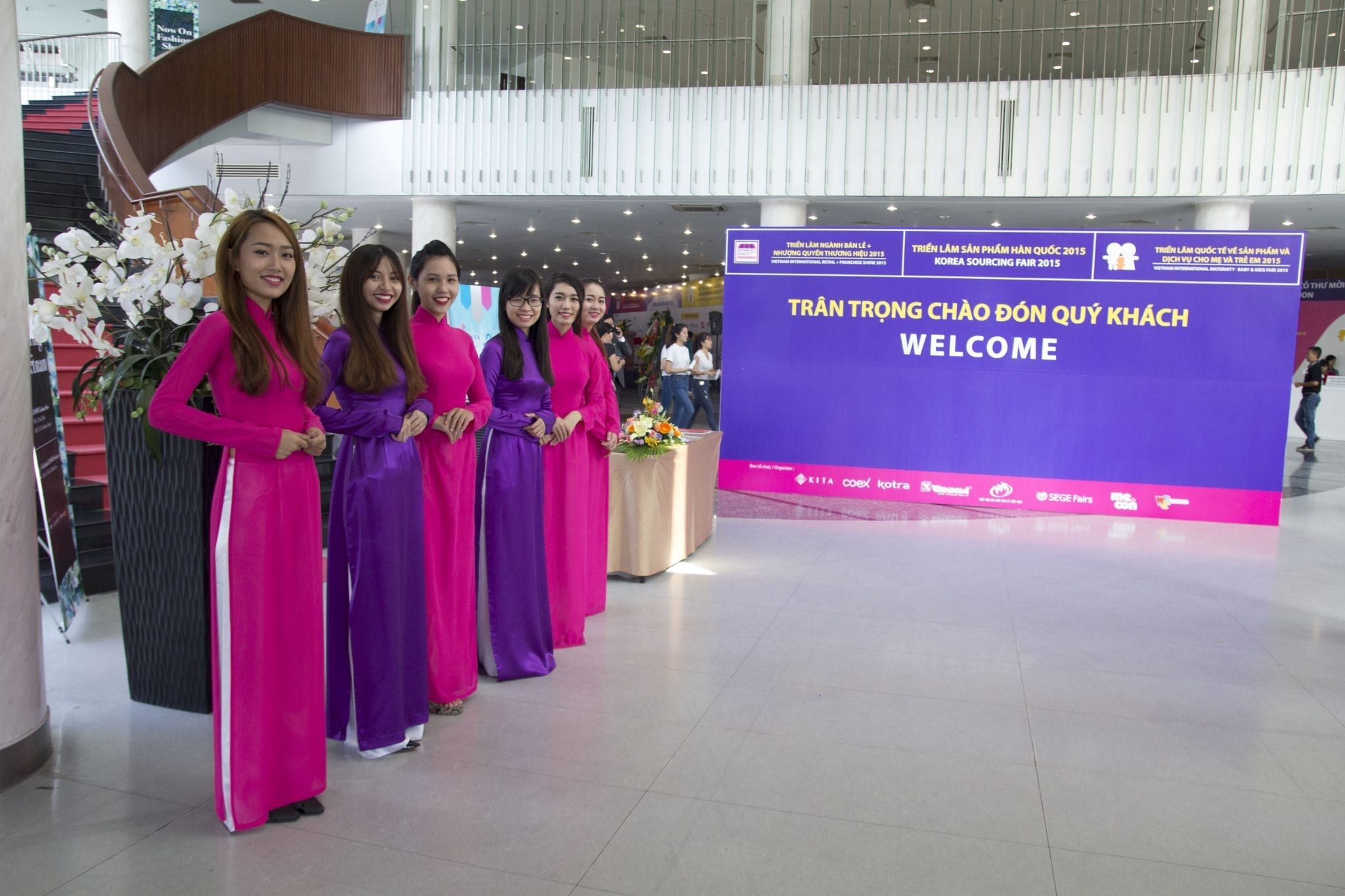
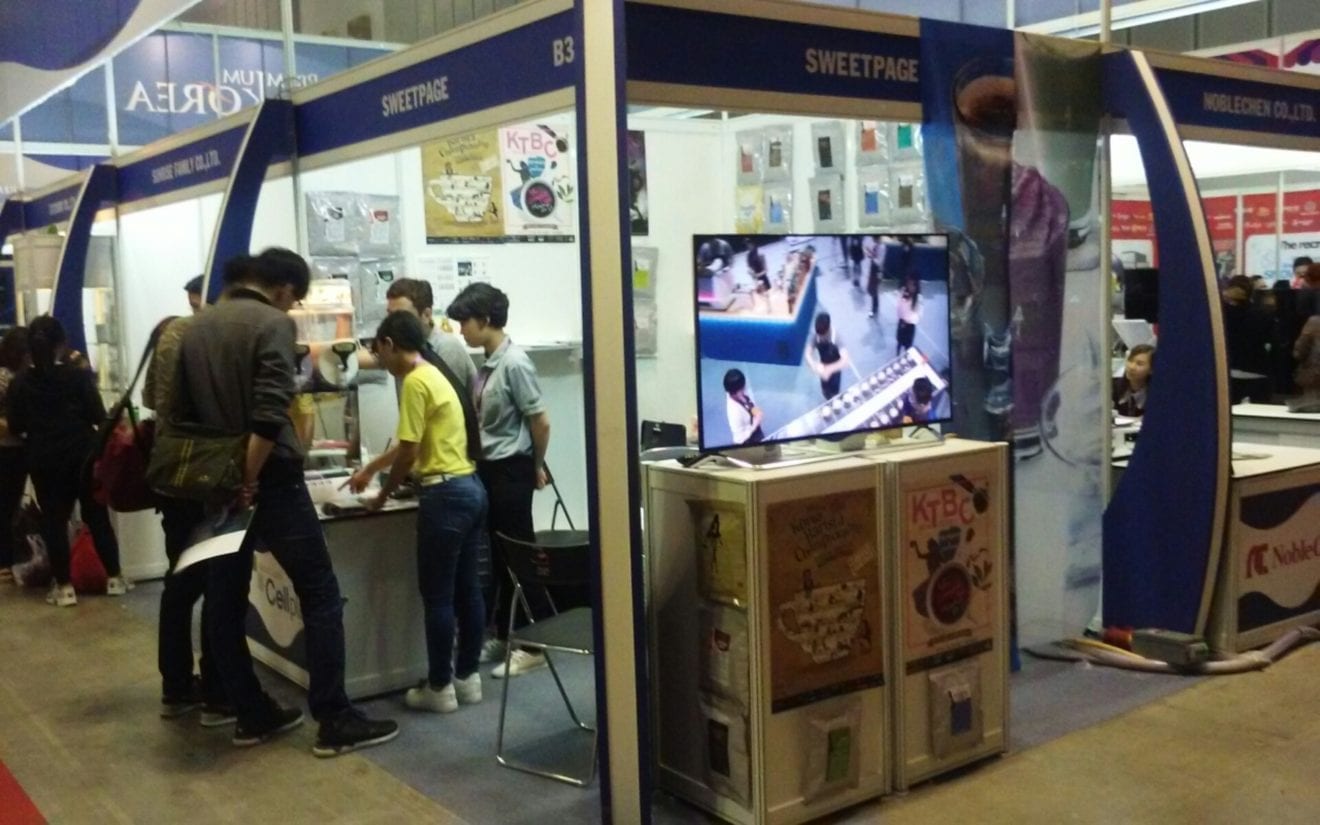
    At an international trade fair on retail and franchising held in Vietnam in June 2016, Sean Ngo, director of VF Franchise Consulting, which specializes in giving advice to foreign companies to franchise their brands to Vietnamese partners, said only 144 foreign brands have been franchised in Vietnam so far.

    A survey conducted by Euromonitor showed that in 2015, every household in Vietnam spent less than $4,000, the spending level which is just above Myanmar among 10 ASEAN countries. Meanwhile, the average spending of one family in Singapore was $73,704.According to Nguyen Phi Van, the founder of World Franchise Associates in South East Asia, international brands in Vietnam are still ‘sowing’, and cannot ‘harvest’ because the market is too small.

    Vietnamese brands are just beginning trial franchising in the domestic market. Van commented that if they don’t have good consultants, they will have to learn for three to five years to become experienced in franchising.

    In fact, there are many food and retail chains run by Vietnamese, but they just run their own chains, while there are few franchised chains.

    Meanwhile, of the top 10 leading food chains globally, only two brands – Starbucks and Darden – own more than 50 percent of their branches.

    In 2008, Burger King owned 12 percent of branches bearing Burger King brand, but the figure fell to 0.4 percent in 2013. Subway doesn’t own any Subway shop.

    According to Van, most of the brands franchised will be in food, education and healthcare sectors. Vietnamese will mostly franchise food brands.

    However, Vietnamese traditional food brands franchised such as pho (noodles served with beef or chicken), banh mi (sandwich) and banh cuon (steamed rolled rice pancake) are not from Vietnam. Pho Hoa, for example, with 80 branches in seven countries, is from the US.

    Van thinks that after five years, when the spending level increases sharply and businesses have better knowledge about franchising, the Vietnamese franchise market will boom.

  • Element Fresh plans Asian franchise roll-out

    Element Fresh plans Asian franchise roll-out

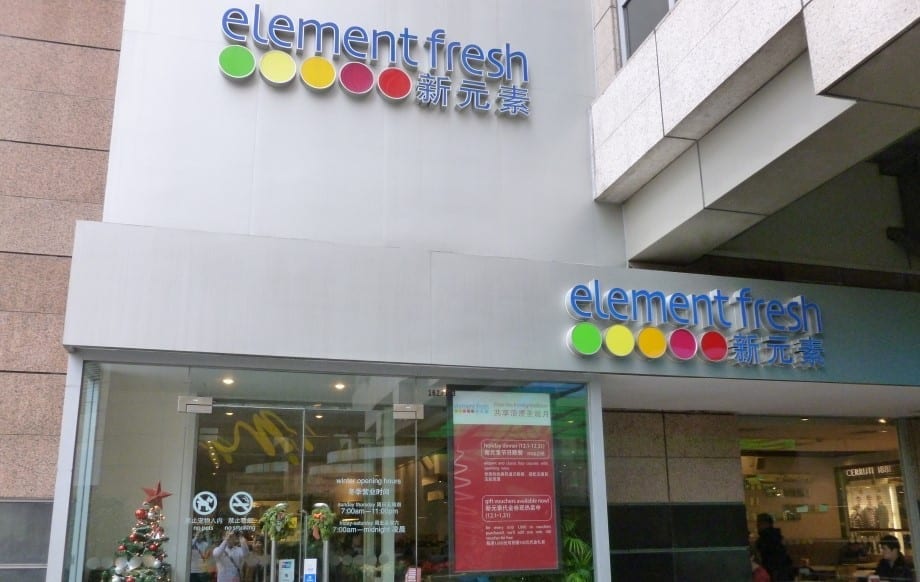
    Chinese international restaurant brand Element Fresh plans to grant development rights to franchisees across Asia, with an initial focus on Hong Kong, Japan, Thailand and Singapore.

    Founded in 2002, the group has nearly 40 restaurants in China, mainly in Beijing and Shanghai.

    It forecasts 80 outlets across China by 2020 while it moves to franchise in key countries across Asia.

    “We seek retail-focussed companies that view our cosmopolitan brand as complementing their existing portfolio and aligned with their business strategy,” says Element Fresh international franchising director Paul Barbone. “Our systems and operations have been fine-tuned and engineered to ease the start-up process through to multi-unit management.”

    Most of the brand’s dishes incorporate superfoods, with the seasonal menu innovation cycle giving diners the chance to try innovative ingredients.

    “We are passionate about fresh food, great taste and quality ingredients, making ‘eating right’ easy for our guests,” says CEO Frank Rasche. “People from dozens of countries come to us every day for our diverse menu and seasonal touches.”

    Recent examples include Salmon & Warm Buckwheat Salad, plus the Spicy BBQ Chicken Cobb salad that includes avocado chunks and chimichurri ranch dressing.

    Element Fresh has also just launched www.elementfresh.org, which details the advantages and benefits for franchise partners while showcasing its latest restaurant prototype.

    Barbone says the website offers information and videos for potential franchise partners. He plans to visit key markets in the coming months to meet with qualified groups, with the goal of having outlets open in select key cities by the second half of next year.

    Founded in Shanghai in 2002, Element Fresh is known for its gourmet salads and made-to-order fruit juices and smoothies, its diverse international menu including American-style breakfasts, and its casual dining ambience and service.

  • Quest for franchisee for Focus Brands

    Quest for franchisee for Focus Brands

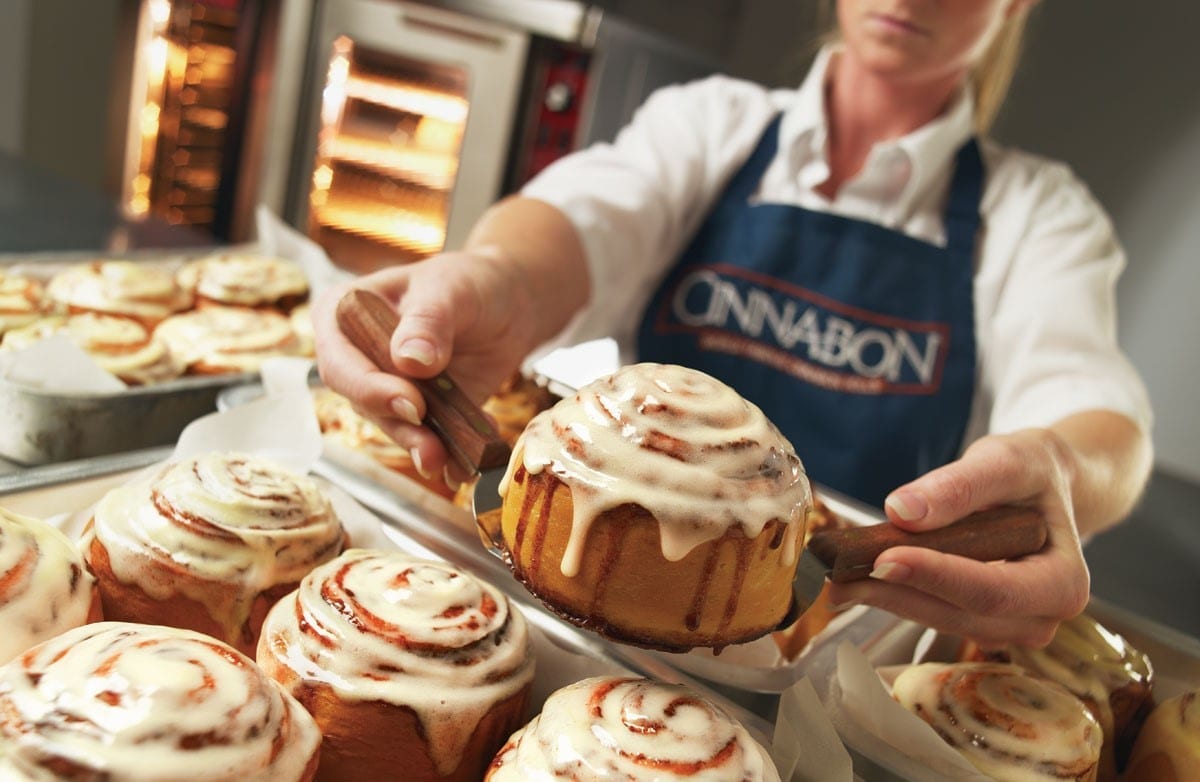
    Focus Brands is seeking franchisees to develop its Cinnabon and Auntie Anne’s brands in China as part of its international growth strategy.

    Founded in 1985, Cinnabon is a cinnamon roll bakery with 580 outlets in 52 countries. Auntie Anne’s, founded in 1988, is a soft-pretzel chain with more than 530 locations in 29 countries.“China is a priority market for us based on consumer insight research that shows our freshly baked products have a broad appeal,” says Focus Brands International president Nicolas Boudet.

    “Both brands have received numerous industry accolades, with Cinnabon being named a top-five quick-service brand in Technomic’s Millennials’ Favorite Chains report. Auntie Anne’s was recognised as a Top 50 limited-service restaurant brand by QSR Magazine.

    This year Cinnabon has opened 64 international locations with plans to add more than 70 next year. Auntie Anne’s has opened 89 international outlets this year and aims for 100 more next year.

    Other Focus Brands franchises include Carvel, McAlister’s Deli, Moe’s Southwest Grill and Schlotzsky’s.

    Based in Atlanta, Focus Brands runs more than 1300 franchised ice-cream shops, bakeries, restaurants, and cafes outside the US. It grew its total international system-wide sales by 10.5 per cent last year.

    Founded in Seattle, Cinnabon has more than 1200 franchised locations worldwide, primarily in high-traffic venues such as shopping malls, airports, train stations, travel plazas, entertainment centres and military establishments.

    At its more than 1600 locations internationally, Auntie Anne’s mixes, twists and bakes pretzels all day long in full view of guests.

  • McDonald’s trims plans to sell parts of Asian operations

    McDonald’s trims plans to sell parts of Asian operations

    McDonald’s has downsized plans to sell parts of its Asia franchise after failing to find a suitable buyer in South Korea. The world’s largest fast-food retailer has a stringent list of terms for the deal, including keeping management and existing suppliers in place for a period of time in the hope of protecting the brand.

    Potential buyers balked at those demands, and prompted the decision to cut the country out of the current deal, said two people close to the matter.

    McDonald’s also plans to take a minority stake in the sale of the franchise in China and Hong Kong of up to 25 per cent, in an attempt to exercise greater control over the business that has in the past suffered from food safety scandals.

    The changes to the deal, which is near closing, with China’s Citic Group Corp and US private equity house Carlyle as the buyers, would reduce the size of the transaction to between $1bn and $2bn from what was originally expected to be as much as $3bn.

    The deal could close by the end of the month, said one of the people close to the deal.

    The sale of the 20-year franchise of 2,400 stores in China and Hong Kong has forced McDonald’s to strike a balance between reducing its exposure to China while also protecting its brand in the region.

    The deal attracted several Chinese bidders but people close to the process said the company turned many of them away because they were not deemed suitable to run the operation. The list of bidders included Sanpower Group, the owner of UK retailer House of Fraser, as well as Cinda Asset Management, a state-run bad-debt investor.

    The terms of the deal were unappealing to some of the private equity funds that originally were interested because McDonald’s has insisted the franchise not be publicly listed. Some private equity investors hoping to squeeze value out of the franchise considered terms such as maintaining management and suppliers for two years oppressive.

    US private equity house TPG, which partnered with Chinese retailer Wumart Stores, dropped out of the process at an early stage, followed later by Bain Capital and Shanghai-based partner GreenTree Hospitality.

    Yum Brands, which is nearly double McDonald’s presence in China, struggled with similar problems earlier this year.

    Yum Brands spun off its China business in a New York Stock Exchange listing in October with China-based private equity fund Primavera Capital and Ant Financial Services, an affiliate of Alibaba, taking a $460m stake in the operation.

    One investor has raised concerns about McDonald’s Latin American partner’s performance and whether McDonald’s would face similar issues in Asia by stepping back from operations on the ground.

    CtW Investment Group, which has a 0.2 per cent stake in McDonald’s and is affiliated to a federation of unions representing more than $250bn in assets, wrote to McDonald’s earlier this year citing worries over corporate governance at the fast-food chain’s master franchiser in Latin America, Arcos Dorados, which it says is hampering the chain’s performance in the market.

  • McDonald’s sells Singapore, Malaysian franchise to Saudi group

    McDonald’s sells Singapore, Malaysian franchise to Saudi group

    McDonald’s said on Friday it had sold the franchise rights for its restaurants in Singapore and Malaysia to Saudi Arabia’s Lionhorn Pte Ltd as part of a plan to move away from direct ownership in Asia.

    The fast-food chain said it transferred its ownership interest in 390 restaurants, more than 80 per cent of which were company-owned, on Dec. 1 to Lionhorn.

    Lionhorn is led by Sheik Fahd and Abdulrahman Alireza, who are franchisees for nearly 100 McDonald’s restaurants in the western and southern regions of Saudi Arabia.

    McDonald’s did not disclose the financial terms of the deal.

    Reuters reported in October that McDonald’s was nearing a deal worth up to $400 million to franchise the outlets to Reza group, which also owns and operates McDonald’s outlets in the western and southern regions of Saudi Arabia.

    The Lionhorn deal is in line with McDonald’s plans to bring in partners in Asia as it switches to a less capital-intensive franchise model.

    The company said it has now franchised about 1,300 outlets as a part of its target to become 95 per cent franchised by the end of 2018.

  • Boots to launch in south korea

    Boots to launch in south korea

    Walgreens Boots Alliance, Inc. (Nasdaq: WBA), the first global pharmacy-led, health and wellbeing enterprise, today announced that it has signed an agreement to form a franchise partnership with Emart Company Ltd (a member of Shinsegae Group), South Korea’s number one hypermarket retailer. Together, they will create a Boots branded pharmacy-led, health and beauty retail franchise in South Korea.

    Under the terms of the agreement, Boots branded stores will be opened in shopping malls, on high streets and within the outbound areas of Shinsegae department stores and Emart hypermarkets. The Boots stores will each feature an independent pharmacy and a range of Boots owned products and ‘exclusive to Boots’ brands as well as leading Korean brands.

    “South Korea is considered a leading market for skincare and cosmetics products in Asia today.  We believe there is a significant opportunity to extend the reach of Boots own brands into this market and are thrilled to be doing so with Emart,” said Ornella Barra Co-Chief Operating Officer of Walgreens Boots Alliance. “Emart is the preeminent retailer in South Korea and their strong experience as well as their marketing expertise gives us great confidence in the long-term potential of this partnership.”

    “We are delighted to have the opportunity to introduce the Boots brand, and offer pharmacy care as well as acting as a beauty and healthcare destination by also offering a wide range of both Korean and Boots product brands.” said Gab-Soo, Lee, CEO of Emart Inc.

    The first stores are expected to open before the end of the first half of calendar year 2017 and will include Boots highly regarded and exclusive No7 and Soap & Glory products.