Tag: freight

  • FedEx to link Guangzhou and Memphis hubs with air bridge

    FedEx to link Guangzhou and Memphis hubs with air bridge

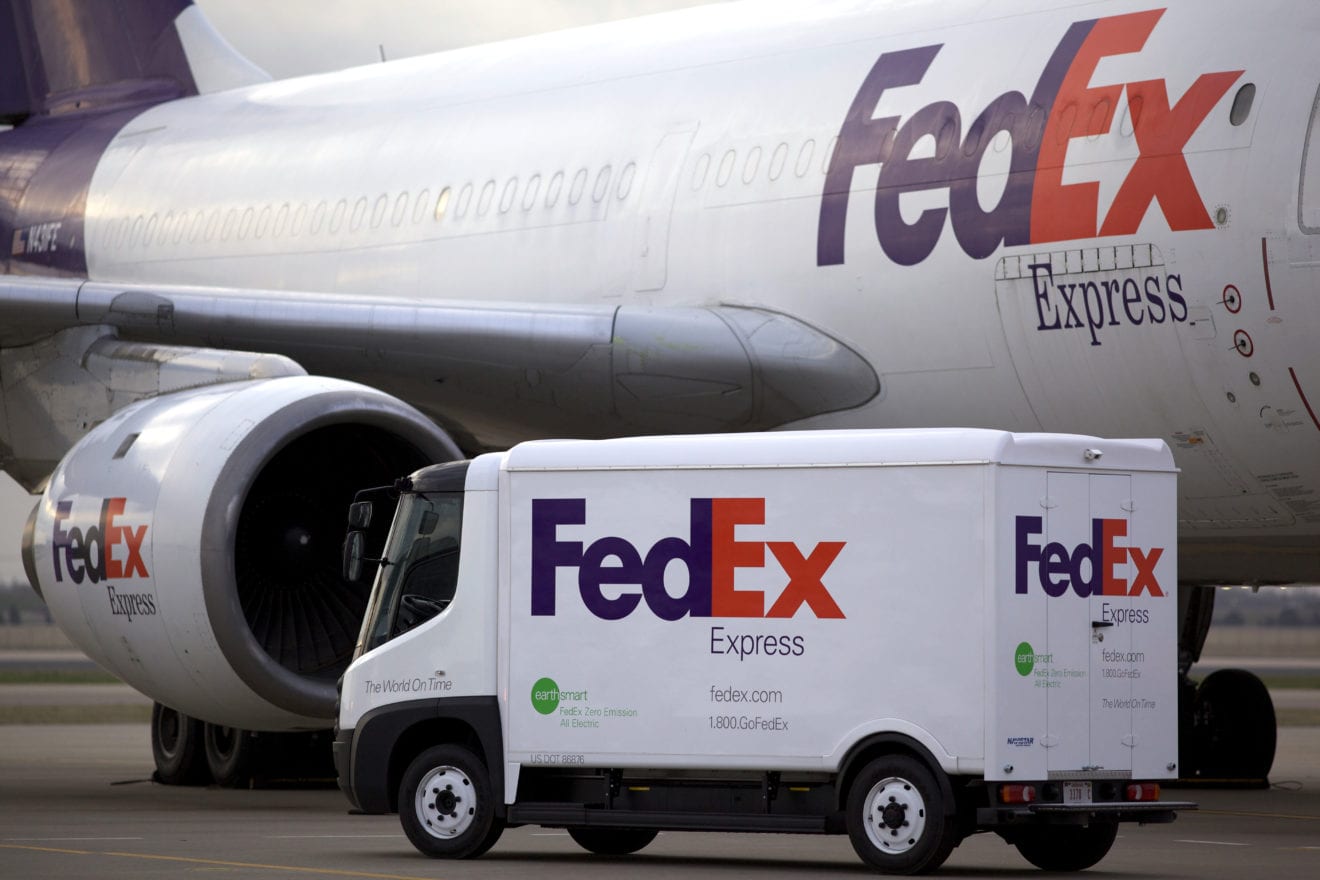
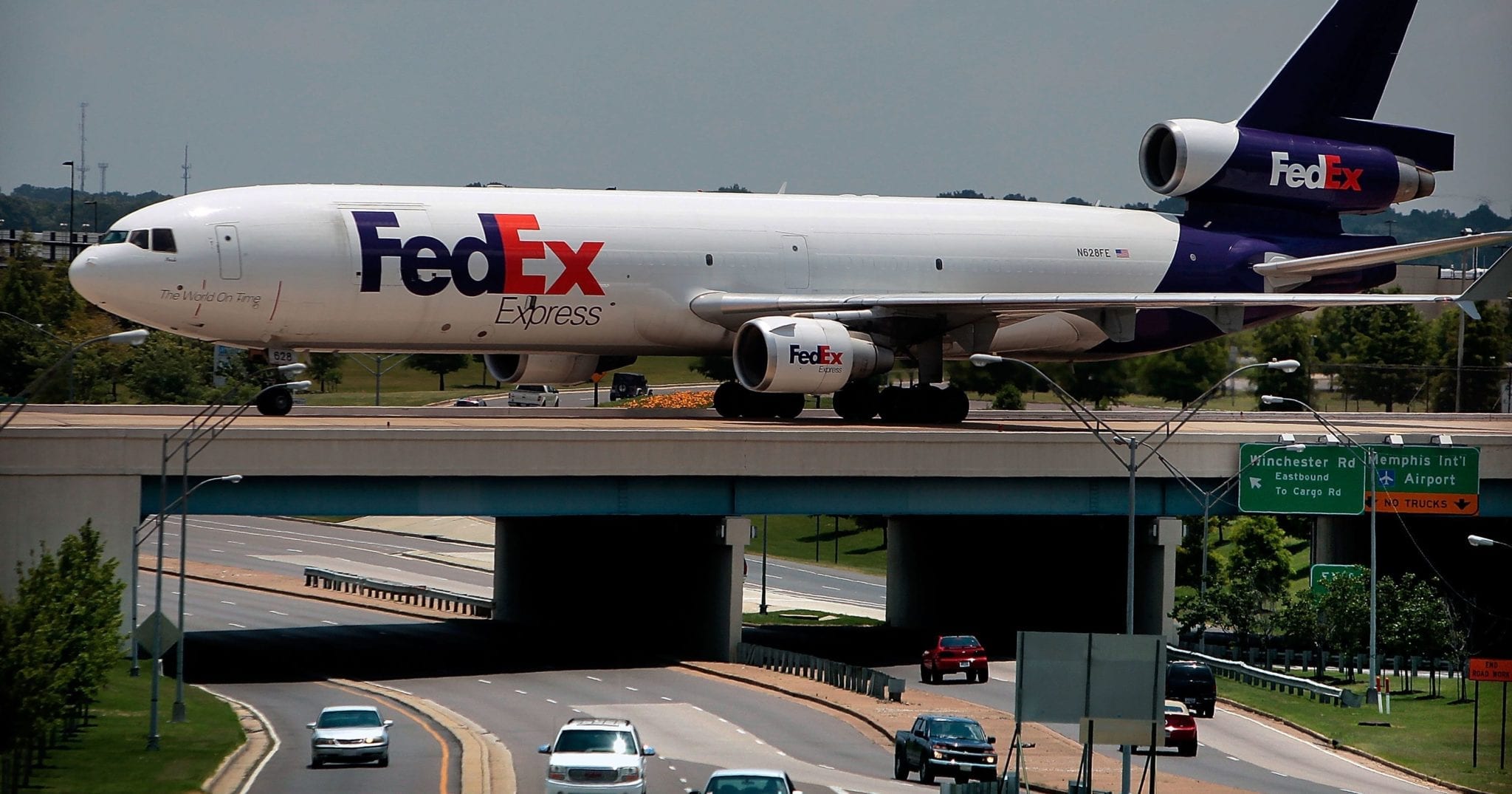
    FedEx Express has launched a new route connecting its Asia Pacific hub in Guangzhou with its global Memphis hub. Initially, an MD-11 freighter is being used for the five-times-per-week route, but it will be replaced with a B777 freighter in May, to meet increasing shipping demand.

    In April, the flight departing from Guangzhou stops in Osaka and Anchorage, but with the change of freighter in May, the Alaskan stop will be dropped on four of the five flights — the Saturday flight stops in Honolulu and Anchorage.

    “As our business continues to develop across the Asia Pacific region, we constantly adjust our network and routings to better meet dynamic market needs,” said Karen Reddington, president, Asia Pacific, FedEx Express.

    “Adding volume and a faster, more direct connection to our Memphis World Hub will give Asia Pacific businesses a stronger competitive advantage in connecting to customers in North America and beyond.“

    The express operator said that Asia Pacific region is predicted to grow at a rate of 6.5% in 2018, 2% faster than the projected global growth rate, according to the World Economic Forum.

    Meanwhile, Boeing forecasts that air cargo flowing from Asia to North America is expected to increase by 4.7% per year over the next 20 years.

    In addition, 2017 saw Guangdong’s total import and export value of goods grew by 8% year-on-year, while the total import and export value with the US grew by 10.4% year-on-year.

    FedEx Express launched two new routes last year – one connecting Liège, Belgium and Memphis, with stops in Seattle, Anchorageand Shanghai and another linking Shanghai and Oakland.

    Early this year, FedEx Express officially opened its FedEx Shanghai International Express and Cargo Hub, the second international hub in China.

    Currently, FedEx operates more than 250 flights per week in China, with more than 160 of these flights going through the FedEx Asia hub.

  • New deep-sea port to boost logistics capacity in Vietnam

    New deep-sea port to boost logistics capacity in Vietnam

    The new terminal will double the current loading capacity of the biggest port in northern Vietnam. A new deep-water port is set to open this month in Vietnam’s northern city of Hai Phong.

    The city is a major sea gateway for Vietnam, but the existing port cannot receive large container ships as it lies on the Cam River, which is only seven meters deep.

    The new Lach Huyen International Gateway Port faces the sea, where the water is 14 meters deep.

    It stretches 750 meters (2,460 feet), which is double the length of Hai Phong Port, and has two container cranes.

    Work started on Lach Huyen Port in 2013 at an estimated cost of $1 billion, and when the first phase is completed on May 13, it will be able to handle around 300,000 20-foot equivalent units, or TEUs.

    That figure will rise to between 2-3 million TEUs in 2019, which is double the current capacity of Hai Phong Port.

    At a ceremony to mark the construction of Lach Huyen’s second phase in 2016, Prime Minister Nguyen Xuan Phuc said the new port “holds a key role in Vietnam’s maritime strategy”.

    Infrastructure to support the operation of the port has been taking shape, including an expressway connecting Hai Phong with the capital Hanoi that cuts travel time by half to roughly 90 minutes, and Southeast Asia’s longest cross-sea bridge, which opened to traffic in September last year.

    Spanning 15.63 kilometers (10 miles), the $523-million bridge connects Tan Vu Port to the new Lach Huyen Port.

    At a government meeting in Hanoi last month, PM Phuc said Vietnam’s logistics costs are putting a strain on local businesses and need to be cut in order to make firms more competitive.

    Vietnam’s logistics costs accounted for 20.9 percent of GDP in 2016, according to the World Bank, and were higher than regional peers China, Thailand and Japan.

    The reason for this is the cost of transporting goods via land, he said.

    In Vietnam, transportation accounts for 59 percent of all logistics costs, Deputy Minister of Industry and Trade Nguyen Van Cong told the meeting.

    The cost of transporting a 40-foot container by land from Hanoi to HCMC is about VND40 million ($1,785), which is 9.7 times more than transporting it by water and 2.5 times more than moving it by train, he said.

    According to a 2016 report released by the ministry, 77.2 percent of goods are transported by land in Vietnam, while just 5.22 percent go via water and 0.42 percent by train.

  • Continental extends inbound deal with Kerry Logistics

    Continental extends inbound deal with Kerry Logistics

    Kerry Logistics has secured a four-year extension to its contract with the tyre-making division of tier supplier Continental.

    The third-party logistics provider’s division in Germany will handle international ocean freight export of tyres and provide logistics services for Continental’s procurement of raw materials to production sites worldwide, mainly from Asia.

    Kerry Logistics’ German division has been working with Continental for more than 25 years in providing procurement operations for raw materials including rubber, carbon black and steel cord from Asian source countries including China, Thailand, Japan, Malaysia, Indonesia and India.

    Kerry has 40 logistics professionals managing the transport of materials from Asia to western Europe. Continental’s tyre division has seen an increase of more than 10% in materials moved in recent years. The 3PL said it was now organising logistics solutions for Continental sites in 13 countries and managing transport services, as well as partly acting as customs broker. In addition, Kerry Logistics is now providing warehousing and distribution solutions in China and the United Arab Emirates.

    “We are delighted to continue our cooperation with Kerry Logistics,” said Jorge Almeida, senior vice-president, rubber division purchasing and corporate indirect materials at Continental. “Kerry Logistics’ global network supports us in our growth strategy and expansion of our international business. The team in Bremen provides tailored solutions that meet our supply chain demands, leveraging our sourcing and export activities in multiple countries.”

  • CJ Logistics to launch Asia-Europe overland parcel delivery service

    CJ Logistics to launch Asia-Europe overland parcel delivery service

    South Korea’s top courier CJ Logistics Corp. will start a door-to-door overland parcel delivery service from China to Europe via railways and trucks.

    The company said it will start the Eurasia Bridge Service that uses both Trans China Railway trains and trucks to deliver containers directly from China to clients’ manufacturing plants and logistics centers in Europe.

    The service will use the train route connecting Chengdu, China to Lodz, Poland and Nuremberg, Germany then to Tilburg, the Netherlands. After containers arrive at each station, trucks will deliver cargos to final destinations located within 400 kilometers from the train stations.

    It is the first time for a courier company to offer a door-to-door parcel delivery service via trains and trucks in a route connecting Asia and Europe, according to CJ Logistics.

    For its new courier service, the Korean firm will be working with Rail Transportation Service Broker GmbH (RTSB), which operates railway services across Europe and the Commonwealth of Independent States (CIS) region.

    By using the Trans China Railway, the freight charge between Europe and Asia would drop to one-fifth of air shipping. It also would take only a third of the time needed for ship freight, said CJ Logistics. The company plans to increase its courier service routes from Asia to Europe to 52 and the reverse routes to 74. It also aims to expand its courier service to connect 30 major European cities and 24 Asian countries in the future.

  • DHL expands e-commerce fulfillment internationally

    DHL expands e-commerce fulfillment internationally

    DHL Parcel and DHL eCommerce are now offering online retailers a global solution for their e-commerce fulfillment needs with a global fulfillment platform and new fulfillment centers in the UK, Americas and Southeast Asia,emphasizing once again Deutsche Post DHL Group’s aspiration to become one of the leading global providers in e-commerce logistics. Through DHL’s unique family of divisions Deutsche Post DHL Group is the most international company worldwide, present across 220 countries and territories and online retailers are able to leverage the Group’s strong global footprint for their e-commerce retail strategy.

    Today’s e-commerce market is placing aggressive demands on the retailer to provide fast fulfillment and delivery, and doing so without increasing costs. This is simply not possible for most merchants because they lack capital or the ability to manage the complexity. DHL has built a new IT platform that provides seamless access to a network of fulfillment centers and is closely integrated with DHL’s shipping capabilities to allow our customers to meet their fulfillment and shipping requirements in a much more efficient fashion. DHL is investing in this platform as well as in expanding its fulfillment centers in key international markets, enabling retailers to reach their consumers worldwide.

    “Without seamless and reliable logistics processes, the current e-commerce boom would be inconceivable. The physical storage of ordered goods, their picking and packaging, the global shipping and delivery to the end-user’s front door or desired address — we now offer all of this in even more markets and from one single source,” says Jürgen Gerdes, CEO of the Post – eCommerce – Parcel division at Deutsche Post DHL Group. “By further internationalizing our fulfillment portfolio we will be able to do even more to help online retailers tap into new regions and benefit from the global e-commerce boom.”

    With existing fulfillment centers in the U.S., Mexico, Colombia, Hong Kong, India, Australia, Germany, and now in the United Kingdom and Southeast Asia, DHL already covers major e-commerce markets with its own presence and will expand these further in the future. Situated near London on an area of about 6,500 square meters, the latest addition to the fulfillment network in the English town of Radlett, offers great potential for same-day processing for the Greater London area due to the center’s good transport links. Apart from the center in Radlett, DHL is already working on the expansion of its fulfillment centers across other European markets, like the Netherlands, Poland or Switzerland.

    The new IT platform allows DHL to provide online retailers with access to all of these important e-commerce regions from a single source. This ensures simple and secure data synchronization as well as an easy connection to new business locations or regions since a reintegration is no longer required. “Online retailers don’t have to look for new logistics partners anymore if they want to expand their international reach,” Gerdes says. By directly integrating the new DHL solution into the webshop of the relevant retailer, the business can access different reporting options in real time and view current order data, for example, or the stock of individual products.

    More and more retailers and companies recognize the increasing importance of smooth fulfillment processes because traditional approaches that are aligned with individual sales channels have long since failed to satisfy the purchasing habits and expectations of modern consumers. Today’s consumers not only want to be able to shop at any time and in any place, but also want to have their goods delivered at any time and in any place. Without the behind-the-scenes logistics processes that effectively orchestrate the movement of goods through multiple sales channels, and a highly fragmented fulfillment landscape hassle a free shopping experience would not be possible for the consumer.

  • CEVA Logistics opens a new hub in Malaysia

    CEVA Logistics opens a new hub in Malaysia

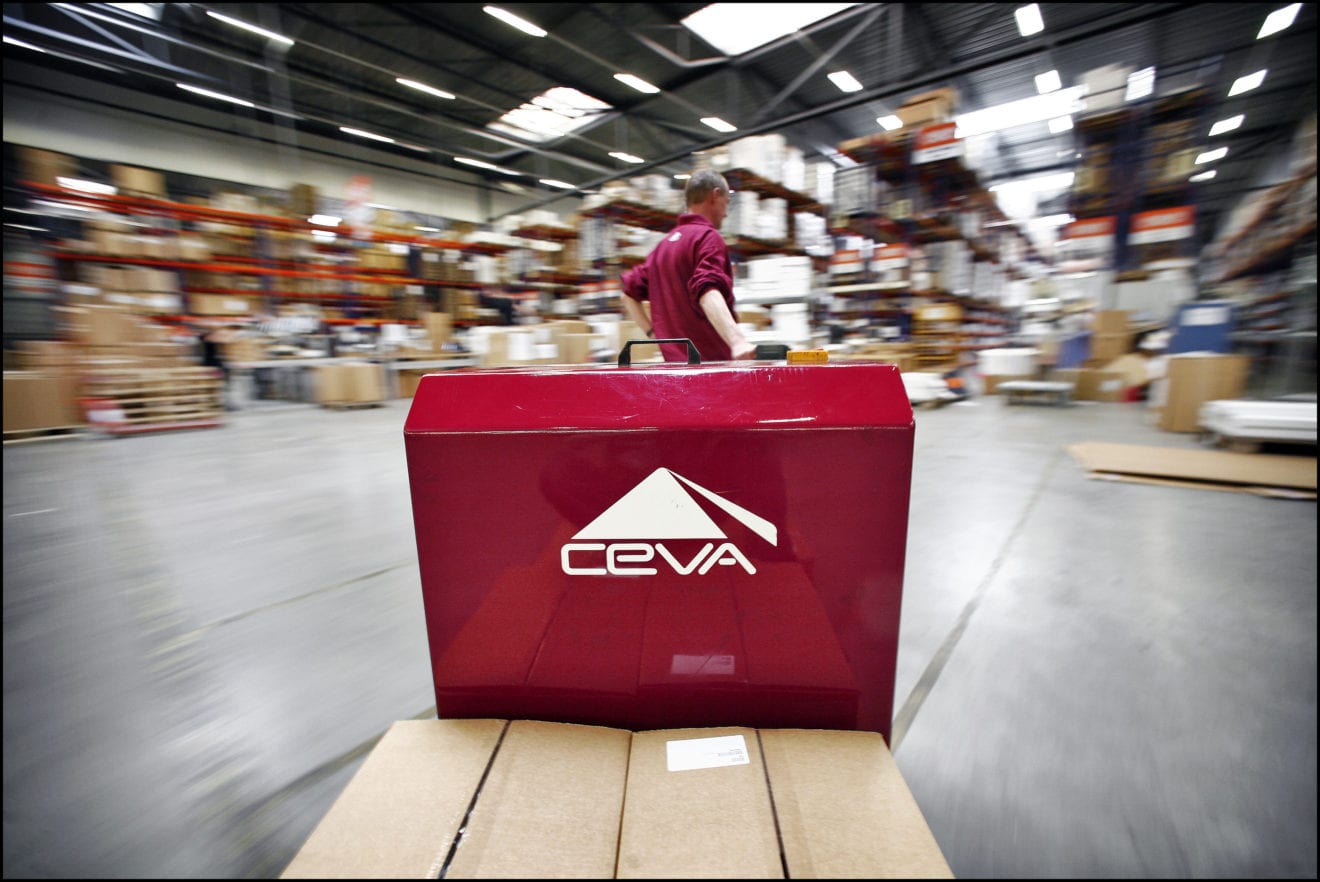
    CEVA Logistics, one of the world’s largest supply chain management companies, has officially opened a new multi-user facility in Penang, Malaysia. Situated within the Bayan Lepas Free Industrial Zone Phase IV, the 70,000 sq ft facility is only 10 minutes away from the Penang International Airport and 10 minutes from the Penang Bridge, connecting the island to mainland Malaysia.

    This new multi-user warehouse delivers cost efficiency and flexibility through an optimized layout design and improved infrastructure to serve our customers. It includes a combination of temperature-controlled and ambient storage space, conducive and modern office space for in-plant customers, advanced materials handling equipment, advanced RF warehouse management system and Customs stationed on-site to facilitate on-time clearance.  This is also an integrated hub that will house under one roof CEVA’s contract logistics and freight management teams for Malaysia as well as its global supply chain solutions control tower teams who support its 24×7 largest customers globally.

    “CEVA continues to invest in its customer needs in Malaysia, this new facility which has doubled our footprint in Penang will continue to support our growth needs and positions us for future expansion in the market. With its strategic location in the northern part of Malaysia, coupled with the air cargo hub at Bayan Lepas airport, it aims to cater to a wide range of logistics and warehousing services and  offer even greater value and benefits to our customers, ” says CEVA’s Elaine Low, Executive Vice President, South East Asia.

  • FedEx Express announces launch of new route

    FedEx Express announces launch of new route

    FedEx Express, a subsidiary of FedEx Corp. (FDX) and the world’s largest express transportation company, announced the launch of a new route which, for the first time, connects the FedEx APAC Hub in Guangzhou, China and the FedEx World Hub in Memphis, Tennessee, U.S.A.

    Currently, a FedEx Express MD-11 freighter is being used for the new route but it will be replaced with a B-777 freighter in May to meet increasing shipping demand. The new route has five flights per week from Tuesday to Saturday.

    In April, the flight departing from Guangzhou stops in Osaka, Japan and Anchorage, Alaska, U.S.A. Beginning in May, the flight from Guangzhou will stop in Osaka before flying directly to Memphis. From Tuesday to Friday, the flight returning from Memphis stops in Indianapolis, Indiana, U.S.A. and Anchorage before flying directly to Guangzhou, while the Saturday flight stops in Honolulu, Hawaii, U.S.A. and Anchorage.

    The Asia Pacific region is predicted to grow at a rate of 6.5% in 2018, 2% faster than the projected global growth rate. Boeing forecasts that air cargo flowing from Asia to North America is expected to increase by 4.7% per year over the next 20 years. In addition, Guangdong province, where the APAC Hub in Guangzhou is located is one of China’s major trade centers. In 2017, Guangdong’s total import and export value of goods grew by 8% year-on-year, while the total import and export value with the United States grew by 10.4% year-on-year.

  • Bolloré Logistics Singapore Launches Pilot Project on Robotic Process Automation

    Bolloré Logistics Singapore Launches Pilot Project on Robotic Process Automation

    Bolloré Logistics has launched a pilot RPA project in Singapore to drive productivity and enhance customer service through the automation of key business processes.

    RPA is an application of advanced software and algorithms to complete routine tasks and repetitive operation processes.

    Implemented with the support of Accenture, this pilot project covers multiple aspects of freight forwarding operations, such as the accurate and timely update of transportation timestamps, creation of transportation files within the Transport Management System (TMS), and invoice dispatching to customers.

    The business processes selected for enhancement under this pilot project were previously manually intensive, repetitive, and prone to human error.

    With the implementation of RPA, the original processes are mimicked by software robots that are programmed by one of the market leaders in RPA tools. “With the removal of repetitive and time-consuming tasks, the business process owners can be upskilled to perform higher value added tasks, focusing on client communication, proactive shipment monitoring, and complex coordination,” says Cyril Dumon, CEO Asia-Pacific for Bolloré Logistics.

    Following the successful pilot rollout in Singapore, Bolloré Logistics is looking to expand rapidly the implementation of RPA in the Asia-Pacific region and to extend it to other processes within the organization.

  • FedEx Hacked, Says No Data Compromised

    FedEx Hacked, Says No Data Compromised

    FedEx said that it has found no evidence that private customer data was “misappropriated” when it was made visible on an unsecured server earlier in February.

    According to news from Reuters, the server that was made visible contained more than 119,000 scanned documents from U.S. and international citizens, including passports, driver’s licenses and security identification. The potentially compromised data had been stored on an Amazon S3 storage service and was collected by Bongo International, which FedEx had acquired in 2014. Bongo, which added up international shipping prices, was terminated by the company.

    “After a preliminary investigation, we can confirm that some archived Bongo International account information located on a server hosted by a third-party, public cloud provider is secure,” FedEx spokesman Jim McCluskey said in a statement. “We have found no indication that any information has been misappropriated and will continue our investigation.”

    The spokesman would not clarify which records were secure, and he wouldn’t disclose whether or not the company involved the authorities.

    The potential breach in data privacy comes as stocks from FedEx and its rival UPS have been under pressure after reports surfaced that Amazon was getting into the delivery market in a bigger way. The service, which is known as “Shipping with Amazon,” is launching in Los Angeles and possibly other locations, a person who has knowledge of the program told Reuters.

    Once investors got wind of the news, shares of both FedEx and UPS slid more than 4 percent late last week. Still, both delivery services — and analysts — are downplaying concerns the experiment is a threat to the business of FedEx or UPS in the near future. Cowen and Co Analyst Helane Becker, for example, said Amazon would have to spend an estimated $100 billion to build a network and acquire the equipment to go up against FedEx and UPS.

  • DHL Express launches inaugural passenger-to-freighter A330-300

    DHL Express launches inaugural passenger-to-freighter A330-300

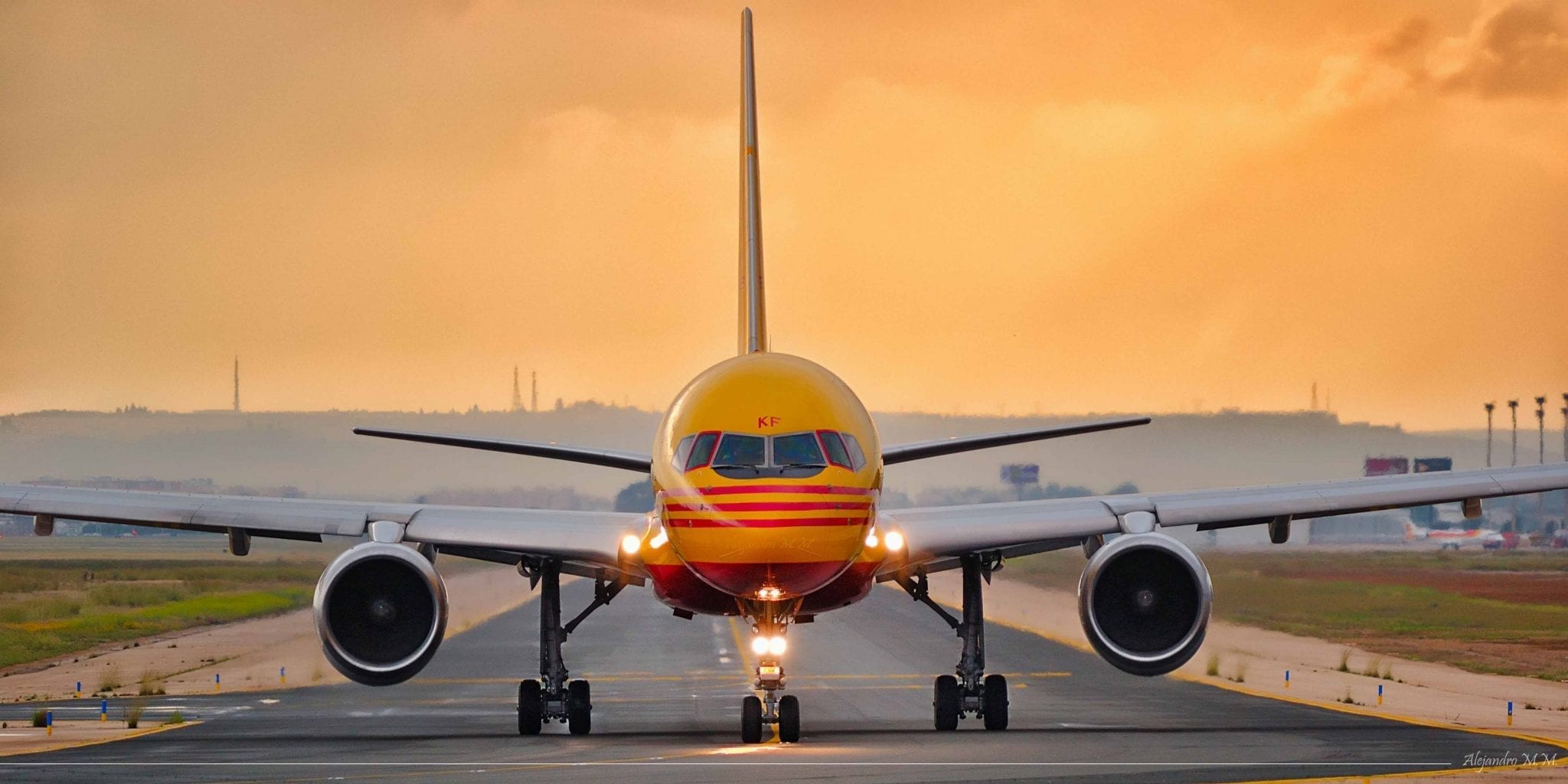
    DHL Express has welcomed its first ever Airbus A330-300 aircraft at its Penang Gateway, making Malaysia the first country in the world to operate the first of its four A330-300s.

    In a statement today, the international express services provider said the A330 will join the DHL Express fleet under a new passenger-to-freighter (P2F) deal with Elbe Flugzeugwerke (EFW), a joint venture between Airbus and Singapore Technologies Aerospace.

    DHL Express Malaysia & Brunei managing director Christopher Ong said Asia Pacific is one of the fastest growing regions driven by e-commerce trade.

    “By welcoming our first A330-300 P2F aircraft, we are ready to service increasing e-commerce volumes from Malaysia, which is expected to show a compound annual growth rate (CAGR) of 17.9% from now to 2022,” he said.

    He added that Malaysia’s trade performance is expected to maintain its growth momentum and hit RM1.8 trillion in 2018.

    “Being the only logistics company in the world to own and operate the A330-300 P2F aircraft, DHL will be able to enhance service standards and match e-commerce merchants’ and buyers’ demands,” he said, adding that the flight will be servicing the Vietnam and Hong Kong markets.

    Ong said the company’s improved capabilities will further support Malaysia’s economy by facilitating its customers’ access to the global markets, while embracing the fourth industrial revolution.

    With 33 per cent more freight capacity per flight, DHL Express said it aims to strengthen their delivery capabilities across its network, while enhancing its capacity to deliver more shipments than ever before.

    The A330-300 P2F will provide additional high-volume, low-density capacity in Malaysia with a gross payload of 61 metric tons.

    It will also import and export goods six times weekly from Penang to Hong Kong. The converted A330-300 P2F features a range of updates including reinforcements to its fuselage, floor structure, door frame shell, newly-installed safety barrier nets and a powered cargo loading system.

    “Our eyes are fully set on investing in the future. We have pioneered passenger-to-freighter conversions since 1997, and our innovation in efficiently expanding our fleet is aimed at further strengthening the DHL Express regional network,” said Ong.

    DHL Express said the Penang Gateway will continue to play a major role in facilitating greater connectivity to the key markets with a total fleet of two aircraft, 30 vans, 25 trucks and nine bikes.

  • DHL gives India top ranking for growth in the ‘Big Seven’

    DHL gives India top ranking for growth in the ‘Big Seven’

    India’s economy holds the brightest growth prospects of the world’s seven largest economies, according to results from the Global Trade Barometer (GTB) from logistics company DHL.

    GTB analytics assigned India the highest growth indices of the seven countries assessed, due to strong and sustained increases in both air and ocean freight in and out of the country.

    The country’s trade in machinery and high-tech goods continues to underpin its growth, while increased imports of industrial raw materials point to an extended period of trade development for the nation.

    “More than any of the world’s largest economies, India’s major industries have displayed levels of resilience and growth that will buoy business confidence in the short-to-medium term,” said George Lawson, managing director, DHL Global Forwarding India.

    “India’s economy has built up terrific momentum in recent times: Since 2008, its GDP has risen every single year to US$2.44 trillion last year, more than double the levels of a decade ago. As the country continues to invest heavily in infrastructure, we expect it to continue its upward trajectory for the foreseeable future.”

    According to the GTB, businesses in India can expect ocean trade to further improve on already-high levels, largely thanks to demand for commodities and industrial materials from overseas.

    Air freight demand is projected to remain stable at its current highs, sustained by growth in machinery and technology imports. Both India’s air and ocean freight forecasts proved stronger than those of any other country in the GTB — in large part due to every major sector making a positive contribution to the country’s trade.

    Developed jointly by DHL and Accenture, the GTB provides a quarterly outlook on future trade, taking into consideration the import and export data of seven large economies: China, South Korea, Germany, India, Japan, the United Kingdom and the United States. Together, these countries account for 75 per cent of world trade, making their aggregated data an effective bellwether for near-term predictions on global trade. The GTB, which assesses commodities that serve as the basis for further industrial production, predicts that global trade will continue to grow in the next three months, despite slight losses in momentum.

  • DHL to offer more secure shipment service in Indonesia

    DHL to offer more secure shipment service in Indonesia

    DHL Global Forwarding, the air and ocean freight specialist of Deutsche Post DHL Group, has obtained an Authorized Economic Operator (AEO) certification by Indonesia’s customs authority, The Directorate General of Customs and Excise. The AEO certification will allow DHL Global Forwarding Indonesia to provide secure and quality logistics services while offering cost savings that can help customers become more globally competitive.

    The AEO accreditation is a cornerstone of the World Customs Organization’s (WCO) SAFE Framework of Standards to Secure and Facilitate Global Trade, and to date, fewer than 70 companies in Indonesia have been recognized with the certification. The country’s adoption of the AEO program as part of its ongoing Customs and Excise Reform will give trusted companies like DHL Global Forwarding a number of added benefits, including fewer physical consignment checks and preferential treatment in terms of customs regulations. Under the AEO principle of Mutual Recognition, DHL Global Forwarding will now also benefit from being part of a global supply chain that connects AEO-certified organizations, further decreasing shipment time.

    Thomas Tieber, CEO for ASEAN and South Asia, DHL Global Forwarding, said: “Global trade continues to grow positively, and this raises important security concerns for customs authorities around the world. However, stricter security and safety measures alone risk increasing the complexity of cross-border movement of goods and adding transaction costs to the overall supply chain process, potentially impacting the ability of all participants to remain globally competitive.”

    With the AEO, the Indonesian Directorate General of Customs and Excise has helped to ease processing at ports, reduce logistics cost and promote greater ease of business in Indonesia. The Indonesian Directorate General of Customs and Excise also plan to increase the number of AEO-certified companies in Indonesia so as to amplify end-to-end trade synergies and provide a safe and secure trading environment in the country.

    The program shares the same methodology as ISO in terms of implementation, execution, risk assessment and management engagement. To obtain AEO certification in Indonesia, DHL Global Forwarding set up a dedicated AEO team to ensure the business met or exceeded rigorous logistics and customs-related criteria, and high accounting and security standards, as well as proved financial solvency, among other requirements.

    Vincent Yong, Managing Director, DHL Global Forwarding Indonesia, said, “Achieving AEO status in Indonesia not only confirms our commitment to high safety and supply chain security standards in global trade, but also serves as a strong argument for our customers when choosing a logistics partner. The certification will enable us to offer an even more efficient service and deliver better value for our customers.”

    World Customs Organization (WCO) launched the SAFE program globally post 9-11 incident in New York to encourage customs authorities and certified businesses such as logistics providers, exporters and shippers, to be jointly responsible for safe and secure cross-border transactions and keep world trade flowing swiftly. WCO is an independent intergovernmental body whose mission is to enhance the effectiveness and efficiency of customs administrations. There are 182 WCO members, which together process about 98 per cent of world trade.

  • DHL Express has been named 2018 Top Employer for Asia Pacific

    DHL Express has been named 2018 Top Employer for Asia Pacific

    DHL Express, the world’s leading international express services provider, has been named 2018 Top Employer for Asia Pacific as well as eight countries in the region: Australia, Hong Kong, India, Malaysia, New Zealand, the Philippines, Singapore, and Thailand.

    The award was conferred by Top Employers Institute, a global organization recognizing excellence in employee conditions, making this the fourth consecutive year that DHL Express has received the award. This further establishes the company as a regional leader in employment practices and talent development, with a workplace culture built on respect, recognition and equal opportunities.

    In 2017 alone, DHL Express received a total of 49 awards for its workplace and corporate culture in Asia Pacific, up from 39 awards in 2016 and 34 awards in 2015. This year’s string of accolades are the latest additions to the 96 other awards that DHL Express Asia Pacific has received since 2014, many with strict judging criteria based on employee feedback.

    “The DHL culture is built on the two R’s — respect and results. When we value our employees, and provide them with opportunities to achieve, we’re able to deliver the world-class results that our customers rely on to grow their businesses,” said Ken Lee, CEO, DHL Express Asia Pacific. “It is an honor to be acknowledged as a leading employer and an excellent workplace in Asia Pacific once again, and a testament to the hard work and effort that all our employees invest in really making DHL Express a byword for excellence.”

    The Top Employer award has consistently recognized DHL Express’ sustained investment in talent growth, including its Certified International Specialist (CIS) and Certified International Manager (CIM) programs that have trained over 43,000 employees in Asia Pacific. Nearly 75% of executive positions in the region end up being filled by internal candidates thanks to the company’s talent development initiatives, and women hold 1 in 3 management roles in DHL Express.

    “Diversity in leadership and the workplace help us better understand the full range of our customers’ needs and stories — resulting in more effective service for their businesses,” said A. Mateen, Senior Vice President, Human Resources, DHL Express Asia Pacific. “Thanks to a strong Diversity Management framework in place, coupled with comprehensive feedback from our annual Employee Opinion Survey, we’ve established a workplace culture where everyone has not only a voice, but also the opportunity to grow to their full potential.”

    This year, DHL Express was also named Best Employer 2017 for Asia Pacific and nine other countries region-wide, as well as “Best Employer for Women in the Workplace” in South Korea and Taiwan, by human capital firm Aon Hewitt. The Great Place to Work® Institute also recognized DHL Express as one of the “Best Multinational Workplaces in Asia” for five countries as well as the broader Asia Pacific region.

    “The success of any logistics operation depends on the skill, adaptability, and resilience of its people, translated across numerous cultures and geographies,” added Ken Lee. “At DHL Express, we’re committed to creating an environment where all employees can thrive and grow. We’re extremely proud to have nearly doubled the number of awards for our culture and workplace this year compared to 2016: each award encourages us to keep working towards a more inclusive, effective, and empathetic culture in every market where we do business.”

  • China’s Alibaba on road to deliver $100 million to XpressBees

    China’s Alibaba on road to deliver $100 million to XpressBees

    China’s online commerce giant Alibaba Group Holdings is in advanced talks to pick up a significant minority stake in logistics company XpressBees by making an investment of up to $100 million, said three persons with knowledge of the matter.

    The transaction, which is in the final stages of negotiations, will be Alibaba’s sixth investment in the Indian market as it builds a string of assets to take on homegrown market leader Flipkart and global rival Amazon.

    “The deal is likely to close in the next two-three weeks,” said one of the persons mentioned above. The exact stake Alibaba is picking up in XpressBees could not be determined. Alibaba and XpressBees didn’t respond to queries.

    XpressBees is the logistics business spun out of baby and maternity products retailer FirstCry, known for its acquisition of Mahindra’s Babyoye in 2016. The company competes with other online retail-focused logistics services providers like Delhivery and Ecom Express.

    Talks between XpressBees and Alibaba have been on for about 18 months.

    ET had reported in June 2016 that Alibaba was looking to buy, or invest in, an Indian logistics company specialising in deliveries for online retailers, and toward this end had held talks with Delhivery and XpressBees Logistics.

    If the XpressBees investment goes through, it will help Alibaba build what founder Jack Ma calls the “iron triangle” of businesses in ecommerce (Paytm Mall, Bigbasket), payments (Paytm) and logistics, which can feed off each other.

    In China, the Alibaba Group has online retail businesses called Tmall (B2C, focusing on brands) and Taobao (C2C) and a payments business under affiliate Ant Financial, popularly known as Alipay.

    In September, it increased its stake to a majority in one of China’s largest techenabled logistics companies, Cainiao, which is valued at close to $20 billion. At the time, Alibaba had said it plans to invest over $15 billion in the next five years to develop its global logistics network.

    “Alibaba wants to make Xpress-Bees the Cainiao of India, and over time logistics operations for all companies like Paytm Mall and Bigbasket may get consolidated under it giving it a larger captive customer base,” said the second person mentioned above.

    The impending deals in Bigbasket and XpressBees will take total investments in India by Alibaba along with its payments affiliate Ant Financial to about Rs 11,000 crore, or $1.7 billion, out of which over two-thirds is invested in Paytm. In addition, Ant Financial is also said to be in talks to invest up to $200 million in restaurant discovery and food delivery platform Zomato.

    Shifitng Kaurndia as the portfolio in India grows, Alibaba Group is also likely to move one of its key executives from Hong Kong, senior director Kshitij Karundia, to the country to work more closely with the businesses and look for more investments, said the third person familiar with matter.

    FirstCry entered logistics in 2012 when it decided to start express deliveries of its products and began third-party logistics (3PL) at the beginning of 2015. The company was spun off as Busybees in September 2015 and has ramped up orders significantly since then.

    The business has been built by FirstCry founders Supam Maheshwari and Amitava Saha. After the demerger, Saha has been leading the logistics business as CEO while Maheshwari has been heading First-Cry. XpressBees investors include SAIF Partners, IDG Ventures India, NEA, Vertex Ventures and Valiant Capital, some of which may sell a part of their stake in this deal.

    The company saw revenue go up by 121% in FY17 to Rs 185.42 crore while losses grew 61% to Rs 57.71crore, according to filings with Ministry of Corporate Affairs (MCA).

    Owned by Busybees Logistics Solutions, XpressBees has built the business on about Rs120 crore of capital till now, which is in contrast with competitors Delhivery which has raised Rs 1,600 crore, and Ecom Express, which has racked up around Rs1,000 crore in capital.

    With capital coming in from Alibaba, experts said an XpressBees deal could trigger consolidation. While industry sources pegged Delhivery as the market leader with around 300,000 shipments a day, XpressBees is currently logging 170,000-200,000 while Ecom Express has 120,000-130,000. Large players like Flipkart and Amazon India have also built their own logistics operations, which handle most of their shipments.

    The market for logistics-technology businesses, which include delivery startups, truck aggregators and warehousing firms, is expected to surge to $9.6 billion by 2020 from $1.4 billion in 2015, according to a report by investment bank Avendus Capital. Online retail logistics startups will dominate this space with a market size of $6.6 billion by then.
  • Bukalapak teams up with TIKI to ease delivery

    Bukalapak teams up with TIKI to ease delivery

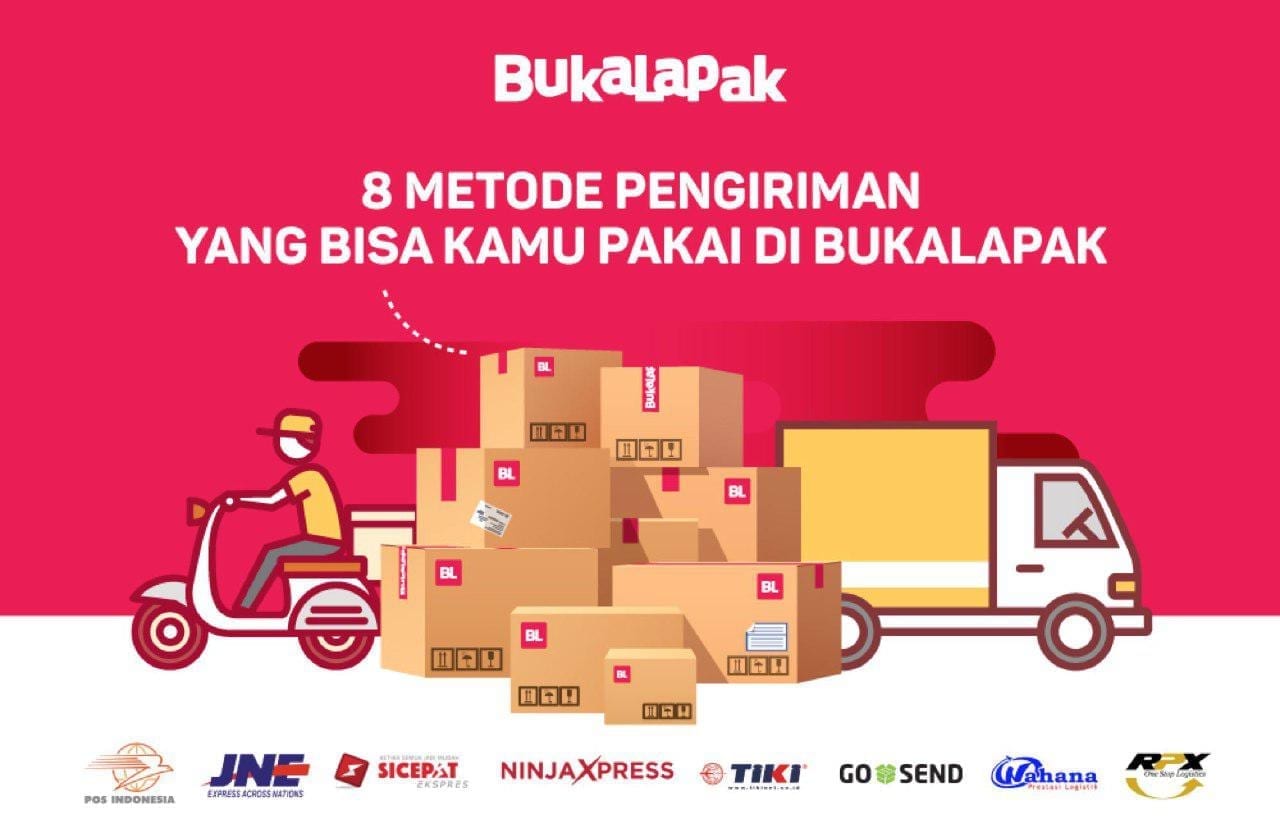
    E-commerce platform Bukalapak kicked off on Wednesday the expansion of its partnership with courier service and logistics company TIKI to facilitate small and medium enterprises (SMEs) in selling their products.

    The new partnership will enable vendors to accelerate product delivery.

    For instance, TIKI provides a “booking code” feature in which vendors can fill in the data of senders and receivers online before sending the packages. When vendors arrive at a TIKI branch, they do not need to wait for TIKI employees to fill in the information anymore.

    “There will be [system] integration between Bukalapak and TIKI. The new features will be launched soon,” Bukalapak co-founder and chief financial officer Muhammad Fajrin Rasyid told at its headquarters in Kemang, South Jakarta.

    Another new feature offered to vendors is pick-up service that allows TIKI couriers to pick up goods from the vendors’ locations. Bukalapak has more than 1.7 million vendors with more than 38 million products offered on its online marketplace. About 500,000 vendors at Bukalapak use TIKI’s services.