Retail News CRM

Tag: fries

  • Jollibee posts double-digit growth, boosted by coffee and tea brands

    Jollibee posts double-digit growth, boosted by coffee and tea brands

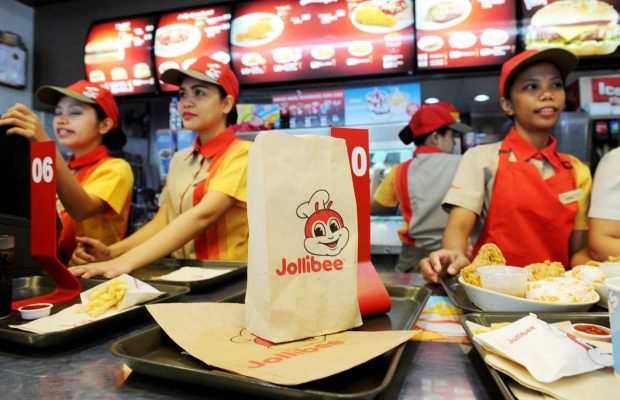
    Jollibee Foods Corporation (JFC) posted strong double-digit growth in 2024, with its coffee and tea brands playing a key role in driving revenue and profits.

    The company’s revenue rose 10.6 percent year-on-year (YoY) to US$4.7 billion, while EBITDA (earnings before interest, taxes, depreciation, and amortisation) increased 17 percent to $295 million.

    JFC’s system-wide sales (SWS) climbed 13 percent YoY to $6.8 billion, supported by a 14 percent increase in the Jollibee brand.

    The Philippine market saw an 11.4 percent rise in SWS, with same-store sales growth (SSSG) of 7.9 percent. Internationally, Jollibee recorded 22 percent growth, led by Vietnam (16.8 percent), EMEA excluding Vietnam (11.6 percent), North America (8.1 percent), and China (13.2 percent).

    “The sustained growth of our business reflects the global strength of the Jollibee brand,” said Jollibee Group CEO Ernesto Tanmantiong

    “We also made significant progress in our coffee and tea segment, particularly with the acquisition of Compose Coffee, which expanded our store network to more than 5000 locations, 78 percent of which are franchised.”

    Meanwhile, JFC’s international SWS grew 17.6 percent, primarily driven by its coffee and tea brands.

    The Coffee Bean & Tea Leaf (CBTL) saw a 16 percent increase in sales, Highlands Coffee grew by 13 percent, and Compose Coffee—acquired in August last year—contributed 7.9 percent to international growth. Meanwhile, EMEA-based Philippine brands grew by 27 percent.

    Despite overall strong results, CFO Richard Shin said the company faced challenges in its China business, which declined 8.3 percent due to economic headwinds affecting consumer spending.

    “While same-store sales growth turned positive in the fourth quarter, we still need to strengthen daily sales and profitability in this segment,” he said.

    “Our focus remains on long-term growth and creating value for shareholders.”

    Looking ahead, JFC aims to accelerate its coffee and tea expansion, with plans to open 700 to 800 new stores this year.
  • Impossible Foods launches burger blind-tasting test challenge

    Impossible Foods launches burger blind-tasting test challenge

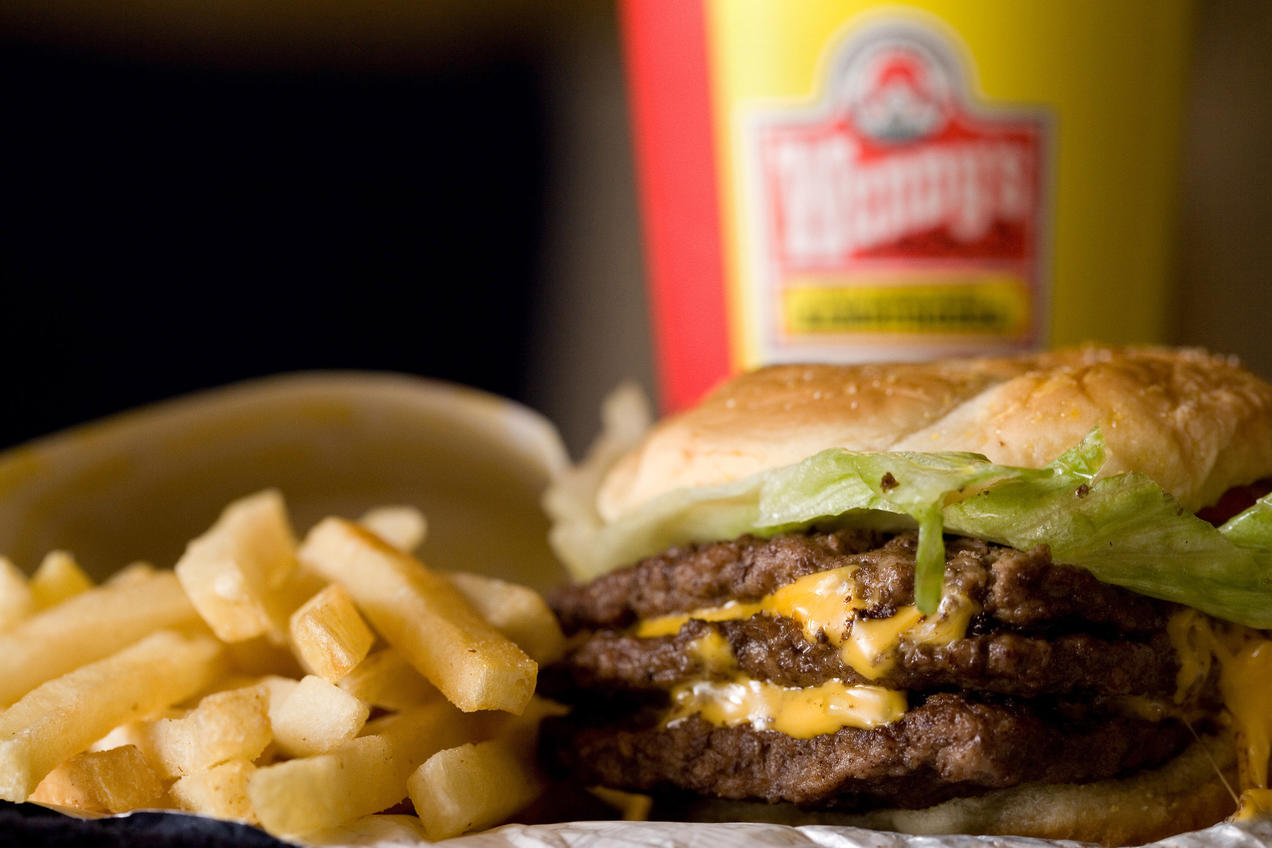
    Impossible Foods has launched “Bloody Delicious,” a blind-tasting test to see if local foodies can tell the burger is made with plant-based Impossible alt-beef.

    According to the brand, the challenge comes after it sees Australians are rapidly turning away from red meat, with “meat reducer” appearing as the country’s most popular diet last year and a quarter reducing consumption.

    “I’ve spent years cooking with red meat and would consider myself an expert when it comes to a good burger,” said chef and TV personality, TikTok Food Creator of the Year nominee Iain ‘Huey’ Hewitson.

    “I never would have thought that a plant-based burger would make its way onto my plate, but this Impossible Burger was bloody delicious!”

    Impossible Foods also said that 27 per cent of Aussies are sceptical of the taste of plant-based meat, with 19 per cent convinced that it “wouldn’t taste like animal meat”.

    The brand is also going to team up with Mary’s at Circular Quay to give away more than 200 free Impossible Burgers on April 3.

  • Jollibee secures approval to lift foreign ownership limit

    Jollibee secures approval to lift foreign ownership limit

    F&B giant Jollibee Foods Corporation (JFC) has received approval from the Philippine Stock Exchange (PSE) to remove its 40 percent foreign ownership limit.

    The decision follows the company’s amendment request to its articles of incorporation, which also includes removing its ability to own, acquire, mortgage, pledge, or encumber land.

    Article 12 of the Philippine Constitution restricts foreign ownership of land and certain businesses to 40 per cent, with the remaining 60 per cent reserved for Filipino citizens or corporations.

    Following the change, JFC is now positioned to accommodate more foreign investors.

    AP Securities research analyst Jose Cipres said the move allows the company to raise additional capital for expansion through a sale-leaseback transaction.

    “They could use the proceeds from the sale of land to expand their current store portfolio, translating to higher earnings,” explained Cipres.

    Meanwhile, Unicapital equity research analyst Jeri Alfonso said removing the foreign ownership limit is a good catalyst for JFC.

    “Given this current market condition, this will provide a big boost to the company in terms of trading volume,” Alfonso added.

  • McDonald’s to shut down 10-year-old HCMC store

    McDonald’s to shut down 10-year-old HCMC store

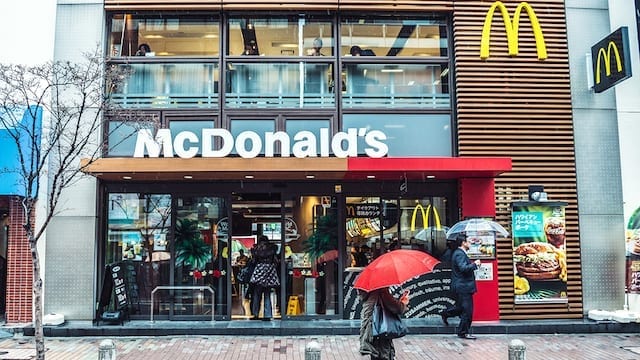
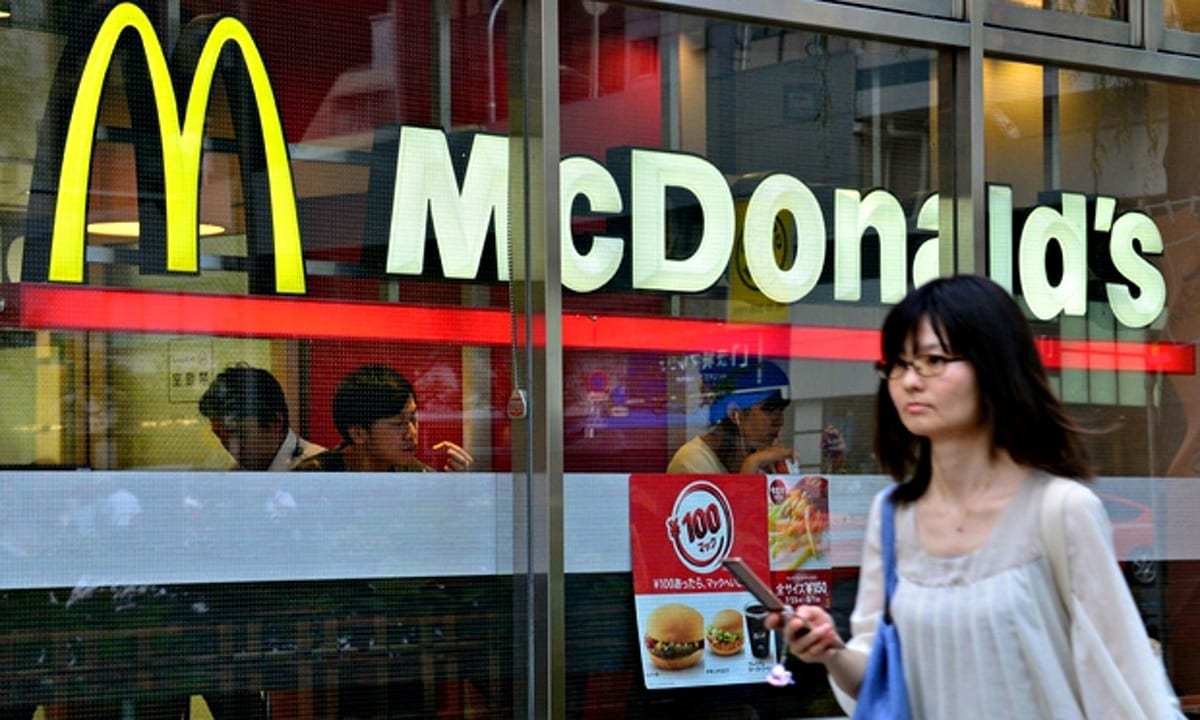
    American fast food chain McDonald’s is set to close one of its oldest stores in Ho Chi Minh City.

    The Ben Thanh location in District 1, which opened in 2014, would stop operations at 2 a.m. Thursday, the chain said in a Facebook post without revealing the reason for it.

    It was the chain’s second restaurant in the city.

    After its closure, McDonald’s will have 35 stores in Vietnam, including 17 in HCMC.

    Another major American F&B chain, Starbucks, shut down a store at a prime location in District 1 last month after seven years.

    Rents for high-end retail property in HCMC surged to a record US$280 per square meter on average in the first half of the year due to limited supply.

    It represented increases of 18% increase year-on-year and 60-70% from five years ago, according to property consultancy CBRE Vietnam.

  • Wendy’s Philippines sold to new owner as Dennis Uy exits food retail

    Wendy’s Philippines sold to new owner as Dennis Uy exits food retail

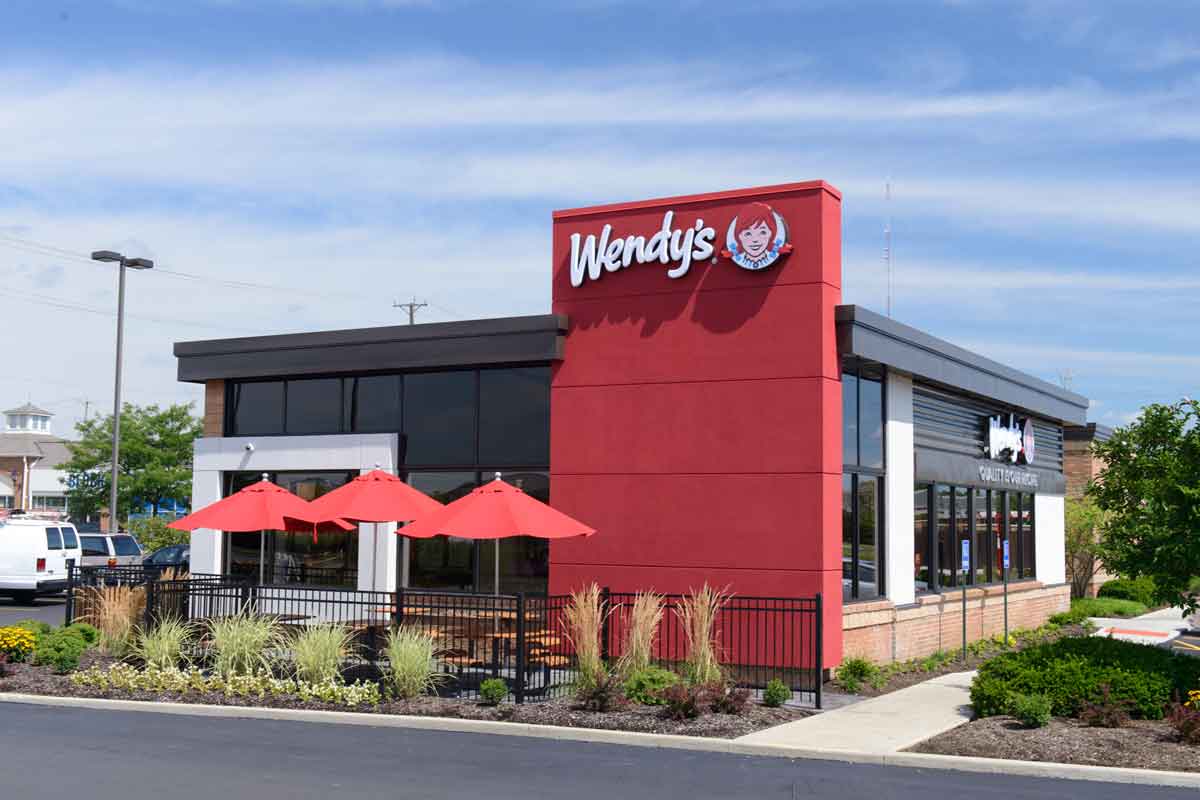
    Wendy’s Philippines and Conti’s Bakeshop, run by Filippino businessman Dennis Uy, have been sold to a local entrepreneur.

    Uy has decided to sell his Eight8Ate Holdings company, which operates the two chains, to Crystal Jacinto. The sale comes after the multibillion-peso food retailing business bundle has been on the market for almost two years.

    Jacinto, who runs European Wellness Villa Medica Manila – a health and wellness centre specialising in anti-aging and disease management solutions, will take full control of the company, according to the news agency’s sources. She is also reportedly backed by her husband and Malaysian businessman Jaya Sudhir.

    Wendy’s, which had 70 stores as of June, and Conti’s, which had 74 stores, were acquired by Uy in 2019, shortly before the pandemic.

    Conti’s is considered the more profitable of the two brands, which led to the bundling of Wendy’s in the deal.

    The sale also includes the remaining shares of Conti’s founding sisters – Cecille Conti Maranon, Carole Conti Sumulong, and Angela Conti Martinez – who have agreed to sell their residual stake directly to Jacinto, cites the news agency.

    Neither Uy nor Jacinto has yet to comment on the transaction at the time of writing.

    Apart from Eight8Ate Holdings, Uy is also the founder of Udenna, a conglomerate involved in petroleum, oil and gas, shipping, logistics, real estate, education, and gaming.

  • Hong Kong burger chain Honbo launches in Singapore

    Hong Kong burger chain Honbo launches in Singapore

    Anew hipster burger joint is coming to Singapore at the end of July 2023. Called Honbo, it was founded in 2017 by former doctor Michael Chan, who named his eatery after the Cantonese name for hamburgers (‘hon bo bao’). The brand has since expanded to six outlets in its native Hong Kong.

    It specialises in gourmet American-style smashed burgers, with handmade patties and potato milk buns made with a recipe developed in collaboration with famed French baker Eric Kayser.

    The opening date for Honbo’s Singapore outlet is still unconfirmed, though its rep tells 8days.sg that it is estimated to be end-July. The dine-in eatery is located at Chijmes.

    Honbo boasts brisket-and-chuck burger patties made with USDA prime-grade beef from Holstein and Angus cattle reared in Wisconsin. Both breeds are known for their marbling; prime beef has the highest marbling score and is more flavourful compared to beef with a lower USDA grade.

    The patties are ground in-house daily and, upon order, smashed on hot griddles and cooked to medium-rare doneness.

    The patties are then wedged between pillowy potato milk buns made with hand-mashed potatoes. The proprietary Eric Kayser-developed bun is unique to Honbo, who patented the recipe in Hong Kong.

    The burgers are garnished with “sustainably sourced greens, pickles cured in-house from Japanese cucumber and specialty sauces hand-crafted in its very own kitchen, using a closely guarded secret recipe created by the team”.

    The local menu has not been finalised, though Honbu is expected to serve its signatures including the Honbo Burger, modelled after an “old-school fast food-style” cheeseburger. Two beef patties, each weighing about 56g, are layered with two slices of cheddar.

    “The Honbu Burger is paired with our house sauce, a lot of raw onions, pickles, and no lettuce. The raw onions and pickles help cut through the greasiness, and you can really taste the crust and the meatiness. It gives the burger double the crust and double the beef grease, but it is still less juicy than the Cheese Burger, ” says founder Michael Chan (interestingly, the man was a doctor before he became an F&B entrepreneur).

    For big eaters, this burger comes in variations like Honbo 1.5 (three patties) and Honbo 2.0 (four patties), plus a Gold Standard burger with two 113g beef patties, two slices of cheese, a hash of bacon and pickles, onions and lettuce drizzled with house-made sauce.

    Prices start from S$18 for an a la carte burger, with sides offered like fries, sweet potato fries and buffalo wings.

    Beefless options are available too, like a Grilled Chicken Burger with teriyaki sauce-glazed sous vide organic chicken, a Scallop Burger with “extra-large sashimi-grade Hokkaido scallops” and wasabi pico de gallo. There is also a Soft Shell Crab Burger, with a whole fried soft shell crab coated in vodka-infused batter and served with ginger coleslaw. Wash down your burger with beverages like classic lemonade and Apple Pie Iced Tea, described as “apple pie in a glass”.

  • KFC operator Collins Foods breaks $1 billion sales threshold

    KFC operator Collins Foods breaks $1 billion sales threshold

    The boss of major KFC franchisor in Australia, Collins Foods, still believes that the company’s quick-service Mexican food business Taco Bell can succeed in the Australian market despite the brand’s results hitting the group’s full-year profits.

    Revenue at Collins Foods was up 14.2 percent to $1.3 billion in the 12 months to April 30. KFC stores hit $1 billion in revenue for the first time, but the company’s net profit declined by 76.7 per cent to $12.7 million.

    A $36.7 million impairment against the Taco Bell business impacted the results, with Taco Bell stores posting a same-store sales decline of 4.8 percent for the year.

    Collins Foods’ shares surged 16.7 percent to $9.17 in late afternoon trade on Tuesday despite the drop in net profit for the year, with analysts saying the strength of KFC sales was impressive and the outlook for the group’s brands was positive.

    UBS analysts said the numbers were stronger than expected, with a key surprise being the strength of the company’s growth and earnings margins in Europe.

    Australia’s quick-service Mexican food market has become increasingly crowded over the past few years, with brands like Guzman y Gomez growing strongly, but Collins Foods chief executive Drew O’Malley said there was still a place for Taco Bell in the Australian market.

    “New brands can take time to gain traction. We have seen similar trends in other markets in the early years, where the brand [Taco Bell] is now thriving today,” he said.

    But the company acknowledges that it has had to invest in “enhancements to product quality” to bring more Australian consumers into Taco Bell stores.

    O’Malley said one key area of recent investment been in the quality of the brand’s chips.

    “One of my favorite examples is on French fries – we had gotten a number of complaints from our customers around chips being soggy. We have very recently launched an ultra-premium, sure-crisp French fry with McCain,” he said.

    “We have seen an immediate change in customer perception … Especially since we do so much customer delivery, we think that’s really important for the brand.”

    Collins Foods pointed to sustained inflationary pressures when releasing its full-year numbers on Tuesday, and O’Malley said the impacts of rising input costs is expected to be felt into next year.

    But he was upbeat about the value position of KFC in the current economic environment, saying customers view the fast food retailer as providing the best value in the market.

    “If you look at the consumer today, it’s like 12 straight rate increases, [which] has meant 12 straight letters from your bank saying your mortgage is going up. We are very sensitive to that, and we want to make sure our brands excel at a time like this,” he said.

  • South Korean burger chain Mom’s Touch to expand into Mongolia

    South Korean burger chain Mom’s Touch to expand into Mongolia

    South Korean chicken burger chain Mom’s Touch&Co. said Tuesday it inked a master franchise agreement with Mongolia’s Foodville Farm LLC, in its first steps to enter the central Asian country.

    Foodville Farm is an independent company established by the local franchise operator Monbakery LLC to expand the Mom’s Touch brand in Mongolia. The company operates the South Korean coffee franchise Caffe Bene and bakery chain Tous les Jours in the Asian country.

    The South Korean chicken burger franchise said it has decided to enter Mongolia due to the country’s rapid economic growth, a relatively young population and a growing interest among Mongolians in Korean food, and products from K-pop and the broader Korean Wave.

    Experts said the Korean Wave generated by K-pop and TV dramas could turn fans in foreign countries into active consumers of South Korean products.

    Mom’s Touch’s first Mongolian restaurant is set to open in the first half of this year. The company plans to add more than five stores by the end of the year, it said.

  • South Korea’s first Five Guys store to open at the end of June in Gangnam

    South Korea’s first Five Guys store to open at the end of June in Gangnam

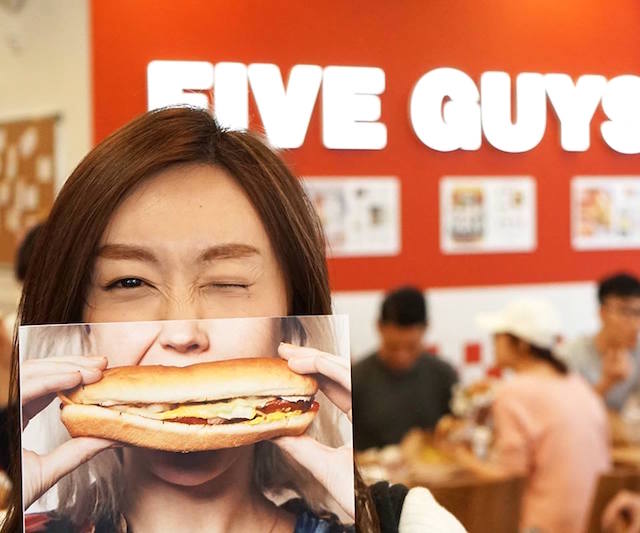
    South Korea’s first Five Guys burger restaurant is set to open in Gangnam, southern Seoul, by late June, its operator said Monday.

    The store, set to open in the bustling commercial district near Gangnam Station, will have up to 150 seats, according to Galleria Department Store owned by Hanwha Solutions.

    Established in 1986 as a Virginia-based family business, Five Guys is famous for large quantities, free peanuts and flexible options that give customers more than 250,000 possible ways to order.

    The operator said it plans to additionally open more than 15 Five Guys stores in South Korea in the next five years.

  • Popeyes re-enters China with TH International

    Popeyes re-enters China with TH International

    Tim Hortons China’s exclusive operator, TH International (Tims China), is to relaunch the fried chicken chain Popeyes in China and Macau by acquiring exclusive rights to develop and sub-franchise the brand.

    The transaction, which the company expected to bring significant cash to Tims China and strengthen the company’s balance sheet, is subject to customary closing conditions.

    Popeyes entered China in 2020 under the partnership with Tab Foods Investments with an ambition to open 1500 locations across China in 10 years. However, the chain faltered after opening just nine stores, due to the prolonged impact of Covid-19 in the country.

    Peter Yu, chairman of Tims China, said the company plans to expand its store network of Tim Hortons and Popeyes stores in China to 1000 by the end of the year.

    “The two brands are a natural fit, with complementary product offerings and exceptional growth potential,” said Yongchen Lu, CEO of Tims China. “Both brands will benefit from greater scale, a stronger financial model, and synergies, including in the supply chain and new restaurant development.”

    TH International Limited was founded by Cartesian Capital Group and Tim Hortons Restaurants International, a subsidiary of Canadian-headquartered Restaurant Brands International which owns the Popeyes, Burger King and Tim Hortons brands.

    Last August, the US fried chicken retailer appointed Cartesian Capital Group as its partner to relaunch the Popeyes brand in China. The chain has also relaunched in South Korea under a partnership with local operator Silla Co, two years after closing its business there.

    Popeyes has more than 3900 stores globally.

  • McDonald’s unveils delivery service in Australia

    McDonald’s unveils delivery service in Australia

    McDonald’s Australia has confirmed that it is rolling out its own home delivery service to customers across Australia.

    Starting today, Macca’s fans in participating New South Wales restaurants can have their favorite foods sent directly to their homes when they order via the MyMacca’s app.

    The McDelivery service will be made available in more McDonald’s restaurants across the country in the coming weeks.

    “McDelivery via the MyMacca’s app is now available in participating restaurants across New South Wales, with plans to roll it out across participating restaurants nationwide over the coming weeks,” a McDonald’s spokesperson said.

    “McDelivery allows customers to place delivery orders using the MyMacca’s app, while also earning and redeeming MyMacca’s Rewards points.

    “This is part of our ongoing commitment to providing greater value, convenience and rewards for our customers.

    “McDonald’s continues to be available across other delivery services in Australia, including Uber Eats, Menulog and DoorDash.

    “Customers can check their MyMacca’s app to see if McDelivery is available at a restaurant near them.”

    More information on the nationwide McDelivery rollout will be available in the coming weeks.

  • McDonald’s China launches its first zero-carbon restaurant

    McDonald’s China launches its first zero-carbon restaurant

    Leading fast-food chain McDonald’s China opened the company’s first zero carbon restaurant in the Shougang Park in Beijing recently part of its upcoming move to open more new green outlets in the country.

    The McDonald’s Shougang Park restaurant is designed and constructed in line with LEED (Leadership in Energy and Environmental Design) net zero carbon and net zero energy certification standards.

    For a building to be net-zero it must remove as much carbon dioxide from the atmosphere as it emits throughout its lifespan, both in the form of embodied carbon and operational carbon associated with construction, occupation, and eventual demolition.

    Powered by on-site solar panels of over 2,000 square meters, the new restaurant is a milestone for the company’s China unit to achieve net zero carbon emission in the country by 2050. There are about 5000 McDonald restaurants in China.

    “With the scaling up of our business, we are determined to take up more social responsibilities to feed and foster our communities,” said Phyllis Cheung, CEO of McDonald’s China.

    “We will continue to drive high speed and sustainable growth by creating a future where people and the planet will thrive. We will focus on opening more green restaurants and embed green experience throughout consumer journey.”

    McDonald’s China will offer a series of green experience activities to consumers nationwide to advocate low carbon lifestyle, which includes the sealing sticker on the paper bags turning into green colors, or discounted Filet-O-Fish, which uses 100 percent Marine Stewardship Council certified codfish.

    Collaborating with Amap, McDonald’s will provide a cup of free coca cola to the customers who use Amap navigation app and arrive at McDonald’s restaurants by bike or on foot from Sep 20 to Oct 4.

    About 1,600 LEED certified McDonald’s green restaurants will change the color of their location icon on McDonald’s app, enabling over 200 million registered members to find their nearest green restaurant easily.

  • Popeyes appoints partner for China rollout

    Popeyes appoints partner for China rollout

    Popeyes Louisiana Kitchen is making a move on KFC’s turf. The Miami-based chicken chain on Wednesday announced an agreement with Cartesian Capital Group to develop restaurants in China in the coming years. In the process, it will take Popeyes into a country dominated by its longtime rival, KFC.

    Popeyes could move quickly if Cartesian’s recent track record is any indication. The firm started developing Tim Hortons locations in 2019. The Canadian coffee and doughnut brand already has 450 locations in the country. Tim Hortons, like Popeyes, is owned by the Toronto-based Restaurant Brands International.

    “We are excited to build on our long-standing and successful relationship with RBI, spanning over a decade and most recently including our rapid development of more than 450 Tim Hortons cafes across China,” Cartesian Managing Partner Peter Yu said in a statement.

    China is a gold mine for U.S. brands eager for international expansion. It is the world’s second-largest economy and is growing rapidly. Numerous restaurant chains are pushing aggressive expansion. KFC, McDonald’s and Starbucks, among many others, are aggressively adding units and companies like Papa John’s and Domino’s are pushing growth there.

    But the country has had its challenges of late, driven by its “Zero COVID” strategy in which large cities are shut down for weeks or months at a time, sending sales plummeting. Same-store sales at Yum China, for instance, decreased 16% in the second quarter.

    As for Popeyes, it also goes into a market dominated by KFC. The chain, which helped open China decades ago, is as popular there as McDonald’s is in the U.S. It operates 8,500 locations in the country and is on pace to add another 800 this year alone.

    Still, it’s an important market for Popeyes as it works to build its international business. RBI’s business plan is predicated in part on aggressive international development, much as it did with Burger King starting in 2010.

    Popeyes operates only about 3,800 global locations, with about 1,000 of them outside the U.S. But that international unit count is up about 50% over the past five years. And since last year, Popeyes has announced deals to enter South Korea, France, Romania, the U.K. and India, with expansion plans for Mexico and Saudi Arabia.

  • Wendy’s New Zealand business up for sale after 34 years

    Wendy’s New Zealand business up for sale after 34 years

    Wendy’s NZ, the current master franchisee, owner and operator of all Wendy’s hamburger restaurants throughout New Zealand, is on the market for the first time in 34 years.

    The brand was brought here in 1988 when Danny and Dianne Lendich opened the first store in Te Atatu after a deal between the international franchisor and the original master licensee fell through. The Lendich family went on to develop 22 restaurants – 12 in Auckland, two in the South Island and eight throughout the North Island – all of which are company-owned and included in the sale. There are no sub-franchisees.

    With Danny and Dianne Lendich now in their 70s, their daughter and CEO of Wendy’s NZ Danielle Lendich, says business has never been better, but now is the right time for change.

    Internationally, the American burger brand has over 7,000 restaurants and is planning to accelerate global growth, opening over 90 new restaurants in the first quarter of 2022. The company says it is looking for a qualified franchisee who can help grow and scale the business throughout New Zealand. While sub-franchising is not specifically mentioned, it is a strategy Wendy’s uses in other countries.

    Traditionally, New Zealand has been an attractive market for international brands, with Carl’s Jr. and Wendy’s having both achieved world-record sales levels for opening weeks here. However, opportunities for franchisees have been limited, with both companies operating via national master licensees who have not sub-franchised. This has left the owner/operator burger market open to McDonald’s (which has over 170 restaurants here) and locally-developed gourmet burger franchises such as BurgerFuel and Burger Wisconsin.

    Record sales

    Danielle Lendich says that Wendy’s NZ is performing extremely well and is ready for growth.

    ‘Operations are strong across the country and we’re experiencing record sales. Even during the worst of Covid, there has been huge demand. Obviously there have been challenges, but it’s a testament to the team that we’ve been able to get though the disruption and emerge even stronger.’

    A family-owned business with deeply-rooted values and relationships, Wendy’s NZ has many staff and suppliers who have been with the company for decades, and suppliers of beef, sauces and fresh produce going back to year one,’ Danielle says.

    ‘We hope the new franchisee will operate with the same cores values and look after not just the business, but the wider Wendy’s family. The future is very bright at Wendy’s.’

    The sale of Wendy’s NZ / WendCo (NZ) Limited is being handled by Spencers Chartered Accountants & Advisers in New Zealand and internationally by partner Azure.

  • McDonald’s eyes selling its South Korea unit

    McDonald’s eyes selling its South Korea unit

    McDonald’s Korea, the local unit wholly owned by the US fast-food giant, is seeking a new owner — joining the latest burger chain sales rush here.

    The company confirmed Friday that its US headquarters is selling its entire stake in the Korean unit as well as its business license after its first failed attempt six years ago.

    According to news reports, Mirae Asset Securities, the deal’s lead manager, plans to send letters as early as next month to invite potential bidders.

    With the addition of McDonald’s Korea, the largest fast-food chain by revenue here, four out of six major burger franchises — including Burger King, KFC and Mom’s Touch — are looking for new owners.

    Hong Kong-based Affinity Equity Partners is selling Burger King Korea, along with the burger chain’s Japanese unit. Meanwhile, Korean chemicals conglomerate KG Group is seeking an exit after its five-year ownership of KFC Korea. Mom’s Touch, a home-grown chicken burger chain owned by private equity firm Korea F&B Holding, recently delisted from the nation’s second bourse Kosdaq in a move to search for a new owner.

    Unlike the four, the remaining Lotteria and No Brand Burger are subsidiaries under retail giants Lotte and Shinsegae, respectively.

    The valuation of McDonald’s Korea is yet to be estimated, but market forecasts put it much higher than 2016’s 300 billion-500 billion won ($234 million-$469 million). Crosstown rival Burger King is currently valued at around 1 trillion won.

    US private equity giant Carlyle Group is cited as one of the potential buyers of McDonald’s Korea. In 2016, when the company was put up for sale, Carlyle created a consortium with Maeil Dairies — the nation’s leading dairy company — but later backed out from the deal. After its failed attempt to take over the Korean unit, it acquired the Chinese and Hong Kong branches in 2017.

    Along with the deal price, the US headquarters’ push to maintain its control over the Korean unit even after an exit could become a key factor in the acquisition talks. In 2016, the US head office insisted that it resume quality control of burger products and receive royalty payments from McDonald’s Korea, which evidently became another deal breaker.

    According to data from the Financial Supervisory Service, the Korean unit has paid 54.3 billion won in 2021 and 50.1 billion won in 2020 in commission payments for the US headquarters.

    Industry watchers say growing demand for premium burgers has led to heated competition in the market and an influx of newcomers. The food unit of Daewoo Development recently launched Good Stuff Eatery, a handcrafted burger chain frequented by former US President Barack Obama. BHC Group and Hanwha Solutions are poised to open Korean branches of Super Duper Burgers and Five Guys this year.

    As of 2021, McDonald’s Korea operates 404 stores nationwide. It posted 867 billion won in sales, up 9.7 percent from a year earlier, while logging 34.9 billion won in net losses.