Retail News CRM

Tag: fries

  • Carl’s Jr to exit Thailand

    Carl’s Jr to exit Thailand

    Carl’s Jr. plans to close all six locations in Thailand by the end of the month.

    R&R Restaurant Group, which holds the rights to operate the burger chain, announced it could no longer bear the costs of operating the fast-food chain.

    “We tried to get through it during the second half of 2021. But we were forced to import our ingredients solely from the U.S. due to the restrictions imposed by CKE Restaurants Holdings,” it said of its parent company.

    The burger chain opened its first branch in Thailand in 2012 at Central Festival Pattaya Beach.

    Update: After this story was published, the group announced its last day of operation will be March. 24.

  • McDonald’s faces massive court claim over ‘shameful’ worker treatment

    McDonald’s faces massive court claim over ‘shameful’ worker treatment

    Trade union SDA has lodged a multimillion claim in the Federal Court against McDonald’s Australia seeking compensation for about 900 current and former employees the union alleges have been denied paid rest breaks and misled about their rights.

    The action covers more than 110 restaurants across Australia directly owned and operated by the fast-food company and follows eight previous Federal Court claims lodged by the SDA against McDonald’s franchise operators.

    The claim, lodged in South Australia, is currently on behalf of 338 current and former McDonald’s staff employed across 92 restaurants, but the union is actively talking to others and has opened a website to recruit people who have worked for the company during the past six years, to join the action.

    SDA national secretary, Gerard Dwyer describes the case as the biggest of its kind in Australian history, and “a groundbreaking moment for some of the most vulnerable workers across the country”.

    “The fact that one of the largest employers of young Australians (on junior rates of pay) has been deliberately and systematically denying teenagers their breaks is astonishing. It takes a lot of courage to openly stand up and speak out against their employer and the SDA is proud to stand with them in ensuring these workers get what they’re owed.”

    He said the action has the potential to impact thousands of workers Australia-wide and lead to millions of dollars of compensation payments if successful.

    The union wants affected workers to be paid compensation for working through their breaks and for the company to be penalised by the court for breaching the Fair Work Act.

    It alleges that along with concealing employees’ meal break entitlements, many store managers told workers they could have a free soft drink in lieu of a paid rest break and that they didn’t receive the breaks as they could go to the toilet or have a drink whenever they needed to. The SDA says the law provides for a 10-minute break for any staff member who works a shift of four hours or more.

    “McDonald’s have been feeding crew members a cock and bull story about their break entitlements for too long,” said SDA South Australian branch secretary, Josh Peak.

    “Fast food restaurants are busy, hot and the work is exhausting – it’s shameful to think young workers have been denied their rightful breaks and told they don’t exist. Paid rest and drink breaks aren’t optional, they’re a right for all fast-food workers,” he said.

    “It shouldn’t have to take nine Federal Court claims for McDonald’s to clean up their act.”

  • Jollibee takes full control of Tim Ho Wan business

    Jollibee takes full control of Tim Ho Wan business

    Jollibee Foods Corp (JFC) is to buy out its minority joint-venture partners in the private-equity firm that owns the Tim Ho Wan business, giving the Philippine company full control.

    Jollibee Worldwide, which already owns 85 per cent of Titan Dining, will pay US$52.7 million for the remaining stake in the business which owns the brand and the company-owned stores.

    JFC and Titan Dining established a joint venture in September last year to open a Tim Ho Wan restaurant in Shanghai and now plans to expand the network to 100 stores within four years.

    “JFC aims to build as an important part of its portfolio a significant business serving Chinese cuisine in different parts of the world,” the company said in a statement.

    Tim Ho Wan was founded by Mak Kwai Pui – previously of three Michelin starred Lung King Heen restaurant at Hong Kong’s Four Seasons Hotel – and partner Leung Fai Keung. The two chefs opened their first 20-seater top dim sum eatery in Mongkok in 2009.

    Under private-equity ownership – and latterly JFC’s control – the chain has expanded to 53 restaurants across Asia.

  • Hybrid chicken nuggets launched by +Plant

    Hybrid chicken nuggets launched by +Plant

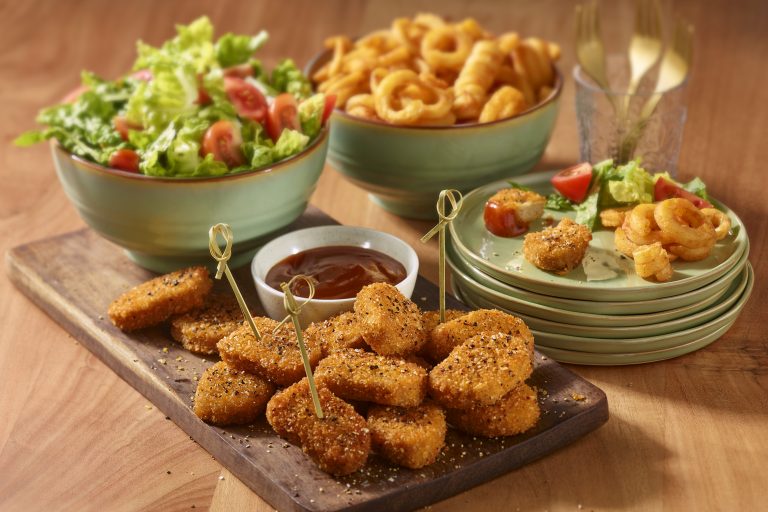
    Food company +Plant has launched a chicken nugget made of 50-per-cent chicken and 50-per-cent plant protein.

    The hybrid chicken nuggets are gluten-free, additive-free, and carry a four-star health rating.

    +Plant is part of The Positively Good Co, which aims to “bridge the gap and be the gateway” for people wanting to consume less meat and more plants. Other hybrid meat products in its range include Beef +Plant Meatballs, Lamb +Plant Meatballs and Chicken +Plant Tenders.

    Todd Robertson, founder of +Plant, says the hybrid chicken nuggets were created with the fussy eater in mind, giving it the same taste and texture as regular chicken nuggets but with the added benefit of vegetables.

    “My son was a great inspiration for the chicken nuggets because he is a fussy eater and loves his nuggets, but nutrition has always been a concern at mealtimes,” said Robertson. “We don’t have to worry anymore because he enjoys the taste of the +Plant nuggets, and I know he is still getting all of the nutrition he needs.”

    +Plant Chicken Nuggets are available for delivery through +Plant’s website or sold at Harris Farm Market, Brisbane, for RRP $7.99

  • Taco Bell makes Malaysian debut

    Taco Bell makes Malaysian debut

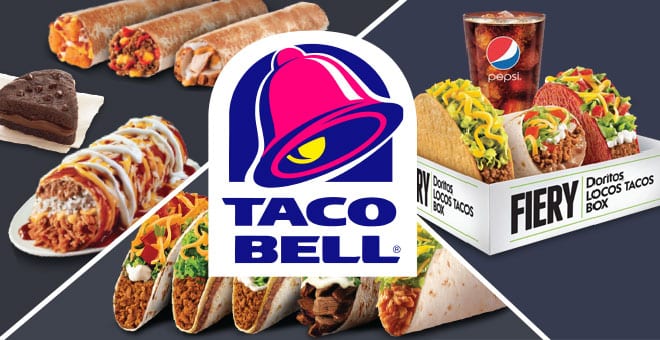
    Indulge your guilty pleasures with time-tested regret eating when Taco Bell opens its first Malaysian outlet next month at the Cottage Walk commercial center in Cyberjaya, Selangor.

    Rather than coming to Petaling Jaya as originally announced, the American fast-food chain, famous for cheap Tex-Mex cuisine often consumed to wash down a night of partying, will bring its cheese-heavy range of tacos, burritos, quesadillas, and nacho bowls to KL’s startup bros starting April 2.

    “Malaysians can look forward to an exciting and globally-famous Taco Bell experience which offers a twist to familiar Mexican favorites such as tacos, burritos, and more,” Taco Bell said in a press statement. The Cyberjaya outlet will be open 10 am to 10 pm daily for dine-in and takeaway.

    Of course, like most fast-food chains that have opened their doors in Malaysia, can we hope to see localized versions of Tex-Mex fare like rendang tacos as a Ramadan special, maybe?

    Although the California-based chain last year named Petaling Jaya for its first location, a company representative told Coconuts over the phone that renovation of the site is not completed.

    Dozens of Malaysians took to Twitter to express their glee.

    “Yeay! I always see this in movies but now it’s coming to Cyberjaya,” @Thewaterlilies wrote.

    Be careful what you wish for, as any of Taco Bell’s biggest fans would readily warn.

  • McDonald’s implements global inclusive workplace initiative

    McDonald’s implements global inclusive workplace initiative

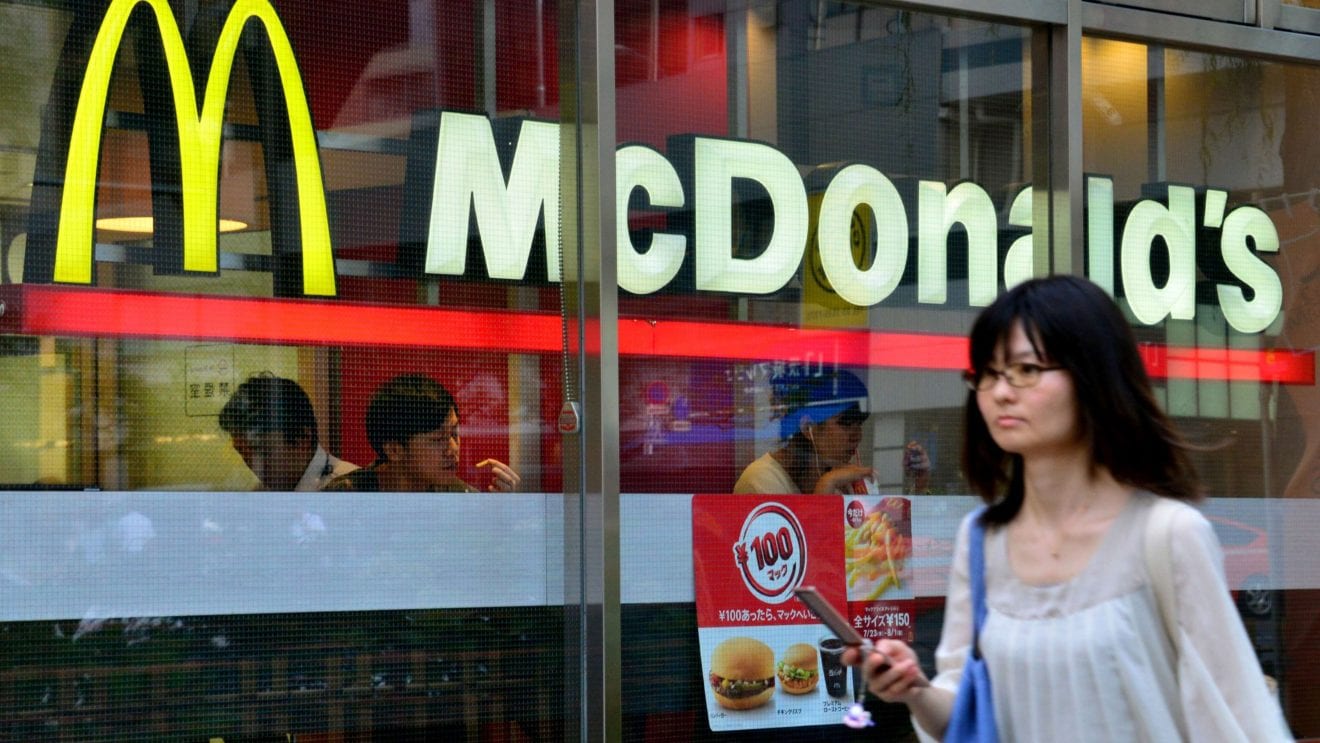
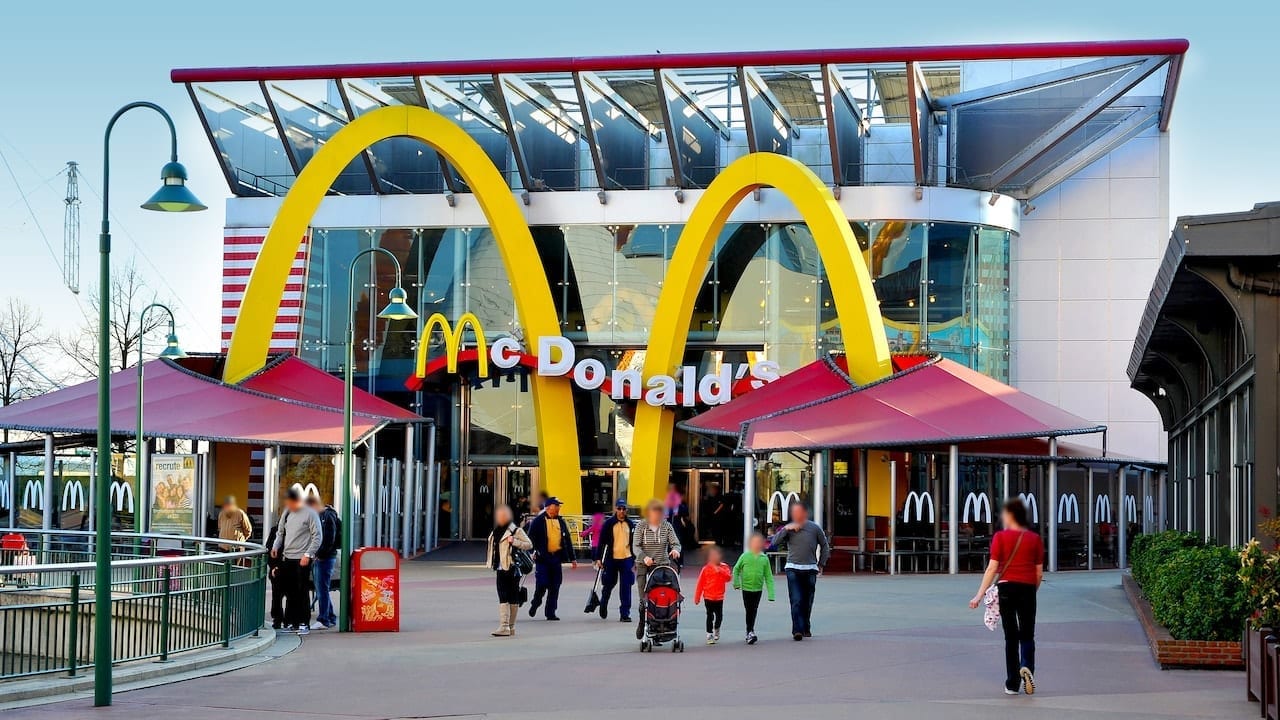
    McDonald’s has unveiled an initiative to foster safe and inclusive workplace it calls Global Brand Standards.

    The policy will focus on four main areas: harassment, discrimination, and retaliation prevention; workplace violence prevention; restaurant employee feedback; and health and safety. The company says the standards have been set to further ensure physical and psychological safety for its employees and customers.

    “There are no shortcuts to ensuring that people feel safe, respected, and included at a McDonald’s restaurant,” said Chris Kempczinski, president and CEO of McDonald’s. “Our new Global Brand Standards reinforce our commitment to living our values such that at every interaction, everyone is welcome, comfortable and safe.”

    These standards will be implemented across 39,000 McDonald’s restaurants in more than 100 countries. From January, restaurants will be assessed and held accountable in accordance with the applicable McDonald’s market’s business evaluation processes. Training and reporting mechanisms will be established.

    McDonald’s said it will work closely with independent and third-party experts to support the implementation of the standards for franchisees.

    “McDonald’s has a responsibility and an opportunity to use our tremendous scale to drive change globally,” said Reto Egger, speaker group chair of the European Franchisee Leadership Group (EFLG) and franchise owner.

    “These refreshed standards and heightened measures of accountability are central to our culture, our business goals and the need in our society to foster more respect, safety, and inclusion.”

  • McDonald’s implements global inclusive workplace initiative

    McDonald’s implements global inclusive workplace initiative

    McDonald’s has unveiled an initiative to foster a safe and inclusive workplace it calls Global Brand Standards.

    The policy will focus on four main areas: harassment, discrimination, and retaliation prevention; workplace violence prevention; restaurant employee feedback; and health and safety. The company says the standards have been set to further ensure physical and psychological safety for its employees and customers.

    “There are no shortcuts to ensuring that people feel safe, respected, and included at a McDonald’s restaurant,” said Chris Kempczinski, president and CEO of McDonald’s. “Our new Global Brand Standards reinforce our commitment to living our values such that at every interaction, everyone is welcome, comfortable, and safe.”

    These standards will be implemented across 39,000 McDonald’s restaurants in more than 100 countries. From January, restaurants will be assessed and held accountable in accordance with the applicable McDonald’s market’s business evaluation processes. Training and reporting mechanisms will be established.

    McDonald’s said it will work closely with independent and third-party experts to support the implementation of the standards for franchisees.

    “McDonald’s has a responsibility and an opportunity to use our tremendous scale to drive change globally,” said Reto Egger, speaker group chair of the European Franchisee Leadership Group (EFLG) and franchise owner.

    “These refreshed standards and heightened measures of accountability are central to our culture, our business goals and the need in our society to foster more respect, safety, and inclusion.”

  • Papa John’s launches in Cambodia

    Papa John’s launches in Cambodia

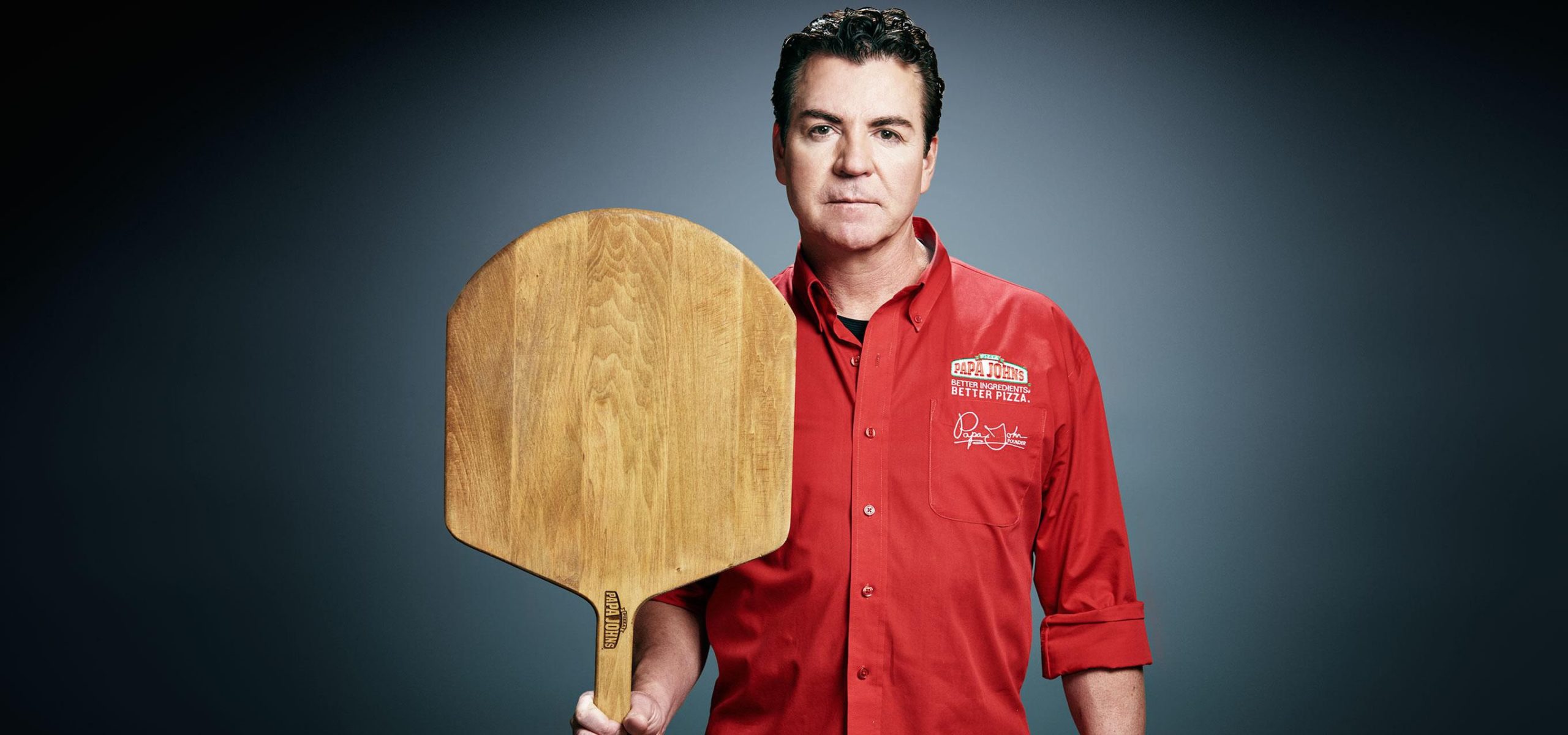
    US pizza chain Papa John’s is launching in Cambodia with 15 restaurants scheduled to open during the next three years. The company opened its flagship store in Phnom Penh last month.

    “Papa John’s Cambodia team is truly passionate about pizza,” said Peter Xu, Papa John’s Cambodia franchisee.

    “With our ‘Better ingredients – Better pizza’ promise, we look forward to providing local pizza lovers with quality products and outstanding services.”

    Xu also owns a Papa John’s franchise in New York and other business ventures in Cambodia.

    Jack Swaysland, Papa John’s COO, international, said that following a record year of sales and growth, Papa John’s is well-positioned to accelerate international development, a key pillar for the brand’s long-term growth.

    Papa John’s has restaurants in 48 countries, with the latest new openings in France, Spain, Tunisia, Iraq, the Netherlands, Morocco, Kazakhstan, Kyrgyzstan, Poland, the Bahamas, Pakistan, and Portugal. The company is eyeing expansion in Brazil, Japan, and Southeast Asia.

  • Taco Bell prepares to debut in two Southeast Asian markets

    Taco Bell prepares to debut in two Southeast Asian markets

    U.S. fast-food chain Taco Bell plans to double its international footprint with Asian markets as the main driver for overseas growth as awareness about Mexican cuisine grows, a senior executive said on Wednesday.

    The Mexican-inspired Yum! Brands subsidiary, which has 7,000 restaurants in the United States, will bring its overseas store count to “over 500 units this year with a goal of getting to a thousand units internationally in the next few years,” Liz Williams, President of Taco Bell International, said in an interview.

    Taco Bell retreated from Singapore in 2009. It returned to Japan in 2015 after withdrawing in the 1980s.

    “Consumers weren’t ready in terms of awareness and the brand wasn’t positioned right at the time,” she said.

    But thanks to a “heightened awareness” of Mexican food, broader palettes and brand exposure by millennials from more travel and technology, at least half of the new units will come from the Asia-Pacific region, she said.

    Taco Bell, which sells tacos and burritos, was also adding new flavors and items for local markets citing that its signature sauce was modified for its new store in Thailand, which will open on Thursday.

    “We’ve amped them up significantly,” Williams said, because research showed the sauce was not hot enough for Thai palette.

    Vinegar notes were also dialed down, which were said to be unpopular with locals, Williams said.

    Taco Bell, with franchise partner Thoresen Thai Agencies Pcl plans 40 stores in Southeast Asia’s second-largest economy by 2022.

    Last year it doubled store count in India to 32 and signed two franchise agreements for 110 new stores across Australia and New Zealand by 2024.

  • McDonald’s launches new growth strategy; beats profit estimates

    McDonald’s launches new growth strategy; beats profit estimates

    It will also debut a “McPlant” line of plant-based menu items, though it declined to say which suppliers it would use for faux burger, faux chicken and breakfast items. It previously tested a vegan “P.L.T.” burger by Beyond Meat in Canada.

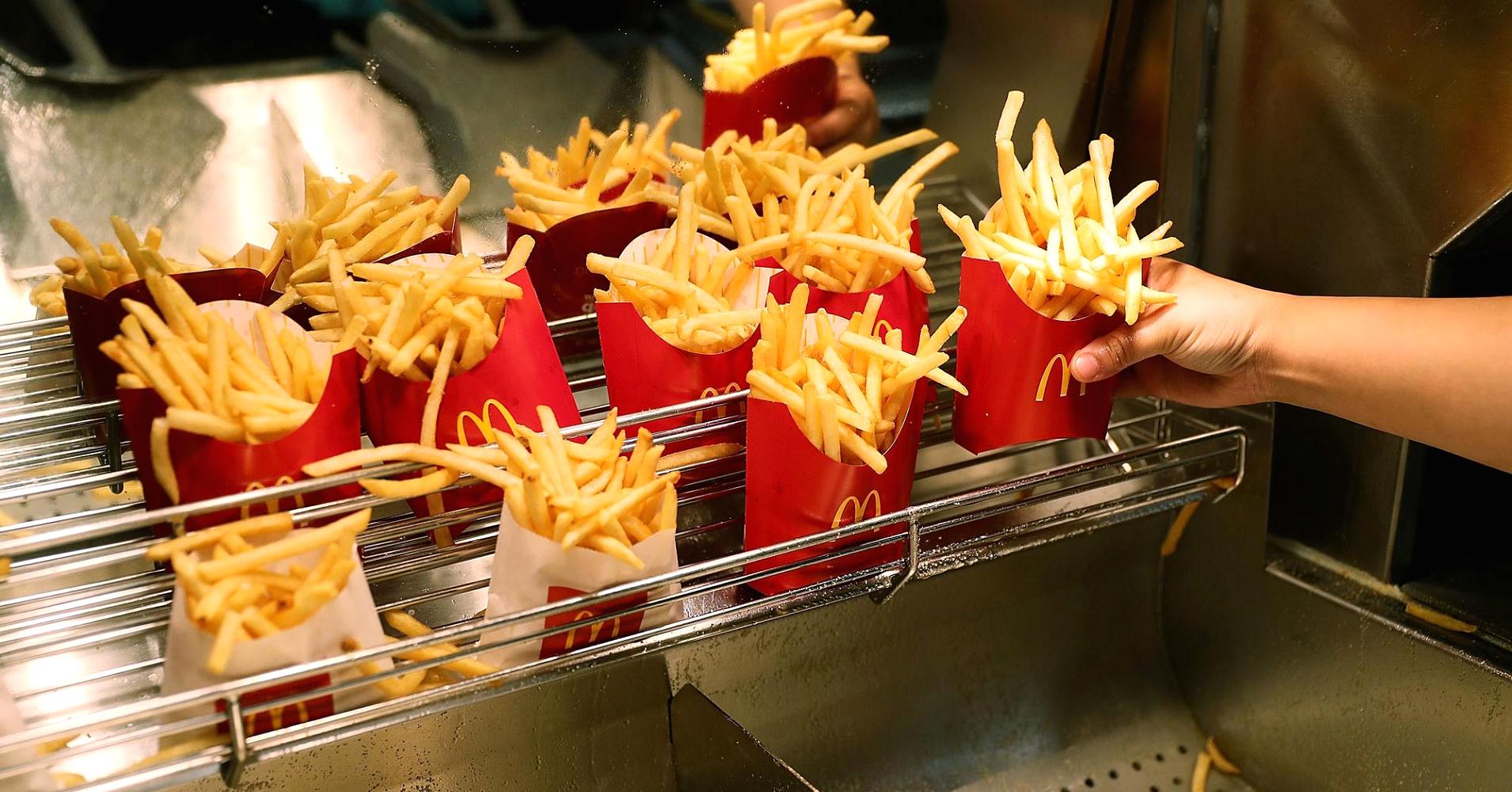
    The world’s biggest burger chain beat revenue and profit estimates for the third quarter on Monday as customers in the United States ordered more hamburgers and fries in drive-through outlets and on delivery apps to avoid dining out during the pandemic.

    Overall, global sales fell 2.2% in the quarter, an improvement over the previous quarter’s drop, as McDonald’s had already announced in an October update.

    The company’s limited-time promotional deal with rapper Travis Scott, which caused shortages of some ingredients, and other marketing investments also helped sales bounce back from pandemic lows.

    Through 2022, the chain plans to spend about $2.3 billion (£1.7 billion) on capital expenditure, about half of which will build new stores, with some of the rest used for remodels stalled by the pandemic.

    Next year, McDonald’s will focus on core products such as burgers, coffee and chicken, including a new Crispy Chicken Sandwich – something some franchisees have long sought in order to compete with the success of similar products at Popeyes, a unit of Restaurant Brands International and Chick-fil-A.

    It will also redesign its packaging globally. And soon, it will launch another growth driver that other chains have long had — a loyalty program.

    “MyMcDonald’s” digital program will allow customers who sign up to get tailored offers, the company said. A loyalty rewards program using the MyMcDonald’s program will start as a pilot in the coming weeks in Phoenix and next year across the United States.

    Finally, it will build some locations without any dining rooms to focus on carryout, drive-through and delivery only.

    Despite some sales recovery and better-than-forecast margins, the company is still pressured in key markets outside the United States, including France, Germany and Britain by new lockdown restrictions due to a spike in coronavirus cases.

    McDonald’s total revenue fell about 2% to $5.42 billion in the three months ended Sept. 30, largely recovering from the over 30% plunge posted in the second quarter.

    Analysts on average had estimated revenue of $5.40 billion, according to IBES data from Refinitiv.

    Net income surged 10% to $1.76 billion, helped by gains from the sale of a part of McDonald’s stake in its Japanese affiliate.

    Excluding those gains, the company earned $2.22 per share, beating estimates of $1.90.
  • Jollibee increases stake in Tim Ho Wan

    Jollibee increases stake in Tim Ho Wan

    Despite uncertainties in the food industry due to the coronavirus pandemic, Jollibee Foods Corporation is increasing its stake in the ultimate holding entity of popular restaurant chain Tim Ho Wan.

    Through its subsidiary Jollibee Worldwide, it increased its stake in the Michelin-starred restaurant to 85% from 60% by purchasing the 25% interest of Aragon Investments in Titan Dining, the private equity fund and ultimate holding entity of Tim Ho Wan.

    The transaction worth SGD36.3 million to be paid in cash is expected to be completed on October 30.

    In May 2018, Jollibee invested SGD45 million in Titan Dining, representing a 45% stake. The deal gave Jollibee an opportunity to acquire a “substantial ownership” in the dim sum restaurant chain’s master franchisee in the Asia Pacific in 7 years.

    When the deal was made, Tim Ho Wan and its affiliate Dim Sum Pte Ltd, which owns and operates Tim Ho Wan stores in Singapore, also had franchisees in Cambodia, Indonesia, Japan, Macau, Taiwan, Thailand, Vietnam, Australia, and the Philippines.

    In October 2019, Jollibee increased its investment to SGD120 million, representing a 60% stake.

    Jollibee then opened the first Tim Ho Wan restaurant in China in September 2020.

    Jollibee currently has 3,247 restaurants in the Philippines and 2,566 stores overseas.

  • US chain The Habit Burger Grill launches in Cambodia

    US chain The Habit Burger Grill launches in Cambodia

    Over 50 years ago, America’s best tasting burger was born in Santa Barbara, California, and now the award-winning taste of The Habt Burger Grill will be opening its newest international location in Cambodia on October 21st! The California-based restaurant company renowned for its award-winning Charburgers grilled over an open flame, signature sandwiches, fresh-cut salads, and more announces the highly anticipated opening in the center of Phnom Penh, the capital of Cambodia, at the Tela Toul Kork Station.

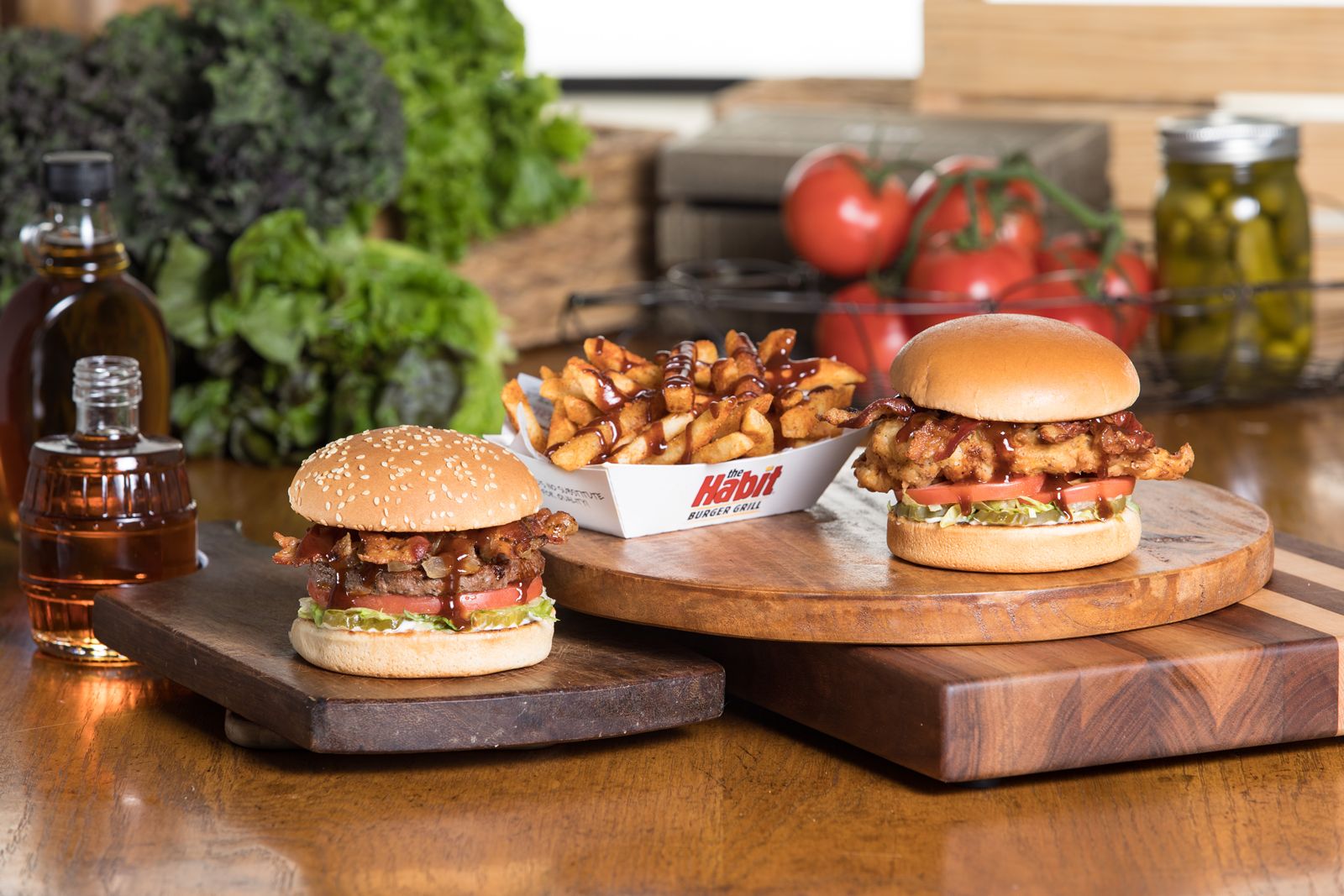
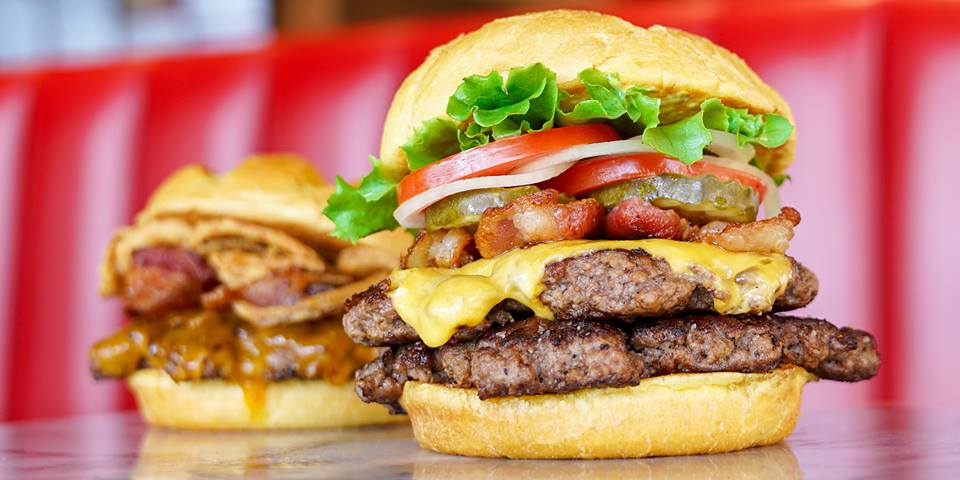
    The Habit Burger Grill is California’s best-kept secret, as it’s been awarded various food-focused awards in the United States. At the center of The Habit’s menu is the signature Charburger, made with a fresh 100% ground beef patty, chargrilled over an open flame for a unique smoky flavor, and topped with cheese, caramelized onions, pickles, fresh tomato slices, crisp lettuce, and mayo served on a toasted bun. The Habit has been serving the best tasting burger in America in exactly this way since 1969.

    “We are excited to continue The Habit Burger Grill’s international expansion by joining forces with our new franchise partner Kampuchea Tela Company, LTD to open our first location in Cambodia. We look forward to creating new Habit fans by inviting them to enjoy our handcrafted chargrilled food delivered with best-in-class hospitality and in a welcoming Southern California environment,” said Iwona Alter, Chief Brand Officer at The Habit Burger Grill.

    This marks as The Habit’s second international expansion with eight restaurants open in China today. This is just the beginning, The Habit is partnering with Kampuchea Tela Company, LTD to develop and operate restaurants throughout the Kingdom of Cambodia.

    In anticipation of The Habit’s grand opening, local guests are invited for an exclusive sneak peek of the menu. The first 200 guests per event on October 16 and 17th between 11:30a.m. – 1:30p.m. and 5 p.m. – 7p.m will receive a complimentary Charburger, French fries, and drink. Upon opening, this two-story location will offer dine-in and takeout.

    With its cooked-to-order mantra and creative culinary culture, The Habit Burger Grill’s open flame sears a distinctive smoky flavor into their already famous Charburgers, fresh marinated chicken, sushi-grade Ahi tuna, and USDA Choice tri-tip steaks. The Habit also has an incredible selection of sides to choose from as well as delicious hand-spun frozen treats. Guests at The Habit Burger Grill can always count on freshly-made, the handcrafted quality served up with genuine hospitality.

  • Top fried chicken restaurant chains post growth

    Top fried chicken restaurant chains post growth

    Vietnam’s three most popular fried chicken restaurant chains earned combined revenues of VND4.3 trillion ($185.5 million) last year, up more than 11 percent year-on-year. South Korean brand Lotteria recorded the highest revenues at VND1.68 trillion ($72.5 million), up nearly 8 percent year-on-year. It has the highest number of outlets in Vietnam at over 210 in more than 30 localities.

    Lotteria’s performance was an improvement with over the 2 percent growth rate recorded in 2018 and 2017, but smaller than the double-digit rate it enjoyed from 2014-2016.

    It was followed by American brand KFC with revenues of nearly VND1.5 trillion ($64.3 million), up 1.3 percent year-on-year. In 2018 and 2017 its growth rate was 7.5 and 18.3 percent respectively.

    KFC, the earliest of the three to enter Vietnam, has over 140 outlets in 32 localities. In third place, with revenues of VND1.1 trillion, was a Filipino brand Jollibee. With over 100 outlets, Jollibee posted the highest growth of the three at over 40 percent year-on-year.

    In the last three years, its annual growth rate has averaged over 37 percent, several times that of KFC and Lotteria. But of the three chains, only KFC posted a pre-tax profit of VND102 billion last year, its fourth consecutive profit-making year.

    Both Lotteria and Jollibee have been reporting losses in the last five years. Last year, the two chains reported losses of VND22 billion and VND10 billion, respectively.

    Market observers have attributed the slower growth of fast-food chains in recent years to changing eating habits among the Vietnamese, who are prioritizing health over convenience.

    Market research firm Nielsen had said earlier in a report that there was an increasing percentage of Vietnamese identifying health as a sign of success instead of richness. The rising number of food contamination cases and environmental issues have also prompted people to care more about health issues, it said.

    In 2018, there were 7,000 fast food outlets in Vietnam, a relatively insignificant number considering there are around 540,000 food and beverage businesses comprised of 430,000 street vendors, 80,000 restaurants, and 22,000 cafes and bars, according to Dcorp R- Keeper, a global company which provides technological solutions to food and beverage businesses.

  • Popeyes may immediately stop all operations in South Korea

    Popeyes may immediately stop all operations in South Korea

    American fast-food chain Popeyes said it is to withdraw business from South Korea, however, the local franchisee TS Corporation has denied the report.

    According to The Korea Times, reports of the exit began when a memo was written by a Popeyes’ employee headed “Popeyes brand will no longer pursue business in Korea as of November” went viral on social media. The employee’s memo went into detail, to the point of stating that the chain’s Gwangjin-gu branch would be the last to close before the brand ceases its operations in South Korea.

    A spokesperson from TS Corporation confirmed that some of the restaurants will shut down – but not all of them. The person didn’t share any further information except to state that the company will continue to operate the brand there.

    The struggling fast-food chain has been attempting to turn its fortunes around for two years, however, the process has not gone smoothly.

    Having entered South Korea with TS Food & System in 1993, the company recorded an impaired equity ratio of 40 percent, and last year it was in negative equity.

    Local media said Popeyes has recently been in negotiations with another operator to increase the brand’s value. That company is believed to be SPC Group, which operates Shake Shack and Eggslut in the country, but that has not been confirmed.

  • Lotte seeks to carve TGI Friday’s out as part of restructuring excercise

    Lotte seeks to carve TGI Friday’s out as part of restructuring excercise

    Lotte is moving to divest its TGI Friday’s restaurant chain rights in South Korea as it restructures its business portfolio. Lotte will split the business and sell off shares to new investors, having already spun off the chain’s assets and debts. The group has been badly affected by the Covid-19 pandemic, with a sales drop equivalent to US$140.4 million during this year’s second financial quarter, 18.2 percent down from last year’s results. Of all Lotte GRS chains, only Lotteria seems to be making profits, according to observers in the industry.

    The groups’ flagship Lotte Shopping will close up to 120 physical outlets under various brands this year during its retail business restructure, while its online business continues to expand.

    “It is time for a self-scrutiny on our business practices so far, and CEOs must aware that the priority is streamlining their current business processes,” said Lotte Chairman Shin Dong-bin. “While doing so, companies should make greater efforts to make innovations in a long-term perspective.”

    Lotte has operated TGI Friday’s within the territory since 2002, opening venues within the group’s shopping malls. There are currently 21 outlets in operation, less than half that were running at the peak of its popularity back in 2013.