Tag: fuel

  • Global Tensions Fuel Surge in Vietnam’s Gasoline Prices

    Global Tensions Fuel Surge in Vietnam’s Gasoline Prices

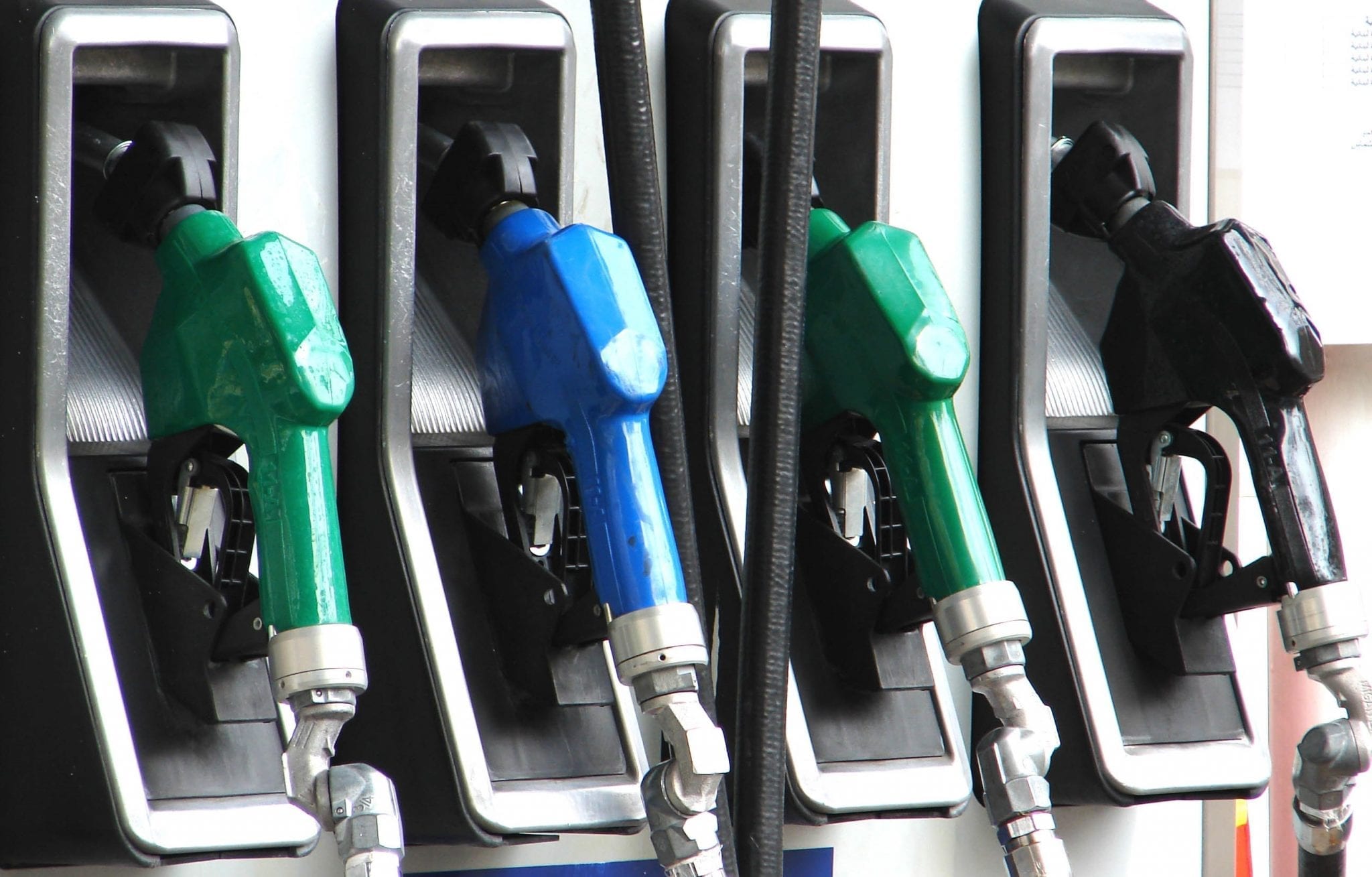
    On Thursday, petrol prices in Vietnam saw a significant hike due to a surge in global fuel prices. The country’s most widely consumed fuel, E10 RON95, experienced a 4.28% price rise, bringing its cost to VND21,430 (US$0.81) per litre.

    There were similar increases across other types of fuel. Biofuel E5 RON92 saw a 5.35% increase, raising its price to VND20,880. Diesel prices saw the most substantial jump, with a 10.5% increase taking the cost to VND25,760 per litre.

    Global Market Trends

    These price hikes have been attributed to the shifting conditions of global fuel markets, which have been trending higher in recent times. The surge in global fuel prices has been exacerbated due to escalating political tensions and conflicts, including those between the U.S. and Iran. In addition, the maritime blockade declared by the Houthi movement in the Red Sea has also contributed to the upward price trends.

    The rise in international fuel prices has had a global impact. For instance, RON95 gasoline prices rose by 11.4% to $115.5 per barrel, while diesel saw a 10.8% increase, taking its price to $150.9 per barrel. Fuel oil, also known as mazut, also experienced a significant increase, climbing by 12.3% to a staggering $546.3 per ton.

    Questions & Answers

    What led to the increase in Vietnam’s fuel prices?
    The increase in fuel prices in Vietnam was a direct result of the surge in global fuel prices, which has been driven by escalating political tensions and conflicts.

    How much did the price of the most popular fuel in Vietnam increase?
    The price of E10 RON95, the most popular fuel in Vietnam, increased by 4.28% to VND21,430 (US$0.81) per litre.

    What are the current global market trends for fuel prices?
    Fuel prices are currently trending higher globally, mainly due to escalating political tensions and conflicts, including the U.S. and Iran conflict, and the maritime blockade declared by the Houthi movement in the Red Sea.

  • Gasoline Takes a Dip while Diesel Climbs: Fuel Price Fluctuations Amid Global Tensions

    Gasoline Takes a Dip while Diesel Climbs: Fuel Price Fluctuations Amid Global Tensions

    On Thursday afternoon, fluctuations in global rates resulted in a decrease in gasoline prices and an increase in diesel prices. The popular gasoline variant, E10 RON95, saw a 2.01% drop pricing it at VND20,000 (US$0.76) per liter.

    Diesel Prices Rise as Biofuel Demand Increases

    Contrarily, diesel prices experienced a 2.73% surge, amounting to VND21,740. Despite the recent increase, the cost of diesel has seen a significant reduction, dropping by half from its peak price in April of this year. In addition, Biofuel E5 RON92 saw a 2.69% increase, bringing the price to VND19,190.

    Global fuel prices have been considerably influenced by recent tensions in U.S.-Iran relations, as reported by the Ministry of Industry and Trade and the Ministry of Finance. Over the last week, the price of RON95 fell 2.6% to $97.5 per barrel, while diesel prices increased 4.2% to $116.5 per barrel. The cost of Mazut also decreased by 1% to $428.3 per ton.

    Vietnam’s Fuel Consumption Trends

    Vietnam authorities have announced that they will continue to eliminate fuel-related taxes, excluding the special consumption tax, through the end of September. Following the widespread introduction of E10 gasoline just a month ago, Vietnam has reported a consumption of approximately 980 million liters of biofuel gasoline. Out of this total, E10 gasoline made up for 924 million liters or 96%.

    Questions & Answers

    What changes were observed in the fuel prices recently?
    Gasoline prices fell by 2.01%, while diesel prices increased by 2.73%.

    What factors are influencing the global fuel prices?
    The recent U.S.-Iran tensions have had significant impacts on the global fuel prices.

    What has been the consumption trend for biofuel gasoline in Vietnam?
    In the past month, Vietnam consumed around 980 million liters of biofuel gasoline, out of which E10 gasoline accounted for 96%.

  • Global Uncertainties Trigger Gasoline Price Tumble in Vietnam: Implications for U.S.- Iran Peace Talks

    Global Uncertainties Trigger Gasoline Price Tumble in Vietnam: Implications for U.S.- Iran Peace Talks

    In Vietnam, gasoline prices experienced a minor decrease on Thursday amidst the ongoing global price instability due to the uncertainties surrounding the peace talks between the U.S. and Iran. E10 RON95, a commonly used fuel, saw a 3.73% drop, bringing its price down to VND20,410, or $0.78, per liter.

    The biofuel E5 RON92 also recorded a decline of 5.05%, reducing its cost to VND19,730 per liter. Diesel, another widely used fuel, fell by 3.16% to VND21,170 per liter.

    Global Fuel Price Fluctuations

    Over the past week, global fuel prices have demonstrated mixed trends when compared to the previous week. These fluctuations are, in part, due to the ongoing negotiations between the U.S. and Iran, as stated by the Ministry of Industry and Trade and the Ministry of Finance.

    In an effort to minimize the impact of the escalating conflict in the Middle East on its economy, Vietnam has made a decision to continue its zero-tax policy on petroleum products until the end of September. However, the special consumption tax on gasoline will remain in place.

    Following the introduction of E10 gasoline for mass sale, approximately 980 million liters of biofuel have been consumed across the country in the first month. Out of this total, E10 accounted for a whopping 924 million liters, or 96%, while E5 consumption amounted to about 56 million liters.

    Steps to Ensure Continuous Fuel Supply

    In light of the persistent uncertainty in global energy markets, the Domestic Market Management and Development Agency under the Ministry of Industry and Trade has directed fuel importers and distributors to formulate supply plans. The goal is to ensure a steady availability of fuel across all distribution networks.

    There has also been an instruction for businesses to avoid hoarding fuel in anticipation of price hikes or supply disruption. The businesses are required to guarantee adequate deliveries to retail gas stations, particularly in remote and rural areas.

    Questions & Answers

    What caused the decrease in fuel prices in Vietnam?
    The decrease in fuel prices in Vietnam is due to the ongoing global price instability caused by uncertainties in the U.S.-Iran peace talks.

    How is Vietnam dealing with the impact of the conflict in the Middle East?
    To mitigate the impact of the conflict in the Middle East, Vietnam is continuing its policy of zero tax on petroleum products until the end of September, with the exception of the special consumption tax on gasoline.

    What measures are being taken to ensure continuous fuel supply in Vietnam?
    The Domestic Market Management and Development Agency has instructed fuel importers and distributors to develop supply plans to ensure uninterrupted fuel availability across their networks. They have also been instructed not to hoard fuel in anticipation of price increases or disrupt supply and to ensure adequate deliveries to retail gas stations, especially in remote and rural areas.

  • Golden Goose Leaps Forward: Chinese and Singaporean Investments Fuel Luxury Brands Global Expansion

    Golden Goose Leaps Forward: Chinese and Singaporean Investments Fuel Luxury Brands Global Expansion

    Italian luxury brand, Golden Goose, has recently gone through a significant change in ownership. A majority stake in the company is now held by Chinese private equity firm HSG, while Singapore’s investment firm, Temasek, has also joined as a minority shareholder. This move followed the necessary regulatory approvals, and while the financial specifics remain undisclosed, existing investor Permira has retained a minority stake.

    A New Chapter for Golden Goose

    The revamped ownership structure is poised to support the next phase of Golden Goose’s worldwide expansion, faithfully retaining the company’s focus on Italian craftsmanship and its direct-to-consumer retail model. Silvio Campara will maintain his position as CEO, managing the company in association with the existing management team. Effective immediately, former Gucci CEO, Marco Bizzarri has been appointed as the non-executive chairman of the company.

    Campara expressed his confidence in the new investors, stating that their vast experience in scaling international luxury brands and driving innovation will propel Golden Goose in achieving its global aspirations. He is anticipating benefiting from their expertise as they advance towards realizing their international ambitions and introducing Golden Goose to more “Dreamers” around the world.

    Campara added, “This investment is a testament to our unique model and the global appeal of our brand. It will aid us in unlocking Golden Goose’s full potential, establishing it as a leading Next Gen luxury brand.”

    Golden Goose’s Expansion over the Years

    Golden Goose has witnessed remarkable growth under the ownership of Permira, with its global retail presence now spanning 232 stores across Asia-Pacific, Europe, and the Americas. The brand has also boosted its direct-to-consumer business and invested in experiential retail concepts, including its signature in-store co-creation services, as it continues to expand its international presence.

    Questions & Answers

    What is the new ownership structure of Golden Goose?
    The luxury brand Golden Goose is now primarily owned by the Chinese private equity firm HSG, with Temasek, a Singaporean investment firm, and Permira as minority shareholders.

    Who will lead Golden Goose under the new ownership?
    Silvio Campara will continue to serve as CEO of Golden Goose, working alongside the existing management team. Marco Bizzarri, former Gucci CEO, has been appointed as the non-executive chairman.

    What are the future expansion plans of Golden Goose?
    Under the new ownership, Golden Goose plans to further expand its worldwide presence while maintaining its focus on Italian craftsmanship and its direct-to-consumer retail model. The company also plans to leverage the experience of its new investors to scale the brand and drive innovation.

  • UOB Private Bank Taps Dennis Hong to Fuel North Asias Wealth Management Expansion

    UOB Private Bank Taps Dennis Hong to Fuel North Asias Wealth Management Expansion

    United Overseas Bank (UOB) Private Bank has announced the appointment of Dennis Hong to the position of Regional Market Head for Greater China and North Asia, commencing in September 2026. This decision aligns with UOB’s ongoing plan to fortify its wealth management sector and tap into the increasing cross-border wealth traffic between Greater China and ASEAN.

    Hong’s Role and Responsibilities

    Hong’s new assignment will see him spearheading the advancement and strategic planning of UOB Private Bank’s operations in Greater China and North Asia. He will be managing principal markets such as China, Hong Kong, Taiwan, and Japan. Hong’s responsibilities will encompass the formulation of market strategies, expansion of client base, enhancement of advisory services, and supervision of regional teams. All these efforts are directed towards fostering client relationships and facilitating consistent business growth.

    Hong enters his new role at UOB Private Bank with a wealth of knowledge and experience in private banking and wealth management. His most recent position saw him guiding an Asia-Pacific private banking division, which emphasized the Greater China and North Asia markets. Hong has demonstrated his skills in building and managing significant teams, creating market propositions, and promoting business growth across major regional markets throughout his career. Hong will be stationed in Singapore, reporting directly to Chew Mun Yew, the Head of UOB Private Bank.

    UOB Private Bank’s Growth Strategy

    UOB Private Bank has confirmed that the Greater China market will continue to be a fundamental component of its regional growth strategy. This approach is particularly relevant as clients are increasingly seeking integrated wealth, investment, and financing solutions across various jurisdictions.

    The bank also intends to bolster its value proposition for high-net-worth (HNW) and ultra-high-net-worth (UHNW) clients, demonstrating its commitment to providing superior financial services and ensuring customer satisfaction.

    Questions & Answers

    What is the role of Dennis Hong at UOB Private Bank?
    Dennis Hong has been appointed as the Regional Market Head, Greater China and North Asia. His responsibilities include leading the growth and strategic development of the bank’s operations in these regions.

    What experience does Dennis Hong bring to his new role at UOB Private Bank?
    Hong has extensive experience in private banking and wealth management. He has previously led an Asia-Pacific private banking franchise with a strong focus on Greater China and North Asia.

    What is UOB Private Bank’s growth strategy for the Greater China market?
    UOB Private Bank has identified the Greater China market as a key pillar of its regional growth strategy. The bank aims to meet the growing demand for integrated wealth, investment, and financing solutions across multiple jurisdictions.

  • Fuel Frenzy: Indonesia Suffers Sudden 32% Surge in Popular Gasoline Prices Amidst Middle East conflict

    Fuel Frenzy: Indonesia Suffers Sudden 32% Surge in Popular Gasoline Prices Amidst Middle East conflict

    In response to the ongoing conflict in the Middle East, Indonesian public corporation Pertamina has substantially elevated its fuel prices, marking the first rise since hostilities commenced. The price of 92-octane gasoline, popularly referred to as Pertamax and frequently used by Indonesia’s middle class, rose from Rp12,300 per liter to Rp16,250. This represents a substantial 32.1% increase.

    Pertamax Green, a 95-octane fuel variant mixed with ethanol, underwent a similar increase, with the price rising from Rp12,900 to Rp17,000 per liter, registering a 31.8% increment. It’s noteworthy that Pertamax fuels typically do not receive subsidies, and it remained unclear if Pertamina would receive compensation for managing to keep the prices constant since the conflict erupted.

    Financial Implications and Public Reaction

    The decision to implement these price increases was made following Bank Indonesia’s surprising move to increase interest rates for the second time within a month. This move was intended to bolster the nation’s economic health, especially considering that budget data from last week revealed a 208% surge in fuel, power, and fertilizer subsidies from the previous year.

    Finance Minister Purbaya Yudhi Sadewa opined that the inflationary impact of these price hikes would probably be minimal, given that these fuels are not typically used for public transportation. However, the annual headline inflation rate had already spiked to a record eight-month high of 3.08% in May.

    Radhika Rao, a senior economist at DBS Bank, stated that the fuels impacted by these changes represent approximately 7% of domestic fuel sales and 7.5% of energy usage in the transportation sector in 2023. She suggested that due to these changes, both monetary and fiscal policies should adopt a defensive approach to bolster the economy.

    The sudden increase in fuel prices came as a shock to many, with Masgal Carta, a resident of Bandung, West Java, expressing his concern over the financial strain that this could impose. He noted, “My earnings have remained static, but the prices of basic commodities have begun to rise, and now the cost of fuel, our primary mode of transportation to work, has also increased unexpectedly.”

    However, the price of the subsidized 90-octane fuel, known as Pertalite, remained unchanged, as confirmed by Pertamina.

    Questions & Answers

    What are the new prices for Pertamax and Pertamax Green fuels?
    The price of Pertamax fuel has risen to Rp16,250 per liter, while Pertamax Green now costs Rp17,000 per liter.

    What is the projected inflationary impact of these price increases?
    Finance Minister Purbaya Yudhi Sadewa believes that the inflationary impact of these price increases will be kept in check as these fuels are not typically used in public transportation.

    How have the price hikes affected everyday consumers?
    The sudden price increase has contributed to the financial pressure on consumers, with some expressing shock and concern over the possible tightening of their personal budgets.

  • Iran Conflict Stalls China’s E-commerce Wave: Surging Fuel Costs and Dwindling Demand Spell Trouble for Online Giants

    Iran Conflict Stalls China’s E-commerce Wave: Surging Fuel Costs and Dwindling Demand Spell Trouble for Online Giants

    China’s e-commerce export sector is facing difficulties due to increasing jet fuel costs and a decrease in demand from lower-income consumers in the West. These challenges have arisen as a result of the ongoing conflict in Iran, which is affecting profits for major online platforms such as Temu, Shein, and AliExpress.

    The Evolving Business Model

    These companies, many of whom have business models that rely on the transportation of inexpensive goods from Chinese factories to global consumers, have been under stress since the introduction of tariffs by former U.S. President Donald Trump. The additional tariffs and the removal of customs waivers on low-value packages have put further pressure on these companies.

    Added to this, escalating logistics costs as a result of the Middle East conflict are making things more complicated. Shippers like DHL Express are now imposing significant fuel surcharges. As a result, China’s low-cost e-commerce exports experienced a decrease of 10.9% in April, which marks the fifth consecutive month of declines year on year.

    For example, Diana Qiao, a seller of women’s clothing on Temu, found it necessary to raise her selling prices due to an increase in shipping costs per garment. Qiao shared that the added cost is ultimately passed on to the consumer, a measure that was taken to protect her profit margins.

    Changing Strategies

    The decrease in export values is not only indicative of the cost squeeze but also suggests that the era of rapid growth for these large, low-cost shopping platforms may be coming to an end. These companies are likely shifting towards storing more products in warehouses for local dispatch, instead of having everything shipped directly from China.

    Shein, for example, has been increasing its warehouse capacity in Europe. The company recently opened its third warehouse in Cannock, near Birmingham in the UK. AliExpress, owned by Alibaba, confirmed its commitment to maintaining competitive pricing for its consumers and providing a stable environment for sellers and consumers, despite the fluctuating global transportation costs.

    Although exports are still higher than they were two years ago, future growth may be more challenging for companies like Shein and Temu. Both companies have already established significant market shares, and the rise in petrol prices is impacting household budgets in the US and Europe.

    Questions & Answers

    What factors are impacting China’s e-commerce export sector?
    The sector is being affected by increasing jet fuel costs and decreased demand from lower-income consumers in the West, stemming from the ongoing conflict in Iran.

    How are e-commerce companies adjusting to these challenges?
    Companies are likely shifting towards storing more products in warehouses for local dispatch, instead of having everything shipped directly from China.

    What are the future prospects for growth in this sector?
    Although exports are still higher than they were two years ago, future growth may be more challenging due to factors such as rising petrol prices and established market shares by big companies.

  • Singapore’s Retail Boom: Surging Petrol Prices Fuel Accelerated Growth in April

    Singapore’s Retail Boom: Surging Petrol Prices Fuel Accelerated Growth in April

    In April, Singapore’s retail sales growth accelerated, with most sectors, especially petrol service stations, experiencing significant advancements.

    The Department of Statistics reported a 4.5% rise in retail sales, excluding motor vehicles, parts, and accessories. This increase builds upon the revised 3% growth seen in March. The estimated total value of retail sales touched SG$3.6 billion (US$2.8 billion), with online sales accounting for 18.2% of this figure. On a seasonally adjusted basis, retail sales in April increased by 0.4% compared to the previous month.

    Strong Sector Performances Drive Growth

    The surge in April’s retail sales was fueled by robust performances across most sectors. Petrol service stations observed a substantial year-on-year growth of 14.4%, primarily attributable to increased fuel prices resulting from the Middle East conflict. The recreational goods sector followed closely, registering a sales growth of 12.3%.

    Several other sectors, including apparel and footwear, cosmetics and toiletries, supermarkets and hypermarkets, and optical goods and books, also posted robust improvements, with growth figures ranging between 5% and 8%.

    Conversely, department stores and food and alcohol retailers experienced a slight dip in sales, recording declines of 1.1% and 0.1% respectively.

    Moderate Increase in Food and Beverage Services

    In the food and beverage services sector, sales marginally increased by 0.4% in April, showing a slowdown from the 2.3% growth observed in March. The total sales value of food and beverage services was estimated at SG$1.5 billion, with nearly one-fifth of this amount generated from online sales.

    Questions & Answers

    Which sector experienced the most significant growth in retail sales in Singapore in April?
    The petrol service stations sector saw the most substantial growth, with a year-on-year increase of 14.4%.

    What were the total estimated retail sales in Singapore in April?
    The total estimated retail sales value in Singapore in April was SG$3.6 billion (US$2.8 billion).

    How did the food and beverage services sector perform in Singapore in April?
    The food and beverage services sector saw a moderate increase in sales of 0.4% in April.

  • Vietnam Fuel Prices Plunge Amid Global Rate Fall: Transition to Green Energy in Focus

    Vietnam Fuel Prices Plunge Amid Global Rate Fall: Transition to Green Energy in Focus

    In response to decreasing global rates, Vietnam has adjusted its fuel prices downwards as of Thursday afternoon. RON95 gasoline, the country’s most commonly used fuel, decreased by 5.4%, taking it from its price last week to VND24,150 (US$0.54) per liter. Other fuels have also seen a reduction in their prices: Biofuel E5 RON92 has dropped 4.5% to VND23,250, while Diesel has witnessed a 3.9% decline to VND27,650.

    Global Fuel Market Influences

    The global fuel market has experienced substantial changes recently due to a variety of factors. These include the ongoing negotiations between the U.S. and Iran and the increased U.S. inflation, which is driven by significant fluctuations in energy prices. This information is based on reports from the Ministry of Industry and Trade and the Ministry of Finance. For instance, RON95 gasoline saw a decrease of 9.2%, bringing it to $127 per barrel, diesel dropped 5.5% to $146.70, and mazut decreased by 9.2%, making it US$655.20 per ton.

    New Fuel Sales and Implementation

    Starting June 1, E10 RON95 gasoline will be available for sale on a larger scale, replacing the mineral-based RON 95. E5 RON92 gasoline will remain available until the end of 2030. The Deputy Minister of Industry and Trade, Nguyen Sinh Nhat Tan, stated that the decision to sell mineral-based gasoline and biofuel simultaneously over the past few years was intended to assist the market in adjusting gradually and to support businesses in enhancing their distribution infrastructure.

    However, Tan also mentioned that based on international experience, maintaining a large variety of fuel types over an extended period could lead to higher logistics, storage, and distribution costs, difficulties for retailers, and a reduction in the effectiveness of transitioning to green energy. He reassured that the switch to E10 gasoline has been well assessed by regulators and does not impose restrictions or limit consumers’ choices. According to compatibility assessments, most cars and motorcycles in Vietnam can use E10 gasoline, as per manufacturers’ recommendations.

    Questions & Answers

    What are the new prices of various fuels in Vietnam?
    The price of RON95 gasoline has dropped 5.4% to VND24,150 per liter, Biofuel E5 RON92 has fallen 4.5% to VND23,250, while Diesel has declined 3.9% to VND27,650.

    What will replace mineral-based RON 95, and when will this happen?
    E10 RON95 gasoline will replace mineral-based RON 95 starting June 1. E5 RON92 gasoline will continue to be sold until the end of 2030.

    What potential problems could arise from maintaining a variety of fuel types for a long period?
    According to Deputy Minister of Industry and Trade Nguyen Sinh Nhat Tan, maintaining a variety of fuel types for an extended period could lead to issues such as increased logistics, storage, and distribution costs, difficulties for retailers, and reduced effectiveness in transitioning to green energy.

  • Malaysia Contemplates Axing Fuel Subsidies for Wealthier Citizens: A Strategic Move Towards Economic Resilience

    Malaysia Contemplates Axing Fuel Subsidies for Wealthier Citizens: A Strategic Move Towards Economic Resilience

    The Malaysian government is currently evaluating a proposal aimed at revising petrol subsidies for the country’s high-income households. This proposition was initially presented roughly four weeks ago and has been under close scrutiny by the respective authorities over the past three weeks.

    Government’s Standpoint on the Proposal

    Malaysia’s Prime Minister, Anwar Ibrahim, disclosed that a final resolution has not yet been reached on the matter. Although, he emphasized that fundamentally, the government concurs with the necessity to reassess the subsidy system for higher-income Malaysians. The government is expediting efforts to finalize the proposal at the earliest.

    The consideration of this revision comes in response to increasing demands for the realignment of the nation’s fuel subsidy policy. The goal is to ensure that aid is appropriately directed towards the deserving recipients.

    Public voices are advocating for the exclusion of high-income groups from receiving subsidies on RON95 petrol. They suggest that this support should be redirected towards middle- and lower-income groups who are feeling the brunt of escalating living expenses.

    The Need for Proposal in Present Economic Climate

    The proposal is seen as a critical requirement in the prevailing economic environment. It is expected to aid in effectively utilizing national resources and bolstering the country’s resilience against global economic uncertainties.

    Questions & Answers

    Why is the Malaysian government considering a revision of petrol subsidies for high-income earners?
    The government is considering the revision in response to increasing calls for a realignment of the fuel subsidy policy, aiming to ensure aid is properly directed towards deserving recipients.

    What are some of the reasons driving the demand for this revision?
    Public voices have been advocating for the exclusion of high-income groups from receiving subsidies on RON95 petrol. They suggest that this support should be redirected towards middle- and lower-income groups who are comparatively more affected by the rising cost of living.

    What is the expected outcome of this proposal?
    The proposal is expected to aid in the effective utilization of national resources and strengthen the country’s resilience against global economic uncertainties.

  • Singapore Cruise Operators Navigate Rising Fuel Prices with Speed Cuts and Route Adjustments

    Singapore Cruise Operators Navigate Rising Fuel Prices with Speed Cuts and Route Adjustments

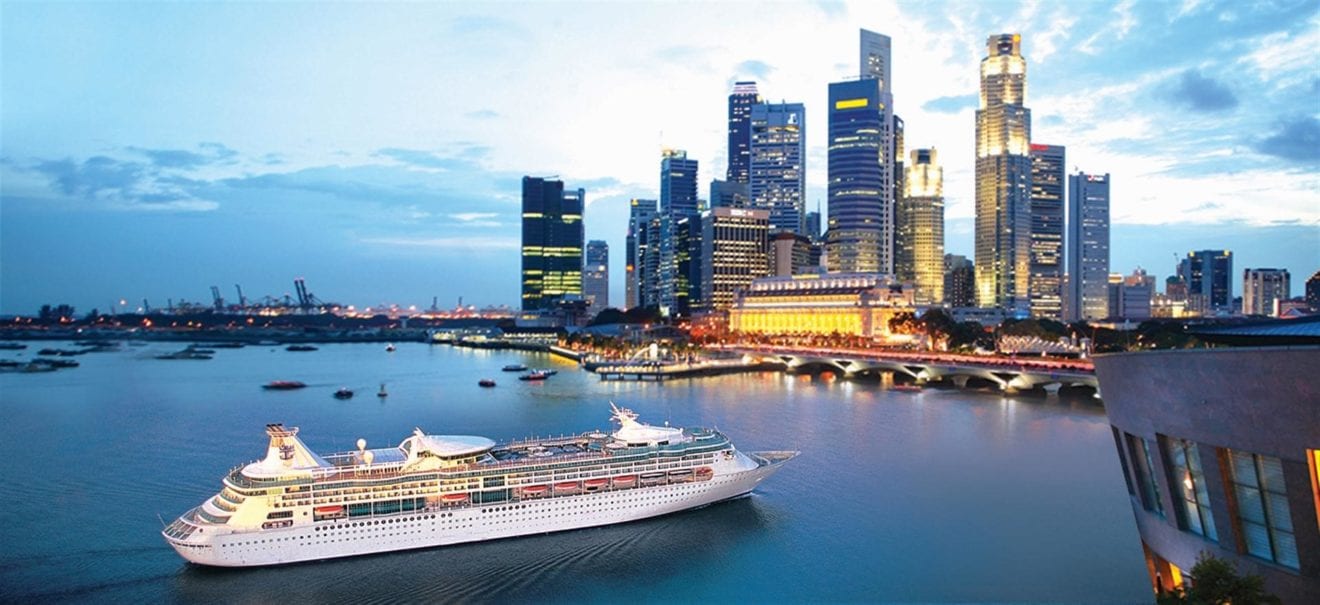
    Cruise operators in Singapore are taking measures such as reducing sailing speeds, modifying routes, and discontinuing promotional offers in an effort to mitigate the effects of surging fuel prices triggered by the ongoing conflict in the Middle East. StarDream Cruises, which operates three vessels, disclosed that its operational expenses have increased primarily due to the global surge in fuel prices.

    The company’s president, Michael Goh, noted that while there have been minor adjustments made in certain areas of their network, the Asia itineraries, including those stopping in Singapore, have generally remained steady. These changes, made as part of regular operational optimization, have been managed carefully to ensure that the overall guest experience remains unaffected.

    In response to the escalating costs related to the Middle East conflict, StarDream Cruises announced a fuel surcharge of SGD15 (US$11.82) per person in March. The company has also implemented measures such as itinerary and route adjustments, speed management, and energy efficiency initiatives across its fleet.

    Cruise Industry Resilience Amidst Rising Costs

    Despite the rising fuel costs, international cruise arrivals to Singapore saw a 10% year-on-year increase in March, as stated by the Singapore Tourism Board. The board’s director of cruises, Chitra Rajesh Kumar, highlighted Indonesia, mainland China, and Malaysia as the top three source markets, with passenger numbers from these markets also seeing an increase.

    The primary marine fuel used by cruise ships experienced a global price surge from approximately $550 per tonne in February to around $1,060 per tonne in March. As of May 5, the price stood at $975 per tonne. This has prompted some operators to revise their routes in response to the geopolitical situation and the energy crunch.

    Several cruise operators have made similar moves, revising their schedules and routes to avoid areas of conflict and minimize exposure. For instance, Oceania Cruises has rerouted its ship Oceania Vista, originally set to transit the Suez Canal on a voyage from Singapore to Southampton in the United Kingdom, to now sail via Cape Town, South Africa, and up the continent’s west coast.

    Despite the challenges, the demand for cruise holidays has proven resilient. The Singapore Tourism Board noted that the cruise industry has demonstrated resilience with steady bookings for future months. This continues to be supported by sustained global interest in cruising, the strength of regional source markets, and excellent air connectivity.

    Questions & Answers

    What measures have Singapore’s cruise operators taken to manage rising fuel costs?
    Singapore’s cruise operators are reducing sailing speeds, modifying routes, and discontinuing promotional offers to manage the impact of rising fuel costs. They are also implementing energy efficiency initiatives across their fleets.

    How has the increased fuel price affected the cruise industry?
    While the price of marine fuel has significantly increased, the cruise industry has demonstrated resilience, maintaining steady bookings for future months. Cruise operators have adjusted their operations, such as rerouting ships and adding fuel surcharges, to manage these costs without significantly impacting the guests’ experience.

    How is the demand for cruise holidays in the current climate?
    The demand for cruise holidays remains strong, as indicated by steady advance bookings. The strength of regional source markets, sustained global interest in cruises, and excellent air connectivity contribute to this resilience. Despite the challenges, more travellers are exploring cruising as a convenient and value-driven option.

  • Grab Defies Fuel Crisis with Double-Digit Growth: Record Earnings and Soaring Demand in Q1

    Grab Defies Fuel Crisis with Double-Digit Growth: Record Earnings and Soaring Demand in Q1

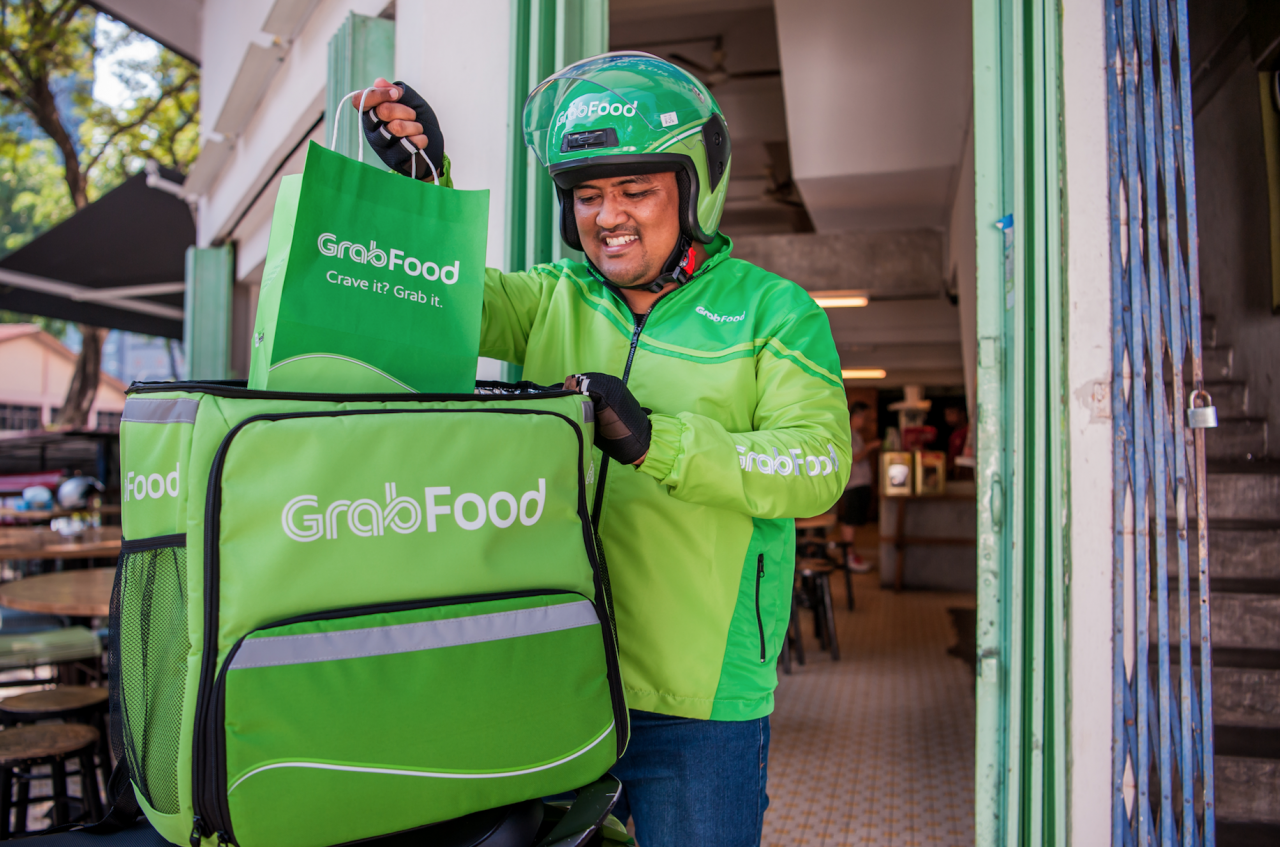
    Singapore-based Grab Holdings kicked off the new financial year on a high note, reporting double-digit growth in its first-quarter revenue and earnings, reflecting the company’s robust resilience in the face of market fluctuations.

    Impressive First-Quarter Results

    Grab’s revenue for the first quarter, ending March 31, climbed by 24%, amounting to US$955 million. This represents a 19% increase when considered on a constant currency basis.

    The gross value of the company’s on-demand merchandise, a key indicator of transactions from Grab’s mobility and delivery branches, also witnessed a significant jump. It surged by 24% according to reported figures and 21% on a constant currency basis.

    The firm recorded a striking 46% increase in its Adjusted EBITDA, reaching a record-setting figure of $154 million. Profits also displayed an upward trend, going from $10 million in the previous year to $120 million.

    Grab’s Group CEO and Co-founder, Anthony Tan, attributed these strong outcomes to the resilience of the company’s platform, particularly in the face of Southeast Asia’s unpredictable macroeconomic climate, which is currently grappling with a fuel crisis.

    Supporting Driver-Partners Amid Rising Fuel Prices

    Grab acknowledged an increase in its on-demand incentives during the quarter. This move was taken to bolster the earnings of driver-partners as fuel costs across the region spiral upwards. It also aimed to cater to the increased demand during the festive season.

    Segment-Wise Performance

    Looking at the performance of different sectors, the delivery revenue witnessed a 23% surge, totaling $510 million. The mobility revenue increased by 19%, amounting to $337 million. The financial services sector also saw a boost in revenue, with a 43% rise that led to $107 million.

    Outlook for the Full Year

    For the upcoming year, Grab maintains its revenue forecast, predicting a figure between $4.04 billion and $4.10 billion, indicating a 20-22% rise. The Adjusted EBITDA is also expected to grow by 40-44%.

    As the company moves forward, it reaffirms its commitment to ensuring durable, profitable growth while standing in solidarity with its communities. According to Tan, the company plans to leverage AI to deliver hyper-personalized experiences for users while creating more sustainable earning opportunities for ecosystem partners.

    Expansion Beyond Southeast Asia

    Earlier this year, Grab made its debut outside Southeast Asia by acquiring Delivery Hero’s Foodpanda business in Taiwan for $600 million.

    Questions & Answers

    What was Grab’s first-quarter revenue?
    Grab’s revenue for the first quarter was US$955 million, representing a 24% increase.

    What steps has Grab taken to support its driver-partners amid the fuel crisis?
    Grab has increased its on-demand incentives to bolster the earnings of driver-partners affected by rising fuel costs.

    What are Grab’s revenue predictions for the upcoming year?
    Grab estimates its revenue to be between $4.04 billion and $4.10 billion, indicating a 20-22% rise.

  • Domestic Airfares Skyrocket Amid Fuel Price Hike and Supply Chain Disruptions

    Domestic Airfares Skyrocket Amid Fuel Price Hike and Supply Chain Disruptions

    The escalating tensions in the Middle East have disrupted fuel supply chains, leading to a rise in average domestic airfares by 15-20%. This has resulted in airlines discontinuing their low-cost options.

    Demand and Supply Imbalance

    The disruption has severely affected the airlines as domestically, Jet A1 fuel only caters to around 20% of the demand. This has forced them to depend on imports from countries that are currently imposing export restrictions such as China, South Korea, and Thailand, as stated in a fresh report by the Airports Corporation of Vietnam.

    To combat this situation, airlines have started consolidating flights and suspending overnight operations. This strategic move is aimed at increasing the number of passengers per flight and optimizing load factors.

    Impact on Aviation Operations

    As a consequence of these adjustments, there has been a significant reduction in the number of takeoffs and landings at airports managed by the Airports Corporation of Vietnam (ACV). The unavailability of affordable tickets has led to a decline in passenger demand, especially in the leisure travel segment, as per the report.

    The International Air Transport Association has reported that jet fuel prices in the Asia-Pacific region surpassed $207 per barrel in mid-April, which is 2.4 times the average price in 2025. The airlines are confronted with further challenges due to fluctuating exchange and interest rates that are negatively impacting their operational efficiency.

    Passenger Statistics

    Despite these challenges, in the previous year, ACV airports welcomed 120.3 million passengers, marking a 9.4% increase. Among these, international passengers accounted for a 14% rise, reaching 47.1 million.

    Questions & Answers

    What has caused the rise in average domestic airfares?
    The escalating tensions in the Middle East have disrupted fuel supply chains, leading to a hike in average domestic airfares.

    How are airlines dealing with the disruption in fuel supply chains?
    Airlines are consolidating flights and suspending overnight operations to increase the number of passengers per flight and optimize load factors.

    What is the impact on passenger demand due to the rise in airfares?
    The unavailability of affordable tickets has led to a decline in passenger demand, especially in the leisure travel segment.

  • Thai AirAsia Trims Seat Capacity by 30% Amid Soaring Fuel Prices and Slowing Travel Demand

    Thai AirAsia Trims Seat Capacity by 30% Amid Soaring Fuel Prices and Slowing Travel Demand

    In response to escalating aviation fuel costs and a decrease in mid-year travel demand, Thai AirAsia is set to curtail its overall seat capacity by about 30% for the months of May and June.

    Adapting to Market Changes

    The airline stated on Tuesday that it would meticulously adjust flight frequencies for domestic routes. Internationally, the airline has temporarily suspended and decreased frequencies, primarily on Indian routes, due to elevated operating costs.

    Phairat Pornpathananangoon, the CEO of the budget airline, reported that they are actively working on cost management strategies to counterbalance the sustained surge in aviation fuel prices and the expected mid-year travel downturn.

    Managing Seat Capacity and Flight Frequencies

    The airline is also focusing on effectively managing seat capacity to aptly meet the travel demand. Simultaneously, it is maintaining a balance by ensuring the fares reflect actual costs while remaining affordable for its customers.

    In the case of Thailand’s domestic network, the airline plans to reduce its flight schedules at Suvarnabhumi Airport. During May and June, it will only maintain direct services from Suvarnabhumi to Chiang Mai and Phuket.

    Meanwhile, for Don Mueang Airport, the airline intends to persist with its complete network across all destinations. The flight frequencies will be strategically adjusted to mirror actual passenger demand.

    Questions & Answers

    What measures is Thai AirAsia taking in response to the increase in aviation fuel prices and decreased mid-year travel demand?
    Thai AirAsia is reducing its overall seat capacity by approximately 30% for May and June. It is also adjusting flight frequencies for domestic routes and has temporarily suspended and decreased frequencies on certain international routes.

    How is Thai AirAsia managing its fares amid these changes?
    The airline is working to ensure that fares remain reflective of actual costs while still being reasonable for its customers.

    What changes will be made to Thai AirAsia’s domestic network?
    The airline plans to scale back its flight schedules at Suvarnabhumi Airport, retaining only direct services from Suvarnabhumi to Chiang Mai and Phuket during May and June. However, it will continue to operate its full network at Don Mueang Airport, adjusting flight frequencies to match passenger demand.

  • Unprecedented Dip in Vietnam’s Gasoline Prices: Lowest Rate Since March Amid Falling Global Petroleum Market

    Unprecedented Dip in Vietnam’s Gasoline Prices: Lowest Rate Since March Amid Falling Global Petroleum Market

    On Thursday afternoon, gasoline prices in Vietnam plunged to their lowest levels since March 5, marking the fifth consecutive session of declines. The most commonly used fuel, RON95, dipped 0.69% to VND22,880 (US$0.87) per liter.

    Fuel Price Drops

    Biofuel E5 RON92 experienced a decline of 0.45%, bringing its price down to VND21,830 per liter. Diesel prices also fell significantly, with a decrease of 4.17% to VND26,690.

    Global Factors Influencing Prices

    The international petroleum market has been impacted by ongoing conflicts in the Middle East over the past two days. The peace negotiations between the United States and Iran have made little headway, and tensions have risen in the Strait of Hormuz, leading to global fluctuations in fuel prices. Globally, the price of RON95 has increased by 0.5%, while diesel prices have dropped by 3.8%.

    Government Interventions

    In an effort to control prices, the Vietnamese government has eliminated several taxes on gasoline, including the environmental protection tax, special consumption tax, and value-added tax.

    Presently, import tariffs on petroleum and blending materials are set at 0%. However, this measure is slated to expire on April 30. The Ministry of Finance is currently proposing an extension of this tax reduction until June 30.

    Questions & Answers

    What is the current price of the most commonly used fuel, RON95, in Vietnam?
    The current price of RON95 in Vietnam is VND22,880 (US$0.87) per liter, following a decline of 0.69%.

    What global factors are currently affecting petroleum prices?
    Ongoing conflicts in the Middle East and the escalating tensions in the Strait of Hormuz following stalled peace negotiations between the United States and Iran are currently impacting petroleum prices.

    What measures has the Vietnamese government taken to control gasoline prices?
    To control gasoline prices, the government has abolished several taxes, including the environmental protection tax, special consumption tax, and value-added tax. Additionally, the Ministry of Finance is proposing an extension of the 0% import tariff on petroleum and blending materials until June 30.