Tag: fuel

  • Cathay Pacific Reduces Flight Frequency Amid Surging Jet Fuel Prices: Is Global Aviation at Risk?

    Cathay Pacific Reduces Flight Frequency Amid Surging Jet Fuel Prices: Is Global Aviation at Risk?

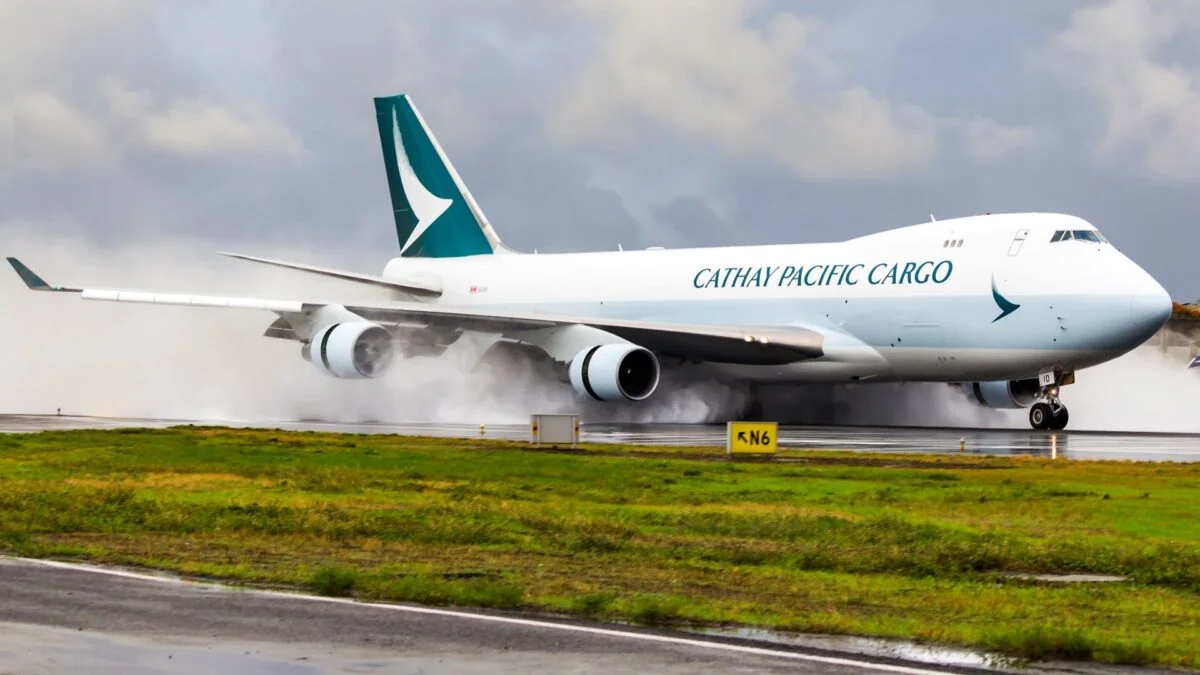
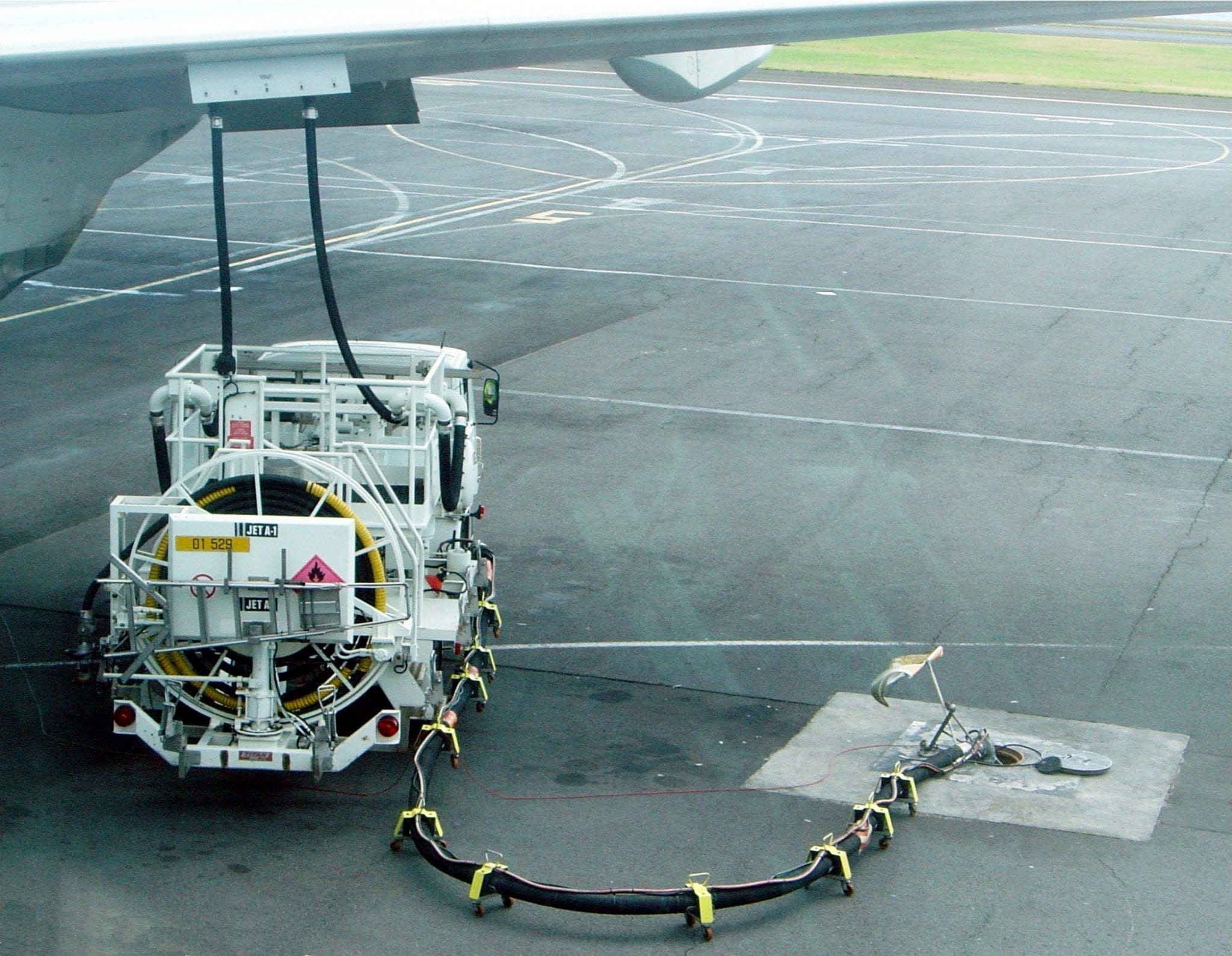
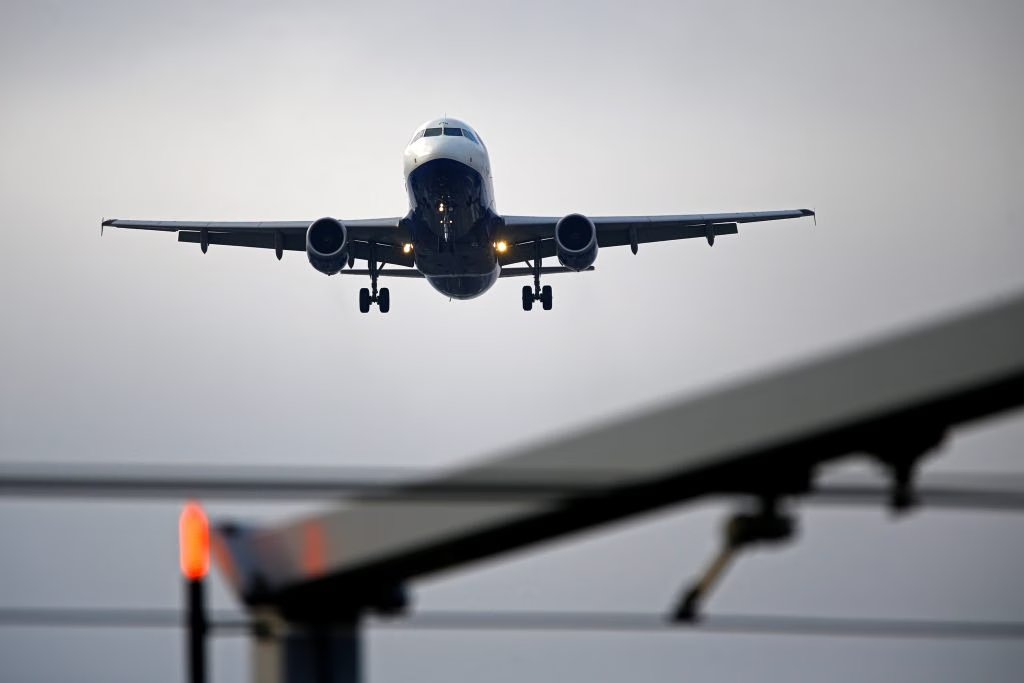
    Cathay Pacific Airways has announced that it will reduce several flights from mid-May until the end of June due to escalating jet fuel prices, influenced by the ongoing crisis in the Middle East. The company plans to eliminate approximately 2% of its scheduled passenger services from May 16 to June 30, 2026. In correlation, its budget division, HK Express, will also reduce about 6% of its flights from May 11, as stated in a recent press release.

    Expansion Plans Remain Unchanged

    Despite the current challenges, the CEO of Cathay Pacific, Ronald Lam, confirmed last month that the Hong Kong-based airline would continue with its strategies to boost passenger capacity by 10% this year. The decision was spurred by the robust demand for long-haul flights to North America, Europe and Australia, following the decrease in traffic through the Middle East after the Iran war.

    Post-June Operations

    After June, Cathay Pacific and HK Express anticipate resuming all their scheduled passenger services, as per the recent announcement.

    Despite a temporary ceasefire between U.S. President Donald Trump and Iran, industry executives have expressed that the global aviation industry is unlikely to experience immediate relief.

    Aviation industry officials have cautioned that jet fuel supplies will continue to be limited and expensive for several months, even if Iran decides to reopen the Strait of Hormuz.

    Questions & Answers

    What is the reason for Cathay Pacific Airways cutting some flights from mid-May to the end of June?
    The airline is reducing flights due to the increasing costs of jet fuel, which are being driven up by the ongoing conflict in the Middle East.

    What plans does Cathay’s CEO Ronald Lam have for this year despite the rise in fuel costs?
    Despite the increase in fuel prices, Ronald Lam said that the airline would push forward with its plans to increase passenger capacity by 10% this year. He cited strong demand for long-haul flights to North America, Europe, and Australia.

    What effect will the ceasefire between U.S. President Donald Trump and Iran have on the aviation industry?
    According to industry executives, the temporary ceasefire is unlikely to bring immediate relief to the global aviation industry. They warn that jet fuel supplies will continue to be limited and costly for several months, even if Iran decides to reopen the Strait of Hormuz.

  • Fry to Fly: Thailand’s Innovative Fuel Exchange Turns Used Cooking Oil into Gasoline

    Fry to Fly: Thailand’s Innovative Fuel Exchange Turns Used Cooking Oil into Gasoline

    A leading Thai oil corporation, Bangchak Corporation, has introduced an innovative programme enabling individuals to swap used cooking oil for regular-grade diesel or gasohol, offering relief to the escalating cost of living. Billed as the “Fry to Fly – 2 litres for 1 litre” campaign, it is set to run from April 6-30, with several service stations across Bangkok and neighbouring provinces participating.

    Under this initiative, consumers are invited to bring in 2 liters of used cooking oil, which can be exchanged for 1 liter of either diesel or gasohol fuel on the spot. The offer, however, does not extend to premium fuel grades.

    The campaign is a continuation of Bangchak Corporation’s ongoing efforts to repurpose used cooking oil into sustainable aviation fuel. With this new initiative, the company seeks to provide more immediate, daily benefits to consumers by transforming domestic waste into usable transport fuel. This is particularly crucial in the current climate of increasing energy prices, largely spurred by geopolitical tensions and conflicts in the Middle East.

    Each participant can exchange up to 20 liters of used cooking oil, with the conversion rate set at 1 kilogram of used oil per liter for ease of computation. Fifteen Bangchak service stations in Bangkok, Samut Prakan, Nonthaburi, and Pathum Thani are taking part in this pioneering project.

    Questions & Answers

    What is the “Fry to Fly – 2 litres for 1 litre” campaign about?
    The campaign allows consumers to exchange 2 liters of used cooking oil for 1 liter of regular-grade diesel or gasohol fuel at participating Bangchak service stations.

    What is the purpose of this initiative?
    This initiative is designed to provide direct, everyday benefits to consumers by transforming waste into usable transport fuel, especially during a time of escalating energy costs.

    What is the limit on the quantity of used cooking oil that can be exchanged?
    Each participant can exchange up to 20 liters of used cooking oil under this campaign.

  • Vietnam’s Fuel Tax Annihilation: A Boost for Economic Recovery Amid Global Energy Crisis

    Vietnam’s Fuel Tax Annihilation: A Boost for Economic Recovery Amid Global Energy Crisis

    The National Assembly (NA) of Vietnam has sanctioned the reduction of all fuel-related taxes to zero until June 30, in a move to mitigate price pressures, stabilize markets, and bolster economic resurgence in the face of global energy instability. This means that all taxes on gasoline, oil, and aviation fuel, covering environmental protection tax, value-added tax (VAT), and special consumption tax will be eradicated, as decreed by a resolution passed by the NA.

    Tax Cuts and Impact on Businesses

    The environmental protection tax on gasoline (excluding ethanol), diesel, aviation fuel, kerosene, and mazut will be nullified, along with the special consumption tax on gasoline. Additionally, gasoline, diesel, and aviation fuel will be exempt from VAT declaration and payment, though input VAT will remain deductible.

    This tax policy will be effective from April 16 through June 30. Businesses and importers handling gasoline, oil products such as diesel, kerosene, and mazut, and aviation fuel will not be obliged to declare or pay VAT at either the import or sales stages. In the event of emergencies, the government reserves the right to modify the duration of the policy, either shortening or extending it, and will report any such changes to the NA at its forthcoming session.

    According to the Ministry of Industry and Trade, taxes make up a substantial portion of fuel base prices, with VAT accounting for around 7.4%, environmental protection tax 2.7-6%, and special consumption tax approximately 6.7%. The annulment of these taxes is viewed as a strategy to support socio-economic development goals and curb inflation.

    Implications of the Tax Cuts

    Environmental protection tax, VAT, and special consumption tax on gasoline (excluding ethanol), diesel, and aviation fuel have already been lowered to zero under an existing decree, effective through April 15. However, kerosene and mazut have remained subject to environmental protection taxes of VND600 and VND1,000 per liter or kilogram, respectively, in addition to a 10% VAT.

    A government report states that reducing environmental protection tax on all types of fuel to zero is likely to decrease state budget revenues by an average of VND7.3 trillion ($277.19 million) per month. Despite this, the government views this move as a “special fiscal measure applied in exceptional circumstances” to alleviate the impact of global energy price fluctuations and preserve macroeconomic stability and social security.

    The ongoing conflict in the Middle East has significantly impacted global energy markets, including Vietnam, leading to a surge in fuel prices. The government has also implemented additional measures to manage fuel prices and support businesses and consumers.

    Questions & Answers

    What is the significance of this policy change by the Vietnamese government?

    The nullification of all fuel-related taxes is aimed at mitigating price pressures, stabilizing markets, and bolstering economic resurgence amidst global energy instability.

    What are the potential fiscal implications of reducing all fuel-related taxes to zero?

    The government anticipates a reduction in state budget revenues by an average of VND7.3 trillion ($277.19 million) per month. Despite this expected shortfall, they view it as a necessary measure under the current global energy circumstances.

    How has the conflict in the Middle East impacted Vietnam’s fuel market?

    The ongoing strife has significantly impacted global energy markets, including Vietnam, leading to a surge in fuel prices. Consequently, the Vietnamese government has had to implement measures to manage fuel prices and support businesses and consumers.

  • Fuel Prices Plunge in Vietnam as US-Iran Ceasefire Cools Global Petroleum Market

    Fuel Prices Plunge in Vietnam as US-Iran Ceasefire Cools Global Petroleum Market

    On Wednesday afternoon, a decrease in gasoline prices was observed in Vietnam, a result of the global markets stabilizing after a ceasefire agreement was reached in the Middle East. The well-known fuel variant, RON95, witnessed a drop of 1.63%, bringing the per-litre price to VND26,530.

    Global Petroleum Markets Trending Downward

    According to the Ministry of Industry and Trade, global petroleum markets have been demonstrating a downward trend following the two-week ceasefire agreement between the United States and Iran. In the last four days alone, the average prices of RON95 gasoline have decreased by 1.8%, diesel has seen a drop of 14.5%, and mazut has declined by 1.5%.

    In the context of regional pricing, Vietnam’s retail fuel prices maintain an average level. These rates are lower than those in Singapore, Laos, Cambodia, Thailand, and China.

    Impact of Middle East Conflict on Global Fuel Supplies

    The conflict in the Middle East, which has been escalating since late February, has had a significant impact on worldwide fuel and gas supplies. The magnitude and implications of this crisis surpass the oil shock of the 1970s, an event that disrupted economies and energy markets around the globe.

    Such developments have led to substantial fluctuations in Vietnam’s domestic energy market. Since the conflict’s escalation in late February, there have been 14 pricing adjustments.

    Local Refineries Secure Supply

    During a government press briefing held last week, Deputy Minister of Industry and Trade, Nguyen Sinh Nhat Tan, confirmed that Vietnam’s two domestic refineries, Dung Quat and Nghi Son, have successfully secured enough crude supply to maintain production until the end of April.

    In March, principal fuel distributors imported 3.2 million cubic meters of petroleum products. Given the current inventories of 2.6-2.8 million cubic meters, the domestic fuel supply is estimated to meet demand until the end of the current month.

    Questions & Answers

    What led to the decrease in gasoline prices in Vietnam?
    The falling global petroleum market prices, triggered by a ceasefire agreement in the Middle East, led to a decrease in gasoline prices in Vietnam.

    How has the Middle East conflict affected the global fuel and gas supplies?
    The ongoing conflict in the Middle East has significantly disrupted worldwide fuel and gas supplies, even surpassing the impact of the 1970s oil shock.

    What measures has Vietnam taken to ensure a steady fuel supply?
    Vietnam has taken steps to secure its fuel supply by importing petroleum products and maintaining sufficient crude supply in its two domestic refineries, Dung Quat and Nghi Son.

  • Daeil Kim Steps Up as New CEO to Fuel 7-Eleven’s Revival in Korea

    Daeil Kim Steps Up as New CEO to Fuel 7-Eleven’s Revival in Korea

    Korean Seven, the South Korean operator of the worldwide convenience store franchise 7-Eleven, has recently appointed Daeil Kim as its latest CEO. The move is aimed at driving growth and propelling a significant business transformation.

    Daeil Kim Steps Up

    Kim officially took the reins of the company on April 1. He brings along a robust portfolio of 28 years that spans across global business leadership, management consulting, and digital platforms.

    Kim expressed his dedication to his new role by articulating his focus on cooperating with the skilled team at Korea Seven. The goal is to rebuild the brand and steer it towards a period of renewed growth.

    A Wealth of Industry Experience

    Kim’s professional journey includes senior positions across various sectors, such as fintech, digital services, and marketing technology. His most recent role was as CEO of Secta9ine, the marketing and technology solutions division of SPC Group. The group operates globally recognized brands such as Paris Baguette and Baskin-Robbins.

    Prior to his tenure at Secta9ine, Kim held the position of MD and head of international business at Ascend Group. Here, he led the expansion of the ‘TrueMoney’ fintech platform across Southeast Asia.

    Revitalizing the Brand

    Kim’s appointment is a testament to Korea Seven’s dedication to rejuvenating its brand. The retail sector in Korea is witnessing rising competition and evolving consumer expectations. Korea Seven is focused on meeting these new challenges head-on and continuing to thrive in this dynamic market.

    Questions & Answers

    What is the focus of Daeil Kim in his new role as CEO of Korea Seven?
    Kim plans to work closely with the talented Korea Seven team to rebuild and boost the brand to a period of growth.

    What sectors does Kim’s professional experience span across?
    Kim has served in senior roles across fintech, digital services, and marketing technology sectors.

    What is Korea Seven’s commitment amidst the rising competition and changing consumer expectations in the Korean retail sector?
    Korea Seven is committed to revitalizing its brand to meet the increasing competition and shifting consumer preferences in the Korean retail sector.

  • Malaysia’s Food Prices Set to Skyrocket by 50% in Wake of Fuel Crisis, Trade Associations Warn

    Malaysia’s Food Prices Set to Skyrocket by 50% in Wake of Fuel Crisis, Trade Associations Warn

    Trade associations in Malaysia are warning that the country’s food prices could potentially surge by up to 50% due to the escalating energy crisis linked to the conflict in Iran. This crisis has led to an increase in fuel costs, which in turn is inflating the prices of raw materials. These materials are vital in the preparation of daily staples like nasi lemak, a popular dish of rice and meat served on a pandan leaf with spicy chili paste. The prices of these ingredients have already witnessed a significant rise, leaving traders little choice but to pass on the increases to consumers.

    Impact on Traders

    Rosli Sulaiman, president of the Federation of Malaysian Hawkers and Traders Associations, noted that even before the spike in fuel prices, costs had already risen by around 20% to 30%. He warned that when costs are high and return profits are non-existent, traders are compelled to raise their selling prices, albeit at a small margin. The impact of this situation is most deeply felt by small traders, hawkers, and the general public.

    The Malaysian Muslim Restaurant Owners Association (Presma), representing the Indian-Muslim community’s 24-hour eateries, already reported a cost increase of up to 30% within the past year. These cost upticks are affecting raw ingredients like chicken and vegetables, as well as cooking gas and plastic packaging.

    Pressures on the Food and Beverage Industry

    Government data reveals that Malaysians’ expenditure on dining out surpassed MYR870 (US$216) per month in 2024, denoting a 17% rise from the previous year. This trend indicates a growing affinity towards eating out as opposed to cooking at home and accounts for over 12% of the median monthly household income of MYR7,017.

    However, experts caution that the country’s MYR60 billion food and beverage industry could struggle to maintain growth if global crude oil prices – which peaked at $115 per barrel recently – stay high for an extended period. Fertilizer shortages impacting agriculture, as well as increasing shipping and logistics costs, could also contribute to imported inflation, thus affecting the sector beyond higher energy and transport costs.

    Potential Impacts on the Economy

    Doris Liew, an economist specializing in Southeast Asian development, warns that these secondary effects are likely to be more persistent in a trade-dependent economy like Malaysia than the initial energy shock. Despite Malaysia’s targeted fuel subsidies potentially buffering households from immediate price shocks, they are unlikely to offset the rising input costs for businesses. These costs are anticipated to trickle down to consumers, which could dampen business sentiment and consumer confidence, leading both companies and households to curtail spending amidst uncertainty.

    Questions & Answers

    What impact is the energy crisis having on Malaysia?
    The energy crisis associated with the conflict in Iran is driving up Malaysia’s food prices, with potential surges of up to 50%. The cost increase is affecting raw materials essential for daily living, and these costs are being passed on to consumers.

    What impact could the surge in prices have on the wider economy?
    The surge in prices could dampen both business sentiment and consumer confidence, causing companies and households to reduce spending due to uncertainty. This has the potential to slow economic growth amidst increasing inflation.

    What are potential solutions to offset the rising costs?
    While Malaysia’s targeted fuel subsidies may buffer households from immediate price shocks, these measures are unlikely to mitigate the rising input costs for businesses. It is crucial for the government to assure citizens of sufficient fuel and food supplies, backing up these claims with data to regain public confidence.

  • Malaysia Slashes Subsidized Fuel Quota Amidst Escalating Global Oil Prices

    Malaysia Slashes Subsidized Fuel Quota Amidst Escalating Global Oil Prices

    In response to the recent spike in global oil prices, the Malaysian government has made the decision to decrease the monthly quota for subsidized RON95 fuel from 300 liters to 200 liters, with the policy effective from April.

    Reasons for the Reduction

    This reduction has been deemed necessary due to increases in the government’s subsidy bill. Malaysian Prime Minister Anwar Ibrahim has warned that, if global crude prices continue to remain above $110 per barrel, the subsidy bill could escalate to RM24 billion (US$6 billion) this year.

    Subsidized by the government, RON95 fuel is sold at a fixed price of RM1.99 per liter in Malaysia to ensure affordability for lower-income groups. Currently, eligible individuals can purchase up to 300 liters per month, after which they are charged at market rates. These rates have recently seen an increase from RM3.27 to RM3.87 per liter for the week of March 26 to April 1.

    The unsubsidized price of this fuel has also seen two increases since March 11, resulting in a combined increase of 45%. The latest weekly adjustment has also seen an increase in the pump price for RON97 to RM5.15 per liter, marking an overall increase of 58.46% since March 11, while diesel has seen an increase to RM5.52 per liter, up 76.92% over the same period.

    Global Oil Supply Disruptions

    This decision comes at a time when the global oil supply has been disrupted due to conflicts in the Middle East, specifically in the Strait of Hormuz, a crucial route that typically carries around 20% of the world’s oil flows.

    Brent crude has experienced a drop to $94.49 per barrel after peaking at nearly $120 earlier this month. However, it still remains more than 33% higher than before the conflict began in late February. Despite being an oil producer, Malaysia isn’t exempt from these shifts in the oil market, as it imports a significant proportion of its oil, nearly half of which comes via the affected route.

    In a recent social media post, Anwar noted that Malaysia exported approximately $5.5 billion in crude oil last year but imported nearly $12.6 billion. Furthermore, the country’s monthly subsidy bill for petrol and diesel has seen a significant surge from RM700 million to RM4 billion.

    Possible Implications

    While higher global prices may increase government income and benefit the national oil firm Petroliam Nasional, sustained volatility could lead to inflationary pressures and add to the fiscal burden of fuel subsidies. Announcing the weekly price adjustments, Malaysia’s Ministry of Finance declared the government’s ongoing commitment to protecting the public from rising costs and maintaining the subsidized RON95 prices at RM1.99 per liter.

    Analysts have suggested that tightening the subsidy quota could be a practical option to alleviate pressure on government funds, along with another possibility of increasing the subsidized fuel price to RM2.05 per liter.

    Questions & Answers

    What are some of the reasons for the reduction in subsidized RON95 fuel?
    This reduction has been deemed necessary due to increases in the government’s subsidy bill. If global crude prices continue to remain above $110 per barrel, the subsidy bill could escalate to RM24 billion (US$6 billion) this year.

    How has the global oil supply been disrupted?
    The global oil supply has been disrupted due to conflicts in the Middle East, specifically in the Strait of Hormuz, a crucial route that typically carries around 20% of the world’s oil flows.

    What could be some potential implications of this situation?
    While higher global prices may increase government income and benefit the national oil firm Petroliam Nasional, sustained volatility could lead to inflationary pressures and add to the fiscal burden of fuel subsidies.

  • Vietnam Experiences Significant Fuel Price Drop Amidst Global Declines and Tax Adjustments

    Vietnam Experiences Significant Fuel Price Drop Amidst Global Declines and Tax Adjustments

    In a notable development, gasoline prices in Vietnam saw a significant drop ranging from 6.47% to 18.8% late on Thursday. The widely used RON95 fuel recorded the highest decrease of 18.8%, reducing its price from Wednesday to VND24,330 (equivalent to US$0.92) per litre.

    Decrease in other fuel prices

    Along with RON95, other fuels also witnessed a price drop. Biofuel E5 RON92 plunged 16.9%, bringing its price down to VND28,070 per litre. Diesel, another essential fuel, recorded a 6.47% decrease to VND35,440 per litre.

    Global fuel price trend

    The decline in Vietnam’s fuel prices aligns with the global trend. Internationally, RON95 gasoline decreased by 7.4% from Wednesday, reaching $135.6 per barrel, and diesel fell 6.5% to $204.6 per barrel. These global price changes were reported by the Ministry of Industry and Trade and the Ministry of Finance.

    Tax Changes Influence

    However, the global price drop is not the sole cause for the fall in Vietnam’s fuel prices. A series of tax adjustments implemented late on Thursday also contributed to the decrease in local rates. The environmental protection tax on gasoline, excluding ethanol, diesel, and aviation fuel, has been reduced to zero from the previous VND1,500–2,000, as per a decision of the Prime Minister.

    Additionally, the excise tax on all types of gasoline and the value-added tax on gasoline, diesel, and aviation fuel have been modified, with the former being cut to 0% from an earlier 10%.

    Local Fuel Market Situation

    Despite the ongoing conflict in the Middle East, which has put added pressure on the domestic fuel market, the local fuel supply in Vietnam remains stable, according to an earlier statement by the trade ministry.

    Questions & Answers

    What was the percentage decrease in the price of RON95 fuel in Vietnam?
    The price of RON95 fuel in Vietnam decreased by 18.8%.

    What other factors contributed to the decrease in fuel prices apart from the global price drop?
    A series of tax adjustments, including a reduction in the environmental protection tax and excise tax on gasoline, also influenced the decrease in fuel prices.

    Despite the conflict in the Middle East, how is the domestic fuel supply in Vietnam?
    Despite the escalating conflict in the Middle East, the domestic fuel supply in Vietnam remains secure and stable.

  • Skyrocketing Fuel Prices Push Global Airlines into Fare Hike: Vietnam’s Aviation Sector Braces for Impact

    Skyrocketing Fuel Prices Push Global Airlines into Fare Hike: Vietnam’s Aviation Sector Braces for Impact

    As global aviation fuel costs rise due to increased geopolitical instability, more than 60% of international airlines have already increased their fares or are planning to do so from mid-March, according to the Civil Aviation Authority of Vietnam (CAAV). The soaring fuel prices have resulted in mounting operational costs, leading many international carriers to utilize fuel surcharges to balance their expenses and maintain consistent service levels.

    The Impact of Rising Fuel Prices

    The CAAV conducted a swift survey on March 20, covering nearly 40 international and regional airlines operating routes to Vietnam. The survey revealed that over 60% of these airlines have already implemented, are in the process of implementing, or are planning to introduce fare adjustments or fuel surcharges, starting from mid-March.

    This trend is notable in significant aviation markets across Asia, Europe, and North America, highlighting the extensive financial pressure experienced by airlines globally. In Northeast Asia, which includes Taiwan, China, Japan, and the Republic of Korea, ticket prices have significantly increased, with hikes ranging from $11.5 to nearly $115 per ticket.

    Regional Variations in Fare Hikes

    In contrast, fare increases in Southeast and South Asia have been more moderate, typically fluctuating around $5 to approximately $70 per ticket. For long-haul flights to Europe and North America, fuel surcharges are considerably higher, generally ranging from around $43 to over $215 per ticket, with even greater increases for business-class passengers.

    The air cargo sector is also feeling the impact, with some airlines introducing fuel surcharges calculated on a per-kilogram basis. Despite these adjustments being seen as a short-term response to fluctuating fuel prices, they are expected to elevate both passenger airfares and cargo costs in the upcoming months.

    Questions & Answers

    What is driving the increase in global aviation fuel prices?
    Geopolitical instability is the primary factor contributing to the rise in global aviation fuel prices.

    How are airlines offsetting the rising operational costs?
    Many international airlines are introducing fuel surcharges or adjusting their fares to counterbalance the increased operational costs.

    What impact will these adjustments have on the aviation industry?
    These adjustments are expected to increase both passenger airfares and cargo costs in the near future.

  • Cambodia Ramps Up Fuel Imports from Singapore and Malaysia Amid Middle East Conflict

    Cambodia Ramps Up Fuel Imports from Singapore and Malaysia Amid Middle East Conflict

    Cambodia has been increasing its fuel imports from Singapore and Malaysia in a bid to compensate for supply shortages caused by ongoing conflict in the Middle East, which continues to hamper global fuel supply chains. The Minister of Mines and Energy for Cambodia, Keo Rottanak, communicated this on Wednesday.

    Fuel Stations and Supply

    Last week, Rottanak reported, approximately one-third of the nation’s 6,300 fuel stations were temporarily closed due to worries about the conflict’s effect on fuel prices. However, the situation has since improved, and now only 5.77% of stations still remain closed.

    Rottanak also pointed out that Cambodia is augmenting its fuel imports from Singapore and Malaysia, while its usual suppliers are making every effort to keep exports steady amid increasingly strained supply conditions.

    Increasing Imports

    Figures from Kpler indicate that during the first 18 days of the current month, gasoline and diesel exports from Singapore and Malaysia to Cambodia have risen by 25% compared to the same period in 2025. However, this is a 40% decrease compared to the last 18 days of February.

    Fuel Reserves and Energy Security

    According to the minister, the fuel reserves of Cambodia are presently at levels similar to earlier periods. The country lacks a domestic oil refinery and usually keeps stocks of diesel, jet fuel, liquefied petroleum gas, and gasoline that suffice for less than one month under standard conditions.

    The Cambodian government is taking steps to bolster its energy security and lessen geopolitical risks. Preliminary discussions have been held this month with Woodside Energy, an Australian company, in an attempt to secure liquefied natural gas (LNG) supplies for a planned 900MW power plant that is expected to start operations in 2027.

    Renewable Energy and Future Plans

    Rottanak added that the shock from the Middle East has been partially mitigated in Cambodia thanks to the swift growth of renewable energy in the country. Overall fuel imports have remained relatively stable compared to the levels in 2022, bolstered by increased electrification from renewable sources. He underlined that the conflict underscores the pressing need to speed up the development of cross-border power grid connectivity among ASEAN nations.

    Questions & Answers

    What steps is Cambodia taking to address fuel supply shortages?
    Cambodia is increasing its fuel imports from Singapore and Malaysia. Its traditional suppliers are also working hard to maintain exports in spite of tough supply conditions.

    What is the current status of Cambodia’s fuel reserves?
    Cambodia’s fuel reserves are currently at levels similar to previous periods. The country typically maintains diesel, jet fuel, liquefied petroleum gas and gasoline stocks sufficient for less than one month under normal circumstances.

    What measures is Cambodia taking for energy security?
    The Cambodian government is enhancing its energy security by holding talks with Australia’s Woodside Energy to secure LNG supplies for a planned 900MW power plant. The government is also accelerating the development of cross-border power grid connectivity among ASEAN countries.

  • Vietnam Gasoline Prices Skyrocket Amid Middle East Conflicts: Highest Surge since 2022 Crisis

    Vietnam Gasoline Prices Skyrocket Amid Middle East Conflicts: Highest Surge since 2022 Crisis

    Last Thursday, Vietnam experienced a significant surge in gasoline prices, which increased by 20% to reach their highest level since July 2022. This sharp rise is linked to ongoing conflicts in the Middle East, which have prompted a double-digit escalation in global prices. The most commonly used fuel in the country, RON95, saw a 20% boost, pricing it at VND30,690.

    Other Fuels See Increase

    In addition to RON95, the price of Biofuel E5 RON92 also saw a substantial rise of 20.7%, elevating it to VND22,170. Diesel prices also spiked, with a 23.7% increase bringing the cost to VND33,420. Compared to prices at the end of February, just before the onset of the Middle East conflict, RON95 and diesel are now 52% and 73% more expensive, respectively.

    Global Petroleum Market Impact

    The global petroleum market has been heavily influenced recently by factors such as proliferating tensions resulting from the military clashes involving the U.S., Iran and Israel. This situation is made more problematic by Iran’s control over the Strait of Hormuz. Around the world, RON95 gasoline has risen by 16.4% to $150.4 per barrel. Other fuels have also seen increases, with diesel up by 18.6%, kerosene by 28.8%, and fuel oil by 13.1%.

    Government Subsidies and Global Comparisons

    In response to these skyrocketing prices, the Vietnamese government has stepped in to subsidize diesel by VND4,000 per liter and gasoline and other fuels by VND3,000. This marks the sixth consecutive time subsidies have been employed to combat rising fuel costs. The cost of RON95 in Vietnam is now at its highest since a global fuel crisis sparked by the Russia-Ukraine conflict in July 2022. However, it remains lower than the peak level of VND32,870 established in June 2022. Concurrently, kerosene and fuel oil prices have reached their highest point since 2019.

    Petroleum Imports and Government Response

    From the start of the year to March 15, Vietnam imported nearly 2.71 million tonnes of petroleum products, valued at over $1.94 billion, representing a year-on-year increase of 42–43%. In the first half of March alone, import volumes surged by 41.4%, pushing import value up by 89.2% compared to the same period last year. In order to secure energy security, Prime Minister Pham Minh Chinh has been in contact with multiple countries’ leaders and met with ambassadors in Vietnam to appeal for oil supply support. Simultaneously, the Ministry of Industry and Trade and the Ministry of Finance have extensively used the petroleum price stabilization fund and reduced the preferential MFN import tariff to 0% as a strategy to ease fuel prices.

    Energy Security Measures

    During a meeting with the Energy Security Task Force on March 17, PM Chinh assured that despite the price hikes, fuel and energy supplies remain adequate to support production and consumption. Furthermore, he emphasized that the negative impacts on the public and businesses have been minimized as much as possible.

    Questions & Answers

    What was the impact of the Middle East conflict on fuel prices in Vietnam?
    The conflict in the Middle East led to a 20% surge in gasoline prices in Vietnam, with popular fuel RON95 rising to VND30,690.

    What measures has the Vietnamese government taken to curb rising fuel costs?
    The government has provided subsidies for diesel and gasoline and other fuels to help keep prices manageable for consumers. This marks the sixth time in a row that the government has stepped in with subsidies.

    How have Vietnam’s fuel imports been affected this year?
    From the start of the year to mid-March, Vietnam imported nearly 2.71 million tonnes of petroleum products, representing a year-on-year increase of 42–43%. The value of imports also rose significantly, particularly in the first half of March.

  • Iranian Conflict Sparks 7% Surge in Vietnam’s Gasoline Prices: Government Leans on Stabilization Fund

    Iranian Conflict Sparks 7% Surge in Vietnam’s Gasoline Prices: Government Leans on Stabilization Fund

    The price of gasoline is on a continual rise, leading the government to depend on its stabilization fund to provide subsidies. On Tuesday, there was yet another increase, with the price of RON95 fuel skyrocketing by 7.69% to VND29,120 (US$1.11) per litre.

    Biofuel and Diesel Prices Also Rise

    Alongside gasoline, the prices of biofuel E5 RON92 and diesel also saw an increase. Biofuel E5 RON92 rose by 5.35% to VND26,570 per litre, while diesel prices saw a 1.59% increase, taking the price to VND30,710 per litre.

    For the first time in three years, both the Ministry of Industry and Trade and the Ministry of Finance have been forced to tap into the fuel stabilization fund. This has been done in an effort to subsidize RON95 by VND4,000 per litre and diesel by VND5,000 per litre.

    The price of RON95 is now approximately at the same level as it was in July 2022, a period when the global fuel supply chain was disrupted due to the Russia–Ukraine conflict. Diesel, on the other hand, is at its highest level since 2019.

    Global Market and Production Disruptions

    Ongoing military conflicts involving the United States, Israel, and Iran over the weekend have impacted the global market, according to ministry reports. All oil-exporting countries within the Gulf have cut down production as transport through the Strait of Hormuz is currently disrupted.

    It’s also notable that the trend of most countries stockpiling fuel has resulted in a sharp rise in global prices.

    The price of RON95 gasoline has seen a dramatic 27% increase to $147.5 per barrel, with diesel rising by 20%, kerosene by 4%, and mazut by 41%.

    Changes in Pricing and Supply

    Fuel prices in Vietnam were adjusted on Tuesday, deviating from the usual Thursday adjustment, to reflect global price changes of over 7%. Although global prices have begun to stabilize, domestic prices remain high due to a delay in the pricing cycle.

    Earlier on Tuesday, prices began to decline following a statement from U.S. President Donald Trump indicating that the conflict in the Middle East would soon come to an end.

    The prices of RON95 gasoline and diesel have dropped by around $20 per barrel in Singapore, falling to $127.2 and $160.4 respectively. These lower levels will be reflected in Vietnam after the next adjustment.

    To ensure short-term supply, Deputy Minister of Industry and Trade, Nguyen Sinh Nhat Tan announced that the government had procured four million barrels of oil from its partners. With this existing crude oil stockpile and further supplies expected shortly, he projects that the supply will suffice for 30–45 days, depending on demand and production plans at domestic refineries.

    Government Measures to Control Prices

    In addition to ensuring supply, the government is taking measures to control retail prices. They have slashed most favored nation import tariffs on gasoline and certain blending materials to zero. This move is intended to incentivize distributors to import fuel from countries that do not have free trade agreements with Vietnam.

    The Ministry of Finance has also requested that the government abolish the environmental protection tax on fuel starting March 12. Currently, this tax ranges from VND1,000-2,000 per litre, depending on the type of fuel.

    Questions & Answers

    What measures are the government taking to control the rising fuel prices?
    The government is using its stabilization fund to subsidize gasoline. They have also cut import tariffs on gasoline and certain blending materials to zero and are considering removing the environmental protection tax on fuel.

    What significant change has occurred in Vietnam’s fuel pricing system?
    Fuel prices were adjusted on Tuesday instead of the usual Thursday, due to the significant global price changes.

    How is the government ensuring short-term fuel supply?
    The government has procured four million barrels of oil from its partners, and more supplies are expected shortly. This is expected to meet domestic demand for the next 30–45 days.

  • Cambodia Tightens Grip on Retail Fuel Sales to Ensure Safety and Stability

    Cambodia Tightens Grip on Retail Fuel Sales to Ensure Safety and Stability

    The Ministry of Commerce in Cambodia has sent out a public appeal to all citizens and fuel station owners to desist from hoarding fuel in an attempt to maintain a stable supply chain throughout the country. The public notice, issued on the 6th of March, further implores strict adherence to safety standards when selling and storing petroleum products, as a measure to mitigate any potential safety hazards.

    Emphasizing Risk Management in Fuel Trade

    The Ministry stressed on the importance of risk management in the processes of buying, selling, and storing fuel. This is deemed critical to protect consumers and preempt any accidents that could potentially result from unsafe storage practices. It also highlighted that improper or excessive storage of fuel can lead to severe risks, such as fire hazards that could pose a threat to properties and community safety.

    Appeal for Responsible Fuel Usage

    In the public notice, the Ministry further urged the citizenry to use fuel responsibly and refrain from panic buying or unnecessary stockpiling of fuel. The notice cautions that excessive storage could lead to unwarranted safety challenges.

    Continual Inspections by Regulatory Officials

    Simultaneously, officials from the Ministry’s General Department of Consumer Protection, Competition and Fraud Repression, in collaboration with provincial and municipal commerce departments and local offices of the Ministry of Mines and Energy, are conducting regular inspections of fuel stations across the country. These checks aim to ensure that the stations are in compliance with technical standards, maintain fair practices in fuel sales and proactively prevent any cases of opportunistic price manipulation or irregular price hikes.

    Questions & Answers

    What measures are being taken by the Cambodian Ministry of Commerce to ensure a stable fuel supply?
    The Ministry has issued a public notice urging the citizens and fuel station operators to avoid hoarding fuel and to adhere to safety standards when selling and storing petroleum products.

    What is the importance of risk management in the fuel trade as highlighted by the Ministry?
    The Ministry emphasizes that proper risk management in buying, selling, and storing fuel is critical to protect consumers and prevent accidents arising from unsafe storage practices.

    What is the purpose of continual inspections of fuel stations?
    The ongoing inspections by ministry officials aim to ensure that fuel stations comply with technical standards, maintain fair practices in fuel sales, and prevent opportunistic price manipulation or irregular price increases.

  • Vietnam Fuel Prices Skyrocket to Yearly High Amid Global Market Shifts

    Vietnam Fuel Prices Skyrocket to Yearly High Amid Global Market Shifts

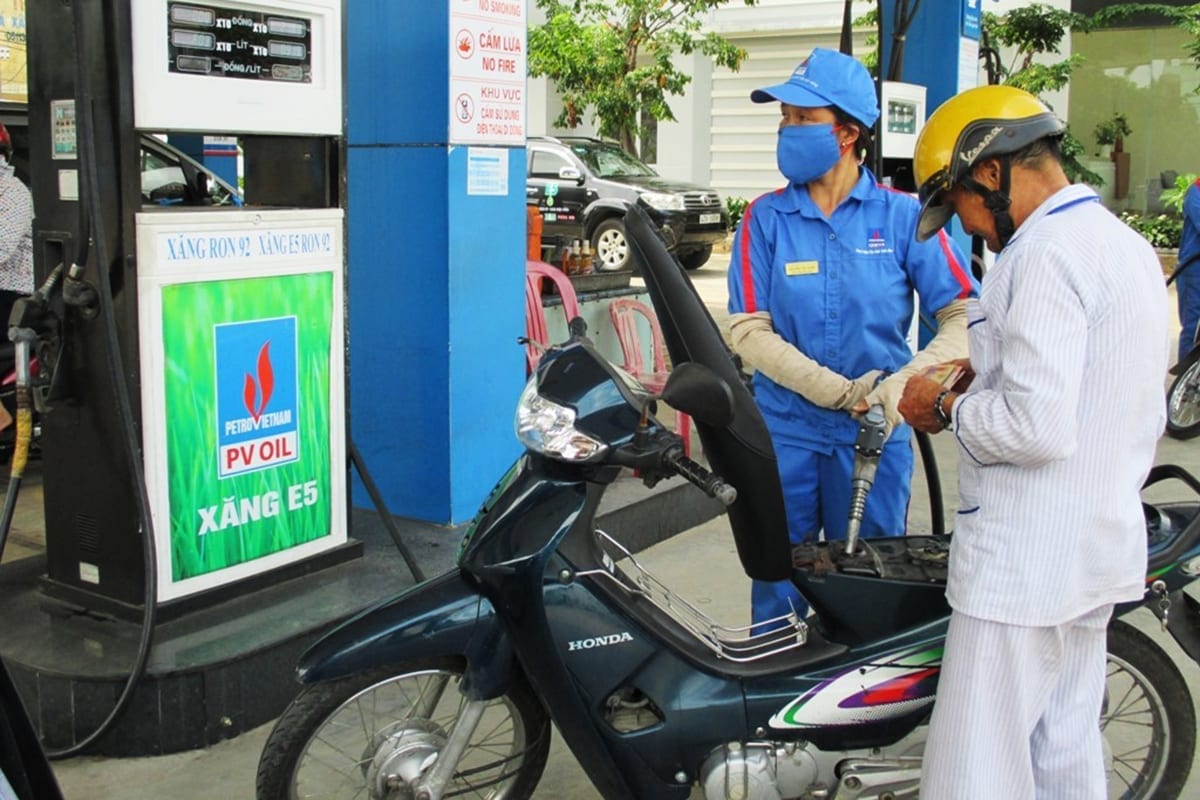
    Gasoline prices in Vietnam witnessed a significant surge on Thursday afternoon, marking their highest point since the beginning of the year. The commonly used fuel, RON95, experienced a hike of 1.13%, bringing its price up to VND18,840 (US$0.72) per liter.

    Biofuel E5 RON92 also experienced a price increase, albeit a more modest one. Its price rose by 0.27%, leaving it at VND18,330 per liter. Diesel, a critical fuel for many industries, saw a noteworthy increase of 2.66%, pushing its price to VND18,170 per liter.

    Several global factors have been cited as driving forces behind these price changes. The international fuel market has been affected by geopolitical tensions, particularly between the U.S. and Iran. In addition to this, the United States has seen a more substantial-than-anticipated dip in its oil inventories. Coupled with a weakening U.S. dollar, these factors have put pressure on global fuel prices, as noted by the Ministry of Industry and Trade.

    In terms of international prices, RON95 saw an increase of 1.7%, which pushed its price to $73.6 per barrel. Diesel’s price also witnessed a significant uptick, with an additional 3.4%.

    Questions & Answers

    What was the price increase for the commonly used fuel RON95 in Vietnam?
    RON95 experienced a price hike of 1.13%, which increased its price to VND18,840 (US$0.72) per liter.

    What global factors have influenced the recent surge in fuel prices?
    Several global factors, including geopolitical tensions between the U.S. and Iran, a substantial decline in oil inventories in the U.S. more than anticipated, and a weakening U.S. dollar have contributed to the increase in fuel prices.

    How has the price of Diesel changed?
    Diesel witnesses a significant price increase of 2.66%, leaving its price at VND18,170 per liter.

  • Fuel Price Revolution: Vietnam Gasoline Plummets Amid Global Market Fluctuations

    Fuel Price Revolution: Vietnam Gasoline Plummets Amid Global Market Fluctuations

    In Vietnam, gasoline prices experienced a reduction on Thursday afternoon, echoing the recent drop in global rates. The widely used fuel, RON95, underwent a decrease of 0.43%, bringing its cost down to VND18,630 (US$0.71) per liter.

    In a similar trend, the biofuel E5 RON92 also saw a price reduction, decreasing by 0.49% to a new price of VND18,280 per liter. Diesel, on the other hand, experienced a price hike with an increase of 2.43% which resulted in a new price of VND17,700 per liter.

    The change in fuel prices is reflective of the recent fluctuations in the global oil market. This volatility has been brought on by several different factors. These include the possibility of disruptions to oil supplies from Iran and ongoing tensions between the United States and Europe over issues pertaining to Greenland as reported by Vietnam’s Ministry of Industry and Trade.

    In terms of specific fuel types, RON95 saw a decrease of 0.6% to a new price of $72.4 per barrel globally, while the cost of diesel increased by 2.9% taking it to a price of $83.4 per barrel.

    Questions & Answers

    What was the new price of the RON95 fuel in Vietnam?
    The new price of RON95 fuel in Vietnam was VND18,630 per liter, which translates to US$0.71 per liter.

    How did the price of diesel change?
    The price of diesel experienced a hike of 2.43%, which resulted in a new price of VND17,700 per liter.

    What factors have been affecting the global oil market recently?
    The global oil market has been affected by various factors including possible disruptions to oil supplies from Iran and ongoing tensions between the United States and Europe over Greenland-related issues.