Tag: Furniture

  • Ikea Installs Miniature Home Exhibits Across Melbourne, Beijing and Chengdu

    Ikea Installs Miniature Home Exhibits Across Melbourne, Beijing and Chengdu

    Ikea has installed miniature home displays across stores in Melbourne, Beijing and Chengdu to promote compact, affordable living.

    Stockholm artist Christopher Nordstrom built the three displays at a one-to-12 scale. They serve as the Swedish retailer’s latest visual merchandising test in the Asia-Pacific region.

    Scale Models for Compact Urban Spaces

    Each model tailors its interior details to local culture. In Melbourne, the display features a bookcase filled with novels, art prints and nods to local sports.

    Storage and decluttering for smaller homes sit at the centre of the push. “When you build in miniature, you cannot include everything,” Nordstrom said. “Every object has to earn its place.”

    Ingka Group, Ikea’s primary global operator, is steering marketing funds toward entry-level home organisation. Urban shoppers face increasingly tight quarters across major metro markets.

    Shifting Formats in Asia-Pacific

    This rollout ties into broader footprint adjustments across the region. Ikea continues to balance compact city-centre locations against traditional suburban big-box warehouses.

    Regional home furnishing chains are leaning on interactive features to lift foot traffic and basket sizes. Discretionary spending has seen several volatile quarters.

    Next, Ingka Group will track customer engagement around the three micro-exhibits across its Australian and Chinese locations.

  • Koala Revenue Rises 20% to $332 Million as Japan Sales Jump

    Koala Revenue Rises 20% to $332 Million as Japan Sales Jump

    Australian furniture retailer Koala posted a 20 per cent rise in annual revenue to $332.3 million for the fiscal year ended June 30.

    Growth in overseas markets offset tighter consumer spending at home, lifting pro forma EBITDA by 139 per cent to $27.9 million.

    Japan and American Sales Fuel Expansion

    Domestic sales in Australia rose 10.7 per cent to $166.7 million during the twelve-month period. International divisions expanded at a much sharper clip.

    In Japan, revenue climbed 23.5 per cent to $89.4 million, carried by demand for sofa beds and mattresses. The United States registered the fastest geographic growth, where sales jumped 67.6 per cent to $74.9 million. Koala also entered the United Kingdom during the fiscal year.

    Direct-to-consumer furniture makers across the Asia-Pacific region have spent two years navigating softer home goods demand and volatile shipping rates. Koala’s performance in Tokyo shows that flat-pack formats tailored for compact urban living continue to find traction outside Australia even when consumer sentiment cools.

    Bottom Line and Public Markets

    Operating margins improved across core product lines, supported by new releases in sitting furniture. Constant-currency revenue grew 24 per cent across the group.

    “FY26 was a defining year for Koala,” chief executive and co-founder Dany Milham said, noting the completion of the company’s listing on the Australian Securities Exchange.

    Market attention now shifts to initial sales figures from the United Kingdom and customer uptake of the expanded seating lines in the first quarter of fiscal 2027.

  • Japanese Retailers Lock in FX Contracts as Weak Yen Hits Profits

    Japanese Retailers Lock in FX Contracts as Weak Yen Hits Profits

    Japanese retailers are overhauling supply contracts and turning to financial derivatives as the yen hovers near 159 per dollar, driving up import costs across food and consumer goods.

    The currency has shed more than 30 per cent against the greenback over the past five years, eroding buying power for domestic store operators that rely heavily on overseas agricultural products, raw materials and finished goods.

    Supermarkets Shift Supply Terms

    Takara MC, which runs 43 supermarkets south of Tokyo, has abandoned monthly price negotiations with overseas suppliers in favour of quarterly and annual agreements. Chief executive Taku Ueno said securing terms for up to a year on imports such as US beef, Spanish olive oil and Italian tomatoes allows the chain to shield shoppers from immediate price increases on store shelves.

    Securing supply deals has grown harder as rival buyers from China and Thailand consistently outbid Japanese grocers for commodity shipments.

    Bankers report that small and mid-sized store operators, which previously absorbed modest currency swings, are now turning to futures, forwards and options contracts to limit their balance sheet exposure.

    Corporate Hedging Stretches Further

    Nitori Holdings, the country’s largest furniture retail chain, estimates that every 1 yen drop against the US dollar reduces its operating profit by roughly 2 billion yen ($12.5 million). While the company has avoided direct hedges to date, it is reviewing forward contracts if currency weakness continues.

    Brokers in Tokyo say hedging volume is expanding well beyond traditional tenors. Daiwa Securities noted that client requests to lock in exchange rates have stretched from the usual few months out to as long as five to 10 years, while Bank of America expanded its Tokyo foreign exchange sales team over the past two years to handle the surge in corporate demand.

    For retailers across East Asia, Japan’s currency predicament shows how sustained foreign exchange weakness can upend long-standing retail pricing models. Competitors elsewhere in the region, operating with firmer currencies, continue to snap up global agricultural allocations that once went routinely to Tokyo buyers.

    Market participants at JP Morgan project the dollar-yen rate will persist in the 155 to 165 corridor, keeping the pressure firmly on Japan’s store operators as contract renewals approach in the coming quarter.

  • L Catterton targets Japan’s furniture sector with stake in Seki Furniture

    L Catterton targets Japan’s furniture sector with stake in Seki Furniture

    L Catterton, an investment firm supported by luxury goods group LVMH, has entered into a strategic partnership with Seki Furniture, a prominent furniture producer and retailer in Japan.

    Established in Okawa in 1968, Seki Furniture originated as a wholesaling business and has since evolved into a leading omnichannel company. Currently, it operates 26 retail outlets, incorporating its Crash Gate brand, and maintains a formidable online presence.

    Seki controls the majority of Japan’s wholesale residential furniture market and is broadening its reach into sectors such as offices, hotels, restaurants, and hospitals.

    The company is backed by an expert in-house design team and an extensive supplier network. Its brands, notably Relaxform, garner recognition for their design, quality, and affordable pricing.

    CEO Hideki Haruta stated, “Moving ahead, we aim to collaborate with L Catterton to achieve additional medium- to long-term growth and augment our corporate value. We remain committed to providing our customers with services and products that offer enduring value.”

    This investment follows L Catterton’s previous investments in home furnishing businesses, including Restoration Hardware and Boll & Branch.

    Earlier this year, L Catterton entered into a strategic agreement with Megabass, a high-end Japanese fishing gear manufacturer, to assist in the company’s expansion.

    Questions & Answers

    What is Seki Furniture’s current market position in Japan?
    Seki Furniture holds the largest share of Japan’s wholesale residential furniture market and is expanding into sectors such as offices, hotels, restaurants, and hospitals.

    What kind of brands does Seki Furniture have?
    Seki Furniture has several brands under its umbrella, notably Relaxform, which is well-recognised for its design, quality, and pricing.

    Who has L Catterton previously invested in within the home furnishing sector?
    L Catterton has previously invested in home furnishing companies such as Restoration Hardware and Boll & Branch.

  • IKEA Announces Exciting Launch of Its First Store in New Zealand!

    IKEA Announces Exciting Launch of Its First Store in New Zealand!

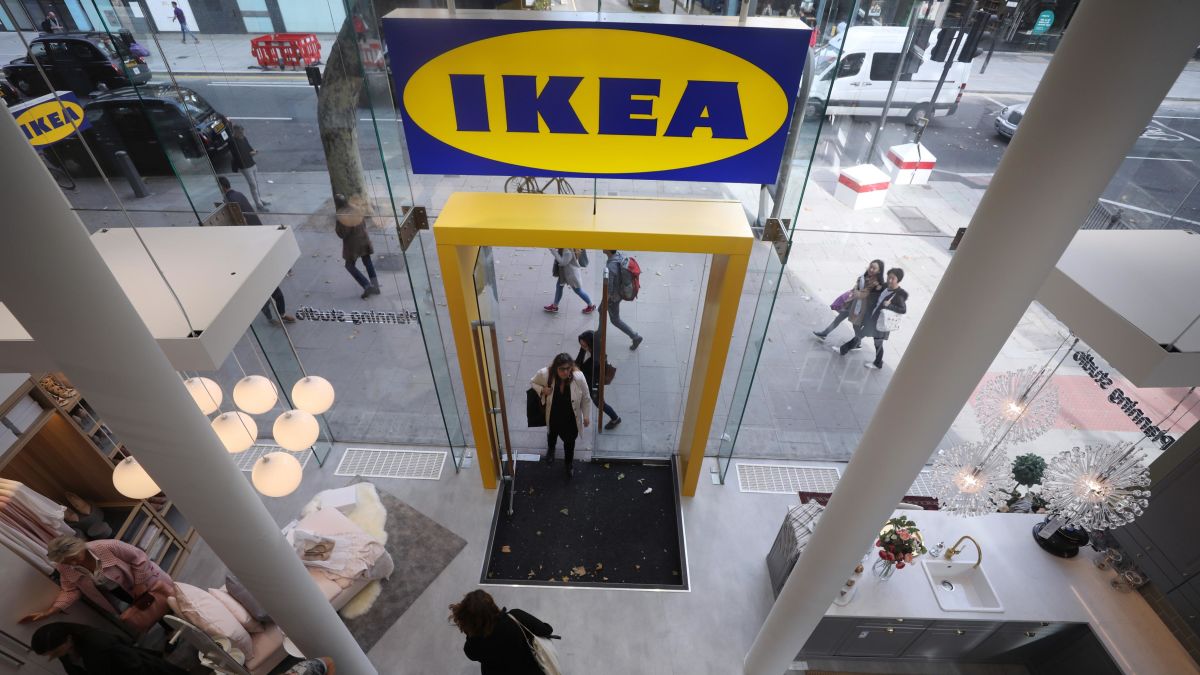
    IKEA is set to make a splash in New Zealand with its inaugural store opening at Sylvia Park, Auckland, on December 4. Spanning an impressive 34,000 square meters, this expansive outlet will showcase a staggering array of over 7,500 products, which local customers can explore both in-store and online—talk about a retail playground!

    New Offerings Fit for Every Kiwi Home

    In a first for the retailer in a new market, IKEA will roll out 29 nationwide Pick-Up Points and launch home delivery services, ensuring that Kiwis from all corners have convenient access to their flat-pack treasures. Adding a twist to the traditional retail experience, a Buy Back service will enable customers to return pre-loved furniture, whether it be from IKEA or other brands, making sustainability a key component of their new footprint.

    A Loyalty Programme to Cherish

    In celebration of this upcoming launch, IKEA is unveiling its free IKEA Family loyalty program, designed to give members exclusive benefits and priority access to the store. New Zealanders can get in on the action by registering now at IKEA’s website, ensuring they are among the first to experience the brand’s unique offerings when the doors swing open.

    Part of a Larger Global Vision

    This launch marks a significant milestone as New Zealand is the first new market for Ingka Group, IKEA’s largest retail arm, since 2021. The opening in Auckland is part of a broader ambitious €5 billion global expansion strategy slated to unfold through fiscal year 2027, signalling IKEA’s unwavering commitment to grow its presence in retail overseas.

    As the countdown to December 4 begins, one thing is clear: IKEA’s arrival in New Zealand will undoubtedly change the local retail landscape. Who knew that assembling a bookshelf could also symbolize a nation’s evolving consumer culture?

    Questions & Answers

    What unique services will IKEA offer in New Zealand?
    IKEA will introduce 29 nationwide Pick-Up Points alongside home delivery services, enhancing accessibility for customers across the country.

    What sustainability initiative is IKEA implementing with its new store?
    The company will offer a Buy Back service for customers to return pre-loved furniture, promoting sustainability and responsible consumption.

    When is the grand opening of IKEA’s first New Zealand store?
    The much-anticipated opening is scheduled for December 4, 2023, at the Sylvia Park location in Auckland.

  • IKEA Expands Boldly in India with Diverse Store Formats and Enhanced Supply Chain Strategy

    IKEA Expands Boldly in India with Diverse Store Formats and Enhanced Supply Chain Strategy

    In a bold leap towards modernization and urban adaptation, Swedish home furnishings behemoth IKEA is expanding its footprint across India. The retailer is introducing a fresh approach that encompasses compact city storefronts, expansive mixed-use developments, and an enhanced online shopping experience. As part of this transformation, IKEA is also weaving India more tightly into its global supply chain, aiming to meet domestic demand while diversifying its production capabilities.

    Gone are the days when Indian shoppers had to navigate massive warehouse-style locations. Instead, IKEA’s new city-friendly outlets are tailored for bustling, high-density areas, making accessibility a priority for urban residents. It’s a clever twist that invites customers to experience IKEA without the trek across town.

    This strategic shift comes at a time when India’s retail market is increasingly vibrant, characterized by rapid urbanization and a growing middle class hungry for innovative and affordable home solutions. In 2024, the Indian retail market is estimated to reach nearly $1 trillion, providing a conducive environment for IKEA’s expansion.

    To accommodate this dynamic landscape, IKEA plans to launch not just stores but also mixed-use developments that incorporate residential and commercial elements, reimagining the shopping experience. The idea is to create vibrant community hubs where shopping, dining, and living intertwine seamlessly—because who wouldn’t want a cozy cup of coffee after an afternoon of furniture browsing?

    Simultaneously, IKEA is bolstering its online presence, a move essential in an era where e-commerce continues to rise. With a robust digital strategy in place, the retailer is targeting younger consumers who prioritize convenience and innovation in their shopping experiences. It’s a blend that captures the essence of modern retail, bringing the entire IKEA ecosystem closer to the consumer.

    Questions & Answers

    How is IKEA adapting its store formats for the Indian market?
    IKEA is transitioning from large warehouse-style stores to more compact city-friendly outlets, designed for high-density urban areas to enhance accessibility for city dwellers.

    What additional developments is IKEA pursuing in India?
    In addition to launching new stores, IKEA is investing in mixed-use developments that blend shopping with residential and commercial spaces, creating vibrant community hubs.

    Why is strengthening its online presence crucial for IKEA?
    A robust online strategy is essential as e-commerce continues to surge, helping IKEA connect with younger consumers who seek convenience and innovative shopping experiences.

  • Singapore’s Castlery Expands European Footprint With Uk E-commerce Launch And London Pop-up Store

    Singapore’s Castlery Expands European Footprint With Uk E-commerce Launch And London Pop-up Store

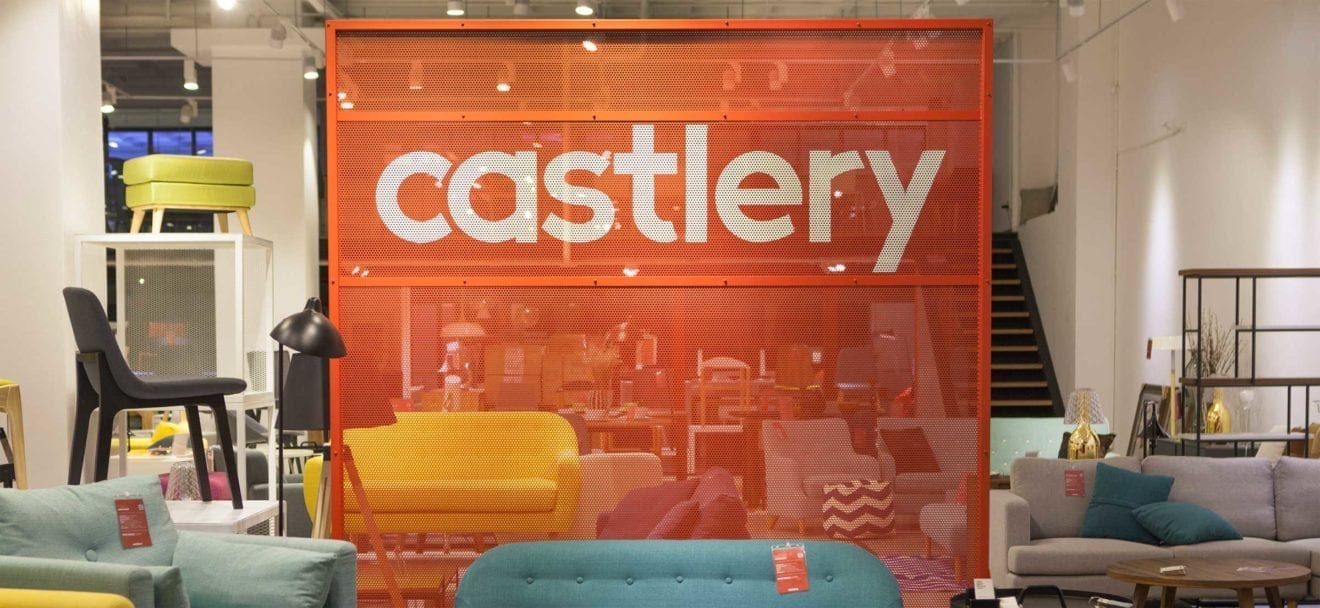
    Singaporean home furnishings company, Castlery, has extended its reach by opening an e-commerce store in the United Kingdom. This move signifies the brand’s initial foray into the European marketplace.

    The online store showcases an extensive variety of Castlery’s furniture offerings, inclusive of sofas, dining tables, beds, storage solutions, and items crafted with children in mind. In addition, Castlery is preparing to introduce a pop-up store at the London Design Festival in September.

    Co-founder Declan Ee summed up Castlery’s ethos, stating, “In essence, Castlery offers furnishings for those who value well-designed pieces, but are not prepared to sacrifice their financial stability for an expensive coffee table.”

    Furthering their expansion, Castlery is also set to inaugurate a physical storefront in Brisbane on the 26th of August. This follows the successful establishment of their Sydney store in the previous year.

    Since its inception in 2013, the Singapore-based company has been operating its e-commerce platform across a staggering 100 cities worldwide. These include locations in Singapore, Australia, the United States, Canada, as well as the United Kingdom.

    Questions & Answers

    When and where was Castlery founded?
    Castlery was founded in Singapore in 2013.

    Where is Castlery set to open its next physical store?
    The next physical store will be opened in Brisbane on August 26.

    In which cities does Castlery operate its e-commerce site?
    Castlery operates its e-commerce site in 100 global cities, spanning regions such as Singapore, Australia, the United States, Canada, and the United Kingdom.

  • Royaloak Furniture Expands Horizons: Launches Three Exciting Stores in the UAE Market!

    Royaloak Furniture Expands Horizons: Launches Three Exciting Stores in the UAE Market!

    As retail dynamics continue to evolve across Asia, innovation and adaptability remain at the forefront of success. In a recent development, a wave of retail businesses is harnessing the power of artificial intelligence (AI) to enhance customer experience and streamline operations. The retail landscape is not just about selling products anymore; it’s about creating memorable experiences that keep consumers returning for more.

    AI Reshaping Customer Engagement

    Artificial intelligence is being integrated into a variety of retail functions, from personalized shopping recommendations to chatbots that provide instant customer service. Leading brands are now leveraging machine learning algorithms to analyze consumer behavior, enabling them to tailor promotions and product placements to individual preferences. This impressive shift raises the question: when did shopping become so personalized that it feels like each customer has their own personal shopper?

    Streamlining Operations

    Moreover, AI is revolutionizing back-end operations, optimizing inventory management, and enhancing supply chain efficiency. Retailers are using predictive analytics to foresee demand trends, ensuring that shelves are stocked with the right products at the right time. This not only minimizes waste but also maximizes profitability.

    Success Stories Across Asia

    In Japan, convenience store chain Seven & I Holdings has implemented AI-driven systems to manage inventory more effectively, while Chinese e-commerce giant Alibaba employs sophisticated algorithms to refine its marketing strategies. Such initiatives are setting benchmarks for other retail businesses, showcasing the tangible benefits of embracing technology in an ever-competitive market.

    The Human Touch

    While technology takes center stage, the importance of human interaction shouldn’t be overshadowed. Retailers are finding the delicate balance between cutting-edge tech and personal touches that make shopping enjoyable and engaging. As the saying goes, “You can’t spell ‘retail’ without ‘tail’,” and those savvy enough to blend both elements stand to thrive.

    Looking Ahead

    As we venture further into the digital age, the relationship between AI and retail will only deepen. The future may see even more creative applications of technology, from augmented reality shopping experiences to AI-driven fashion design. The possibilities are as vast as the Asian markets themselves, tantalizing both retailers and consumers alike.

    Questions & Answers

    How is AI impacting customer engagement in retail?
    AI enhances customer engagement by providing personalized shopping experiences through recommendations and real-time assistance, making consumers feel valued.

    What operational benefits does AI offer to retailers?
    Retailers benefit from AI through better inventory management and supply chain optimization, allowing for more accurate demand forecasting and resource allocation.

    Can human interaction still play a significant role in retail despite the rise of technology?
    Yes, a human touch remains essential; blending technology with personal interactions creates a more enjoyable shopping experience, fostering customer loyalty.

  • Opening date released for the world’s largest Ikea in Manila

    Opening date released for the world’s largest Ikea in Manila

    The world’s largest Ikea store, Ikea Pasay City in Manila, is set to open its doors to the public this month after being delayed due to the Covid-19 pandemic.

    Ikea Pasay City also marks the chain’s first location in the Philippines. The 67,760sqm store, scheduled to open on November 25, is located next to the Mall of Asia and spans five stories.

    While two floors are dedicated to retail activities, the remaining floors are for stocks and e-commerce operations.

    The new Ikea store will house more than 8,000 home furnishing and appliance products, together with a restaurant, where customers can find the brand’s famous Swedish meatballs. Ikea Philippines’ online store launched earlier this month for delivery orders after a soft launch in September.

    The launch of Ikea Pasay City was announced in 2018 and due to open last year. However, the construction of the store was interrupted last year due to the Covid-19 pandemic.

  • Ikea launching online marketplace for second-hand goods

    Ikea launching online marketplace for second-hand goods

    It might not be as good as picking up those meatballs on your way home, but IKEA is launching an online marketplace for Aussies to buy and sell second-hand products.

    The new ‘As-is’ scheme will be piloted, allowing their members to browse second-hand IKEA products online and reserve items they’d like to buy before then heading to the store to collect. It sounds like a real game-changer.

    According to Mellisa Hamilton, IKEA Australia’s Sustainability Manager, the company are aiming to have the marketplace ready early in 2022. It will initially be available only to members but will likely be opened up to everyone else later.

    Hamilton believed that a change in mindset in Aussie consumers was key to any success of the marketplace. “I think people will look at (used) items and (consider) maybe they’re not perfect anymore, but ask are they less valuable? Are they less useful? I think the shift of people understanding, I don’t need new all the time, and there’s nothing wrong with the item …,” she explained.

    “And this is the thing that we’ve also received from our consumer insights is that they feel to make an individual action to support the people and the planet it tends to be more expensive and at a premium,” Hamilton added.

    “But I think in terms of this action or this initiative is actually more looking at why pay full price for something new when I could get something just as functional just as beautiful.

    Maybe it’s not directly out of a box, or maybe it’s barely been used, but you could get it at a cheaper price. So I think if we’re looking at that affordability piece and how we can also impact the planet this is probably a really good action that anybody can take.”

  • Furniture companies seek reopening autonomy

    Furniture companies seek reopening autonomy

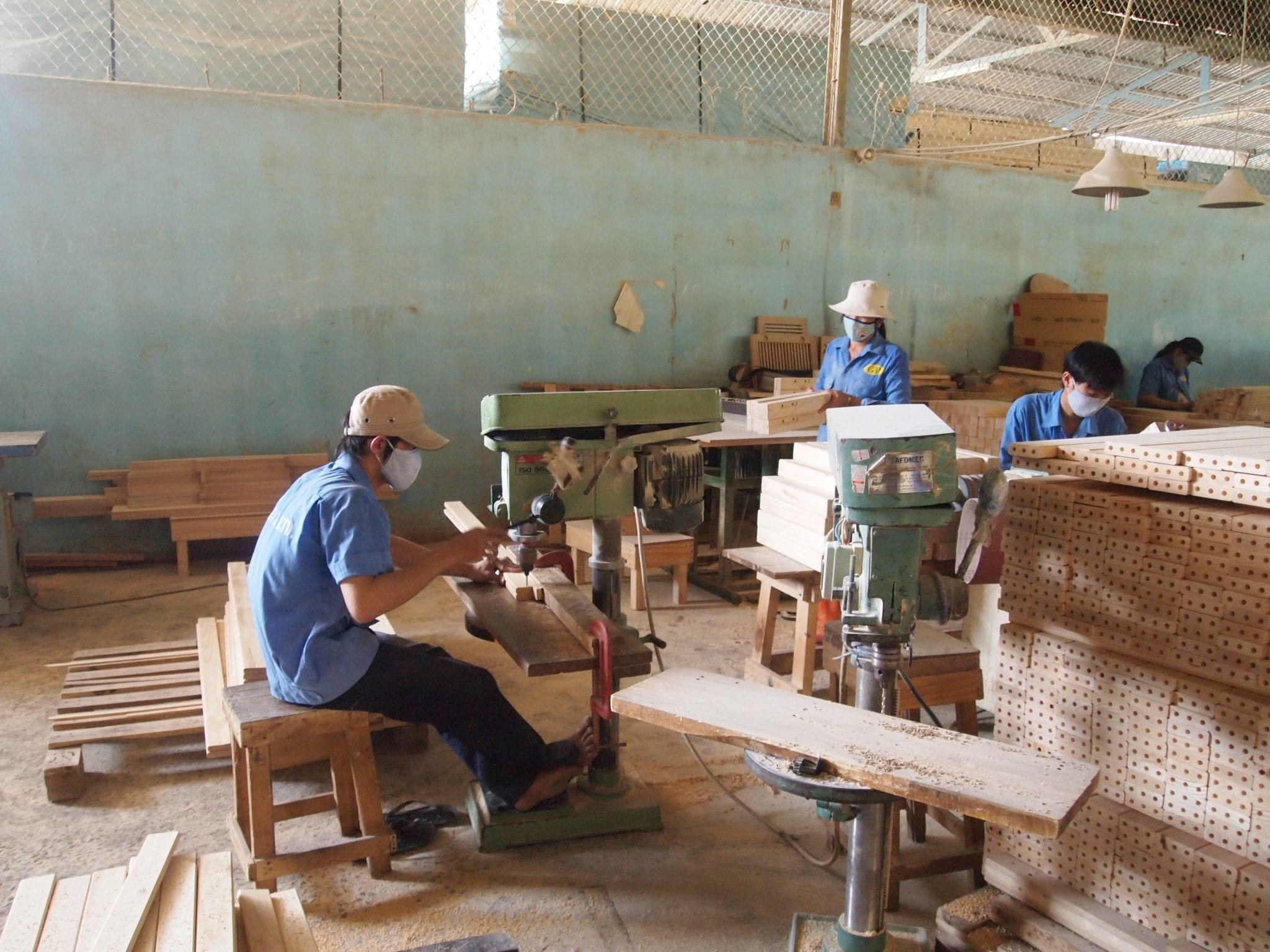
    Furniture companies in Binh Duong are proposing more autonomy in imposing Covid-19 measures as they reopen after months of social distancing.

    Members of Binh Duong Furniture Association said due to the limited number of government workers, their proposals to resume production have faced delays.

    There are about 50 staff working as industrial park managers in the province, though there are around 3,900 companies.

    Apart from these parks, there are over 50,000 companies in the province.

    Deputy Director of Binh Duong Department of Industry and Trade Nguyen Thanh Toan said the province is set to issue guidelines for companies to reopen with safety measures.

    The province is currently letting companies test their own workers. It allows the combination of samples from three workers in one test to reduce costs.

  • Ikea expands Buy Back & Resell program as it eyes 2030 circularity goal

    Ikea expands Buy Back & Resell program as it eyes 2030 circularity goal

    Global furniture and homewares retailer Ikea has expanded its Buy Back & Resell concept into the US with a three-week trial in the Pennsylvania city of Conshohocken in suburban Philadelphia.

    Ikea piloted the concept in the UK in 2019 before launching two permanent stores in its home market Sweden last year. In Australia, a 10-day campaign last year saw more than 18,000 products returned to stores, but the initiative has not been introduced as a permanent feature yet.

    After the Ikea Conshohocken Ikea US said in a statement that it plans to roll the service out to additional select markets across the country, with the ultimate goal of making Buy Back & Resell a permanent service at all Ikea US stores in the future, without specifying a timeframe. The pilot began this week and ends on September 19.

    However the company earlier said the return and reuse strategy would help it meet its goal of becoming a circular business by 2030.

    Perhaps addressing one of the challenges of maintaining a service where it commits to buying back furniture, the company said it was offering “Ikea Family members the opportunity to sell back their gently used” furniture in exchange for store credit. It only covers fully assembled and functional Ikea furniture which the retailer hopes will provide a sustainable and affordable option for customers, especially those on tight budgets. The condition, age and functionality of products returned will be reviewed and any recalled products – along with particular categories of products such as chests of drawers – will not be accepted.

    “At Ikea, we are passionate about making sustainable living easy and affordable for the many, and want to be part of a future that’s better for both people and the planet,” says Jennifer Keesson, country sustainability manager at Ikea US. “We hope the Buy Back & Resell service inspires our customers to live a more sustainable life at home while giving their used furniture another life and a second home.”

    The company did not say what it would do with furniture returned that it believed could not be resold – consumers may have the perception that the company would recycle it on their behalf.

    Through its franchise partner Ingka Group, Ikea has 52 stores in the US.

    Ikea Australia sustainability manager Mellisa Hamilton said the success of last year’s trial proved “overwhelming demand” for the service.

    “Moving forward, we’re looking at ways to refine the service to be able to meet demand and continue to increase consumer awareness to promote and enable circularity both within our business and our customer’s life at home.”

  • Vietnam replaces China as largest furniture exporter to US

    Vietnam replaces China as largest furniture exporter to US

    Vietnam has overtaken China as the largest furniture exporter to the U.S. as tariffs drive manufacturers out of the world’s second-largest economy.

    Vietnam exported $7.4 billion worth of furniture to the U.S. last year, compared to China’s $7.33 billion. This marked a 31 percent year-on-year surge for Vietnam, while that of China fell 25 percent.

    The shift has happened over the past two and a half years with the U.S. imposing tariffs as high as 25 percent on almost all furniture categories from China, pushing manufacturers to move out.

    In 2018 and 2019, Vietnam’s furniture shipments to the U.S. rose by double digits each year, while that of China fell by double digits.

    “That doesn’t surprise me at all,” said Fred Henjes, CEO of Riverside Furniture Corp. “We are no longer buying products out of China, and I know there are many others besides us.”

    Strong import categories of this company from Vietnam include bedroom, dining room, and home office furniture, Furniture Today quoted him as saying.

    Another company, Klaussner Home Furnishings, sources all of its wood furniture from Vietnam now. Its sales in the wood segment from Vietnam were up 10 percent last year.

    The U.S. was Vietnam’s largest export market in the first four months at $30.3 billion, up 50 percent, followed by China at $16.8 billion, up 32.4 percent.

  • Hong Kong furniture retailer launches online food range

    Hong Kong furniture retailer launches online food range

    Hong Kong furniture retailer Pricerite has introduced its first online food range, Pricerite Food, fronted by Hong Kong rising star, actor Liu Junqian.

    According to the company, Pricerite Food’s philosophy is to promote a “slow living” lifestyle amid the influence of “fast-food culture”. The range is split into three categories: quality exclusive, traditional taste and Asian taste.

    “Our philosophy is to promote food culture and gradually change the life attitude of urban people,” the company said in a statement translated from Chinese.

    The range will be launched simultaneously in Pricerite’s online store and at nine physical outlets, including stores in Mong Kok Chong Hing, Kowloon Bay, North Point, and Yuen Long.

    As part of its launch campaign, Pricerite Food has introduced a video advertisement featuring actor Liu Junqian, who is also appointed as the brand spokesperson.

    The brand also rolled out ‘Pricerite Food Virtual Store’ at Hong Kong station, with selected ingredients printed on the top of the poster. Customers can shop directly by scanning the QR Code next to the product they want to order to enter the online store for self-service shopping.

  • Ikea teams with Asus to launch furniture for gamers

    Ikea teams with Asus to launch furniture for gamers

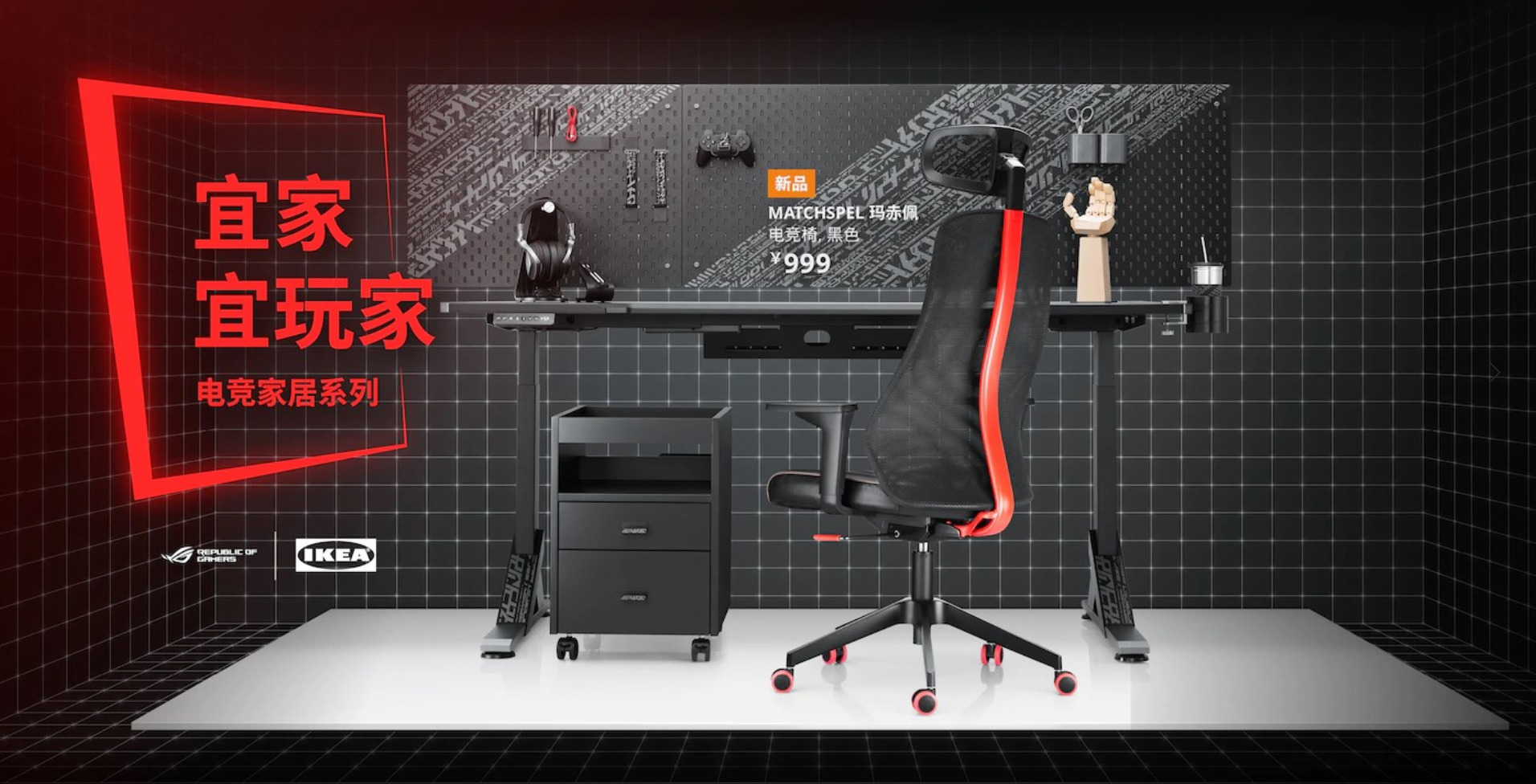
    KEA announced a partnership with ASUS Republic of Gamers in September 2020, and the fruits of that team-up are now appearing, right on schedule.

    As expected there is a wave of products releasing for customers in China, ahead of an expected launch for Western markets in around October of this year.

    The range includes everything from gaming chairs and adjustable desks, the sort of furniture you might expect, alongside even more gaming-focused accessories like headset stands, a ring light for streamers, a CPU stand with its own castors, and more.

    It’s an impressive list of options, but the most exciting part of it, as was expected, are the prices, which trend low. The MATCHSPEL gaming chair, for example, is set at ¥999.00, which converts to around £112, a price that beggars belief compared to what some on the market are asking for.

    Best PS5 games 2021: Amazing PlayStation 5 titles to pick up By Max Freeman-Mills: 5 February 2021

    There are desks specifically aimed at gamers that cost even less, and that’s before you get to the likes of the accessories, which are all slapped with low price tags too.

    That makes the line an exciting prospect, given that we know that it’s planned for a more global expansion later this year. You can view the whole range on Ikea’s Chinese website here, for now, to get a sense of what it looks like, although we don’t know which exact products will make the leap, or whether they all will.