Retail News CRM

Tag: Furniture

  • Ikea India focuses on tier-2 cities as it targets growth

    Ikea India focuses on tier-2 cities as it targets growth

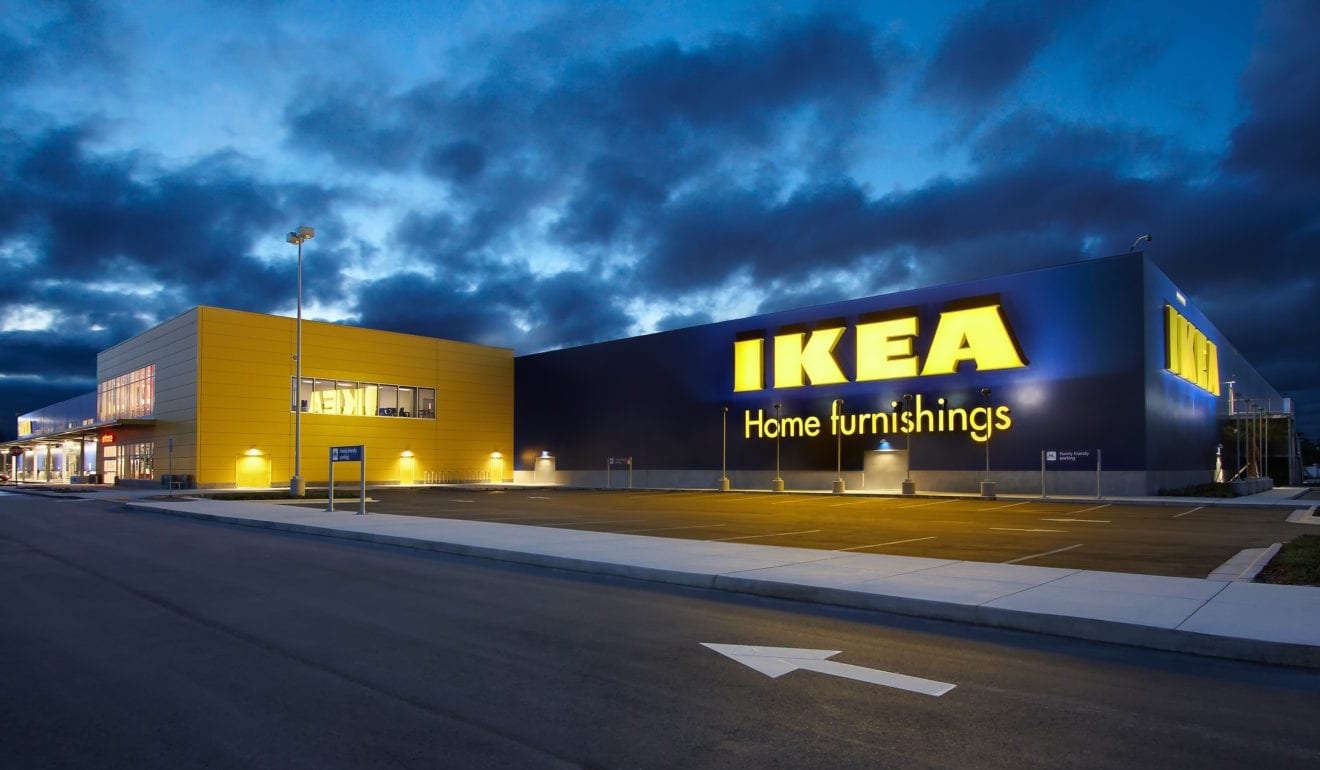
    Ikea India is set to expand into tier-II cities in the second phase of its development after early success in key markets.

    The Swedish-headquartered furniture-and-homewares giant has established its presence in Hyderabad and Mumbai and is now working on building a large-format outlet in Bengaluru before moving on to Delhi.

    “We want to bring our offering through multi-channel approach,” said Ikea India CEO Peter Betzel. “We want to be present through large format stores, small stores and even on the online platform.”

    The planned stores will be wholly owned by Ikea and will work to ensure half of its workforce are women. They will be smaller in size but otherwise functionally similar to its large-format stores in the territory.

  • Ikea Store Sales in Southeast Asia exceed SG$1 billion

    Ikea Store Sales in Southeast Asia exceed SG$1 billion

    Sales at Ikea stores in Southeast Asia exceeded SG$1 billion (US$723 million) for the first time this year, reflecting healthy growth for a big-box retail business.

    Christian Rojkjaer, MD of Ikea Southeast Asia, says more than 98 million customers passed through the company’s eight full-format stores in Singapore, Malaysia and Thailand and its associated shopping centers. (Ikea stores in other parts of Asia are run by other franchisees).

    Online, there were 51.7 million visits to Ikea websites – up 16 percent year on year.

    “When our retail sales are combined with rental income generated from our three Ikea- anchored shopping centers in the region, our total revenue reached SG$1.21 billion – 20 percent more than last year,” said Rojkjaer.

    “These results show that our Ikea stores and shopping centers have fantastic potential to grow. We make a difference to many people by making life more comfortable, more beautiful and more sustainable – all at an affordable price.

    “We face increasing competition and changing customer behaviors,” he added, “but our vision to create a better everyday life for many people is perhaps more powerful than ever. We aim to offer the best deal there is in every market and we have a wide price ladder within our range so, even in challenging times, Ikea has something for everyone no matter the size of his or her wallet.”

    In November, Ikea Southeast Asia will open its new Toppen shopping centre in Johor Bahru, which features a rooftop with outdoor play spaces, a sports zone and a community garden.

  • Ikea starts building store in southwest province of Yunnan

    Ikea starts building store in southwest province of Yunnan

    Ikea China has started construction of its first store in Yunnan.

    The southwestern Chinese province will see its first Ikea outlet in its capital city of Kunming, scheduled to open at the end of next year. The firm is investing more than RMB1 billion (US$141 million) into the 120,000sqm three-story development.

    Ikea China area director Lukasz Ostrowski said that the firm has full confidence in the future development of its Chinese business, following more than two decades of rapid and accelerating expansion.

    Upon completion, Ikea is anticipated to be operating 35 stores in Mainland China.

  • Stuart Weitzman opens world-first airport store at Hong Kong

    Stuart Weitzman opens world-first airport store at Hong Kong

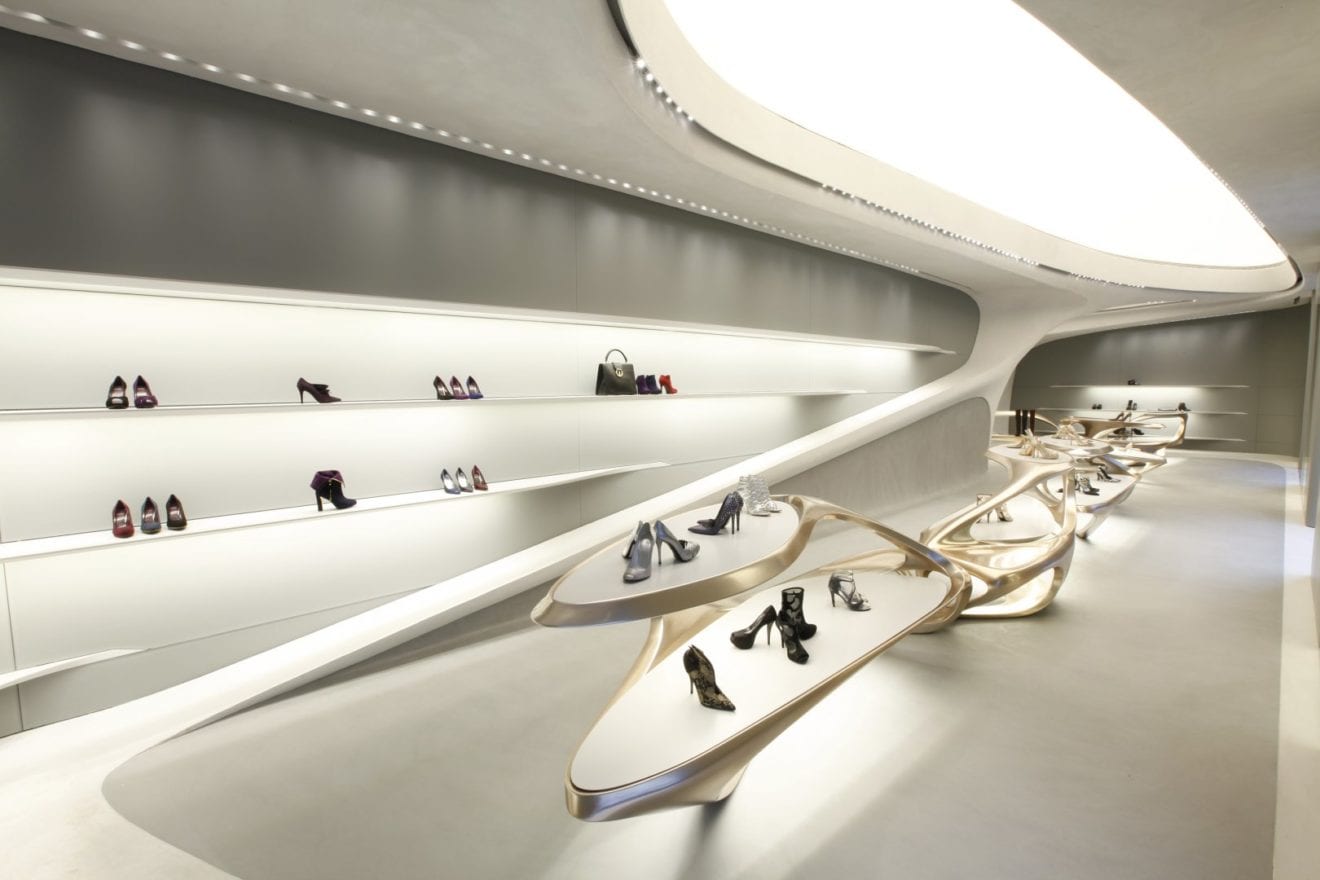
    Designer footwear label Stuart Weitzman has opened its first airport outlet worldwide at HKIA in partnership with Lagardere Travel Retail.

    The airport boutique is opening with a curated selection from the brand’s future-inspired Autumn 2019 Collection and SW Logo series, including its popular Nudistsong stilettos and Nearlynude block-heel sandals.

    Stuart Weitzman has 128 stores around the world and is represented in both physical stores and online in the US, Canada, Europe, China, Japan and Australia.

  • LF Products Renamed into Living Style Group

    LF Products Renamed into Living Style Group

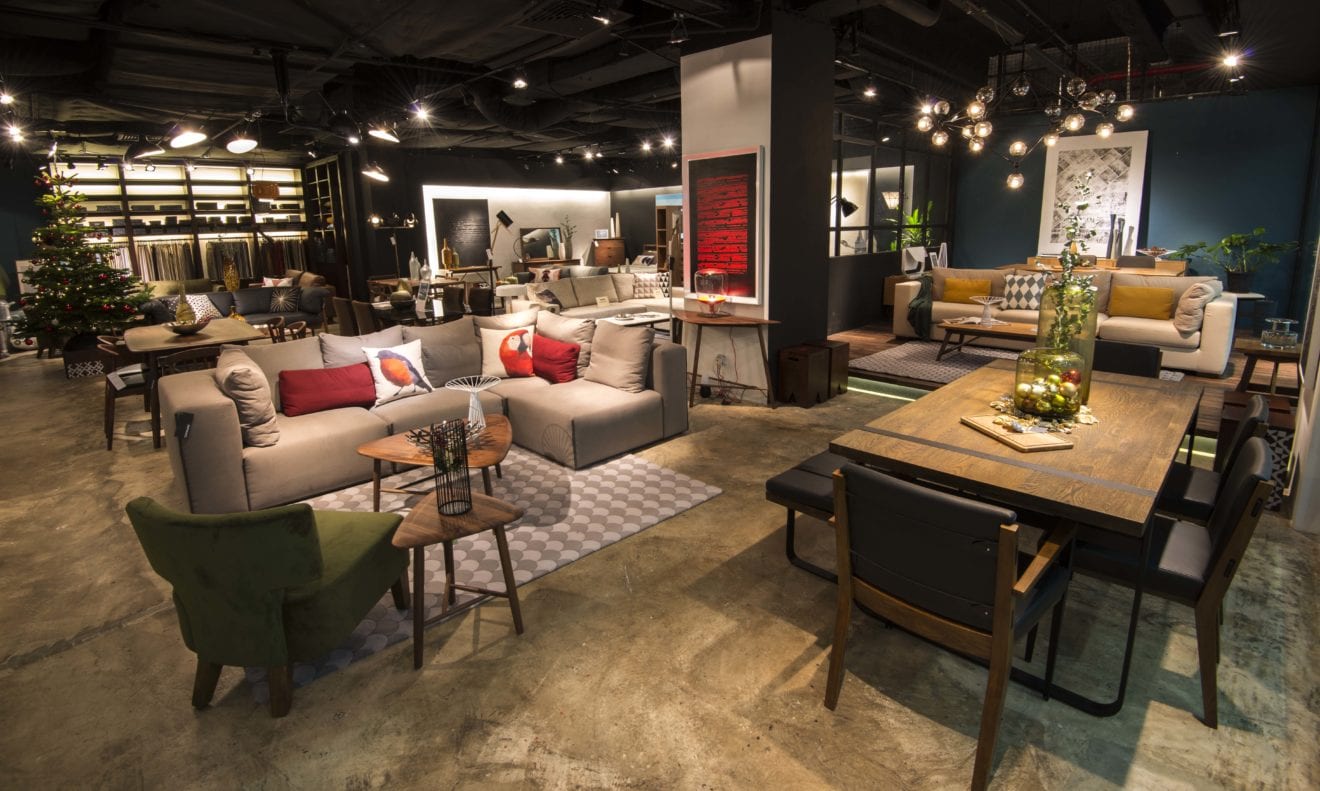
    Fung Group subsidiary LF Products will rebrand itself as Living Style Group.

    The pure-play furniture and home furnishings company said in a statement the rebrand follows the completion of Li & Fung’s strategic divestment of its three product verticals (Furniture, Sweaters, and Beauty) in April last year to form LH Pegasus, which is 45-per-cent owned by Hony Capital and 55-per-cent owned by Fung Group.

    “The new brand name, Living Style Group, coupled with a new logo and website, reaffirms the company’s position as a leading furniture company that brings speed to market and provides total supply chain solutions in furniture and furnishings to brands and customers worldwide,” the statement said.

    “Our innovative mindset, design-driven approach and deep-rooted passion has brought us to where we are today, and I am excited to enter this new chapter as we continue to grow the business and bring the highest value to our customers,” added Henry Chan, president at Living Style Group.

    Living Style Group delivers furniture and furnishings through three furniture brands – Kenas Home, True Innovations and Whalen Furniture – as well as an expanding portfolio of licensed brands including private labels and premier lifestyle brands.

    In October, Living Style Group will unveil its new brand identity at High Point Market in North Carolina, the largest home-furnishings industry trade show in the world.

  • Muji to lower prices on 1100 household and grocery items

    Muji to lower prices on 1100 household and grocery items

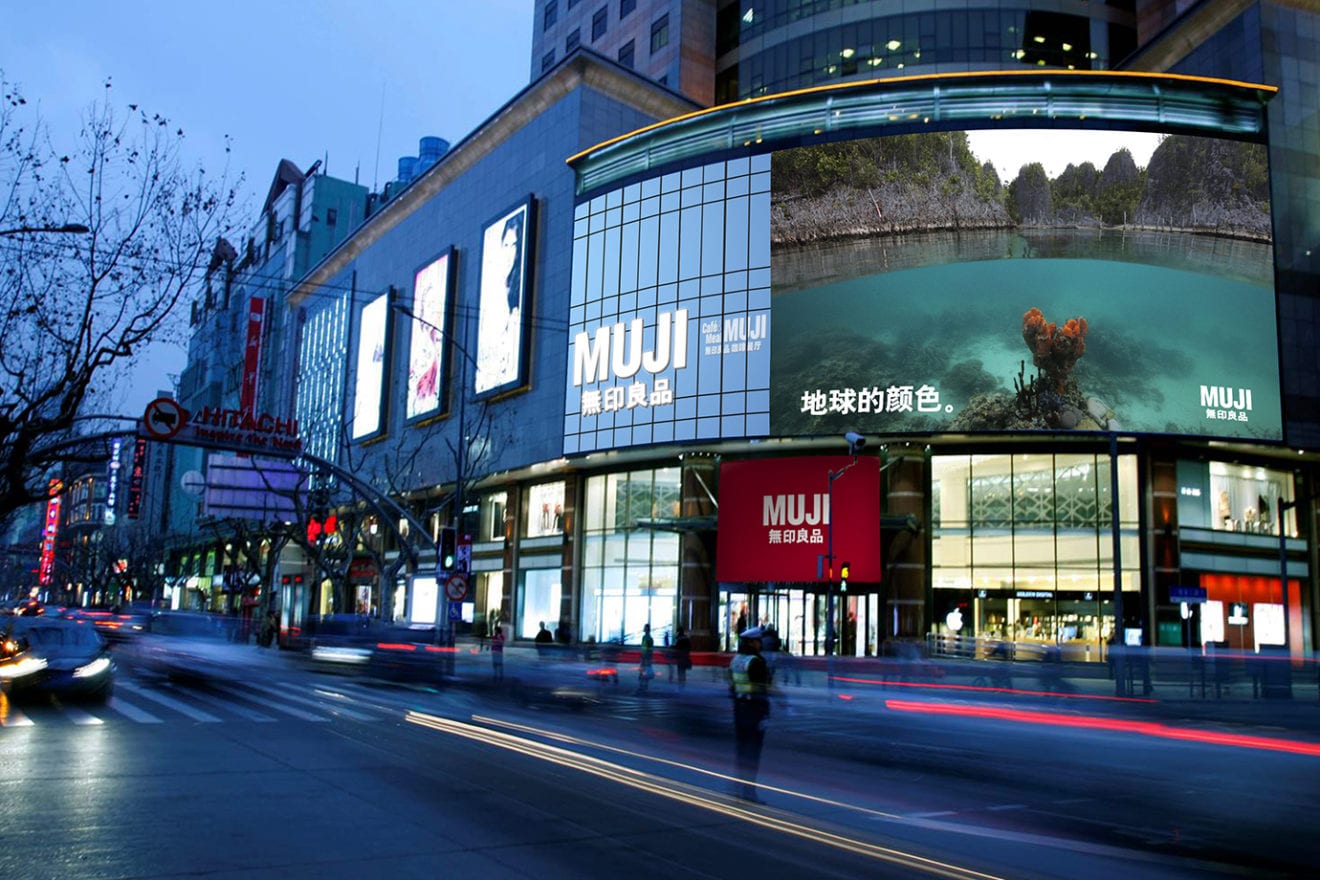
    Muji household goods store owner Ryohin Keikaku will drop prices on around 1100 products from late August.

    The price reductions will affect 116 product ranges, including clothes, underwear, tableware, confectionery and furniture. The mark downs are the result of new streamlined production and distribution processes adopted by the firm, as well as reselected production areas and materials.

    Examples of the price reductions released by the company include an 11.2 per cent drop in the cost of a set of three “Ashinari Chokkaku Kutsushita” socks and a saving of up to ¥20 on “Pochigashi” candy and cookie packs.

  • Ikea makes catalogues “shoppable” on Pinterest

    Ikea makes catalogues “shoppable” on Pinterest

    Global furniture retailer Ikea will start putting its product catalogue on Pinterest to give the print publication a longer lifespan and to allow customers to move more quickly from inspiration to purchase.

    According to a report in Digiday, Ikea has been working to monetise its presence on the social platform for some time, which has led to a shoppable version of its catalogue.

    “We didn’t want to just copy and paste – we already have a digital catalogue online,” Ikea media project manager Kerri Longarzo told Digiday.

    “But promotions in the past felt a little stale. We were running out of ways to show the catalogue to people online, so we sought out something different.”

    Pinterest differs from its social media contemporaries in that rather than sharing aspects of their lives, Pinterest users search for images of furniture, recipes, wedding ideas and more, and save it to their ‘boards’ for later reference. Essentially, it’s an online scrapbooking tool.

    “Catalogues have been a pretty big part of the Ikea concept from the very beginning,” Longarzo said.

    “As we get to 2019 and realise customer behaviours are shifting, the world is going more digital, having this print-only piece was becoming more challenging.”

    Ikea’s US Pinterest page boasts more than 10 million monthly unique viewers, while its Australian arm sees numbers closer to 350,000.

    On Ikea Australia’s Pinterest page, you can find boards ranging from bedroom ideas, recipes, and home inspiration – which when clicked through will take users to the relevant product page on the online store, allowing for further shopping or purchases. Adtech Ad

    The pinned images also automatically show other users’ images of the same product, allowing customers to see how the product looks in practical use.

    “People come to Pinterest in a shopping mindset open to discovering products, which creates a great connection between Pinners and businesses,” Pinterest wrote in a statement announcing its catalogue feature to businesses in March.

    “In the past year, we’ve been bringing together the worlds of visual search and shopping to make it easy to shop for anything you see on Pinterest, and for brands to reach people on Pinterest while they’re actively looking for inspiration.”

  • Coco Republic Finally enters the US

    Coco Republic Finally enters the US

    Australian furniture retailer Coco Republic has launched its outdoor collection at HD Buttercup, a showroom in Los Angeles. The move last week represents Coco Republic’s first foray into the US market.

    “This line is one that I’m incredibly proud of, having designed the majority of the collection in-house,” Anthony Spon-Smith, Coco Republic’s creative director, said in a statement about the launch.

    “It is even more exciting to start seeing my designs in Californian homes for the first time.”

    The collection, which was inspired by coastal Californian living and its alfresco lifestyle, includes 40 items selected exclusively for the US market.

    Pieces include teak dining tables and contemporary chairs for entertaining, modular lounges and sofas and a mix of occasional pieces, including accent stools and planters. They are made from a mix of natural and manmade materials and textures, including teak, concrete and outdoor rope.

    The 40-year-old furniture retailer recently announced plans to enter the New Zealand market, with its first international store set to open in Westfield Newmarket in Auckland mid-year.

    “We’ve been on an exciting growth strategy over the last few years,” Coco Republic CEO Nicholas Foster said in a previous interview.

    “We’re a premium aspirational design services brand but we’ve consciously focused on ensuring that we remain accessible from a customer’s perspective,” he said.

  • Temple & Webster posts strong Sales during First half of the Year.

    Temple & Webster posts strong Sales during First half of the Year.

    Temple & Webster’s revenue grew by around 40 percent to roughly $32 million in the first four months of the year, the online furniture and homewares business said in a trading update to analysts.

    With two months still go in the second half of fiscal 2019, the retailer indicated it has seen the continued uptake of online furniture shopping due to demographic changes, something chief executive Mark Coulter previously explained when the business revealed its $3 million profit during the first half of its 2019 financial year.

    “The trend to online actually accelerated during a tougher retail environment, and I think we’re benefiting from that trend,” Coulter told.

    “Irrespective of any macro-economic trend, there’s still that shift toward online. Millennials are still growing up, and are still moving out of home and are buying their first or second property. That’s going to happen regardless of any downturn.”

    The business’s focus on improving and increasing its range has allowed it to sell across multiple demographics, and the number of active customers grew 36 percent to approximately 260,000 as of April 30, 2019.

    In the first four months, the company also launched its first by-appointment trade and commercial showroom in Sydney.

    The showroom is described as the brand’s first permanent physical experience, offering customers the ability to touch and feel products, view samples, and review designs prior to large scale purchases.

    “I think as the order value gets bigger and as the order gets more complicated, having a physical space for someone to meet an account manager will help,” Coulter previously told.

    “From a customer point of view, we don’t envisage having many showrooms around the country… I think the main game for us is going to online for a very long time.”

  • Ikea’s first small-format store Without Check-Outs

    Ikea’s first small-format store Without Check-Outs

    Ikea Australia officially opened its first small-format store on Friday at Warringah Mall on Sydney’s Northern Beaches.

    The 98sqm store is the retailer’s first Home Planning Studio, where customers can book one-on-one planning sessions with staff to design their dream kitchen or bedroom storage solution.

    The store lacks many of the signature features consumers have come to associate with the Swedish flatpack giant, including a warehouse, blue plastic ‘Frakta’ bag and meatballs, not to mention checkouts.

    Instead, customers purchase their kitchen or storage solutions online at the studio, with the items delivered directly to their home. Customers can also shop a digital wall of homewares, which they can add to their virtual bag and transfer to their mobile device for checkout.

    This digital-first, highly personalised shopping experience is geared towards a different type of customer than the typical Ikea shopper, according to Jan Gardberg, country manager of Ikea Australia.

    “With the Ikea Home planning studio we have reinvented the traditional Ikea experience for a different audience, with different shopping needs putting digital at the heart of the customer’s journey. However, the digital experience is delivered in our most personalised approach yet,” he said.

    “The customer’s wants and needs for their kitchen or bedroom storage solution are the starting point, and the experience they will receive in the Home Planning Studio will be personalised from there.”

    Customers are advised to book their kitchen and storage consultations in advance, but they can also drop in and browse. It costs $99 for a two-hour kitchen planning session, which is refunded on the purchase of a kitchen within the session.

    The studio also includes a projector tool, which allows customers to envision what their ideal wardrobe will look like by projecting it onto a wardrobe front.

  • Muji Singapore opens Large store at The Jewel

    Muji Singapore opens Large store at The Jewel

    Muji Singapore has opened a two-storey store at Jewel Changi. The 12th outlet of the popular Japanese minimalist brand houses more than 4000 products and an 88-seat Cafe&Meal dining area.

    The product range includes apparel, furniture, kitchenware, toiletries, stationery and food items.

    Designed by Tokyo-based design company Super Potato, the store also offers the largest range of Muji’s fitness line, the Walker series.

    The store also features an interior-advisory service, available to recommend customisable solutions to customers.

    Muji Singapore chose Jewel Changi as its newest location to showcase the ‘world of Muji’ to Southeast Asian customers.

    Naoki Kadoike, MD at Muji Singapore and Malaysia, expects about 40 per cent of customers will be tourists, the remainder locals.

    “When I was posted here in January, I realised how similar Singaporeans are to the Japanese. People are very conscious of having a good lifestyle and there is a common understanding of Muji’s philosophy,” Kadoike said.

    Meanwhile, Muji Singapore plans to introduce the Muji Passport app, providing local customers with information about the brand and promotions, along with weekly newsletters.

  • Low-cost imports challenge Furniture Retailers

    Low-cost imports challenge Furniture Retailers

    The furniture retailing industry may face a tough trading environment in 2019-20 with revenue expected to decline by 3.3 per cent during the period, according to IBISWorld analysts.

    Mounting internal and external competition is expected to continue to threaten the viability of furniture operators in the current year, with revenue expected to decline to $890.0 million as the industry continues to struggle with a challenging operating environment.

    Bao Vuong, IBISWorld senior industry analyst, said the rising volume of low-cost furniture imported into New Zealand is also forecast to hinder the industry’s performance in the current year.

    “The availability of low-cost furniture imports is projected to heighten industry competition,” Vuong said.

    Industry revenue is also likely to be suppressed by slower growth in residential building construction, which will reduce retail demand for furniture items.

    An IBISWorld furniture retailing industry report last year showed it has faced a tough trading environment over the past five years, with revenue growth stifled by increasing competition.

    Within the industry, players typically compete on the basis of price and product range.

    External competition comes from a range of other operators that sell furniture as part of their operations, including department stores, auction websites and online-only players.

    In the next five years through 2023-24, IBISWorld analysts forecast the furniture retailing industry to be operating within a challenging environment .

    “Mounting internal and external competition is projected to continue threatening the viability of operators over the period,” analysts said.

    The report also showed softer real household discretionary income growth could hinder retail demand for furniture products during the period.

  • Oaktree and Alceon acquire Decor and Willow brands

    Oaktree and Alceon acquire Decor and Willow brands

    Investment companies Oaktree Capital Management and Alceon Group have made a move into homewares with their acquisition of Marlin Management Services (Marlin Brands), a wholesaler whose portfolio includes Decor and Willow, among other leading kitchen and home brands.

    Oaktree and Alceon own a number of iconic Australian apparel brands, including Billabong and Quiksilver (Oaktree), and Noni B (Alceon).

    Marlin Brands owns the more than 60-year-old Decor brand, which makes reusable plastic containers, the more than 100-year-old Willow brand, which makes jugs, coolers and rubbish bins, and the Albi brand, which supplies more than 3000 retailers with home and kitchen products, fashion accessories and jewellery.

    Marlin also owns Independence Studios, a giftware and toy brand, and Pacific Optics, which distributes general merchandise such as sunglasses, hats and phone accessories to petrol and convenience stores.

    The acquisition will see Oaktree and Alceon focus on growing Marlin Brands’ online and international sales.

    “We are excited about the next phase of growth under Oaktree and Alceon’s stewardship,” Greg Kerr, chief executive of Marlin Brands, said.

    The companies’ growth strategy entails growing Decor and Willow’s international operations, particularly its penetration into the US market, and further growing the company’s direct-to-consumer sales through online marketplaces. Marlin Brands already has more than 2600 SKUs listed on Amazon.

    “Together our strategy is to accelerate Marlin Brands’ growth via supply chain transformation and cater to an omnichannel approach to ensure our consumers can be consistently delighted by Marlin’s products in Australia and increasingly internationally,” Kerr said.

    In a statement released on Monday, the investment companies highlighted their expertise in optimising group logistics, warehousing and supply chain management, and branded wholesale and direct-to-consumer sales, as key factors that will enable them to grow the newly acquired business.

    Marlin Brands currently serves more than 18,000 retailers throughout Australia and New Zealand, with more than $260 million of annual revenue.

    Coast2Coast Capital, the South African investment company that owns Marlin Brands, put the wholesaler up for sale last September after abandoning plans for an initial public offering.


  • King Living Opens Shanghai Flagship Store

    King Living Opens Shanghai Flagship Store

    Australian furniture and lifestyle brand King Living has opened a flagship retail store in Shanghai, continuing its global expansion into China.

    The new 400sqm space will showcase King Living’s sofa designs, dining ranges, contemporary bed and mattress ranges, and outdoor collections.

    The brand has been a prominent player in Australian furniture design for more than 40 years, and is now continuing to seek a global audience with the opening of the new showroom in the design district of Xuhui in Shanghai.

    As King Living moves into China, it further expands its global reach with existing stores in Singapore, Malaysia, New Zealand and Canada, with a showroom opening in Vancouver slated for later this year.

    The brand represents the deep quality and barefoot luxury of the Australian lifestyle that is in high demand across China, which has been the driving force behind for its expansion.

    “Shanghai is key to King Living’s global growth strategy,” said King Living’s CEO Anna Carrabs. “China provides us with an unparalleled growth opportunity that doesn’t exist in slower-moving markets of developed countries. A key advantage for King Living is that one of our manufacturing facilities is in Shanghai, which allows us to implement initiatives and increase market penetration.

    “Being from Australia, we have a reputation for quality, and I think that sets us apart from some of our global competitors. This is a very exciting time for King Living and we look forward to seeing the Shanghai showroom thrive in what we hope will be the first of many stores in the region.”

    King Living is also one of the first Australian furniture retailers to offer Alipay and WeChat Pay as a payment option throughout all their showrooms in Australia and abroad. These platforms are the preferred payment method for Chinese consumers both domestically and internationally, enabling more customers to transact with their mobile wallet.

  • Indian startup WoodenStreet thrives with O2 Growth Hacking

    Indian startup WoodenStreet thrives with O2 Growth Hacking

    Indian furniture startup WoodenStreet is targeting 15 additional experience stores in the territory by the end of the year.

    The firm, which specialises in customisable furnishings, currently operates 12 locations throughout India as well as more than 30 delivery hubs.

    “Our country is a diverse nation,” said the firm’s CEO Lokendra Ranawat, “which means that no two homes are the same. Our design tastes are influenced by our upbringing and our culture, so why should we be forced to buy furniture that does not match them? We want people to be free from such constraints.