Retail News CRM

Tag: gap

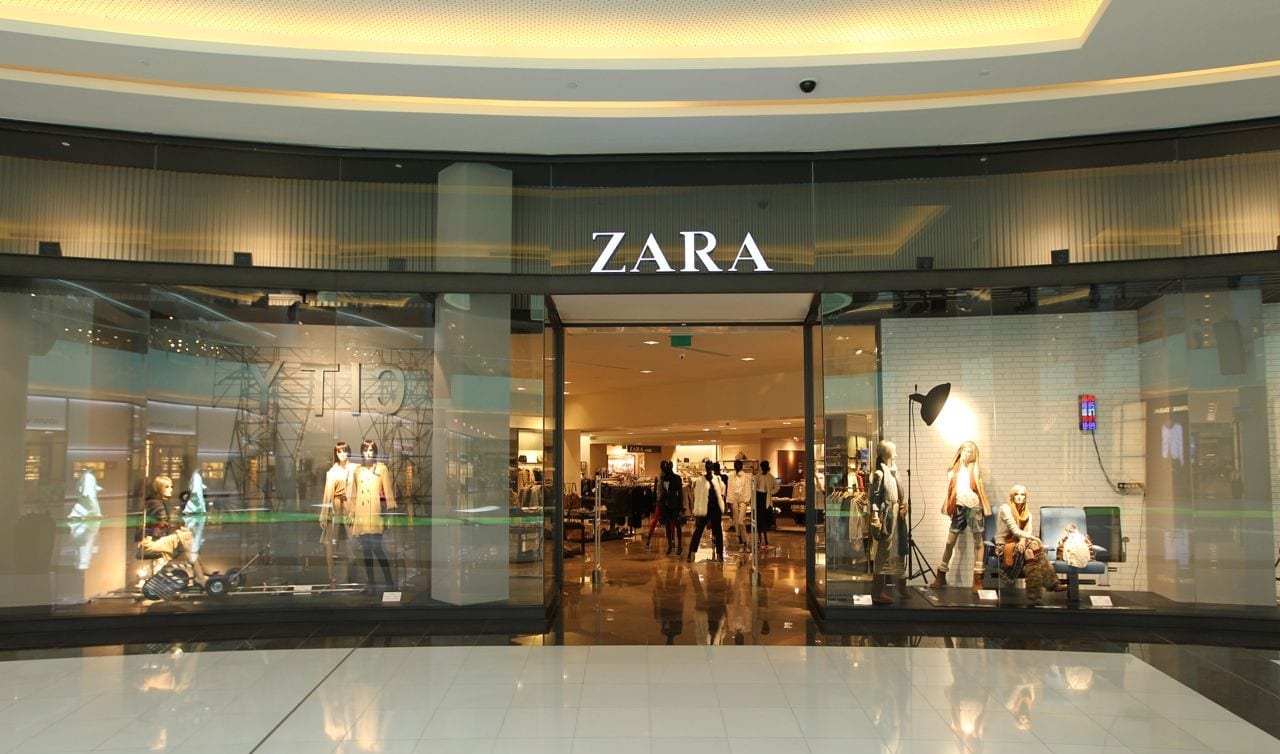
  • Zara Vietnam to launch in July

    Zara Vietnam to launch in July

    Zara Vietnam says it will open its first store in July, just as Euromonitor International reveals the Vietnamese branded goods market may reach $2.7 billion in value by next year.

    As more than more people can afford branded goods, international fashion brands such as Gap, Mango, Nine West, Ralph Lauren and Topshop have become the choice of many young Vietnamese, especially office workers, says Euromonitor.

    Zara is owned by Inditex, which at the end of its latest fiscal year on January 31 had 7013 shops in 88 markets, including 2000 Zara outlets. If the Spanish fast fashion giant follows its normal international expansion course, it will likely roll out some of its other brands in the market, including Bershka, Pull & Bear, Massimo Dutti, Stradivarius and Zara Home.

    There is already a Vietnamese website selling Zara items, with a showroom in Ho Chi Minh City, but the shop sells alternatively-sourced and end-of-season lines.

    Mango, which targets customers between 18 and 40 years old, has been in Vietnam since 2004 through a franchise contract signed with Maison JSC. It also has other franchise partners, including DAFC, a subsidiary of IPP, and BFF, belonging to Vingroup.

    In 107 markets internationally, Mango had $2.6 billion in revenue last year.

    A survey by Nielsen on Vietnamese consumer confidence has shown that Vietnamese are willing to spend money on holidays, tourism, fashion and high-technology products.

    Meanwhile, Mango and Zara are among brands that have garment factories in Vietnam.

  • Old Navy Indonesia makes debut

    Old Navy Indonesia makes debut

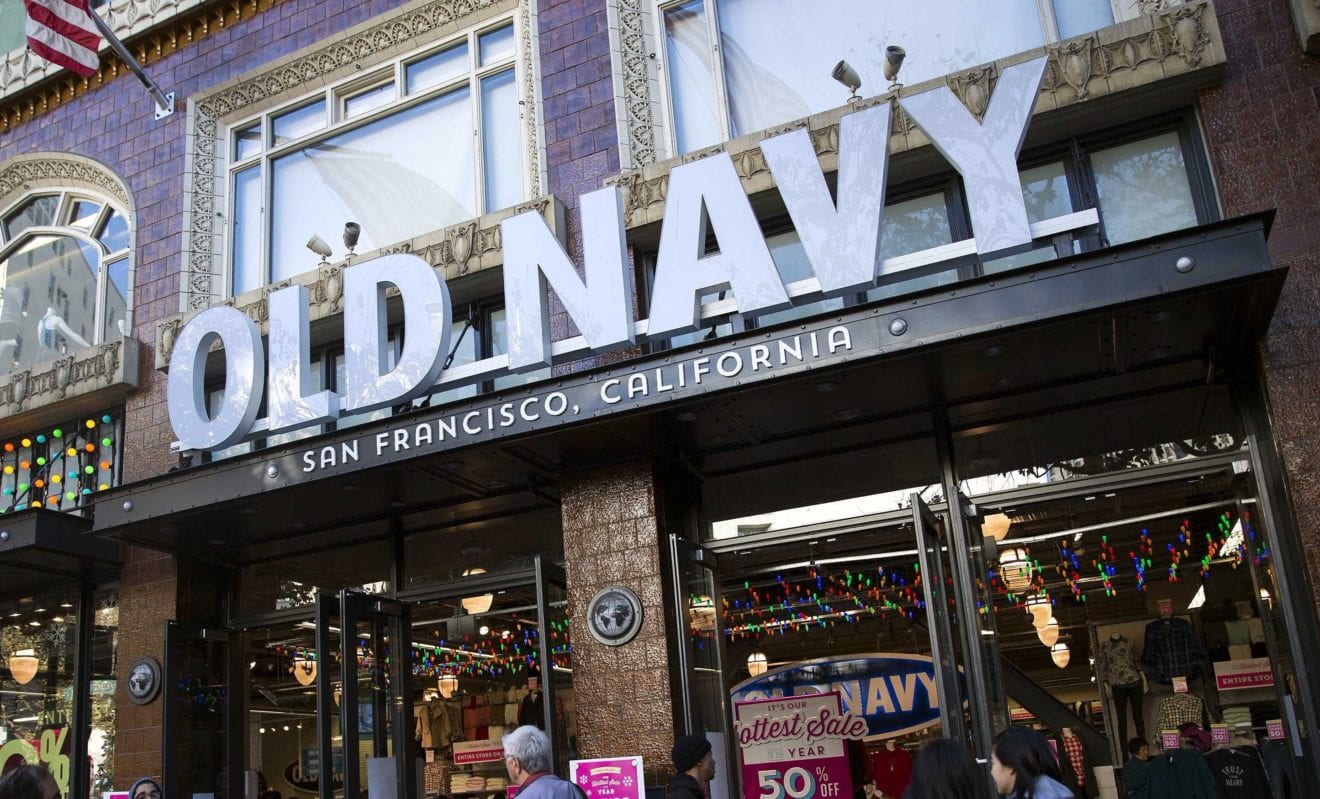
    American apparel and accessories brand Old Navy Indonesia has opened its first retail outlet at the Central Park Mall in west Jakarta.

    Offering American-style basic clothing items, Old Navy is part of the Gap portfolio alongside Athleta, Banana Republic and Intermix. The brand has more than 700 stores and shops-in-shop in 11 countries, including the Philippines.

    Old Navy Central Park mall Indonesia

    “Indonesian customers understand the international retail scene very well,” says Old Navy senior director of franchise buying Michele Chinn Fahey. “There’s a really a high awareness of international retail brands and a growing demand for American fashion.”

    For its Indonesian debut, Old Navy is collaborating with Armaan Retail Indonesia.

    Old Navy Central Park mall Indonesia 1

    “With 250 million people living across 15,000 islands, and three different time zones, Indonesia has huge potential,” says Armaan Retail CEO Benjamin Handradjasa.

    Old Navy’s store covers 1200 sqm and offers clothing and accessories for men, women, children and babies. There is also a special section for maternity clothes.

    Among the store’s first customers on its opening day was Indonesian actress and singer Ana Octarina.

  • Fashion brands targeted in Cambodian minimum wage push

    Fashion brands targeted in Cambodian minimum wage push

    Lobby group the Clean Clothes Campaign aims to shame the world’s large fashion brands into supporting a Cambodian minimum wage rise.

    The CCC says it is lobbying on behalf of a coalition of Cambodian unions that the multinational brands must ensure a minimum wage of US $177. Thousands of women and men in Cambodia and around the world, have worn stickers saying “brands must provide a living wage for workers!” in factories which produce apparel for major global brands such as H&M, Inditex, Levi’s and Gap.

    The campaign is co-ordinating ongoing action in Asia, the US and Europe.

    In October, the Labour Advisory Council (LAC), a tripartite wage-setting body, voted to approve a new minimum wage of $140, to be implemented in January 2016 for Cambodia’s 700,000 garment workers, despite objections from a number of unions.

    “This insufficient $12 wage increase is a slap in the face to workers who have been organising for over a year to demand a fair minimum wage of $177,” said the CCC.

    A coalition of Cambodian unions are joining together to demand that the brands immediately ensure a minimum wage of US $177 is paid in their Cambodian suppliers and negotiate directly with Cambodian unions a binding agreement to achieve living wages, decent purchasing practices, stable employment, and union rights for the long-term.

    “Some brands, such as H&M and Adidas, have made public statements that they support a living wage for workers in their supply chains. However, these assertions ring hollow to workers who often work excessive overtime and still cannot provide for the basic needs of themselves and their families.”

    Athit Kong, VP of C.CAWDU, an independent union in Cambodia, says the $12 increase does not reflect the real basic needs of the workers, “especially in light of the enormous profits of multinational brands”.

    “It is clear that the only solution to poverty wages in the garment industry is genuine collective bargaining between brands, as the principal employers, and the garment unions.”

    A Global Action Day is planned for December 10, International Human Rights Day. Workers and campaigners from all over the world will show support to the Cambodian workers with workplace actions, fashion mobs, catwalks, and other store actions.

    Mirjam van Heugten from CCC, says brands sourcing from Cambodia cannot expect the women and men working in their factories to accept “these bread crumbs”.

    “The workers effectively slave themselves at factories, only for the brands to make huge profits. The targeted brands such as H&M and Inditex must put their leadership claims into practice by making sure all garment workers receive a living wage.”

  • Guess? Inc. Beats the Retail Slump With Solid Results

    Guess? Inc. Beats the Retail Slump With Solid Results

    The retail industry has been a minefield lately, with many companies reporting tough results. Jeans specialist Guess? hasn’t been immune from the problems facing retail peers like Gap , and coming into its fiscal third-quarter financial report, Guess? investors were bracing for substantial declines in earnings and revenue. In the end, the company didn’t do nearly as badly as many had feared, and that helped to send the stock higher in relief. Let’s take a closer look at how Guess? fared and what its latest results mean for the industry going forward.

    Guess? remains under pressure but still held up well
    Fiscal third-quarter results for Guess? still had plenty of ugly numbers. Revenue fell 12% to $521 million, which was almost exactly in line with what most investors had expected to see from the jeans maker. On the bottom line, net income fell 40% to $12.4 million, but even though earnings of $0.15 per share were down substantially from year-ago levels, they were still $0.04 per share ahead of the consensus forecast among investors.

    As we’ve seen several times in recent quarters, Guess? took a hit from weak foreign currencies. The strong dollar cost the company $0.13 per share in earnings and pulled down overall revenue by about eight percentage points. Retail comparable sales including e-commerce fell 6% in dollar terms but only 2% on a constant-currency basis.

    Guess? saw considerable weakness throughout its business. The Americas retail segment suffered a 7% drop in sales, with Europe taking a 15% hit and Asia seeing sales fall 17%. Wholesale revenues in the Americas fell 12%. Even with the strong dollar, all four areas suffered declines in constant-currency terms. On the margin front, results were mixed, with operating margins improving in the Americas retail and Asia segments but falling in Europe and in the Americas wholesale business. The company continued its strategy of boosting initial mark-ups in its retail segments, but fixed costs offset some of the resulting margin gains.

    CEO Victor Herrero emphasized the positives, noting that overall results exceeded expectations and that comps in the European business were especially strong. “I am laser focused on driving the organization to raise the level of execution,” Herrero said, “as this will be a critical enabler of successful achievement of our strategies.” The CEO pointed to initiatives to boost sales and merchandising quality, build its business in Asia, and reinforce purpose and accountability within the company as having shown signs of success during the quarter.

    Can the jeans maker keep moving forward?
    Investors were also pleased with Guess?’s guidance. For the fiscal fourth quarter, the company expects revenue to fall 4% to 7%, with currency accounting for about 5.5 percentage points of the decline. Earnings of $0.53 to $0.62 per share would also be in line with what investors already expect from Guess? next quarter.

    For the full year, Guess? was more optimistic. The company narrowed its earnings guidance to the upper end of its previous range, now expecting $0.93 to $1.02 per share. Sales declines of 8.5% to 9.5% will look ugly, but they’re not inconsistent with the expectations that investors have for the company.

    What Guess? needs to execute on is its longer-term strategic plan. Investors want to see real progress for fiscal 2017, including stable revenue and rising earnings. That could prove difficult, especially in light of what rival Gap said in its recent report. Gap disappointed investors with its future guidance, including a 15% decline in earnings per share for its holiday quarter. Gap investors also expect it to have trouble rebounding in the coming fiscal year, calling for minimal sales growth and only about a 6% rise in earnings per share.

    Investors nevertheless remain optimistic about Guess?, sending the stock up more than 3% in the first hour of after-market trading following the announcement. As with most companies in the retail industry, Guess? will rely on solid holiday results in order to drive future growth in the months and years to come. If sales climb to finish the year, then Guess? could build further on its share-price gains.


  • Western retail giants restrict travel to Bangladesh after attacks

    Western retail giants restrict travel to Bangladesh after attacks

    Business executives from global clothing giants H&M Inditex and Gap have canceled trips to Dhaka this month after the killings of two foreigners, industry sources said, causing anxiety for Bangladesh’s $25 billion garment export sector.

    Bangladeshi suppliers to the world’s top brands said they didn’t expect the disruptions to hurt their orders for the year-end Christmas season.

    But the attacks, claimed by the Islamic State, increase the pressure on an industry which faces competition from other low-wage countries and is trying to repair its safety image after several fatal accidents.

    The United States and Canada have asked their diplomats to restrict their movements, and Britain warned of more attacks after an Italian aid worker and a Japanese man were shot dead a few days apart. Australia canceled a cricket tour.

    Bangladesh’s government, however, rejected the claim by the Islamic State and blamed the growing violence in the country on its domestic political opponents trying to show it in poor light. The attacks on foreigners, while rare, follow the killings of four Bangladeshi bloggers this year by machete-wielding assailants, and have spawned fear among the foreign community.

    Shahidullah Azim, a garment exporter who supplies to Sears, Loblaws and Perry Ellis among others said one of his buyers asked him to come to Dubai instead, along with the clothing samples.

    Other foreign business executives asked for video conferences with their Bangladeshi counterparts, saying they couldn’t travel to Dhaka because of the warnings issued by their governments.

    “We are monitoring the situation in Bangladesh closely and we are taking the appropriate security measures. We are also in close dialogue with other brands regarding the situation,” H&M spokeswoman Anna Eriksson said.

    Marks & Spencer said the firm stopped travel to Bangladesh for seven days a few weeks ago. Travel has since resumed, a spokeswoman said, and added there was no impact on business orders.

    MASKED MEN ON BIKES

    Bangladesh has deployed paramilitary soldiers on nighttime patrols in the diplomatic quarter of Dhaka and issued a nationwide ban on people riding pillion after the two attacks were carried out by masked men riding bikes.

    Home Minister Asaduzzaman Khan, who has dismissed claims that the Islamic State was operating in the Muslim majority country of 160 million, said on Wednesday that police were close to a breakthrough on the killings.

    “We have taken these attacks very seriously. We won’t spare the killers,” he said.

    Prime Minister Sheikh Hasina has blamed the rising tide of violence on the opposition Bangladesh Nationalist Party and its key ally, Jamaat-e-Islami, many of whose leaders are being prosecuted for war crimes during the 1971 war of independence.

    The opposition denies any involvement.

    A Dhaka-based garment manufacturer said the government had increased security in the area where foreigners lived, police had spoken to them and confidence was returning. Business was strong, but if there is another attack on a foreigner, it could hurt the sector.

    Azim warned of an even broader impact. “If this Islamic State issue persists for long it will not only hurt our businesses, it will destroy the country’s image,” he said. “The government should act promptly to bring the perpetrators to justice and let the world know that Bangladesh is safe.”

    The readymade garments industry is the economic lifeblood of the country, employing around 4 million people, most of them women. It is in the midst of a massive safety overhaul after the collapse of the Rana Plaza in 2013 in which more than 1,100 workers were killed and exposed the unsafe working conditions.

    In recent years, Bangladesh has also faced competition from Vietnam, Cambodia and Myanmar, although its wages remain low.
     

  • Gap Inc sales slip

    Gap Inc sales slip

    Gap Inc has reported a two per cent fall in global sales in the second quarter – but says its turnaround is on track.

    “I remain confident in our strategies to improve business performance and drive loyalty going forward,” said CEO Art Peck. “Our evolving product operating model is laying the foundation to more consistently deliver on-trend product collections across our portfolio.”

    Gap Inc’s comparable sales by global brand fell six per cent for its primary Gap brand, (compared with a five per cent drop in the same period last year), Banana Republic fell four per cent, (flat last year) and Old Navy grew three per cent (up four per cent last year).

    But the company says it delivered earnings per share growth of 12 per cent in the first half year. While Old Navy is clearly gaining momentum, the Gap brand continues to make progress against its strategic actions, including “right-sizing its North America store count to create a smaller, more vibrant fleet of stores”, the company said.

    “The brand’s leadership team remains focused on an aggressive agenda designed to improve business performance, including the implementation of a clear, on-brand product aesthetic framework and a new product operating model to increase speed, predictability and responsiveness.”

    Gap’s global store count continued to rise outside North America, as the chart below shows.

    Gap chart

  • Gap matches employees’ donations to aid group for Nepal Earthquake

    Gap matches employees’ donations to aid group for Nepal Earthquake

    Gap is matching funds of any eligible Gap employee who donates to the aid group Mercy Corps in response to the devastating earthquake that recently hit Nepal and the surrounding area, the US fashion giant said on Saturday. The disaster has injured over 8,000 people and killed more than 4,400 by Tuesday.

    “Gap Inc. and our employees extend our deepest sympathies to the victims and the families of all those affected by the devastating earthquake in Nepal, and those impacted across South Asia,” the company said in a statement.

    In respond to the concerns about whether the earthquake may have resulted in structural damage in some Bangladesh garment factories, the company said it’s working with the Alliance for Bangladesh Worker Safety (AFBWS) on the ground, the Bangladesh Garment Manufacturers and Exporters Association, the Accord on Fire and Building Safety in Bangladesh, and the Government of Bangladesh to ensure that all workers are safe.

    AFBWS is a group of 26 major global retailers formed to develop and launch the Bangladesh Worker Safety Initiative, a binding, five-year undertaking with the intent of improving safety in Bangladeshi ready-made garment factories after the 2013 Rana Plaza building collapse. Gap is a founding member of the group.

  • Gap’s key sales metric up 2pc in March

    Gap’s key sales metric up 2pc in March

    Gap Inc. reported a 2 percent increase in a key revenue metric for March as surging business at Old Navy offset sales declines at its namesake division and its Banana Republic stores.

    The results, which were released after the regular markets closed on Thursday, beat estimates for a 0.6 percent increase in sales in stores open at least a year, according to Thompson Reuters. But the figure was compared to a 6 percent drop in the same year-ago period. Shares fell in after-hours trading.

    Revenue from stores open at least a year is considered a key indicator of retail performance because it strips away the impact of recently opened or closed stores.

  • McDonald’s joins Wal-Mart, Gap, other cos. in raising wages

    McDonald’s joins Wal-Mart, Gap, other cos. in raising wages

    McDonald’s said Wednesday it is raising pay for workers at restaurants that the company owns. Here’s a look at all the big companies that recently have announced they are boosting hourly wages for their employees:

    In February Wal-Mart Stores Inc., the largest private employer in the U.S., said it will boost its minimum pay to $9 an hour in April and to $10 by February 2016. That means 500,000 employees will get a raise.

    TJX Cos., the parent of discount store operator TJ Maxx and Marshall’s, said in February that it will pay all of its U.S. workers at least $9 an hour starting in June.

    Health insurer Aetna Inc. said in January that it will pay a minimum of $16 an hour starting in April. That’s more than twice the federal minimum wage of $7.25, and Aetna said about 5,700 employees will get a raise.

    Home furnishings retailer Ikea said in June that it would increase its raise wages 17 percent on average, bringing its hourly wage to $10.76 on average. Ikea said it will peg its salaries to the cost of living in different locations, and its move means higher wages for about 5,500 hourly store workers.

    Retailer Gap Inc. said in February 2014 that it will set the minimum wage for workers at $9 an hour this year and $10 an hour in 2015.

    McDonald’s Corp. said starting wages will be $1 above the local minimum wage, and its average hourly wage at those stores will be more than $10 an hour, up from $9 an hour. The move applies to about 90,000 workers at about 1,400 restaurants owned by McDonald’s. It has about 14,300 U.S. locations, the vast majority of which are franchised.

  • Gap, H&M and Levi’s among the most ethical brands

    Gap, H&M and Levi’s among the most ethical brands

    Gap, H&M and Levi’s are the three fashion brands that have been named on the Ethisphere Institute’s ninth annual list of the World’s Most Ethical Companies. The New York-based research firm listed 132 groups and companies that it believes foster a culture of ethics and transparency at every level from 21 countries, representing over 50 industries.

    Gap is one of only fifteen to have been honoured every year since the list’s inception. It received qualifying scores across five categories including ethics and compliance; corporate citizenship and responsibility; culture of ethics, governance, and leadership; innovation; and reputation. French cosmetic giant L’Oreal, Brazil’s Natura Cosméticos and Japanese brand Shiseido are also honoured in the list at the Health and Beauty category. Marks & Spencer and US pet food retailer Petco Animal Supplies are featured in the list at the retail category.

  • Gap surpasses Street 4Q forecasts on rising Old Navy sales

    Gap surpasses Street 4Q forecasts on rising Old Navy sales

    Gap Inc. reported stronger-than-expected fourth-quarter results on Thursday as sales continued to improve for Old Navy, its largest brand.

    Gap reported net income of USD319 million, or 75 cents per share, on USD4.71 billion in revenue. A year earlier the retailer earned USD307 million, or 68 cents per share, on USD4.58 billion in revenue.

    The company said sales at Old Navy stores open at least a year grew 5 percent for the year, including growth of 11 percent in the fourth quarter. Sales at locations open at least a year are considered important measurements of retailer health because they strip out results from stores that recently opened or closed.

  • Tinder isn’t feeling the love for Gap

    Tinder isn’t feeling the love for Gap

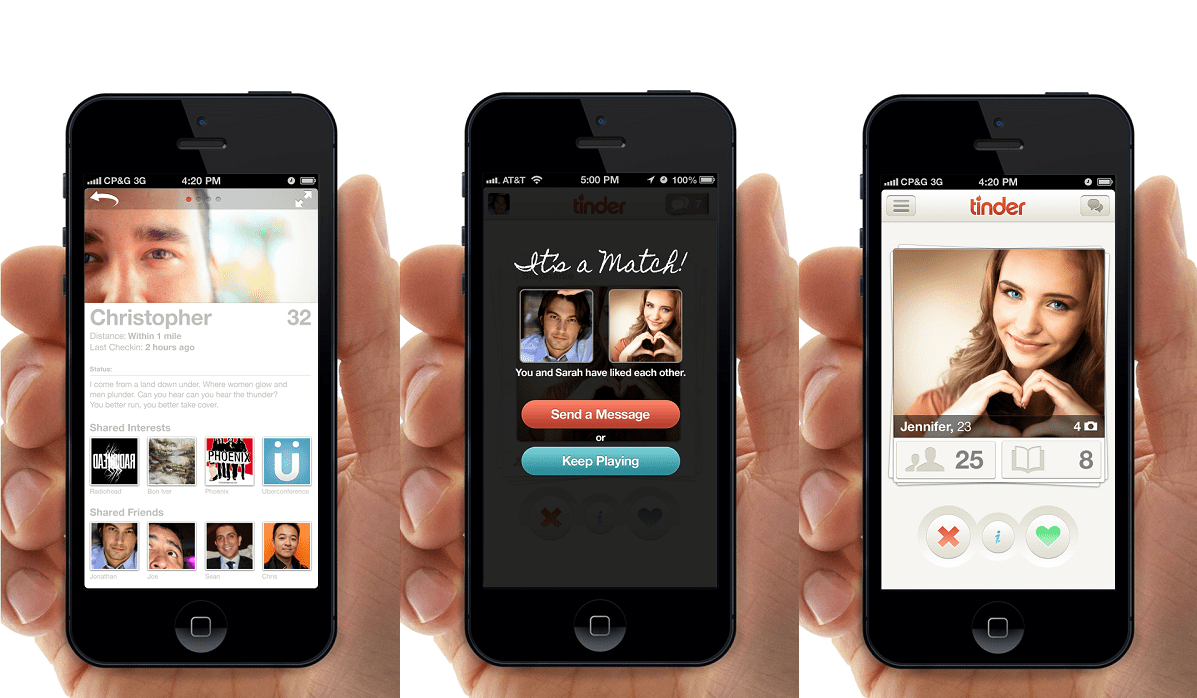
    Tinder just swiped left on Gap’s plan to use its dating app as a new means for promoting the brand.

    In a story posted on AdWeek Wednesday, the apparel retailer said that it intended to run provocative phrases such as “you’re invited to the pants party” on the platform, in what it called a form of guerrilla marketing.

    “We did a little something special on Tinder,” the Gap’s Tricia Nichols told the publication. “You’ll see a profile with clever messaging in the spirit of love and the perfect match. It’s the perfect fit for Tinder.”