Tag: gap

  • International fashion brands target Vietnamese market

    International fashion brands target Vietnamese market

    International brand names are starting to grab the attention of HCM City’s fashion-conscious people, clearing the way for more ready-to-wear clothing stores in Vietnam.  More than 50 well-known brand names, such as Giordano, Mango, Zara, Topshop, Gap and Old Navy, have opened stores in HCM City.

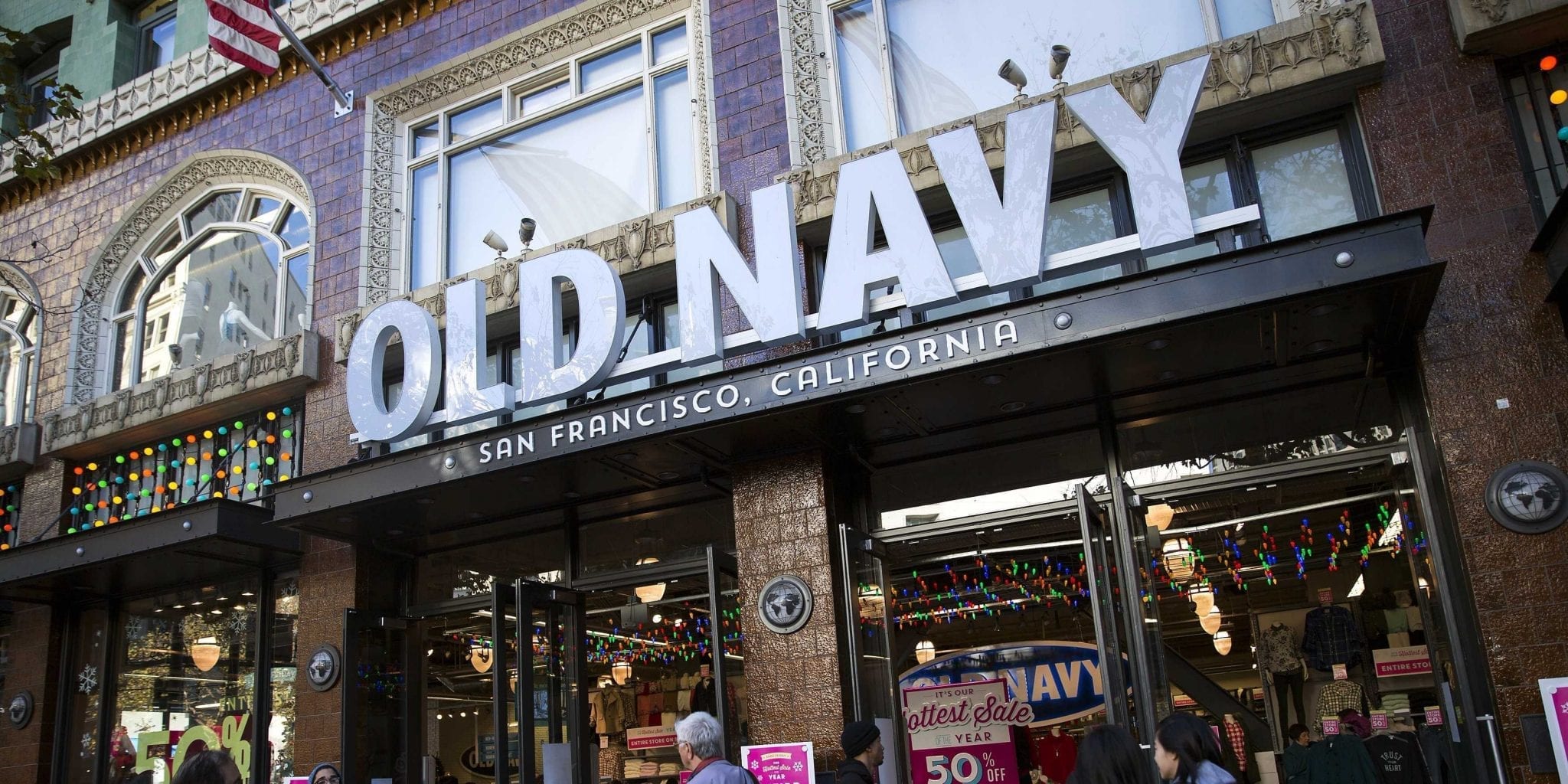
    While Old Navy opened its first store last month, H&M launched its brandname last weekend with a fashion show at a leading shopping centre in the city.

    Other fashion companies, including Pull&Bear, Uniqlo and F21, will also enter the market this year with their own stores scheduled to open in Hà Nội shopping centres.

    “Before launching our designs in Vietnam, we spent time researching the country’s economic development, culture and living conditions,” said a representative of Zara, who noted that the country would become one of the most important  markets for the popular fashion brand from Spain.

    Although their prices are higher than local products, ranging from VNĐ300,000 (US$15) to over $1.5 million ($70) with accessories sell for an average of VNĐ100,000 ($4) per item yet customers, particularly young people, are thrilled they are here.

    Customer Tran Thi Anh Nhung of District 3 spent almost VNĐ5 million (US$230) on nine items at Zara after discounts last weekend, saying she was delighted she no longer had to go Singapore or Bangkok for the latest styles.

    Nhung, a senior marketing executive for a foreign-owned advertising agency in District 1, said: “Zara and Topshop offer ready-to-wear products in the trendiest styles at reasonable prices. A mini-dress sells for VNĐ500,000 ($22) compared to a Vietnamese one at VNĐ300,000 ($15). Customers aged 18 to 30, who change their clothes every season, are interested in that kind of stores.”

    Another customer, Vu Chi Hung, 32, said she was a fan of Topshop because their merchandises are both stylish and practical and can be purchased for around $22 a piece.

    “The foreign brands located in shopping centres like Diamond, Vincom and Takashimaya guarantee their services and quality are the best for customers,” he added.

    Hồ Trần Dạ Thảo, brand name creative director of the Tsafari Fashion Company, said: “The appearance of international fashion houses in Việt Nam and so-called ‘fast fashion’ or ’casual wear’ brandnames is sure to create fierce competition in the country’s fashion industry.”

    “Vietnamese brands should try to capitalise on the shopping seasons and spend more money on advertising to grab the attention of consumers,” she added.

    “Many of our collections cost as little as VNĐ150,000 ($7) for both men and women and offer high quality and modern style pieces. Some designs start at over VNĐ700,000 ($35), but customers with more to spend are thrilled that sophisticated designs can now be made by Vietnamese,” she said.

    Thảo said that collections under the brand name Tsafari are offered at shops by young designers, led by a group of trendy creators in Singapore. They offer clothes in the latest fashion trends to attract the interest of young customers.

    “With these changes, we hope to popularise and diversify our products in the local market,” she said.
  • Zara, Gap, Body Shop slash Indian retail prices

    Zara, Gap, Body Shop slash Indian retail prices

    Global brands like Gap, The Body Shop and Zara are slashing Indian retail prices to stay competitive in the heavily price-sensitive market.

    UK cosmetic brand The Body Shop slashed prices across categories in India by 20 to 30 per cent last week, and US fashion brand Gap is looking to have up to 40 per cent of its products made locally, which should allow prices to drop by 10 to 15 per cent.

    “The process has started,” says CEO J Suresh of Gap’s India franchisee Arvind Lifestyle Brands. The Indian-made items will be introduced next year.

    The Body Shop India COO Shriti Malhotra says its price cuts will make its products more accessible.

    Spanish fast-fashion brand Zara is also looking at slashing its prices to bring them closer to Swedish rival H&M.

    It quotes experts as saying price cutting is one of the most effective ways to boost sales and market share in India, particularly in highly competitive and fast-growing segments.

    “Most brands strategically lower prices for the value-conscious Indian consumer,” says CEO Devangshu Dutta of retail consultancy firm Third Eyesight.

    Inditex-owned fashion brand Zara reduced prices by up 15 per cent when H&M entered the Indian market in October 2015 with its global strategy of aggressive pricing. The move helped Zara record 17 per cent sales growth last year.

    When Arvind Lifestyle Brands took over the business of beauty and wellness retailer Sephora from former franchisee DLF Brands in September 2015, its first move was price correction. “We looked at pricing in Dubai and Singapore and kept it in the band of 5 to 10 per cent lower than that,” says Sephora India CEO Vivek Bali.

  • Apple, Nike and Playboy among most popular US brands on Alibaba’s Singles Day

    Apple, Nike and Playboy among most popular US brands on Alibaba’s Singles Day

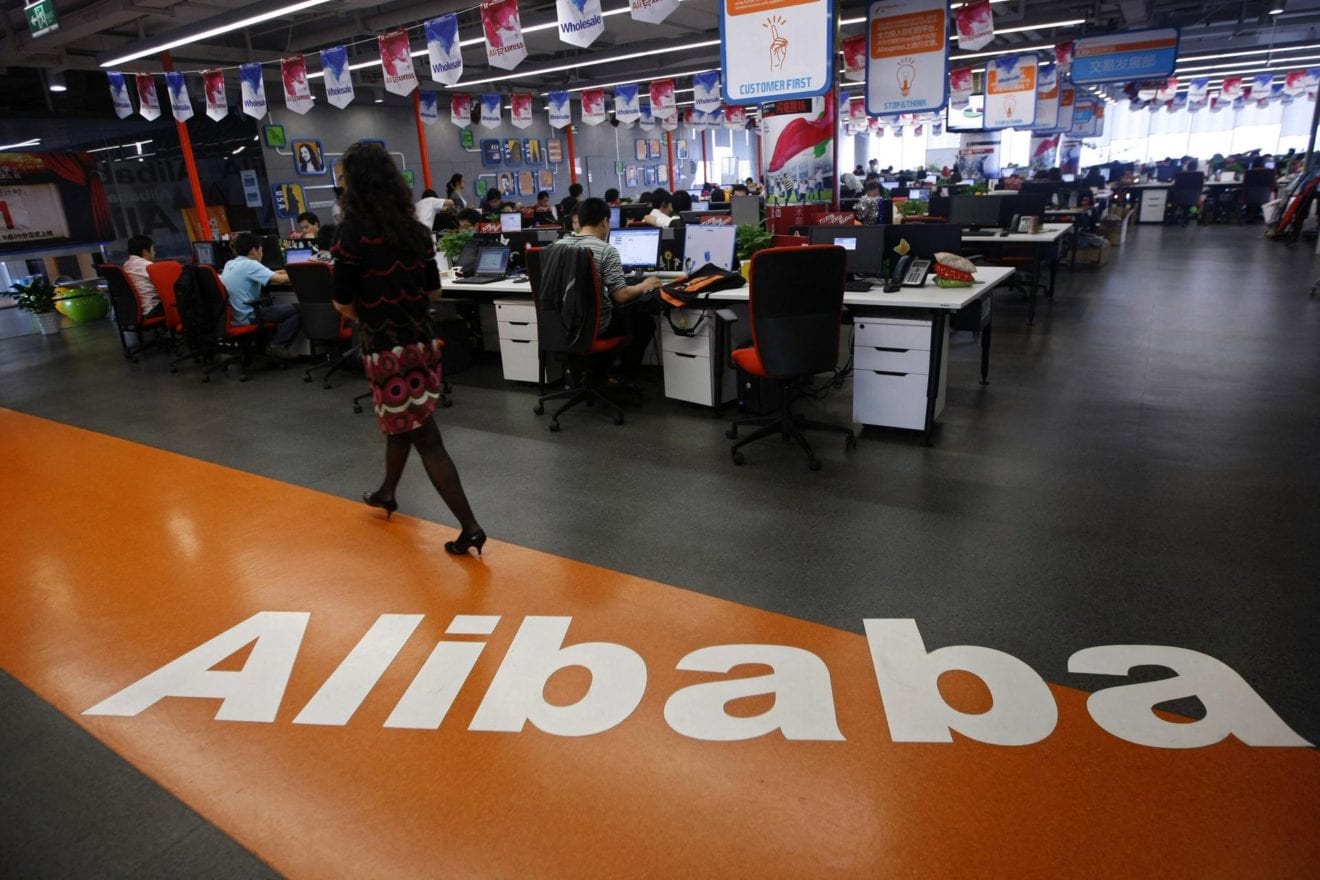
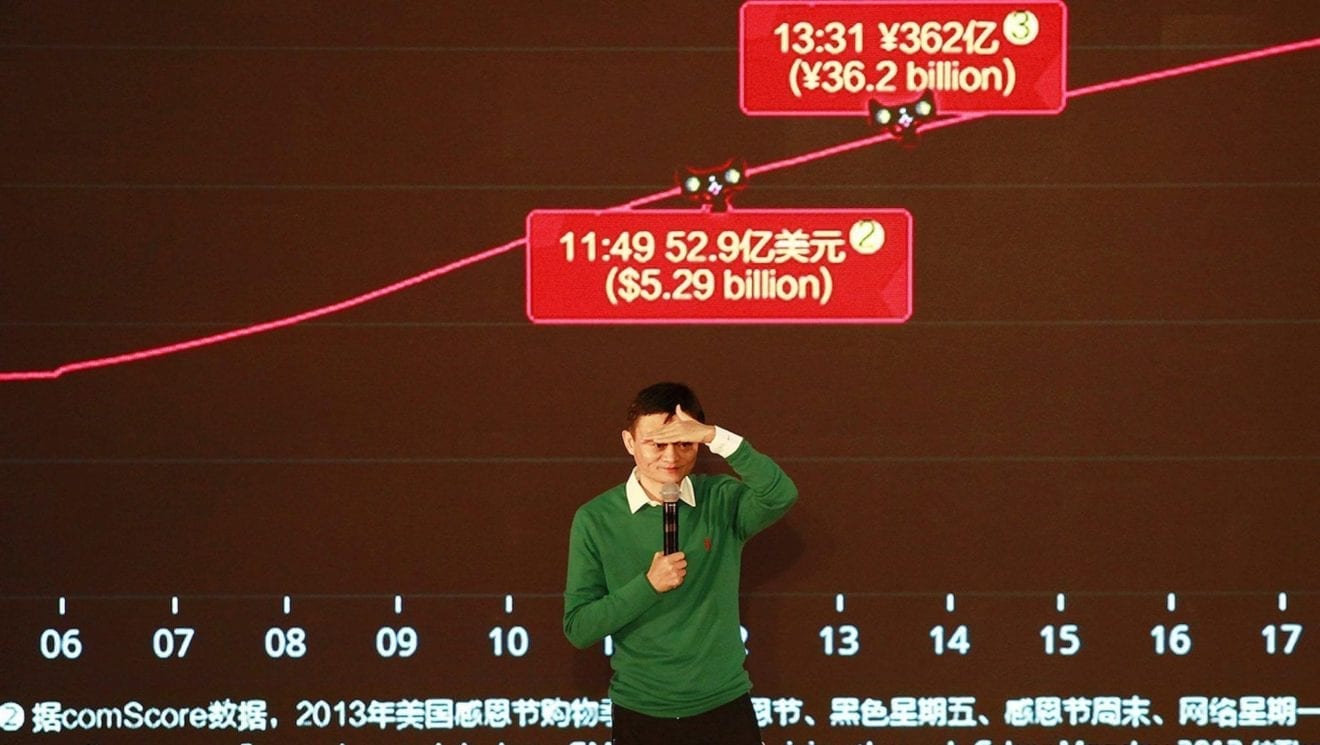
    Alibaba Group Holding Ltd. says sales from its massive Singles Day shopping event totaled $17.8 billion, up more than 24% from the record $14.3 billion sold last year.

    (This year’s total is RMB 120.7 billion, up 32% year-over-year due to fluctuations in the Chinese currency.)

    The most popular U.S. brands as of about 10:30 p.m. CST were, in order: Apple Inc. Nike Inc. New Balance, Playboy, and Skechers USA Inc.

    “Alibaba is using this year’s Singles Day to showcase the number of international brands participating, everyone from Apple, Victoria’s Secret, Burberry, Gap, [and] Nike, acting as the gateway to China for these brands and fulfilling Chinese consumers’ insatiable demand for Western products,” said Danielle Bailey, head of Asia-Pacific research for L2 Inc.

    Victoria’s Secret is in the L Brands Inc.  portfolio.

    Singles Day started strong, with sales of $1 billion recorded in the first five minutes.

    Alibaba Offers Virtual-Reality Shopping on Singles’ Day

    Alibaba is hoping to boost sales from China’s biggest annual online-shopping event–Singles’ Day–with what it claims is the world’s first virtual-reality shopping experience.

    Many U.S. brands have tried and, so far, failed to find success in the Chinese market. Recently, Netflix Inc. said it would abandon efforts to launch a full-service offering in China.

    Wal-Mart Stores Inc.  announced in June that it would partner with Alibaba rival JD.Com Inc. to grow its China business. The partners announced new initiatives in October.

    Apple and Nike are popular in China irrespective of the day, with Nike reporting 21% revenue growth in China in fiscal first-quarter 2017. The U.S. and China are Nike’s two biggest basketball markets, Trevor Edwards, Nike brand president, said on the Sept. 27 earnings call, according to a FactSet transcript.

    The Playboy brand is also popular in China, with items like jewelry and fragrances selling well.

    Starbucks Corp. seized the opportunity to get into the Singles Day festivities, offering a Cocoa Java Mocha beverage exclusively for the day at locations across China. The company also sold gift sets, exclusively-designed gift cards, and limited-edition My Starbucks Rewards Cards 11/11.

    Forty-seven million users purchased international brands, led by U.S. brands, according to L2 data, and 82% of sales were made on a mobile device.

    “With Alibaba distributing different deals across different devices, they have encouraged devoted savings seekers to keep separate shopping carts on their desktops and mobile phones,” said Tim Barrett, retail analyst at Euromonitor International. “Alibaba is grooming a generation of mobile-first shoppers, a move which will pay off greatly when the entire world is addicted to their mobile devices.”

    For Alibaba Chief Executive Daniel Zhang, this integration of sales across different platforms is critical.

    “If you look at this as an online game, people see you will have less margin in the future,” Zhang said, according to the Alibaba live blog of the Singles Day event. “But when we look at the entire landscape, only 10% of China’s total retail is online. What we believe is that at the end of this, online and offline… should be fully integrated.”

    This year, Alibaba introduced virtual reality into the 11.11 experience, as well as games, with 2.6 billion games played, according to L2.

    “Alibaba is blurring the lines between entertainment and e-commerce and extending technologies thought to be simply gimmicks in the West,” said Bailey.

    Even with the eye-popping sales numbers, popular brands and new technologies, Alibaba shares are down 1.4% in Friday trading.

    “In keeping with the de-emphasis of GMV [gross merchandise value] as a reported metric, we expect sales volume to become but one of many focuses of the event, with others being new mobile functionality, innovations and improvements in logistics, new partnerships,” said Deutsche Bank in a note published Tuesday, which calls Singles Day “a PR exercise.” Analysts there expected 35% year-over-year growth.

    Deutsche Bank rates Alibaba shares buy with a $138 price target.

    Alibaba shares are up 14.4% for the year so far while the S&P 500 is up 5.7% for the same period.

  • Marks & Spencer plans to close all stores in Chinese mainland after profits plunged

    Marks & Spencer plans to close all stores in Chinese mainland after profits plunged

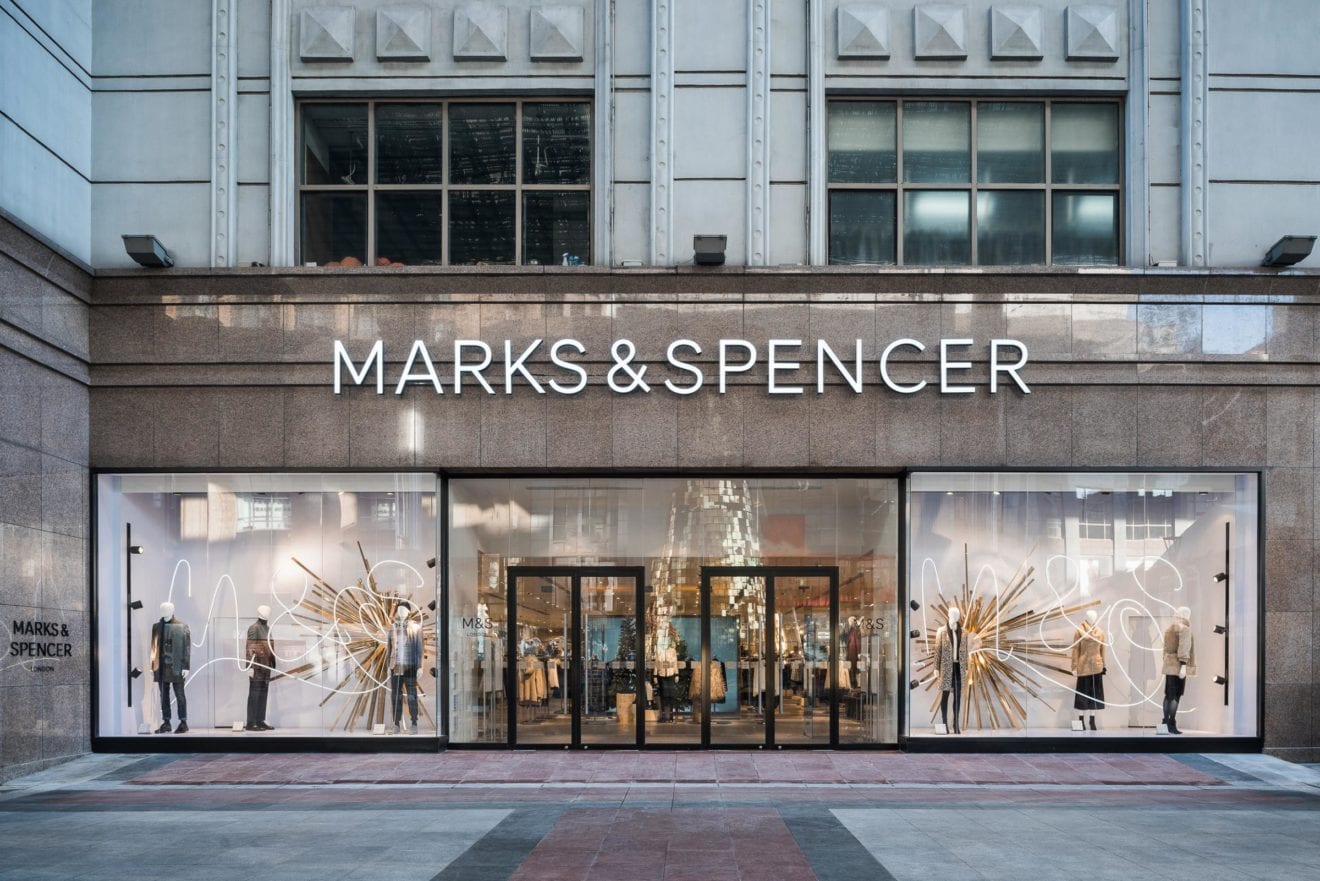
    UK retailer Marks & Spencer announced on Wednesday that it will pull out of the Chinese mainland market and close all the 10 stores amid shrinking profits, according to a statement the company sent to the Global Times on Wednesday.

    “Our review has shown that our stores in Chinese mainland continue to make losses and as result we can no longer trade with a store presence in the Chinese market,” Adam Colton, managing director of Greater China at Marks & Spencer, said in the statement.

    The company didn’t disclose sales revenues in the Chinese mainland market.

    An employee at an Marks & Spencer store in Beijing told the Global Times on Wednesday that he feels sorry about the closures because business in Beijing was quite good and there were a lot of loyal customers. He did not know when his last day of work would be. The 1,500-square Beijing flagship store at the Place shopping mall was opened in December 2015.

    Intensified competition and relatively high prices were the main reasons behind Marks & Spencer’s retreat from Chinese mainland, experts noted.

    “In Chinese mainland, the traditional UK brand did not have much appeal for Chinese consumers. For example, the prices in its food shops were a bit more expensive than even imported food stores,” Wang Xinmiao, a Beijing-based retail industry analyst, told the Global Times on Wednesday.

    In addition, the company did not have much time to cultivate brand awareness and a loyal customer base because the Chinese apparel market had already been saturated with “fast fashion” international brands, such as Zara, H&M, GAP, and Uniqlo, which marched into the Chinese mainland market much earlier than Marks & Spencer, Wang said.

    In contrast, the UK retailer has built a profitable wholly-owned business in Hong Kong in large part because it entered the market as early as 1988, the statement noted. Marks & Spencer is planning to expand its business in Hong Kong by opening more food stores in the near future.

    A customer said he came on purpose to the Beijing shop here after he has known the closure news. He has lived in UK for years and he trusts M&S, and he will shop in Hong Kong after the end of business here.

    The UK retailer has been losing ground in other international markets. In addition to its closures on the Chinese mainland, the company outlined plans to shutter 53 stores in 10 international markets, including seven in France, while pulling out of Belgium, Estonia, Hungary and Lithuania.

    In the first half of 2016, the company’s pre-tax profit plummeted 88 percent to 25.1 million pounds ($ 31.39million), down from 216 million pounds in the same period a year ago, as reported by BBC on Wednesday.

  • Boom quarter for Alibaba Group

    Boom quarter for Alibaba Group

    While China’s economy goes through a sluggish patch, internet shopping mall giant Alibaba Group has announced a sparkling quarter in which profit beat expectations, its fledgling cloud computing business more than doubled sales, and its entertainment income quadrupled.

    “Our results reflect our increasing ability to monetise our 450 million mobile users through new and innovative social commerce experiences,” says CEO Daniel Zhang.

    “Beyond the strong performance of our core commerce business, we are pleased with the continued rapid growth of our cloud computing business. We also see huge potential in our newly integrated digital media and entertainment unit. By combining engaging online experiences with highly relevant content, we delivered impressive financial and operational results for the quarter. ”

    CFO Maggie Wu says the group had robust revenue growth of 55 per for the quarter ended September 30.

    “Our highly profitable and cashflow-generative core commerce business enables us to invest in our future growth areas of cloud computing, digital media, and entertainment and innovation initiatives. We expect each of these businesses to drive long-term value for both our customers and shareholders.”

    At RMB34.292 billion (US$5.142 billion), revenue increased 55 per cent year-over-year, the star sector being digital media and entertainment, which ballooned 302 per cent to RMB3.608 billion. There was also an impressive 130 per cent growth in revenue from cloud computing to RMB1.493 billion, while revenue from innovation and other sources grew 78 per cent to  RMB698 million, and revenue from core commerce rose 41 per cent to RMB28.493 billion.

    Up 23 million

    Mobile monthly active users (MAUs) on its China retail marketplaces reached 450 million in September, an increase of 23 million over June, while annual active buyers reached 439 million, an increase of 5 million from the 12-month period ended in June.

    Customers for its cloud computing business grew to 651,000 from 577,000 in the previous quarter. The operating loss from cloud computing was RMB398 million for the quarter, and adjusted EBITA loss narrowed from RMB158 million in the previous quarter to RMB57 million.

    Alibaba says its Taobao app continues to be the leading social-commerce platform, serving creative content, social-engagement opportunities and personalised shopping recommendations. Livestreamed demonstrations for fashion apparel, cosmetics, maternity/baby products, sports and activewear generated millions of daily views.

    The company says it also achieved high social engagement on the mobile Taobao platform, citing more than 6 million app users sharing their shopping experience with friends each day.

    “We continue to see strength in the consumer electronics category, with robust growth in smartphones and large appliances,” says Alibaba. “In September, Apple recognised our branding reach and distribution capability by appointing Tmall the third-party online platform for the simultaneous launch of the iPhone 7 with Apple in China.”

    In the large appliance category, Alibaba is continuing to work with Haier’s logistics subsidiary RRS, with orders from its marketplaces handled by RRS growing by more than 82 per cent for the quarter.

    Triple digits

    Alibaba has also continued to make strong progress in the FMCG category, with personal care, food, and mother and baby being among the top growth categories. Its Tmall Supermarket has seen its volumes grow by triple digits year-on-year.

    “Multinational FMCG brands are working with us as the partner of choice, not only to drive their transaction volume, but also in the areas of brand building, channel expansion and product launches to grow their presence in China.”

    During the year Alibaba launched innovations around livestreaming, AR and VR to drive consumer engagement. Examples include a livestreamed “See now, buy now” fashion show watched by 7 million viewers on Taobao, Tmall and the Tudou and Youku apps. Alibaba also integrated the omni-channel shopping experience at more than 60,000 offline storefronts, including Gap, Uniqlo and Intime department store.

    A pilot program has been introduced to help global merchants sell beyond China. Hong Kong and Taiwan are the first markets outside the mainland.

    Alibaba Cloud hosts and provides security products and services for more than 35 per cent of China’s websites, says the company.

  • Can This British Retailer Conquer China?

    Can This British Retailer Conquer China?

    New Look, a fast-fashion retailer bearing a striking similarity to Forever 21, is aiming to boldly go where many chains have gone before but few have succeeded.

    The British retailer’s chief executive officer, Anders Kristiansen, has made no secret of his intentions in China, announcing plans in June to open 50 more stores there by March, which would bring its total number of locations in the Asian nation to 150. That’s 10 times the number of stores it had in China in 2015. But a Reuters report last Thursday revealed that New Look’s owner, South African billionaire Christo Wiese, has a more ambitious expansion in mind—500 stores within three years.

    New Look currently has more than 850 stores around the world, two-thirds of which are in the U.K. Despite a challenging first quarter that saw revenues fall 4.2% to 354.2 million pounds ($431.9 million), Kristiansen insisted the retailer would stay the course in China, where there had been a “strong local reaction to our affordable, fast-fashion offer.”

    According to Reuters, Wiese plans to conquer the Chinese market using a local-for-local manufacturing model, meaning most of the clothing it will sell in China will be made there to ensure locally relevant products are delivered to stores quickly. It’s a sourcing strategy that Zara owner Inditex has down to a tee and many other companies, including Under Armour, are trying to replicate around the world.

    “South Korea and Japan drive a lot of the trends that the Chinese customer seeks, so our ability to be able to identify those trends, source them locally and get them into our stores quickly is key,” Sven Gaede, managing director of New Look’s international business, told Reuters, adding that 85 percent of what the retailer already sells in China is made there.

    Local sourcing aside, some experts are skeptical about the retailer’s bullish growth plans. Franklin Yao, managing partner at strategy consultants Smith Street, described them as “virtually impossible,” noting that New Look is unlikely to find 500 empty retail stores, given the fact that H&M and Uniqlo also want to open hundreds more locations in China in the coming years.

    That being said, Chinese consumers are notoriously fickle and several big-name brands have failed to gain a foothold there, including Gap, Marks & Spencer and Walmart. In an effort to test the waters before committing to a brick-and-mortar presence, most international retailers first launch on the likes of JD.com or Alibaba’s Tmall and Taobao.

    But New Look appears to be covering all its bases in China: After opening its first locations in Shanghai and Beijing in February 2014, it launched an online store on Tmall seven months later and debuted on JD.com earlier this year.

  • Sprooki platform to launch in Indonesia

    Sprooki platform to launch in Indonesia

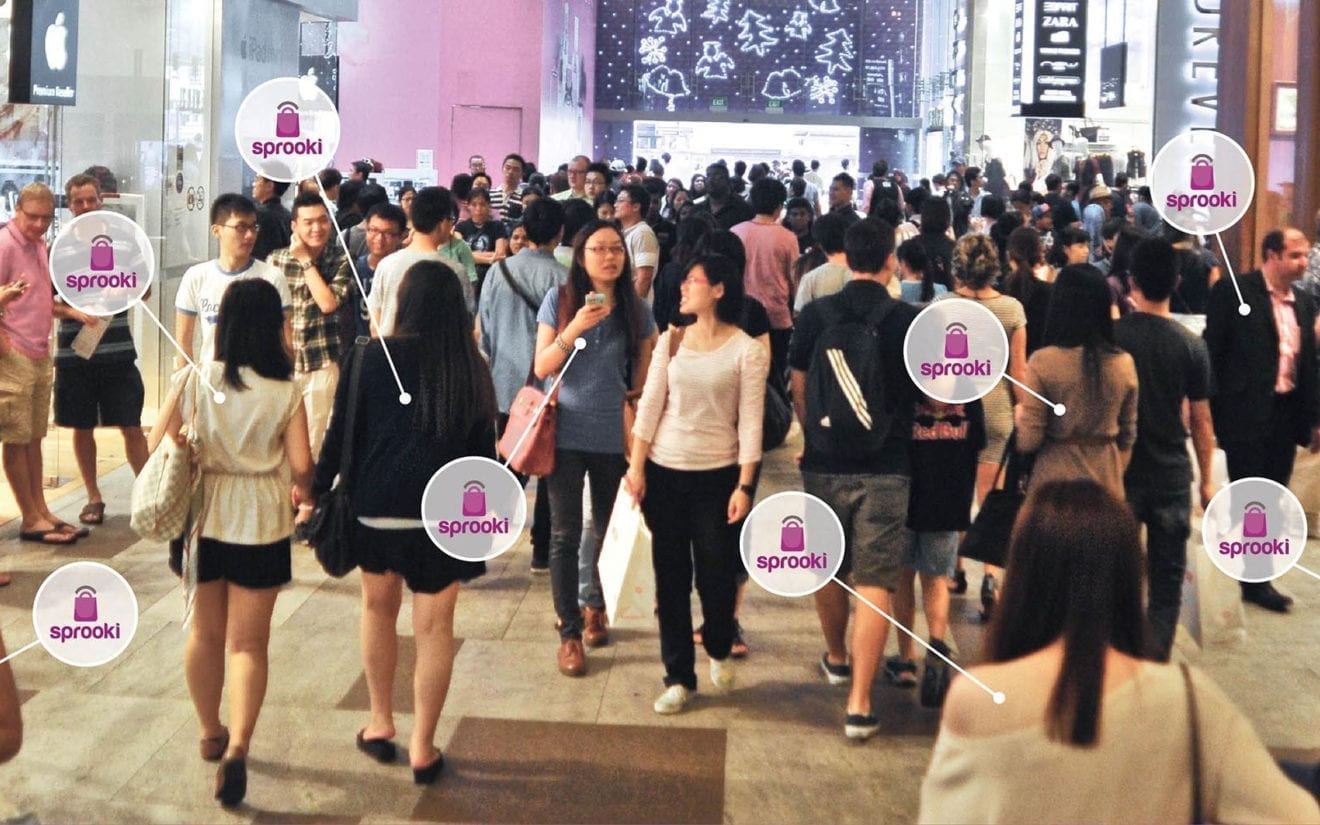
    Shopper-engagement platform Sprooki will launch in Indonesia next month at the 125,000 sqm Supermal Karawaci retail precinct in western Jakarta.

    It will be integrated with the precinct’s touchpoints and mobile apps, allowing retailers to offer customers individualised content such as vouchers, special offers, event alerts and store information.

    Sprooki Michael Gethen and Claire Mula

    Sprooki Michael Gethen and Claire Mula

    Customers will be able to share content on social media including Facebook, which has more than 60 million users in Indonesia. Sprooki is available in both English and Bahasa languages.

    Based in Singapore, Sprooki uses customer location, profile and behaviour data to help retail outlets, shopping malls and department stores engage with their customers via smartphones and other devices.

    Supermal Karawaci is the largest shopping centre in Banten province, west of Jakarta, with more than 1000 stores, three cinemas and the largest Timezone arcade in Southeast Asia – complete with an indoor rollercoaster.

    Sprooki CEO/co-founder Michael Gethen says the deployment will help Supermal Karawaci’s retail tenants improve sales and give the mall unprecedented insight into shopper habits and behaviour.

    Sprooki

    “By implementing the Sprooki platform, our mall will be one of the first shopping precincts in Indonesia to incorporate a data-driven mobile platform to improve shopper experience,” says Supermal Karawaci marketing and leasing GM Pipih Tjandra.

    Sprooki’s mobile platform is already being used by Southeast Asian shopping malls such as a Lend Lease’s 313@Somserset in Singapore and Crescent Mall in Ho Chi Minh City, Vietnam, as well as thousands of retailers and major brands such as Coffee Bean and Tea Leaf, Forever 21, Gap, GNC, Marks & Spencer and Pie Face.

  • Việt Nam retail market attracts international investors

    Việt Nam retail market attracts international investors

    Việt Nam’s growing retail market has attracted the attention of foreign retailers. A series of famous retailers from Japan, Thailand, South Korea and France have flocked to the country, hoping to penetrate the market, a recent JLL Việt Nam report said.

    As penetration of foreign retailers into the country has increased, fierce competition in the retail space has become more intense. This will put the retail market to the test and only retailers with the right positioning to meet market demand will gain market share.

    In 2014, the Berli Jucker acquisition of Metro Cash & Carry Việt Nam for an enterprise value of 655 million euro (US$700 million) – the largest-ever Merger & Acquisition deal in Việt Nam at that point – signalled entry of the Thailand retailer into the country.

    Later, another Thailand giant, Central Group, acquired Nguyễn Kim Trading – Việt Nam’s top electronics retailer, and BigC Việt Nam- the second largest supermarket chain in terms of store number in the nation.

    In October 2015, Emart – the leading South Korean retailer – officially marked its entrance with a US$60 million shopping centre in north HCM City. Also from South Korea, Lotte Mart is quite successful with 11 supermarkets, a number expected to increase to 60 stores by 2020.

    Most Japanese investors consider the success of Aeon in Việt Nam a praiseworthy case in overseas investment. Aeon has four malls and expects to reach 20 malls before 2020. Also from Japan, Takashimaya arrived in July 2016 as anchor tenant of downtown HCM City’s Saigon Centre retail mall.

    Adding to three Simply Mart stores in HCM City, AuchanSuper, a major retail brand from France, is planning to open another 17 supermarkets by end-2017 in the city and 20 stores by 2020 in northern Việt Nam.

    Thanks to increasing disposable incomes, big fashion brands such as Gap, Mango and Topshop have become the top choice of many young Vietnamese. In September 2015, Zara opened its first flagship store in HCM City. H&M will reportedly enter Việt Nam early next year.

    With 90 million people, Việt Nam has attracted retailers with its relatively young population – 70 per cent are aged between 15 and 64 years – who promise to be a key driver of robust market growth. Việt Nam’s urban population is expected to grow 2.6 per cent annually from 2015 to 2020, the highest rate among regional peers.

    “Increasing disposable incomes, rapid urbanisation and rising living standards make Việt Nam one of the most dynamic emerging economies in South East Asia,” says Bùi Trang, Commercial Leasing Director at JLL Việt Nam.

    According to the Boston Consulting Group, Việt Nam has the fastest growing middle and affluent class (MAC) in the region, which will double in size between 2012 and 2020, from 12 million to 33 million. MAC consumers, whose income is VNĐ15 million (US$700) or more a month, will be a key group of potential customers for retailers.

    Việt Nam e-commerce is set for strong growth thanks to its growing consumer and online population. According to the Nielsen’s report, nine out of ten consumers in Việt Nam (91 per cent) own smartphones, compared to 82 per cent in 2014, and the rapid up-take of connected devices, especially smartphones and tablets are instrumental in media consumption shifting.

    “Significantly increasing the amount of the credit card holders has also had an impact on the change in consuming behaviour. It is observed that people now are more willing to spend as they can afford more with credit and it tends to make shoppers less canny,” she said.

    Additionally, increasing international arrivals and continuously improving infrastructure are also factors that make Việt Nam an alluring market for retailers.

  • Levi Strauss & Co makes two senior appointments

    Levi Strauss & Co makes two senior appointments

    Jeans manufacturer Levi Strauss & Co has made two senior appointments from in house.

    Executive VP (global supply chain) and chief transformation officer David Love becomes executive VP and president of Levi Strauss Asia, Middle East and Africa, while senior VP (product development and sourcing) Liz O’Neill is now chief supply-chain officer.

    Liz O'Neill, chief supply chain officer

    Liz O’Neill, chief supply chain officer


    Love remains a member the company’s worldwide leadership team, which O’Neill will be joining. Both will report directly to president/CEO Chip Bergh.

    David Love, executive vice president and president of Levi Strauss Asia, Middle East and Africa.

    David Love, executive vice president and president of Levi Strauss Asia, Middle East and Africa.

    Love is an LS&Co veteran with more than 30 years of product development and sourcing experience. In his new post he will be responsible for leading the company’s commercial operations, spanning all brands and channels, across Asia, the Middle East and Africa (AMA).

    He joined the company 1982 as a manager of technical services at Levis’ UK factory, and has since held global positions.

    O’Neill joined LS&Co in 2013 to lead global supply-chain sourcing and strategy, a role involving shipping to more than 100 countries. Previously she was at Gap for 13 years and has also worked for The Disney Store in Los Angeles and Abercrombie & Fitch in Ohio.

  • RSH launching Old Navy in Malaysia with KL store

    RSH launching Old Navy in Malaysia with KL store

    With distributor RSH, fashion label Old Navy will open its first store in Malaysia at the end of this month.

    RSH regional marketing and communications manager Roy Lan says the brand will launch a “robust” integrated campaign to raise awareness among consumers of the arrival of Old Navy in Malaysia.

    Its store will be in the 1 Utama Shopping Center in Kuala Lumpur.

    Launched in 1994, Old Navy offers fashion essentials for families. It became the first retailer in the US to reach $1 billion in annual sales in less than four years, and is part of the Gap portfolio of brands, which also includes Athleta, Banana Republic and Intermix.

    With an 800 sqm layout, the new store will offer apparel and accessories collections for men, women, children and babies.

    Its launch in Malaysia follows its entry into Indonesia this year.

    “In the next five years, if everything goes according to plan, we should have 10 stores in Indonesia and five stores in Malaysia,” says Lan.

    Malaysia is the seventh franchise market expansion for Old Navy. In launched its first franchised stores in the Philippines two years ago, and has since opened in four Middle East countries. Its move into Southeast Asia builds on the success Gap and Banana Republic have experienced since entering the market in 2007.

  • What lies behind the Gap sales decline

    What lies behind the Gap sales decline

    That the overall pace of the Gap sales decline has moderated since both last quarter and last year is the only – very small – crumb of comfort for Gap Inc in its latest set of results.

    Gap last week reported a profit of US$125 million for the quarter, down from $219 million a year earlier. Total revenue declined 1.2 per cent to $3.85 billion.

    The total sales decline in the US is actually worse than last year with much heavier declines at Banana Republic and flat growth at Old Navy dragging down performance.

    Looking in stores it is not hard to see why this is the case. The Gap brand has no sense of newness and heavy discounting and constant promotion still appear to be the only tools the company has to drive trade. From Conlumino’s data it is clear that in the US Gap is not only losing customers but the customers it has retained are visiting less and spending less – mostly thanks to taking advantage of offers and deals. This is a dangerous position that erodes sales and profit, and suggests Gap has not even begun to remedy its underlying problems.

    Although it is clear the company is serious about creating a step change at its main brand, and while the autumn “#DoYou” campaign and its associated merchandise represent a small step forward, Gap has failed to convince it has done enough to correct the problems in its business.

    While Gap has troubles, Banana Republic is even more problematic. Over the quarter total sales in the US fell by 7.1 per cent, and on a global basis comparable sales for Banana shrunk by 9 per cent off the back of a 4 per cent decline in the prior year. The assortment is at the heart of Banana’s issues and symbolises a brand that has simply lost its way. The spring and summer collection is best described as predominantly bland with a generous sprinkling of oddness thanks to garments with strange cuts and patterning. Customers are confused and, of course, increasingly unwilling to pay the premium that Banana Republic once commanded. As a consequence the brand is falling into exactly the same trap as Gap as it resorts to discounting and deals to shift merchandise.

    Banana Republic is a smaller part of the group, but it is one in which a turnaround will be difficult to engineer. For this reason, it is getting set to completely shutter its UK, and possibly European, operations. As much as this retrenchment is an admission of failure, it is a necessary contraction given the parlous state of the business.

    Old Navy, which once delivered consistently positive numbers, spluttered again this quarter with flat growth in the US. While this brand is in a much better position than its siblings, it has become much less consistent in its marketing and instore merchandising, something which is reflected in its choppier sales numbers.

    Gap Inc is a troubled retailer without much of a plan – a plan that is desperately needed as its net profit decline of 43 per cent in this quarter aptly shows.

  • Premium Indian mall rents rise

    Premium Indian mall rents rise

    Premium Indian mall rents have risen “significantly” in the first six months of 2016.

    A report by property consultant CBRE South Asia shows rental rates at India’s more up-market shopping centres were led by major cosmopolitan mall clusters Noida (rising by 45 per cent), Gurgaon (by 30.8 per cent), Vasant Kunj (28.6 per cent), and East Bangalore (10.5 per cent).

    By region, rental rates have increased in the National Capital Region centered around Delhi (Vasant Kunj, Saket, and Gurgaon), Mumbai (Kurla, Ghatkopar and Lower Parel), and Bangalore (Whitefield, Ulsoor, and areas in West Bangalore).

    The steep rise in rent is due to the robust demand led by international retailers, and rapid expansion plans of established retailers. For example, during the first half of 2016, Swedish clothing retailer H&M, US clothing company Gap, Japanese lingerie brand Wacoal, and Dutch brand Hunkemoller opened new stores in India, while the more established retail stores – Shoppers Stop, Levi’s, Puma, Pepe Jeans, Fabindia, Gap, Haagen-Dazs, and Mebaz – further expanded their outlets.

    A gap between the demand and supply is also to blame, as building malls is a capital intensive activity and completion of projects may take up four to six years.

    However, the rise in rent and demand is restricted to premium markets. In another report, by property consultant Jones Lang LaSalle (JLL) India, findings indicate that tier 2 cities and even average and poor malls in tier 1 cities, continue to struggle with high vacancy rates, which began with the global financial crisis of 2008. Poor consumer and retailer sentiment has also prompted several mall developers to shelve or defer new projects across the country.

    JLL estimates that rental rates in premium markets will stay constant or increase till the gap between demand and supply gets bridged in about five to seven years.

    • This article was first published by Dezan Shira & Associates which, since its establishment in 1992, has been guiding foreign clients through Asia’s complex regulatory environment and assisting them with all aspects of legal, accounting, tax, internal control, HR, payroll, and audit matters. Dezan Shira & Associates is a full-service consultancy with offices across China, Hong Kong, India, and ASEAN.
  • Zara Vietnam flagship nearly ready

    Zara Vietnam flagship nearly ready

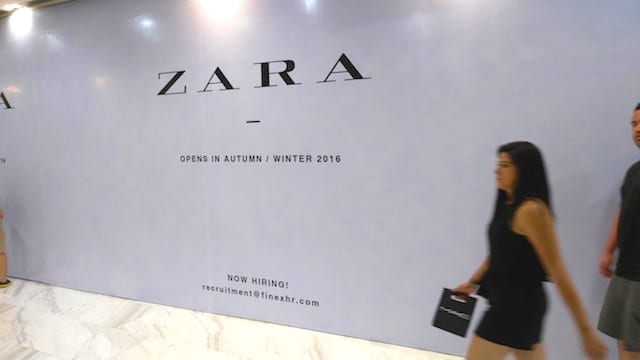
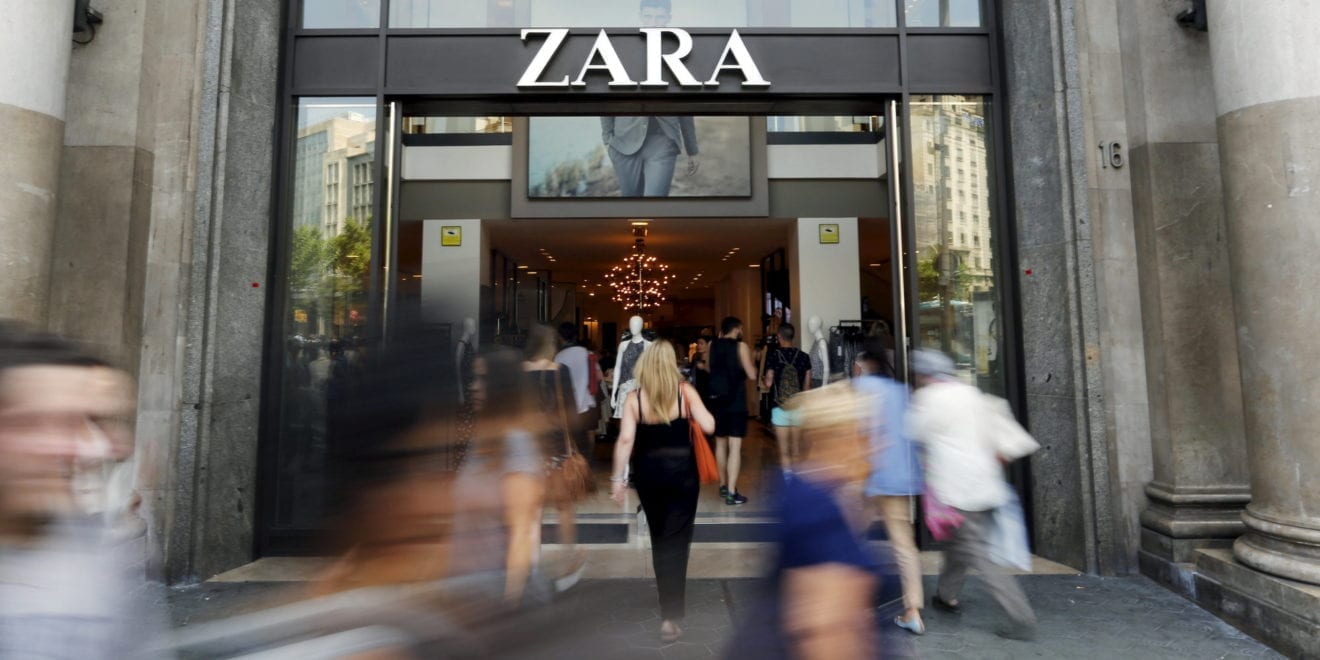
    Zara Vietnam’s flagship store is taking shape at Vincom shopping mall in Ho Chi Minh City, and is expected to open soon.

    The Spanish fast-fashion brand announced in May that it would expand to Vietnam this summer, setting its debut store’s opening date for this month. However, posters in the city say the store opening is next month. It is expected the store will have two storeys.

    Zara-Vietnam

    Fast-fashion brands are popular in Vietnam, and Zara has a huge customer base there. After ordering online and having items brought in from overseas, Vietnamese customers have been eagerly anticipating the arrival of its stores.

    However, the brand would need to look at its pricing. Vietnamese consumers have found that while some brands are considered economical in the West, once they enter Vietnam their prices double or even triple, with Mango and Topshop typical examples.

    Mango Mega store VN

    Zara is aiming to open up to 360 stores globally this year, and in Vietnam is sharing the market with other international fashion like Gap, Nine West and Ralph Lauren.

    Meanwhile, Mango is planning to open a men’s store in Vietnam, and H&M is said to be considering expansion in Vietnam.

  • Gap Japan to axe Old Navy

    Gap Japan to axe Old Navy

    Gap Japan will close its 53 Old Navy stores as its parent narrows its focus in Asia.

    But CEO Art Peck says the company “remains committed” to growing its brands in regions where it has a structural advantage.

    The relatively down-market Old Navy brand will focus on the Mainland China market and the Gap brand will remain in Japan, he announced, at the time of revealing a first quarter sales decline of US$$3.44 billion, down 5 per cent.

    “Japan remains an important market for Gap Inc’s portfolio, with a continued strong presence of more than 200 Gap and Banana Republic stores,” said Peck.

    A further 22 international stores will close, but the company has not revealed where or which brands.

    “As the pace of change across the apparel industry increases, now is the time to accelerate our

    transformation by scaling our product and operating capabilities across our global portfolio,” said Peck.

    Asia accounted for 11 per cent of Gap’s global sales, 1 per cent more than during the same quarter of last year. Across the region it no has 312 Gap-branded stores (up seven), 69 Old Navy stores (up four) and 51 Banana Republic stores (no change).

    Globally, Gap stores sales decline 3 per cent – which was better than last year’s 10 per cent; Banana Republic sales fell 11 per cent compared with 8 per cent and Old Navy fell 6 per cent, compared with 3 per cent.

    Neil Saunders, CEO of Conlumino, described the quarter as “disastrous” for Gap, “ one during which all of its main engines stalled and went into reverse”.

    “Gap Inc is now retailer without any star brands and with seemingly little vision to move itself forward. Unless it takes radical action to overhaul its businesses the outlook will only darken still further,” said Saunders.

    “Most worryingly, while the latest April numbers are likely impacted by the earlier Easter, they nevertheless show that all brands failed to gain any momentum as the quarter progressed. Indeed, in the case of Old Navy the sales slip accelerated.”

    Saunders says the central issue for Gap is that it is “creatively dull” and does very little to change collections from season to season or year to year.

    “As a result it has become increasingly reliant on customers buying on a replacement cycle rather than being inspired to buy new products. This, in turn, leads to it stimulating sales by the use of extensive discounting which then discourages consumers from buying at full-price. Gap shows no signs of getting out of this viscous cycle.”

    He said its Banana Republic brand has gone into reverse since the departure of Marissa Webb.

    “While Webb’s attempts to revitalise the chain did not bear immediate fruit, that she was not given sufficient time in the job and, much like the departure of Rebekka Bay, her leaving signifies Gap has both a problem with change and with giving competent people the scope to get on with the job in hand.”

    Old Navy’s decline is more recent, he argues.

    “While the brand has been the star of the show for many quarters, the past few collections have been dull and uninspiring. Stores are also looking more fragmented with no clear merchandise or brand story to entice shoppers. Coupled with excess inventory this has made for a less than pleasant shopping experience – something that has diluted the impact of the various flash sales and offers Old Navy has traditionally relied on for growth.

    “As problematic as sales are, there is no doubt that margins are equally troubled. All Gap brands have resorted to heavy discounting in order sales and, even so, the company still has an excess of inventory. The final profit position for the quarter is very poor with net income down by a sharp 47 per cent over the prior year.

    “All of this bodes badly,” Saunders concluded.

  • Gap CEO “weighing options” for international stores

    Gap CEO “weighing options” for international stores

    US apparel retailer Gap says it is weighing options for its international Banana Republic and Old Navy store networks.

    Gap CEO Art Peck says the company won’t reveal any other details at present, but expects to comment more when it reports its quarterly results on May 19.

    “The company is evaluating its Banana Republic and Old Navy fleets, primarily outside of North America, in order to sharpen its focus on geographies with the greatest potential,” the company said in a statement.

    Gap shares fell in after-hours trading on Monday night US time after it revealed a 7 per cent decline in same store sales in April. Analysts had been expecting growth of about 0.5 per cent after signs the retailer was slowly getting back on track in recent months.

    Total sales for the month were US$1.12 billion, down from $1.21 billion last year. First-quarter sales totaled $3.44 billion, down 6 per cent from $3.66 billion year-on-year.

    While Gap did not specifically refer to Asia in its reference to reviewing the future of its international business, the company has met with mixed results in the continent.

    While its namesake brand holds its own in most markets, the success of Banana Republic and Old Navy, the higher and lower end sibling brands respectively, have been patchy.

    Globally,  during the first quarter, Banana Republic sales fell 11 per cent versus 8 per cent last year while Old Navy sales fell 6 per cent versus 3 per cent growth last year.

    This week, Peck said the company was “committed to better positioning the business to recapture market share in North America and to capitalising on strategic international regions where there is a strong runway for growth”.

    Analysts seem in concord that Gap has lost its way in its core US market.

    “Gap used to be a core, basic, apparel retailer with low prices and great product for the family,” Deutsche Bank retail analyst Paul Trussel told CNBC Tuesday. “I think there’s other retailers that frankly have taken that place within the retail sector.

    SW Retail Advisors President Stacey Widlitz added: “If you have been into a Banana Republic or a Gap, in the last six months, you know… the fits are wrong, the stripes are wrong, the florals are wrong. This is a largely self-inflicted problem. Yes, mall traffic is down; yes, the consumer is spending less on apparel, however, if you choose not to get your fashion correct, and also not keep up with your supply chain and fast fashion, that is not going to help the situation.”