Retail News CRM

Tag: gas

  • Vietnam Experiences Significant Fuel Price Drop Amidst Global Declines and Tax Adjustments

    Vietnam Experiences Significant Fuel Price Drop Amidst Global Declines and Tax Adjustments

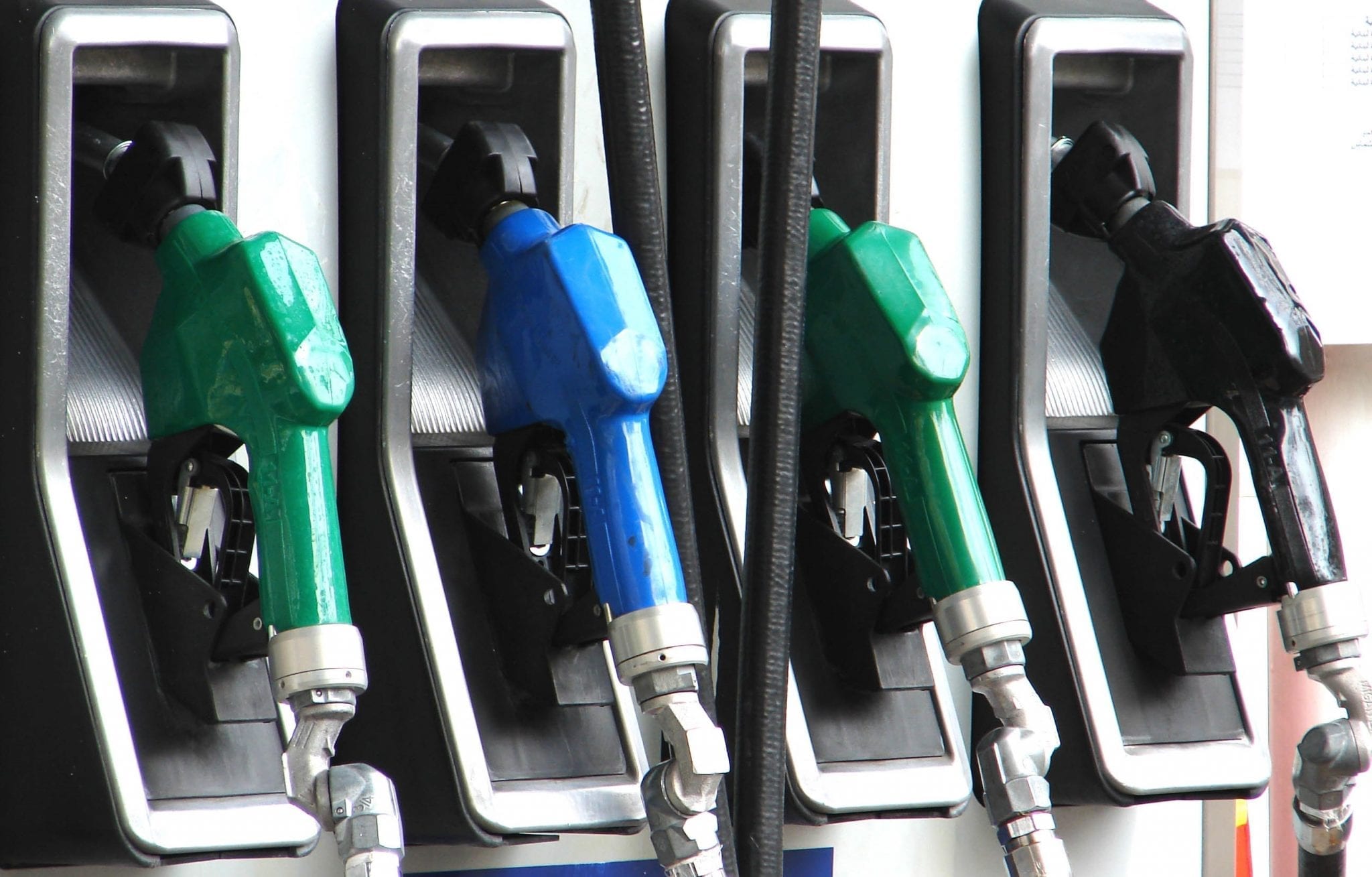
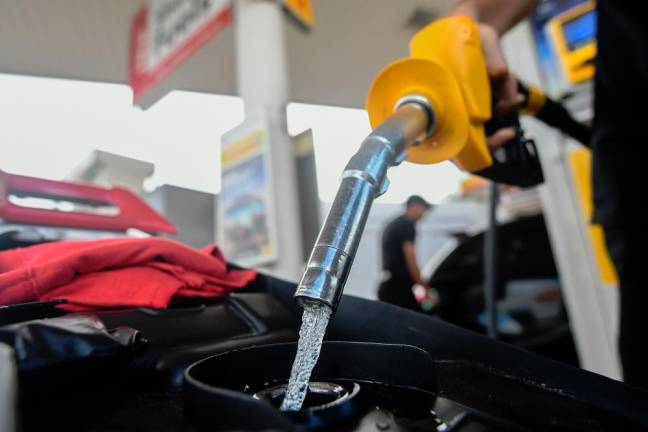
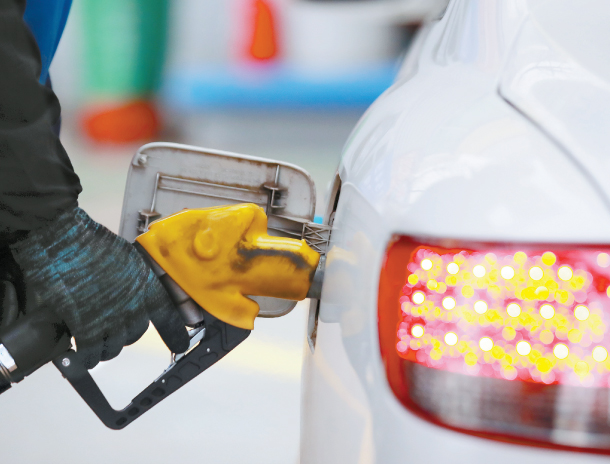
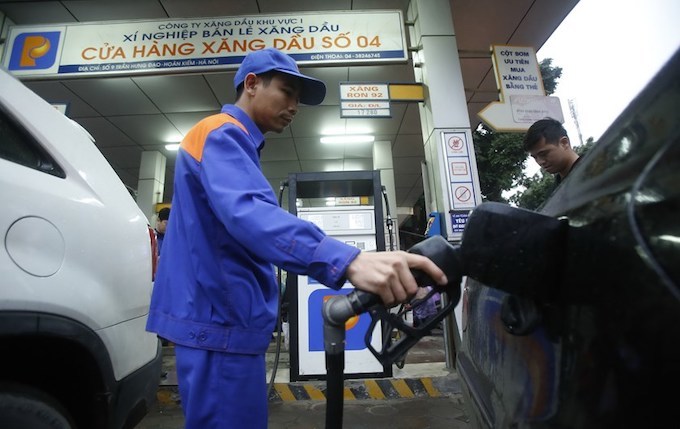
    In a notable development, gasoline prices in Vietnam saw a significant drop ranging from 6.47% to 18.8% late on Thursday. The widely used RON95 fuel recorded the highest decrease of 18.8%, reducing its price from Wednesday to VND24,330 (equivalent to US$0.92) per litre.

    Decrease in other fuel prices

    Along with RON95, other fuels also witnessed a price drop. Biofuel E5 RON92 plunged 16.9%, bringing its price down to VND28,070 per litre. Diesel, another essential fuel, recorded a 6.47% decrease to VND35,440 per litre.

    Global fuel price trend

    The decline in Vietnam’s fuel prices aligns with the global trend. Internationally, RON95 gasoline decreased by 7.4% from Wednesday, reaching $135.6 per barrel, and diesel fell 6.5% to $204.6 per barrel. These global price changes were reported by the Ministry of Industry and Trade and the Ministry of Finance.

    Tax Changes Influence

    However, the global price drop is not the sole cause for the fall in Vietnam’s fuel prices. A series of tax adjustments implemented late on Thursday also contributed to the decrease in local rates. The environmental protection tax on gasoline, excluding ethanol, diesel, and aviation fuel, has been reduced to zero from the previous VND1,500–2,000, as per a decision of the Prime Minister.

    Additionally, the excise tax on all types of gasoline and the value-added tax on gasoline, diesel, and aviation fuel have been modified, with the former being cut to 0% from an earlier 10%.

    Local Fuel Market Situation

    Despite the ongoing conflict in the Middle East, which has put added pressure on the domestic fuel market, the local fuel supply in Vietnam remains stable, according to an earlier statement by the trade ministry.

    Questions & Answers

    What was the percentage decrease in the price of RON95 fuel in Vietnam?
    The price of RON95 fuel in Vietnam decreased by 18.8%.

    What other factors contributed to the decrease in fuel prices apart from the global price drop?
    A series of tax adjustments, including a reduction in the environmental protection tax and excise tax on gasoline, also influenced the decrease in fuel prices.

    Despite the conflict in the Middle East, how is the domestic fuel supply in Vietnam?
    Despite the escalating conflict in the Middle East, the domestic fuel supply in Vietnam remains secure and stable.
  • Vietnam’s First $1.4bn LNG Power Cluster to Ignite New Era of Clean Energy in 2022

    Vietnam’s First $1.4bn LNG Power Cluster to Ignite New Era of Clean Energy in 2022

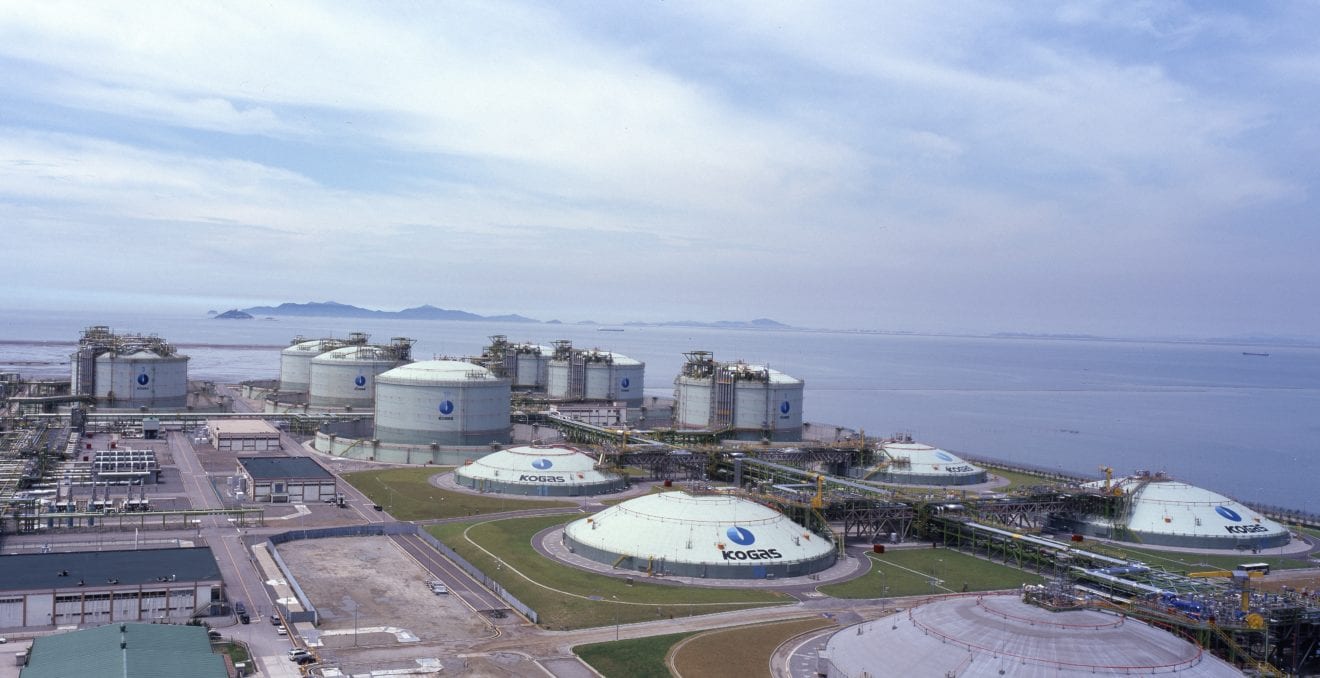
    Vietnam’s first liquefied natural gas (LNG) power cluster, constructed at a cost of US$1.4 billion, is set to commence commercial operations on January 1. The Nhon Trach 3 and 4 LNG-fired plants are located in the southern province of Dong Nai and were launched by state-owned PV Power on a recent Sunday.

    Specifications of the Power Plants

    The two plants, which are designed to utilize imported LNG, boast an annual capacity of generating nine billion kilowatt-hours of electricity. The testing phase of the plants has been concluded, and they have received the necessary licensing to supply power to the grid, according to Nguyen Duy Giang, the Deputy General Director of PV Power, a subsidiary of PetroVietnam.

    Vietnam Electricity has pledged to purchase a minimum of 65% of the plants’ power output for a span of 10 years. This agreement is expected to yield revenues of approximately US$950 million (VND25 trillion) each year for the power plants. Additionally, their technology is designed to facilitate the use of hydrogen, exclusively if required.

    Significance of the LNG Power Cluster

    In a statement, Prime Minister Pham Minh Chinh recognized the significant role that the LNG power cluster plays in bolstering national energy security. He further encouraged the exploration and development of clean energy sources as a means of powering the country’s proposed investments in data centers, digital transformation initiatives, and semiconductor plants.

    As part of Vietnam’s revised power development plan, which was approved in April, LNG-to-power capacity is set to reach 22.5 gigawatts by 2030, a significant increase from less than 1 GW at present. This capacity would account for approximately 10% of the nation’s power mix.

    Questions & Answers

    What is the expected annual capacity of the Nhon Trach 3 and 4 LNG-fired plants?
    The plants are expected to generate nine billion kilowatt-hours of electricity annually.

    What is the financial outlook for these plants?
    Vietnam Electricity has committed to buying at least 65% of the power output from these plants for 10 years, which could generate about US$950 million in revenue each year.

    What contribution is expected from LNG-to-power capacity as per Vietnam’s revised power development plan?
    According to the revised plan, by 2030, LNG-to-power capacity is projected to reach 22.5 gigawatts, contributing roughly 10% to the country’s power mix.

  • Gas Prices Soar: What Consumers Need to Know About the Latest Spike

    Gas Prices Soar: What Consumers Need to Know About the Latest Spike

    Gasoline prices in Vietnam saw a notable increase Thursday afternoon, reversing a dip to a five-week low recorded just last week.

    The widely used RON95 fuel rose by 0.19% to VND 20,200 (US$0.77) per liter, while biofuel E5 RON92 edged up slightly by 0.05% to VND 19,620. Diesel, on a more vigorous upward trajectory, increased by a robust 2.03%, bringing its price to VND 19,030.

    This week’s pricing adjustments align with a cocktail of global developments. Analysts noted that anticipated increases in OPEC+’s oil production during October and November, coupled with a rise in U.S. oil inventories, played a significant role in shaping market expectations. Furthermore, ongoing conflicts in Ukraine, particularly attacks on Russian energy facilities, have added layers of complexity to the international energy landscape.

    On a global scale, RON95 saw a 0.3% rise to $80.7 per barrel, while diesel experienced a more substantial increase of 2.4%. With so many market dynamics in play, one might wonder if fueling your car will soon be akin to navigating a rollercoaster ride—exciting, unpredictable, and not always affordable!

    Questions & Answers

    How much did gasoline prices increase in Vietnam this week?
    Gasoline prices in Vietnam saw increases ranging from 0.05% to 2.03%, with RON95 rising to VND 20,200 and diesel leading the charge with a 2.03% increase to VND 19,030.

    What are the key factors influencing these price changes?
    Several factors are at play, including an expected boost in OPEC+’s oil production, increasing U.S. oil inventories, and ongoing conflicts in Ukraine affecting Russian energy facilities.

    How do these local price changes compare to global trends?
    Globally, RON95 rose by 0.3% to $80.7 per barrel, while diesel saw an even steeper increase of 2.4%, suggesting that local prices are closely aligned with international market shifts.

  • Malaysia to Trim Fuel Subsidies as Prices Remain Southeast Asia’s Most Affordable

    Malaysia to Trim Fuel Subsidies as Prices Remain Southeast Asia’s Most Affordable

    Malaysia is taking a significant step toward fuel subsidy rationalization, with the government aiming to optimize resources for the benefit of lower-income groups. Prime Minister Anwar Ibrahim affirmed this decision on Monday, clarifying that it is designed to protect the majority of Malaysians while targeting affluent individuals and foreigners who account for a striking 40% of total subsidy usage.

    Subsidy Cuts Target Affluent Consumers

    With current fuel prices at an astonishingly low 2.05 ringgit (approximately 50 US cents) per liter for RON95 gasoline, Malaysia boasts some of the most affordable fuel in Southeast Asia—thanks to longstanding government support. However, concerns are bubbling up as the public fears that upcoming subsidy cuts, potentially coming as early as July, could ignite inflation, particularly in a nation where the number of vehicles rivals its population.

    Tax Expansion and Economic Pressure

    This fuel subsidy shift coincides with the government’s plan to widen the Sales and Service Tax (SST) starting July 1, which is expected to strain household budgets further. A new 5% to 10% sales tax will apply to non-essential items like king crab and luxury racing bikes, although essential goods will remain tax-exempt. The SST’s expansion into more sectors, from rentals to private healthcare, has raised alarms among retailers, who are already grappling with rising operating costs.

    Stan Singh, a council member of the Malaysia Retail Chain Association, expressed the challenge faced by businesses: “We can no longer absorb these increasing costs. Eventually, consumers will feel the pinch.” Coupled with a rising minimum wage and new contract-related charges, the pressure to pass costs onto consumers seems inevitable.

    Inflation Forecast and Economic Indicators

    While the economic landscape appears rocky, economists suggest that the broader scope of the SST might not heavily impact average consumers. Analysts from CGS International Research predict a temporary price increase, with inflation expected to rise to 2.2% year-on-year in July before peaking at about 2.4% in September. Despite these projections, the research firm has maintained its full-year Consumer Price Index (CPI) forecast at 2%, attributing stability to subdued global commodity prices, especially oil and palm oil.

    Over time, blanket fuel subsidies have aided Malaysians in managing the cost of living. Still, they have also resulted in overconsumption and smuggling, often favoring wealthier groups. Dr. Mohamad Idham Md Razak, a coordinator at Universiti Teknologi Mara’s Malaysian Academy of SME and Entrepreneurship Development, advocates for this targeted subsidy approach. He believes it improves fiscal efficiency and ensures that those most affected by rising prices receive the necessary support, confusing the issue of cross-border arbitrage.

    In a nutshell, it’s a bold move as Malaysia navigates the fine line between supporting its citizens and managing fiscal responsibility. Let’s just hope the country’s wallet doesn’t feel too light along the way!

    Questions & Answers

    What is the main goal of the fuel subsidy rationalization in Malaysia? The primary goal is to ensure that government resources are targeted toward benefiting lower-income groups while reducing the burden of subsidies on the nation’s budget.

    When are the upcoming subsidy cuts expected to take effect? The cuts may come as early as July, coinciding with the expansion of the Sales and Service Tax (SST).

    How will the expanded SST impact consumers? While the SST aims to generate additional revenue, it may lead to price increases for non-essential items, though essential goods will remain tax-exempt, helping to mitigate the impact on average consumers.

  • Gasoline prices tumble to 20-month low

    Gasoline prices tumble to 20-month low

    Gasoline prices on Thursday hit the lowest since December 2022, having in decline for the last two months.

    The popular fuel RON95 dropped 1.33% to VND20,820 (US$0.84) per liter.

    Diesel declined by 2.06% to VND18,470.

    Regulators said that fuel prices in the last seven days were affected by expectations of increased supply in Libya and OPEC+ countries and weak China’s demand.

    Gasolines have fallen by 1.6-2.2% and oils have decreased by 2-3.1%. RON95 is now at $86.3 per barrel and diesel $87.

  • Gasoline price rises to six-week high

    Gasoline price rises to six-week high

    On Thursday, gasoline and diesel prices climbed for the second week, with gasoline being at the highest since early December.

    The popular gasoline RON95 rose 2.51% to VND22,480 per liter, the highest since Dec. 7.

    Diesel increased by 2.49% to VND20,190, the highest since Nov. 23.

    Gasoline prices rose globally in the last seven days due to escalating tension in the Middle East and a slower-than-expected recovery in China’s economy. Red Sea conflicts and the surge of the U.S. dollar were also contributing factors, according to the Ministry of Industry and Trade and the Ministry of Finance, which control gasoline prices.

    RON95 rose 2.7% to $101.43 per barrel, while diesel rose 2.4% to $100.84.

  • Gasoline prices rise

    Gasoline prices rise

    Gasoline prices rose by around 2.4% while diesel prices dropped marginally on Thursday afternoon.

    The popular gasoline RON95 went up 2.42% to VND22,010 ($0.94) per liter.

    Biofuel RON92 gained 1.90% to VND20,870 per liter.

    Diesel dropped 0.06% to VND17,940 per liter.

    The government said that fuel prices have been fluctuating globally due to OPEC+’s production cuts, concerns of the U.S. public debt, stagnant industrial activity and high interest rates.x

    Prices of gasoline products increased by 2.7-3.1% globally in the last 10 days, while oil fell 0.14-2.5%.

    RON92 increased by 2.7% to $87.44 per barrel, while RON95 rose 3.1% to $92.43. Diesel fell 0.14% to $89.06.

  • Cooking gas prices fall in June

    Cooking gas prices fall in June

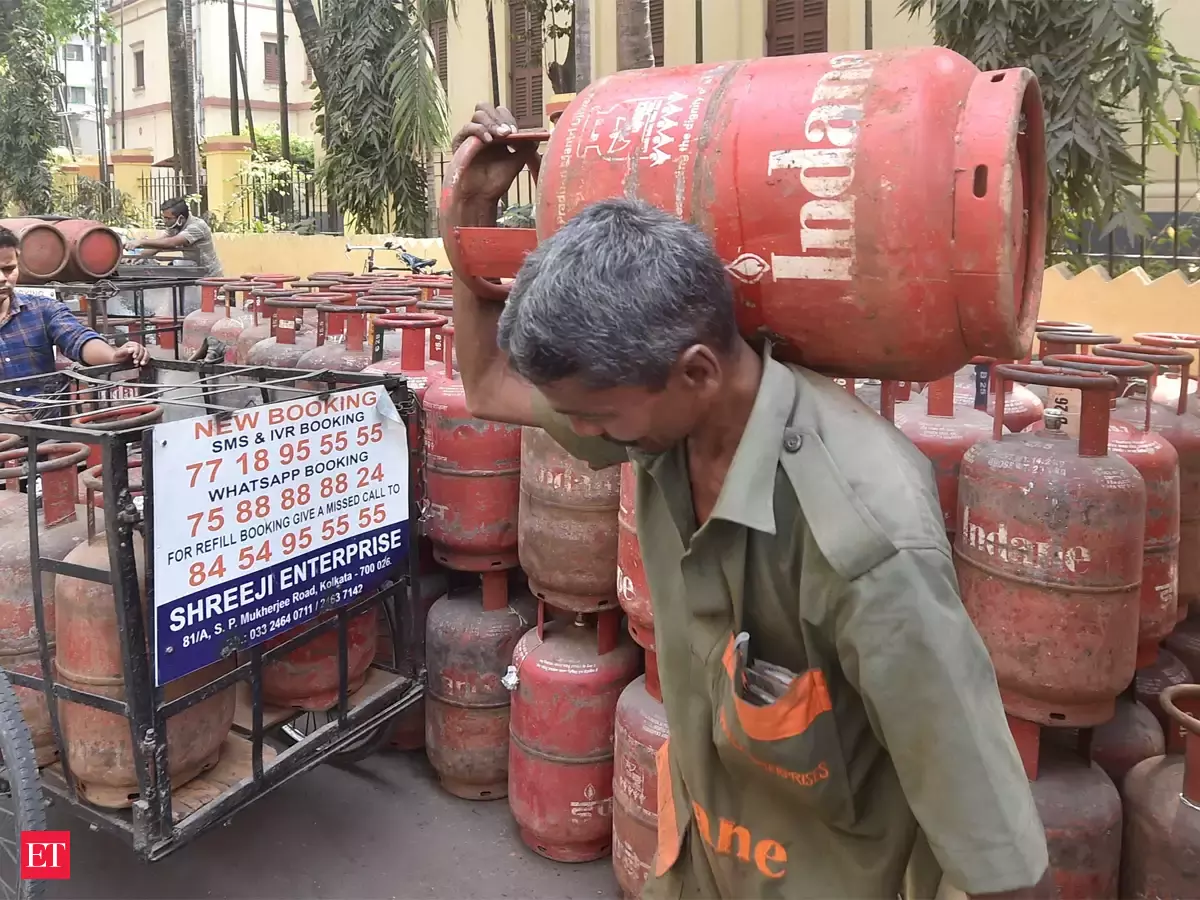
    Cooking gas prices have decreased on June 1 following the falling prices in world market.

    The retail prices of Petrolimex gas (including VAT) in June in Hanoi is VND371,600 ($15.82) per 12 kg cylinder; down VND33,640.

    Nghiem Xuan Cuong, head of the Commercial and Civil Gas Sales Department under Petrolimex Gas JSC said that the average contract gas price in the world in June is at $445 per tonnes, down $110 per tonnes compared to May.

    From the beginning of the year, the retail gas prices in the domestic market have declined four times in January, March, April, and June and increased twice in February and May.

    On the world market, at 8 am on May 31, the price of gas futures contracts delivered in July 2023 is at $2,319 per mmBTU, down $0.004 per mmBTU due to falling demand for natural gas in Europe as the winter is over and demand for electricity in summer peak has not yet begun. Gas consumption by industries also weakened.

    According to data from Gas Infrastructure Europe, as of May 24, natural gas storage sites in the EU was 66.71% full.

  • Gasoline prices down

    Gasoline prices down

    The price of Vietnam’s best-selling gasoline RON 95-III fell VND610 to VND23,630 ($1) per liter on Friday, while E5 RON 92 prices dropped VND490 to VND22,680.

    Meanwhile, the price of diesel fell by VND750 to VND19,390.

    Kerosene prices dropped VND250 to VND19,480, while mazut oil prices rose VND650 to VND15,840.

    The Ministry of Industry and Trade and the Ministry of Finance, which oversee the adjusting fuel retail prices, said that global crude oil prices have fallen for the past 10 days on fears of looming Federal Reserve interest rate hikes and OPEC+ oil output cut.

  • Gasoline prices increase

    Gasoline prices increase

    Gasoline prices rose slightly on Monday after falling to their lowest in 2 months on March 21.

    RON95 went up 0.39% to VND23,120 ($0.98) per liter.

    E5 RON92 increased by 0.28% to VND22,080.

    Diesel stopped its downward trend with a 0.67% rise to VND19,430.

    Globally, the average price of fuel products increased by 0.6-2.4%.

    Per-barrel price of RON 92 was up by 1.7% to $93.82, while that of RON 95 went up 1.8% to $98.29.

    Diesel cost rose 0.6% to $96.89 per barrel.

  • Vietnam struggles to auction outdated gasoline

    Vietnam struggles to auction outdated gasoline

    Vietnam is finding it difficult to sell 102 million liters of RON92, an out-of-date gasoline the country wants to replace with more RON95 in the national reserve.

    To obtain more space and money for today’s most common and popular gasoline RON95, Vietnam needs to sell its reserves of the cheaper RON92 fuel, which was supposed to have been auctioned off last year.

    But Vietnamese ministries could not agree on a set starting price for the fuel so the auction never happened.

    RON 92 is a low-power fuel that is now mainly used to make biofuel.

    But the Ministry of Industry and Trade has reported that selling such a large volume of the gasoline is difficult because few local wholesalers currently need biofuel.

    Vietnam has not had to release fuels from the national reserve for emergencies in five years, but the Ministry of Industry has announced that bulking up the nation’s scant resources is a must.

    According to the National Reserve Law, petroleum is a strategic reserve commodity.

    But the reality on the ground is that Vietnam’s average total reserves over the last five years has been just over 370,000 cubic meters a year, equivalent to only 6.5 days of consumption and 9 days of net imports.

    Vietnam’s national petroleum reserves generally total from around one-third to one-eighth of other countries’.

  • Cooking gas prices drop in Vietnam as global demand eases

    Cooking gas prices drop in Vietnam as global demand eases

    Cooking gas prices have fallen by VND16,000 (68 cents) to VND461,000 for a 12-kg cylinder in Ho Chi Minh City and other southern localities as global prices declined.

    Saigon Petro Co. announced the cut Wednesday after global suppliers lowered average prices by $60 to $730 per ton for March.

    The price of a 12-kg cylinder had shot up by VND62,000 in February when fuel demand spiked in many Northeast Asian and European countries due to cold weather, causing global prices to rise, the company said.

    This month, with warmer weather, gas demand for and prices are down.

    In April 2022 the price of a cylinder exceeded VND500,000 for the first time.

    Retail prices track global developments since domestic supply only meets 60% of demand.

  • Indonesia aim to export natural gas to Vietnam in 2026

    Indonesia aim to export natural gas to Vietnam in 2026

    Indonesia aims to export natural gas to Vietnam starting 2026 from the Tuna offshore block located near the Indonesian and Vietnamese maritime border, the country’s energy minister said on Friday.

    Southeast Asia’s biggest economy may deliver 100 to 150 million standard cubic feet per day of gas through a gas pipeline from the Tuna block operated by Harbor Energy, energy minister Arifin Tasrif told reporters.

    The company’s website shows that the Tuna oilfield, with around 100 million barrels of oil equivalent, was discovered in April 2014.

  • Cooking gas prices up 3%

    Cooking gas prices up 3%

    Cooking gas prices rose on Thursday in Ho Chi Minh City and other southern localities, with a 12-liter cylinder now costing VND438,000 (US$17.78), 3.06% higher than before.

    This is the second increase since November after prices fell for six months in a row from May.

    Global rates have gone up by 1.56% to $650 per ton as demand for heating surges amid winter, according to local distributor Saigon Petro.

    In Vietnam, domestic supply meets only around 60% of the demand, which means prices are partially dependent on global rates.

  • Gasoline prices drop after 4 consecutive hikes

    Gasoline prices drop after 4 consecutive hikes

    Vietnam’s RON95 gasoline price dropped 0.34% to VND23,780 ($0.96) per liter after rising in the last four adjustments.

    E5 RON92 price fell 0.18% to VND22,670.

    Diesel dropped 0.72% to VND24,800. The Ministry of Finance has acknowledged an updated transportation cost of importing fuel to Vietnam in the Monday adjustment for the second time this month.

    Vietnam’s refined fuel imports in the first 10 months of 2022 rose 22.8% from a year earlier to 7.13 million tonnes, but costs rose 123.8% to $7.37 billion.