Retail News CRM

Tag: gas

  • LNG Canada investor Petronas signs gas supply deal with Vitol

    LNG Canada investor Petronas signs gas supply deal with Vitol

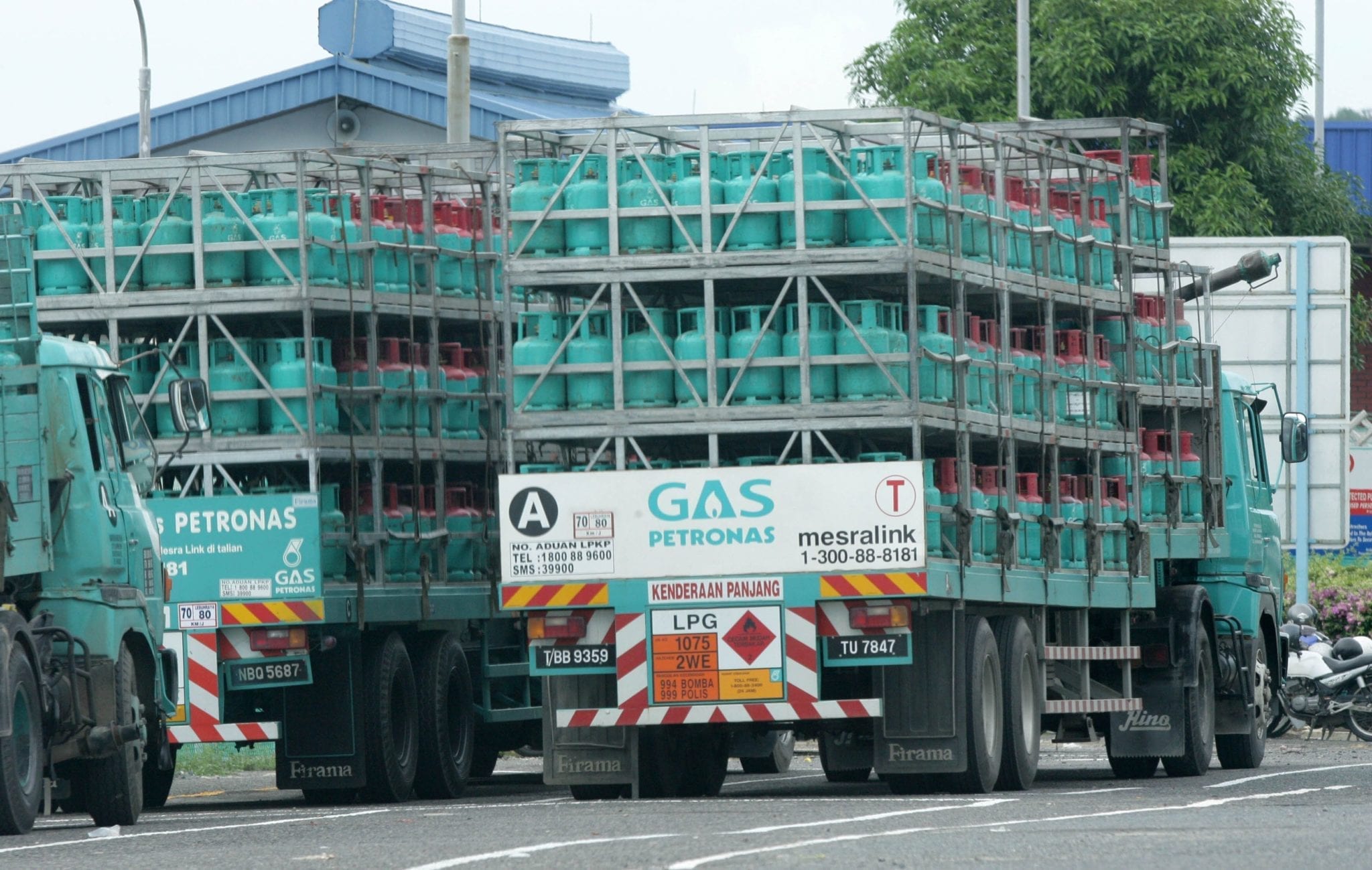
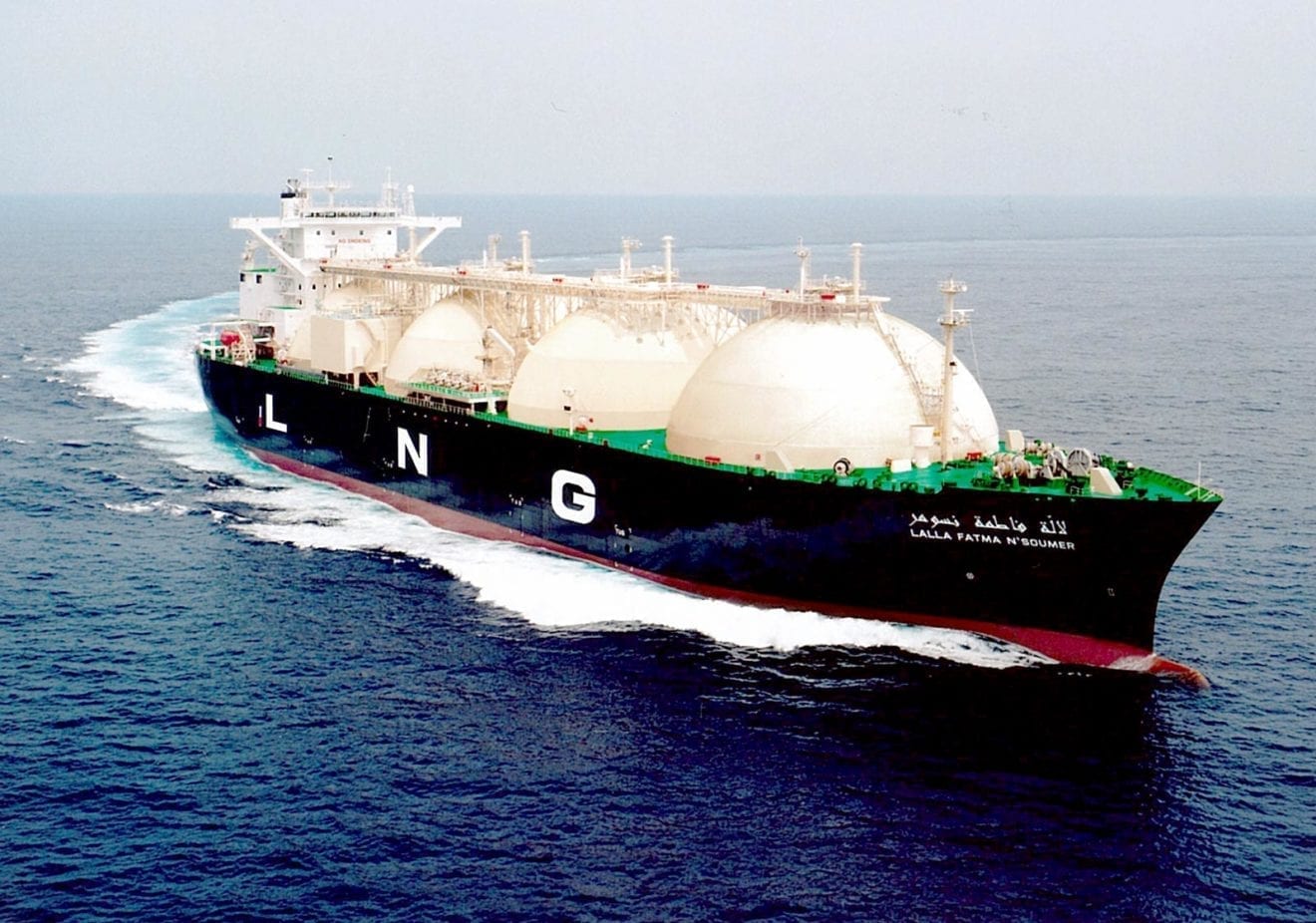
     LNG Canada, the US$30 billion (RM125.7 billion) liquefied natural gas (LNG) export project, has bagged another client after project shareholder Petroliam Nasional Bhd (Petronas) signed an initial sales deal with trading house Vitol.

    Royal Dutch Shell decided in October to construct the export terminal. It was the first major investment decision in a new North American LNG export project for two years and was expected to launch a new wave of such projects in the region.

    Petronas, the Malaysian state-owned oil and gas company that bought a 25% stake in the project in May, will supply Vitol with 0.8 million tonnes per year (mtpa) of LNG starting from 2024 for 15 years, Vitol said in a statement.

    “The primary supply to Vitol will come from LNG Canada as well as from (Petronas’) other global LNG supply portfolio,“ Vitol said.

    Vitol joins Asian utilities Tokyo Gas, Toho Gas and Korea Gas Corp (Kogas) as buyers, committing to offtake around 2.4 mtpa collectively.

    Such long-term agreements normally underpin project finance and are critical before a final investment decision is taken. But because Shell and partners Petronas, PetroChina, Mitsubishi and Kogas are such large players in the LNG market, they can absorb the output into their global portfolios without needing to find significant other buyers.

    Under previously announced deals, Toho Gas will buy 0.3 mtpa, Tokyo Gas 0.6 mtpa and Kogas 0.7 mtpa from LNG Canada.

  • Murphy Oil said to be in talks to sell Malaysian oil & gas assets

    Murphy Oil said to be in talks to sell Malaysian oil & gas assets

    Murphy Oil Corporation is in talks to sell its Malaysian oil and gas assets after an unsolicited bid that could fetch between US$2 billion to US$3 billion (RM8.4 billion to RM12.6 billion), people familiar with the matter said, in the latest energy merger and acquisition deal in the Southeast Asian nation.

    The independent US oil and gas exploration and production company has tapped banks for the potential sale of its majority interests in eight separate offshore production sharing contracts in Malaysia, said the people, who declined to be identified because the matter is confidential.

    “Murphy wasn’t considering a sale but was approached by a party that put forward a very compelling bid. They are in negotiations,” said one of the people.

    Murphy, which has been in Malaysia since 1999, could agree on a deal in a couple of weeks, the person said. Others familiar with the matter suggested Spanish oil major Repsol, whose presence in Malaysia is focused on its upstream business, or other global majors could be potential buyers for Murphy’s assets.

    The possible transaction comes as M&A activity is heating up in Malaysia’s oil and gas sector, where international companies pursuing expansion plans are spotting opportunities.

    Repsol and Murphy declined to comment on any potential transaction or talks. There was no response to a query to Malaysian state-owned Petroliam Nasional Bhd (Petronas), which partners Murphy in Malaysia.

    “This is a good, balanced portfolio and offers a smart way for someone looking to grow quickly in the region. Otherwise, it’ll take a decade to start from scratch,” said Alex Siow, upstream oil and gas analyst at energy research firm Wood Mackenzie.

    “The buyer will be buying into an operatorship position with Murphy’s stake, therefore having the know-how and will to be an operator is important,” he said.

    Murphy produced nearly 46,700 barrels of oil equivalent a day in the quarter ended Sept 30 in Malaysia, the company said in response to the query.

  • Petronas Gas proposes 19 sen dividend on better Q4 earnings

    Petronas Gas proposes 19 sen dividend on better Q4 earnings

    Petronas Gas Bhd saw its net profit increase 4.7% to RM486.7 million for the fourth quarter ended December 31, 2017 compared with RM465.06 million in the same quarter a year ago, thanks to new contribution from its liquefied natural gas (LNG) regasification terminal in Pengerang, Johor and higher revenue from the gas processing and utilities segments on the back of higher performance-based structure income and favourable selling price.

    Its revenue expanded 13% from RM1.15 billion to RM1.3 billion.

    The group has proposed to declare a dividend of 19 sen per share amounting to RM376 million for the quarter under review.

    Petronas Gas’ full-year net profit rose 3.1% from RM1.74 billion to RM1.79 billion. Revenue came in at RM4.81 billion, 5.4% higher than the RM4.56 billion made a year ago.

    Looking ahead, the group expects its performance to remain robust in 2018, backed by its strong and sustainable revenue streams from existing gas processing agreement and gas transportation agreement signed with Petronas.

    “Furthermore, revenue stream for the regasification segment will grow with the first full year of operations at the group’s new LNG regasification terminal in Pengerang, Johor.”

    On Bursa Malaysia today, Petronas Gas ended down 2 sen or 0.1% at RM17.66, on volume of 827,800 shares.

  • PTT plans to double retail fuel margins

    PTT plans to double retail fuel margins

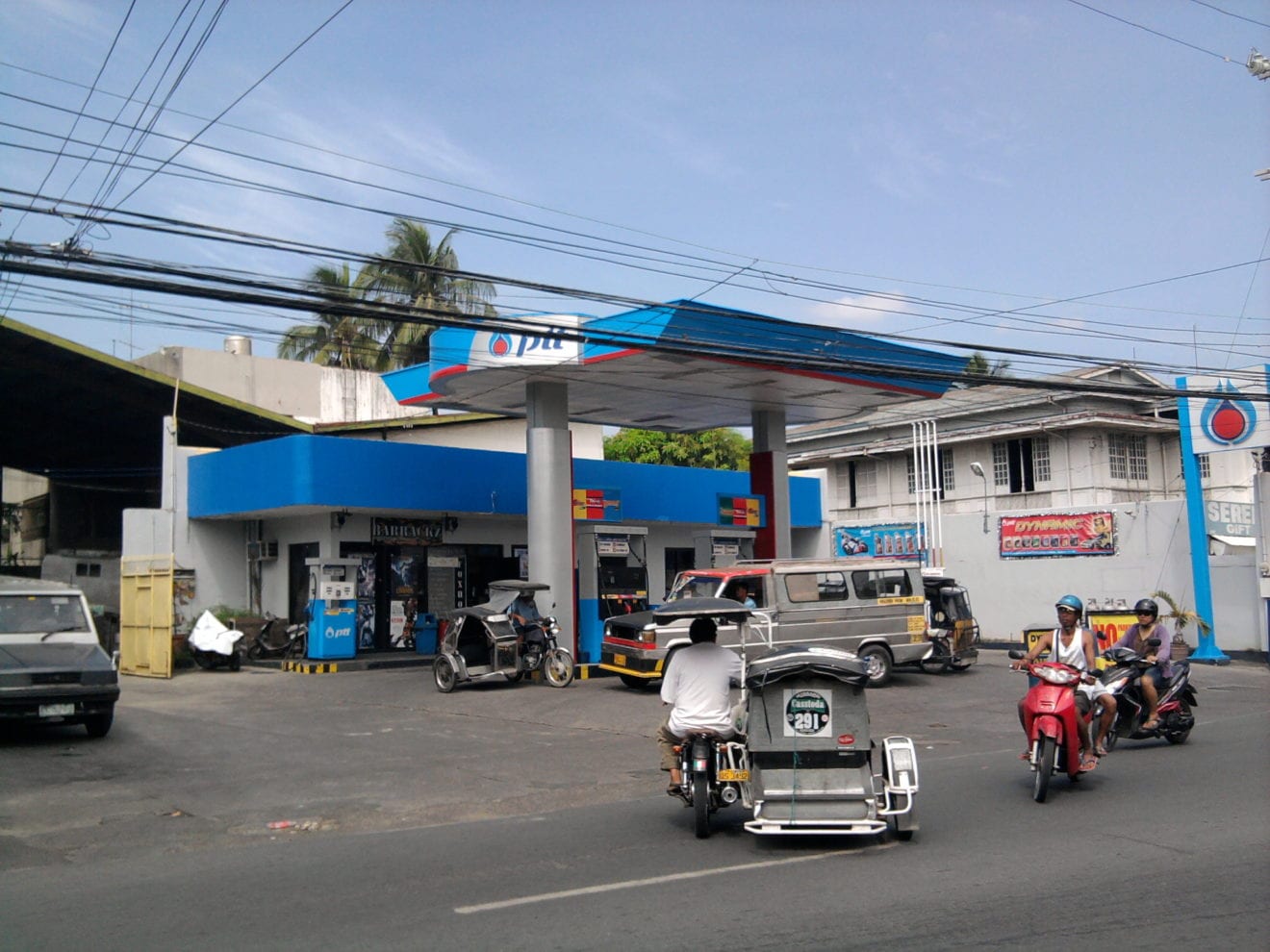
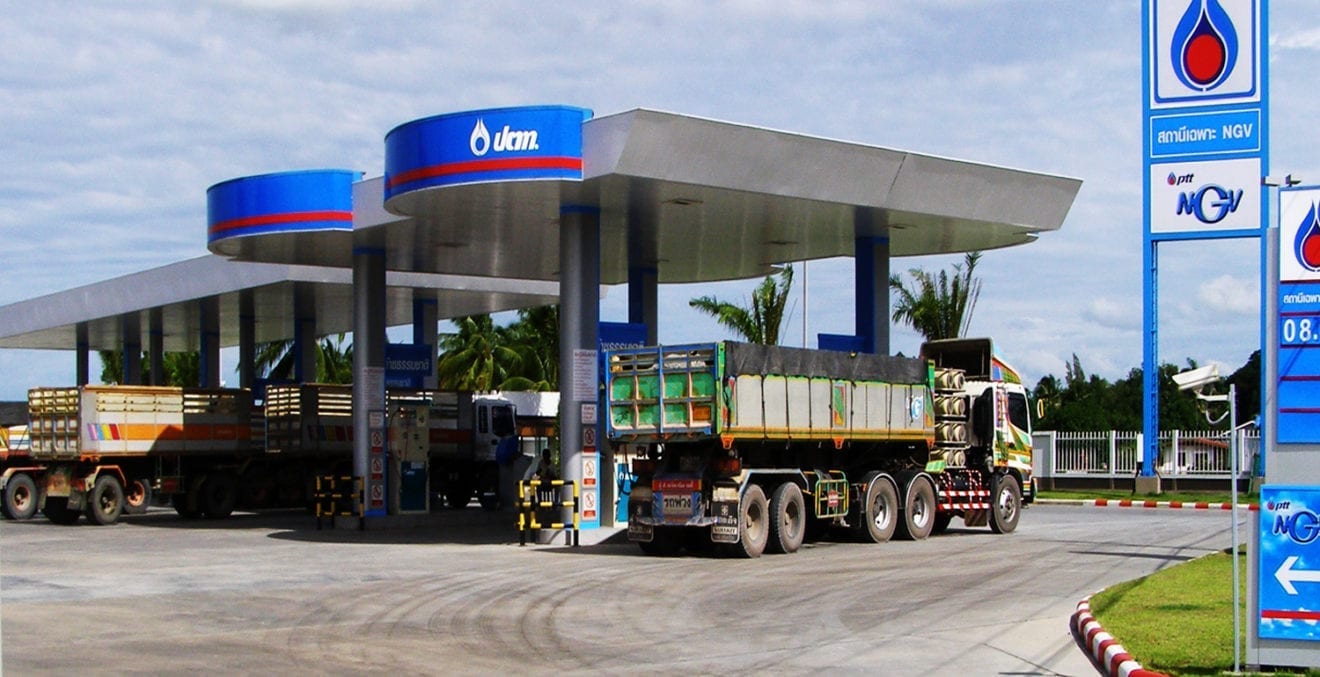
    PTT, the national oil and gas conglomerate, plans to double profit margin from fuel retailing business to 30% of total sales by 2022, says Auttapol Rerkpiboon, chief of operations for downstream petroleum business.

    To achieve the goal, the company has set aside a capital spending budget next year of 12.17 billion baht, with another 10 billion for each year until 2022 to expand its oil and non-oil businesses.

    Mr Auttapol said the executive board approved the increased spending last week.

    The board also gave the go-ahead to an increase in the number of petrol stations to 1,800 nationwide next year and to 2,560 by 2022. The company has 1,400 petrol stations now.

    “Competition in the retail fuel business should be fierce,” Mr Auttapol said.

    PTT hopes the spending plan will allow it to maintain its position as the top fuel retailer with a 41% market share.

    The company plans to focus on diesel consumers next year by adding two new diesel stations for trucks.

    Diesel consumers are expected to drop over the next several years because of rival projects from competitors, Mr Auttapol said.

    The focus on petrol should help offset a dip in gas sales, Mr Auttapol said. Natural gas demand is expected to drop substantially after the removal of universal government subsidies this year, making prices uncompetitive against other fuels.

    The capital spending plan calls for PTT to expand the number of Amazon Coffee Shops to 2,300 next year, up from 2,000. The shop total is expected to rise to 4,000 in 2022, Mr Auttapol said.

    Another expansion on the non-oil front will be new food and drink retailers at PTT petrol stations. Next year, PTT expects to have an additional four food franchise brands at its stations.

    Mr Auttapol said PTT is about to finalise a plan to develop budget hotels adjacent to its fuelling stations and could announce a partner for the project soon.

    He said PTT plans to expand its petrol station network in other Asean countries from 225 stations to 295 next year and to 600 by 2022.

    For lubricants, PTT also plans to increase the sale of lube products next year, particularly in overseas markets such as China, where demand for lube remains high.

    PTT expects sales of lube product in China to rise to 400 million litres by 2022, up from roughly 200 million litres this year.

    Mr Auttapol said PTT expects fuel demand next year to grow by 2-3%, which is close to growth seen this year, an assumption based on domestic economic growth of 3-4%.

    The company’s PTT Oil and Retail Co is expected to be fully spun off in 2018, he said.

    PTT Oil and Retail Co aims for a listing on the Stock Exchange of Thailand in 2019.

    PTT shares closed yesterday on the SET at 448 baht, up two baht, in heavy trade worth 1.96 billion baht.

  • Pertamina to acquire more oil and gas blocks abroad

    Pertamina to acquire more oil and gas blocks abroad

    State-owned oil and gas company PT Pertamina is seeking to acquire more oil and gas blocks in the country and abroad to meet its production target set by the government.

    “Operations abroad are expected to contribute 33 percent to the companys target of production of 1.9 million barrel oil equivalent per day in 2025,” its Upstream Director Syamsu Alam said in a media gathering here on Monday.

    The company would also be as aggressive in acquiring oil and gas blocks in the country, Syamsu said.

    Syamsu said currently Pertamina already has oil and gas blocks in operation in 12 countries such as in Algeria, Iraq and Malaysia, the first to operate , followed by ones in Nigeria, Tanzania and Gabon.

    Pertamina is preparing development of eight termination blocks in 2018 already handed over by the government to Pertamina including one in Sanga Sanga, East Kalimantan and OSES.

    Domestic assets are also optimized, Syamsu said citing the project of PHE WMO Integration, drilling of Parang Nunukan, Randugunting, enhanced oil recovery (EOR) of old wells.

    Indonesia is currently the 16th largest economy in the world with gross domestic product (GDP) at US$941 billion . In 2050, it is expected to break into the ranks of four largest after China, the United States, and India with GDP predicted at US$15.432 billion.

    Indonesia, therefore, would need support of large supply of energy , Syamsu said.

    In 2015 the countrys energy output reached 354 million tons equivalent oil including 271 million tons of coal and 113 million tons of oil, gas and renewable energy.

    While consumption of oil and gas is still high, production is decreasing with the shrinking known oil and gas reserves .

    Although Indonesia still has 60 oil and gas basins , the countrys oil reserves are ranked only the 26th in the world at 4 billion barrels. Similarly the countrys gas reserves , Indonesia is the 14th largest in the world with reserves of 100 TCF.

    The policy of Pertamina to acquire more oil blocks abroad to increase its reserves will contribute to guaranteeing energy supply in the country .

  • Fuel prices increase at pumps in Cambodia

    Fuel prices increase at pumps in Cambodia

    Road users can expect to pay up to 500 riel ($0.12) more per liter of fuel due to the increase in global crude oil prices after the government last March pegged local prices to that of the international market, a Commerce Ministry official said yesterday.

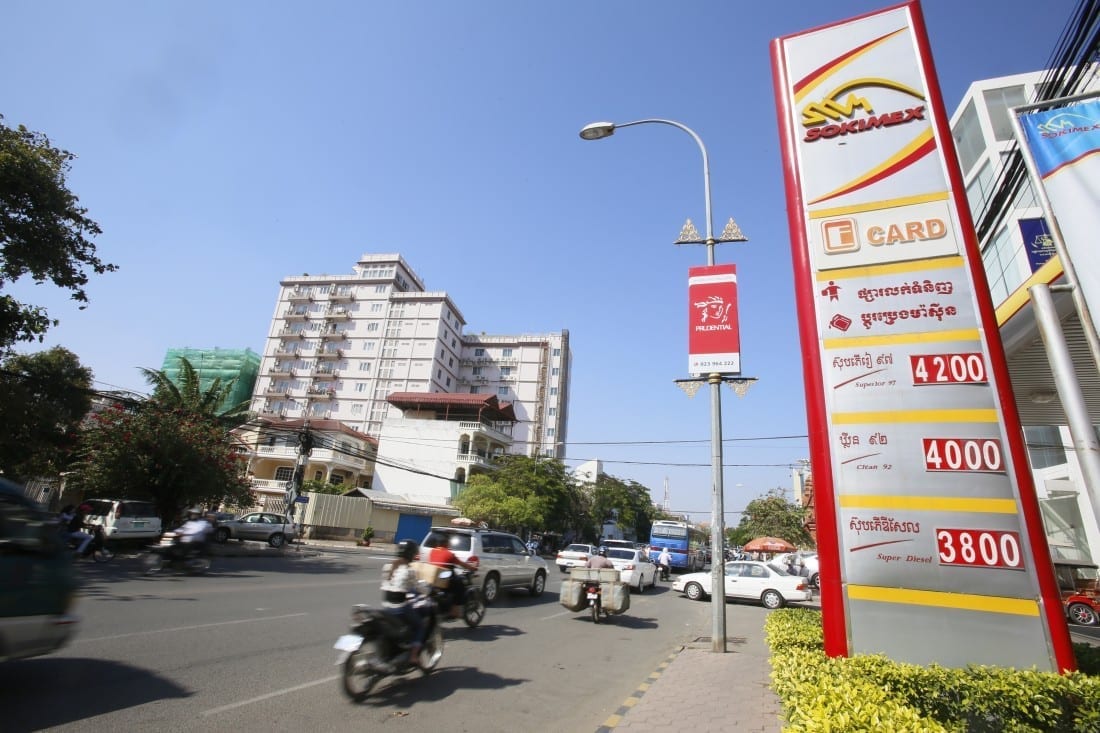
    From today until January 21, drivers can expect to pay 3,850 riel ($0.95) per liter for Gasoline 95, up 500 riel ($0.12), 3,750 riel ($0.93) per liter for Gasoline 92, up 450 riel ($0.11), and 3,450 riel ($0.85) per liter for diesel, up 450 riel ($0.11).

    “Please understand that the mechanism is just to prevent gas prices from increasing higher than that of the global gas price or when global gas prices go down, all local retail gas stations in Cambodia are also compelled to bring down the prices,” Commerce Ministry spokesperson Soeng Sophary said.

    “This formula is not intended to keep gas prices in Cambodia low even when global gas prices are on the rise.

    “We just want to prevent retailers from increasing their prices beyond that of global prices. We will follow the global market price,” she explained.

    Gas prices have been steadily increasing since November last year.

    The government last March announced that it would be standardizing retail gas prices in Cambodia by pegging them to world oil prices in the wake of the plunging global crude oil price the year before.

    The Commerce Ministry was tasked with releasing updated prices to all retail stations every 10 days, on the first, 11th and 21st of each month.

    Ms. Sophary attempted to quell dissatisfaction over the increase in prices by explaining that the new mechanism of calculating prices made Cambodia susceptible to world oil prices, which fluctuate according to global markets.

    “We are easily affected if there is any issues going on within those larger economies,” she said. “We cannot ask to lower gas prices when the global economic system is always changing since we have to follow the global situation.

    “The price could go down after US President-elect Donald Trump takes office later this month or it could increase if there are any issues in the EU or if there is ongoing terrorism in Turkey,” she said, adding that Cambodia would only be able to experience consistently low gas prices if it could produce its own refined product.

    PTT (Cambodia) deputy managing director Bin Many Mialia told yesterday that he understood the price hike given the new pricing mechanism, but remained optimistic as given the uncertainty of the global political climate, world oil prices could see a reduction next month.

    “The price for gas in Cambodia goes up and down since we are solely, 100 percent dependent on international gas prices. We cannot adjust the price, increase it or lower it, we cannot predict what the gas price will be. It’s up to the international market price,” Mr. Many Mialia said.

    “Now we see the trend of the oil price being high, but we will wait and see next month whether it continues to increase or if it will fall. All the countries don’t know what the US policy will be like or what the regional situation will be,” he added.

    According to a report from the Cambodia Import-Export Inspection and Fraud Repression Directorate-General, oil imports to Cambodia increased by one percent in the first 11 months of 2016, while the value of oil imported dropped by about 28 percent.

    The report showed that from January to November 2016, Cambodia imported 1.5 million tons of oil, compared with 1.49 million during the same period in 2015.

    Gas prices decreased by 16 percent, while diesel and petroleum prices dropped 19 percent and 28 percent respectively.

    The value of the oil imported throughout those 11 months last year stood at $615 million compared with $858 million the year before.

  • Uncertainty Marks The Year End For Thailand

    Uncertainty Marks The Year End For Thailand

    The non-ceasing political disturbance and reigning uncertainty is dominating every aspect of life in Thailand since the King Bhumibol Adulyadej’s death on October 13. The Crown Prince Maha Vajiralongkorn is supposed to appear for an audition as a heir to the throne after he had been invited to become the next King by the parliament. The deeply divided society, depressed under the rule of the military junta, needs reconciliation.

    The macro view from the long-term perspective for Thailand is rather worrying, notwithstanding the country’s status of oil and gas producer. Its own natural resources are not proving to be large enough to count on to satisfy the growing domestic demand. The oil reserves are on the way to extinction, and the capacities of the robust gas production are not sufficient to compensate for overtaking consumption. Thailand has turned into a net gas importer and faces increasing reliance on oil imports as well.

    The import curve reflects an intermittent character of oil cargo inflows, it remains unclear they are at all affected by the event of the King’s passing followed by the mourning period.

    More than a half the crude shipments are originated in the Middle East, with zero contribution by Iran. Although it is predictable that in not so remote a future the once rogue member of OPEC will find its way to squeeze into the Thai market anyway.

    The state-owned PTT and its refining unit Thai Oil have reported strong 3rd quarter profits, overshadowing the forecasts. Forex gains and favourable refining margins helped to reverse losses suffered in 2015.

    PTT is currently undergoing some restructuring splitting off its retail business unit, which is due to be renamed as PTT Oil and Retail Business Co Ltd (PTTTOR) to be listed eventually on the Stock Exchange of Thailand. The move is aimed to react to shrinking tolerance of fluent markets to inflexibility typical for inert government-controlled institutions.

    In the 1st quarter of 2017, Thai authorities were supposed to open for bids 29 onshore and offshore concessions for gas and oil production. But the first auction since 2007 was postponed again, and will be only completed in 2018. The existing contracts held by Chevron Corp and PTT Exploration and Production are due in 2022 and 2023, respectively.

    Previously, PTT announced plans to sign 15-year contracts with Royal Dutch Shell and BP to secure supplies of liquefied natural gas. The 5 million tons capacity of Map Ta Put LNG import terminal in the Gulf of Thailand will be doubled by March 2017. The current long-term deal with Qatar is ensuring some 2 million tons a year.

    More gas is being pumped in via the ASEAN pipeline from Thai-Malaysia joint offshore development area. This type of cooperation sets an example to follow in a region where territorial disputes have long been the cause of dormancy for many downstream projects.

    However, the Thai authorities will have to lose sleep over the challenging task to pursue the investors’ money. Any wrongdoing might provoke the capital outflow, then it will take a lot of effort to make the country attractive for investment again. To be updated soon.

  • Despite Climate Agreements and Court Decisions, Indonesia Keeps Betting Big on Coal

    Despite Climate Agreements and Court Decisions, Indonesia Keeps Betting Big on Coal

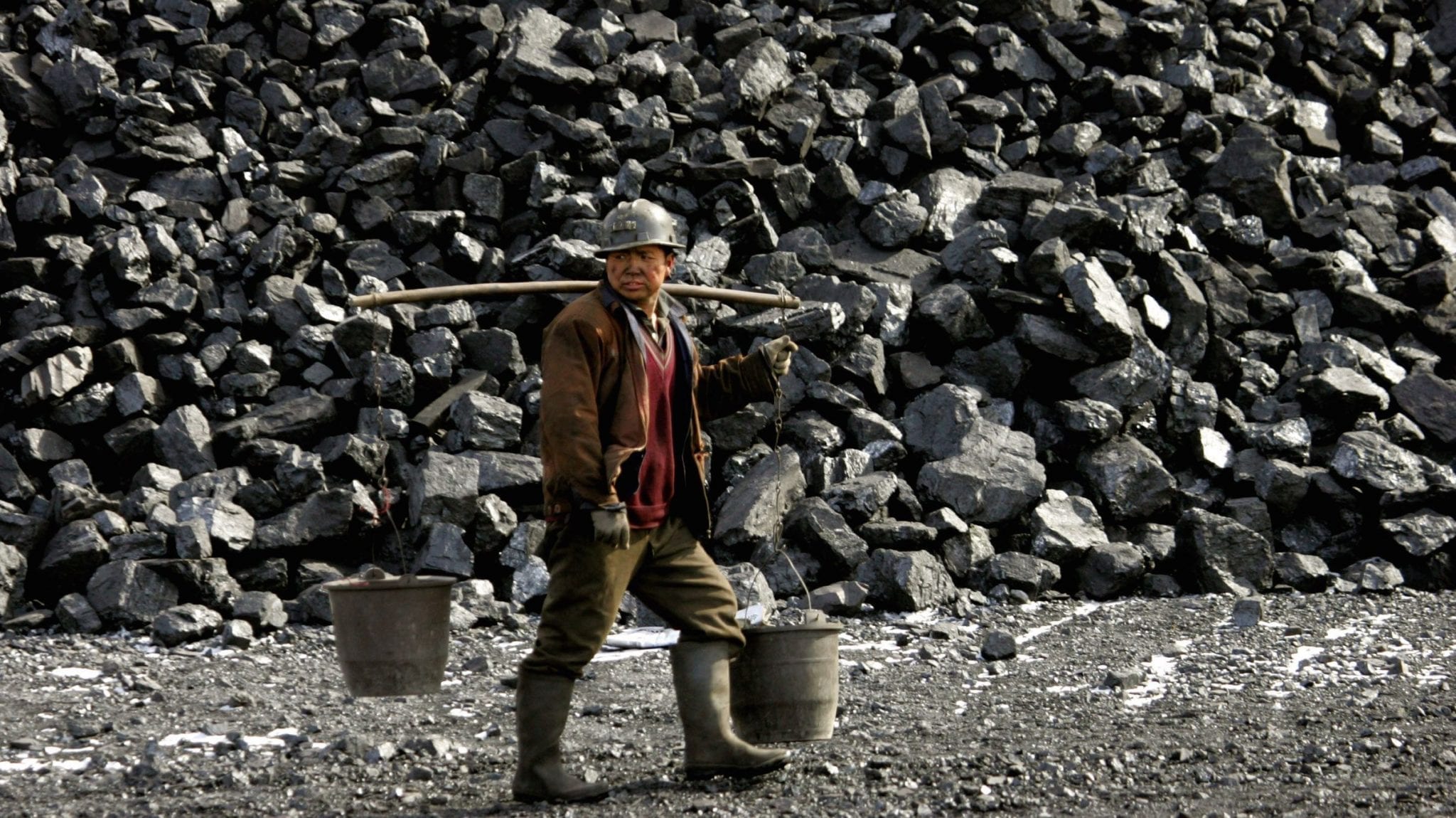
    Though Indonesia has one of the world’s fastest-growing economies, its electrical grid is faltering, with blackouts common and many factories and homes relying on expensive diesel-powered generators as backup. In 2011, Indonesian coal mining magnate Samin Tan and his company, Borneo Lumbung Energi & Metal, stepped into this energy void. Tan hoped to acquire the rights to a potentially rich coal mine in Borneo, one of the more heavily forested of the islands comprising the 3,000-mile-long tropical archipelago. But he needed $1 billion to do it. That deal’s unraveling reveals how years of effort by environmentalists and regulators may in the end have proved less effective at limiting greenhouse gas emissions in Southeast Asia than was a pistol-packing attorney, with enormous potential ramifications for how the fourth-most-populous nation on Earth develops its energy sector—and for the global climate.

    Tan’s company found itself in trouble when the price of coal crashed last year, driven by falling demand from China, where manufacturing has cooled and the government has ordered cuts to imports to protect its mining industry. One of Indonesia’s most important markets for its abundant coal was flagging. In April, the British bank Standard Chartered, the largest investor in a group that loaned Tan $1 billion to finance the mine, suddenly worried Tan wouldn’t be able to sell the coal and called in the paper. Tan refused to repay the bank.

    Coal projects in Indonesia have been able to race ahead not only because the country needs the energy but because investors outside the country have been happy to provide the funding and often receive help from their home governments’ export credit agencies. “National export agencies can support export of technologies,” said Jan Vandermosten, sustainable finance policy officer at World Wildlife Fund’s European Policy Office in Brussels. For example, Indonesian coal mining companies lacking the capital or a key technology to build a coal-fired electrical plant often strike deals with partners overseas, whose home governments help finance the investment, assisting companies in their country to get lucrative deals over foreign rivals. “It’s not about mining coal. It’s about companies that go to developing countries and construct coal plants, importing technology like boilers or other equipment,” said Vandermosten.

    In January, a $3.4 billion coal power project financed in large part by Japan’s public export credit agency, the Japan Bank for International Cooperation, moved forward in Central Java, a large province on Indonesia’s most populous island, where it will provide electricity for nearly 13 million people. JBIC is providing $2 billion, or nearly 60 percent of the project’s capital, and it will be operated by a partnership of Japanese and Indonesian energy companies. The 1,900-megawatt installation is slated to come online in 2020, when it will be the largest coal-fired plant in the country of 250 million people. Elsewhere in Asia, new coal plants in Bangladesh and India have been made possible with American and European financing and expertise.

    Coal’s share of Indonesia’s electrical portfolio has been climbing over the last decade, from 36 percent in 2007 to 41 percent in 2015, according to Kurnya Roesad and Frank Jotzo, climate researchers at Australian National University. In September, they reported that 55 percent of Indonesia’s new electricity will be from coal by 2025, if the expansion of the grid continues at its current pace—despite the government’s pledge to get 23 percent of all electricity from renewable sources by then. But the financing behind complex, expensive coal projects is proving a weak spot in the country’s energy plans.

    In January 2017, a new agreement among Organisation for Economic Co-operation and Development member countries will curtail many coal projects’ ability to receive necessary financing from overseas. Negotiated before last year’s Paris climate talks, the deal could restrict as much as three-quarters of the world’s coal energy pipeline, though early estimates are untested. Indonesian miners may be able to avoid the agreement’s most stringent restrictions, said Vandermosten, who was involved in its conception, by opting for cleaner coal technologies. But they would nevertheless crowd out funding for renewable technologies.

    Where financing can’t be publicly backed, that will drive Indonesian miners and their foreign partners to private financing like the deal with Standard Chartered.

    Which is where a flamboyant attorney named Hotman Paris Hutapea comes in. Hutapea became famous during a high-profile drug smuggling trial a decade ago for sporting a hairstyle reminiscent of mid-1980s Van Halen, keeping a white-handled pistol in a holster in his suit, and flaunting romantic relationships with local celebrities.

    Tan hired him to fight Standard Chartered’s insistence that it be paid. The trial quickly became a test case for a string of other coal projects in Indonesia, including the Japanese-backed project. If digging up coal to fire power-generating plants using 19th-century technology was to be Indonesia’s energy policy of the future, the industry would need to show—even more than that it had the coal—that it could finance the multibillion-dollar infrastructure projects needed to dig it up and turn it into electricity.

    Reports vary, but the British bank’s liability on just the single loan is usually estimated to fall between $630 million and $750 million. That’s a large enough amount that a problem with just this one client could kneecap a major London institution’s stock price and send the rest of the coal market tumbling. The overall package of loans to Tan was the largest debt extended to a single person in all of Asia that year.

    Other large multinationals not in the habit of throwing away millions had been minority partners in the deal, and if the Indonesian court invalidated the terms of the loan—blocking Standard Chartered’s attempt to collect from a company Tan said was not bankrupt—they too would lose between tens and hundreds of millions. Among the investors was Caterpillar, the Peoria, Illinois–based manufacturer of bulldozers and other heavy equipment used in the mining industry, which was in for just over $100 million.

    The trial would take place in Jakarta, and a better place for a show trial about a coal mine may not exist. The capital of a nation of coral reefs and dense rainforest, Jakarta is home to 20 million residents surrounded by toxicity. It’s hard to take a walk along Jalan M.H. Thamrin, the heart of the business district, without the risk of stepping into an open sewer. “The combination of untreated domestic sewage, solid waste disposal, and industrial effluents has led to a major public health crisis” along Jakarta’s main river, the soupy Ciliwung, the Asian Development Bank found in 2012. (ADB helps arrange funding for many public works projects, such as water treatment plants, in Indonesia and elsewhere. Little evidence exists for any improvement in water quality or sanitation since the ADB’s report.) Air pollution—mainly from vehicle exhaust—is so bad that in May, U.S. Ambassador Robert Blake proudly announced that two air quality meters had been installed in a complex housing American diplomatic staff, whose worries about the city’s pollution had converted it into a hardship posting. Sixty percent of people in Jakarta had seen their health harmed significantly by the smeary air, said Blake, citing results of a 2013 joint Indonesian-American study. If a lawyer ever wished to argue against a coal mine by bringing the judge to the courthouse steps to sniff the air, Jakarta was the place.

    As the trial got under way in March, Hutapea was preparing to argue that a bank enabling a coal mine should not be allowed to collect on a $1 billion loan. It wasn’t his first time arguing in court that an Indonesian company working in an environmentally shady industry shouldn’t have to pay back a foreign partner: In 2001, he represented local companies in a $14 billion case brought by American creditors against Indonesian logging company Asia Paper & Pulp, which owned plantations in Borneo. Hutapea argued that the contracts establishing the loans had been invalid. He won.

    His argument in the Standard Chartered case: There had never been a loan to Borneo Lumbung in the first place, the $1 billion that changed hands notwithstanding.

    The Standard Chartered–led consortium had lent Tan the money so he could buy a stake in a rival mining company called Bumi Resources (“bumi” means “Earth” in Indonesian). Tan used mines owned by his company as collateral. But Hutapea argued that Indonesia’s coal is a state asset, even if mined privately. So Tan needed the Indonesian government’s approval to use his own coal mines as collateral for the loan—and he hadn’t requested that. Standard Chartered hadn’t either. The loan, Hutapea maintained, was therefore invalid. There was nothing to collect.

    In April, the court ruled in Tan’s favor. As with the Asian Pulp & Paper case 15 years earlier, Hutapea had saved a company led by an Indonesian oligarch hated by local environmentalists. “You screw my country’s laws, my country’s laws will screw you,” he told a finance industry newsletter.

    Yet Hutapea became the environmentalists’ most unlikely ally, because the victory fouled the entire Indonesian coal economy as badly as the air above Jakarta.

    The world of energy finance, predictably, went nuts. “Any creditor on the hook to Indonesia’s coal mining industry will not be sleeping easily these days,” wrote International Financing Review, a trade publication. Like most commentators, IFR seemed unclear why Indonesia wanted to continue digging coal mines in the first place. Despite plans to expand the country’s coal portfolio, wrote credit analyst Jonathan Rogers, “the fact is that Indonesia’s coal sector is a sunset industry that is likely to shrink substantially in size in the face of collapsing demand from China, its biggest client.”

    China was shifting to wind and solar power, another reason it was buying less Indonesian coal.

    Hutapea’s victory has been closely watched beyond Jakarta and London. In Tokyo, where $3.4 billion was riding on the Central Java coal-powered electrical plant, JBIC issued a statement saying it intended to stick with the project and had faith its loan would be repaid even if the plant went bankrupt. The announcement had the effect, presumably unintended, of telling the world that the Japanese interest was worried. By persuading an Indonesian court to approve what appeared to be an Indonesian company’s swindle of $1 billion from Standard Chartered’s consortium, Hutapea sent a chill across every banking office from New York to Tokyo with a bet on a coal mine in Indonesia, one of the places still aggressively courting those bets.

    Will that money dry up? So far, it hasn’t. But if Indonesia keeps investing in coal, it may not be the environmentalists fighting hardest against it. It’ll be the bankers. It’s hard to breathe most days in Jakarta. But lose your shirt in London, and you’ll end up twice as sick.
  • Importing gas will not help deal with rising prices

    Importing gas will not help deal with rising prices

    The Energy and Mineral Resources Ministry has stated that the proposal of the Indonesian Petroleum Association (IPA) to import gas will not help the governments effort to curb gas prices applicable to the industry.

    The proposal is one of the many options to cut gas prices for industries, Director General of Oil and Gas at the Energy and Mineral Resources Ministry, IGN Wiratmaja Puja, said here on Monday.

    “There are many options to bring down the gas prices, from upstream, midstream to downstream levels. But we have to look at the data in detail,” he noted.

    Purchasing gas from other countries will not significantly affect the global gas prices, he added.

    If Indonesia intends to import gas, it must be far cheaper than the locally produced gas. In addition, the nation must also consider additional charges accrued in transporting gas from abroad and the cost to change it into liquefied natural gas (LNG), he reminded.

    “Admittedly, when bought from Qatar, gas will be slightly cheaper, but if the cost of transportation is added to the price, then it will not be much different from that of local gas. The US gas is currently being sold at US$2.5 per mmbtu but we need to study the cost to change it into LNG to facilitate its shipment to the rest of the country. Clearly, it will not be able to help us very much,” he pointed out.

    He underlined that the policy to import gas must consider the situation on the domestic production front. The concept of supply and demand will prevail. Besides, the policy gas import will not be allowed in case of overproduction.

  • Japan to possibly take part in East Natuna gas exploitation

    Japan to possibly take part in East Natuna gas exploitation

    Indonesias state-owned energy company, PT Pertamina, has hailed a senior minister for proposing to invite Japan to participate in the East Natuna Block gas project in the province of Riau Islands.

    Pertamina, ExxonMobil and PTT Thailand have formed a consortium to develop the gas field in the border region.

    “This is a big investment. The consortium is still to discuss it. I think in view of the big investment needed, it will be good if a number of parties participated. Certainly, the issue will be discussed by the consortium,” Pertaminas President Director Dwi Soetjipto said at the office of the Coordinating Minister for Maritime Affairs here on Monday.

    Coordinating Minister for Maritime Affairs Luhut Binsar Pandjaitan has invited Japan to participate in the project to exploit the East Natuna block in the Sumatran province.

    Dwi pointed out that the profit sharing concept was the crucial point to discuss.

    “What is important now is the formula to share the profits so that the project’s economic value can be realized,” he added.

    The Director General of Oil and Gas of the Ministry of Energy and Mineral Resources, IGN Wiratmaja Puja, underlined that the consortium was still discussing the production sharing contract.

    He admitted that Japan and Malaysia (Petronas) have also been invited to develop the block.

    “Japan has been invited and also Malaysia, and we hope they will be interested,” he noted.

    Malaysias Petroleum Nasional Berhad (Petronas) had indeed been a member of the consortium but later withdrew.

    Petronas joined the East Natuna consortium when the Principle of Agreement for the exploration and exploitation of East Natuna was signed on August 19, 2011.

    At the meeting with Malaysias Deputy Prime Minister Ahmad Zahid Hamidi in Malaysia early in September, Minister Luhut had invited Petronas to participate in the oil and gas exploitation in East Natuna.

    The East Natuna Block plans to first produce oil while gas production will be undertaken after a study in view of the fact that its carbon dioxide (CO2) content can reach up to 72 percent.

    The production sharing contract of the East Natuna Block could be signed even though it was expected to happen in September last year since no agreement was reached regarding the profit sharing formula.

  • Industries to enjoy lower gas prices in 2017

    Industries to enjoy lower gas prices in 2017

    More industries will enjoy lower gas prices by the beginning of next year as the government rushes to find a solution to cost issues.

    President Joko “Jokowi” Widodo has demanded that his Cabinet take concrete steps by the end of November to enable gas prices to fall below US$6 per million British thermal units (mmbtu) for 10 industrial sectors and one industrial zone starting in January next year.

    Currently, only seven industries enjoy the lower gas prices, but the government plans to add pulp and paper, food and beverages, and textiles to the list.

    Indonesia’s gas prices are around $9 per mmbtu, higher than most of its Southeast Asian neighbors. Both Malaysia and Singapore, for example, sell gas at around $4 per mmbtu.

    “I calculated it the other day and found that a figure between $5 and $6 [per mmbtu] is possible. Simplify and cut down the supply chain, so that it will be more efficient,” Jokowi said before a closed-door meeting.

    “This will affect the gas sector’s investment climate. Gas prices must remain enticing for investors to continue investing in our upstream sector, which will support the development of infrastructure, transmission and distribution.”

    The government has been trying to lower gas prices for some time to boost income tax through improved industrial productivity.

    High prices have forced many factories in North Sumatra to close down and as many as 20,000 workers have been laid off since 2000, data from the Association of Gas-Consuming Companies (Apigas) shows.

    Industry Minister Airlangga Hartarto said the economic benefit of lower gas prices could reach Rp 31 trillion ($2.39 billion) if prices were cut to $4 per mmbtu, with an additional distribution cost of $1.50 to $2. He added that the 10 industrial sectors contributed around Rp 1,200 trillion, or 10 percent, of gross domestic product (GDP). The gas price cut is expected to increase their contribution to GDP as costs fall.

    The Energy and Mineral Resources Ministry previously issued a regulation that allows companies to obtain an additional price cut of $2 per mmbtu from the minister if gas prices climb higher than $6 per mmbtu.

    However, the regulation only applies to seven industries. Wider coverage for other industries is deemed essential as they expect to use more gas for production in the coming decade. The fertilizer and petrochemical industries use the most natural gas, as it is an essential component of their end products.

    The fertilizer industry used 791.22 million standard cubic feet per day (mmscfd) of natural gas by the end of last year and is projected to need around 1,028.22 mmscfd in 2020.

    Meanwhile, the petrochemical industry used 295 mmscfd in 2015 and is expected to increase its usage to 708 mmscfd in 2020.

    State-owned fertilizer producer Pupuk Indonesia president director Aas Asikin Idat expressed hope that gas prices nationwide could be cut to $3 to $4 per mmbtu from the current price range of $6.50 to $8.50.

    “Any price cuts will be extremely helpful because it is difficult to compete now with the current prices.”

    Aas said that under the current pricing scheme, the production cost difference between Pupuk Indonesia and producers in the US and China could reach $50 per ton. Pupuk Indonesia’s production cost hovers at around $240 per ton at present.

    Separately, state-owned oil and gas firm Pertamina’s executive director Dwi Soetjipto said lowering gas prices in Indonesia even further would be difficult because of geological and cost-related issues. “Indonesia’s gas reserves can be found in small pockets that are found scattered around the country, unlike other countries in the Middle East that have large reserves in one location. This means the transportation per volume cost is higher,” he said.

    “Moreover, the use of high-tech equipment will need more capital expenditure as well.”

  • Indonesia’s Pertamina targets stakes in two Iranian oil, gas blocks

    Indonesia’s Pertamina targets stakes in two Iranian oil, gas blocks

    Indonesia’s state-owned Pertamina will sign a memorandum of understanding with the National Iranian Oil Co. next month to develop oil and gas blocks in Iran.

    Under the initial agreement, Pertamina will be allowed access to data on four Iranian oil blocks, a senior company official said Friday.

    “There are two to four blocks that will be evaluated based on the initial study. Of the four, there are two blocks that will be our priority,” Syamsu Alam, Pertamina’s upstream director, said.

    Pertamina expects to get an additional production of 30,000 b/d from each block if it is allowed to acquire the blocks, Alam said.

    Indonesia and Iran have recently intensified efforts to cooperate. Pertamina and NIOC recently signed a heads of agreement for the latter to supply refrigerated LPG to the former. Pertamina is also planning to import a 1-million-barrel cargo of Iran Light crude oil in the third quarter of this year to test the grade at its 348,000 b/d Cilacap refinery in Central Java

    Pertamina has allocated a capital expenditure of $5.31 billion this year, of which 72% is for upstream business. The company plans to spend $2 billion on upstream mergers and acquisitions this year.

    The state-owned company’s overseas blocks produced 83,000 b/d in May 2016 compared with 75,000 b/d in May last year. The increase mainly came from the company’s 10% stake in the West Qurna block in Iraq.

    Pertamina has three producing oil and gas blocks located in Malaysia, Algeria and Iraq.

    The company produced 306,250 b/d of crude in Q1 2016, up 14.5% year on year. Gas production rose by 22.2% year on year in Q1 this year to 1.98 Bcf/day, Alam said. The company is targeting production of 327,000 b/d of crude and condensate and 1.926 Bcf/d of gas in 2016. The figure is equal to 659,000 b/d of oil equivalent, up 10% year on year.

    With limited options domestically, the company is looking at growing its production via acquisition of overseas blocks. It is in advanced talks with Russia’s Rosneft to take a stake of about 10%-15% in two oil gas blocks in Russia. The company is aiming to get 35,000 b/d of production and 200 million barrels of reserves from those blocks.

  • Pertamina cuts Pertamax gasoline prices

    Pertamina cuts Pertamax gasoline prices

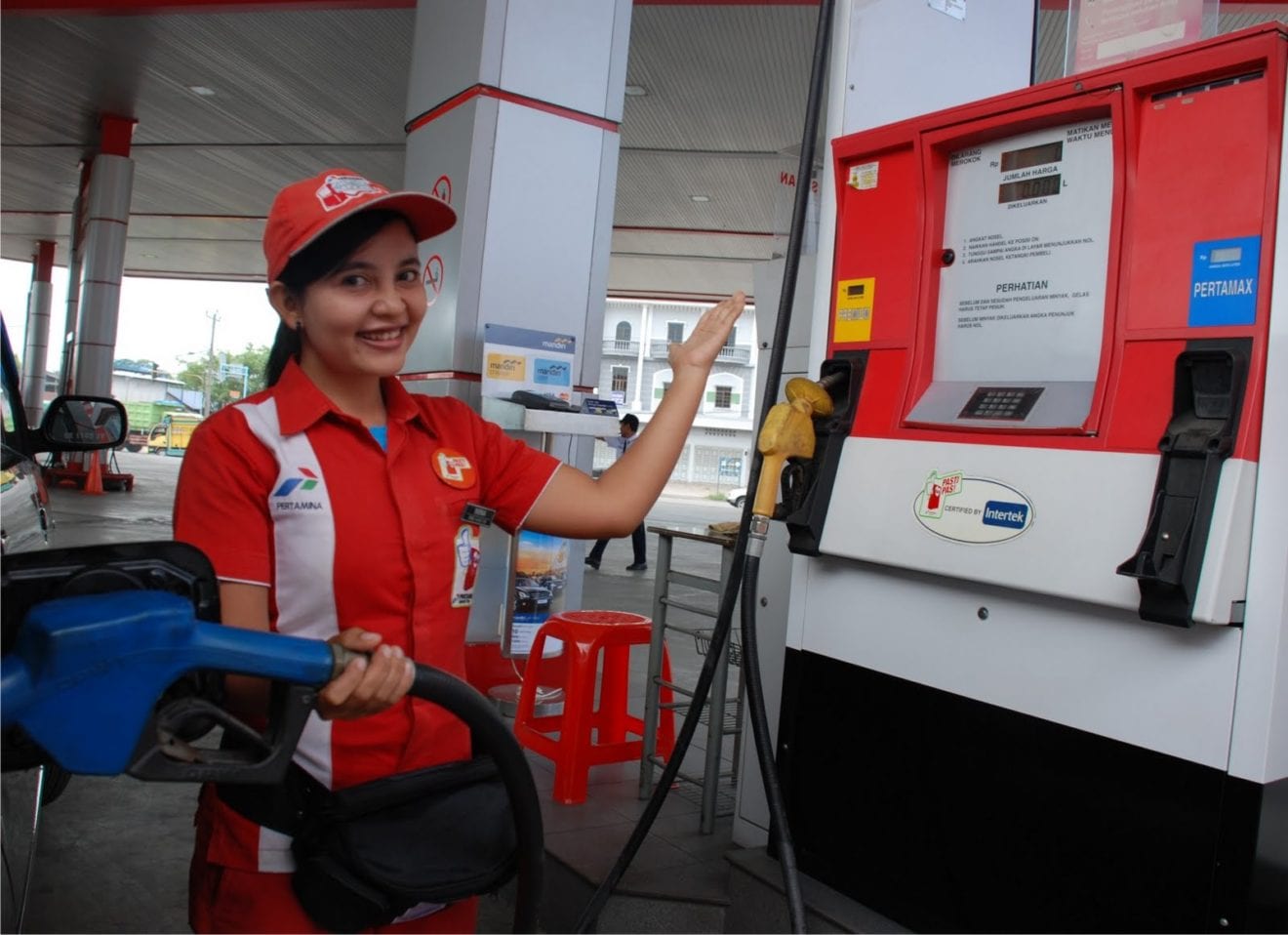
    State-owned oil and gas company Pertamina has lowered the prices of Pertamax gasoline by Rp200-Rp300 per liter effective as of 00:00 on Sunday, 2016.

    Corporate Communication Vice President of Pertamina Wianda Pusponegoro said in written statement here on Sunday that the lowering of the prices was a periodical corporate decision made to follow the trend of the world crude prices.

    “The prices of Pertamax were lowered by Rp200 per liter for Java, Madura and Bali islands and by Rp300 per liter for other regions,” she said.

    She cited Jakarta and its surroundings as an example where Pertamax price was lowered from Rp7,550 per liter to Rp7,350 per liter. In Surabaya, East Java, the price was lowered from Rp7,650 to Rp7,450 per liter.

    In East Kalimantan, on the other hand, the price of Pertamax was cut by Rp300 per liter from Rp8,000 per liter to Rp7,700 per liter.

    The price of Pertamax Plus in West Nusa Tenggara, Java and Bali was cut by Rp200 per liter and by Rp300 per liter in other regions.

    However, the price of Pertamax Dex was lowered by Rp300 per liter in all regions. The Price of Dexlite gasoline was set at Rp6,650 per liter.

    Pertamina also cut the price of Pertalite gasoline by Rp200 per liter in all regions.

    “The price of Pertalite in Papua which was initially sold at Rp7,300 per liter is lowered to Rp7,100 per liter,” she said.

    The prices of diesel oil/bio-diesel oil were also reduced by Rp300 per liter.

    In Jakarta and Banten, the prices of fuels of these types went down from Rp6,950 per liter to Rp6,650 per liter.

    “Besides the decline in the world oil prices, the lowering by Pertamina of the gasoline prices was also a form of the companys appreciation to consumers,” Wianda Pusponegoro said.

    She said Pertamina will continue to monitor tightly the availability of stocks at gasoline refueling stations considering that the decline in the price of gasoline often increases consumption.

  • Five million more households to use gas for fuel

    Five million more households to use gas for fuel

    The government hopes to built gas pipe networks for 5 million household consumers in the next 10 years at a cost of Rp70 trillion.

    Utilization of gas as household fuel is more efficient, said Energy and Mineral Resources Minister Sudirman Said, when commissioning the ground breaking ceremony to mark gas network projects here on Monday.

    In five years or by 2019 networks of gas pipes are expected to be already installed for 1.3 million households with an investment of Rp18.2 trillion.

    The projects would be financed with funds from the state budget, state-owned energy company PT Pertamina and state owned gas company Perusahaan Gas Negara (PGN).

    With 1.3 million households using gas for fuel , the country is estimated to save Rp936 billion a year, the minister said.

    Most households and commercial consumers in urban areas in the country use liquefied petroleum gas (LPG), which is relatively expensive.

    Based on the availability of gas and infrastructure of transmission pipelines in 38 cities , gas could be distributed to around 7.9 million households with a cost of Rp111.3 trillion, Sudirman said.

    So far the government already built gas pipe networks serving 204,766 households in a number of cities in Indonesia including pipes built by Pertamina and PGN.

  • South Korea cuts natural gas rates by 6% on lower LNG import costs

    South Korea cuts natural gas rates by 6% on lower LNG import costs

    South Korea will cut retail natural gas prices for households and industry by an average of 5.6% from May 1 to reflect reduced LNG import costs, the Ministry of Trade, Industry and Energy said Thursday.

    It marks the third cut this year after rates fell 9% in January and 9.5% in March. South Korea cut city gas rates by more than 20% last year — 10.3% in May, 10% reduction in March, and 5.9% in January.

    “City gas rates have dropped by more than 38% since the end of 2014,” the ministry said in a statement.

    Despite the price cuts, the country’s LNG demand has been declining. LNG sales by state-owned Korea Gas Corp., which has a monopoly on domestic natural gas sales, fell 4.4% year on year to 3.14 million mt in March.

    For the first three months, Kogas’ LNG sales are estimated at 10.79 million mt, up 1% from 10.68 million mt a year earlier as its sales over January-February increased 3.4% year on year on a cold snap.

    Kogas sold a total of 31.46 million mt of LNG last year, down 10.6% from 35.17 million mt in 2014, which marks the second consecutive year of decline.