Retail News CRM

Tag: global

  • Temu Bolsters Global IP Protection: Joins IACC in Fight Against Counterfeiting and Piracy

    Temu Bolsters Global IP Protection: Joins IACC in Fight Against Counterfeiting and Piracy

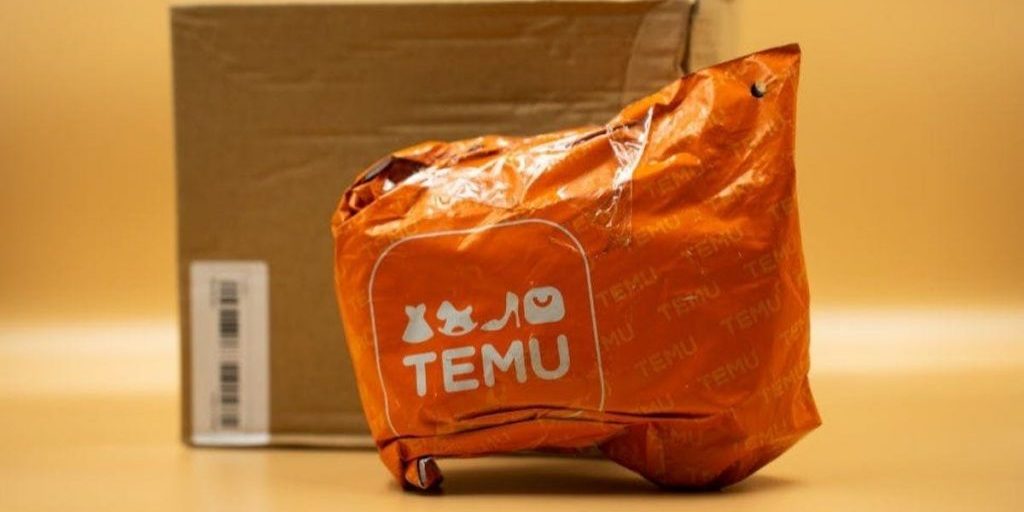
    Temu, a global e-commerce platform based in Boston, has recently become a member of the International AntiCounterfeiting Coalition (IACC) in a bid to bolster its intellectual property protection efforts while simultaneously widening its global presence.

    Joining Forces with the IACC

    By partnering with IACC, Temu is joining a robust network of over 250 companies and organizations spanning across more than 40 countries, all diligently working to combat counterfeiting and piracy. This membership is a step forward for Temu in its broader intellectual property enforcement program, a program that has seen significant growth since its inception in 2022.

    According to a representative from Temu, “Safeguarding intellectual property is a critical aspect of creating a marketplace that is trustworthy for both consumers and brands. By becoming a part of the IACC, we are reaffirming our dedication to IP protection. We are eager to engage in productive collaborations with our counterparts in the industry as well as other stakeholders.”

    Collaborative Approach to Counterfeiting

    As part of its role in the IACC, Temu will be actively working in cross-industry groups and forging collaborations with brands, associations, and enforcement agencies. This initiative comes on the back of an earlier partnership between Temu and the IACC, which was formalized last year.

    Bob Barchiesi, the President of the IACC, expressed his views on the issue of counterfeiting by saying, “To tackle counterfeiting effectively, a coordinated effort across industries is essential. The IACC serves to bring all stakeholders to the same table to align their efforts and share best practices. We are excited for Temu’s active involvement in our network as we strive to create a safer and more trusted online ecosystem globally.”

    Comprehensive Enforcement System

    Temu’s enforcement system covers the entire platform lifecycle, including the vetting of sellers, pre-listing screening, and persistent monitoring. The company asserts that over 99.9% of takedown requests are addressed within a span of three business days. In 2024, Temu launched its Brand Guardian Initiative, which now offers support to more than 1500 brands.

    Presently, Temu operates in over 90 markets, bridging the gap between consumers and manufacturers, brands, and sellers worldwide as it continues to expand both its platform and compliance capabilities.

    Questions & Answers

    What is the main reason behind Temu’s membership in the IACC?
    Temu has joined the IACC to strengthen its intellectual property protection efforts and further expand its global presence.

    How will Temu’s membership with the IACC benefit its fight against counterfeiting?
    Joining the IACC allows Temu to collaborate with over 250 companies and organizations across more than 40 countries, sharing best practices and aligning efforts to combat counterfeiting and piracy on a global scale.

    What is Temu’s approach to enforcing intellectual property rights on its platform?
    Temu’s enforcement system spans the entirety of its platform’s lifecycle, including thorough vetting of sellers, pre-listing screening, and continuous monitoring. Additionally, it asserts a quick response time to takedown requests and has introduced the Brand Guardian Initiative to further support brands.


  • Uniqlo Parent Company, Fast Retailing, Predicts Record Earnings Amid Global Expansion and Strong Quarter

    Uniqlo Parent Company, Fast Retailing, Predicts Record Earnings Amid Global Expansion and Strong Quarter

    Fast Retailing, the Japanese company that owns global clothing brand Uniqlo, has revised its full-year forecast, indicating yet another year of record growth. This comes on the back of a stronger-than-expected surge in quarterly earnings, attributed to international expansion.

    Surpassing Expectations

    Fast Retailing reported a 29.4 per cent increase in its operating profit for the quarter ending February, reaching 189.8 billion yen (US$1.19 billion). This impressive figure outperformed the average estimate of 161.6 billion yen. As a result, the company has revised its full-year operating profit forecast upwards to 700 billion yen. This puts the retailer in line for a fifth consecutive year of record earnings.

    Anticipated Impact of Middle East Crisis

    Fast Retailing stated that it does not anticipate any significant repercussions from the Middle East crisis on its production and logistics for its fiscal 2026 year. The company’s second quarter had ended just before the commencement of US-Israeli airstrikes on Iran. This conflict has been instrumental in causing a rise in oil prices and disrupting supply chains. Investment and trading circles are currently on high alert due to uncertainties regarding a potential permanent peace agreement.

    How Uniqlo Could be Affected

    Investors will be closely monitoring how the Iran crisis may influence the expense for Uniqlo, a brand renowned for its affordable clothing basics, including many items made with polyester. Fast Retailing’s shares in Tokyo closed down by 0.5 per cent before these results, but have escalated by more than 18 per cent in 2026.

    Teijin Frontier, a supplier to the company based in Japan, announced recently that it will increase its polyester fiber prices by 20 per cent due to rising oil costs. This echoes warnings from European retailers that a drawn-out Middle East conflict could inflate prices and impact consumer demand.

    Global Expansion and Performance

    Fast Retailing, with its nearly 900 stores in Japan and mainland China, serves as a benchmark for consumer expenditure in these areas. From its origin as a single store in Japan’s Hiroshima city in 1984, Uniqlo now has a presence in over 2500 global locations. The brand has been aggressively expanding in Europe and North America, aiming to diversify its reach beyond China, its largest overseas market.

    Corporate Outlook

    The company’s North American and European operations have seen an annual sales growth of 30-50 per cent since fiscal 2022. Anticipated annual revenue from these regions is projected to reach 3 trillion yen each over the medium term. Meanwhile, a tourism surge driven by a weak yen has bolstered the company’s domestic sales in Japan. However, growth in China has decelerated due to weak consumer sentiment, leading to store closures and restructuring.

    On China, Fast Retailing’s CFO Takeshi Okazaki commented: “We’re pushing forward with structural reforms … I think it’s fair to interpret that the results are now beginning to show in our performance.”

    Questions & Answers

    What is Fast Retailing’s revised full-year operating profit forecast?
    Fast Retailing has increased its full-year operating profit forecast to 700 billion yen.

    How might the Middle East crisis influence costs for Uniqlo?
    If the Middle East crisis leads to sustained high oil prices, the cost of polyester and air freight could increase, potentially impacting Uniqlo’s production costs.

    What are Fast Retailing’s plans for structural reforms in China?
    CFO Takeshi Okazaki did not detail specific reforms but expressed optimism about the positive impact of ongoing changes on the company’s performance.

  • Fuel Prices Plunge in Vietnam as US-Iran Ceasefire Cools Global Petroleum Market

    Fuel Prices Plunge in Vietnam as US-Iran Ceasefire Cools Global Petroleum Market

    On Wednesday afternoon, a decrease in gasoline prices was observed in Vietnam, a result of the global markets stabilizing after a ceasefire agreement was reached in the Middle East. The well-known fuel variant, RON95, witnessed a drop of 1.63%, bringing the per-litre price to VND26,530.

    Global Petroleum Markets Trending Downward

    According to the Ministry of Industry and Trade, global petroleum markets have been demonstrating a downward trend following the two-week ceasefire agreement between the United States and Iran. In the last four days alone, the average prices of RON95 gasoline have decreased by 1.8%, diesel has seen a drop of 14.5%, and mazut has declined by 1.5%.

    In the context of regional pricing, Vietnam’s retail fuel prices maintain an average level. These rates are lower than those in Singapore, Laos, Cambodia, Thailand, and China.

    Impact of Middle East Conflict on Global Fuel Supplies

    The conflict in the Middle East, which has been escalating since late February, has had a significant impact on worldwide fuel and gas supplies. The magnitude and implications of this crisis surpass the oil shock of the 1970s, an event that disrupted economies and energy markets around the globe.

    Such developments have led to substantial fluctuations in Vietnam’s domestic energy market. Since the conflict’s escalation in late February, there have been 14 pricing adjustments.

    Local Refineries Secure Supply

    During a government press briefing held last week, Deputy Minister of Industry and Trade, Nguyen Sinh Nhat Tan, confirmed that Vietnam’s two domestic refineries, Dung Quat and Nghi Son, have successfully secured enough crude supply to maintain production until the end of April.

    In March, principal fuel distributors imported 3.2 million cubic meters of petroleum products. Given the current inventories of 2.6-2.8 million cubic meters, the domestic fuel supply is estimated to meet demand until the end of the current month.

    Questions & Answers

    What led to the decrease in gasoline prices in Vietnam?
    The falling global petroleum market prices, triggered by a ceasefire agreement in the Middle East, led to a decrease in gasoline prices in Vietnam.

    How has the Middle East conflict affected the global fuel and gas supplies?
    The ongoing conflict in the Middle East has significantly disrupted worldwide fuel and gas supplies, even surpassing the impact of the 1970s oil shock.

    What measures has Vietnam taken to ensure a steady fuel supply?
    Vietnam has taken steps to secure its fuel supply by importing petroleum products and maintaining sufficient crude supply in its two domestic refineries, Dung Quat and Nghi Son.

  • Vietnam Gold Prices Succumb to Global Decline Amid Strong Dollar and Stout Job Reports

    Vietnam Gold Prices Succumb to Global Decline Amid Strong Dollar and Stout Job Reports

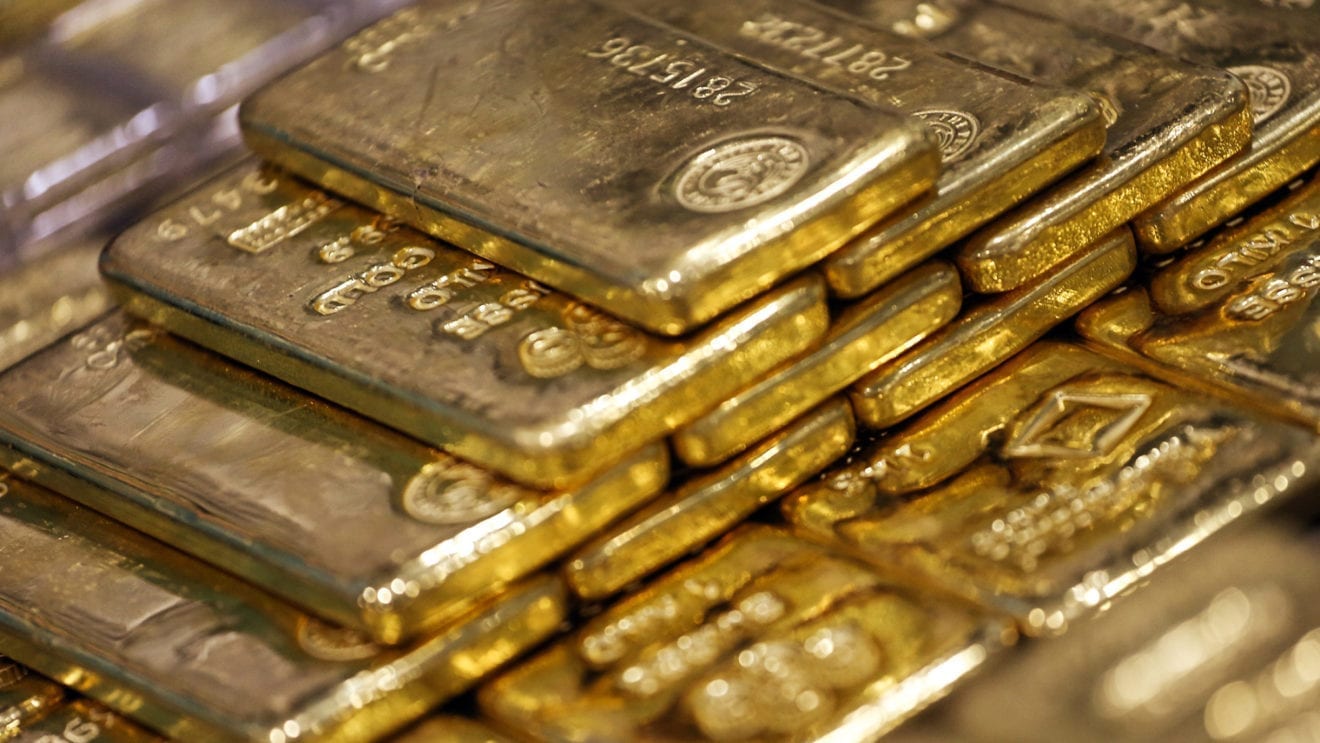
    On Monday, the price of gold in Vietnam experienced a decline, mirroring a drop in global bullion rates. This downward trend was seen when the Saigon Jewelry Company lowered the price of its gold bars by 0.8%, or to VND173.1 million (US$6,571.64) per tael. This adjustment has prompted other sellers to revise their rates in alignment. Currently, local bullion prices are approximately VND25 million per tael higher than international rates.

    Decline in Gold Ring Prices

    The price of gold rings also decreased, sliding to VND172.9 million per tael. It should be noted that a tael is approximately 37.5 grams or 1.2 ounces.

    Global Gold Price Trends

    On a global scale, gold prices also fell on Monday. This decrease was influenced by a stronger dollar, the continued impact of the Iran war on oil prices, and stronger-than-expected U.S. jobs data. These factors lowered expectations for interest rate cuts by the Federal Reserve.

    Spot gold reduced by 0.9%, falling to $4,631.69 per ounce. Additionally, U.S. gold futures for April delivery saw a loss of 0.5%, dropping to $4,657.50 per ounce. This trading activity took place in thin liquidity conditions, with many markets in Asia and Europe closed for a holiday.

    “The latest robust NFP (nonfarm payrolls) print has reinforced hawkish central bank nerves. In addition, the ongoing fear of inflation driven by high oil prices continues to overshadow gold’s traditional role as a safe haven,” stated Tim Waterer, chief market analyst at KCM Trade.

    Historically, gold has been considered a protection against inflation. However, increased interest rates tend to reduce demand for this non-yielding asset.

    Questions & Answers

    What factors contributed to the fall in gold prices?
    The decline in gold prices was influenced by a stronger dollar, the ongoing Iran war’s effect on oil prices, and stronger-than-expected U.S. jobs data. These factors reduced expectations for interest rate cuts by the Federal Reserve.

    How did the price change affect the trading of gold?
    The decrease in gold prices led to a reduction in the trading of spot gold and U.S. gold futures for April delivery. Both saw declines in their respective rates.

    What is the traditional role of gold in the economy?
    Traditionally, gold is seen as a hedge against inflation. However, in situations of elevated interest rates, the demand for this non-yielding asset tends to decrease.

  • Vietnam Gold Prices Leap Amid Global Gold Slump: Largest Monthly Drop in Nearly Two Decades

    Vietnam Gold Prices Leap Amid Global Gold Slump: Largest Monthly Drop in Nearly Two Decades

    On Tuesday morning, gold prices in Vietnam experienced an increase, despite global bullion rates experiencing their sharpest monthly fall in nearly two decades. The Saigon Jewelry Company reflected this trend with its gold bar prices ascending 0.63% to VND174.9 million (US$6,640.34) per tael. This price adjustment was echoed by other sellers in the local market.

    Despite a 6.47% decrease this month, local bullion rates have still gained an impressive 14.5% since the beginning of the year.

    The price of gold rings also experienced a similar surge, reaching a price of VND174.7 million per tael. It’s important to note that a tael is equivalent to 37.5 grams or 1.2 ounces.

    Global Bullion Trends

    On the global stage, gold prices experienced an increase on Tuesday. This rise was fueled by the optimism of a de-escalation in the Middle East conflict. However, gold is also facing its worst month in over 17 years due to increased energy prices. These circumstances have diminished hopes for a U.S. interest rate cut within this year.

    Spot gold saw an increase of 1.5%, reaching $4,578.89 per ounce. Similarly, U.S. gold futures for April delivery experienced a 1.2% rise, leveling at $4,611.30.

    Despite these positive changes, bullion has experienced a 13% decrease this month. This puts it on track for its most significant drop since October 2008, largely due to a stronger dollar and dwindling expectations of a U.S. interest rate cut within this year. Despite these challenges, prices remain up by approximately 5% for the quarter.

    The dollar experienced a drop, making commodities priced in the greenback more affordable for holders of other currencies.

    A notable factor influencing gold prices was an announcement from the U.S. President, Donald Trump, stating his willingness to end the U.S. military campaign against Iran. This news triggered a positive response from the financial markets and saw gold prices bounce in the early Asia-Pacific trade, according to Ilya Spivak, the head of global macro at Tastylive.

    Questions & Answers

    What sparked the increase in gold prices in Vietnam?
    The rise in gold prices in Vietnam was primarily due to optimism about a de-escalation in the Middle East conflict and an announcement from the U.S. President about his willingness to end the military campaign against Iran.

    What factors have contributed to the global drop in bullion rates this month?
    The steep drop in global bullion rates has been largely due to a stronger dollar and diminished expectations of a U.S. interest rate cut within this year.

    How has the dollar’s decrease impacted the commodities market?
    As the dollar has fallen, commodities priced in the greenback have become more affordable for holders of other currencies, which can stimulate demand.

  • Freitag Bolsters Global Presence with Exclusive Dover Street Market Partnership: A New Era in Retail Strategy

    Freitag Bolsters Global Presence with Exclusive Dover Street Market Partnership: A New Era in Retail Strategy

    Swiss accessory brand, Freitag, is expanding its international retail presence through a multi-faceted partnership with Dover Street Market (DSM). The partnership will consist of both permanent and temporary retail establishments, as well as an exclusive product line.

    Expanding Retail Footprint

    The partnership will activate a recently established Freitag Space at Dover Street Market Ginza and a temporary setup at Dover Street Market London. Both of these retail spaces were introduced on March 28, alongside the launch of a three-item, DSM-exclusive product collection.

    Freitag has stated that this collaboration signifies a move towards a deeper integration within influential multi-brand environments, as opposed to singular retail expansion. Freitag’s product manager and project lead, Oliver Fischhaber, expressed that following their 2023 project with Comme des Garçons, further collaboration with the DSM team was the next logical step.

    An Unmatched Aura

    Fischhaber spoke highly of Dover Street Market, highlighting its unique atmosphere and its inspiration from various angles, cultures, and movements. He expressed admiration for DSM’s customers, describing them as possessing a finely-tuned eye and a profound sense of authenticity. These are qualities that resonate with Freitag and the consumers they aim to engage.

    Focusing on Japan

    The opening in Ginza comes at a time when brands are increasingly prioritizing Japan for retail expansion. This focus is driven by a blend of design-aware consumers and a robust desire for unique, concept-based products.

    Established in Zurich in 1993, Freitag currently manages 30 stores globally, with Japan hosting four of these locations.

    Questions & Answers

    What is the nature of Freitag’s partnership with Dover Street Market?
    The partnership will consist of both permanent and temporary retail establishments, as well as an exclusive product line.

    What does this collaboration signify for Freitag?
    This collaboration signifies Freitag’s move towards a deeper integration within influential multi-brand environments, as opposed to singular retail expansion.

    Why is Japan a focus for brands’ retail expansion?
    Japan is a focus for retail expansion due to its blend of design-aware consumers and a robust desire for unique, concept-based products.

  • Singapore Sees First Gasoline Price Drop in Weeks as Global Oil Tumbles

    Singapore Sees First Gasoline Price Drop in Weeks as Global Oil Tumbles

    In a surprising turn of events, gasoline prices in Singapore have seen a drop for the first time in nearly three weeks. Shell, one of the leading retailers, has become the pioneer in cutting its rates.

    As of Wednesday afternoon, Shell was selling 95-octane petrol at a 1.44% reduced rate, which translates to SGD3.42 (US$2.67) per liter. This move has set them apart from other companies such as Caltex, Esso, and Sinopec which have opted to maintain their rates at SGD3.47. Despite the reduction in petrol prices, Shell has increased its diesel price by a significant 5.3%, hiking it up to SGD3.93.

    Global Oil Prices and International Relations

    Interestingly, this development has coincided with a fall in global oil prices. The Brent benchmark, for instance, slipped below $100 at the time of writing. This was largely attributed to an announcement from Iran stating that “non-hostile vessels” could safely navigate through the Strait of Hormuz, provided they liaised with its authorities.

    Simultaneously, U.S. President Donald Trump has reversed his earlier threats aimed at Iran’s power grid. He recently stated that the U.S. and Iran had engaged in “very good and productive” conversations.

    Trends in Diesel Prices

    According to Tom Kloza, a prominent energy adviser at Gulf Oil, diesel prices have been climbing at a steeper rate than petrol prices. This is party due to a squeeze on supply, even before any conflict. He stated, “The world was well supplied with petrol on Feb 28, but it was not well-supplied on these middle distillates like diesel, gasoil, marine fuel, and jet fuel.”

    Questions & Answers

    Why did Shell reduce its petrol prices?
    Shell reduced its petrol prices due to the recent fall in global oil prices.

    Why have diesel prices been climbing faster than petrol prices?
    Diesel prices have been rising faster than petrol prices due to a tight supply of diesel and other middle distillates like gasoil, marine fuel, and jet fuel.

    What was the reason behind the recent drop in global oil prices?
    Global oil prices fell after Iran assured the safe passage of “non-hostile vessels” through the Strait of Hormuz, given they coordinated with Iranian authorities. This, coupled with U.S. President Donald Trump stepping back from threats to target Iran’s power grid, eased tensions and led to the drop in oil prices.

  • PDD Holdings Misses Revenue Target Amid China’s Competitive Market and Global Uncertainty

    PDD Holdings Misses Revenue Target Amid China’s Competitive Market and Global Uncertainty

    PDD Holdings, the parent company of Temu, failed to meet its quarterly revenue and profit forecasts this Wednesday. The company highlighted the increasing domestic competition coupled with worldwide uncertainty as factors that will continue to impact operations.

    Despite Temu’s robust international growth, its business model, which centers around delivering inexpensive goods such as clothing, electronics, and homewares directly from China, is grappling with rising regulatory pressures in major markets.

    Regulatory Changes and Challenges

    PDD’s co-CEO, Chen Lei, during a post-earnings call with analysts, acknowledged the ongoing changes in the regulatory landscape. “Trade policies, taxation, data regulations, product compliance requirements, and other regulatory frameworks are undergoing significant shifts across different countries and regions, inevitably leading to more challenges and uncertainty,” stated Lei.

    Commenting on the situation, Liu Jun, PDD Holdings’ VP of Finance, stressed the need for continuous exploration and investment to meet evolving consumer needs.

    The company’s shares listed in the U.S. witnessed a rise of more than 7% after Chinese regulators and state media indicated an end to the price war. Bo Pei, an analyst at Tiger Securities, said this scenario strengthens PDD’s perception as a company undergoing a structural shift rather than merely steering through a cyclical slowdown.

    Pei added that successful execution could bolster long-term monetization and worldwide scalability. However, it would reduce short-term earnings visibility due to uncertainties and the extended timeline associated with reaping returns from these investments.

    Financial Performance and Future Prospects

    PDD’s quarterly net income decreased by approximately 11% to 24.5 billion yuan compared to the previous year. Its adjusted profit of 17.69 yuan per American Depositary Share fell short of the projected 20.76 yuan, influenced by rising operating expenses.

    The company posted a revenue of 123.9 billion yuan (US$17.96 billion) for the fourth quarter, slightly below analysts’ average estimate of 124.4 billion yuan.

    Impacts of Economic Uncertainty

    Growth on the Chinese Pinduoduo platform, which Temu is a part of, has cooled as consumers curbed discretionary spending due to broader economic instability. China’s wavering recovery and fragile household confidence have caused a decline in spending, even on discount-focused platforms.

    Temu’s business model, based on duty waivers on low-value parcels in numerous jurisdictions, has provoked criticism from retailers in countries like Germany and Argentina. They argue that companies like Temu, Shein, and Alibaba’s AliExpress maintain an unfair price benefit.

    Raids and Investigations

    Temu has been subjected to raids and investigations in several countries, encompassing Ireland, Turkey, and Nigeria, in recent months. Despite this, the company has consistently maintained its adherence to the laws and regulations in the markets it operates.

    Significant regulatory changes were introduced last year when the U.S. abolished the duty-free exemption on parcels valued under $800. Similarly, the EU has agreed to end its duty-free allowance on parcels under 150 euros ($176) from July this year.

    Questions & Answers

    What challenges are impacting PDD Holdings’ performance?
    Increasing domestic competition, global uncertainty, and changing regulatory environments pose significant challenges for PDD Holdings.

    What strategic steps is PDD Holdings taking to meet evolving consumer needs?
    PDD Holdings is focusing on continuous exploration and investment to cater to changing consumer demands, aiming to bolster its future monetization and worldwide scalability.

    What changes in international trade policies are affecting PDD Holdings’ business model?
    The abolishment of the duty-free exemption on low-value parcels by the U.S. and the EU’s upcoming termination of its duty-free allowance significantly impact PDD Holdings’ business model, which relies heavily on such waivers.

  • U.S. Dollar Stumbles Against Vietnamese Dong Amidst Global Currency Fluctuations

    U.S. Dollar Stumbles Against Vietnamese Dong Amidst Global Currency Fluctuations

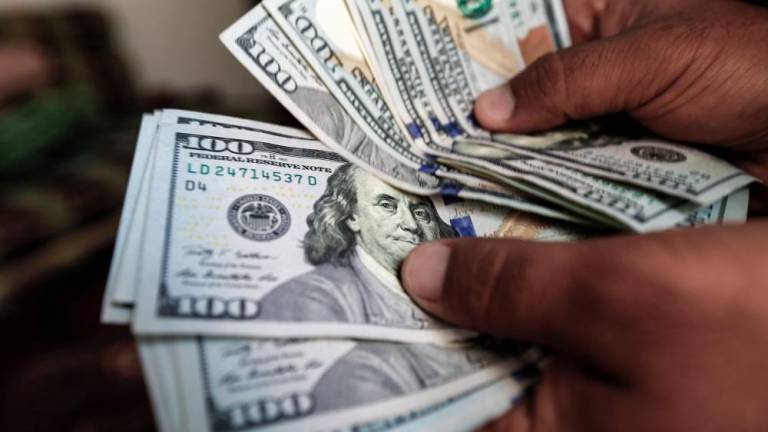
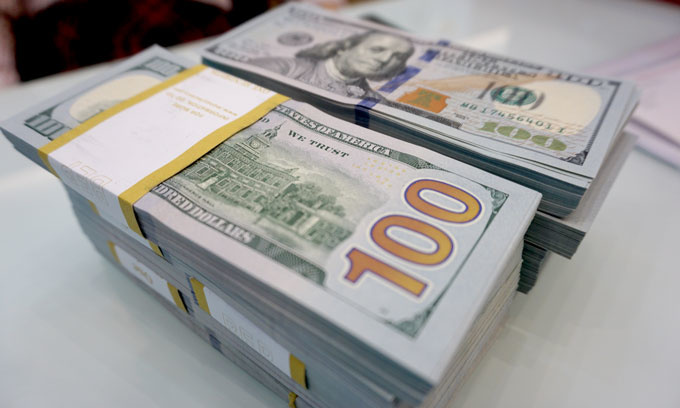
    On Wednesday morning, the U.S. dollar depreciated against the Vietnamese dong while primarily remaining stable against other significant counterparts. Vietcombank marked the greenback at VND26,359, a marginal 0.02% dip from the previous day. Simultaneously, the currency experienced a more noticeable 0.56% decline to approximately VND27,204 in the underground economy.

    Comparison with International Currencies

    The U.S. dollar index, assessing the greenback’s performance versus a selection of six currencies, saw a minor 0.1% drop, standing at 99.126. Meanwhile, the euro saw a slight increment, rising 0.1% to $1.1619, with most other currency pairs enduring no change. The British pound also experienced a 0.1% rise to $1.3428, whereas the New Zealand dollar remained steady at $0.5834.

    In the case of the yen, the U.S. dollar stayed constant at 158.645 yen. However, the Australian dollar initially dropped by as much as 0.2% to $0.6983 before recovering to its original level.

    Financial Analyst’s Insight

    Chris Weston, the Chief Research Officer at Pepperstone Group Ltd in Melbourne, shared his insights on the matter. He noted, “With ongoing discussions between the U.S. and its allies and Iran, including hints of high-level negotiations and temporary truce suggestions, there’s an undeniable sense of exhaustion setting in among those closely following each new development.”

    Questions & Answers

    What has been the trend in the U.S. dollar’s performance against the Vietnamese dong?
    On Wednesday morning, the U.S. dollar saw a depreciation against the Vietnamese dong. Vietcombank pegged the greenback at VND26,359, marking a 0.02% dip from Tuesday’s rate.

    How did the U.S. dollar fare against other prominent international currencies?
    The U.S. dollar primarily remained steady against other significant counterparts, with a minor drop against the euro and a rise against the British pound. It held stable against the New Zealand dollar and the yen, while it experienced an initial drop against the Australian dollar before reverting to its original level.

    What is the sentiment among financial analysts regarding the U.S. dollar’s performance?
    Financial analysts, such as Chris Weston, the Chief Research Officer at Pepperstone Group Ltd in Melbourne, suggest that those tracking every new headline and development are beginning to feel a sense of exhaustion due to the ongoing global discussions, especially those involving the U.S., its allies, and Iran.

  • Gold Prices Soar in Vietnam Amid Global Bullion Boom and Middle East De-Escalation Hopes

    Gold Prices Soar in Vietnam Amid Global Bullion Boom and Middle East De-Escalation Hopes

    Gold prices in Vietnam saw a significant increase on Wednesday morning, corresponding with a rise in global bullion rates. The price of a gold bar from the Saigon Jewelry Company witnessed a 2.82% increase, reaching VND175 million (US$6,642.88) per tael. Other vendors adjusted their prices similarly in line with this increase.

    Vietnam’s Gold Market

    In Vietnam, local gold prices are approximately VND29 million per tael higher than global rates, highlighting the uniqueness of the Vietnamese market. The price of gold rings has also risen by approximately the same rate, reaching VND174.8 million per tael. It should be noted that a tael is equivalent to 37.5 grams or 1.2 ounces.

    Global Gold Market

    On Wednesday, the global gold market also saw an increase of over 2%. This increase was driven by a softer dollar value and a decrease in oil prices, which alleviated concerns surrounding high inflation and increased global interest rates. Spot gold experienced a 2.5% increase to $4,587.09 per ounce, while U.S. gold futures for April delivery saw a 4.2% gain to $4,586.10.

    The easing of the dollar has made gold priced in greenbacks cheaper for those holding other currencies. Christopher Wong, a strategist at OCBC, stated that the easing of the dollar strength has allowed for the reassertion of safe-haven demand. He further emphasized that gold has not lost its appeal as a secure investment, contrary to what some may believe.

    The Future of Gold

    Wong also suggested that the value of gold will likely remain sensitive to the Federal Reserve’s policy path expectations, the value of the USD, and geopolitical developments in the near term. However, he also postulates that the recent rebound suggests that any declines in the value of gold may continue to find support unless real yields shift significantly higher.

    Questions & Answers

    What caused the rise in gold prices in Vietnam?
    The rise in gold prices in Vietnam is primarily due to the surge in global bullion rates.

    How does the value of the USD affect gold prices?
    The value of the USD has a significant impact on gold prices. When the USD weakens, gold prices often increase as gold becomes more affordable for those holding other currencies.

    Is gold still considered a safe investment?
    Yes, according to Christopher Wong, a strategist at OCBC, gold has not lost its safe-haven appeal and remains a secure investment option.

  • Grab Acquires Foodpanda Taiwan in $600M Deal: A Bold Leap in Global Expansion Strategy

    Grab Acquires Foodpanda Taiwan in $600M Deal: A Bold Leap in Global Expansion Strategy

    In an ambitious move towards global expansion, Grab, Southeast Asia’s leading ride-hailing and delivery company, has announced its first venture beyond its home territory. The Singapore-based firm will acquire the Taiwan branch of Delivery Hero’s Foodpanda service in a cash transaction amounting to $600 million.

    Acquiring a Strong Foothold in Taiwan

    By acquiring Foodpanda Taiwan, Grab gains a significant operational presence outside of Southeast Asia. This acquisition is seen as a strategic part of Grab’s broader expansion plan, which is primarily focused on artificial intelligence, introducing new services, and making selective overseas deals.

    Grab’s group CEO and co-founder, Anthony Tan, believes that the company’s vast experience in the Southeast Asian market will be a perfect match for the Taiwanese market. “This is a natural next step for Grab,” he said.

    Deal Details and Future Prospects

    The expected completion of the deal, which is subject to regulatory approval and other closing conditions, is slated for the latter half of 2026. The venture is anticipated to contribute at least $60 million in incremental adjusted core earnings (EBITDA) by 2028.

    In Taiwan, Foodpanda generated around $1.8 billion in gross merchandise value in 2025 and was profitable before Delivery Hero group cost allocations.

    Earlier this year, it was reported that Grab has set targets for its revenue growth, aiming for more than 20% annually over the next three years. The company also plans to triple its EBITDA to $1.5 billion by 2028.

    Grab also reaffirmed its 2026 adjusted EBITDA guidance of $700 million to $720 million. The acquisition is projected to enhance its 2026 group revenue forecast, which currently stands between $4.04 billion and $4.10 billion.

    The company plans to complete the migration of users, merchants, and drivers to the Grab application by early 2027.

    Delivery Hero’s Strategic Move

    The CEO of Delivery Hero, Niklas Oestberg, stated that the sale of the Taiwan branch is a crucial first step in reviewing the group’s activities strategically. The proceeds from the deal will be used to pay off the company’s debts.

    Despite facing criticism from shareholders, most notably Aspex Management, for the company’s perceived slow progress in strategic review and a near one-third decrease in share value, Delivery Hero’s shares rose nearly 11% following the announcement of the deal.

    Aspex Management released a statement saying that while divesting assets is a positive step, more needs to be done for Delivery Hero to regain trust from capital markets, particularly as it continues to accumulate regulatory fines and inefficiently manage capital.

    Questions & Answers

    What will be the value of the acquisition deal between Grab and Foodpanda Taiwan?
    Grab will pay $600 million in cash to acquire Foodpanda Taiwan.

    When is Grab expected to complete the migration of users, merchants, and drivers to its app?
    The migration process is expected to be completed by early 2027.

    What will be the use of the proceeds from the sale of Foodpanda Taiwan?
    Delivery Hero plans to use the proceeds from the sale to repay its debts.

  • Vietnam Gold Prices Plunge Amid Record Global Bullion Weekly Losses

    Vietnam Gold Prices Plunge Amid Record Global Bullion Weekly Losses

    In Vietnam, the price of gold witnessed a decline on Friday morning, following the global trend where bullion rates are experiencing the steepest weekly fall in six years. The price of a gold bar from Saigon Jewelry Company fell by 0.34%, coming down to VND174.9 million ($6,645.9) per tael. This rate was echoed by other sellers in the market.

    Locally, bullion prices have seen a 9% decrease from the peak of VND191.3 million per tael, which was recorded in January. Despite the recent slip, the prices are still 10% higher on a year-on-year basis. Currently, the local rates are approximately VND26.5 million per tael more than the global rates.

    The price of gold rings followed a similar pattern, slipping to VND174 million per tael. It is important to note that a tael is equivalent to 37.5 grams or 1.2 ounces.

    On a global scale, spot gold rose by 0.8% to $4,686.97 an ounce on Friday. However, cumulatively for the week, it has fallen close to 7%, marking the largest weekly loss since March 2020. This trend has been attributed to the escalating conflict in the Middle East, which has increased energy prices and subsequently led to dampening expectations for rate cuts.

    Historically viewed as a safe haven, the precious metal has seen a decline every week since the conflict broke out last month. Factors contributing to this trend include strengthening Treasury yields and the U.S. dollar, investors selling bullion to offset losses elsewhere, and outflows from gold-backed exchange-traded funds.

    Daniel Ghali, a commodity strategist at TD Securities, commented on the situation. He noted that gold, a popular choice for institutional investors, has seen its position waver due to the ongoing debasement trade. Ghali further added that there is a significant potential for gold to experience further selling off, even while maintaining its bull market era trend support.

    Questions & Answers

    What is the current trend in global gold prices?
    Answer: Global gold prices are experiencing a significant fall, marking the largest weekly loss since March 2020.

    How has the conflict in the Middle East impacted gold prices?
    Answer: The escalating conflict in the Middle East has led to increased energy prices and dampened expectations for rate cuts, contributing to a decline in gold prices.

    What factors have contributed to the decline in gold prices?
    Answer: Several factors have contributed to this decline, including strengthening Treasury yields and the U.S. dollar, investors selling bullion to offset losses elsewhere, and outflows from gold-backed exchange-traded funds.

  • Vietnamese Dong Bolsters Against US Dollar Amid Easing Global Crude Oil Prices

    Vietnamese Dong Bolsters Against US Dollar Amid Easing Global Crude Oil Prices

    On Wednesday morning, the U.S. dollar saw a slight decrease against the Vietnamese dong, while maintaining a steady position against other major currencies. Vietcombank reported a 0.004% drop in the greenback’s value, selling it at VND26,320. Concurrently, the currency experienced a 0.44% decline to approximately VND26,993 in the informal currency market.

    Global Currency Developments

    Worldwide, the dollar paused for breath as a reduction in crude oil prices ignited a glimmer of risk appetite in markets prior to several crucial central bank decisions. The dollar index, which provides a measure of the U.S. currency’s strength against a selection of global currencies, experienced a slight increase of 0.06%, rising to 99.61 following a two-day decrease. Meanwhile, the euro experienced a slight decrease of 0.05%, trading at $1.1532.

    The Japanese yen also saw a minor weakening of 0.01% against the U.S. dollar, trading at 159.00 per dollar. In contrast, the British sterling maintained its value at $1.3355.

    Upswing for Antipodean Currencies

    Antipodean currencies, the Australian and New Zealand dollars, saw a slight increase in value against the greenback. The Australian dollar strengthened by 0.1%, trading at $0.7109. Similarly, New Zealand’s kiwi saw a 0.05% rise, trading at $0.586 against the U.S. dollar.

    Last week, the U.S dollar reached a 10-month high as conflicts in the Middle East and escalating oil prices pushed investors to seek the relative safety of U.S. assets.

    According to Hirofumi Suzuki, Chief FX Strategist at Sumitomo Mitsui Banking Corporation, although the rise in crude oil prices seems to have momentarily paused, the overall situation has not improved significantly. Nevertheless, markets appear to be demonstrating some recovery.

    Questions & Answers

    What was the exchange rate of the US dollar to the Vietnamese dong on Wednesday?
    The US dollar was sold at VND26,320 by Vietcombank on Wednesday.

    How did the US dollar perform against the Euro and the yen?
    The US dollar experienced a slight increase against the Euro, which traded at $1.1532, and against the yen, with the latter trading at 159.00 per dollar.

    What event last week caused the US dollar to reach a 10-month high?
    The conflicts in the Middle East and escalating oil prices prompted investors to seek the relative safety of U.S. assets, causing the US dollar to reach a 10-month high.

  • US Dollar Skyrockets Against Vietnamese Dong Amid Global Inflation Fears and Iran Conflict Developments

    US Dollar Skyrockets Against Vietnamese Dong Amid Global Inflation Fears and Iran Conflict Developments

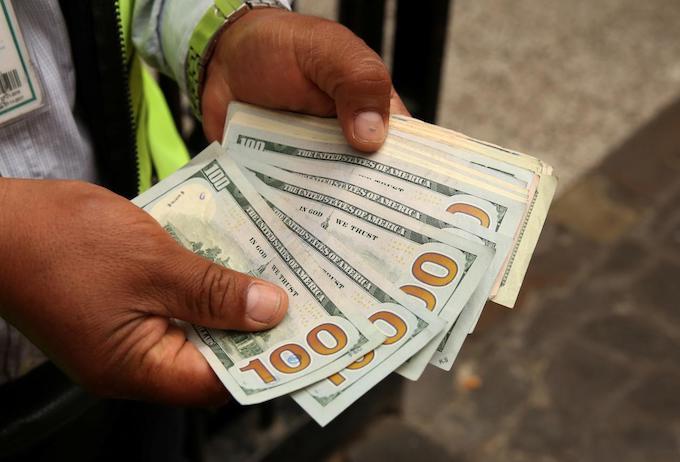
    On Tuesday morning, the U.S. dollar experienced an unexpected surge against the Vietnamese dong in the black market trading. The greenback appreciated by 0.74%, hitting a record high of VND27,390 at unofficial exchange platforms.

    Maintaining the Rate

    Despite the fluctuation in the black market, Vietcombank decided to keep its exchange rate steady at VND26,321.

    Global Market Influence

    Globally, the behavior of the U.S. dollar was somewhat uncertain on Tuesday. Traders were contemplating the potential implications of the evolving conflict in Iran. Meanwhile, the Australian dollar weakened marginally in anticipation of a potential rate hike by the nation’s central bank later in the day.

    The euro dropped 0.12%, falling to $1.1492 during the Asian trading session. Sterling also declined slightly by 0.1%, trading at $1.33. This slight decrease offset the substantial gains earned during the previous trading session. The dollar index, a measure of the U.S. dollar relative to a basket of foreign currencies, remained relatively stable at 99.913.

    Impact of Surging Oil Prices

    The escalation of oil prices, triggered by the U.S. and Israel’s attack on Iran, has raised concerns about inflation among investors. This anxiety has led to a drastic reevaluation of rate outlooks worldwide. Consequently, the U.S. dollar has appreciated against a majority of global currencies.

    Questions & Answers

    What caused the surge in the U.S. dollar against the Vietnamese dong?
    The surge in the U.S. dollar against the Vietnamese dong was primarily driven by the uncertainty surrounding the Iran conflict and the expected rate hike from Australia’s central bank.

    What was the impact of the surging oil prices on the global currencies?
    The surging oil prices, due to the U.S. and Israel’s attack on Iran, have raised global inflation concerns among investors. This has triggered a significant reevaluation of rate outlooks, strengthening the U.S. dollar against most global currencies.

    How did the euro and sterling perform during the Asian trading session?
    During the Asian trading session, the euro fell 0.12% to $1.1492, and sterling also saw a slight decrease of 0.1%, trading at $1.33.

  • Indonesia’s Economic Leap: Poised to Join Global Top 5 Economies by 2050

    Indonesia’s Economic Leap: Poised to Join Global Top 5 Economies by 2050

    According to the Coordinating Minister for Economic Affairs, Airlangga Hartarto, Indonesia possesses the potential to rank among the top five global economies by the year 2050 provided it continues its current growth trajectory and structural reformation efforts.

    Indonesia’s Economic Outlook

    Airlangga is optimistic for the short-term, forecasting a growth rate of around 5.4% for the Indonesian economy by 2026. He bases this prediction on the stability of the domestic economy, citing a 69-month long trade surplus, a healthy level of foreign currency reserves, and inflation successfully kept within target bounds.

    Government Strategy for Economic Growth

    The Indonesian government is currently focusing on fortifying coordination between public and private sectors, encouraging industrialization, digital transformation, and sustainable economic growth. Key policy areas include strategic infrastructure, downstream mineral resources, development of electric vehicles, renewable energy, and strengthening the domestic supply chain.

    Regional Partnerships and Global Economy

    Airlangga highlighted that Indonesia is eager to extend collaboration with regional partners, particularly within the Association of Southeast Asian Nations (ASEAN) framework and free trade agreements. This is with the aim of boosting the resilience of the global economy in the face of geopolitical fluctuations.

    Airlangga further noted that Asia has the capacity to emerge as the principal economic powerhouse globally, given its commitment to open and inclusive regional cooperation. He projected that by 2050, the region could contribute around 52% of the global GDP.

    Long-Term Economic Forecasts

    Long-term forecasts cited by Airlangga suggest that by 2050, China could have a GDP of US$58 trillion, India could reach $44 trillion, and Indonesia could achieve $10-11 trillion. These figures would place Indonesia third in Asia and among the top five economies worldwide.

    In order to actualize this, Indonesia needs to sustain an annual growth rate exceeding 5%, expedite institutional reforms, enhance the quality of its human resources, and boost labor productivity. The nation’s young population, large domestic market, and plentiful resources are seen as vital drivers for the expansion of Southeast Asia’s biggest economy.

    Questions & Answers

    What are the key factors driving Indonesia’s potential as a global economic powerhouse?
    Indonesia’s potential is driven by its young population, large domestic market, and abundant resources. Additionally, the government’s ongoing efforts towards industrialization, digital transformation, and green economic development have a significant role.

    What are the main policy areas of the Indonesian government?
    The main policy focus includes strategic infrastructure, downstream mineral resources, electric vehicle development, renewable energy, and strengthening the domestic supply chain.

    What is the projected GDP of Indonesia by 2050?
    It is projected that by 2050, Indonesia could reach a GDP of $10-11 trillion, potentially making it the third-largest economy in Asia and one of the five largest economies globally.