Retail News CRM

Tag: global

  • Unprecedented Semiconductor Cargo Movement: Kitakyushu Airport and DHL Global Forwarding Set New Standards in Air Transport

    Unprecedented Semiconductor Cargo Movement: Kitakyushu Airport and DHL Global Forwarding Set New Standards in Air Transport

    In a noteworthy collaboration between Kitakyushu Airport and DHL Global Forwarding, a division of DHL Group that specializes in air and ocean freight, the airport successfully facilitated the transportation of semiconductor manufacturing equipment towards the end of the preceding year. This operation is considered to be the airport’s largest and most technically complex cargo operation to date, necessitating an exceptional level of transportation expertise.

    Details of the Unprecedented Semiconductor Equipment Transport

    The equipment in question, semiconductor manufacturing equipment, weighed nearly 180 tons. The transport route commenced from Amsterdam Schiphol Airport, located in the Netherlands, and culminated at Kitakyushu Airport. The dedicated cargo aircraft, a sizable freighter, was used for this purpose.

    Development of a Robust Handling System for Semiconductor Equipment

    Commencing in 2023, Kitakyushu Airport, spearheaded primarily by DHL Global Forwarding Japan Co., Ltd. (DGF) and Korean Air, planned to import semiconductor manufacturing equipment to satisfy regional transport requirements. By working in close association with companies in charge of regular cargo flights’ ground handling, the airport was able to develop a strong handling system.

    Staff members from each entity joined forces to devise and implement comprehensive strategies, ensuring the safe and efficient transport of the equipment from Amsterdam Schiphol Airport to Kitakyushu Airport. Every aspect, ranging from risk management to temperature, humidity control, and vibration reduction, was meticulously taken care of. These collective endeavors have contributed to establishing a steady operational structure for managing similar consignments in the future.

    Joint Effort for Sophisticated Semiconductor Logistics

    Karsten Michaelis, the CEO of North Asia, DHL Global Forwarding, and the President and Representative Director of DHL Global Forwarding Japan, acknowledged the vital role of semiconductors in contemporary technology. He emphasized that DHL had constructed a solid framework to facilitate this significant supply chain operation with precision and expertise. The establishment of a dedicated office at Kitakyushu Airport, coupled with the collaborative efforts of the Semiconductor Specialist Team, Kitakyushu Airport authorities, and Korean Air, led to the creation of an integrated setup. This amalgamation of infrastructure development and seamless operational collaboration extends beyond this project. DHL’s global CapX Qualification Program and standardized processes across multiple locations ensure consistency, safety, and operational excellence.

    Kitakyushu Airport Promotion Council’s Semiconductor-Related Cargo Consolidation Efforts

    The Kitakyushu Airport Promotion Council, comprising Fukuoka Prefecture, Kitakyushu City, and other members, provides subsidies to businesses for international air cargo transport. They also offer subsidies for the transportation of semiconductor manufacturing equipment and related items.

    Questions & Answers

    What was the weight of the semiconductor manufacturing equipment transported?
    The semiconductor manufacturing equipment weighed approximately 180 tons.

    Who were the key entities involved in the transportation project?
    The key entities involved were Kitakyushu Airport, DHL Global Forwarding Japan Co., Ltd. (DGF), and Korean Air.

    What steps have been taken by the Kitakyushu Airport Promotion Council regarding semiconductor-related cargo?
    The Kitakyushu Airport Promotion Council provides subsidies to businesses for international air cargo transport, including the transportation of semiconductor manufacturing equipment and related items.


  • Gold Prices in Vietnam Bounce Back: An Afternoon Recovery Amidst Global Economic Uncertainty

    Gold Prices in Vietnam Bounce Back: An Afternoon Recovery Amidst Global Economic Uncertainty

    On Monday afternoon, gold prices in Vietnam witnessed a minor recovery following a more than 1% decline earlier in the session. After a challenging morning period, the Saigon Jewelry Company reported a 0.55% rise in their gold bar price, bringing it to VND184.1 million (US$6,965.01) per tael and reducing the day’s losses to 0.49%. For reference, a tael is equivalent to 37.5 grams or 1.2 ounces.

    Despite the global price for gold, the cost of the precious metal in Vietnam remains significantly higher. In particular, local bullion prices exceed the global rates by more than VND21 million per tael.

    The price of gold rings also rebounded on Monday, returning to VND183.8 million per tael, marking a 0.49% decrease for the day.

    Global Gold Market Conditions

    Internationally, spot gold fell 1.3% to $5,104 per ounce after a more than 2% decrease earlier in the session. This shift comes as geopolitical tensions in Iran escalate, resulting in a squeeze on world energy supplies. These circumstances also caused a boost in the dollar and a dampening in expectations for interest-rate cuts.

    The dollar is currently near a three-month high, which makes bullion more expensive for those dealing in other currencies. Inflation fears fueled by oil prices and expectations of delayed rate cuts likely strengthened U.S. yields and the dollar. This scenario outweighed the demand for safe-haven assets, pushing the price of gold downwards.

    However, gold prices have still risen approximately 18% this year, despite choppy trading conditions and stalled upward momentum.

    Christopher Wong, an OCBC strategist, commented on the situation. He noted that during periods of high geopolitical market stress, investors often sell assets like gold to raise cash. However, once this phase passes, the uncertainty usually continues to underpin demand for safe havens such as gold.

    Questions & Answers

    What was the gold price situation in Vietnam on Monday?
    On Monday, gold prices in Vietnam partially recovered following a more than 1% decrease earlier in the day. By the afternoon, the Saigon Jewelry Company’s gold bar price had risen 0.55%, taking it to VND184.1 million (US$6,965.01) per tael and reducing the day’s losses to 0.49%.

    What is the difference between local bullion prices and global rates in Vietnam?
    Despite global prices for gold, the cost in Vietnam remains significantly higher. More specifically, local bullion prices are more than VND21 million per tael higher than the global rates.

    What factors contributed to the global decrease in gold prices?
    The global decrease in gold prices was largely due to escalating geopolitical tensions in Iran, which resulted in a squeeze on world energy supplies, a stronger dollar, and lessened expectations for interest-rate cuts. This shift pushed the price of gold downwards, despite it being a safe-haven asset.

  • Gold Glitters High in Vietnam: Bullion Boosted by Global Rally and Wealth Day Purchases

    Gold Glitters High in Vietnam: Bullion Boosted by Global Rally and Wealth Day Purchases

    On Wednesday, the price of gold in Vietnam experienced a rise, mirroring the global surge in bullion rates after a decrease during the earlier session. Saigon Jewelry Company reported a rise of 0.38% in gold bar prices, reaching VND185.3 million ($7,090.80) per tael, a price match with other retailers.

    Rise in Gold Ring Prices

    Gold ring prices followed a similar trend, increasing by the same rate to VND184.8 million per tael. A tael is a weight measurement equivalent to approximately 37.5 grams or 1.2 ounces.

    God of Wealth Day Impact

    With the advent of the God of Wealth Day on Thursday, numerous jewelry shops in Hanoi witnessed long queues of customers eager to buy gold. It is a popular belief that buying gold during this event will invite prosperity throughout the year.

    Global Gold Trends

    Internationally, gold prices also went up on Wednesday as Asian traders sought refuge in the safe-haven metal amidst uncertainty over U.S. tariffs. This follows a ruling by the U.S. Supreme Court that annulled several of President Donald Trump’s measures. Spot gold saw an increase of 0.7%, reaching $5,181.95 per ounce. Despite ending the previous session with a decline of over 1% as investors capitalized on profits after gold reached a three-week peak earlier in the day, U.S. gold futures for April delivery saw an uptick of 0.5% at $5,200.40.

    According to a technical analyst, gold may find stability around a support of $5,140 per ounce and may retest the resistance at $5,244. They also noted that the immediate resistance is at $5,205; breaking above this may result in an increase in the range of $5,221 to $5,244.

    Questions & Answers

    Why did the price of gold increase in Vietnam?
    The price of gold increased in Vietnam due to a global surge in bullion rates and the upcoming God of Wealth Day, a time when people buy gold to invite prosperity.

    What factors are influencing global gold prices?
    Global gold prices are influenced by many factors, including geopolitical uncertainties such as the recent U.S. Supreme Court ruling on tariffs, which led investors to seek refuge in gold, seen as a safe-haven metal.

    What is the future outlook for gold prices?
    The future of gold prices may see some stability around a support of $5,140 per ounce and may retest the resistance at $5,244. If the price breaks above the immediate resistance of $5,205, it could lead to a gain in the range of $5,221 to $5,244.

  • Vietnam’s Gold Prices Take a Dip Amid Global Bullion Rise: Market Watch

    Vietnam’s Gold Prices Take a Dip Amid Global Bullion Rise: Market Watch

    On Friday, gold prices in Vietnam experienced a dip while global bullion prices noted a hike. The price of a gold bar from the Saigon Jewelry Company witnessed a decrease of 1.01%, bringing its value down to VND175.4 million (US$6,757.33) per tael. Each tael weighs 37.5 grams or 1.2 ounces. This price adjustment was reflected among other sellers in the market.

    In the past two days, local bullion prices have seen a decline of 2.66%, standing at VND20 million more per tael than their international equivalents. However, the price of gold rings increased by 0.23%, bringing its cost to VND174.9 million per tael.

    Global Gold Market Dynamics

    Globally, the gold market managed to recover from its early losses on Friday. However, it is expected to report a consecutive weekly decrease as a result of the global tech equity rout and a strengthened U.S. dollar, which have overshadowed the gains the metal experienced during an initial recovery earlier this week.

    Spot gold experienced a 0.4% increase, reaching $4,790.80 per ounce. Despite this, it recorded a 1.4% decrease for the week. Meanwhile, U.S. gold futures set for April delivery witnessed a 1.7% decline, dropping to $4,806.50 per ounce.

    According to Ilya Spivak, head of global macro at Tastylive, “Risk appetite appears to be diminished as stocks are down, and we’re noticing a significant breakdown in Bitcoin. These factors indicate a general weakening of risk sentiment. In such a scenario, while gold is proving resilient, silver is succumbing to the risk-off environment.”

    The US Dollar Performance

    The U.S. dollar remained steady near a two-week high and is expected to record its strongest weekly performance since November. A stronger dollar elevates the cost of greenback-priced assets for holders of other currencies.

    Questions & Answers

    What was the decline in the price of gold in Vietnam?
    The price of a gold bar from the Saigon Jewelry Company decreased by 1.01%, reducing its value to VND175.4 million per tael.

    How did global gold prices perform?
    Despite recovering from early losses and rising by 0.4%, spot gold was down by 1.4% for the week.

    What effect does a stronger U.S. dollar have on greenback-priced assets?
    A stronger U.S. dollar makes greenback-priced assets more expensive for holders of other currencies.

  • Bacha Coffee Brews Global Expansion with Luxury Launches in Beijing and Saudi Arabia

    Bacha Coffee Brews Global Expansion with Luxury Launches in Beijing and Saudi Arabia

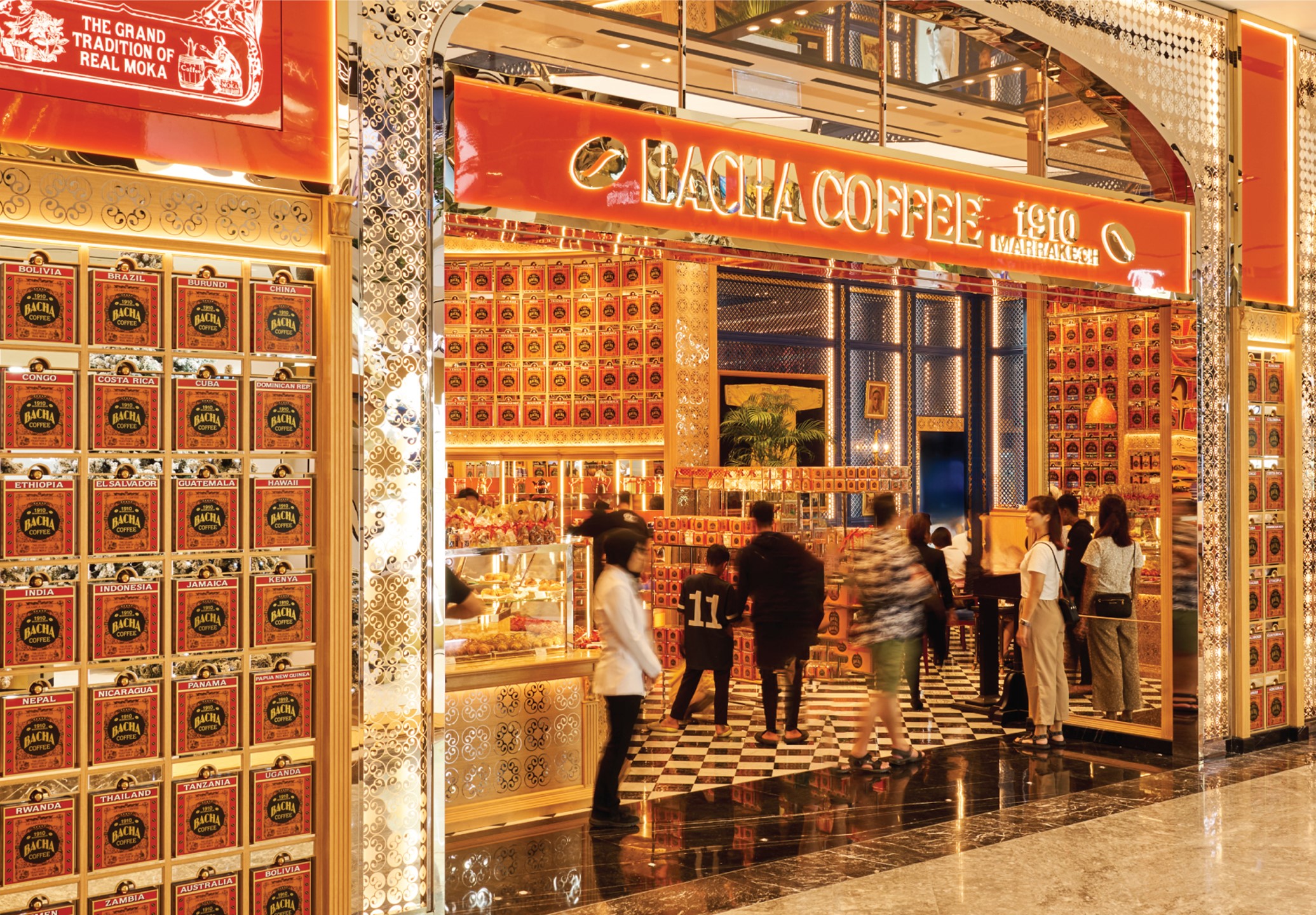
    Bacha Coffee, a Moroccan coffee house established in Marrakech in 1910, has further expanded its global footprint with its entry into two new markets, Beijing and Saudi Arabia. This development is a part of the brand’s consistent international growth trajectory.

    In Beijing, the brand has set up shop at the China World Mall, offering a multi-dimensional experience that integrates retail, takeaway, and a cozy Coffee Room seating area. This location showcases the brand’s extensive selection of over 200 specialty coffees, all of which are brewed using 100% Arabica beans sourced from 35 coffee-growing regions worldwide.

    The 210-square-meter Beijing store features a boutique that sells loose and packaged coffees, gift boxes, and accessories. Coffee Masters are readily available to assist customers and grind coffee beans on demand. The store also includes a 25-seat Coffee Room, featuring design elements inspired by the brand’s Moroccan heritage.

    Taha Bouqdib, President and CEO of V3 Gourmet, expressed his excitement over this latest expansion. “Our new location is designed to spark the curiosity of our guests, much like how coffee takes us on journeys to distant locales,” he said. “We’ve blended the old with the new in a single experience, honoring our past while paving the way for the future, with 100% Arabica specialty coffee taking center stage in this vibrant scene of life.”

    The latest openings in Beijing and Riyadh are part of Bacha Coffee’s extensive expansion across Asia, Europe, and the Middle East. The brand currently operates 42 stores in 16 cities globally, including Paris, Tokyo, Seoul, Dubai, Singapore, Hong Kong, and Taipei. In addition, the brand made its debut in Thailand last year.

    Questions & Answers

    How many specialty coffees does Bacha Coffee offer?
    Bacha Coffee offers an extensive selection of over 200 specialty coffees.

    Where are the newest Bacha Coffee stores located?
    The newest Bacha Coffee stores are located in Beijing, China, and Riyadh, Saudi Arabia.

    How many locations does Bacha Coffee operate worldwide?
    Bacha Coffee currently operates 42 locations in 16 cities worldwide.

  • Starbucks Eyes Major Global Expansion: China in Spotlight Despite Market Challenges

    Starbucks Eyes Major Global Expansion: China in Spotlight Despite Market Challenges

    Starbucks, the renowned coffee chain, is fast-tracking global expansion plans that extend beyond fiscal year 2028. The company considers China as the bedrock of its long-term development strategy, notwithstanding the increasingly competitive landscape and looming economic challenges.

    During the 2026 Investor Day, the coffee behemoth announced plans for significant expansion in both domestic and international markets.

    International Growth

    Starbucks intends to double its international cafe presence over time, aiming for nearly 40,000 non-US stores. China is anticipated to play a major role in this planned growth. Starbucks plans to open between 15,000 and 20,000 additional stores in the Chinese market over the long term.

    Brady Brewer, CEO at Starbucks International, provided insights on the company’s international strategy. He stated, “Our international business fills a very clear role. We are an asset-light growth driver for Starbucks that bolsters the company’s margins.”

    Challenges and Opportunities in China

    China, while being a strategic priority, continues to be one of the most challenging markets for Starbucks. Local competitors such as Luckin Coffee and Cotti Coffee are gaining traction via aggressive pricing strategies, swift expansion, and localized innovation. Simultaneously, economic slowdown is causing increased price sensitivity, challenging Starbucks’ premium positioning.

    In response to these challenges, Starbucks has reorganized its operations in China. The company has established a joint venture with Boyu Capital, transitioning to a licensed business model while maintaining a 40% stake.

    First Quarter Financials

    For the first quarter of fiscal 2026, Starbucks reported a revenue of US$9.9 billion. This shows an upward sales trajectory and continuous growth across the coffee giant’s global network of stores.

    Questions & Answers

    What is Starbucks’ plan for international growth?
    Starbucks intends to double its international store presence, targeting nearly 40,000 non-US locations.

    What role does China play in Starbucks’ expansion strategy?
    China is expected to account for a major portion of Starbucks’ international expansion. The company plans to open between 15,000 and 20,000 additional stores in the Chinese market.

    What changes has Starbucks made in its China operations?
    In response to increasing competition and economic challenges, Starbucks has restructured its China operations through a joint venture with Boyu Capital, transitioning to a licensed business model and retaining a 40% stake.

  • Vietnam Fuel Prices Skyrocket to Yearly High Amid Global Market Shifts

    Vietnam Fuel Prices Skyrocket to Yearly High Amid Global Market Shifts

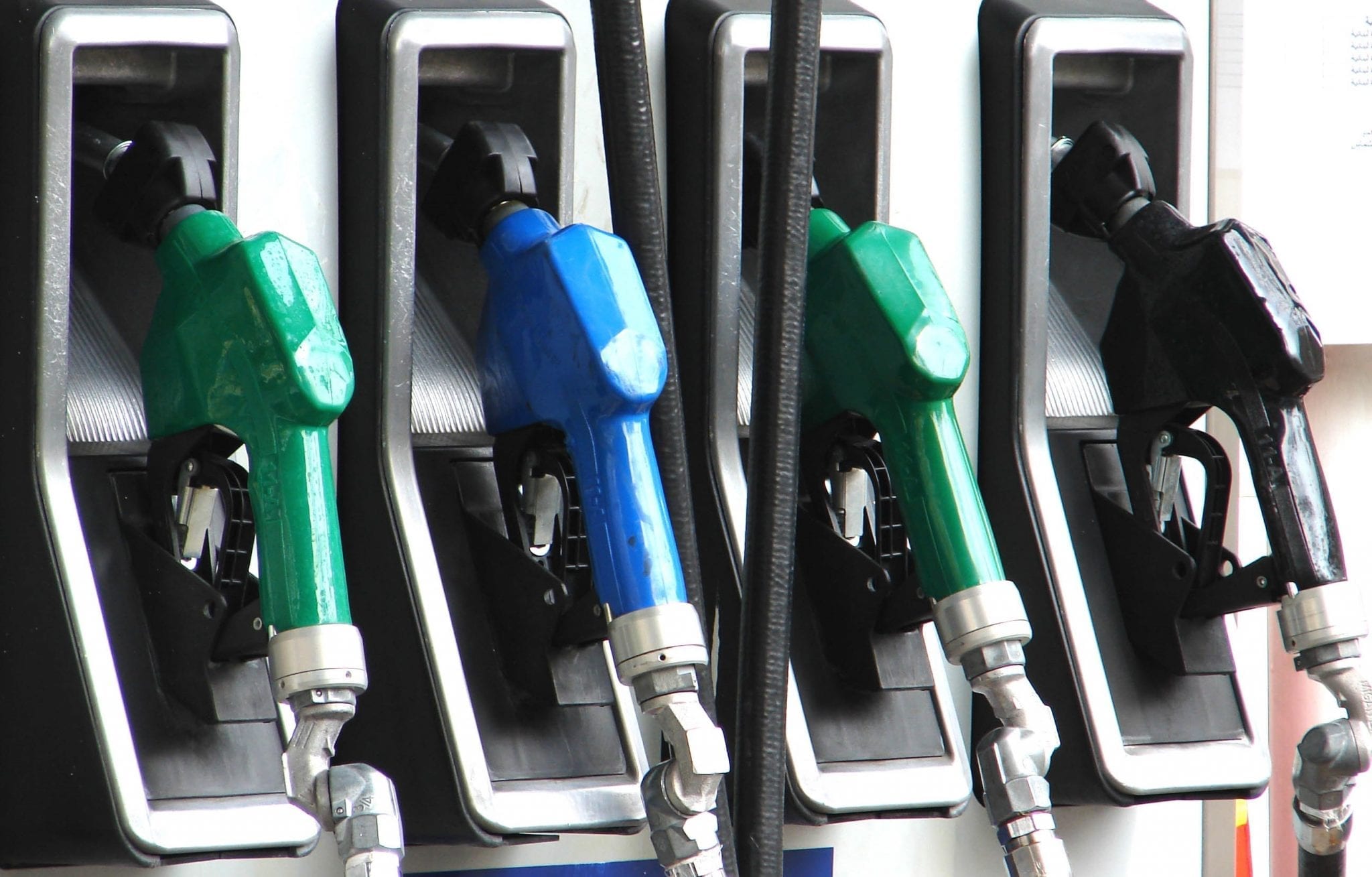
    Gasoline prices in Vietnam witnessed a significant surge on Thursday afternoon, marking their highest point since the beginning of the year. The commonly used fuel, RON95, experienced a hike of 1.13%, bringing its price up to VND18,840 (US$0.72) per liter.

    Biofuel E5 RON92 also experienced a price increase, albeit a more modest one. Its price rose by 0.27%, leaving it at VND18,330 per liter. Diesel, a critical fuel for many industries, saw a noteworthy increase of 2.66%, pushing its price to VND18,170 per liter.

    Several global factors have been cited as driving forces behind these price changes. The international fuel market has been affected by geopolitical tensions, particularly between the U.S. and Iran. In addition to this, the United States has seen a more substantial-than-anticipated dip in its oil inventories. Coupled with a weakening U.S. dollar, these factors have put pressure on global fuel prices, as noted by the Ministry of Industry and Trade.

    In terms of international prices, RON95 saw an increase of 1.7%, which pushed its price to $73.6 per barrel. Diesel’s price also witnessed a significant uptick, with an additional 3.4%.

    Questions & Answers

    What was the price increase for the commonly used fuel RON95 in Vietnam?
    RON95 experienced a price hike of 1.13%, which increased its price to VND18,840 (US$0.72) per liter.

    What global factors have influenced the recent surge in fuel prices?
    Several global factors, including geopolitical tensions between the U.S. and Iran, a substantial decline in oil inventories in the U.S. more than anticipated, and a weakening U.S. dollar have contributed to the increase in fuel prices.

    How has the price of Diesel changed?
    Diesel witnesses a significant price increase of 2.66%, leaving its price at VND18,170 per liter.

  • Waning Dollar Takes a Dive Against Vietnamese Dong Amid Global Currency Shifts

    Waning Dollar Takes a Dive Against Vietnamese Dong Amid Global Currency Shifts

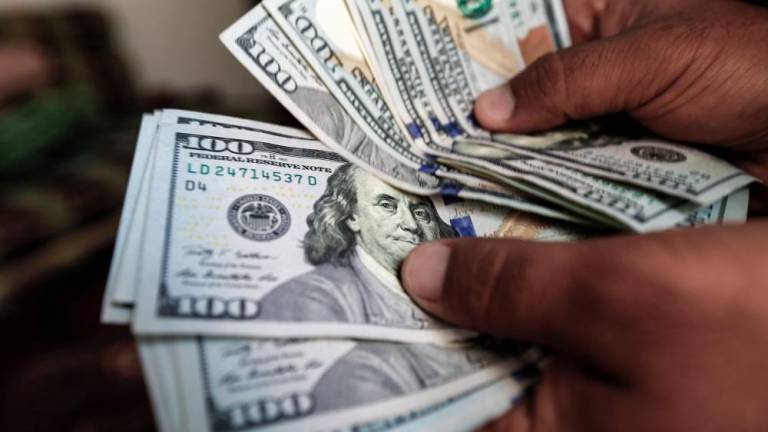
    The US dollar experienced a dip in value against the Vietnamese dong on Monday, hovering around a four-month low in comparison to major currencies. Vietcombank listed a slight decrease of 0.05% over the weekend in the exchange rate of the US dollar, trading at VND26,368. The black market, on the other hand, observed a marginal increase of 0.12%, with the dollar being exchanged approximately around VND26,447.

    Global Currency Market Scenario

    The currency market worldwide witnessed the yen gaining strength on Monday, which subsequently led to a lower valuation of the dollar across various markets. This development has emerged amidst speculations over potential risks of the first joint US-Japan currency intervention in 15 years, which has kept investors on their toes.

    The US dollar index, a tool for measuring the strength of the US dollar against six major currencies, saw a decline of 0.1%, bringing it dangerously close to a four-month low, at 97.082.

    The yen appreciated as much as 1.2%, reaching 153.89 per dollar, its highest value since November. Concurrently, the euro also made strides, hitting a four-month high of $1.1898 and later settling at an increase of 0.4% at $1.18665.

    Other Currency Movements

    In addition to these movements, the British pound sterling also saw a slight increase of 0.1% to reach $1.36615. Meanwhile, the Australian dollar and the New Zealand dollar appreciated by 0.3% and 0.2% to touch $0.69165 and $0.59605 respectively.

    According to Marc Chandler, chief market strategist at Bannockburn Capital Markets in New York, the dollar was already vulnerable to fluctuations. However, the increase in the yen’s value served as the catalyst for market-wide selling of the dollar.

    Questions & Answers

    What was the exchange rate of the US dollar in Vietcombank and the black market?
    The US dollar was traded at VND26,368 in Vietcombank, marking a 0.05% decrease. Conversely, on the black market, it saw a 0.12% increase, being traded around VND26,447.

    What triggered the market-wide selling of the US dollar?
    The primary trigger for the market-wide selling of the US dollar was the rising strength of the yen, according to Marc Chandler, chief market strategist at Bannockburn Capital Markets in New York.

    What changes did other major currencies witness?
    The yen rose by 1.2% to 153.89 per dollar, the euro increased by 0.4% to $1.18665, the British pound sterling increased by 0.1% to $1.36615, the Australian dollar increased by 0.3% to $0.69165, and the New Zealand dollar increased by 0.2% to $0.59605.

  • Explore More: China Boosts Tax-Free Shopping with 41 New Duty-Free Stores for Global Travellers

    Explore More: China Boosts Tax-Free Shopping with 41 New Duty-Free Stores for Global Travellers

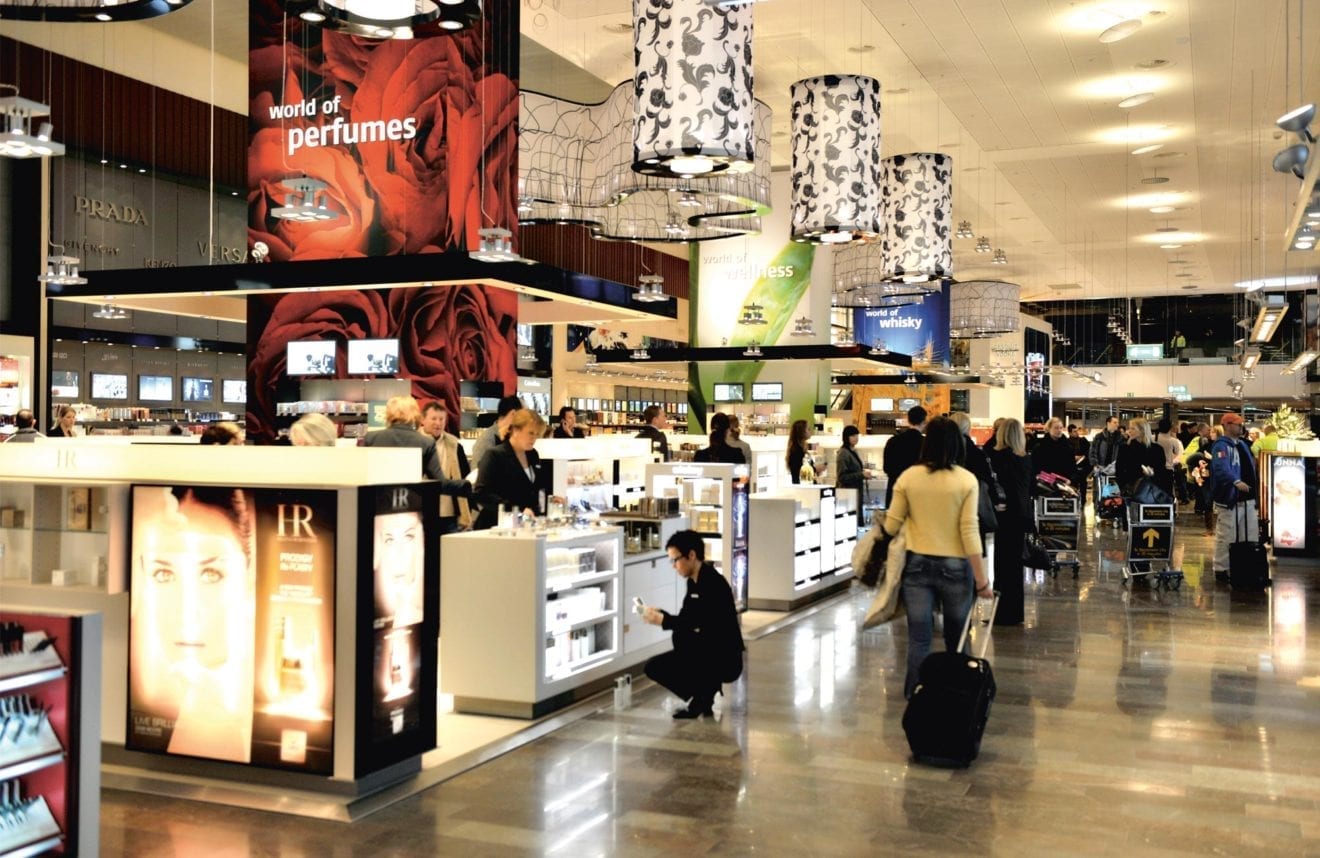
    China is set to increase its appeal to international tourists by opening 41 new duty-free stores, as part of a broader initiative to stimulate tax-free shopping upon arrival. This new development was unveiled in a joint statement by five Chinese government departments, including the Ministry of Finance.

    This enhancement comes in the wake of China Tourism Group Duty Free purchasing the travel retail business of DFS Greater China from luxury goods conglomerate LVMH for a sum of US$400 million.

    The statement outlined that the primary goal of establishing and refining these duty-free stores at entry ports is to provide a more straightforward and seamless duty-free shopping experience for arriving passengers. Furthermore, the intention is to fully utilize the potential of duty-free stores to reinforce and stimulate consumption, thereby fostering the growth and systematic progression of the duty-free retail sector.

    The announcement also highlighted that provisions are being made for the creation of duty-free stores in an additional 11 locations. However, the establishment of such outlets at Qingdao Liuting International Airport, Guangzhou East Railway Station, and Jiangmen Port will be discontinued.

    The authorities also pointed out the increasing significance of shopping for tourists in China, stating that it has become an “increasingly integral” aspect of travel itineraries.

    Questions & Answers

    Why is China planning to increase the number of its duty-free stores?
    China aims to stimulate tax-free shopping for international tourists upon arrival and sees this as a way to boost consumption and foster systematic progression of the duty-free retail sector.

    What recent significant purchase might have influenced this decision?
    China Tourism Group Duty Free recently purchased the travel retail business of DFS Greater China from LVMH for US$400 million, which may have triggered this decision.

    What changes will occur at current duty-free locations?
    Although the creation of duty-free stores in an additional 11 locations is planned, the establishment of such outlets at Qingdao Liuting International Airport, Guangzhou East Railway Station, and Jiangmen Port will be discontinued.

  • Fuel Price Revolution: Vietnam Gasoline Plummets Amid Global Market Fluctuations

    Fuel Price Revolution: Vietnam Gasoline Plummets Amid Global Market Fluctuations

    In Vietnam, gasoline prices experienced a reduction on Thursday afternoon, echoing the recent drop in global rates. The widely used fuel, RON95, underwent a decrease of 0.43%, bringing its cost down to VND18,630 (US$0.71) per liter.

    In a similar trend, the biofuel E5 RON92 also saw a price reduction, decreasing by 0.49% to a new price of VND18,280 per liter. Diesel, on the other hand, experienced a price hike with an increase of 2.43% which resulted in a new price of VND17,700 per liter.

    The change in fuel prices is reflective of the recent fluctuations in the global oil market. This volatility has been brought on by several different factors. These include the possibility of disruptions to oil supplies from Iran and ongoing tensions between the United States and Europe over issues pertaining to Greenland as reported by Vietnam’s Ministry of Industry and Trade.

    In terms of specific fuel types, RON95 saw a decrease of 0.6% to a new price of $72.4 per barrel globally, while the cost of diesel increased by 2.9% taking it to a price of $83.4 per barrel.

    Questions & Answers

    What was the new price of the RON95 fuel in Vietnam?
    The new price of RON95 fuel in Vietnam was VND18,630 per liter, which translates to US$0.71 per liter.

    How did the price of diesel change?
    The price of diesel experienced a hike of 2.43%, which resulted in a new price of VND17,700 per liter.

    What factors have been affecting the global oil market recently?
    The global oil market has been affected by various factors including possible disruptions to oil supplies from Iran and ongoing tensions between the United States and Europe over Greenland-related issues.

  • Unstoppable Uniqlo: Fast Retailing’s Profits Skyrocket with Global Expansion Strategy

    Unstoppable Uniqlo: Fast Retailing’s Profits Skyrocket with Global Expansion Strategy

    Fast Retailing, which operates the Uniqlo clothing brand, has reported a significant increase in its quarterly operating profit, attributing the boost to a robust global sales growth. The increase in profits has enabled the company to withstand the impact of US tariffs.

    The company is currently marking its fifth consecutive year of profit. It has seen a rise in sales in China, which is its largest international market. This sales spike has been supplemented by an aggressive growth strategy in North America and Europe.

    During the quarter, Fast Retailing inaugurated key stores in Antwerp, Birmingham, and Munich. The company also has plans to establish a series of new flagship stores in key US cities, such as Chicago, New York, and Boston.

    Fast Retailing, which is known for its durable basic items, is viewed as an indicator of consumer sentiment in both Japan and China. It reported a 34% increase in operating profit to 205.6 billion yen (US$1.3 billion) during the September-November period, stemming from a 15% increase in revenue. This impressive performance exceeded the consensus estimates of 177 billion yen.

    The company also witnessed a 20.6% growth in profit from its domestic business compared to the previous year, largely due to rising demand for sweatshirts and warm innerwear.

    Numerous international markets observed double-digit growth in both revenue and profit. Sales in the autumn season were particularly strong in China, and a collaborative venture with e-commerce giant JD helped to attract new customers.

    In summary, the international segment of Fast Retailing reported a profit growth of 41.6%.

    For the full year, the company has raised its operating profit target to 650 billion yen, up from the previously set target of 610 billion yen.

    In a bid to reduce its reliance on the China market, which was significantly impacted by stringent Covid-19 restrictions, Fast Retailing has focused on North America and Europe as its primary growth regions.

    Questions & Answers

    What has contributed to Fast Retailing’s recent success?

    Fast Retailing’s success can be attributed to robust global sales growth, a rise in sales in China, its largest overseas market, and an aggressive expansion strategy in North America and Europe.

    What has been the impact of the company’s domestic business on its growth?

    The company’s domestic business has had a positive impact on its growth, with a 20.6% increase in profit thanks to the strong demand for sweatshirts and warm innerwear.

    How has Fast Retailing responded to the challenges posed by Covid-19 restrictions in China?

    Fast Retailing has sought to lower its dependence on the Chinese market by focusing on North America and Europe as its primary growth areas.

  • Global Alert: Nestle’s Massive Infant Formula Recall in 25 Countries Amid Toxin Contamination Scare

    Global Alert: Nestle’s Massive Infant Formula Recall in 25 Countries Amid Toxin Contamination Scare

    Nestle, the global food giant, has issued a recall for several batches of its infant nutrition products due to potential contamination posing a risk of nausea and vomiting. This recall predominantly affects Europe and includes SMA, BEBA, and NAN formulas.

    Increased Pressure on Leadership

    Philipp Navratil, Nestle’s new Chief Executive, faces mounting pressure as the recall follows a period of managerial turbulence. Navratil aims to stimulate growth through a portfolio review.

    Preventive Measures

    Upon discovering a quality issue in the arachidonic acid oil – a vital ingredient from a prominent supplier – Nestle initiated a comprehensive test of the oil and corresponding oil mixtures used in the potentially impacted infant nutrition products. Following the completion of the tests, the company decided to recall the affected products.

    In a bid to maintain consistent supply, Nestle is now engaging alternative suppliers for arachidonic acid oil, increasing production at several factories, and speeding up the distribution of unimpacted products.

    Potential Consequences and Market Impact

    Issues with baby formula can have severe repercussions for companies. Nestle’s shares have experienced a decline of more than 3% in the last two trading sessions. Despite this, the company still holds nearly a quarter of the $92.2 billion global infant nutrition market.

    While Nestle does not disclose sales data, the infant formula segment is part of its Nutrition and Health Science division, which contributed 16.6% to the company’s total sales of 91.4 billion Swiss francs ($115.4 billion) in 2024.

    Scope of the Recall

    The recall includes batches sold in Europe, Turkey, and Argentina due to potential contamination with cereulide, a toxin produced by certain strains of Bacillus cereus. This toxin is resistant to deactivation or destruction by cooking or boiling water, posing a significant threat when preparing infant milk.

    Cereulide can cause rapid-onset food poisoning symptoms, including vomiting and stomach cramps.

    According to the Austrian health ministry, the recall impacts over 800 products from more than 10 Nestle factories, marking the largest recall in Nestle’s history. However, a Nestle spokesperson has yet to confirm these figures.

    Future Plans

    Nestle has published the batch numbers for the products that should not be consumed, and is working diligently to minimize disruptions in supply.

    The company identified the potential risk at a factory in the Netherlands. The Dutch food safety authority NVWA confirmed that Nestle’s investigation revealed that the contaminated raw material had been used at various production sites, including locations outside the Netherlands.

    Questions & Answers

    Why has Nestle issued a recall for its infant nutrition products?
    Nestle has issued a recall due to potential contamination of certain batches of its infant nutrition products. This contamination could lead to symptoms of nausea and vomiting.

    What steps has Nestle taken following the discovery of this issue?
    The company initiated extensive testing of the potentially affected ingredients and has subsequently recalled the impacted products. They are now engaging alternative suppliers for the ingredient, increasing production at several factories, and speeding up distribution of unaffected products.

    What is the potential health risk of the identified contaminant?
    The contaminant, cereulide, is a toxin that can cause rapid-onset food poisoning symptoms, including vomiting and stomach cramps. This toxin is resistant to deactivation by cooking or boiling water, posing a significant threat when preparing infant milk.

  • Vietnam’s Fruit and Vegetable Exports Soar: $10B Target in Sight for 2026 Amid Global Trade Growth

    Vietnam’s Fruit and Vegetable Exports Soar: $10B Target in Sight for 2026 Amid Global Trade Growth

    According to industry experts, Vietnam’s fruit and vegetable exports could hit the $10 billion mark as early as 2026, provided the current pace is sustained and structural issues are resolved. The total exports are projected to be in the range of $8-8.4 billion in 2025, marking a growth of 18% from the previous year, as reported by the Vietnam Fruit and Vegetable Association.

    Growth Amid Global Trade Volatility

    The resilience and growth of Vietnam’s fruit and vegetable export sector in spite of ongoing global trade instability underscore the enhanced competitiveness of the nation’s agricultural products in global markets. This remarkable performance can be attributed to an array of beneficial conditions, including substantial recovery of demand in major markets such as China, the U.S., South Korea, Japan and the European Union. Furthermore, an increase in official export approvals for Vietnamese fruits to high-demand markets has created new avenues for growth.

    Nguyen Thanh Binh, chairman of the association, indicated that the growth in exports in recent years has evolved from seasonal peaks into a consistent upward trend. An increased emphasis on quality, traceability, and compliance with market standards has aided Vietnamese produce in establishing a more stable presence within global supply chains.

    Despite being the largest market and accounting for a significant proportion of shipments, China also poses the greatest challenges to the industry, as Binh noted.

    Persistent Vulnerabilities

    While there has been a robust increase in export value, market volatility and policy changes continue to cause disruptions in shipments to China. Dr. Nguyen Dinh Bich, an expert in agricultural economics, pointed out that the sector’s greatest vulnerability is seen in production organization. Despite the speedy growth, it lacks a firm grounding and without stronger connections from raw material sources to processing and distribution, the industry could be susceptible to changes such as tightened standards or altered regulations by major markets.

    Learning from past instances of congestion at border gates remains crucial, particularly as importing countries continue to elevate their requirements regarding quarantine, food safety, and sustainability.

    Striving for the $10 Billion Goal

    Despite these challenges, the long-term prospects remain favorable. Riding on the wave of consistent double-digit growth in recent years and Vietnam’s position among the world’s top 25 trading nations, the association is confident that exports could reach $10 billion by 2026.

    Many businesses deem this target achievable if existing roadblocks are overcome. A representative from the Tien Giang Vegetables and Fruits Joint Stock Company said that there remains potential for processed goods and premium fresh fruit. However, businesses require stable policies regarding raw material zones, logistics, and market access.

    Logistics costs, particularly those related to cold-chain logistics, constitute a substantial portion of expenses, compromising competitiveness with regional counterparts.

    Experts emphasize the necessity for comprehensive, long-term solutions, including focused farming zones, standardized production unit codes, and packing facilities certified in line with market demand. Diversifying export markets and increasing the share of processed goods are also seen as essential.

    Binh further underscored that continued government support in areas such as market access, standardization, and credit and logistics infrastructure will be crucial to ensuring sustainable growth.

    Questions & Answers

    What are the main challenges to Vietnam’s fruit and vegetable export industry?
    The main challenges include market volatility, policy changes, high logistics costs, and the need for stronger connections from raw material sources to processing and distribution.

    What are the proposed solutions to these challenges?
    Proposed solutions include the creation of concentrated farming zones, standardization of production unit codes, certified packing facilities, diversification of export markets, and increased government support in various areas.

    What is the projected value of Vietnam’s fruit and vegetable exports in the near future?
    Industry experts believe that Vietnam’s fruit and vegetable exports could reach $10 billion as early as 2026, given the current pace of growth and provided structural issues are properly addressed.

  • Hanoi-HCMC Flight Path Soars: Retains Spot as 4th Busiest Global Route in 2025

    Hanoi-HCMC Flight Path Soars: Retains Spot as 4th Busiest Global Route in 2025

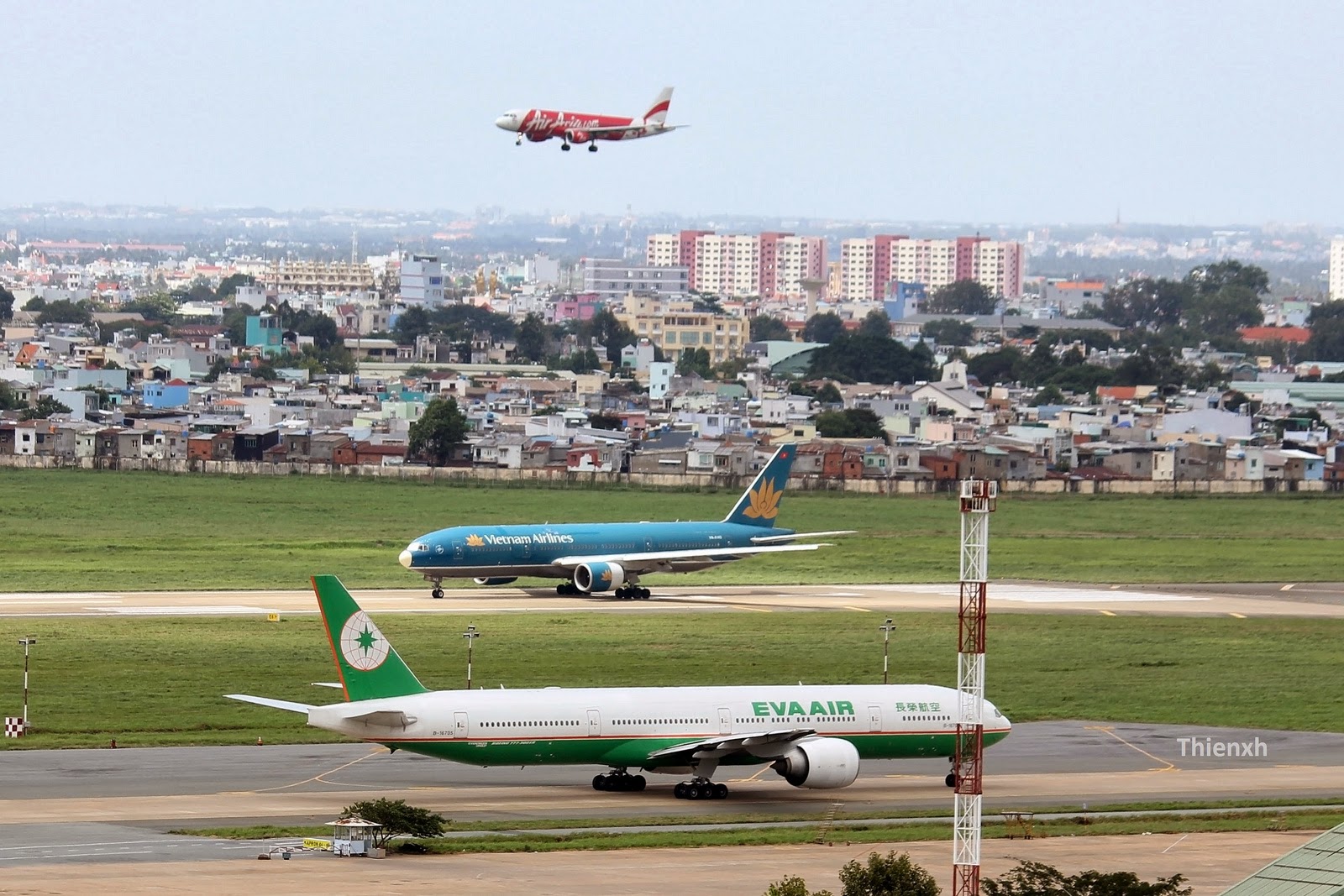
    Data from an aviation intelligence firm has revealed that the flight route between Hanoi and Ho Chi Minh City in Vietnam was the fourth busiest worldwide in 2025, with a total of 11.07 million seats. There was a 4% rise in seat numbers from the previous year, continuing a trend which has placed the route within the top ten busiest globally for eight consecutive years.

    Cost and Competition

    The average cost of a one-way journey on this route was US$67 in 2025, representing an 11% decrease from 2024. Six different airlines operated on this route in 2025, indicating high levels of competition. The largest operators were Vietnam Airlines and Vietjet, both offering numerous flights daily along the 1,000-kilometre route.

    New and Existing Operators

    In the final quarter of 2025, new entrant Sun Phu Quoc Airways began operating on this route. Other airlines offering services on this route included Bamboo Airways, Pacific Airlines and Vietravel Airlines.

    Global Rankings

    The top five busiest flight routes of 2025 were largely consistent with the previous year. Holding the top spot was South Korea’s Jeju International-Seoul Gimpo route with 14.38 million seats. This was followed by Japan’s Sapporo New Chitose-Tokyo Haneda route with 12 million seats, and the Fukuoka-Tokyo Haneda route with 11.5 million seats.

    In fifth place was Saudi Arabia’s Jeddah-Riyadh route with 9.8 million seats, displacing Australia’s Melbourne-Sydney route which fell to sixth place. The Jeddah-Riyadh route also saw the fastest growth rate, with a 13% increase in seat capacity, and was the sole non-Asia-Pacific route among the top ten.

    Questions & Answers

    What has been the trend for the Hanoi-Ho Chi Minh City flight route over the last eight years?
    The Hanoi-Ho Chi Minh City route has consistently been within the top ten busiest flight routes globally for eight consecutive years.

    Which airlines operate on the Hanoi-Ho Chi Minh City route?
    Six airlines operated on this route in 2025: Vietnam Airlines, Vietjet, Sun Phu Quoc Airways, Bamboo Airways, Pacific Airlines, and Vietravel Airlines.

    Which flight route was the fastest growing in 2025?
    The Jeddah-Riyadh route in Saudi Arabia was the fastest-growing in 2025, with a 13% increase in seat capacity.

  • Vietnam’s Bold Leap: Launch of Innovative International Financial Center Marks New Era in Global Integration

    Vietnam’s Bold Leap: Launch of Innovative International Financial Center Marks New Era in Global Integration

    Prime Minister Pham Minh Chinh recently chaired a conference to declare the creation of an international financial center (IFC) in Vietnam. At the same time, the coordinating council for the IFC was launched, with the Permanent Deputy Prime Minister, Nguyen Hoa Binh, at its helm.

    Significance of the IFC

    Prime Minister Chinh underscored the importance of establishing the IFC, stating that it signifies a major turning point in Vietnam’s integration and development following 40 years of Doi moi (Renewal). The creation of the IFC is an urgent need based on Vietnam’s potential, advantages, and forward-thinking vision for rapid, sustainable progress. It is a strategic choice and an effective solution that reflects the need to restructure global investment flows and Vietnam’s ambition to achieve new heights during the nation’s ascent.

    Chinh emphasized that Vietnam is not seeking to compete with other IFCs worldwide but aims to forge its distinct path with unique, superior mechanisms and policies. This will result in a complementary, interconnected model, providing a cohesive, efficient, and sustainable financial ecosystem.

    According to Chinh, the IFC’s inception marks the start of an innovative process in the financial market development, with widespread implications for all sectors, institutions, and entities within the country.

    Expected Benefits of the IFC

    The IFC is anticipated to enhance Vietnam’s position, making it an essential part of the global financial security network. It will facilitate the mobilization of efficient, large-scale, and low-cost capital for strategic infrastructure development without increasing public debt. Moreover, it will serve as a platform for Vietnamese businesses to expand internationally and adhere to the most advanced governance standards.

    The IFC also represents an institutional breakthrough. The benefits of the IFC extend beyond monetary gains and include innovation in management thought and advanced technology. International competition is expected to drive administrative reforms towards greater transparency and comprehensive digitization.

    For the IFC to operate effectively, Prime Minister Chinh urged ministers, heads of sectors, chairpersons of the People’s Committees of HCM City and Da Nang, and relevant agencies to ensure decisive, collaborative, and productive execution of the assigned tasks and measures.

    Support for the IFC

    Chinh also encouraged partners, domestic and international businesses, and investors, to collaborate and support Vietnam throughout the IFC development process. He stressed the importance of reforming management mindset towards a more enabling and service-oriented approach, aligning socio-economic infrastructure and ecosystem with international standards.

    Chinh requested the supervisory body to operate independently and transparently, in line with international commitments to prevent money laundering and facilitate the flows of clean capital into Vietnam.

    He also advised Vietnamese businesses and investors to remain confident, resilient, and united, seize opportunities, and enhance cooperation to grow. He stated that the IFC is a stepping stone for them to expand their reach regionally and globally.

    Despite the challenges ahead, Chinh expressed confidence that with the consensus of the political system, the active involvement of the business community and people nationwide, and international support, Vietnam will successfully develop a free, digital, green, safe, transparent, competitive, efficient, and sustainable IFC. This will pave the way for the country to progress towards a new era of prosperity, civility, and happiness, and take firm steps towards socialism.

    Representatives of domestic and international businesses and investors lauded the establishment of the IFC and committed to helping attract international capital to Vietnam, implementing financial and banking mechanisms, and investing robustly in digital transformation, green finance, and inclusive finance.

    Questions & Answers

    What is the purpose of the International Financial Center (IFC) in Vietnam?
    The IFC is anticipated to function as a strategic and effective solution to restructure global investment flows, boost Vietnam’s position in the global financial security network, and serve as a platform for Vietnamese businesses to expand internationally.

    What is the expected impact of the IFC?
    The IFC is expected to drive innovation in the financial market and encourage administrative reforms towards greater transparency and comprehensive digitization. It will also facilitate the mobilization of efficient, large-scale, and low-cost capital for strategic infrastructure development without increasing public debt.

    How will the IFC benefit Vietnamese businesses and investors?
    The IFC will provide Vietnamese businesses and investors with a platform to expand their reach regionally and globally. Additionally, it will usher in increased cooperation, resilience, and confidence among businesses, paving the way for growth and prosperity.