Retail News CRM

Tag: global

  • Korea Secures $9 Billion in Cloud and AI Investments from Global Tech Giants at APEC Summit

    Korea Secures $9 Billion in Cloud and AI Investments from Global Tech Giants at APEC Summit

    During the APEC Global Investment Partnership event, which was held in conjunction with the APEC CEO Summit in Gyeongju, an announcement was made that underscores the determination of Seoul to lure high-value investment into the areas of digital infrastructure and advanced manufacturing. This is part of Seoul’s drive to expedite its aspirations in the field of artificial intelligence (AI).

    Investments in South Korean Digital Infrastructure

    Matt Garman, the CEO of Amazon Web Services (AWS), disclosed a plan to invest $5 billion by 2031 in order to expand the company’s cloud data centers and enhance its AI competencies in South Korea. He pointed out that South Korea is swiftly becoming a hub of AI innovation in Asia, and the continuous investments by AWS reveal their faith in South Korea’s technological ecosystem. He also believes that these investments will bolster South Korea’s place in the global AI economy.

    President Lee Jae Myung of South Korea, who met with Garman during the event, expressed his approval of AWS’s investment, deeming it a crucial aspect of Seoul’s AI strategy. His endorsement comes on the heels of AWS’s announcement of their $4 billion AI data center project in Ulsan earlier this year. President Lee is confident that this collaboration with AWS will stimulate Korea’s AI ecosystem and solidify their mutual path to prosperity.

    Investments from Other Multinational Corporations

    Additionally, six other multinational companies, namely Renault, Amkor Technology, Corning, Air Liquide, Siemens Healthineers, and Umicore, also communicated their new investment commitments. Renault Korea is set to transform existing production lines for the manufacture of electric vehicles, designating Korea as one of its five global strategic hubs. Siemens Healthineers has plans to construct a new 9,917-square-meter facility in Pohang for the production of components for cardiovascular ultrasound systems. Amkor Technology is preparing to extend its semiconductor packaging operations, while Umicore has intentions to build a cathode materials plant to cater to Korea’s rapidly expanding battery supply chain.

    As per the Ministry of Trade, Industry, and Energy of Korea, approximately $660 million of the declared amount is to be immediately registered as foreign direct investment.

    Korea’s Leadership in AI Development

    President Lee, during his keynote speech at the APEC CEO Summit, expressed Korea’s intention to propose an AI Initiative at the upcoming APEC leaders’ meeting, advocating for inclusive and cooperative AI development in the Asia-Pacific region. He envisions a future where AI is accessible to all, hopeful that this vision will become the new standard for APEC. This places Korea in a leadership position in the Asia-Pacific region in terms of digital transformation and ethical AI governance.

    The APEC CEO Summit, organized by the Korea Chamber of Commerce and Industry (KCCI), saw a record turnout of 1,700 business and political leaders, the largest in the summit’s 30-year history. The summit boasted the attendance of top executives and heads of state, including U.S. President Donald Trump, NVIDIA CEO, Jensen Huang, and several Asia-Pacific leaders.

    The summit was represented by the chairmen of Korea’s biggest conglomerates, including Samsung, Hyundai, LG, SK Group, and POSCO, reinforcing the country’s pivotal role in shaping the region’s technological future. The summit’s sessions over the three days centered around AI, digital currencies, supply chain resilience, green transition, and economic cooperation.

    Questions & Answers

    What was the primary focus of the APEC Global Investment Partnership event?
    The event was centered around Seoul’s efforts to attract high-value investments in digital infrastructure and advanced manufacturing to accelerate its AI ambitions.

    What is AWS’s planned investment in South Korea?
    AWS announced a plan to invest $5 billion by 2031 to expand its cloud data centers and boost its AI capabilities in South Korea.

    How are other multinational corporations contributing to South Korea’s AI strategy?
    Six multinational corporations have committed to new investments in South Korea. These include Renault’s conversion of production lines to electric vehicle manufacturing, Siemens Healthineers’ construction of a new facility for cardiovascular ultrasound systems, and Amkor Technology’s expansion of semiconductor packaging operations.
  • Kopi Kenangan Brews Global Expansion Plan After Tasting Success in Malaysia

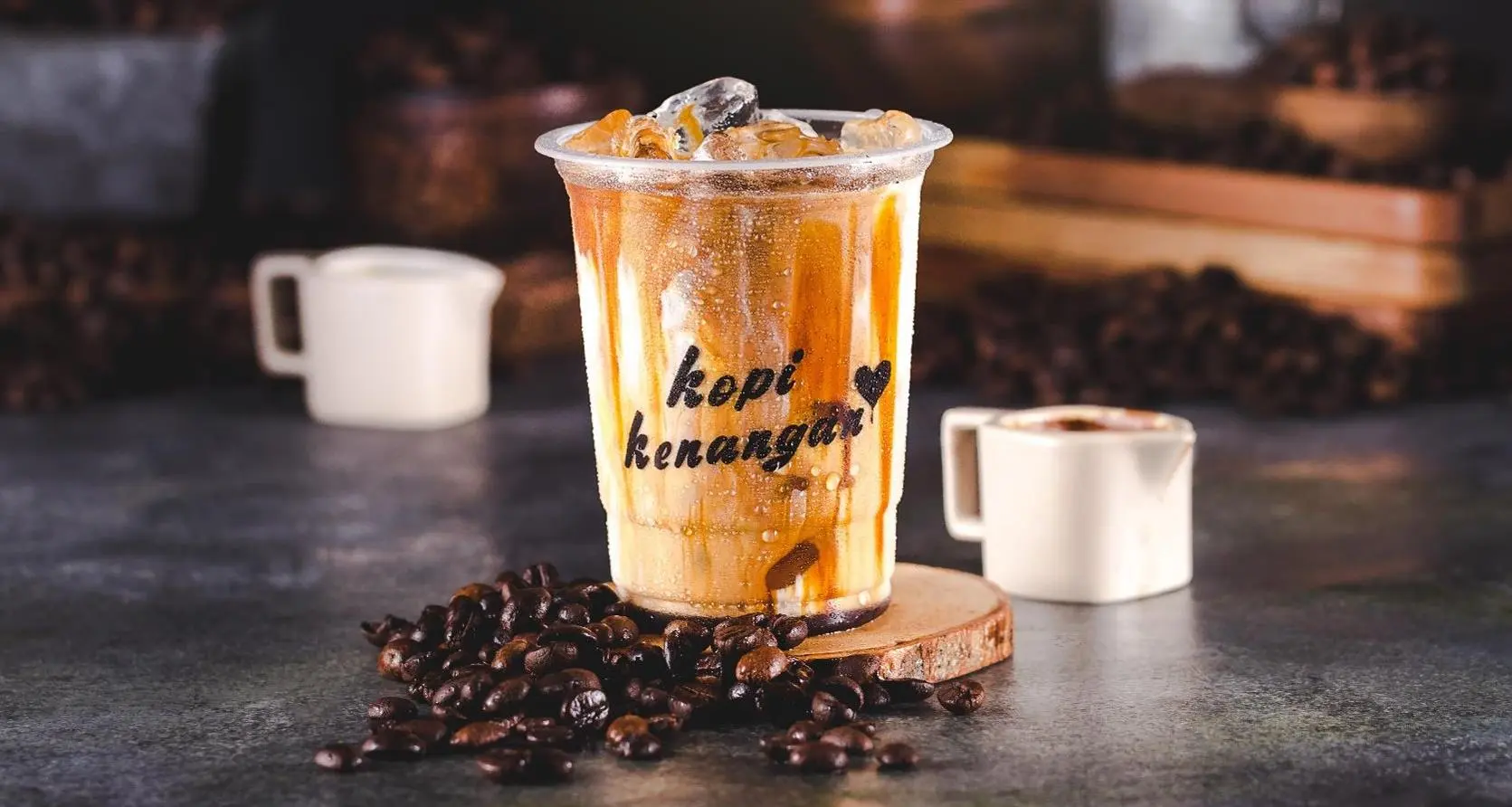
    Kopi Kenangan Brews Global Expansion Plan After Tasting Success in Malaysia

    Kopi Kenangan, an Indonesian coffee chain, is broadening its presence in Asia, subsequent to achieving profitability in Malaysia, three years after its market launch. Edward Tirtanata, the co-founder and CEO of the company, anticipates closing the current year with 150 branches in Malaysia, before broadening that number to 200 venues next year.

    Tirtanata shared that the company has been persistently opening more than one location per day this year, with approximately 70 new stores expected to launch within the next month.

    Continuing its regional expansion, Kopi Kenangan is planning to penetrate the markets of Taiwan and a Gulf Cooperation Council (GCC) country by mid-next year. Earlier this year, the brand made its first appearance in Australia and anticipates having four stores in operation by the end of the year. Meanwhile, roughly 20 additional outlets are scheduled to open in the Philippines in the latter part of this year and early next year.

    The third quarter of this year saw the company’s revenue increase by 40% year-on-year, a growth attributed to its strategy of adapting flavors, recipes, and prices to accommodate local markets. Tirtanata stated, “If you drink our coffee in Singapore, Jakarta, Malaysia, or New Delhi, it will taste different.” He further emphasized the company’s readiness to innovate and revise their recipes to cater to their diverse customer base.

    Questions & Answers

    What is the planned expansion of Kopi Kenangan within the next year?
    Kopi Kenangan aims to increase its Malaysian outlets to 200 stores. Also planned is the opening of approximately 70 new stores within the next month. Furthermore, the company is set to launch in Taiwan and a Gulf Cooperation Council (GCC) country by mid-next year.

    What contributes to Kopi Kenangan’s revenue growth?
    The company’s strategy of adapting its coffee flavors, recipes, and pricing to fit local markets has played a significant role in its revenue increase of 40% year-on-year in the third quarter.

    What differentiates Kopi Kenangan’s coffee in various locations?
    Kopi Kenangan’s coffee taste differs in various locations such as Singapore, Jakarta, Malaysia, and New Delhi. This is due to the company’s strategy of innovating and revising their recipes to cater to local tastes and preferences.

  • Dollar Dips Against Dong, Soars to Two-Week High Against Yen Amid Global Trade Talks

    Dollar Dips Against Dong, Soars to Two-Week High Against Yen Amid Global Trade Talks

    The US Dollar’s Fluctuating Performance Against Foreign Currencies

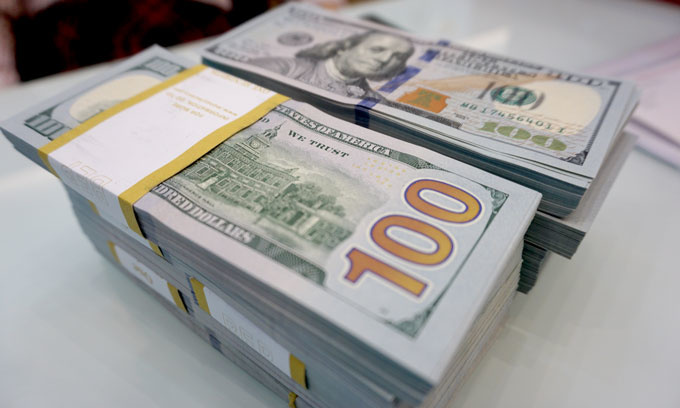
    The US dollar experienced a decline against the Vietnamese dong on Monday morning, while it simultaneously reached its most robust position in over two weeks against the Japanese yen. The greenback was sold by Vietcombank at a rate of VND26,351, marking a 0.004% dip from the weekend. However, the currency witnessed an increase of 0.18% on the black market, bringing it to VND27,750.

    Rate Adjustments by the State Bank of Vietnam

    The State Bank of Vietnam responded to these shifts by lowering its reference rate by 0.004% to VND25,097.

    Global Performance of the US Dollar

    Globally, the US dollar climbed to a high that hasn’t been seen in over two weeks against the yen on Monday, as critical worldwide trade negotiations and central bank meetings commenced. The dollar experienced a 0.15% increase against the yen, bringing it to 153.07 and hitting a peak of 153.17, the highest since October 10th. The dollar index, which assesses the greenback against a select group of peers, rose by 0.05% to reach 98.97.

    Performance Against Other Currencies

    Apart from the yen, the US dollar’s performance against other currencies remained steady. The euro remained at $1.1622 while sterling saw a slight boost of 0.04% to $1.3314. The Australian dollar also gained 0.2% against the greenback, reaching $0.6528.

    Mahjabeen Zaman, head of foreign exchange research at ANZ, suggested in a recent podcast that the strength of the dollar would likely continue in the near term. She stated: “Fed cuts are fully priced in for October and December meetings. So if anything, any cautious communication from the Fed would likely be more supportive for the U.S. dollar.”

    Questions & Answers

    What was the performance of the US dollar against the Vietnamese dong and Japanese yen recently?
    The US dollar declined against the Vietnamese dong, but it reached a more than two-week high against the Japanese yen.

    How did other currencies perform against the US dollar?
    The euro and sterling remained steady against the US dollar, while the Australian dollar saw a slight increase.

    What are the predictions for the near-term performance of the US dollar?
    According to Mahjabeen Zaman, head of foreign exchange research at ANZ, the dollar’s robust performance is expected to persist in the near term.

  • Global Internet Disruption: Amazon’s AWS Resumes After Massive Outage

    Global Internet Disruption: Amazon’s AWS Resumes After Massive Outage

    Amazon’s cloud service, Amazon Web Services (AWS), resumed regular operations on Monday afternoon after an internet outage disrupted thousands of sites worldwide, affecting popular applications like Snapchat and Reddit. AWS, which provides application hosting and computing processes for businesses globally, suffered an interruption that impacted workers and halted regular activities such as online payments and ticket changes. Complaints of persistent difficulties with services like digital wallet Venmo and video-calling platform Zoom were reported on Monday afternoon.

    Backlog of Messages and Previous Disruptions

    Despite the resumption of services, Amazon noted that some AWS services had a backlog of messages that would require additional time to process. This isn’t the first time AWS has been implicated in a significant internet collapse. The northern Virginia cluster of AWS, known as US-EAST-1, has contributed to major internet meltdowns at least three times in the past five years.

    Amazon did not provide a detailed explanation as to why this specific data centre continues to be affected. The recent problems were traced back to the Domain Name System (DNS), which averted applications from locating the correct address for AWS’s DynamoDB API, a cloud database essential for storing user information and other crucial data.

    Root Cause and Effects

    Earlier, AWS attributed the root cause of the outage to an underlying subsystem responsible for monitoring the health of its network load balancers, which help distribute traffic across multiple servers. The issue, according to AWS, originated within the EC2 internal network, Amazon’s Elastic Compute Cloud service, which offers on-demand cloud capacity within AWS. The issue was resolved around 3 pm PT (2200 GMT), although some services continued to have a backlog of messages to process.

    Ken Birman, a computer science professor at Cornell University, emphasized the need for software developers to enhance fault tolerance, suggesting that AWS provides tools that developers can utilize to safeguard themselves in the event of an issue at one of its data centres.

    AWS and Previous Outages

    As the world’s largest cloud provider, AWS offers computing power, data storage, and other digital services to companies, governments, and individuals. Disruptions to its servers can result in outages across websites and platforms that depend on its cloud infrastructure. According to AWS, Monday’s outage started at its US-EAST-1 location, AWS’s oldest and largest site for web services, which previously suffered outages in 2021 and 2020.

    Interconnected and Fragile Infrastructures

    The problem underscores the interconnectivity of digital services and their reliance on a small number of global cloud providers. A single glitch can significantly disrupt businesses and everyday life.

    The outage affected a vast range of companies across sectors. Apps like Reddit, Roblox, Snapchat, and Duolingo were all impacted. Other services such as Perplexity, a startup specializing in artificial intelligence, cryptocurrency exchange Coinbase, and trading app Robinhood also experienced disruptions attributed to AWS. Amazon’s own services, including its shopping website, Prime Video, and Alexa, were likewise affected.

    Questions & Answers

    What caused the AWS outage?
    The outage was linked to an underlying subsystem that monitors the health of AWS’s network load balancers. It originated from within the EC2 internal network, Amazon’s Elastic Compute Cloud service.

    What were the effects of the AWS outage?
    The outage disrupted thousands of sites and applications globally, including popular apps like Snapchat and Reddit. It also halted regular activities such as online payments and ticket changes.

    How often has the AWS northern Virginia cluster experienced major internet disruptions?
    The northern Virginia cluster of AWS, known as US-EAST-1, has contributed to major internet meltdowns at least three times in the past five years.

  • Asia Pacific Bolsters Global Trade Resilience Amid Policy Fluctuations: DHL Tracker Reveals

    Asia Pacific Bolsters Global Trade Resilience Amid Policy Fluctuations: DHL Tracker Reveals

    The Asia Pacific region is becoming an increasingly significant catalyst in bolstering worldwide trade resilience, despite international commerce encountering numerous challenges due to policy fluctuations. This finding is part of a recent update to the DHL Global Connectedness Tracker, produced in collaboration with New York University’s Stern School of Business. This update is the first systematic evaluation of the responses of international trade and business investment to alterations in U.S. trade policy during the second term of President Trump.

    Asia Pacific’s Strategic Adaptability

    According to Ken Lee, DHL Express’s CEO for Asia Pacific, the region has exhibited unique adaptability and strategic positioning. “The latest data illustrates how cooperation within the region is intensifying, even amidst global uncertainty,” said Lee. He pointed out that businesses in the Asia Pacific are demonstrating agility and a forward-thinking attitude, from the ASEAN’s growing role in accommodating trade flows to Asia Pacific countries engaging more intensively with neighboring nations. Lee emphasised that DHL is well-placed to assist its customers in navigating any changes in trade patterns and pledged to continue developing capabilities in customer-preferred locations.

    Global Trade Growth Amidst Tariff Uncertainty

    In the first half of 2025, the DHL Global Connectedness Tracker indicated that international trade grew at an unprecedented pace, unmatched by any previous half-year since 2010, barring the pandemic recovery. There was a significant surge in U.S. imports early in 2025 as purchasers hastened to make purchases before the impending tariff increases. After this initial rush, global trade volumes continued to exceed the levels of the previous year.

    On examining the world’s 100 largest trade routes, six out of the ten fastest-growing were exports from an Asian economy, emphasising Asia’s integral role in propelling global trade. Notably, Hong Kong SAR, Thailand, Malaysia, and Vietnam were among the top 10 fastest-growing markets, underlining Asia Pacific’s increasing influence and durability in supply chain networks.

    Rise of Intra-Asia Trade

    Intra-Asia trade demonstrated ongoing integration and burgeoning connections. The intra-regional trade share of East Asia & Pacific rose from 55% to 56%. Furthermore, the greatest reductions in trade distances were observed in countries including Thailand, China, Singapore, and Hong Kong SAR. These shifts represent Asian economies’ redirection of trade flows towards regional partners to sustain growth and their efforts to boost infrastructure and connectivity, thereby enhancing the attractiveness of participating in cross-border trade.

    ASEAN’s Growing Role in Chinese Exports

    Despite a 15% decrease in exports to the U.S. during the first eight months of 2025, China fully balanced this loss with a 15% rise in exports to the ASEAN region. ASEAN emerged as a significant growth destination for Chinese exports, signifying the region’s increasing relevance in China’s trade portfolio. Vietnam, Thailand, and India witnessed the most substantial increases in their share of China’s exports, while the U.S., Russia, Korea, Brazil, and Mexico experienced decreases.

    Reflecting on the latest trends, Prof. Steven A. Altman, Director of the DHL Initiative on Globalization at NYU Stern’s Centre for the Future of Management, stated, “The trends in trade and international business investment thus far in 2025 do not substantiate the belief that globalisation is in regression.” He noted that despite existing policy threats to globalisation, companies are not generally retreating from international markets. Instead, they are managing risks and opportunities in a connected world.

    Questions & Answers

    What factors have contributed to the Asia Pacific region’s role in driving global trade resilience?
    Adaptability, strategic positioning, and increased collaboration among countries in the region have played major roles in solidifying the Asia Pacific’s position in global trade.

    How has the ASEAN region become a crucial aspect of China’s export strategy?
    Despite a drop in exports to the U.S., China has compensated by increasing exports to the ASEAN region by 15%. This shift highlights the growing importance of ASEAN in China’s trade portfolio.

    What trends in global trade have been observed during 2025?
    Despite policy shocks and tariff turbulence, global trade has grown significantly. Asian economies, in particular, have demonstrated resilience by adjusting trade flows towards regional partners and enhancing infrastructure and connectivity.

  • Global Amazon Web Services Outage Disrupts Thousands Of Websites, Reveals Vulnerability In Online Infrastructure

    Global Amazon Web Services Outage Disrupts Thousands Of Websites, Reveals Vulnerability In Online Infrastructure

    Amazon’s cloud computing division AWS resumed regular operations on Monday after an extensive internet outage that disrupted thousands of websites globally, including popular apps such as Snapchat and Reddit. However, Amazon acknowledged that certain AWS services were dealing with a backlog of messages that needed several hours to process.

    AWS provides application hosting and processing power for corporations across the globe. This disruption caused employees from London to Tokyo to be cut off from their work and hindered others from carrying out routine tasks, such as processing digital payments or modifying airline tickets. Users reported persistent difficulties using services like the digital wallet app Venmo and the video conferencing platform Zoom on Monday afternoon.

    This incident represents the most significant internet disruption since last year’s CrowdStrike failure, which crippled technology systems in hospitals, banks, and airports, emphasizing the susceptibility of globally interconnected technologies. Intriguingly, this is at least the third time in five years that AWS’s northern Virginia cluster, known as US-EAST-1, has been implicated in a major internet meltdown.

    Amazon did not provide a detailed explanation as to why this specific data center is consistently affected. The problem originated from the Domain Name System (DNS), which prevents applications from locating the correct address for AWS’s DynamoDB API, a cloud database utilized for storing user information and other vital data.

    Root Cause: Network Health Monitor

    AWS attributed the outage to a subsystem that oversees the health of its network load balancers, which distribute traffic across various servers. According to AWS, the issue originated within the “EC2 internal network,” also known as Amazon’s “Elastic Compute Cloud” service, which offers on-demand cloud capacity within AWS.

    All AWS services were back to normal operations around 3 pm PT (2200 GMT) on Monday, according to Amazon. However, services such as AWS Config, Redshift, and Connect continue to handle a backlog of messages that will take several more hours to process.

    Ken Birman, a computer science professor at Cornell University, emphasized the need for software developers to improve fault tolerance. AWS provides tools for developers to safeguard themselves against problems at any of its data centers, and developers can also establish backups with other cloud providers.

    Previous Outages at the Same AWS Location

    AWS is the world’s largest cloud provider, offering computing power, data storage, and other digital services to companies, governments, and individuals. It is followed by Microsoft’s Azure and Alphabet’s Google Cloud. Any disruption to its servers can lead to outages across websites and platforms—from food delivery apps to gaming platforms and airline systems—that rely on its cloud structure.

    The outage on Monday originated from AWS’s US-EAST-1 location, its oldest and largest for web services, which had experienced outages in 2021 and 2020.

    According to the AWS website, the US-EAST-1 site is often the default region for many AWS services.

    “Fragile Infrastructures”

    This issue underlines how interconnected everyday digital services have become and how dependent they are on a small number of global cloud providers. One failure can considerably disrupt business operations and daily life, experts say.

    In the United Kingdom, Lloyd Bank, Bank of Scotland, and telecom service providers Vodafone and BT were all affected, as was the UK tax, payments, and customs authority HMRC’s website.

    Ookla, owner of Downdetector, reported that over 4 million users experienced issues due to the incident.

    “h2>Impact on Apps

    At least a thousand companies were affected by the outage, according to Ookla. Apps such as Reddit, Roblox, Snapchat, and Duolingo were all disrupted.

    Artificial intelligence startup Perplexity, cryptocurrency exchange Coinbase, and trading app Robinhood all experienced platform disruptions and attributed them to AWS.

    Amazon’s own services, including its shopping website, Prime Video, and Alexa, were also affected. Gaming platforms such as Fortnite, owned by Epic Games, Clash Royale, and Clash of Clans were among those affected. Uber competitor Lyft was also disrupted in the United States.

    Questions & Answers

    What was the cause of the AWS outage?
    The problem originated from the Domain Name System (DNS), which prevents applications from finding the correct address for AWS’s DynamoDB API, a cloud database utilized for storing user information and other vital data.

    How did the outage affect global businesses?
    The outage disrupted services for companies worldwide, causing employees to be cut off from their work and hindering others from carrying out routine tasks. This incident impacted a broad range of services—from food delivery apps to gaming platforms and airline systems—that rely on AWS’s cloud infrastructure.

    Which AWS location experienced the outage?
    The outage originated from AWS’s US-EAST-1 location, its oldest and largest for web services.

  • South Korea’s Retail Industry Expands Private Label Business Beyond Food And Household Items

    South Korea’s Retail Industry Expands Private Label Business Beyond Food And Household Items

    South Korea’s retail industry is swiftly growing its private label (PB) business by extending beyond food and household items to include clothing, innovative digital platforms, and even international markets. This expansion comes as firms ranging from convenience stores and hypermarkets to e-commerce businesses vie to fortify their brand identities and profitability.

    Private Label Sales on the Rise

    BGF Retail, the parent company of the CU convenience store chain, reported noteworthy growth in PB sales. The years 2023 and 2024 saw increases of 17.6 percent and 21.8 percent, respectively, followed by an additional 19.1 percent surge during the first nine months of 2025.

    GS25, another retail chain, offers around 800 PB items via the YouUs line, which now make up nearly 30 percent of total sales. Their affordable Real Price range saw a significant year-on-year increase of 125 percent.

    Leading supermarkets are also jumping on the bandwagon. Approximately 8 percent of Emart’s sales and 10 percent of Lotte Mart’s sales come from private-label goods. Emart boasts well-known PB labels such as No Brand, Peacock, 5K Price, and Days, while Lotte Mart promotes Today’s Good and Cookit.

    Online retailers aren’t left behind either. Kurly, for example, reported a year-on-year increase of over 10 percent in sales of its flagship PB lines, echoing the growing consumer demand for retailer-exclusive products.

    Expanding Across Platforms and Borders

    The once rigid boundaries between retailers are now blurring as PB products start to appear across rival platforms. Even Coupang, an e-commerce platform, sells Lotte Mart’s Today’s Good and Homeplus’s Simplus brands, while Emart’s Peacock products can be found on Kurly’s online marketplace.

    Convenience chains are also making their mark on the global stage. GS25 exports PB products to 33 countries, including the United States, Australia, Japan, and China. CU also sells its own-label items in more than 20 countries, through outlets such as Japan’s Don Quijote stores.

    Earlier this year, BGF Retail forged a partnership with China’s Ningxing Youbei, a prominent importer and distributor. The partnership’s goal is to introduce CU-branded sections on Chinese e-commerce platforms and operate pop-up stores that showcase its products.

    In addition, 7-Eleven Korea ventured into the clothing sector in April, launching its own line of socks, underwear, and T-shirts, and recently, knitwear.

    A spokesperson from the retail industry emphasizes that selling robust PB products via external channels provides both marketing and revenue advantages. The more positive experiences that customers have with a retailer’s PB products, the more likely they are to become loyal to that retailer’s own platform.

    The Challenges and Risks of Brand Identity

    Despite the success of the PB trend, it has stirred concerns about potential conflict with national brands. For instance, Coupang was previously accused of allegedly manipulating search rankings to favor its own PB products.

    Experts also caution that expanding PB lines too broadly across platforms could blur brand identity and complicate logistics and inventory management, thereby undermining the very benefits that PB lines are intended to provide.

    Kurly, which previously sold select CU PB products, reverted to an in-house-only model. A spokesperson stated that the company is more interested in preserving brand integrity than achieving broader exposure, and has no plans to offer its PB products on external platforms.

    Questions & Answers

    What is the trend of private label sales growth in South Korea’s retail industry?
    The trend shows consistent growth, with companies like BGF Retail reporting significant year-on-year increases in private label sales.

    How is the expansion of private labels affecting the retail industry?
    The expansion is blurring boundaries between retailers, causing them to compete on multiple platforms. It’s also leading retailers to venture into new markets like clothing and international sales.

    What are the potential risks associated with the expansion of private label lines?
    Potential risks include conflicts with national brands, the blurring of brand identity, and complications with logistics and inventory management.

  • Chagee Expands In Southeast Asia With Two Key Flagships In Kuala Lumpur

    Chagee Expands In Southeast Asia With Two Key Flagships In Kuala Lumpur

    Chagee, a leading Chinese milk tea company, is increasing its global presence with the launch of a new flagship store in Malaysia.

    Location and offerings

    The newly established Chagee Wolo KL Global Flagship is strategically situated at the busy intersection of Bukit Bintang, one of the most popular and frequented locations in Kuala Lumpur. The store, spread over two levels, offers an array of exclusive beverages that have been specifically designed to cater to the tastes of the Malaysian market.

    Expansion plans

    This latest venture is accompanied by the inauguration of another significant outlet, the Chagee Mid Valley KL Flagship, located in one of the city’s most active commercial centers. These new outlets emphasize the brand’s goal to reinforce its standing in Southeast Asia.

    Recent openings

    These openings in Malaysia come on the heels of Chagee’s recent unveiling of its biggest flagship store in Hong Kong. This two-level store, covering an area of 11,000 square feet, debuted earlier this month.

    Questions & Answers

    What is the strategy behind the location of the new Chagee Wolo KL Global Flagship?
    The store is strategically located at the busy intersection of Bukit Bintang, one of the most popular and high-traffic areas in Kuala Lumpur, to attract maximum customers.

    What unique offerings does the new Chagee store in Malaysia provide?
    The store offers an array of exclusive beverages that have been specifically designed to cater to the tastes of the Malaysian market.

    What are Chagee’s expansion plans in Southeast Asia?
    The opening of the new outlets in Kuala Lumpur underscores Chagee’s ambition to strengthen its presence in Southeast Asia.

  • Muji Amplifies Global Presence With Major Flagship Store Launches In Southeast Asia And Europe

    Muji Amplifies Global Presence With Major Flagship Store Launches In Southeast Asia And Europe

    Japanese retail giant Muji is stepping up its global expansion efforts with key flagship store launches in Southeast Asia and Europe. This move is part of the company’s wider plan for international growth.

    Major Store Openings in Southeast Asia

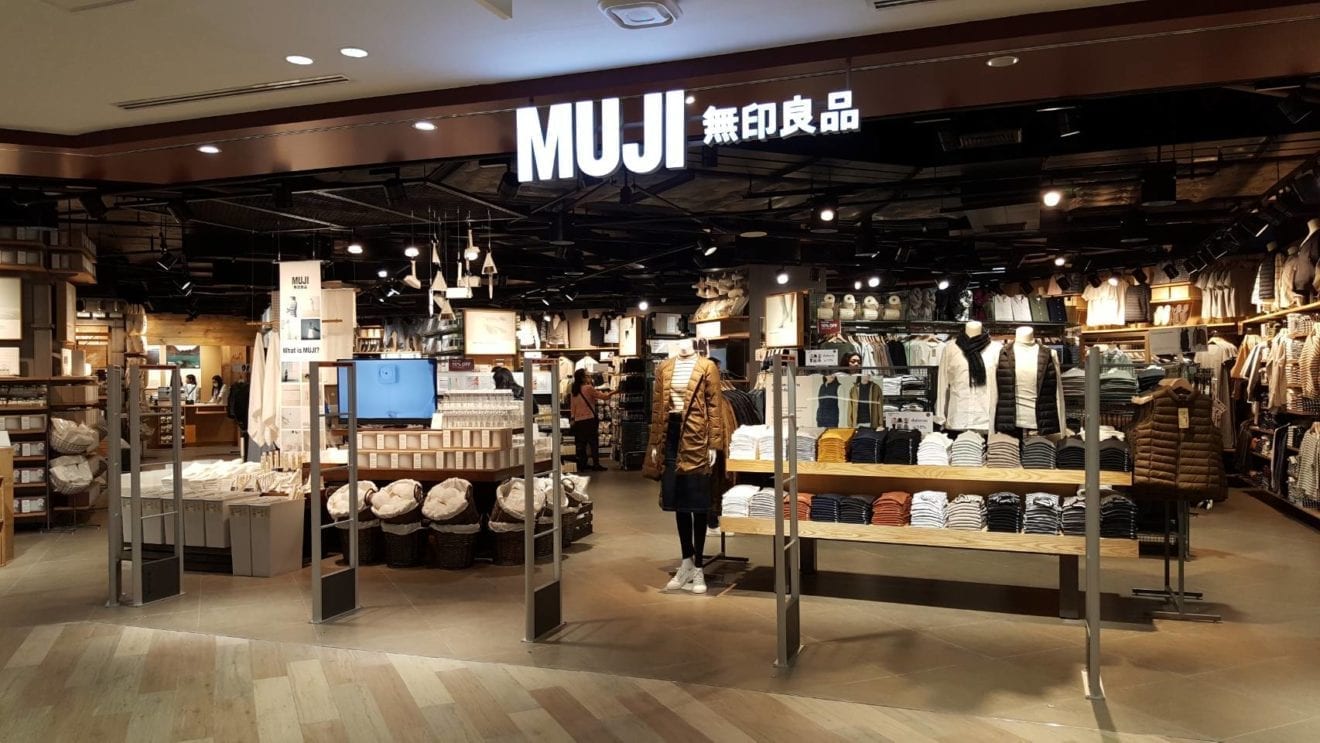
    Muji, under the management of Ryohin Keikaku Co., is set to open its biggest Southeast Asian store at Central World in Bangkok on November 28. The spacious 3270 square meter store will provide customers with Muji’s complete range of products, from clothing and furniture to household items and food. Additionally, the store will stock locally developed products designed to reflect Thai lifestyles.

    Muji presently operates a network of 39 stores across Thailand.

    Expansion in Vietnam

    In Vietnam, Muji is refurbishing and enlarging its original store in Ho Chi Minh City to cover a sprawling area of 2990 square meters. This renovation will result in the brand’s largest store in Vietnam. The reopening of the store is scheduled for later this year, in alignment with Muji’s fifth-year anniversary in the country. Apart from its usual offering, the revamped store will also feature a wider range of locally sourced and developed products.

    Muji’s expansion in Southeast Asia is a part of its overall strategy to amplify its global presence. As of August, Muji had a total of 1474 stores worldwide, which includes 717 outlets in Japan and 757 spread across various international locations.

    European Expansion

    Looking beyond Asia, Muji is also reviving its European growth strategy. A flagship store is scheduled to open on Rue de Rivoli in Paris towards the end of next year.

    Earlier this year, Muji also launched its largest domestic store in Kashihara City, Nara Prefecture. This store is approximately 10 times larger than its previous outlets.

    Questions & Answers

    What is the global expansion strategy of Japanese retailer Muji?
    Muji is expanding its global presence by opening flagship stores in key locations in Southeast Asia and Europe.

    What is the size and product range of the new Muji store opening in Bangkok?
    The new Muji store in Bangkok spans 3270 square meters and will stock the full range of Muji products, including locally developed items tailored to Thai lifestyles.

    What are Muji’s plans for expansion in Europe?
    Muji is set to resume its expansion in Europe with the opening of a flagship store on Rue de Rivoli in Paris by the end of next year.

  • Standard Chartered Expands Reach In Singapore: Strategic Partnerships To Boost Global Indian Operations

    Standard Chartered Expands Reach In Singapore: Strategic Partnerships To Boost Global Indian Operations

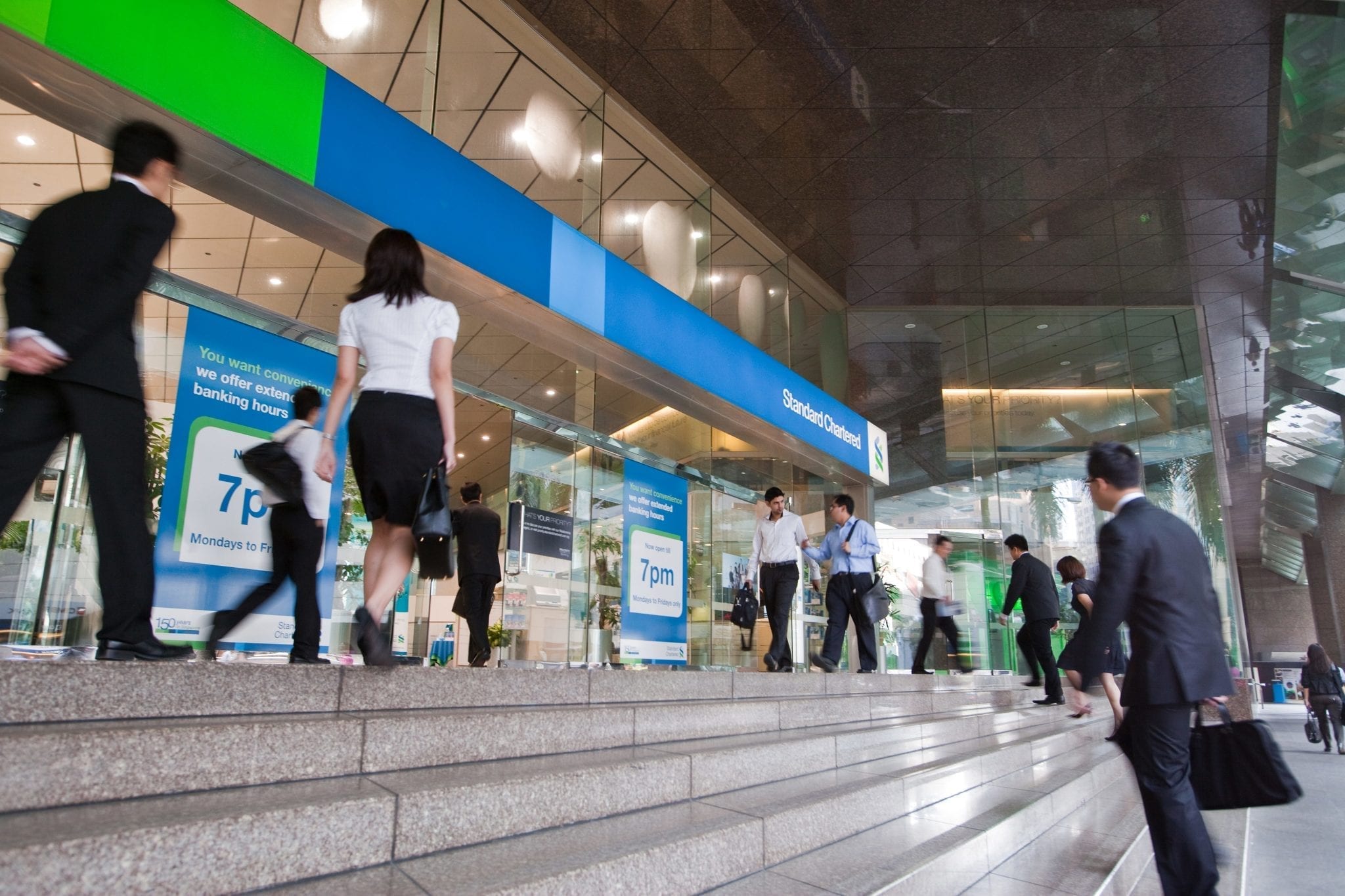
    Standard Chartered, a London-based financial institution, has recently entered into strategic agreements intended to increase its reach within Singapore’s business networks and boost the growth of its global India operations. These partnerships are with the Singapore Indian Chamber of Commerce & Industry as well as with the Institute of Chartered Accountants of India in Singapore.

    Unlocking Indian Networks

    The primary aim of these collaborations is to strengthen Standard Chartered’s global Indian proposition. This will be achieved by expanding its access to Indian business networks in Singapore and increasing its involvement within these communities.

    According to Standard Chartered, the number of high net worth individuals in India has doubled over the past decade. This demographic is projected to expand to 1.6 million individuals by the year 2027.

    James Lye, Standard Chartered’s Global and Singapore International Banking Head, has stated that these local partnerships will bolster the bank’s relevance in critical markets. It will also solidify its unique proposition and place the bank in a position where it can support and grow alongside the significant wealth creation occurring within these communities. He noted an increasing demand within the global Indian community for cross-border banking and wealth management solutions.

    Continuing the 2024 Initiative

    These new agreements are a continuation of broader efforts initiated in 2024 to update Standard Chartered’s global Indian proposition. The initial phase of this initiative involved enhancing connectivity with the bank’s hubs in various locations such as Singapore, Hong Kong, the United Arab Emirates, and the United Kingdom. This also included the development of a comprehensive set of global solutions and the provision of access to a new affluent wealth center in Mumbai, as well as various lifestyle experiences.

    Celebrating Deepavali

    A notable example of these lifestyle experiences was an exclusive Deepavali celebration recently hosted by the bank in Singapore. The event saw more than 200 clients from priority, private, and corporate banking sectors in attendance. This celebration was headlined by acclaimed Hindi playback singer Sonu Nigam and featured a traditional Diya lighting ceremony, as well as a classical sitar and tabla performance.

    Questions & Answers

    What is the aim of Standard Chartered’s recent strategic agreements?
    The aim is to strengthen the bank’s global Indian proposition by expanding its access to Indian business networks in Singapore and increasing its involvement within these communities.

    What demographic trends have been noted by Standard Chartered in India?
    The number of high net worth individuals in India has doubled over the past decade, and it is projected to continue growing, reaching 1.6 million individuals by 2027.

    What was the 2024 initiative by Standard Chartered?
    Initiated in 2024, the project aimed at updating Standard Chartered’s global Indian proposition. This included enhancing connectivity with the bank’s hubs across the globe, developing comprehensive global solutions, and providing access to an affluent wealth center in Mumbai, along with various lifestyle experiences.

  • Singapore: The Springboard For Chinese F&b Brands Eyeing Global Expansion Amid Domestic Challenges

    Singapore: The Springboard For Chinese F&b Brands Eyeing Global Expansion Amid Domestic Challenges

    In the last year, an unprecedented influx of Chinese restaurants and cafes has made their mark in Singapore. These establishments view the island as an ideal launchpad for their global expansion plans, largely spurred by lackluster consumer demand, fierce price competition, and extremely tight profit margins in their domestic market.

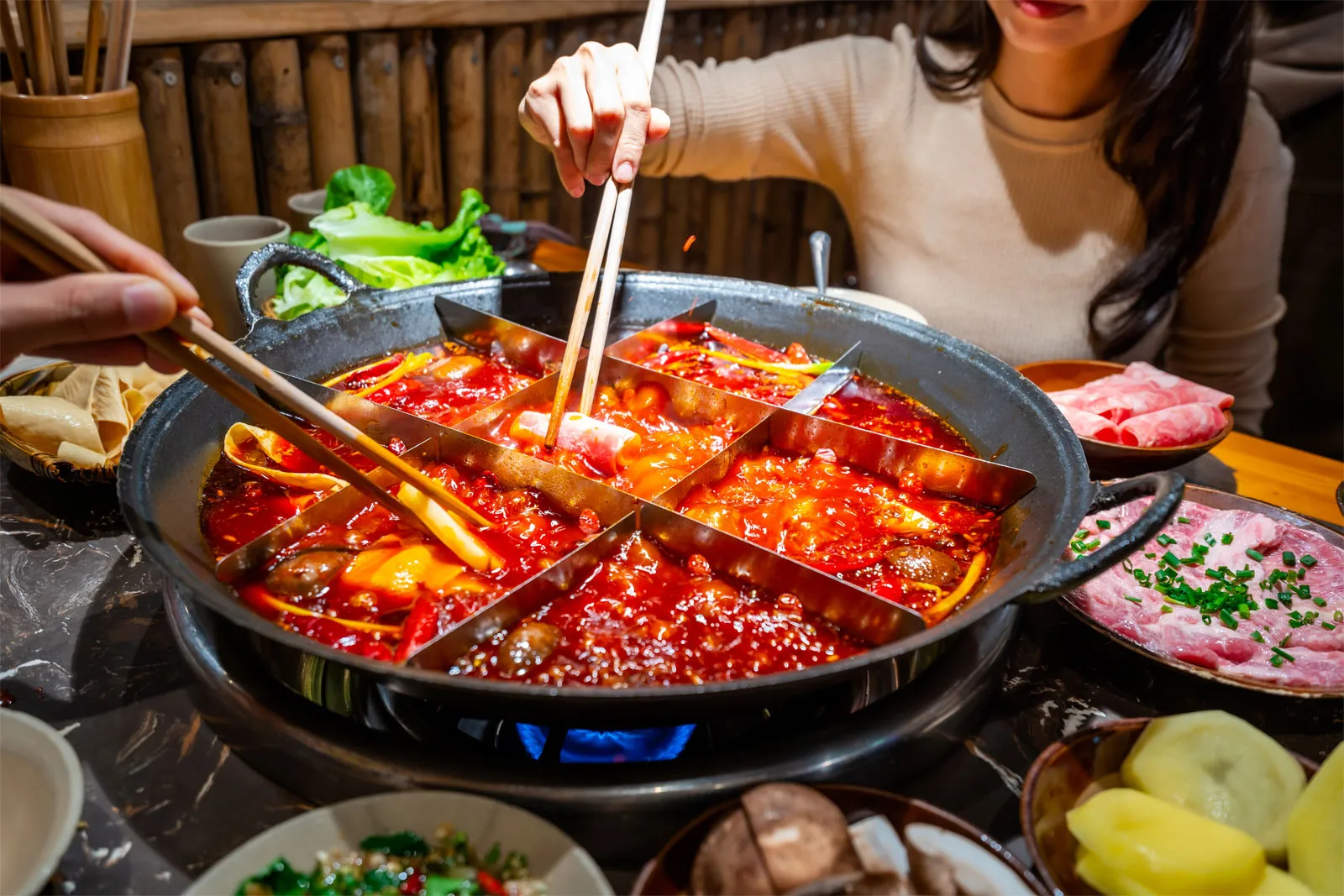
    Popular Chinese companies like Luckin Coffee and Mixue, a major bubble tea player, have joined a wave of hotpot and mala restaurants setting up shop overseas following the pandemic. They aim to leverage the international allure of the city-state, a trend that industry experts and executives predict will only gain momentum.

    Challenges in the Domestic Market

    According to Josie Zhou, the overseas general manager of Hunan cuisine restaurant Nong Geng Ji, the challenging business environment in China has prompted many brands to consider international expansion. Nong Geng Ji chose Singapore as the first stop in its global growth strategy.

    Persistent price wars have compelled Chinese food and beverage companies to seek new growth models abroad, says Joanna Jia, Singapore manager of bubble tea chain ChaPanda. The chain opened two franchisee tearooms in the city in July and is planning for more.

    Stagnant demand, exacerbated by a prolonged property market slump and US tariffs on Chinese goods, has hampered growth in China since the end of the Covid-19 lockdown nearly three years ago. This has intensified price wars across various sectors, leading to increasing deflationary pressure.

    Singapore: A Stepping Stone for Global Expansion

    Culturally similar Singapore has often served as a gateway for Chinese companies aiming to expand globally. As of August, about 85 Chinese food and beverage brands were operating approximately 405 outlets in Singapore, a considerable increase from the 32 brands that had 184 outlets in June of the previous year, according to data from consultancy firm Momentum Works.

    This rapid growth unfolds as local operators, including low-cost hawker stalls and Michelin-star restaurants, grapple with rising costs and lower consumer spending. However, Chinese brands remain optimistic about their prospects in Singapore, confident in their lean business models and supply chain management practices that allowed them to weather the storm in their home market.

    For example, tearoom chain Chagee can prepare a customized iced milk tea in just eight seconds using machines developed in-house, according to Jonathan Ng, Chagee’s director of government and public affairs for the Asia-Pacific region. This kind of agility has helped companies like Luckin and Mixue withstand the growth of Western competitors such as Starbucks in China.

    Backlash from Local Businesses

    These ready-made models have not been well received by all, however. Singapore Tenants United for Fairness, which represents 700 local business owners, stated in June that domestic companies struggle to compete with these larger Chinese entrants.

    “They are not even in the same stadium,” said the cooperative, implying the vast disparity between the resources of local SMEs and those of their Chinese counterparts.

    Gateway Singapore

    Singapore is often seen as a bridge between Eastern and Western cultures and is viewed as an attractive platform for expansion, especially given its 6.1 million predominantly Chinese population. Furthermore, Singapore’s reputation as a wealthy, fashionable location can significantly enhance a brand’s image.

    “If we can build up our brand in Singapore, the brand awareness can go to Malaysia and Vietnam, even Indonesia,” said ChaPanda’s Jia.

    Some smaller Chinese firms are often backed by deep-pocketed investors, giving them a competitive edge when it comes to securing prime locations. However, an influx of investment from large Chinese conglomerates has resulted in increased rents, especially in high-traffic areas, according to Ethan Hsu, head of retail for real estate firm Knight Frank.

    Questions & Answers

    Why are Chinese restaurants and cafes expanding to Singapore?
    A challenging business environment in China, characterized by fierce price competition and weak consumer demand, has prompted these businesses to explore new growth opportunities abroad. Singapore, with its cultural similarities to China and globally-oriented market, presents an attractive option for expansion.

    How are Chinese companies faring in the competitive Singaporean market?
    Despite the challenges faced by local operators, Chinese brands are optimistic about their prospects in Singapore. Their lean business models and robust supply chain management practices, which have been tested in their home market, provide them with a competitive edge.

    Is there any backlash against the influx of Chinese companies in Singapore?
    Yes, there has been some backlash, particularly from local businesses. Singapore Tenants United for Fairness, representing 700 business owners, has voiced concerns about the ability of local companies to compete effectively against their larger Chinese counterparts.

  • Nestle Exits Dairy Methane Action Alliance, Commences Partnership With World Farmers’ Organisation

    Nestle Exits Dairy Methane Action Alliance, Commences Partnership With World Farmers’ Organisation

    Nestle, a global food conglomerate, has announced its decision to exit the Dairy Methane Action Alliance, an international consortium committed to reducing methane emissions. The consortium, established in December 2023, comprises members like Danone, Kraft Heinz, and Starbucks. These members pledge to openly monitor and report methane emissions derived from their dairy supply chains, as well as design and implement strategies to curb these emissions over time.

    Despite withdrawing from the alliance, Nestle has not provided a specific reason for its decision. Nevertheless, the company has affirmed its dedication to lowering greenhouse gas emissions, including methane, across its supply chains. Nestle reiterated its pledge towards achieving net-zero emissions by 2050.

    New Collaboration

    Following its departure from the Dairy Methane Action Alliance, Nestle announced a partnership with the World Farmers’ Organisation. The alliance aims to enhance the resilience of food systems in the face of climate change.

    Climate Alliances Facing Challenges

    Nestle’s withdrawal represents a setback for corporate alliances aiming to mitigate the effects of global warming. This development coincides with the dismantling of several climate protection initiatives by high-profile figures, such as former US President Donald Trump. Additionally, numerous major banks have left the sector’s main group committed to reducing carbon emissions.

    Nestle emphasized its routine assessment of memberships in external organizations, declaring that it has chosen to terminate its membership in the Dairy Methane Action Alliance following such a review.

    By the end of 2024, Nestle had successfully reduced its methane emissions by nearly 21% compared to 2018 levels, according to the company’s 2024 non-financial statement.

    Methane, which is approximately 30 times more potent than carbon dioxide, is a key target in the fight against global warming. Agriculture accounts for nearly 40% of human-induced methane emissions, with the lion’s share originating from livestock, according to the Environmental Defense Fund (EDF).

    The EDF, the organization which established the methane alliance, stated that Nestle’s logo had been taken off its main page, although the company’s name remains visible on other pages. The EDF offered no reason for Nestle’s withdrawal, but acknowledged and appreciated Nestle’s ongoing commitment to addressing dairy emissions through its Dairy Climate Plan and Net Zero Roadmap.

    Questions & Answers

    Question: Why did Nestle leave the Dairy Methane Action Alliance?
    Answer: Nestle hasn’t provided a specific reason for its decision to withdraw from the Dairy Methane Action Alliance.

    Question: Is Nestle still committed to reducing greenhouse gas emissions?
    Answer: Yes, despite its withdrawal from the Dairy Methane Action Alliance, Nestle has affirmed its commitment to lowering greenhouse gas emissions, including methane. The company has also reiterated its goal of achieving net-zero emissions by 2050.

    Question: Has Nestle formed any new partnerships after leaving the Dairy Methane Action Alliance?
    Answer: Yes, Nestle has announced a partnership with the World Farmers’ Organisation, aiming to enhance the resilience of food systems towards climate change.

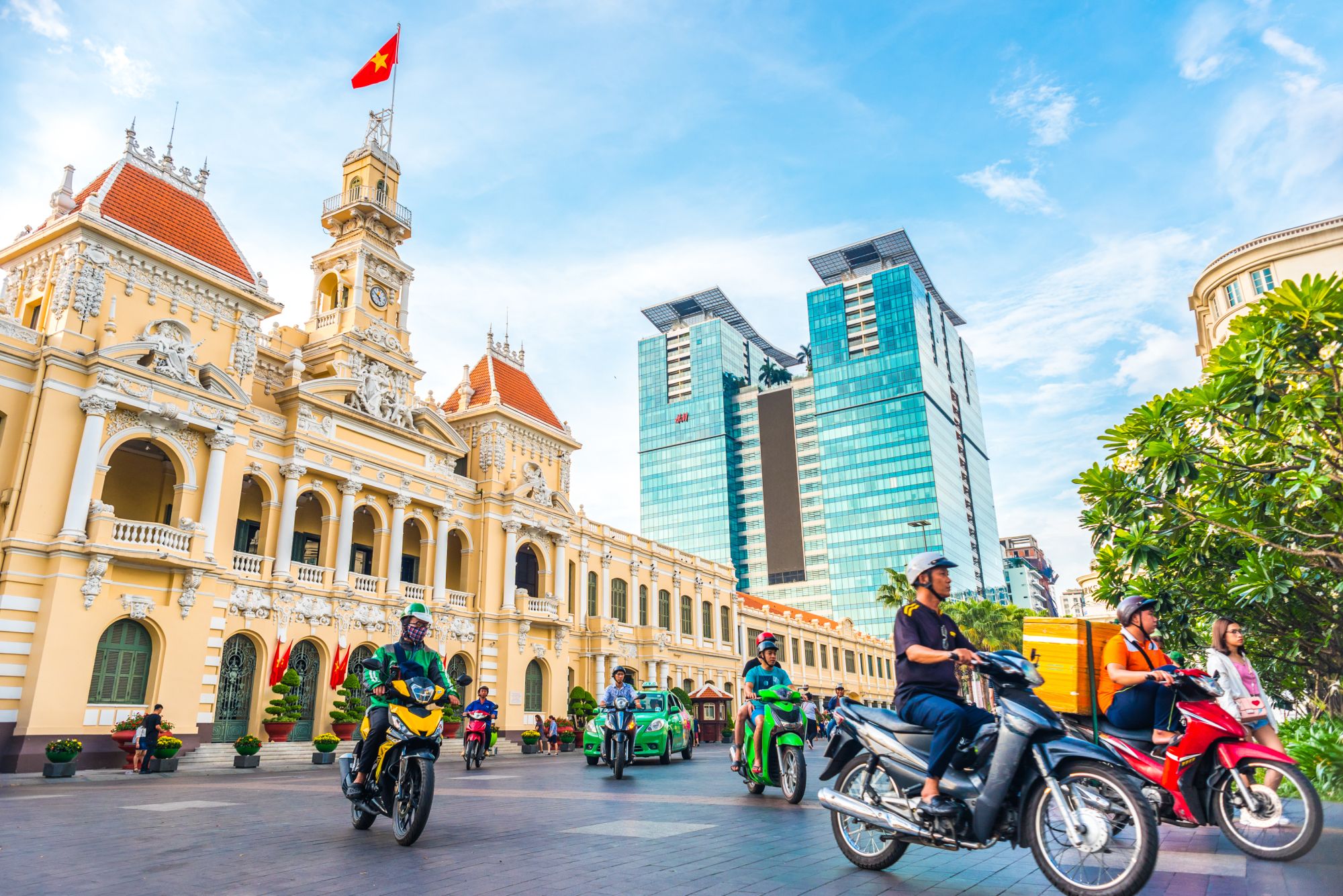
  • Global Financial Institutions Highlight Vietnam as a Rising Star in Economic Growth

    Global Financial Institutions Highlight Vietnam as a Rising Star in Economic Growth

    September’s economic reports from major global institutions paint a glowing picture of Vietnam’s continued growth. While forecasts for 2025 to 2026 vary, reflecting a mix of optimism and caution regarding global risks, the overall sentiment is decidedly positive.

    A Bright Future Ahead

    The Asian Development Bank (ADB) has raised its 2025 growth forecast for Vietnam to 6.7%. This optimistic revision reflects a robust recovery in the industrial and construction sectors. Singapore’s United Overseas Bank (UOB) is even more bullish, predicting a 7.5% growth rate and suggesting that with ongoing reforms, Vietnam could sustain an average long-term growth rate of 7%.

    Conservative Outlooks Amid Global Tensions

    In contrast, the World Bank (WB) and the International Monetary Fund (IMF) maintain a more conservative stance, forecasting growth rates of 6.6% and 6.5% for 2025, respectively. The IMF further warns that growth could slip to 5.6% in 2026 due to the impact of new U.S. tariff policies.

    Starting August 7, 2025, the U.S. will impose 20% tariffs on goods directly imported from Vietnam and 40% on goods identified as “transshipped.” This nuanced distinction is creating waves of uncertainty in key export sectors, leading to concerns among industry stakeholders.

    If broadly interpreted, WB estimates suggest between 1.6% and 10.6% of Vietnamese exports to the U.S. could be affected. This potential disruption is already being felt, as exports dipped by 2% in August, notably harming the textiles, wood, and machinery sectors.

    Domestic Resilience Amid Global Challenges

    Vietnam’s robust economic landscape continues to showcase strong internal drivers. In the first half of 2025, exports soared by 14.2%, while Foreign Direct Investment (FDI) disbursements reached an impressive US$15.4 billion—the highest in five years. This influx, especially from Japan, South Korea, and Europe, not only fuels capital growth but also enhances domestic production value chains.

    Private consumption, which constitutes over 65% of GDP, remains a solid pillar, buoyed by modest inflation around 3.3%. The service sectors—spanning retail to tourism—are witnessing a vigorous recovery, with an influx of nearly 14 million international visitors in the first eight months of 2025, representing a remarkable 30% increase year-on-year.

    Though agriculture contributes less to GDP, it remains essential for social stability and food security. Reports, including those from the UK Investor Magazine, laud Vietnam’s agricultural successes as markers of its economic adaptability and resilience.

    Fiscal Confidence Fuels Infrastructure Growth

    Vietnam’s fiscal position receives accolades as the public debt remains comfortably below 34% of GDP, well beneath the 60% ceiling. This advantageous status allows the government significant leeway for fiscal stimulus, with an ambitious plan for $48 billion in infrastructure investments across over 250 projects set to accelerate disbursement and deliver widespread economic benefits.

    Monetary policy is expected to take a more accommodating turn later this year; some banks are even predicting interest rate cuts to bolster business growth. The IMF has suggested adopting a wider, more flexible exchange rate band to tackle external pressures while preserving overall stability.

    Aiming for Sustainable Growth

    International observers underscore that if Vietnam continues its trajectory of institutional reform and business environment enhancement, a long-term growth target of 7% is well within reach. Fostering domestic business competitiveness, reducing dependence on FDI, and increasing investment in education—particularly in STEM and R&D—are essential steps in this journey.

    With a commendable 7.5% GDP growth in the first half of 2025 and bolstered by international confidence, the government’s growth target of 8.3% to 8.5% for 2025 is viewed as ambitious yet attainable. Shantanu Chakraborty, ADB’s Country Director for Vietnam, emphasizes that effective fiscal and monetary coordination, along with addressing structural challenges such as climate change and energy transition, are pivotal in constructing a balanced and sustainable growth model.

    In summary, Vietnam’s unwavering resolve and strategic policy management position it to solidify its standing as one of Asia’s fastest-growing and most stable economies, ready to carve out its place on the global stage.

    Questions & Answers

    What are the current growth forecasts for Vietnam’s economy?
    The Asian Development Bank predicts a 6.7% growth for 2025, while Singapore’s UOB is even more optimistic at 7.5%. The World Bank and IMF have more conservative projections at 6.6% and 6.5%, respectively.

    What impact will the new U.S. tariffs have on Vietnamese exports?
    New tariffs, effective August 7, 2025, could affect between 1.6% to 10.6% of Vietnam’s exports to the U.S. if broad interpretations are applied, with sectors such as textiles, wood, and machinery already feeling the pinch.

    How is Vietnam managing its fiscal and monetary policy to ensure growth?
    Vietnam has a public debt below 34% of GDP, allowing for significant fiscal stimulus. Accommodative monetary policies and potential interest rate cuts are expected later this year to support business growth.

  • Berta De Pablos-barbier Ascends As Pandora’s New President And Ceo: Driving Global Growth And Sustainability

    Berta De Pablos-barbier Ascends As Pandora’s New President And Ceo: Driving Global Growth And Sustainability

    Berta de Pablos-Barbier, currently acting as the Chief Marketing Officer (CMO) for Pandora, the well-regarded jewellery brand, has been appointed as the company’s incoming President and CEO, beginning her tenure from March 11.

    She will be filling the shoes of the outgoing leader, Alexander Lacik, who has served at the helm since 2019 and will officially retire following Pandora’s annual meeting.

    De Pablos-Barbier’s association with the Danish brand began last year and she has since then been instrumental in redefining the company’s strategic positioning. Her efforts have transformed Pandora from a brand primarily known for its charms to a full-fledged jewellery brand.

    Industry Experience

    With a career spanning three decades in the luxury and consumer goods sector, de Pablos-Barbier brings with her a wealth of international experience. She has previously enjoyed stints as President and CEO of champagne brands Moët & Chandon, Dom Pérignon, and Mercier under the LVMH umbrella. Additionally, her portfolio includes roles as Chief Growth Officer at Mars Wrigley, CMO at Lacoste, and VP of marketing and communications at Boucheron, a part of the Kering group.

    Peter Ruzicka, Chairman of the Board of Directors, expressed his confidence in the appointment, stating, “She is a visionary leader with great analytical skills and a perfect mix of experience from top brands across luxury, fashion and fast-moving consumer goods. She is the right person to lead our continued growth, and I am pleased that we can maintain strategic focus and momentum during this smooth and orderly leadership transition.”

    Future Endeavors

    In her new role, de Pablos-Barbier’s mandate will be to fuel the global brand growth, building upon the Phoenix strategy. Additionally, the strengthening of Pandora’s sustainability and innovation agenda will also fall within her remit.

    Questions & Answers

    Who is the incoming President and CEO of Pandora?
    Berta de Pablos-Barbier is poised to be the President and CEO of Pandora, effective from March 11.

    What is one of de Pablos-Barbier’s significant contributions to Pandora?
    De Pablos-Barbier has played a pivotal role in Pandora’s repositioning strategy, which has seen the company evolve from a charm-focused brand to a comprehensive jewellery brand.

    What will be de Pablos-Barbier’s focus in her new role at Pandora?
    In her upcoming role, de Pablos-Barbier will concentrate on accelerating global brand growth, building on the Phoenix strategy, and further strengthening Pandora’s sustainability and innovation agenda.

  • Beyond The Cup: Matcha’s Rising Popularity Influences Fashion, Beauty, And Wellness Trends

    Beyond The Cup: Matcha’s Rising Popularity Influences Fashion, Beauty, And Wellness Trends

    Matcha, previously a specialty tea in Japan, has gained considerable international popularity. This trend is especially noticeable among the younger demographic that values both taste and health benefits. The green tea powder has permeated various sectors beyond food and drinks, including the fashion and beauty industries, transforming it into a cultural and commercial sensation.

    Matcha in Food and Drinks

    In South Korea, convenience store chain CU has shared plans to enlarge its product range to include matcha-flavored cakes, and even a sparkling matcha variant of makgeolli, a traditional rice wine. This comes in light of a 130% year-on-year sales increase for their green-colored products. In addition, the Seven-Eleven convenience store chain has reported that their matcha dessert sales have nearly tripled within the last month. Another chain, GS25, has collaborated with renowned chef Edward Lee for a limited-edition matcha makgeolli. Even beauty company Amorepacific’s tea brand Osulloc has joined the trend, opening a “Matcha Noodle Bar” in Jeju, where they serve noodles made from tea leaves grown in their own estates.

    Matcha Influence on Fashion and Beauty

    The matcha trend is not limited to edibles. Retail company LF revealed there’s a rising trend in “matcha-core” looks, characterized by green, khaki, and mint hues. Searches for these colors have surged 2.5 times compared to the previous year. Sales of mint-colored sandals and accessories have also seen a steep climb. The beauty industry has followed suit, releasing matcha-inspired perfumes, candles, and skincare products, and the hashtag #matcha has accumulated over 9 million posts on Instagram.

    The Healthful Alternative

    Experts attribute the surge in matcha’s popularity to the shift towards wellness and health consciousness. The green tea powder, rich in antioxidants and amino acids, is often marketed as a healthier alternative to coffee. Grand View Research predicts that the global matcha market will rise from US$4.3 billion in 2023 to $7.4 billion in 2030, while DataM Intelligence anticipates more than a twofold increase by 2032.

    Supply Challenges

    The demand for matcha, however, is beginning to outstrip supply. The majority of matcha production is still centralized in Japan and China, where tea plants require at least five years to mature. In Kyoto, one of the premium matcha growing regions, rising temperatures combined with an aging farmer workforce have further reduced yields, causing the price of tea leaves to more than double within the past year. Anna Poin from the Global Japanese Tea Association cautions that shortages will likely continue to worsen until the end of the year.

    Despite these issues and the fact that matcha’s caffeine content is comparable to an espresso shot, industry experts believe that the matcha trend is here to stay. As one food executive from Seoul put it, “It’s more than a drink. It’s become a lifestyle.”

    Questions & Answers

    What is causing the increased popularity of matcha?
    The surge in matcha popularity is largely attributed to the shift toward wellness and health consciousness. Matcha, rich in antioxidants and amino acids, is marketed as a healthier alternative to coffee.

    Is matcha only used in food and beverage products?
    No, the influence of matcha extends beyond edibles. The green, khaki, and mint hues associated with matcha have become trendy in the fashion industry. The beauty industry has also released matcha-inspired perfumes, candles, and skincare products.

    What challenges is the matcha industry currently facing?
    The matcha industry is currently dealing with supply challenges. Tea plants require a minimum of five years to mature, and the majority of matcha production is concentrated in Japan and China. Rising temperatures and an aging farm workforce have further reduced yields, particularly in Kyoto, a premium matcha growing region.