Retail News CRM

Tag: global

  • United Arrows Eyes Global Expansion With First Online Store Launch In September

    United Arrows Eyes Global Expansion With First Online Store Launch In September

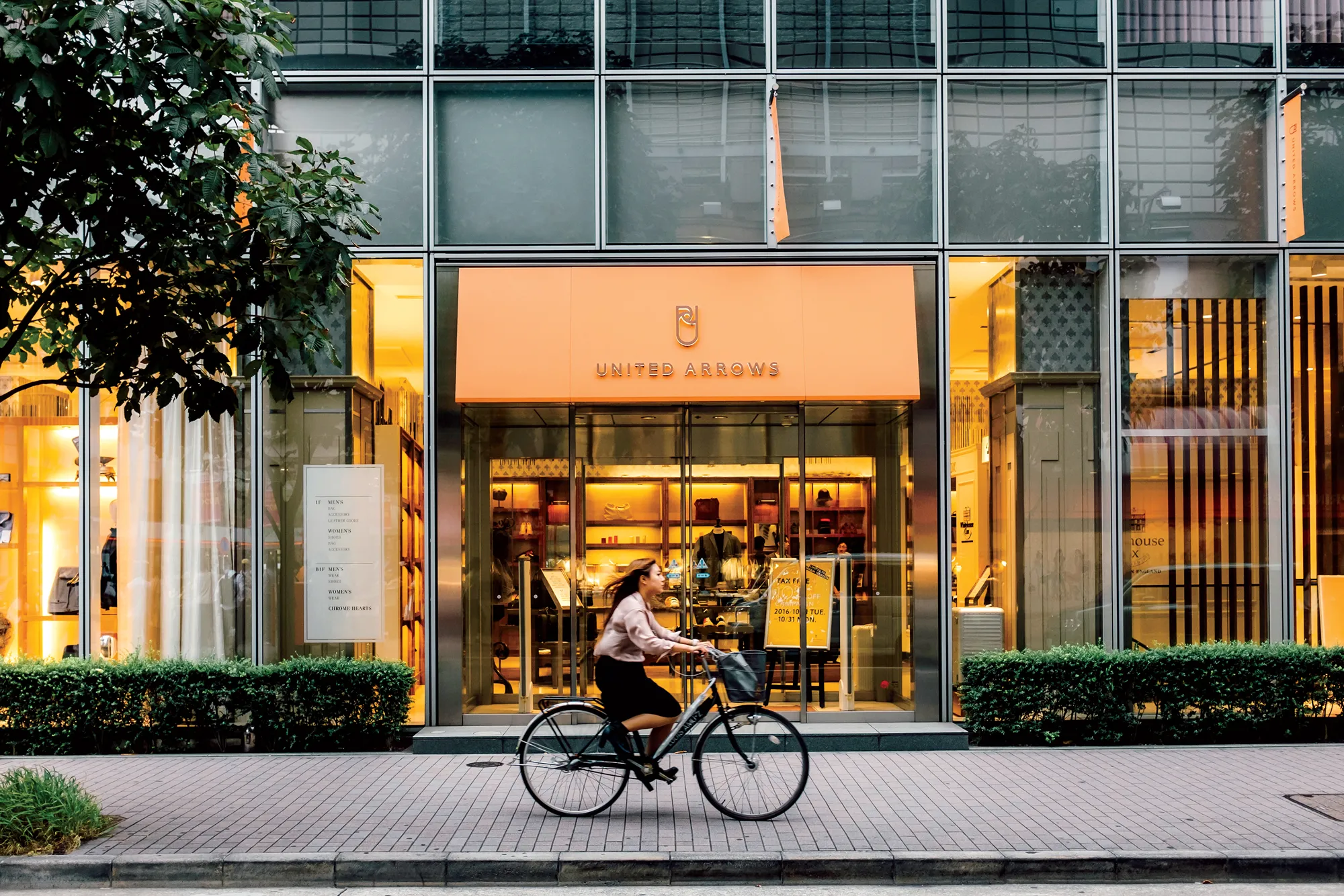
    Japanese apparel company, United Arrows, is set to launch its first global online store in September. This milestone will allow the brand to increase its international presence, providing a tailored shopping experience for its global clientele. Until now, non-Japanese audiences had only been able to access the brand via its domestic website.

    United Arrows is known for its meticulously assembled collection of attire, fusing Western style with Japanese aesthetics. The apparel brand collaborates with designers hailing from America, Britain, and Italy, resulting in a diverse range of fashion offerings. The company manages an array of 30 unique brands, including its flagship United Arrows labels. Among these are Drawer and Blamink, the haute couture women’s line, along with its laid-back luxury brand, H Beauty & Youth.

    The introduction of United Arrows’ global online store aims to propagate the brand’s guiding principle of fostering a “rich and high-quality lifestyle culture” on a worldwide platform.

    Questions & Answers

    What is the global reach of United Arrows?
    Until recently, United Arrows was only available to international customers through its Japanese website. However, the launch of its global online store in September will significantly expand the brand’s reach.

    What kind of fashion does United Arrows offer?
    United Arrows offers a carefully curated selection of attire that merges Western style with Japanese aesthetics. It features designs from American, British, and Italian designers, and operates 30 different brands, including its own high-end and casual luxury labels.

    What is the philosophy of United Arrows?
    United Arrows’ guiding principle is to create a rich and high-quality lifestyle culture. The brand aims to promote this philosophy globally through the launch of its new online store.

  • Lego Reports Record Revenues In 2025: Strong Global Demand, Innovative Products, And Sustainability Efforts Drive Growth

    Lego Reports Record Revenues In 2025: Strong Global Demand, Innovative Products, And Sustainability Efforts Drive Growth

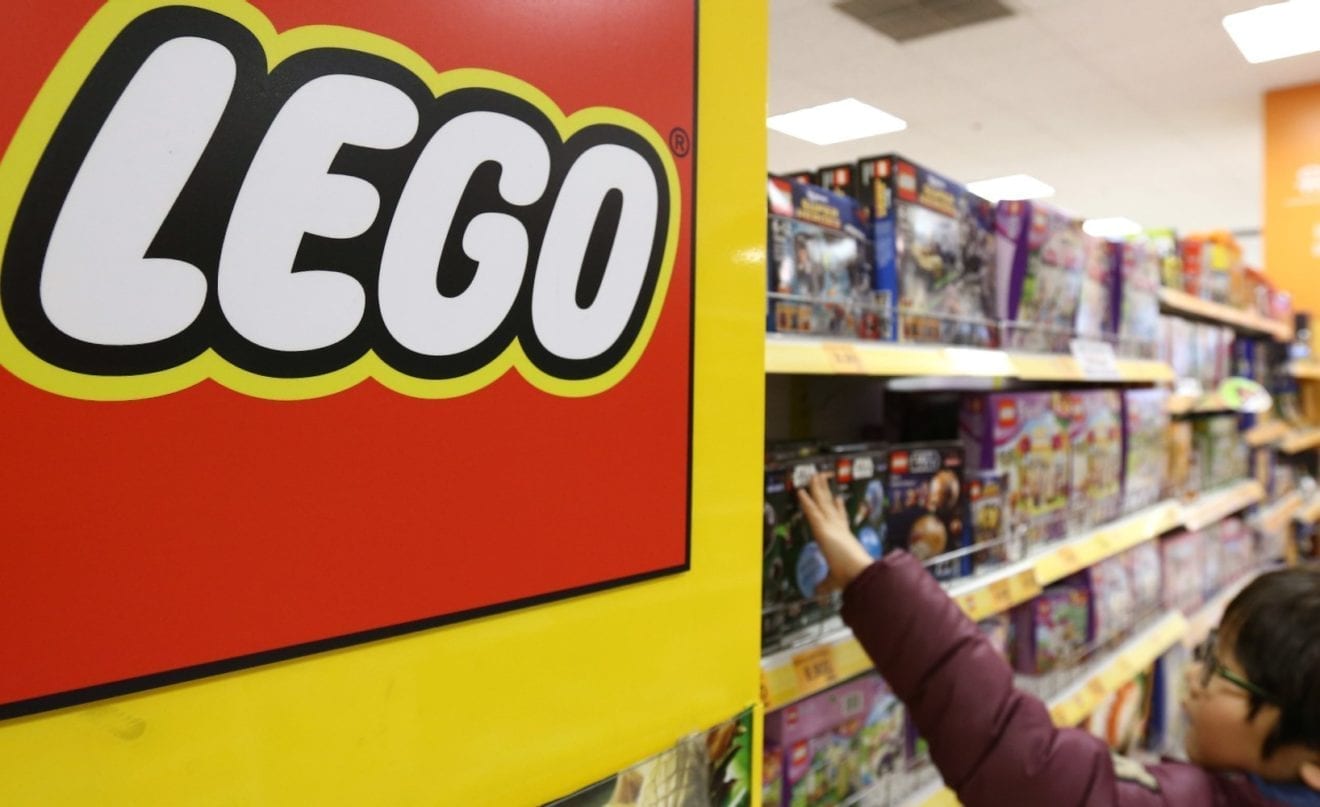
    The Lego Group marked the commencement of 2025 with a significant increase in revenue and profit, buoyed by worldwide demand, strategic partnerships, and the introduction of new products.

    The company’s financial results reveal a 12% annual increase in revenue, reaching a total of US$5.3 billion. Concurrently, net profit experienced a 10% boost, amounting to $1.01 billion. The operating profit mirrored this trend with a 10% rise, culminating at $1.4 billion. These figures reflect the company’s impressive performance, outstripping the global toy market’s estimated growth of 7% over the same timeframe.

    Driving Forces of Growth

    CEO Niels B Christiansen attributes the company’s upward trajectory to its vast and innovative product range, which retains relevance across various age groups and interests. He also emphasized the company’s solid financial foundation built over several years, underpinning its continued investment in capacity growth and strategic initiatives.

    Consumer sales saw approximately a 13% increase, propelled by bestselling items. These bestsellers encompass a combination of original and licensed themes, such as Lego City, Lego Technic, Lego Botanicals, Lego Icons and Lego Star Wars. The group is also looking forward to launching a collaboration with Pokémon in the coming year.

    Lego set a new record within the first half of its 2025 fiscal year by releasing 314 new sets. This achievement underscores its focus on product innovation and its intent to broaden its appeal to diverse age groups and interests.

    Global Expansion and Sustainability Efforts

    The company’s growth is largely credited to robust consumer demand, particularly in the United States and various regions of Europe, the Middle East, and Africa. Lego further bolstered its global presence by opening 24 new stores, including its inaugural store in New Delhi. This expansion brings its total store count to 1079 across 54 markets.

    Despite the challenges posed by inflation and global trade tensions, Lego managed to maintain stable supply chains through its manufacturing network spread across Denmark, Mexico, Hungary, China, and Vietnam. The construction of a new factory in Virginia is progressing as planned, with operations expected to commence in 2027.

    On the sustainability front, Lego reported a considerable increase in its use of materials from sustainable sources. The company is on track to achieve its 2025 goal of sourcing 60% of materials from sustainable sources, with 53% sourced from mass balance materials and 7% sourced from segregated content.

    Christiansen reasserted the company’s commitment to inspiring and nurturing children worldwide, which includes ensuring a healthy planet for future generations. He noted the company’s strong position to invest significantly in sustainable growth both presently and in the future.

    Questions & Answers

    What are some of the key factors contributing to Lego’s growth?
    The company attributes its growth to its wide and innovative product range, strong global demand, particularly in the U.S. and parts of Europe, the Middle East, and Africa, and its continued investment in capacity expansions and strategic initiatives.

    How is Lego responding to inflation and global trade tensions?
    Through its extensive manufacturing network in Denmark, Mexico, Hungary, China, and Vietnam, Lego has managed to maintain stable supply chains despite these challenges.

    What is Lego’s stance on sustainability?
    Lego has significantly increased its use of materials from sustainable sources and aims to source 60% of its materials from such sources by 2025. The company remains committed to ensuring future generations inherit a healthy planet.

  • Chick-fil-a’s Global Leap: Plans For Permanent Outlets In Singapore, Uk Unveiled

    Chick-fil-a’s Global Leap: Plans For Permanent Outlets In Singapore, Uk Unveiled

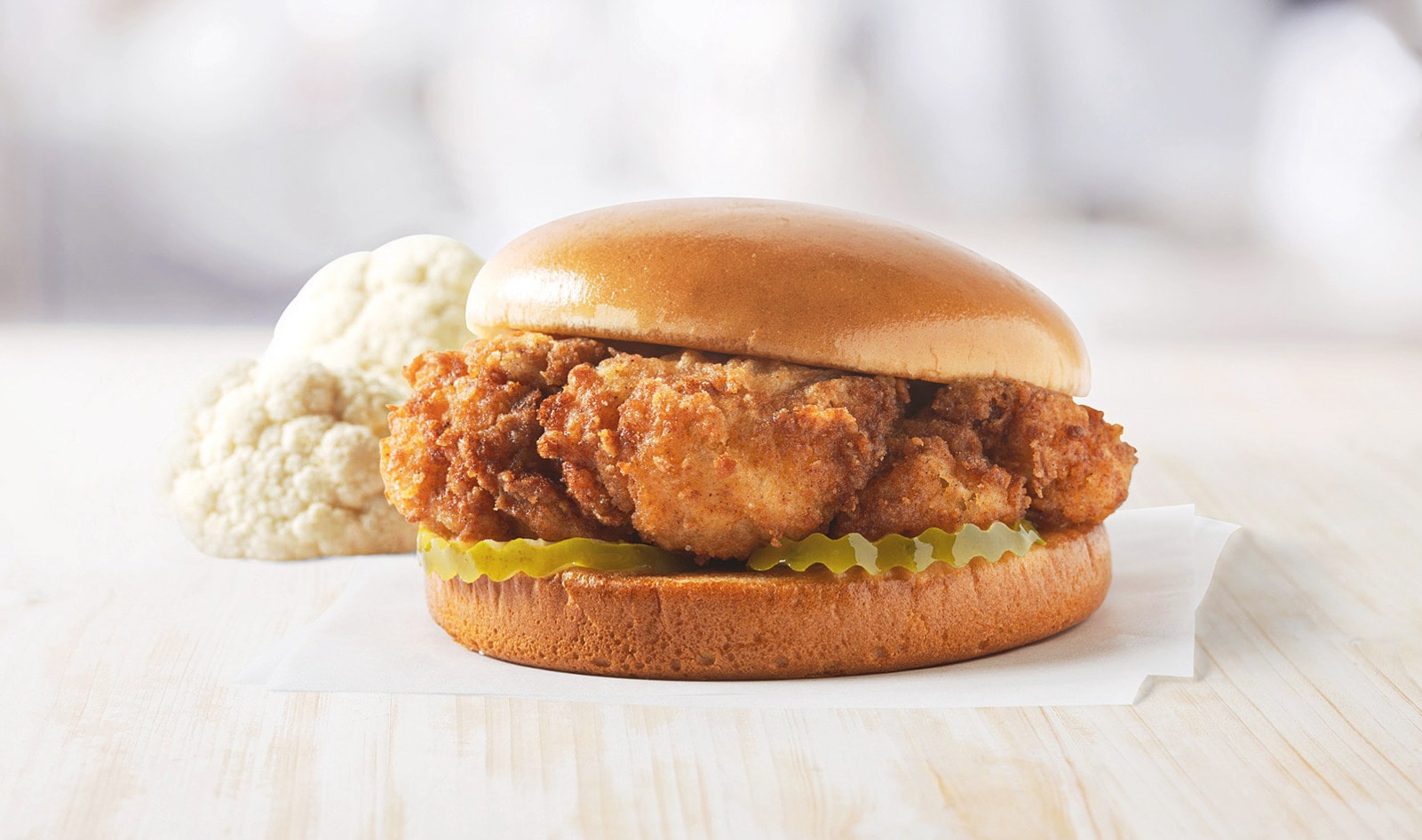
    Chick-fil-A, the renowned American fast-food chain, is gearing up to establish its inaugural permanent eateries in Singapore and the UK. This move aligns with their expansion strategy that was unveiled last year.

    Singapore and UK Expansion

    The first Chick-fil-A restaurant in Singapore is slated to follow the brand’s triumphant pop-up event from last year, while the UK branch is anticipated to launch in Leeds this autumn.

    The restaurants in both nations will be directed by owner-operators native to the respective countries. Chick-fil-A is confident that their comprehension of the local community’s tastes will be advantageous for the company’s global growth.

    Anita Costello, Chick-fil-A’s Chief International Officer, stated that the local owner-operators are fostering impactful relationships by investing in the requirements of the neighborhoods where they will be catering to guests.

    Further International Expansion

    Hugh Park, who oversees operations in the Asia Pacific, revealed last year that the company is investigating various markets within Asia. Moreover, Chick-fil-A has set a goal to inaugurate five international outlets by 2030.

    In the previous year, Chick-fil-A had declared their intentions to open new restaurants in several UK locations, including Belfast, Leeds, Liverpool, and London.

    Questions & Answers

    When are the new Chick-fil-A outlets in Singapore and the UK scheduled to open?
    The Singapore branch is set to open later this year, following the successful pop-up event from last year. The UK outlet is expected to begin operations in Leeds this autumn.

    Who will be leading these new Chick-fil-A restaurants?
    The eateries in both Singapore and the UK will be managed by local owner-operators.

    What are Chick-fil-A’s future plans for international expansion?
    Hugh Park, who oversees the company’s Asia Pacific operations, mentioned last year that Chick-fil-A is exploring various markets within Asia. They aim to open five international locations by 2030.

  • Nestlé Expands Maggi Seasonings To Uk And Malaysia Amid Rising Global Air Fryer Trend

    Nestlé Expands Maggi Seasonings To Uk And Malaysia Amid Rising Global Air Fryer Trend

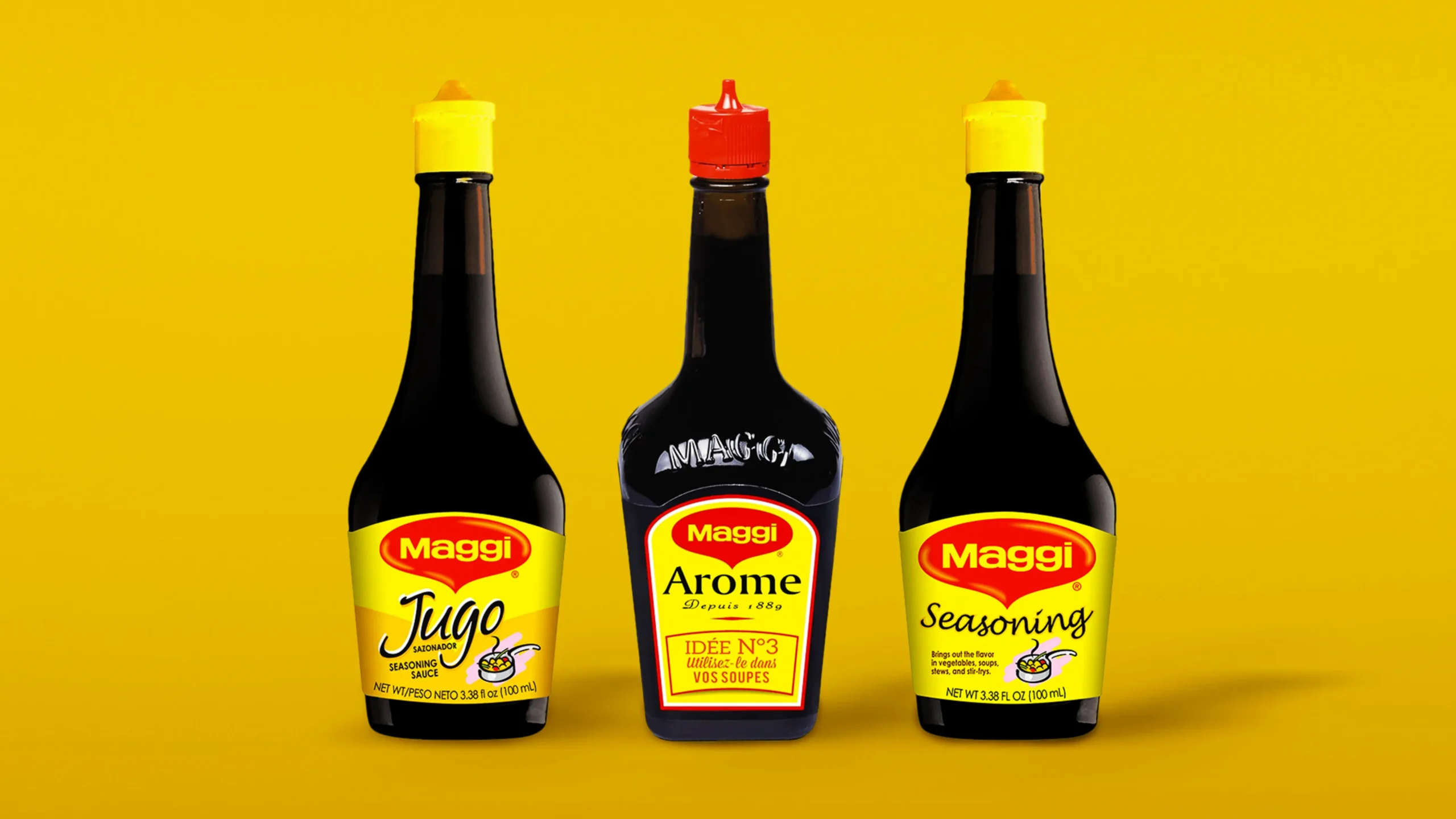
    In a strategic move to capitalize on contemporary culinary trends, global consumer goods conglomerate Nestlé has launched its renowned Maggi seasonings in the United Kingdom and Malaysia this year. This step is part of a wider global expansion strategy for the popular brand.

    Modern Cooking Trends

    Nestlé’s decision to introduce Maggi seasonings to new markets is a calculated response to the rising global popularity of air fryers, particularly in the United States. The company’s CEO, Laurent Freixe, has noted that nearly two-thirds of American households now use air fryers as part of their daily cooking routines. Nestlé’s expansion aims to cater to this shift in consumer lifestyle and preferences.

    New Air-Fryer Range

    The first range of products that Nestlé will bring to these new markets includes air-fryer recipes for chicken and vegetable wraps. These will feature a variety of flavors, such as ‘Cheesy’, ‘Paprika & Garlic’, and ‘Tex Mex’ for the chicken wraps, and ‘Fajita’, ‘Street Taco’, and ‘Kebab’ for the vegetable wraps.

    Prior and Future Launches

    The UK and Malaysia launches follow the brand’s earlier entry into the markets of Mexico and Chile. These new markets will also benefit from Maggi’s online platforms, which offer a range of air-fryer recipes that consumers can easily replicate at home.

    In a previous collaborative effort, Nestlé Professional and the KitKat team launched the first chocolate beverage maker, proving the company’s constant innovation in the food and beverage sector.

    Questions & Answers

    What is Nestlé’s reason for launching Maggi seasonings in the UK and Malaysia?
    The launch is a strategic move by Nestlé to cater to the rising popularity of air fryers in home cooking, particularly in the US.

    What products will Nestlé introduce in these new markets?
    Nestlé will introduce a range of air-fryer recipes for chicken and vegetable wraps with a variety of flavors.

    Has Nestlé launched Maggi seasonings in other markets before?
    Yes, prior to the UK and Malaysia launches, the Maggi brand was introduced in Mexico and Chile.

  • Calvin Klein Unveils Global Flagship Store In Tokyo: A Fusion Of Minimalism And Japanese Craftsmanship

    Calvin Klein Unveils Global Flagship Store In Tokyo: A Fusion Of Minimalism And Japanese Craftsmanship

    In the bustling Harajuku district of Tokyo, Calvin Klein is set to unveil its latest global flagship store this Friday. This new move is a significant step in the brand’s ongoing global expansion efforts, following the successful establishment of a store in Paris last year.

    Creating a Unique Shopping Experience

    Calvin Klein aims to offer more than just a shopping destination with its latest flagship. Designed to be a fusion of culture and commerce, the new store seeks to elevate the retail experience for customers. David Savman, appointed as Calvin Klein’s global brand president in May, described the Tokyo flagship as a critical achievement in the brand’s worldwide retail strategy.

    A Blend of Minimalism and Tradition

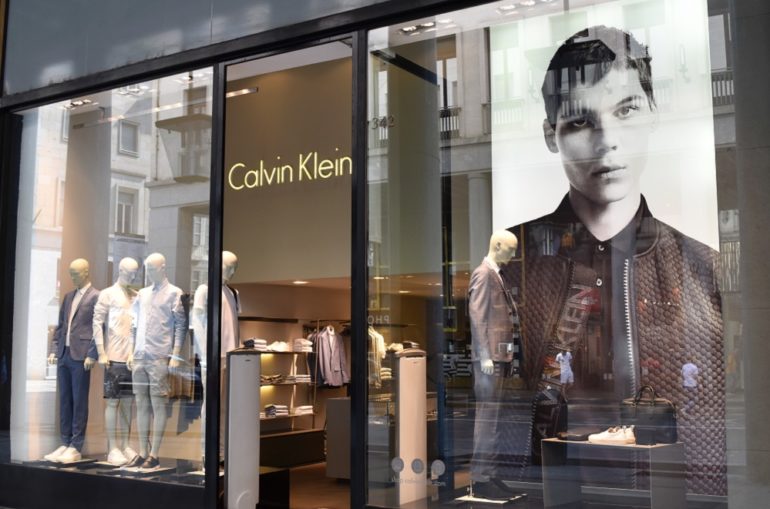
    Spread over three floors, the flagship store is a harmonious blend of Calvin Klein’s signature minimalism and the artistry of traditional Japanese craftsmanship. The store features traditional materials such as stone, plaster, glass, paper, and cedar, all in a natural color scheme. Savman described the store as a place where “the Calvin Klein way of living meets the culture of fashion”.

    At the Intersection of Fashion and Culture

    Calvin Klein has consistently been at the crossroads of fashion and culture, creating products and experiences that inspire and resonate with consumers. According to Savman, the brand’s stores are where this unique aspect of its identity is most fully expressed. The company also hinted at an upcoming New York flagship store, which is scheduled to open later this year.

    Questions & Answers

    Where is Calvin Klein’s newest global flagship store located?
    The newest global flagship store by Calvin Klein is located in the Harajuku district, Tokyo.

    What is unique about the design of the Tokyo flagship store?
    The Tokyo flagship store uniquely blends Calvin Klein’s signature minimalism with the artistry of traditional Japanese craftsmanship.

    What is the next significant opening planned by Calvin Klein?
    Calvin Klein plans to open a flagship store in New York later this year.

  • Aussie yogurt brand Yo-Chi kicks off global expansion in Singapore

    Aussie yogurt brand Yo-Chi kicks off global expansion in Singapore

    Melbourne-based frozen yogurt and acai chain Yo-Chi has established its first international outpost, a 60-seat shop located in Singapore’s Orchard Central. This move represents Yo-Chi’s first venture outside of Australia, where it boasts over 30 locations.

    Yo-Chi was established in Melbourne in 2012 and has steadily grown on the strength of its customizable model. This model allows customers to create their own concoctions of frozen yogurt or acai bowls, adorned with a variety of toppings.

    Customization and Quality Ingredients

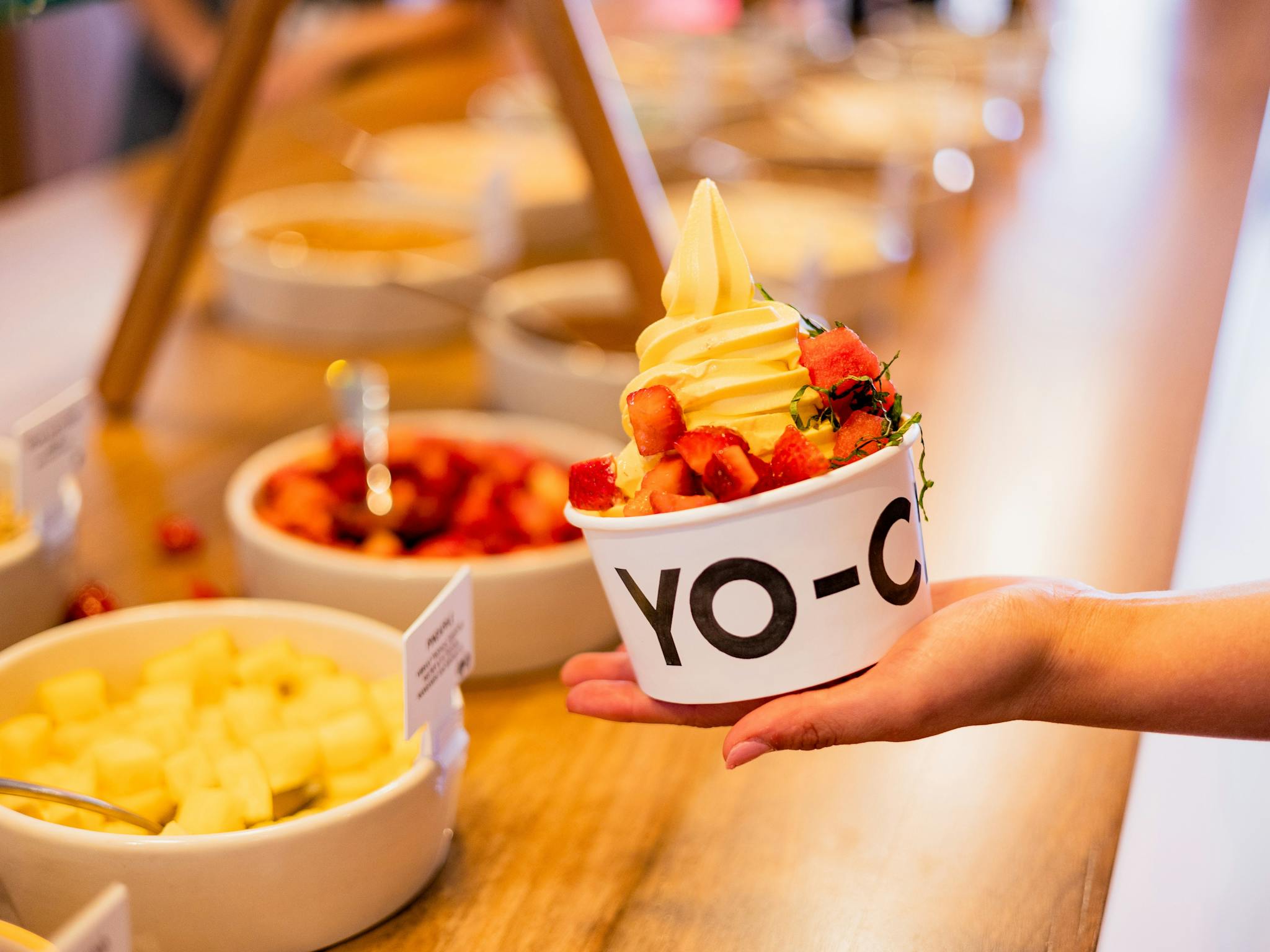
    The newly-opened Singapore branch has retained the pay-by-weight, self-serve method adopted by its Australian counterparts. This enables consumers to craft their unique bowls or cones using a selection of frozen yogurt or acai and a multitude of toppings.

    Another distinctive feature of Yo-Chi is its commitment to using authentic Australian cow milk instead of powdered substitutes in its yogurt production. The result is a 98% fat-free yogurt infused with beneficial probiotics.

    A Wide Range of Toppings and Flavors

    Patrons of Yo-Chi are spoilt for choice with approximately 35 toppings to choose from, including fruits, jellies, mochi, chocolates, and sauces. The Singapore branch offers local specialties such as coconut jelly and nata de coco. Seasonal rotations ensure that the topping offerings remain fresh and exciting.

    The Singapore outlet also delivers nine yogurt flavors to customers. These include the signature tart, salted butterscotch, cookies and cream, mango, matcha, strawberry cream, classic vanilla, chocolate, and coconut.

    Future Expansion Plans

    According to Yo-Chi’s brand director, Oliver Allis, the company views Singapore as a strategic launch pad for its Asian expansion. He expressed his belief that succeeding in Singapore would establish a solid foundation for further growth in other Asian countries, including Thailand, China, and Japan.

    Customers can enjoy Yo-Chi’s offering at a starting price of SGD$3.50 per 100 grams.

    Questions & Answers

    What is Yo-Chi’s business model?
    Yo-Chi operates on a pay-by-weight, self-serve model which allows customers to create personalized bowls or cones of frozen yogurt or acai, topped with a variety of ingredients.

    What differentiates Yo-Chi’s yogurt from others?
    Yo-Chi emphasizes the use of real Australian cow milk instead of powder in its yogurt production, resulting in a product that is 98% fat-free and contains probiotics.

    What are Yo-Chi’s expansion plans?
    Yo-Chi has identified Singapore as a strategic starting point for its expansion into Asia. Successful operation in Singapore will pave the way for growth into other Asian markets such as Thailand, China, and Japan.

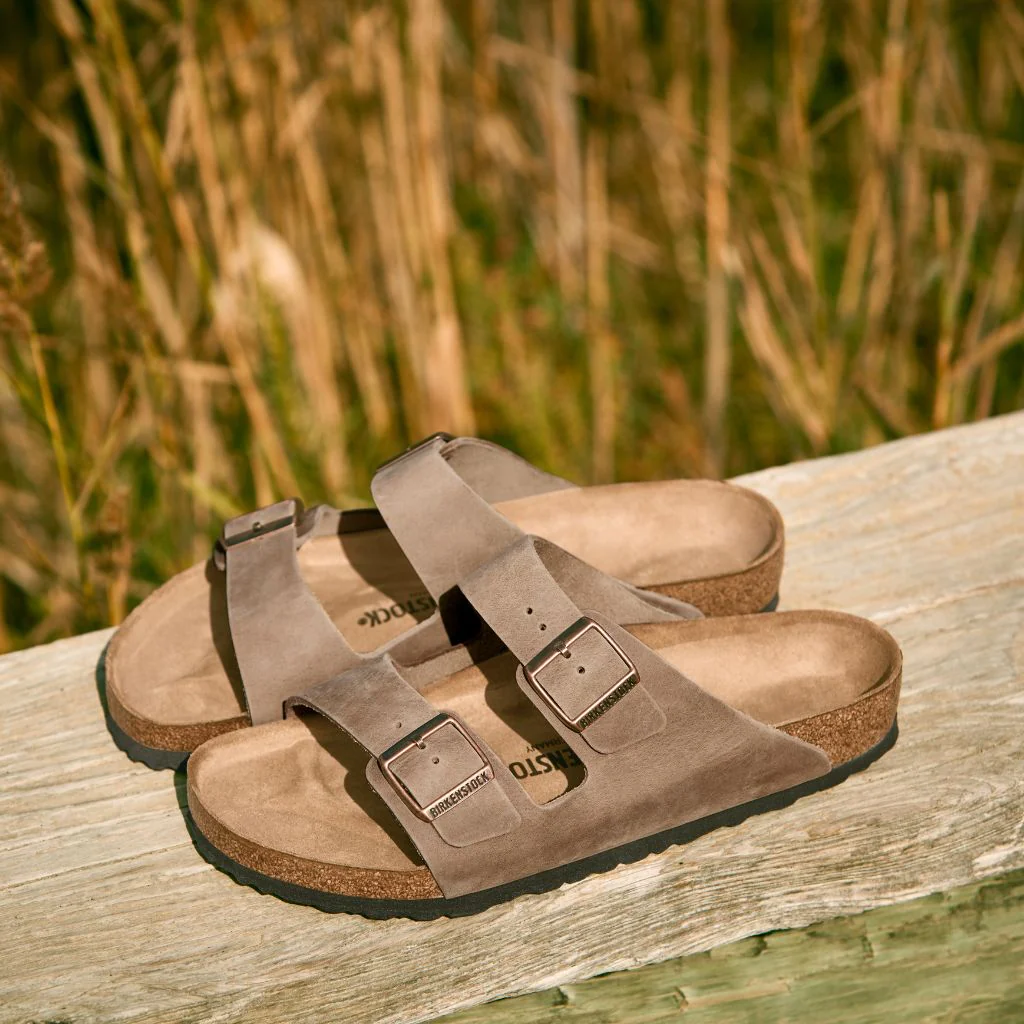
  • Birkenstock Reports Strong Q3 Growth, Boosted By Rising Demand Across All Primary Markets

    Birkenstock Reports Strong Q3 Growth, Boosted By Rising Demand Across All Primary Markets

    Birkenstock, a well-known footwear brand, has announced strong financial figures for its third fiscal quarter, which ended on June 30. This growth was propelled by increased demand in all primary markets.

    Revenue and Net Income

    Birkenstock’s total revenue for the quarter reached an impressive €635 million, which is equivalent to approximately US$699 million. This represents a 16% increase in constant currency terms, compared to the same timeframe in the previous year. The reported revenue also experienced a 12% uplift, although this was somewhat influenced by currency fluctuations.

    The company also enjoyed a significant increase in its net income, which rocketed to approximately €129 million, or $142 million. This shows a substantial 73% increase compared to the previous year.

    Regional Contributions

    Every major region contributed to this growth. The Asia-Pacific region led the surge with a 24% increase in constant-currency revenue. This was followed by the Americas and the EMEA regions, which saw increases of 16% and 13% respectively.

    Company Performance

    Oliver Reichert, CEO of Birkenstock, stated that the company’s underlying demand remains robust and they are on track to achieve their targeted constant currency growth at the high end of the 15-17% range they anticipated at the start of the year.

    The CEO also mentioned that they saw significant margin improvement in the quarter, fueled by net sales price adjustments after inflation and better absorption. He believes they are well-positioned to handle the impact of the ongoing 15% US/EU tariff agreement through pricing adjustment, cost discipline, and efficient inventory management. This is all in an effort to protect the long-term health and profitability of the Birkenstock brand.

    Sales and Expansion

    The sales momentum for this quarter was widespread, with wholesale revenue growing 18% on a constant currency basis and direct-to-consumer sales increasing by 12%.

    During the quarter, Birkenstock opened 13 new stores, bringing its total number of owned retail locations to 90 globally.

    The company is actively growing its direct-to-consumer footprint in conjunction with its sustained revenue growth. They are also investing to expand production capacity to meet the rising demand.

    Questions & Answers

    What is the total revenue for Birkenstock’s third fiscal quarter?
    The total revenue for Birkenstock’s third fiscal quarter is approximately €635 million, or US$699 million.

    Which region led in terms of revenue growth for Birkenstock?
    The Asia-Pacific region led the way for Birkenstock with a 24% increase in constant-currency revenue.

    What strategies is Birkenstock implementing to manage the impact of the 15% US/EU tariff agreement?
    Birkenstock is managing the impact of the 15% US/EU tariff agreement through pricing adjustment, cost discipline, and efficient inventory management.

  • Jollibee Foods Reports 5.6% Rise In Q2 Net Income, Fueled By Overseas Growth And Record Sales

    Jollibee Foods Reports 5.6% Rise In Q2 Net Income, Fueled By Overseas Growth And Record Sales

    Jollibee Foods Corporation (JFC), a leading global fast-food company, has reported a 5.6% year-on-year rise in the second quarter’s attributable net income, reaching $57.78 million. This increase was primarily fueled by robust gains from the firm’s overseas operations and record-breaking system-wide sales (SWS).

    Expansion of Global Store Network

    By the end of June, JFC’s global store network had grown by 45.5% compared to the previous year, sporting a total of 10,119 outlets. This figure includes 6,695 international branches spread across China, North America, EMEA, and other key markets in Asia.

    Record Sales and Revenue

    The SWS for the quarter saw a 19.6% increase, reaching $2.06 billion. This was backed by a rise of 32.6% in the company’s international business. The coffee and tea segment emerged as the top performer, registering a staggering 68.6% growth, largely due to the impact of the South Korean brand, Compose Coffee.

    JFC also saw its revenue jump by 15.5% to $1.4 billion. Operating income followed suit, recording a 19.1% rise to $108.72 million. The group’s same-store sales growth registered a respectable 5.5%, with the Philippine business growing by 6.4% and the international business by 4.1%.

    Successful Business Momentum

    JFC’s CEO, Ernesto Tanmantiong, linked these robust results to the company’s ongoing business momentum and improved operational execution. He highlighted the growth in operating income as a testament to the strength of their coffee and tea segment as well as the consistent contributions from their Philippine business and Jollibee International. Tanmantiong also emphasized the effectiveness of their multi-brand and multi-market strategy in driving the company’s success.

    First Half Performance

    For the first half of the year, the attributable net income showed a 0.7% slip to $101.16 million from $101.88 million the previous year. However, SWS experienced a 19.2% growth to $3.92 billion, and the revenue rose by 15% to $2.66 billion. Correspondingly, the operating income increased by 18.4% to $195.3 million.

    Future Investment Strategy

    Richard Shin, the company’s Chief Financial and Risk Officer, explained their capital would be “selectively deployed” in support of growth in the Philippines, Jollibee International, and the coffee and tea segment. He noted early recovery signs in China and a clear turnaround path for Smashburger in the U.S. Compose Coffee is also expected to surpass 3000 stores, with an anticipated 36% return on invested capital this year.

    Questions & Answers

    What contributed to JFC’s growth in the second quarter?
    The growth was primarily driven by robust gains from their overseas operations and record-breaking system-wide sales.

    Which segment emerged as the top performer for JFC?
    The coffee and tea segment emerged as the top performer, registering a 68.6% growth.

    What are JFC’s future investment strategies?
    JFC plans to selectively deploy capital to support growth in the Philippines, Jollibee International, and the coffee and tea segment. They also anticipate growth in China and the U.S. through brands like Smashburger and Compose Coffee.

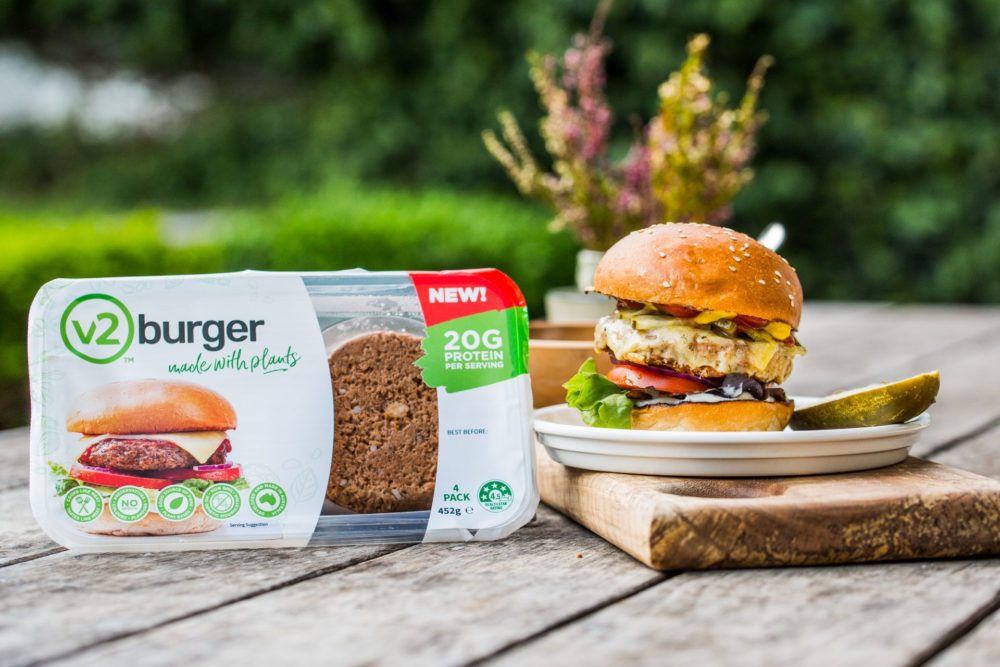
  • V2food Acquires Daring Foods, Forms Alliance With Ajinomoto In Global Expansion Move

    V2food Acquires Daring Foods, Forms Alliance With Ajinomoto In Global Expansion Move

    V2Food, an Australian alternative meat company that emphasizes plant-based products, has made a significant stride in its worldwide expansion by acquiring Daring Foods, a company based in the United States, and forming a strategic alliance with Ajinomoto, a renowned Japanese food conglomerate.

    According to V2Food, this deal integrates its proprietary protein technology with Daring’s robust retail footprint in the U.S. and Ajinomoto’s extensive global reach and food science expertise that spans over a century.

    Merging Technological Capabilities

    Tim York, the CEO of V2Food, commented on the newly formed partnership. He believes that merging their technological prowess with Ajinomoto’s global scale and profound knowledge in food science, as well as Daring’s tested market triumph, will result in an influential platform for sustainable nutrition. This platform will not undermine the taste or quality of the food.

    Daring, which currently ranks as the top unbreaded plant-based chicken brand in the U.S., will maintain its brand name and operations. The acquisition, however, enables the brand to serve as a springboard for the introduction of V2Food’s products to the American market.

    Key Roles of Ajinomoto

    Ajinomoto will play a crucial role in expanding the business on an international scale, concentrating on Asia and Africa. These regions are currently witnessing a surge in demand for accessible and sustainable protein sources.

    Shigeo Nakamura, the president and CEO of Ajinomoto, spoke about the strategic association between Ajinomoto and V2Food. He emphasized the mutual dedication of both companies to revolutionizing the global food system through innovation, sustainability, and co-creation in technology and business development. All these efforts are geared towards contributing to the well-being of individuals, society, and our planet.

    Future Plans

    Both companies plan to introduce clean-label products to the market, including a line of frozen meals. These products are aimed at meeting the consumer demand for healthier, more natural plant-based options. V2Food’s technology features methylcellulose-free formulations and an innovative use of algae for colour.

    Questions & Answers

    What is the significance of V2Food’s acquisition of Daring Foods and partnership with Ajinomoto?
    Answer: These strategic steps mark a major milestone in V2Food’s global expansion, combining V2Food’s protein technology with Daring’s established US market presence and Ajinomoto’s extensive food science expertise and global reach.

    What role will Ajinomoto play in this partnership?
    Answer: Ajinomoto will help scale the business internationally, with a primary focus on Asia and Africa where the demand for accessible and sustainable protein sources is on the rise.

    What future plans do the companies have?
    Answer: The companies plan to launch clean-label products, including a frozen meal line, to meet the consumer demand for healthier, more natural plant-based options. Additionally, they will make use of V2Food’s innovative technology that involves methylcellulose-free formulations and algae-based colouring.

  • Chinese E-commerce Giants Disrupt South Africa’s Retail Sector, Claiming 3.6% Market Share

    Chinese E-commerce Giants Disrupt South Africa’s Retail Sector, Claiming 3.6% Market Share

    The South African retail market has witnessed significant disruption with the entry of Chinese e-commerce firms, Shein and Temu. Together, they constitute 3.6% of the nation’s retail sector, specifically the clothing, textile, footwear, and leather (CTFL) market. This translated to 7.3 billion rand (US$405 million) in sales in 2024.

    Disrupting the Retail Landscape

    Shein made its debut in the South African market in 2020, with Temu following in 2024. Both companies have effectively shaken up the local retail scene with competitive pricing, strategic marketing, and tax loopholes that initially provided them with an advantage over domestic retailers.

    The allure of these platforms for cost-conscious shoppers has had significant effects on local retailers. In response, these retailers appealed to regulatory bodies last year to address the tax loophole, which was subsequently closed.

    Impact on Market Shares

    The Localisation Support Fund (LSF) report indicates that the market share of domestic CTFL retailers has gradually dwindled from 75.3% in 2011 to 74% in 2024. In comparison, international physical store brands such as H&M, Zara, and Cotton On hold a combined market share of 3.4%.

    Shein and Temu together now hold a 3.6% share of the CTFL market, and a commanding 37.1% of South Africa’s e-commerce CTFL market. In particular, Shein has cornered 28% of the online women’s CTFL sales.

    Sean Mercer, a principal consultant at consulting firm BMA, observed that international retailers had spent 13 years building their market share. In contrast, Shein and Temu have managed to equal and even surpass this in a mere five years.

    Questions & Answers

    What market share do Shein and Temu hold in South Africa’s retail sector?
    Shein and Temu together hold a 3.6% share in South Africa’s retail sector, specifically in the clothing, textile, footwear, and leather market.

    What strategy did Shein and Temu use to disrupt the South African retail market?
    Shein and Temu disrupted the South African retail market with competitive pricing, strategic marketing, and by leveraging tax loopholes that initially provided them with an advantage over domestic retailers.

    How has the entry of Shein and Temu affected local retailers?
    The entry of Shein and Temu has significantly impacted local retailers, leading to a decline in their market share. The cost-effective offerings of these e-commerce platforms have drawn cost-conscious shoppers, affecting the sales of local retailers.

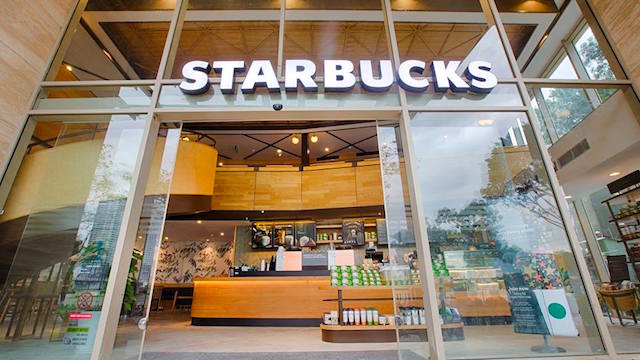
  • Starbucks Sales Dip Globally, But China Shows Signs Of Recovery

    Starbucks Sales Dip Globally, But China Shows Signs Of Recovery

    Starbucks has recently disclosed a drop in its global comparable store sales for its fiscal third quarter, which underscores the persisting challenges in its primary US market. This comes even as its China operations begin to show some promising signs of recovery.

    Revenue and Sales Performance

    Despite the Seattle-based coffee giant recording a 4% rise in total revenue year-over-year, amounting to US$9.5 billion, it was overshadowed by a 2% decrease in global comparable store sales. This dip can be predominantly attributed to a slump in foot traffic in North America—Starbucks’ biggest market—where there was a 3% reduction in transactions.

    On a brighter note, China, the second largest market for Starbucks, appeared to defy this trend. Comparable store sales in China saw a 2% increase, signifying a comeback following several quarters of decline.

    Expansion and Strategic Growth

    Over the past year, Starbucks has added over 500 new stores in China, thereby increasing its total to 7,828. The company is also said to be considering various proposals from potential local partners to help speed up its expansion into lower-tier cities, while keeping strategic control intact.

    However, Starbucks also faces mounting competition in China from rapidly growing domestic contenders such as Luckin Coffee and Cotti Coffee. These brands have been rapidly expanding by offering lower prices and faster service models.

    North America Initiatives and Future Plans

    In North America, Starbucks is actively undertaking its ‘Back to Starbucks’ initiative, a strategy designed to bolster store operations, improve employee engagement, and refine the overall customer experience.

    Brian Niccol, the Chairman and CEO, expressed an optimistic outlook, citing early signs of progress in the company’s efforts to revamp its operations. He commented, “We’ve made significant progress and tackled challenging issues to build a robust operating foundation. In terms of turnaround efforts, we are ahead of schedule.”

    “By 2026, we plan to launch a series of innovations that will drive growth, enhance customer service, and ensure that everyone has access to the very best of Starbucks. We are committed to rebuilding a superior Starbucks experience and a stronger business.”

    Starbucks has also announced its plans to gradually phase out underperforming mobile order-only stores, and shift towards new café formats that include seating and drive-thrus. This is part of an overall strategy to improve the in-store experience.

    The coffee chain has big plans for fiscal 2026, with the introduction of a range of new beverage and food items, including protein-based cold foams, coconut water-infused drinks, gluten-free snacks, and customizable energy drinks.

    In addition to the product expansion, there are also upgrades planned for the company’s mobile app and loyalty rewards program, with continued investment in digital and operational technology.

    Questions & Answers

    What strategies is Starbucks implementing to recover from the drop in sales?
    Starbucks is taking several steps to recover, including the ‘Back to Starbucks’ initiative in North America, which aims to strengthen store operations and improve the overall customer experience. The company is expanding in China and is planning to introduce new products and upgrade its mobile app and loyalty program.

    What is the ‘Back to Starbucks’ initiative?
    The ‘Back to Starbucks’ initiative is a strategy designed to strengthen store operations, increase employee engagement, and enhance the overall customer experience. The company hopes this will help to boost sales and customer satisfaction.

    What are the company’s plans for growth in China?
    Starbucks plans to partner with local entities to accelerate expansion into lower-tier cities in China. Over the past year, the company has already added more than 500 new stores in the country and continues to consider strategies for further expansion.
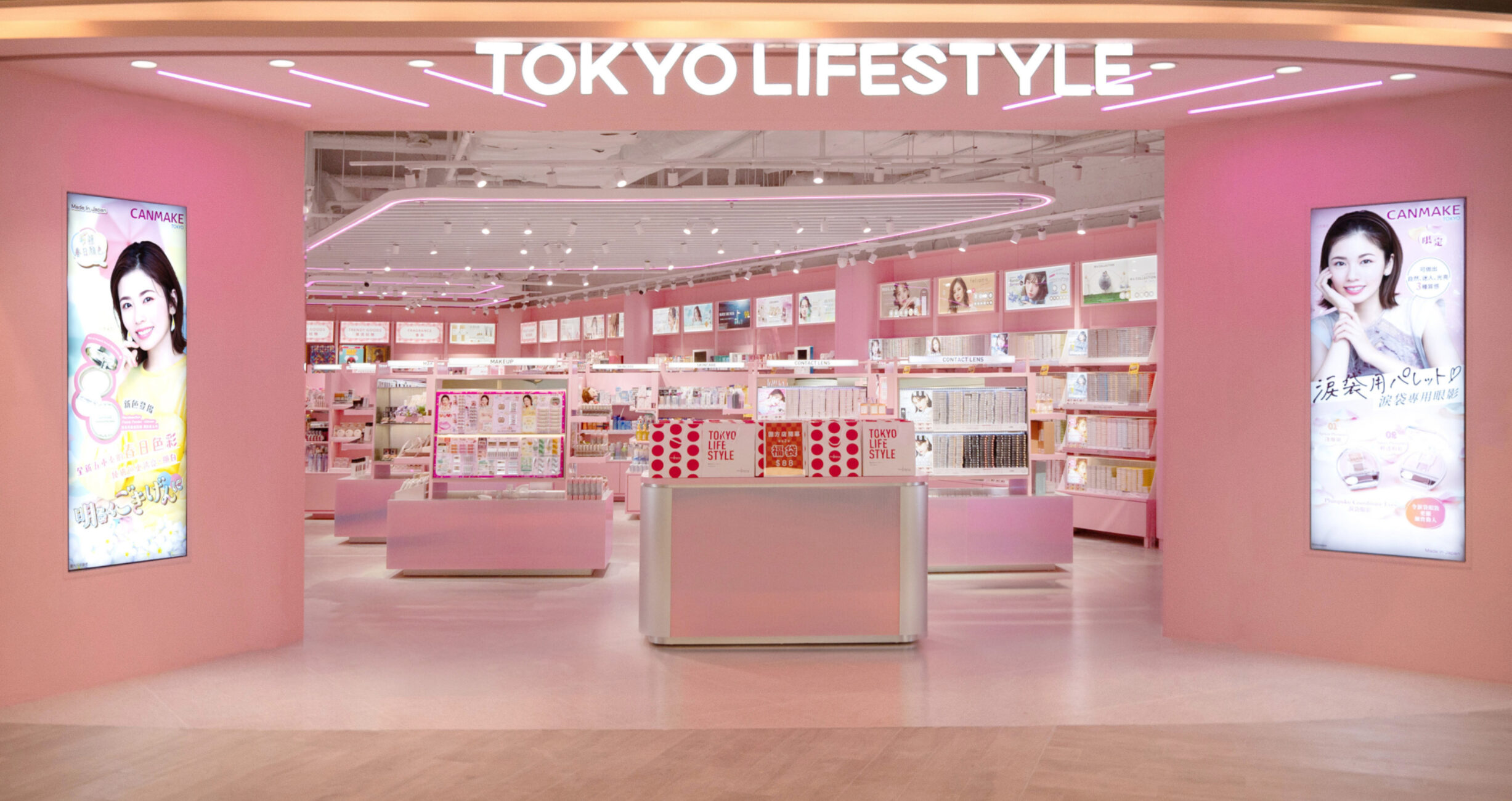
  • Tokyo Lifestyle Sees Sales Surge Thanks To Global Expansion: Eyes Middle East, Vietnam, Australia Next

    Tokyo Lifestyle Sees Sales Surge Thanks To Global Expansion: Eyes Middle East, Vietnam, Australia Next

    Tokyo Lifestyle, a retailer listed in the US but with its roots in Japan, has seen a boost in sales over the past fiscal year due to its steady growth in all markets. The company reported a revenue increase of 7.4 per cent during the year that ended on March 31, reaching a total of US$210.1 million.

    Growth Through Expansion

    The company’s management team has credited this surge in growth to the expansion of its existing network and branching out into new territories. Throughout the relevant year, Tokyo Lifestyle launched five new directly operated stores in the US, Canada, and Hong Kong. Additionally, the company added three franchise stores and 54 wholesale partners to its network, contributing significantly to its growth.

    Revenue derived from directly operated physical stores showed an impressive increase of 14.4 per cent, while sales from franchise stores and wholesale customers rose by 9.1 per cent.

    Despite this, Tokyo Lifestyle’s bottom line didn’t fare as well. The gross profit rose by 2.3 per cent, reaching $23.9 million, but net income fell from $7.5 million to $6.6 million, primarily due to losses from foreign currency exchange and changes in the fair value of warrants.

    Ambitious Expansion Strategy

    Mei Kanayama, the principal executive officer of Tokyo Lifestyle, expressed confidence in the company’s potential for long-term growth. She attributed this optimism to their ambitious yet thoroughly planned expansion strategy. She further stated, “We believe that our profitability will continue to improve steadily as our global footprint becomes more established with the addition of more distribution points.”

    On its expansion journey, the company revealed it has established a new subsidiary in Australia and has plans to launch stores in Vietnam, Australia, and the Middle East.

    Tokyo Lifestyle currently offers an array of Japanese products including beauty and health items, sundries, luxury items, electronic products, collectible cards, and trendy toys in Hong Kong, Japan, North America, Thailand, and the UK.

    Questions & Answers

    What contributed to Tokyo Lifestyle’s growth in the past fiscal year?
    The company attributes its growth to the expansion of its existing network and entry into new markets.

    What is Tokyo Lifestyle’s future expansion plan?
    Tokyo Lifestyle plans to establish more distribution points globally, with a particular focus on Vietnam, Australia, and the Middle East.

    What range of products does Tokyo Lifestyle offer?
    Tokyo Lifestyle offers a diverse range of Japanese products, encompassing beauty and health items, sundries, luxury items, electronic products, popular toys, and collectible cards.

  • Unprecedented Heatwave Hits Matcha Production: Global Demand Soars Amid Price Surge

    Unprecedented Heatwave Hits Matcha Production: Global Demand Soars Amid Price Surge

    Devotees of the highly coveted matcha green tea may need to dig a little deeper into their pockets as a result of unprecedented temperatures in Japan causing a considerable decrease in matcha production. This comes amid a worldwide surge in demand for the popular drink, resulting in significant supply strain and skyrocketing prices, according to farmers and industry insiders.

    Impact of Climate on Matcha Production

    The Kyoto region, a major contributor to Japan’s matcha production, experienced severe heatwaves last summer. The region accounted for roughly one-fourth of Japan’s total production of tencha – the tea leaves used in the production of matcha – which faced crippling damage due to the extreme heat. The poor yield from the recent April-May harvest is a direct result of Japan’s hottest year on record.

    Masahiro Yoshida, who belongs to a family of farmers that has been in the tea business for six generations, reported a significant decrease in his yield. This year, he was only able to harvest 1.5 tons of tencha, a reduction of 25% compared to his usual harvest of two tons.

    “The heatwave last year was so severe that it damaged the tea bushes, significantly reducing the number of tea leaves we could harvest,” Yoshida stated.

    Global Demand for Matcha

    Global interest in matcha has seen a sharp increase in recent years, fueled by health-conscious millennials and Gen Z consumers. Trendy cafes worldwide now offer matcha-infused products ranging from lattes and smoothies to desserts.

    The finely ground tea is highly favored for its rich antioxidant content and higher caffeine levels compared to other green teas. Its popularity received a significant boost last fall due to increased social media attention, resulting in purchase limits being imposed by some wholesalers.

    Tealife, a Singapore-based wholesaler, founder Yuki Ishii confirmed that matcha demand from his customers increased tenfold last year and continues to rise, despite dwindling supplies from Japan.

    The Future of Matcha Production

    Japan’s tencha production reached 5336 tons in 2024, reflecting an increase of almost 2.7 times over the previous decade as more farmers shifted their production towards this crop. However, the Japanese Tea Production Association anticipates a decrease in matcha output this year.

    Marc Falzon, who sources tea from Uji farmers for his New Jersey-based milling company, expressed disappointment with the current situation. He noted that while many hoped for a more abundant harvest this year to alleviate some of the shortages, it doesn’t seem likely.

    Despite a 25% increase in the export value of Japan’s green tea, including matcha, which amounted to 36.4 billion yen (US$252 million) in 2024, the shortfall continues. Tencha prices have escalated to record highs, with a May auction in Kyoto reaching 8235 yen per kilogram, a 170% increase from the previous year.

    While Japanese producers are making efforts to increase matcha production, the newly planted fields will not be ready for harvest for another five years, according to Falzon. As such, he anticipates even more significant price increases in the near future.

    Questions & Answers

    Why has there been a decrease in matcha production?
    Record temperatures and severe heatwaves in Japan, particularly in the Kyoto region, have significantly impacted matcha production, leading to weak yields.

    What factors have contributed to the surge in global demand for matcha?
    The global demand for matcha has increased due to health-conscious millennials and Gen Z buyers. Also, increased social media attention and the introduction of matcha-infused products in cafes worldwide have contributed to its popularity.

    What are the implications of the current matcha shortage?
    The shortage of matcha has led to record-high prices and imposed purchase limits by some wholesalers. Despite attempts to increase production, the issue is unlikely to be resolved in the near future, given that newly planted fields require five years to harvest.

  • Stray Kids’ Felix Tapped As Global Ambassador For Gong Cha Bubble Tea In Strategic Bid For Gen Z

    Stray Kids’ Felix Tapped As Global Ambassador For Gong Cha Bubble Tea In Strategic Bid For Gen Z

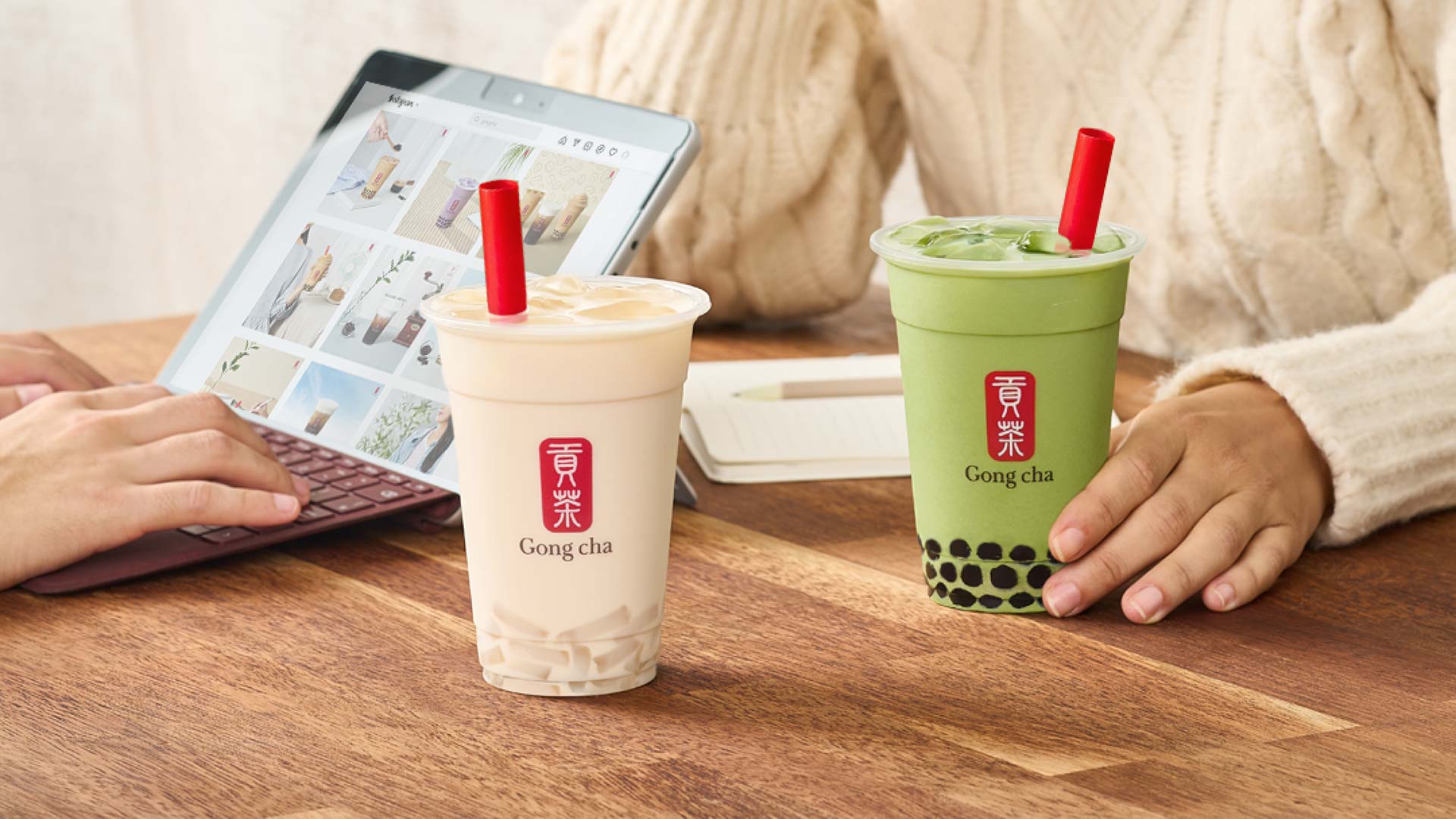
    Taiwanese bubble tea company Gong Cha has announced the enlistment of Felix, a member of the renowned South Korean group Stray Kids, as their global brand ambassador.

    Gong Cha Launches New Campaign

    The brand aims to bolster its global presence with a campaign featuring Felix, set to roll out in Korea in June before making its way to the United States. Gong Cha believes that Felix’s personal experience with their bubble tea, coupled with his love for the product, will serve as an effective introduction of the brand to his global fan base.

    Felix’s Role as a Brand Ambassador

    As a global ambassador, Felix is expected to boost Gong Cha’s brand recognition through high-visibility marketing campaigns showcasing the company’s signature beverages. This partnership is part of Gong Cha’s strategic move to reach out to Generation Z consumers via culturally significant marketing initiatives.

    Gong Cha’s Collaborative Ventures

    In addition to partnering with Felix, Gong Cha has recently teamed up with Line Friends Minini and Final Fantasy XIV. These collaborations aim to attract new consumers to the brand’s offerings, expanding the customer base.

    Questions & Answers

    How will the brand utilize Felix’s association with Gong Cha?
    Felix will be leveraging his global popularity to boost brand awareness through high-profile marketing campaigns featuring Gong Cha beverages.

    What is Gong Cha’s strategy for reaching out to new audiences?
    The company’s strategy involves forging connections with Generation Z customers via culturally significant marketing campaigns and collaborations with popular entities like Line Friends Minini and Final Fantasy XIV.

    What is the significance of Felix’s personal experience with Gong Cha’s products?
    Felix’s personal affinity for bubble tea, and his positive experiences with Gong Cha, are expected to resonate with his global fan base, thereby serving as an effective brand introduction to potential new consumers.

  • Myntra Launches ‘Myntra Global’ as it Expands into the Singapore Market

    Myntra Launches ‘Myntra Global’ as it Expands into the Singapore Market

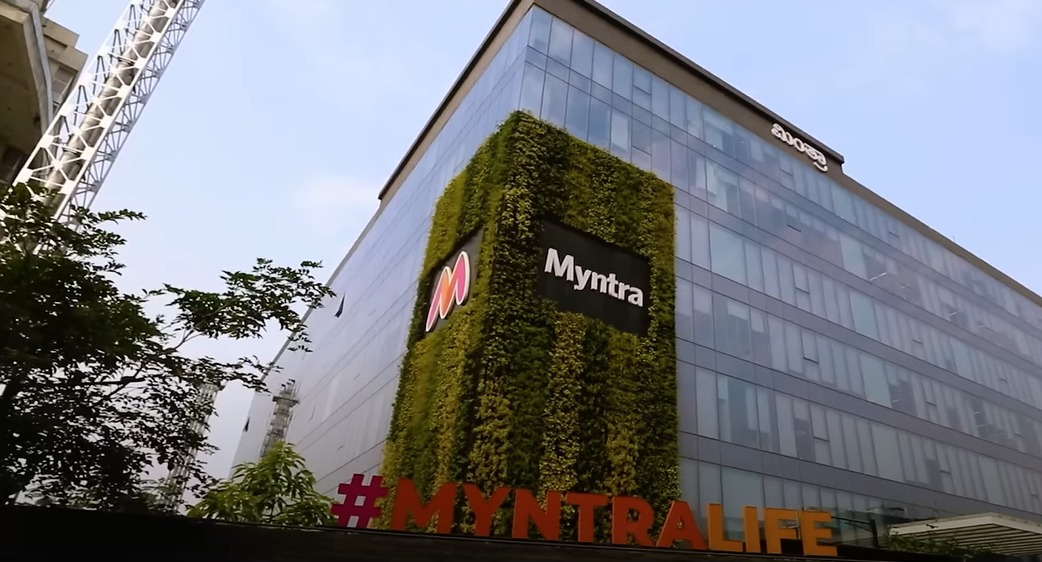
    Indian e-commerce powerhouse Myntra has made a splash in Singapore with the launch of Myntra Global, its first foray into the international market. This strategic move aims to cater to the vast Indian diaspora in the city-state, which numbers around 650,000 individuals, by offering a diverse selection of Indian fashion and lifestyle products.

    A Treasure Trove of Indian Styles

    With a staggering 35,000 styles from 100 renowned Indian brands, including favorites like Aurelia, Global Desi, Libas, W, House of Pataudi, and Chumbak, Myntra is set to create waves. Shoppers can explore categories that span apparel, footwear, home décor, and accessories—all designed to resonate with the cultural sensibilities of the Indian community in Singapore.

    Organic Growth Sparks Expansion

    Before the official launch, Myntra witnessed an impressive organic interest from Singapore, attracting nearly 30,000 users eager for Indian styles. The company’s ambition is to provide not just a shopping platform, but a seamless and dependable experience that answers the demand for culturally-rich fashion.

    Championing ‘Made in India’

    This expansion underscores Myntra’s long-term vision to tap into new consumer markets while enhancing global visibility for Indian brands. Furthermore, it aligns with India’s larger initiative to promote ‘Made in India’ products on an international scale, showcasing the rich cultural tapestry of Indian fashion.

    So, Singaporean shoppers, prepare yourself! You might just find yourself falling head over heels for styles that blend tradition with contemporary flair.

    Questions & Answers

    What types of products will Myntra Global offer in Singapore?

    Myntra Global will feature a variety of products, including apparel, footwear, home décor, and accessories from popular Indian brands.

    How many styles can customers expect from different brands?

    Shoppers can look forward to an impressive collection of about 35,000 styles from 100 diverse Indian brands.

    What is Myntra’s broader goal with this international expansion?

    The expansion is part of Myntra’s strategy to reach new customer bases, increase global visibility for Indian brands, and promote ‘Made in India’ products worldwide.