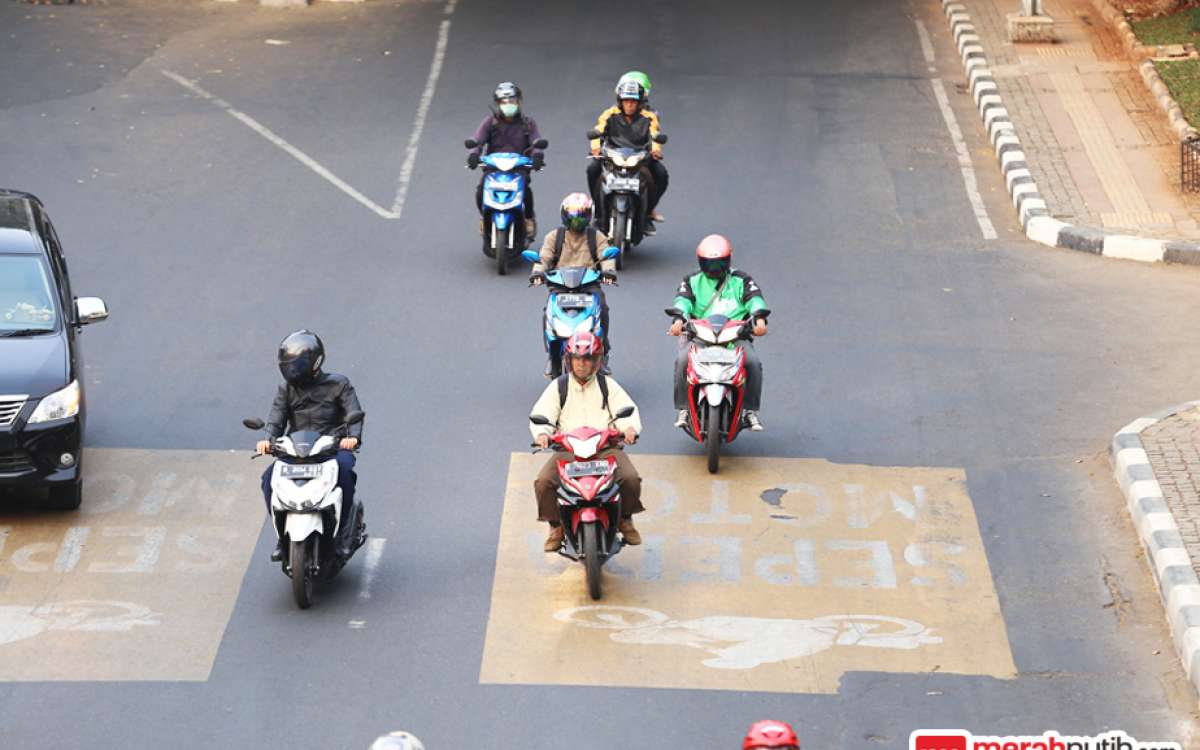
Motorcycle taxis, known as ojeks, have long offered a fast way for residents to cheaply zigzag through gridlocked roads in Jakarta, a city knocked for having the world’s worst traffic.
But, until recently, they were informal and inefficient – ojek drivers would queue at taxi lines or troll streets to negotiate fluctuating fares with potential riders. Some joined courier companies or delivery fleets working with restaurants to zip around fried noodles, chicken sate and other food orders.
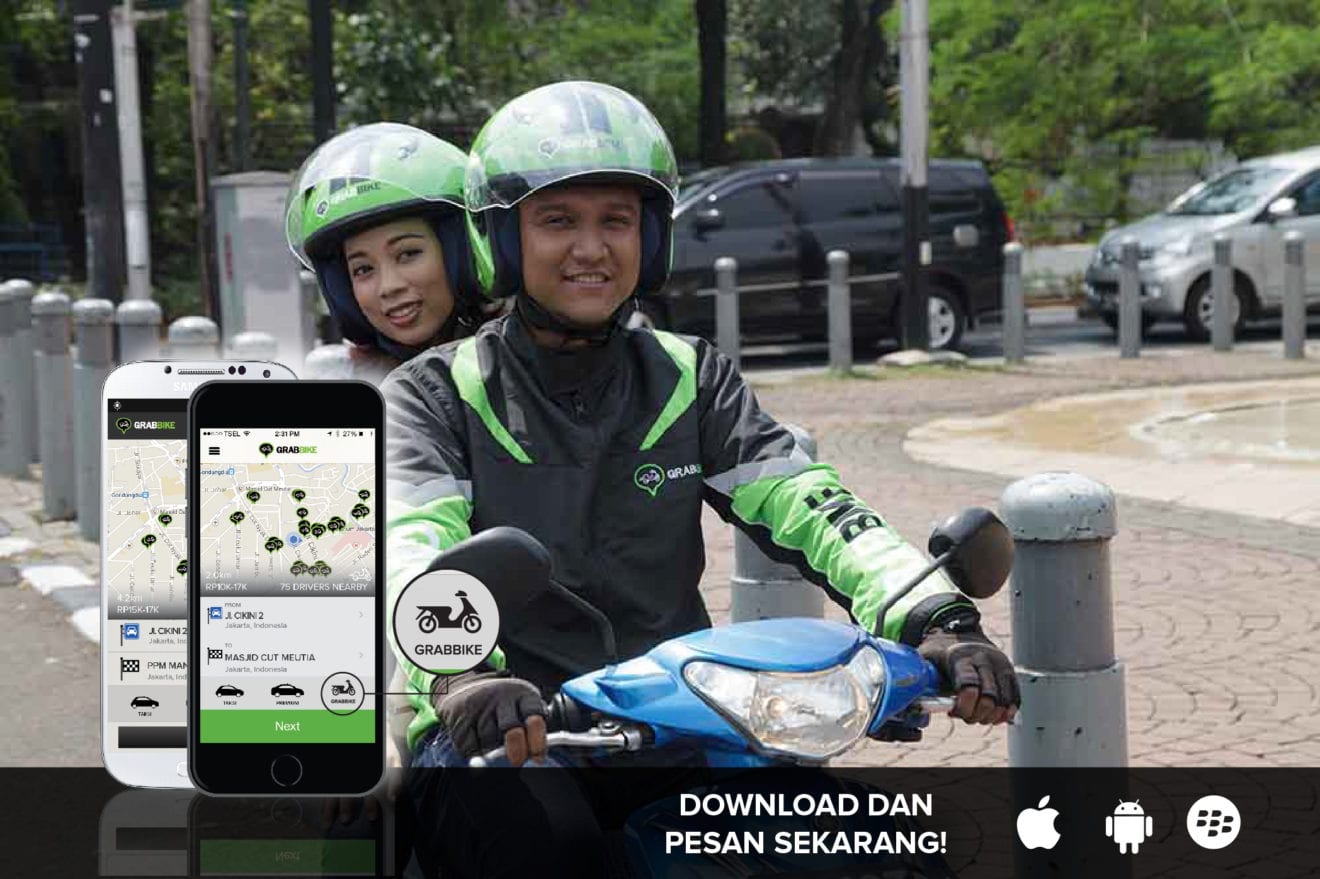
Now startups are trying to capitalize on those inefficiencies, launching mobile applications that connect those needing a ride to available motorcycle taxis.
New app-based ojek businesses like Go Jek and GrabBike see huge potential in the world’s second-largest city, with 10 million people, whose road commuters log the most stops and starts anywhere—33,240 a year, according to a ranking by Castrol in February.
Once these companies enlist them, they hand out jackets, helmets and smartphones so they can receive ride requests through their apps. They also set base fares and provide insurance. The system is good for customers and companies, which don’t have to buy fleets of motorcycles, and the ojek drivers, who end up making more money by getting more business and a set part of each fare.
Venture capitalists have begun pumping money in, and Jakarta Gov. Basuki Tjahaja Purnama is so taken by the possibility of reducing some of the city’s congestion that he is in talks with Go Jek to feed commuters into the public bus system or coming light rail.
Go Jek is a “very smart solution for the city,” Gov. Purnama told reporters this week, adding the city might provide ojek drivers with special parking near bus stations.
App-based motorcycle taxis also operate in other low-cost labor markets with intractable traffic, such as Hanoi and Uganda.
It’s a market with huge potential given the growing number of cars and the lack of public transportation.
While it’s difficult to quantify the number of ojeks on the road, groups of them gather on almost every corner of the city. Blue Bird, which runs the largest taxi fleet in the country with 37% of market share, has 16,000 cars in Jakarta. Its app gets between 8,000 and 12,000 orders each day, said President Director Noni Purnomo.
Greg Lindsey, a senior fellow with the New Cities Foundation mobility initiative, says these startups are bringing hidden resources to the surface. “Every vehicle in the city is potentially part of its transportation network.”
It helps that most urbanites have access to apps through their smartphones.
Go Jek says glitches have arisen since it launched its app back in January. The app sometimes malfunctions. Customers complain they’ve gotten wrong food orders or had to deal with rude drivers. And fares are still being set by the market. Go Jek, for example, recently raised its starting price from $1.87 (25,000 rupiah) to $2.63 during peak hours over complaints by drivers.
Jakartans like Amalia, who like many Indonesians goes by one name, feel the app-based ojeks are safer and more reliable than pickup versions. “It’s faster” than a standard taxi, she said, as she climbed off the back of an ojek summoned on her smartphone.
For now, only a few motorcycle transport companies are competing in Jakarta with their apps: Go Jek, believed to be the largest and the first to launch, says it has recorded more than 250,000 app downloads since January and has expanded its network of drivers from 300 to 6,000 in the past year.
It offers rides, as well as personal shopping and, as of March, food delivery. The starting price is a bit more than a standard cab – around $1.80 versus 60 cents —but ends up being much cheaper.
“We are essentially a one-stop shop for transport and logistics and personal shopping in Jakarta,” said its founder and CEO, Nadiem Makarim.
Grab Bike, launched on May 20 by the taxi-booking app from Malaysia Grab Taxi, valued at $1 billion, so far offers only rides. But Cheryl Goh, its marketing vice president, sees “a lot of opportunity” for expansion in Jakarta.
The company said it recorded more than 8,000 rides in its first week. Go Jek declined to say how many rides it averages a week.
Other players trying to provide convenience through two-wheeled delivery include Happy Fresh, which launched in March, offering personal shopping that could eventually compete with Go Jek’s soon-to-launch Go Cart. Antar.id is getting off the ground and the app-less HandyMantis both offer rides as well as courier services.
“If I take a bus, it takes too long to get through the traffic,” said Musrifah Kuswadinata, who works at a souvenir shop in a central Jakarta mall. Before she took the bus and then had to take a car the last few miles to home. “If I take a Go Jek, I can take it straight home,” she said.