Retail News CRM

Tag: goods

  • EU Slaps AliExpress with Record $629 Million Fine Over Counterfeit Goods Crackdown Failure

    EU Slaps AliExpress with Record $629 Million Fine Over Counterfeit Goods Crackdown Failure

    On Monday, AliExpress, Alibaba’s subsidiary, was slapped with a record-breaking €550 million (US$629 million) fine by the European Union for its failure to address sales of illegal, dangerous and counterfeit items on its platform. This penalty is considered to be the largest to date, issued by the European Commission in line with the EU’s Digital Services Act, a prominent law that mandates online platforms of substantial size to augment their efforts in combating harmful and illicit content.

    This penalty is the third of its kind issued by the European Commission, following charges placed on AliExpress in June of the previous year for non-compliance with a Digital Services Act stipulation. This regulation requires platforms to evaluate and reduce the risk of distributing illegal products. AliExpress was given until October 20 to suggest corrective actions. Should the regulatory body determine in December that the company has failed to meet the requirements of the Digital Services Act, further sanctions may be levied.

    The EU’s tech chief, Henna Virkkunen, expressed concern over this issue, describing it as highly risky for consumers and unfair to companies that abide by the rules. She highlighted the vast user base of AliExpress in Europe, standing at 193 million last year, compared to Shein’s 156 million and Temu’s 130 million. Temu has also been subject to fines under the Digital Services Act, and Shein is currently under investigation.

    AliExpress has voiced its intention to contest the fine, deeming it as excessive. “Today’s decision and disproportionate fine disregards our robust risk management structure and the substantial, proactive improvements we’ve implemented,” AliExpress stated via email. The company also indicated its active collaboration with the Commission to satisfy its evolving expectations.

    Assessment and Criticism of AliExpress’s Risk Management Practices

    The Commission criticized AliExpress for not adequately assessing whether it had sufficient personnel to manage risks and for overestimating the efficacy of its system in identifying and removing illicit products. Furthermore, the Commission took issue with the company’s ineffective penalty policy, which allowed penalized businesses to continue selling illegal products on its platform.

    The regulator also noted that AliExpress’s “brand authorisation” system, designed to deter counterfeit sales, was insufficient and easily bypassed by traders selling fraudulent items. There was also criticism of the company’s advertising and recommender systems for contributing to the spread of illicit products and relying on one quantitative indicator to assess the moderation system’s effectiveness in preventing the appearance or re-emergence of illegal products in similar forms.

    However, the regulator did consider the novelty of the Digital Services Act as a mitigating factor when determining the fine, which could have been even larger. This penalty far surpasses the €120 million fine imposed on Elon Musk’s social media platform X and the €200 million fine on Temu, both for Digital Services Act violations.

    Questions & Answers

    What is the significance of the fine imposed on AliExpress by the European Union?

    This penalty, amounting to €550 million (US$629 million), is a record-breaking fine issued by the European Commission under the EU’s Digital Services Act. It highlights the EU’s stance on ensuring large online platforms take more responsibility in preventing the distribution of illegal and harmful content.

    How has AliExpress responded to the fine?

    AliExpress has expressed its intention to appeal the fine, deeming it as excessive. The company asserts that this penalty neglects the robust risk management framework they have established and the proactive enhancements they’ve implemented in their operations.

    What criticisms has the European Commission voiced regarding AliExpress’s operations?

    The Commission has criticized AliExpress for inadequately assessing risks and overestimating its system’s effectiveness in identifying and removing illicit products. Other criticisms include the company’s ineffective penalty policy, its “brand authorisation” system’s shortcomings, and its advertising and recommender systems’ role in spreading illegal products.
  • Vietnam Authorities Crackdown on Counterfeit Luxury Goods: Over 1,800 Fake Gucci, Hermes Items Seized

    Vietnam Authorities Crackdown on Counterfeit Luxury Goods: Over 1,800 Fake Gucci, Hermes Items Seized

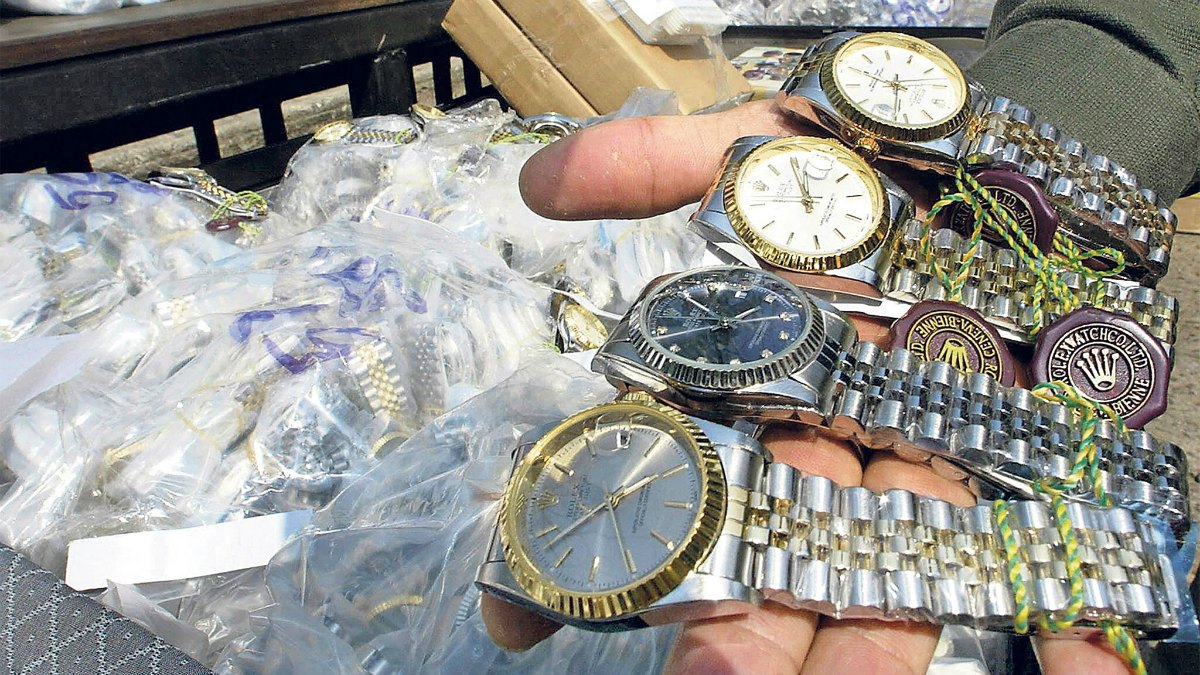
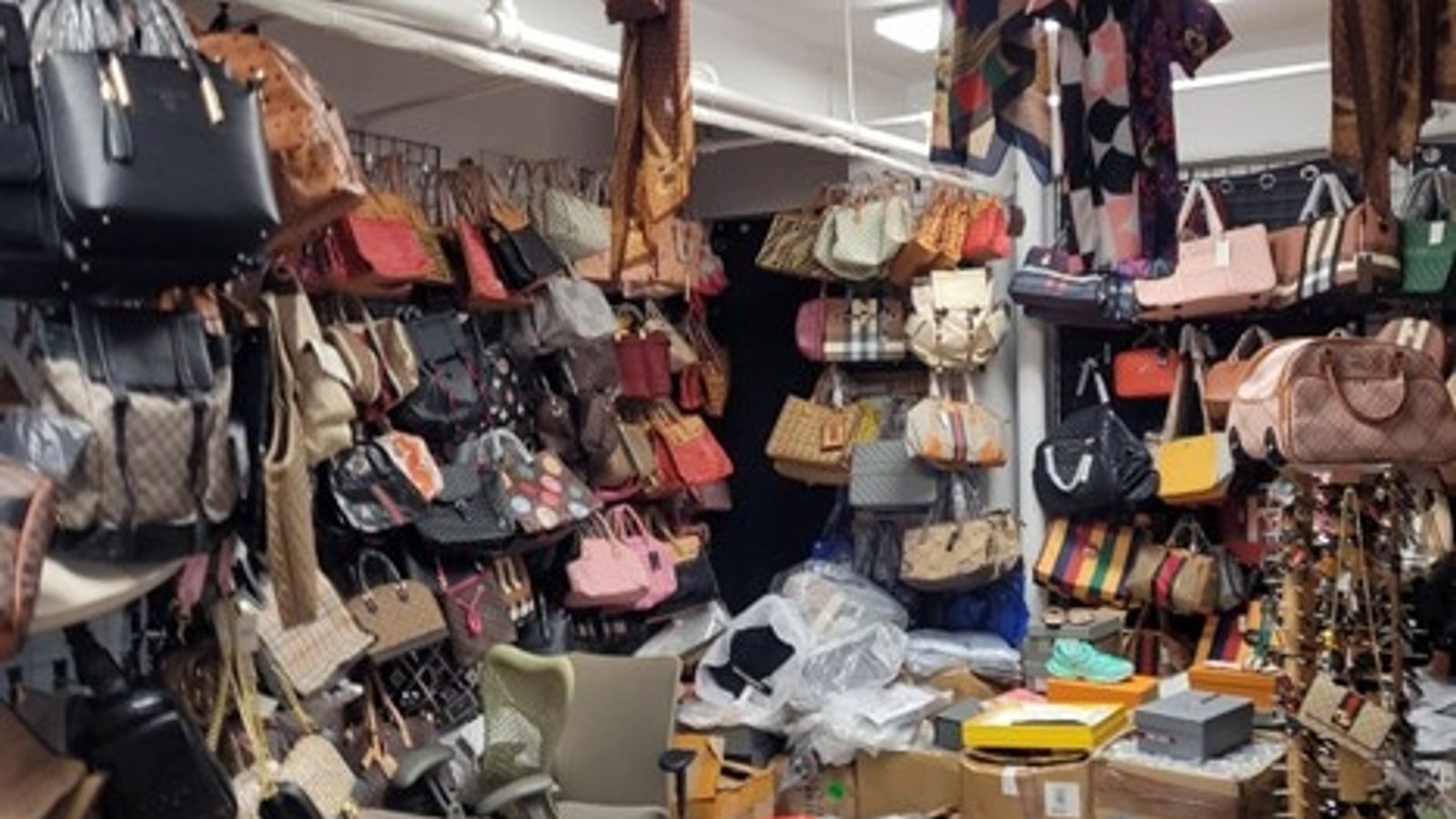
    A significant crackdown operation in Vietnam resulted in the seizure of over 1,800 counterfeit luxury items, including fake Gucci glasses and Hermes watches. The operation targeted a store specializing in the sale of counterfeit branded merchandise.

    Vendor Fined for Counterfeit Goods

    The Market Surveillance Department in Quang Ngai Province revealed that a 35-year-old vendor in Tinh Khe Commune faced a hefty fine of VND102.5 million (US$4,200) for showcasing and selling 1,000 counterfeit Gucci glasses and 800 counterfeit Hermes watches. All seized items were confiscated and are slated for destruction.

    The authorities stated that the trademarks in question enjoy legal protection in Vietnam. The imposed penalties form part of a wider initiative to clamp down on the circulation of counterfeit, imitation, and substandard goods in local markets.

    Effects of Counterfeit Goods on the Market

    Market surveillance officials stressed that selling counterfeit branded items not only breaches intellectual property laws but also poses the risk of misguiding consumers and damaging the reputation and operations of genuine businesses.

    Additional Enforcement Operations

    In a separate enforcement initiative, a market surveillance team, in conjunction with the police, discovered a substantial amount of goods that lacked the necessary documentation. In one instance, a distributor was found in possession of 675 water filter cartridges branded as “A Qua” and “OCB” without any invoices or evidence of legal origin.

    Another business, engaged in the trading of electric bicycles and electric motorbikes, was flagged for violating labeling regulations, including the omission of compulsory details like manufacturing dates. The total value of the improperly labeled goods amounted to an estimated VND34.5 million.

    Strict Penalties for Commercial Fraud

    Market surveillance officers and local police appealed to businesses to sell only merchandise with verifiable origins and comprehensive documentation. They warned that commercial fraud for profit would be subjected to stringent penalties, and enforcement actions would only escalate.

    Questions & Answers

    What were the counterfeit items discovered in the operation?
    The operation uncovered over 1,800 counterfeit items, including 1,000 fake Gucci glasses and 800 counterfeit Hermes watches.

    What is the impact of selling counterfeit goods on the market?
    Selling counterfeit branded goods not only infringes on intellectual property laws but also risks misleading consumers and undermining the operations of legitimate businesses.

    What measures are being suggested to businesses to avoid legal issues?
    Market surveillance officers and local police encourage businesses to sell only goods with clear origins and complete documentation. Businesses are also urged to comply with labeling regulations.

  • Indian Boycotts Challenge U.S. Giants: A Push For ‘made In India’ Amid Tariff Tensions

    Indian Boycotts Challenge U.S. Giants: A Push For ‘made In India’ Amid Tariff Tensions

    American multinational corporations, including household names such as McDonald’s, Coca-Cola, Amazon, and Apple, are feeling the pressure of increasing calls for boycotts in India. This sentiment has been fueled by business leaders and supporters of Prime Minister Narendra Modi as a form of protest against U.S. tariffs.

    India, known as the world’s most populous nation, presents a significant market for these American brands. With a rapidly expanding base of affluent consumers who view international brands as symbols of societal advancement, many American companies have found success in India.

    For instance, Meta’s WhatsApp counts India as its largest user base and Domino’s boasts more restaurants in India than in any other country. Similarly, beverages such as Pepsi and Coca-Cola often take up prime real estate on store shelves, and there is typically a significant buzz when a new Apple store opens or Starbucks offers discounts.

    Recently, however, there has been growing support for choosing local products over American goods, both on social media and offline. This shift in consumer behavior has been catalyzed by a 50% tariff on Indian goods imposed by former U.S. President Donald Trump, which has unsettled exporters and strained relations between New Delhi and Washington.

    Indian Business Leaders Advocate for ‘Made in India’

    Manish Chowdhary, co-founder of India’s Wow Skin Science, has taken to LinkedIn to voice his support for Indian farmers and start-ups. His goal is to transform ‘Made in India’ into a ‘global obsession’, learning from countries like South Korea, which boasts globally renowned food and beauty products.

    Similarly, Rahm Shastry, CEO of DriveU, an Indian car driver service, wrote on LinkedIn that India should develop its own versions of popular platforms like Twitter, Google, YouTube, WhatsApp, and Facebook, much like China.

    Indian retail companies offer stiff competition to foreign brands like Starbucks in the domestic market, but global expansion remains a challenge. However, Indian IT services firms, such as TCS and Infosys, have integrated deeply into the global economy, providing software solutions to clients around the world.

    In a recent address in Bengaluru, Prime Minister Modi made a “special appeal” for increased self-reliance. He urged Indian technology companies, who have been producing products for global consumption, to prioritize India’s needs.

    Consumer Opinions Differ

    Despite the ongoing anti-American sentiment, the American electric vehicle and clean energy company Tesla recently opened its second showroom in India. The opening event in New Delhi was attended by Indian commerce ministry officials and US embassy officials.

    Simultaneously, the Swadeshi Jagran Manch group, which is associated with Modi’s Bharatiya Janata Party, organized small public rallies across India, encouraging people to boycott American brands.

    However, not all Indian consumers share this sentiment. For instance, a customer named Rajat Gupta, who was dining at a McDonald’s in Lucknow, expressed that he was not concerned with the tariff protests and simply enjoyed the value for money he received from his 49-rupee coffee.

    Questions & Answers

    What has led to the calls for a boycott of American products in India?

    These calls for boycotts have been fueled by the imposition of a 50% tariff on goods from India by former U.S. President Donald Trump, which has created unrest among exporters and strained diplomatic ties between New Delhi and Washington.

    How are Indian business leaders responding to this situation?

    Leaders such as Manish Chowdhary, co-founder of Wow Skin Science, and Rahm Shastry, CEO of DriveU, have been advocating for a focus on “Made in India” products and services, and the development of home-grown alternatives to popular platforms like Twitter, Google, YouTube, WhatsApp, and Facebook.

    Are all Indian consumers supportive of the boycotts?

    No, consumer opinions on the boycotts vary. Some consumers, such as Rajat Gupta, a McDonald’s customer in Lucknow, are not concerned by the tariff protests and continue to enjoy the products and services offered by American brands.

  • Tiktok Influencers Arrested: 800,000 Counterfeit Products Sold In Massive Scheme

    Tiktok Influencers Arrested: 800,000 Counterfeit Products Sold In Massive Scheme

    Le Van Hai, the creator behind a popular TikTok channel boasting 2.6 million followers, has been arrested for a staggering scheme involving the sale of 800,000 counterfeit food and cosmetics products. Alongside his accomplice, Tran Dai Phuc, the duo was apprehended on Monday in the northern province of Ninh Binh.

    The dynamic pair was promoting a range of cosmetic and food items on their TikTok channel, dubbed Hai Sen Family, for the past two years. Among their offerings was Hai Be Syrup, touted as a remedy for stimulating children’s appetites. However, their operation took a nosedive when authorities raided their company and discovered hundreds of products lacking the necessary licenses.

    Upon examination, the contents of the syrup raised eyebrows; tests revealed that the actual concentrations of calcium and vitamins A and C were less than 70% of what the labels advertised. In total, Hai and Phuc managed to distribute a shocking 800,000 products online since last year, including 100,000 boxes of the infamous syrup. The TikTok account has now been suspended, and an ongoing police investigation seeks to unearth the full extent of the operation.

    This incident serves as a vivid reminder that while the social media platform can inspire creativity, it can also provide a stage for deception—who knew the road to digital fame could be paved with imitation goods?

    Questions & Answers

    What charges are Le Van Hai and Tran Dai Phuc facing?
    They are facing charges related to selling counterfeit food and cosmetics products without proper licenses.

    How many products did they sell before their arrest?
    The duo sold over 800,000 products online, which included 100,000 boxes of their Hai Be Syrup.

    What has happened to their TikTok account?
    Their TikTok account has been locked as part of the ongoing police investigation into their activities.

  • Shoppers Navigate Closed Doors as Raids Target Counterfeit Goods in Hanoi and HCMC

    Shoppers Navigate Closed Doors as Raids Target Counterfeit Goods in Hanoi and HCMC

    On the morning of June 6, the usually vibrant streets of Hang Ngang and Hang Dao in Hanoi’s Hoan Kiem District appeared unusually desolate. Once a bustling commercial center, these roads felt eerily quiet, reminiscent of the Lunar New Year holiday lull, with a predominant number of shops shuttered.

    Lan, a 35-year-old local, found herself navigating this stillness, riding her motorbike back and forth, hoping to find an open store. After parking, she ventured on foot, peering through closed shutters in search of familiar fashion outlets. “I usually buy clothes here, and I’m just trying to find something still open,” she explains. Her quest led her to a shop with a barely open roller door. Inside, the owner swiftly closed it behind her, revealing a strategy to avoid the ongoing government raids targeting counterfeit goods.

    With a crackdown on counterfeit and tax evasion intensifying, marketplaces in both Ho Chi Minh City and Hanoi are witnessing closures among fashion, watch, and pharmaceutical retailers. Authorities recently conducted extensive inspections, unveiling thousands of counterfeit luxury items in Ho Chi Minh City, with brands like Rolex, Chanel, and Gucci found without proper documentation. The prices of these counterfeit products far underscored their genuine counterparts.

    Once outside the shop, Lan noted the rapid descent of the shutter, making the store appear closed once more. Finding shoes proved even more challenging as nearly all footwear retailers were also shuttered. Resorting to modern communication, she connected with a store via the Zalo messaging app, hoping to browse styles and place an order since “in-person sales are suspended during this time.” Yet after two hours, her shopping needs remained unfulfilled.

    Unexpected Shopping Experiences

    Similarly, Kieu Tuyet, 45, from Hai Ba Trung District, faced difficulties procuring sleepwear on Hang Dao. After half an hour of searching, she stumbled upon a familiar shop where her purchase took less than ten minutes. “In the past week, it has become a challenge to shop. You either squeeze through barely open doors or place phone orders for pickup or delivery. It almost feels illegal,” she remarked.

    A recent VnExpress survey indicated that around 80% of clothing, footwear, and cosmetics stores along the famed streets and Dong Xuan and Hang Da markets were closed. Meanwhile, other shopping hotspots, such as Chua Boc Street in Dong Da District and Ninh Hiep Market in Gia Lam District, reported similar closures. At the few stores still operating, doors were partly ajar, and staff awaited delivery drivers outside to expedite transactions.

    On social media, shoppers shared amusing snippets of their experiences, showcasing people squeezing through tight slots to gain entry. Nguyen Thi Oanh, a 60-year-old clothing vendor, noted that most businesses had remained closed since June 1 due to fears of inspections. “Some days, I only sell three or four outfits, but that’s better than facing fines. I simply can’t shoulder that burden,” she lamented.

    New Tax Environment Creates Anxiety

    The recent introduction of tax reforms requiring businesses with annual revenues exceeding VND1 billion (about US$38,380) to issue e-invoices linked to tax authorities has left many vendors anxious. Oanh now exclusively takes cash payments, shunning card transactions, particularly with foreign customers, for fear of mismanaging the new requirements.

    Tuyet Hoa, 74, who has operated a tea stall on Hang Ngang Street for nearly a decade, described the current atmosphere as reminiscent of Covid lockdowns. Despite appearances, she affirmed, sales continue quietly inside many stores, often relying on delivery drivers for business. Yet, as foot traffic diminishes, her sales have plummeted, once quite popular among delivery riders, now struggling to reach ten cups of tea daily.

    She anticipates that normal trading patterns may not return until after June 15 when the government’s intensified efforts against counterfeit goods are expected to conclude.

    According to Nguyen Ngoc Tinh, vice president of the Ho Chi Minh City Tax Consultant and Agent Association, the transition to a real-time tax assessment model has left business owners in trepidation, needing to invest in new systems they may not feel comfortable managing. Pham Ngoc Trung, a seasoned voice in the retail industry, echoed concerns over the crackdown on counterfeit goods, noting that many vendors have either suspended operations entirely or cautiously operate behind closed doors, all while hoping to meet essential expenses.

    Questions & Answers

    What are the current shopping conditions in Hanoi’s commercial districts?
    Most shops on key streets like Hang Ngang and Hang Dao are currently closed, with many shoppers resorting to online communication to place orders.

    What is causing the widespread closure of stores?
    Authorities are ramping up inspections to combat counterfeiting and ensure tax compliance, prompting many retailers to temporarily shut down.

    How have vendors adjusted to the new tax regulations?
    Many have switched to cash-only transactions to cope with the complexities of the new e-invoice requirements, leading to a dramatic shift in their business operations.

  • Vendors in Hanoi and HCMC Close Shops as Authorities Crack Down on Counterfeit Goods

    Vendors in Hanoi and HCMC Close Shops as Authorities Crack Down on Counterfeit Goods

    In response to a heightened crackdown on counterfeit goods, a wave of shop closures has swept through bustling markets in Ho Chi Minh City (HCMC) and Hanoi. Authorities have intensified their efforts to eliminate counterfeit products, particularly among fashion accessories, watches, and pharmaceuticals.

    Stalls Go Silent in Ho Chi Minh City

    This week, popular shopping destinations in HCMC, including Saigon Square in District 1, An Dong Plaza in District 5, and the Pharmaceutical and Medical Equipment Trading Center in District 10, saw numerous stalls shuttered. Many shop owners lingered in the marketplaces, anxiously surveying the situation without opening their stores, fearful of a confrontation with inspectors.

    A handful of vendors that chose to keep their doors open found themselves facing a significant drop in customer traffic. “The number of visitors has plunged, and most of them only looked and did not buy,” lamented Hang, a vendor, highlighting the palpable unease that has gripped both customers and sellers alike.

    Hanoi’s Vinh Phat Market Feels the Pinch

    In Hanoi, the once-vibrant Vinh Phat Market, a hub for clothing and fabric, echoed with an unusual stillness this week. Many shops were closed, some even obscured their contact information to evade inquiries, reflecting the pervasive apprehension following several enforcement actions conducted at the end of May.

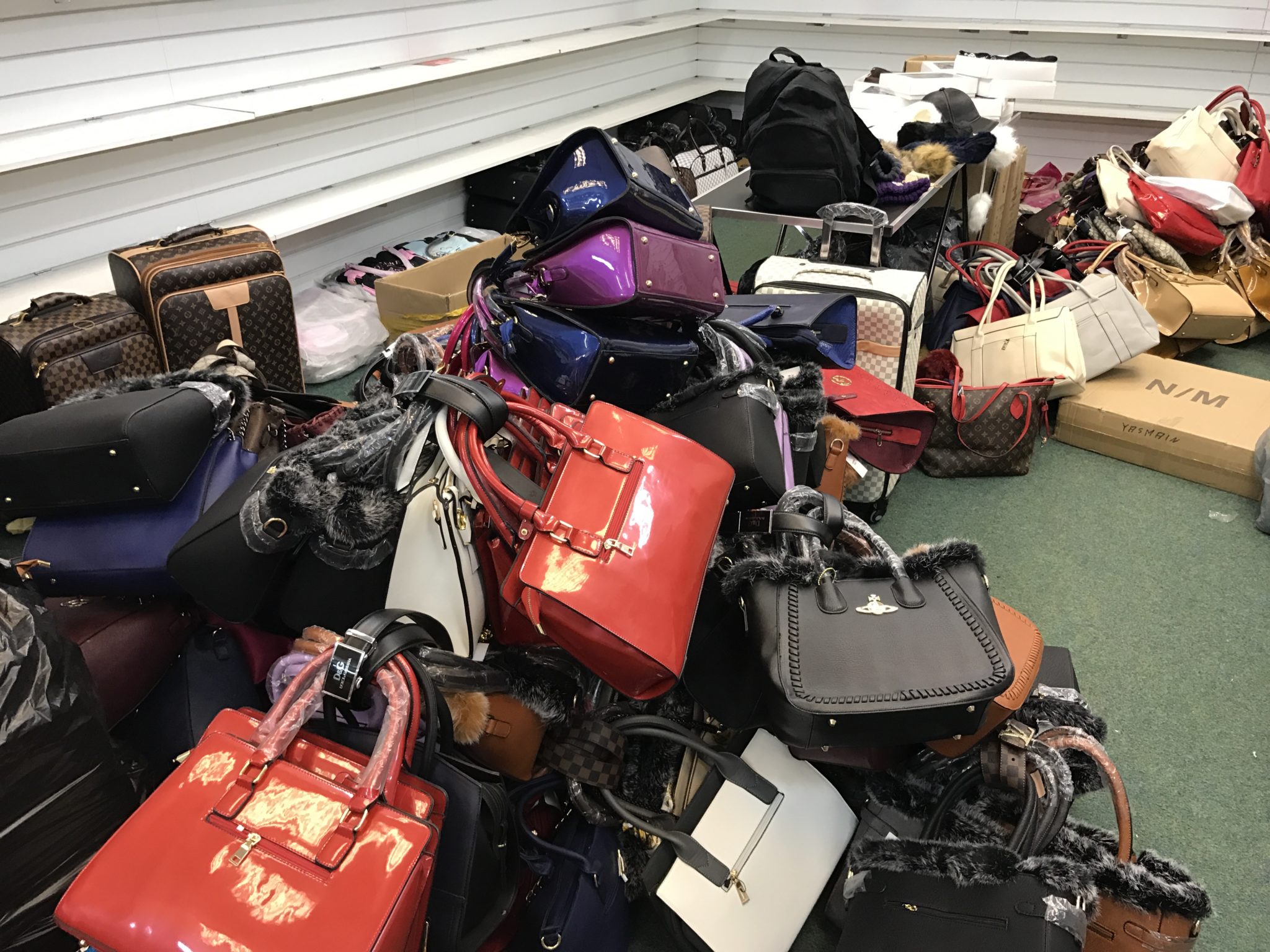
    Inspections in HCMC unearthed thousands of items flaunting esteemed luxury brand names such as Rolex, Chanel, and Gucci, all lacking the necessary documentation to verify their authenticity. Surprisingly, these counterfeit items were often priced considerably lower than legitimate products, which can be tempting but comes with serious risks.

    Small Vendors Face Big Pressures

    Management at Ben Thanh Market in HCMC voiced concerns about effectively controlling counterfeit goods without addressing the root issue of cross-border smuggling. Similarly, other market operators noted that while the crackdown aims to protect consumers and uphold laws, it places undue pressure on small vendors who may lack the legal knowledge or documentation needed to comply with regulations.

    Vendors at many major markets lamented that meeting these stringent requirements is next to impossible due to limited resources, forcing them to keep prices low to attract buyers. This predicament often results in the sale of non-genuine products, creating a challenging environment for both sellers and consumers.

    In the midst of these closures and cautious shopping behavior, one can’t help but ponder: what’s next for the vendors who have bravely navigated this storm, and will the real deals face the consequences of their counterfeit counterparts?

    Questions & Answers

    Why are stalls closing in HCMC and Hanoi?
    Vendors are closing their stalls due to increasing raids by authorities focused on rooting out counterfeit products, which has instilled fear of potential crackdowns.

    What has been the impact on sales in markets like Saigon Square?
    Sales have plummeted, with vendors reporting that while customers are still visiting, many are merely browsing without making purchases.

    How are small vendors managing under these pressures?
    Many small vendors struggle to meet legal requirements for authenticity due to limited resources, often resulting in the sale of counterfeit goods to keep their prices competitive.

  • Philippines imposes 12% VAT on digital services by tech giants

    Philippines imposes 12% VAT on digital services by tech giants

    The Philippines will impose a 12% value-added tax on digital services offered by tech giants such as Amazon, Netflix, Disney, and Alphabet, in a move that aims to level the playing field with domestic players, the country’s Bureau of Internal Revenue (BIR) announced on Wednesday.

    Previously, on Tuesday, President of the Philippines Ferdinand Marcos Jr signed into law the imposition of VAT on non-resident providers of digital services such as streaming services and online search engines.

    Only domestic digital service providers are currently subject to the 12% VAT, BIR said.

    BIR Commissioner Romeo Lumagui said in a statement that the taxation will promote fair competition amongst businesses that are profiting from consumers in the Philippines. A level playing field produces better products and services.

    Tech companies like Netflix, Disney, Google and Amazon have not made any comments.

    The Philippines aims to collect 105 billion PHP (US$1.9 billion) from the VAT between 2025 and 2029. It plans to allocate 5% of this revenue to fund projects for creative industries, the presidential communications office noted.

    According to BIR, digital services provided by foreign firms are considered rendered in the Philippines if the services are consumed in the Southeast Asian nation.

    Since the Covid-19 pandemic, tech giants have experienced higher usage in Southeast Asia, but they also face increasingly stringent fiscal tax regimes.

  • Demand for luxury goods increased despite higher retail prices

    Demand for luxury goods increased despite higher retail prices

    Demand for luxury goods is continuing to grow in South Korea, despite price hikes and the Covid-19 pandemic.

    Chanel, a high-end fashion house, has already raised prices in the market twice this year.

    The French luxury brand raised the price of the Classic Flap Bag Medium from 8.64 million won (US$7,600) to 9.71 million won, and the price of the Classic Flap Bag Large from 9.42 million won to 10.49 million won on Thursday. Prices of other products, including Boy Chanel, also rose by a similar rate.

    Despite the increases, customers are flocking to Chanel boutiques at department stores throughout the country, lining up ahead of opening hours.

    While some customers complain about a constant rise in prices, the popularity of luxury goods continues to grow.

    Between May 1 and June 29, sales of luxury goods at Lotte Department Store jumped by 37 percent compared to last year. Sales of luxury goods at Hyundai and Shinsegae Department Stores rose by 54.1 percent and 38.8 percent, respectively.

    “Prices increases for already expensive products give off the impression of rarity and something that only a few can afford, which eventually boosts demand,” said Lee Eun-hee, a consumer studies professor at Inha University.

    “Customers are willing to spend more to buy them.

    “Ownership of luxury goods is seen as a competition among many to demonstrate the ability of an individual, a means to justify discrimination among people,” Lee warned.

  • Byredo opening Singapore flagship store

    Byredo opening Singapore flagship store

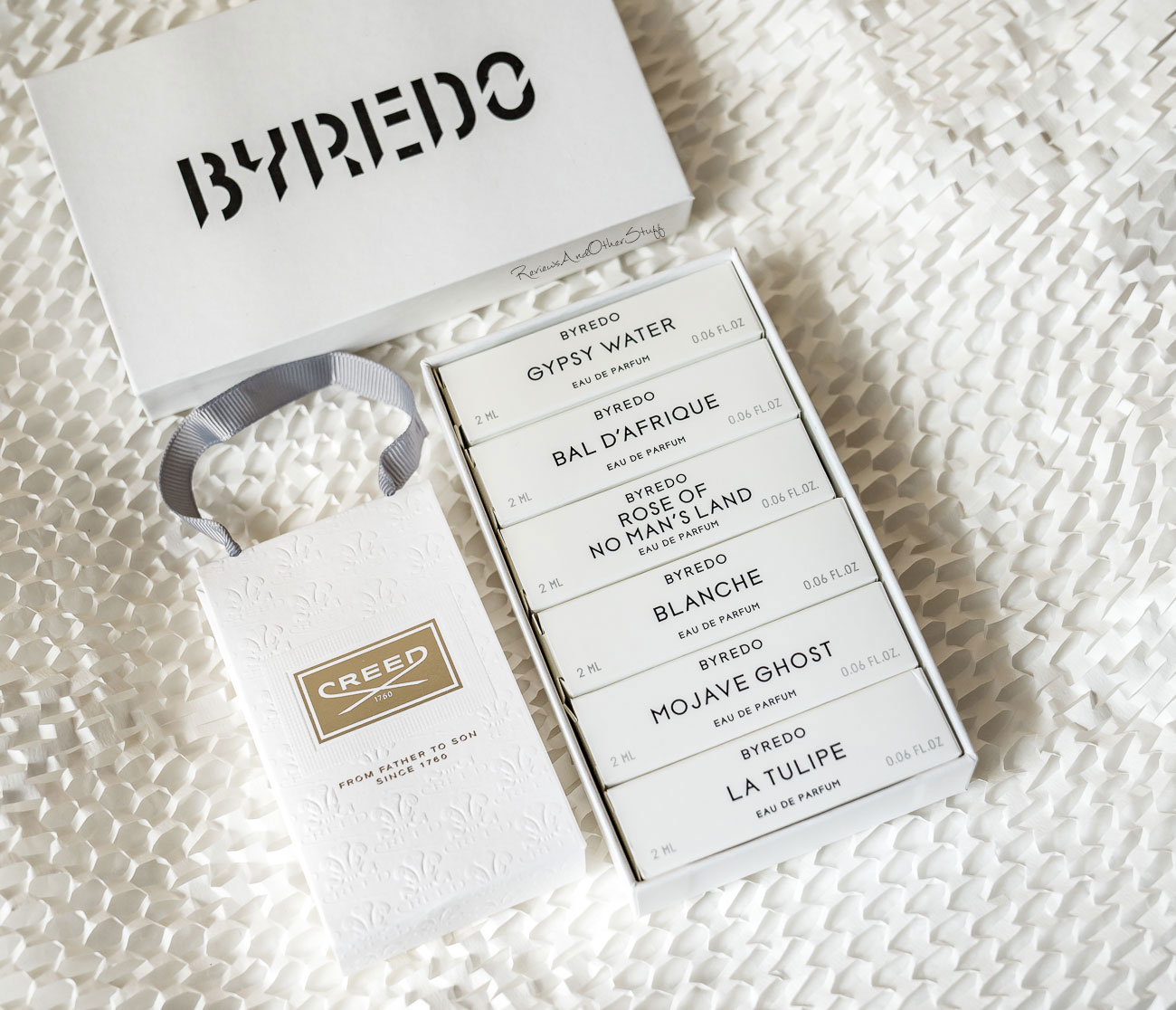
    Swedish luxury brand Byredo has opened its first flagship store in Singapore.

    Located in Ngee Ann City shopping center, the store offers a wide range of fragrances, leather goods, and accessories.

    The store facade features a gray concrete wall with the brand logo highlighted by white lights. The interior design creates a modern and futuristic vibe by using elements such as metal shelves and metal-framed mirrors. The storehouses three displays in orange, standing out from the plain gray background and carpet.

    Besides launching its first boutique in Singapore, the brand is to launch its first beauty line with makeup artist Isamaya Ffrench next month. The line will include eyeshadow, eyeliner, mascara, lip balm, and lipstick.

    Founded in 2006 by Ben Gorham, Byredo is known for its fragrances, leather goods, and accessories.

  • Massive fake luxury goods ring shut down in Vietnam

    Massive fake luxury goods ring shut down in Vietnam

    Government authorities have raided a warehouse storing thousands of fake luxury goods in Lao Cai City, northern Vietnam, which were being sold online.

    The 10,000sqm warehouse was divided into several areas including rooms for selling fake luxury goods via live-streaming on Facebook. Most of the items are copies of major brands including Gucci, Chanel, Nike and Adidas.

    One of the employees from the warehouse admitted that there were more than 40 people processing orders during the live-streaming and some 1000 packages being shipped each day.

    Although the exact number of fake goods smuggled from China has yet to be confirmed, authorities discovered the ring sold more than 90,000 products each month at a profit of around US$432,000.

    An official said the ring was professionally organised and took advantage of online platforms for both wholesale and retail as online shopping has become increasingly popular in Vietnam.

  • Hong Kong recession sees locals sell off luxury goods

    Hong Kong recession sees locals sell off luxury goods

    The Hong Kong recession has proved a strong incentive for locals to sell off their luxury goods, according to a report by the Nikkei Asian Review.

    Several local citizens and businesses told the Japanese publication of an uptick in the private trade of luxury items, including those of a grounded flight attendant who traded her personal collection’s best-loved items to ensure sufficient cash reserves in case of losing her full-time job.

    Multinational diamond firm WP Diamonds reported a 70-per-cent increase in inquiries to sell diamonds, jewelry and luxury watches, including a doubling of inquiries to sell engagement rings. Secondhand luxury-bag trader Milan Station Holdings reported a 30-per-cent increase in bags sold to its stores during the past two months.

    “There seems to be a trend of people monetizing to make sure they are liquid in the event of a prolonged crisis,” said WP Diamonds CEO Andrew Brown told Nikkei Asian Review. “It is the perfect time for consumers to think about selling their pre-loved jewelry pieces that were left to gather dust in the dresser.”

    The increase in private sales occurs at a time when normal retail sales of jewelry, watches and valuables dropped 42 percent in January year on year. At the same time, gold trading in the city has increased at a time when global stocks are affected by the coronavirus outbreak.

    The Hong Kong recession commenced before the outbreak of coronavirus took hold, the economy battered by ongoing political protests during the second half of last year.

  • Fake luxury goods seized at famous Vietnam markets

    Fake luxury goods seized at famous Vietnam markets

    Ho Chi Minh City authorities seized thousands of fake luxury goods at two famous local markets last week.

    According to Tuoi Tre News, market watchdog officers seized more than 1500 fake items worth US$6282 at Saigon Square and Ben Thanh Market, the latter one of Ho Chi Minh City’s most popular tourist attractions.

    All the products seized are copies of famous luxury brands including Prada, Montblanc, Gucci, and Rolex.

    Representatives of the General Department for Market Management said the unit will keep preventing vendors from selling counterfeit and pirated goods, focusing on hotspots where these items are commonly on show.

    Located in the city’s center, Saigon Square and Ben Thanh Market are renowned for selling fake luxury goods to tourists.

  • Hong Kong Customs seize counterfeit US-bound goods

    Hong Kong Customs seize counterfeit US-bound goods

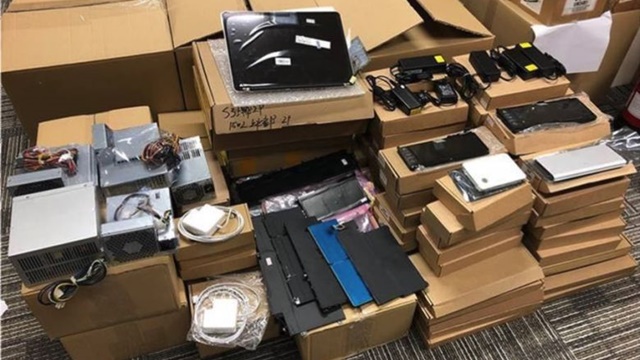
    Hong Kong Customs has seized some 10,000 counterfeit products destined for the US in a targeted operation to combat cross-boundary counterfeiting activities.

    The goods had an estimated street value of about HKD1.1 million (US$141,000), were seized, including medicines, mobile phones, handbags, shoes and clothing.

    The seizures resulted from a sharing of intelligence with US regulatory authorities, something Hong Kong Customs says it expects to continue as it targets cross-boundary counterfeiting activities to a variety of other countries.

    Under Hong Kong’s Trade Descriptions Ordinance, anyone who imports or exports goods with a forged trademark commits an offense. The maximum penalty upon conviction is a fine of HKD500,000 ($64,400) and imprisonment for five years.

  • Hong Kong Customs seize $2m in fake goods in prime retail strip

    Hong Kong Customs seize $2m in fake goods in prime retail strip

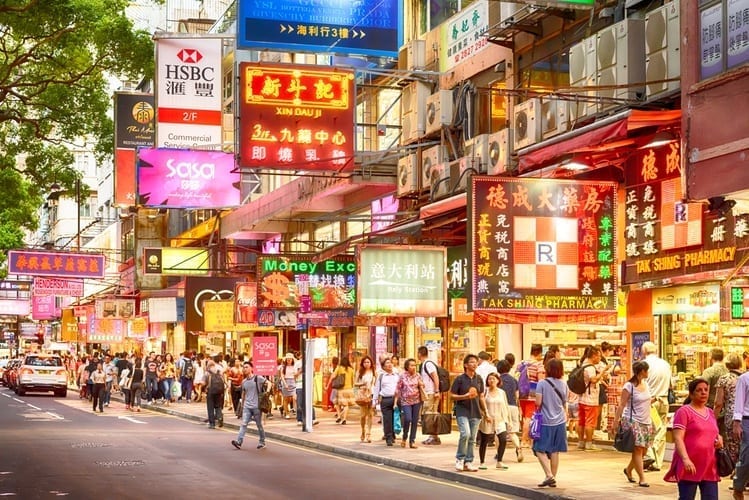
    Hong Kong Customs raided an upstairs showroom in the heart of the city’s prime retail precinct this week, seizing about HK$2 million worth of fake goods.

    They arrested a 71-year-old man on site who was allegedly in charge of the counterfeit retailing business.

    A Customs spokesperson said the showroom had been operating in “a low-profile mode” and mainly served foreign visitors to Hong Kong. Typically in these businesses, tourists are approached by individuals and invited to see luxury goods in hidden-away ‘stores’.

    Customs had earlier discovered an upstairs showroom in Causeway Bay selling suspected counterfeit goods and after an investigation with the assistance of trademark owners, officers took enforcement action on Wednesday. After raiding the showroom they seized about 1700 items including handbags, belts, watches and sneakers.

    “Famous brands were involved and the goods available for sale had a high degree of resemblance,” said the spokesperson.

    Customs says it plans to step up investigations into the sale of counterfeit goods and enforcement of the law in the coming weeks as Christmas approaches.

    The spokesperson reminded traders to be “cautious and prudent” in merchandising since the sale of counterfeit goods is a serious crime and offenders are liable to criminal sanctions. Under the Trade Descriptions Ordinance, any person who sells or possesses for sale any goods with a forged trademark commits an offense. The maximum penalty upon conviction is a fine of $500,000 and imprisonment for five years.

  • Japanese used luxury-goods chain Komehyo has opened in Bangkok

    Japanese used luxury-goods chain Komehyo has opened in Bangkok

    Japanese used designer products retailer Komehyo has launched in Bangkok.

    The CentralWorld shopping complex outlet opened on Friday in cooperation with local partner Saha Group. It is part of the firm’s drive to expand throughout Southeast Asia.

    “With no other major competitors having a presence, Thailand offers hidden opportunities for Komehyo,” said president Takuji Ishihara in a Nikkei report.

    Komehyo has set up a purchasing office near its Bangkok location to facilitate sourcing used fashion products.