Tag: hamburger

  • KFC urban concept unveiled in The Bronx

    KFC urban concept unveiled in The Bronx

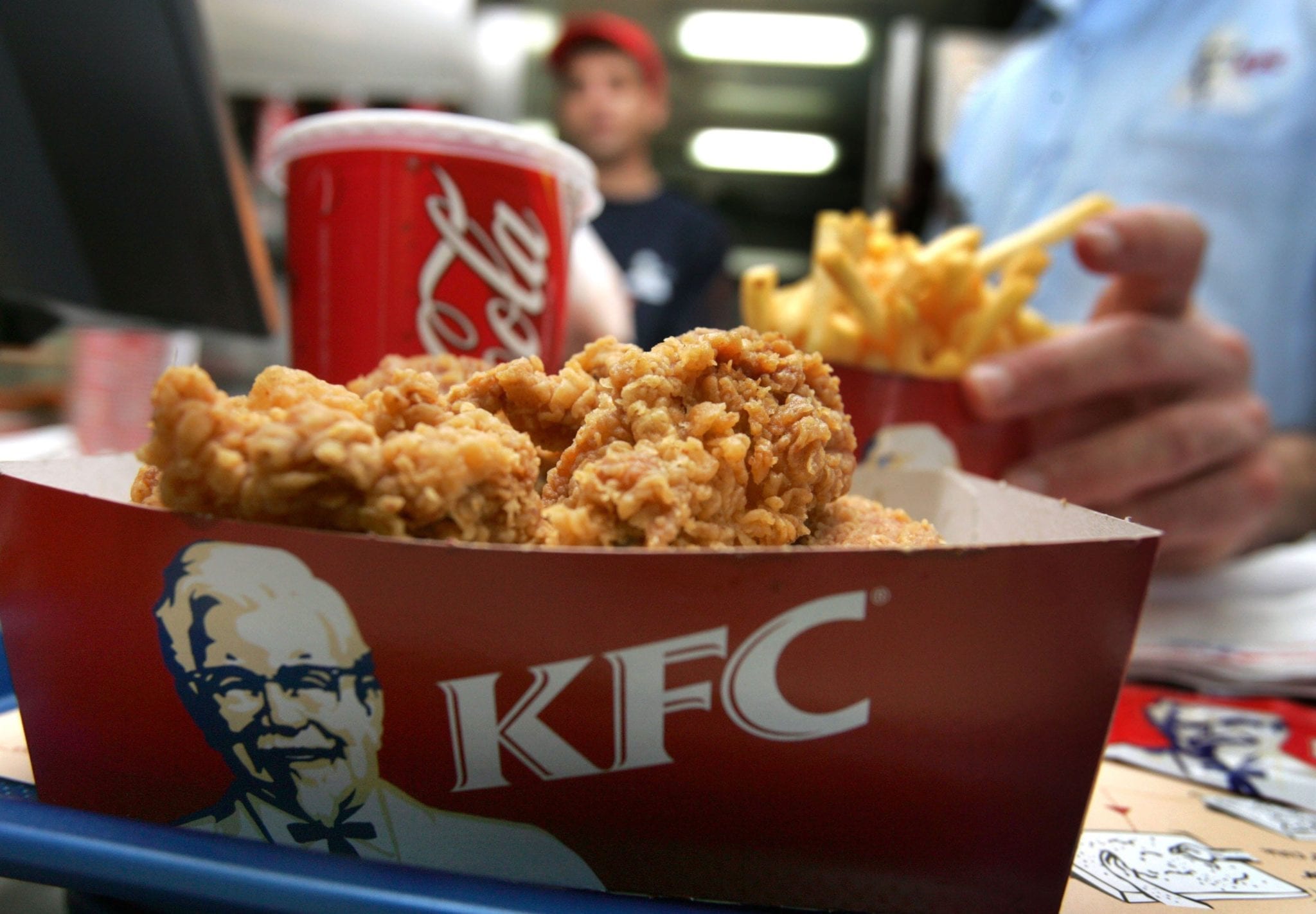
    KFC has unveiled its newest urban inline restaurant design in the Bronx, NYC. Influenced by Colonel Sanders-inspired hospitality and the hustle and bustle of the Bronx, KFC’s new concept design illustrates “the borough’s fast-paced, eclecticism”.

    Designed by FRCH Nelson, KFC in the Bronx features a brick wall with KFC’s signature red and white stripes and tagline “It’s finger-licking’ good”. Different pictures of Colonel Sanders hung on the other white focal wall.

    “The Bronx neighborhood has a rich history and has seen a great deal of urban renewal in recent years,” said Lauren Moorehead, associate design manager of KFC. “It is important for us to reach our customers where they are and through our work with FRCH Nelson we’ve been able to create our first urban inline design that makes our brand more accessible for residents of the Bronx community and nearby Fordham University.”

    The design features a modern style that “captures the Colonel’s vintage flavor while marking a stark departure from the chain’s early decor, modeled on Sanders’ first restaurant”.

    Design director at FRCH Nelson, Marty McCauley, said working with a brand historically known for its southern hospitality, the agency created a design that maintained the great experience, but also looked to fold in a distinctly edgier attitude to deliver on the feistiness of what guests see from KFC in commercials and on social media.”

    KFC operates more than 23,000 restaurants in 140 countries and regions around the world under fast-food operator Yum! Brands.
  • Shinsegae’s No Brand Burger stores dominating Korean market

    Shinsegae’s No Brand Burger stores dominating Korean market

    The No Brand Burger from Shinsegae Food, the food manufacturing arm of South Korean retail giant Shinsegae, are dominating the South Korean hamburger market.

    Analysts say that Shinsegae’s cost-effectiveness strategy for its new No Brand Burger restaurants is behind such growth.

    The company managed to lower the price by more than 1000 won (US$0.84) compared to its competitors while maintaining similar quality.

    Driving on without a stop, Shinsegae Food is planning to expand its stores and even pursue a franchise business. As of the end of last month, sales at No Brand Burger exceeded 350,000 units.

    In other words, four stores have sold more than 100,000 burgers a month on average, including the first No Brand Burger store in Seoul, which opened in August. Each store has between 1000 and 1500 daily sales.

    In particular, the Hongdae branch has become a popular place with customers waiting in line for more than an hour before eating, as No Brand hamburger has proven to be a draw among younger customers.

    The secret to the popularity of No Brand Burger is reasonable prices combined with good taste and quality. The company focused extensively on research and development of the menu. Some 20 chefs from the affiliated food research institute developed the company’s burger offerings over a period of three years.

    In addition, the company made the most of its know-how in distributing and manufacturing food products to the fullest extent possible to lower the price.

    The price of the No Brand Burger is between 1900-5300 won for a burger and 3900-6900 won for a ‘set’ that includes fried potatoes and a beverage.

    Its flagship burger, NBB Signature, which costs 3500 won (US$2.93) for the burger alone and 5300 won for a set, is also cheaper than the 6200 won cheeseburger set at Lotteria, the nation’s number one hamburger franchise.

    What is making such prices possible is so-called ‘joint orders’.

    Considering that it is not easy to secure a competitive edge in price by placing individual orders for each ingredient, Shinsegae Food placed orders for of all the ingredients at once with the food ingredients managers of each business unit and lowered the prices of the most basic ingredients.

    Moreover, it also used its own ingredient factory to secure hamburger patties and pre-prep

  • Burger King Taiwan gives away 10,000 burgers to McDonald’s, KFC customers

    Burger King Taiwan gives away 10,000 burgers to McDonald’s, KFC customers

    Burger King Taiwan is holding a marketing campaign offering 10,000 free burgers to customers of rivals McDonald’s and KFC.

    Consumers are being invited to swap a same-day receipt for a set meal at either franchise to receive a free Burger King burger.

    Burger King Taiwan, which has traded for 29 years, has lagged behind rival brands in market-share terms and has attempted a comeback over the past several years by shuttering 20 stores and replacing its management team. The brand was taken over by Asian private equity fund Nexus Point in late 2017.

    The brand has since expanded and expanded its reach via local food delivery platforms Foodpanda, Uber Eats, and Deliveroo among others.

    The campaign will run through to December 10.

  • Jollibee Expedites North American expansion

    Jollibee Expedites North American expansion

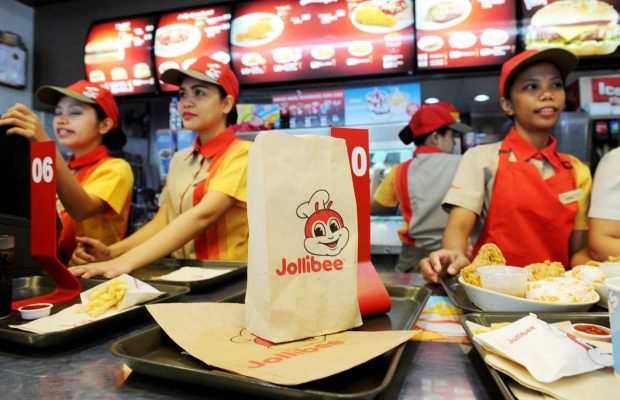
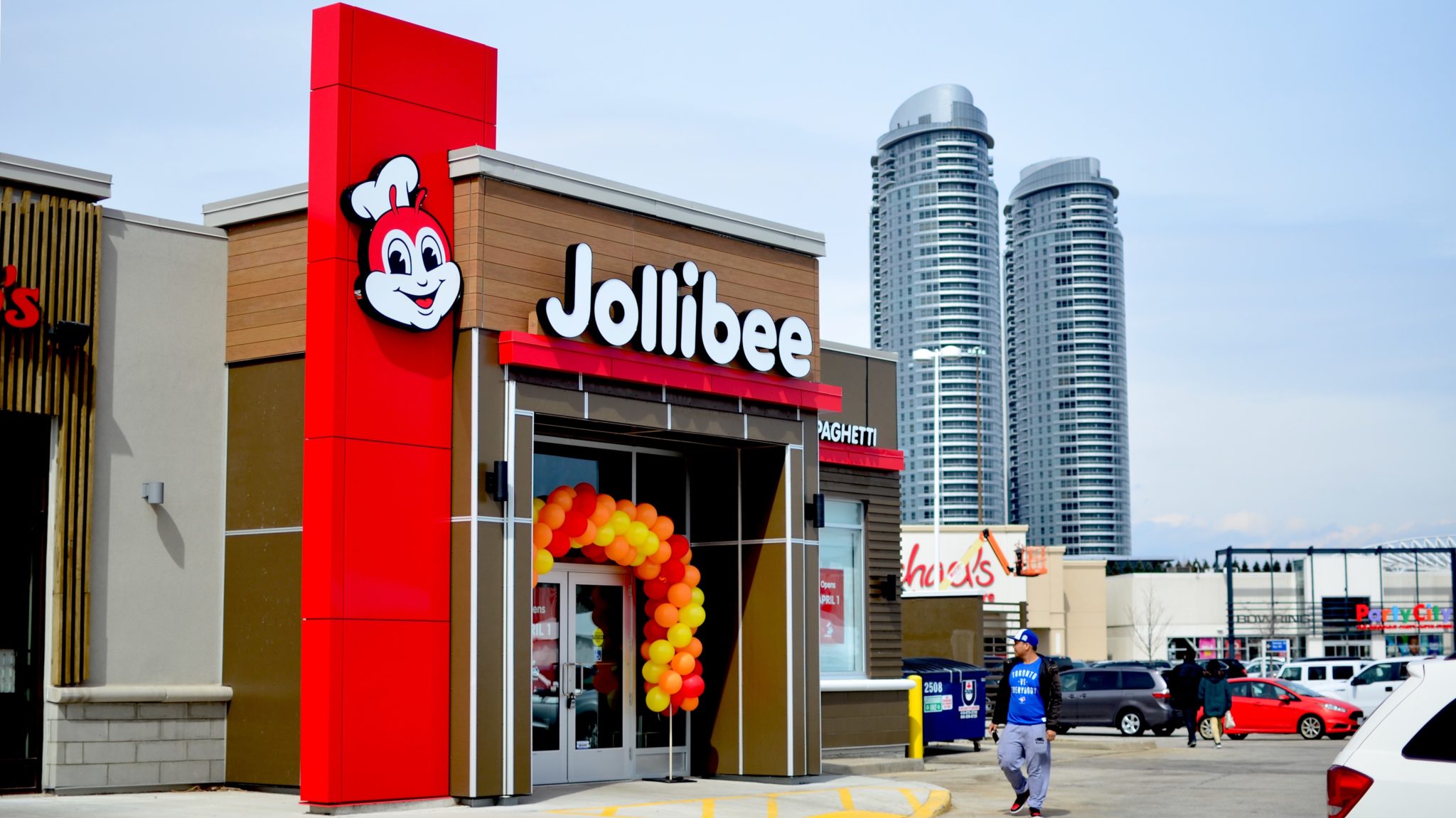
    Filipino fast-food chain Jollibee plans to expand its store network in North America to 250 by 2023.

    Its parent company Jollibee Foods Corporation (JFC) said it is committing to further expand the brand in North America, having identified the region as a key growth market.

    There are currently 46 Jollibee outlets in North America, with the first store opened in 1998 in California.

    The expansion plan was announced at the inauguration of its new North American headquarters in West Covina, California on Friday. It says the new 28,000sqft headquarters will serve as a center of operations for Jollibee and its sister brands Chowking and Red Ribbon.

    “The new Jollibee headquarters will ably support operations around North America in its quest to become a major fast-food player in the region,” says the company.

    Jollibee has a restaurant network of more than 1400 at home and more than 230 elsewhere abroad.

    Parent company JFC has more than 5800 restaurants in 35 countries globally, with recent investments including a joint venture to open Tim Wan Ho restaurants in China.

  • KFC expands delivery offer with Menulog

    KFC expands delivery offer with Menulog

    QSR chain KFC has extended its partnership with Menulog for three more years after seeing a strong response to its offer on the food delivery platform over the past 12 months.

    The agreement will see the chicken chain offering delivery in more suburban and regional areas as it brings more restaurants onto the platform. More than 360 KFC restaurants currently offer delivery through Menulog, and that figure is set to rise by almost 10 per cent by the end of this year. KFC also offers delivery through rival platform Deliveroo.

    Competition in Australia’s food delivery space is intense, and the key players – Menulog, Deliveroo and Uber Eats, the market leader – all see restaurant chains with national footprints and sizeable marketing budgets, such as KFC, McDonald’s and Hungry Jack’s, as an important path to expansion.

    Since US delivery giant DoorDash entered the local market in September, the race to strike deals with QSR brands has only heated up. DoorDash recently offered free Oporto burgers as part of a promotion to mark its launch into Sydney. And Menulog’s managing director Ben Carter said the platform will continue to take advantage of co-marketing opportunities with KFC.

    “Kentucky Fried Chicken is a favourite with our customers and so there is a very compelling co-marketing opportunity that we will continue to take advantage of over the next three years,” Carter said in a statement.

    “Customers can expect to see some very exciting, creative and truly integrated work that will add value and enjoyment to the KFC and Menulog delivery experience.”

    Menulog recently announced it had signed its 16,000th restaurant in Australia. The platform is owned by UK-based company Just Eat, which is in the middle of a merger with the Dutch Takeaway.com.

  • Shake Shack Singapore planning a second Restaurant

    Shake Shack Singapore planning a second Restaurant

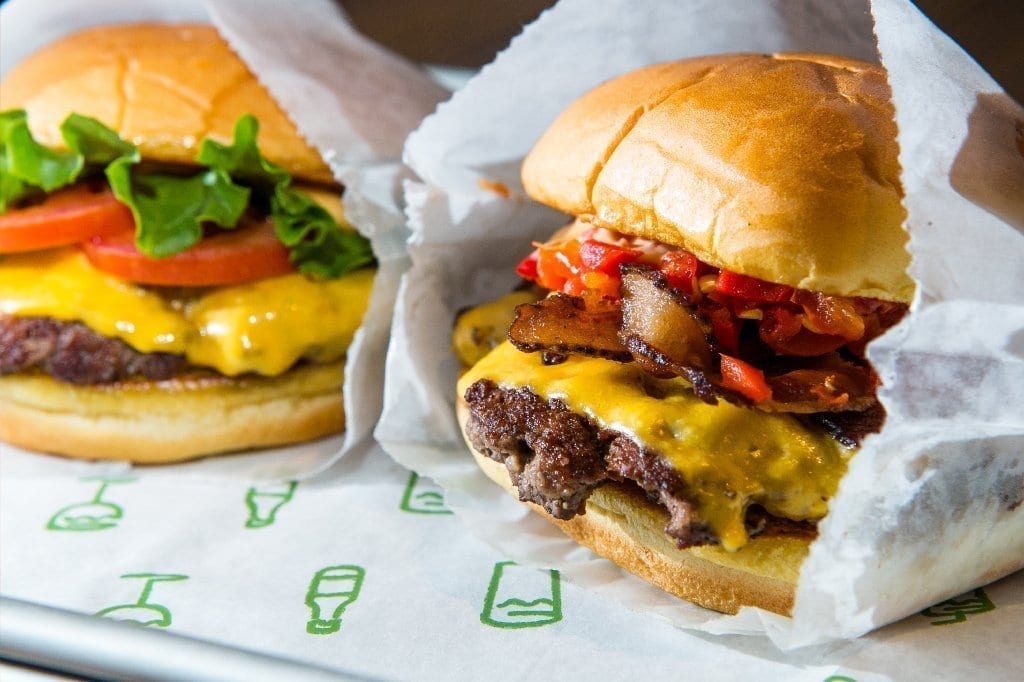
    Shake Shack Singapore is considering opening a new outlet in the territory following better-than-expected business at its Jewel Changi Airport location.

    The brand’s culinary director Mark Rosati said in an interview with Channel News Asia that long queues to the existing location have persisted several months into trading, underscoring Shake Shack’s popularity with Singaporeans.

    The brand has expanded from a roadside burger stand to operate in more than 12 countries, based on a consistent menu along with exclusive items designed for local tastes.

    “We keep looking at each outlet as, ‘This is the only Shake Shack in the world’,” said Rosati. “So, when we opened Singapore, we weren’t thinking to ourselves that we needed to open the one that’s going to be the blueprint for opening a few more – in terms of look and taste – in this region.

    “We knew we needed to go to Singapore, spend time on the street figuring out what the food was like, how it makes it super special and how we fit into that. We knew that we needed to do something that is definitely part of our New York heritage but also what we do that’s a little different for Singapore.”

    The brand has yet to settle on a location for the second outlet.

  • Everstone may quit Burger King Indonesia stake

    Private equity firm Everstone Capital may withdraw from its involvement in Sari Burger Indonesia (SBI), the country’s master franchise owner of Burger King.

    A DealStreetAsia report revealed the firm has been speaking with banks and advisers over the course of this year about the potential move.

    Everstone is currently in a partnership with Indonesian retail firm Mitra Adiperkasa, previously SBI’s sole shareholder. The firm also partners with Mitra Adiperkasa in running Domino’s Pizza in Indonesia.

    Everstone may have difficulties finding a buyer in the territory given tight competition in the industry, according to an opinion published in Nikkei.

  • Jollibee is expanding in the UK with more outlets

    Jollibee is expanding in the UK with more outlets

    Filipino fast-food chain Jollibee is set to open its second UK restaurant, in Liverpool.

    Bee World UK, part of the Jollibee Foods Corporation, has already submitted a plan to transform a Lush store on Whitechapel into its flagship restaurant in the northwest England city. The expansion comes after the successful opening of its first UK restaurant in London’s Earl’s Court last year. The opening is set to create 70 jobs, according to the planning application.

    Jollibee’s head of international business for Europe, Dennis Flores, said last year that the company plans to continue expansion by opening 25 restaurants and creating 1,500 jobs across the UK by 2023. He also said that they expect the brand to appeal not only to the Filipinos living and working in the UK but to the locals as well.

    Further expansion will see the fast-food chain launch in new cities including Manchester and Birmingham, said Flores.

    Jollibee, known for its Chicken Joy fried chicken and Jolly spaghetti, has a network of more than 1,300 restaurants in the Philippines, making it a dominant leader in the industry. Internationally, it has more than 200 branches spanning across countries including the US, Canada, Vietnam, Singapore, Saudi Arabia, Qatar, Italy, Bahrain, Singapore, and the UAE.

    Its parent company, Jollibee Foods Corporation, also owns brands including Chowking, Greenwich, Red Ribbon, Mang Inasal, Yonghe King, Hong Zhuang Yuan and Smashburger. It also owns 60 percent of the SuperFoods Group which operates Highland Coffee and Pho24 brands in Vietnam. It recently entered into an agreement to operate Panda Express in the Philippines and to buy the Coffee Bean & Tea Leaf business globally.

  • Burger King APAC opens 3,000th restaurant

    Burger King APAC opens 3,000th restaurant

    The Burger King Asia-Pacific network has reached a milestone, the 3000th restaurant which just opened in Shanghai.

    The new restaurant in China is a joint venture owned by Burger King, TFI TAB Food Investments and Cartesian Capital.

    “We have served the Asia-Pacific market for more than 40 years, and have grown rapidly in the region recently, doubling our restaurant count in just the past five years,” said Sami Siddiqui, president at Burger King Asia-Pacific. “We look forward to many more openings to come as we grow the brand in our fastest-growing region of the world.”

    Burger King has opened more than 1500 restaurants in the region within the last five years, helped by strong franchisee partnerships in major markets, including China, India and South Korea.

  • KFC New Zealand drives Restaurant Brands’ sales

    KFC New Zealand drives Restaurant Brands’ sales

    Restaurant Brands total group sales grew 2.7 percent over during the first half of FY20, though net profit fell 2 per cent due to the adoption of a new leasing standard.

    Total group sales, which include KFC, Pizza Hut and Carl’s Jr. in New Zealand, as well as KFC operations in Australia, and Taco Bell and Pizza Hut in Hawaii, grew to $442.6 million – an increase of $11.6 million on the prior year.

    Net profit fell to $20 million, 2 percent lower than the $20.4 million seen during 1H19, due to the adoption of NZ IFRS 16, which knocked net profit down $2.9 million as a result of lease depreciation costs.

    The bulk of the sales improvement came from KFC’s New Zealand operations, which saw sales up 7.9 per cent to $193.5 million.

    Same-store sales grew 5.7 percent, while EBITDA totaled $41.8 million, driven by a further roll-out of the business’ delivery operations, as well as successful product promotions and the opening of three new stores.

    Pizza Hut saw a more difficult half, with total sales down 10.5 percent to $18.3 million despite the expansion of the chain’s store network. Same-store sales also fell 4.4 percent due to competitive pressure, the impact of launching new stores, as well as the appearance of new food delivery companies in the New Zealand market.

    Restaurant Brands also confirmed it would be opening its first New Zealand Taco Bell at LynnMall Shopping Centre in Auckland next month.

    “Initial planning and setup is well underway to bring this exciting new brand to the New Zealand market with the first new store in Auckland targeted to open in November,” the company said in a release.

    Restaurant Brands chief executive Russel Creedy said the group would launch up to 25 Taco Bells across New Zealand in the next five years.

    The group’s Australian results were adversely affected by a stronger New Zealand dollar, with KFC Australia seeing 4.2 percent total sales growth to $99.5 million. Restaurant Brands is also planning to open two Taco Bell stores in New South Wales, Australia in the calendar year.

    “The overall business continues to deliver solid results across all geographic markets and this strong performance is expected to continue in the second half of the year,” the group said.

    The directors believe that, not including further impact of NZ IFRS 16, Restaurant Brands will deliver an NPAT at least 10 per cent higher than FY19 – having previously stated they are expecting a net profit of $45 million for the FY20 period.

  • Fat Brands opens five Restaurants in Pakistan

    Fat Brands opens five Restaurants in Pakistan

    Fast-food franchise owner Fat Brands has developed five co-branded Fatburger and Buffalo’s Express concepts in Pakistan.

    In partnership with local operator Crescent Star Foods, the co-branded restaurants will increase the brand’s presence in Pakistan to six restaurants.

    “Our partners and friends at Crescent Star Foods not only know the business, but they know and care about the people of Pakistan,” said Fat Brands CEO Andy Wiederhorn. “We couldn’t be more thrilled to work with them to bring our delicious, homemade burgers and wings to Pakistan residents and visitors.”

    Fat Brands strategically acquires, markets and develops fast casual and casual dining restaurant concepts around the world. The company currently owns eight restaurant brands and franchises more than 400 units worldwide.

  • Jollibee expands into Alberta eyeing 100 new restaurants

    Jollibee expands into Alberta eyeing 100 new restaurants

    Jollibee Canada is continuing its expansion, opening its first store in Alberta this Friday, (August 16) at Edmonton.

    The store will be the Philippine-founded fast-food group’s fifth store in Canada, as it sets out to build a network of 100 outlets there within five years.

    The chain recently opened other locations in Winnipeg and the Greater Toronto Area where it says local consumers lined up for hours.

    “Since opening locations in Scarborough and Mississauga over the past year, Jollibee Canada has been looking forward to serving Edmonton and making it easier for them to satisfy all of their Jollibee cravings,” said Maribeth Dela Cruz, president of Jollibee Foods Corporation North America.

    “Although Jollibee is wildly popular among Filipino-Canadians, the brand also attracts a diverse mix of adventurous foodies, curious locals and families alike.”

    She says that since the company announced plans to enter Canada it has received a high level of feedback from expatriate Filipinos across the country and others who have got to know the Jollibee brand in other countries it already operates, such as Vietnam, Singapore and parts of the US.

    Jollibee is the flagship brand of Jollibee Foods Corporation’s 14 brands, which now has more than 4500 stores in 21 countries.

  • Burger Fuel New Zealand Restaurants performing well

    Burger Fuel New Zealand Restaurants performing well

    Burger Fuel said its stores in New Zealand have been performing well, posting a 2.6 per cent increase in sales on the previous year.

    Burger Fuel, which has 56 restaurants in New Zealand, said sales have increased from last year but growth was less than what the company would have liked for the period.

    Company chair Peter Brook and group CEO Josef Roberts said in a statement they will continue to focus on the opening of new restaurants in NZ for FY19 and update the market as the year progresses.

    They said, however, that they will only undertake new openings if they can achieve both the right locations as well as the accompanying franchisees.

    At this stage, the company said they are not undertaking third party home delivery, as over time they believe it will negatively affect both the brand and individual store profitability.

    “This decision may have impacted our growth numbers, however we remain committed to a no delivery policy at this stage,” Brook said.

    The company is in the process of changing from a single-brand international company to a multi-brand New Zealand company. The move was announced last year.

    “This transition is going well and we are pleased that we have managed to absorb all the costs associated with this transition, as well as the costs to develop the new brands and provide an acceptable profit for FY19,” Brook said.

    “We will continue to focus on the opening of new restaurants in NZ and we look forward to updating the market with these new openings as the year progresses.”

    Burger Fuel Worldwide posted a $1.2 million net profit for the year ending March 31, a turnaround from the previous year’s $463,000 net loss, as it transitions to a new business model.

    Sales decreased 15 per cent to $21 million, mostly reflecting the sale of the company-owned store in the United States to founding director Chris Mason in March last year, while expenses dropped 22.7 per cent to $19.2 million.

    “This internal change lowers revenue from our proprietary product manufacturing operation but will ensure that this business unit becomes more financially efficient,” the company says.

    Total system sales, including both company-owned and franchised stores, fell 2.9 per cent to $102 million.

    There were 78 Burger Fuel stores operating worldwide and two new outlets in New Zealand, one for each of the company’s new concepts, Shake Out, a new burger concept developed in-house, and Winner Winner, the chicken concept purchased by BurgerFuel Worldwide in December 2017.

    Of the BurgerFuel stores, 56 are in New Zealand.

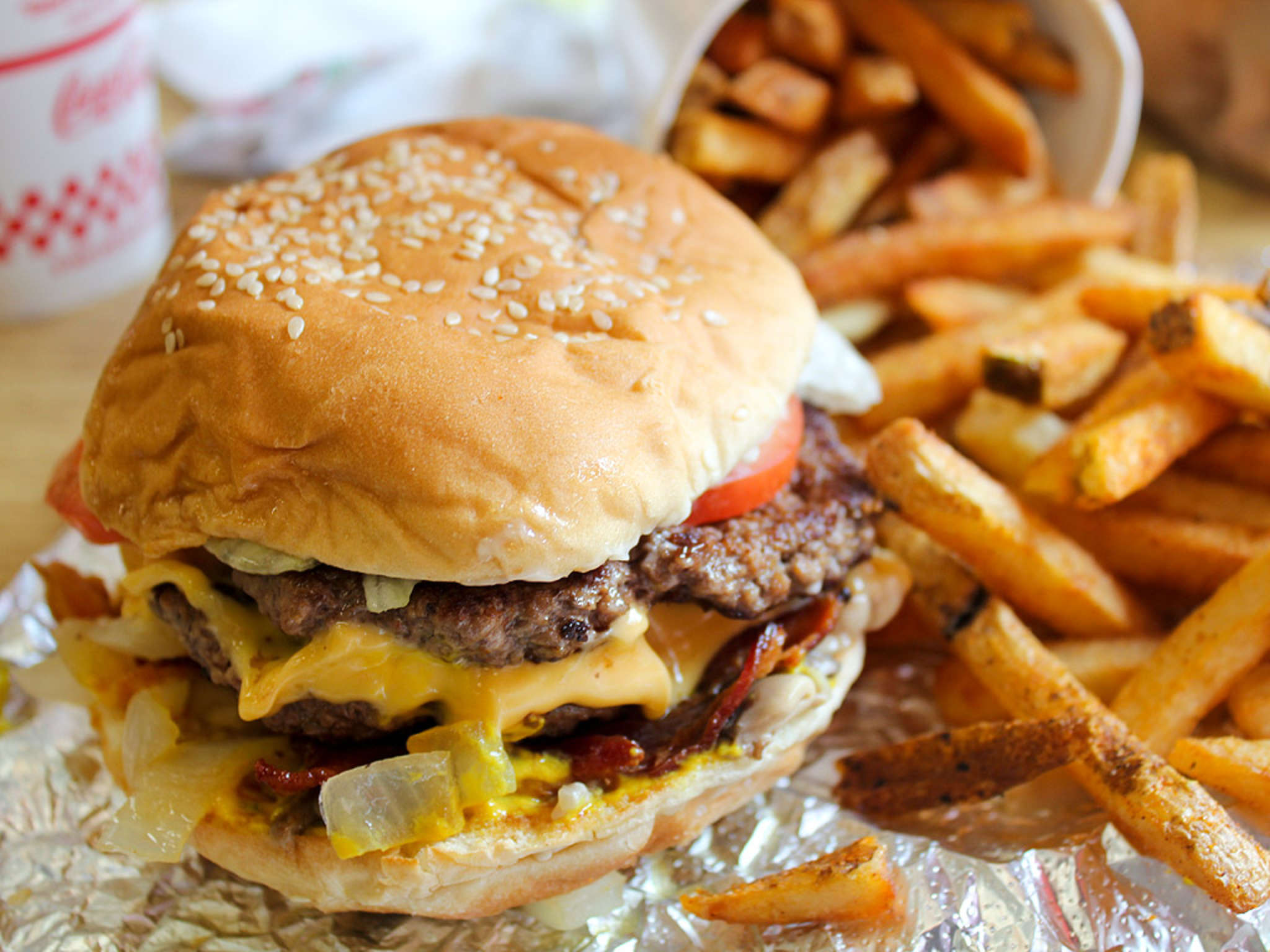
  • Five Guys confirms Singapore Restaurant Opening

    Five Guys confirms Singapore Restaurant Opening

    American burger chain Five Guys is set to open in Singapore within six months.

    Local franchisee Zouk Group says the first outlet will open somewhere “central”.

    “There will definitely be more than one outlet here, depending on how many the market can sustain,” Andrew Li, Zouk Group CEO said.

    Five Guys is known for its customisable beef burgers, hotdogs, milkshakes and sandwiches.  Singapore outlets have the same menu as the US and Hong Kong.

    Prices have yet to be confirmed, but the outlet will serve alcohol including craft beer.

    Founded in Virginia in 1986, the brand now has more than 1600 restaurants worldwide across the US, Europe, Middle East and Asia.

  • Restaurant Brands is Expanding Again

    Restaurant Brands is Expanding Again

    KFC Australia enjoyed a 6 per cent increase in same-store sales in its first quarter of FY19 and a 1.9 per cent increase in total sales, despite the temporary closure of several stores for refurbishments.

    KFC saw $37.3 million (NZ$39.7m) in same-store sales and $40.7 million in total sales in the quarter.

    This helped drive total sales for parent company Restaurant Brands up 1.6 per cent to $182.8 million, due to increased same-store-sales in all of its markets; Australia, New Zealand, and Hawaii.

    In New Zealand, KFC saw a same-store sales increase of 5.2 per cent to $73.8 million (NZ$78.4m), up from $70.2 million (NZ$74.6m) during Q1 of FY18. Restaurant Brand’s Pizza Hut operations in New Zealand, however, saw a significant drop in sales over the period.

    While same-store sales fell 4.6 per cent, the pizza chain’s total sales fell 16.1 per cent to $7.2 million (NZ$7.7m), compared to the $8.57 million (NZ$9.1m) seen during the same period of FY18.

    Looking forward, Restaurant Brands’ management notes that it is no secret they intend to turn the operation into a billion-dollar company, in both market capitalisation and in total revenue.

    “As to our total revenue, in just over two years we’re well on the way having doubled in size through international acquisitions,” the group wrote in a statement to shareholders.

    “Now that consolidating new operations and transitioning the company to a new ownership structure are behind us, we are set to resume our aggressive expansion strategy with gusto.”

    Over the next five years, the group expects to open 30 new KFC stores across Australia and New Zealand, acquire independent KFC franchises in Australia, launch and roll out Taco Bell in New Zealand and Australia and establish a larger presence in the United States.