Tag: hamburger

  • Fat Brands China to open six stores More

    Fat Brands China to open six stores More

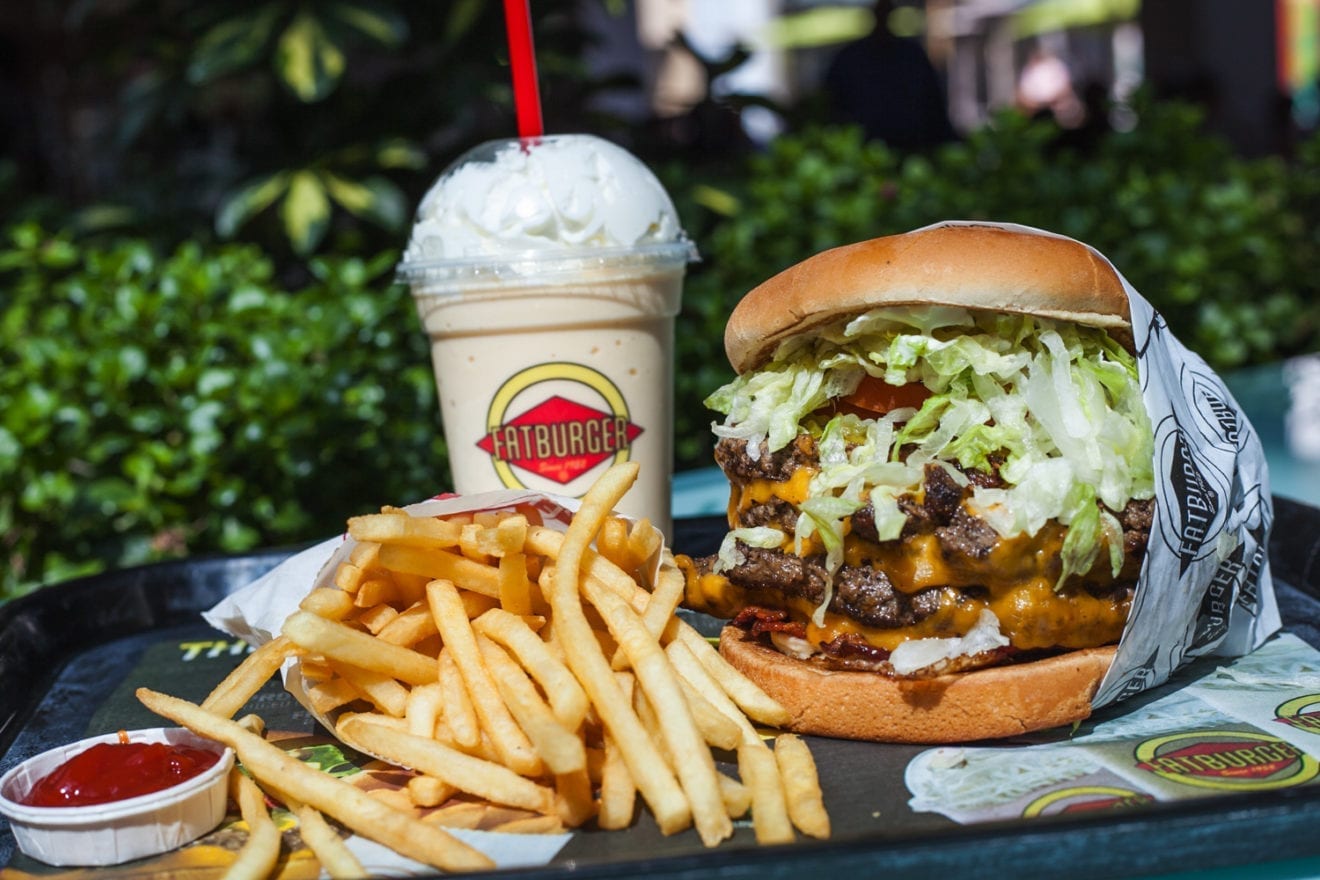
    Fat Brands China has announced the development of six new co-branded Fatburger and Buffalo’s Express restaurants throughout Shanghai with Bloomfield.

    The new locations will build on Fat’s existing presence in China, where the company currently operates multiple successful locations in both Beijing and Shanghai.

    “When expanding internationally, it’s important to identify a partner we can trust with our iconic brand,” said CEO of Fat Brands Andy Wiederhorn. “Markets such as Shanghai, where demand and crowds are large, magnifies this need even more. We’re thrilled to open more restaurants with the Bloomfield team. They’ve done an excellent job maintaining the integrity of our brand while providing a deep understanding of the Chinese consumer.”

    Fat Brands currently owns seven restaurant brands that have more than 300 locations open and 200 under development around the world.

  • McDonald’s buys tech firm

    McDonald’s buys tech firm

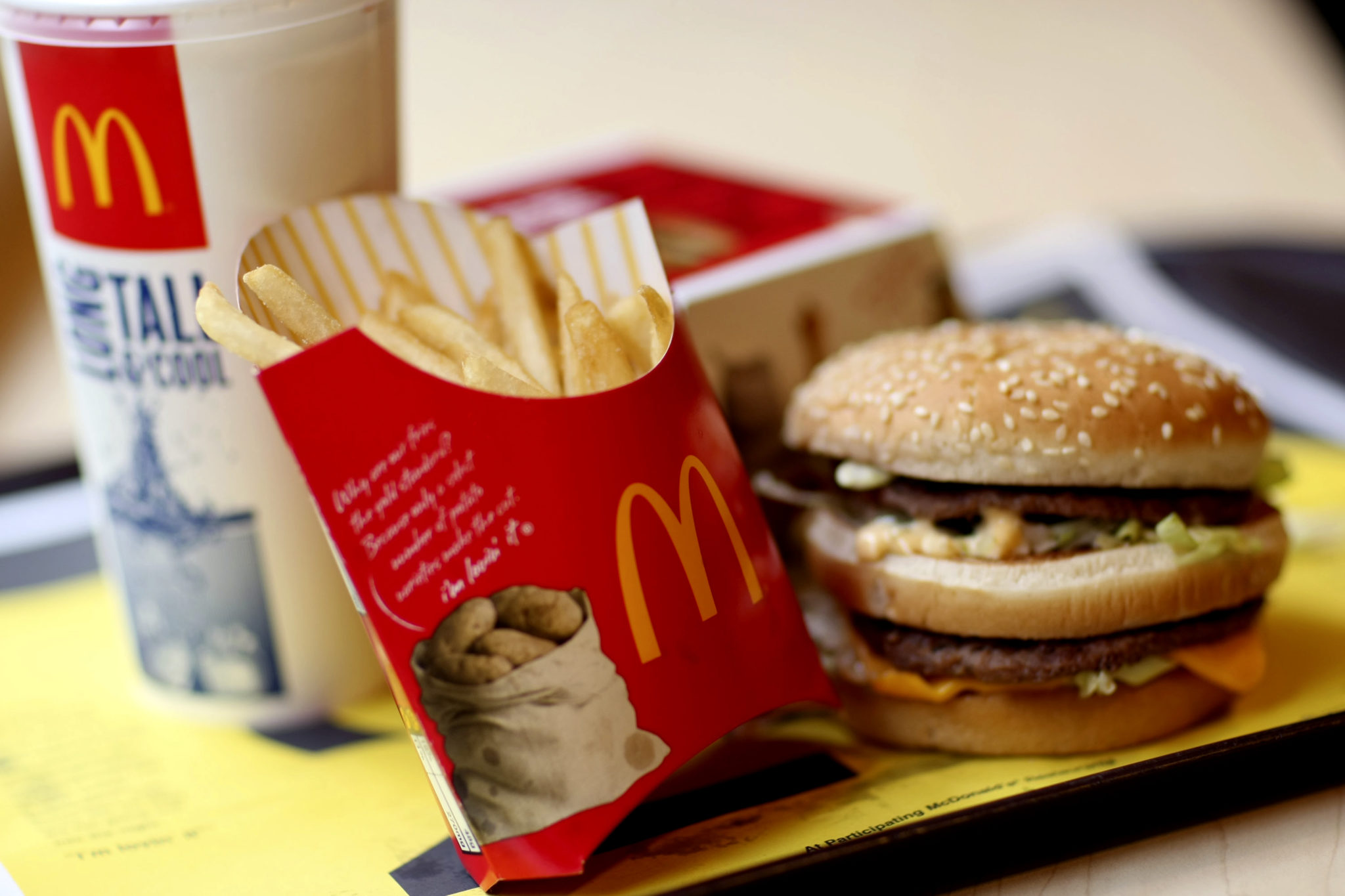
    McDonald’s is set to purchase US/Israeli personalisation vendor Dynamic Yield in an attempt to boost drive-thru sales.

    The deal, reportedly worth more than US$300 million, will help the fast food vendor personalise outdoor digital drive-thru menu displays. The tech will analyse a range of variables in order to determine the most persuasive additional items to suggest to customers placing orders.

    “With this acquisition, we’re expanding both our ability to increase the role technology and data will play in our future and the speed with which we’ll be able to implement our vision of creating more personalised experiences for our customers,” said McDonald’s president and CEO Steve Easterbrook.

    Dynamic Yield has served multiple online retailers, including LVMH-owned cosmetics retailer Sephora and furniture giant Ikea. It has more than 300 clients worldwide.

    The technology will be rolled out in drive thrus at US restaurants this year before expanding to other leading international markets.

  • Wendy’s Malaysia Closing Down

    Wendy’s Malaysia Closing Down

    A series of Wendy’s restaurant closures have prompted rumours that the brand is shutting down in Malaysia for good.

    While no formal announcement has been made of the brand’s apparent withdrawal from the territory, social media posts documenting vacated Wendy’s Malaysia premises have been circulating since venues began disappearing last year.

    Online users have speculated that Wendy’s Malaysia franchisor Berjaya Burger has decided not to renew its agreement with the international fast food chain. The Wendy’s Malaysia Instagram account has also been shut down, and the firm’s last Facebook post was in early January this year.

    A 2016 article announcing the planned expansion of Wendy’s in Malaysia has been held up as a relic of better times for the global brand.

    At last count, just one branch in Kuala Lumpur – at Berjaya Times Square – and two in Penang were still operating.

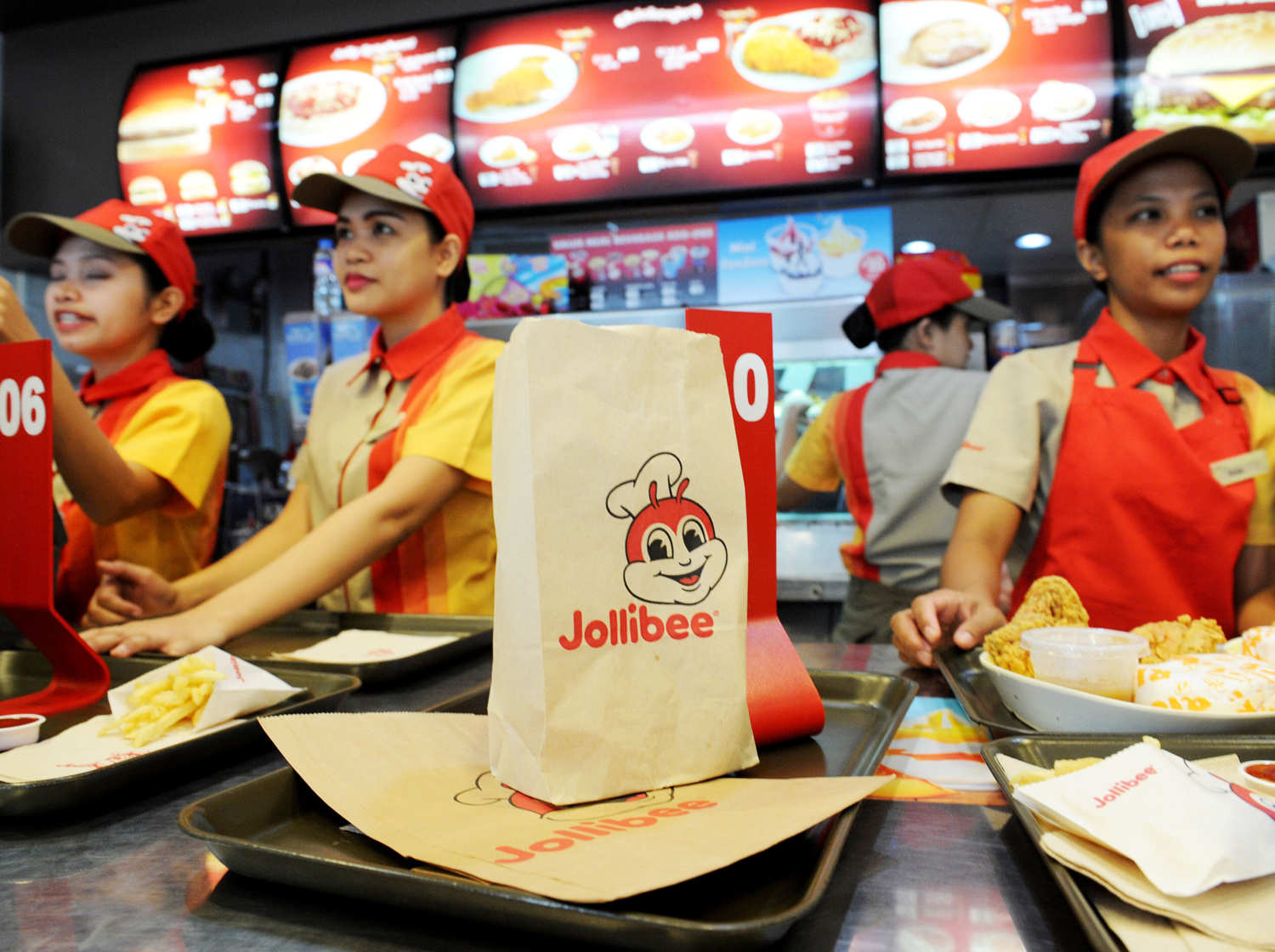
  • Jollibee Guam flagship Restaurant Opening Early April

    Jollibee Guam flagship Restaurant Opening Early April

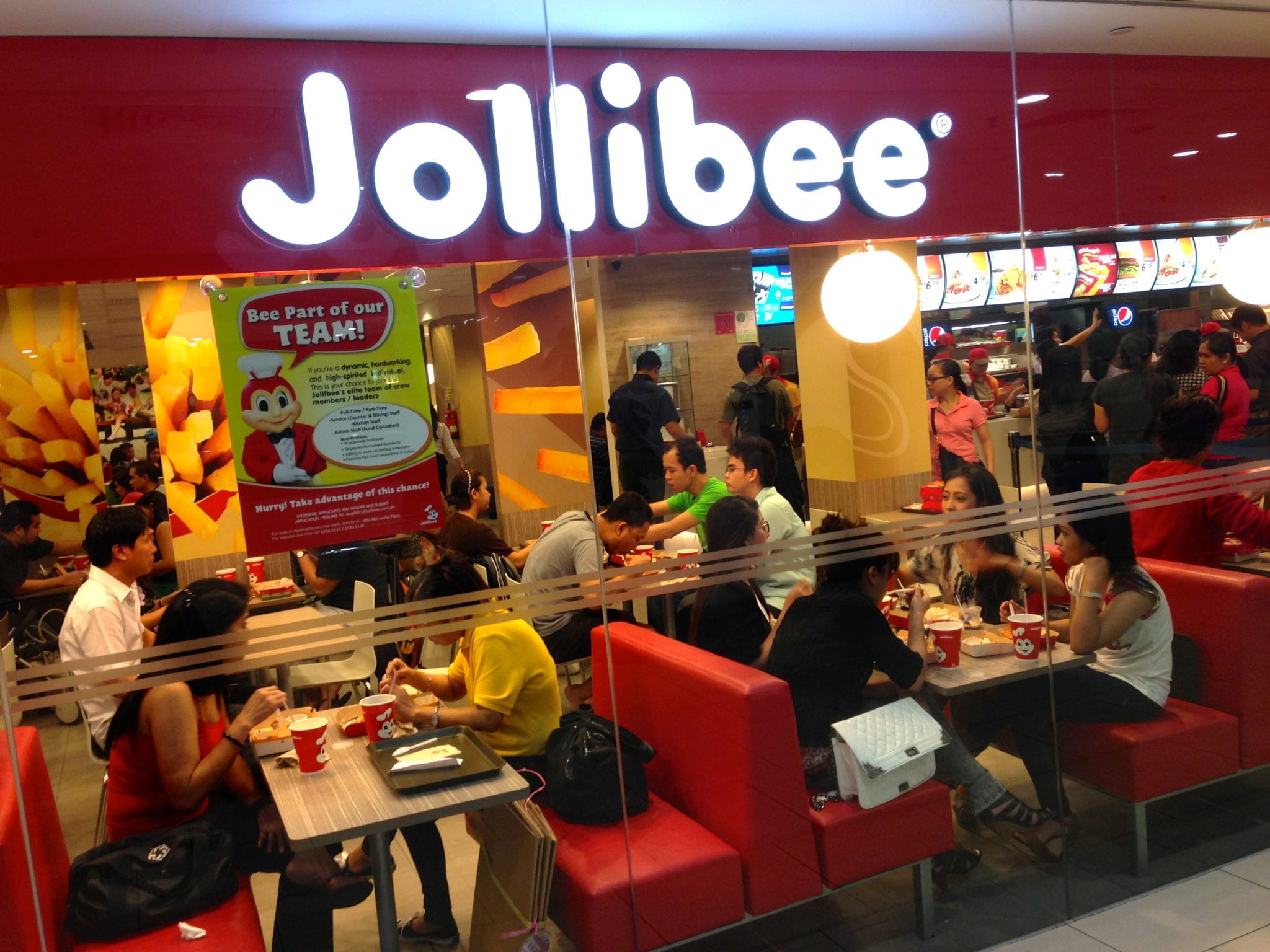
    Filipino fast food chain Jollibee, the largest and fastest-growing Asian restaurant company in the world, is soon to open its flagship brand in Guam.

    The first Jollibee Guam outlet will launch at Micronesia Mall on Saturday, April 6.

    “We’ve seen people queue even in extreme weather to enjoy our unique and tasty food,” said Jollibee Foods Corporation’s president and head of international business Dennis Flores. “We invite everyone – Chamorus, Micronesians, mainland Americans in Guam; everyone here in Guam – to come taste and see for themselves why people are willing to wait and line up for our food.”

    With Jollibee operating in Guam – where America’s day begins – the company says it can claim that it is serving food to more diners on American soil at any given moment of the day or night. Jollibee has 37 stores in the US.

    Jollibee, from its humble beginnings as an ice cream house in 1975, quickly grew into a fast-food giant with more than 1300 stores worldwide. Its openings have drawn queues with people lining up to 20 hours for a taste of their Jollibee favourites.

  • International sales bolster McDonald’s results

    International sales bolster McDonald’s results

    Strong international sales ensured respectable McDonald’s results in the latest quarter as the fast-food giant encountered challenges in its core US market. Global sales slipped 3 per cent in the three months to December, to US$5.16 billion, although this was largely due to currency translations, without which sales would have been flat.

    While the company did not break out Asian performance, it said international same-store revenue rose 5.2 per cent.

    Same-store sales in the US rose 2.3 per cent, primarily due to increased prices, given foot traffic in stores fell by 2.2 per cent. Global visitor numbers crept up by a mere 0.2 per cent.

    Breakfast remains its most challenging category, with the chain struggling to attract diners in the mornings. While that mealtime accounts for about a quarter of its total sales, the breakfast market is experiencing fierce competition among rival chains.

    “We’re doing well with average check growth but we really want the customer to come back and more often,” CEO Steve Easterbrook said in an investor presentation about the McDonald’s results.

    He said McDonald’s is trying to recover breakfast customers by trialling different price promotions, launching localised advertising campaigns and improving the drive-through service.

    More stores, more kiosks

    Globally, McDonald’s plans to open a net 750 new stores this year. It will also speed up the rollout of its digital touchscreen ordering systems. Easterbrook says stores with self-ordering kiosks were achieving higher sales than those without.

    Commenting on the McDonald’s results, Neil Saunders, MD of GlobalData Retail, said the kiosks and order-by-app services need to be rolled out faster.

    “This isn’t just a case of installing and implementing the technology, it is about getting customers to actually use it. Consumers need to be given more incentives to use the new ways of ordering, especially mobile, as many still shun the technology,” said Saunders.

    “Longer term, more automation in the kitchen is also critical – something that will be particularly beneficial now McDonald’s menu options are more varied and complex.”

    Saunders described the latest McDonald’s results as “reasonable”. But he said a 6.7 per cent decline in operating income suggests that McDonald’s is having to work harder for much slimmer rewards.

    “In our view, this does not sit well with the increasing complexity and higher levels of capital expenditure the company is introducing into the business.”

    Saunders believes McDonald’s is on the right track. “However, this year will be a more challenging year than last and it will be a balancing act between keeping both customers and franchisees happy.”

  • KFC poised to expand after strong full year sales

    KFC poised to expand after strong full year sales

    Restaurant Brands is planning to expand the number of KFC restaurants it operates across Australia and New Zealand off the back of strong sales over the 12 months to February 2019, which contributed to the group’s overall 7.2 per cent increase in full-year sales of $764.6 million (NZ$794 million).

    In Australia, KFC’s sales grew 27.8 per cent to $178.3 million, thanks to new store acquisitions in the period. Same-store-sales grew 4.7 per cent.

    Starbucks saw a 4 per cent increase in sales to $15.4 million, and was sold to Tahua Capital on 23 October 2018.

    Carl’s Jr., however, saw an 8.8 per cent decline in total sales to $30.7 million. Same-store-sales also fell 3.3 per cent over the year.

    The group’s performance in New Zealand was more varied.

    KFC’s New Zealand operations improved 5.3 per cent over the period to $324 million (NZ$336.5 million), and 4.3 per cent on a same-store basis, while Pizza Hut faltered – seeing a 14 per cent decrease in sales over the year to $34 million (NZ$35.4 million), down 6.1 per cent on a same-store basis.

    The group is currently in the midst of a partial takeover, with investor Finaccess Capital having proposed to acquire up to 75 per cent of the group’s shares for a premium of NZ$9.45 ($8.68) cash per share.

    Restaurant Brands shares currently sit at $7.33 on the ASX, and $NZ8.62 on the NZX. Currently, Finaccess has secured 33.71 per cent, or just over 42 million, shares.

    The board of Restaurant Brands “unanimously” recommends shareholders accept the partial takeover offer, which closes on 12 March 2019, based on the absence of a superior proposal.

  • Jollibee Malaysia opens in Kota Kinabalu

    Jollibee Malaysia opens in Kota Kinabalu

    Jollibee Malaysia has opened its first outlet – in the beachside city of Kota Kinabalu. CEO Ernesto Tanmantiong said opening in Malaysia marked a new chapter for the group.

    “We invite Malaysians to come and see for themselves why people line up for hours.”

    Jollibee Foods head of international business, Dennis Flores, said Jollibee is beloved throughout Asia, because it appeals to diverse tastes and cultures.

    “This has propelled us to become the fastest-growing Asian restaurant company, and we are thankful for the overwhelming support. It drives us to do better for our customers, and to continue to serve delicious food with our signature warm service.”

    The Jollibee Malaysia opening follows the brand’s recent expansion into London and Manhattan as its rapidly expands its global store network to surpass 4300.

    After making its debut in the capital of Sabah, Jollibee Malaysia plans further outlets in major cities across the country.

  • Jollibee acquires Smashburger

    Jollibee acquires Smashburger

    Jollibee has taken full ownership and control of US fast-food chain Smashburger after acquiring an 85 per cent stake in February.

    The Philippine company said it paid US$10 million to acquire the remaining 15 per cent of the company and that it has made management changes.

    Tom Ryan, Smashburger founder and CEO, will take on the additional title of chief product development advisor at Jollibee Foods Corporation globally, focusing on strengthening taste and quality aspects across key brands and enhancing their relevance across global markets.

    Jose “Pepot” Minana has assumed the role of Smashburger president, including daily operations, collaborating on strategy and brand direction, and lead the continuing integration of Smashburger into the Jollibee Foods portfolio.

    Smashburger has 351 stores and accounts for 7 per cent of Jollibee’s global sales which totalled $3.4 billion last year.

  • McDonald’s Starts Reducing Plastic

    McDonald’s Starts Reducing Plastic

    As part of McDonald’s initiative to use its scale to contribute to positive changes in the communities where it operatesArcos Dorados – McDonald’s franchisee in Latin America and the Caribbean- will cease to offer plastic straws in its 2,100 restaurants across the region, from October 31. Straws will be provided only for those customers who expressly request them. For now, straws will still be available at the drive-thru.

    This step is part of a global assessment within McDonald’s to transition to packaging alternatives that are 100% renewable, recyclable or from certified sources towards 2025; to reduce its impact in the environment and take action on one of the most important challenges of society. This path aims to reduce plastic consumption and is the first move to more sustainable alternatives to plastic straws.

    The initiative has been tested in Latin American countries such as Colombia and Uruguay, and many other countries around the world. Arcos Dorados aims to avoid the consumption of close to 300 tons of plastic, based on the results of the test conducted in Colombia, where 6 out of 10 consumers preferred not to use the straw in their beverage.

    “We are looking for ways to use our scale to make a positive impact in society and the environment, as part of our ‘Scale for Good’ goals. The initiatives we have announced recently regarding our commitment to youth opportunities and employment, kid’s nutrition, sustainable packaging and actions to curb climate change; allow us to effectively contribute to the change of consumer’s habits and behaviors so we all can live in a better world” said Woods Staton, Executive Chairman of Arcos Dorados.

    McDonald’s goal is to recycle packaging used in 100% of its restaurants towards 2025, considering local infrastructure for recycling, legislation and consumer behavior in the different cities in which the brand operates; aiming to become part of the solution and to influence this critical change.

    Globally, the company has been creating awareness about the collection and recycling of its packaging at restaurants, and now is working on finding more sustainable alternatives to plastic straws. In fact, McDonald’s is currently testing different solutions to more sustainable packaging through tests in different countries.

    Recently, the Company announced a partnership with Starbucks and Closed Loop Partners, a group of investors in sustainable goods, to launch the “NextGen Cup Consortium and Challenge” with the goal promote innovation of the cups that are currently used in the industry, to make them completely recyclable and environmentally friendly”.

  • Burger King eyes expansion in Africa

    Burger King eyes expansion in Africa

    Burger King, the world’s second-biggest burger chain, is set to launch a string of restaurants in sub-Saharan Africa, including Nigeria, according to a senior executive.

    Daniel Schwartz, chief executive of Burger King’s parent company, Restaurant Brands International, told that the region was seen as a “huge opportunity”.

    Africa has mouth-watering demographics for any fast-food chain, with the United Nations forecasting that it will have ten of the world’s fastest-growing cities between now and 2035.

    And the continent’s population is young, with a median age of just 19. The population is expected to top two billion by 2050, doubling again by the end of the century.

    Burger King is currently undergoing rapid expansion internationally, adding two or three restaurants each day to its global network. But with 17,000 outlets worldwide, it remains far behind rival McDonald’s which claims more than 37,000.

    Asia and Europe are the main focus for Burger King, but, said Schwartz, the brand is “significantly under-penetrated” in Africa.

    “We are so under-penetrated around the world relative to our peers – and ourselves in the US,” he added. “We’re just scratching the surface.”

    José Cil, president of Burger King, told the FT that fast-food restaurants “aren’t really well penetrated yet” in sub-Saharan Africa. “We think Nigeria is an amazing opportunity, we think East Africa as well.”

    Besides Nigeria, Africa’s largest economy, Burger King is reported to be eyeing Kenya and Ivory Coast among other countries in the region.

    But, said Cil, Burger King had “a lot of work to do” in Nigeria “in terms of infrastructure and supply chain”.

    “We want to do it right — and we want to do it in a big way,” he said. “We want to scale quickly. So, we’re excited about the potential.”

    News of Burger King’s latest expansion comes as Nigeria inches its way out of a recession caused by the dramatic fall in oil prices. With a population of 194 million, the country is the continent’s most populous.

  • Jollibee expanding in Hong Kong

    Jollibee expanding in Hong Kong

    “It feels like you’re back home,” said Filipino Joanna Galabay, a long-time foreign domestic worker in Hong Kong, as she munched on a drumstick at a Jollibee’s branch on Connaught Road.

    Singaporean bags-and-shoes chain Charles & Keith opened its first branch in the upscale New Town Plaza in Sha Tin last month, and will open its second outlet – at Parker House in Central – in November. It has committed to opening another store in the city, and told it plans to “expand cautiously to 10 locations in the next five years.” It has branches in the Philippines and Indonesia so is well known to the city’s domestic helpers

    Potato Corner, which now has four outlets in Hong Kong, said a branch in Central is in the pipeline. The restaurant chain started in the Philippines but, as part of its international expansion, took off as well in Indonesia.

    “For Southeast Asian brands in particular, Hong Kong has a unique advantage for having a long-established Southeast Asian population,” said retail analyst Lawrence Wan of CBRE Hong Kong. “ … You can see their restaurants opening in prime areas. The lifestyle and trendy fast fashion brands from Southeast Asia are also gaining steam.”

    The number of Southeast Asian companies in Hong Kong rose 17 per cent between 2013 and 2017, with the city now having 586 such businesses, according to the government’s Census & Statistics Department. In addition to players like J. CO Donuts & Coffee of Indonesia, and Bread Talk and Irvins Salted Egg, both from Singapore, they include big multinationals, such as the Development Bank of Singapore and the United Overseas Bank, also from the Southeast Asian city state.

    Hundreds of thousands of maids fan out on their Sunday day off in this city of 7.4 million people. Filipino maids often meet their friends at Jollibee, for example, chatting, eating, snapping selfies and calling family back home. In April, visiting Philippine President Rodrigo Duterte created quite a stir when he sat down at the Hung Hom outlet of Jollibee and chatted with a Filipino maid. Indonesian helpers are also fans of Jollibee.

    The women have expanded the customer base of the brands by bringing home drumsticks, doughnuts and other treats with them when they return to their employers’ homes on Sunday nights. The Southeast Asian businesses have also simply grown by word of mouth.

    “We initially entered Hong Kong because of the large Filipino population in the market,” Jollibee’s media office said. “However, we are now seeing that our new stores have majority local customers, with more Hong Kong locals loving our Chickenjoy [chicken meals].”

    Potato Corner, which markets itself as the maker of the “world’s best flavoured fries”, said its Hong Kong stores achieved the “all-time record for highest single day sales” in the brand’s 25 years of operation. It didn’t give specifics.

    “Potato Corner is popular among Filipinos, and some of our most loyal regulars are Filipinos. Indonesians [are our loyal customers], too, as Potato Corner has a strong presence in Indonesia,” said Ryan Asis Maniago, managing director of UpFive Corporation Ltd., the master franchisee in Hong Kong.

    As Hong Kong’s population ages, its need for foreign domestic helpers will grow, with the number of helpers expected to jump to 600,000 over the next three decades, the government says. While their wages are modest – HK$4,520 (US$577) a month, plus living space in their employer’s home and food – their sheer number makes them a serious consumer base. They spend about a quarter of their wages in Hong Kong, according to a study by NGO Mission for Migrant Workers released in August. That would mean they are dropping about HK$5 billion (US$640 million) a year in the city.

    The number of Southeast Asian businesses is expected to grow under two free trade agreement between Hong Kong and the Association of Southeast Asian Nations, which represents the 10 countries of the region: Indonesia, Thailand, Vietnam, Singapore, Malaysia, Philippines, Myanmar (also known as Burma), Cambodia, Laos and Brunei. The agreements go into effect next year.

    Consulate officials from the Philippines, Singapore and Thailand also noted that Hong Kong serves as a strategic gateway to China’s huge number of consumers, elevating its importance to businesses of the Asean member countries.

    However, businesses said in interviews that expansion is hampered by the city’s high rents. Also, some complained that it is difficult for them to set up bank accounts for their operations.

    “The cost of doing business in Hong Kong is more expensive compared with other countries, especially in rent,” Irvins Salted Egg said.

    The snack company said it is negotiating with a few landlords for some prime retail spaces in popular shopping malls.

    In 2017, Hong Kong’s Causeway Bay, home to one of Potato Corner’s branches, had the most expensive retail space in Asia, and second in the world behind New York.

    Property consultant Cushman & Wakefield said annual retail rentals in the trendy and popular shopping district on Hong Kong Island reached HK$21,255 (US$2,712) per square foot, just behind Upper 5th Avenue’s HK$23,400 (US$2,986) per square foot.

    While rents are high, the Thai Consulate applauded the city’s business-friendly tax system.

    “The simple tax system with no VAT and importing tax is also a selling point to Thai exporters,” the Thai Consulate-General said.

    There were 154 existing trademark registrations from Thailand in Hong Kong as of last year, a 77-per cent increase compared to 2016. Leading Thai brands in Hong Kong include Bangkok Bank, spa and spa products retailer Thann, and restaurant Blue Elephant.

    Thais have opened many small business in the city, including massage parlours and beauty and nail salons.

    The city’s attractiveness has grown to Southeast Asian businesses, some of which were quick to thank Filipino and Indonesian domestic helpers for getting them off to a solid start.

    Noemi Morgado, a Filipino maid working in Pok Fu Lam, is one such helpful ambassador. “Ever since I brought my employer’s family a bucket of Jollibee fried chicken on New Year’s, they have regularly asked me to bring some home after my day off,” said Morgado, holding three buckets of the chain’s fried chicken.
  • Jollibee to bring Panda Express to the Philippines

    Jollibee to bring Panda Express to the Philippines

    Jollibee Food Corp on Thursday said it would bring Panda Express to the Philippines, the popular “Chinese kitchen” in the US.

    The initial phase of the 50/50 joint venture between JFC and Panda Restaurant Group Inc intends to develop 5 Panda Express outlets in Metro Manila, JFC told the stock exchange.

    “With proven track records in providing great tasting food at a great value, JFC and Panda join hands to introduce American Chinese food, a globally-influenced cuisine inspired by authentic Chinese culinary principles, to the Philippines,” JFC said in a statement.

    JFC chairman Tony Tan Caktiong said Panda Express is “very much in line with JFC brand portfolio.”

    “We look forward to tapping into JFC’s market expertise to grow the Panda Express brand into a household name in the Philippines and, more importantly, actioning our shared value of inspiring people to better their lives,” Andrew Cherng, co-founder and co-CEO of Panda.

    Jollibee Group’s worldwide store network reached 4,324 as of Aug. 31, 2018.

    JFC said Panda Express has operations in the US, Canada, Mexico, Korea, Japan and Russia, among others.

  • Fatburger and Buffalo’s Express expanding Restaurants in Indonesia

    Fatburger and Buffalo’s Express expanding Restaurants in Indonesia

    Fat Brands will open five more outlets of co-branded restaurant chain Fatburger and Buffalo’s Express in Indonesia.

    Set to open in Bali and Jakarta, the co-branded chain will be operated by Fat Brands’ local partner Global Food Indonesia.

    “We’ve loved every aspect of growing in the Indonesia marketplace. Fatburger and Buffalo’s Express are thriving members of their respective communities, and we can only continue to grow on this strong foundation,” said Andy Wiederhorn, CEO of Fat Brands.

    The Hollywood burger chain and sister wing brand are best known for their juicy, made-to-order burgers and wings.

    The brands have more than 200 locations in 32 different countries with recent openings in Southern California, Canada, and Japan.

    More restaurants will open in the near future.

  • Fast food chain Jollibee to open 100 Canadian stores

    Fast food chain Jollibee to open 100 Canadian stores

    Filipino fast-food chain Jollibee Food Corporation plans to open 100 stores in Canada within the next five years.

    The company says it is eyeing the wave of new locations because the country is a key growth market and a big part of its North American expansion plans.

    Jollibee attracted long lines of customers when it entered the Canadian market in 2016, opening two Winnipeg locations and a store in Scarborough, Ont. over the last three years.

    It hopes to expand further in Ontario, but is also exploring stores in Edmonton, Calgary and Vancouver.

    Its aggressive expansion comes as international interest in Filipino food is rising and as Canada is attracting an increasing number of restaurants serving such food.

    Jollibee’s Filipino fare includes spaghetti in a sweet sauce, crispy chicken, burgers and peach mango pies.

  • Vietnam’s communist heart Hanoi gets its first McDonald’s

    Vietnam’s communist heart Hanoi gets its first McDonald’s

    Global burger behemoth McDonald’s opened its first branch on Saturday (Dec 2) in the historic heart of communist Hanoi, a conservative city renowned for its traditional – and cheap – Vietnamese staples beloved by food-obsessed locals.

    Hungry customers lined up for Big Macs and Chicken McNuggets at the Vietnamese capital’s first location overlooking the tree-lined Hoan Kiem lake, which draws millions of tourists annually to see French-era colonial buildings and sample street-food favourites like pho noodle soup and banh mi sandwiches.

    The restaurant is the first outside of the southern commercial hub Ho Chi Minh City, where 16 branches have opened since McDonald’s first came to Vietnam in 2014 to much fanfare, especially among the rapidly-growing middle class and American-obsessed youth.

    The global fast food chain received a similarly warm welcome in Hanoi on Saturday, as hungry diners crammed into the two-storey eatery for a first taste of the Golden Arches.

    For 84-year-old Tran Dinh Luyen, who fought against the US in the Vietnam War, the restaurant was a sign of warming ties with a former enemy.

    “I am happy that McDonald’s has opened a restaurant in Hanoi. It’s a very famous American brand, so it shows how far US-Vietnam relations have come,” he told after mowing down on a Big Mac with his daughter and granddaughter.

    But not everyone agreed.

    “It’s a rip-off… this fast food is for kids only, it’s not good at all,” 90-year-old Ta Xuan Huong said, espousing his love for traditional cuisine.

    Some curious tourists stopped to see what all the fuss was about, perplexed that a brand ubiquitous in the West would draw so much attention.

    “It’s kind of random to see McDonald’s opening… it’s an interesting cultural experience to see how important it is that the store is opening here,” American Dan Moore told AFP, after his wife remarked she might not have expected to find one of the most salient symbols of capitalism in the communist country.

    The one-party state has seen dizzying economic growth in recent years as it has opened its doors to foreign investment – which has included an influx of Western chains like Starbucks, KFC and Burger King.

    Growth in the fast food sector has been buoyed by rapidly rising incomes – annual per capita income has more than doubled in the past decade to about US$2,100 (S$2,692) today – especially among under-30s, who make up half of Vietnam’s population of 93 million people.

    The fast food industry in Vietnam has seen double-digit growth annually for the past five years, and the country has the highest 2017 growth in Asia-Pacific for fast food chains, according to market research firm Euromonitor International.

    Though meals can cost as much as three times the local fare, customers are still showing strong appetite.

    “Young people like to hang out in fast food restaurants as they are seen as a cool and nice place… and these customers also like the taste of the food,” Euromonitor analyst Samuel Huynh told.