Retail News CRM

Tag: hanoi

  • Hanoi’s Prime Western Land on Sale: Priced from $40M with Residential Development Opportunities

    Hanoi’s Prime Western Land on Sale: Priced from $40M with Residential Development Opportunities

    Next month, Hanoi authorities are set to auction a two-hectare plot of land located in the city’s western region. The initial entry price has been established at VND1.06 trillion, or approximately US$40 million, which equates to VND52.9 million per square meter.

    Land Auction in An Khanh Commune

    The plot of land is situated in the An Khanh Commune, positioned 22 kilometers away from the city center. The auction will be conducted by the Lac Viet Auction Partnership Company. The land is zoned for commercial residential development, opening up possibilities for significant business ventures.

    The auctioning process will be conducted through multiple rounds of sealed bids, with at least five rounds expected to occur. Each incremental bid will be increased by VND10 billion. Bidders are required to place a deposit equivalent to 20% of the starting price to participate in the auction.

    An Khanh Commune is home to a population of 102,000. Its close proximity to Thang Long Avenue has catalyzed the establishment of several significant residential projects such as Sudico Nam An Khanh, HaDo Charm Villas, and Vinhomes Thang Long.

    Hanoi’s Revenue from Land Transactions

    In the previous year, Hanoi set a new record in its revenue from land-related transactions, generating VND107.9 trillion. This figure surpassed its intended target by 125% and was over twice the amount earned in the previous year. This revenue constituted 15% of the city’s total income.

    Looking forward, Hanoi has set a target to earn a total revenue of VND3.7 quadrillion from 2021 to 2030. Of this amount, about 21.6% is expected to be derived from land transactions.

    Questions & Answers

    What is the starting price for the land auction in An Khanh Commune?
    The starting price is VND1.06 trillion, or approximately US$40 million.

    What type of development is permitted on the auctioned land?
    The land is zoned for commercial residential development.

    What percentage of Hanoi’s total revenue from 2021 to 2030 is expected to come from land transactions?
    About 21.6% of the total revenue is projected to come from land transactions.

  • E-Commerce Boom Sparks Exodus from Hanoi’s Prime Retail Spaces Despite Slashed Rents

    E-Commerce Boom Sparks Exodus from Hanoi’s Prime Retail Spaces Despite Slashed Rents

    Despite steep rent discounts offered by landlords, numerous stores in prime retail locations in Hanoi are shutting down, unable to withstand the pressure from the burgeoning e-commerce industry. Last month, Thai Hoang, a 39-year-old retailer, abandoned his spacious 40-square-meter clothing store on Thai Ha Street, a renowned fashion destination in the city. Even when faced with a 6% reduction on the monthly rent of VND35 million (approximately USD1,330), declining sales led Hoang to relocate his business online.

    A Shift in Retail Trends

    Several businesses situated on prominent retail streets such as Thai Ha, Kim Ma, and Hue have followed a similar trajectory in recent months, vacating their premises despite landlords’ desperate attempts at retention through double-digit discounts. On Kim Ma and Nguyen Thai Hoc Streets, well-known for their blend of fashion stores and food and beverage outlets, a significant number of “for lease” and “for sale” signs can be observed.

    Mai Loan, an experienced property broker in Hanoi, identifies the townhouse segment as being in a prolonged slump, with small, narrow properties with limited parking struggling to maintain viability even in prime locations.

    Not Just a Temporary Setback

    Statistics from the online listing platform Batdongsan indicate a 22% drop in private housing interest in Hanoi since the end of last year, with average asking rents for townhouses in certain areas dropping by 13-37% from their 2025 peaks.

    Mai Vo, director of retail services at property consultancy CBRE Vietnam, suggests that this lack of tenants in prime locations is not a temporary downturn but signifies a major market shift. In the past, businesses were willing to pay premium prices for central street locations for branding purposes. However, the rise of e-commerce and integrated shopping malls has drastically altered consumer behavior, diminishing the allure of standalone retail outlets.

    The Market Rebalances

    In response to this shift, landlords are compelled to reduce rents to retain tenants. “Adjusting rents is a sign that the market is rebalancing,” Vo added. Rapidly rising rents in previous years have also reduced the competitiveness of townhouses, with many properties deteriorating and unable to meet branding requirements, thus becoming less appealing.

    Hoang Nguyet Minh, general director of property consultancy Cushman & Wakefield Vietnam, added that the pressure from stringent urban management and sidewalk regulations had also made it difficult for many food businesses to continue operating in small, narrow spaces. However, she believes that this presents an opportune moment to secure prime business locations as the market currently has ample affordable supply.

    Questions & Answers

    Why are retail businesses in Hanoi vacating their premises?
    Many businesses are struggling to survive amid the e-commerce boom, with declining sales forcing them to relocate their businesses online.

    What factors are leading to this trend?
    The rise of e-commerce and integrated shopping malls have significantly affected consumer behavior, reducing the attractiveness of standalone retail outlets, even in prime locations.

    How is the market responding to this shift?
    The market is responding by rebalancing, with landlords reducing rents to retain tenants. Meanwhile, businesses are adapting by shifting their focus to online sales.

  • Decade-Long Scam Uncovered: $68.5M Fake Dietary Supplements Ring Busted in Hanoi

    Decade-Long Scam Uncovered: $68.5M Fake Dietary Supplements Ring Busted in Hanoi

    A vast counterfeit dietary supplement production operation has been exposed by authorities in a Hanoi industrial park, potentially impacting millions of consumers.

    The operation, allegedly run by Medistar Vietnam Company, is believed to have produced and distributed hundreds of tons of fraudulent supplements throughout the country for over a decade. The enterprise has reportedly generated an estimated VND1.8 trillion (US$68.5 million) in revenue through these activities.

    Key Players Arrested

    On January 18th, Lao Cai provincial police arrested Doan Trung Duc, the 46-year-old general director of Medistar Vietnam, along with five other individuals. The charges against them include producing and trading counterfeit food products, food additives, and seriously violating accounting regulations.

    The police have described the operation as “exceptionally large scale,” spanning across Vietnam. A coordinated effort by Lao Cai police, the Ministry of Public Security’s Investigation Police Department for Corruption, Economic Crimes and Smuggling, and Hanoi police led to an inspection of the operation on January 5th.

    Factory Raid Uncovers Counterfeit Products

    Upon inspecting a Medistar factory within Quang Minh Industrial Park in Hanoi, investigators discovered thousands of counterfeit and substandard dietary supplement products being manufactured for distribution. Among the counterfeit items were collagen supplements, vitamins, joint health products, and digestive aids.

    Preliminary findings suggest that from 2012 to 2025, this group has been distributing hundreds of tons of fraudulent supplements in the market. This illegal activity poses grave risks to consumer health and significantly damages consumer trust. The authorities further allege that hundreds of billions of dong were concealed for illicit profit, which has led to substantial tax deficits for the state.

    The investigation by Lao Cai provincial police is ongoing, and there is a possibility for its scope to be expanded in the future.

    Questions & Answers

    What is the estimated revenue generated by this counterfeit operation?
    The enterprise is believed to have generated nearly VND1.8 trillion (US$68.5 million) in revenue.

    What kind of counterfeit products were being produced?
    The factory was producing a range of fake dietary supplements, including collagen supplements, vitamins, joint health products, and digestive aids.

    What are the implications of these activities?
    The illegal activities pose serious risks to consumer health, significantly damage consumer trust, and have resulted in substantial tax deficits for the state.

  • Hanoi Apartment Flippers Struggle as Market Cools Amidst Surge in Affordable Housing Options

    Hanoi Apartment Flippers Struggle as Market Cools Amidst Surge in Affordable Housing Options

    In Hanoi, real estate speculators find themselves in difficulty as they attempt to sell apartments, even after dropping prices. The abundance of new, more affordable options coming into the market has caused homebuyers to hold off on purchases.

    Ngoc Huyen, from Hanoi’s Long Bien District, listed her apartment for VND6.2 billion (US$236,000) two weeks ago. Despite reducing her asking price substantially, she has yet to receive any inquiries. Huyen has already paid VND1.4 billion towards her bank mortgage and is currently trying to sell the apartment for VND1.1 billion. However, brokers have warned her that attracting buyers is currently a challenging task.

    Trung Hieu from Dong Anh Commune is facing a similar situation. Despite reducing the price of his VND10.2 billion apartment by VND300 million, he has been unable to find a buyer for over a month.

    The Current Market Landscape

    The market has cooled down significantly following a period of skyrocketing prices, making ‘flipping’ apartments more difficult for speculators. Duc Dung, a broker who specializes in apartments in eastern Hanoi, reveals that the number of sellers reaching out to him has increased by 30-40% from the third quarter. This starkly contrasts with the situation three months ago when most of his calls were from customers looking to buy.

    Vo Huynh Tuan Kiet, director of residential markets at a property consultancy in Vietnam, notes that this year, demand for apartments has been driven primarily by speculators, rather than end-users. Asking prices of more than VND100 million per square meter are considered too steep for buyers with actual residential needs.

    Nguyen Van Dinh, chairman of the Vietnam Association of Realtors, estimates that 70-80% of transactions are from investment and speculation. However, the recent cessation of low-interest mortgage packages by banks has made speculators more hesitant to apply for new loans, thereby reducing demand.

    The Impact of Increased Supply

    An anticipated increase in supply is also dampening the market. In this quarter alone, 11,000 new apartments are expected to enter the Hanoi market. This brings the total launches for the year to more than 32,300 units, surpassing the previous year’s number. Many of these new units are priced more reasonably at around VND50-60 million per square meter.

    Dinh notes that the discrepancy between housing prices and income is discouraging many potential buyers, particularly younger ones. Instead, they are choosing to rent apartments in the city or buy units in suburban areas, where prices are more affordable.

    Questions & Answers

    Why are speculators in Hanoi struggling to sell their apartments?
    Speculators are struggling to sell due to an increase in property supply and a cooling market, coupled with homebuyers waiting for more affordable options.

    What has been the primary driver of apartment demand this year?
    Apartment demand this year has largely been driven by speculators rather than end-users, contributing to the current market conditions.

    How is the anticipated increase in supply impacting the real estate market in Hanoi?
    The expected rise in supply is causing a dampening effect on the market. With more affordable options on the horizon, potential buyers are holding off on purchases, leading to a decrease in demand.

  • Go Green and Earn Green: Hanoi Rewards Residents with Cash for Switching to Electric Motorbikes

    Go Green and Earn Green: Hanoi Rewards Residents with Cash for Switching to Electric Motorbikes

    Hanoi’s local government is currently deliberating a proposition to incentivize motorbike users to switch to electric models. According to the proposal, a subsidy of VND5 million (US$190) will be given to individuals opting to replace their gasoline motorbikes with electric ones.

    The Subsidy Plan

    The subsidy is designed to encourage the adoption of electric motorbikes by permanent residents and those who have resided in the city for at least two years. The plan dictates that when a resident purchases an electric motorbike with a price tag of VND10 million (US$379) or above, they will receive a subsidy of 20% of the motorbike’s cost, up to a maximum of VND5 million (US$190).

    For those who fall under the category of low-income or nearly low-income residents, the subsidy rises to VND20 million and VND15 million respectively. The proposal stipulates that each individual is entitled to a subsidy for one vehicle until January 1, 2031.

    This proposal offers a more generous subsidy than the previous recommendation issued by the Department of Construction in July, which proposed a maximum subsidy of VND3 million.

    Additional Incentives

    Apart from the subsidies on electric motorbike purchases, the proposal also includes several additional incentives to encourage the transition to electric vehicles. For instance, the city plans to cover 50% of registration and license plate fees for new electric motorbike owners. For those who purchase their vehicles on installment plans, a 30% subsidy on loan interest for the first 12 months is offered.

    The proposal also extends its benefits to transportation businesses such as buses and taxis, offering a full subsidy on all fees when they transition to electric vehicles.

    Infrastructure Plans

    In a bid to ensure adequate infrastructure for the anticipated increase in electric vehicles, the city also plans to require certain facilities to allocate a portion of their parking lots to charging stations. Apartment buildings, commercial buildings, hospitals, and other public facilities are expected to dedicate at least 15% of their parking space to charging stations for electric vehicles. Newly-built facilities will be required to allocate at least 30%.

    In a further step towards reducing emissions, Hanoi plans to prohibit gas-powered motorbikes from downtown streets starting July 2026 and to ban most fossil fuel vehicles by 2030. The city, currently home to around 6.9 million motorbikes, has identified gasoline-powered motorbikes as a significant contributor to the city’s pollution, accounting for around 60%.

    Questions & Answers

    What is the purpose of the subsidy?
    The subsidy aims to encourage the adoption of electric motorbikes by providing financial incentives to residents.

    What other incentives are included in the proposal?
    Other incentives include subsidies on registration and license plate fees, as well as on loan interest for those purchasing on installment plans. Subsidies are also offered to transportation businesses transitioning to electric vehicles.

    What steps are being taken to accommodate the anticipated shift to electric vehicles?
    The city plans to mandate certain facilities to dedicate a portion of their parking lots to charging stations for electric vehicles. In addition, it plans to ban gas-powered motorbikes and most fossil fuel vehicles by 2030.

  • Overnight Race for Affordable Housing: Hanoi Residents Brave the Cold for a Shot at Social Accommodation”

    Overnight Race for Affordable Housing: Hanoi Residents Brave the Cold for a Shot at Social Accommodation”

    In a show of high demand for affordable housing in Hanoi, individuals queued overnight during the past weekend to submit their applications for the social housing project, Calyx Residence. With the limited quantity of 466 apartments available in the development, applicants arrived well before the submission start time at 8:30 am on Sunday, in hopes of securing their chance at purchasing a home.

    Braving the Cold for a Chance at a New Home

    Applicants prepared for a long wait, bringing along food and water to endure the overnight queue in Hanoi’s chilly weather that dipped to 18-19 degrees Celsius. Among those was Tuan, a freelance worker, who arrived as early as 11 pm on Saturday to secure his place in line. Reflecting on the experience, he noted that just a few minutes could have been the difference between his application being accepted or rejected, making the overnight wait a necessary hardship.

    By 6 am on Sunday, the queue had significantly grown. Bich, a resident of Phuc Thinh Commune, arrived at 7 am with her husband, only to find a considerably long line already formed. Despite the high demand that exceeded morning application numbers, those unable to submit their applications were allowed to register and apply the next day.

    Providing Comfort in the Wait

    The Ministry of National Defense’s 319 Corporation, the project developer, acknowledged the situation and provided amenities such as tarps for shelter, drinking water, and dry rations for the people waiting in line.

    The Calyx Residence project, which started construction late last year, is set on a 1.5-hectare plot. It will consist of four nine-story buildings and is projected to be completed by the end of 2026. The majority of the apartments, 419 units, will be sold directly, while 47 others will be subject to rent-to-own agreements. The prices range from VND824 million to VND1.5 billion, translating to approximately VND20.6 million per square meter, significantly less than Hanoi’s average apartment price of VND85.6 million per square meter.

    Rising Demand Meets Limited Supply

    Given the project’s prime location near Co Loa Road, a main artery in Dong Anh, and the rising prices of social housing, it is expected that the competition for securing an apartment in this development will be fierce.

    Despite the launch of several social housing projects in Hanoi, the market remains dominated by commercial developments. This has led to an increase in prices for social housing units, which have risen from VND20 million to VND25-29 million per square meter over the past three years.

    As part of a national plan to build at least one million social housing units, Hanoi is expected to contribute 56,200 units by 2030. The city has set a target to complete 4,670 units this year alone.

    Questions & Answers

    How many apartments are being built in the Calyx Residence project?
    There are 466 apartments being built in the Calyx Residence project.

    What measures were taken to accommodate the people waiting in line to submit their housing applications?
    The project developer, the Ministry of National Defense’s 319 Corporation, provided amenities such as tarps for shelter, drinking water, and dry rations for the people waiting in line.

    Who gets priority for purchasing the housing units?
    Priority is given to those who do not own a house, people in low-income groups, and employees of defense and security agencies.

  • Major Expansion: Gia Binh Airport’s $7.5b Upgrade To Boost Northern Vietnam’s Aviation Sector

    Major Expansion: Gia Binh Airport’s $7.5b Upgrade To Boost Northern Vietnam’s Aviation Sector

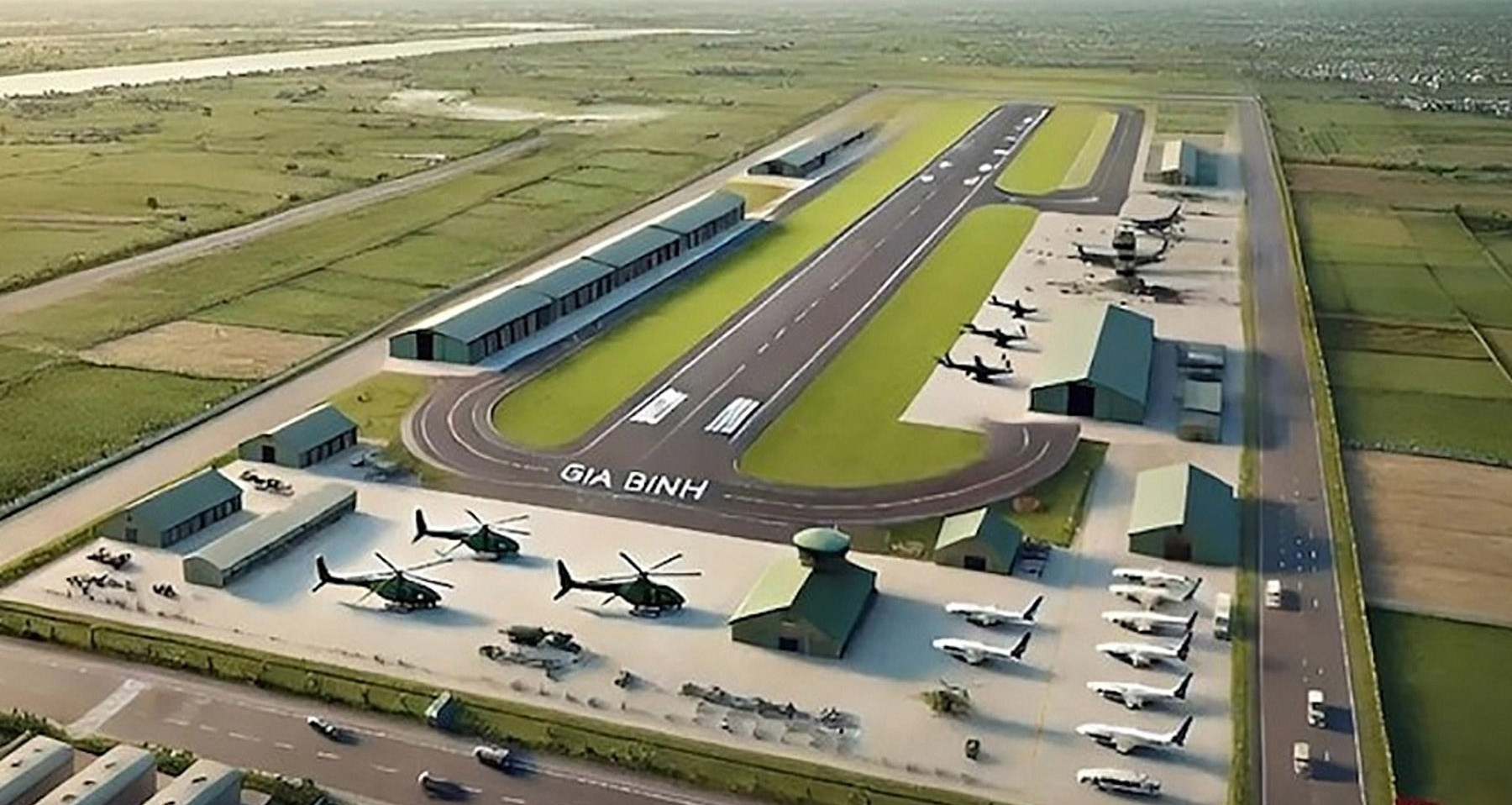
    The Gia Binh International Airport, currently under construction near Hanoi, is anticipated to cost around VND196.37 trillion (US$7.5 billion) due to recent upgrades. The airport, situated in Bac Ninh Province, 40 kilometers from Hanoi, is now projected to handle 50 million passengers and 2.5 million tons of cargo per year by 2050. This is a significant increase from the previously predicted 15 million passengers and 1.6 million tons of cargo.

    Construction and Upgrades

    The construction of the airport commenced in December of the previous year, with the Ministry of Construction giving the approval for the upgrades recently. The airport is being constructed by the Masterise Group, a property developer. It is being perceived as the primary aviation gateway for the northern region, intended for both passenger and cargo transport.

    The airport is planned to house four runways, spaced sufficiently apart to allow for independent operations. These runways will be constructed in accordance with 4F standards, which means the airport will be able to accommodate large aircraft, such as the Boeing 777 and Airbus A330.

    Comparison with Noi Bai International Airport

    Currently, Hanoi’s primary airport is the Noi Bai International Airport, which has a capacity of 25 million passengers per year. However, there are plans in place to increase this capacity to 55 million by 2030 and 85 million by 2050. This indicates a significant push for development in the region’s aviation sector, with the Gia Binh International Airport being a crucial part of this expansion.

    Questions & Answers

    How much is the Gia Binh International Airport expected to cost after recent upgrades?
    The Gia Binh International Airport, after recently approved upgrades, is projected to cost around VND196.37 trillion (US$7.5 billion).

    What is the expected capacity of the Gia Binh International Airport by 2050?
    The Gia Binh International Airport is expected to handle 50 million passengers and 2.5 million tons of cargo per year by 2050.

    Who is responsible for the construction of the Gia Binh International Airport?
    The airport is being built by the Masterise Group, a property developer.

  • Okxe Unveils Inaugural Branch In Hanoi: A Major Step In Expanding Electric Vehicle Network In Vietnam

    Okxe Unveils Inaugural Branch In Hanoi: A Major Step In Expanding Electric Vehicle Network In Vietnam

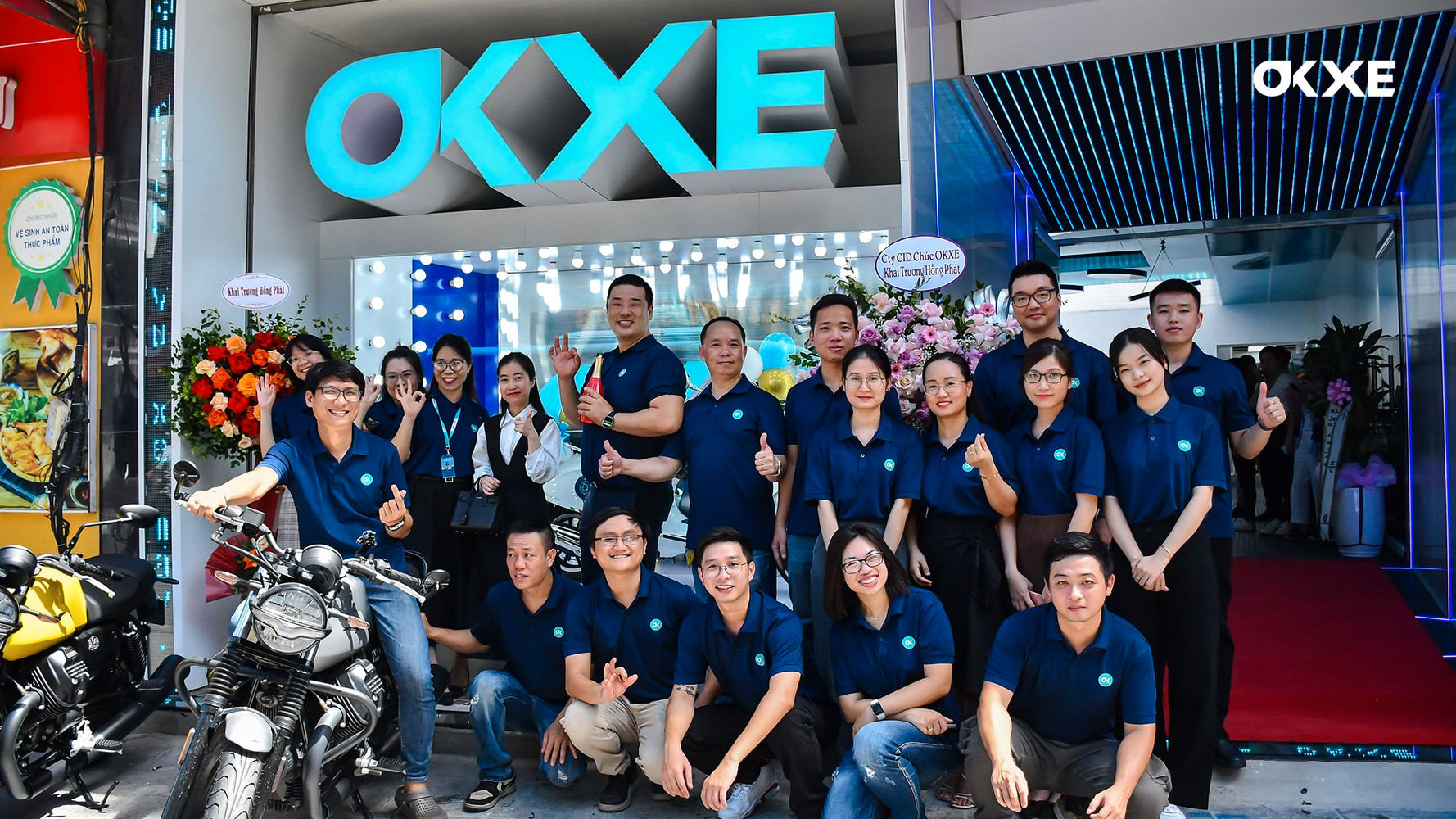
    The inauguration of Okxe Vietnam’s inaugural branch in Hanoi, Yadea Okxe Tay Ho, marks a crucial stage in the expansion of the Okxe Station network. This move further reinforces the firm’s strategy to expand its electric vehicle sector, with the goal of advocating for a more sustainable and eco-friendly means of transportation. According to Okxe, making top global electric vehicle brands more accessible to Vietnamese shoppers is a part of their mission. They aim to provide “a one-stop-shop for every bike you’re looking for, at Okxe.”

    Strategic Collaborations

    In the past, Okxe partnered with VinFast for the distribution of electric motorcycles in Ho Chi Minh City. Currently, they have chosen Yadea, a leading electric motorcycle brand from China, as a strategic ally, providing Vietnamese consumers with another high-quality alternative in the electric vehicle market.

    Yadea Okxe Tay Ho Launch

    At Yadea Okxe Tay Ho, customers have the opportunity to browse a variety of contemporary electric motorcycles. This is complemented by after-sales services, official warranties, and consultations with professional staff. Their aim is to provide a holistic customer experience, starting from test rides to personalized recommendations, to assist customers in making informed purchasing decisions.

    Expansion and Customer Experience

    The opening of Yadea Okxe Tay Ho is part of a larger plan to increase operations and enhance customer experiences. By widening the availability of electric vehicles throughout its Okxe Stations, the company aims to advocate for eco-friendly transport in major urban areas.

    An Okxe representative explained, “This effort is more than just business expansion. It’s an important milestone in our journey to promote green mobility in Vietnam. Our objective encompasses more than just individual customers; we strive to assist businesses and organizations in transitioning to electric vehicles in a convenient and sustainable manner.”

    Electric Vehicle Community and Support

    On October 10, Okxe collaborated with Yadea to inaugurate the Okxe Tay Ho electric motorcycle showroom, referred to as a “Station”. This serves not just as a place to purchase bikes, but also as a social hub for users to connect, exchange experiences, and interact with others passionate about green mobility.

    In the near future, Okxe plans to establish the Yadea Hanoi Club, beginning at Yadea Okxe Tay Ho. This club will organize events and workshops where members can share tips on usage and maintenance, thereby fostering a dynamic community of electric vehicle users.

    Furthermore, the company intends to set up free EV charging stations at the station, allowing clients to recharge their vehicles and unwind, thereby enhancing the overall user experience. Okxe is committed to creating a comprehensive EV bike ecosystem where users can connect, engage, and develop together.

    These initiatives are in line with Okxe’s long-term development strategy and mission of “Supporting Your Driving Life”. The firm aims to support users throughout their entire vehicle ownership journey. In the future, Okxe plans to extend its station network to more locations, offering a wider product range from top domestic and international electric vehicle brands, thereby providing even more options to Vietnamese consumers.

    Questions & Answers

    What is Okxe’s mission?
    Okxe’s mission is to bring leading global electric vehicle brands closer to Vietnamese consumers. They aim to provide all types of bikes in one place at Okxe.

    What does the inauguration of Yadea Okxe Tay Ho signify?
    The opening of Yadea Okxe Tay Ho indicates a crucial stage in Okxe’s expansion strategy. It also marks the firm’s commitment to advocate for sustainable and eco-friendly transportation.

    What future plans does Okxe have for improving user experience?
    Okxe aims to enhance the user experience by setting up free EV charging stations at the station and allowing customers to unwind while their vehicles recharge. They also plan to further expand their network and offer a wider range of products from top-tier electric vehicle brands.

  • Grab Introduces Electric Car Service In Hanoi, Challenging Xanh Sm’s Market Dominance

    Grab Introduces Electric Car Service In Hanoi, Challenging Xanh Sm’s Market Dominance

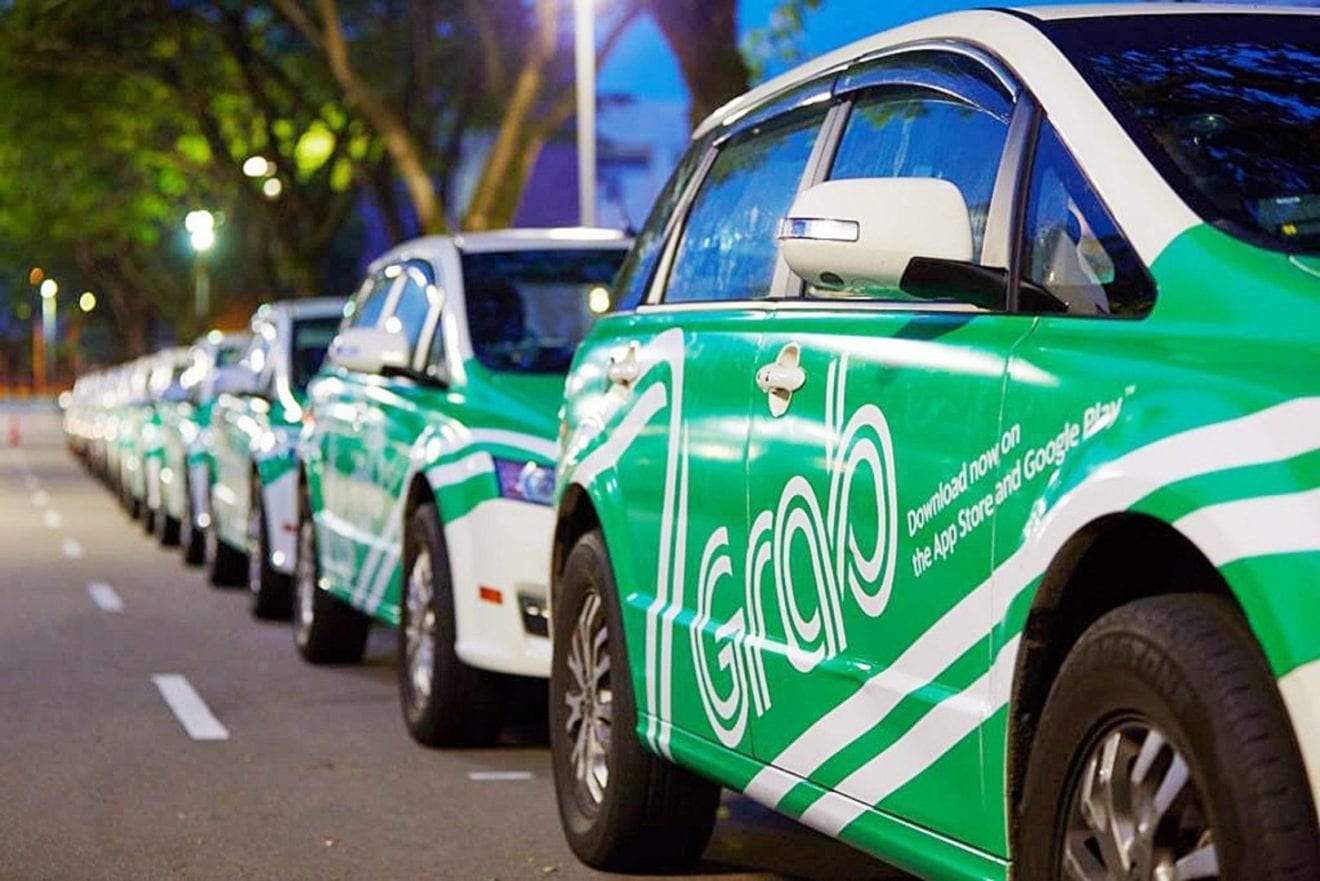
    Grab, the renowned ride-hailing company, has launched its electric car service in Hanoi, marking a significant entry into the predominantly electric taxi market, primarily controlled by Xanh SM. This move is a strategic approach by Grab to expand their customer base and champion sustainable transportation options.

    Strategies and Goals

    Nguyen Hanh Linh, the director of Grab Vietnam’s mobility division, revealed that the newly introduced service aims to diversify income opportunities for their driver-partners. This strategy is expected to boost their confidence to make a shift toward electric vehicles. After its launch in Hanoi, Grab has ambitious plans to roll out the service in HCMC.

    The current ride-hailing market in Vietnam is mainly controlled by three major players: Grab, Be, and Xanh SM. Xanh SM stands out by exclusively using electric cars constructed by its sister company, VinFast.

    Customer Choices

    It is noteworthy that Grab users do not have the option to specifically request electric cars. Whether the customer gets a VinFast or BYD electric car is a matter of chance. Grab’s decision to launch the electric vehicle service was influenced by the rising number of electric vehicles on its platform, a trend which has been encouraged by driver incentives in recent years.

    Market Trends and Predictions

    A 2024 report estimated Vietnam’s ride-hailing and food delivery market to be valued at US$4 billion, with the potential to reach up to $9 billion by 2030. A survey conducted in May indicated that 55% of users in major cities chose Grab for ride-hailing services, compared to 32% for Xanh SM and 9% for Be.

    A report by Mordor Intelligence stated that Xanh SM took the lead in the ride-hailing market in the last quarter of 2024, holding a 44.68% share in the second quarter of this year. Grab Vietnam, however, disputed these figures, claiming that the research methods used and data sources were unverifiable and misleading.

    Questions & Answers

    What was the strategic aim behind Grab launching its electric car service in Hanoi?
    The launch aimed to expand Grab’s user base and promote environmentally friendly transportation.

    What is the next city where Grab plans to roll out its electric car service?
    After Hanoi, Grab plans to introduce the service in HCMC.

    How did Grab respond to Mordor Intelligence’s report about Xanh SM’s market lead?
    Grab disputed the findings, claiming that the data sources were unverifiable and the research methods were inadequate, leading to misleading conclusions.

  • Hanoi Landlords Raise Housing Rents Amid Rising Inflation Pressures

    Hanoi Landlords Raise Housing Rents Amid Rising Inflation Pressures

    In the bustling Khuong Dinh Ward of Hanoi, Thuy Ngan recently faced a tough decision: stay put or move. Her landlord had decided to raise the rent on her 20-square-meter apartment from VND3.8 million (US$144) to VND4.2 million, a 10% increase starting this September. “With inflation soaring, all prices are on the rise. Rent cannot remain untouched,” the landlord explained, echoing a sentiment felt by many in Vietnam’s rental market.

    For Ngan, the struggles of rising living costs meant her total monthly expenses, including utilities, surged to nearly VND5 million, consuming a hefty third of her income. After weighing her options, she opted for a new apartment five kilometers away, where the rent was 10% lower, albeit with a longer commute.

    A Shocked Tenant in Cau Giay

    Quang Huy and his wife found themselves in a similar predicament in Cau Giay Ward. With their lease set to expire, they were blindsided when their rent shot up by 15% to VND9 million for a two-bedroom unit. “The landlord said the property had been freshly painted and renovated, which justified the hike,” Huy noted. The couple was bluntly informed that with students flocking to the area, any disagreement over rent would be met with indifference. After two weeks of searching for more affordable housing, they now contemplate a move to an older unit further from their current home.

    Rising Rents Across the Board

    Nguyen Tuan Anh, who operates a rental company managing 50 units in Hanoi, reveals that many landlords are raising rents by 10% to 15%. Inflation, increasing property prices, and bumps in furnishing costs are common justifications. According to the General Statistics Office, the consumer price index surged by 3.24% year-on-year last month, with household electricity prices climbing 10.8% and water costs up 3.9%.

    Meanwhile, data from property portal Batdongsan indicates that rental demand in Hanoi rose by 11% in July alone. Since March, rents have been on a steady ascent, up 10% overall, with smaller units seeing hikes of up to 15%. Pham Duc Toan, CEO of property developer EZ Property, acknowledged that urban migration is contributing to robust rental demand in cities like Hanoi and Ho Chi Minh City, with 22% of respondents in a recent index citing better job opportunities as their reason for relocating.

    Struggling to Keep Up

    As rents continue to climb, landlords and investors are anticipating even higher returns, driven by the rise in property prices and general inflation. Toan emphasized, “When living costs and prices of goods and services increase, landlords are inclined to raise rents as well.” The September arrival of a new school year typically spurs a 20% to 30% increase in rental demand, coinciding with lease expirations, said Nguyen Chi Thanh, vice chairman of the Vietnam Association of Realtors.

    However, as economic strains persist and salaries stagnate, many residents are forced to compromise. They are increasingly opting for smaller, less central, and more affordable living spaces to make ends meet. A survey conducted by VnExpress reveals that nearly 14% of respondents plan to leave Hanoi and return to their hometowns due to soaring housing costs.

    Seeking Solutions

    Experts suggest that enhancing social housing options could alleviate some of the rental pressures. Toan recommends increasing the supply of social housing through interest rate and tax incentives, alongside improved access to land for developers. After all, in a city where the rent is always too darn high, every little bit helps.

    Questions & Answers

    What factors are driving the increase in rental prices in Hanoi?
    Factors contributing to rising rents include inflation, increased property costs, and a high demand for rental units, especially during the school season.

    Why are some tenants opting to move to less central locations?
    Many tenants are compelled to move further from the city center to find more affordable housing options in response to climbing rents and overall living costs.

    What solutions do experts propose to tackle rising rents in Vietnam?
    Experts advocate for the expansion of social housing availability, which could ease the pressure on the rental market, supplemented by tax incentives and improved land access for developers.

  • Hanoi Celebrates National Day with Free Metro and Bus Rides for All!

    Hanoi Celebrates National Day with Free Metro and Bus Rides for All!

    Hanoi’s People’s Committee has unveiled an exciting initiative that aims to enhance accessibility for both residents and tourists during the upcoming National Day celebrations. Scheduled for September 2, the city is introducing a range of transportation measures designed not only to lighten traffic congestion but also to significantly reduce emissions, making travel easier and greener.

    Free Rides on Metro Lines and Buses

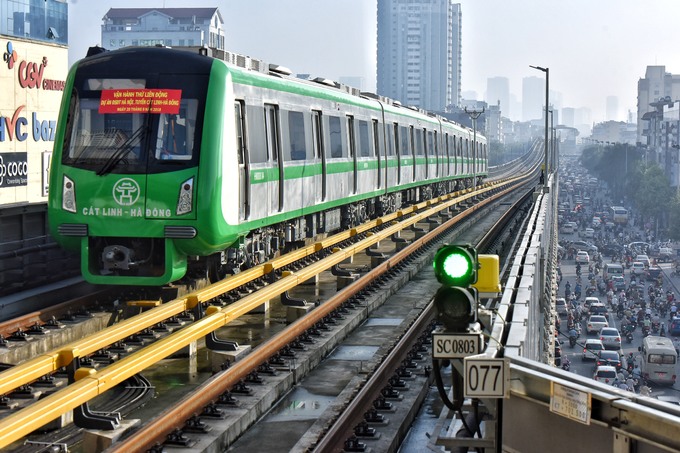
    Both the Cat Linh-Ha Dong and Nhon-Cau Giay metro lines will provide complimentary single-ride tickets, making it easier for families and visitors to explore the city’s historic sites and partake in the celebrations without the hassle of additional costs. Passengers can expect to receive their tickets as usual, only this time, they will be free of charge.

    Extended Metro Operating Hours

    To accommodate the anticipated influx of travelers, the metro system will extend its operating hours. On August 21, 24, 27, and 29, trains will run from 5:30 a.m. to midnight. On August 30, service will begin at 5:00 a.m. and last until 10:00 p.m. The excitement peaks on September 1, with operations returning to the midnight schedule. As if that’s not enough, trains will run every six minutes during peak hours and every ten minutes during quieter times — just enough to ensure your celebrations never miss a beat.

    Strategic Bus Routes for Easy Travel

    Key bus routes servicing the city center include the 09A line from Hoan Kiem Lake to Nguyen Hoang Ton Street, the 22A from Gia Lam to Kim Ma, and the E09, which connects Smart City in Tay Mo Ward to West Lake. Additionally, the highly anticipated Yen Nghia-Kim Ma Bus Rapid Transit line will play a crucial role in facilitating smooth transport throughout the celebrations. Local districts have been directed to utilize schools, stadiums, and public offices as temporary parking facilities, helping manage the expected surge in vehicle numbers.

    Caring for Attendees

    In a heartfelt gesture, Hanoi’s authorities will also offer free water, snacks, and shelters for attendees. Transportation services will be made available for residents from surrounding areas, especially catering to seniors. Priority seating will be reserved for veterans, the elderly, women, and children, with measures in place to ensure crowd control along parade routes, creating an orderly and enjoyable experience for all.

    Final Preparations Underway

    Rehearsals for the grand event are set for August 21, 24, 27, and 30, leading up to the official National Day ceremony, parade, and march on September 2, which is scheduled to kick off at 6:30 a.m. With the anticipation building, it seems the city is ready to roll out the red carpet for a celebration that promises to be both memorable and accessible.

    Questions & Answers

    How will transportation be affected during the National Day celebrations in Hanoi?
    Transportation will be enhanced with free single-ride metro and bus tickets. The metro will also extend operating hours to accommodate the increased demand.

    What measures are in place to ensure accessibility for vulnerable populations?
    Officials are prioritizing seating for veterans, the elderly, women, and children, and providing free transportation services for seniors from neighboring areas.

    What is the schedule for the main events on National Day?
    The official ceremony, parade, and march will begin at 6:30 a.m. on September 2, following rehearsals scheduled on several days prior to the event.

  • Hanoi Metro Reports Impressive Threefold Profit Surge in First Half of Year

    Hanoi Metro Reports Impressive Threefold Profit Surge in First Half of Year

    Hanoi Metro’s post-tax profits surged to VND10 billion (approximately US$381,400) in the first half of 2025, a remarkable threefold increase compared to the same period last year.

    With revenues climbing by 50% to VND393 billion, the state-owned company operates two key metro lines: Cat Linh – Ha Dong and Nhon – Hanoi Railway Station. This impressive growth reflects a strong rebound in urban transport, and even the typically stately metro system seems to have caught a case of ‘fast lane fever’.

    This year, Hanoi Metro aims to carry 19.3 million passengers while targeting profits exceeding VND20.7 billion on revenues of VND878.4 billion. In the first half, the company achieved 48% of its profit goal and 45% of its revenue target, signaling a solid trajectory toward meeting its year-end aspirations.

    Strategies for Growth

    To further enhance passenger convenience and revenue generation, the company is actively seeking innovative initiatives that will lessen its reliance on government subsidies. The vision for the future is bold; by 2030, Hanoi plans to expand its metro network to 10 routes covering an impressive 417 kilometers. However, construction of the remaining eight lines remains in the planning stage, prompting the city’s People’s Committee to recently instruct relevant agencies to expedite the commencement of work on two of these lines by the end of this year.

    Metro lines in the fast lane

    As Hanoi strives to modernize its public transport, the success of Hanoi Metro shines a light on the potential of urban transit systems across Asia. With the city moving forward, the next few years will be critical in determining whether these ambitious plans can be transformed from blueprints into reality.

    Questions & Answers

    How much did Hanoi Metro profit in the first half of 2025?
    Hanoi Metro reported a post-tax profit of VND10 billion (around US$381,400), tripling its earnings from the same period the previous year.

    What are the revenue goals for Hanoi Metro in 2025?
    The company targets revenues of VND878.4 billion this year, aiming to achieve over VND20.7 billion in profits.

    What are the future plans for Hanoi’s metro system?
    By 2030, Hanoi hopes to expand its metro network to 10 routes covering 417 kilometers. However, the construction of many planned lines has yet to begin.

  • Hanoi’s Electric Vehicle Shift Requires More Time, Warns Motorbike Makers Association

    Hanoi’s Electric Vehicle Shift Requires More Time, Warns Motorbike Makers Association

    This month, Hanoi’s government announced a bold initiative to ban fossil-fueled motorbikes from the city’s Ring Road 1, an area that encompasses much of the bustling downtown, with the prohibition set to take effect by mid-2026. However, the Motorbike Manufacturers Association, which includes industry giants like Honda, Yamaha, Suzuki, Piaggio, and SYM, believes the timeline is unrealistic and should be extended.

    While the association recognizes the necessity of reducing emissions, it underscored the significant challenges posed by such an aggressive plan. “Residents, businesses, and regulators need at least two to three years to prepare for this shift,” the group recently communicated to government officials. They proposed a more gradual approach that starts with banning older, high-emission vehicles, then progressively targets commercial bikes, delaying the ban on personal vehicles.

    Their concern centers on the financial strain this abrupt transition could place on low-income residents who may struggle to afford new electric vehicles. Manufacturers echoed these sentiments, warning that the costs associated with shifting to electric production could lead to substantial financial losses.

    Hanoi is a crucial market for Honda, which holds the largest market share in Vietnam’s two-wheeler sector. In the previous year alone, Honda sold 2.15 million two-wheelers in Vietnam, with 190,000 of those sales happening in Hanoi. The association further highlighted the complex web of suppliers—around 200 firms primarily focused on internal combustion engine components—who could be jeopardized if the transition to electric bikes occurs too swiftly. The lack of adequate public charging infrastructure is another pressing concern.

    Currently, Vietnam’s power grid is ill-equipped to handle widespread electric vehicle charging, especially during peak usage times in populous areas. Moreover, home charging poses risks of fire and explosion, particularly in older apartment complexes. Although VinFast has established a nationwide charging network, it primarily serves electric cars. Other players like Dat Bike have set up a few stations in Ho Chi Minh City, while Selex Motors has opted for a battery-swapping model at 90 locations across Hanoi, Da Nang, and Ho Chi Minh City.

    In Ho Chi Minh City, ride-hailing and delivery drivers are expected to make the switch to electric motorbikes by 2026, with a complete phase-out of gasoline models to follow by the end of 2028. As the largest cities in Vietnam, Hanoi and Ho Chi Minh City lead the way in motorbike usage.

    A CEO from a Vietnamese motorbike brand noted that once government decisions are made, adaptation is no longer a matter of choice but an obligation. He emphasized the need for a realistic roadmap that considers the interests of all stakeholders involved. Experts advocate for additional financial support for private users and comprehensive public transport planning to ease this transition.

    To that end, Hanoi is exploring initiatives to assist the 450,000 residents within Ring Road 1 who currently rely on gas-powered motorbikes, potentially by subsidizing the registration fees of new vehicles.

    Questions & Answers

    What prompted Hanoi’s government to ban fossil-fueled motorbikes?
    The ban is part of Hanoi’s initiative to reduce emissions within the city, aiming to phase out gasoline-powered motorbikes from the densely populated Ring Road 1 by mid-2026.

    What concerns has the Motorbike Manufacturers Association raised regarding the ban?
    The association argues that the current timeline is too aggressive, urging for a phased approach that provides residents and manufacturers more preparation time, particularly to mitigate financial burdens on low-income individuals.

    How is the current charging infrastructure in Vietnam supporting the transition to electric motorbikes?
    The existing public charging infrastructure is limited, with Vietnam’s power grid unprepared for mass electric vehicle charging, especially in peak hours, and home charging posing safety risks in older apartment buildings.

  • Hanoi: The Rising Star of Dental Tourism in Southeast Asia

    Hanoi: The Rising Star of Dental Tourism in Southeast Asia

    Hanoi is not just the heart of Vietnam; it’s rapidly becoming a beacon for dental tourism in Asia. In recent years, the sector has exploded, drawing in over 100,000 foreign patients annually, with revenue soaring past US$150 million, according to Global Newswire. Patients from Australia, New Zealand, North America, and Europe are flocking to Hanoi for a range of dental procedures, including implants, crowns, and full-mouth restorations. This revival in international interest is especially pronounced since the easing of pandemic-related travel restrictions, marking a notable comeback for the city.

    Cutting-Edge Clinics at Competitive Prices

    Investment in Hanoi’s dental sector is evident, with new clinics rolling out state-of-the-art technology, including advanced 3D imaging and high-end dental laboratory equipment. These facilities adhere strictly to international sterilization standards and utilize materials from reputable global brands. The expertise of local dentists has also grown; many have honed their skills internationally, bringing back a level of care that rivals the best in the world. Their commitment to quality is just as impressive as the hospitality extended to overseas patients, with English-speaking staff and dedicated patient coordinators simplifying the treatment journey. Some clinics are so welcoming that an industry expert likens them to “healing hotels,” offering everything from airport transfers to city tours.

    Smart Savings Without Sacrificing Quality

    One of the most compelling reasons patients are choosing Hanoi is the cost. Dental procedures here are significantly cheaper, often 70% to 90% less than in Western nations. For example, a dental implant in Hanoi costs around $1,000, while similar treatments can run $1,500 in Bangkok and $850 in Bali. Crowns, which start at $250 in Thailand, are generally priced between $150 and $200 in Vietnam. These savings not only ease the financial burden on patients but ensure that they do not compromise on quality, as Hanoi’s clinics adhere to rigorous standards and often provide warranties and aftercare services, instilling further confidence in international patients.

    Hanoi: Where Dental Care Meets Adventure

    What sets Hanoi apart in the realm of dental tourism is its ability to blend quality healthcare with rich cultural experiences. With its international airport providing convenient access from various global locations, visitors often find it easy to extend their trip, mixing dental appointments with explorations of famous sites like Ha Long Bay. The city has also become a hub for significant dental events, such as the 2023 ASEAN Dental Congress and the upcoming 2025 Osstem World Meeting, showcasing its rising prominence in the dental field.

    Forging a Competitive Edge

    As it carves its niche in the dental tourism landscape, Hanoi presents a formidable alternative to established players like Bangkok and Bali. While Thailand welcomes over a million dental tourists yearly, Hanoi is narrowing that gap with more competitive pricing and a reputation for exceptional care. Plus, the patient experience here is enriched by the city’s vibrant culture, world-class cuisine, and historical charm, leading many Australians to view their dental trips as dual investments in health and leisure.

    In its quest for global recognition, Hanoi’s dental industry is pursuing international certifications, establishing partnerships with foreign insurance providers, and actively participating in global tourism events. Satisfaction levels among international patients consistently reveal a high degree of professionalism and personalized care. A representative from one prominent clinic noted, “We have dentists and nurses fluent in English, Chinese, Russian, and Korean, making our patients feel right at home.” Facilities like Dental 365 are key players in reinforcing Hanoi’s international dental reputation.

    Looking Ahead

    Support from the Vietnamese government has further bolstered the country’s medical tourism landscape, with initiatives aimed at promoting healthcare services overseas and streamlining visa processes for medical visitors. Analysts forecast steady growth in dental tourism in Vietnam, predicting an annual increase of over 4% through 2030. As international patient numbers rebound to pre-pandemic levels and with continued investments in healthcare infrastructure, Hanoi is poised to ascend as a premier dental tourism hub in the region.

    Offering a trifecta of affordability, quality care, and an enticing tourism experience, Hanoi is shaping up to be a hot destination for dental tourism everywhere. It’s not just about a brighter smile; it’s about turning medical needs into memorable adventures. And as more patients rave about their experiences, the city’s reputation is set to flourish, potentially rivaling or even outshining established giants like Bangkok and Bali in the near future.

    Questions & Answers

    How has the COVID-19 pandemic impacted dental tourism in Hanoi?
    Since the lifting of pandemic-related travel restrictions, Hanoi has seen a surge in international patients seeking dental care, marking a significant recovery for the sector.

    What are some unique features of Hanoi’s dental clinics?
    Hanoi’s clinics are noted for their cutting-edge technology, adherence to international sterilization standards, and a strong emphasis on hospitality, including airport transfers and city tours for international visitors.

    What advantages does Hanoi offer compared to traditional dental tourism hotspots?
    Hanoi combines lower costs for dental procedures with high-quality care and a rich cultural experience, making it an attractive alternative to established destinations like Bangkok and Bali.

  • PM Kicks Off $1.5B Trump Organization Hotel and Golf Project in Northern Vietnam

    PM Kicks Off $1.5B Trump Organization Hotel and Golf Project in Northern Vietnam

    The exciting development known as Trump International Hung Yen is set to transform over 990 hectares along the scenic Red River, encompassing seven communes in Khoai Chau District. This ambitious project will feature four distinct subzones, including a luxurious eco-residential area with a golf course for 3,500 residents, another eco-residential community with an ecological golf course for 1,800 residents, a bustling commercial and service urban zone designed to accommodate 29,700 residents, and vibrant green spaces featuring themed parks.

    With a whopping investment of nearly VND 40 trillion (over $1.5 billion), this project is on track for completion by the second quarter of 2029 and will operate under a 50-year license. The vision behind this endeavor is to unleash the full potential of the local area, leveraging its strategic position along the Red River tourism corridor that links Hung Yen with Hanoi and the broader northern region.

    Trump International Hung Yen marks a significant moment for Vietnam, positioning the country firmly on the global luxury real estate and resort stage. It symbolizes a robust confidence from international markets in Vietnam’s long-term potential in the high-end property sector while serving as a beacon of ambition and integration for both Hung Yen and Vietnam as a whole.

    During a recent groundbreaking ceremony, Prime Minister Chinh emphasized that this project showcases the faith foreign investors have in Vietnam—particularly American firms. Giants like Intel, Nike, Apple, Boeing, and Nvidia have ramped up their investments in the country, reflecting a broader confidence in Vietnam’s growth trajectory.

    This project promises to not only accelerate Hung Yen’s development but also enhance its international reputation. It is expected to introduce advanced management technologies, create job opportunities for local communities, and bolster the enduring relationship between Vietnam and the United States.

    Chinh directed relevant ministries and agencies to offer robust support to Hung Yen authorities and investors, aiming for a timely completion within two years, just in time for Vietnam to host the APEC 2027 Economic Leaders’ Week. He noted that elevating Hung Yen’s service industry would significantly deepen the Vietnam-U.S. partnership.

    The Prime Minister’s speech recalled U.S. President Donald Trump’s visits to Vietnam during his first term, which were met with warm enthusiasm from the Vietnamese people, reinforcing the strategic importance of their mutual relationship in fostering regional and global stability and growth.

    Acknowledging that the groundbreaking is merely the first step, Chinh pointed out the challenges ahead regarding land clearance and construction. He called on all stakeholders to work collaboratively to overcome obstacles and ensure both progress and quality.

    In a nod to the local community, he expressed gratitude to residents who have made sacrifices for the project’s success, urging continued support. He insisted that local authorities and investors safeguard people’s livelihoods and ensure resettlement areas offer enhanced living conditions.

    PM Chinh praised Hung Yen, historically known as Pho Hien, as a region of great cultural heritage and revolutionary spirit, once a thriving trading port second only to the capital. He expressed confidence in Hung Yen’s ability to leverage its rich legacy to achieve rapid progress across all sectors, aligning with the nation’s vision for a new era of growth.

    Dang Thanh Tam, Chairman of the Kinh Bac City Development Holding Corporation, assured that local contractors and partners would swiftly advance the project, aiming for completion within two years for the Trump Organization to take over its management. Eric Trump, Executive Vice President of the Trump Organization, echoed his enthusiasm for investing in one of the world’s most dynamic markets, emphasizing that this endeavor represents not just a notable project but a tribute to Vietnamese culture and a meaningful contribution to the future.

    The Chairman of the Hung Yen provincial People’s Committee, Tran Quoc Van, welcomed the Trump Organization’s investment, committing to facilitating land clearance, handling administrative processes efficiently, and collaborating closely with investors to swiftly tackle any issues that may arise.

    Questions & Answers

    What is the main purpose of the Trump International Hung Yen project?
    The project aims to unlock the area’s potential and promote economic growth, particularly by developing luxury residential spaces and enhancing the local tourism corridor.

    What is the expected completion date for this massive development?
    The project is scheduled for completion by the second quarter of 2029, with a targeted two-year timeline for key phases leading up to the APEC 2027 Economic Leaders’ Week.

    How does this project impact local residents?
    The project is expected to create job opportunities, enhance management technologies, and ensure the resettlement areas offer improved living conditions for those affected.