Tag: hanoi

  • Second Vietnam motor show to be held in Hanoi

    Second Vietnam motor show to be held in Hanoi

    The show, the second of its kind, is held by the Vietnam Association of Motorcycle Manufacturers (VAMM), carrying the message “Free Your Wheels”.

    It will gather famous brand names from official suppliers including Honda, Piaggio, Yamaha, SYM and Suzuki as well as some imported complete built units such as Benelli, Ducati, Kawasaki, Peugeot and Harley Davidson.

    In addition, tens of brands in support industry, spare parts and other fields like finance, insurance and banking will also be present at the event.

    According to VAMM Chairman Yano Takeshi, the show aims to create a prestigious and professional playground for manufacturers to popularise their products.

    He said that it is billed as a bridge to nudge high-end motorcycles with modern technology closer to Vietnamese consumers, contributing to branching out the local motorcycle industry.

    The event is expected to welcome 150,000 visitors to experience free trial drive and join in vibrant interactive activities.

    Last year’s show displayed over 100 motorcycle models, luring 140,000 people.

  • Aeon to spend $200 mln for 2nd mall in its Hanoi expansion plan

    Aeon to spend $200 mln for 2nd mall in its Hanoi expansion plan

    Vietnam is considered Aeon’s priority destination in Southeast Asia with the largest number of shopping centers to date.

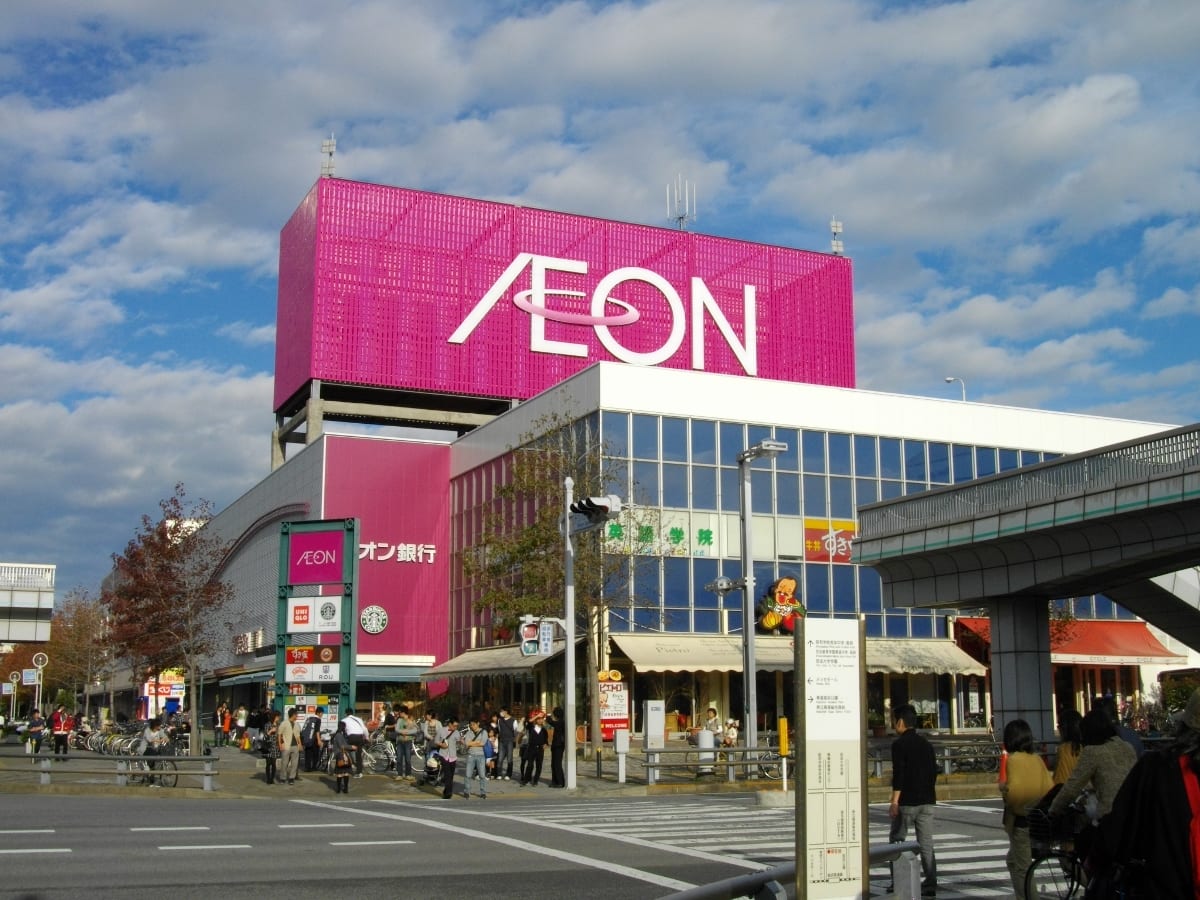
    Japanese retailer Aeon is planning to pour $200 million into its second shopping mall in Hanoi this year, a company official said, which would see its investment in Vietnam’s capital nearly doubling.

    The new facility covers an area of 9.5 hectares (23.5 acres) in Ha Dong District, Hanoi’s largest suburb by population. It is scheduled to come into operation at the end of 2019.

    That will be the fifth shopping mall Aeon has opened in Vietnam, after its first unit was launched outside Ho Chi Minh City’s downtown in January 2014.

    Vietnam’s retail market, drawing attention by retail giants such as Japan’s 7-Eleven, Swedish fashion firm H&M and Thailand’s Central Group, is listed in the top five in Southeast Asia and ranked 11th globally in terms of growth rate, based on the A.T. Kearny 2016 Global Retail Development Index.

    Vietnamese people are gradually shifting away from traditional retail channels to modern retail stores and centers. Spending at supermarkets, convenience stores, and shopping malls, as opposed to traditional local shops, is expected to rise to 40 percent of consumer spending by 2020, from 25 percent currently, government data show.

    The government has projected the retail market’s value to hit $179 billion by 2020, up 52 percent from last year.

    Aeon is the largest retailer in Asia with a network of around 300 consolidated subsidiaries and 26 equity-affiliated companies, ranging from convenience store chains and supermarkets to shopping malls and specialty stores.

    In Southeast Asia outside Vietnam, the Japan-based company is also running one shopping mall in Cambodia and two others in Indonesia. It plans to open the second facility in Cambodia in the summer of 2018 and two more in Indonesia within that year.

  • Vietnamese spend big on foreign high-street clothes

    Vietnamese spend big on foreign high-street clothes

    Huong, an office worker in Hoang Mai district in Hanoi, said she reserves a budget of VND2-3 million for buying new clothes every month. But she does not want products bearing Vietnamese brands, but preferably orders Zara and Mango products from overseas shops online.

    Huong said that the foreign high-street products are now affordable for office workers like her.

    “Why don’t you choose foreign brands if they have diverse design, good materials and reasonable prices?” she said.“Manufacturers and distributors often launch sale promotion campaigns with big discount rates. I can buy many products at the prices just equal to or even cheaper than Vietnam’s export products,” she explained.

    Oanh, an account executive in Hanoi, said she looks for Zara, H&M, Mango and Uniqlo products regularly, which allows her to buy high-quality products at reasonable prices.

    Sometimes she can buy products at just VND1 million or lower in sales campaigns.

    “I never buy Vietnamese goods during sale promotion campaigns because I am not sure about the actual value of the goods,” she said. “Meanwhile, no need to worry about this when you buy products from these brands. And the prices are very good”.

    Huong and Oanh order the products online and pay fees to have the products shipped to Vietnam. There are many shipping agents in Hanoi, who are in charge of receiving products, carrying to Vietnam and delivering to clients.

    Thuy Linh, one of the agents, commented that Vietnamese clients mostly order clothes and footwear, and 80 percent of ordered products bear high-street brands such as Zara, Mango, and Forever 21, while the remaining 20 percent are luxury brands.

    Linh said she is always busy so Vietnamese tend to favor foreign high-street brands. A T-shirt with Zara or Mango brand can be bought at VND180,000 only, including fees, which is cheaper than Chinese products.

    Understanding the Vietnamese taste and realizing the rapid increase of middle-income earners in Vietnam, a lot of high-street brands have been conquering the local market. Zara, the fashion brand from Spain, has been present in Vietnam since mid-2016. Mango, which targets customers aged 18-40, has been present in Vietnam since 2004 through a franchise contract signed with Maison JSC.

    In the latest news, H&M has begun employing workers to prepare for its landing in Vietnam. The Swedish brand’s first shop would be in Hanoi, cover an area of 2,000 square meters and employ 100 workers. The recruitment will also be implemented in HCMC.

  • H&M Vietnam to open first store in Hanoi

    H&M Vietnam to open first store in Hanoi

    H&M Vietnam has revealed it will open its first store in Hanoi, not Ho Chi Minh City, the nation’s largest population base.

    The Swedish-headquartered fast-fashion giant has already commenced recruiting staff.

    According to the recruitment ads, H&M will open its first store on a 2000 sqm in Hanoi with roughly 100 employees.

    The recruited employees will be trained overseas for three to five months before coming back to Vietnam to set up stores.

    The firm also plans to hire employees in Ho Chi Minh City where the second store is said to scheduled to open in Vincom Thao Dien, District 2.

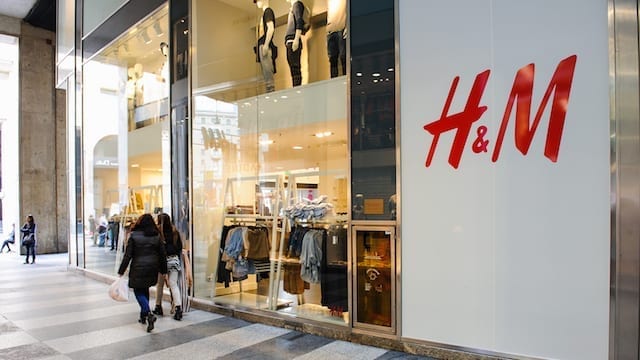
    MILAN ITALY – MARCH 18 2015: On the streets of the city. H&M store.

    H&M currently operates around 4300 stores across 64 markets. Last year, after the other fast-fashion empire Zara opened the first flagship Vietnam, H&M announced it would open a store here as part of its global expansion plan for 2017 which also includes Georgia, Colombia, Iceland and Kazakhstan.

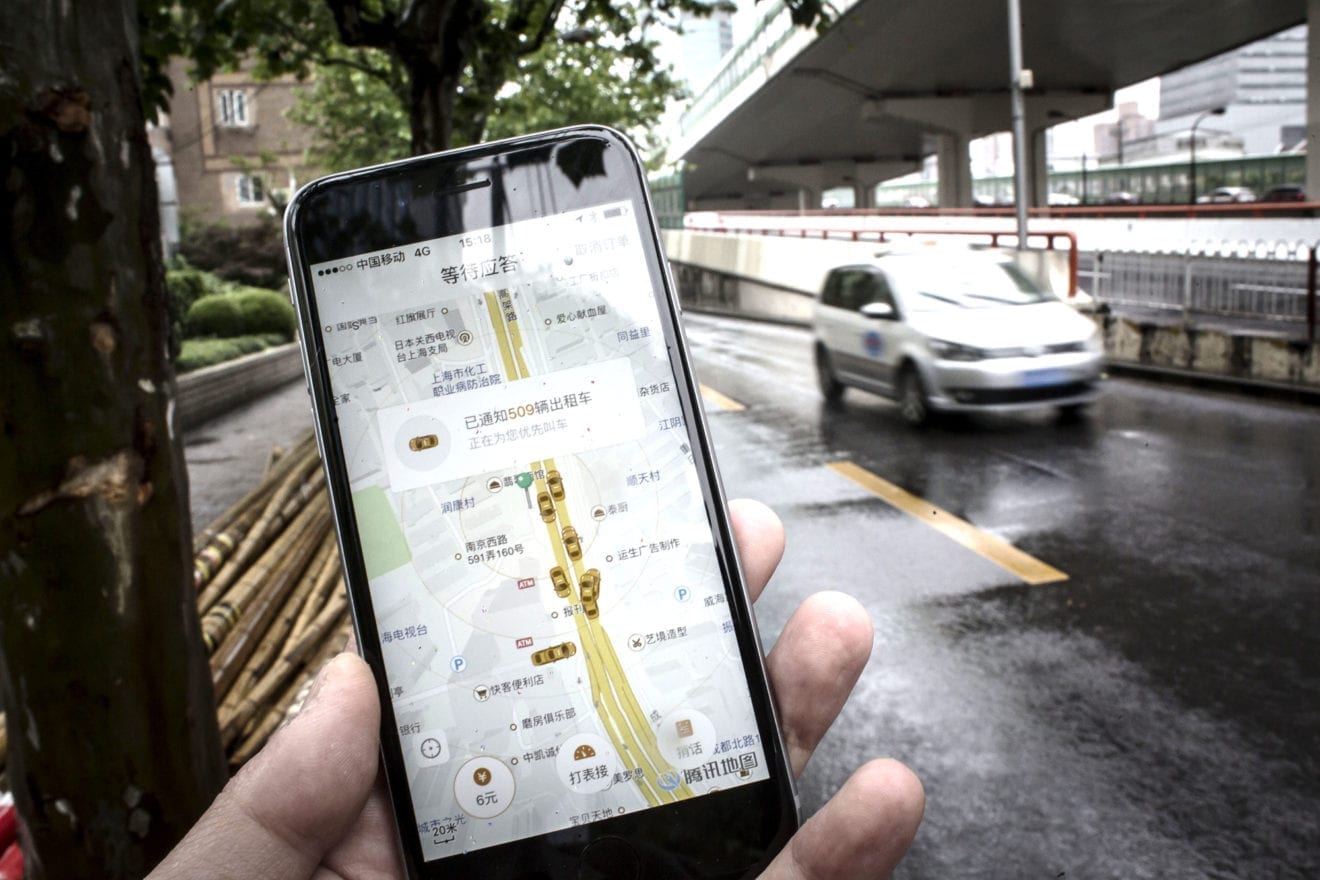
  • Hanoi plans to put taxi-style roof signs on Uber, Grab cars

    Hanoi plans to put taxi-style roof signs on Uber, Grab cars

    Officials in the city are tightening rules on transport services. Popular ride-hailing services Uber and Grab may soon be asked to put signs on their cars as officials in Hanoi are tightening rules on transport companies.

    Officials said some private cars offering transport services are operating without signs or badges.

    Grab, a Malaysia-based company, is the only foreign-run transport service allowed to operate in five cities across Vietnam using registered private vehicles between 2016 and 2018.

    Uber, however, has been singled out for providing ride-hailing services without permission.

    The company has recently had its application to operate on a trial basis rejected for a second time in Vietnam, according to local transport authorities.

    It applied for a license after local regulators outlawed Uber’s smartphone app-based services in November 2015, due mainly to its failure to establish an independent legal entity in Vietnam.

  • Hanoi plans to impose taxi badges on Uber and Grab cars

    Hanoi plans to impose taxi badges on Uber and Grab cars

    The competition between traditional taxis and app-based taxis like Uber and Grab has continued unabated.

    Conventional taxi companies have said they had to meet numerous requirements and pay various taxes and fees which Uber and Grab taxis aren’t required to and that this was unfair.

    In Document 399, the Hanoi’s Department of Transportation said they had gathered opinions from the public and related agencies about the regulations over the operation of vehicles in the city.

    They proposed that all cars for hire with less than nine seats, including Uber and Grab taxi, must have the required badges and follow all regulations that are currently applied to taxis.

    The department said they hoped to get more views before stopping to receive opinions from February 20 to report to the city people’s committee.

    The Ministry of Transport has declined to approve a proposal from Uber Vietnam Company to pilot an IT upgrade for its services because of a lack of authorisation and validation from its parent firm.

    The ministry said it had inspected and dealt with various cars using the Uber app.

    According to the ministry, Uber is registered as the developer so it is not authorised to work as a taxi company.

    The ministry has asked Uber Vietnam to stop working with car owners and the ‘illegal’ operation in Vietnam until it completes all required procedures.

  • International Tourism fair to take place in Hà Nội

    International Tourism fair to take place in Hà Nội

    The Việt Nam International Travel Mart (VITM) 2017 will take place from April 6-9 at the International Exhibition Centre in Hà Nội, the Việt Nam Tourism Association announced on Monday.

    Themed “Hà Nội– Vietnamese tourism’s destination,” VITM 2017 is expected to feature 600 enterprises, tourism management and promotion agencies from 43 provinces and cities and 25 countries and territories.

    The fair hopes to attract about 60,000 visitors.

    Last year, Việt Nam welcomed more than 10 million international arrivals, up 26 per cent year-on-year, according to the Việt Nam Aministration of Tourism.

  • Hanoi seeks ideas to develop Red River banks

    Hanoi seeks ideas to develop Red River banks

    Hà Nội authorities have asked three construction giants to devise planning schemes to develop the areas along the iconic Hồng (Red) River that flows past the capital city.

    According to the decision of the municipal authority, three investors — Sun Group, Vingroup and Geleximco — will each devise plans and submit them to the municipal authority for selection.

    They can invite designing consultancy units to collaborate in the project. The final design ideas will be selected by March 30.

    Nguyễn Đức Chung, chairman of the municipal People’s Committee, at a meeting with investors interested in the project, asked them to develop a scheme which ensures the city’s flood-resistant capability, effectively makes use of land funds and creates a modern urban area along the river.

    Additionally, the scheme should give priority to on-site resettlement for residents and to the development of waterway transportation and tourism.

    The city has suggested two options for the scheme.

    Option one is to build a new system comprising roads and dykes to replace the current dyke system. This will serve to protect the city from flood alarm level 3+, or emergency flood condition, which sees general and widespread uncontrollable flooding and severe damage to infrastructure.

    Option two is to build a new system of roads and dykes which can protect the city from flood alarm level 2 or dangerous flood condition. In addition, water reservoirs and canals will also be built to support the current dyke system, which is located further inland, to protect the city from flood alarm level 3+.

    The planning scheme will be divided into two phases, with the first one covering areas on the banks of the river from Thăng Long Bridge to Thanh Trì Bridge and the second one covering the remaining areas.

    The Red River, originating in China, flows past Hà Nội and several provinces in the north of Việt Nam before emptying into the Gulf of Tonkin. Besides being one of the main river systems that play a crucial role in irrigation and waterway traffic, the river is also seen as a symbol of the capital city.

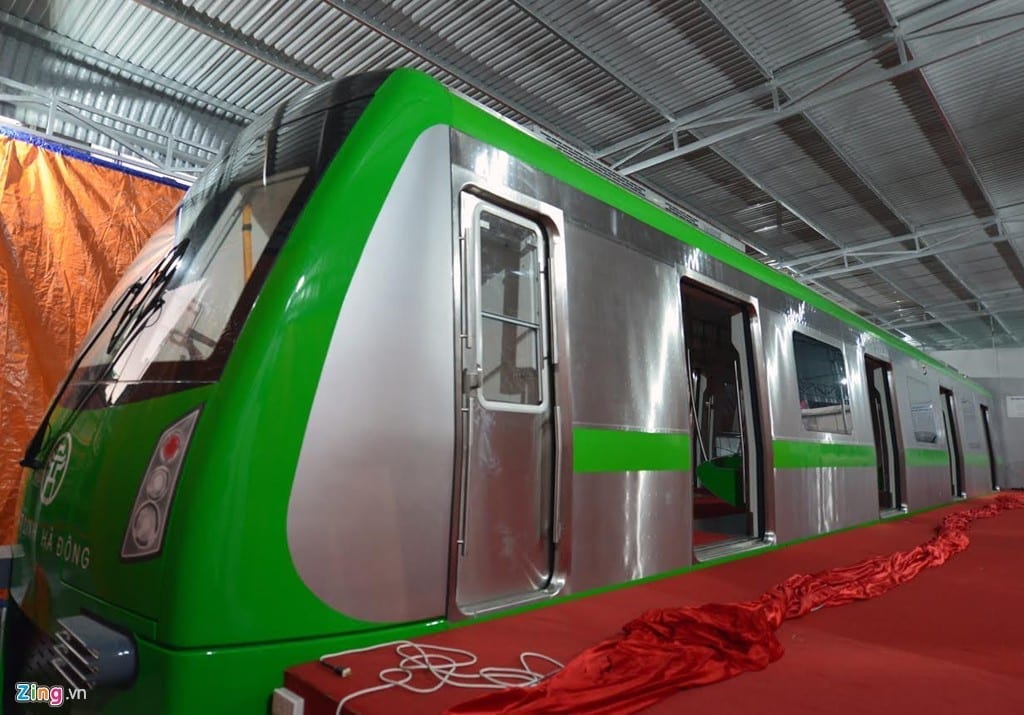
  • This is what Hanoi’s first subway train may look like

    This is what Hanoi’s first subway train may look like

    French company Alstom has signed a $340 million contract to provide 10 modern train sets and build 12 stations. Hanoi Metropolitan Railway Management Board has signed a $340 million contract with French company Alstom for a metro system.

    Under the contract, the French urban mobility supplier will supply and integrate 10 train sets, each with a capacity for 900 passengers, for the city’s Metro Line 3, linking Nhon and Hanoi Station.

    It will also build 12 stations and one depot for maintenance.

    The contract is sponsored by the French government and will be carried out in four years.

    The 12.5-kilometer line is designed to carry 8,600 people per hour for each direction. It is one of several planned for the capital’s metropolitan area. Together they will form a rail network that is hoped to help ease traffic congestion and reduce emissions.

    Work on the line began in 2010, with the cost estimate originally set at $1.2 billion and operation scheduled in 2017. But funding delays may stretch the deadline to 2021.

    Hanoi officials said the city will need billions of dollars to develop transport infrastructure over the next five years, but funding is tight and this could affect the city’s growth prospects.

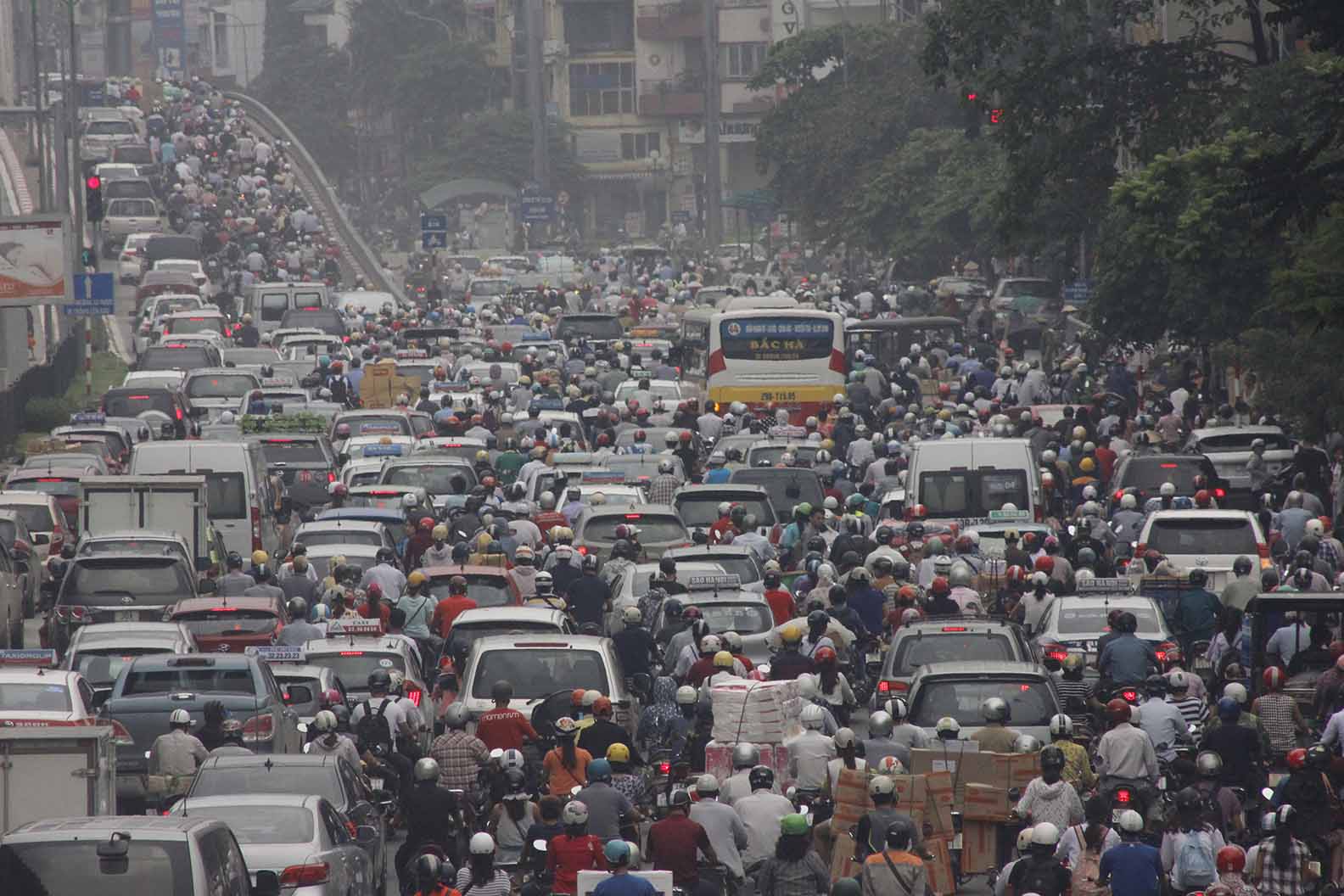
    There are more than five million motorbikes on Hanoi’s roads and the city is adding as many as 19,000 newly registered vehicles each month.

    With the number of vehicles growing 10 percent and road space at only 2 percent a year, traffic in Hanoi is on course for crippling gridlocks, experts say.

  • One person, one car in Hanoi as it considers a new traffic plan

    One person, one car in Hanoi as it considers a new traffic plan

    Hanoi is considering limiting individuals to one car and one license plate to ease pressure on its roads due to the continuing rise of newly-registered vehicles.

    Colonel Dao Vinh Thang, the chief of the Hanoi traffic police force, made the proposal at a meeting on Friday, urging municipal leaders to consider the new regulation.“If people want to get a new vehicle, they must use the old license plate,” he added.

    16,000 new motorbikes and 500 new cars are registered in the city every month, official figures show. Five years ago, Hanoi’s traffic infrastructure could support 5 million vehicles, but now it has to cope with two or three times that amount, which authorities are really struggling to control, Thang said.

    Major General Tran The Quan from the Ministry of Public Security shared the same view, saying this type of restriction on vehicle ownership has been applied in other countries, and that transferring license plates from old cars to new vehicles could help lower registration costs.

    However, Quan said that since Vietnam’s current law doesn’t impose any limit on the number of vehicles citizens are allowed to own, the regulation would require a lot of amendments to existing decrees and government circulars.

    But the proposal has raised some eyebrows.

    Attorney Pham Thanh Binh, director of Bao Ngoc Law Company, warned that restricting vehicle ownership would risk violating the Constitution.

    “Vietnam’s Constitution says that all citizens have the right to buy or sell any assets that are not prohibited by the state,” said Binh.

    The attorney, however, supports the idea that each person should only be allowed one license plate which they can use for life.

    Statistics show that Hanoi has more than 5.5 million personal vehicles (nearly 500,000 cars and more than five million motorcycles). The numbers are expected to increase to more than 7.3 million motorbikes and 1.3 million cars by 2025.

    Hanoi recently launched a competition seeking solutions from the public to solve its serious congestion problems, with a first prize of $200,000.

    The capital has been trying to ease traffic by constructing more highways and overpasses and launching the city’s first bus rapid transit route, in addition to more normal buses. To ease congestion, the city previously suggested banning motorbikes from inner-city streets over the next four years. However, experts said the proposal was unfeasible due to undeveloped and insufficient public transport.

    Last September, the city’s top leader Hoang Trung Hai also put forward another plan to make vehicles park only on one side of the road, depending on whether it’s an odd or even day. To date, no additional details of the plan have been unveiled.

  • Habeco to debut on Hose in Jan

    Habeco to debut on Hose in Jan

    Hà Nội Beer Alcohol and Beverage Joint Stock Corporation (Habeco) will start trading with code BHN on the HCM Stock Exchange (HOSE) on January 19, the southern bourse announced on Wednesday.

    Habeco will list its entire 231.8 million shares, equivalent to the total listing value of nearly VNĐ2.32 trillion (US$103 million), at the reference price of VNĐ127,600 ($5.65) per share, the bourse said in a statement. The share price is allowed to fluctuate +/-20 per cent on the first trading day.

    Shares of the North’s largest brewer are trading at some VNĐ128,000 per share on the Unlisted Public Company Market (UPCoM), which is under the management of the Hà Nội Stock Exchange.

    HCM City’s exchange on December 30, 2016, approved the company’s filing to move its listing from the UPCoM to HOSE.

    By changing its listing to HOSE, which is the main bourse in Việt Nam, with total market capitalisation of some $68 billion, Habeco is expected to improve its reputation and draw more investments.

    The company has become a ‘phenomenon’ on the UPCoM since its debut on October 28 last year, when its price shot from an initial VNĐ39,000 per share to a peak of VNĐ225,800 per share on December 16.

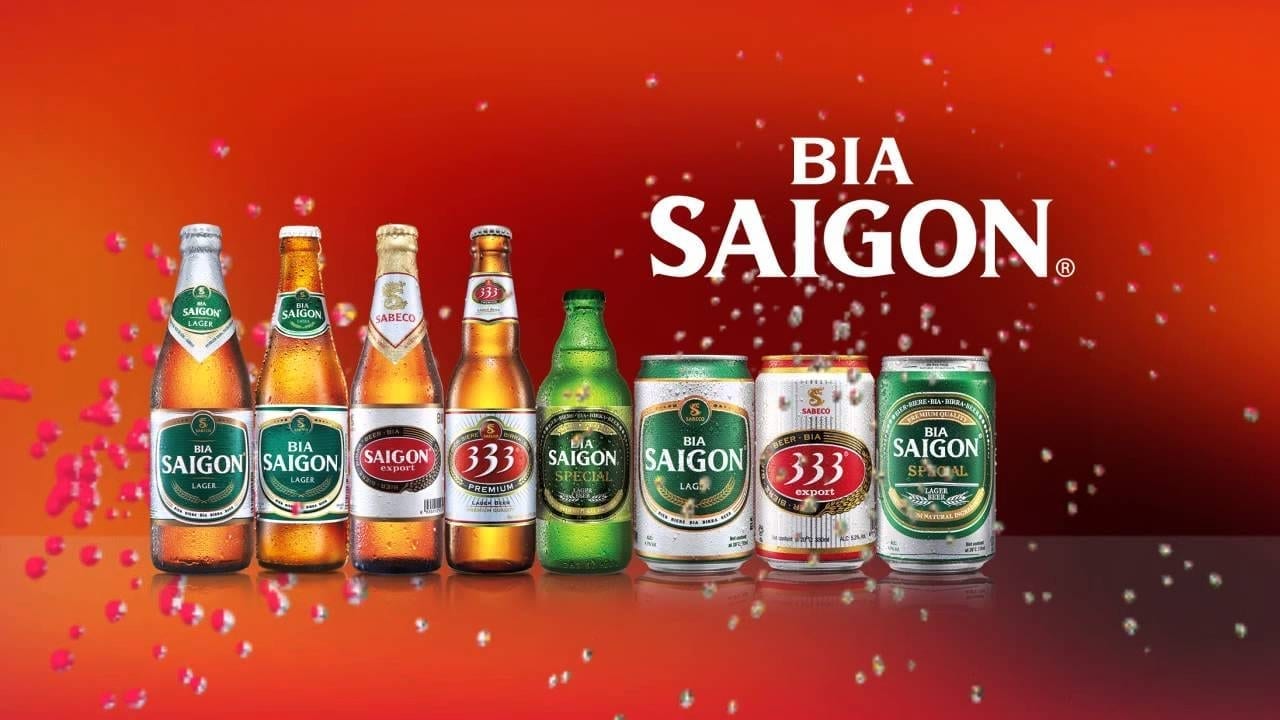
    Headquartered in Hà Nội, it is the largest beer producer in the North and the third-largest beer company in Việt Nam, with popular brands such as Hanoi Beer and Truc Bach Beer. It owns 17 subsidiaries and six affiliated companies, with total production capacity of over 800 million litres of beer per year.

    Ending September 2016, Habeco reported total combined revenues of nearly VNĐ7.65 trillion, down 5 per cent year-on-year. Its net profit declined by a steeper 23.5 per cent year-on-year to VNĐ960.5 trillion.

    The company has not increased its charter capital from the 2008 initial public offering, which remains at over VND2.3 trillion. Its cumulative annual profits are mainly distributed to its investment and development fund, which amounted to VNĐ2.54 trillion until September 30, 2016.

  • Saigon-Hanoi ranks 7th among world’s busiest air routes

    Saigon-Hanoi ranks 7th among world’s busiest air routes

    The country’s aviation market is growing at the third fastest pace in Asia-Pacific as air travel has become more affordable. About 4.1 million passengers are estimated to fly from Ho Chi Minh City to Hanoi this year, putting the route among the world’s most busiest, according to the U.K.-based air travel company OAG.

    Latest data from the company showed that the northbound route came in at the seventh place in the list of global busiest air routes, up five spots from a year ago.

    The route accounts for about 35 percent of the country’s air traffic, with up to 700 daily flights carrying passengers.

    Huge numbers of passengers traveling between the two largest cities have also strained Tan Son Nhat airport in Ho Chi Minh City.

    Lai Xuan Thanh, director of the Civil Aviation Administration of Vietnam, said that there were times dozens of flights had to fly around, waiting for 15-60 minutes before they could land.

    The airport is expected to handle 31 million passengers this year, far beyond its maximum capacity of 25 million.

    Thanh said that the situation is likely to worsen in the next four years as domestic carriers plan to expand to meet the local travel boom.

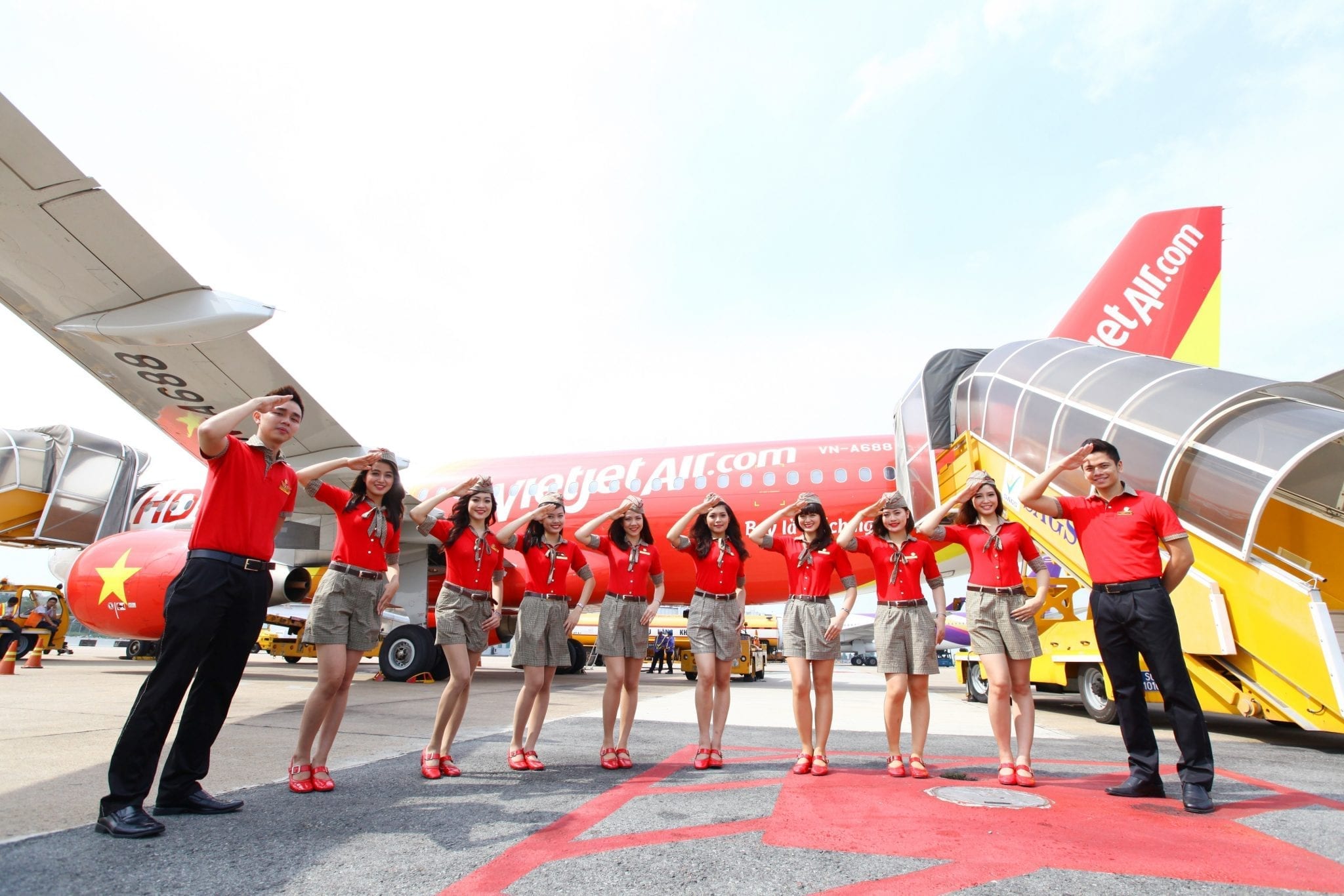
    National flag carrier Vietnam Airlines, low-cost Jetstar Pacific and VietJet Air, and newly-founded Vietstar had raised the total number of airplanes to 141 by the end of the third quarter, up 50 percent against five years ago.

    They are planning to expand their fleets to a combined 263 aircraft by 2020. Vietstar has not been licensed to fly.

    To handle the problem of overcrowded airports, authorities are considering increasing the number of night flights and putting a cap on the number of new planes local airlines can buy.

    Vietnam’s aviation market is growing at the third fastest pace in the Asia-Pacific region, according to the aviation administration.

    It is estimated that the number of passengers, including international ones, in 2016 will jump by 29 percent to hit about 52.2 million.

  • Hanoi announces transport plan to 2030

    Hanoi announces transport plan to 2030

    According to the plan, from now to 2030 Hanoi will develop a system of highways with 4-8 lanes linking Hanoi-Lang Son, Hanoi-HCM City, Hanoi – Thai Nguyen, Ha Noi – Hai Phong, Hanoi – Ha Long, Hanoi – Hoa Binh, Tay Bac – Highway 5, Hanoi-Ho Chi Minh Highway, and turn Thang Long Boulevard and Phap Van – Cau Gie Highway into urban highways.

    From now until 2030 Hanoi will also complete its belt roads and build 18 bridges crossing the rivers of Red, Duong, Day and Da.

    The city will give priority to developing public transport systems, which aims to serve up to 50-55% of the travel demand in the inlying areas and 40% in the suburbs.

    The plan also specifies that about 33,237 hectares of land will be devoted to traffic system development and the total funding needed for this plan is estimated at over $55 billion.

    The capital is expected to come from the state budget, ODA loans, and from private investors through transport projects in the forms of BT (build-transfer), BOT (build-operate-transfer), PPP (public private partnership), and BOO (build-own-operate).

    The capital city of Hanoi was extended in accordance with Resolution No. 15/2008/NQ-QH12 on May 29, 2008 of the National Assembly with a total area of more than 3,344 sq.km. However, its transportation system has fallen short of requirements for urban development at present and for the future.

    In late 2012, Hanoi submitted to the Ministry of Construction a Master Transport Plan for 2030, with a vision to 2050, and the master plan was approved by the prime minister on March 31, 2016.

    Accordingly, the population of Hanoi is forecast to grow to 7.44 million by 2020, around 9.2 million by 2030, and 10.8 million by 2050. The plan sets a target to increase the public transit share to over 30-35% by 2020, 50% by 2030, and 70% after 2030.

  • Tourism a driving force behind Vietnam’s economic growth

    Tourism a driving force behind Vietnam’s economic growth

    The country is on track to welcome more than 10 million visitors this year.Driving economic growth in Vietnam, the country’s government portal reported yesterday.The country’s economic growth prospects are strongly driven by its travel and tourism sector, the EIU said.

    Foreign arrivals reached more than 9 million from January – November this year, a staggering 25 percent increase from a year ago, the EIU noted, citing official data from the National Tourism Administration.

    The country is on track to welcome more than 10 million visitors by the end of this year, the administration forecast, which would exceed the target by 17.6 percent and last year’s arrivals by 26 percent.

    The EIU said that tourism continues to make a significant contribution to Vietnam’s economy. The tourism sector has not only created job growth in the wider economy, but also supported the development of other sectors such as retail.

    The study attributed the tourism industry’s growth prospects partly to Vietnam’s efforts to relax its visa policy to pave the way for a bigger inflow of international tourists.

    It has already offered visa exemptions for tourists from South Korea, Japan and those from Southeast Asian countries, as well as extended its visa-free policy through to June next year for travelers from the United Kingdom, France, Germany, Spain and Italy.

    With the aim of giving the tourism industry an even bigger push, the Vietnamese government has approved much-touted online visas for travelers on short holidays or casual business visits. The new visa rule, which is expected to come into effect from February next year, but it will be limited to those arriving from Vietnam’s top tourist markets.

    Vietnam’s top 10 tourist markets include China, South Korea, Japan and the United States.

    According to the World Tourism and Travel Council, tourism revenue directly contributed 6.6 percent of Vietnam’s gross domestic product last year. If you take into account that tourism drives other areas like spa and wellness services, dining and retail, the sector contributed around 13.9 percent of GDP.

    EIU experts suggested the Vietnamese government should improve the quality of transport infrastructure, which will in turn further boost growth in the tourism sector.

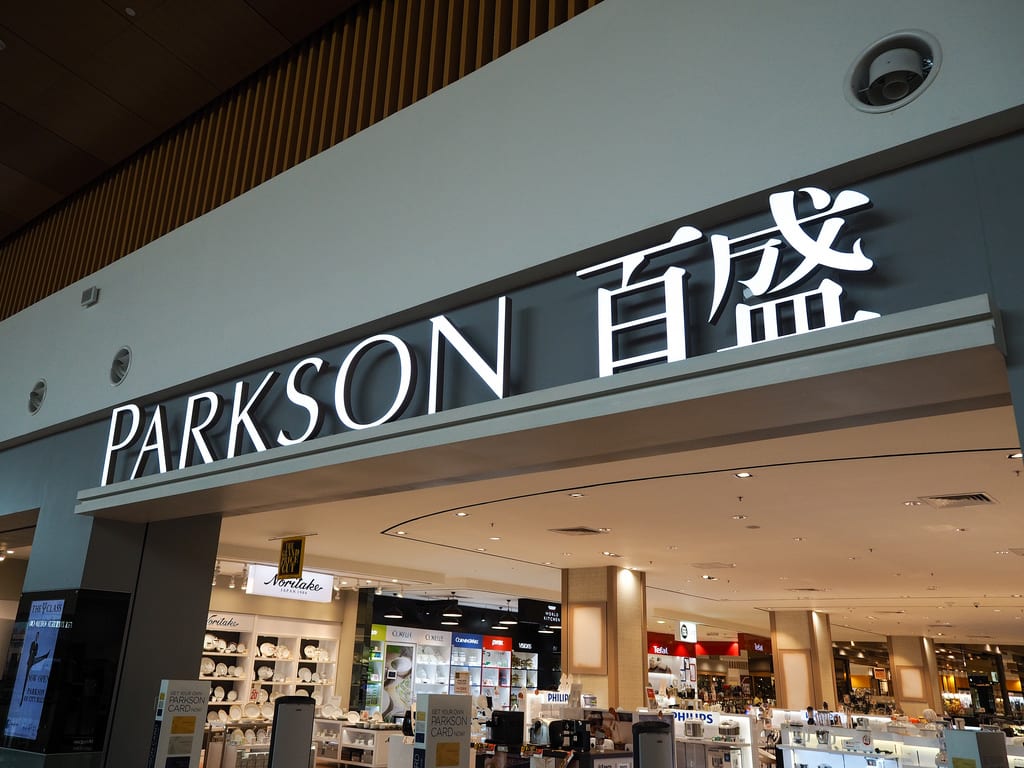
  • Last Hanoi Parkson to close its doors

    Last Hanoi Parkson to close its doors

    The last Hanoi Parkson department store has been closed after eight years of trading.

    In an announcement to customers released on November 19, the company said the center “will be moved” on December 15.

    The 11,000 sqm department store located in Viet Tower in the city’s CBD was once expected to become the busiest shopping avenue in Hanoi. However, during eight years, the customer flow has been little.

    Another Hanoi Parkson in the Keangnam area was closed due to a dispute between the retailer and the building owner. All retailers had to move out of the building overnight. Former Parkson CEO Toh Peng Koon once said Vietnam was the toughest market for the company and poor sales was the main reason for that closure.

    In Ho Chi Minh City, Parkson Paragon was closed in May of this year, just five years into a 19-year lease.

    So within two years, Parkson Vietnam has closed three stores and now has none left in the capital.

    The Malaysian department store operator first came to Vietnam in 2005, opening in Saigon Tourist Plaza in Ho Chi Minh City.

    Positioning in middle market, Parkson expected to dominate the retail market in Vietnam. In fact, it brought many international brands to Vietnam such Porsche Design, Sub Jeans, and was considered a shopping icon in the city. However, it quickly faced difficulties when consumer trends changed and other retail giants from Japan, Korea and Vietnam joined the market.

    The most recent arrival is luxury Japanese department store brand Takashimaya.

    Parkson Vietnam now has seven stores in Vietnam – five in HCMC, one in Hai Phong, and one in Danang.