Tag: hanoi

  • Hanoi seeks ideas to develop Red River banks

    Hanoi seeks ideas to develop Red River banks

    Hà Nội authorities have asked three construction giants to devise planning schemes to develop the areas along the iconic Hồng (Red) River that flows past the capital city.

    According to the decision of the municipal authority, three investors — Sun Group, Vingroup and Geleximco — will each devise plans and submit them to the municipal authority for selection.

    They can invite designing consultancy units to collaborate in the project. The final design ideas will be selected by March 30.

    Nguyễn Đức Chung, chairman of the municipal People’s Committee, at a meeting with investors interested in the project, asked them to develop a scheme which ensures the city’s flood-resistant capability, effectively makes use of land funds and creates a modern urban area along the river.

    Additionally, the scheme should give priority to on-site resettlement for residents and to the development of waterway transportation and tourism.

    The city has suggested two options for the scheme.

    Option one is to build a new system comprising roads and dykes to replace the current dyke system. This will serve to protect the city from flood alarm level 3+, or emergency flood condition, which sees general and widespread uncontrollable flooding and severe damage to infrastructure.

    Option two is to build a new system of roads and dykes which can protect the city from flood alarm level 2 or dangerous flood condition. In addition, water reservoirs and canals will also be built to support the current dyke system, which is located further inland, to protect the city from flood alarm level 3+.

    The planning scheme will be divided into two phases, with the first one covering areas on the banks of the river from Thăng Long Bridge to Thanh Trì Bridge and the second one covering the remaining areas.

    The Red River, originating in China, flows past Hà Nội and several provinces in the north of Việt Nam before emptying into the Gulf of Tonkin. Besides being one of the main river systems that play a crucial role in irrigation and waterway traffic, the river is also seen as a symbol of the capital city.

  • This is what Hanoi’s first subway train may look like

    This is what Hanoi’s first subway train may look like

    French company Alstom has signed a $340 million contract to provide 10 modern train sets and build 12 stations. Hanoi Metropolitan Railway Management Board has signed a $340 million contract with French company Alstom for a metro system.

    Under the contract, the French urban mobility supplier will supply and integrate 10 train sets, each with a capacity for 900 passengers, for the city’s Metro Line 3, linking Nhon and Hanoi Station.

    It will also build 12 stations and one depot for maintenance.

    The contract is sponsored by the French government and will be carried out in four years.

    The 12.5-kilometer line is designed to carry 8,600 people per hour for each direction. It is one of several planned for the capital’s metropolitan area. Together they will form a rail network that is hoped to help ease traffic congestion and reduce emissions.

    Work on the line began in 2010, with the cost estimate originally set at $1.2 billion and operation scheduled in 2017. But funding delays may stretch the deadline to 2021.

    Hanoi officials said the city will need billions of dollars to develop transport infrastructure over the next five years, but funding is tight and this could affect the city’s growth prospects.

    There are more than five million motorbikes on Hanoi’s roads and the city is adding as many as 19,000 newly registered vehicles each month.

    With the number of vehicles growing 10 percent and road space at only 2 percent a year, traffic in Hanoi is on course for crippling gridlocks, experts say.

  • One person, one car in Hanoi as it considers a new traffic plan

    One person, one car in Hanoi as it considers a new traffic plan

    Hanoi is considering limiting individuals to one car and one license plate to ease pressure on its roads due to the continuing rise of newly-registered vehicles.

    Colonel Dao Vinh Thang, the chief of the Hanoi traffic police force, made the proposal at a meeting on Friday, urging municipal leaders to consider the new regulation.“If people want to get a new vehicle, they must use the old license plate,” he added.

    16,000 new motorbikes and 500 new cars are registered in the city every month, official figures show. Five years ago, Hanoi’s traffic infrastructure could support 5 million vehicles, but now it has to cope with two or three times that amount, which authorities are really struggling to control, Thang said.

    Major General Tran The Quan from the Ministry of Public Security shared the same view, saying this type of restriction on vehicle ownership has been applied in other countries, and that transferring license plates from old cars to new vehicles could help lower registration costs.

    However, Quan said that since Vietnam’s current law doesn’t impose any limit on the number of vehicles citizens are allowed to own, the regulation would require a lot of amendments to existing decrees and government circulars.

    But the proposal has raised some eyebrows.

    Attorney Pham Thanh Binh, director of Bao Ngoc Law Company, warned that restricting vehicle ownership would risk violating the Constitution.

    “Vietnam’s Constitution says that all citizens have the right to buy or sell any assets that are not prohibited by the state,” said Binh.

    The attorney, however, supports the idea that each person should only be allowed one license plate which they can use for life.

    Statistics show that Hanoi has more than 5.5 million personal vehicles (nearly 500,000 cars and more than five million motorcycles). The numbers are expected to increase to more than 7.3 million motorbikes and 1.3 million cars by 2025.

    Hanoi recently launched a competition seeking solutions from the public to solve its serious congestion problems, with a first prize of $200,000.

    The capital has been trying to ease traffic by constructing more highways and overpasses and launching the city’s first bus rapid transit route, in addition to more normal buses. To ease congestion, the city previously suggested banning motorbikes from inner-city streets over the next four years. However, experts said the proposal was unfeasible due to undeveloped and insufficient public transport.

    Last September, the city’s top leader Hoang Trung Hai also put forward another plan to make vehicles park only on one side of the road, depending on whether it’s an odd or even day. To date, no additional details of the plan have been unveiled.

  • Habeco to debut on Hose in Jan

    Habeco to debut on Hose in Jan

    Hà Nội Beer Alcohol and Beverage Joint Stock Corporation (Habeco) will start trading with code BHN on the HCM Stock Exchange (HOSE) on January 19, the southern bourse announced on Wednesday.

    Habeco will list its entire 231.8 million shares, equivalent to the total listing value of nearly VNĐ2.32 trillion (US$103 million), at the reference price of VNĐ127,600 ($5.65) per share, the bourse said in a statement. The share price is allowed to fluctuate +/-20 per cent on the first trading day.

    Shares of the North’s largest brewer are trading at some VNĐ128,000 per share on the Unlisted Public Company Market (UPCoM), which is under the management of the Hà Nội Stock Exchange.

    HCM City’s exchange on December 30, 2016, approved the company’s filing to move its listing from the UPCoM to HOSE.

    By changing its listing to HOSE, which is the main bourse in Việt Nam, with total market capitalisation of some $68 billion, Habeco is expected to improve its reputation and draw more investments.

    The company has become a ‘phenomenon’ on the UPCoM since its debut on October 28 last year, when its price shot from an initial VNĐ39,000 per share to a peak of VNĐ225,800 per share on December 16.

    Headquartered in Hà Nội, it is the largest beer producer in the North and the third-largest beer company in Việt Nam, with popular brands such as Hanoi Beer and Truc Bach Beer. It owns 17 subsidiaries and six affiliated companies, with total production capacity of over 800 million litres of beer per year.

    Ending September 2016, Habeco reported total combined revenues of nearly VNĐ7.65 trillion, down 5 per cent year-on-year. Its net profit declined by a steeper 23.5 per cent year-on-year to VNĐ960.5 trillion.

    The company has not increased its charter capital from the 2008 initial public offering, which remains at over VND2.3 trillion. Its cumulative annual profits are mainly distributed to its investment and development fund, which amounted to VNĐ2.54 trillion until September 30, 2016.

  • Saigon-Hanoi ranks 7th among world’s busiest air routes

    Saigon-Hanoi ranks 7th among world’s busiest air routes

    The country’s aviation market is growing at the third fastest pace in Asia-Pacific as air travel has become more affordable. About 4.1 million passengers are estimated to fly from Ho Chi Minh City to Hanoi this year, putting the route among the world’s most busiest, according to the U.K.-based air travel company OAG.

    Latest data from the company showed that the northbound route came in at the seventh place in the list of global busiest air routes, up five spots from a year ago.

    The route accounts for about 35 percent of the country’s air traffic, with up to 700 daily flights carrying passengers.

    Huge numbers of passengers traveling between the two largest cities have also strained Tan Son Nhat airport in Ho Chi Minh City.

    Lai Xuan Thanh, director of the Civil Aviation Administration of Vietnam, said that there were times dozens of flights had to fly around, waiting for 15-60 minutes before they could land.

    The airport is expected to handle 31 million passengers this year, far beyond its maximum capacity of 25 million.

    Thanh said that the situation is likely to worsen in the next four years as domestic carriers plan to expand to meet the local travel boom.

    National flag carrier Vietnam Airlines, low-cost Jetstar Pacific and VietJet Air, and newly-founded Vietstar had raised the total number of airplanes to 141 by the end of the third quarter, up 50 percent against five years ago.

    They are planning to expand their fleets to a combined 263 aircraft by 2020. Vietstar has not been licensed to fly.

    To handle the problem of overcrowded airports, authorities are considering increasing the number of night flights and putting a cap on the number of new planes local airlines can buy.

    Vietnam’s aviation market is growing at the third fastest pace in the Asia-Pacific region, according to the aviation administration.

    It is estimated that the number of passengers, including international ones, in 2016 will jump by 29 percent to hit about 52.2 million.

  • Hanoi announces transport plan to 2030

    Hanoi announces transport plan to 2030

    According to the plan, from now to 2030 Hanoi will develop a system of highways with 4-8 lanes linking Hanoi-Lang Son, Hanoi-HCM City, Hanoi – Thai Nguyen, Ha Noi – Hai Phong, Hanoi – Ha Long, Hanoi – Hoa Binh, Tay Bac – Highway 5, Hanoi-Ho Chi Minh Highway, and turn Thang Long Boulevard and Phap Van – Cau Gie Highway into urban highways.

    From now until 2030 Hanoi will also complete its belt roads and build 18 bridges crossing the rivers of Red, Duong, Day and Da.

    The city will give priority to developing public transport systems, which aims to serve up to 50-55% of the travel demand in the inlying areas and 40% in the suburbs.

    The plan also specifies that about 33,237 hectares of land will be devoted to traffic system development and the total funding needed for this plan is estimated at over $55 billion.

    The capital is expected to come from the state budget, ODA loans, and from private investors through transport projects in the forms of BT (build-transfer), BOT (build-operate-transfer), PPP (public private partnership), and BOO (build-own-operate).

    The capital city of Hanoi was extended in accordance with Resolution No. 15/2008/NQ-QH12 on May 29, 2008 of the National Assembly with a total area of more than 3,344 sq.km. However, its transportation system has fallen short of requirements for urban development at present and for the future.

    In late 2012, Hanoi submitted to the Ministry of Construction a Master Transport Plan for 2030, with a vision to 2050, and the master plan was approved by the prime minister on March 31, 2016.

    Accordingly, the population of Hanoi is forecast to grow to 7.44 million by 2020, around 9.2 million by 2030, and 10.8 million by 2050. The plan sets a target to increase the public transit share to over 30-35% by 2020, 50% by 2030, and 70% after 2030.

  • Tourism a driving force behind Vietnam’s economic growth

    Tourism a driving force behind Vietnam’s economic growth

    The country is on track to welcome more than 10 million visitors this year.Driving economic growth in Vietnam, the country’s government portal reported yesterday.The country’s economic growth prospects are strongly driven by its travel and tourism sector, the EIU said.

    Foreign arrivals reached more than 9 million from January – November this year, a staggering 25 percent increase from a year ago, the EIU noted, citing official data from the National Tourism Administration.

    The country is on track to welcome more than 10 million visitors by the end of this year, the administration forecast, which would exceed the target by 17.6 percent and last year’s arrivals by 26 percent.

    The EIU said that tourism continues to make a significant contribution to Vietnam’s economy. The tourism sector has not only created job growth in the wider economy, but also supported the development of other sectors such as retail.

    The study attributed the tourism industry’s growth prospects partly to Vietnam’s efforts to relax its visa policy to pave the way for a bigger inflow of international tourists.

    It has already offered visa exemptions for tourists from South Korea, Japan and those from Southeast Asian countries, as well as extended its visa-free policy through to June next year for travelers from the United Kingdom, France, Germany, Spain and Italy.

    With the aim of giving the tourism industry an even bigger push, the Vietnamese government has approved much-touted online visas for travelers on short holidays or casual business visits. The new visa rule, which is expected to come into effect from February next year, but it will be limited to those arriving from Vietnam’s top tourist markets.

    Vietnam’s top 10 tourist markets include China, South Korea, Japan and the United States.

    According to the World Tourism and Travel Council, tourism revenue directly contributed 6.6 percent of Vietnam’s gross domestic product last year. If you take into account that tourism drives other areas like spa and wellness services, dining and retail, the sector contributed around 13.9 percent of GDP.

    EIU experts suggested the Vietnamese government should improve the quality of transport infrastructure, which will in turn further boost growth in the tourism sector.

  • Last Hanoi Parkson to close its doors

    Last Hanoi Parkson to close its doors

    The last Hanoi Parkson department store has been closed after eight years of trading.

    In an announcement to customers released on November 19, the company said the center “will be moved” on December 15.

    The 11,000 sqm department store located in Viet Tower in the city’s CBD was once expected to become the busiest shopping avenue in Hanoi. However, during eight years, the customer flow has been little.

    Another Hanoi Parkson in the Keangnam area was closed due to a dispute between the retailer and the building owner. All retailers had to move out of the building overnight. Former Parkson CEO Toh Peng Koon once said Vietnam was the toughest market for the company and poor sales was the main reason for that closure.

    In Ho Chi Minh City, Parkson Paragon was closed in May of this year, just five years into a 19-year lease.

    So within two years, Parkson Vietnam has closed three stores and now has none left in the capital.

    The Malaysian department store operator first came to Vietnam in 2005, opening in Saigon Tourist Plaza in Ho Chi Minh City.

    Positioning in middle market, Parkson expected to dominate the retail market in Vietnam. In fact, it brought many international brands to Vietnam such Porsche Design, Sub Jeans, and was considered a shopping icon in the city. However, it quickly faced difficulties when consumer trends changed and other retail giants from Japan, Korea and Vietnam joined the market.

    The most recent arrival is luxury Japanese department store brand Takashimaya.

    Parkson Vietnam now has seven stores in Vietnam – five in HCMC, one in Hai Phong, and one in Danang.

  • Vietnam shopping center linked to Lotte’s slush fund scandal

    Vietnam shopping center linked to Lotte’s slush fund scandal

    South Korea’s Lotte Group has come under suspicion of using a shell company that owns a mega mall in Vietnam to funnel money into a possible slush fund.

    Luxembourg-incorporated Coralis SA, the company in question, developed Lotte Center Hanoi at a cost of around US$400 million. The 65-story shopping and leisure complex was opened in September 2014.

    It recorded a net loss of 55.1 billion won ($47.31 million) last year, raising a suspicion that the conglomerate was exaggerating its losses to hide money, according to the report, citing sources from a Korean prosecutor’s office.

    According to another theory, Lotte Engineering & Construction, the project’s contractor, may have overcharged the developer to hide funds, The Korea Herald said.

    Coralis SA had been used for offshore tax evasion by Kim Seon-yong, the third son of former Daewoo Group chairman Kim Woo-jung, before being acquired by Lotte Asset Development in 2009 at 69.7 billion won ($59.86 million), according to The Korea Herald.

    Lotte Asset Development later sold a stake of 45 percent in the company each to Lotte Shopping and Hotel Lotte, it said.

    Lotte has denied the allegations, saying it bought Coralis SA to acquire the right to do business and lease land in Vietnam and that such practice is adopted by most companies when they invest overseas.

    The report came as South Korea’s fifth-largest conglomerate was facing an ongoing investigation for alleged corruption, illegal intragroup deals and embezzlement, according to Korean media.

    In Vietnam, Lotte has invested over $2 billion into more than 20 subsidiaries which operate in a wide range of sectors from retail to real estate. 

  • Hanoi Telecom taps Infinera to expand backbone

    Hanoi Telecom taps Infinera to expand backbone

    Vietnamese wireless operator Hanoi Telecom Corporation has expanded its backbone network using equipment from Infinera.

    Hanoi Telecom extended its existing Infinera TM-Series metro network with the vendor’s DTN-X technology for its backbone connecting Ho Chi Minh City and Vung Tau.

    The new technology is allowing Hanoi Telecom to deploy 500Gbps super-channels – a first for the Vietnam market.

    Infinera’s Instant Bandwidth is also being used to allow optical capacity to be easily software-activated in 100Gbps increments.

    “We intend to advance the deployment of high bandwidth solutions to our customers in the Vietnam market by using the DTN-X XTC Series based on the innovative PIC technology,” Hanoi Telecom chairwoman and CIO Trinh Minh Chau said.

    “Infinera’s Instant Bandwidth allows us to differentiate our services through pre-deployed capacity which can be delivered on-demand via software defined activation. In addition, Infinera’s platforms have demonstrated the type of reliability and quality we are looking for in our network.”

    Infinera’s local partner Nissho Electronics Vietnam oversaw the rollout.

    Hanoi Telecom provides carrier and wholesale services focused mainly on wireless, broadband and VoIP services, as well as retail operations under the Vietnam Mobile brand. The company is one of Vietnam’s lagest wireless operators with more than 13 million subscribers.

  • KAfe Group wins funding for Vietnam store rollout

    KAfe Group wins funding for Vietnam store rollout

    KAfe Group, which describes itself as Vietnam’s “first urban fusion cafe chain” has secured US$5.5 million financing from institutional investors in London and Hong Kong.

    The Series A financing, led by Cassia Investments, will be used to fund rapid expansion of KAfe Group’s network beyond Hanoi to Ho Chi Minh City and other cities throughout the Vietnam. KAfe Group is eyeing an overseas public listing at a later stage for further expansion in the country.

    Founded in 2013 by Chi Anh Dao, a Vietnamese home chef, cookbook author and TV cooking personality, KAfe Group is the first urban fusion cafe chain in Vietnam. Targeting young, affluent and trendy customers, it offers “a fresh, affordable and quality casual dining experience”, with culinary inspirations from Vietnam and across the globe.

    KAfe Group offers a healthy and balanced, fresh and seasonal menu featuring quality ingredients served at modern, stylish outlets for “a delightful all-day dining experience”.

    The group has developed and operates four brands – The KAfe, KAfe Village, KAfe Box, and The Burger Box – and is currently developing its own branded coffee and tea range (The KAfe Cup), as well as a pressed juice range (The KAfe Pressed). Dao leads a young, international management team with the skills and experience to manage the expansion.

    the KAfe

    In just two years, the group has built a chain of 12 outlets in Hanoi and four in Ho Chi Minh City. It plans to have 26 by the end of the year.

    Dao said KAfe Group has undergone phenomenal growth in a very short period, which validates its unique positioning and the associated first-mover advantages gained as a result.

    “Our highly-focused vision is to utilise KAfe Group’s multi-national background, multi-brand, uniquely positioned strategy with a ‘quality-first’ principle as the primary vehicle for bringing a safe and healthy local farm-to-table food revolution countrywide.

    “In the future, we plan to expand our network aggressively, roll out multi-channel online and offline marketing promotions and delivery service, and expand our chef team. It is also our main goal to improve our operational efficiency. One of our key strategies to achieve that is to enhance our logistics and supply chain, building a KAfe Group ecosystem by acquiring local organic farms in Vietnam to build our own stable and quality supply chain of fresh, clean produce from farm to table,” she said.

    “All these initiatives will help us carry out our mission to make KAfe Group the country’s leading cafe-restaurant chain within five years, to deliver our value in high quality food and service to more and more customers nationwide and beyond.”

    the KAfe menu


    “We are very impressed by the vision and energy of Chi Anh Dao, her success in introducing a new dining experience to Vietnam, the unique positioning of KAfe Group, and the quality of the management and operations team,” said Faris Ayoub, managing partner of Cassia Investments, a consumer-focused private equity firm investing in companies across Greater China and Southeast Asia.

    “We see strong potential in the company and are looking forward to working closely with Chi Anh and Dennis (Nguyen, KAfe’s chairman) to help ensure the continued success of KAfe Group.”

    Vietnam is one of the fastest-growing economies in Asia, with average GDP growth of 6.15 per cent from 2000 to 2015Q3. Its annual per capita income is tipped to grow at an estimated CAGR of 7.6 per cent between 2009 and 2019. Growing disposable income has resulted in a huge demand for a higher quality of living. This translates to demand for a higher quality of dining, in terms of novelty, taste and diversity of food, environment and service, and an emphasis on health.

    the KAfe inside

  • Nojima commences Vietnam rollout

    Nojima commences Vietnam rollout

    Japanese consumer electronics retailer Nojima is about to commence its store rollout program in Vietnam, following its acquisition of an additional  21 per cent of local chain Tran Anh Digital Worldlast June.

    The first of the new stores will carry both retailer’s brands when it opens in October inside the new Aeon shopping centre, currently under completion on the outskirts of the capital city Hanoi.

    Like the Nojima stores in Japan, the Hanoi shop will feature wide aisles and LED lighting, and stock a range of Japanese brand appliances. It will also stock Nojima’s house brand Elsonic.

    Tran Anh is based in Hanoi and has 15 stores in the northern regions of Vietnam. It is on track to open as many as nine more stores this year.

    Research house GfK reports home electronics sales in Vietnam exceeded US$5.5 billion last year, the second year in a row growth in the category has exceeded 20 per cent year on year.

    Nojima had held 10 per cent of the shares in Tran Anh before June and now owns about 31 per cent of the business.

  • Aeon Hanoi sets opening date

    Aeon Hanoi sets opening date

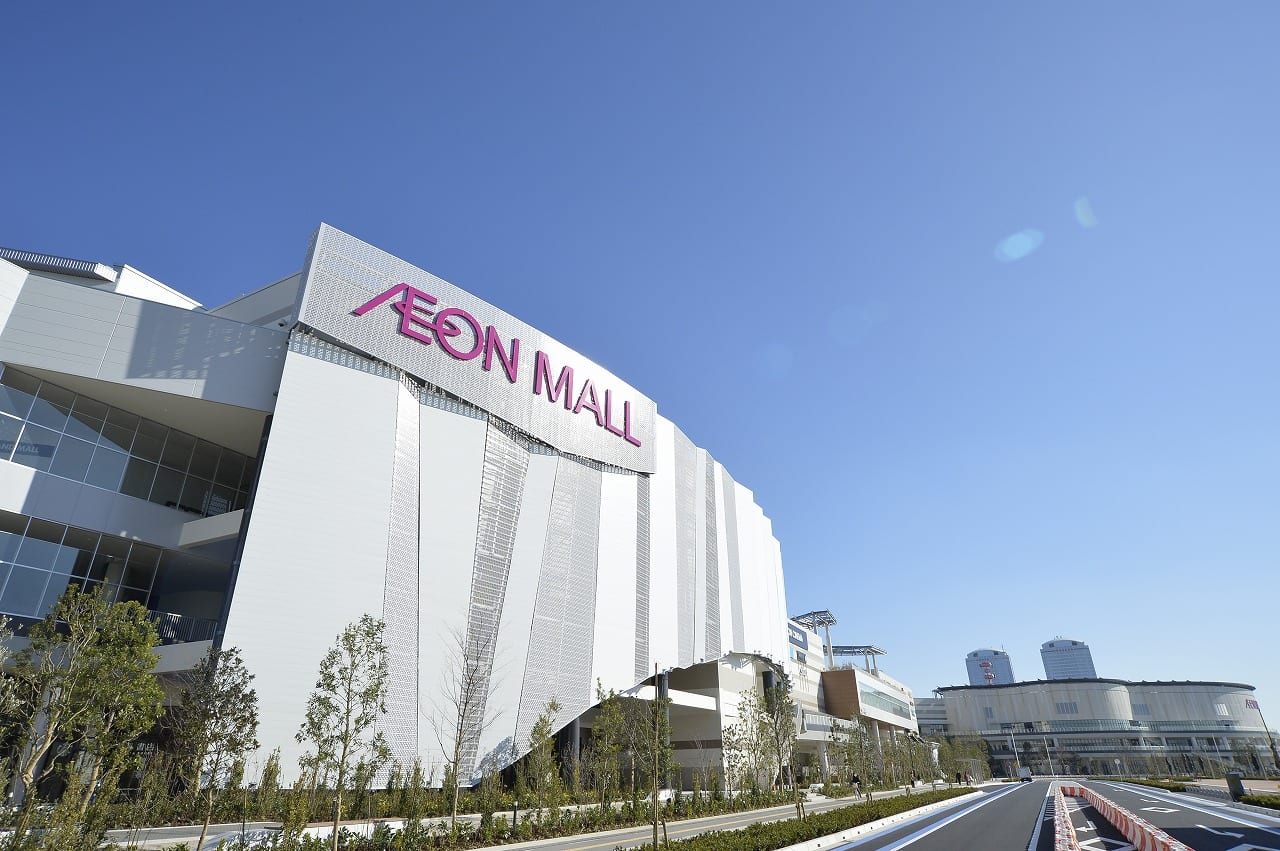
    Aeon Hanoi will open its doors on October 28.

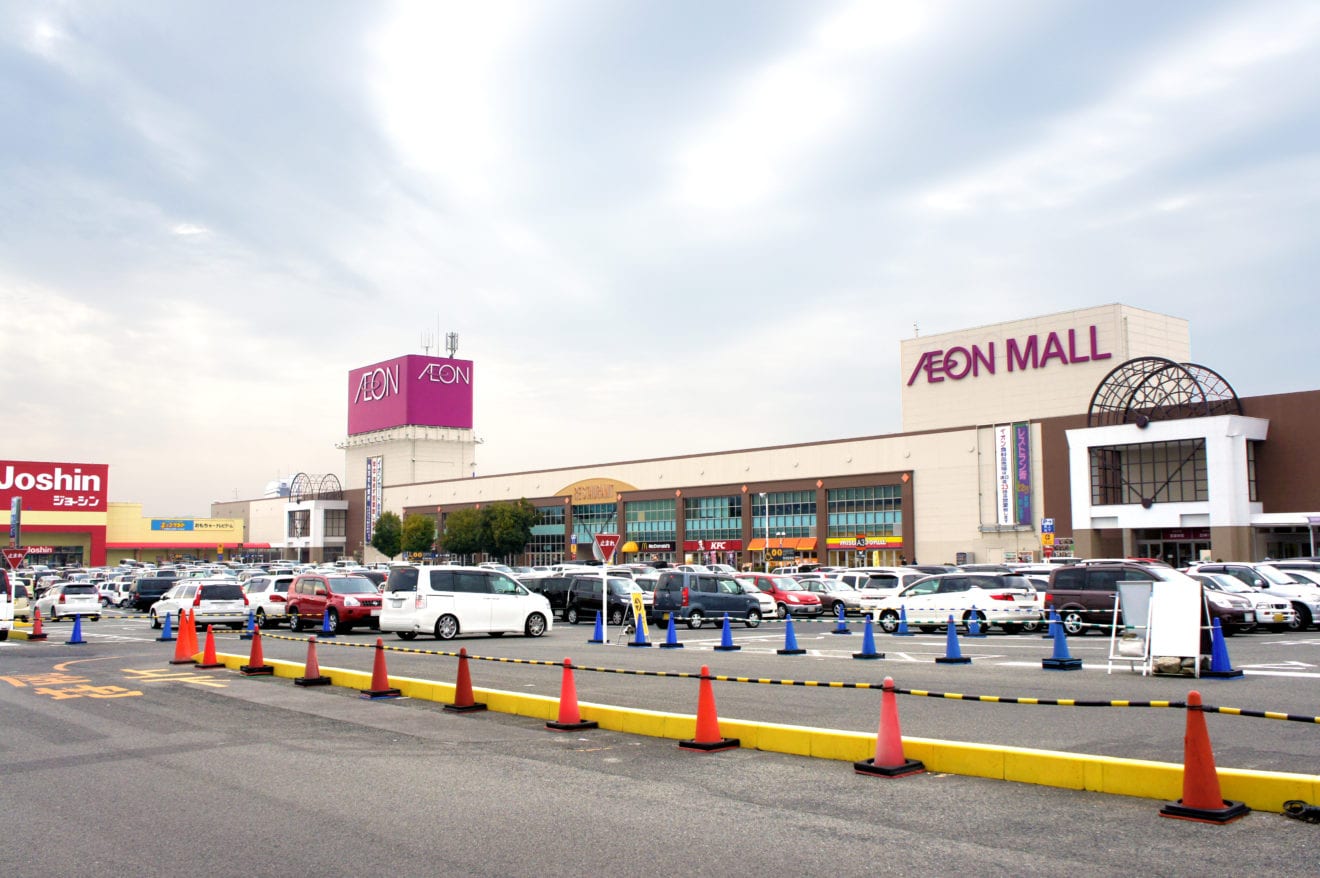
    The Japanese-based multinational shopping centre operate and retailer Aeon says the new centre will host 180 retail stores including its supermarket and department store anchors and a mix of local and Japanese brands.

    Aeon Hanoi will be Aeon’s third store in Vietnam, following its debut in Ho Chi Minh City two years ago, and a second mall in Dong Nai, an industrial city near Ho Chi Minh City. The company has already announced a fourth to be built in Ho Chi Minh City, scheduled to open in 2016.

    The Hanoi mall will cover 9.6 hectares in the suburb of Long Bien.

    Besides its focus on fashion and specialty stores, the centre will host restaurants and a foodcourt serving cuisine from Vietnam, Japan, Thailand and Korea on the third floor.

  • Apple Vietnam retailers appointed

    Apple Vietnam retailers appointed

    Official Apple Vietnam retail stores have been appointed to receive stock directly from the California-based tech giant.

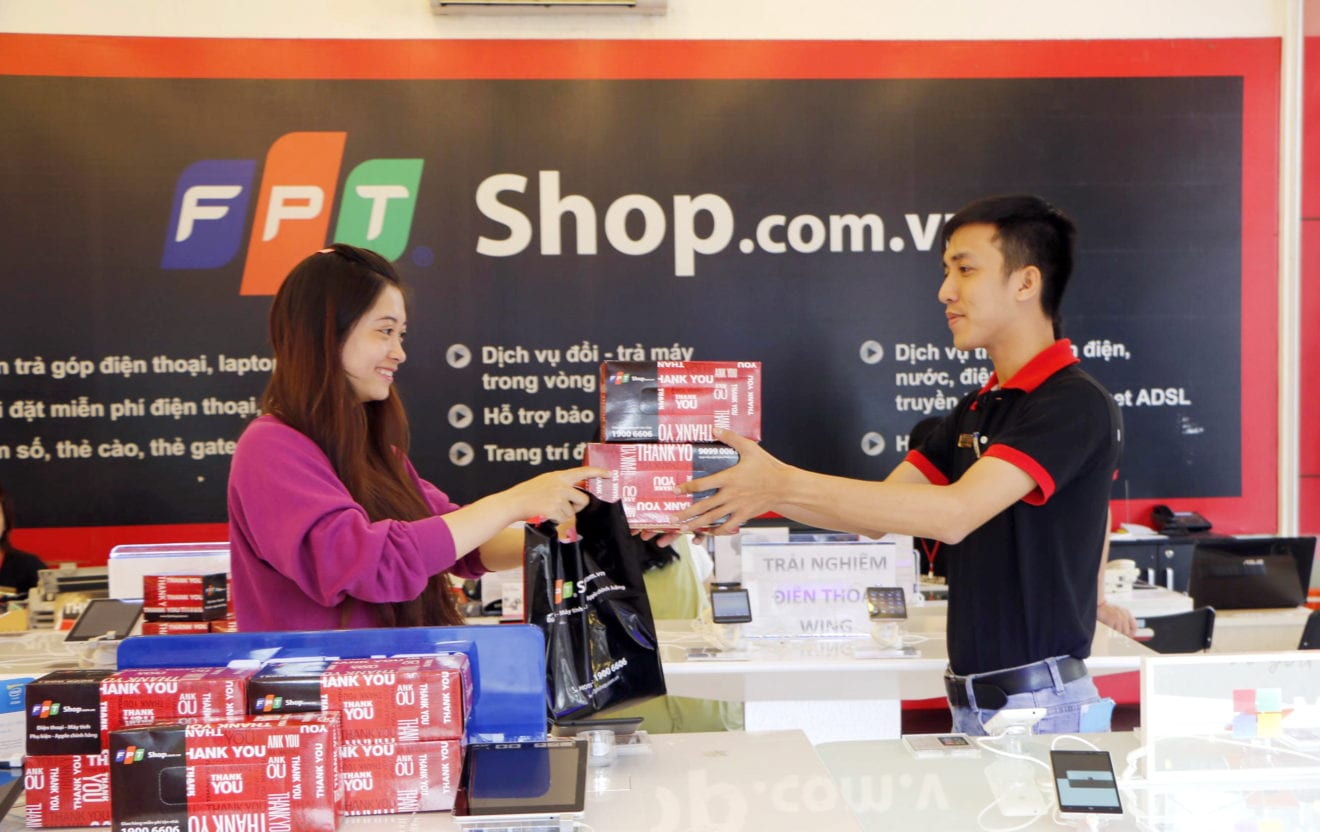
    One official retailer is FPT Shop, which currently operates retail stores in Vietnam selling Apple products imported from other Asian countries and reselling them for as much as 50 per cent more than they can be bought in Thailand, Malaysia or Singapore. FPT has 220 stores in Vietnam.

    The director general of FPT Shop, Le Bach Diep, announced at a press conference in Hanoi last week that her company would important iPhones and iPads directly from Apple. Apple Vietnam would receive new models at the same time as other ‘third ranked’ markets – assigned a lower priority than the US, Japan and China in the first group and Hong Kong, Australia and Singapore in the second.

    She says that means new model Apple products will go on sale in Vietnam sooner after overseas release than before. In return, Apple gets a specialised after sales service network.

    Meanwhile, rival chain The Gioi di Dong announced it would be sourcing Apple products direct from Apple from September – instead of having to import them through FPT Trading.

    Neither company will be allowed to supply other dealers on a wholesale basis.

  • Five trends in Vietnam retailing

    Five trends in Vietnam retailing

    Vietnam’s retail market is set to grow by 8.4 per cent annually until 2020, making it one of the fastest-growing markets in south-east Asia.

    Against a backdrop of increased disposable income, rapid urbanisation and an appetite for change among younger shoppers, we take a look at five trends defining the marketplace for pan-Asian retailers right now.

    Confident investment

    January 2015 marked the first time non-domestic retailers could take full ownership of commercial property in Vietnam, following commitments made to the World Trade Organisation. Now, new trade agreements with Japan, Korea and the countries that make up the Association of South-East Asian Nations (ASEAN) look set to support further growth for international retailers in Vietnam:

    Tailoring the best of international retail

    Domestic retailers may have the advantage when it comes to local shopper knowledge but
    international retailers are drawing on their own strengths to help them compete.

    Dairy Farm, FamilyMart and Aeon have brought their expertise in loyalty schemes, private label and innovative marketing to their stores in the region.

    Other points of difference include appealing to busy office workers with a fast food to go counter (seen at Family Mart and B Mart) and bringing an international flavour to the in-store hot food offer (Aeon Mall).

    Alternative store concepts

    Many retailers have established themselves in Vietnam with a hypermarket presence in one of the major retail hotspots like Hanoi or Ho Chi Minh City.

    Lotte and hypermarket chain Aeon are appealing to families and experimental shoppers with department store formats that act as wider shopping and entertainment destinations. Aeon is also making its mark with a loyalty scheme that includes tailored offers for mums – such as birthday treats or discounts on baby care.

    In the convenience channel, Guardian is the first combined-format health, beauty and drugstore in Vietnam. The store is making waves with its clean layout, colourful signage, bold promotional activity and sales assistants offering a superior level of service.

    Product innovation for a changing market

    A new concept in Vietnam, private label is appealing to young, experimental shoppers thanks to its lower prices and alternative products.

    Aeon has introduced its TopValu private label range, which taps into the popularity of Japanese culture by offering authentic Japanese ingredients and home cooking kits. The retailer is now working with local suppliers to explore domestic production.

    An increasingly affluent middle class is also supporting demand for exclusive and imported novelties. Dairy Farm is well-known for attracting these shoppers with its packaged food, household, health and beauty ranges.

    Expanding to national coverage

    A priority for most retailers is to create a nationwide presence. Lotte has built a network of ten hypermarkets spanning six big cities across Vietnam, making them the first pan-Asian retailer to achieve such a spread of coverage. Meanwhile, Ministop (Aeon), Guardian (Dairy Farm) and Shop&Go are pushing their convenience format in retail hotspots.

    Major retailers are seeing good growth from their franchise models, making partnerships, mergers and acquisitions hot topics.

    Aeon has partnered with local retailers Citimart in the south of the country and Fivimart in the north. The domestic chains are helping Aeon speed up its expansion plans by using their existing store networks. In return, their own customers are benefitting from the retail giant’s private label ranges and investment in infrastructure.