Tag: hanoi

  • Ikea to open Vietnam store with US$450 million investment

    Ikea to open Vietnam store with US$450 million investment

    Ikea Vietnam plans to invest US$450 million on a retail centre and warehouse system in Hanoi, according to a government official. Nguyen Duc Chung, chairman of the Hanoi People’s Committee, told a recent conference held by the Ministry of Industry and Trade that the Swedish furniture giant’s local subsidiary is well advanced with plans to launch in the country.

    Once completed, the centre will be Ikea’s main supply hub for its Southeast Asian market.

    “At present, all parties involved are [in] the process of negotiation,” Chung added.
    The centre is expected to boost Ikea’s e-commerce business in the region.

    During an interview in 2017, Torbjorn Loof, chairman and CEO of Inter Ikea Holdings said the company was planning potential expansion in Vietnam “within five years”.

    Ikea is steadily expanding its Southeast Asian footprint, the latest largest store planned in Philippines.

    Founded in 1943, Ikea is the world’s largest furniture retailer with 400 stores in 49 countries all over the world.

    In recent years, Vietnam has been a potential hub for retailers to build warehouses. Last November, Lazada finished a 4000sqm warehouse in Danang.

  • Vietnam scraps plan to merge stock exchanges

    Vietnam scraps plan to merge stock exchanges

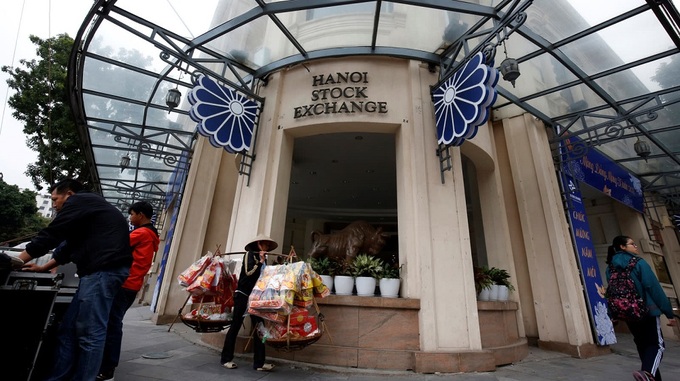
    The nation’s two bourses in Ho Chi Minh City and Hanoi will continue to operate independently under a new state-owned company. Ho Chi Minh City Stock Exchange (HoSE) and Hanoi Stock Exchange (HNX) will operate independently under the Vietnam Stock Exchange, which will be set up by the Ministry of Finance by 2020. The new company, to be headquartered in Hanoi, will have a charter capital VND3 trillion ($129 million), on the basis of combining the charter capital of both exchanges.

    The Vietnam Stock Exchange will issue regulations on stock listings and trading, monitor the stock market and supervise the two bourses. This new plan indicates that Vietnam has given up on an earlier plan to merge the two exchanges, owing to disagreement over where the combined one would be located.

    HoSE accounts for 93 percent of the two main exchanges’ total market capitalization of about $131 billion as of December. It is the main market, where blue chips such as Vietnam’s biggest private conglomerate Vingroup, dairy company Vinamilk and budget carrier Vietjet Air are listed.

    HNX, on the other hand, is home to smaller and mid-sized enterprises, bonds and derivatives.

  • Hanoi, HCMC hotel rooms getting expensive

    Hanoi, HCMC hotel rooms getting expensive

    Hotel room rates in Hanoi and HCMC, at around $110 a night, are the second most expensive in Southeast Asia behind only Singapore. Real estate services firm CBRE Vietnam said at a recent conference that the performance of the four- and five-star hotel segments was very strong in 2018 due to limited supply but constantly increasing demand.

    By the end of the year the average rent in this segment reached $112.6 in Hanoi and $114.1 in HCMC. High-end rooms in Hanoi number 7,770, of which two thirds are in the five-star category, and their average occupancy rate last year was 78.4 percent.

    Most of them are concentrated in the downtown area and Ba Dinh, a central district where most government offices and embassies are located.

    CBRE said in recent years sharing economy models like AirBnB have been trending, with AirBnB supply in Hanoi and Ho Chi Minh City topping 24,000 units compared to 17,500 four- to five-star hotel rooms.

    “However, despite the rapid growth of this model, room-sharing has not a clear impact on business in the four-five-star segment.”

    As of 2017 there were 118 five-star hotels/resorts in Vietnam, almost twice the number in 2013.

    They had an occupancy rate of over 75 percent, 5 percentage points up from 2016, according to global consulting firm Grant Thornton.

    Vietnam National Administration of Tourism (VNAT) statistics show an upsurge in the number of foreign visitors to Vietnam in the last few years. Last year 15.5 million came to the country, a 20 percent rise from 2017.

  • Bullet train to connect Hanoi with HCMC in five hours

    Bullet train to connect Hanoi with HCMC in five hours

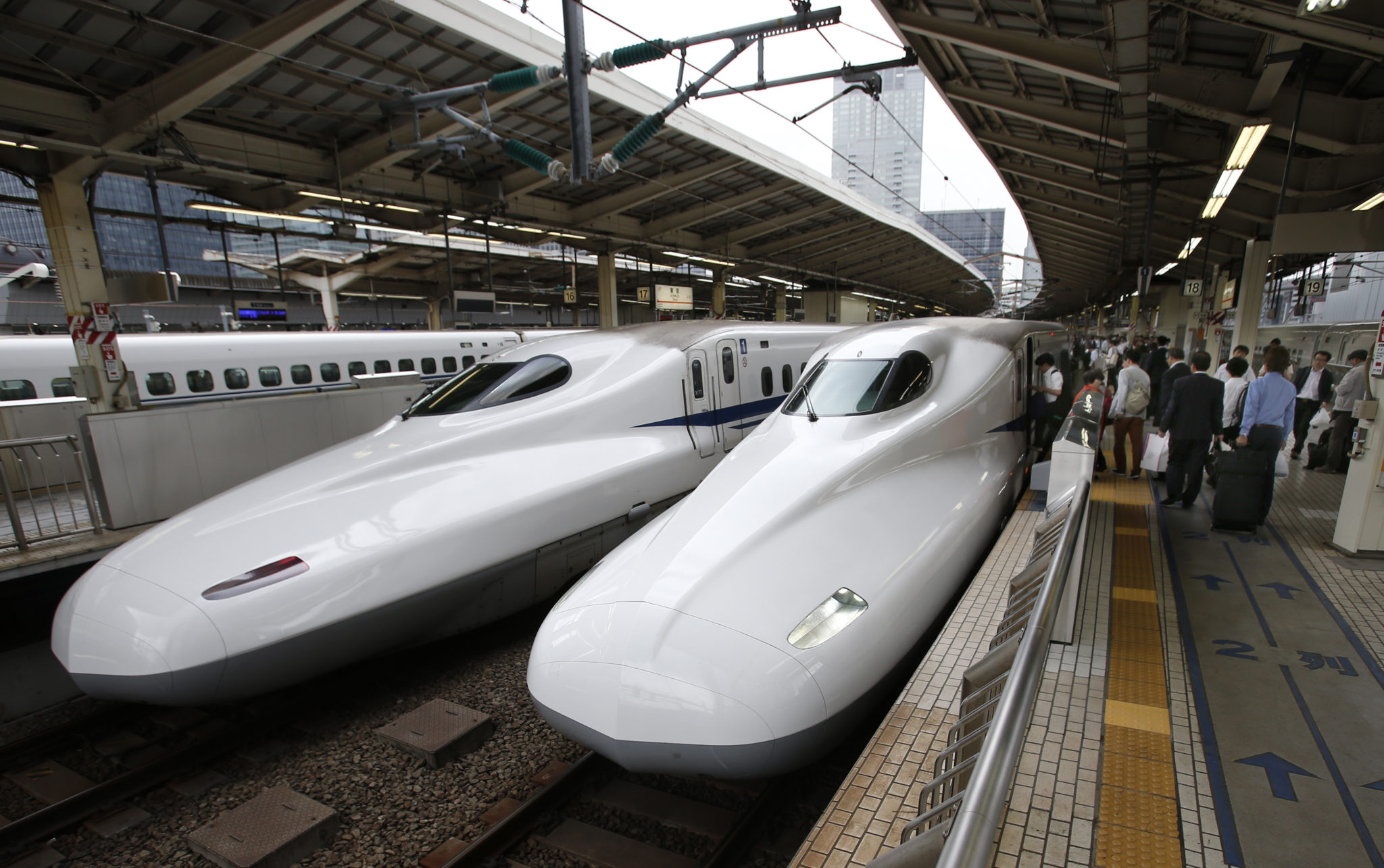
    Vietnam’s bullet train will cut travel time between Hanoi and Saigon to five hours from the current 24. The railway project management board has submitted a pre-feasibility study to the Ministry of Transport, which quotes transport consultants’ estimate that if the train travels at 320 km/h, its running time would be from 5 hours 17 minutes to 6 hours 50 minutes depending on the number of stops.

    The route from Hanoi Railway Station to Thu Thiem Station in HCMC’s District 2 will be 1,545 kilometers (960 miles) long and run through 20 provinces.

    Sixty percent of the tracks will be on viaducts, 10 percent underground and 30 percent on the surface, completely protected by fencing and without a single crossing.

    It will have double standard-gauge tracks of 1.435 meters width and 24 stations, according to a consultancy consortium comprising Vietnamese firms TEDI, TRICC and TEDIS.

    It will use the distributed traction technology used by Japanese high-speed trains.

    The project is estimated to cost a total of $58.7 billion, comprising $2.23 billion for land, $43.3 billion for construction and equipment and $4.3 billion for management, consulting and other costs.

    It will be undertaken as a public-private partnership (PPP), with the government accounting for 80 percent of the cost and private investors for the remaining 20 percent.

    Construction will be in two phases, with the 282-km Hanoi-Vinh section and 362-km Nha Trang-HCMC section built first in 2020-2030 at a cost of $24 billion. Commercial operations on these stretches are likely to begin in 2032. The second phase connecting Vinh and Nha Trang is expected to be built in 2030-2045.

    The consultants have estimated the project to cost 0.4 – 0.55 percent of the country’s GDP in 2020-2030 and 0.35 – 0.4 percent in 2030-2040.

    After being reviewed by the Ministry of Transport, the study will be submitted to the State Appraisal Council and the government for review and to the National Assembly for approval next October.

    Vietnam currently has over 3,000 kilometers of railway tracks, none of them high-speed. The railway accounts for just 1.9 percent of the transportation sector in the country, according to the Vietnam Railway Authority.

  • Hanoi revives $500 million horse racing, entertainment complex

    Hanoi revives $500 million horse racing, entertainment complex

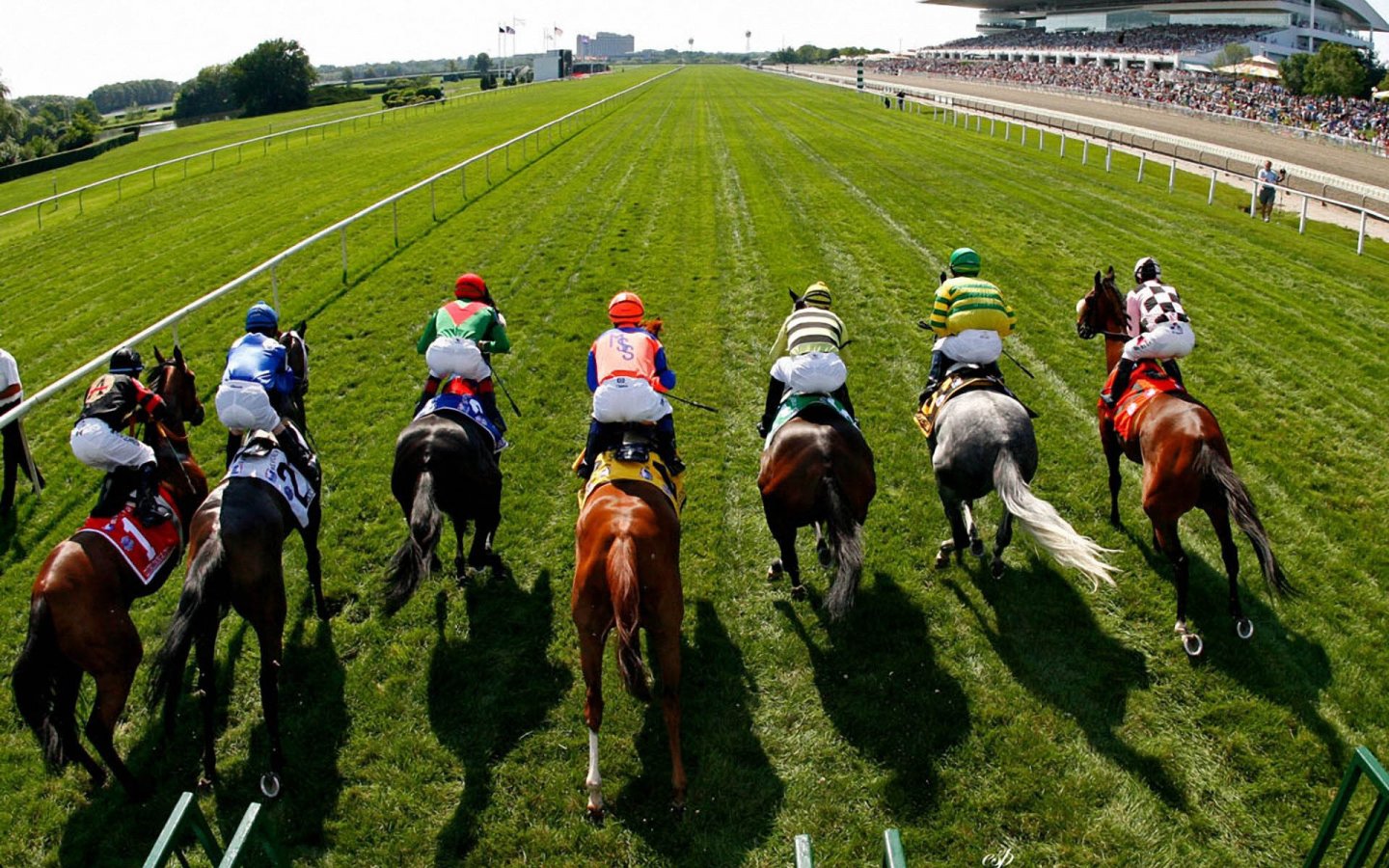
    A $500 million complex including horse racing in Soc Son District is off the shelf after 10 years. Hanoi authorities have approved the addition of the long-delayed Soc Son multi-purpose entertainment complex and horse racecourse project to the city’s master plan on socio-economic development to 2020 with orientation until 2030.

    The total investment for this project is currently estimated at about $500 million. The project is expected to go into operation after 2021.

    The planned site is mostly agricultural land. Once put into operation, the project will employ an estimated 5,000 direct laborers and 20,000-25,000 indirect laborers, generating a relatively large, regular revenue for the city’ budget.

    The project, which will be built in a planned tourist area about 40 kilometers north of Hanoi, will add a high-quality tourism product to Soc Son District in particular and the capital in general, the city stated.

    According to Hanoi authorities’ data, the capital has received over 26 million visitors this year, including 5.7 million foreign visitors, which are a 9 percent and 16 percent increase compared to last year respectively.

    The project to build a horse racecourse in Hanoi was first researched in 1999, with the racecourse’s proposed location in the southern districts of Hoang Mai and Thanh Tri.

    However, as Vietnam’s legal framework for sports betting and horse racing was incomplete at the time, the city’s foreign partner eventually withdrew from the project.

    The project was then revived in 2007 when the travel company Hanoi Tourist and South Korea’s Global Consultant Network asked for the city’s permission to research it, and was told by the government that it would be approved once the legal framework for sports betting is completed.

    Vietnam’s legislative body, the National Assembly, approved a bill legalizing sports betting last year and the government earlier this year promulgated a decree regulating the sports-betting business, throwing open opportunities for foreign investors to build racecourses in the country.

    In addition to the racecourse in Hanoi, foreign firms are also said to be pursuing plans to build horse racecourses in the northern provinces of Bac Ninh, Vinh Phuc and in Ho Chi Minh City.

  • Hanoi plans second sports complex for SEA Games 2021

    Hanoi plans second sports complex for SEA Games 2021

    Capital city authorities have outlined this plan in a recent report to Prime Minister Nguyen Xuan Phuc, saying the upgrade is required because the condition of Hang Day stadium on Trinh Hoai Duc Street has severely deteriorated in recent years.

    The new complex would cost over VND6.3 trillion ($270.4 million), with funds raised from investors who operate the stadium for 50 years, the report said.

    The sports complex will be built on an area of 32,000 square meters, expanding the current area of 22,000 square meters.

    A deal for the upgrade was signed in March by domestic private firm T&T Group which manages the stadium, and French firm Bouygues Construction.

    The headquarters of the city’s Department of Planning and Investment nearby will be moved to another location to make space for the new complex.

    It will be the second international sports complex in Hanoi, after the My Dinh stadium in Nam Tu Liem District.The new stadium will have a capacity of 20,000 people, with several additional facilities including cinemas, event centers, parking basements and convenience stores.

    The Hang Day stadium is a multi-purpose facility which was first established for Hanoi’s École d’Education Physique (Hanoi’s School of Physical Education) in 1934. It was later expanded in 1958.

    In 2017, it was placed under the management of T&T Group, a corporation involved in finance, real estate and agriculture sectors.

    Hanoi will host the 31st edition of the Southeast Asian Games (SEA Games), which is scheduled to last 17 days, as well as the Para Games, for 11 days, from October to December in 2021.

    A total of 16,000 people are estimated to participate in the event, 11,000 of them athletes.

    This is the second time that Vietnam will be hosting the SEA Games after the first instance in 2003.

  • E-Mart to open first outlet in Hanoi

    E-Mart to open first outlet in Hanoi

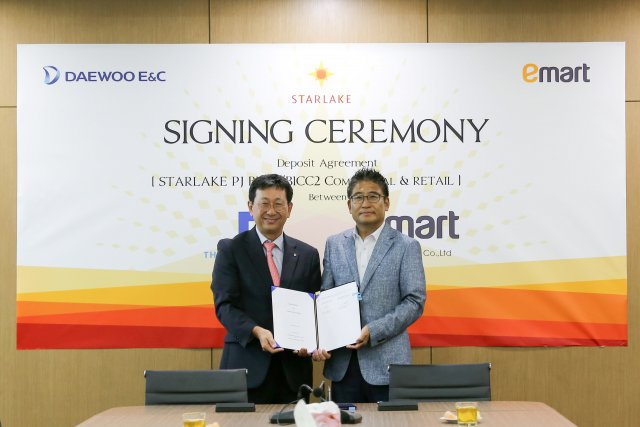
    South Korean retail group E-Mart is to build its first hypermarket in Hanoi’s StarLake urban area.

    According to StarLake, E-Mart and THT Development have signed an agreement to transfer two commercial land lots within StarLake Project, for an area of 1.86 million sqm in Hanoi’s Tay Ho (West Lake) district.

    In late 2015, E-Mart opened first location in Vietnam, on a 3ha site in Go Vap district, in Ho Chi Minh City, investing up to US$60 million.

    After exiting China, E-Mart plans to open 50 stores in Vietnam during the next five years.

    Another South Korean retail and entertainment group CJ has also deposited an agreement with THT for two land lots at StarLake Project.

    CJ plans to open CGV cinemas, a Tous les Jours bakery, and FMCG businesses there.

  • Foreigners big investors in Hanoi, HCMC 5-star hotels

    Foreigners big investors in Hanoi, HCMC 5-star hotels

    More than half of five-star hotels in HCMC and Hanoi are owned by foreign investors.

    Ten out of 19 five-star hotels in the best locations in HCMC have foreign owners, according to data. They include Sheraton, Caravelle, InterContinental, Asiana Saigon, and Sofitel.

    Many of the foreign investors came to the country in the last two decades and first began by partnering local firms.

    One of them, Singapore-based Glynhill Investment Vietnam, established the $61.5 million Caravelle together with travel agency Saigon Tourist in 1992.

    In 1994 Lam Ho Investments, another Singaporean firm, signed a deal with Saigon Tourist to build the Sheraton hotel at a cost of $97 million.

    UOL Group, one of Singapore’s top real estate firms, picked up a 26 percent stake in the five-star Sofitel Saigon through its subsidiary, the Pan Pacific Hotel Group.

    Hong Kong investors also own stakes at premium hotels in HCMC. One of them, Keck Seng Investments, has a 64 percent stake in the Sheraton and 25 percent in Caravelle.

    Koreans, late entrants in the market, have been making major acquisitions in the last five years.

    In 2013 Lotte Hotels & Resort bought a 70 percent stake in the Legend Hotel from Japan’s Kotobuki Corporation.

    Lotte also manages the hotel, which overlooks the Saigon River.

    The company considers the hotel the first step in its expansion into Vietnam and Asia.

    In Hanoi, nine of 16 five-star hotels have foreigners as major shareholders.

    They have been investing in the sector for decades, with Hanoi Westlake, Melia, Sheraton, Daewoo, Nikko, and Pan Pacific being the major names.

    Malaysia’s Berjaya Corporation Berhad owns 75 percent of InterContinental Westlake and 70 percent of Sheraton.

    Other Korean firms own stakes in Lotte, Intercontinental Hanoi Landmark 72 and Grand Plaza.

    Vo Quoc Phuong Trang, head of Investment Consultancy said that international firms usually seek to own major stakes to enable them to take part in the hotels’ development and management.

    Hanoi and HCMC, with their steady economic and tourism growth, would continue to draw foreign investors in the high-end hotel segment, which has low risk but offers steady revenues, she said.

    As of last year there were 118 five-star hotels/resorts in Vietnam, almost twice the number in 2013.

    They had an occupancy rate of over 75 percent, 5 percentage points up from 2016, according to global consulting firm Grant Thornton.

  • Hanoi seeks approval for Vingroup’s $300 million IT park

    Hanoi seeks approval for Vingroup’s $300 million IT park

    Hanoi has submitted a proposal to the Ministries of Construction and Planning and Investment for building a new IT park possibly in Dong Anh District.

    It will be built by Vingroup on Vo Nguyen Giap Street on the way to Noi Bai Airport.

    It is estimated to cost US$302.54 million and likely to spread over 78.1 hectares, housing a maximum of 19,557 personnel.

    Its construction, to begin in the fourth quarter of this year, will be finished at the end of 2020, when it will open.

    Authorities hope it will interest both foreign and local IT companies thanks to its modern technical and social infrastructure, R&D facilities and other advantages.

    Vingroup also seeks to build facilities such as a data centre, IT functional zones, accommodation for specialists, commercial offices, an R&D complex, a training and consulting zone, exhibition space, parks and a recreation zone inside.

  • Short-term leasing could be a long-term trend in Hanoi, HCMC

    Short-term leasing could be a long-term trend in Hanoi, HCMC

    Thanh’s apartments in Ho Chi Minh City have been behaving like hotels for more than a year now.

    Individuals and groups of tourists stay at his serviced apartments for a few days before they leave for another destination in the country, and the apartment is open almost immediately for new guests.

    Thanh, who did not want his surname revealed, has invested in three apartments in HCMC, and all of them can be booked by anyone on Airbnb, an online service that connects tourists with hosts offering accommodation in a room, or rooms, or an apartment or villa, typically for short stays.

    The large supply of apartments in major cities like Hanoi and Ho Chi Minh City has spurred investors who have spotted an opportunity to earn higher incomes through short-term leases rather than long-term rental contracts.

    In addition, the driving force shifting consumer attention to Airbnb in Vietnam is a willingness to experience something new and affordable when it comes to rented accommodation, said accounting and consulting firm Grant Thornton.

    According to a Nielsen report, 76 percent of respondents in Vietnam like using shared products or services, compared to 66 percent of consumers globally.

    The total number of Airbnb listings in Vietnam has surged exponentially since the service was officially launched in Vietnam in 2015.

    There were only 6,500 listings in 2016, but last year, this rose almost 2.5 times to 16,000, according to accounting and consulting firm Grant Thornton.

    The apartment rental market has changed remarkably in the last 12-18 months, with more owners moving from traditional rental services to listing their apartments on Airbnb or similar online housing services, said Tran Anh Khoa, a renting agent in HCMC.

    This transition is happening as owners realize short-term rentals can earn 15-20 percent higher revenues than long-term leases, Khoa said.

    A 50-square-meter serviced apartment in HCMC’s District 2 can earn its owner $700-800 a month in a long-term contract, but this revenue can go up to $1,000 a month if it is leased short-term with an occupancy rate of 80 percent a month, he said.

    Apartment owners like this model, especially real estate speculators who want to earn money while waiting to sell their apartments, Khoa added.

    “This way, owners don’t get tangled in contractual obligations with tenants when they want to sell the apartment,” he noted.

    Growing trend

    Airbnb and similar services are favored by single or small groups of guests as they offer cheaper prices compared to a hotel room or a fully-serviced apartment, said Stephen Wyatt, country head of real estate firm Jones Lang LaSalle Vietnam.

    The supply of apartments in Vietnam has been growing in recent years, especially in HCMC, with an additional 129,000 apartments coming on line by 2020, according to real estate service provider Savills Vietnam.

    The “oversupply” will likely lower the profitability of long-term rental apartments, Wyatt said.

    So short-term leasing of these apartments is a positive trend as their sales show signs of slowing down, he added.

    Pham Thi Thanh Huyen entered the apartment-sharing business a year ago to earn extra income apart from her office job.

    The 24-year-old paid a total of VND400 million ($17,200) to do up the interiors of two apartments in Hanoi which she rents for VND6 million each a month.

    One of her apartments has had an occupancy rate of almost 100 percent every month, and the other, over 70 percent. Together, she earns a net profit of VND10 million a month by subletting them for short periods.

    She was confident: “If your apartment is in a good location, it won’t be long before guests start to pour in.”

    In 2017, Vietnam welcomed nearly 13 million international visitors. In the first half of 2018, the number was nearly 7.9 million, a 27 percent increase over the same period last year, according to VNAT.

    Tourism is expected to contribute 10 percent to Vietnam’s gross domestic product by 2020 when the country hopes to welcome up to 20 million foreign visitors and earn $35 billion in tourism revenues. Vietnam has set a target of receiving 15-17 million foreign arrivals this year.

  • Hanoi to go modern, install 1,000 public vending machines

    Hanoi to go modern, install 1,000 public vending machines

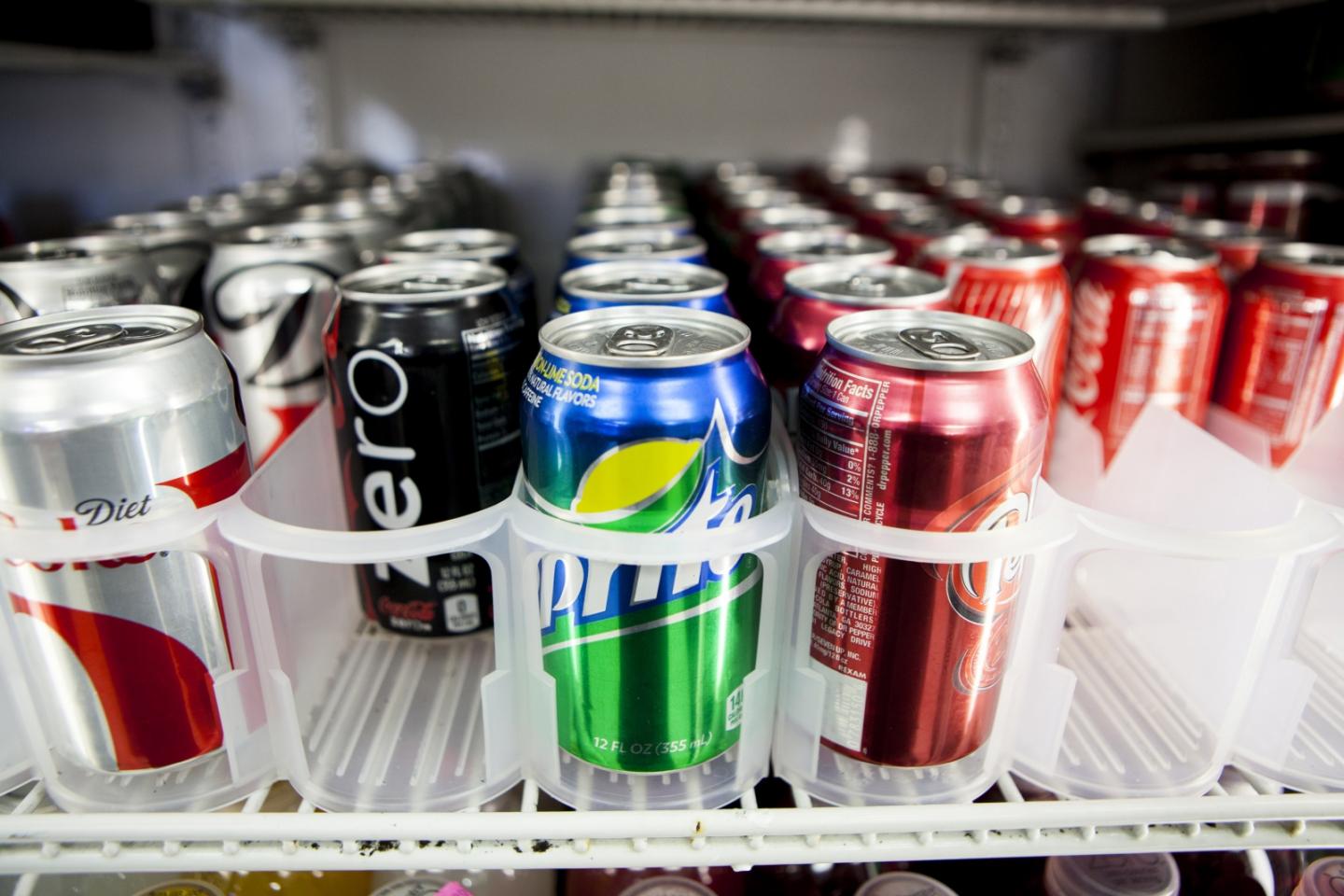
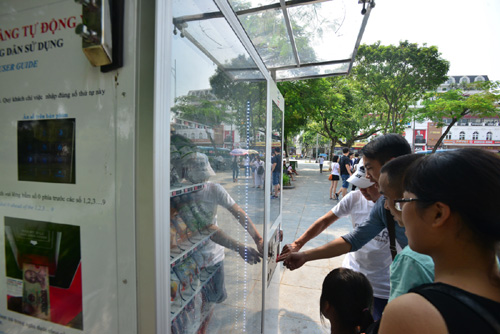
    Recently the city people’s committee approved the installation of around 1,000 vending machines in public locations under its own supervision.

    They are expected to provide a wide variety of beverages, snacks and fresh fruits besides customer assistance, especially to seniors, children and disabled people.

    The locations include parks, botanical gardens, hospitals, schools, and train and bus stations, which meet the space requirement of 2-3 square meters.

    They will be located at 500-1,000 metres away from each other with a maximum of four installed in close proximity if the specific needs of an area so demands.

    Thong Nhat Park (Lenin Park) will have the largest number — 10.

    The machines will be capable of returning correct change to customers besides also accepting other payment methods such as cards and QR codes.

    The people’s committee said the objective is to modernize retail sales in the city.

    There are now 161 public vending machines in the capital.

  • Vietnam’s communist heart Hanoi gets its first McDonald’s

    Vietnam’s communist heart Hanoi gets its first McDonald’s

    Global burger behemoth McDonald’s opened its first branch on Saturday (Dec 2) in the historic heart of communist Hanoi, a conservative city renowned for its traditional – and cheap – Vietnamese staples beloved by food-obsessed locals.

    Hungry customers lined up for Big Macs and Chicken McNuggets at the Vietnamese capital’s first location overlooking the tree-lined Hoan Kiem lake, which draws millions of tourists annually to see French-era colonial buildings and sample street-food favourites like pho noodle soup and banh mi sandwiches.

    The restaurant is the first outside of the southern commercial hub Ho Chi Minh City, where 16 branches have opened since McDonald’s first came to Vietnam in 2014 to much fanfare, especially among the rapidly-growing middle class and American-obsessed youth.

    The global fast food chain received a similarly warm welcome in Hanoi on Saturday, as hungry diners crammed into the two-storey eatery for a first taste of the Golden Arches.

    For 84-year-old Tran Dinh Luyen, who fought against the US in the Vietnam War, the restaurant was a sign of warming ties with a former enemy.

    “I am happy that McDonald’s has opened a restaurant in Hanoi. It’s a very famous American brand, so it shows how far US-Vietnam relations have come,” he told after mowing down on a Big Mac with his daughter and granddaughter.

    But not everyone agreed.

    “It’s a rip-off… this fast food is for kids only, it’s not good at all,” 90-year-old Ta Xuan Huong said, espousing his love for traditional cuisine.

    Some curious tourists stopped to see what all the fuss was about, perplexed that a brand ubiquitous in the West would draw so much attention.

    “It’s kind of random to see McDonald’s opening… it’s an interesting cultural experience to see how important it is that the store is opening here,” American Dan Moore told AFP, after his wife remarked she might not have expected to find one of the most salient symbols of capitalism in the communist country.

    The one-party state has seen dizzying economic growth in recent years as it has opened its doors to foreign investment – which has included an influx of Western chains like Starbucks, KFC and Burger King.

    Growth in the fast food sector has been buoyed by rapidly rising incomes – annual per capita income has more than doubled in the past decade to about US$2,100 (S$2,692) today – especially among under-30s, who make up half of Vietnam’s population of 93 million people.

    The fast food industry in Vietnam has seen double-digit growth annually for the past five years, and the country has the highest 2017 growth in Asia-Pacific for fast food chains, according to market research firm Euromonitor International.

    Though meals can cost as much as three times the local fare, customers are still showing strong appetite.

    “Young people like to hang out in fast food restaurants as they are seen as a cool and nice place… and these customers also like the taste of the food,” Euromonitor analyst Samuel Huynh told.

  • Mumuso Vietnam accused of fraud

    Mumuso Vietnam accused of fraud

    Fashion and lifestyle goods retailer Mumuso Vietnam has been accused of selling Chinese goods as Korean products.

    The allegation surfaced on South Korean SBS News, which reported that the Shanghai-based company has been duping customers into thinking it is a South Korean store chain selling South Korean goods. The news channel also said Mumuso’s registered office in Seoul could not be found.

    Legal representatives of Mumuso Vietnam say the company registered its brand under the protection of the Korean Intellectual Property Office without any production activities there. It also has a branch in Shanghai, redesignated as its headquarters.

    Mumuso authorised its Shanghai office to take over its business activities, including production and brand management.

    Mumuso’s business in Vietnam is under a franchise contract.

    “Mumuso wants to strengthen its brand overseas before returning home, where competition is fierce,” says Mumuso Vietnam director Nham Phi Khanh.

    He admits that no Mumuso merchandise has undergone quality inspections in Korea, but is imported directly from China. “Our products meet standards and regulations set by the Drug Administration of Vietnam and the Department for Food Safety and Hygiene under the Ministry of Health.”

    Mumuso Vietnam has 27 outlets, mostly in Hanoi and Ho Chi Minh City. The stores sell a wide range of goods, from cosmetics to household items, all labeled as “Mumuso – Korea”, with product information mainly written in Korean and Chinese, and prices ranging from VND22,000 (US$1). All come with a “Made in China” tag.

    The Mumuso retail concept is loosely based on that of another Chinese company Miniso, which has drawn criticism for marketing its products as Japanese.

    Meanwhile, Mumuso Vietnam has announced it intends to increase the number of its outlets in Ho Chi Minh City and Hanoi to 80.

  • AirAsia now flies directly from Penang to Hanoi and Phuket

    AirAsia now flies directly from Penang to Hanoi and Phuket

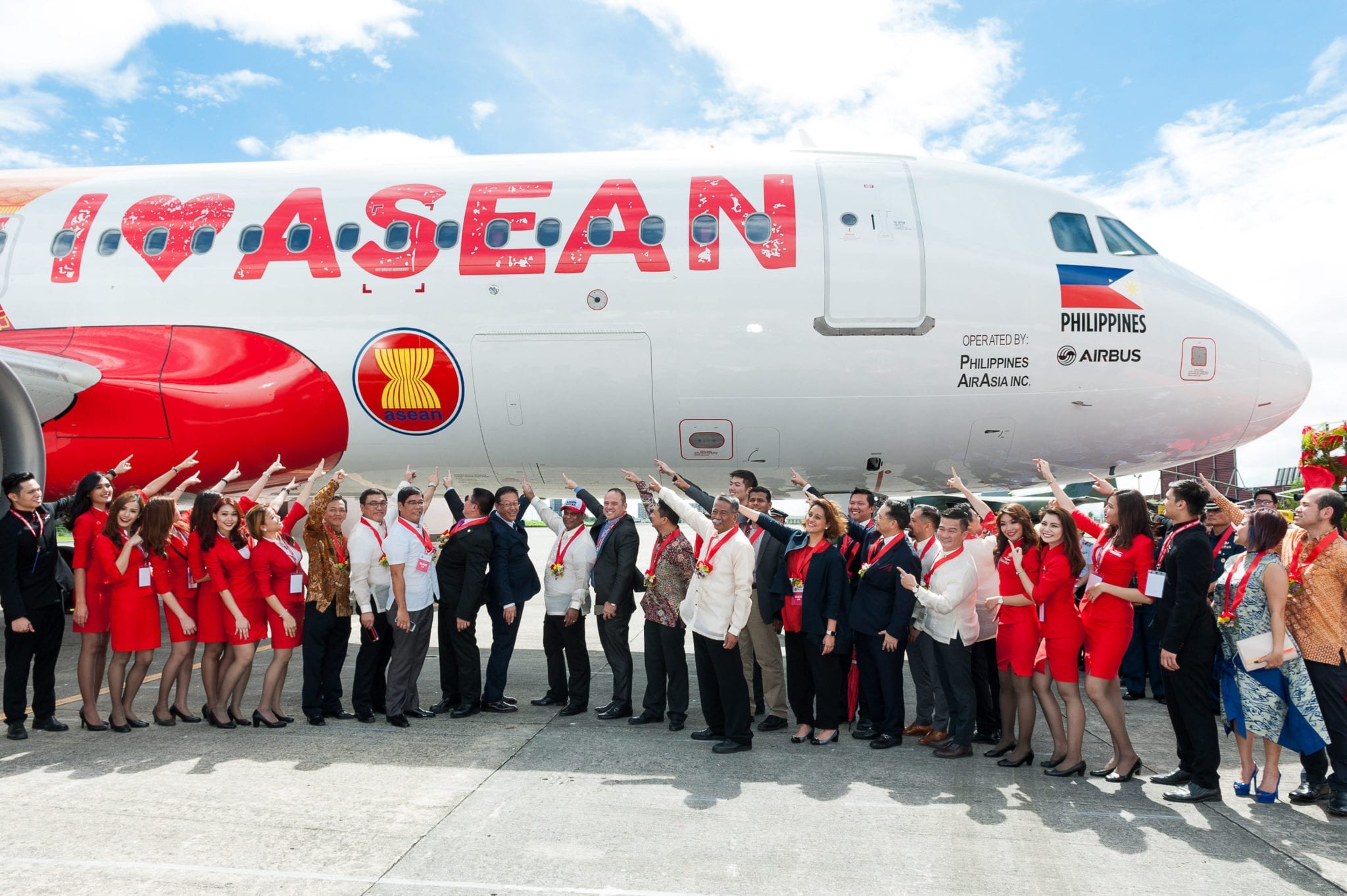
    AirAsia is flying directly to two popular Asean destinations from Penang – bringing the popular Malaysian state closer to Hanoi in Vietnam and Phuket in Thailand. Starting from July 1, flights to Hanoi will operate four times weekly while flights to Phuket will operate daily.

    AirAsia Malaysia commercial head Spencer Lee said Penang is a great tourism hub due to its Unesco World Heritage status, vibrant cultures and beautiful architecture.

    “More importantly, its strategic location at the crossroads in the region has helped boost the growing inbound and outbound travel demand that saw seven million tourist arrivals via air travel last year,” he said.

    Lee added that the new routes will improve the tourism sector in the region. “We are positive that the latest routes will significantly contribute to the tourism sectors of all three countries to become a desirable tourism region for travellers across the world,” he said.

    Hanoi is one of Vietnam’s main cultural centres and is steeped in rich history. The capital city boasts a bustling yet laid back atmosphere with attractions easily explored on foot such as the Hoan Kiem Lake with its famous red bridge that will lead you to the Ngoc Son or Temple of Jade Mountain located on Jade Island.

    Travellers can soak up the emerald green beauty of Halong Bay that is made up of over 3,000 limestone islets and home to caves and grottos as well as fishing villages.

    The picturesque town of Sapa in the north also awaits travellers with its rugged scenery of rice terraces and lush greenery popular for mountain trails or cycling expeditions. In addition to Sapa, travellers can also opt for other parts of northern Vietnam such as Son La and Bac Ha.

    A tour around Phuket’s town will uncover many charming old world architecture.

    Meanwhile, Phuket is more than Patong’s endless beach umbrellas and Soi Bangla’s nightlife. There are several beautiful beaches, breathtaking viewpoints, and both relaxing and extreme activities to fill your itinerary.

    A winding road leads to the top of Nakkerd Hill, where the Big Buddha marble statue looks over the island. Then, move into the interior of Old Phuket Town for a walking tour of this once-neglected district.

    Also, don’t miss the islands of Phang Nga Bay. Whether paddling into lagoons within limestone cliffs on a kayak or taking a speedboat tour of James Bond Island and the village-on-stilts Koh Panyee, you’re bound to have a memorable day cruising around these dreamy islands.

  • Lyn Vietnam to open a new shop in Hanoi

    Lyn Vietnam to open a new shop in Hanoi

    Thai handbag and accessories label Lyn Vietnam is opening three more stores in Ho Chi Minh City and Hanoi.

    One store will be opened inside Vincom Center this Friday. The other two will open at Hanoi’s Vincom Royal City and Trang Tien Plaza, on May 2 and 14 respectively.

    The openings coincide with the introduction of Lyn’s Spring/Summer collection.

    Lyn was founded in Thailand in 2001, and arrived in Vietnam last November with the first store on Nguyen Trai street, Ho Chi Minh City.