Tag: hermes

  • Hermès Birkin Fund Returns 24% by Flipping Handbags

    Hermès Birkin Fund Returns 24% by Flipping Handbags

    New York-based asset manager Luxus returned nearly 24 per cent on a $1 million fund devoted to flipping Hermès handbags, exploiting persistent scarcity in the secondary market.

    Over a 15-month span, the vehicle liquidated 52 of the 56 Birkin and Kelly bags it purchased, outperforming shares of Hermès stock, which tumbled more than 33 per cent across the same timeframe.

    Dana Auslander, a former Blackstone executive who founded the firm in 2021, engineered the strategy to capture the price gap created by primary retail hurdles. Because Hermès restricts direct boutique sales of its premier leather models to shoppers who build lengthy client profiles, secondary wholesalers clear inventory to impatient buyers at a markup.

    Sourcing Inventory in Japan

    Luxus runs an explicit secondary market arbitrage. The fund acquires bags at five to 10 per cent above primary boutique retail from Japanese trading houses, where strict legal penalties on counterfeit goods create an authenticated supply chain. It then offloads the stock through auction houses and consignment channels, including The RealReal.

    Japan has long served as the central clearing house for pre-owned luxury leather across Asia. Decades of strong luxury consumption left domestic households with deep reserves of pristine accessories, while strict enforcement by local police and trade bodies gives overseas buyers confidence on authentication.

    Physical custody introduces overhead unfamiliar to traditional liquid portfolios. The fund routes purchases through storage provider Uovo, which holds the inventory in climate-controlled sites. Independent authenticators and platform specialists review every bag before Luxus lists it for resale.

    Resale Yields Versus Boutique Headwinds

    Primary luxury operators face cooling transaction volumes in Mainland China, yet restricted handbag models continue to trade at substantial markups. While broader personal luxury spending contracted, tight workshop production in France guarantees structural scarcity for top-tier leather lines.

    Secondary trading desks capture price disparities that luxury brands deliberately leave on the table. Hermès exclusively manufactures its handbags and leather goods in French workshops, limiting supply and preserving brand equity but leaving secondary channels to monetize immediate consumer demand.

    Risks remain concentrated in exit timing and shifting collector tastes. Fractional platforms like Rally reported losses exceeding 1 million dollars on collectible asset valuations earlier this year, illustrating how quickly illiquid physical investments can sour when consumer enthusiasm cools.

    The Trajectory of Collectible Asset Funds

    Prestige watch values track a cautionary path. Secondary prices for Audemars Piguet, Patek Philippe Nautilus and Rolex references experienced steep contractions following an initial speculative surge during pandemic lockdowns, stranding funds that bought near peak valuations.

    Bernstein luxury analyst Luca Solca observed that while the arbitrage mechanics hold logic, equity markets offer an alternative path without physical carrying friction. Over the past 35 years, Hermès shares delivered a 16 per cent annualized return with total daily liquidity.

    Auslander is raising a 5 million dollar fund with a three-and-a-half-year mandate after rolling out a second vehicle holding 75 bags. Investors watch whether Japanese wholesale supply can maintain current buy-side margins as deployment capital scales up quintuple.
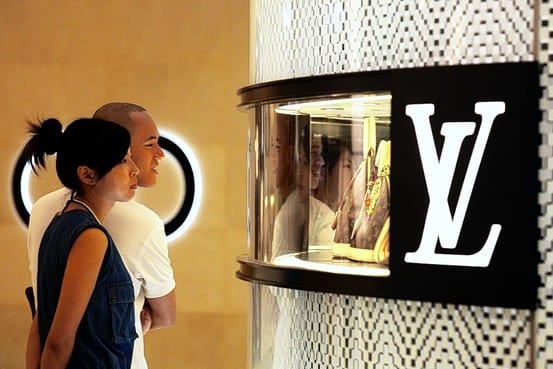
  • Luxury Goods Market to Reach $610.4 Billion by 2032 as Asia-Pacific Leads Growth

    Luxury Goods Market to Reach $610.4 Billion by 2032 as Asia-Pacific Leads Growth

    Asia-Pacific luxury goods spending will expand at a compound annual rate of 5.2 percent between 2027 and 2032, outpacing every other global region as total market value heads toward USD 610.4 billion.

    Europe retained 51.82 percent of worldwide luxury turnover in 2026, but Asian demand is shifting the commercial priorities of major European fashion conglomerates. Global luxury sales stood at USD 484.2 billion in 2026, climbing to USD 505.1 billion in 2027. While mature Western markets cope with cautious shoppers, regional retail networks across China, Japan, and Southeast Asia are taking a larger share of capital expenditure.

    Clothing and apparel anchored the sector with a 36.93 percent market share in 2026. Hard luxury, led by specialist watchmakers, is projected to deliver the quickest category expansion at 4.2 percent through 2032. Women drove 55.93 percent of total luxury revenue in 2026, though menswear is advancing at a 4.25 percent annual rate. Single-brand boutiques controlled 38.16 percent of retail sales in 2026, but dedicated online channels are forecast to expand at 4.75 percent annually through 2032.

    Prada and Hermès Expand Regional Footprints

    Prada Group generated a 15 percent jump in Asia-Pacific retail sales during the first half of 2026 compared with the first half of 2025. Stripping out the acquisition of Versace, organic regional retail turnover grew 6 percent at constant exchange rates. The flagship Prada label maintained positive momentum through the second quarter, while Miu Miu recorded steady volume gains across the half.

    Rival Hermès logged EUR 4.53 billion, or USD 5.11 billion, in 2025 revenue from its combined ready-to-wear and accessories division, a 6 percent gain at constant currency. Leather goods and saddlery sales rose 13 percent, supported by added workshop capacity. Chanel followed a parallel path by opening more than 40 standalone boutiques in 2025, directing a substantial portion of those doors into Mainland China, Japan, and the Middle East.

    Compagnie Financière Richemont saw its specialist watchmaker division post an 8 percent revenue gain at constant exchange rates in the three months to June 2026, led by sales in Japan and the Americas. The group’s jewellery division, housing Cartier and Van Cleef & Arpels, generated a 14 percent sales increase during the fiscal year ended March 31, 2026.

    Direct Store Ownership Shifts Margin Control

    The operational divide between company-owned flagships and third-party wholesale accounts is hardening across Asian shopping districts. LVMH Moët Hennessy Louis Vuitton operated approximately 2,300 dedicated fashion and leather goods boutiques worldwide at the close of 2025. Direct store ownership shields retail margins from intermediary markdowns and maintains rigid presentation standards in premier Asian malls.

    Wholesale distribution carries severe legal boundaries when brands attempt to dictate shelf pricing. The European Commission fined Kering’s Gucci, Richemont’s Chloé, and Loewe in October 2025 for illegal resale-price restrictions imposed on independent distributors across Europe. Those distribution curbs ran until April 2023, barring stockists from discounting apparel, shoes, and leather goods. Luxury houses operating in Asia face a clear operational tradeoff: independent retail partners deliver fast geographic distribution, but houses sacrifice pricing authority over the final consumer ticket.

    Digital channels are simultaneously consolidating around high-spending clients rather than broad web traffic. Online platform Mytheresa increased net sales by 11.5 percent at constant exchange rates in fiscal 2026, while expanding its top-tier customer base by 18 percent during the fourth quarter. Direct consumer relationships allow brands to defend price points without depending on wholesale clearance mechanisms.

    Regulatory Pressures and Supply Checks Tighten

    Supply chain scrutiny is forcing luxury groups to alter how they produce and verify garments sold in Asian commercial hubs. LVMH instituted supplier audits, work-in-progress monitoring, and on-site factory visits in 2025 following public scrutiny over labor practices within Italian manufacturing hubs. Across its operations, recycled materials reached 41 percent of product and packaging inputs in 2025, including circular cashmere projects at Loro Piana.

    Apparel importers into Mainland China face tightened quality-safety rules and mandatory merchant inspections under standard GB 18401-2010, alongside expanded fiber measures starting July 1, 2026. Chinese authorities require sellers to inspect incoming inventory and store compliance documentation for at least two years. The regulatory duty contrasts with the United States, where the Federal Trade Commission permits invoice-level fiber disclosures without requiring dedicated per-unit verification checks.

    Anti-counterfeit enforcement remains a constant operational friction point for Asian distribution networks. The European Anti-Fraud Office concluded an enforcement operation in May 2025 that netted 1.8 million counterfeit garments, footwear pieces, and leather accessories hidden within legitimate textile shipments. Illicit goods mixed into lawful trade flows drain brand equity while complicating customs clearance for verified fashion houses.

    Divergence Across Global Spending Hubs

    The acceleration of luxury demand in Asia contrasts sharply with contractions in the Middle East. Military operations involving the United States, Israel, and Iran in early 2026 reduced the Gulf luxury consumer base by 15 to 25 percent. Richemont saw sales in the Middle East and Africa slide 3 percent at constant currency during the quarter ended March 31, 2026, hurt by suppressed tourist traffic and cautious domestic spending.

    Consumer demand is dividing by income tier. A survey of aspirational luxury clients conducted across 11 key markets in 2026 revealed that every respondent classified as an infrequent, price-sensitive buyer planned to trim personal spending over the subsequent 12 months. An additional 22 percent of regular luxury shoppers planned to reduce transaction ticket sizes, trading down within product collections.

    Luxury brands are directing product development toward ultra-affluent shoppers who remain insulated from inflationary pressures. Global personal wealth grew 10.8 percent in dollar terms during 2025, adding 440,000 millionaires in the United States alone. Capturing these shoppers requires extensive boutique investments in prime metropolitan locations rather than broad distribution through department store counters.

    The next test for luxury retail performance arrives on July 19, 2026, when the European Union’s statutory ban on destroying unsold garments and footwear takes effect for large corporations, directly reshaping how fashion houses clear seasonal stock across their international supply chains.

  • European Luxury Groups Shed €250 Billion as China Demand Slumps

    European Luxury Groups Shed €250 Billion as China Demand Slumps

    European luxury groups shed approximately €250 billion in market value this year as spending across mainland China slowed sharply. The decline forced earnings misses at LVMH, Kering and Hermes after a prolonged property downturn and financial market weakness eroded high-end consumption.

    Europe’s six largest listed luxury houses, including Richemont, Prada and Moncler, absorbed combined market capitalisation losses of €251 billion. LVMH lost €131.6 billion in value, while Hermes surrendered €93.3 billion as Chinese retail sales growth averaged under 0.5 per cent monthly over the past six months.

    Contracting Sales Across Major Houses

    Third-quarter disclosures pointed to widespread deterioration in client demand. Sales at LVMH’s fashion and leather goods division dropped by a mid-teens percentage among Chinese shoppers worldwide.

    Kering experienced an even sharper contraction. Group revenue from Chinese consumers fell between 15 and 20 per cent during the third quarter, worsening from the mid-teens decline recorded in the previous three months.

    Hermes recorded a 2 per cent decline in global ready-to-wear and accessories revenue. The house faced headwinds from falling equity prices in China alongside tighter regulatory scrutiny on overseas capital.

    Tax Pressures and Market Contraction

    Chinese authorities enacted a 20 per cent tax targeting dividends and interest income generated from offshore trusts. The policy took effect this week, adding fiscal pressure on affluent domestic shoppers who drive personal luxury sales.

    Financial markets offered no buffer. The CSI 300 index dropped 19 per cent over four months, erasing more than US$2 trillion in value as investors pulled back over domestic consumption trends and technology equity volatility.

    Broader consumer sentiment weakened alongside personal balance sheets, as the property slump and falling stock markets undermined domestic demand.

    Divergence in Luxury Resilience

    The downturn did not cut evenly across every luxury brand. Hermes expanded sales of Birkin bags and top-tier leather goods by 10.8 per cent globally, sustained by ultra-wealthy buyers.

    Fine jewellery also held up. LVMH’s Tiffany and Kering’s Boucheron produced double-digit percentage revenue increases during the quarter, outperforming ready-to-wear lines and standard footwear.

    Labels reliant on aspirational middle-class shoppers absorbed the heaviest hits. Kering struggled directly as shoppers postponed entry-level purchases, whereas houses anchored strictly to ultra-high-net-worth allocations preserved margin stability.

    Pressures Spread Beyond Asian Borders

    American spending failed to offset the drag from mainland China. Citi credit card transaction figures showed luxury purchasing falls of at least 4 per cent across July, August and September.

    Rising fuel costs and cooling stock performance curtailed discretionary outlays in the United States. Kering confirmed mounting strain on American household expenditure heading into the November elections.

    For luxury operators in Asia, capital allocations will shift from aggressive footprint expansion toward cost controls and productivity gains per square metre.

  • Hermes and Cartier Suffer Double-Digit Sales Slump in Mainland China

    Hermes and Cartier Suffer Double-Digit Sales Slump in Mainland China

    Hermes and Cartier recorded double-digit sales drops in mainland China across August and September, as high-net-worth shoppers joined the broader retreat from luxury spending.

    The contraction also hit the mainland’s top 25 luxury houses, pulling revenue down by double digits for labels such as Louis Vuitton and Gucci over the same two months.

    Foot traffic and store receipts failed to rebound during the seven-day National Day Golden Week in early October, despite an uptick in domestic travel expenditure. That persistent weakness has prompted luxury executives across the sector to brace for a protracted downturn stretching into 2027.

    Top Spenders Join Middle-Class Pullback

    Luxury groups long banked on their wealthiest VIP clients to absorb the blow of an exiting middle class, whose spending power evaporated in a prolonged residential property slump. That insulation has now cracked under the weight of softer equity markets and stricter scrutiny of offshore assets by authorities in Beijing.

    The simultaneous loss of entry-level aspirational buyers and very high-net-worth patrons removes the core financial buffer that protected top-tier European houses. With high-ticket categories bearing the brunt of consumer restraint, retail receipts for jewellery and automobiles dropped as much as 21 per cent in the August-September stretch, even while overall retail sales growth crawled from 0.4 per cent in August to modest gains in September.

    Earnings Divergence Across Greater China

    Hermes reported flat Asia-Pacific revenue for the third quarter on October 22, falling short of the 1.55 per cent growth projected by market consensus. The Asia-Pacific zone, excluding Japan, accounts for roughly 42 per cent of total group turnover for the French saddler, exposing its balance sheet directly to Chinese market softness.

    For Richemont, sustained demand in regional travel hubs like Hong Kong and Macau softened some of the revenue bleed suffered by Cartier boutiques inside the mainland. Yet off-island spending remains insufficient to balance domestic showroom declines, especially as Chinese shoppers reduced their overseas spending by mid-single-digit rates over the quarter.

    LVMH Moet Hennessy Louis Vuitton mirrored the downtrend with a double-digit slide in domestic China sales, dragging its broader Asia region outside Japan down 5 per cent. Kering suffered a 6 per cent drop at flagship label Gucci over the same third-quarter window, missing consensus estimates as Chinese transactions deteriorated.

    The Pivot Away From Conspicuous Labels

    Chinese consumers are actively reallocating personal budgets away from visible status symbols toward hospitality, experiential dining, and domestic travel. Younger demographics in tier-one cities increasingly favour understated craft over prominent monograms, accelerating the shift toward unbranded apparel and pre-owned luxury consignments.

    For landlords holding high-end floor space in prime developments across Shanghai and Beijing, the downturn threatens luxury turnover rent models that depend on relentless retail volume. Department store operators face mounting inventory overhangs and may be forced to negotiate revised concession terms if mainland volumes continue falling.

    The downturn gained momentum after June, when a broader consumer slowdown spread into previously resilient categories. The trend worsened through late summer, confirming that the defensive moats built around heritage brands like the Birkin maker could not deflect local macroeconomic strain.

    Challenging Comparisons Extend Toward 2027

    Eric Du Halgouet, chief financial officer at Hermes, confirmed during an earnings briefing that China’s operating landscape faces head-to-head pressure from sluggish financial markets and ongoing tax-related scrutiny. Rather than an immediate rebound, analysts expect lower baseline figures in 2026 to produce statistical improvements in reported growth by 2027 without resolving structural shifts in domestic consumer confidence.

    Brand heads are now recalibrating store expansion budgets across mainland tier-two cities, while waiting to decide whether to reallocate marketing capital.

  • LVMH, Hermès and Kering Shares Fall up to 40% Since January

    LVMH, Hermès and Kering Shares Fall up to 40% Since January

    Over the past three years, the luxury retail sector has experienced a steady decline following a brief post-pandemic boom, with most major players reporting lower-than-ever sales figures.

    Since January, share prices of LVMH, Hermès and Kering have fallen 40 per cent, 39 per cent and 30 per cent, respectively, while Richemont remains roughly flat.

    Valuations tumble after pandemic highs

    The downturn reflects the Q3 performance of eight key luxury companies, including Burberry, Hermès, Kering, LVMH, Moncler, Prada and Richemont, as major luxury houses struggle with falling demand.

    Third-quarter earnings across eight key players, Burberry, Hermès, Kering, LVMH, Moncler, Prada and Richemont, show softer client appetite. Entry-level and aspirational buyers cut spending sharply. Top-tier jewelry and watch assets held their ground better than leather goods and fashion apparel.

    Richemont holds steady against fashion losses

    Richemont avoided the valuation collapse that hit French fashion and leather houses. Its share price traded roughly unchanged over the period. Steady demand for high jewelry and fine timepieces insulated the group.

    By contrast, fashion-heavy houses such as Kering and LVMH bore the brunt of reduced store traffic. Aspirational buyers drove volume growth for designer accessories and entry-level items during the post-pandemic rebound. They cut discretionary outlays as price hikes collided with tighter household budgets.

    Shift in aspirational demand across core markets

    Retail strategies face a reset after three years of contraction. Luxury groups spent the post-pandemic cycle raising prices on signature handbags and footwear. They wagered that brand equity would protect volume.

    That pricing strategy has hit resistance. Brands dependent on repeat purchases from middle-income aspirational consumers are seeing foot traffic slow. Operators and department store landlords must now adjust inventory intake and floor space allocations.

    Earnings filings show divided sector performance

    The retreat began three years ago when pandemic savings cushions unwound and international travel normalized. Quarterly reports from Paris and Milan have since shown sequential decelerations across core product divisions.

    Investors and retail operators now track upcoming full-year earnings from LVMH, Kering and Richemont. Those reports will show whether inventory adjustments and selective price freezes can stabilize revenue heading into the next fiscal cycle.

  • China’s 20% Tax Crackdown Piles Pressure on Luxury Brands

    China’s 20% Tax Crackdown Piles Pressure on Luxury Brands

    China’s 20 per cent tax crackdown on wealthy individuals has become the latest headache for luxury brands ahead of third-quarter financial results. Under Beijing’s new rules, affluent citizens who used offshore trusts to shelter assets have until October 22 to declare and pay years of back taxes, threatening spending in a market that generates roughly a fifth of global luxury purchases.

    Shares in LVMH and Birkin bag maker Hermes are both down about 40 per cent this year near multi-year lows, while Gucci owner Kering has fallen 29 per cent. Summer shopping mall data in mainland China pointed to a sharp deceleration in growth, according to Bernstein analysts.

    Tax Deadlines and Retail Liquidity

    The 20 per cent levy is hitting spending by ultra-high-net-worth individuals, a tier that had previously proved more resilient than middle-class consumers affected by China’s prolonged property downturn. Alexis Bonhomme, head of Shanghai-based luxury consultancy Trinity Asia, noted that some shoppers face short-term liquidity constraints before the compliance window closes.

    “Until the deadline to pay the tax, some people may face liquidity issues”, Bonhomme said. “This doesn’t mean they won’t start buying again, but right now, the mood just isn’t there,” he added.

    Quiet Luxury Pulls Ahead in Mall Aisles

    Two industry sources familiar with third-quarter mall trading in mainland China said overall conditions remained weak, although performance varied widely between brands. Smaller “quiet luxury” labels such as cashmere specialist Brunello Cucinelli and LVMH’s Loro Piana are outperforming more conspicuous brands such as Louis Vuitton and Gucci.

    High-end jewellery remains a bright spot. Brands such as Richemont’s Cartier have benefited as wealthy consumers increasingly favour gold and precious materials, which are viewed as offering more enduring value.

    Global Headwinds Compound Asia Weakness

    The slowdown in China comes as luxury demand softens in the United States, the industry’s largest market. US credit card spending on luxury goods tracked by Citi fell for a third consecutive month in September as consumer confidence weakened ahead of midterm elections.

    Luxury houses are also grappling with fallout from the Iran war. Kering has already warned analysts to expect a further contraction at Gucci, prompting brokerages to cut their stock price targets.

    Earlier Strains and Upcoming Earnings

    The $350 billion luxury sector remains mired in a three-year slowdown after pandemic-era demand weakened. In downtown Beijing, Deng Qi, an exporter of ceramic building components, forecast 20 per cent less luxury spending than in previous years, warning that the offshore tax measures undermine confidence across the broader wealthy demographic.

    Investors will receive their first read on the sector when LVMH reports results on Monday, with analysts forecasting quarterly sales of €18.5 billion ($20.7 billion), up 1 per cent from a year earlier. Kering and Hermes report their quarterly performance on October 22.

  • Hermès Reopens Renovated Store at Taikoo Li in Chengdu

    Hermès Reopens Renovated Store at Taikoo Li in Chengdu

    Hermès reopened its retail store in Chengdu, located in China’s Sichuan province, on September 28, 2026, following a renovation.

    Situated in the Taikoo Li open-air mall, the store first opened in 2014.

    According to the company, the redesigned space reimagines the region’s architecture and cultural heritage through a contemporary lens, featuring dark timber, matte-finish metal, enamelled ceramic in amber tones, and tall windows veiled with bamboo screens and curtains.

    Architectural overhaul at Taikoo Li

    The redesign updates a flagship that anchors one of western China’s highest-grossing commercial developments. Luxury labels in Chengdu have steadily shifted focus toward expanding and retrofitting established premier doors rather than pursuing raw floorplate expansion across secondary properties.

    Regional textures and craft references align the boutique with a broader global strategy of giving individual flagships distinct local identities. For high-spending regional shoppers, tailored physical store environments remain the primary point of contact for leather goods, ready-to-wear lines and bespoke collections.

    Western China luxury demand

    Chengdu serves as the principal luxury capital for inland and southwestern China, drawing top-tier consumer spending from Sichuan, Yunnan and Guizhou provinces. Competition among European fashion houses for prime positioning at Taikoo Li remains intense as landlords curate tenant mixes to retain ultra-high-net-worth client traffic.

    Upgrading the 2014 location preserves Hermès’s standing against rival flagship boutiques from Chanel, Louis Vuitton and Dior. The investment protects market share in a provincial capital where retail footfall and high-ticket sales consistently rival levels recorded in Shanghai and Beijing.

    Network investment across China

    This completed renovation follows a three-year cycle of store expansions and refurbishments executed by Hermès across greater China. The Paris-based fashion house opened its initial mainland boutique in 1997 and spent the next three decades building a tightly controlled network of directly operated flagships in key commercial hubs.

    Hermès continues to review and modernise its legacy stores across mainland retail hubs, with further provincial flagship enhancements planned as commercial lease renewals approach across the national network.

  • Over 90 per Cent of Luxury Consumers Seek Experiences Beyond Products

    Over 90 per Cent of Luxury Consumers Seek Experiences Beyond Products

    More than 90 per cent of luxury consumers now seek brand experiences outside the product itself, including hospitality, travel, dining, and wellness, according to a 2026 report by MG2 Advisory.

    Craftsmanship remains the primary purchasing driver for 62 per cent of buyers, yet luxury houses such as Hermès, Gucci, and Kith are increasingly evaluated on the ongoing relationships and environments they build around their goods.

    More than three-fourths of respondents associate luxury with rarity and exclusivity, while nearly half expressed interest in private, members-only spaces and repair services that preserve product value.

    Hospitality reshapes flagship formats

    Houses are reacting by building operational ecosystems that extend past apparel and leather goods. Kith opened its members-only Ivy concept to integrate sport, dining, and retail, while Gucci expanded its culinary presence through Gucci Osteria da Massimo Bottura. In London, Hermès opened its sixth Hermès Maison concept store, replicating mixed hospitality and retail formats already operating in Tokyo, Seoul, Shanghai, Paris, and New York.

    For prime landlords across Asia-Pacific, this shift changes leasing economics entirely. Retailers no longer evaluate store footprints solely on sales density per square metre. Instead, top-tier brands require larger floorplates to accommodate private client salons, cafes, and preservation workshops, forcing mall operators in Hong Kong, Singapore, and Tokyo to reallocate prime ground-floor space from transactional sales to experiential services.

    The operational risk sits squarely in execution. Running fine dining, bespoke tailoring, and hospitality requires different supply chains and labour models than selling boxed leather goods. When service levels in brand-run restaurants or repair centres slip, the reputational damage flows directly back to the core fashion label.

    After-care moves to the balance sheet

    Post-purchase services have evolved from back-office cost centres into client retention mechanisms. Hermès and Louis Vuitton have reinforced dedicated repair units to extend product lifespans, while Coach runs its circular (Re)Loved restoration and resale division across major retail markets.

    Physical flagships in major regional capitals will increasingly reflect this split between exhibition and maintenance. The next metric to watch is whether luxury groups maintain capital expenditure for multi-floor experiential maisons as store construction costs and prime commercial rents across Asia climb through late 2026.

  • European Luxury Houses See China Rebound as Burberry Sales Climb 9%

    European Luxury Houses See China Rebound as Burberry Sales Climb 9%

    European luxury groups are tracking a tentative rebound across mainland China, led by high-net-worth spending and demand for premium beauty and apparel.

    July retail sales across the country’s top 25 luxury labels dropped more than 10 percent under tighter scrutiny on offshore wealth, but corporate earnings forecasts point to an autumn turnaround. Household spending on cosmetics has begun to stabilize, while quarterly reports from fashion houses reveal pockets of early momentum.

    Divergence Across Brands

    Burberry Group posted a 9 percent increase in Greater China retail sales during its latest quarter, helped by younger shoppers and localized campaigns. The British fashion house partnered with Chinese National Geography magazine on documentary marketing to lift brand engagement among Gen Z consumers.

    Gucci parent Kering expects sales in the region to return to positive growth by the fourth quarter of 2026. Chief Executive Luca de Meo called the country a strategic priority as trading conditions improved steadily through the latest reporting period.

    LVMH reported steadying demand in mainland stores, citing improving figures for its Sephora retail chain and cognac labels. Swiss group Richemont captured higher tourist spending across Hong Kong and Macau, while Moncler gained ground in market niches.

    Uneven Recovery Profile

    The rebound remains concentrated among high-net-worth buyers rather than broad middle-income households. That divide keeps the pace uneven across retail categories and price points.

    Hermes continues to accelerate sales in the region, while Danish jeweler Pandora is seeing sales declines narrow. For retail operators across Asia, the test will be whether luxury spending broadens beyond top-tier VIP clients before fourth-quarter results land.

  • Hermes Unveils Culture-Inspired Redesign of Expanded Osaka Store at Hilton Plaza East

    Hermes Unveils Culture-Inspired Redesign of Expanded Osaka Store at Hilton Plaza East

    Luxury fashion house Hermès has unveiled its newly revamped store at Hilton Plaza East, with a fresh design that pays homage to the surrounding culture and scenic beauty. Parisian architectural firm RDAI is credited with the store’s stunning redesign, which now extends over two storeys, each dedicated to an immersive display of Hermès’ 16 distinguished métiers.

    The updated store boasts an eclectic range of Hermès offerings, from their sought-after leather goods and chic fashion accessories to their signature perfumes and beauty products. Delicate jewellery, elegant watches, and a curated selection of home décor collections add to the store’s luxuriant appeal.

    Interplay of Culture and Nature in Design

    Incorporating a blend of geometric elements and dynamic materials, the store’s redesign has masterfully incorporated motifs inspired by Osaka’s local culture. These are complemented by a winged horse and floating clouds, symbolising Hermès’ annual theme, ‘Venture Beyond’.

    The store’s facade has been strikingly adorned with Mino-yaki ceramic tiles reflecting hues of green and blue, designed to imitate the shimmering reflections of water. This theme is carried into the store’s interiors which combine natural mineral surfaces in earthy tones with contrasting teal accents.

    Reimagined Storefront and Artwork Display

    The storefront windows bear the artistic touch of renowned French artist Matthieu Cosse. His art installations present an intriguing blend of celestial landscapes and theatrical elements, lending a dreamlike quality to the store’s exterior.

    The redesigned store also serves as a gallery for curated artworks from the Emile Hermès Collection and the Hermès Collection of Contemporary Photographs, seamlessly incorporated into the boutique’s inviting layout.

    This unveiling at Hilton Plaza East forms part of a broader renovation initiative by Hermès, with recently updated boutiques in Taipei and Hong Kong exemplifying the brand’s commitment to a refreshed and contemporary store experience.

    Questions & Answers

    What was the inspiration behind the redesign of the Hermès store at Hilton Plaza East?
    The store’s redesign was inspired by the local culture and natural landscapes of Osaka.

    Who was involved in the redesign process?
    Paris-based architecture studio RDAI was responsible for the store’s redesign, with French artist Matthieu Cosse reimagining the storefront windows.

    What can customers expect to find in the revamped store?
    The store offers a wide range of Hermès products, including leather goods, fashion accessories, perfumes, beauty products, jewellery, watches, and home collections. It also showcases curated artworks from the Emile Hermès Collection and the Hermès Collection of Contemporary Photographs.

  • Experience the Fusion of Innovation and Tradition at Hermes’ Revamped Sogo Fuxing Store in Taipei

    Experience the Fusion of Innovation and Tradition at Hermes’ Revamped Sogo Fuxing Store in Taipei

    The luxury brand Hermès recently celebrated the grand reopening of its outlet located in Sogo Fuxing Mall, Taipei. This event comes after a considerable period of renovations, reflecting the brand’s innovative and dynamic spirit that mirrors the vibrant essence of the city.

    Originating in 2007, the three-tiered store now boasts a modern look with its ceramic tile facelift. The French architectural firm, RDAI, is the mastermind behind the redesigned aesthetics of the Hermès store.

    Upon entering the establishment, visitors are instantly enveloped by a luxurious universe of silk. The space is tastefully arranged with fashion jewelry displays on the right and an enticing array of perfumes and beauty products on the left. Enhancing this opulent ambiance is the house’s signature Grecques lighting, adding a refined touch to the overall shopping experience.

    The redesign also features screen walls to define the space and accentuate Hermès’ commitment to local artisans. These walls are adorned with intricate thread compositions crafted locally and blended with Hermès silk offcuts, showcasing the brand’s marriage of traditional craftsmanship with contemporary design.

    As customers delve deeper into the store, they will come across an intimate and exclusive section dedicated to the brand’s exquisite jewelry and timepieces.

    Art connoisseurs will appreciate the store’s unique collection of artworks sourced from the Emile Hermès collection, as well as the Hermès ‘Collection of Contemporary Photographs’. These carefully curated pieces add an artistic touch, rendering the store not just a shopping destination, but a place of inspiration and creativity.

    In conclusion, Hermès stated: “This revitalized store welcomes both our loyal patrons and newcomers alike to explore Hermès’ timeless creations and craftsmanship within a bold, innovative setting.”

    Questions & Answers

    When was the Hermès store in Sogo Fuxing Mall, Taipei, first opened?
    The Hermès store in Sogo Fuxing Mall, Taipei, initially opened its doors in 2007.

    Who was behind the renovation and redesign of the Hermès store?
    The renovation and redesign of the Hermès store were carried out by the French architecture agency, RDAI.

    What unique features does the renovated Hermès store offer to its customers?
    The renovated Hermès store offers a luxurious shopping experience with its silk universe, fashion jewelry, perfumes and beauty products. It also showcases locally crafted thread compositions and a selection of artworks from the Emile Hermès collection and the Hermès ‘Collection of Contemporary Photographs’.

  • Hermès Soars with Robust Q1 Sales Amid Global Economic Uncertainties: A Revealing Peek into Luxury Fashion Resilience

    Hermès Soars with Robust Q1 Sales Amid Global Economic Uncertainties: A Revealing Peek into Luxury Fashion Resilience

    Despite geopolitical tensions affecting the Middle East, Hermès, the renowned French luxury fashion brand, has reported a strong performance in its Q1 sales. The company’s consolidated revenue stood at €4.1 billion (US$4.8 billion) for the quarter ending March 31, marking a 6% increase at constant exchange rates. However, on a reported basis, revenue dipped by 1% due to the adverse effects of currency fluctuations.

    Regional Performance

    The company attributed much of its growth to impressive gains in Japan, the Americas, and Europe, excluding France. Japan saw a 10% increase in sales, while the Americas and Europe, excluding France, each reported a 17% and 10% sales increase, respectively.

    Sales in Asia, excluding Japan, also rose slightly by 2%, with Greater China maintaining its marginal growth. However, France’s revenue decreased by 3%, a decline influenced by a reduced tourist flow, particularly in March. This downturn is mainly linked to the unfolding situation in the Middle East.

    The Middle East, classified under the ‘Other’ region in the company’s report, experienced a 6% decline in sales. The geopolitical developments in countries such as the UAE, Kuwait, Qatar, and Bahrain have had a significant impact on the region’s performance.

    Sales Channels

    Despite these challenging conditions, sales in the group’s stores increased by 7%. In contrast, wholesale activity was significantly affected, recording lower sales to concession stores, especially in the Middle East and airports.

    According to Axel Dumas, Executive Chairman of Hermès, the brand remains steadfast in its long-term strategy, even amidst a tense geopolitical environment. The company’s abundant creativity, unwavering quality standards, and loyal customer base enable Hermès to continue its profitable growth trajectory into 2026 with confidence. He further emphasized that the fundamentals of the Hermès model are a distinguishing strength more than ever.

    In the medium term, the group has confirmed its goal to achieve revenue growth at constant exchange rates. This is notwithstanding the persistent economic, geopolitical, and monetary uncertainties that pervade the global landscape.

    Questions & Answers

    What were Hermès’ consolidated revenue figures for Q1?
    The consolidated revenue for Hermès in Q1 stood at €4.1 billion (US$4.8 billion), marking a 6% increase at constant exchange rates.

    Which regions reported the most growth for Hermès?
    The regions that reported the most growth for Hermès were Japan, the Americas, and Europe (excluding France), with sales increases of 10%, 17%, and 10% respectively.

    How did the geopolitical situation affect Hermès’ sales in the Middle East?
    The geopolitical situation in the Middle East led to a 6% decline in Hermès’ sales in the region. This was particularly notable in countries such as the UAE, Kuwait, Qatar, and Bahrain.

  • Hermes Unveils Upscale Boutique in Hanoi’s Heart: A New Chapter in Luxury Retail Expansion in Southeast Asia

    Hermes Unveils Upscale Boutique in Hanoi’s Heart: A New Chapter in Luxury Retail Expansion in Southeast Asia

    Hermes, the renowned French purveyor of luxury goods, has revitalized its presence in Hanoi by relocating its boutique to a fresh, new spot on Trang Tien Street.

    Moving to a Classic Setting

    Having been in its previous location for several years, the Hermes store has now found a new home within an impressive Art Deco structure situated in the heart of Hanoi’s commercial hub. The multi-level space is set up to elegantly display the full gamut of Hermes’s 16 distinct business areas, including leather goods, fashion, and accessories.

    The interior design of the relocated store has been masterfully executed by RDAI, a renowned architecture firm based in Paris. The building’s architectural features, such as large windows and an open layout, have been utilized to their full capacity to ensure maximum natural light penetration.

    Hermes’s Growth in Southeast Asia

    Hermes first ventured into the Vietnamese market in 2008 and has been operating several additional stores, including one in Ho Chi Minh City’s Union Square. This recent boutique relocation is part of Hermes’s strategy to augment its expansion in Southeast Asia.

    In a similar vein, Hermes has recently reopened its store in Bangkok’s IconSiam mall. The newly designed, larger store space reflects the escalating demand for luxury retail in the Thai capital.

    Questions & Answers

    When did Hermes first enter the Vietnamese market?
    Hermes first made its entry into the Vietnamese market in 2008.

    What are some of the features of the new store location in Hanoi?
    The new Hanoi store, housed in an Art Deco building, boasts large windows and an open layout, designed to maximize the use of natural light. It showcases the full range of Hermes’s 16 métiers, or business areas across several floors.

    What is Hermes’s overall strategy in Southeast Asia?
    Hermes’s strategy in Southeast Asia involves expansion and growth, reflected in the relocation and redesign of its stores in high-demand areas such as Hanoi and Bangkok.

  • Hermes Unveils Lavish Expansion at IconSiam: A Testament to Bangkok’s Rising Luxury Retail Scene

    Hermes Unveils Lavish Expansion at IconSiam: A Testament to Bangkok’s Rising Luxury Retail Scene

    Hermes, the renowned French luxury brand, has announced the reopening of its renovated store at Bangkok’s IconSiam mall. The new upscale space responds to the rapidly increasing demand for luxury retail in Thailand’s capital city.

    The Hermes boutique in IconSiam, initially introduced in 2018, is one of three Hermes outlets in Bangkok. The redesigned store features a double-height layout, accentuated by a full-glass facade that presents a scenic view of the Chao Phraya River.

    The store now houses all 16 categories of the French luxury brand’s offerings. The first floor of the store displays women’s silk and jewelry, men’s silk, beauty products, ready-to-wear apparel, and footwear. The ground floor is designated for watches, jewelry, equestrian items, leather goods, and homeware.

    The renovation process was spearheaded by the esteemed Paris-based architecture firm RDAI. The updated design thoughtfully integrates local Thai craftsmanship, showcased through rattan columns and bespoke carpets, creatively representing the flow of the nearby river.

    The revamped store also features curated artwork selections from the Emile Hermes collection and contemporary photography, including “Nocturne 3” by Marie Joubert. Additionally, the store exhibits rattan-and-metal horse sculptures crafted by Thai artist Terawat Teankaprasith.

    The reopening of this Hermes store signals the brand’s ongoing expansion in Thailand’s luxury sector. It underscores the targeting of Bangkok’s affluent consumers and the city’s burgeoning tourist traffic by international luxury brands.

    Questions & Answers

    What does the redesigned Hermes store in Bangkok’s IconSiam mall entail?
    The store has a double-height layout with a full-glass facade overlooking the Chao Phraya River. It houses all 16 categories of Hermes products, with different sections of the store dedicated to different types of goods.

    Who was responsible for the redesign of the store?
    The Parisian architecture firm RDAI led the redesign of the store, incorporating local Thai craftsmanship in the form of rattan columns and custom carpets.

    What does the reopening of this store signify for the Hermes brand?
    The reopening highlights Hermes’s continued expansion in Thailand’s luxury retail sector, targeting the city’s high-spending consumers and growing tourist traffic.

  • Hermès Hopes For China Demand Revival Despite Slight Slip In Quarterly Sales

    Hermès Hopes For China Demand Revival Despite Slight Slip In Quarterly Sales

    Renowned for its Birkin bags, Hermès reported a potential upturn in demand from China, despite quarterly sales falling slightly short of estimates, resulting in a 4% decline in its shares on Wednesday.

    The mild optimism regarding Chinese demand, which contributes to approximately a third of worldwide luxury sales, is also reflected by competitors LVMH and L’Oreal.

    “There was a very mild improvement in the third quarter,” commented Eric de Halgouet, the Finance Chief of Hermès, attributing this to stable real estate prices in major cities and positive trends in the stock market.

    Last week, LVMH’s sales report initiated an $80 billion surge in luxury shares, fostering hopes of a revival of the industry in China. However, analysts have expressed caution, stating it might be premature to declare an end to the industry’s two-year decline.

    Meanwhile, in the United States, foot traffic in Hermès stores has increased evenly across all regions, de Halgouet reported, adding that the company plans to continue investing in the US, having recently inaugurated a new store in Nashville.

    The brand has refrained from raising prices domestically this year, following a 5% increase in May intended to pass the burden of tariffs onto its customers, as per de Halgouet.

    Growth Falls Short of Expectations

    The sales for the quarter ending in September totaled 3.88 billion euros ($4.52 billion), a 9.6% increase, bolstered by growth in the US. However, this was marginally below the predicted 10% growth, as per the Visible Alpha consensus cited by UBS.

    Hermès shares decreased by 4.2% at 0832 GMT, following the trading update. The company’s control over its production, which has served as a buffer against a broader downturn, is anticipated to restrict its growth rate as consumer demand recovers more generally.

    Sales of leather goods, including the signature Birkin, Constance, and Kelly handbags, grew by 13.3%, slightly below expectations. De Halgouet attributed this to limited inventory, which he assured would be replenished before the Christmas season and Chinese New Year.

    While Hermès’ consistent performance may be viewed as uninteresting compared to the ongoing transformations at other brands, its shares briefly surpassed LVMH’s earlier this year, making it the largest luxury group in terms of market capitalisation. Nevertheless, the company’s shares have trailed competitors in the past three months, as investors shifted their focus to the improving performance of LVMH and Kering, which have increased by 31% and 65% respectively.

    Unlike competitors such as Chanel and Dior, Hermès, which raised its prices less aggressively during the post-pandemic surge, increased its prices globally by 7% this year.

    Sales of clothing, jewellery and silk scarves, products that appeal to a broader customer base than the exclusive handbags, experienced a slight increase in the third quarter.

    Questions & Answers

    What is the cause of the slight increase in Hermès’ sales?
    The sales growth is attributed to the steady foot traffic in Hermès stores across all regions in the United States and a potential increase in demand from China.

    What is the company’s response to the slight shortfall in sales growth?
    Hermès plans to continue its investments in the United States and replenish its inventory of leather goods before the Christmas season and Chinese New Year to boost sales.

    How did Hermès’ shares compare with its competitors?
    While Hermès’ shares have trailed its competitors in the past three months, they briefly surpassed LVMH’s earlier this year, making it the largest luxury group in terms of market capitalisation.