Tag: Hong Kong

  • Tunique Hong Kong eyes Paris

    Tunique Hong Kong eyes Paris

    Paris-raised jewellery designer Amandine de Mascarel is plans to take her unique Hong Kong retail concept back to the home of fashion.

    de Mascarel already has three Tunique boutiques in Hong Kong and says a fourth will open in Causeway Bay in about one month from now.

    Tunique-Interiors (3)

    And she has revealed to Inside Retail Asia she wants to open a store in Paris, one of her home countries – she was born in Korea, raised in France and now lives in Hong Kong where she is building a retail brand.

    She describes Uber Tunique – the brand of her larger showcase stores – as a “one-stop, multi-trend lifestyle shop where ethnic chic meets edginess, glam, bohemian and kitsch”.

    Tunique-Stock (6) - 415

    Uber Tunique is “an emporium of stylistic exploration that defines the very essence of founder Amandine de Mascarel and her natural instinct for creativity and style”.

    Prior to opening her stores, de Mascarel worked with global brands including Louis Vuitton and L’Oreal in Paris.

    Tunique-Interiors (2)

    While starting with affordable jewellery, de Mascarel has expanded her concept to include home products, décor, fragrances and textiles, allowing customers to create one-off costume jewellery pieces, as well as a coordinated home environment that truly defines their own individual style. She wants Uber Tunique to be known as ‘the’ Hong Kong gift destination.

    Tunique-Stock (4) - 415

    The first Uber Tunique lifestyle concept stores opened last year in Central and Wanchai along with a Tunique Jewellery and Accessories store in Repulse Bay.

    The new store in nearby Causeway Bay will take the network to four.

    The stores are at: Uber Tunique: Central: 7 Mee Lun St, Shop B; Wanchai: 3 St. Francis St; Tunique: 28 Beach Rd, The Pulse Mall, Repulse Bay.

  • Burberry Hong Kong blights sales

    Burberry Hong Kong blights sales

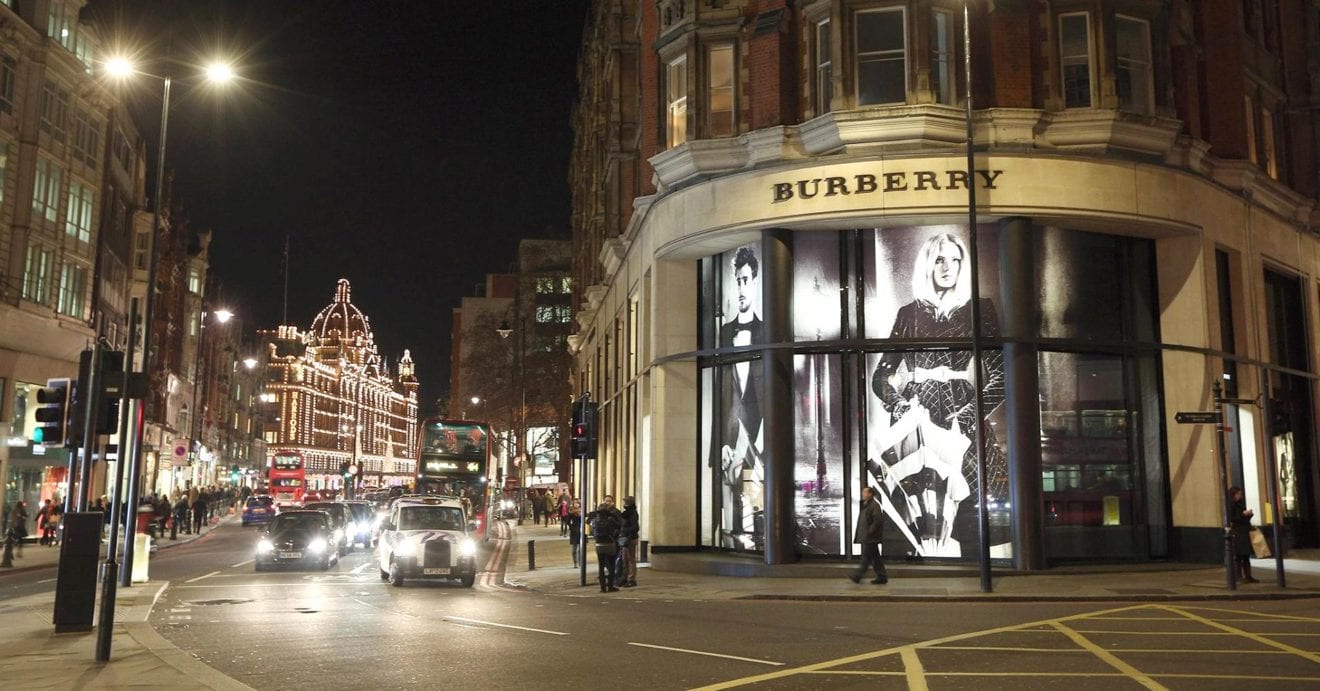
    Burberry says its first half sales rose nine per cent – with double digit growth in the US making up for declining sales in Hong Kong.

    “Asia Pacific delivered low single-digit percentage comparable sales growth,” the company said in a statement.

    Within this, China and Korea grew by a mid single-digit percentage, while Burberry Hong Kong, a high margin market, decelerated further during the period, resulting in a mid single-digit percentage decline in comparable sales in the half.

    Hong Kong’s performance was so bad, it dragged the overall Asia market growth (excluding Japan) to a mere four per cent, by far it lowest performing region.

    “Digital again outperformed in all regions.”

    Burberry’s revenue for the six months to March 31 totalled £1.4 billion. Sales growth was in the double digits for North America and the combined Europe, Middle East, India and Africa region.

    Sales by the company’s own retail channels rose by 13 per cent – significantly outperforming total revenue growth.

    CEO and creative director Christopher Bailey described the half year performance as “robust” despite the Burberry Hong Kong disappointment.

    During the second half, Burberry opened seven mainline stores and closed nine. Openings included a flagship in Rodeo Drive, Los Angeles, a store in the Miami Design District, as well as a second dedicated Beauty store globally, in Seoul, Korea.

    Due to the phasing out of the Japan license arrangement, the company’s licensing sales were down by 40 per cent, but sales from directly-operated stores in the nation rose by more than 30 per cent.

    During the six months, Burberry opened a flagship in Osaka, its fifth free-standing store in Japan, relocated the store in Omotesando, Tokyo, and opened three concessions, taking the network 13.

    Concluded Bailey: “We anticipate external challenges will continue in the current year, but remain confident in our long-term strategy to build the Burberry brand and business globally.”

    At the end of March, Burberry had 214 retail stores globally, 213 concessions, 57 outlets and 67 franchised stores.

  • Maison Valentino Hong Kong

    Maison Valentino Hong Kong

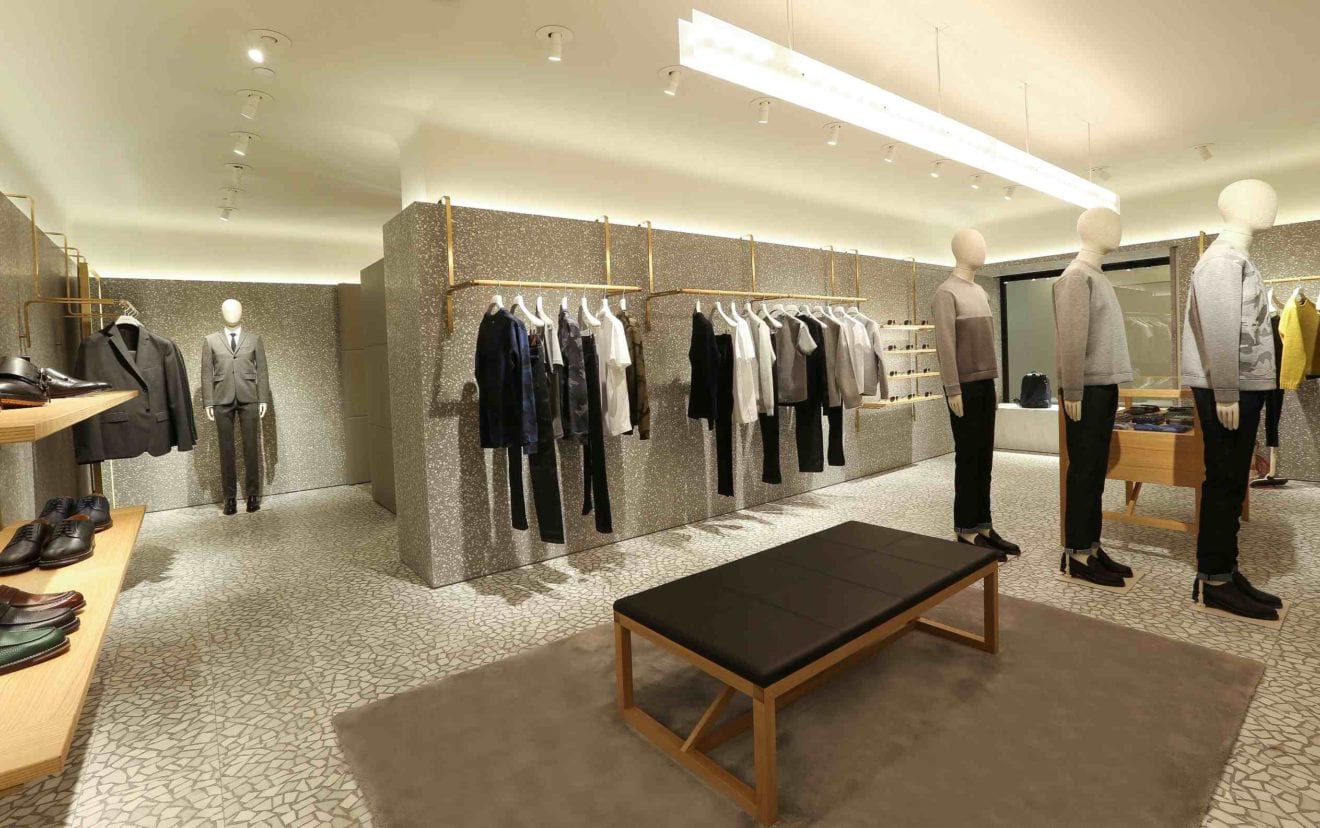
    Subtle gray tones, ‘cracked’ floor effects and strong lighting ensure Valentino’s boldly coloured fashion take centrestage in the newly opened Maison Valentino Hong Kong flagship.

    Valentino Maison Hong Kong 315 9

    The new store, formally opened in February, was designed by the Italian brand’s creative directors Maria Grazia Chiuri and Pierpaolo Piccioli in partnership with architect David Chipperfield.

    Valentino Maison Hong Kong 315 1

    Located on Canton Rd, the 900sqm flagship store takes up two floors at the base of a modern office tower.

    Valentino Maison Hong Kong 315 7

    It’s ultra modern, stylish yet minimalist and the combination of strong architectural lines, discrete materials in contrasting greys and stylish visual merchandising make the store a standout amongst its many peers in the heart of Hong Kong’s luxury precinct.

    The store’s lower level features the Maison’s complete collections, including both womenswear and menswear ready-to-wear and accessories.

    Valentino Maison Hong Kong 315 3

    The stairwell is lined with mannequins striking different poses, each wearing contrasting, brightly-coloured Valentino creations.

    Valentino Maison Hong Kong 315 2

    Upstairs is a more ‘curated’ area, almost of gallery style.

    Valentino Maison Hong Kong 315 8

    The Hong Kong store is one of two opened by Valentino in February – the other in the Kingdom Tower in Riyadh, Saudi Arabia, further expanding the brand’s global footprint.

    Valentino Maison Hong Kong 315 4

  • First Lush Spa to open in Hong Kong in 4Q15

    First Lush Spa to open in Hong Kong in 4Q15

    UK eco-friendly cosmetics company Lush is going to open the first Lush Spa in Hong Kong in the fourth quarter of 2015, the beauty retailer said yesterday.

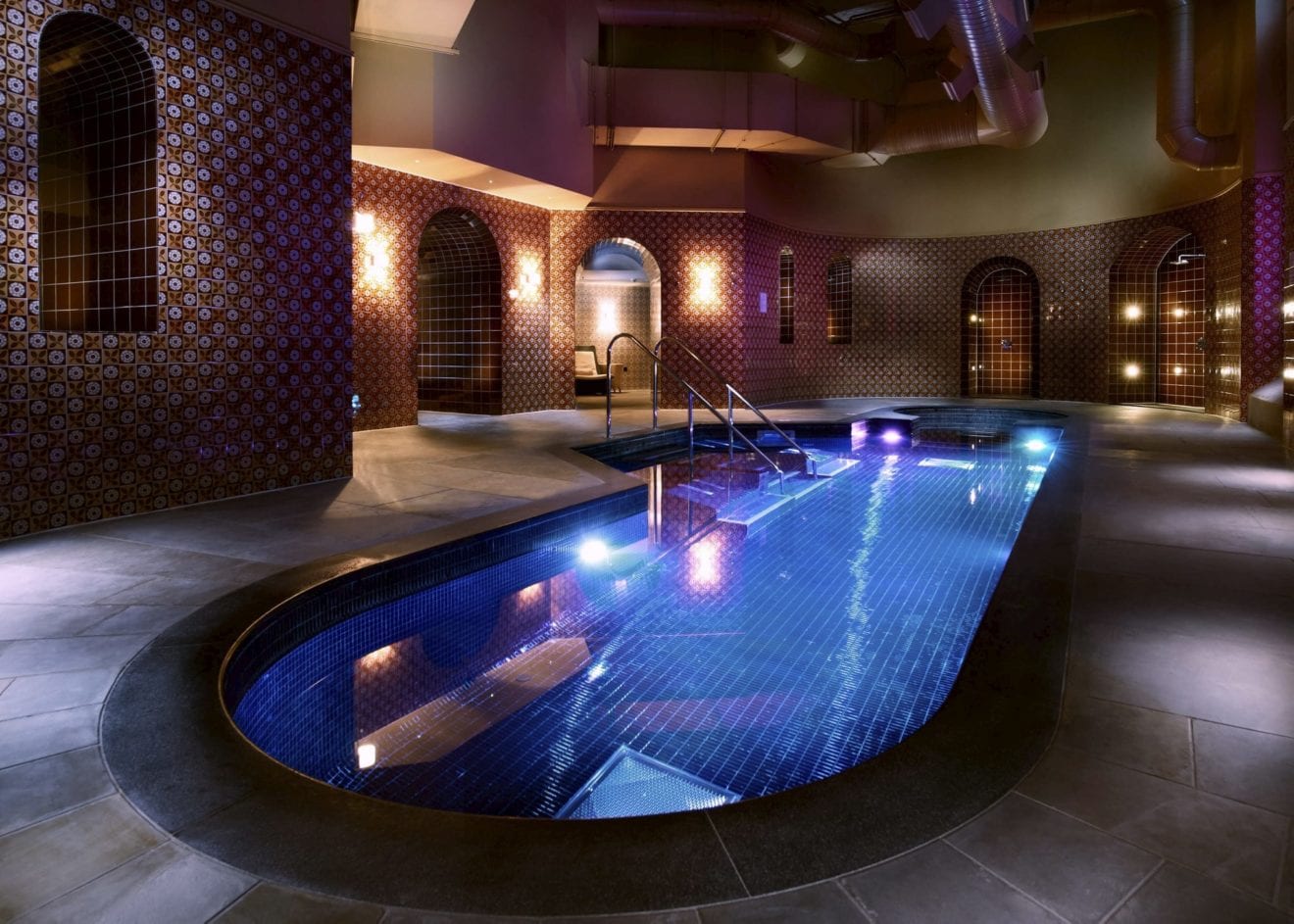
    Located at Lyndhurst Terrace of Soho Square in Central, the five-storey Lush spa will have a total space of 6,909 square feet, with retail area on the ground floor and the treatment area on the second floor to fourth floor.

    “Hong Kong is a very exciting market for us, one which we have seen rapid growth and year to date LFL of 89 percent. Launching the spa starts another exciting new chapter for us here and offers our customers a unique and luxurious experience,” said Annabelle Baker, Director of Lush Asia Limited.

    Founded in 1995, the UK health and beauty brand places great emphasis on using fresh ingredients to produce handmade beauty products. Lush is the pioneer in advocating environmental protection and operating strict policies against animal testing in the cosmetics industry.

    Hong Kong & Macau have been wholly owned by Lush since the end of 2012. The company currently have seven shops in the two cities. It’s also opening a 10,000 sqf shop on Europe’s busiest shopping area – London’s Oxford Street.

    The company has launched Lush Spa in in the UK, Japan, France, Korea, Brazil and US. Hong Kong will be the third Asian market to have Lush Spa.

  • Revamp pays off for Times Square

    Revamp pays off for Times Square

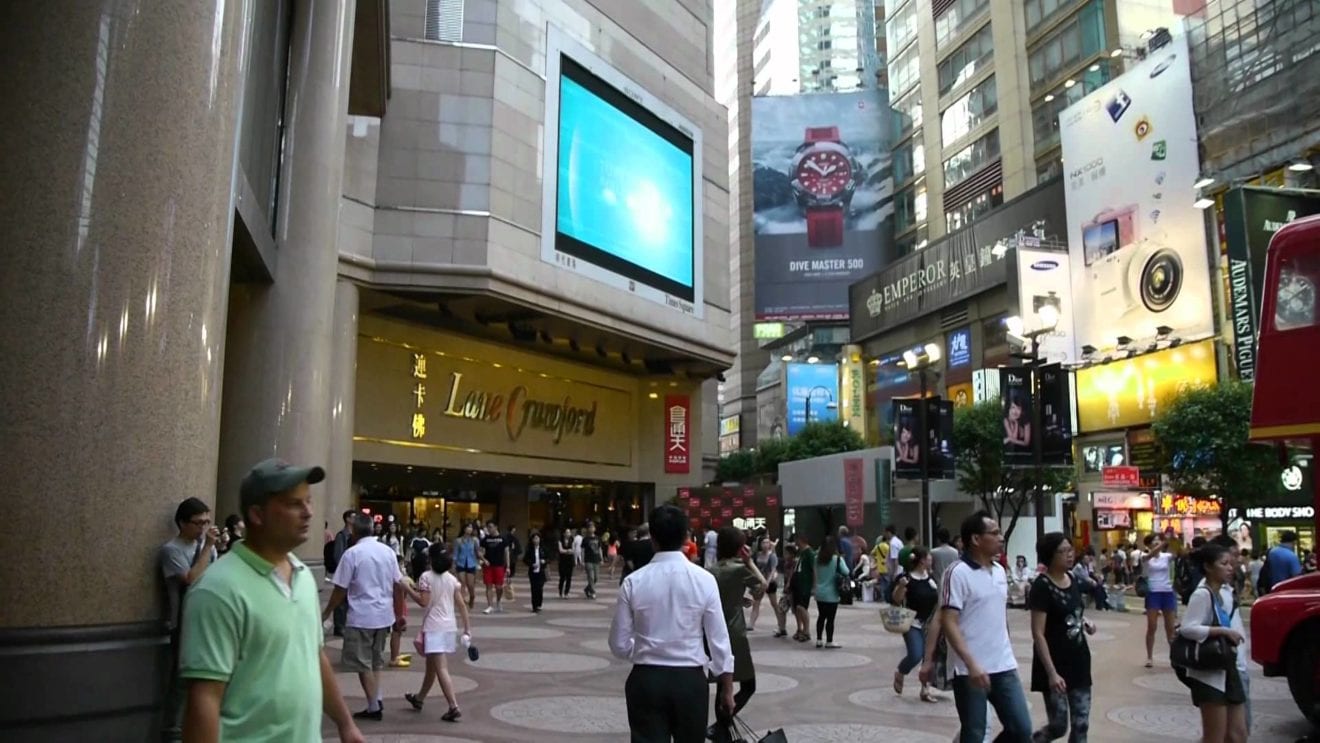
    A revamp of Hong Kong’s iconic Times Square shopping centre led to an 11 per cent rise in retail sales to a record HK$10.5 billion (US$1.35 billion) last year.

    Owner, The Wharf Holdings, said its overall revenue from the mall rose 21 per cent to HK$2.544 billion (US$328 million) and operating profit rose 24 per cent to HK$2.276 billion (US$293 million).

    Occupancy maintained at virtually 100 per cent.

    Times Square, prominently located at the heart of the Causeway Bay retail precinct, is among the most successful vertical malls in the world with 17-levels of shopping and a direct connection to the underground Mass Transit rail system.

    It also features one of the few open Piazza squares areas of any mall in Hong Kong.

    “The enhanced Times Square has pushed the bar to new heights and caters to higher levels of service, sophistication and entertainment demands from a broader range of shoppers. This sparked new growth in retail sales and revenue in 2014,” said The Wharf Holdings.

    New anchors and coveted luxury brands added in 2014 included Chanel, Louis Vuitton, Dior Homme, Fendi and De Beers. Culinary offerings including Yun Yan, Pak Loh Chiu Chow Restaurant and Enmaru, the top-ranked Izakaya style Japanese debut as well as Laduree Tea Room, the renowned French café’s debut, which The Wharf says have met with encouraging responses from customers.

    The state-of-the-art five screen cinema Cine Times spanning the 12th to 14th floors have helped drive foot traffic, boosted sales and created value.

    The trade mix was further enhanced with addition of a diverse range of tenants from leading high-end brands such as Celine, Jimmy Choo and Hugo Boss to popular mass brands such as Topshop and American Eagle Outfitters. Gucci is set to open a vertical duplex store by mid-2015 and some tenants on the atrium floors will relocate with new store designs.

    The creation of a semi-retail zone at the upper floors further strengthened the tenant mix. il Colpo opened a 4800 sqft and Sulwhasoo opened its first 10,000 sqft beauty and Spa centre on Hong Kong Island.

  • Hong Kong trust buys Beijing mall

    Hong Kong trust buys Beijing mall

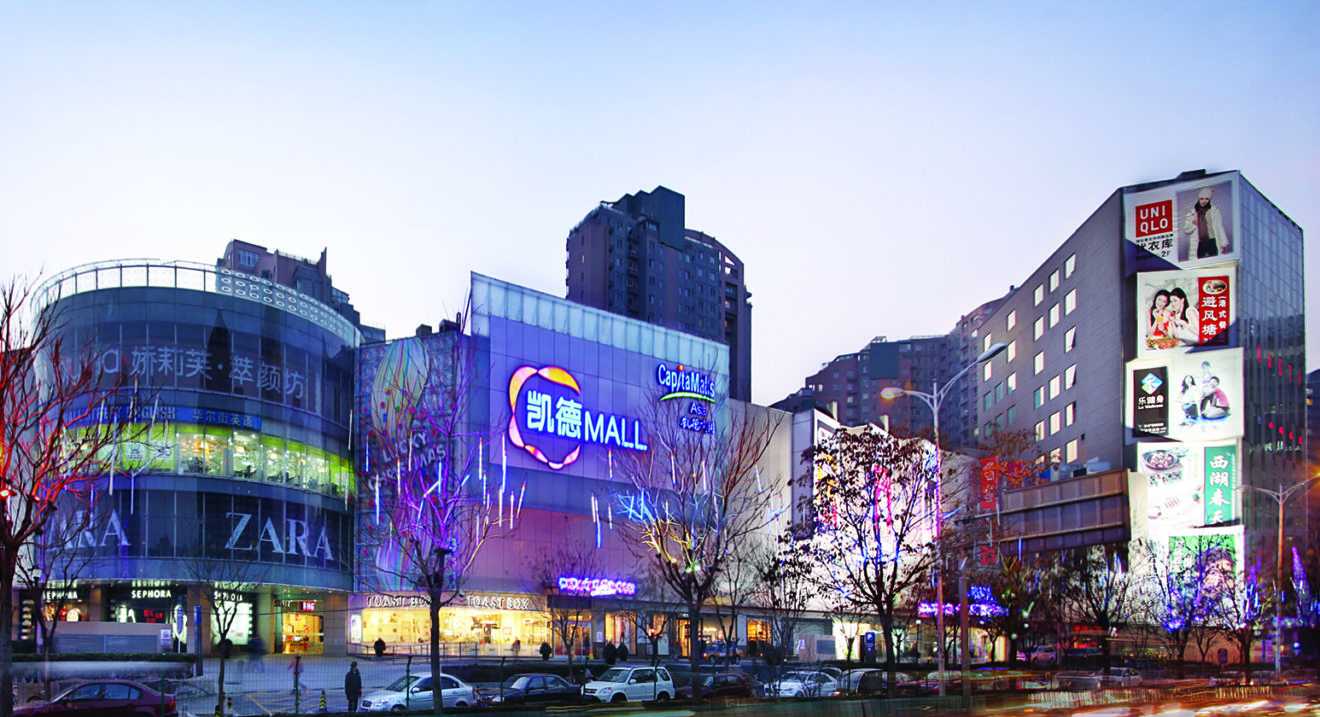
    A Hong Kong REIT has made its first foray into mainland China, buying a Beijing mall.

    The Link Real Estate Investment Trust has paid 2.5 billion yuan (US$399.7 million) for the 800,000 sqft EC Mall in Beijing’s Zhongguancun district.

    “The EC Mall contributes to our strategy of long-term investment in real estate assets that are sustainable, income-producing properties,” said Link Management CEO George Hongchoy.

    “With this investment, we continue to build long-term income and capital growth, while maintaining a large and diversified portfolio of real estate in Hong Kong and other jurisdictions, including the mainland.”

    The seven-storey EC Mall is almost fully leased and tenants include recognised global brands including H&M, Zara, Uniqlo, Nike and Sephora. It opened in 2009.

    In a statement, Link said last month’s rental income topped 13 million yuan ($2 million), with some shops achieving as much as much as 1000 yuan ($161) per sqm each month. The average monthly rent exceeds 300 yuan ($48) per sqm. Link will receive an annual yield of 6.24 per cent.

    “The acquisition is a solid long-term investment opportunity to grow our property portfolio and bring potential valuable returns to our unit holders,” Hongchoy said.

    “The mall is well positioned to capitalise on the growing spending power of local residents of Zhongguancun and the greater Haidian district. We believe the company will benefit from the anticipated growth in rental and value of the property.”

  • Lukfook debuts in Korea

    Hong Kong jeweller Luk Fook has opened its first store in Korea.

    The store is within the Walkerhill Duty Free complex in the downtown Seoul suburb of Gwangjin‐gu and targets tourists.

    Wong Wai Sheung, Lufook Group chairman and CEO, said the group will continue to provide quality jewellery products and professional services for Korean and global customers.

    “Adhering to our corporate vision of ‘Brand of Hong Kong, Sparkling the World’, the group has been expanding overseas markets to explore business opportunities. Currently, the group has over 1390 shops in Hong Kong, Macau, mainland China, Singapore, the US, Canada and Australia.

    “Following the opening of our first retail outlet in Korea, our retail network now covers eight countries and regions, which will broaden the customer base and further build the brand in the international market.”

    According to data from the Korea Tourism Organization, the number of Chinese tourists visiting Korea reached approximately 5.7 million by the end of November last year, accounting for more than 43 per cent of the total number of travellers visiting Korea, and double the number of five years ago.

    Eyeing the strong purchasing power of Chinese tourists, the group plans to open another outlet in Korea to capture the market potential.

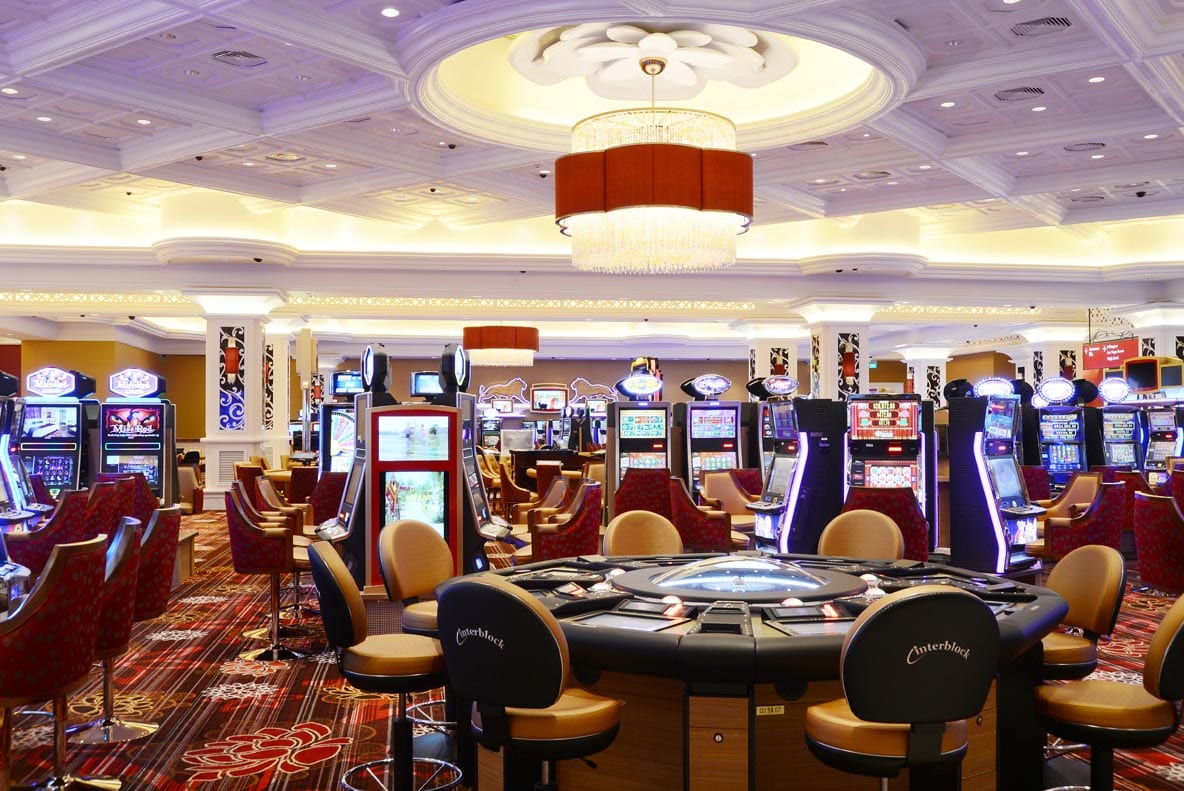
  • Chow Tai Fook to partner in Vietnam casino

    Chow Tai Fook to partner in Vietnam casino

    Hong Kong based retail jeweller Chow Tai Fook is to partner in a US$4 billion casino project in Vietnam.

    Chow Tai Fook Enterprises, an affiliate of Chow Tai Fook Jewellery Group, the world’s largest jewellery retailer by market value, has already committed to investing in casino resorts in Brisbane, in the state of Queensland, Australia, and in South Korea.

    Now it will partner with Vietnamese investment group VinaCapital and Suncity, a Macau-based casino tour operator.

    Strict regulations in Vietnam prevent locals from gambling inside the country, however the government allows developments to serve tourists or those locals who hold a foreign passport. New casino licences will only be issued to developments with an investment value in excess of $4 billion, which deters minor players.

    Other international gambling businesses, like Sheldon Adelson’s Sands Group have gone as far as creating plans for integrated resorts featuring casinos, but have stopped short of commencing construction until the government loosens restrictions on locals playing.

    Reuters reports the new resort will be located in Quang Nam in the central part of Vietnam

    The news agency said Chow Tai Fook’s involvement was confirmed by VinaCapital after the jeweller issued no comment beyond confirming “preliminary studies”.

    Chow Tai Fook has reportedly replaced Malaysian casino operator Genting which withdrew from the project in 2012 due to the local gambling restrictions.

    Reuters said the government was “mulling” a change in the legislation but has not released a policy as yet.

  • Harbour City mall boosts market share

    Harbour City mall boosts market share

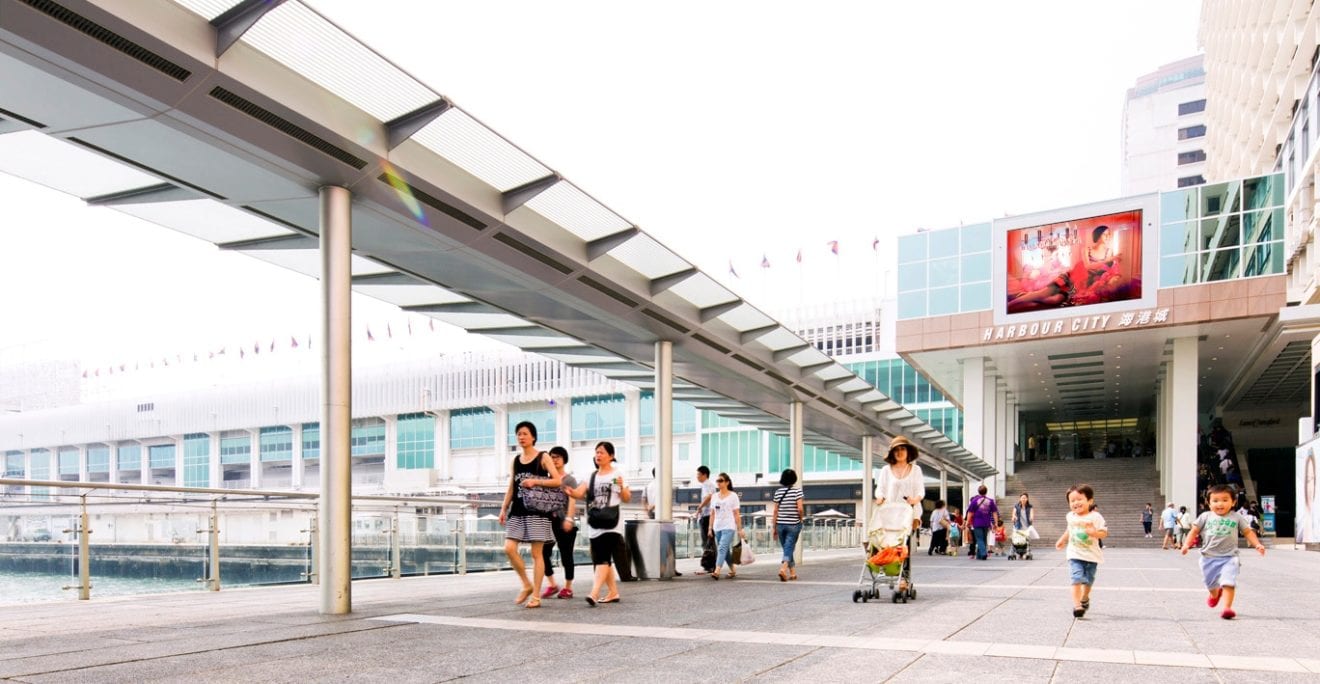
    Retail sales Hong Kong fell 0.2 per cent in 2014 – but Harbour City mall bucked the trend with an increase in footfall, sales and market share.

    In its annual profit announcement, parent The Wharf Holdings said total sales in the centre grew by 3.4 per cent to set another record of HK$35 billion. Market share improved further to 7.1 per cent, “manifesting its productivity and leading position in the marketplace”.

    Revenue to Harbour City from retail increased by 16 per cent to HK$5.674 billion.

    The Wharf described Hong Kong’s retail market last year as “challenging,” primarily due to mainland China’s anti-extravagance campaign that dented luxury spending and competition from Europe, Korea and Japan as their currencies continued to weaken relative to Hong Kong Dollar and Renminibi. “The ‘Occupy Movement’ towards the end of the year inflicted further damage.”

    The company said good management, size and location are the key success factors contributing to the Harbour City mall’s outperformance in a competitive retail landscape.

    “With 2 million sqft of contiguous mall space, Harbour City is among the world’s leading shopping destinations. It is the core of the “Greater Harbour City” cluster with 6 million sqft spanning vibrant shopping, entertainment, dining and lifestyle in Tsim Sha Tsui’s most dynamic retail area. Its presence strengthens the prominence of the region,” said The Wharf.

    “The coveted Harbour City and its 530 metre contiguous retail frontage along Canton Rd is well positioned as a global retail showcase for celebrated brands and has become the most sought-after location for the best-of-class retailers.”

    Demand from renowned fashion brands for expansion and flagship stores at Harbour City remains intense, the company said. New additions Bvlgari and Valentino and the expansion of Prada took place on on Canton Rd last year. Other expansions inside included Moncler, Celine, Roger Vivier and Jimmy Choo

    New openings or commitments further refined the tenant mix, including Chaumet, Van Cleef & Arpels and Italian fashion brand Armani Collezioni. Michelin star chef’s Italian restaurant La Locanda by Giancarlo Perbellini, French fine dining Dalloyau and Wedgewood’s café opened their debut stores in Hong Kong at Harbour City.

    Jamie (Oliver)’s Italian is also set to open its Kowloon debut. Following the opening of Uniqlo’s largest flagship store in Kowloon in April, Page One’s 37,000 sqft full concept store and Versace’s three-level full concept store were opened in late September and October respectively.

    Meanwhile, Ocean Terminal’s renovation is progressing to plan. Upon completion of the new escalators at KidX and a new atrium as well as creation of three new shops taken up by Mont Blanc, IWC Schaffhausen and Hublot in Golden Mile, new retail and food and beverage attractions on the third floor will be created by mid-2015.

    Designed by Foster & Partners, the extension building plan for OT is pending approval. New culinary options with breathtaking panoramic views of the Hong Kong harbour and skyline will be offered at the extension building.

    The Wharf says a series of trade-mix enhancements as well as the renovation and extension of OT “will further unleash retail value, add growth impetus and bring surprises and excitement to the discerning shoppers”.

  • Marc Jacobs partners with ImagineX

    Marc Jacobs partners with ImagineX

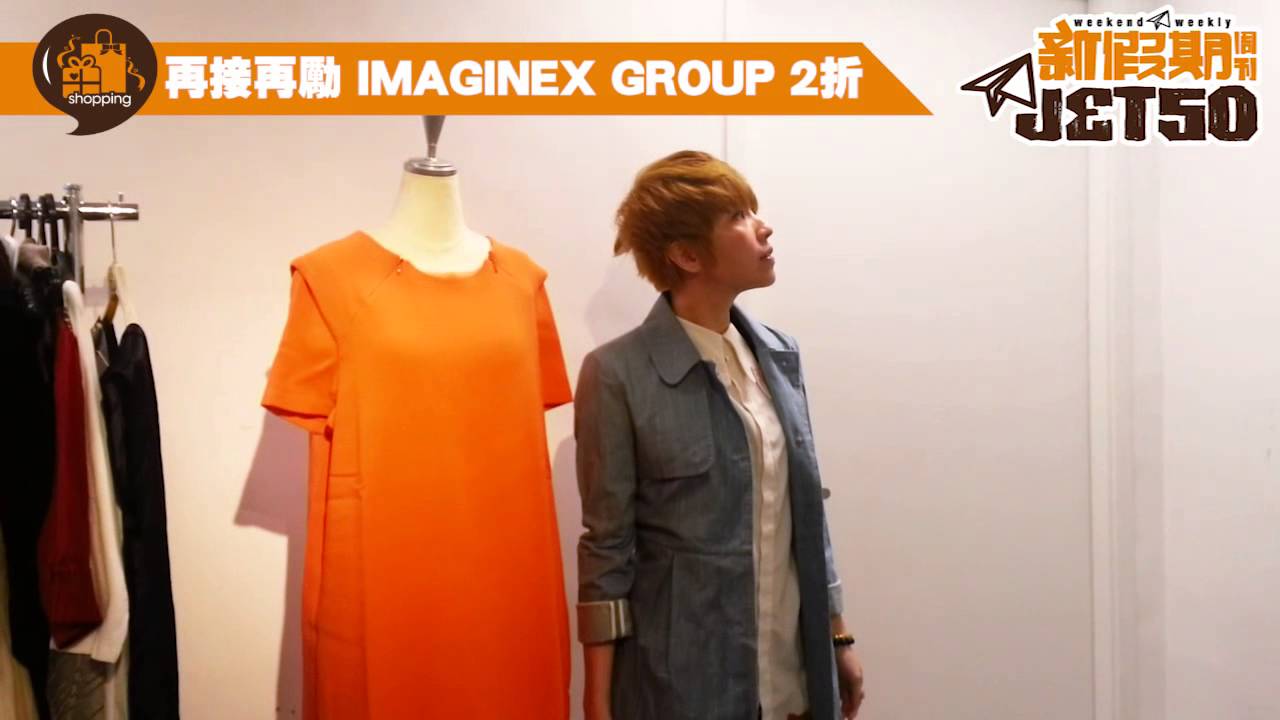
    Marc Jacobs International and ImagineX Group have established a 50-50 joint-venture companies in both Hong Kong and Macau to take over distribution of Marc Jacobs collections in Hong Kong and Macau.

    Marc Jacobs Hong Kong Distribution Co has taken over the existing retail network as a base for an ambitious development of Marc Jacobs brands in terms of sales and network development. Marc Jacobs Macau Distribution Co will set up a retail network during the coming months.

    ImagineX Group, part of The Lane Crawford Joyce Group, is a specialist retail, brand management and distribution company operating in Greater China and South East Asia.

    It has fashion partnerships with brands Salvatore Ferragamo, Marc Jacobs, Donna Karan, Paul & Shark, Paul Smith, DKNY, Club Monaco, alice + olivia by Stacey Bendet, Scotch & Soda, Tory Burch and Isabel Marant among others.

    Marc Jacobs International has more than 200 free standing stores across the globe, and the brand includes Women’s and Men’s RTW and accessories, a children’s line called Little Marc Jacobs, multiple award winning fragrances, and Marc Jacobs Beauty, which will launch in Asia later this year.

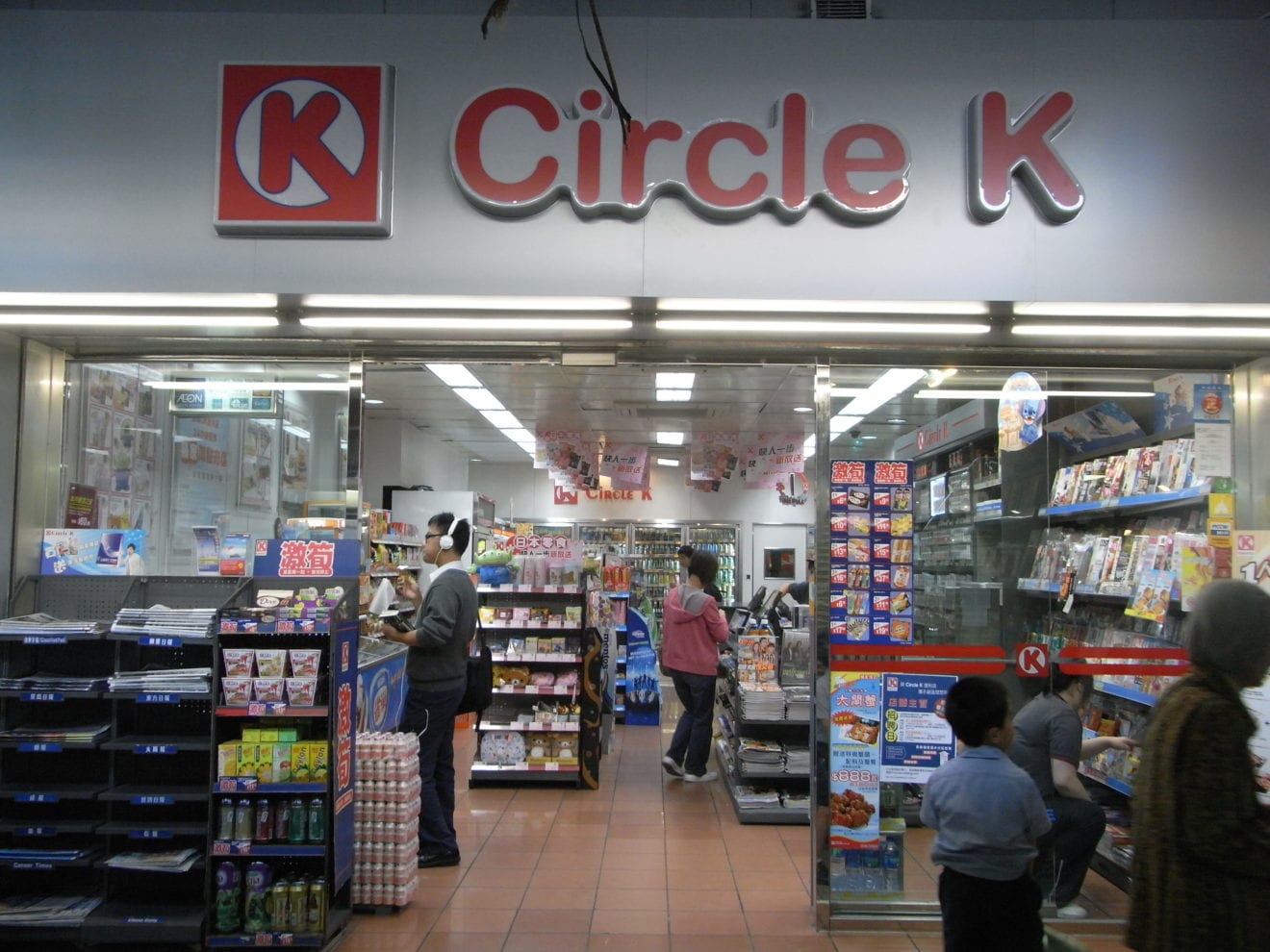
  • Costs rise for Circle K Hong Kong

    Costs rise for Circle K Hong Kong

    Convenience Retail Asia says sales in its convenience stores and bakeries rose marginally last year, but rising costs dented profits.

    CRA, part of the Fung Retailing group, operates 604 retail stores in southern China. It has 329 Circle K stores in Hong Kong and 127 outside the SAR and 148 Saint Honore bakery stores in Hong Kong, Macau, Guangzhou and Shenzhen.

    The company has reported revenue of HK$4.736 billion for the year to December 31, a 4.8 per cent increase over 2013. The group says the higher sales were achieved despite unfavourable retail conditions, including flat consumer sentiment, declining spending on festive products and higher operating costs.

    But core operating profit fell nine per cent to HK$153 million compared to last year.

    “This was largely because of rising cost pressures, which outweighed growth in comparable store sales across all markets. The group made investments in its eCommerce business FingerShopping.com as well as a pilot programme with Sinopec Marketing to manage 10 petrol stations and Easy Joy convenience stores in Guangzhou.

    CRA’s net profit declined by 19.5 per cent to HK$121 million due to the same issues impacting core operating profit, as well as reduced interest income from lower bank deposits after a special dividend payout in 2013 and an exchange loss from the depreciation of the Chinese renminbi currency during the year.

    The Circle K and Saint Honore businesses delivered “satisfactory performances” in 2014 on the back of solid comparable store sales. Turnover for the convenience store business was HK$3.752 billion, up 4.9 per cent year-on-year. Comparable store sales in Hong Kong and Southern China increased by 5.4 per cent and 5.8 per cent respectively against 2013. Turnover for the Saint Honore Cake Shop business increased by 3.2 per cent to HK$1.049 billion. This was primarily due to low-single-digit comparable store sales growth in Hong Kong in 2014.

    Gross margin and other income as a percentage of turnover was stable. Operating expenses as a percentage of turnover increased from 33.2 per cent to 33.8 per cent because of higher rents and operating costs, as well as start-up expenses for FingerShopping.com and the pilot programme with Sinopec Marketing.

    CEO Richard Yeung said Circle K and Saint Honore are in “advantageous positions” to capitalise on any rebound in the domestic economy”.

    “While our outlook for 2015 is conservative, we are confident in our ability to drive results through aggressive customer acquisition and organic growth. We have many new initiatives to strengthen our brands and our businesses, especially the investment in FingerShopping.com and collaboration with Sinopec Marketing to operate petrol stations and Easy Joy convenience stores in China.

    “We believe that a favourable customer experience is the key to building brand loyalty, repeat purchases and positive word-of-mouth referral and we are very pleased with our efforts in this area. Also, our core operations and financials remain healthy.”

    The Hong Kong retail sector saw a slowdown in 2014, ending a long period of high growth. Primary causes were flat consumer sentiment among locals and a decline in spending by Chinese Mainland tourists. High rents and the on-going labour shortage continued to impact the group’s operating costs in Hong Kong. On the Chinese mainland, the year-on-year growth of total retail sales posted a slight drop from 13.1 per cent in 2013 to 12 per cent in 2014.

    CRA says it responded by focusing on strict cost controls, innovative marketing and promotions, and the continued rollout of employee satisfaction and retention initiatives. In the year ahead, CRA anticipates the slowdown in Hong Kong will continue due to flat local sentiment and moderate spending by Chinese mainland tourists.

    “The group also expects high operating costs to continue, particularly in the areas of rent and labour, as well as more challenges on the horizon in Hong Kong due to proposed standard working hours, a minimum wage review and new plastic bag levy.”

    The company is more optimistic about the mainland market: “On the Chinese Mainland, the government is expected to encourage spending by the middle class. The group believes this could benefit the convenience retail industry.”
  • Prada Hong Kong opens 9th store

    Prada Hong Kong opens 9th store

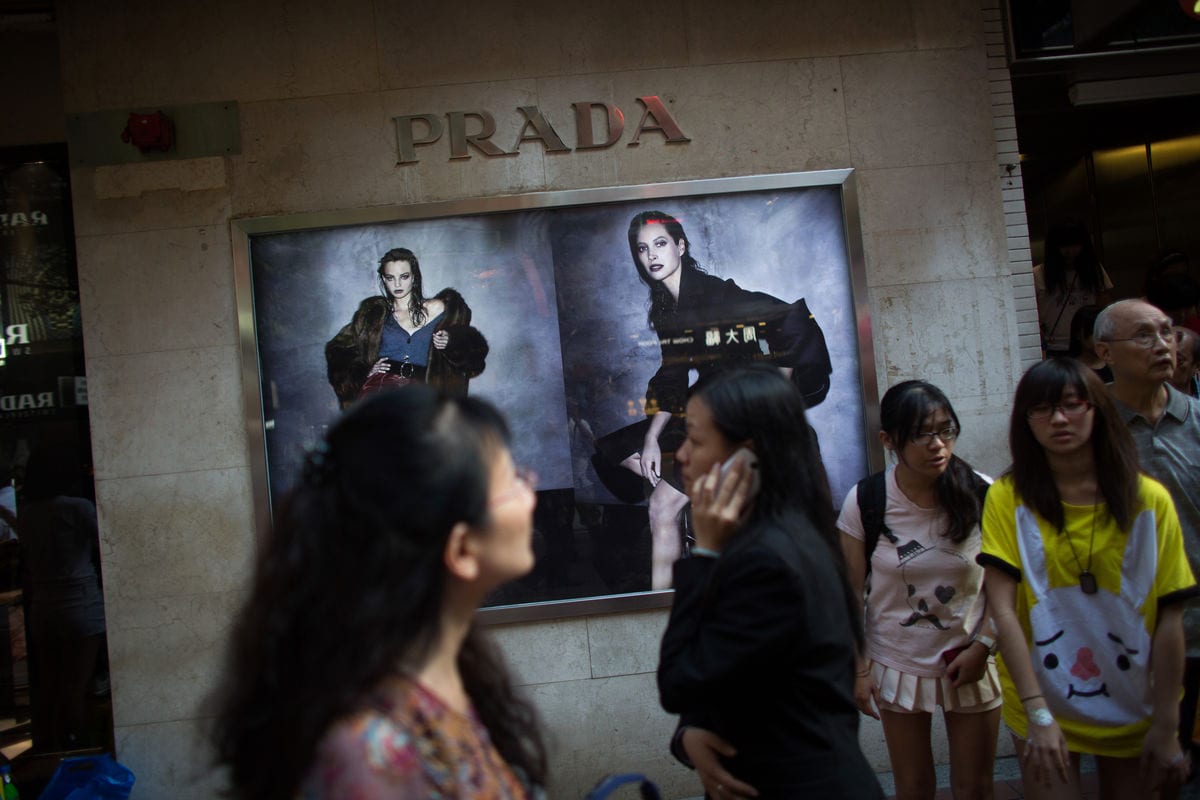
    Prada Hong Kong has opened its ninth store – inside the prestigious Plaza 2000 in Causeway Bay.

    The space, designed by architect Roberto Baciocchi, covers a total area of 1320 sqm and features women’s and men’s ready-to-wear, leather goods, accessories and footwear collections three floors.

    Prada Plaza 2000 Hong Kong 315

    A stunning external facade pays tribute to French-Venezuelan artist Carlo Cruz-Diez. The large entrance, light boxes and windows are inserted into the lower part of the facade, which is clad in black marble and crowned by an imposing bronze and steel-coloured aluminium structure backlit to create a unique kinetic effect both day and night.

    Prada Plaza 2000 Hong Kong 1 315

    Overall, the facade stands 15 metres tall and stretches 45 metres in length on both sides of the building, located on the corner of Russel St and Canal Rd East.

    The entrance on the ground floor opens up on an area dedicated to the women’s leather goods, accessories and travel collections. The space is characterised by the signature black- and-white marble chequered flooring and green fabric-clad walls with alcoves heroing the product. Ultra-slim polished steel cases and display counters with drawers covered in coloured saffiano leather complete the furnishing.

    Prada Plaza 2000 Hong Kong 315 2

    An imposing black elevator leads to the upper floors.

    The second floor houses the women’s ready-to-wear and footwear collections. The area is defined by beige carpeting and green fabric-clad walls with polished steel-framed display niches. Transparent perspex display cases, crystal and steel tables and green velvet sofas enrich the space.

    Prada Plaza 2000 Hong Kong 2 315

    An elliptical black Marquinia marble staircase leads to the upper floor, where the men’s ready-to-wear, leather goods, accessories and footwear collections are displayed. The space wields masculine materials and finishes: ebony floorboards and walls, and palladium display counters. Ostrich leather sofas and lush pony skin carpeting in the area dedicated to footwear complete the setting and lend an elegant atmosphere to the entire floor.

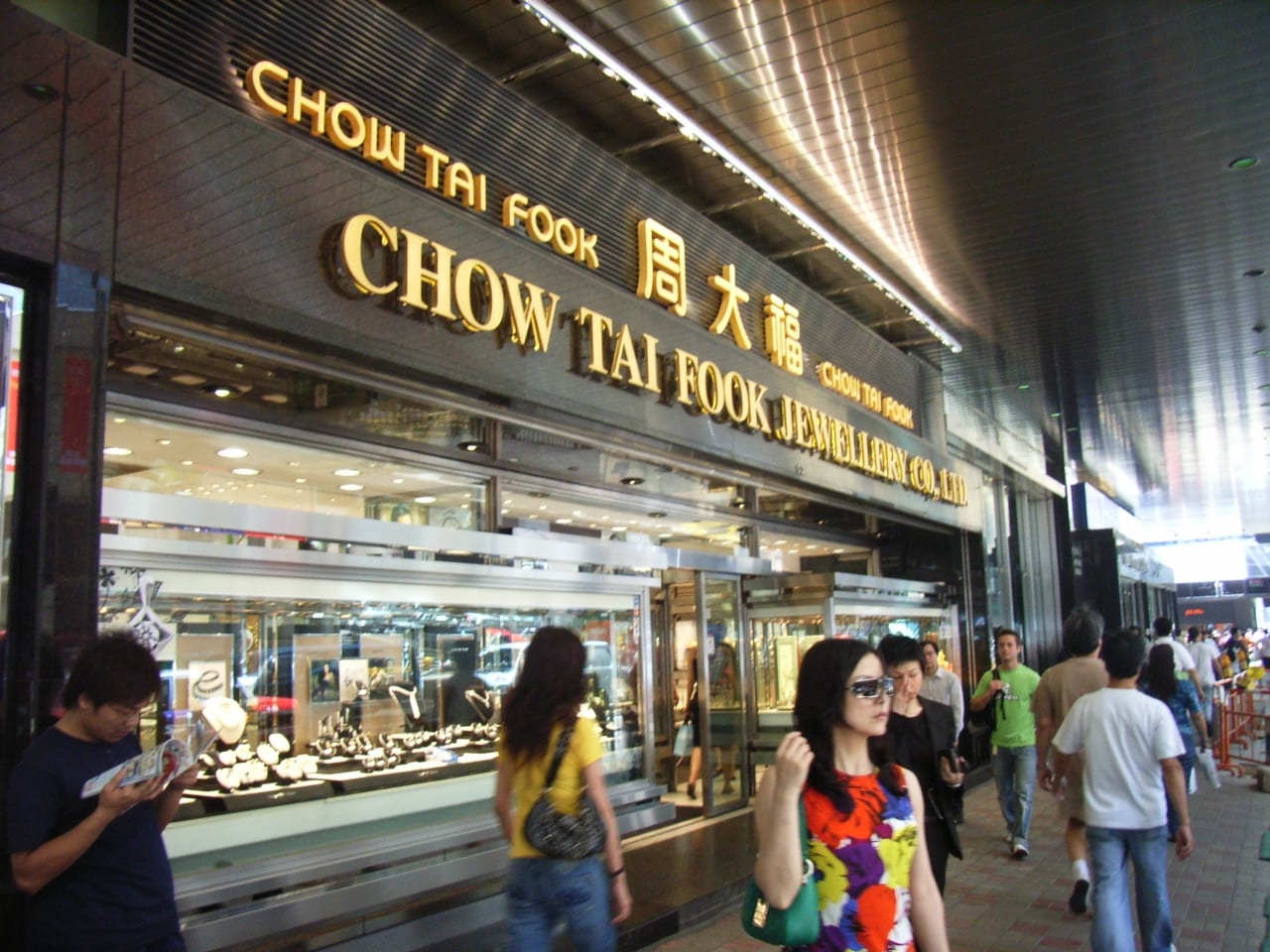
  • Chow Tai Fook takes homeland hit

    Chow Tai Fook takes homeland hit

    Hong Kong based jeweller Chow Tai Fook says sales in its core Hong Kong market plunged 29 per cent over Lunar New Year.

    However an 11 per cent rise in mainland sales saw its total sales rise nine per cent during Lunar NY 2015 compared with the same season in 2014.

    In the mainland, same store sales of gem-set jewellery rose 62 per cent and of gold by two per cent. But in Hong Kong and Macau, gem-set sales fell 17 per cent and gold sales by 38 per cent – a rate even worse than the disappointing last quarter of 2014.

    In a statement, the company blamed weak consumer sentiment for a decline in sales of high-end products.

    Also a likely factor was the changing demographic of Chinese tourists into Hong Kong: in the past such visitors were usually cashed up and high spenders, but those tourists are now venturing further abroad into other Asian destinations and to Europe. Some have been spooked by the Occupy Central protests. The new mainland tourists into Hong Kong are of more modest means and often travelling for the first time.

  • Taiwan’s Eslite Spectrum store to open at HK’s City Plaza in 2016

    Taiwan’s Eslite Spectrum store to open at HK’s City Plaza in 2016

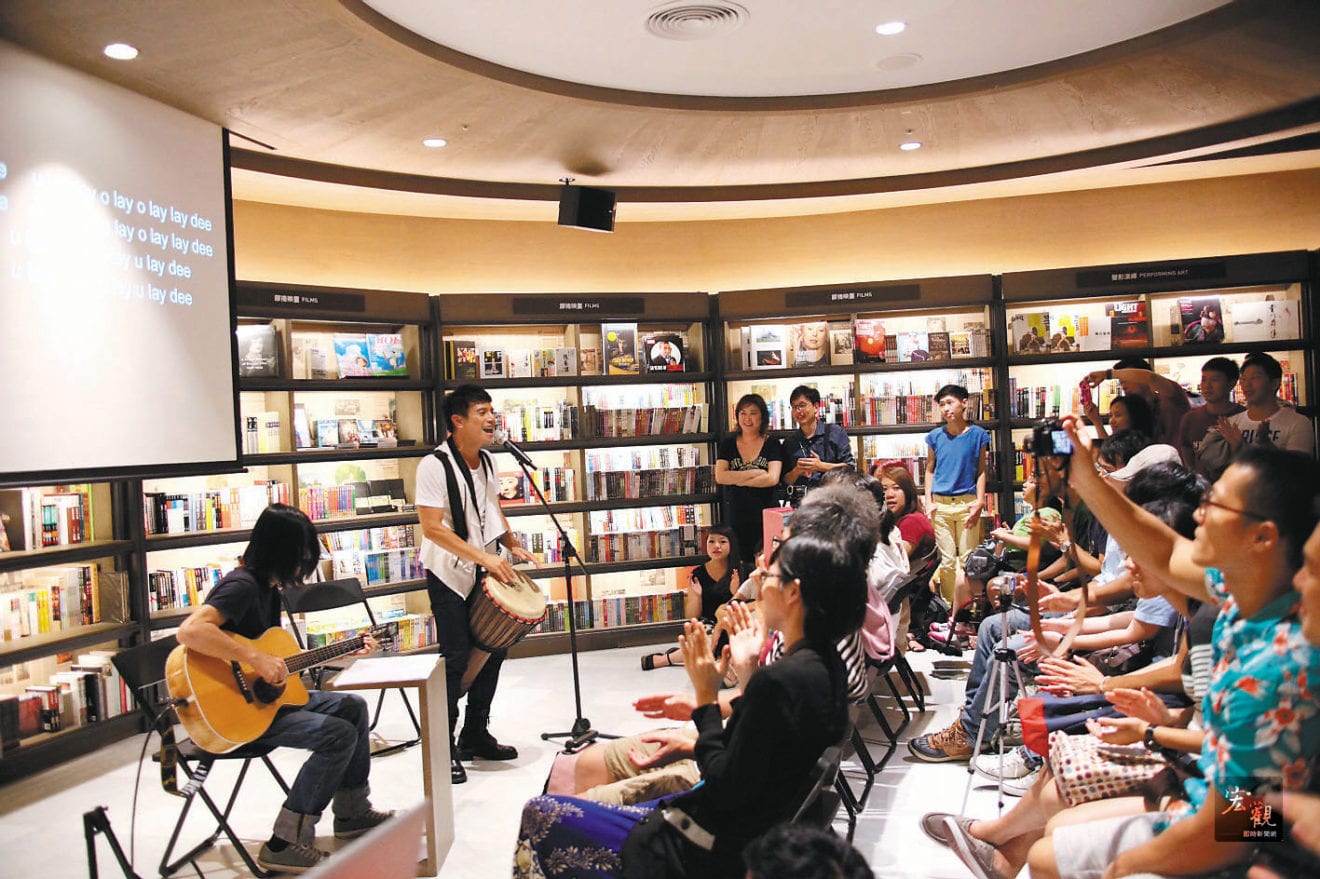
    Cityplaza is set to open Eslite Spectrum Hong Kong early next year, taking over two storeys of floor area spanning over 49,000 sq ft in the mall.

    The Taiwanese lifestyle bookstore is expected to enhance Cityplaza’s trade mix and quality retail offerings.

    Fiona Shiu, General Manager of Cityplaza, said hosting the largest Eslite Spectrum store on Hong Kong Island will expand the mall’s diversity and allow it to explore more possibilities for the city’s retail scene.

    Cityplaza completed a HKD100-million (USD12.8 million) facelift in 2014, which upgraded the mall’s facilities and introduced of over 30 stylish local and international retail brands.

    Eslite Spectrum opened its first Hong Kong store in Causeway Bay in 2012 and hopes that its new store in Cityplaza can continue more to bringing the energy of reading and cultural creativity to Hong Kong and integrate it into Hong Kongers’ daily lives.

    Recommended as “Asia’s Best” bookstore by Time magazine (Asia Edition), the bookstore has been lauded for its creative retail spaces, acting as a cultural hub with its offerings of a wide collection of books, staged exhibitions, live arts events, and exciting dining experiences for shoppers.

  • Bossini bucks the blues

    Bossini bucks the blues

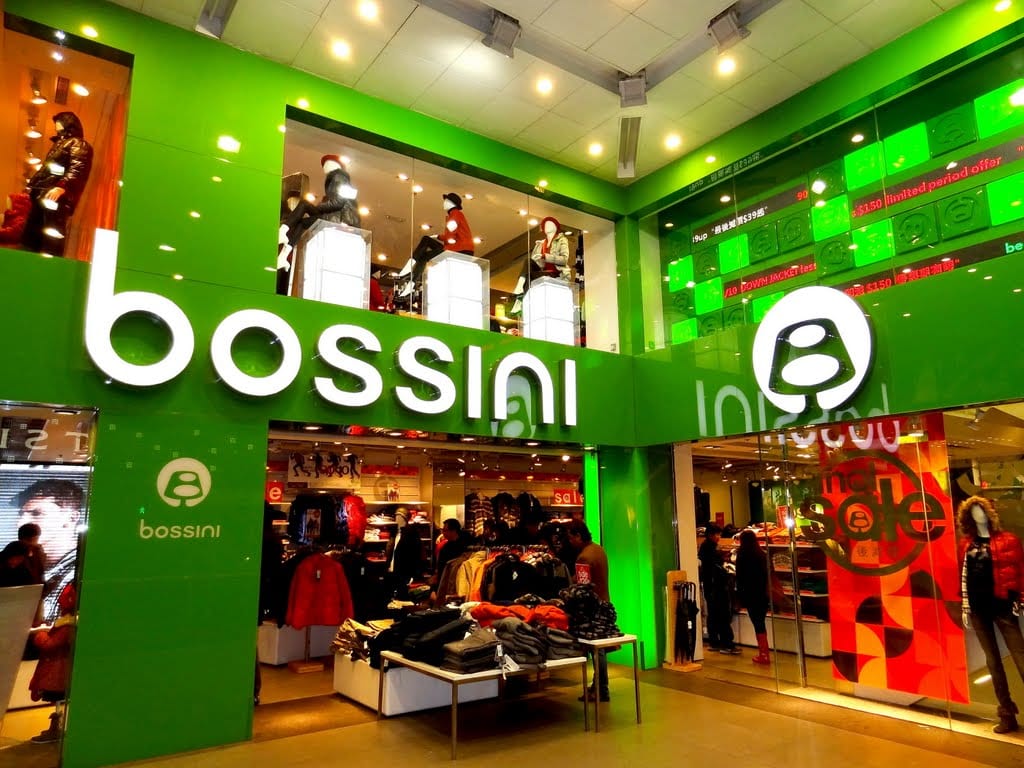
    Hong Kong fast fashion chain Bossini has reported a modest boost in sales in the half year to December.

    Group revenue increased by four per cent year-on-year to HK$1,319 million (US$170,056,190) and gross profit for the period under review was HK$665 million (US$85,737,200)

    Gross margin was slightly improved, up by one percentage point to 50 per cent. And the group reduced its inventory turnover by a full week – from 99 days to 92 days.

    In its earnings statement, the company said the result was achieved “despite challenging economic and political factors”.

    “Record-high sales were registered in the Hong Kong and Macau retail operation, an achievement with 22 consecutive quarters of positive same-store sales growth. A milestone was achieved for mainland China operations as our efforts to increase shop productivity and adopt stringent cost control measures in the preceding financial year helped us to achieve a turnaround in operating profit and achieve seven consecutive quarters of positive same-store gross profit growth.”

    Bossini said Taiwan also recorded an improved performance, helped by ongoing efforts to enhance shop productivity and implement cost-control measures, which led to the fifth consecutive quarter of positive same-store sales growth.

    “During the six months under review, the group maintained a cautious approach to expansion in the face of ongoing global uncertainty. The group had presence in 35 countries and regions worldwide as of December 31. The overall store count decreased by 13 against the previous year to 949, of which 268 were directly managed and 681 were franchised.

    CEO Edmund Mak said that although the US economy is expected to follow a stable growth trajectory in the year ahead, growth in mainland China is expected to slow further.

    “The apparel retailing sector remains highly competitive throughout the region. Nevertheless, the group is confident in pursuing the appropriate strategies to mitigate external risks.

    “We will focus on continuing to streamline productivity in our existing stores, enhancing both efficiency and our overall services in order to provide memorable and vital shopping experiences which reinforce our dynamic and energetic brand image.

    “In mainland China, Taiwan and Singapore, meanwhile, we will continue to implement best practice solutions which have proven successful in our Hong Kong operation. We will also continue to expand our footprint in export markets which show good potential for growth and to partner with well-known brands to launch co-branded and licensed clothing and merchandise that extends and enhances our brand visibility and stature.”

    Mak concluded: “Going forward, the group will continue to create appealing, competitive and quality everyday wear that drives sustainable growth, profitability and customer satisfaction. With a firm focus on our “be happy” core brand value, we will continue to strengthen our competitive edge and endeavour to enhance the value we offer to our shareholders.”