Tag: Hong Kong

  • New concept for Pizza Hut Hong Kong

    New concept for Pizza Hut Hong Kong

    Yum! Brands has unveiled a new concept store in Hong Kong – Pizza Hut Super Delco.

    The delivery-based, eat-in store model features smaller scale fast casual or a convenient eat-in area with seating for 30-50 customers. The company believes the new store model is ideal for locations with high traffic and in dense residential areas.

    In place of the stark, plastic look of the last generation of fast food stores, Pizza Hut Hong Kong Super Delco features cast iron ‘star-burst’ chandeliers, mosaic, light-wood tables and rustic grasses arranged amidst artisan olive oil bottles. In the words of Yum!, it looks more like a character-filled coffee bar than a pizza restaurant.

    Designed to create “a relaxing and intimate ambiance”, the new Super Delco offers “a flavorful oasis from the hectic lifestyle of millennials living in Hong Kong”, says Yum!.

    Pizza Hut Hong Kong is aiming to be the city’s ‘most loved’ pizza brand and the chain already boasts more than 100 outlets. It is one of the few Super Delco located anywhere in the world.

    Richard Leong, CEO of Pizza Hut Hong Kong, is excited about the opportunities the Delco Model store will bring to the region.

    “Pizza Hut Super Delco is a new business channel that will continue to be an engine of growth for us as the Hong Kong restaurant space becomes more competitive and the neighborhood dining scene is evolving. We also need to cater to a younger millennial generation seeking for a convenient meal replacement.”

    The Super Delco design was intentional as research showed that millennials in Hong Kong are looking for a relaxing place to enjoy a cup of coffee or tea and light meals (e.g. Panini or cake) during weekends in their neighborhood.

    It’s not just the design of the new Super Delco that’s infused with flavour: the menu brings new dishes, offering solutions for small groups or individuals with a focus on pasta, rice and mini-pizza.

    Dishes already proving popular among local customers include the Chinese New Year Pizza – Cheesy 7 Fiesta in the shape of a flower, and in Taiwan, the Pineapple Bun Stuffed Crust Pizza.

    “The overwhelming amount of encouraging responses to the new store opening has given the Hong Kong Pizza Hut team confidence in this exciting new venture,” Yum! said in a statement.

    More Super Delcos will now be opened in Hong Kong during the year.

  • Graff Diamonds Hong Kong store opens

    Graff Diamonds Hong Kong store opens

    Luxury jeweller Graff Diamonds has further broadened its Asian presence, opening a new flagship in Hong Kong.

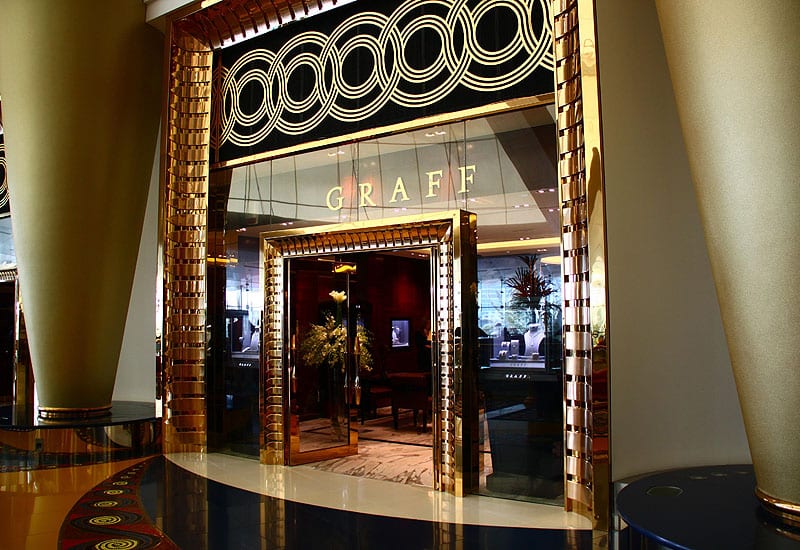
    The new store is in the St George’s Building in the city’s Central district. It features a broad frontage facing onto the street, as photographed.

    The move continues a growing commitment to the Asia market, illustrated by expansion in China since 2013 and Macau in 2012.

    The new Hong Kong store joins the jeweller’s flagships in Beijing, Hangzhou, Hong Kong, Macau, Shanghai, Tokyo and Taipei. The new store is its 18th in the continent.

    Designed by architect Peter Marino, the store follows Graff’s international store image with a modern and contemporary look and bespoke fixtures and fittings. The walls are clad in paper parchments, mica and painted bamboo and chairs are wrapped in woven and plush knitted fabrics.

    Each area of the store has a distinctive design and color palette with warm gold and bronze tones in contrast with icy green and grey hues.

    Jewelry showcases are located on interior walls creating maximum impact for displaying jewels and watches. A chandelier comprising spheres of green, gold and silver serves as a centerpiece suspended from rigid silver rods, illuminating the diamonds below.

  • Sherri Hill wins Hong Kong copycat case

    Sherri Hill wins Hong Kong copycat case

    A Hong Kong retailer of knock-off designer dresses has been hit with a $2.25 million judgment by US-based Sherri Hill and order to shut down a string of online stores.

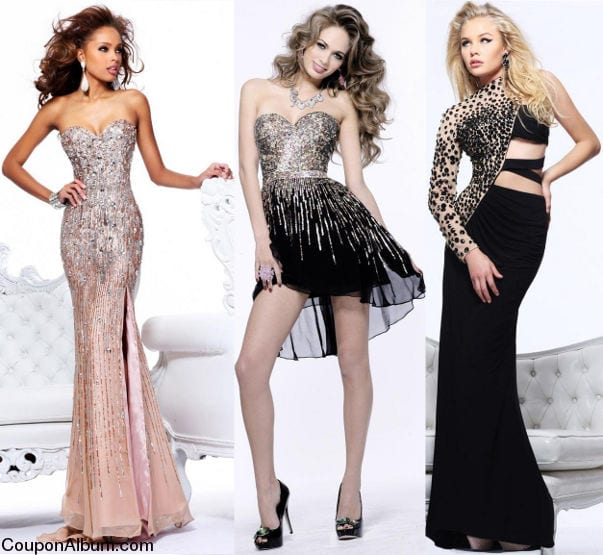
    Sherri Hill, a US designer and retailer of quality prom dresses and evening gowns, has won a permanent injunction against Dress Market , a Hong Kong-based dress retailer who had been operating a network of websites peddling cheap knockoff prom and pageant dresses.

    Additionally, after the injunction had been entered, Dress Market had committed contempt of court by defiantly re-posting Sherri Hill’s copyrighted images. In addition to imposing monetary damages, the court ordered all eight domain names and websites operated by the Hong Kong company be completely shut down and transferred to Sherri Hill.

    Gioconda Law Group Sherri Hill Dress

    In the original complaint filed in federal court in Manhattan in August 2013, Sherri Hill had accused Dress Market of selling hundreds of Sherri Hill dresses through multiple websites, including MerleDress.com, which, as a result of the case, now directs to Sherri Hill’s website.

    The complaint alleged that, by using Sherri Hill’s copyrighted images, Dress Market deliberately confused consumers into thinking they were getting the same style and quality products, when the actual quality of the dresses was much lower. Several dresses had been shipped to investigators in New York City by Dress Market’s employees, according to court papers.

    Dress Market’s lawyers unsuccessfully sought to have the case dismissed, arguing that the US federal courts lacked jurisdiction because Dress Market was operating its business entirely out of China and Hong Kong.

    But the court found that the sale and shipment of several dresses to the New York investigators, along with the unauthorised display of copyright images to New York consumers, were sufficient activities to warrant granting US federal courts jurisdiction over the infringing conduct occurring in China.

    After the preliminary ruling, Dress Market’s lawyers then sought to formally withdraw, claiming that the defendant had ceased communication.

    The federal lawsuit, filed by New York brand protection specialist Gioconda Law Group, successfully sought the statutory damages and a permanent injunction.

    “Sherri Hill will continue to protect her valuable trademarks and copyrights aggressively, both online and in the bricks-and-mortar context,” said Joseph C. Gioconda, her attorney for Sherri Hill.

  • Cross-border eCommerce a boon for small retailers

    Cross-border eCommerce a boon for small retailers

    After years of tepid growth, sales at several Australian vitamins, minerals, and supplements companies suddenly shot up by 20, 30, or even 40 per cent in 2015.

    For those who know what happened in China in 2014, the source of this growth probably isn’t a big mystery: Regulators expanded a tax exemption to cross-border eCommerce.

    The resulting growth in trade has been dramatic, and for firms who have long eyed the big Chinese market but are too small to invest in finding a distribution partner or building a physical presence on their own, the boom of 2015 has delivered a revelation: They, too, can access the mainland market.

    eCommerce has of course been big in China for years, and in 2014 online retail sales totalled nearly US$430 billion, accounting for roughly 10 per cent of all retail sales.  (The same figures for the US were US$300 billion and 6.4 per cent, respectively.)  Until recently, however, this activity was nearly all domestic – i.e., goods produced in or already shipped to China being sold to Chinese consumers.

    That makes perfect sense in light of the retail explosion of recent years:  China has more than 300,000 pharmacies, more than 2000 mid-to-high end department stores, and supermarket catchment areas in urban areas are even smaller compared with the US because of smaller formats and the lack of parking (and, until recently, widespread car ownership). Within this rapidly-developing retail landscape, however, some factors are driving consumers to prefer foreign products, whether bought once in China or ordered from abroad.

    Driving demand

    Food scandals are well-known and heavily publicised, from the baby-killing melamine-laced formula scandal of 2008 to the discovery this year of decades-old “vampire” meat.  In September, fake rice made from tiny pieces of rolled-up paper was even uncovered in Guangdong.  In light of such underhanded tactics, it is understandable that consumers might perceive foreign brands as safer and of higher quality.

    Price pressures pushing up consumer prices is another key issue.  Commercial rents, especially in first-tier cities such as Shanghai and Beijing, rival those in developed nations. At the end of 2014, rents in Beijing’s Wangfujing averaged $480 per square foot per year vs $360 for Singapore’s Orchard Rd.  Wages, while still lower compared to western economies, are also rising quickly.

    Finally, Chinese consumers are becoming more sophisticated and better able to differentiate between local brands trying to pass themselves off as foreign and the real thing.  With travel increasing and the transparency in commerce that the internet can bring, tastes in products are becoming more global.

    Historic developments

    By as early as 2005, a Chinese consumer could order an album on Amazon and wait a few weeks for it to arrive—though naturally taxes and shipping often added to the price of the CD itself. But it wasn’t until the fourth quarter of 2014 that cross-border e-commerce really exploded. The impetus was the application of a previously obscure piece of the tax code to cross-border e-commerce, implemented in a number of pilot cities.

    The personal effects tax originally targeted Chinese travellers who had emigrated abroad and were bringing back gifts – such as small appliances – for relatives.  Small items were exempt, but the tax was set at 10 per cent for nearly everything else.  In late 2014, though, the government proclaimed that this personal effects tax also applied to cross-border eCommerce in certain pilot areas.  The effect was dramatic, as can be seen in the price differentials illustrated below.

    Obviously some costs, such as freight and insurance, are incurred whether selling through physical stores or cross-border eCommerce. However, the price differential can be observed in following key areas, demonstrated with VMS products as an example:

    The nuts and bolts

    Business models for cross-border eCommerce can be viewed across two main dimensions: Whether the site serves as a platform that aggregates multiple sellers or sells its own products, and whether delivery to the consumer is made from the source country or from a bonded warehouse.

    Each model has its own quirks (see graphic below), and it is not yet clear whether there is an obvious winner.  It is likely that multiple models will co-exist –for example, a self-run, bonded import model could work for goods with the highest turnover (such as diapers and infant formula), while direct shipment models might better suit the long tail of less-frequently ordered items.

    In terms of product flow, though, the bonded import model has the clear advantage in terms of speed. Consumers can receive product within days – sometimes only one or two – rather than weeks.

    With both models the seller can choose how much to take on internally, and how much to either outsource or hand over to a partner.  Hundreds of cross-border eCommerce companies have already sprung up in China, providing services that run the gamut from simple customs clearance all the way to a full consignment model.

    Local interests

    While eCommerce, including the cross-border variety, is here to stay, the advantages that it has over traditional imports may not last forever, depending on the product category.  In June of 2015, for example, China’s government lowered import duties on skin care products, which harmonised online and offline prices to an extent.  In 2016, import duties on additional products including handbags and suitcases are also slated to be slashed.

    Regulatory vacuums will likely be filled step-by-step as well.  For example, vitamin potency levels are regulated for products registered and sold in China, but currently these rules are not applied for cross-border eCommerce imports.  Local players are crying foul, and regulators will no doubt feel pressured to act.

    For now, though, cross-border eCommerce is helping to level the playing field by allowing smaller-scale companies to profitably access the vast China market while providing a huge boon in the form of savings and product diversity to Chinese consumers as well. Chalk one up for the little guys on both sides of the border.

    Editor: Hudson Lockett.
  • Multimillion dollar counterfeit goods ring busted

    Multimillion dollar counterfeit goods ring busted

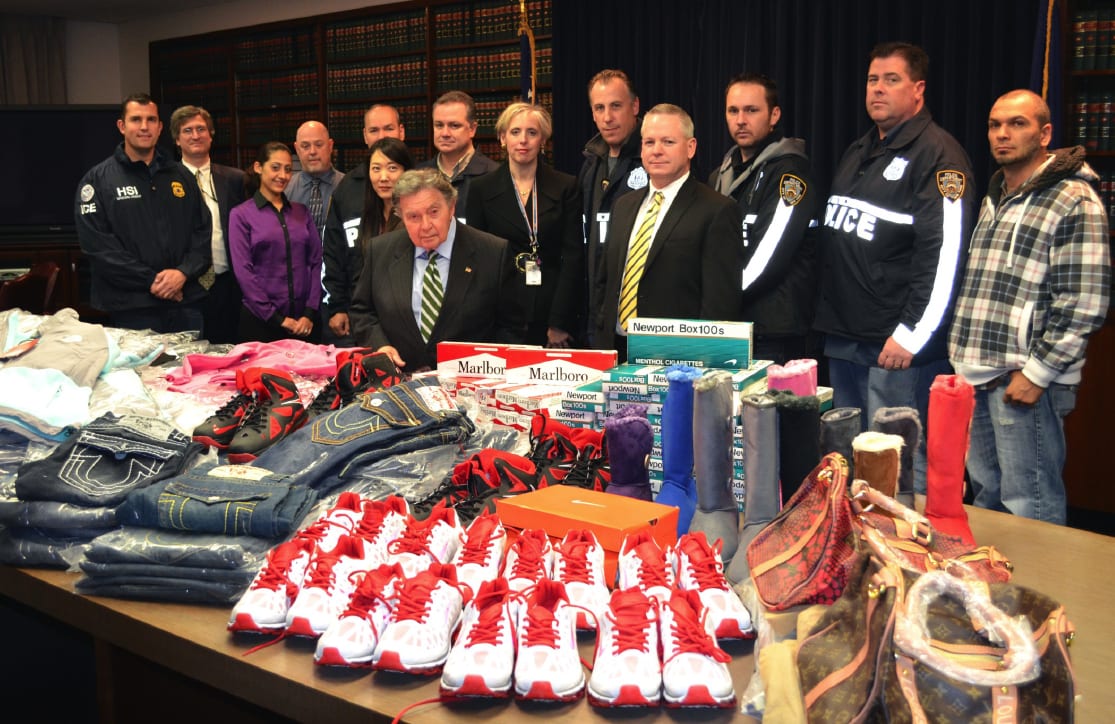
    Hong Kong Customs and police have raided four properties, seizing nearly 4000 fake items in an ongoing clampdown on counterfeit rings in the city.

    The raids occurred in Mong Kok and Tsim Sha Tsui and resulted in the arrests of four men aged 23-47.

    The seized goods have an estimated value of HK$3.37 million (US$434,000) were seized. During an operation, suspected counterfeit goods were found mixed among genuine products in a retail store in Mong Kok. They were sold at the discount price to the genuine products. After further investigation, Customs officers found some more suspected counterfeit goods in a warehouse in Tsuen Wan. A total of 438 suspected counterfeit goods were seized in this case, valued at about $1.17 million. The arrested 47-year-old man has been released on bail pending further investigation.

    Three other clandestine storehouses keeping and selling suspected counterfeit goods were also smashed by Customs during the operations. The enforcement actions there resulted in the seizure of about 3500 items of various kinds of suspected counterfeit goods for sale, including watches, handbags, leather goods and sunglasses, with an estimated value of around $2.2 million. Three men, aged 23 to 28, were arrested.

    The Customs Divisional Commander of Intellectual Property Transnational Investigation Division, Mak Wai-chung, said Customs and police will continue to conduct joint enforcement actions to more effectively combat the sale of counterfeit products. He reminded consumers to shop at retail stores with good reputations or at the official stores of the brands.

    Under the Trade Descriptions Ordinance, any person who sells or possesses for sale any goods with any forged trademark, or applies a false trade description in the course of trade, commits an offence. Upon conviction, offenders are liable to a maximum fine of $500,000 and imprisonment for five years.

  • PH opens mammoth casino-resort, seeking high-rollers

    PH opens mammoth casino-resort, seeking high-rollers

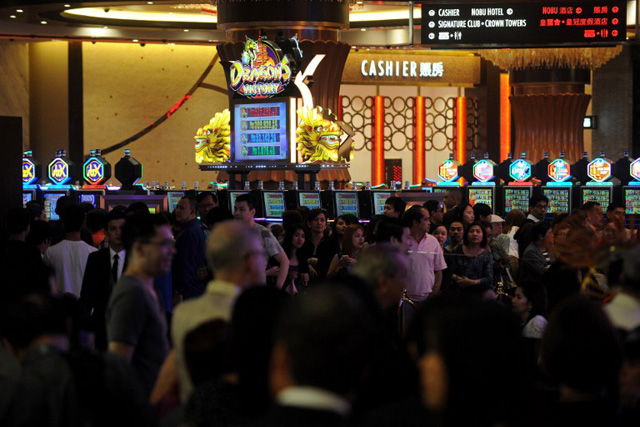
    The new casino is an imposing structure on Manila Bay with 6 gleaming golden towers surrounding a giant egg-shaped dome, and industry and government leaders hope it will attract cashed-up tourists from other parts of Asia

    Tourist and casino players arrive at the grand opening of the City of Dreams mega-casino in Manila on February 2, 2015. Photo by Jay Directo/AFP

    Manila aims to rival Macau and Las Vegas in terms of gaming revenues, and the “City of Dreams” is the latest in a string of casinos that have opened in recent years.

    The new casino is an imposing structure on Manila Bay with 6 gleaming golden towers surrounding a giant egg-shaped dome, and industry and government leaders hope it will attract cashed-up tourists from other parts of Asia.

    The casino is a joint venture between the country’s richest man Henry Sy, Australian billionaire James Packer and Lawrence Ho, son of Macau casinomogul Stanley Ho.

    “The goal is to find the best (sites) in Asia … The Philippines is one of the fastest growing economies anywhere in the world. We’ve seen the market really pick up,” Ho told reporters.

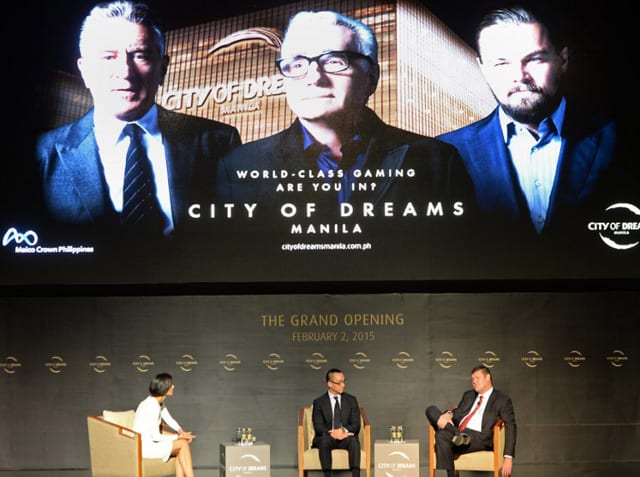
    Australian billionaire James Packer (right) and Melco crown co-chairman and with his co-chairman Lawrence Ho (center) during a press conference on the opening of the City of Dreams mega-casino in Manila on February 2, 2015. Photo by Ted Aljibe/AFP

    Ho also acknowledged the huge cost of building the resort. The Philippine government requires a minimum $1 billion investment for new casinos built in the area.

    Packer said jokingly that the resort was inspired by Hollywood movies “Casino” and “Oceans Eleven,” and Robert de Niro, Martin Scorsese, and Leonardo DiCaprio have appeared on giant billboards and TV commercials to promote the casino.

    The 6.2-hectare complex is the second of 4 mega resorts to open on reclaimed portions of the bay, just a few hundred meters from the city’s slum communities.

    The City of Dreams’ golden dome, called the “Fortune Egg,” houses two exclusive nightclubs, including Pangaea, where Picasso copies hang beside pictures of safari animals on walls covered in fake snakeskin.

  • Hong Kong mall coated in chocolate

    Hong Kong mall coated in chocolate

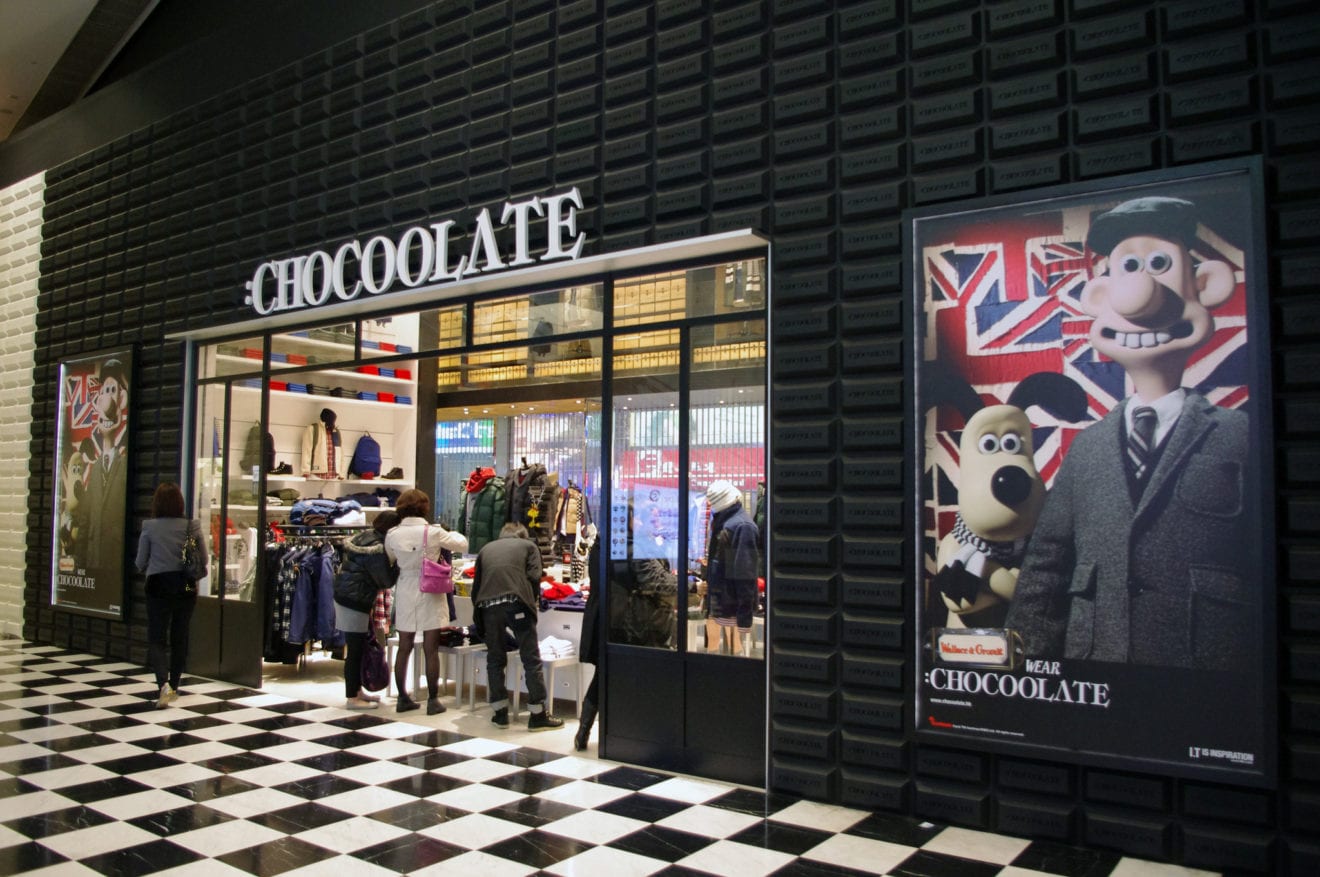
    Hong Kong’s Harbour City shopping centre is hosting its sixth annual Chocolate Trail until March 1.

    For five weeks Hong Kong’s largest shopping destination has been transformed into ‘ChocoLand’, offering visitors a unique ‘Bean-To-Bar’ journey to deepen their appreciation of how premium chocolate is produced and how to ‘maximise the tasting pleasure’.

    Chocolate Trail highlights will include an immersive and educational Chocolate Factory installation, chocolate workshops and seminars, live demonstrations by local and visiting chocolate master chefs, and interactive art exhibitions — all set against a backdrop of close to 30 participating Asian and European chocolate brands.

    Harbour City is home to 17 branded chocolate stores – the largest range under one roof in the city – including  Bvlgari Il Cioccolato (Italy), Dalloyau (France), The Library Cafe – Prestat Chocolates (England), Chapon (France) and Frederic Blondeel (Belgium).

    For the promotional period, another 10 pop-up stores have opened from chocolate brands originating in France, Belgium, Japan, Singapore and Hong Kong. Chocolate Trail will also celebrate the Hong Kong launch of The Royal Touch by Carolyn Robb (England) and zChocolat (France).

    The Chocolate Factory will take visitors of all ages on an interactive step-by-step “Bean-to-Bar” journey where they can experience the full chocolate production process – from planting a cocoa tree, fermentation and drying, to roasting, cracking, moulding and packaging. The Chocolate Factory will be in the mall, and will incorporate an interactive Chocolate Experience Gallery as well as a ChocoVan Cafe for visitors to sample a wide range of premium chocolate.

    The chocolate workshops will provide insights on subjects such as chocolate culture, awarded chocolate tasting from The International Chocolate Awards and chocolate and Chinese tea pairing recommendations. Topics include chocolate tea-pairing workshops, fine chocolate tasting, chocolate kids college and a Muji chocolate snacks cooking class.

    And the centre will host an interactive art exhibition From Cocoa to Choco – taking you through the Journey of Love by Belgian artist Ben Heine. With his original ‘Pencil vs Camera’ and ‘Flesh and Acrylic’ art forms, digital artist Heine will show a new series of artwork exclusively created  for the Chocolate Trail.

  • Aussie sushi chain lands in Hong Kong

    Aussie sushi chain lands in Hong Kong

    An Australian sushi restaurant chain has opened its first outlet in Hong Kong.

    And now Wasabi Warriors plans more stores in the city, along with expansion into the Philippines in February and Dubai later in the year.

    Hong Kong ‘Business Warrior’ Elga Wong said response to the first store’s opening was overwhelming.

    “It’s been so busy I haven’t even had a minute to catch my breath.

    “The experience has been phenomenal and we’ve received extremely positive feedback from customers with fresh and tasty being the most common words heard on the opening day.”

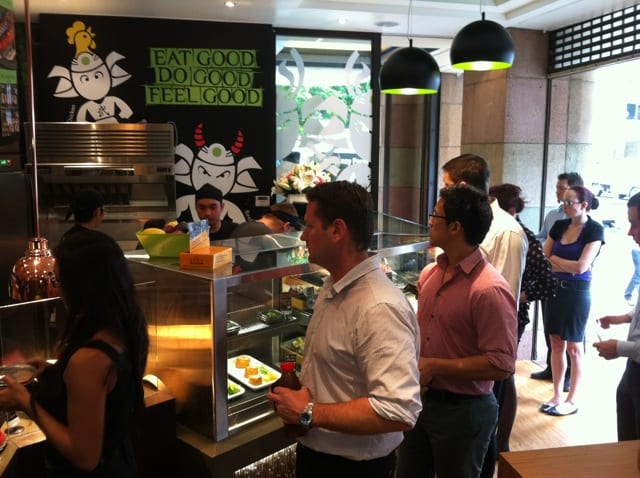
    Wasabi Warriors is owned by Australia’s Pacific Retail Brands, which also has Go Sushi and Kick! Juice Bars in its portfolio. The sushi concept is very environmentally focused, carefully sourcing ingredients from carefully selected suppliers. Using sustainable, free range and locally sourced authentic sushi, the brand says in Hong Kong it is staying true to its cause to ‘Eat good, Do good, Feel good’ by honouring their commitment to the ocean, earth and the animals.

    The chain’s menu includes freshly made sushi rolls, packs, gyozas and dragon bites.

    The Hong Kong store is on the ground floor of World Trust Tower, 50 Stanley St, in Central.

  • HK retail sales up 0.2pc in first 11 months last year; 2015 to be challenging for retailers

    HK retail sales up 0.2pc in first 11 months last year; 2015 to be challenging for retailers

    “The overall sentiment in the retail market has improved after the political protests, and retail sales have seen a mild increase in the last quarter. However, retailers need to be cautious of the gradual decrease in luxury consumption from mainland Chinese shoppers. This, coupled with expensive rents in first tier streets, may result in overall prime street shop rents falling up to 5 percent with premises in the second tier locations likely to experience a more significant decline,” said Joe Lin, Executive Director, Retail Services, CBRE Hong Kong.

    The “Occupy Central” protests have had no material impact on tourist arrival growth and overall retail leasing demand in the fourth quarter of 2014, according to the report. Retailers were initially cautious when the protests began to develop but confident was soon restored in the second half of the quarter as the protests in the core retail areas of the city prompted many shoppers to visit non-core retail districts where traffic and pedestrian flow was less affected.

    “Mainland Chinese tourists’ increasing preference for mid-range products instead of luxury goods also helped to route some shopper flow to non-core retail areas, a trend which mitigated the impact of the protests on overall retail sales during the quarter,” noted the report.

    Overall Hong Kong retail sales recorded mild growth of 2.8 percent year-on-year (y-o-y) in October and November combined – mainly driven by consumer durable goods – bringing growth for the first 11 months of 2014 to 0.2 percent. The sales of consumer durable goods grew 19.5 percent y-o-y in October and November combined, boosted by the strong sales of new smartphones released during the period.

    Watch and jewellery retailers continued to lead demand for the first tier street shops in core locations although sales dropped 6.7 percent y-o-y in October and November combined.

    “Weaker retail sales growth, greater economic and political uncertainty and the increased availability of space in fringe areas all combined to exert pressure on retail rents. Overall rents for prime streets shops remained largely stable during the fourth quarter with a slight drop of 0.2 percent q-o-q, with the exception of Central witnessing a modest fall of rents by 0.8 percent q-o-q due to softer demand from luxury brands,” says the report.

    The increasing trend for Chinese tourists to shop for luxury goods in other markets will continue to prevent high-margin luxury brands from expanding aggressively in Hong Kong. CBRE predicts that the leasing market will be driven by mid-tier brands which appeal to both locals and tourists.

  • Could HK lose its status as a luxury shopping destination to South Korea?

    Could HK lose its status as a luxury shopping destination to South Korea?

    The popularity of South Korean pop culture and products in China shows no signs of abating, as South Korea has seen more Chinese shoppers than ever, but it could come at a cost to Hong Kong. Erwan Rambourg, a consumer goods analyst for HSBC and the author of “The Bling Dynasty,” has seen the surge  in shoppers first hand. He estimated that Chinese shoppers accounted for around 70 percent of South Korea’s duty free sales and accounted for about one third of all luxury purchases in the country, reports The Wall Street Journal.

  • Chinese luxury market trends for 2015

    Chinese luxury market trends for 2015

    The Chinese luxury market has gone through changes in 2014 driven by changes in consumer behavior and the government crackdown. What can we expect in 2015?

    The recent Ruder Finn and Ipsos’s China Luxury Forecast survey provides a glimpse into what we can expect in luxury consumer trends for 2015 in domestic retail, travel, duty free shopping, and e-commerce.

    Ruder Finn and Ipsos surveyed over 1,900 consumers in mainland China and Hong Kong from first, second, and third tier cities, reports Luxury Daily. The average annual household income for those surveyed was $125,000 for those on the mainland and HKD126,900 in Hong Kong.

  • HK Fashion Week to feature fashion talents, new trends

    HK Fashion Week to feature fashion talents, new trends

    The 21st HKTDC Hong Kong Fashion Week for Spring/Summer will feature more than 40 events, including fashion parades, seminars and forums and demo sessions that highlight new fashion talents and trends.

    The fashion parades will showcase established designers and brands, as well as new design talents and creative student works, while seminars and presentations are hosted by international trend forecasting agencies and local industry bodies.

    Ten house shows will be staged at the fair, and young designers are ready to show their creativity to international buyers.

    Fashionally Collection #3, will showcase 11 past winners and finalists of the Hong Kong Young Fashion Designers Contest, such as designs from Nelson Leung, the Overall Winner and Contemporary Day-Wear Group Winner this year.

    Four shows from the Chinese University of Hong Kong, Hong Kong Polytechnic University, Hong Kong Design Institute and Hong Kong Raffles School of Continuing Education will be staged to highlight collections of student designers.

    Moreover, international beauty brand NARS Cosmetics will unveil its nail collaboration with famed fashion designer Philip Lim – the 3.1 Philip Lim for NARS Nail Collection includes nine limited edition nail shades inspired by the “colours that exist in the shadows”.

    NARS will also collaborate with three local young designers – namely Elizabeth Lin, Mim Mak and Mountain Yam and launch its new Dual-Intensity Eye Shadow at Hong Kong Fashion Week.

    Buyers interested to learn more on technology advancement in the apparel industry should not miss the introduction of RFID solutions for production efficiency and energy-saving and the seminar on making use of accredited testing to tap into the global market.

    Always evolving, Hong Kong Fashion Week for Spring/Summer adds Activewear & Sportswear and Cashmere & Wool to its zones lineup. As its name implies, the former offers functional apparel to cater for dynamic market demand; while the latter gathers exhibitors with a wide range of cashmere and wool made outfits.

    Meanwhile, the small-order zone expects to feature 150 garment racks and showcases for buyers who require low volume supplies.

    The Hong Kong Fashion Week for Spring/Summer is expected to attract around 1,200 exhibitors from 18 countries and regions, with first time exhibitors from Madagascar, Morocco and Thailand.